Einkaufswagen
0
80% Das wurde ebenfalls hinzugefügt

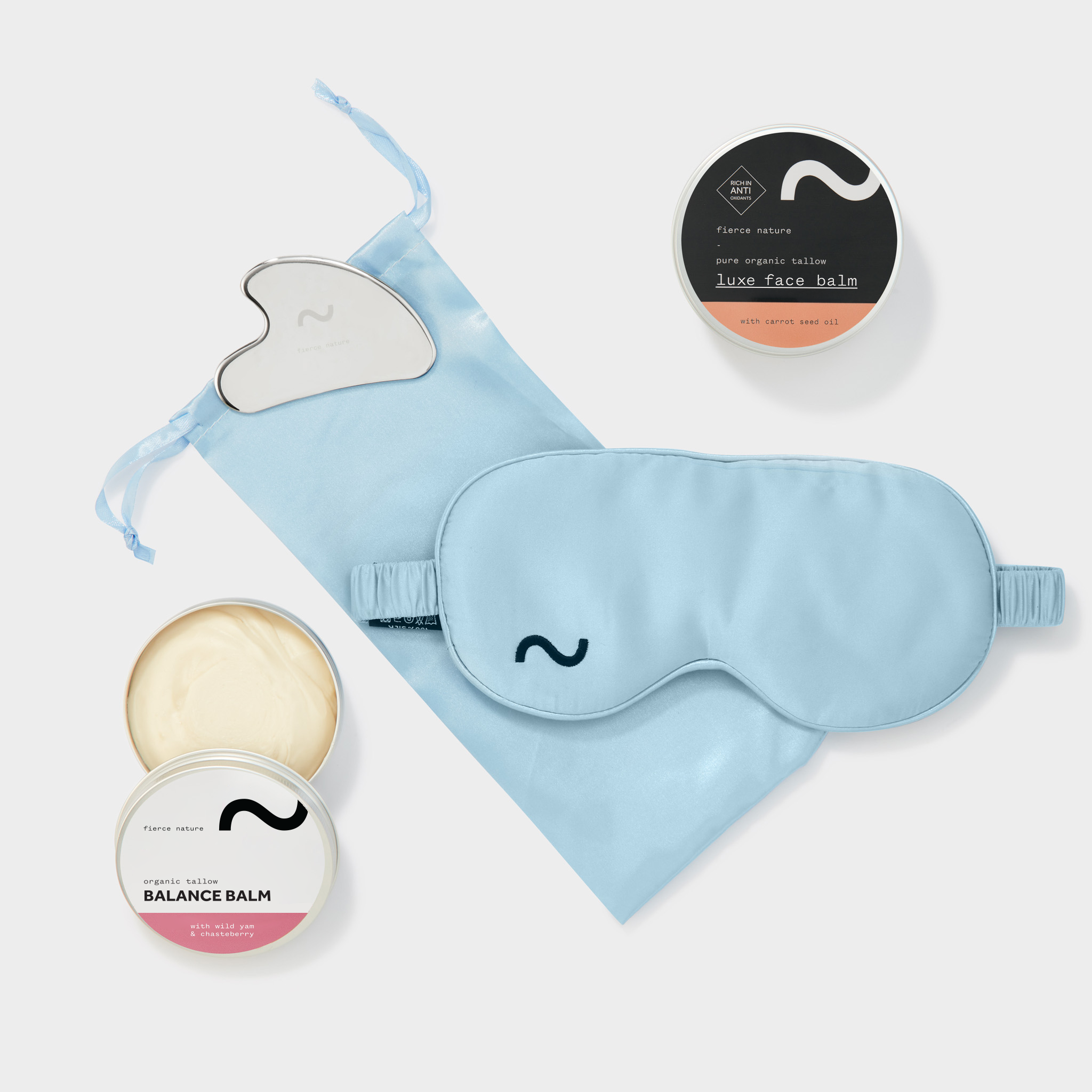
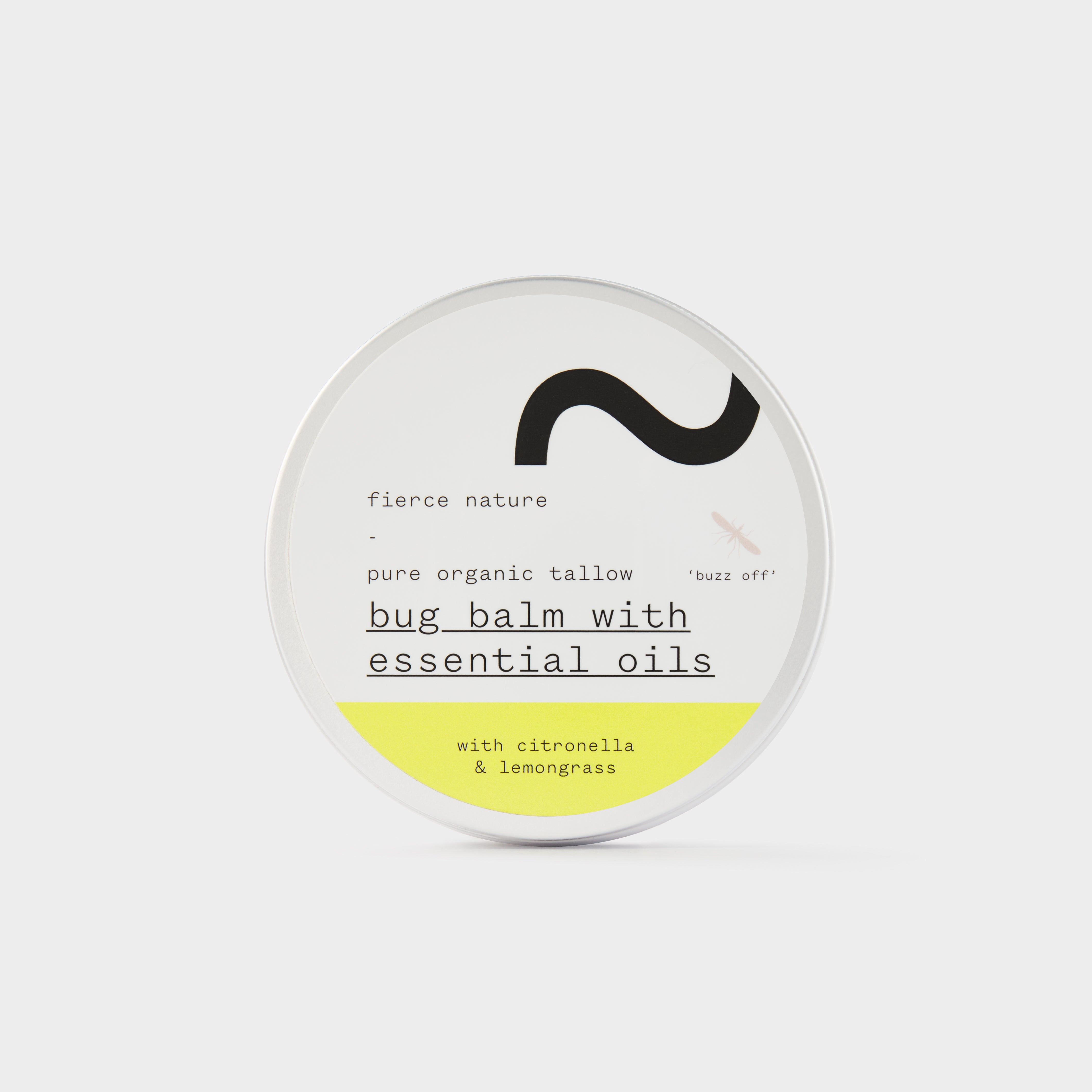
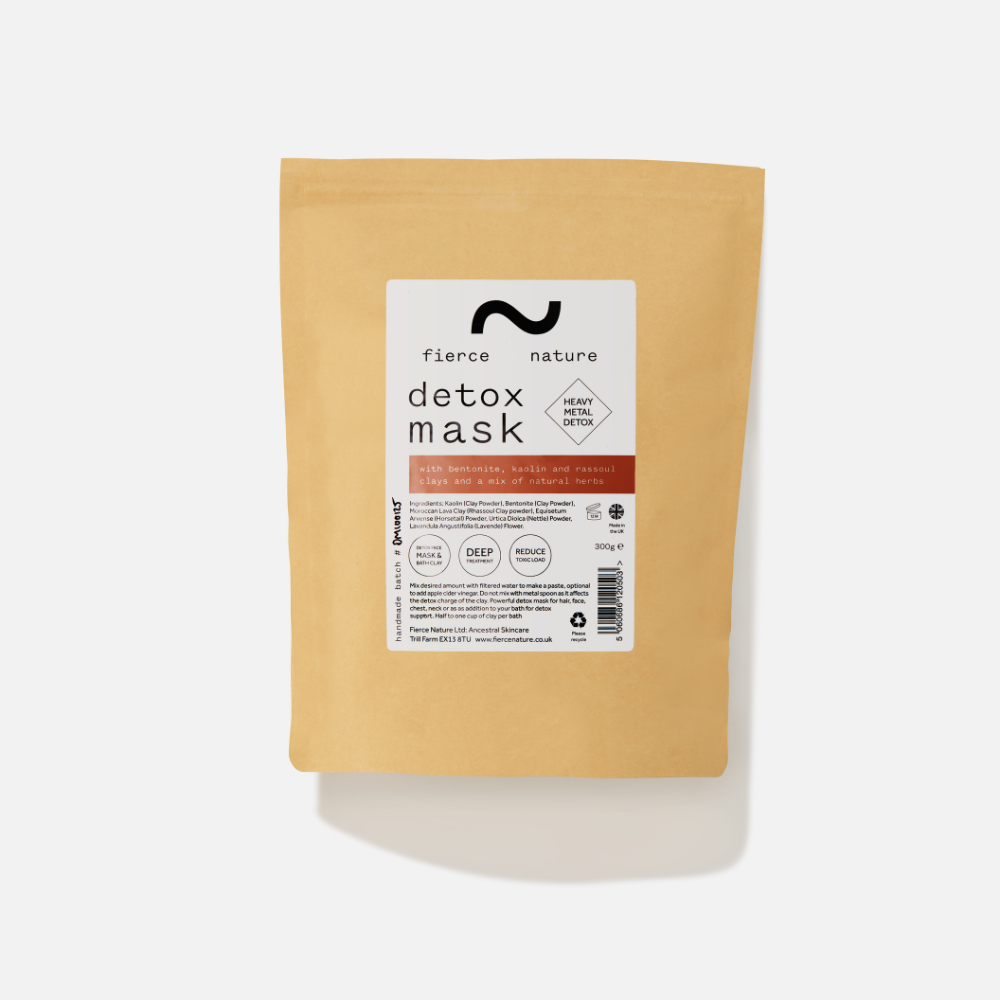
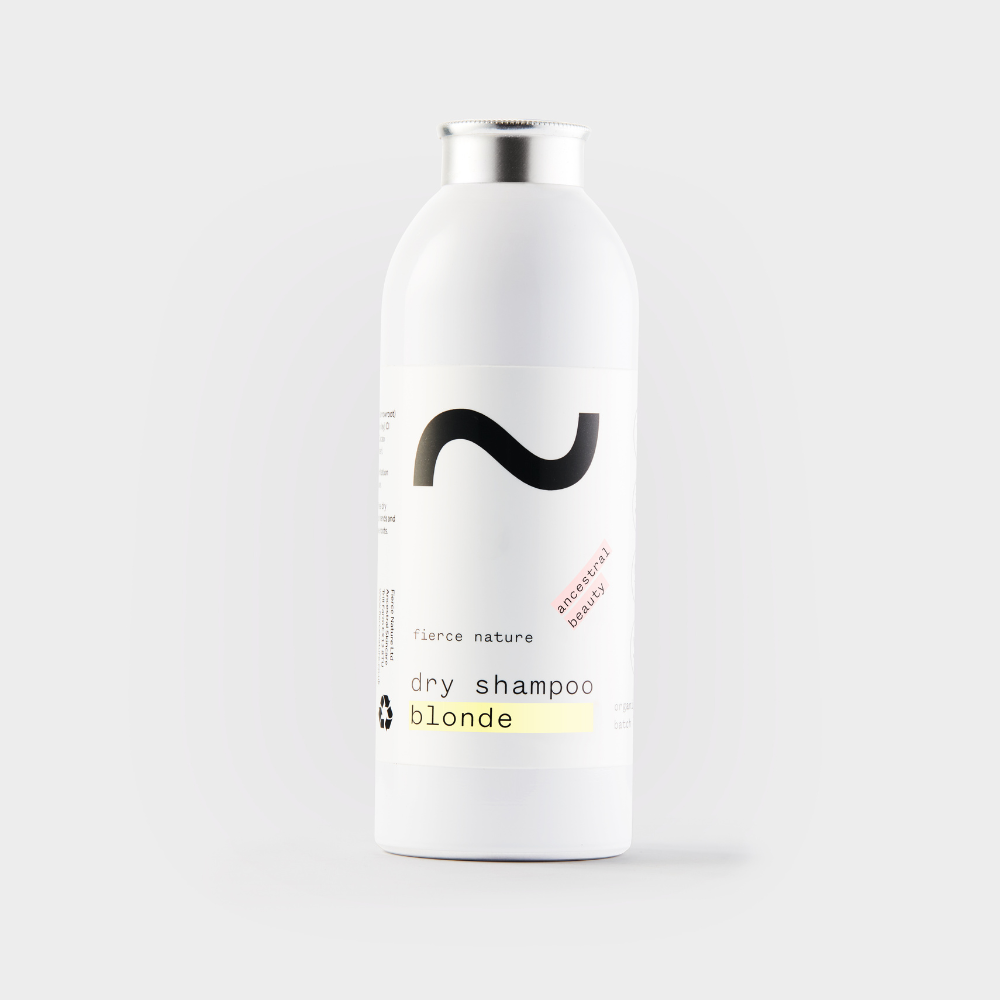
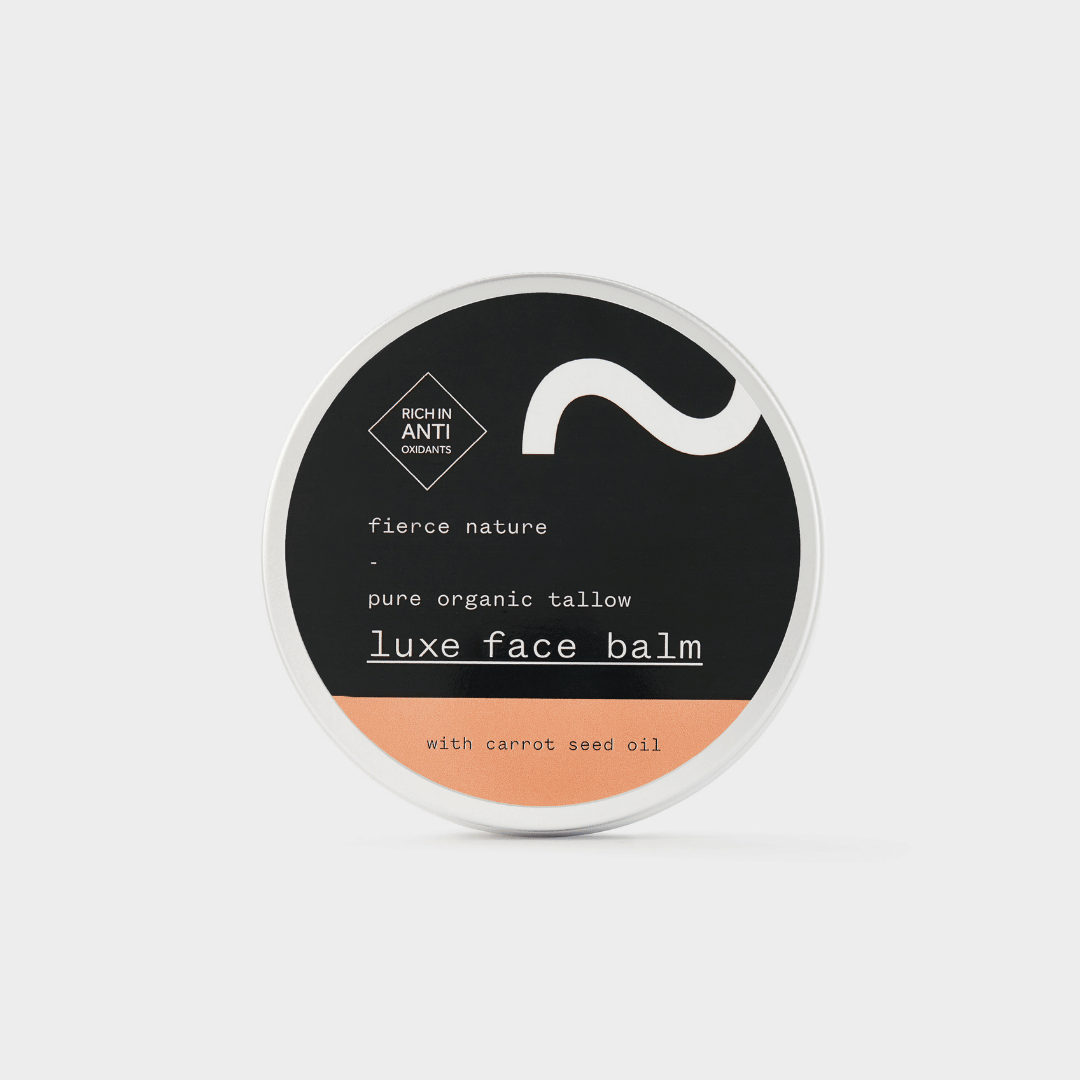
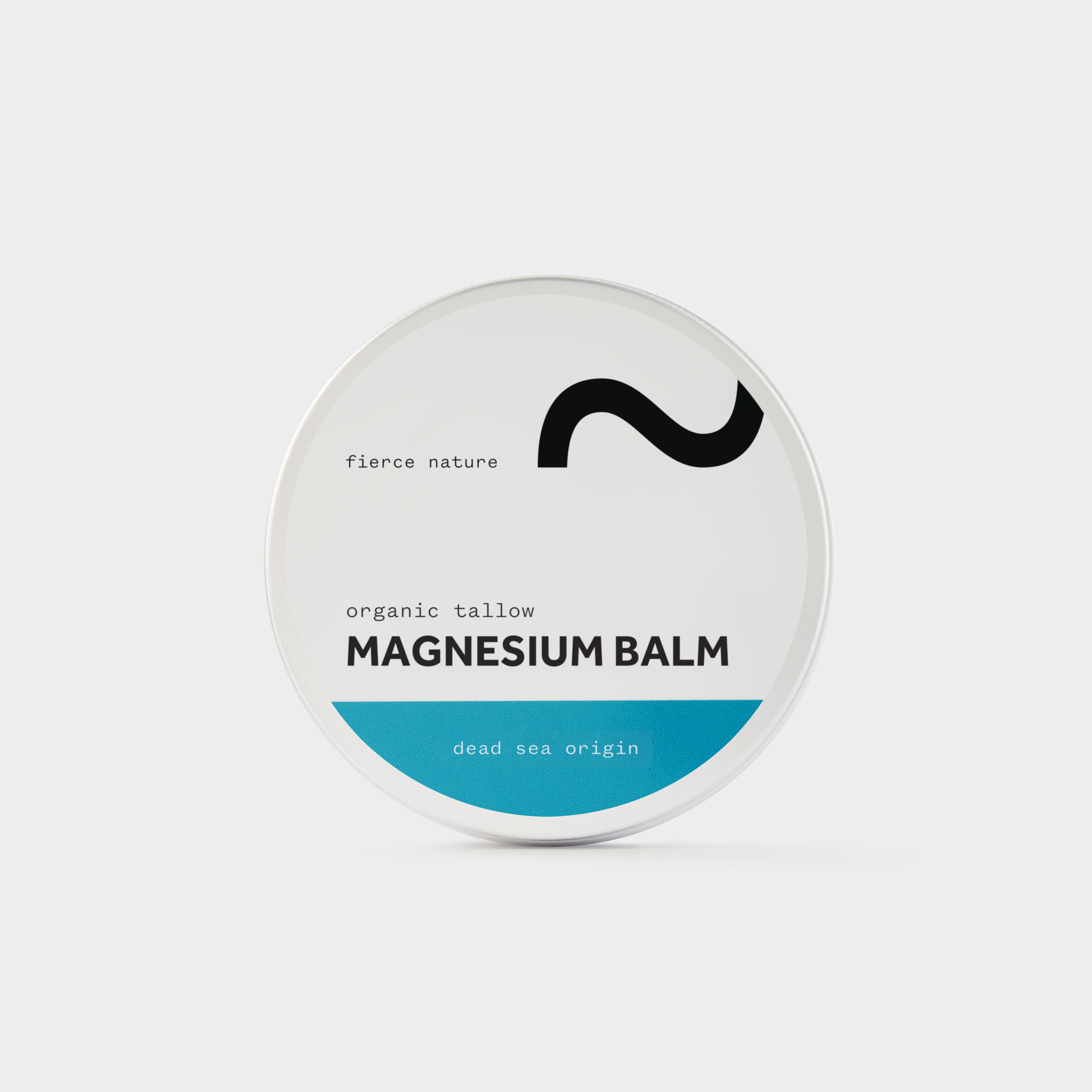
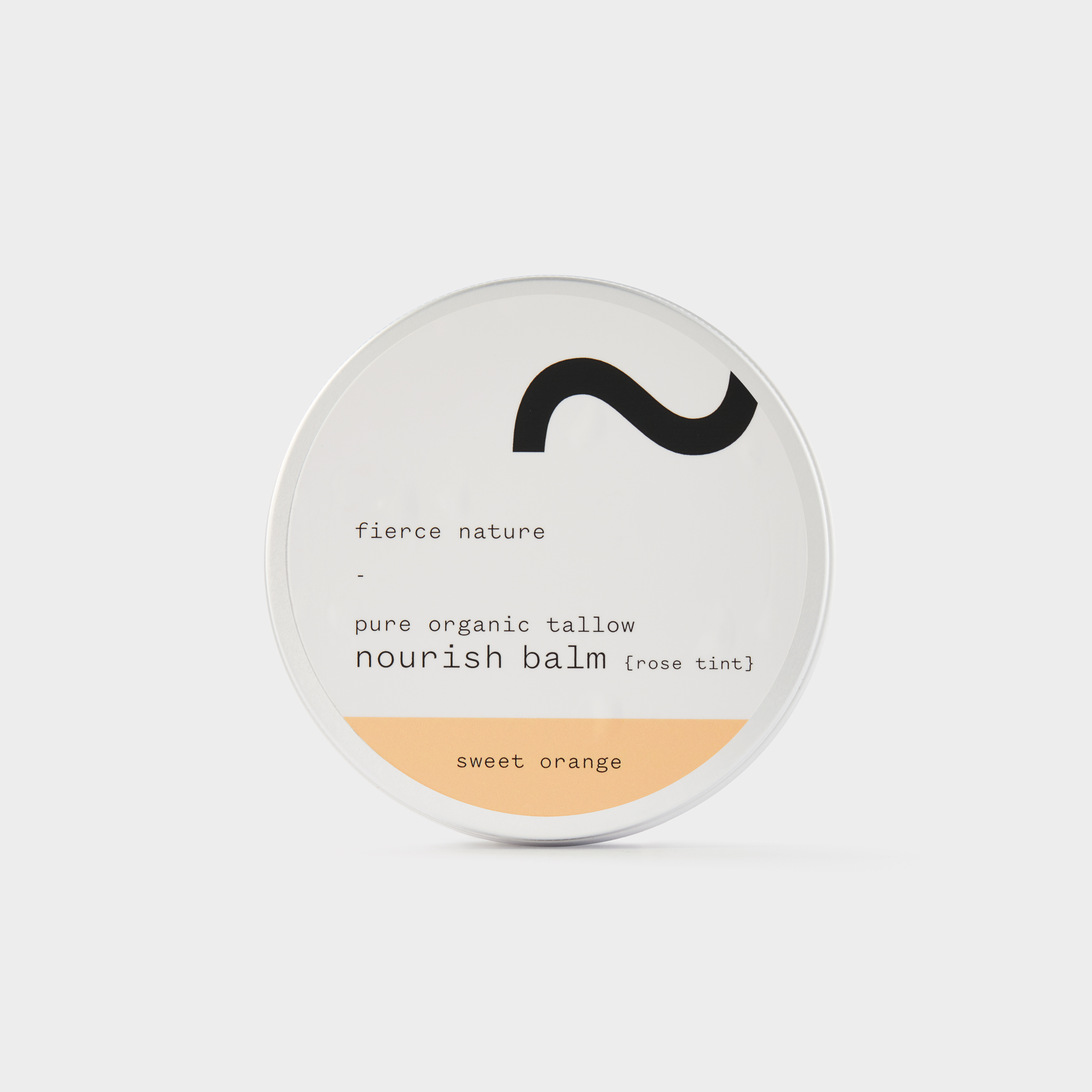
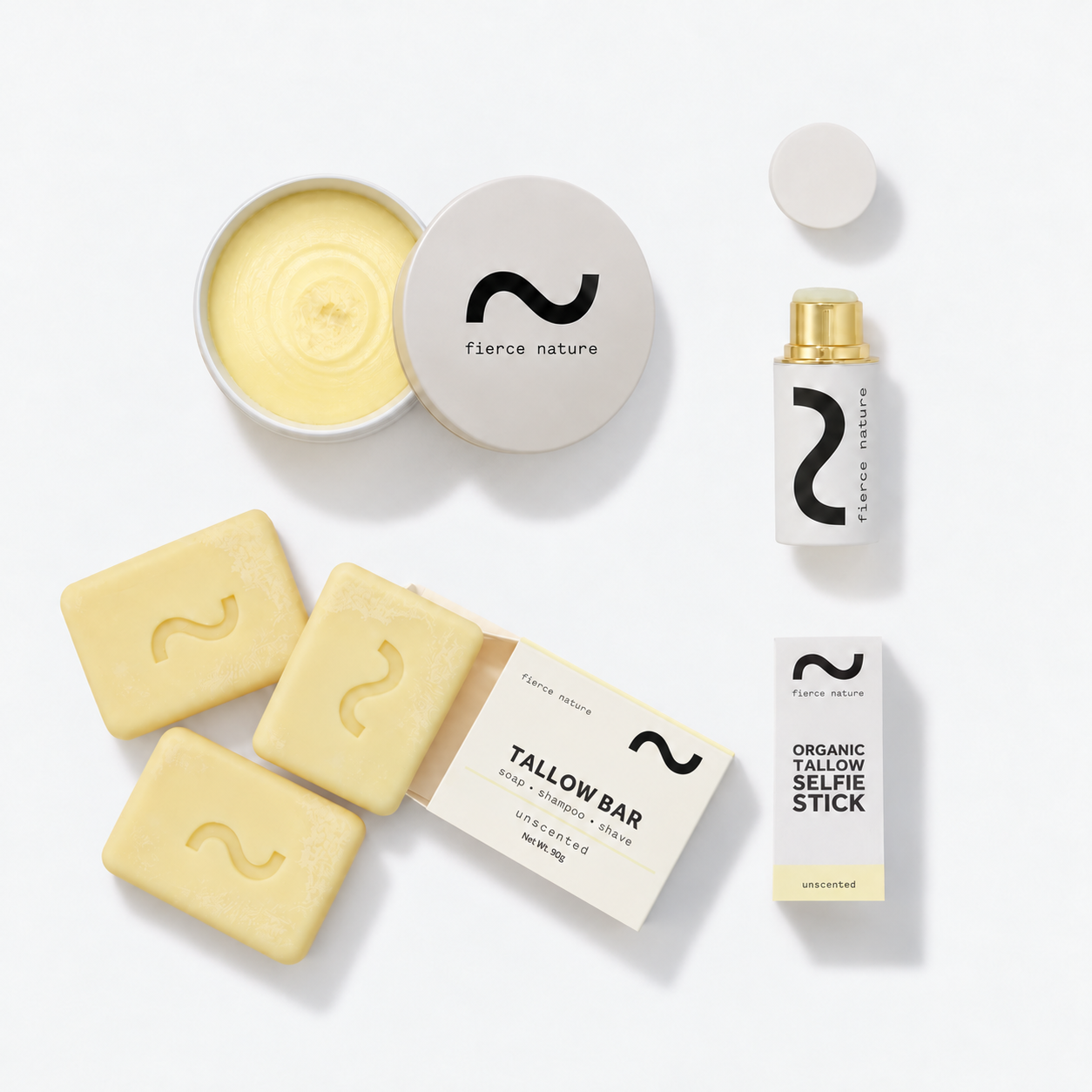


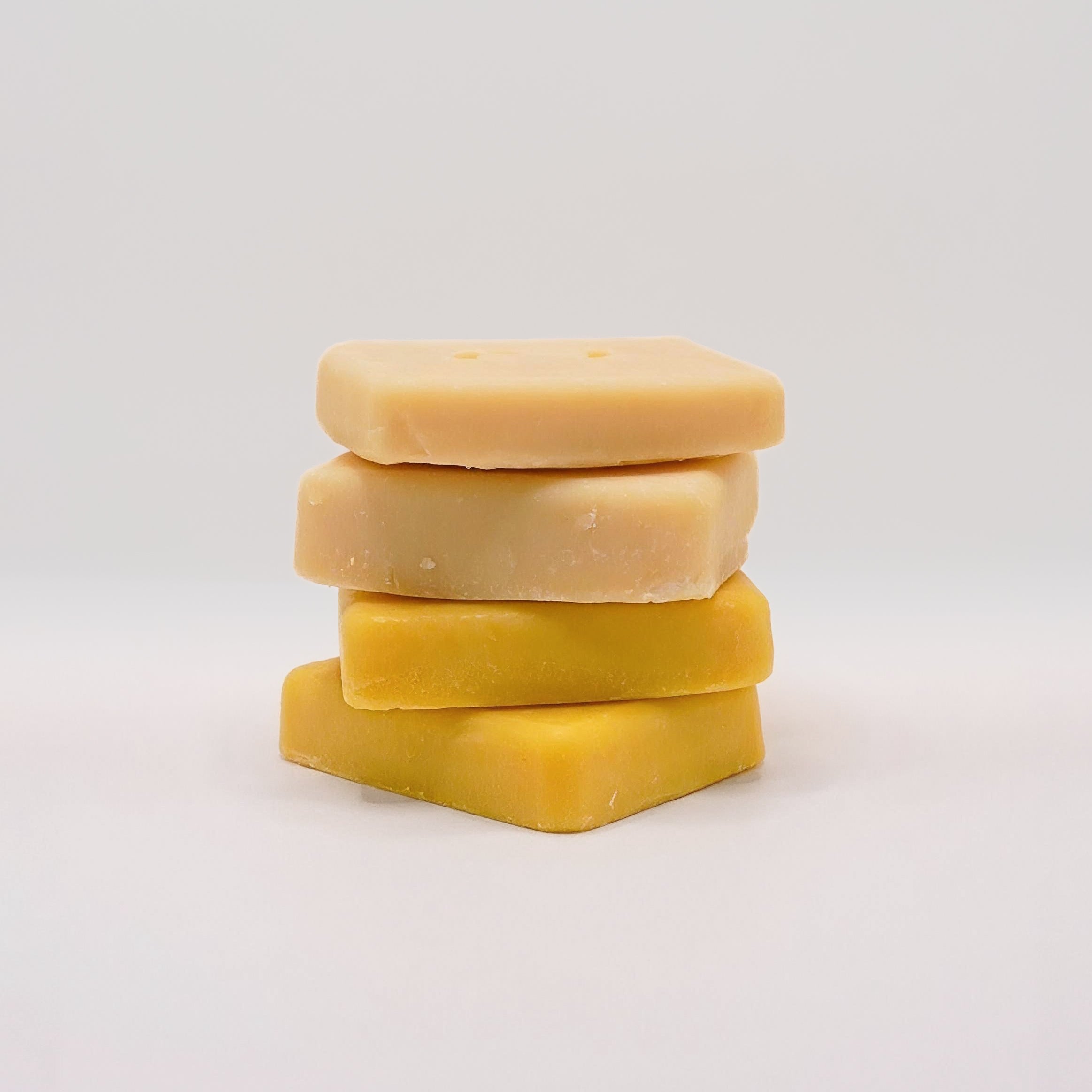



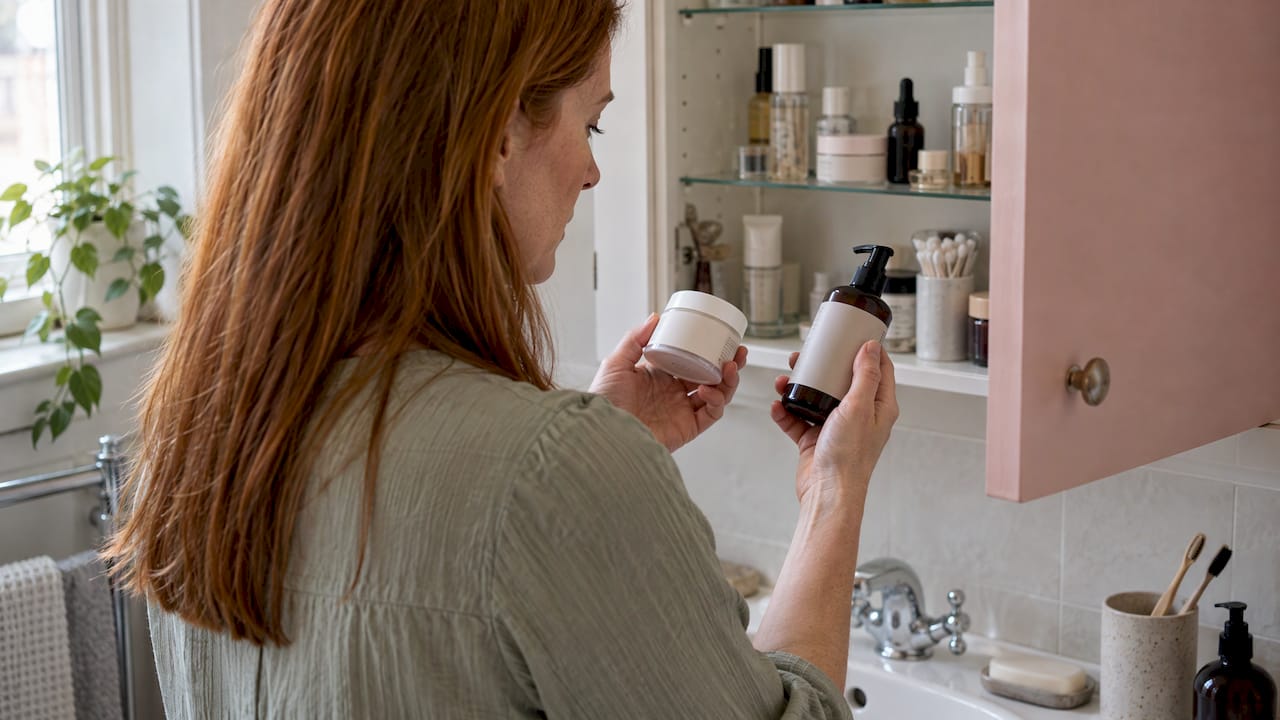
If your skin turns red, itchy or sore after using a scented cream, soap or balm, fragrance is one of the first things to look at. A fragrance allergy is a delayed reaction of the skin to one or more scent ingredients, and the way to manage it is to find out which ones affect you, learn to spot them on UK labels, and choose simple products without added scent. This guide walks you through the signs, the diagnosis, the label detective work and a gentle routine, written the way we would talk it through with a friend.
Fragrances sit among the ingredients most often linked with allergic contact dermatitis from cosmetics. The mechanism is worth understanding, because it explains why reactions can seem to come from nowhere.
An allergy needs a first step called sensitisation. Your immune system meets a fragrance compound on your skin, perhaps repeatedly over months or years, and quietly learns to treat it as a threat. Nothing happens at that stage. After that, every later contact can trigger a delayed reaction, which is why you can use the same body lotion for years and then suddenly find your skin objecting to it.
Dermatology references put fragrance allergy at roughly 1% of adults and a little under 2% of children and adolescents. Those figures are for confirmed allergy. Many more people notice skin that simply feels irritated by strongly scented products, which is a related but different problem.
Both can leave skin red and uncomfortable, and in daily life they overlap. The difference matters mainly for how you manage it:
In practice, if you keep reacting to scented products but cope better with plain ones, treat fragrance as a suspect and get it properly investigated.
Fragrance dermatitis most often affects the places where we apply scented products: hands, face, neck and underarms. Common signs include:
Patterns give clues. Streaky marks on the neck where perfume landed, a rash on the sides of the face from a scented cream, or sore, cracked hands after a fragranced hand wash all point towards a contact reaction. Scent can also drift through the air, so some people notice symptoms on exposed skin after being near a strongly scented product, even without applying it directly.
Timing is the tricky part. Because the response is delayed, the rash can appear a day or two after the product that caused it, which makes it easy to blame the wrong thing. A simple diary helps: note every product you use, including shampoo, washing powder, wipes and hand gel, and when your skin flares.
Skincare is only part of the picture. Fragrance turns up in:
A UK case report described a patient whose allergy to fragrance ingredients, including linalool and limonene, was confirmed by patch testing after using fragranced hand gels. Everyday items count.
Patch testing is considered the gold standard for diagnosing contact allergy. History and appearance alone are not always reliable for pinpointing the cause, because so many products share so many ingredients.
In the UK, patch testing is usually done in hospital by a dermatologist. Small amounts of common allergens are applied to the upper back and the skin is checked over several days. Fragrance allergens form part of the standard series, including the fragrance mixes that the British Society for Cutaneous Allergy describes in its patient leaflets.
If you suspect fragrance, speak to your GP about a referral to dermatology. Do not rely on trying to test wash-off products yourself: patient guidance from UK dermatology nursing groups points out that many of these cannot be tested reliably at home because of the potential for irritation. Knowing exactly which ingredient you react to is a huge advantage, since you can then avoid that specific compound rather than every scent on the shelf.

This is where most of your day-to-day control lies. In Great Britain, cosmetic labels must list ingredients, and certain well-known fragrance allergens must be named individually once they pass set levels: above 0.001% in leave-on products such as balms and creams, and above 0.01% in rinse-off products such as soap and shampoo.
Here is what to look for.
These are the labelling terms for a fragrance blend. One word can cover many separate compounds, and the formula behind it does not have to be spelled out. If you are allergic to fragrance, either term is a signal to put the product back.
Individual fragrance allergens appear by their chemical names. Linalool and limonene are two common ones, and you will see others such as geraniol, citronellol, citral, eugenol, coumarin and hexyl cinnamal. These can come from synthetic fragrance or from natural sources such as citrus peel and lavender. If your patch test result names a compound, keep that name on a note in your phone and check every label against it.
Allergy UK advises checking for “Parfum” and also steering clear of fragranced plant extracts, which may appear under a Latin name, for example Lavandula angustifolia for lavender. Essential oils are concentrated aromatic compounds, so they can set off a fragrance allergy just as a synthetic perfume can.
Terms such as “gentle”, “pure”, “botanical” or “dermatologically inspired” tell you little. The ingredients list on the back is the only reliable guide. If you would like a walk-through of the layout, our UK skincare label reading guide and our guide to reading cosmetic ingredient labels in the UK cover it step by step.
These terms are easily confused, and the differences matter when you are managing an allergy.
We also wrote about the difference between parfum and so-called safer fragrance, and about the benefits of unscented skincare products, if you want to go deeper.
If you are allergic to fragrance, the broad rule is to avoid products that are unlabelled or that contain any fragrance. Choose items labelled fragrance-free and confirm on the ingredients list.
When the skin barrier is calm and well fed, it copes better with the everyday world. That is the thinking behind our own approach: fewer ingredients, clearly listed, and nothing added just to make a product smell appealing.
The most useful thing you can do is shrink your routine for a while. Every extra product is another chance for a hidden trigger. A simple pattern might look like this:
If eczema is part of your story, our two-step routine for eczema-prone skin pairs an unscented soap with a nourishing balm, and our article on choosing between unscented and scented skincare bundles helps you pick the right set.
When your skin has settled, add new products slowly, one at a time, with at least a couple of weeks between them. If something flares, you will know exactly which product to stop. Adding three new things at once is the quickest way to end up with a rash and no idea why.
For leave-on products such as balms, creams and tints, the British Society for Cutaneous Allergy suggests a simple home method: apply the product to a 2cm square on your forearm twice a day for two weeks. If there is no reaction in that time, it is likely to be safe to use more widely. If you do react, stop and wash the area with plain water.
A few practical points:
Our own walkthrough, how to test skincare products for sensitive skin, sets the steps out in a printable-friendly format.
Start with the basics. Stop using the product you suspect, and pause other cosmetics on the affected area. Rinse gently with lukewarm water and pat the skin dry.
Allergy UK’s guidance on cosmetic reactions describes treatment as stopping cosmetics on the affected skin for a time, using a soap substitute and an emollient, sometimes with a steroid cream prescribed or advised by a clinician, and then identifying the allergens to avoid in future. A pharmacist can talk you through what is suitable for mild skin reactions, and your GP can prescribe stronger treatment if needed.
Fire safety. If you use emollients generously, note the NHS-aligned advice from UK skin health charities: emollients can make clothing, bedding, dressings and hair catch fire more easily. Keep well away from naked flames and lit cigarettes.
Book an appointment with your GP if:
If you ever have swelling of the lips, tongue or throat, difficulty breathing or feel faint, call 999. That is an emergency, not a skin reaction to manage at home.
Yes, with a bit of planning. Many people with a fragrance allergy are sensitive to certain compounds, not all of them. If you know from patch testing exactly what you react to, you may be able to find a perfume that leaves it out. The British Society for Cutaneous Allergy suggests testing one product at a time on a 2cm patch of forearm, twice a day for two weeks, before trusting it.
Some gentler ideas:
If airborne scent triggers your symptoms, tell friends and colleagues politely. Most people are happy to adapt once they understand.
We started Fierce Nature because of our own experience with skin. Growing up in South Africa with mainstream cosmetics, shaving gels, hair removal creams and lipsticks, our founder battled with rashes and reactions and could never understand why. Years of work around gut health and the toxic load our bodies carry made one thing clear to us: the promises on beauty packaging often do not match what is inside it.
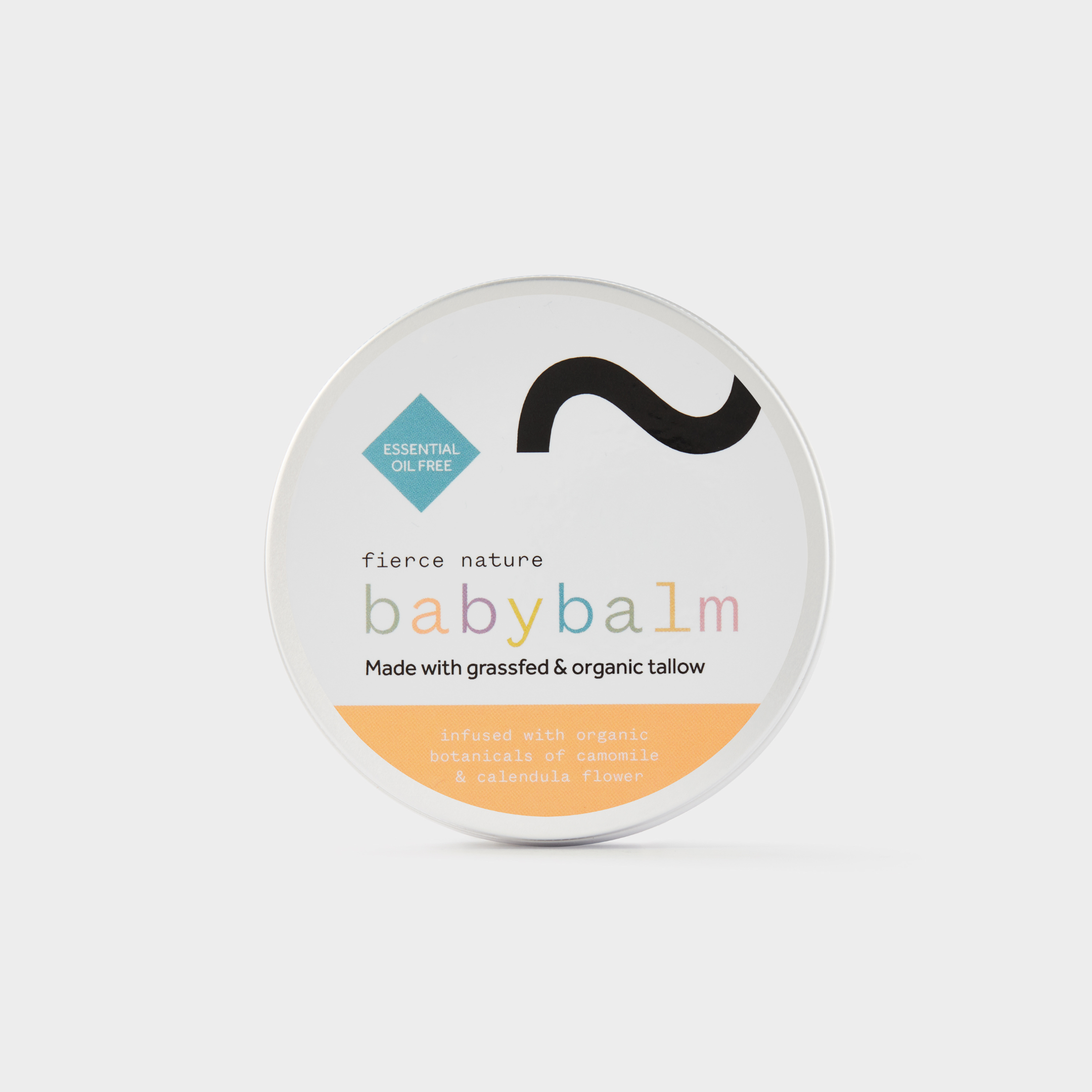
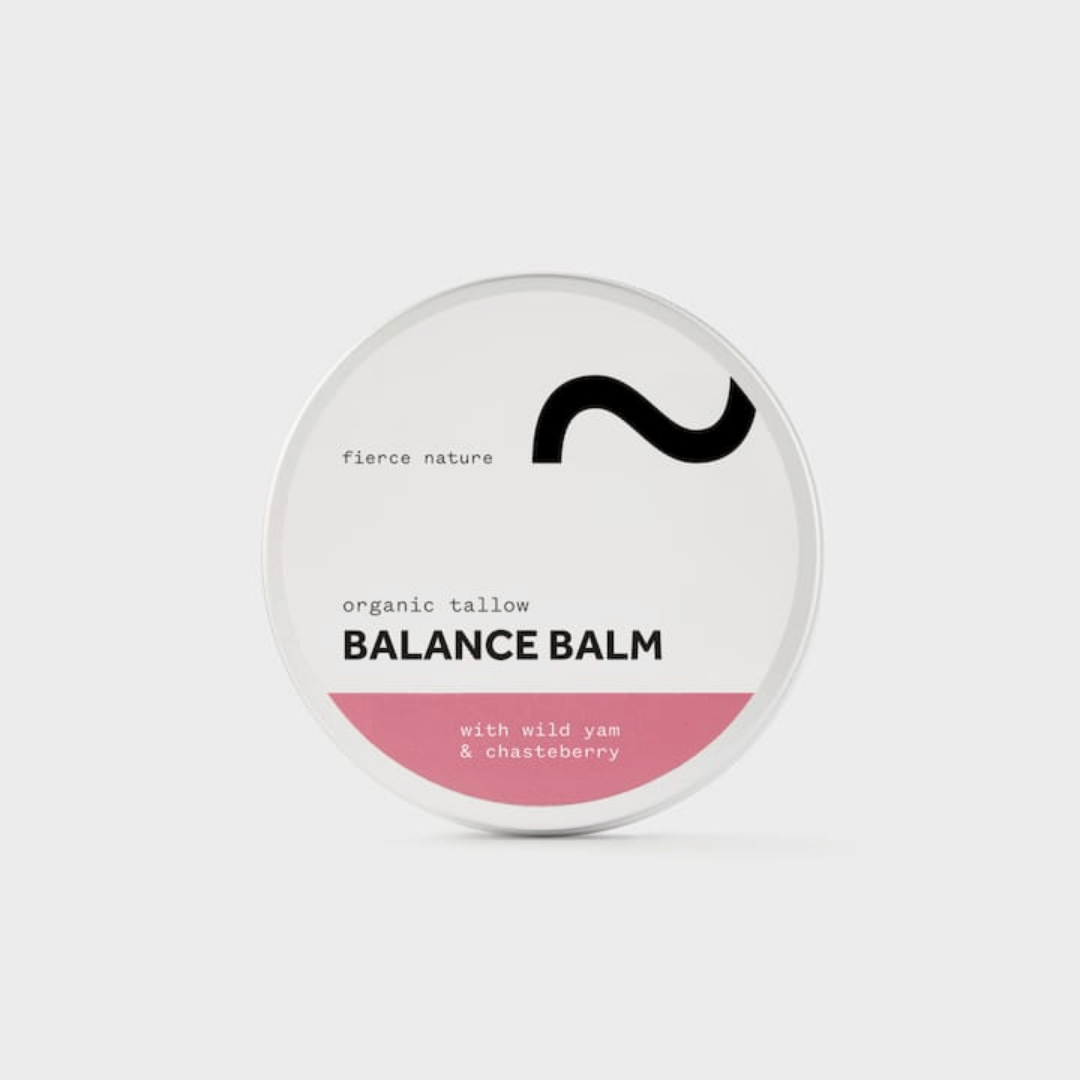
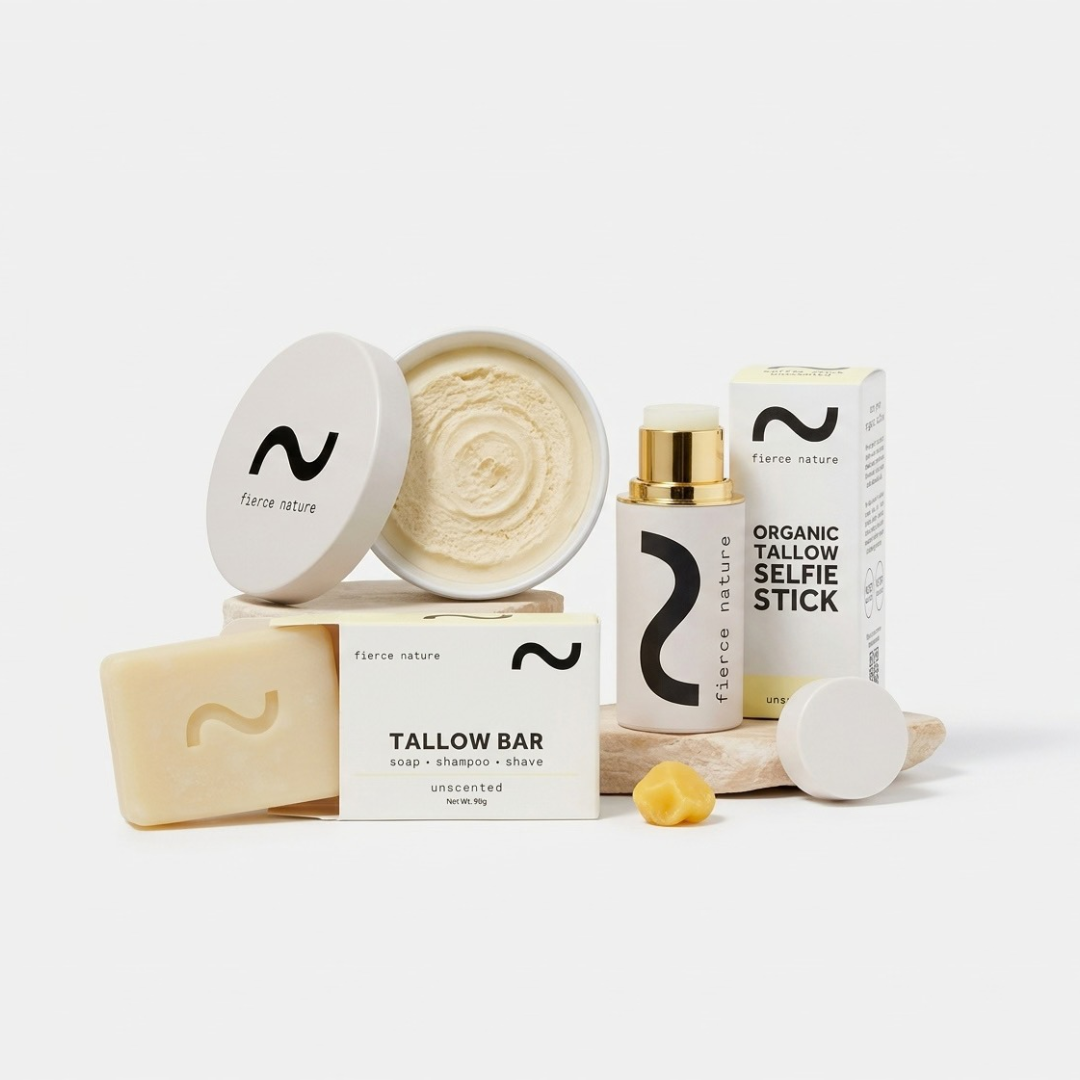
That is why we believe in doing less, and doing it openly. Our products are handmade in the UK with naturally sourced ingredients and pure organic tallow as the foundation. Tallow is a traditional skin emollient, used for centuries, and we love it because it nourishes skin deeply and works with your skin, not against it. We see no reason to cover that with a perfume.
For anyone managing a fragrance allergy, we think the kindest approach is a short routine, a clear ingredients list and products that let your skin simply be nourished. Our range includes unscented options, and we publish our thinking on why we avoid synthetic fragrances on skin. Always read the ingredients on the product page before you buy, and use what you know about your own triggers.
Fierce Nature
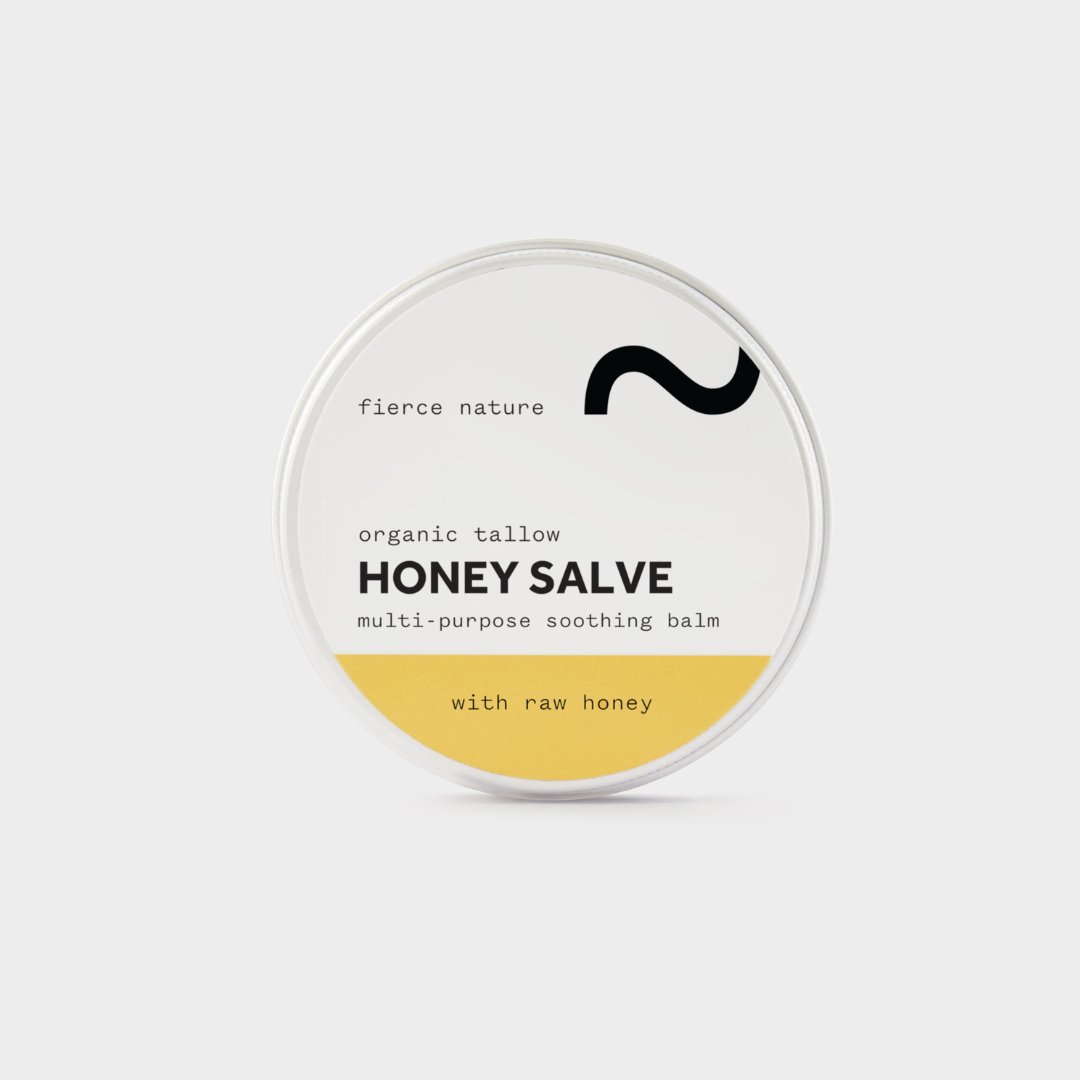
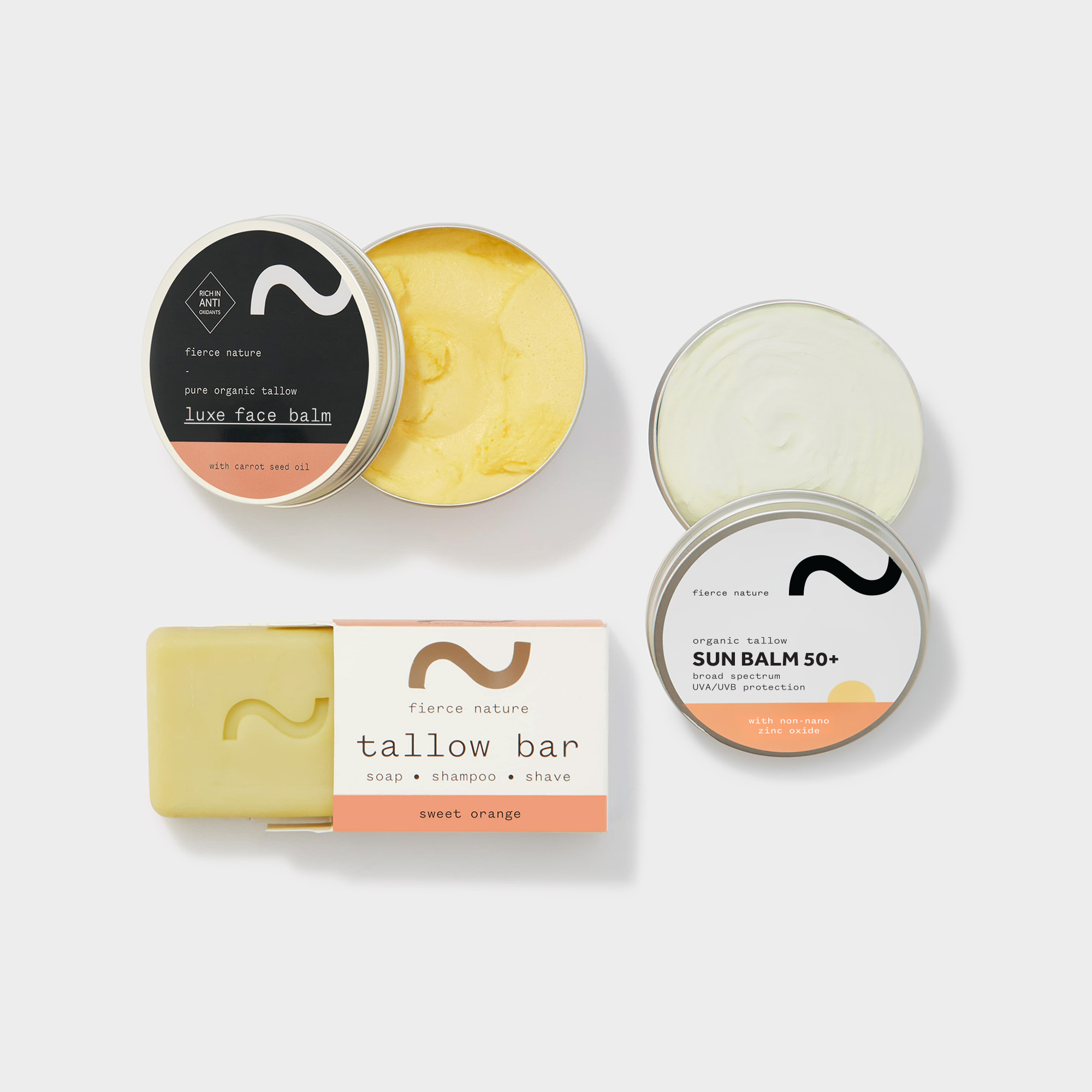
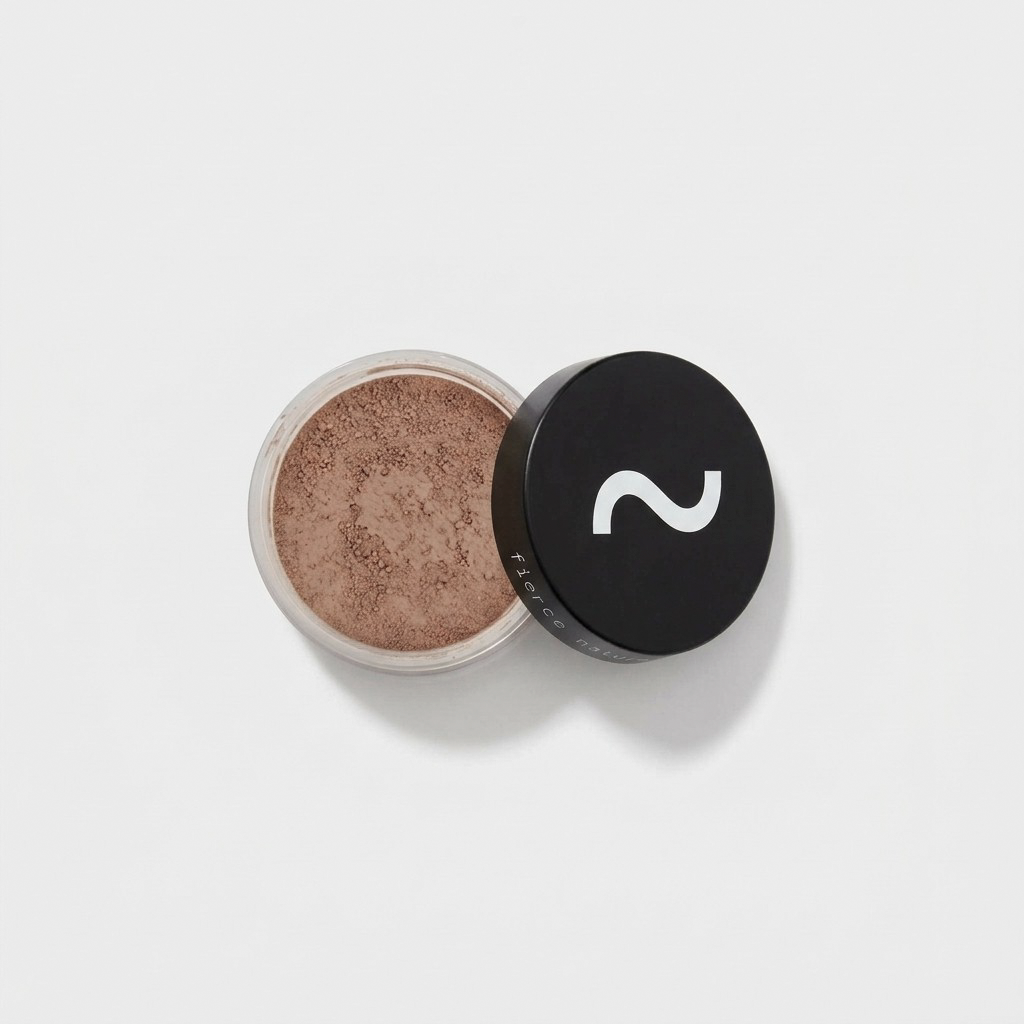
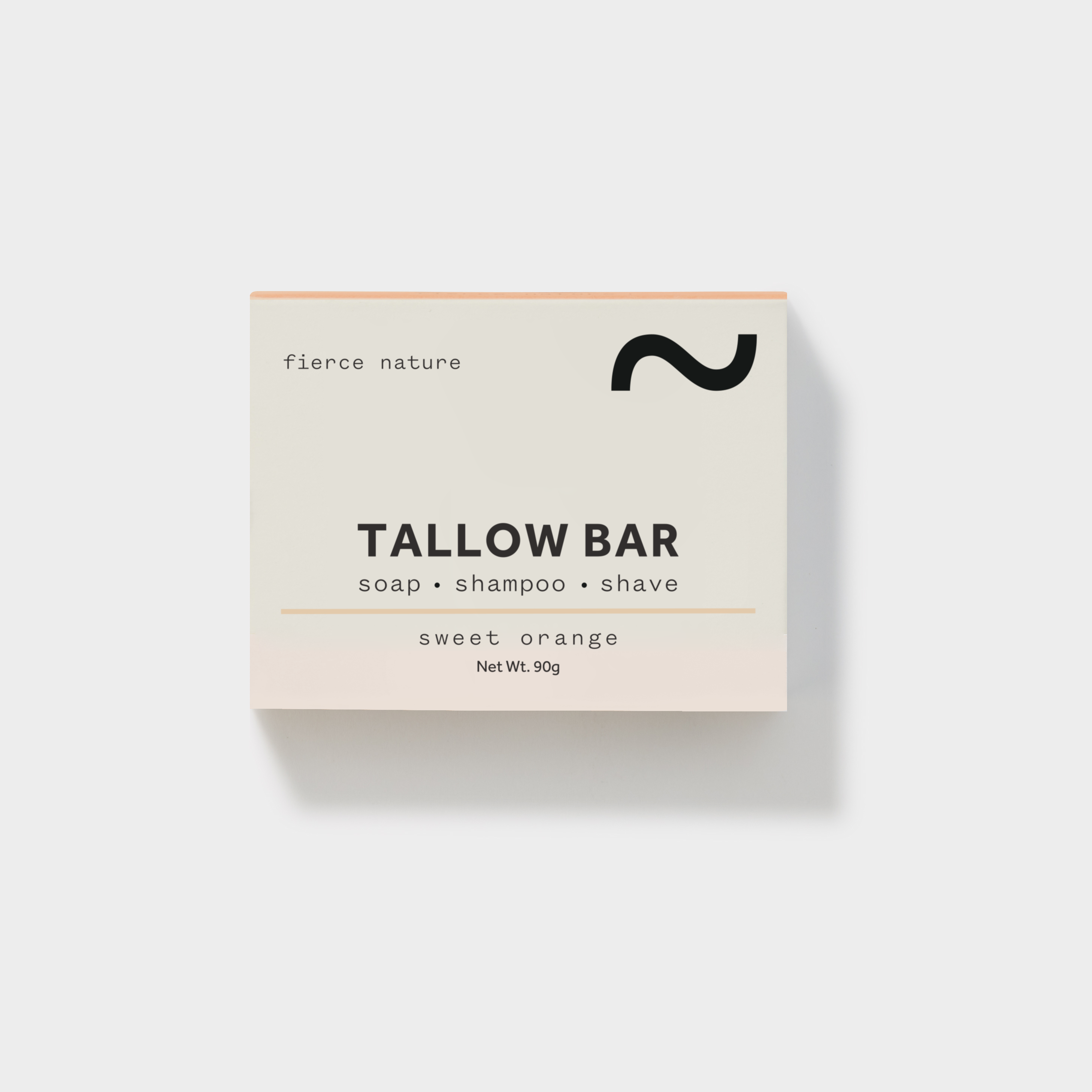
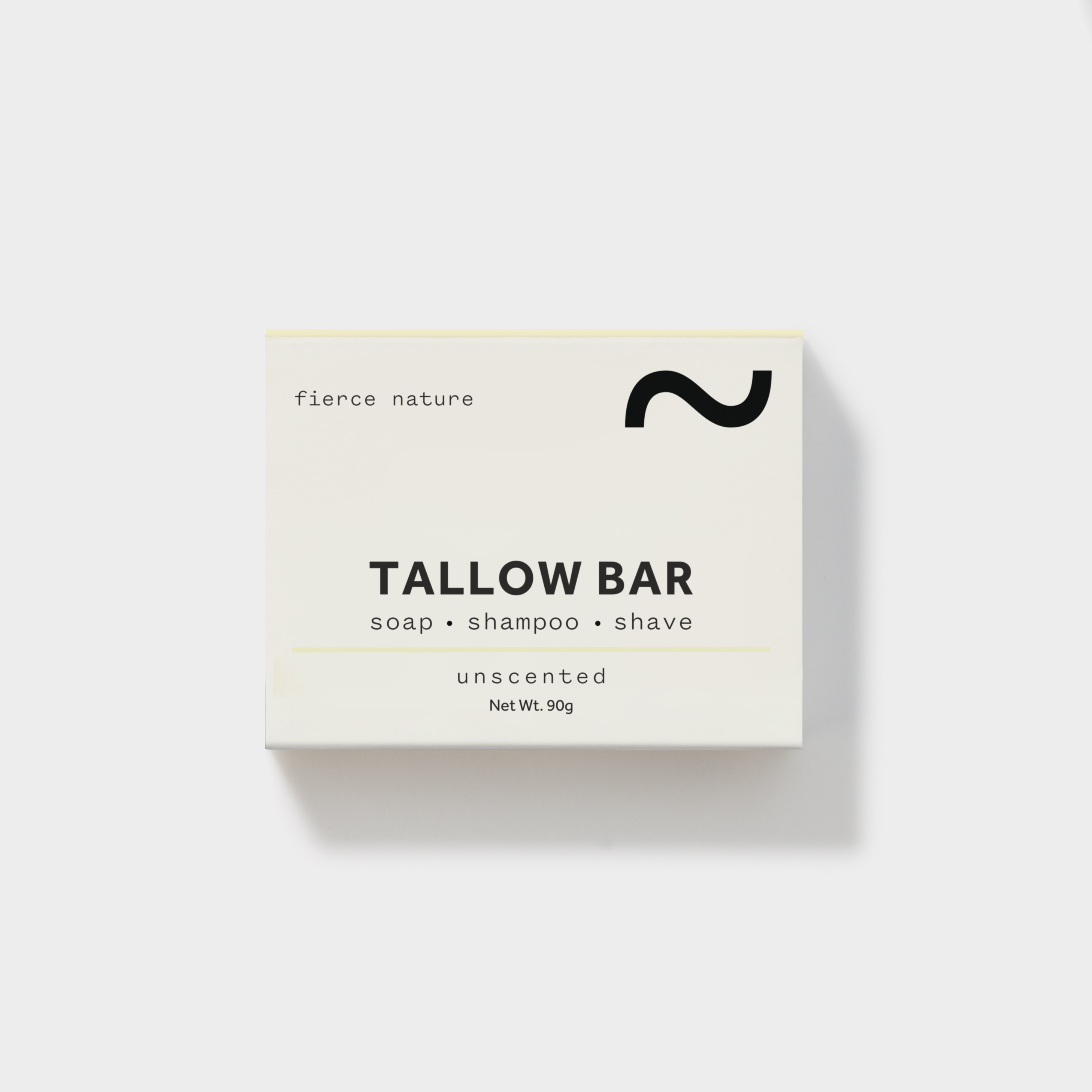
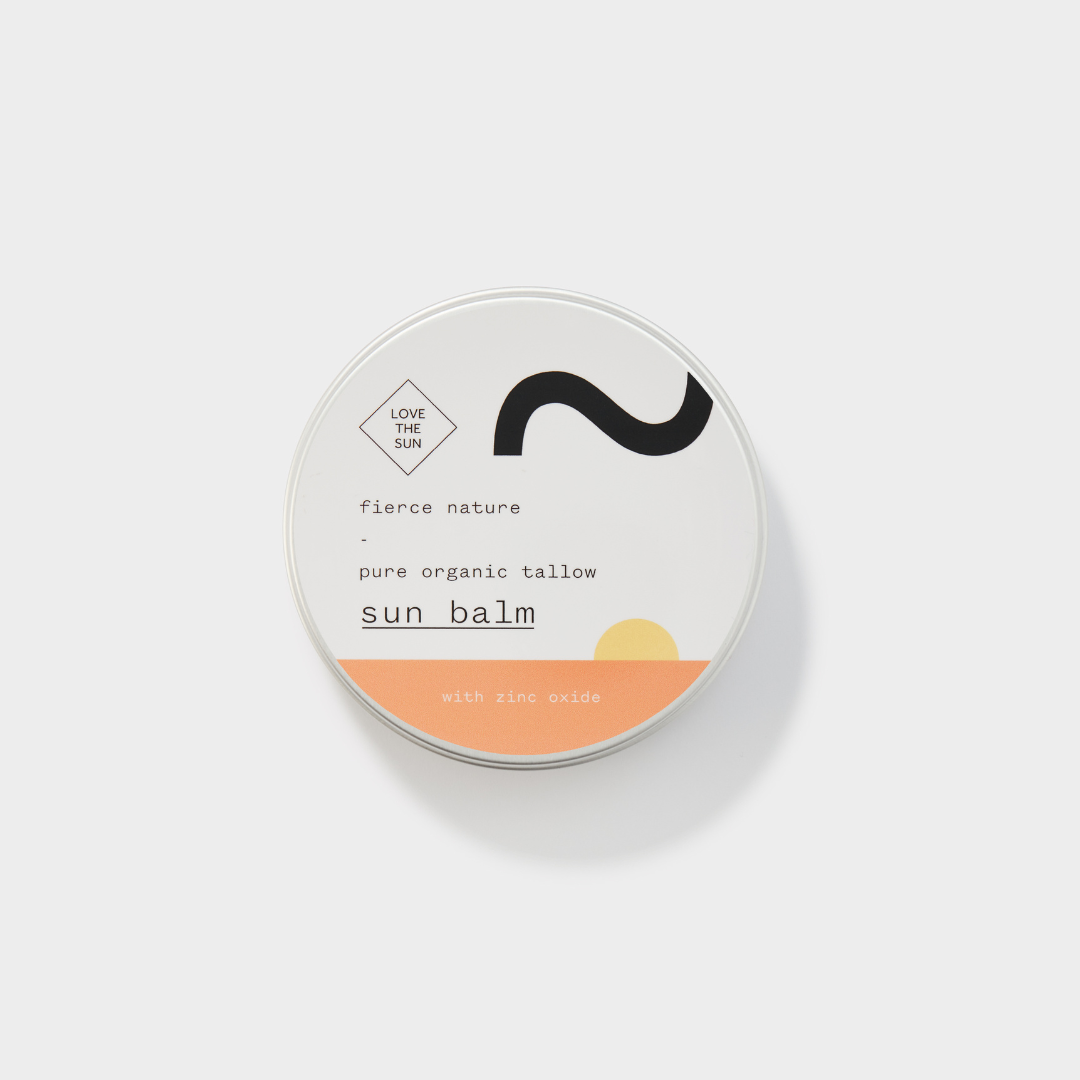
If you are looking for simple skincare without added perfume, take a look at our face and body balms and our tallow soaps. Each one is handmade in the UK with organic tallow as its base, and we list ingredients openly so you can check them against your own triggers. Families can also explore our non-toxic baby skin essentials. Our unscented balm and soap guide explains which products suit allergy-prone skin, and why we think simplicity wins.
Beyond products, a few habits make life with a fragrance allergy easier.
Look for red, itchy, burning or swollen skin where a scented product touched you, often on the face, neck, hands or underarms, and often a day or two after use. The only way to confirm it is patch testing, usually arranged through your GP and carried out by a dermatologist. Keeping a product and symptom diary will help your doctor.
Avoid products listing Parfum or Aroma, any named allergen from your patch test results, and fragranced plant extracts or essential oils. Be alert to hidden sources such as hand gels, shampoo, laundry products and wipes. Always read the ingredients list rather than trusting words like “natural” or “gentle” on the front.
Stop the product you suspect and pause cosmetics on the affected area. A soap substitute and an emollient can help the skin recover, and a clinician may advise a steroid cream for more stubborn flare-ups. See your GP if the reaction is severe, spreads or has not settled after a few days, and take care with emollients around flames.
Not always. Unscented can mean a product has no noticeable smell, but some use masking ingredients, so the label does not prove that nothing scented is inside. Fragrance-free means no fragrance ingredients have been added. Check the full ingredients list for Parfum, Aroma and named allergens either way.
If you know which compounds you react to, you may be able to find a perfume without them, tested one product at a time on a small forearm patch. Many people prefer to keep skin products unscented and enjoy scent on clothing or in their surroundings. Ask your dermatologist which options are suitable for you.