Einkaufswagen
0
80% Das wurde ebenfalls hinzugefügt

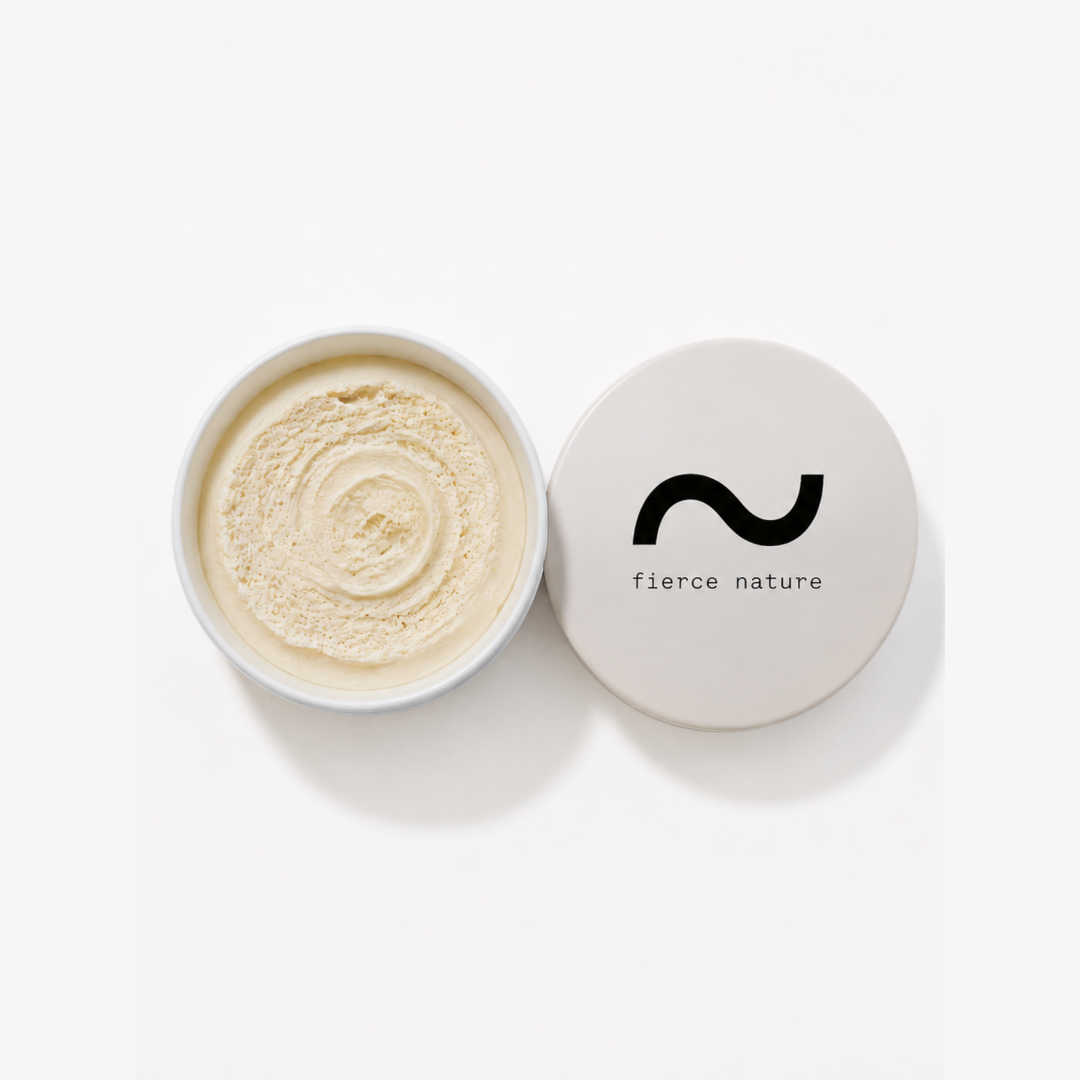
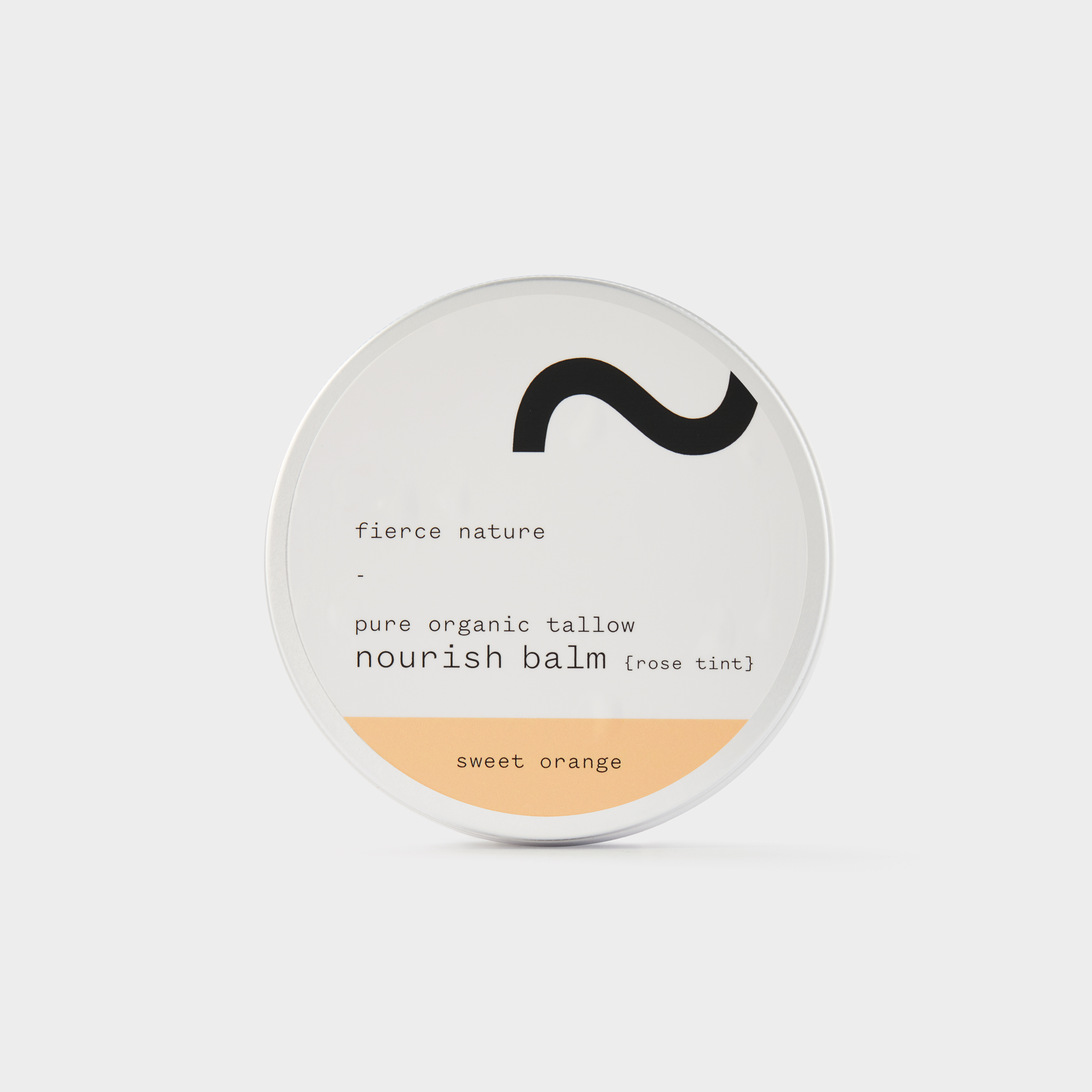
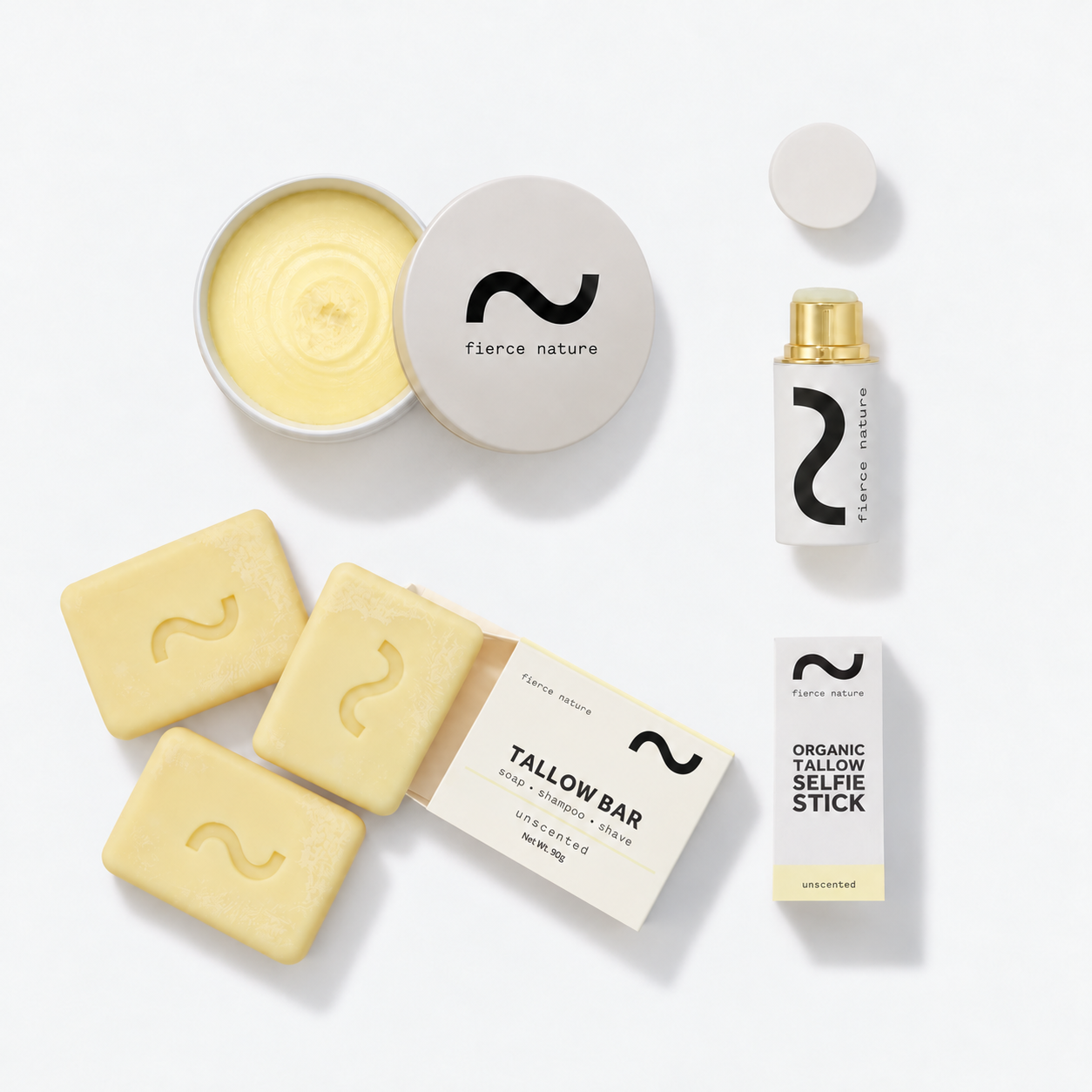





The most natural newborn skincare routine is also the simplest one. For the first month, UK health guidance points to plain water and very little else. From around four weeks you can add a little gentle, fragrance-free care, such as a simple balm for dry patches or the nappy area, and keep everything else minimal. We have written this guide for new parents who want to look after a tiny baby’s skin without harsh chemicals and without being overwhelmed by choice.
A newborn does not need a shelf full of products. They need warmth, careful handling, clean creases, a well-looked-after nappy area and a parent who knows what is normal and what needs a call to the GP or NHS 111.
A baby’s skin has just moved from a warm, fluid-filled environment to dry air, fabric and temperature changes. It is thinner and more delicate than adult skin, and its protective barrier is still maturing.
NHS Greater Glasgow and Clyde’s neonatal guidance explains that the skin’s protective acid mantle develops gradually from around day three to day 30. Wipes, creams and other products used too early can disrupt that process. This is why so many NHS trusts say the same thing in different words: less is more.
It also explains something many parents find surprising. Newborn skin often peels, looks dry or flaky, or goes blotchy in the first weeks. That is usually part of adjusting to life outside the womb, not a sign that something is wrong or that you need to apply a product.
The natural approach, then, is not about finding the most botanical-sounding formula. It is about working with your baby’s skin, not against it: protecting what it is already doing, and adding gentle support once it is ready.

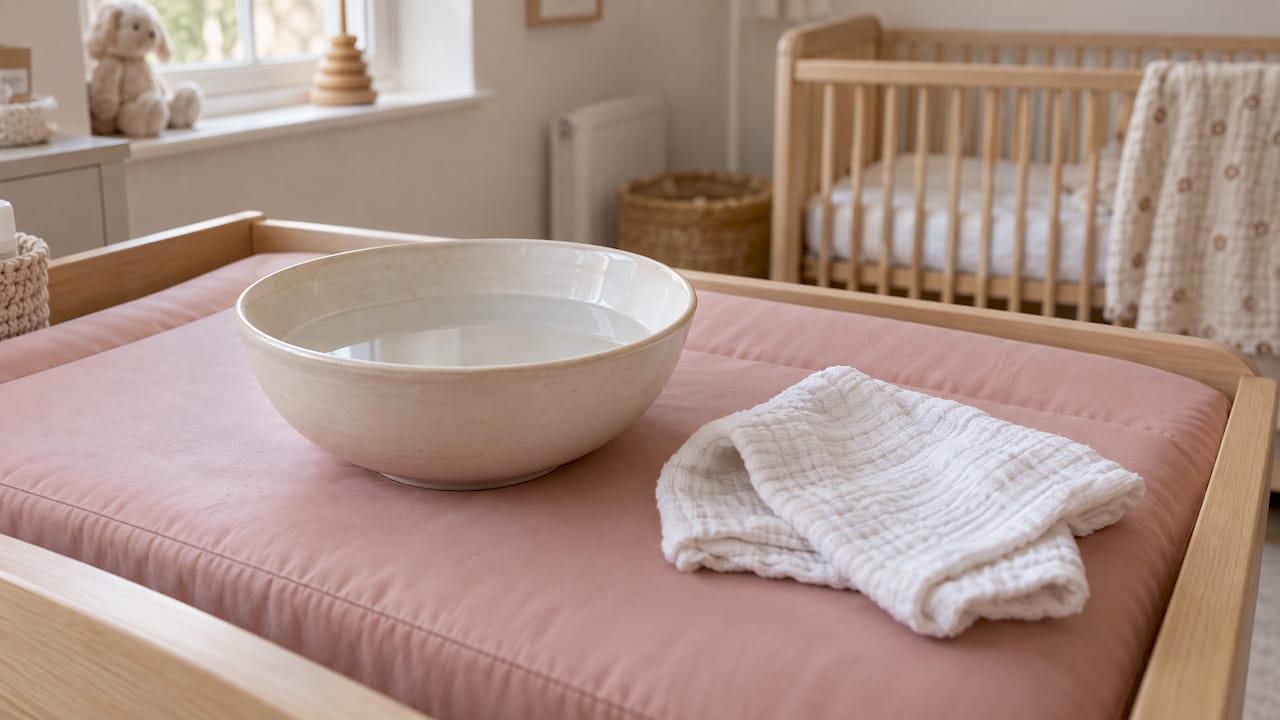
NCT, the UK parenting charity, advises that for at least the first month you do not need cleansers, soaps or lotions. A soft cloth or cotton wool dipped in plain water is enough to clean your baby’s face, neck, hands and bottom.
Here is what that looks like in practice.
Vernix is the white, waxy coating many babies are born with. NCT describes it as a natural moisturiser, and the guidance is to let it absorb into the skin rather than wash or wipe it away. If it sits in the creases, you do not need to scrub it out. It will fade over the first days.
Neonatal guidance recommends patting skin dry rather than rubbing. Use a soft, clean towel and pay particular attention to the creases at the neck, armpits, elbows, knees and groin, where moisture can sit.
Use a fresh piece of cotton wool for each eye, wiped from the inner corner outwards, with cooled boiled water. Clean behind the ears and under the chin, where milk can collect, then pat dry.
If you were hoping to start a lovely nourishing ritual on day one, we understand the pull. But the guidance is clear that healthy newborn skin does not need it yet. Use these weeks for skin-to-skin, gentle massage with clean, dry hands if you like, and learning your baby’s cues. The balm can wait.
If your baby was born prematurely, their skin is more fragile again. Ask the neonatal team or your midwife what they recommend before you use anything at all.
The NHS says two or three baths a week is enough, and a daily bath is optional if you and your baby both enjoy it. For the first month, use plain water rather than a liquid cleanser.
Never leave your baby alone in the bath, even briefly. If the doorbell or phone rings, wrap your baby up and take them with you, or let it ring.
If you prefer, a top-and-tail wash on a changing mat with warm water is perfectly good on days when a full bath feels like too much. Short, calm and warm matters more than a perfect routine.
The nappy area is the part of newborn skin that gets the most wear, so it deserves its own routine. The principles from NHS trusts and Tommy’s are consistent:
If redness appears, keep to the same simple steps and change nappies even more often. Once your baby is past the first month, a thin layer of a simple, fragrance-free balm can be part of your nappy change routine. If the rash is worsening despite simple measures, or looks sore, blistered or spreading, speak to your health visitor, GP or pharmacist.
Most of what worries new parents is perfectly ordinary. Knowing the common ones helps you relax.
Many babies shed a layer of skin in the first weeks. NHS trust guidance says that ordinary dry skin can improve by itself without lotions. Keep baths short and not too hot, avoid scented products and keep your baby’s room comfortably warm rather than hot.
If the skin looks cracked, sore, weepy or red and itchy, do not guess. That is the moment to ask your health visitor or GP what they would suggest for your baby.
Cradle cap shows up as yellowish, greasy scales on the scalp. It is common and not harmful. The NHS says you can lightly massage coconut oil or an emollient onto the scalp to loosen the scales, then gently brush and wash with baby shampoo. It also says not to use olive oil, peanut oil, soap, adult shampoo or perfumed products, and not to pick at the crusts, because picking can raise the chance of infection.
We have put together a two-week approach in our cradle cap routine for UK parents if you would like more detail.
Tommy’s lists milk spots, erythema toxicum (a blotchy rash with small yellowish spots) and heat rash among the common harmless findings in newborns. Heat rash should settle when your baby cools down. Erythema toxicum generally gets better without any treatment. Resist the urge to squeeze or treat milk spots. Wash with water and leave them alone.
Persistent dryness is worth mentioning at your baby’s checks. Our guide to newborn dry skin and what NHS advice says about oils explains why we steer clear of vegetable oils on a baby’s skin.
Once your baby is past the first month, NHS guidance says any product you introduce should be used sparingly and be free from colours and perfumes. Northern Devon Healthcare NHS Trust adds that later products should have a neutral pH and be free of perfume, alcohol and preservatives, and it advises avoiding sulphates, parabens, phthalates and propylene glycol.
That gives you a clear checklist for any product you are considering:
Start with one product, on one small area, for a few days. If you see redness, bumps or your baby seems bothered, stop using it. NCT’s advice is to stop using anything that seems to irritate your baby’s skin. Adding several new things together makes it impossible to tell what caused a reaction.
A balm is most useful for specific, small jobs: a dry patch on a cheek in cold wind, rough elbows or knees, or a barrier layer at nappy changes. A thin layer is enough. You are not trying to coat your baby, just to support the areas that need it.

Tallow is a traditional skin emollient, and it is the foundation of everything we make. We have written about why we think tallow is a safe, natural choice for babies, and explain how we approach it. If you have a family history of eczema or allergies, or your baby was premature, talk to your health visitor or GP before introducing any new product, ours included.
“Natural” tells you where an ingredient came from, not how it will behave on a newborn. These are the ones UK health sources specifically flag.
| Ingredient | What UK guidance says |
|---|---|
| Olive oil | NCT and the NHS advise avoiding it. NHS North East London emollient guidance warns it can damage the skin barrier. |
| Peanut oil | Avoid. NCT and the NHS name it, and a neonatal network guideline lists it among products with high allergy risk. |
| Essential oils | The International Federation of Professional Aromatherapists lists no general-wellness dilution for babies aged 0 to 3 months. |
| Fragrance and perfume | Avoid on a newborn. NHS guidance for products after four weeks says free from perfumes and colours. |
| Alcohol | Avoid in wipes and products. |
| Adult shampoo and soap | Not for newborns, including for cradle cap. |
Coconut oil is the one oil NCT says is safe for most babies for massage, and the NHS mentions it for cradle cap. Even so, introduce it after the first month in a tiny amount and watch how the skin responds.
One point of honesty: NHS North East London guidance says there is no evidence supporting natural oils in neonatal skin care. That is exactly why we recommend a short ingredient list, patch-testing and following your midwife or health visitor’s advice rather than assuming anything natural is automatically right for a baby.
We started Fierce Nature because of our own story with skin that reacted to mainstream products, and because we came to believe that what goes on your skin deserves as much thought as what goes in your body. A newborn is the most important place to apply that thinking.
That is why our view of a newborn routine is a quiet one. In the first weeks, follow the NHS and your midwife: plain water, patience and skin-to-skin. No product we make needs to rush that stage.
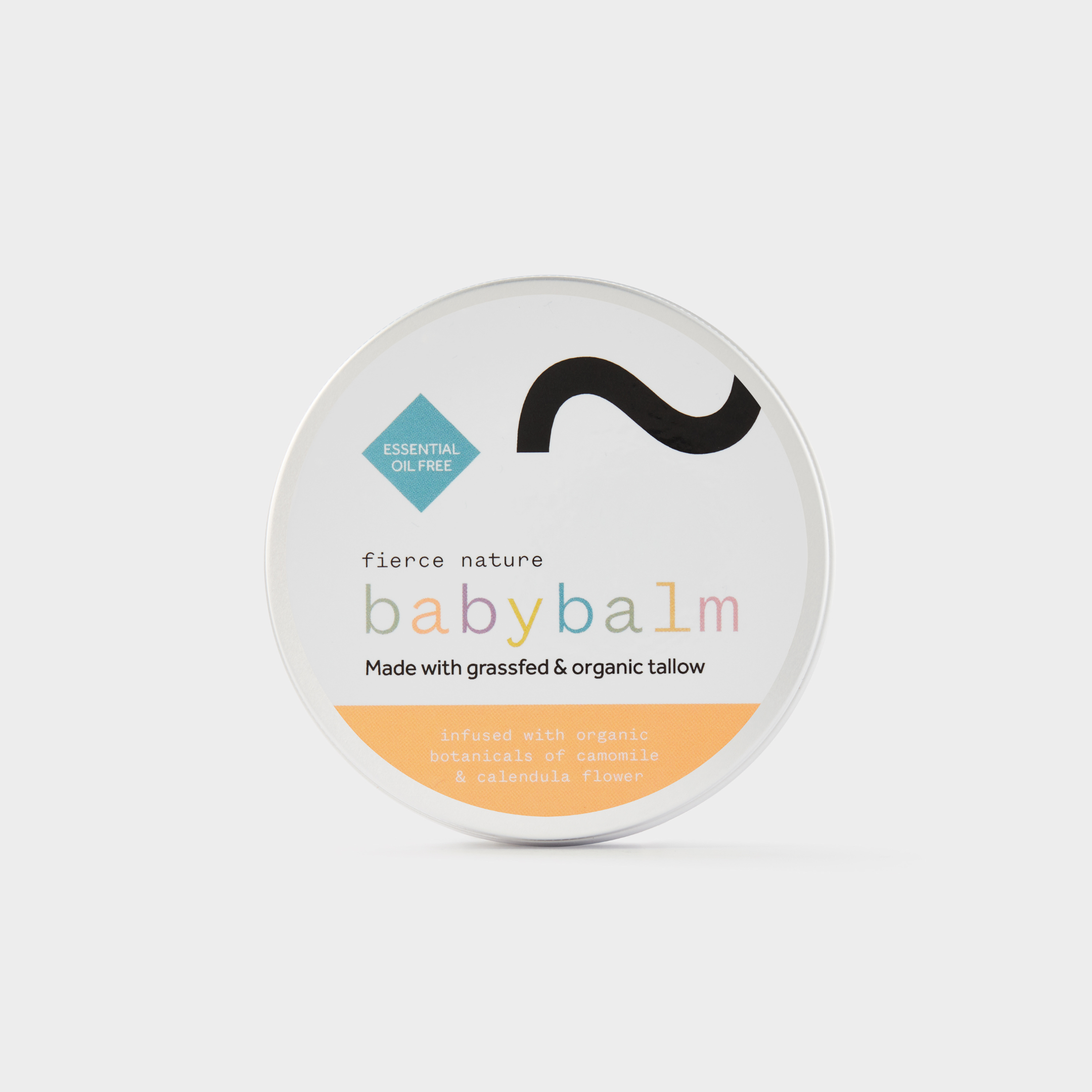
When your baby is ready for a little extra care, we believe in short ingredient lists, grass-fed tallow as the foundation, and full transparency about what is in the jar. Our products are handmade in the UK, and our formulas are designed to nourish with naturally occurring vitamins, rather than rely on fragrance or synthetic fillers.
We think you should feel confident, not anxious, about caring for your baby’s skin. Use a little, watch your baby, and trust your instincts.
Fierce Nature
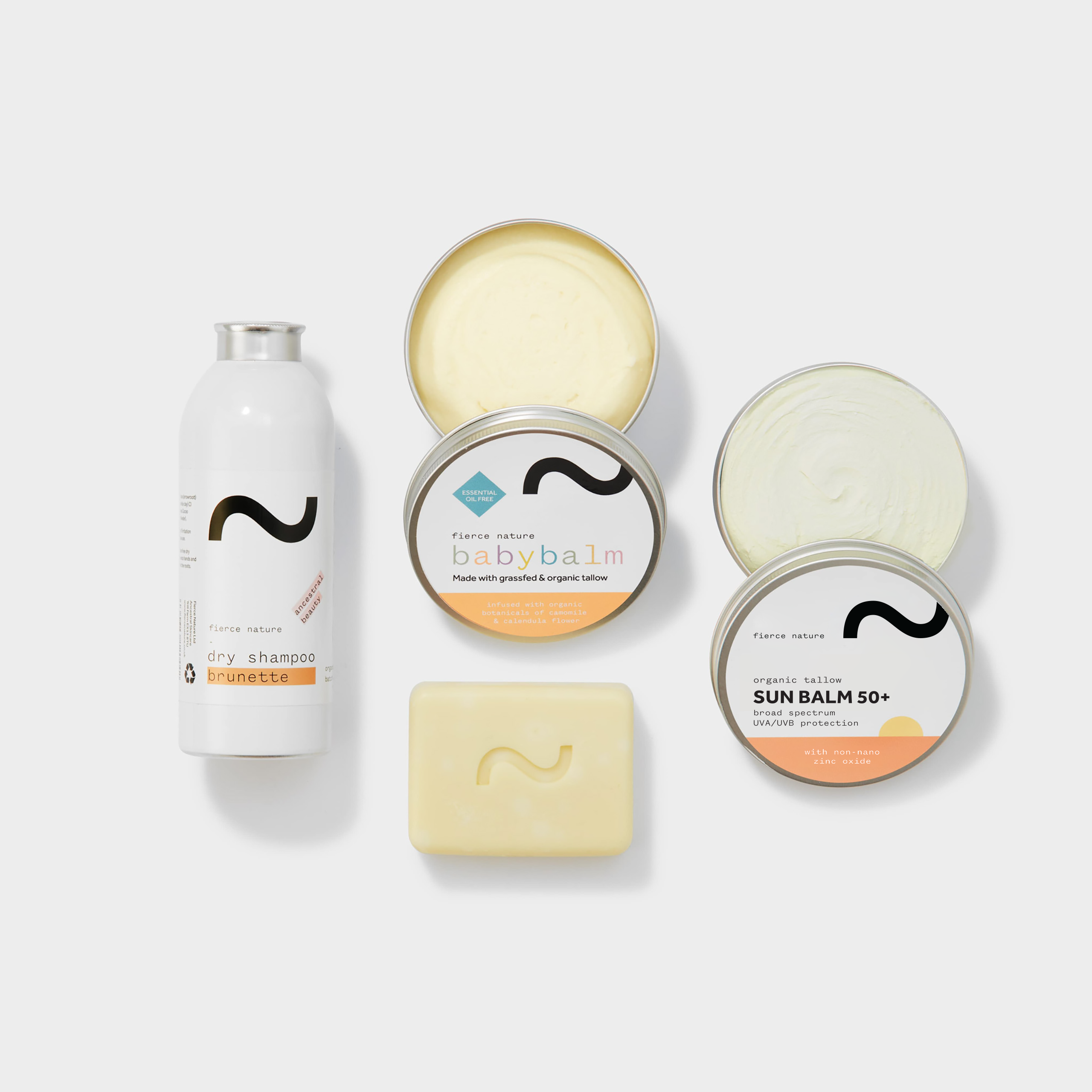
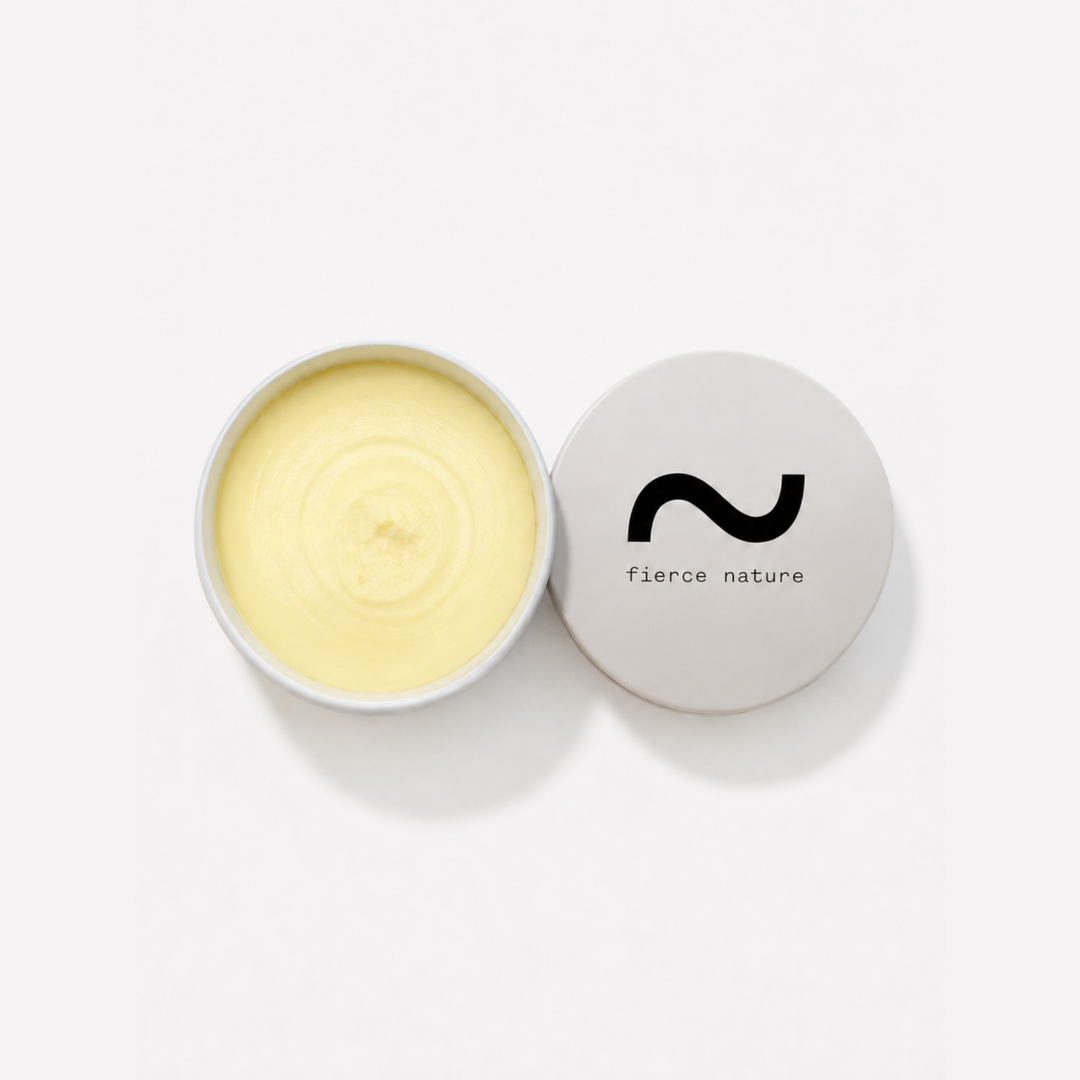
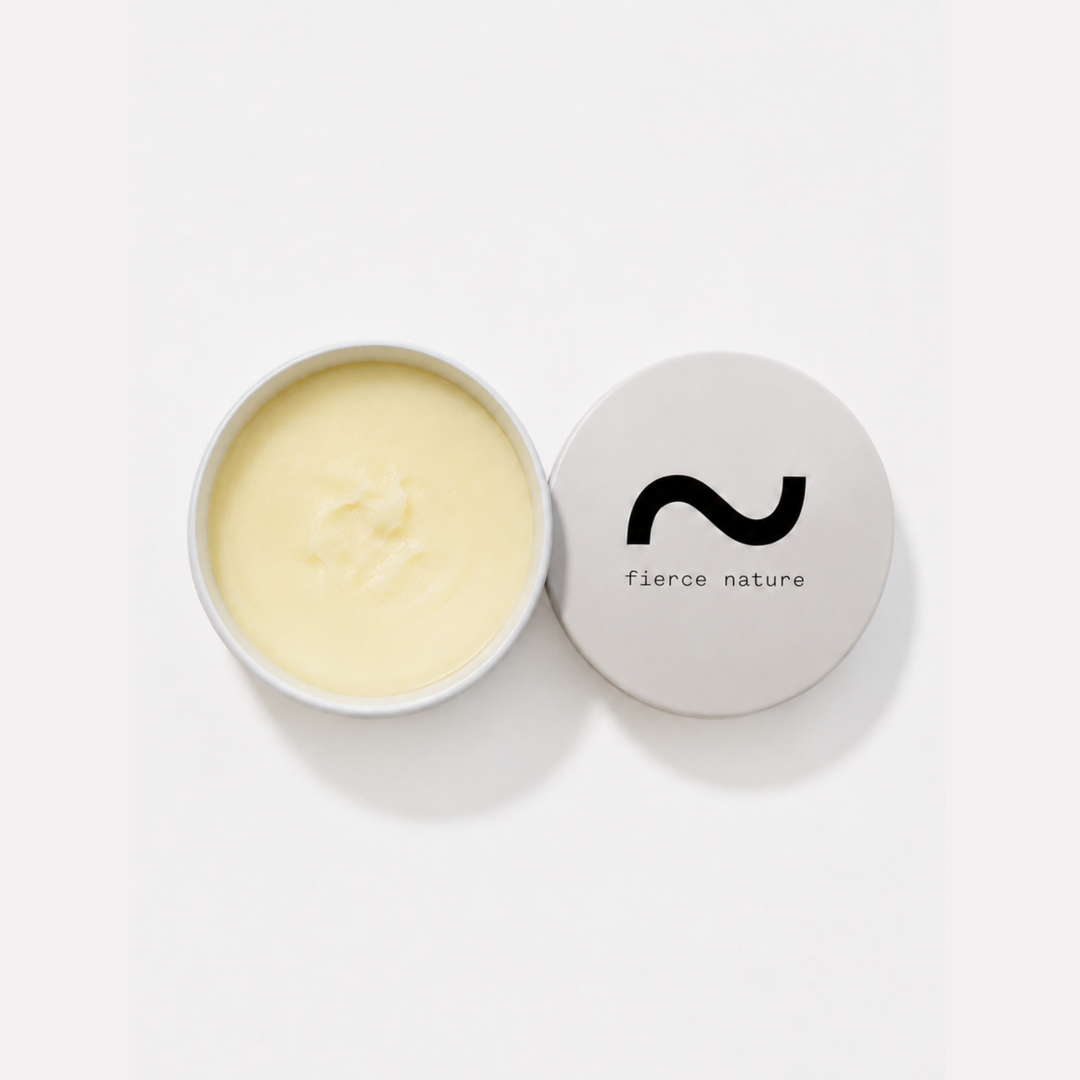
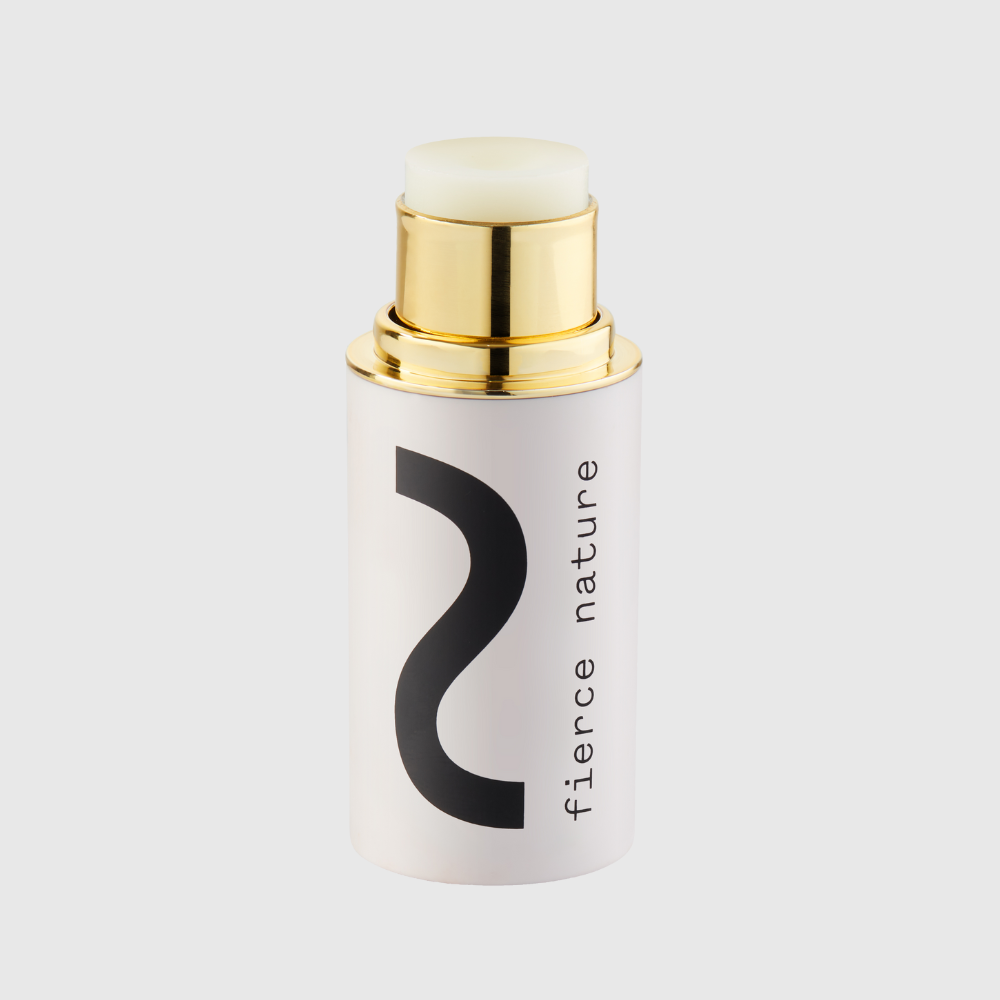
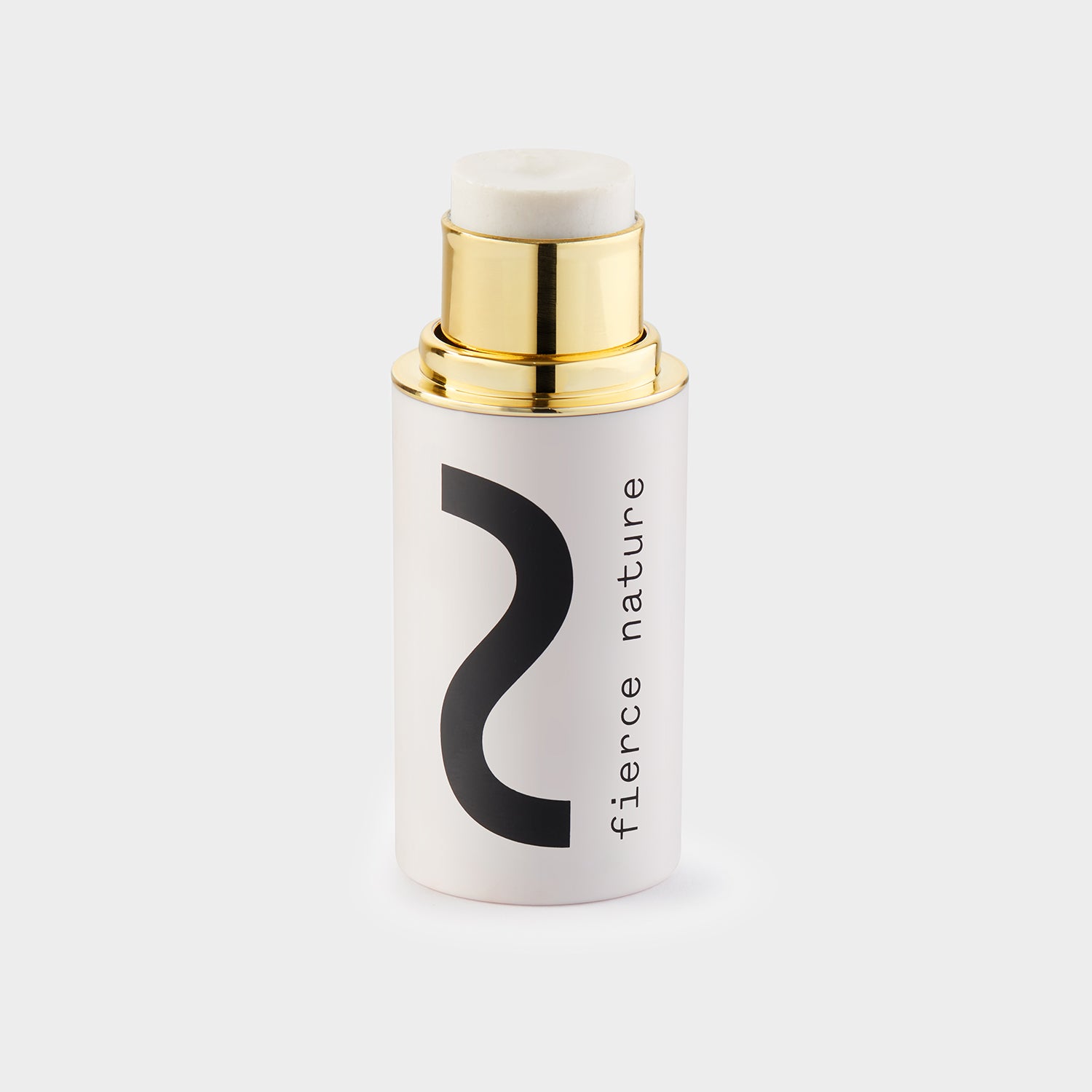
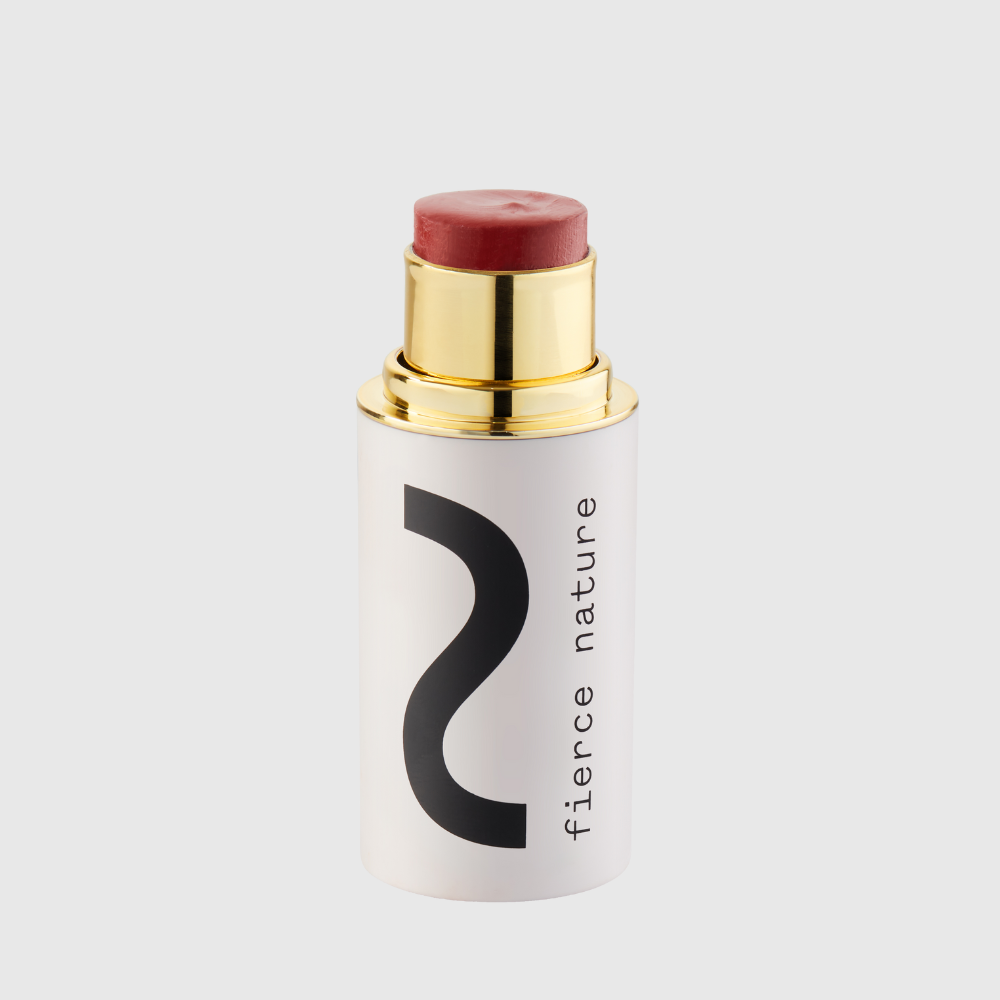
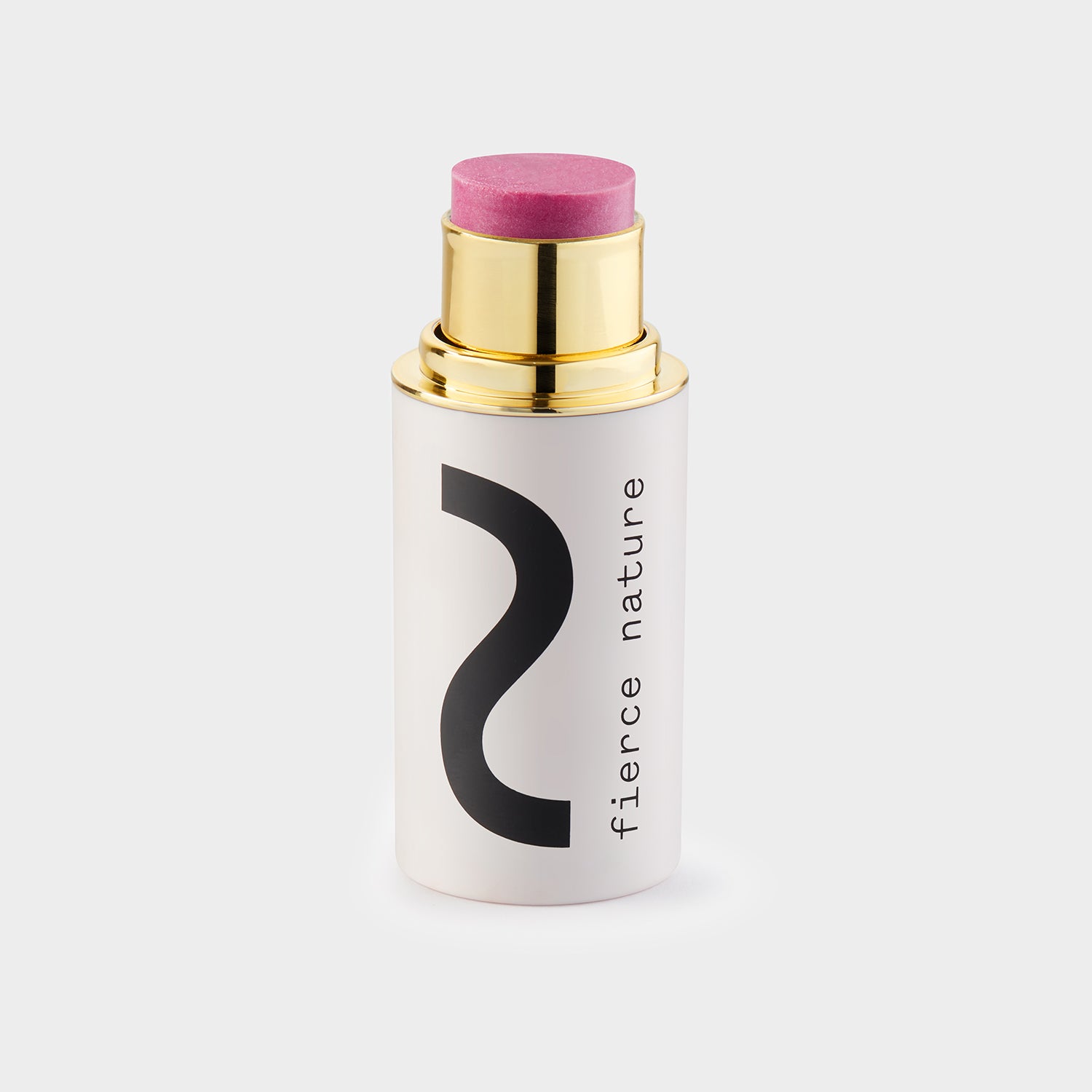
When your baby is past the first month and you would like a simple, tallow-based balm for dry patches or the nappy area, our Baby Balm is made for that job. If you would like to see everything we have put together for little ones in one place, take a look at our non-toxic baby skin essentials. You can also read how baby balm suits every stage from newborn to toddler.
| Stage | Daily care | What to skip |
|---|---|---|
| Days 0 to 28 | Water-dipped cotton wool or soft cloth, pat dry, careful creases, frequent nappy changes | Cleansers, soaps, lotions, wipes if possible |
| Weeks 4 to 8 | Same, plus a thin layer of simple, fragrance-free balm on dry patches or the nappy area if needed | Perfume, essential oils, olive and peanut oil |
| Beyond 8 weeks | Two or three baths a week, gentle baby wash if you choose, balm after bath where needed | Adult products, picking at scales |
Treat this as a guide, not a rulebook. Your baby, your midwife and your health visitor are the best judges of what suits you both.
Sun is part of skin care too. Young babies should be kept out of strong direct sunshine, so shade, clothing and a hat do the work. Ask your health visitor about sun protection as your baby grows.
If you are a new mum looking after your own skin too, our postpartum skincare guide and breastfeeding-friendly skincare steps are written for you.
Most skin changes in newborns are harmless, but some are not. Trust your instinct. If you are worried, contact your GP or NHS 111.
Get urgent medical help if your baby has:
There is one exception to the temperature rule: a fever within 48 hours of a vaccination, when there are no other worrying signs. If you are unsure, ask for advice.
Urgency depends on the whole picture: whether the rash fades, plus breathing, feeding, alertness and temperature. That is why a quick call is always worth making.
In the first month, NHS and NCT guidance is that healthy newborns do not need cleansers, soaps or lotions. Plain water is enough. After that, you can add a simple, fragrance-free product if your baby has a specific need, using it sparingly.
The NHS says two or three baths a week is enough, and a daily bath is optional. Use plain water for the first month, keep the water shallow and warm, and never leave your baby alone in it.
NCT says coconut oil is safe for most babies for massage, and the NHS mentions it for loosening cradle cap scales. Wait until after the first month, use a very small amount and stop if the skin looks irritated. Avoid olive oil and peanut oil.
Start with the basics: frequent changes, gentle cleaning with water, careful drying and nappy-free time. Once your baby is past the first month, a thin layer of a simple, fragrance-free balm can help protect the skin. See your GP, health visitor or pharmacist if it worsens or does not improve.
We would advise against it. Professional aromatherapy guidance lists no general-wellness dilution for babies aged 0 to 3 months, because newborn skin is more sensitive and permeable. Choose fragrance-free products instead.