Einkaufswagen
0
80% Das wurde ebenfalls hinzugefügt

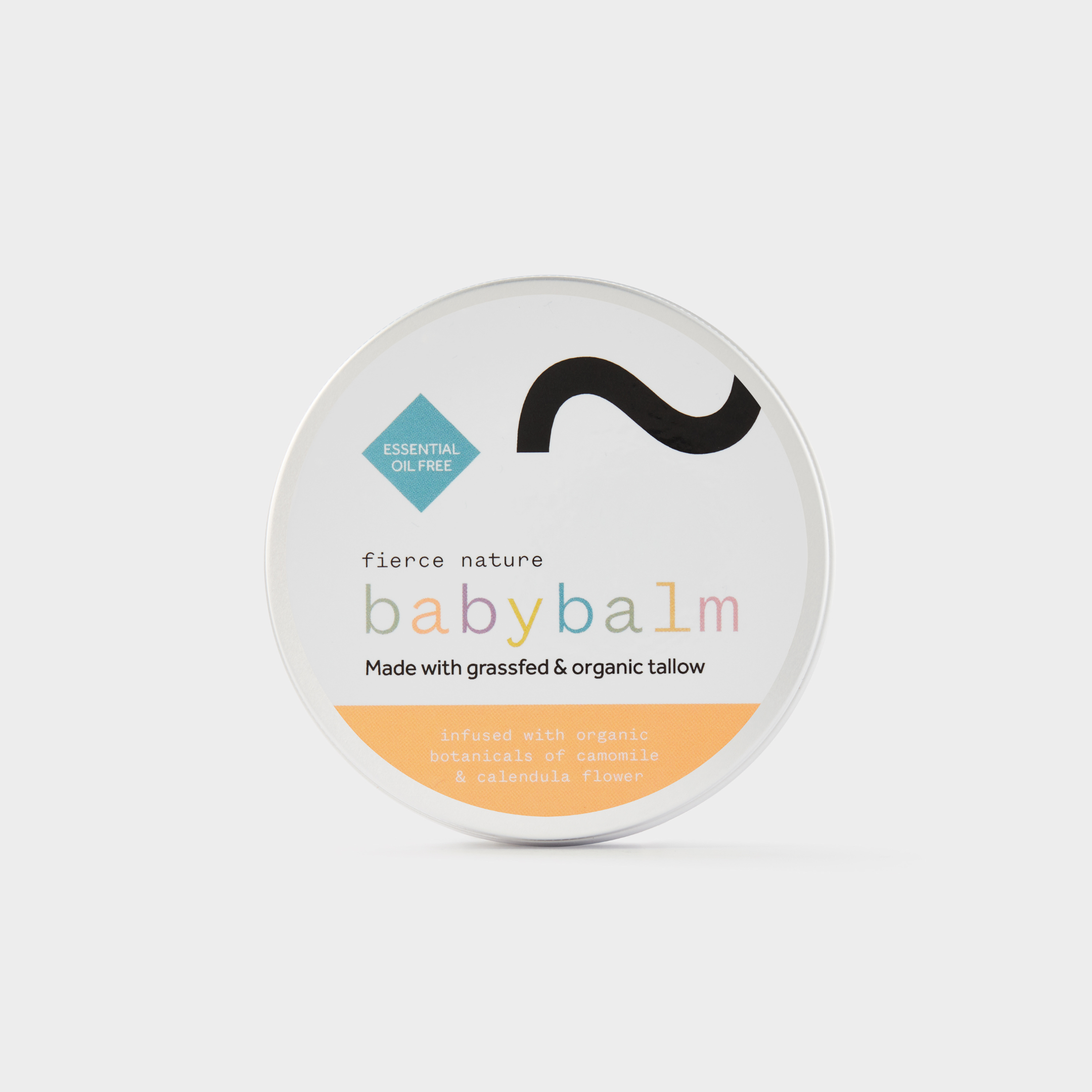
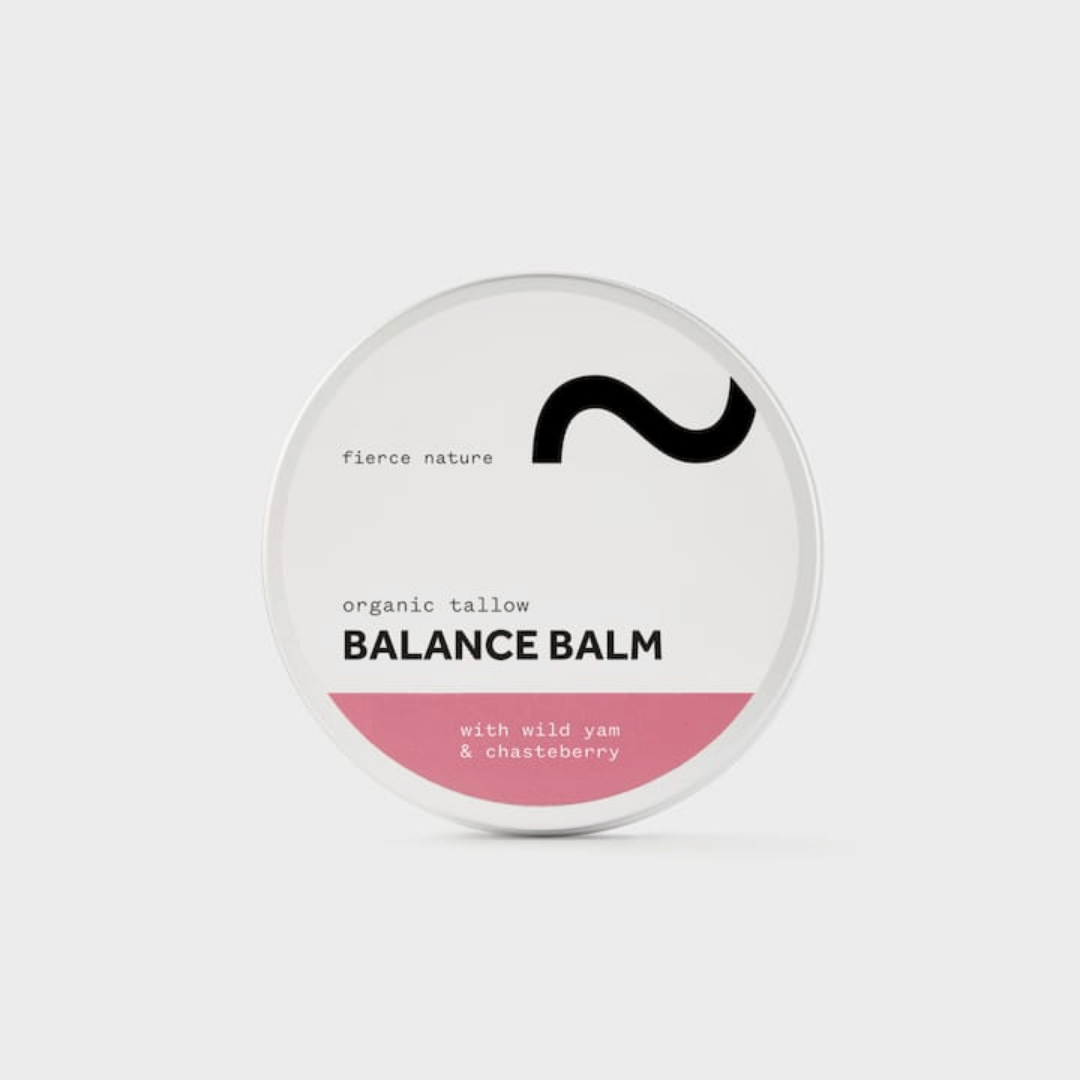
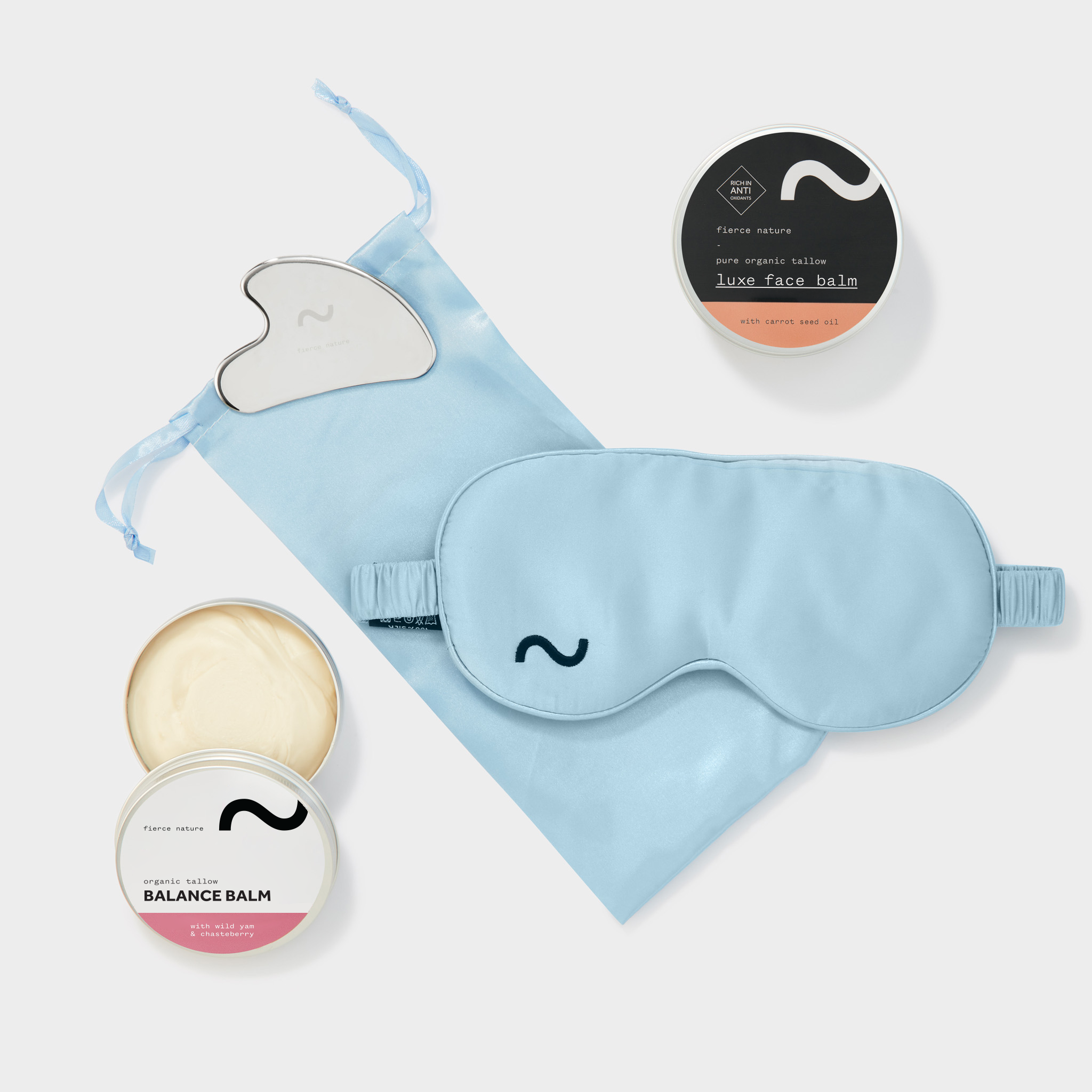
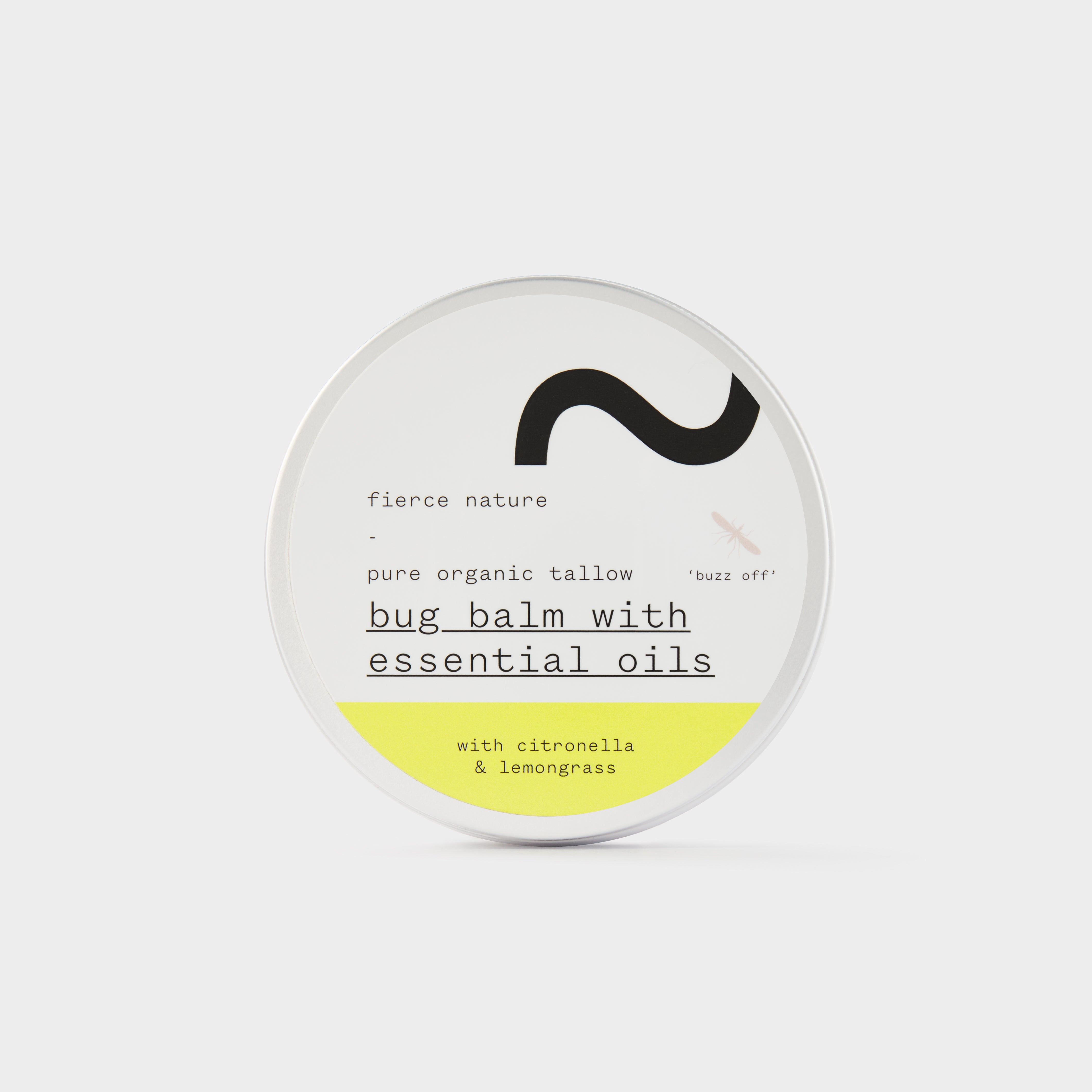
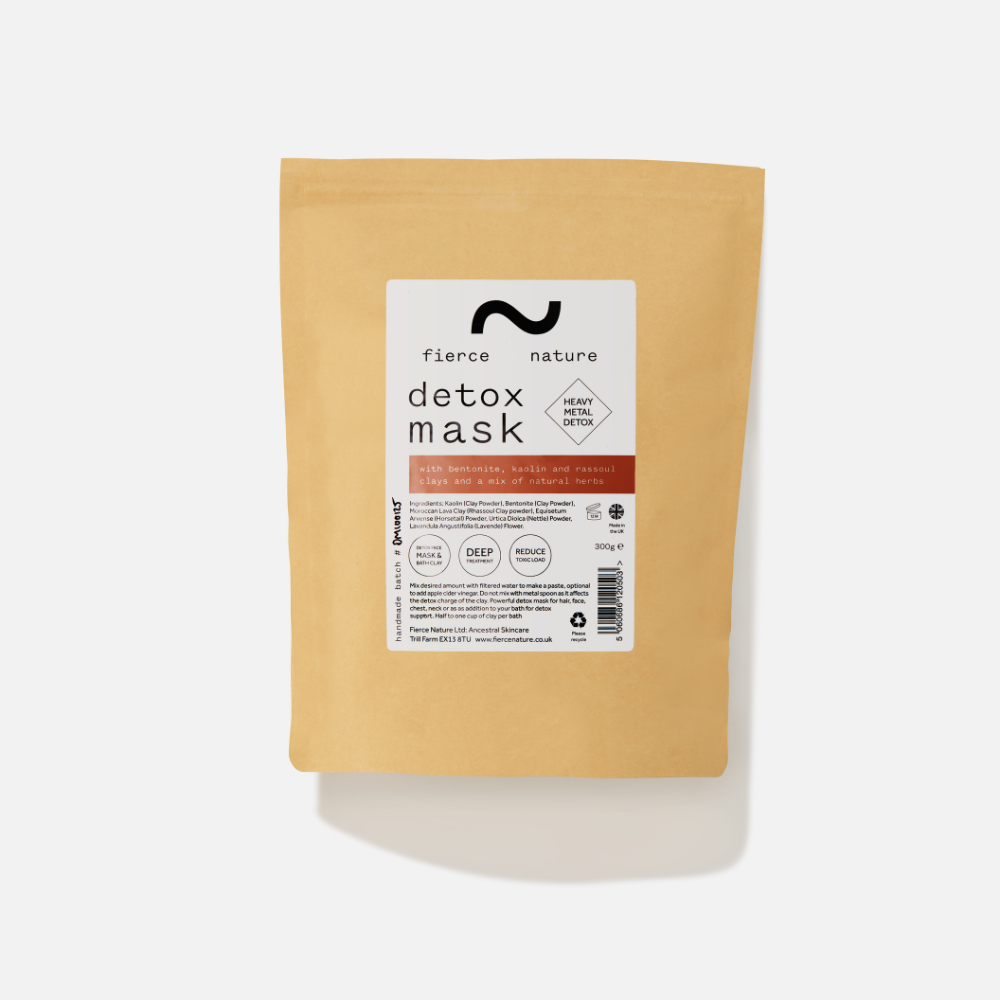

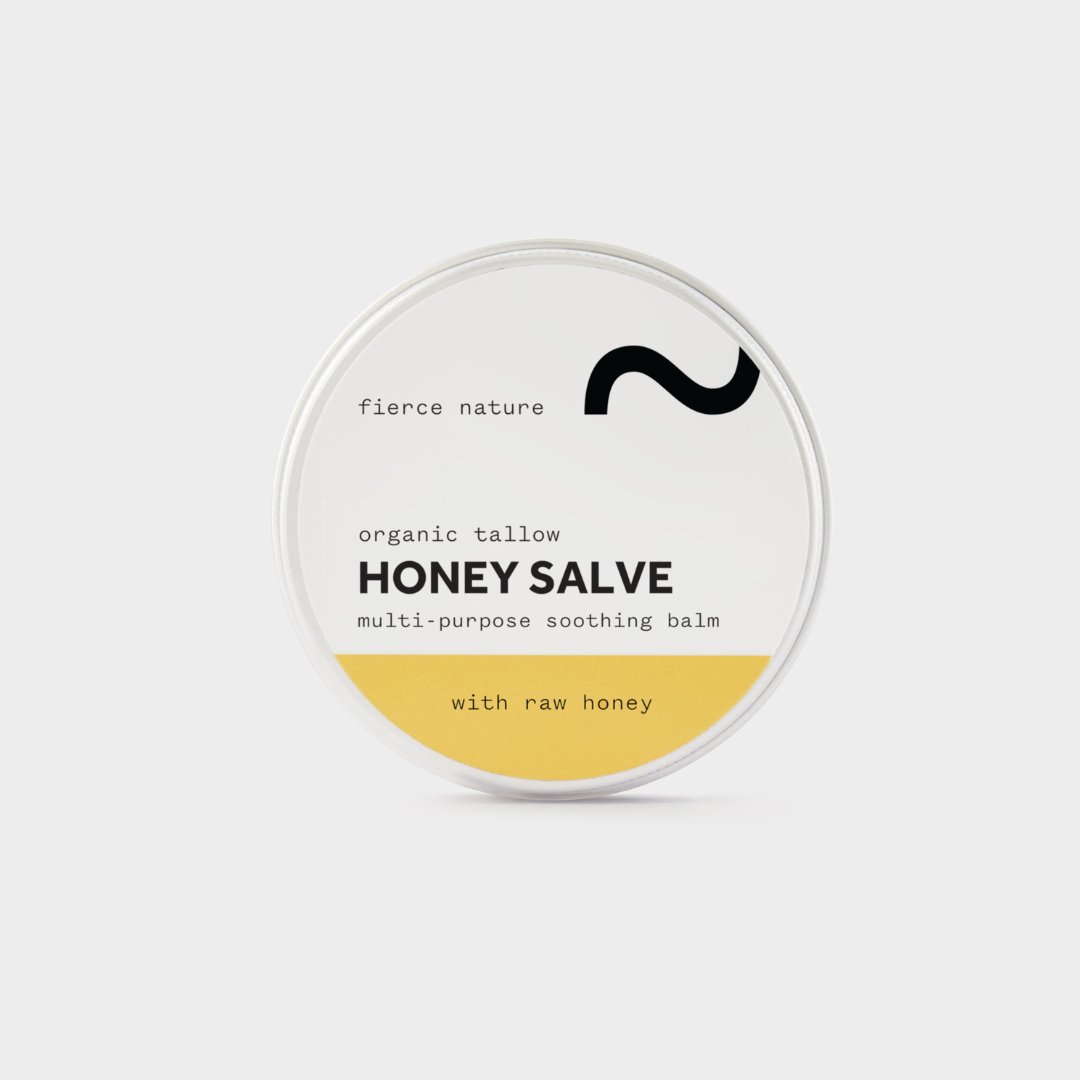
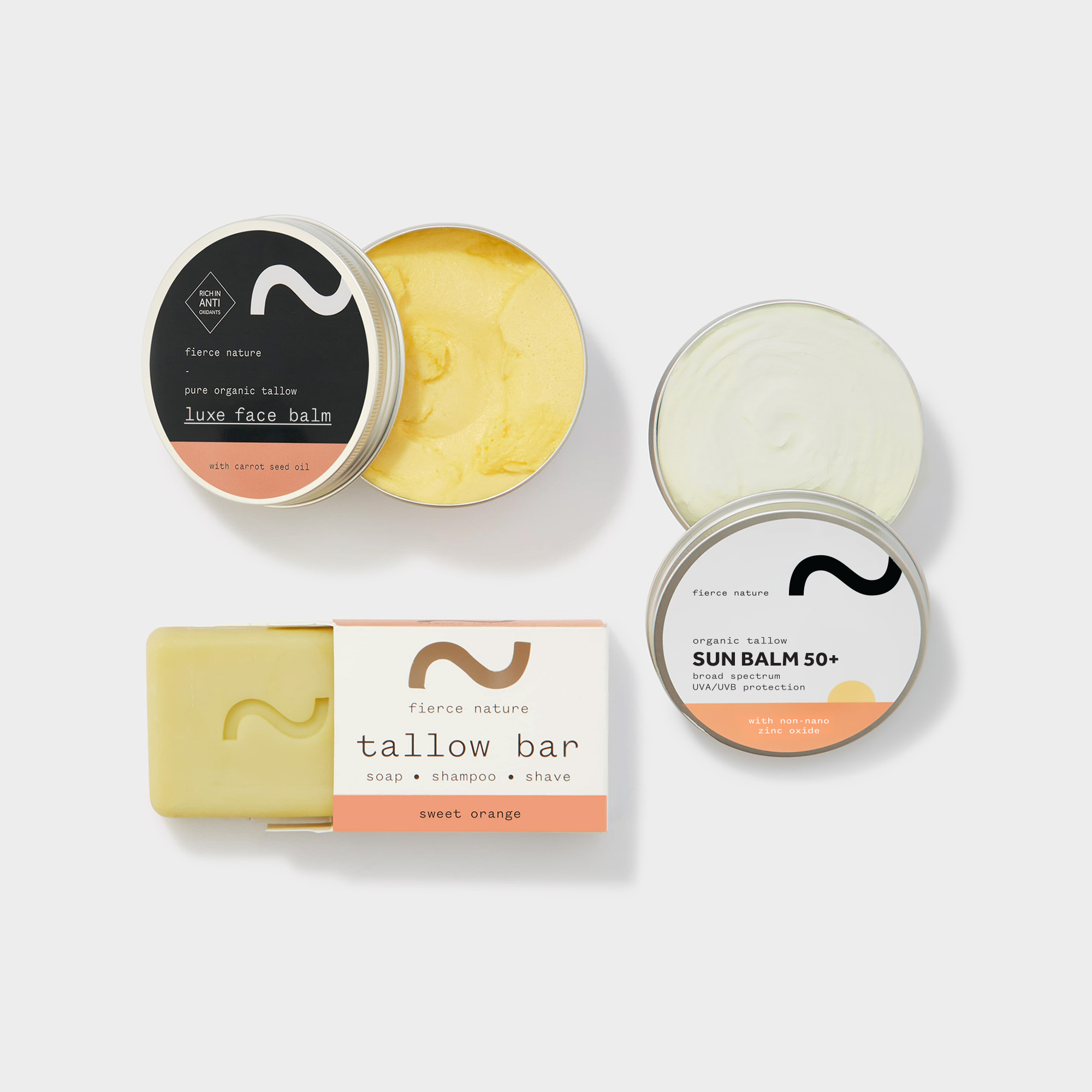
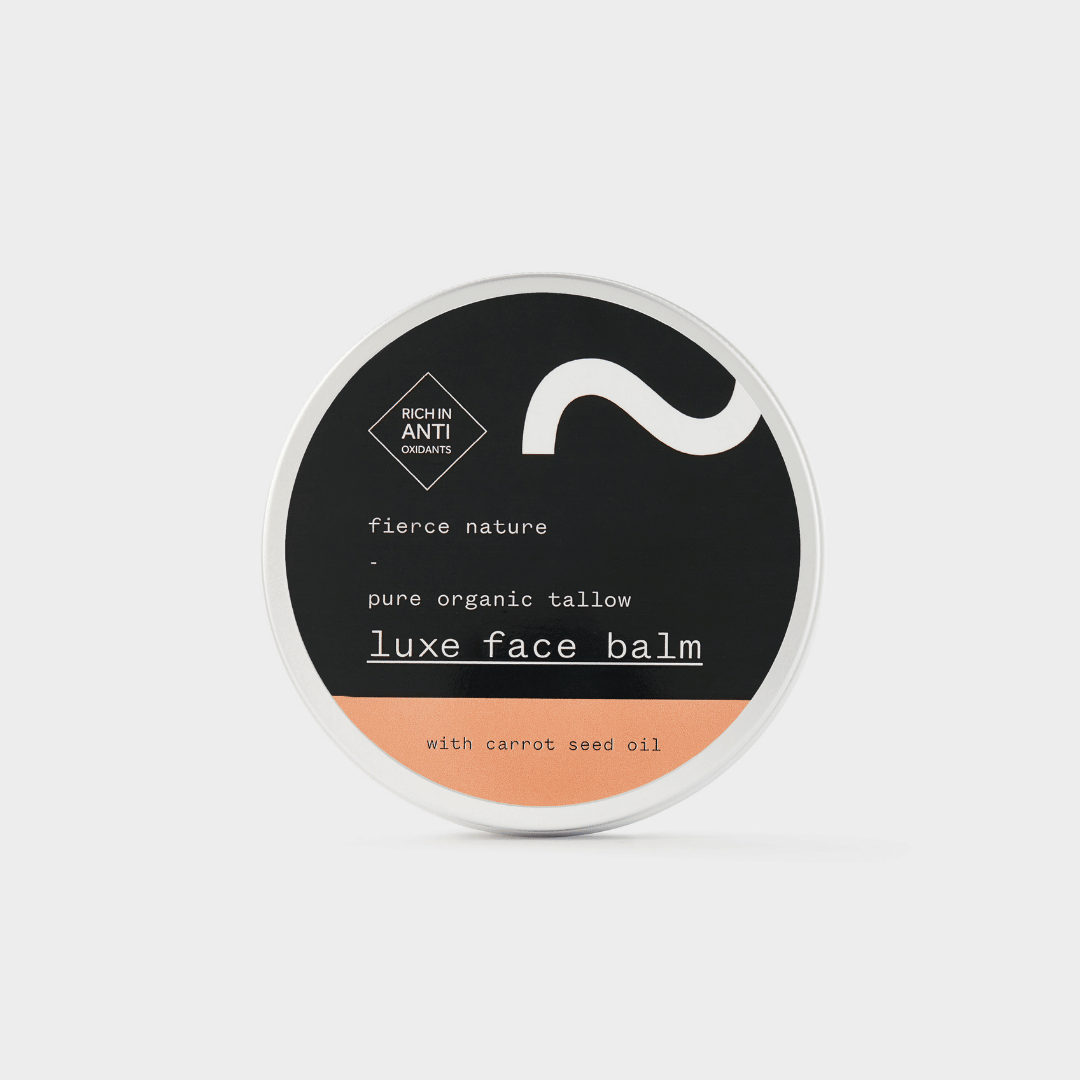
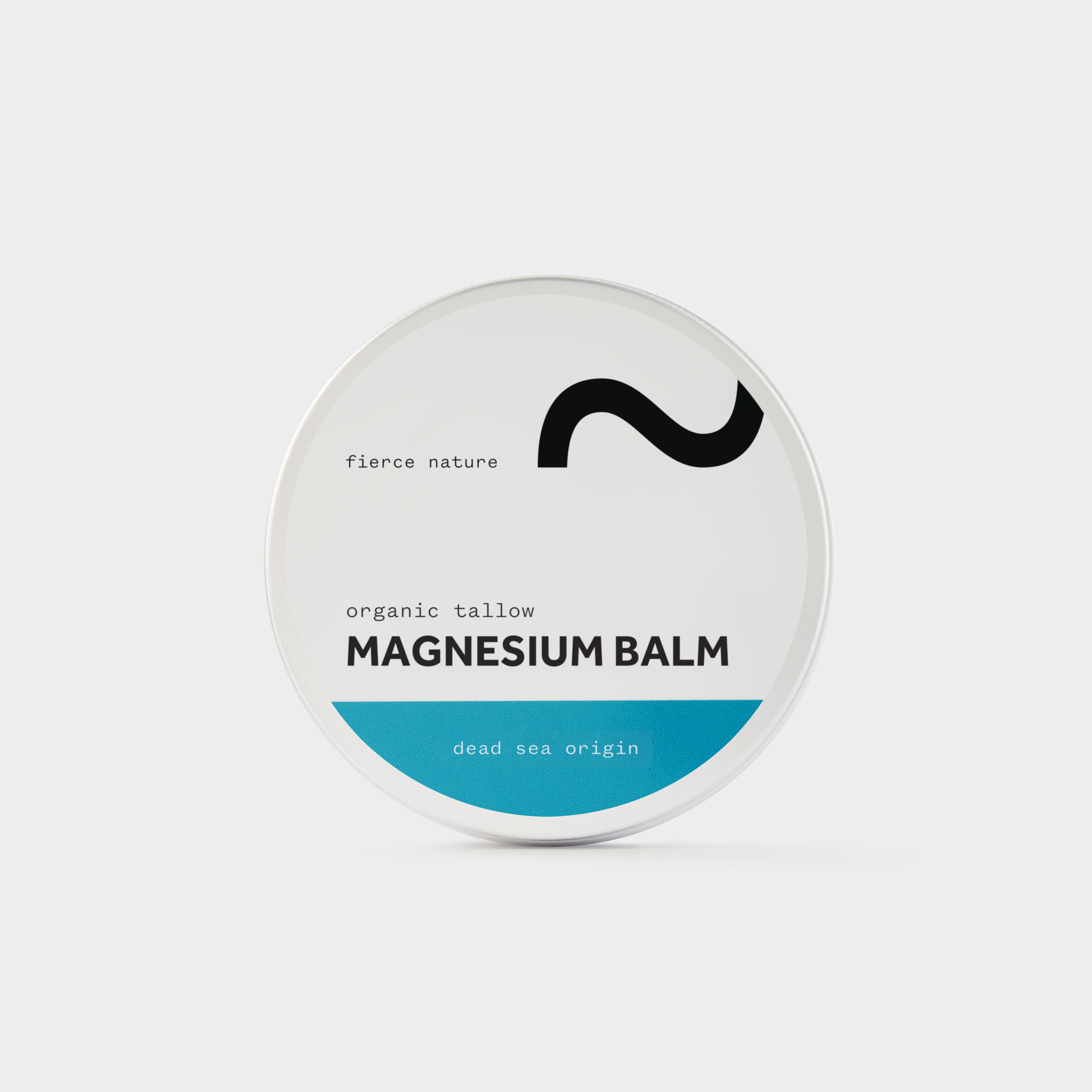
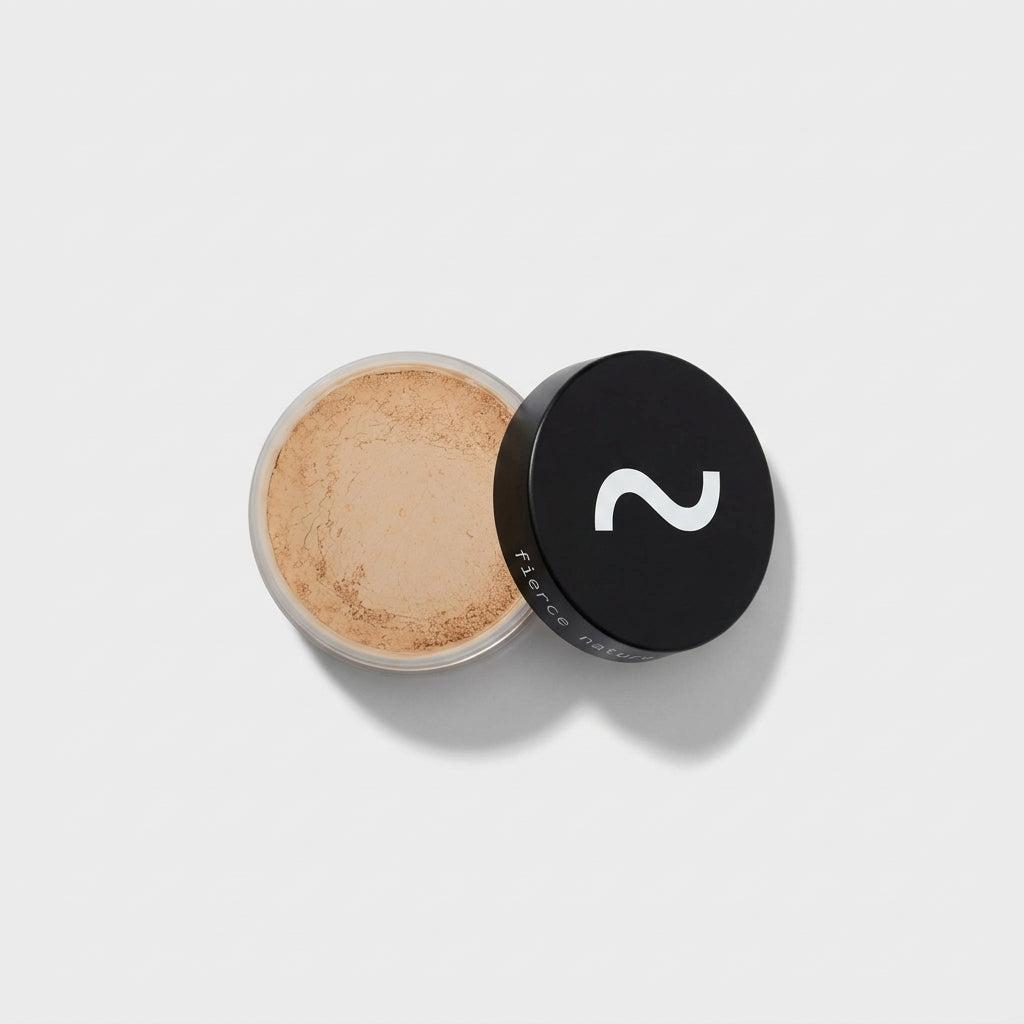
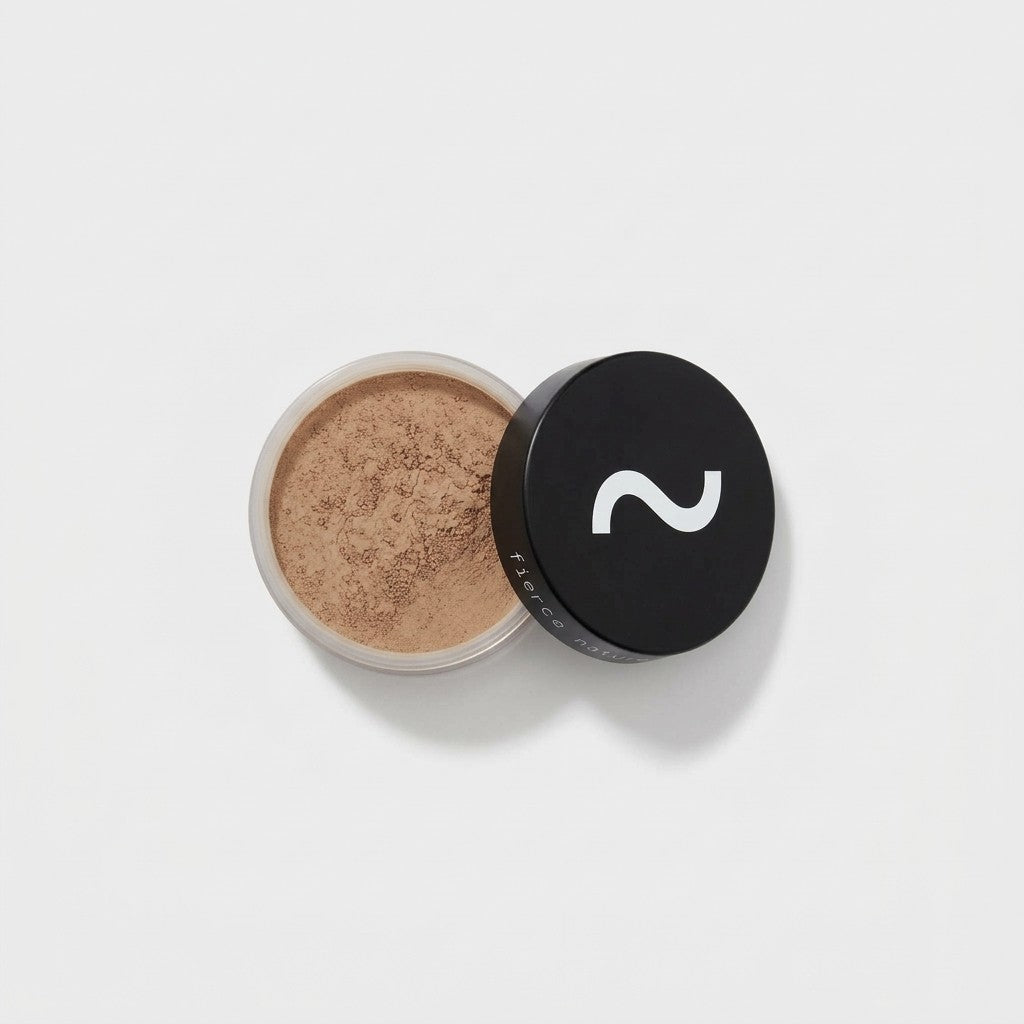
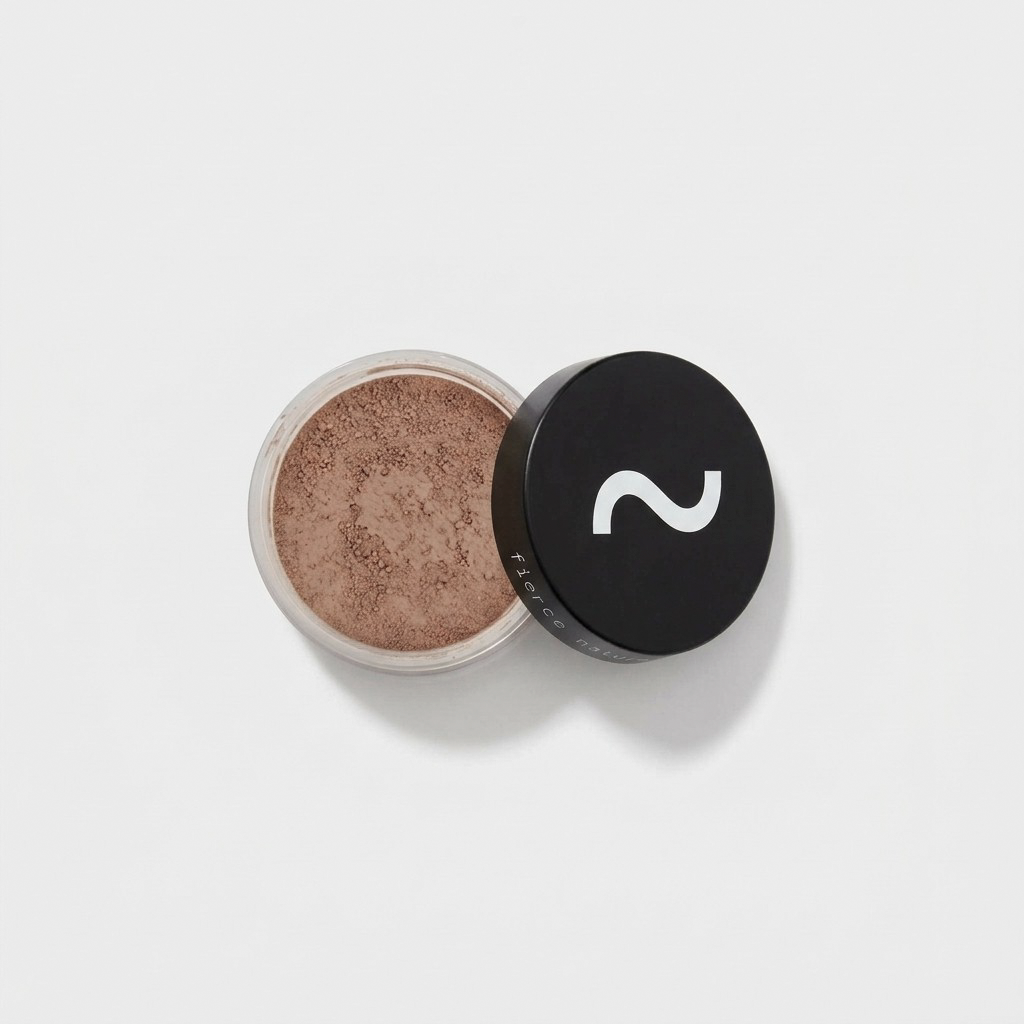
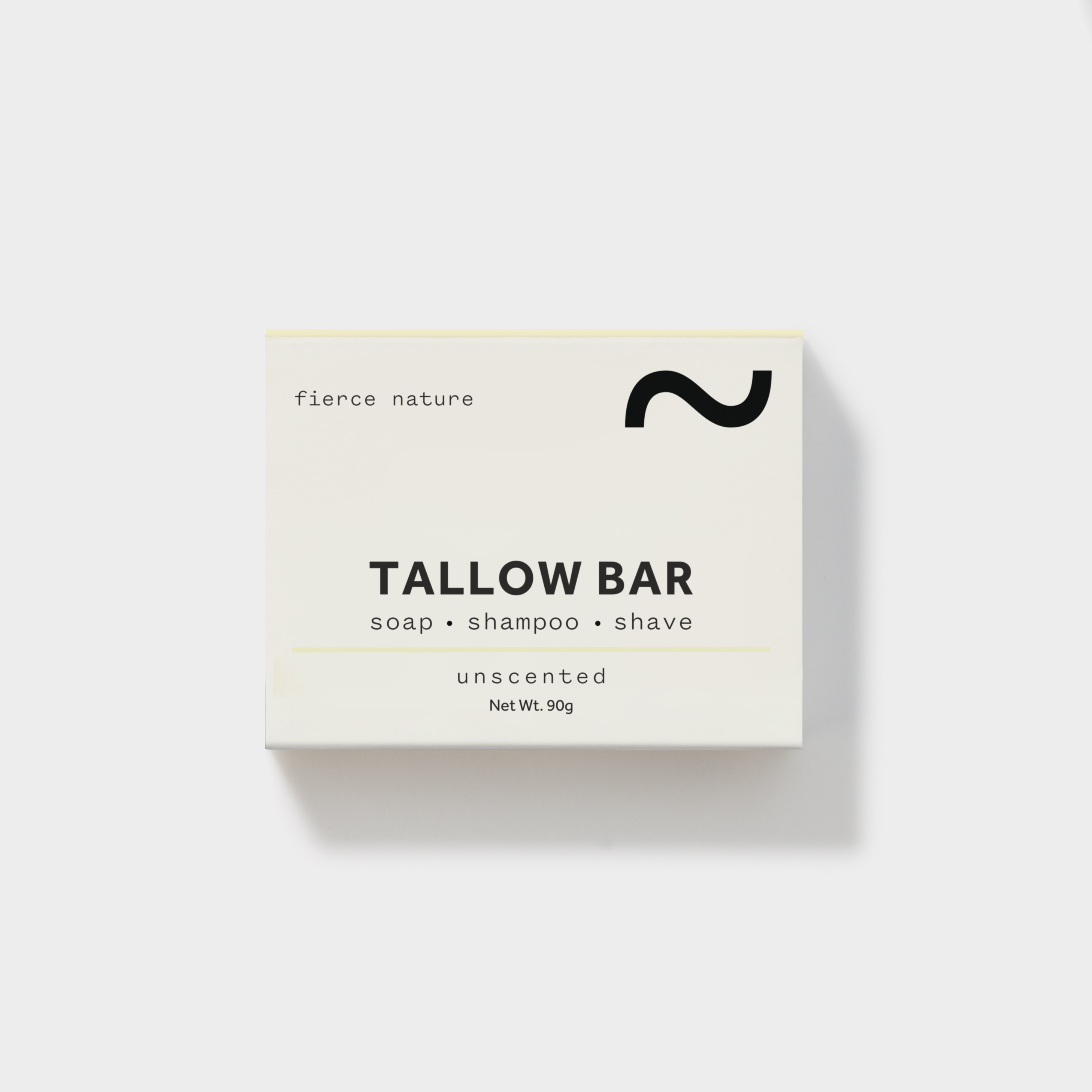
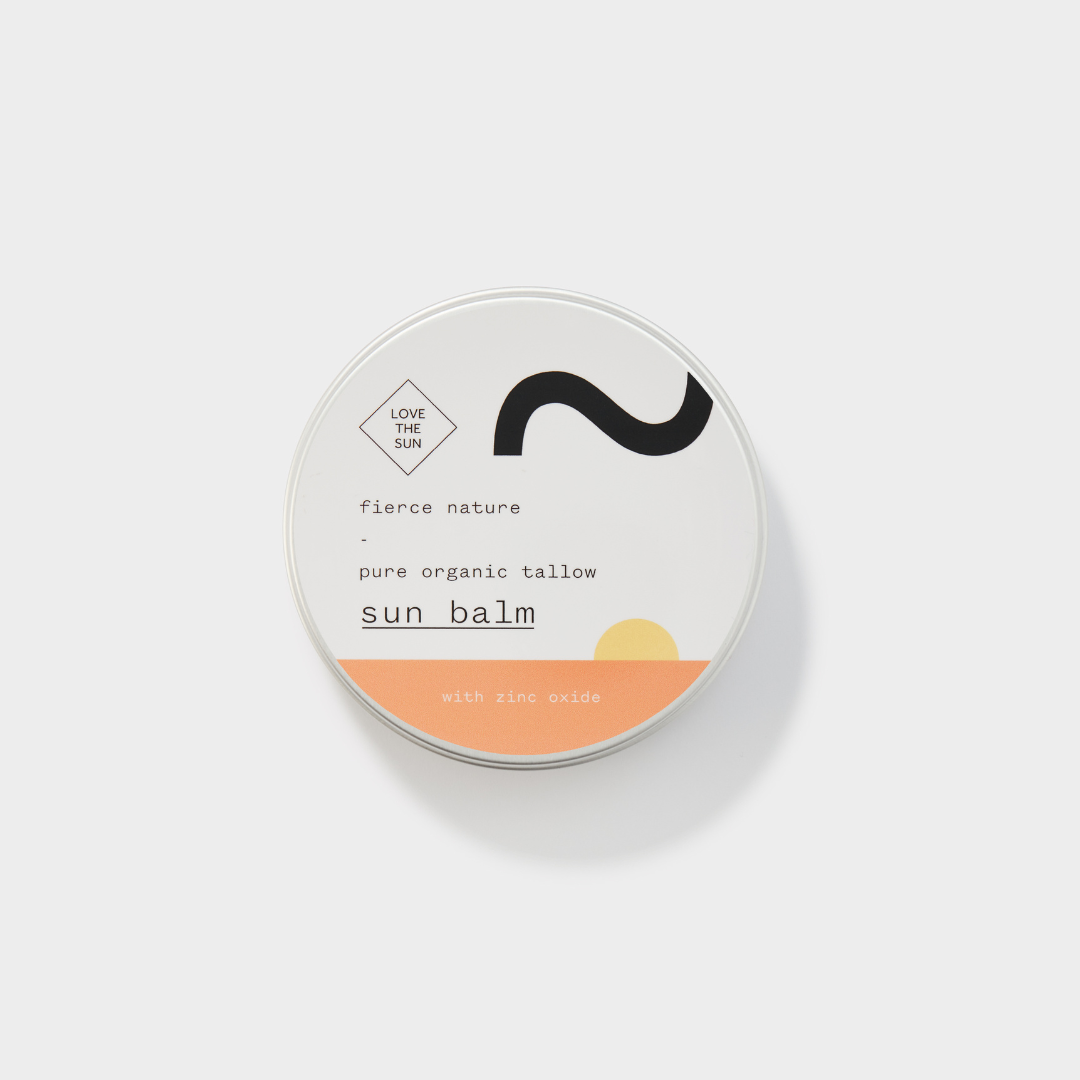
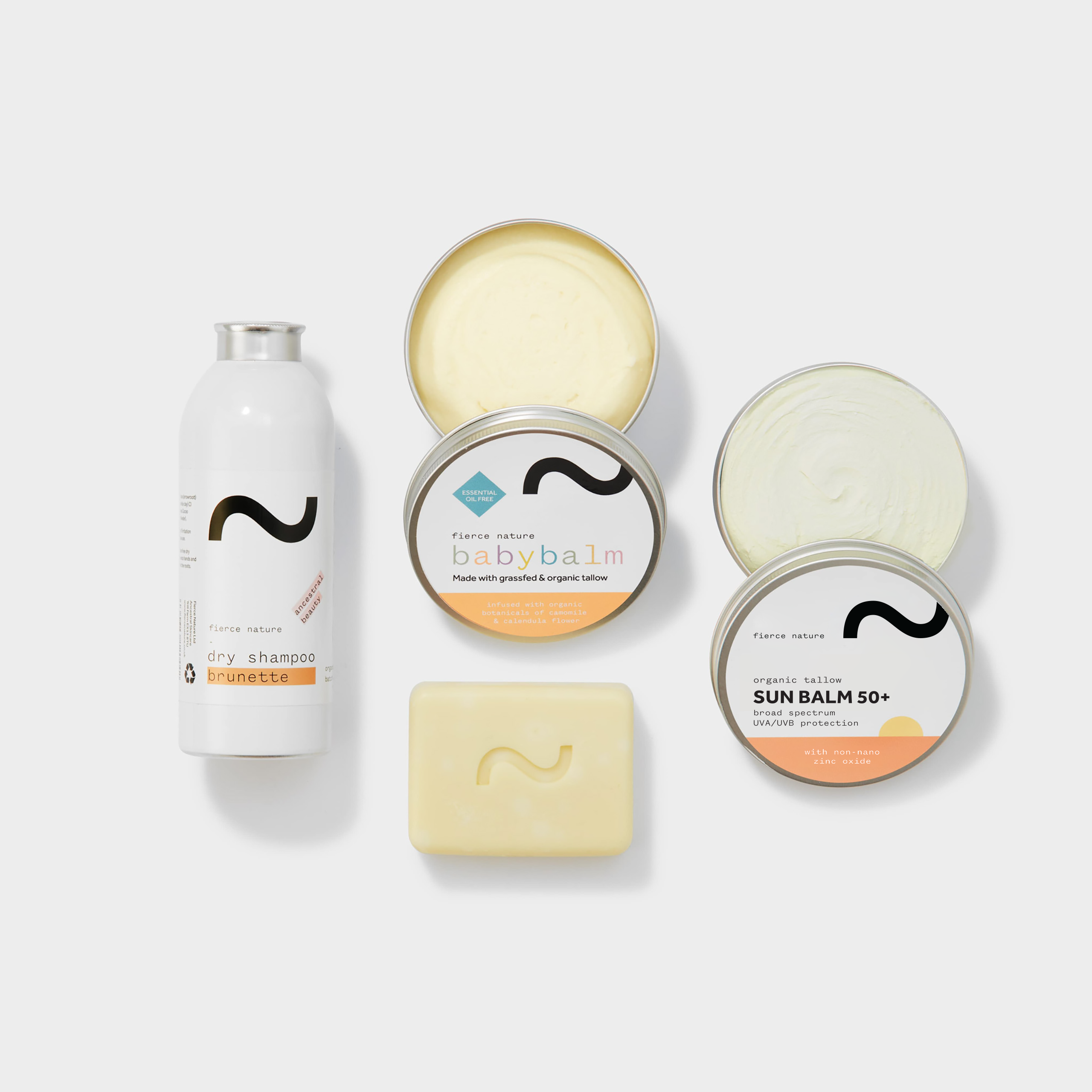
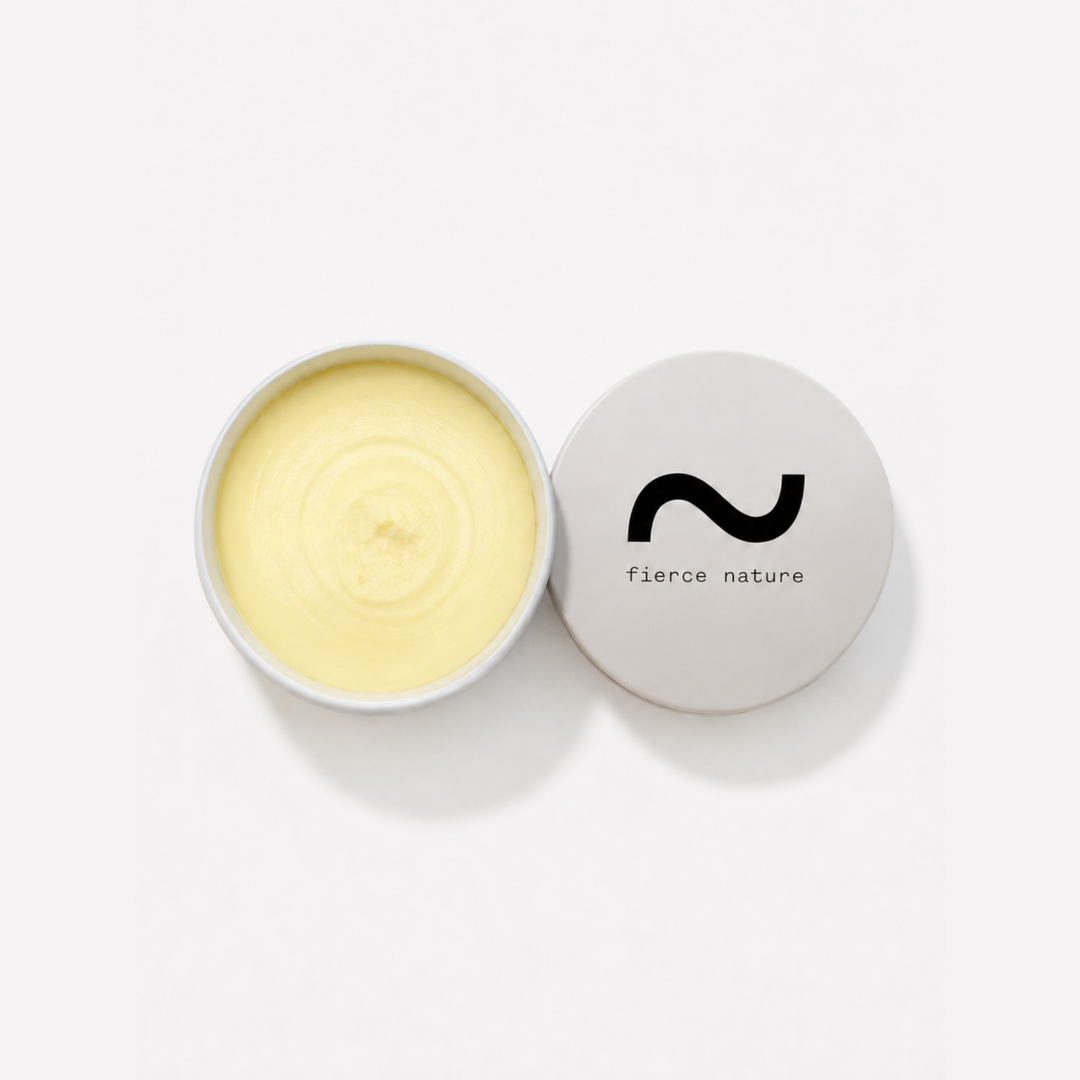
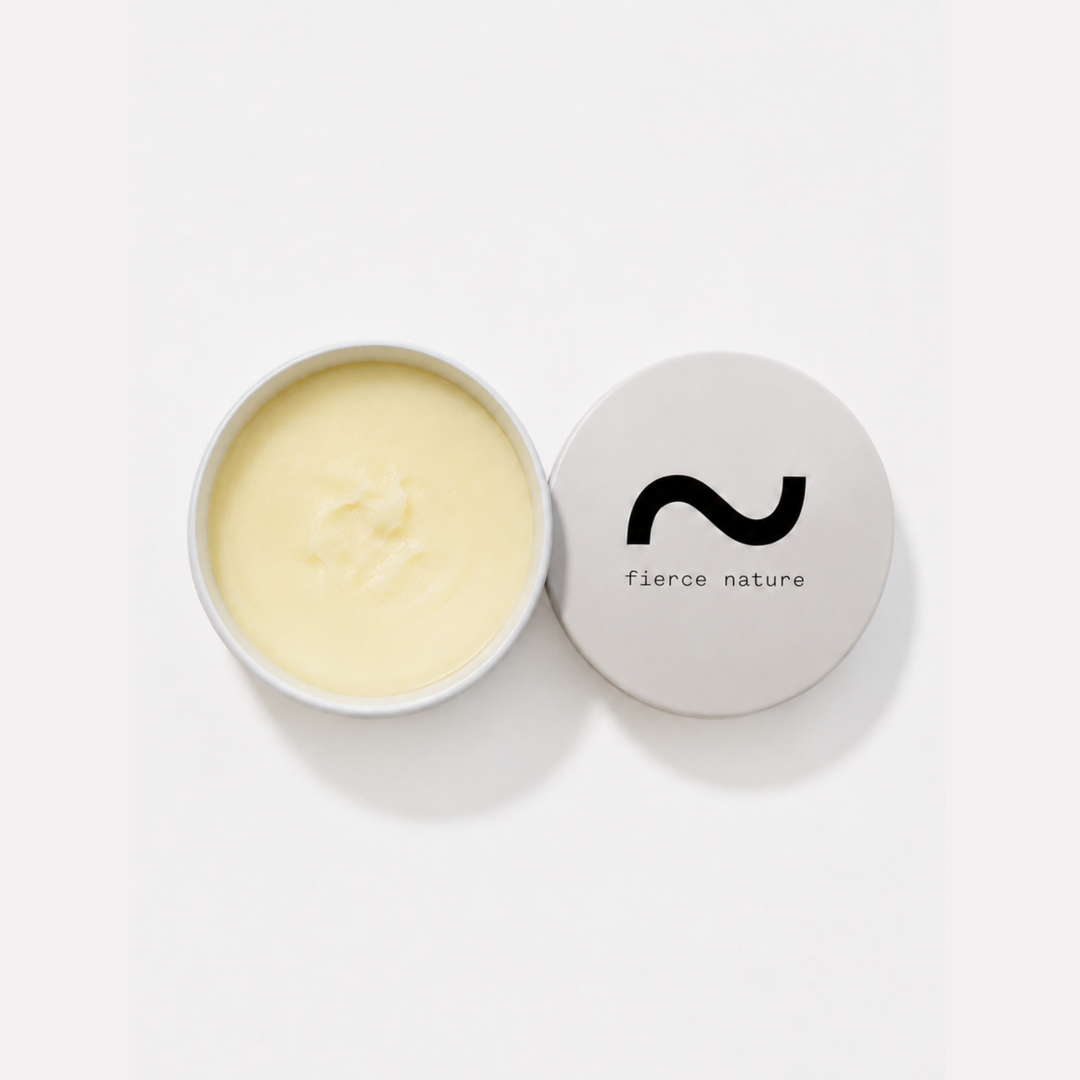
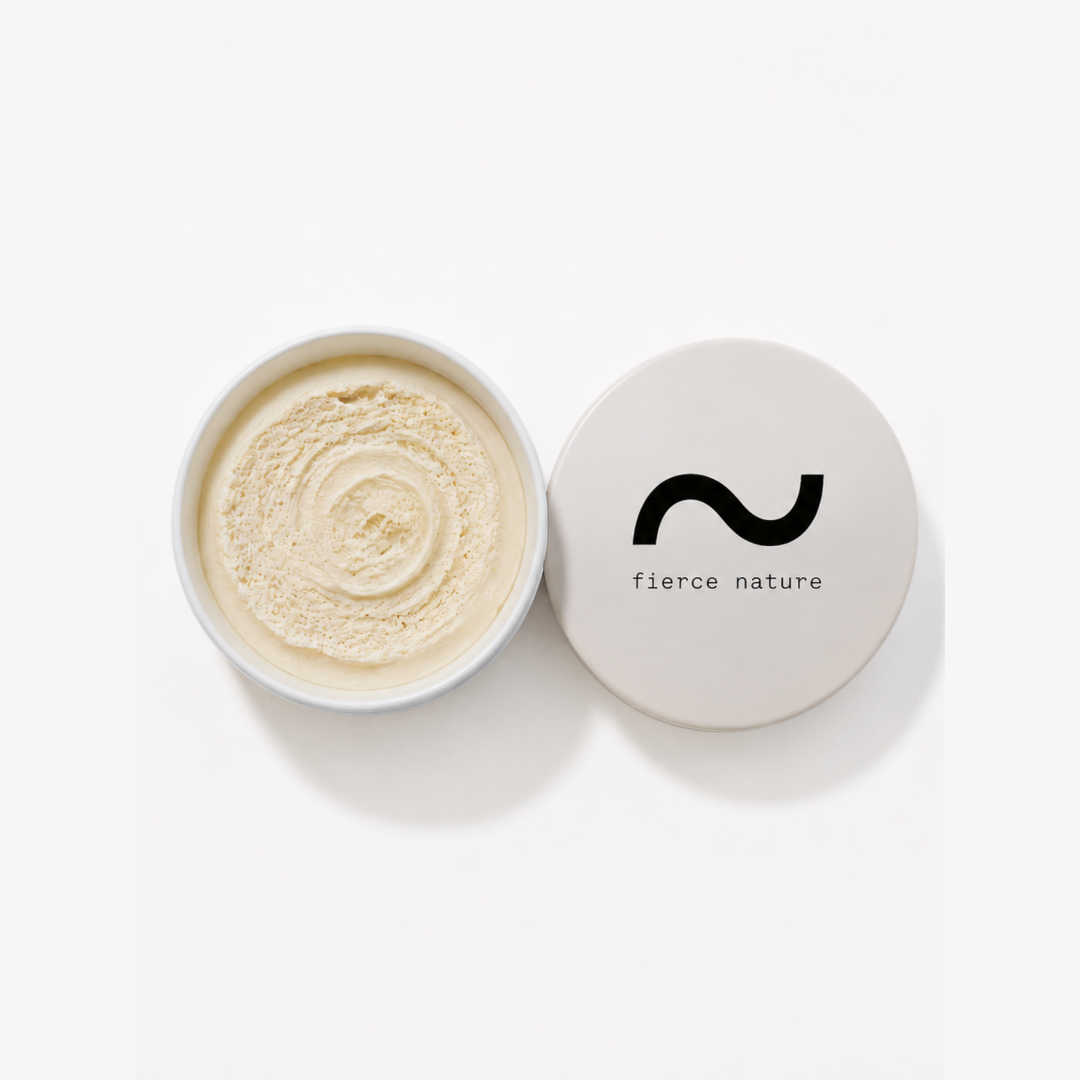
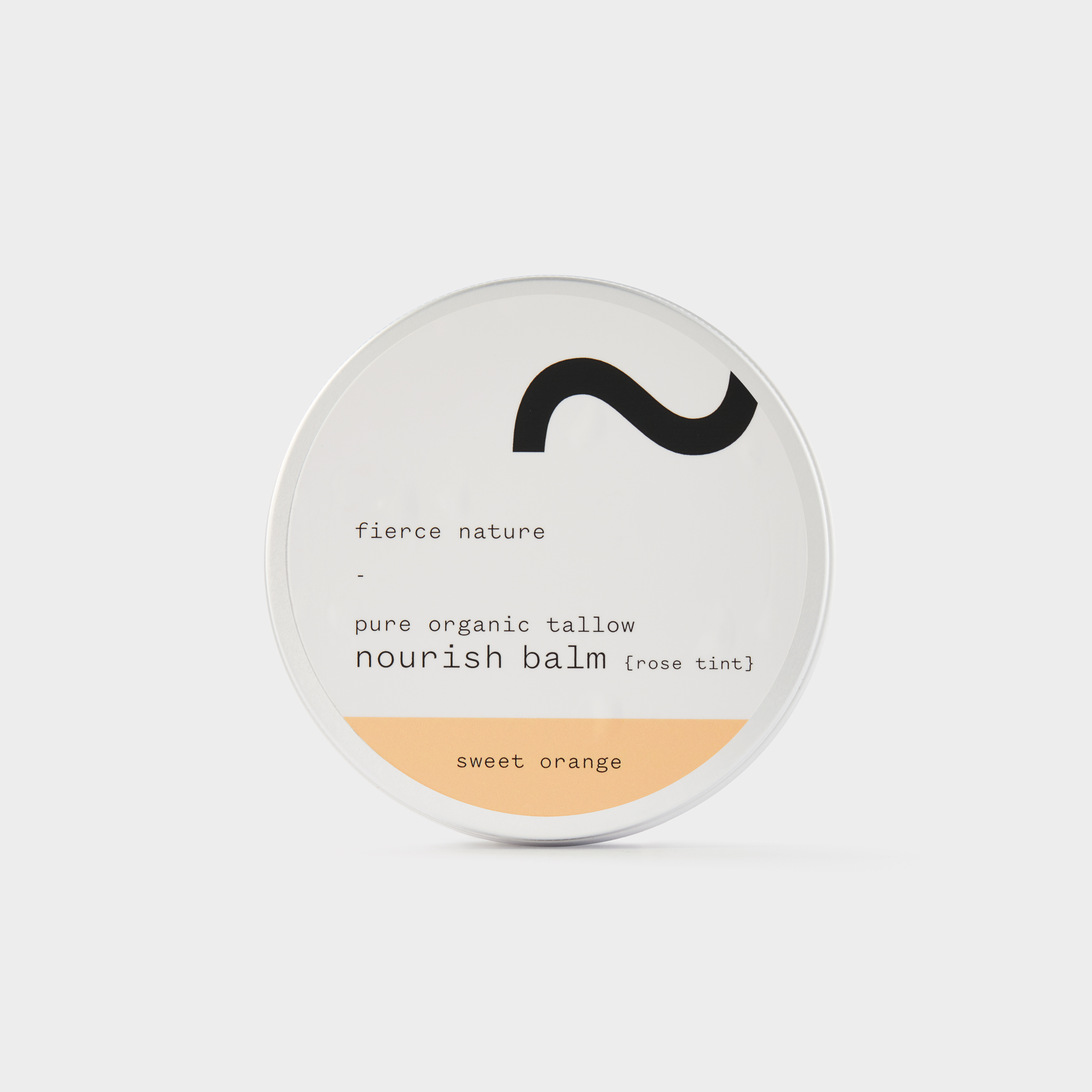

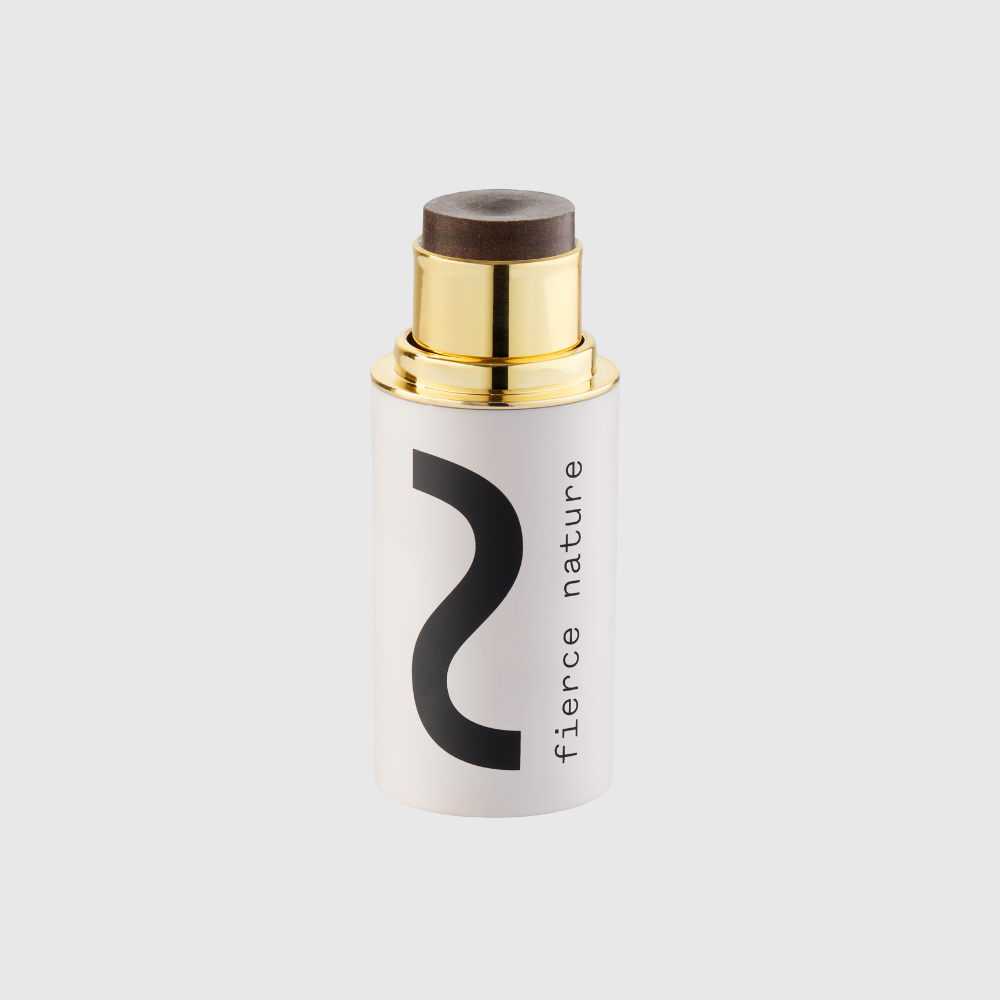
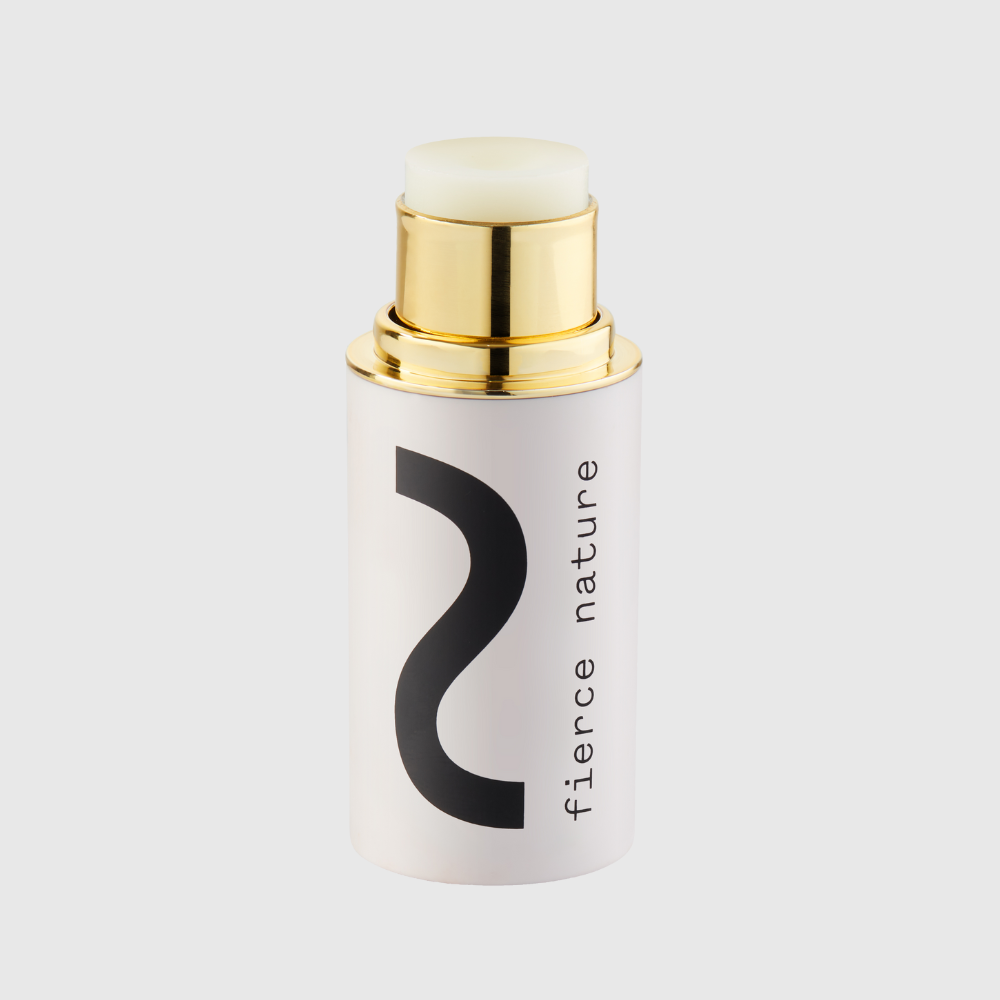
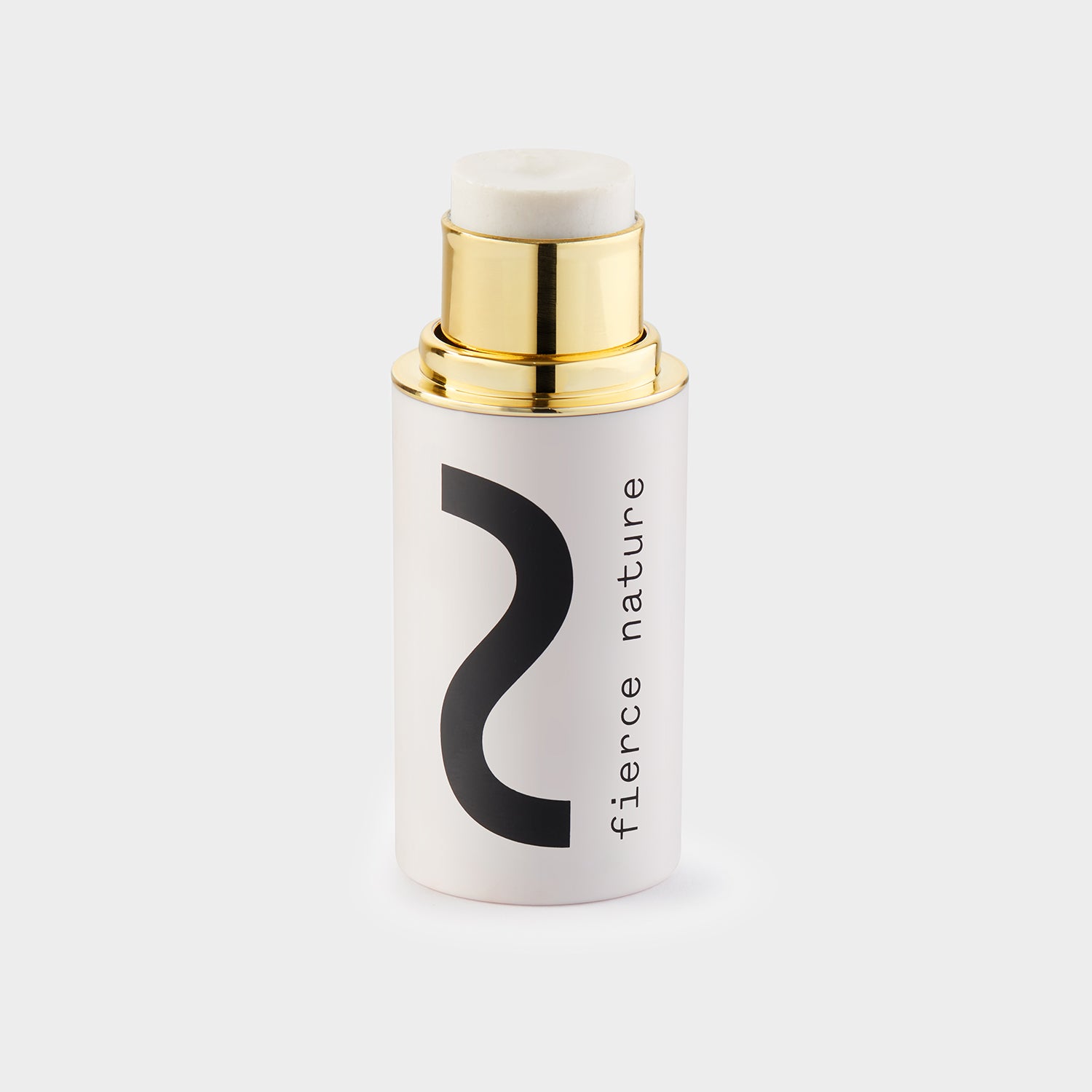
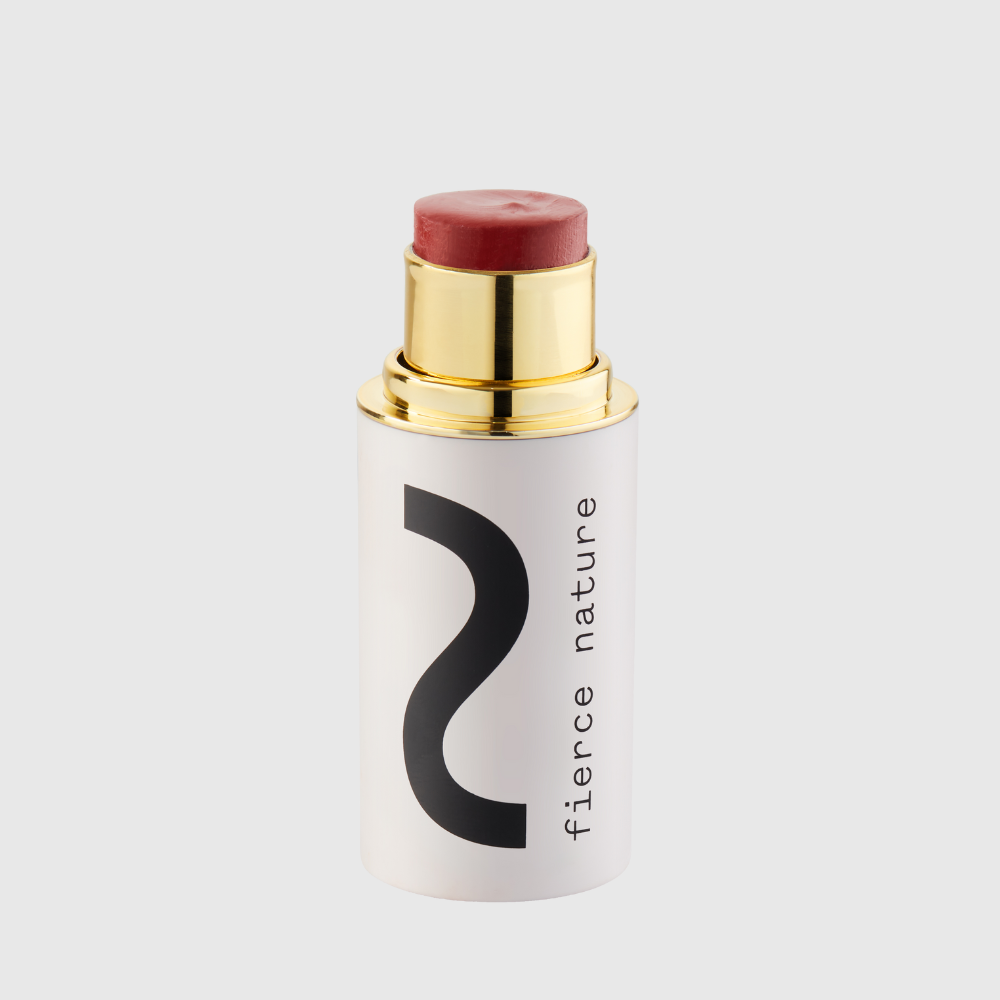



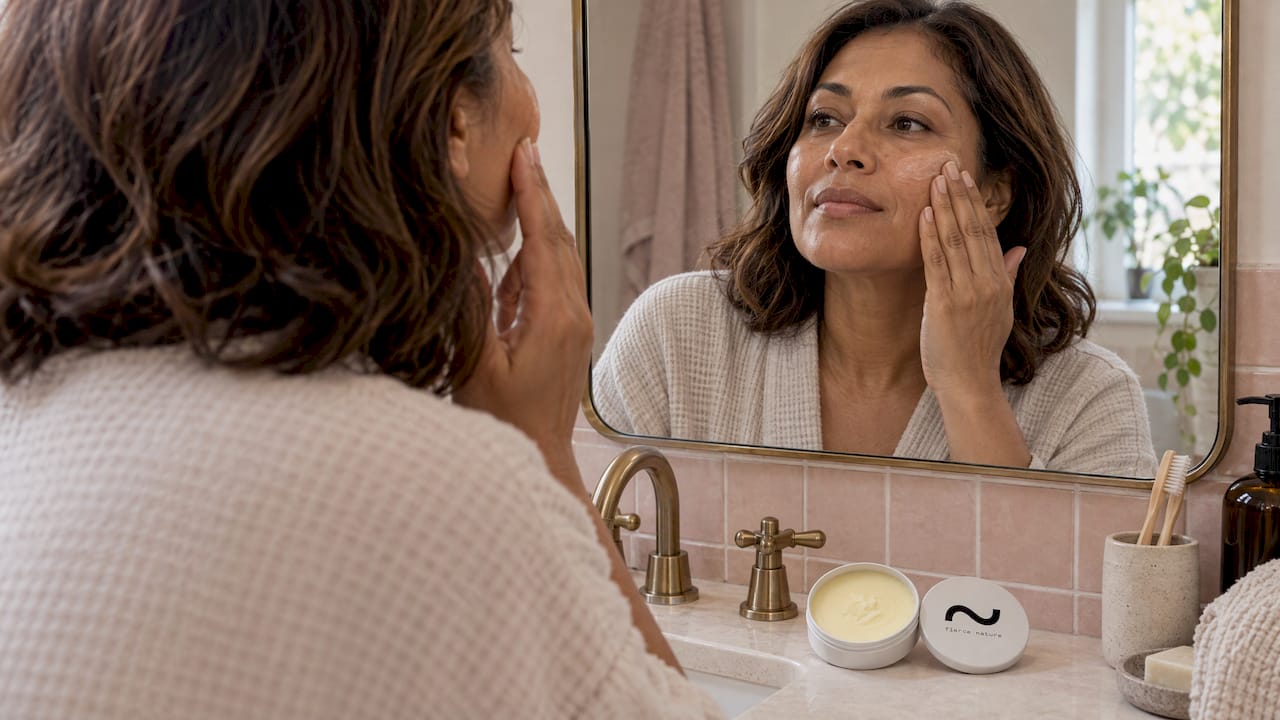
Oil cleansing with a balm means massaging a solid, oil-based balm into dry skin, adding a little warm water until it turns milky, then rinsing it all away. It lifts make-up, sunscreen and the day’s build-up without the tight, stripped feeling that some foaming washes leave behind. It is especially kind to dry skin. Below, we walk you through the method, the rinse that makes or breaks it, when to follow with a second cleanse, and what to do if your skin does not take to it.
The idea behind oil cleansing is simple: like dissolves like. Sebum, sunscreen, waterproof mascara and most make-up are oil-loving, so they don’t rinse away easily with water alone. An oil or balm gets hold of them and lets them go.
A cleansing balm is the solid cousin of a cleansing oil. It starts as a soft, buttery texture in the pot. The warmth of your hands and face melts it into an oil as you massage. Add water and it changes again, into a soft milky emulsion that rinses off cleanly. That three-stage change (solid, oil, milk) is the whole trick, and it is why balms are so popular with people who dislike the mess of a runny oil.

A balm is easier to control than a liquid. It stays put in the pot, travels well in a bag, and it won’t run into your eyes halfway through a massage. For many people that makes oil cleansing feel less like an experiment and more like a ritual they look forward to.
Both do the same job. The main difference is texture. Oils are liquid and spread quickly. Balms begin solid, give you a bit more slip and cushioning as they melt, and tend to feel richer on the skin. If you find liquid oils drippy, or you want something that feels nourishing as well as cleansing, a balm is the natural place to start. We go into this in more depth in our guide to when a tallow cleansing balm beats an oil for dry or sensitive skin.
This is the routine we suggest for the evening, when your skin has the most to shift. Allow two to three minutes. It is worth taking your time.
The emulsifying step is where most people go wrong. If you wipe a balm away with a tissue, you take off the bulk but leave a thin film behind, along with everything suspended in it. That film is a common reason a perfectly gentle product ends up blamed for clogged pores. Water is what turns the balm into something that rinses away fully, so be generous with it and be patient.
Lukewarm is best. Hot water can feel lovely in the moment but is more drying for the skin, and very cold water won’t help the balm melt and rinse. Think pleasantly warm, the temperature you would test on the inside of your wrist for a baby’s bath.
If you landed here searching for a balm cleanser for dry skin, you are in good company. Dry skin often feels tight after washing, especially with products that foam heavily. Cleansing balms work differently. Because they are oil-based, they dissolve what needs to go while leaving more of your skin’s natural comfort in place. UK skin experts, including consultant dermatologist Dr Anjali Mahto, have described cleansing balms as great for dry skin types.
A good rule of thumb is that your skin should feel clean but comfortable afterwards, never squeaky. That squeaky, tight feeling is a sign a cleanser has taken away more than dirt, and dry or mature skin tends to feel it first.
Not every balm is the same, so here are the things we would check:
It depends on what you wore that day.
| Your day | What we suggest |
|---|---|
| No make-up, no SPF, dry or normal skin | Balm cleanse alone is often enough in the evening, with a thorough rinse |
| Light make-up or a daily SPF | Balm first, then a gentle water-based cleanser |
| Long-wear make-up or water-resistant sunscreen | Double cleanse: balm, then a mild second cleanse |
| Oily or breakout-prone skin | Balm, a very thorough rinse, then a gentle gel or foaming cleanser |
| Morning | Often just water or a very light cleanse is enough for dry skin |
Yes, you can. If you have dry skin, you are not wearing much on your face and you rinse thoroughly, a balm on its own can leave skin feeling soft and clean. Where a second cleanse earns its place is after sunscreen and make-up. SPF, particularly water-resistant and mineral formulas, and long-wear make-up are made to stay put, and one cleanse can end up moving them around rather than removing them. That is the reason many skin professionals describe an oil or balm as a targeted first step in a double cleanse rather than a complete replacement for a normal wash.
This is also why a lot of dermatologists and aesthetic doctors in the UK suggest cleansing morning and evening, and double cleansing at night if you wear SPF or make-up. The second step is meant to be gentle and water-based, using lukewarm water.

Think of it as two different jobs. The balm is the oil-loving job: make-up, SPF, sebum, pollution. The second cleanse is the water-loving job: sweat and everyday grime. If your skin is dry and the second step feels like too much, use a very mild cream cleanser or even a soft cloth and water. Listen to how your skin feels an hour later. If it feels comfortable, you have the balance right.
It might seem backwards to put oil on oily skin, and plenty of people use balms happily on all skin types. But it is fair to say results vary. Some people find that oil cleansing leaves their skin clearer and more balanced. Others find it triggers breakouts. Skin professionals are genuinely divided on it for acne-prone skin, and there is little large-scale research that settles the question either way.
If you have oily or breakout-prone skin and want to try a balm, we suggest the careful route:
If you want to read more about how we think about blemish-prone skin, see our look at what the evidence shows on tallow and acne and our natural skincare solutions for acne-prone skin.
Blackheads are the question we hear a lot. The honest picture is that balms can help loosen oil and surface build-up, but no cleanser is a magic fix. Gentle, consistent cleansing, thorough rinsing and not picking are the habits that help most. If blackheads or spots are persistent, painful or affecting your confidence, a GP or a dermatologist is the right person to see.
Most problems with balm cleansing come down to technique, not the balm itself.
A balm should feel soothing. If it doesn’t, work through this list calmly.
For more on this, take a look at our sensitive skin cleansing balm guide.
We started Fierce Nature because we believe skincare should work with your skin, not against it. Many of us grew up using mainstream cosmetics, and some of us, as young girls, battled rashes and reactions without understanding why. Over the years, we have come to see how much the products we put on our bodies matter.
That is why our foundation is pure organic tallow. Tallow has been used for centuries in soap making and as a skin emollient, and our formulas are designed around its richness: a nourishing base that leaves skin feeling smoother and well looked after. We handmake our balms in the UK with naturally sourced ingredients, and we believe in being open about what goes into every pot.
When it comes to cleansing, we think a balm is the most natural fit. It cleans through gentle melting and massage, not harsh foaming, and it does so while giving something back. For dry and sensitive skin, that approach feels right to us. It is also a lovely few minutes of the day that is just for you.
To learn how our approach works in practice, read about how a tallow cleansing balm works and who it suits.
Fierce Nature
You don’t need a long shelf of products. A calm, repeatable routine is kinder to your skin and easier to keep up.
Evening
Morning
If you are still working out which moisturiser sits best after cleansing, our article on natural moisturisers for sensitive skin is a good next step. And if you are curious about balms that go further than cleansing, see what a detox face balm is and how it cleans your skin.
In winter, central heating and cold wind dry the skin out, so you may find you want a little more balm and a slightly gentler second cleanse, or none at all on evenings without make-up. In summer, when you wear more SPF and sweat more, a proper double cleanse at night can feel more satisfying. Adjust to your skin, not to a rulebook.
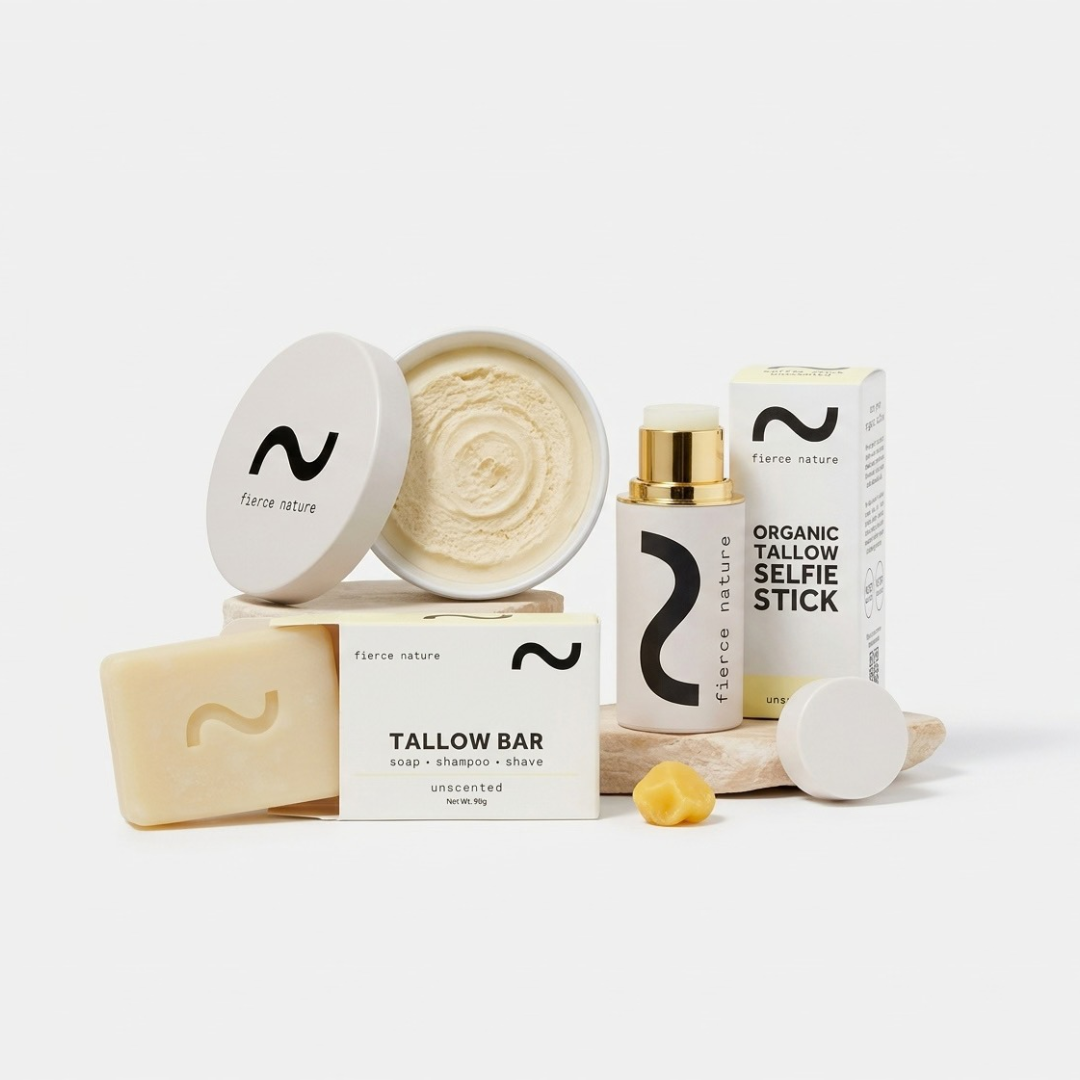
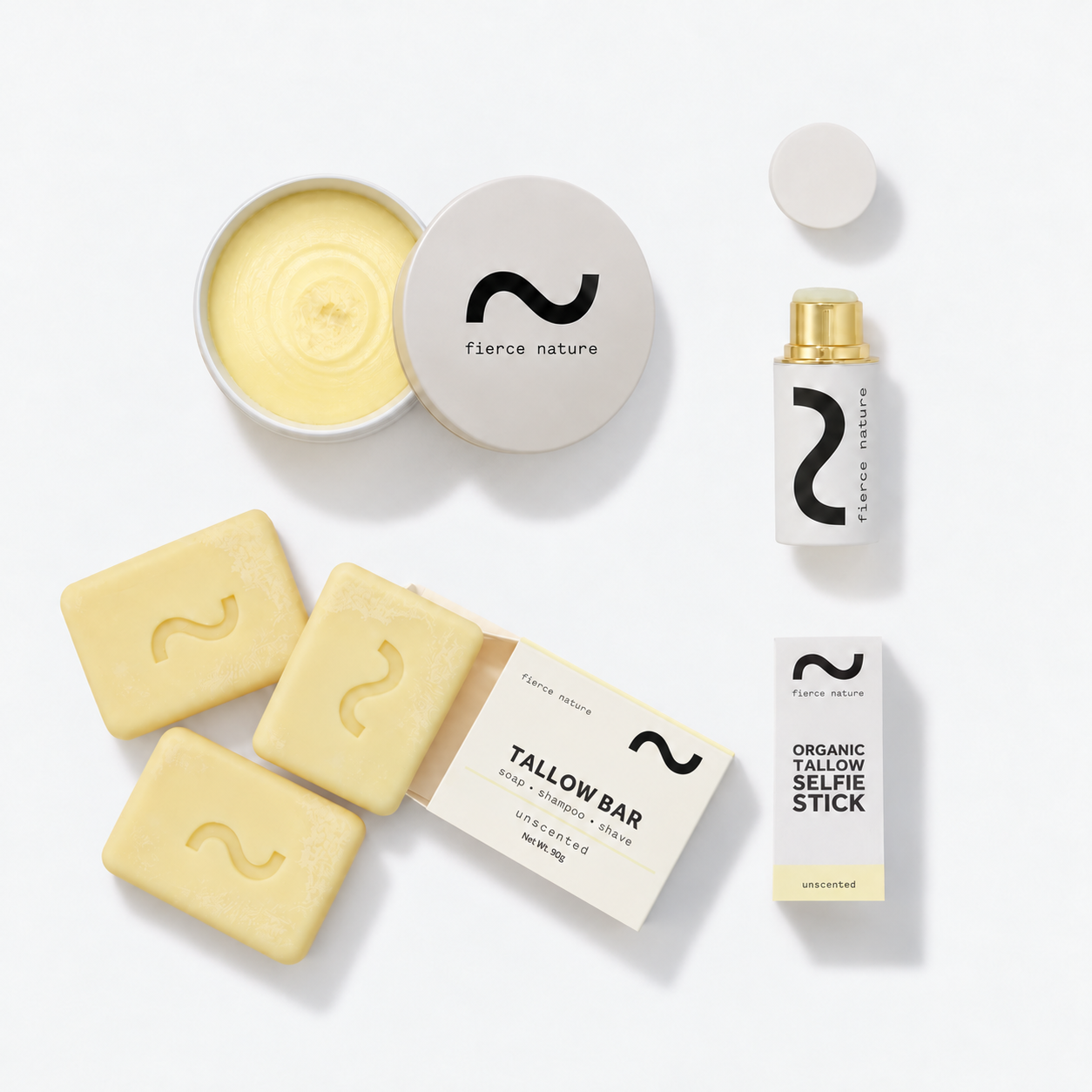
If you would like to try tallow-based balm cleansing, our handmade balms are made in the UK with organic tallow as the foundation. You can browse the full face and body balms, explore the Nourish Balms Collection or look at the Functional Balm Collection. If you prefer an unscented option, our Nourish Balm (Unscented) is a gentle place to begin, and new customers who want to try a few things at once can look at the Fierce Nature Starter Bundle.
Yes, many people do, especially in the evening on dry skin when they are wearing little or no make-up. Rinse very thoroughly so no residue is left behind. If you wear SPF or long-wear make-up, follow the balm with a gentle water-based cleanser.
It often is. Balms are oil-based, so they dissolve make-up and sunscreen without the squeaky, tight feeling some foaming cleansers leave. Choose a nourishing formula, use lukewarm water and make sure your skin feels comfortable, not stripped, afterwards.
Dry skin, with dry hands. That lets the balm get to work on make-up, SPF and sebum. Add warm water only after about a minute of massage, then keep massaging until the balm turns milky and rinse well.
Pause it and simplify your routine. Check that you are emulsifying with water and rinsing thoroughly, because leftover residue is a common cause. If you reintroduce it, use less, add a gentle second cleanse and go slowly. If breakouts persist, speak to your GP or a dermatologist.
Most people use it in the evening, once a day. If your skin is dry or you have worn little make-up, you may only need it a few times a week, with plain lukewarm water on the other evenings. Let how your skin feels guide you.