Einkaufswagen
0
80% Das wurde ebenfalls hinzugefügt





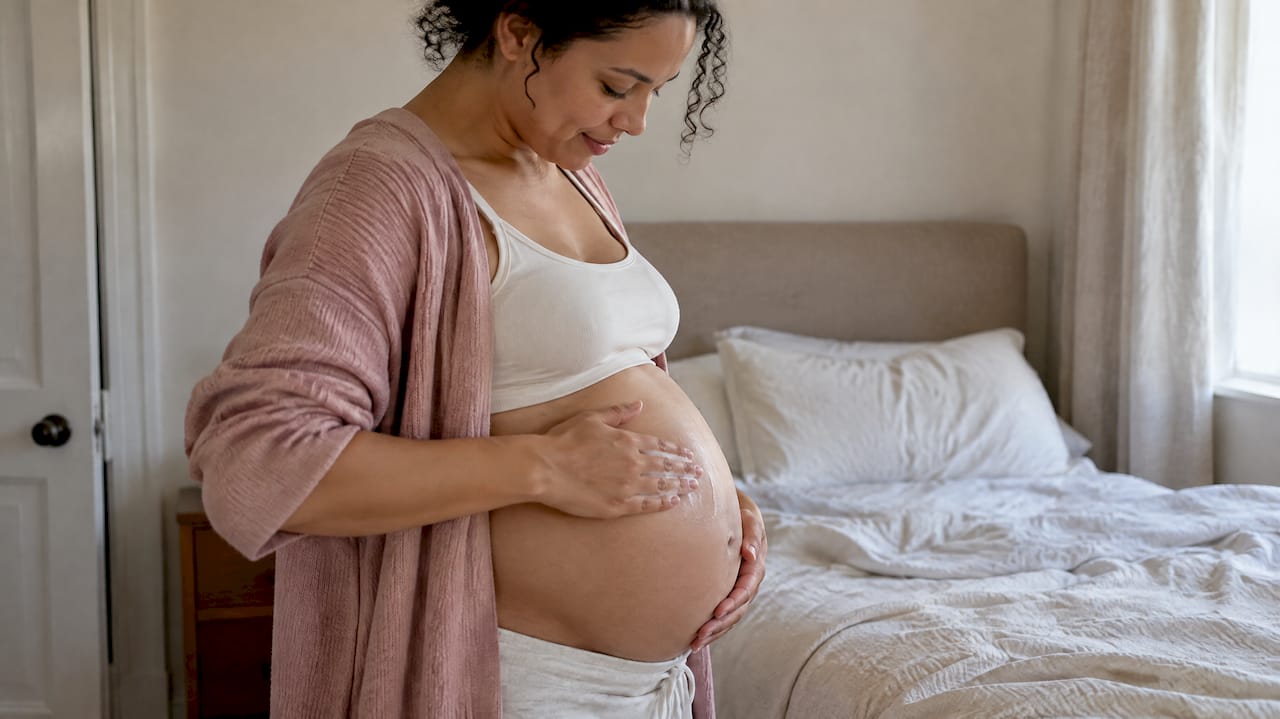
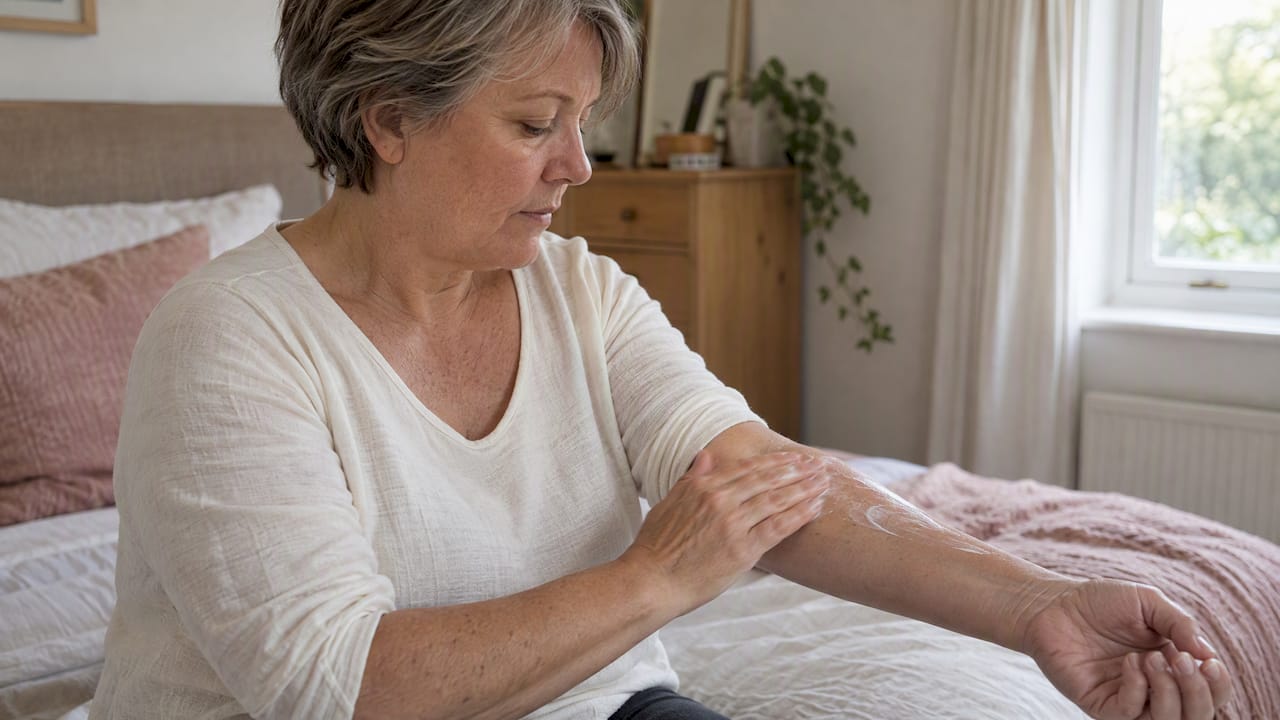
An itchy bump is one of the most common and least talked about parts of pregnancy. The skin over your belly is stretching faster than it ever has, and it often protests by feeling tight, dry and relentlessly itchy. The good news is that most belly itch is harmless and responds well to gentle, consistent care: cool compresses, lukewarm washing, loose cotton and a rich, unperfumed balm applied often. The important caveat is that itching with no rash, especially on your palms or the soles of your feet, or itching that is worse at night, needs a same-day call to your midwife or maternity unit. We cover both sides below, so you can soothe your skin with confidence and know exactly when soothing is not enough.
Itching is common in pregnancy. The Royal College of Obstetricians and Gynaecologists (RCOG) describes itching as a symptom affecting around one in four pregnant women, and the NHS notes that it is not usually caused by anything serious. There are several everyday reasons your bump feels itchy.
As your uterus grows, the skin over your abdomen has to expand. Stretched skin can feel tight, tingly and itchy, particularly in the second and third trimesters when the bump grows quickest. The itch often comes before any visible change, and it can appear with or without stretch marks.
Hormonal changes can leave skin drier than usual, and a stretched surface loses moisture more easily. Dry skin has a weakened barrier, so it reacts more readily to heat, rough fabric and soap. If your belly is flaky, tight or looks slightly dull, dryness is a likely culprit.
Pregnancy changes your hormones and increases blood flow to the skin, which can make you feel warmer and more sensitive. Warm skin itches more, which is why itching often flares in the evening or after a hot shower.
If you already have eczema, you may find it flares during pregnancy. Eczema Society guidance, as summarised by dermatology experts, is that your regular emollient routine should be kept up or even increased while pregnant, rather than dropped. If you have a history of eczema, you may recognise the dry, red, rough patches and the itch that comes with them.
A few skin conditions are specific to pregnancy, and some begin on the abdomen, often in or around stretch marks. If you notice a rash made up of bumps, hives-like patches or blisters, rather than just dry skin, mention it to your midwife or GP so it can be properly identified. Do not try to diagnose it yourself, and do not assume it is simply dry skin.
This is the part we never want you to skip. A small number of pregnant women develop intrahepatic cholestasis of pregnancy, also called obstetric cholestasis. It affects how the liver works, and itching is its main symptom.
According to the RCOG, ICP affects about 7 in 1,000 pregnant women in the UK, with higher rates, up to around 1.5%, among women of Indian-Asian or Pakistani-Asian origin. That means most itchy bellies are not ICP. But because the condition needs monitoring and treatment, it is never worth guessing.
Contact your midwife, GP or maternity unit the same day if:
Itching can start at any time in pregnancy but, as the RCOG explains, it usually begins after 28 weeks. Do not wait for your next routine appointment. If you cannot reach your midwife, call your maternity unit or NHS 111.
Emollients and cool baths can make you more comfortable, but they do not treat an underlying liver condition, and they cannot tell you whether you have one. The only way to rule ICP in or out is through blood tests, which check liver function and bile acids. Many women assume their skin is simply dry, so it is easy to put off asking. If the itch feels different from ordinary dry skin, trust that instinct and ask.
There is reassurance here too. For most women with ICP, the itching settles after the baby is born, and the condition is monitored carefully during pregnancy by your maternity team.
While you wait for an appointment, or once you know your itch is the ordinary stretching and dry-skin kind, these measures are the ones the NHS suggests and that many mums find helpful.
Cool, damp flannels placed on the skin for five to ten minutes can calm itching quickly. Keep a few in the fridge so you can rotate them. If it is a warm night, a fan in the bedroom can help too.
The NHS advises cool or warm, not hot, baths or showers, and not staying in for longer than 20 minutes. Hot water strips natural oils, and dry skin itches more. Use a mild, fragrance-free cleanser or soap, and pat yourself dry rather than rubbing.
Loose-fitting clothes made from natural fibres such as cotton let your skin breathe and reduce friction over the bump. Tight waistbands, synthetic fabrics and rough seams can all aggravate itching. Check the labels in your maternity wear, and wash new clothes before wearing them.
Scratching feels good for a moment and then makes the itch worse, and it can damage the skin. The NHS suggests patting or tapping the itchy area instead. Keep your nails short, and if you scratch in your sleep, thin cotton gloves or a layer of clothing over the bump can protect your skin.
Using an unperfumed emollient often is the cornerstone of belly itch care. Small, frequent applications beat one big layer a day. We look at what to choose in the next section.
The NHS notes that avoiding spicy food and caffeine may stop itching from being aggravated for some people. It is a small change and it will not suit everyone, but it costs nothing to try. Staying well hydrated also supports comfortable skin.
A good moisturiser for stretching skin does two things: it replaces what the skin is losing, and it seals that moisture in. Here is what we would look for.
Dry, itchy skin needs a barrier, not just a splash of water. Rich, fat-based formulas sit on the skin and slow moisture loss. Balms are generally thicker than lotions, which is why many people with very dry or itchy skin prefer them for the bump.
Fragrance is a common trigger for sensitive skin, and pregnancy often makes skin more reactive than usual. Choose products with no added perfume, and that includes essential oils if your skin is easily upset. “Natural” does not automatically mean gentle.
The fewer the ingredients, the easier it is to spot what might disagree with you. If you have ever reacted to a product, take the ingredient list with you to your midwife or pharmacist.
Aqueous cream used to be a go-to emollient, but dermatology guidance now cautions against using it long term as a leave-on moisturiser, because it can irritate sensitive skin and worsen conditions such as eczema. A richer, unperfumed emollient is generally preferred for restoring the skin barrier.
Before you cover your bump in anything new, try a small amount on your inner forearm and wait 24 hours. Pregnancy can change how your skin reacts to products you have used for years, so even old favourites deserve a little caution.
You do not need a long routine. Consistency matters more than variety.
If you notice the skin becoming red, cracked, weepy or sore, or the itch is not improving after a week or so of steady care, speak to your GP or midwife. Sometimes a stronger treatment is needed. Dermatology guidance indicates that topical steroids, when required, are generally considered safe in pregnancy under professional supervision, so you should not suffer in silence if your doctor recommends one.
This table is a prompt for conversation with your midwife, not a diagnosis.
| What you notice | What it may be | What to do |
|---|---|---|
| Tight, dry, flaky skin over the bump, no rash | Stretching and dryness | Cool compresses, lukewarm washing, regular unperfumed balm |
| Red, rough, scaly patches that itch | Eczema flare | Keep up emollients and speak to your GP or pharmacist |
| Itchy bumps, hives-like patches or blisters, often around the navel or stretch marks | Possible pregnancy-specific rash | See your midwife or GP for a proper diagnosis |
| Itching with no rash, especially palms or soles, worse at night | Possible ICP | Same-day assessment from your midwife, GP or maternity unit |
| Pink or red lines on the bump, little or no itch | Stretch marks | Moisturise for comfort, and be patient, as they fade over time |
We started Fierce Nature because our founder grew up battling rashes and reactions from mainstream cosmetics, and later came to understand how much the products we put on our skin matter. Pregnancy sharpens all of that. Your skin is working harder, you are more aware of what goes on your body, and you want to be able to trust the label.
Here is how we think about an itchy bump.
Comfort first, and honesty about what a balm can do. A balm is a way to look after your skin barrier and keep it supple. It is not a treatment for a medical condition, and we would never want anyone to put off a check because they were using a lovely balm. If your itch looks like the warning signs above, call your midwife first.
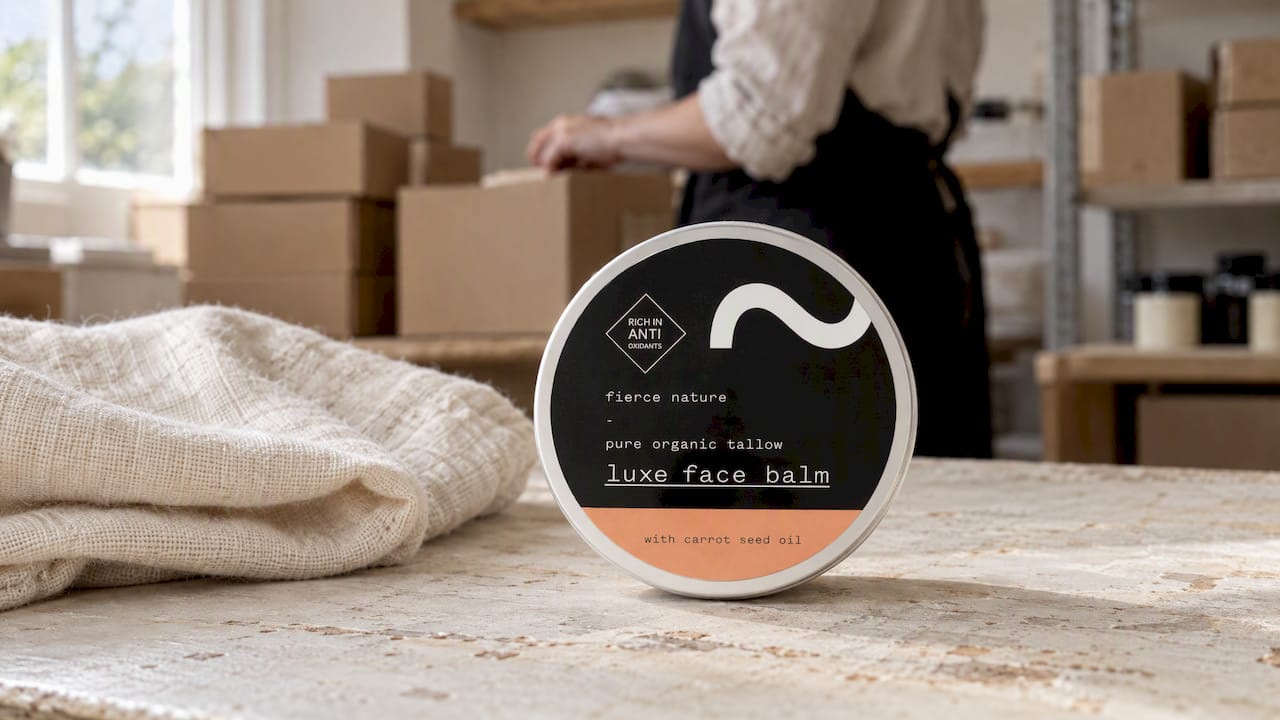
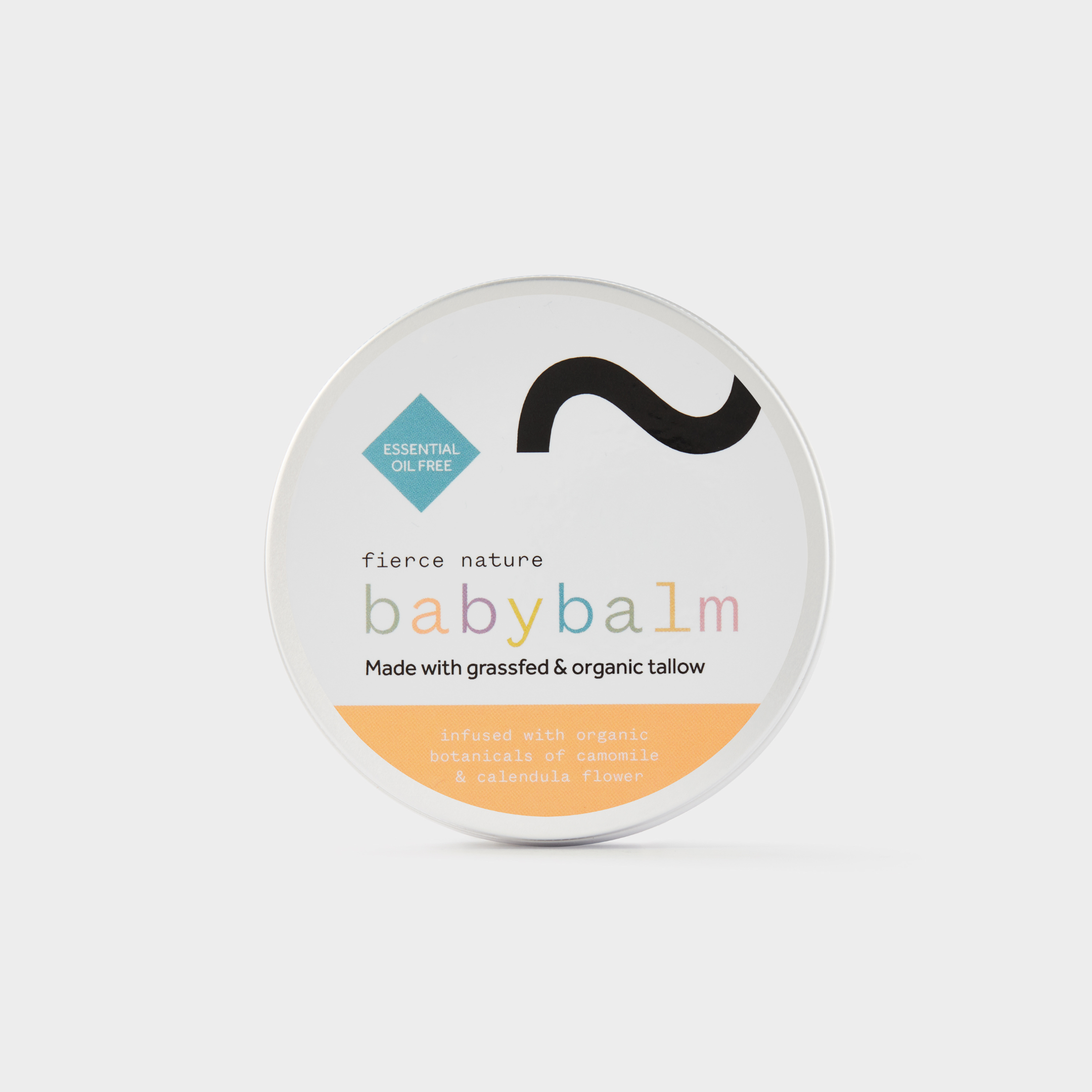
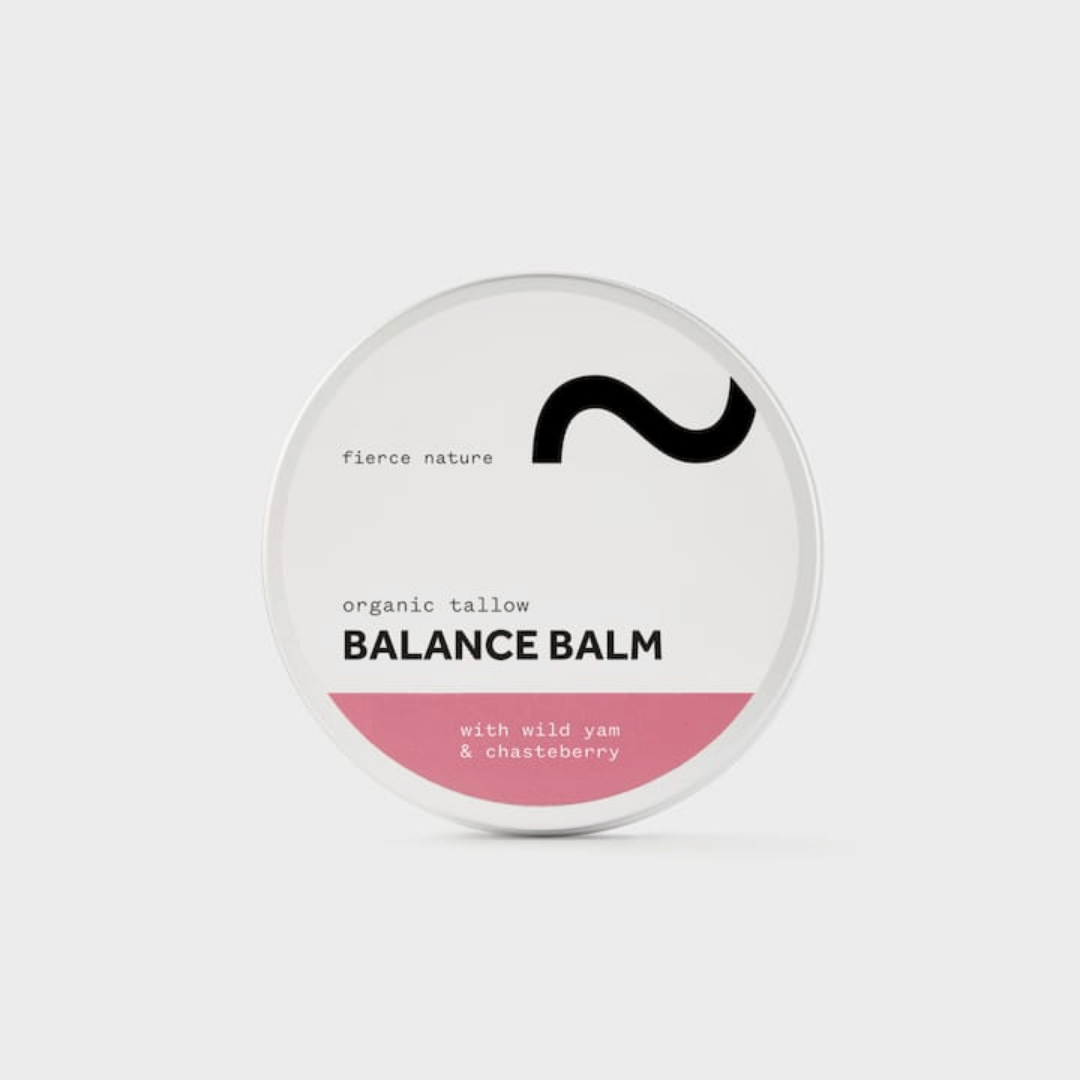
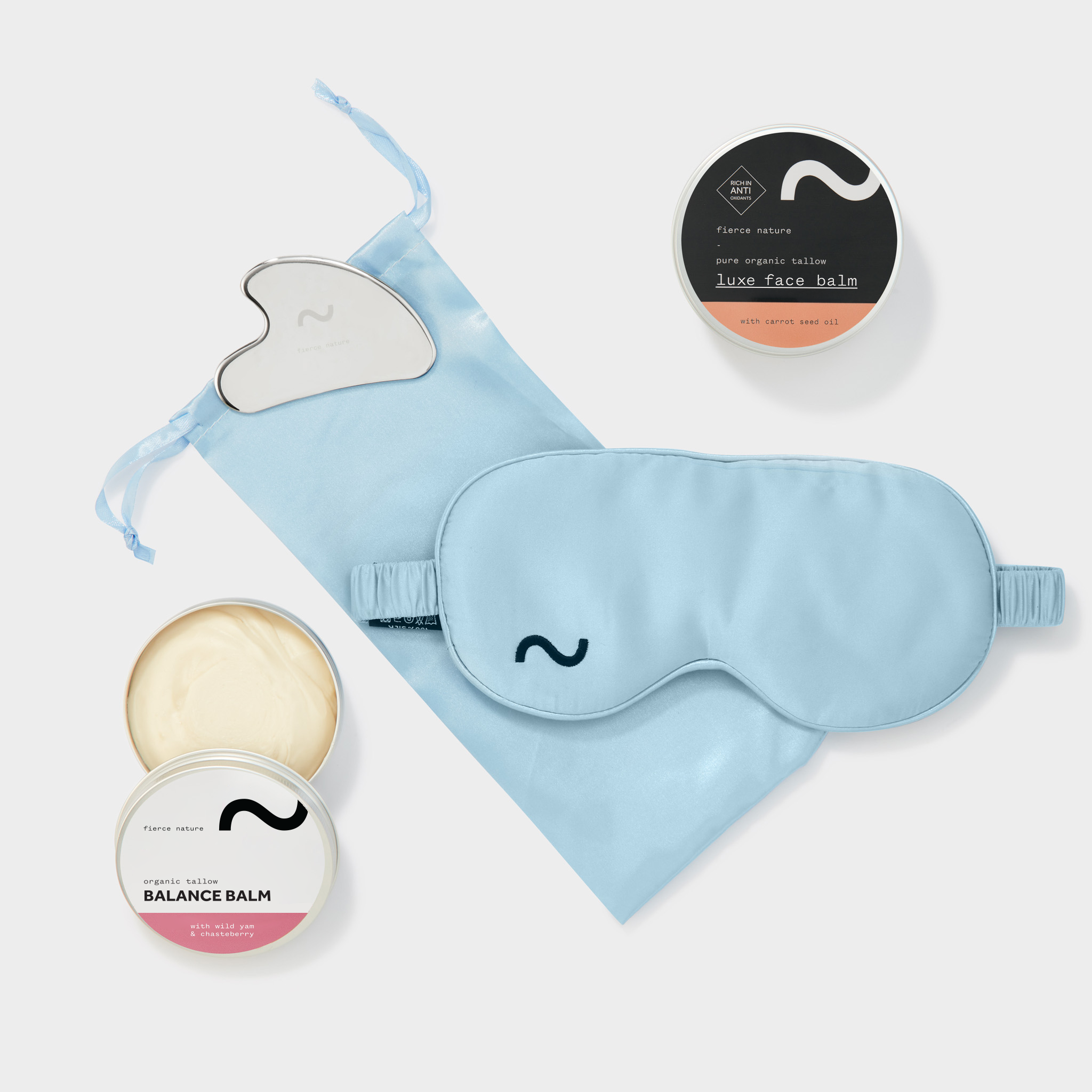
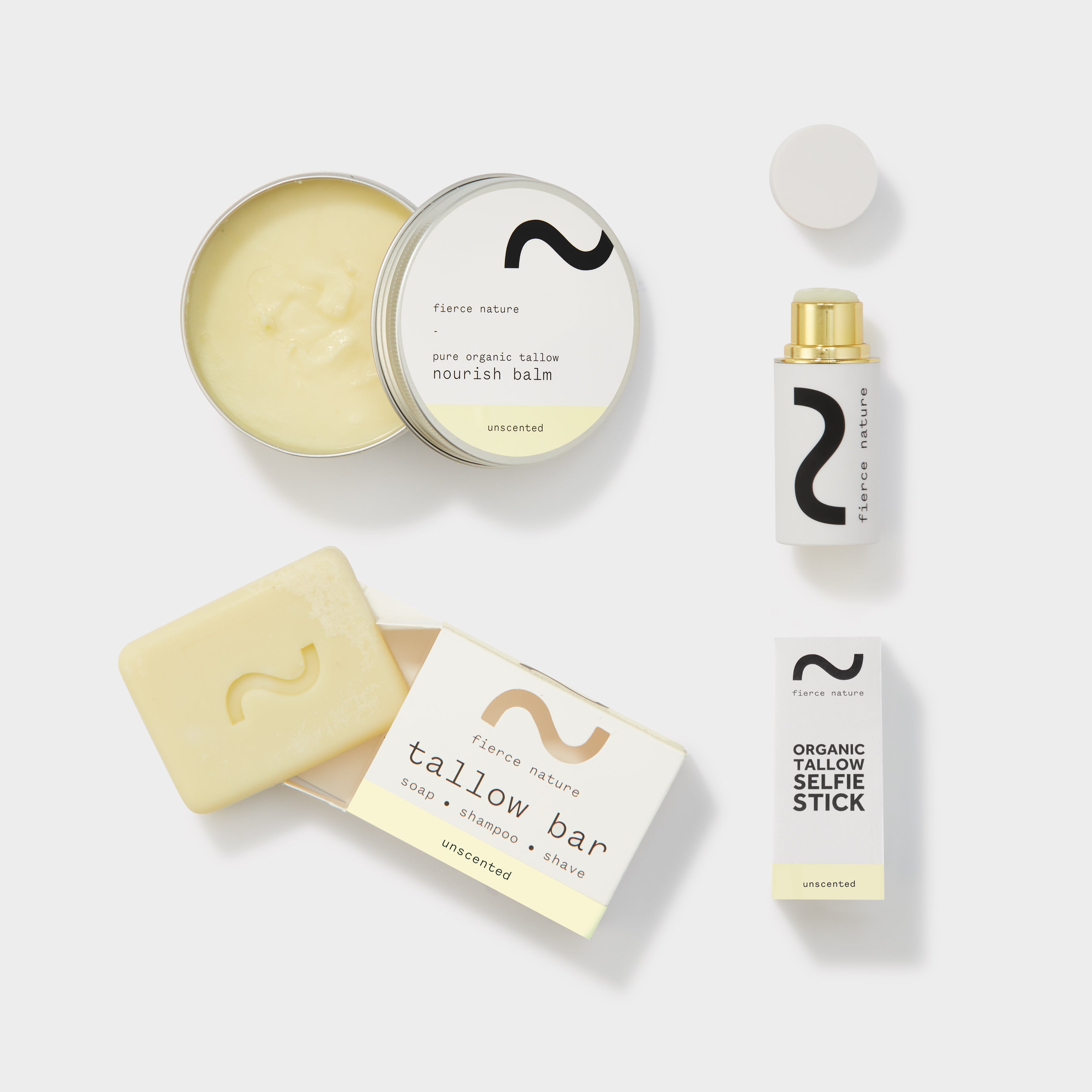
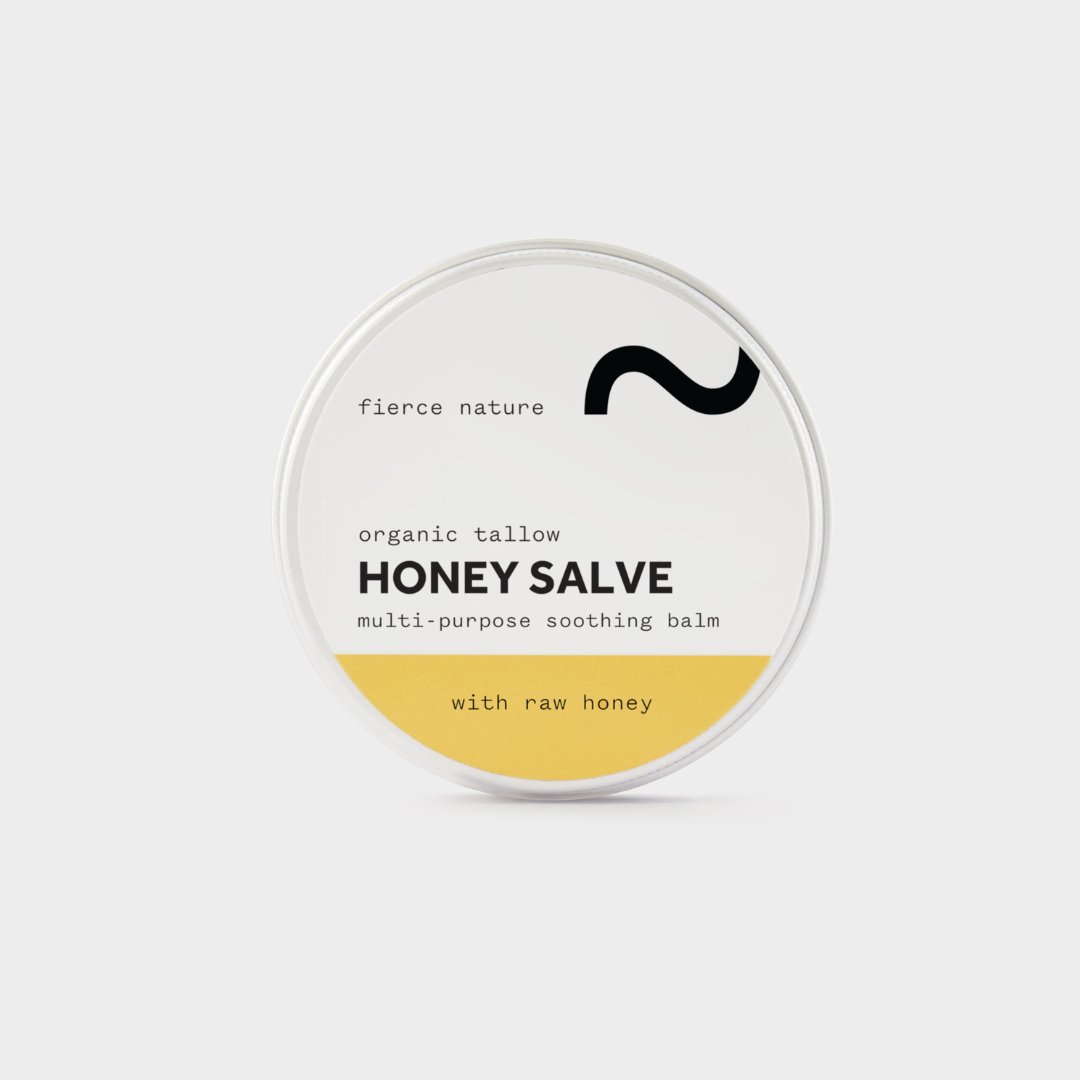
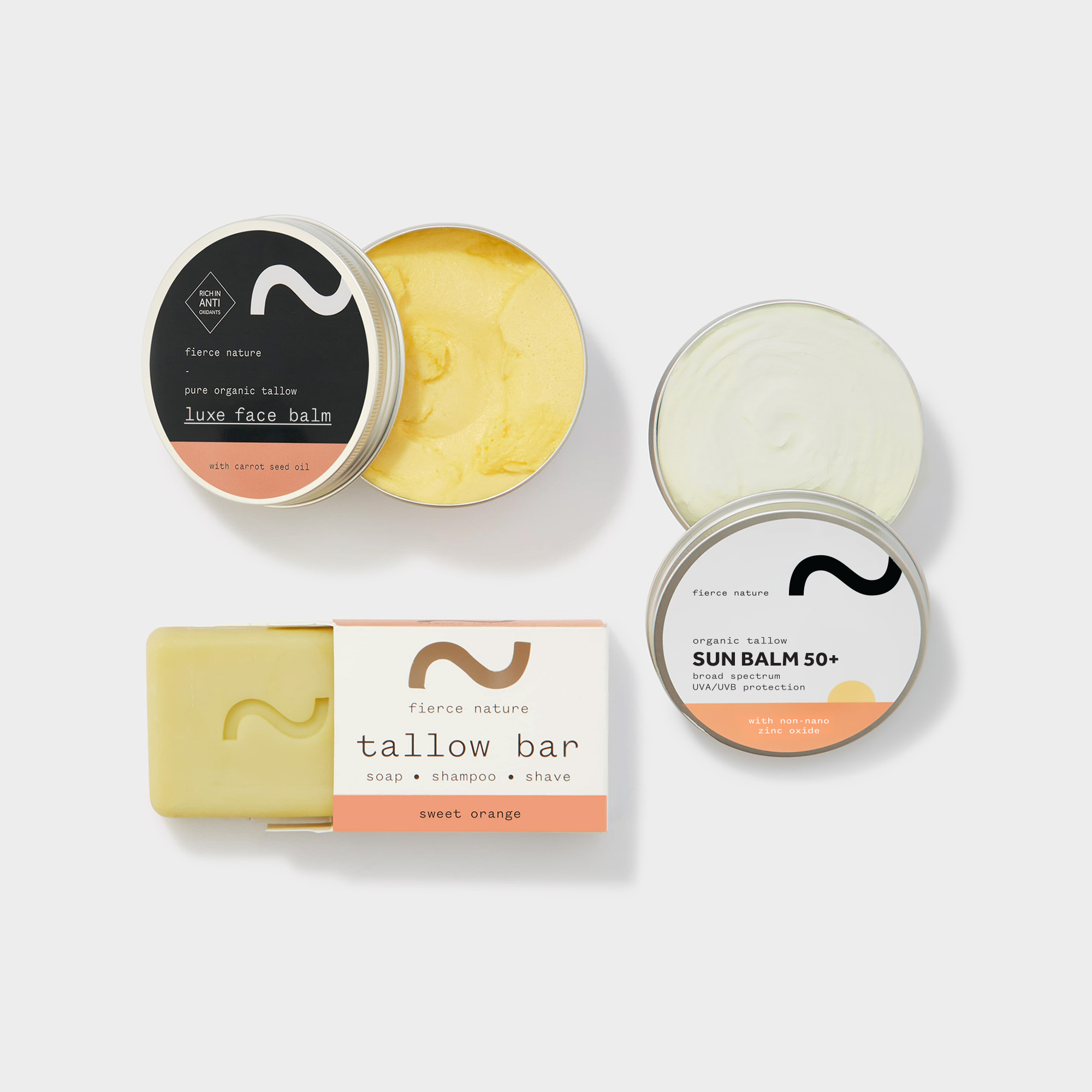
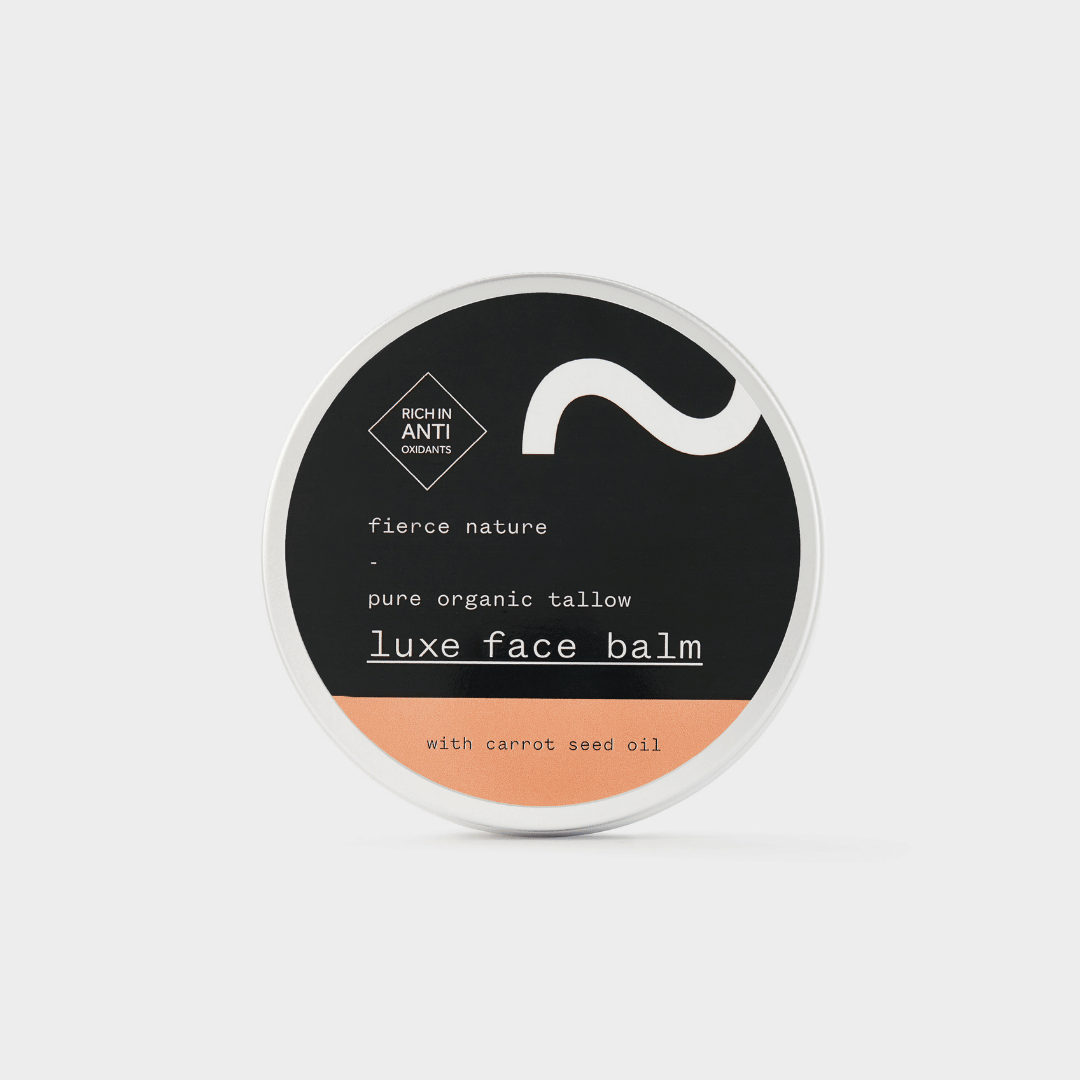
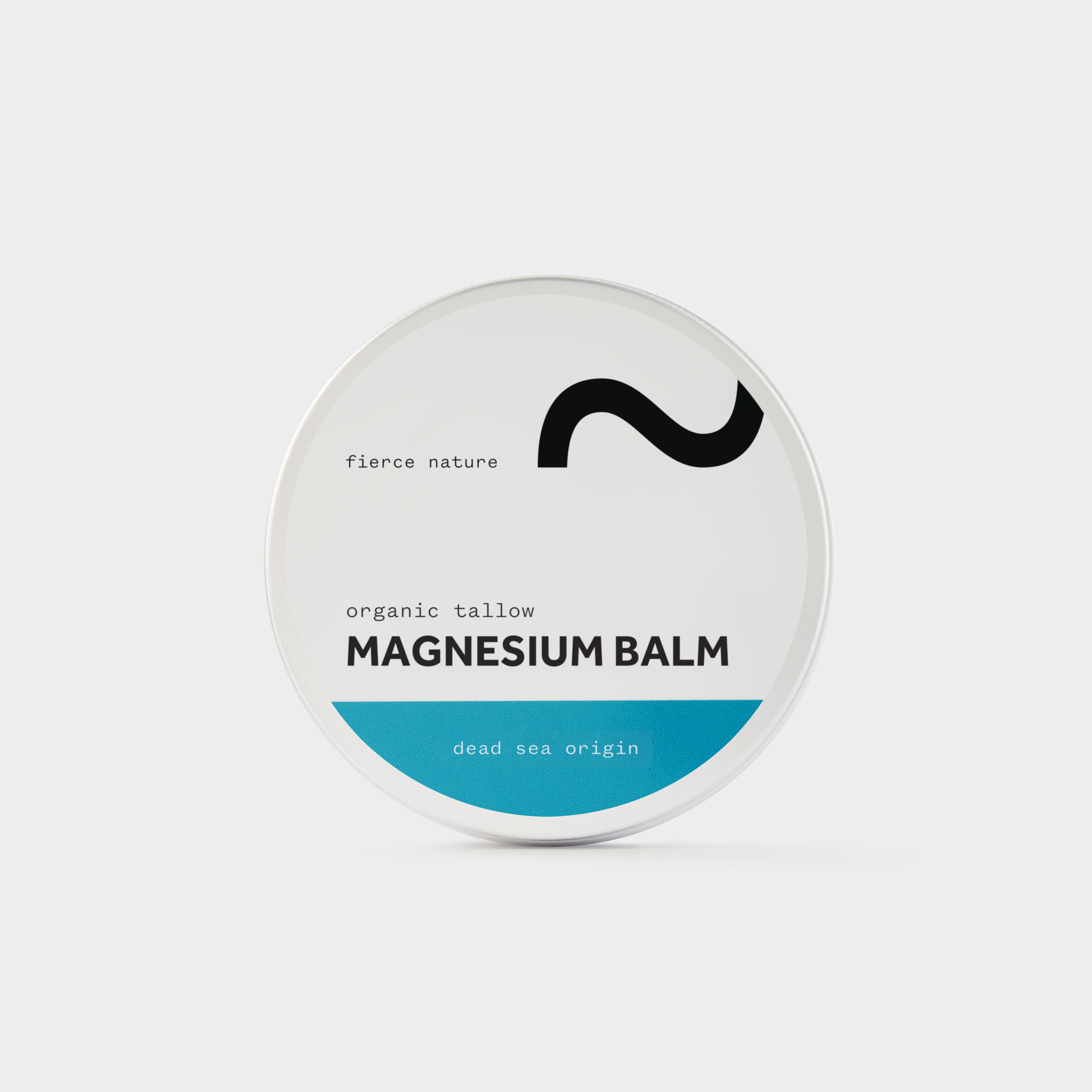
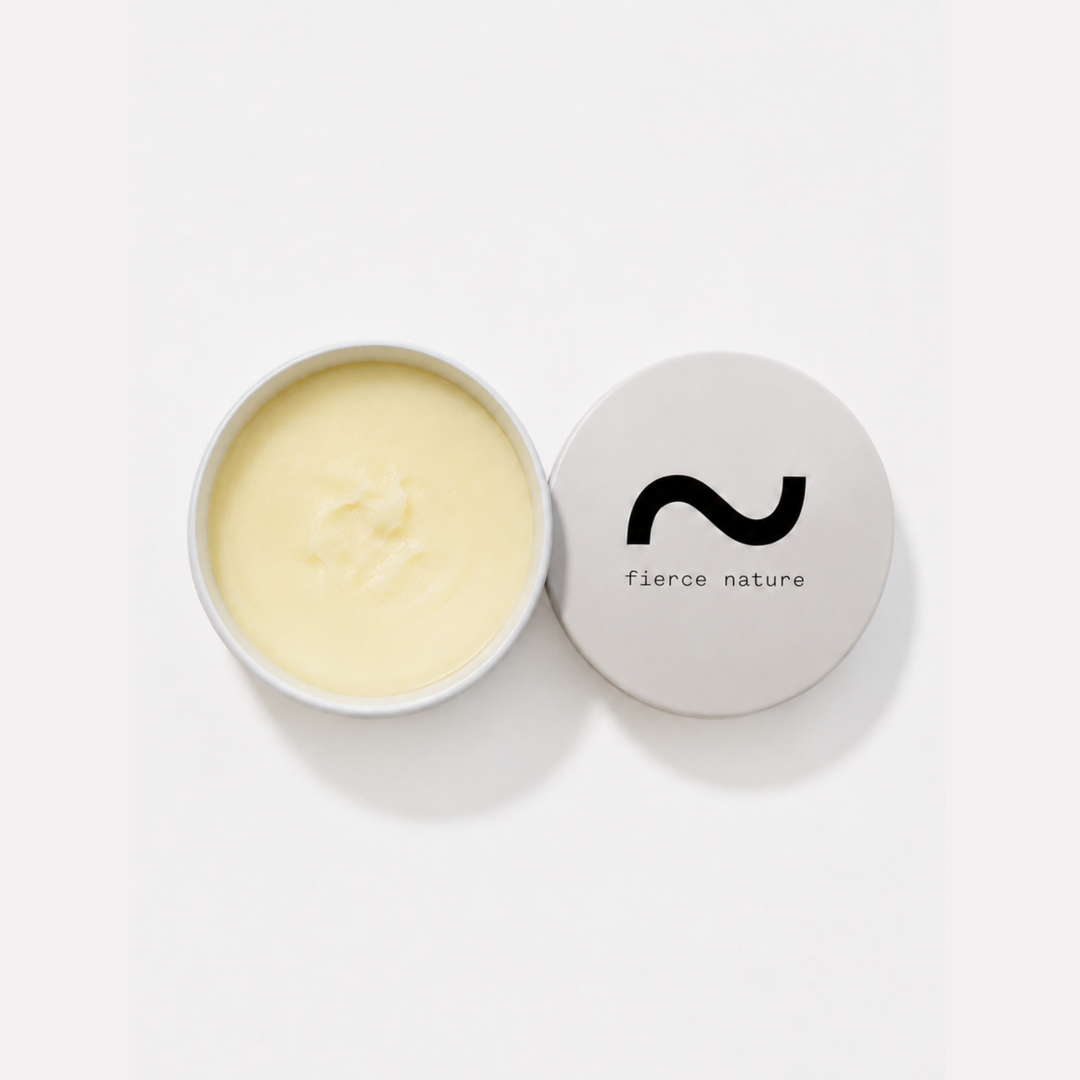
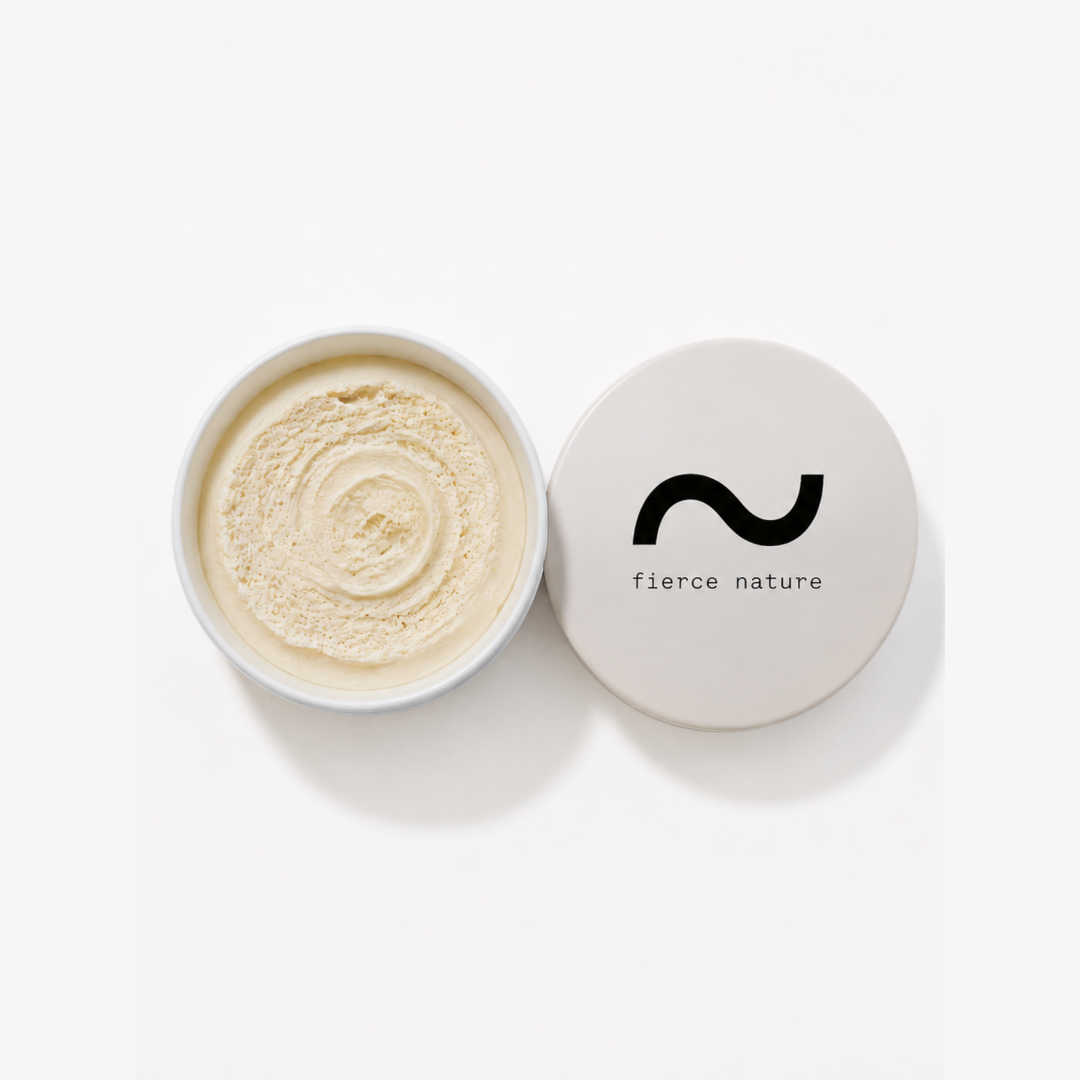
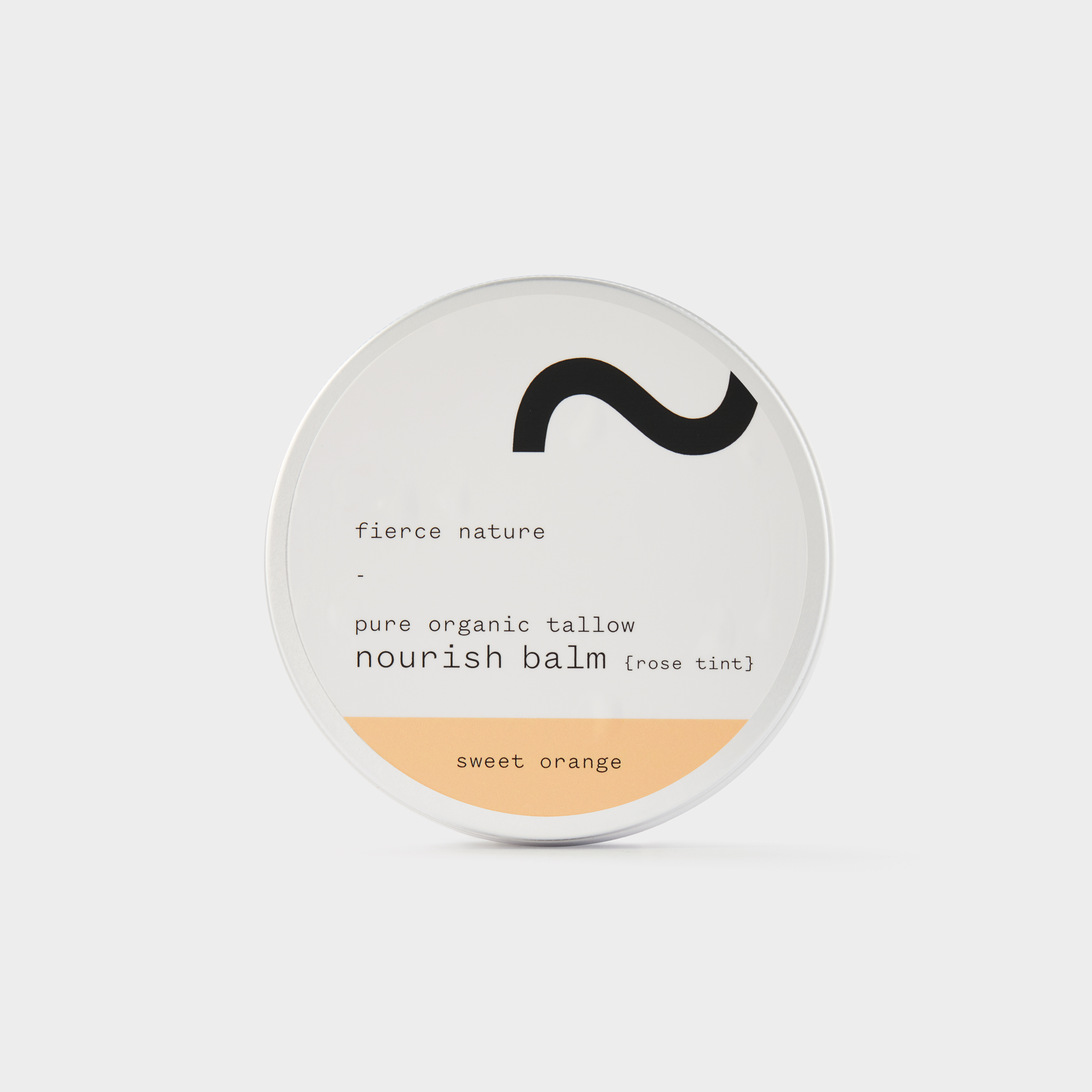
Fewer ingredients, clearly named. Our balms are handmade in the UK with organic tallow as the foundation. Tallow is a rich, skin-friendly fat that has been used for centuries as an emollient, and many people find it feels deeply nourishing on dry, tight skin. We believe in full ingredient transparency, so you can read exactly what you are putting on your bump and decide with your midwife or GP whether it suits you.
Work with your skin, not against it. Itchy skin does not need to be scrubbed, stripped or perfumed. It needs warmth removed, moisture added and a barrier restored. That is why we recommend a gentle routine rather than a cabinet full of products.

Every body is different. Pregnancy can make skin reactive, so patch test, start with one product, and tell your midwife what you are using. We would always rather you ask a question than guess.
If you want to read more, we have written about which balms we consider suitable for pregnancy, about pregnancy-safe skincare ingredients and UK swaps for retinoids, and about whether tallow can help with stretch marks.
— Fierce Nature
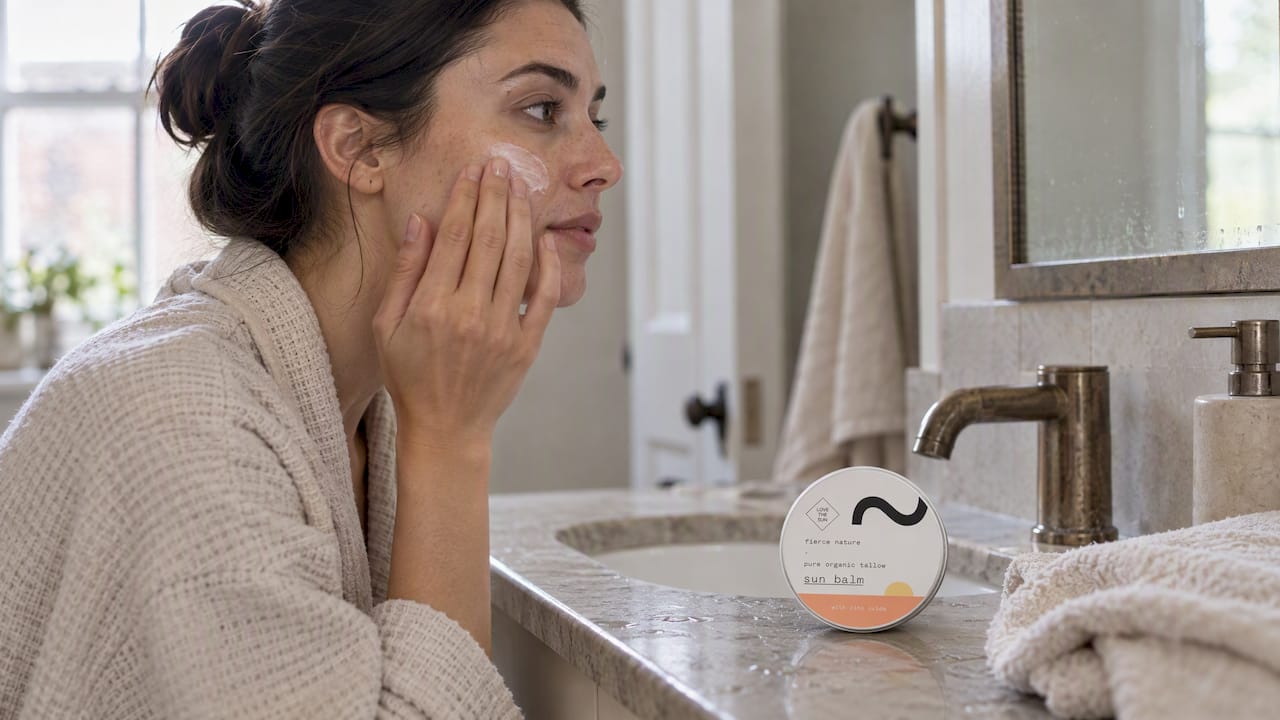
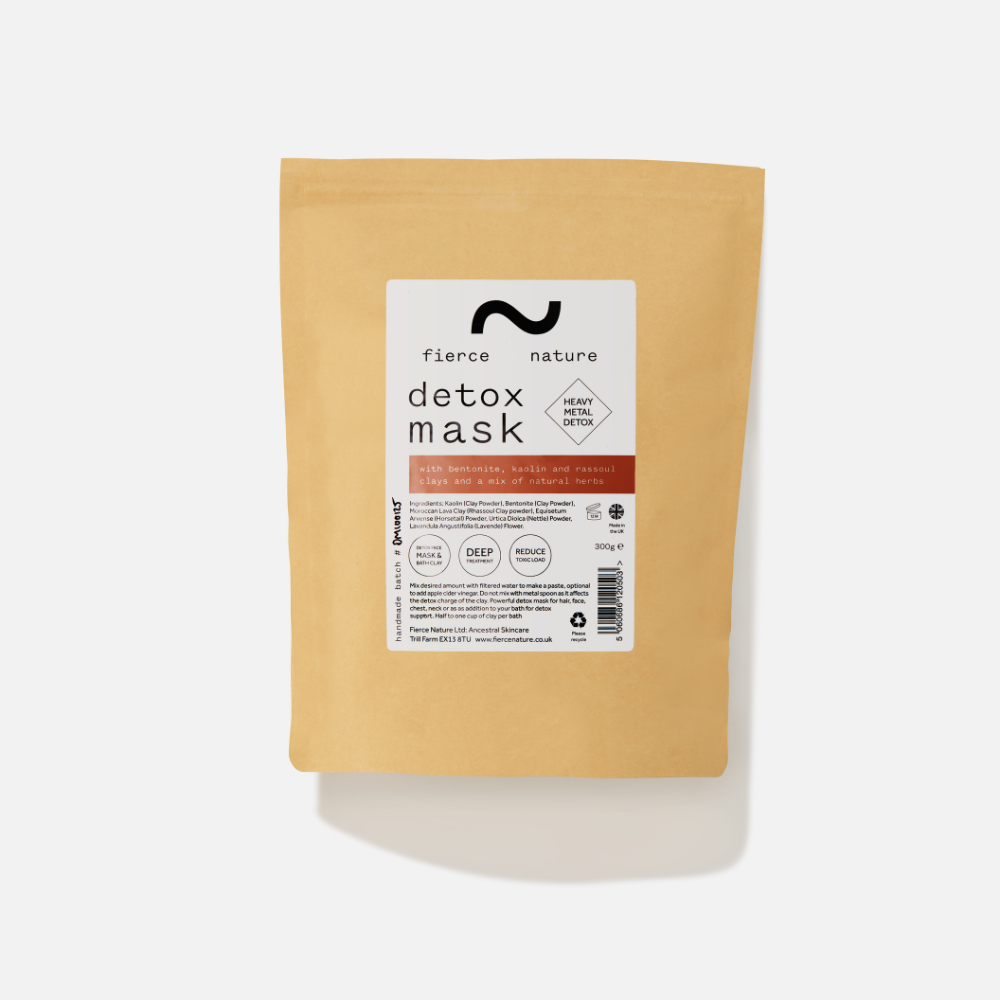
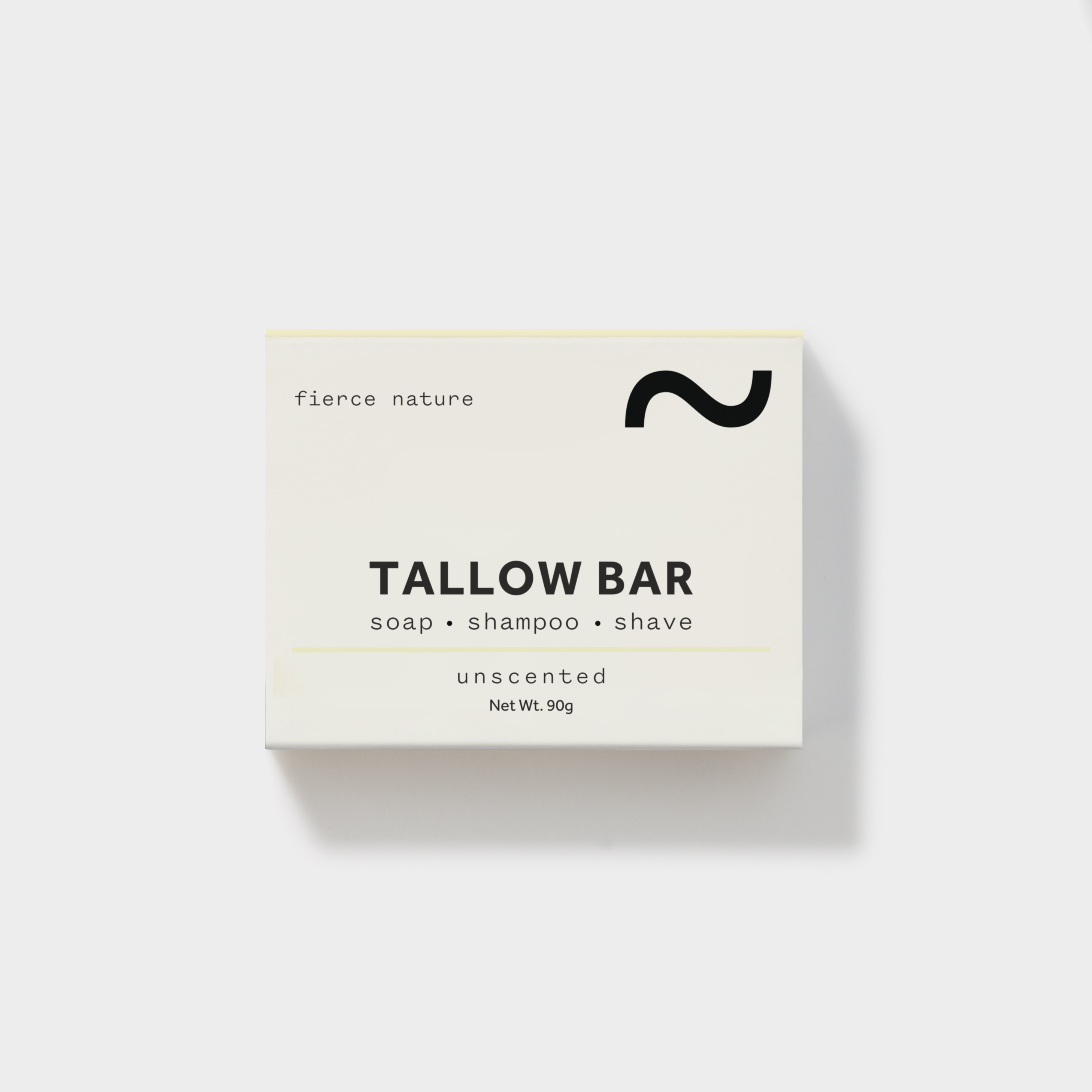
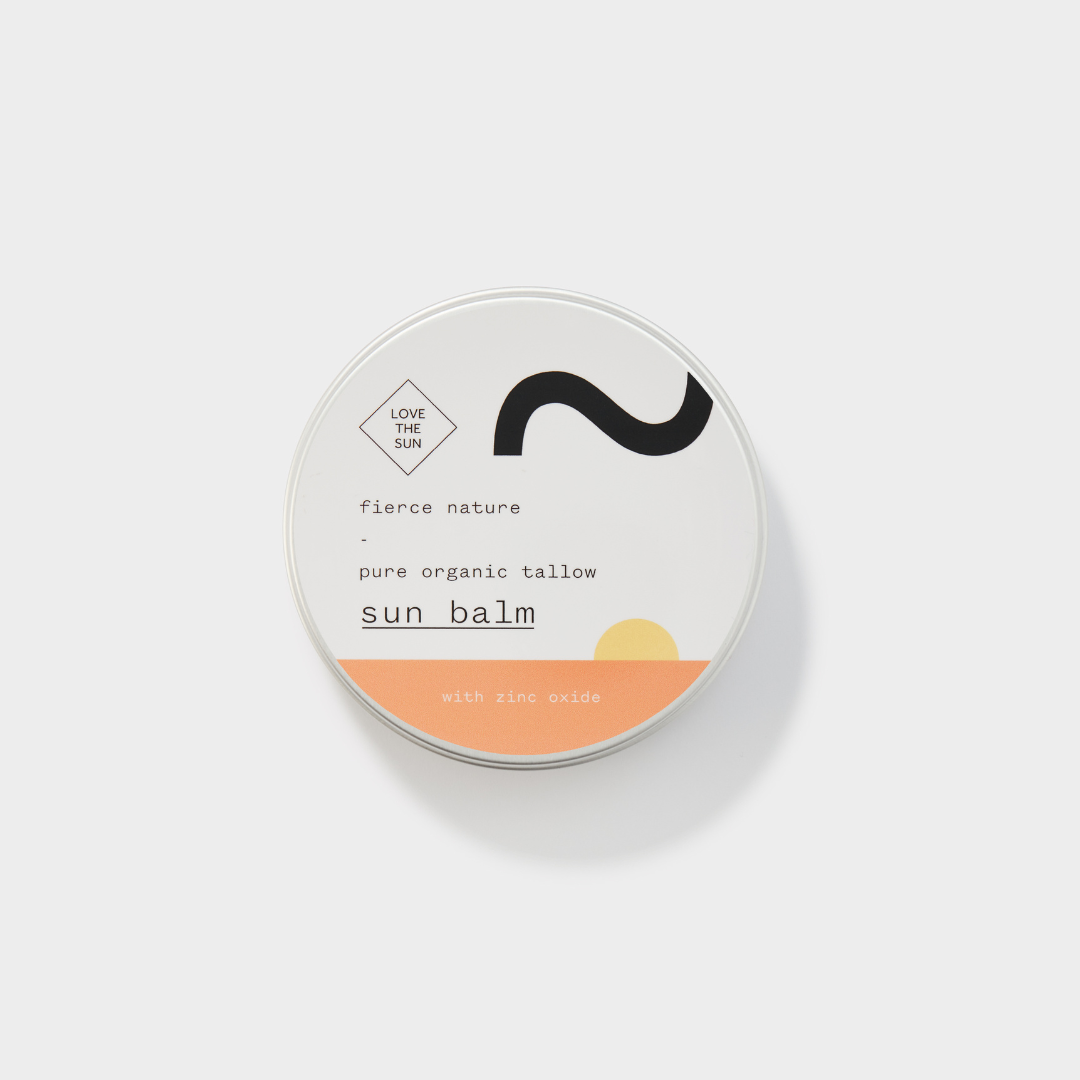
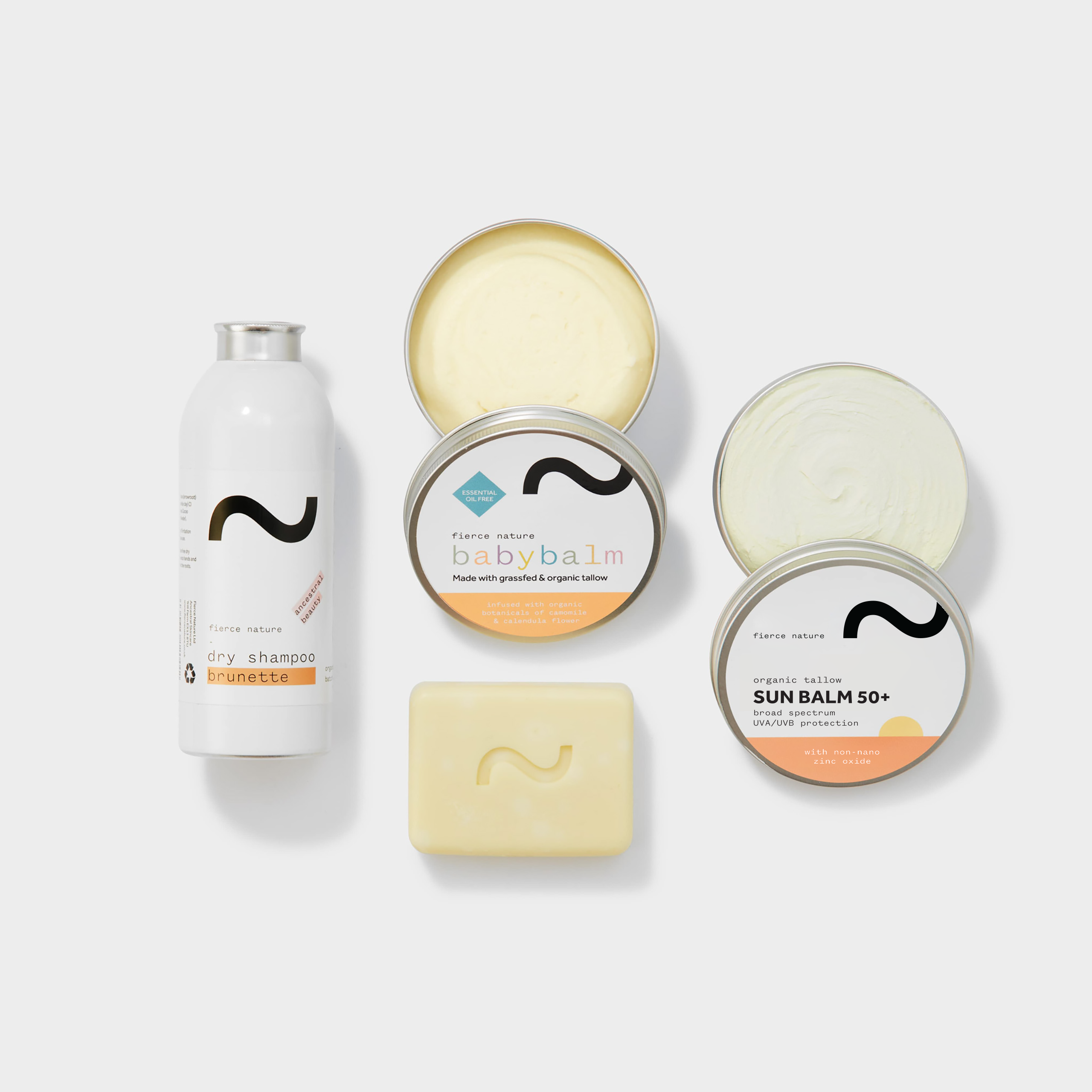
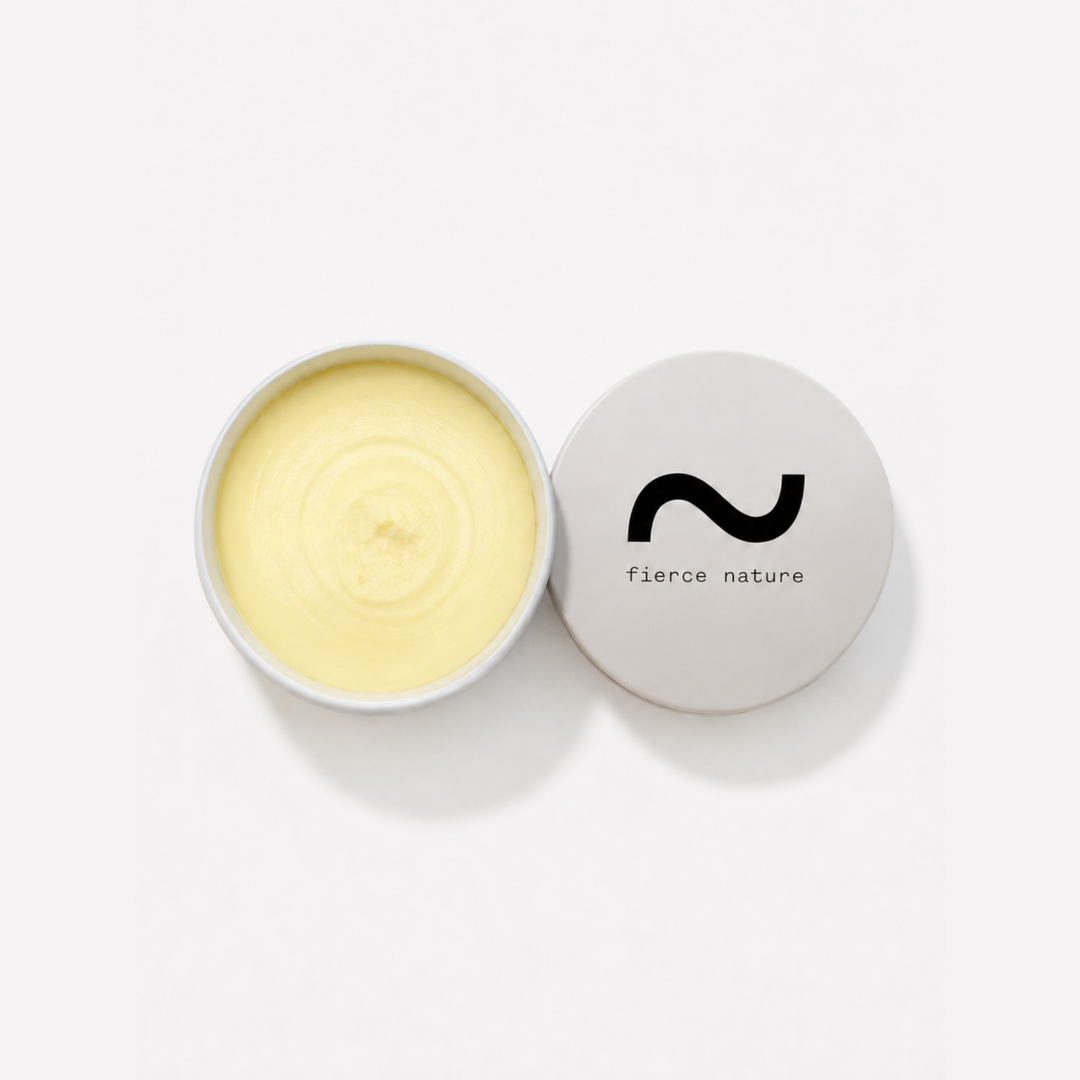
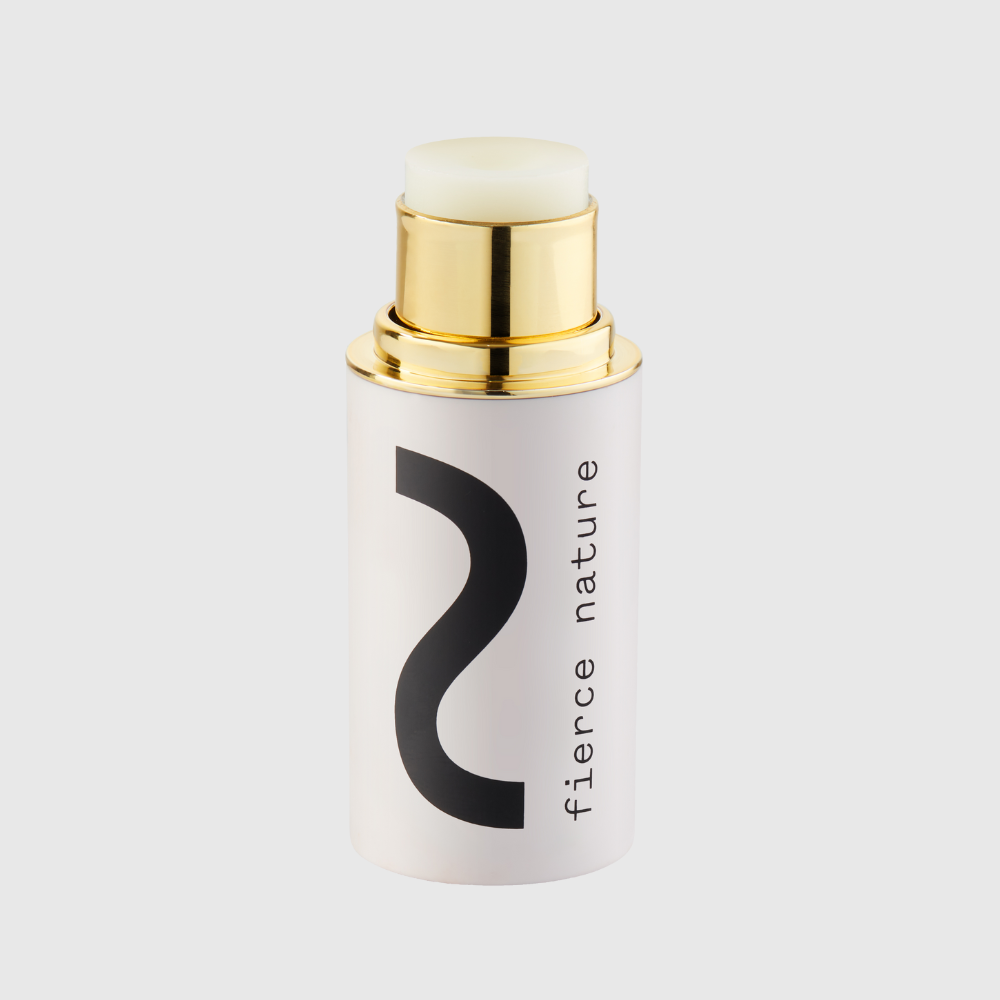
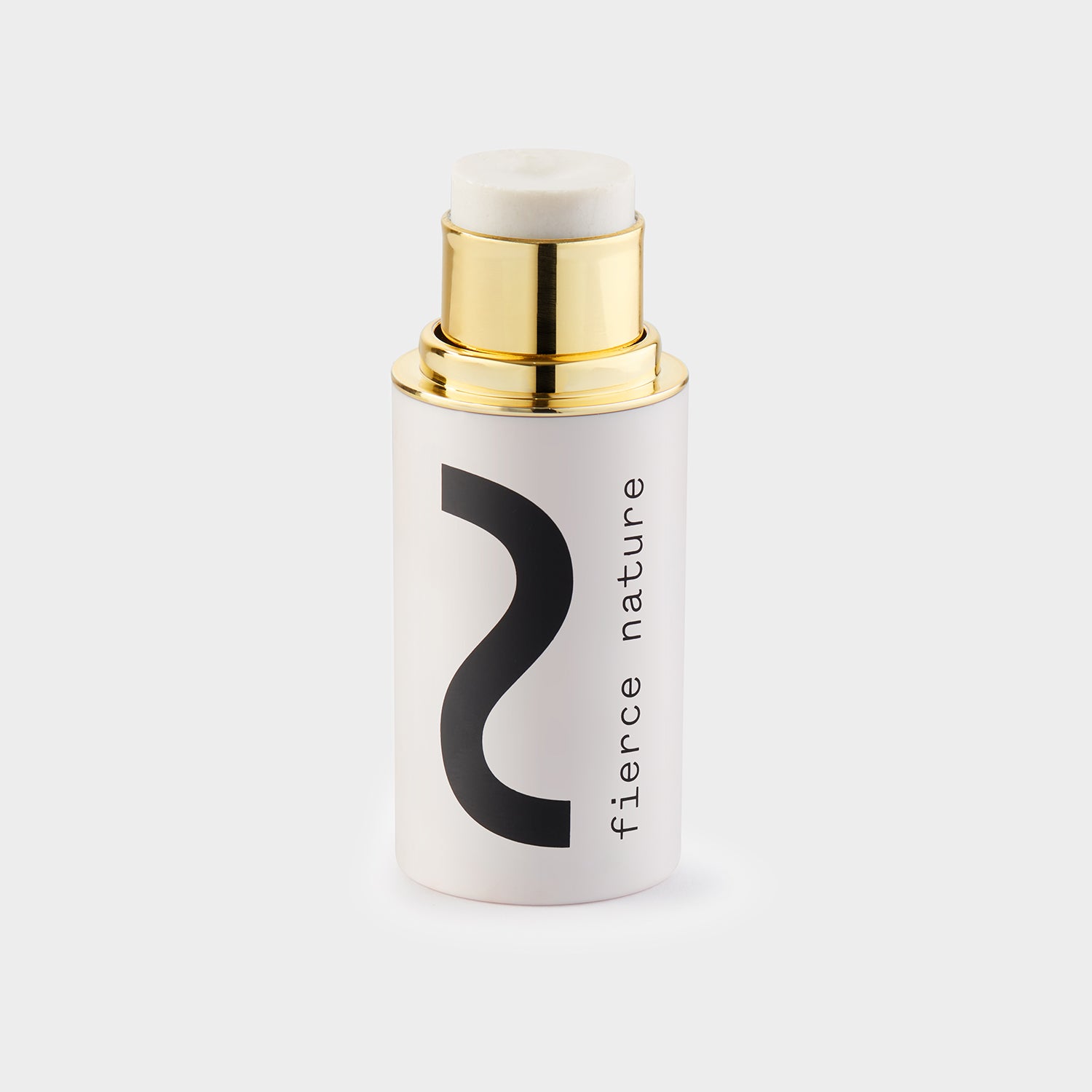
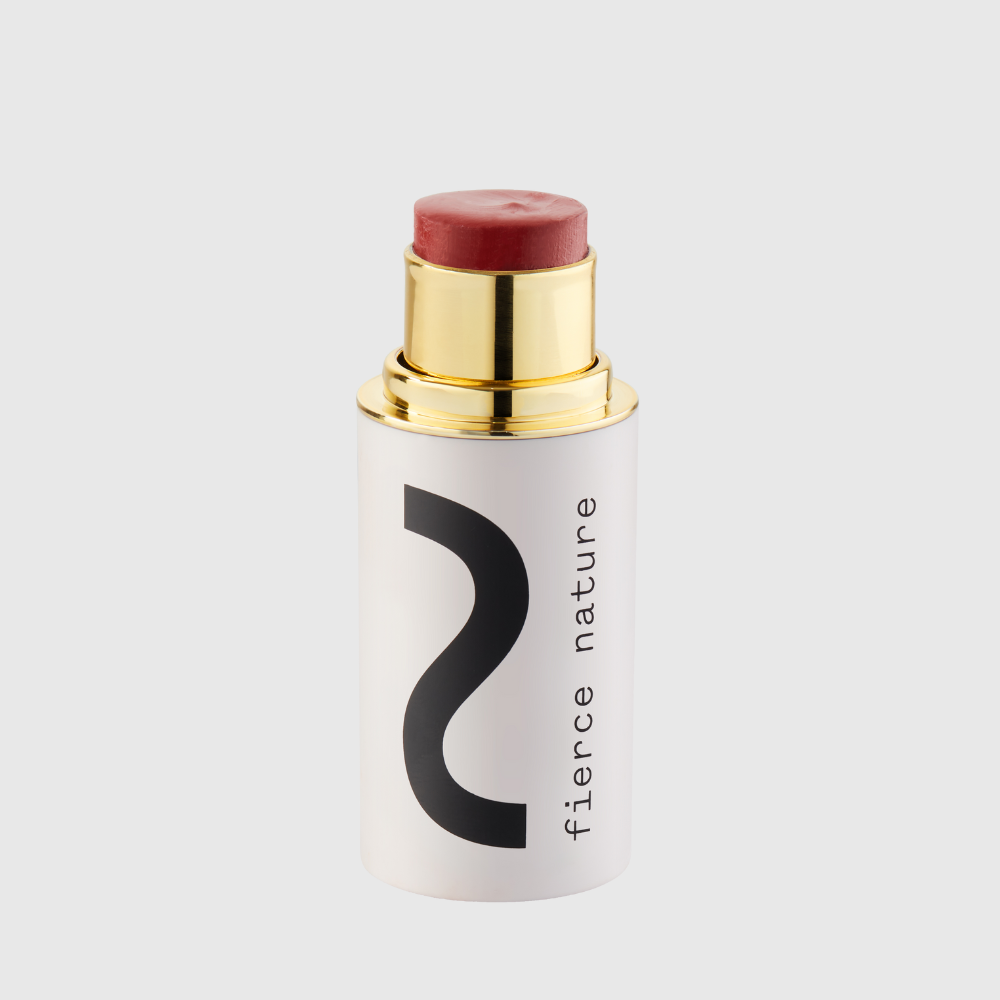
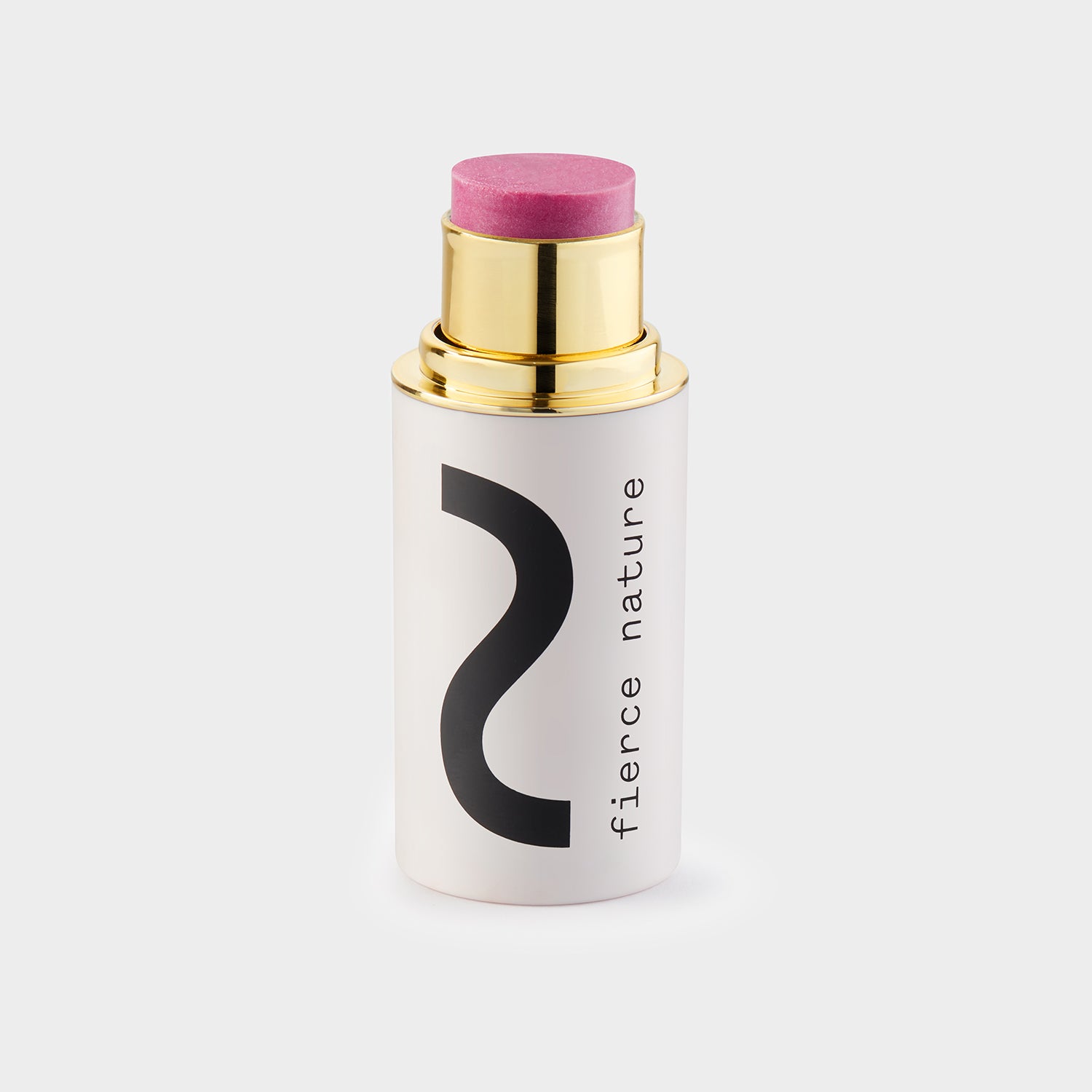
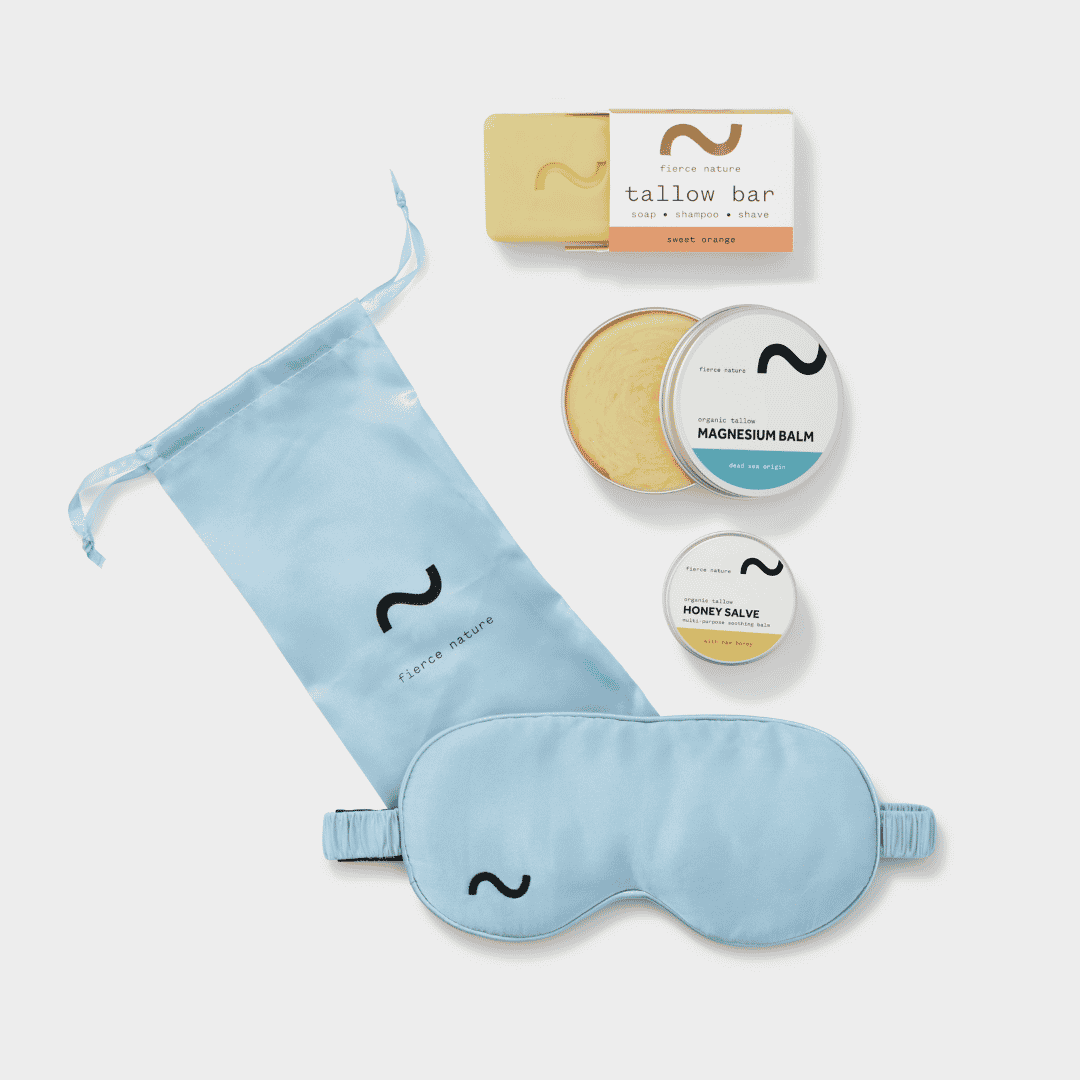
If you are looking for a rich, unfussy balm to include in your daily routine, our face and body balms are handmade in the UK from grass-fed tallow, designed for deep nourishment of dry, tight skin. Our Nourish Balms Collection is where we would suggest starting if your skin feels dry and stretched. You can also read our guide to dry, itchy skin relief with a grass-fed tallow nourish balm for more on how we think about barrier repair.
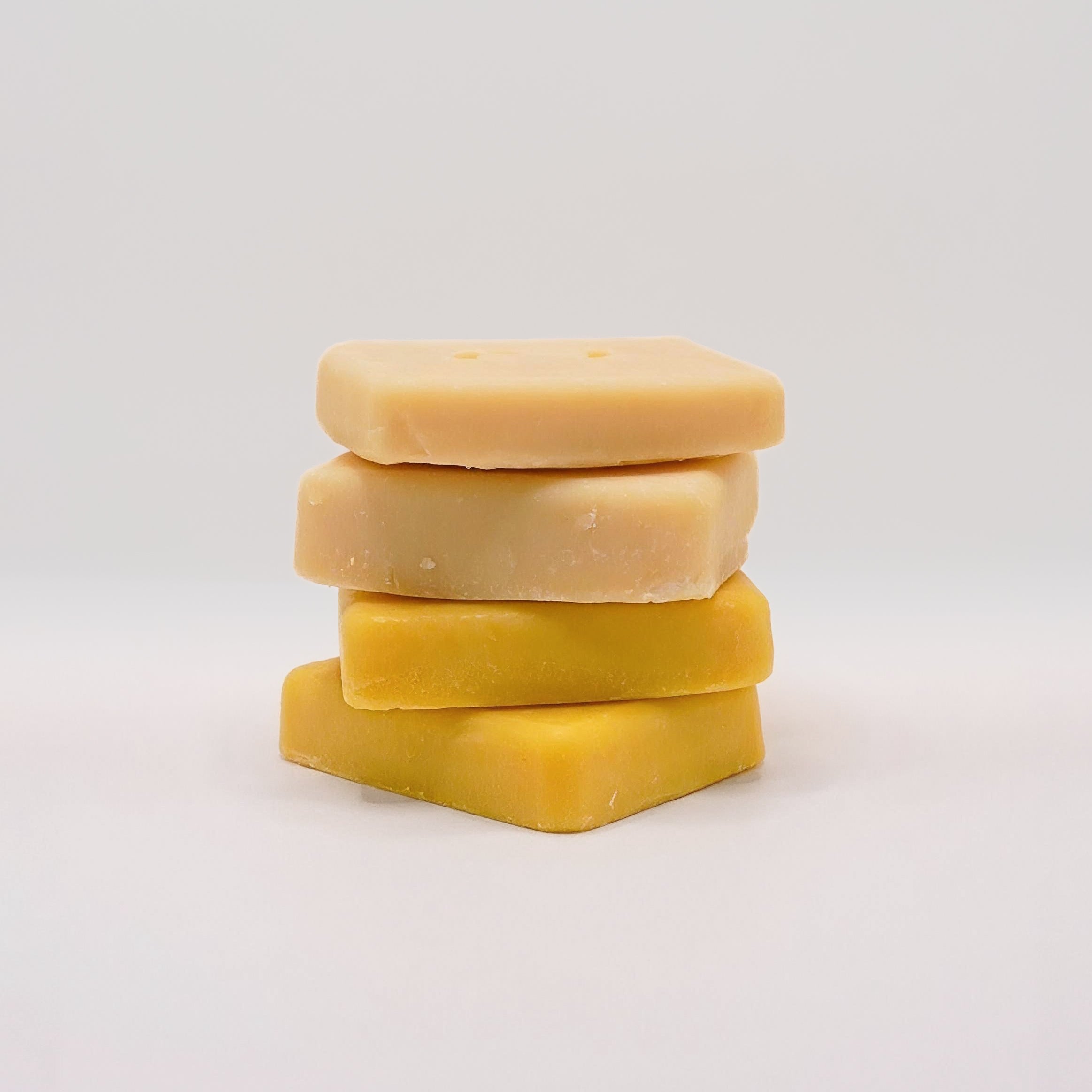
For washing, our tallow soaps are a gentler alternative to heavily fragranced shower gels, and we have an unscented soap and nourish balm routine written with eczema-prone skin in mind. Please check the ingredient list for any product and run it past your midwife or GP, particularly if you have allergies or very reactive skin.
Many people ask whether keeping the skin moisturised will prevent stretch marks. Honestly, stretch marks depend heavily on genetics, how quickly your skin stretches and your skin type, and no balm can promise to prevent them. What a good balm can do is keep the skin comfortable, supple and less tight while it stretches, which is often when the itch is at its worst.
We wrote about this openly in Comfort, Not Cure: Pregnancy Safe Stretch Mark Balms for Daily Relief, because we think you deserve realistic expectations rather than miracle promises. If stretch marks do appear, they usually fade to paler, softer lines over time, and that is a normal part of many pregnancies.
Itch tends to feel stronger at night, when there are fewer distractions and your body temperature rises. A few things can help you rest.
A word of care here: because itching with ICP is typically worse at night and can seriously disturb sleep, a night-time itch that is intense, has no rash, or involves your hands and feet is the kind to report promptly. Do not put it down to a restless night.
Skin is rarely the only thing that changes. Many women are also dealing with pregnancy sickness in the first trimester, which the NHS says affects up to three in four women, often starting around week six and easing by weeks 16 to 20 for most. If you cannot keep food or fluids down for 24 hours, contact your midwife or GP, as dehydration needs medical attention. Dehydration can also leave skin feeling drier, so look after your fluids as best you can.

Be kind to yourself too. Itchy skin, broken sleep and a changing body are a lot to take in at once. A calm, five-minute balm ritual in the evening can be a small moment of care in a busy day.
It can be hard to remember everything in a short appointment, so write these down:
Yes, it is very common. As your skin stretches and becomes drier, itching over the bump is usual, and the NHS says itching in pregnancy is not usually serious. The exception is itching with no rash, on your palms or soles, or worse at night, which should be checked the same day.
A rich, unperfumed balm or emollient applied regularly to slightly damp skin is the best starting point, along with cool flannels for flare-ups. Avoid fragranced products and patch test anything new. If you have eczema or very reactive skin, check your choice with your midwife, GP or pharmacist.
Many people use tallow-based balms for dry, stretching skin, and ours are made with organic, grass-fed tallow and a transparent ingredient list. As with any new product in pregnancy, patch test first and mention it to your midwife or GP, particularly if you have allergies or a history of skin reactions.
Contact your midwife, GP or maternity unit the same day if you have itching without a rash, itching on your palms or the soles of your feet, or itching that is worse at night or keeps you awake. These can be signs of intrahepatic cholestasis of pregnancy, which is diagnosed with blood tests. If you cannot get through, call NHS 111.
For ordinary stretching and dryness, the itch usually eases as your skin settles after delivery, though it can take a little time. If you have been diagnosed with ICP, the itching usually resolves soon after the baby is born, and your maternity team will talk you through follow-up.