Natural ingredients
•
Kind to skin
•
A healthier planet
Wir haben Ihnen eine E-Mail mit einem Link zum Aktualisieren des Passworts geschickt.
Passwort zurücksetzen
Wir werden Ihnen eine E-Mail zum Zurücksetzen des Passworts schicken.
Tallow Over Hype: 3 Pregnancy Safe Balms from Fierce Nature UK
Ralph Barrozo
0 Kommentare
The safest approach is a fragrance-free, retinoid-free balm built on carrier oils, beeswax or tallow, used for comfort rather than as a stretch-mark cure. Balms soothe dry, stretching skin and calm itchiness, but no topical product reliably stops stretch marks from forming. If you are ever unsure about an ingredient, your pharmacist or midwife is the right person to ask.
TL;DR:
Balms can support skin hydration and soothe itchiness but do not prevent or remove stretch marks once they appear, according to scientific evidence.
Ingredients like jojoba oil, shea butter, cocoa butter, beeswax, and vitamin E are safe choices, while retinoids and undiluted essential oils should be avoided during pregnancy.
Patch-testing a new balm is essential, especially for sensitive areas like lips and the belly, and it should be done for a full 48 hours before regular use.
Applying balm immediately after showering and massaging gently on the belly or lips enhances absorption and reduces irritation.
Natural, transparent balms based on ingredients like tallow are preferable to synthetic or heavily fragranced products, with expert advice recommended for specific skin conditions.
Fierce Nature
Nourish Your Skin With Tallow
Explore Fierce Nature’s handmade UK skincare, crafted with naturally sourced ingredients and pure organic tallow as its foundation.
Stretch marks are one of the most common skin changes in pregnancy. Stretch marks are very common in pregnancy, and there is no reliable evidence that any cream or oil can prevent or remove them once they appear. That is worth knowing before you spend money chasing a promise no balm can honestly make.
What a good balm can do is support your skin while it stretches and changes shape. Dry, tight skin is often itchy and uncomfortable, and a nourishing balm helps with that in ways that are easy to feel straight away.
Hydration: a rich balm slows moisture loss and keeps the skin barrier supple.
Itch relief: regular moisturising calms the tightness that often comes with a growing belly.
Comfort and ritual: a few quiet minutes massaging balm into your skin can feel like genuine self-care, not just maintenance.
There is a difference between comfort and cure, and holding both ideas at once helps you use these products with the right expectations. If you notice a persistent rash, broken or weeping skin, or you are already using a prescription treatment for a skin condition, that is a conversation for your GP or midwife rather than a job for a new balm.
Ingredients to prefer and ingredients to avoid in pregnancy-safe balms
Reading a label carefully takes thirty seconds and can save you a lot of discomfort later. Some ingredients are well tolerated by most pregnant skin, while others are worth avoiding or using only with caution.
Ingredients generally considered gentle and well suited to pregnancy skin:
Jojoba oil, grapeseed oil and shea butter: light to rich carriers that absorb well and rarely irritate.
Cocoa butter and beeswax: traditional occlusives that lock in moisture and support the skin barrier.
Vitamin E: often added for its skin-conditioning properties.
Plain petroleum jelly: a simple, fragrance-free option for very sensitive skin.
Tallow: a bioavailable, nutrient-dense base that has been used as a skin emollient for centuries.
Ingredients to avoid or treat with real caution include topical retinoids, which are explicitly not recommended in pregnancy skincare. Undiluted essential oils are another concern: essential oils used undiluted on the skin should not be applied in pregnancy, and even diluted versions carry specific cautions depending on the oil. Camphor, eucalyptus and menthol appear in many muscle rubs and balms, and while small directed use is generally thought unlikely to cause harm, these ingredients can irritate sensitive pregnant skin and deserve caution. Wintergreen oil, which contains methyl salicylate, is often advised against after 20 weeks as a precaution, since it behaves similarly to an NSAID.
“Natural” is not the same as “safe”. Essential oils are concentrated plant extracts, and their strength is exactly why they need respect rather than free rein on your belly or lips. Fragrance and flavourings such as cinnamon or peppermint are common irritants on lips specifically, where skin is thinner and more reactive than elsewhere on the body.
How to choose, patch-test and introduce a new balm during pregnancy
Choosing a new balm during pregnancy is less about finding a perfect product and more about ruling out the wrong ones. A short, simple checklist takes the guesswork out of it.
Check the ingredient list length: shorter lists are easier to assess and often mean fewer potential irritants.
Look for fragrance-free or clearly labelled formulas: if essential oils are listed, check they are named and used at low, pregnancy-appropriate levels rather than left vague.
Rule out retinoids: scan for retinol, retinyl palmitate or other vitamin A derivatives and skip anything that lists them.
Favour wording aimed at sensitive skin or midwife-recommended use: this usually signals a gentler formulation.
Patch-test before full use: apply a small amount to your inner forearm or behind your ear, cover loosely, and check at 1 hour, 24 hours and 48 hours for redness, itching or blistering.
Stop using the product immediately if any reaction appears, and note down what you used so you can mention it if you speak to a professional. Our own guide on testing skincare products for sensitive skin walks through this process in more detail if you would like a slower, step-by-step version.
Pro Tip:Keep patch-testing a new product for a full 48 hours before applying it anywhere else. Reactions in pregnancy can be delayed rather than instant.
If you are still unsure, your pharmacist, midwife or GP is best placed to advise on your specific case. Clinicians who need more detail on a particular ingredient can consult UKTIS, a specialist resource for medicines and topical exposure in pregnancy.
How to use a balm safely on the belly and lips
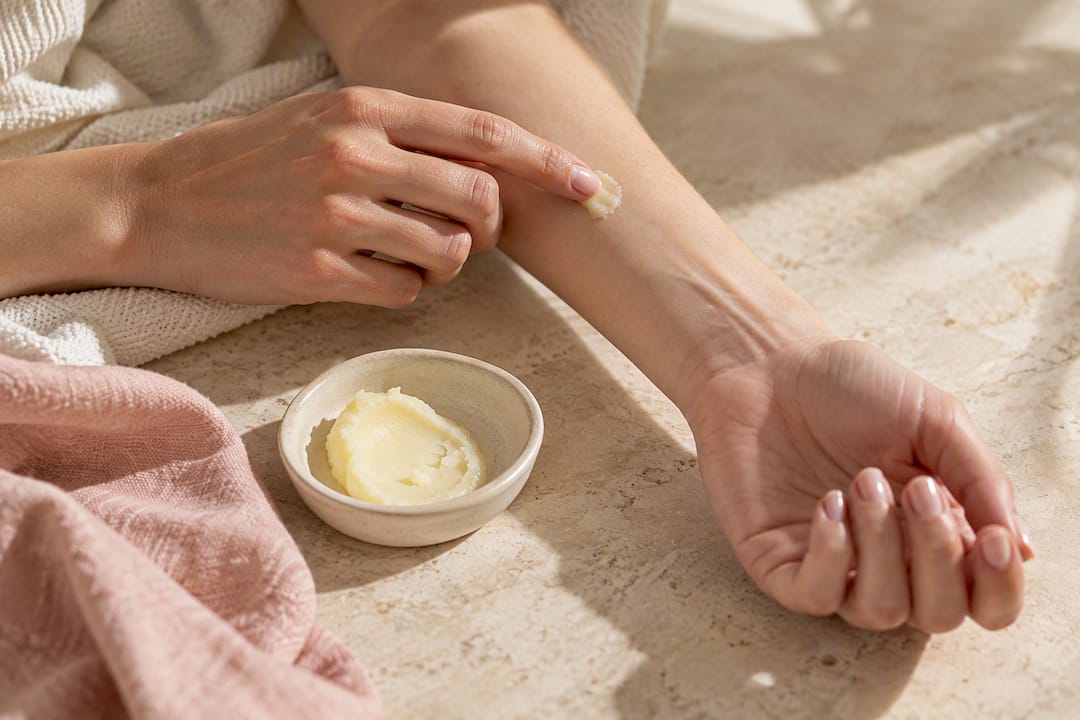
Application matters almost as much as the formula itself. Warm, slightly damp skin absorbs balm more easily, so the best moment is straight after a shower or bath.
Belly: massage gently in circular motions once or twice daily, or more often if itching flares up.
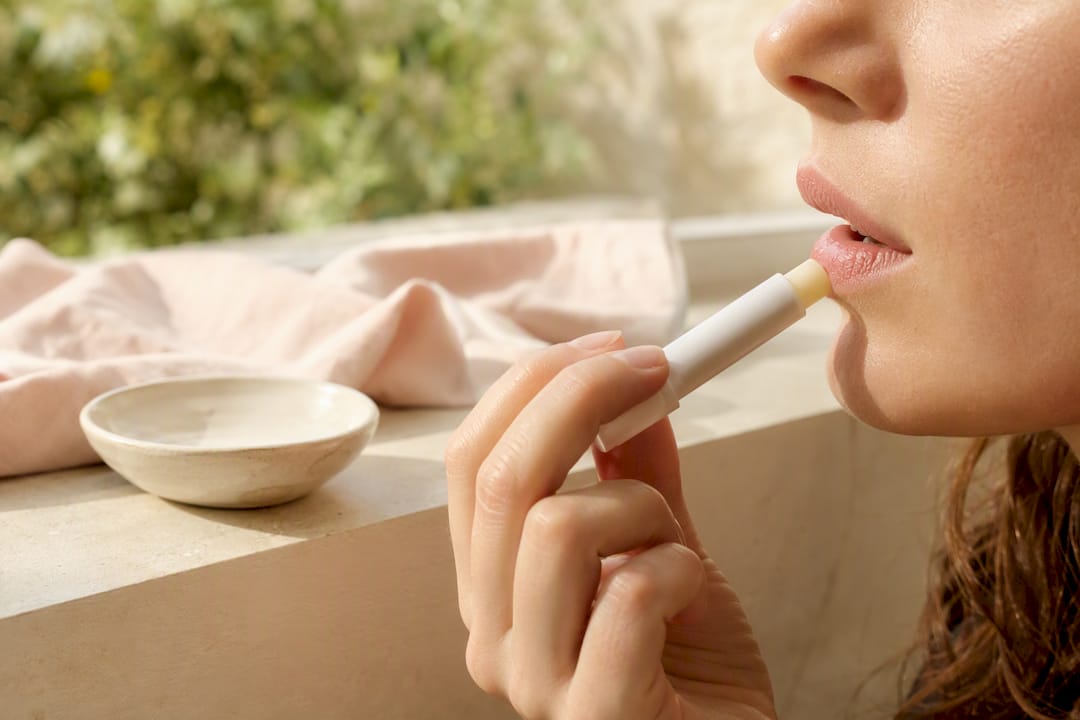
Lips: choose a plain, fragrance-free lip balm and avoid anything with camphor, menthol, strong flavourings or salicylic acid, since lip skin is thin and prone to irritation.
Aromatherapy caution: never apply undiluted essential oils directly to the skin, and be mindful that diffused oils are generally discouraged in shared spaces such as maternity wards.
None of this needs to be complicated. A small amount, applied with attention rather than urgency, does the job better than a heavy layer applied in a hurry.
Overview of natural versus commercial balm options
Natural balms tend to lean on plant oils, butters, beeswax or tallow as their base, with short ingredient lists and minimal or no added fragrance. Commercial, mass-market balms often use mineral oil or synthetic emollients alongside fragrance blends, preservatives and sometimes active ingredients such as retinoids or salicylic acid that are not suited to pregnancy.
Neither category is automatically the right choice just because of how it is marketed. A “natural” balm loaded with undiluted essential oils can be more irritating than a simple, fragrance-free commercial moisturiser, and a handmade balm is only as good as the ingredients behind it. The safest route is judging each product on its actual label rather than on the word “natural” printed across the front.
What tends to separate the two categories in practice is transparency. Smaller, ingredient-led brands often list every component and explain what it does, while some commercial formulas group fragrance and preservative blends under vague umbrella terms. For pregnancy skincare, where you want to know exactly what is touching your skin, that clarity is worth seeking out regardless of which category a balm falls into. Our broader guide on natural skin balm choices covers this comparison in more depth if you want to explore further.
Guidelines for use during different pregnancy stages
Your skin’s needs shift as pregnancy progresses, and your balm routine can shift with it. In the first trimester, skin often feels much the same as before pregnancy, so this is a good window to patch-test any new products before your bump grows and skin becomes more reactive.
By the second trimester, the belly typically starts to stretch more noticeably, and this is when many people increase how often they moisturise, sometimes to twice daily, to manage tightness and itching. The third trimester tends to bring the most rapid skin stretching, along with the highest itch levels for many, so consistency with a gentle, well-tolerated balm matters most here.
Wintergreen oil deserves a specific mention at this stage: it is often advised against after 20 weeks as a precaution, given its methyl salicylate content behaves similarly to an NSAID. If you are using a balm that contains essential oils of any kind, it is worth re-checking the label as you move into the second half of pregnancy rather than assuming what was fine earlier stays fine throughout.
Evidence summary from scientific studies on balm effectiveness
The evidence base for balms and stretch-mark prevention is thin. Reliable evidence that any topical cream or oil prevents or removes stretch marks simply does not exist, regardless of how a product is marketed. Many of the improvements people report are about comfort and skin feel rather than a measurable change in stretch-mark formation.
This does not mean balms are pointless. It means their real, evidenced benefit lies in hydration and itch relief rather than transformation. Framing a balm as a comfort tool rather than a guarantee sets expectations that match what the evidence actually supports, and that framing tends to leave people more satisfied with the product they chose, since they are not waiting for an outcome it was never going to deliver.
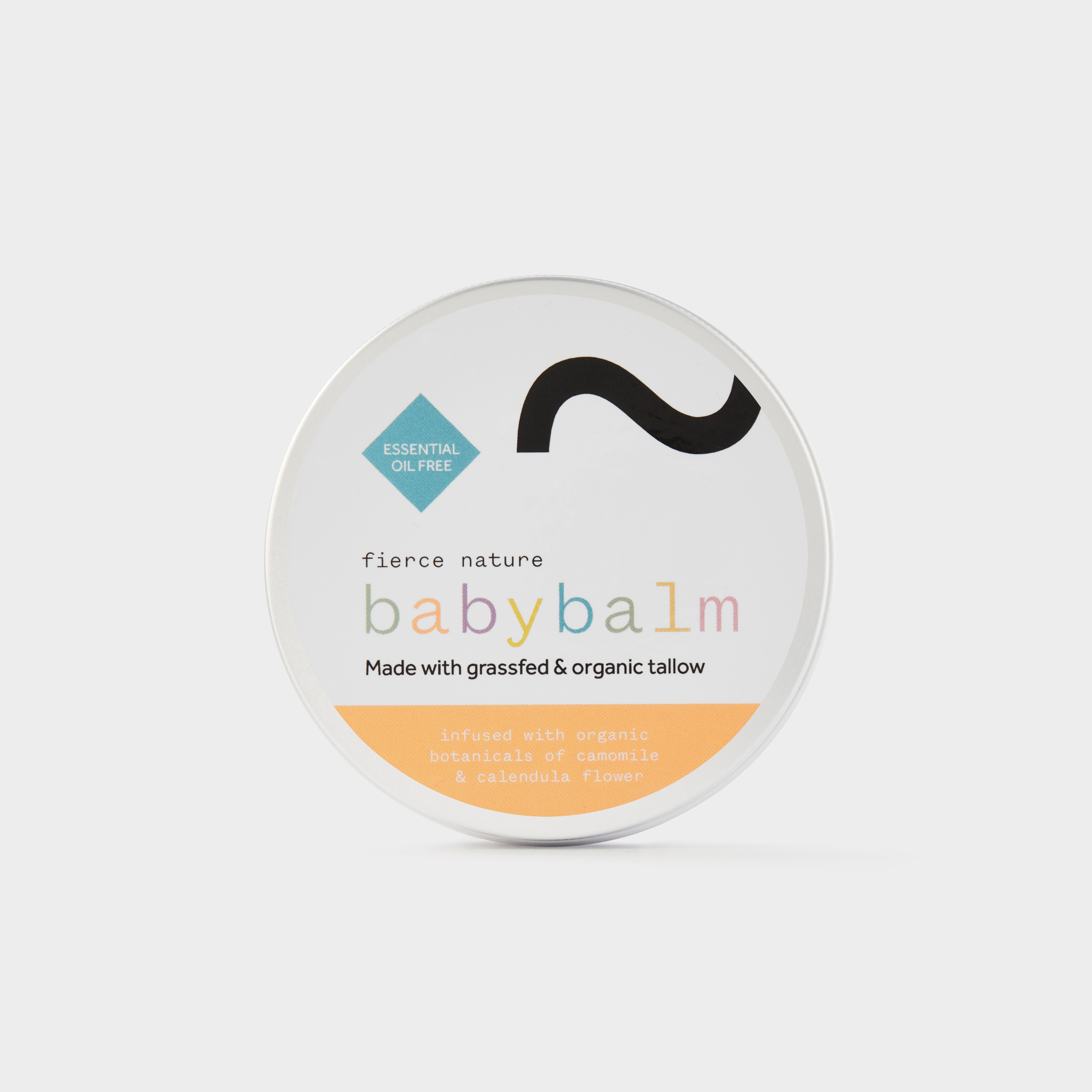
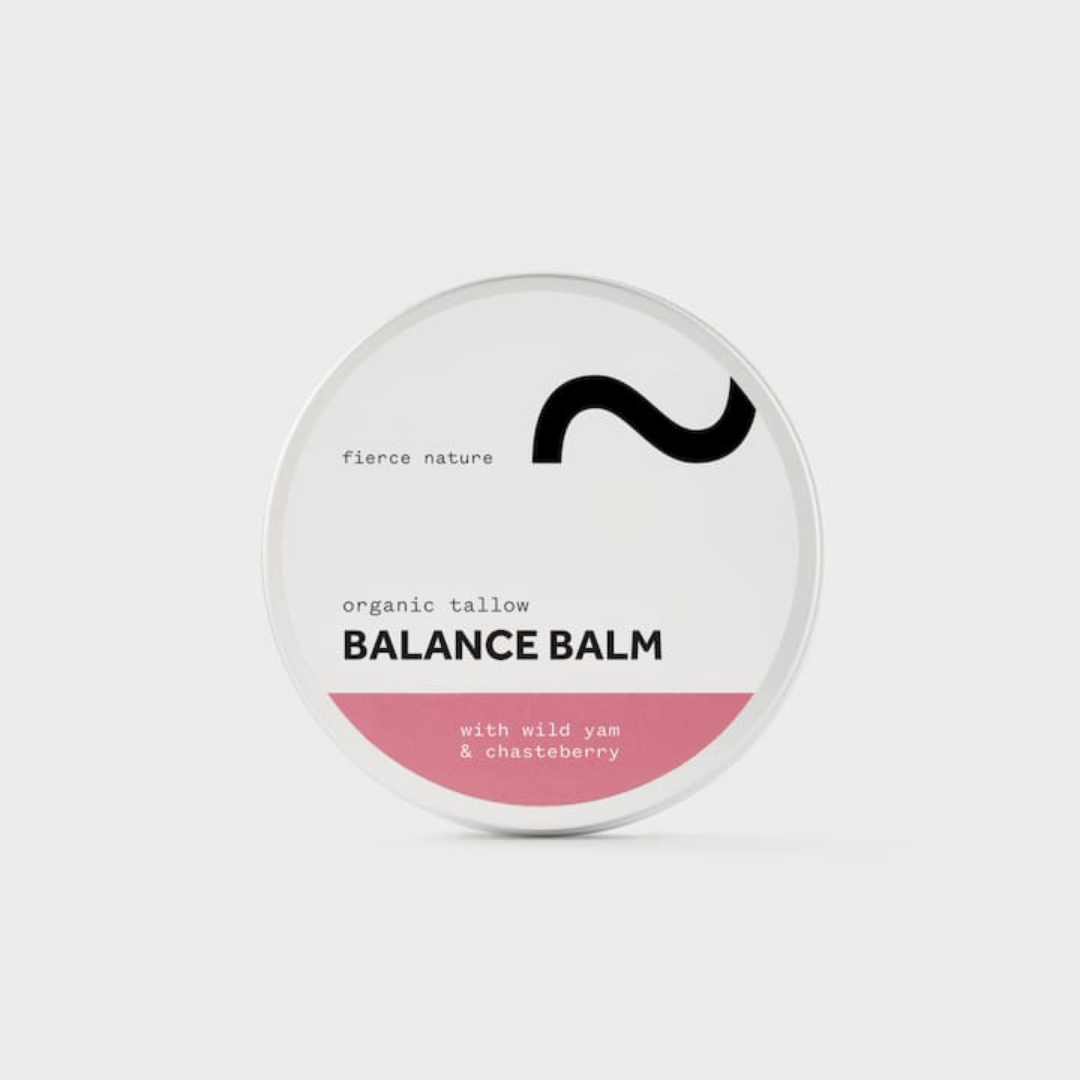
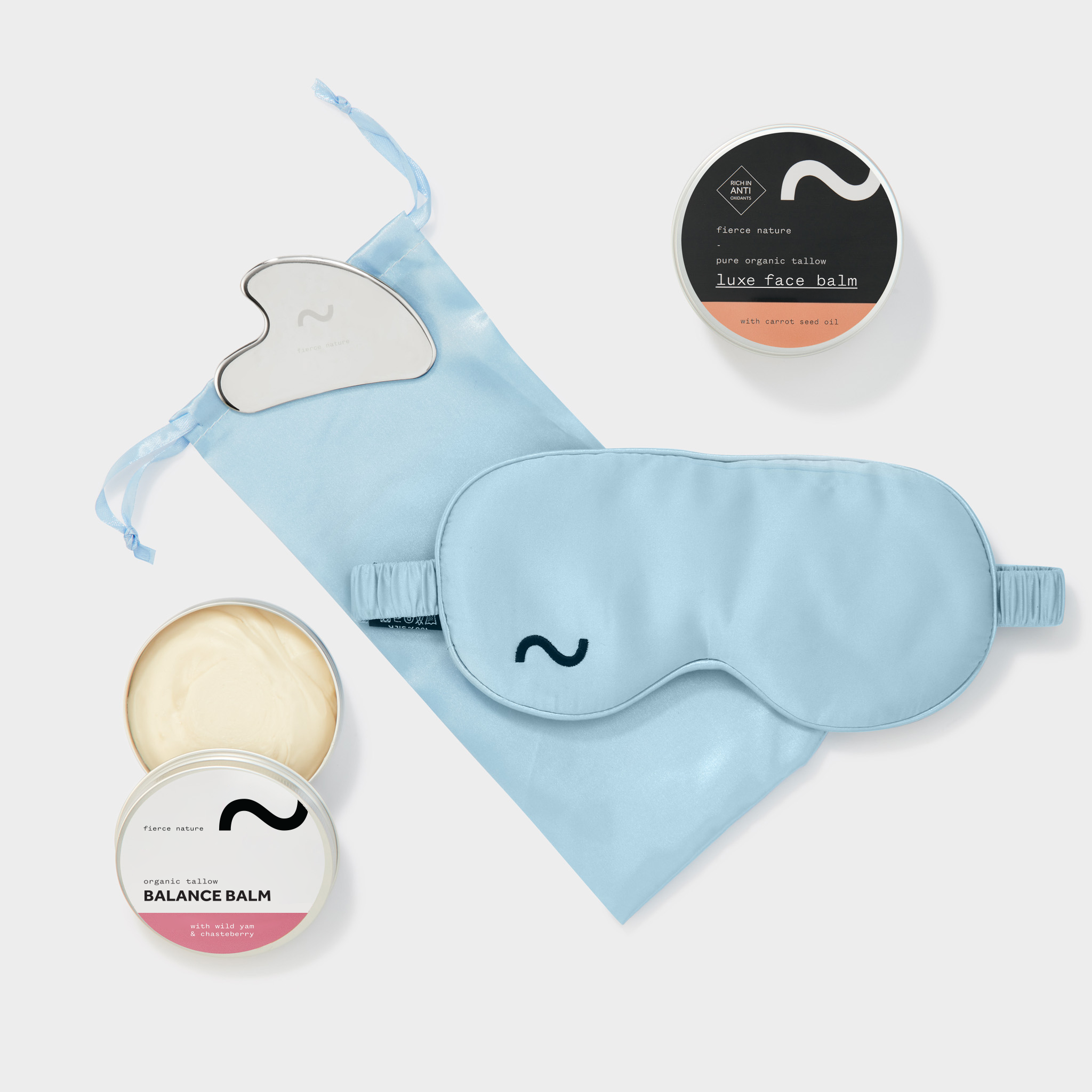
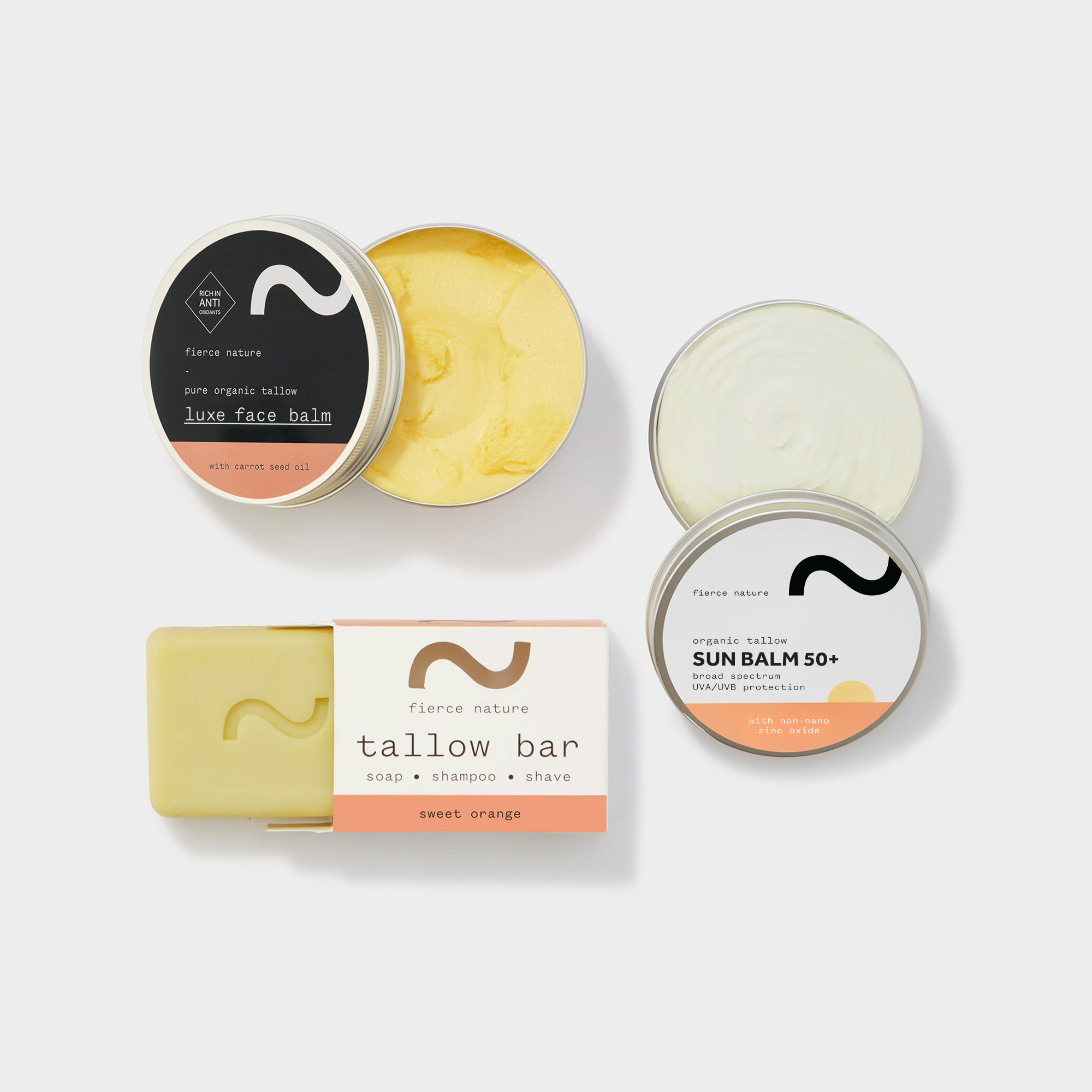
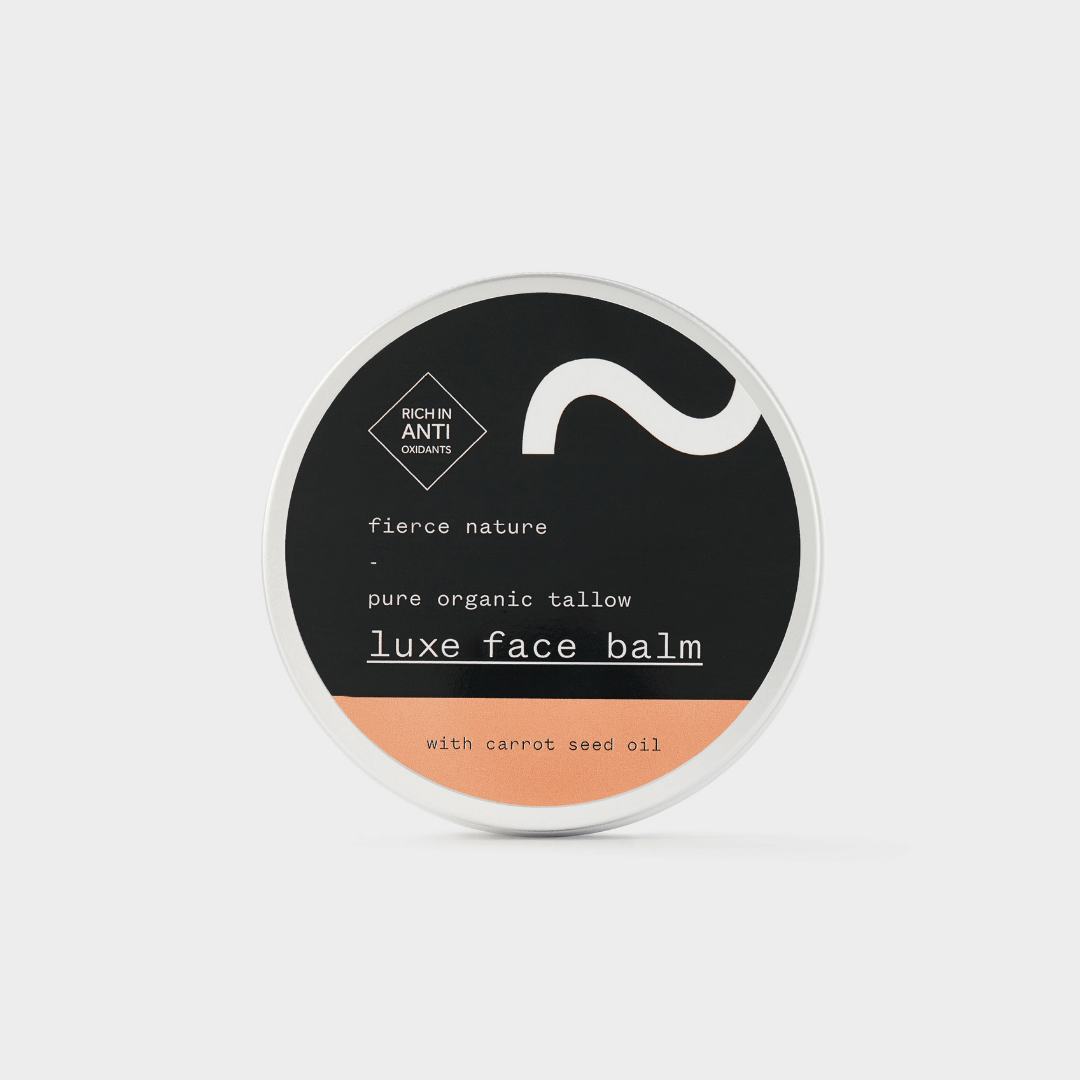
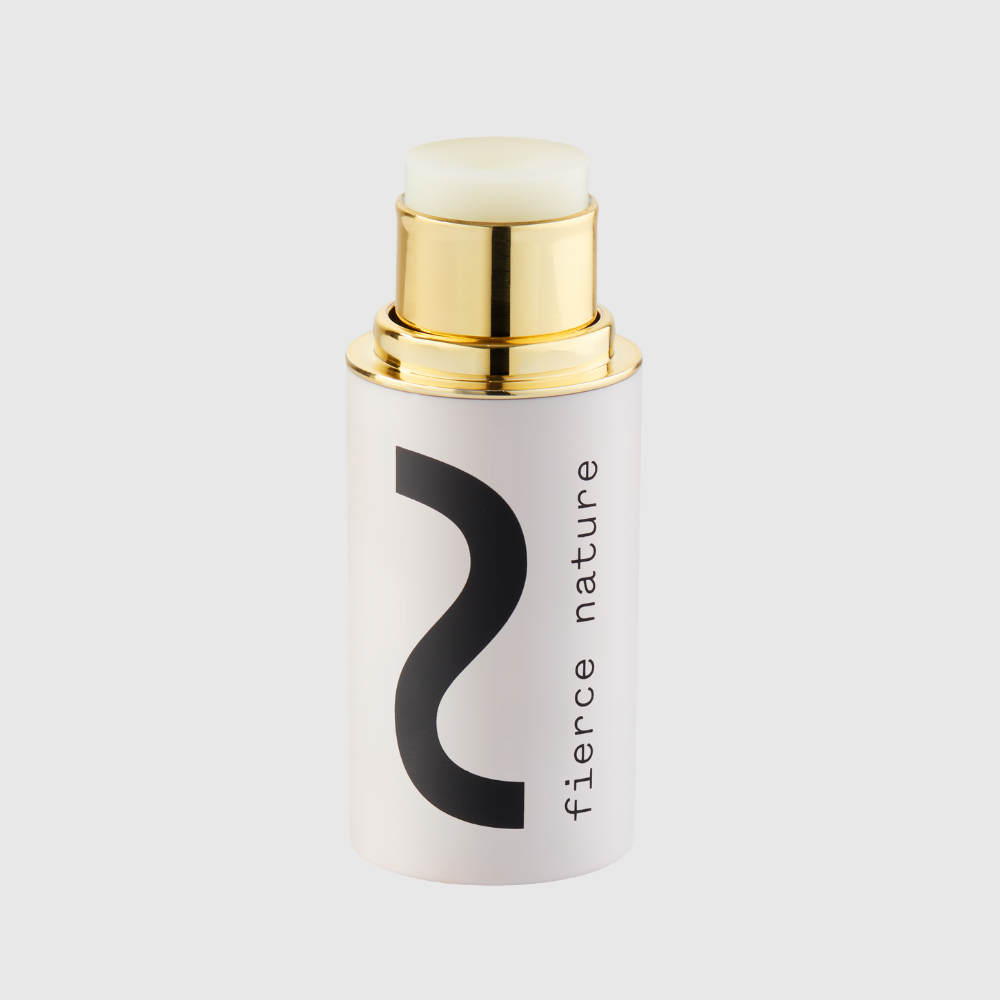
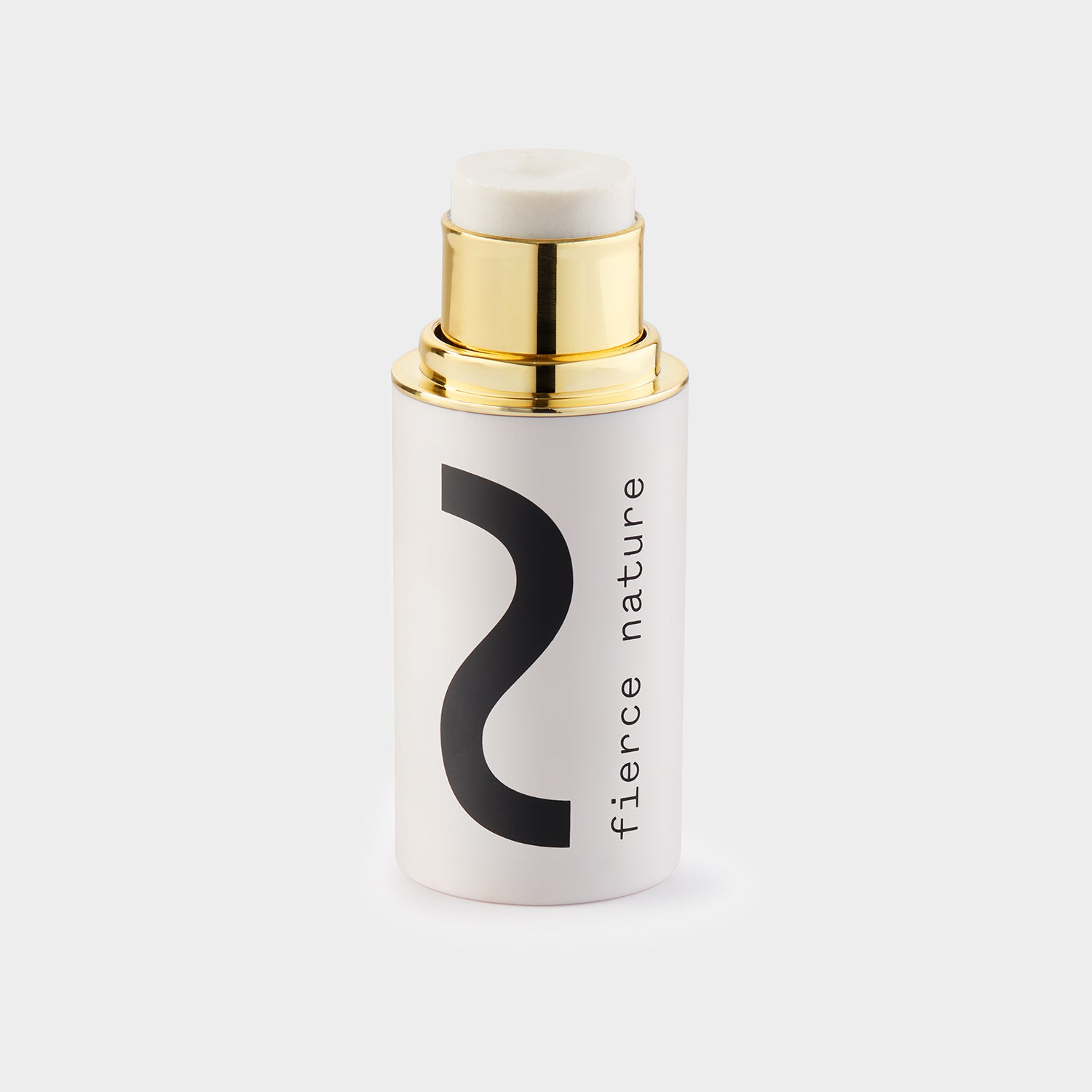
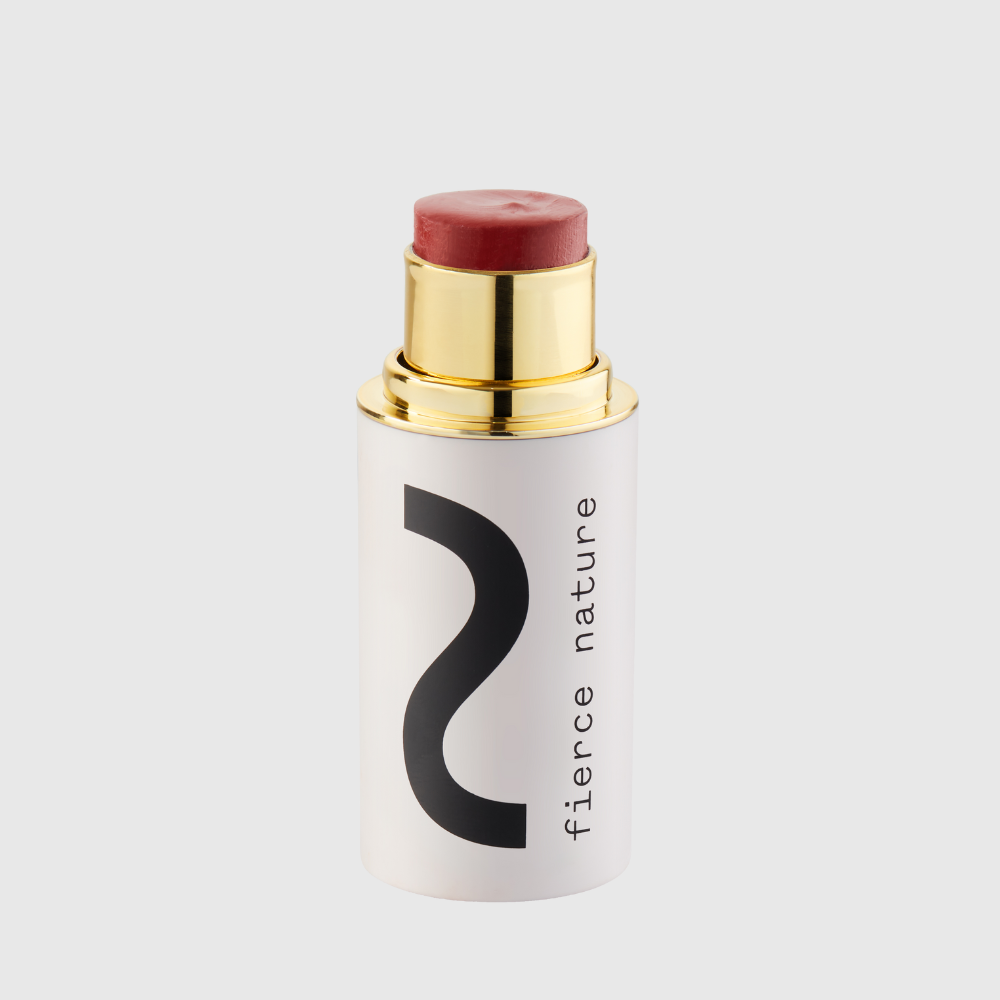
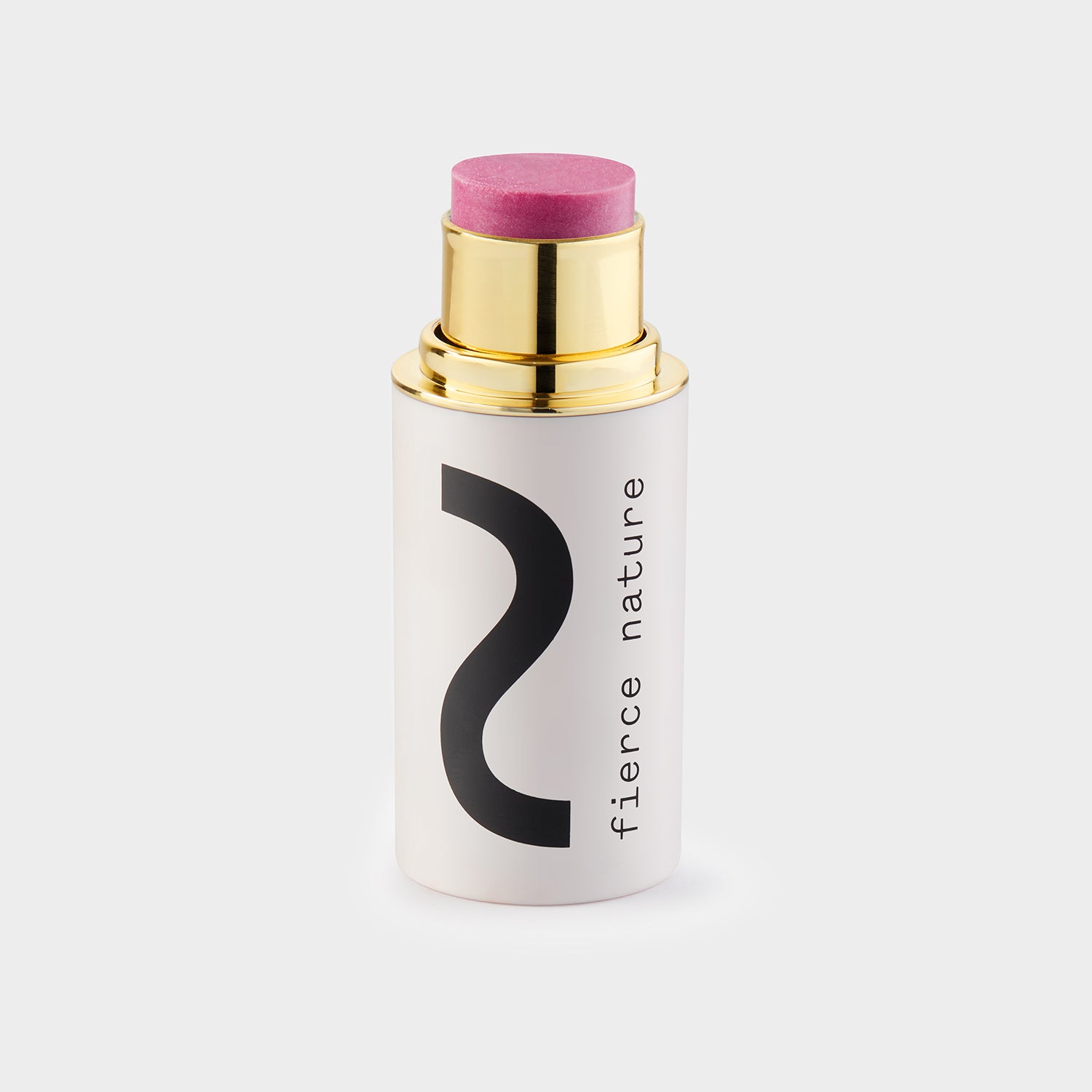
Why Fierce Nature’s Baby Balm, Balance Balm and Luxe Balm are a pregnancy-friendly choice
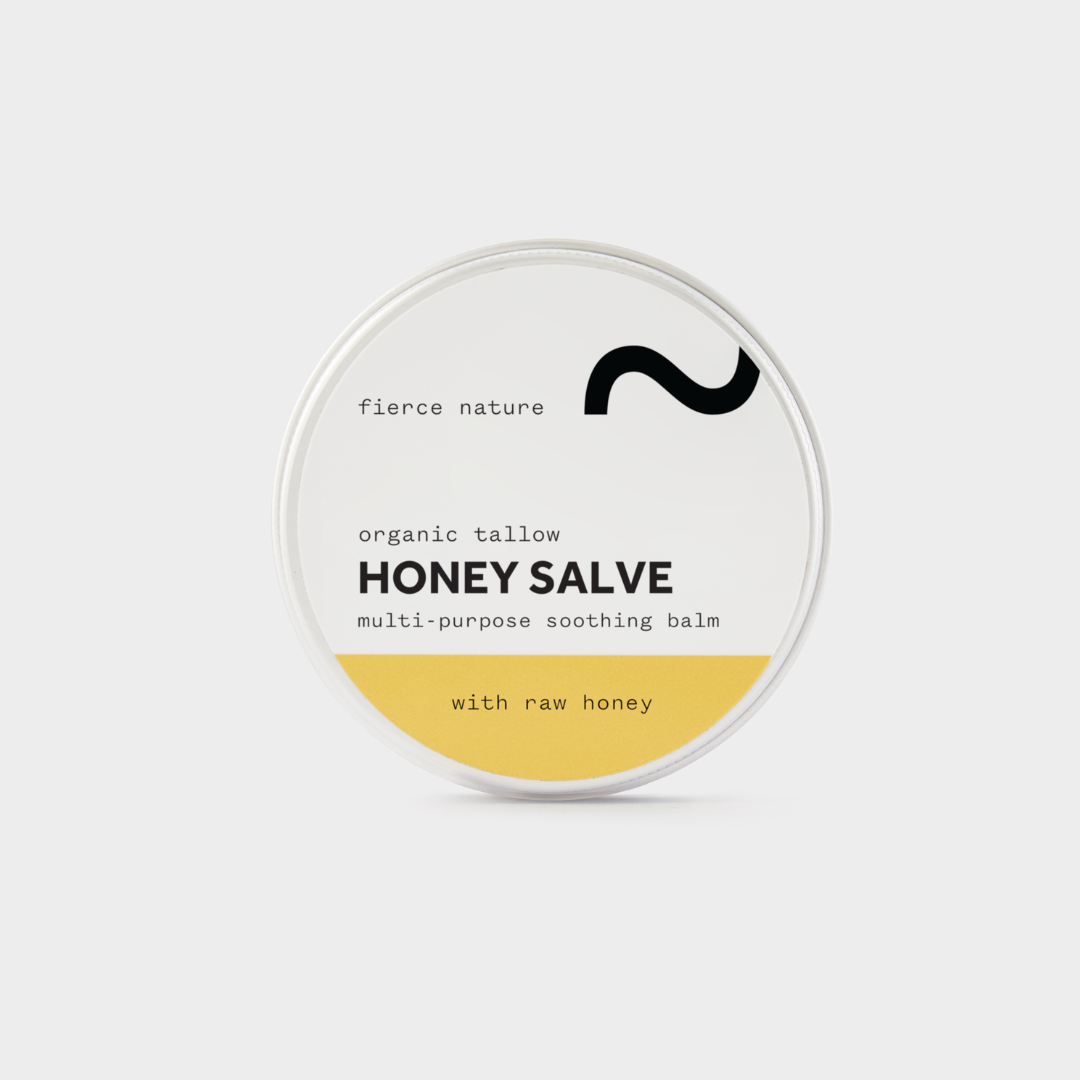
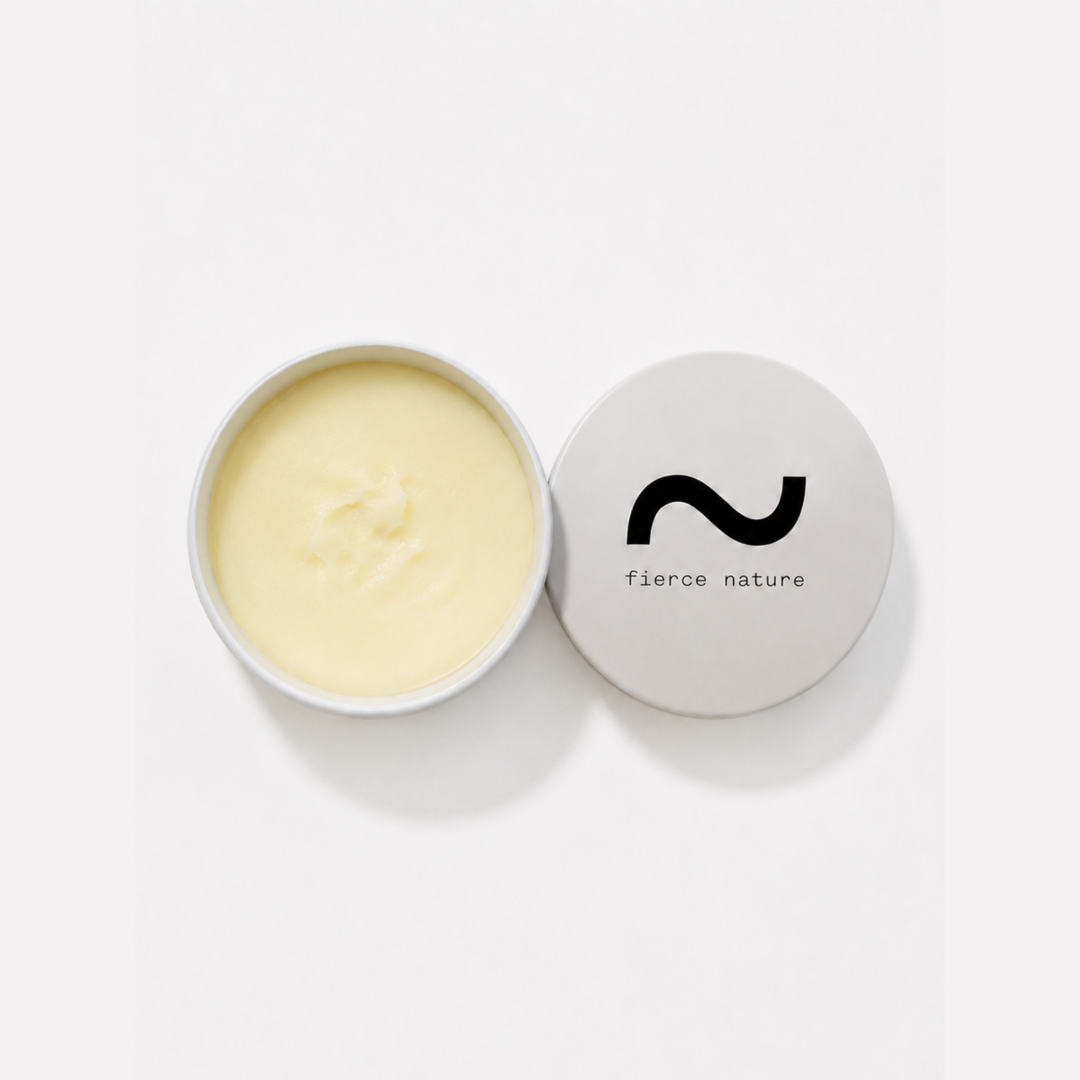
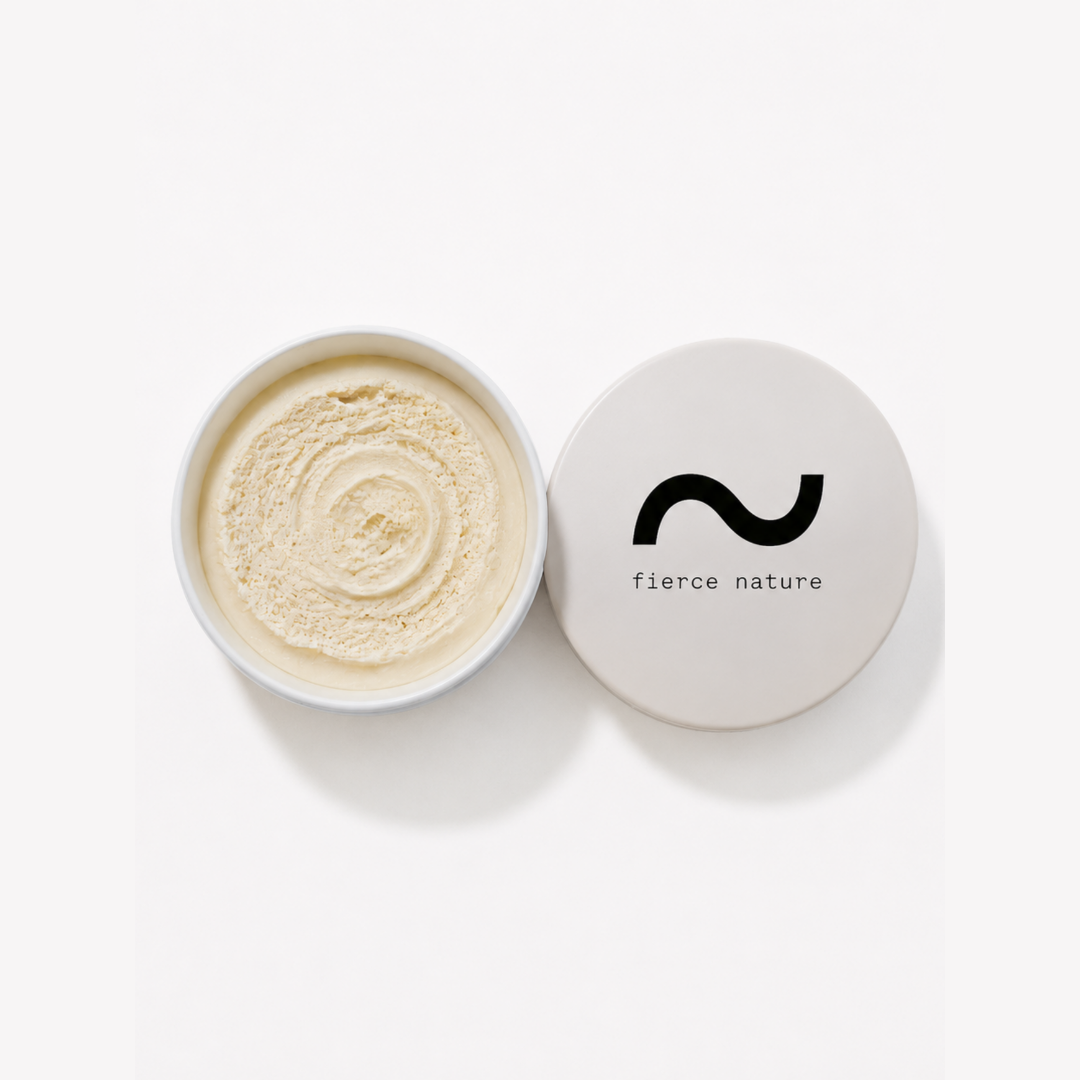
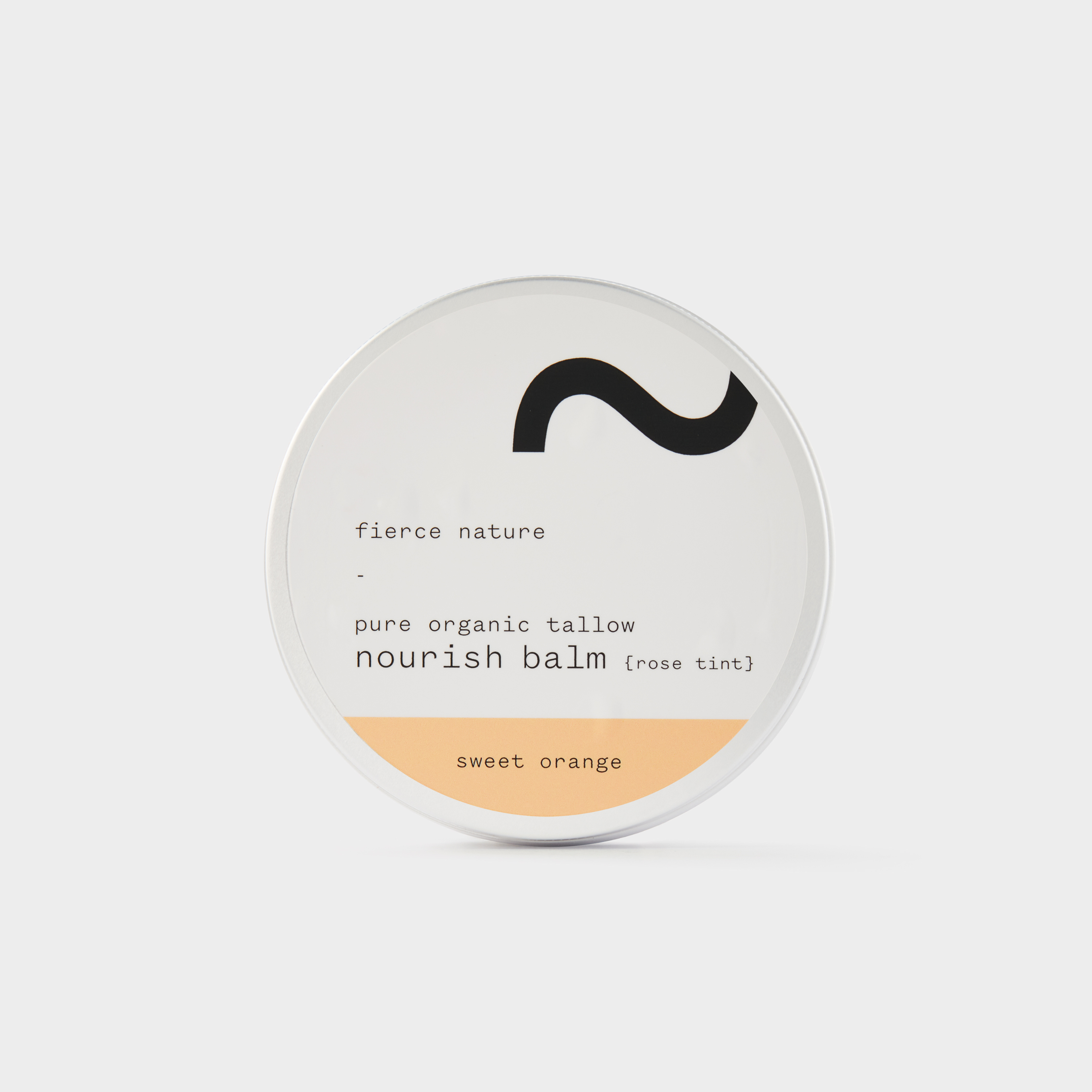
Choosing a balm during pregnancy comes down to trusting what is on the label, and that is where we have put our attention. The balms are handmade using tallow as a foundation, with a short list of naturally sourced ingredients.
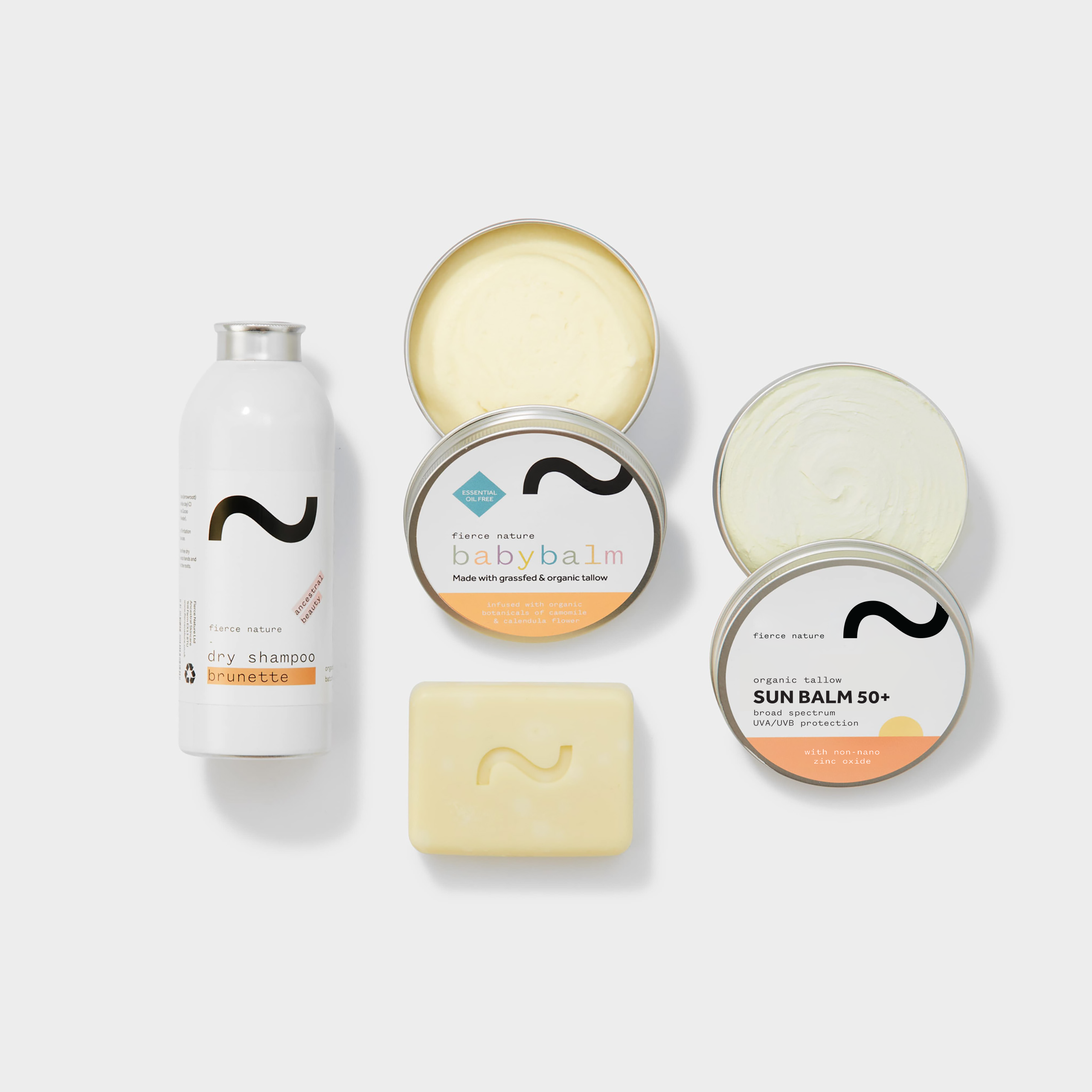
Baby Balm: a gentle, minimal formula originally designed for delicate newborn skin, which makes it a sensible option for sensitive bellies or lips too.
Balance Balm: part of our Functional Balm Collection, suited to everyday body use where you want steady, fragrance-conscious moisture.
Luxe Balm: a richer face balm for those wanting a more indulgent texture on drier areas, such as cheeks or lips.
As with any new product in pregnancy, patch-test first and check with your midwife or GP if you have specific sensitivities or a diagnosed skin condition. You can read the full ingredient lists on each product page, and our Baby Balm guide and tallow for stretch marks article go into more detail on how tallow behaves on skin.
Fierce Nature’s perspective on non-toxic, tallow-based pregnancy skincare
We built Fierce Nature out of a lifetime of skin reactions and unanswered questions, and a growing understanding of how much toxic load matters to the body. Every balm is handmade using premium, naturally sourced tallow because we believe skin deserves food, not just fragrance. We keep our ingredient lists short and readable on purpose, so you never have to guess what you are putting on your skin during pregnancy or any other time.
— Fierce Nature
Authoritative sources to check
For further reading, the NHS publishes guidance on stretch marks in pregnancy and on medicines and topical ingredients in pregnancy, including cautions around camphor and essential oils. Clinicians can also consult UKTIS for specific medicines-in-pregnancy queries.
This article is general information, not a substitute for advice from a qualified doctor. Consult a qualified healthcare professional about your own circumstances before acting on anything here.
FAQ
Why can’t I use certain muscle rub balms while pregnant?
Muscle rub balms, sometimes called rubefacients, often contain camphor, menthol or wintergreen oil, which are different from simple moisturising balms and are flagged for irritation risk. They are not designed for routine pregnancy skincare, so a plain, fragrance-free body balm is the safer everyday choice.
What is the 20-week rule for wintergreen oil in pregnancy?
Products containing wintergreen oil, which contains methyl salicylate, are often advised against after 20 weeks of pregnancy as a precaution, since methyl salicylate behaves similarly to an NSAID. This applies specifically to wintergreen-containing products rather than balms in general.
Where should you be cautious about applying balms during pregnancy?
Lips and the belly are the two areas that need the most care, since lip skin is thin and belly skin stretches quickly, making both more prone to irritation. Avoid muscle rub style products anywhere on the body and patch-test any new balm before regular use.
Is it safe to check with a pharmacist before trying a new pregnancy balm?
Yes, checking with a pharmacist, midwife or GP before trying a new topical product in pregnancy is exactly what NHS guidance recommends. They can advise on your specific case and, where needed, refer to specialist resources such as UKTIS for further detail.
Do pregnancy balms actually prevent stretch marks?
No, there is no reliable evidence that any balm, cream or oil prevents or removes stretch marks, even though around 8 in 10 pregnant people develop them. Balms are genuinely useful for hydration and itch relief, which is a realistic reason to use one.