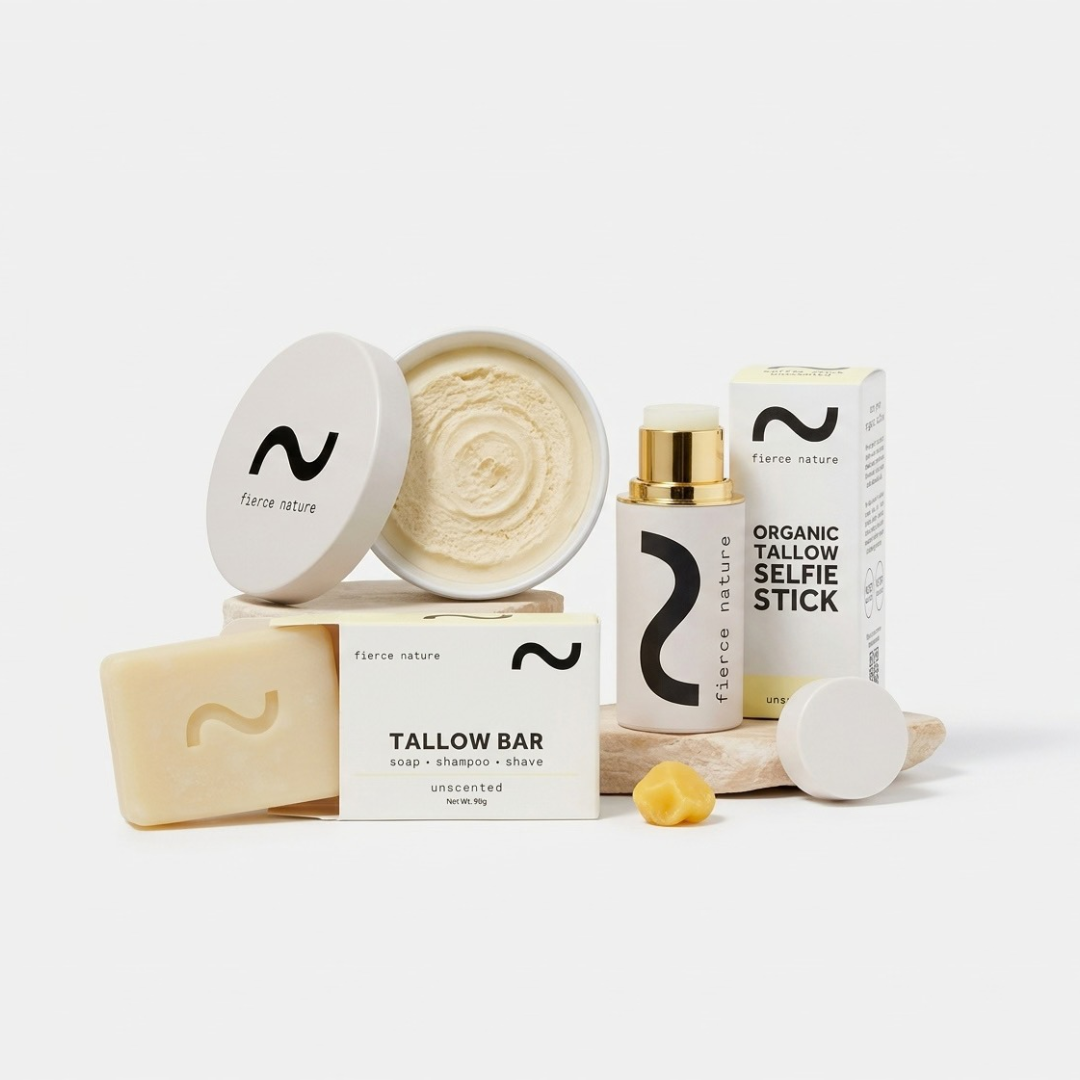
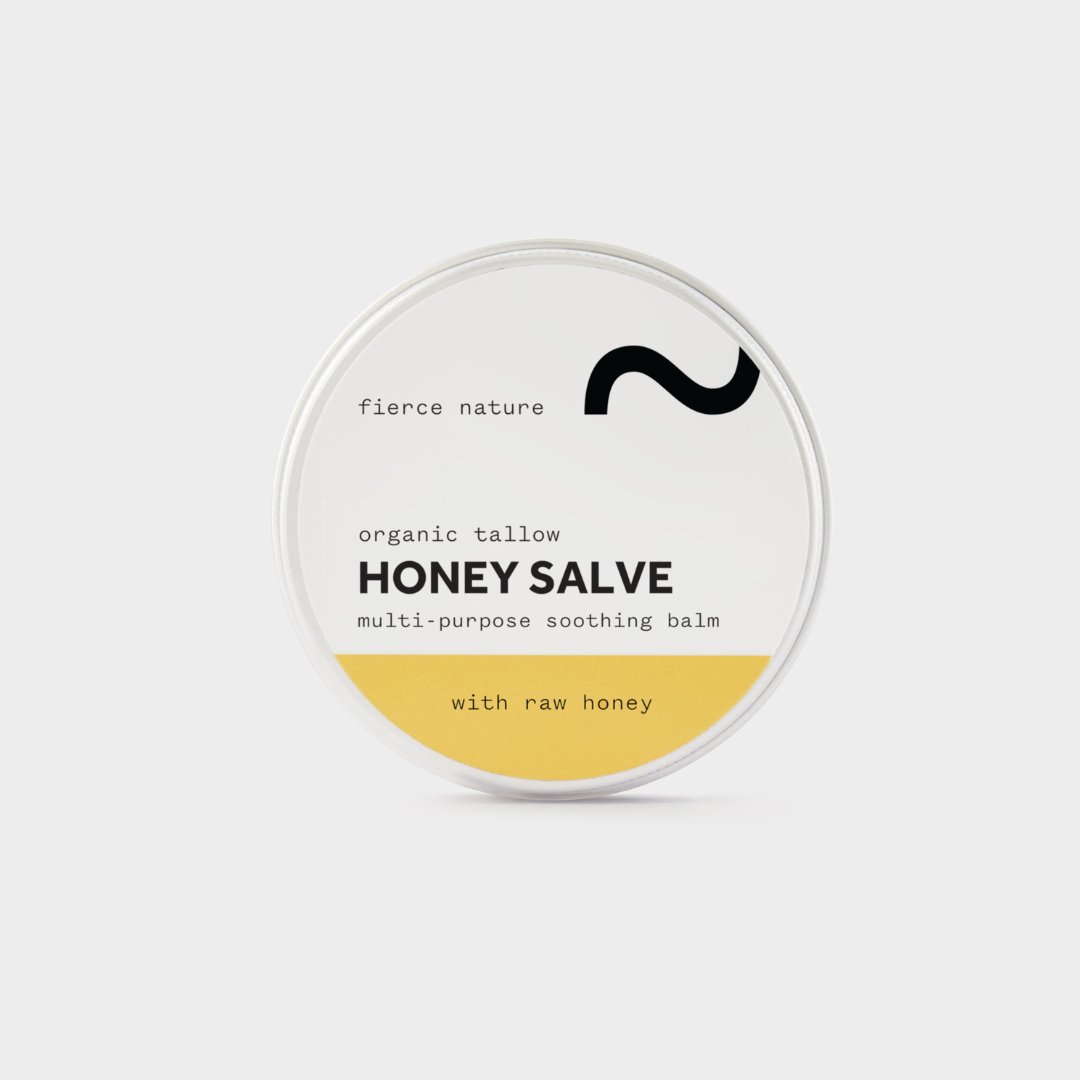
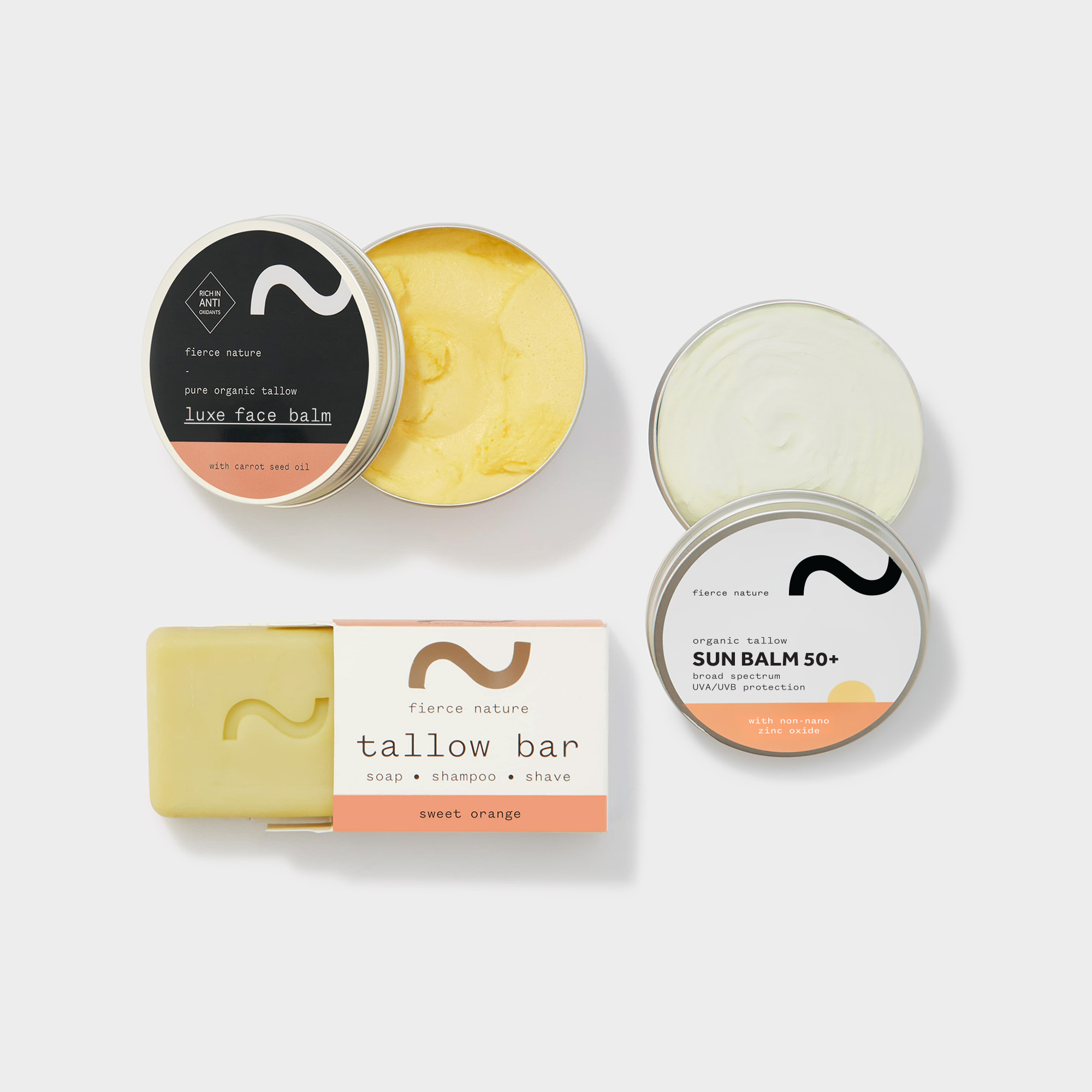
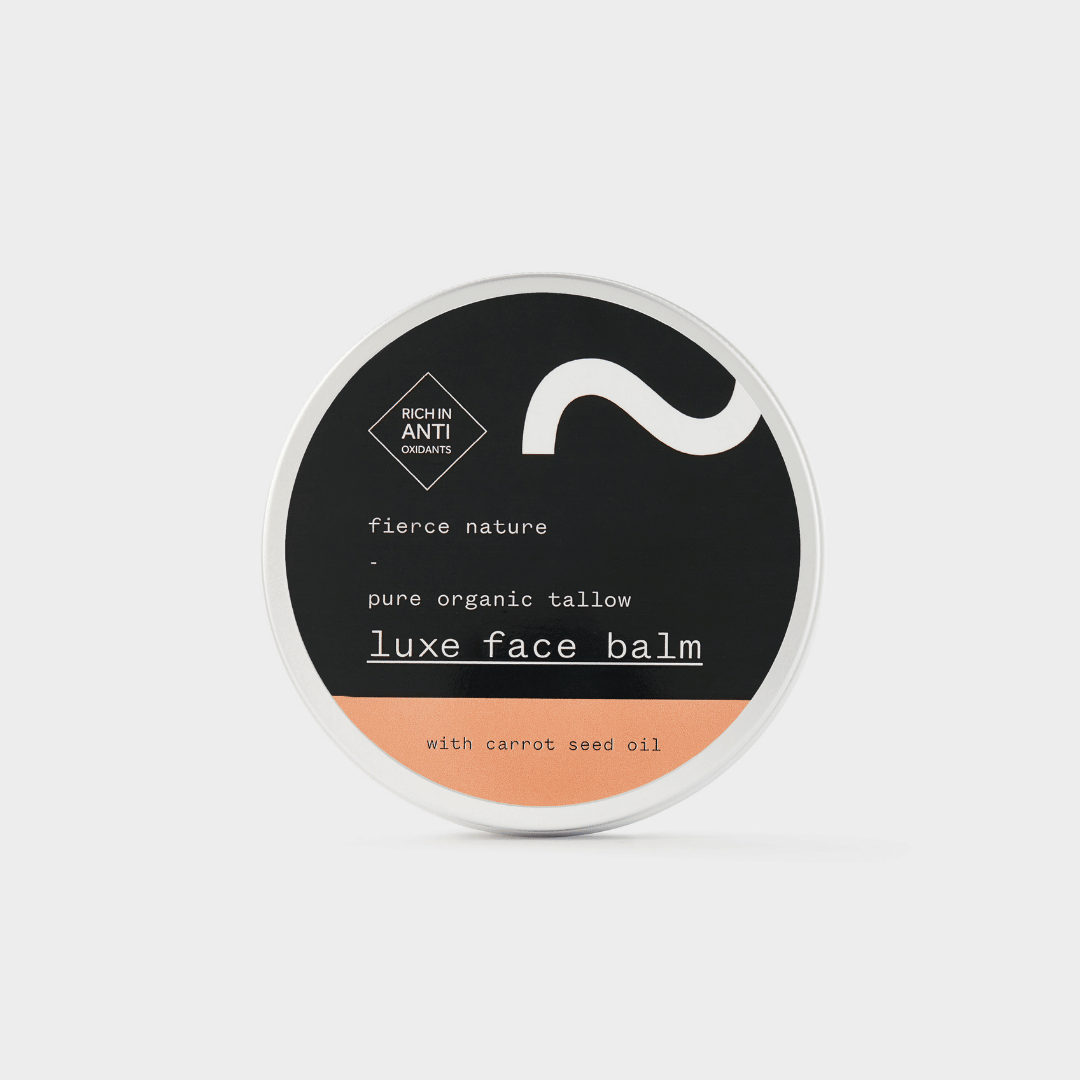
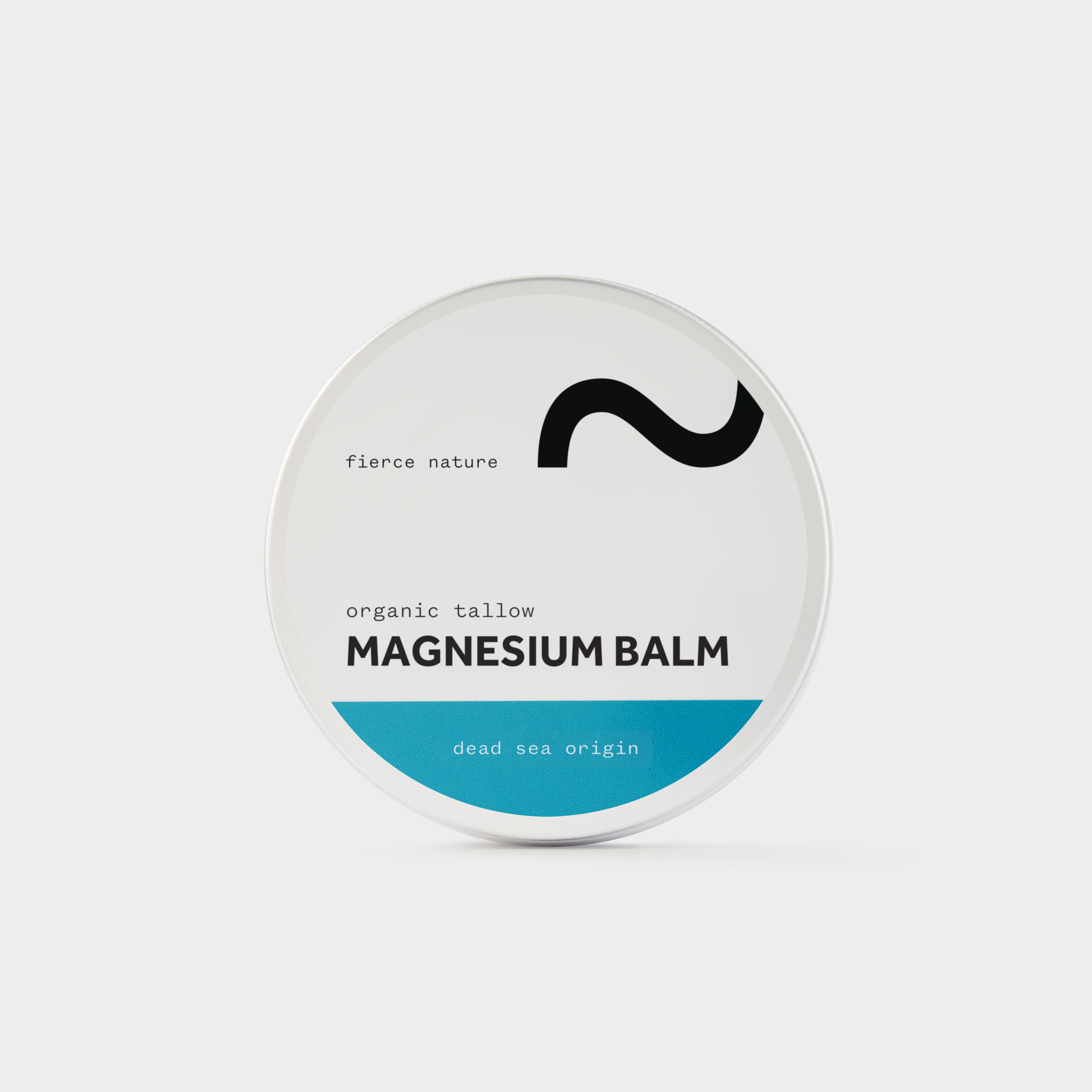
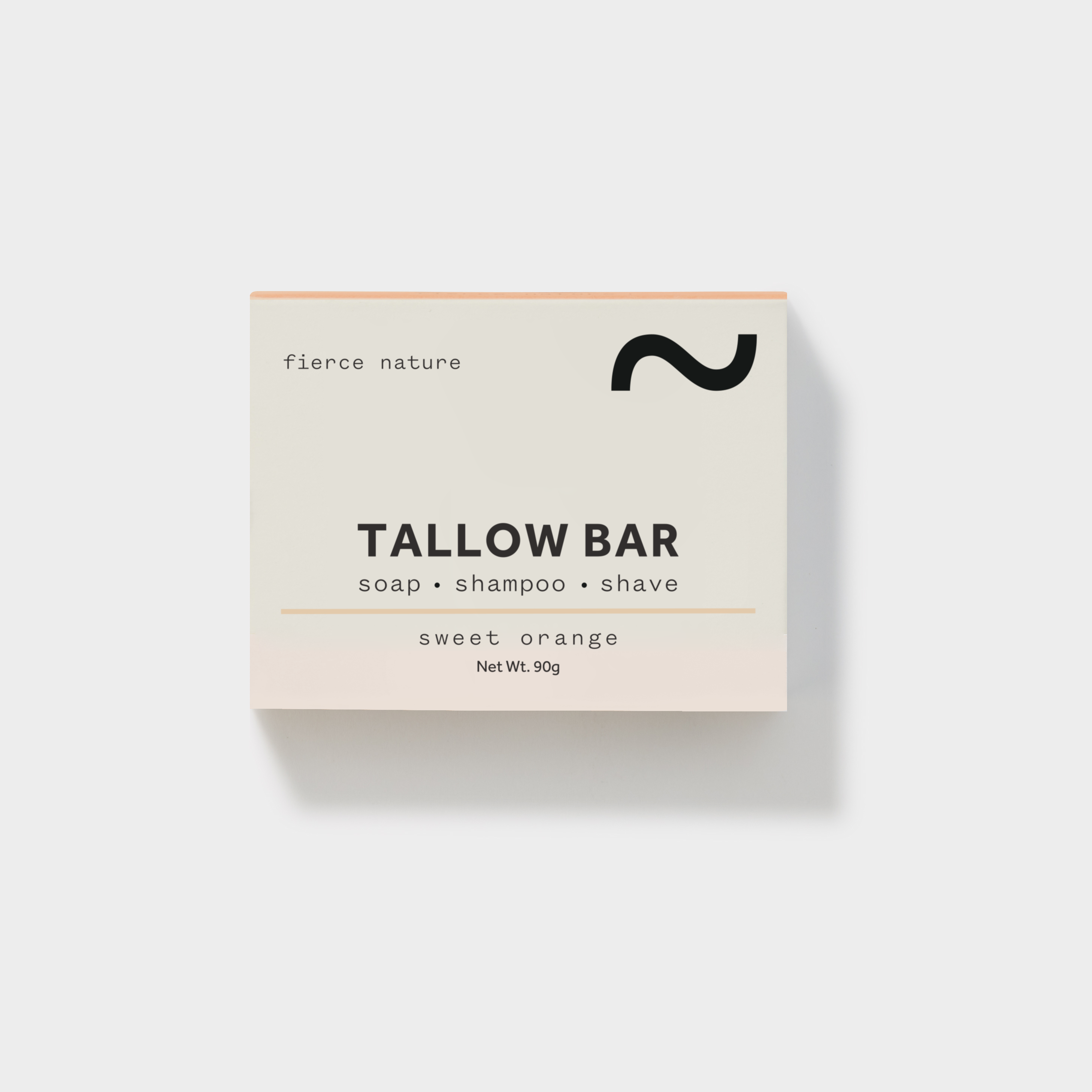
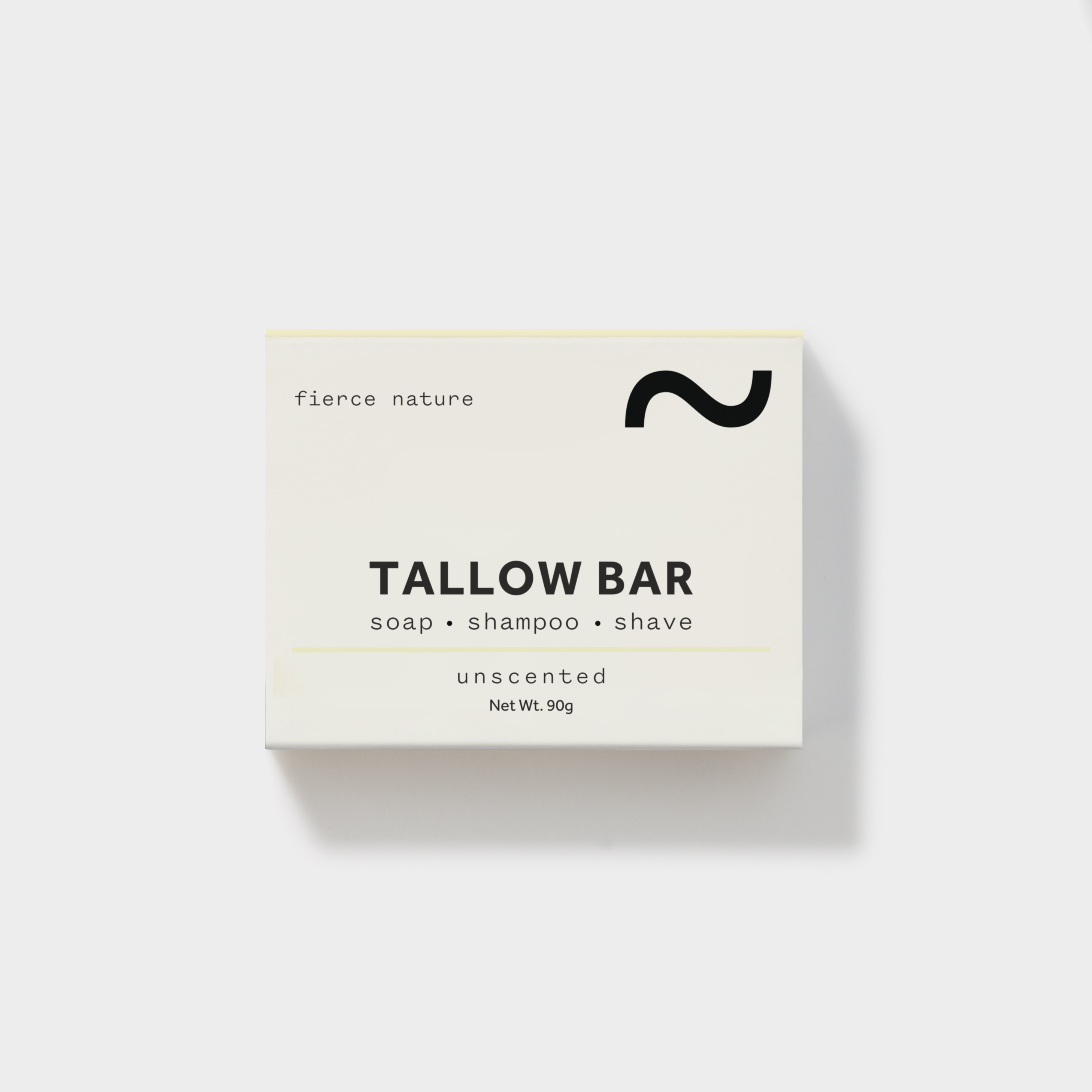
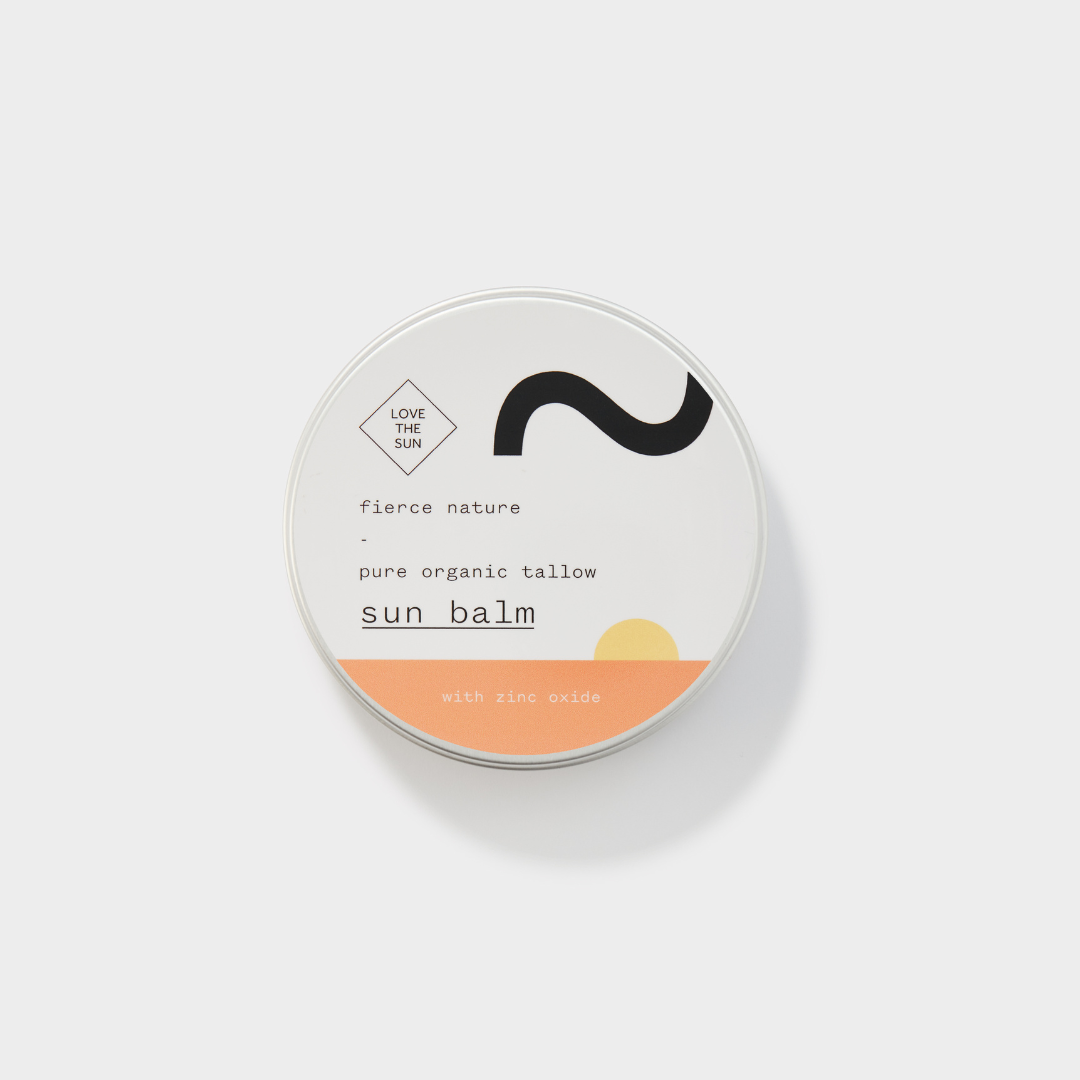
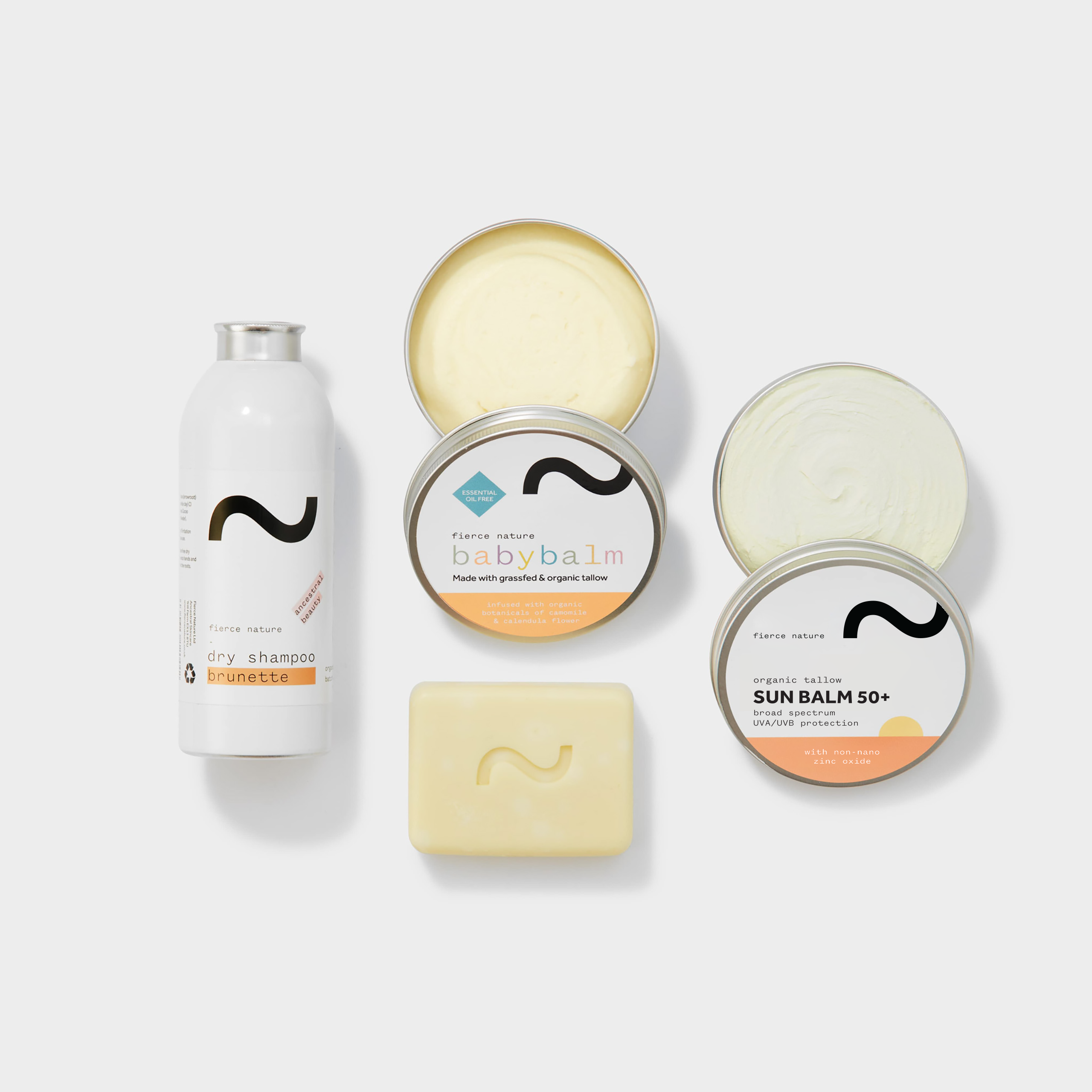
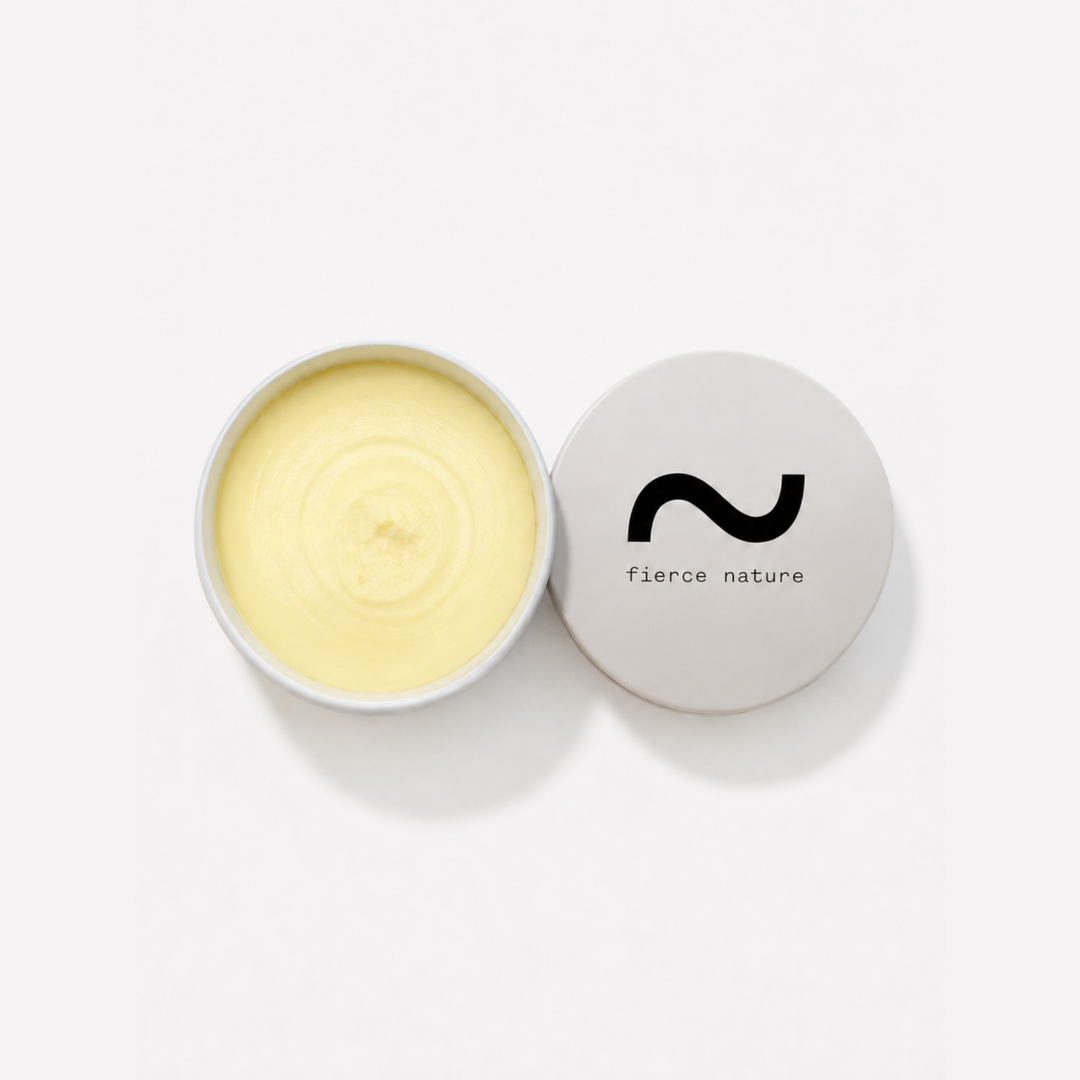
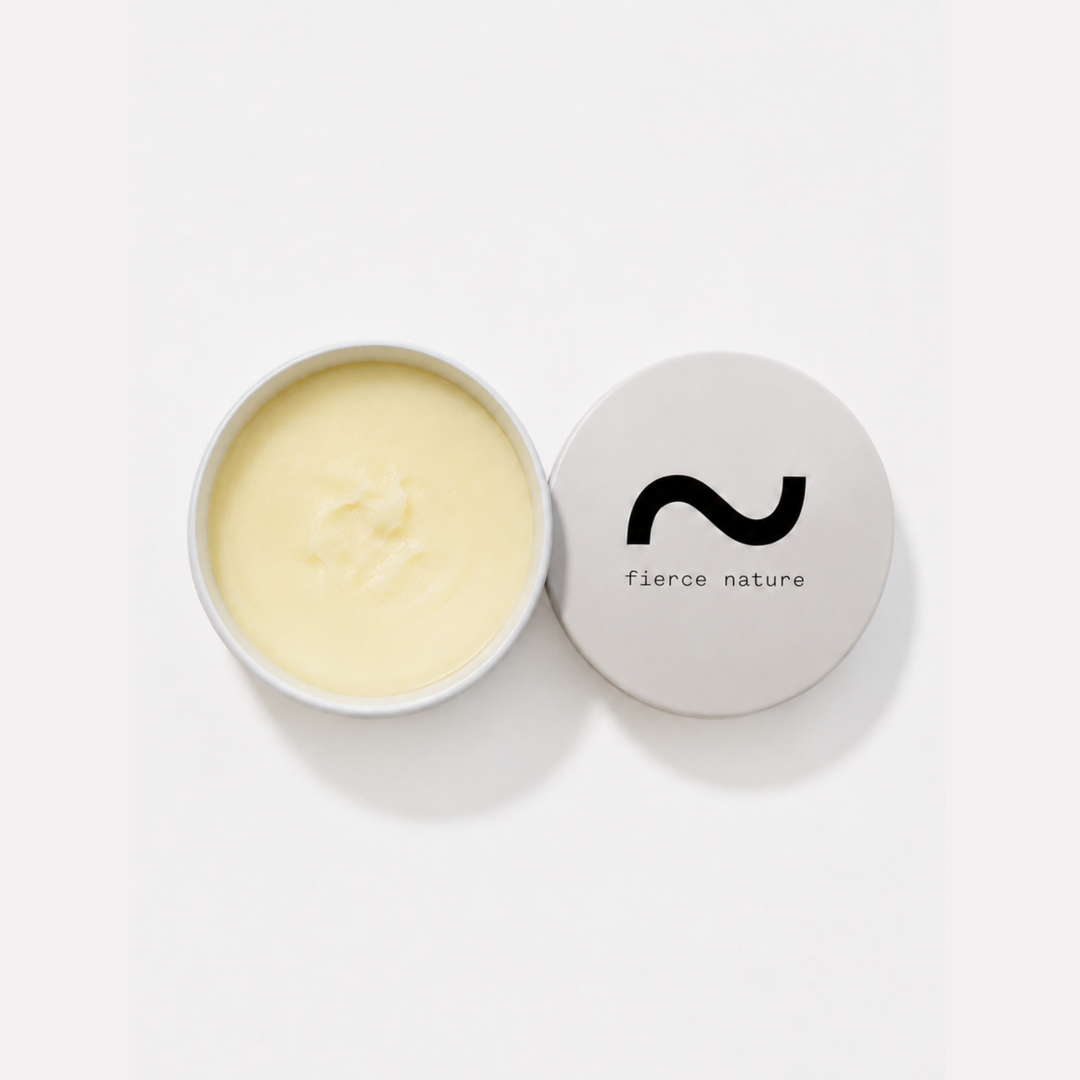
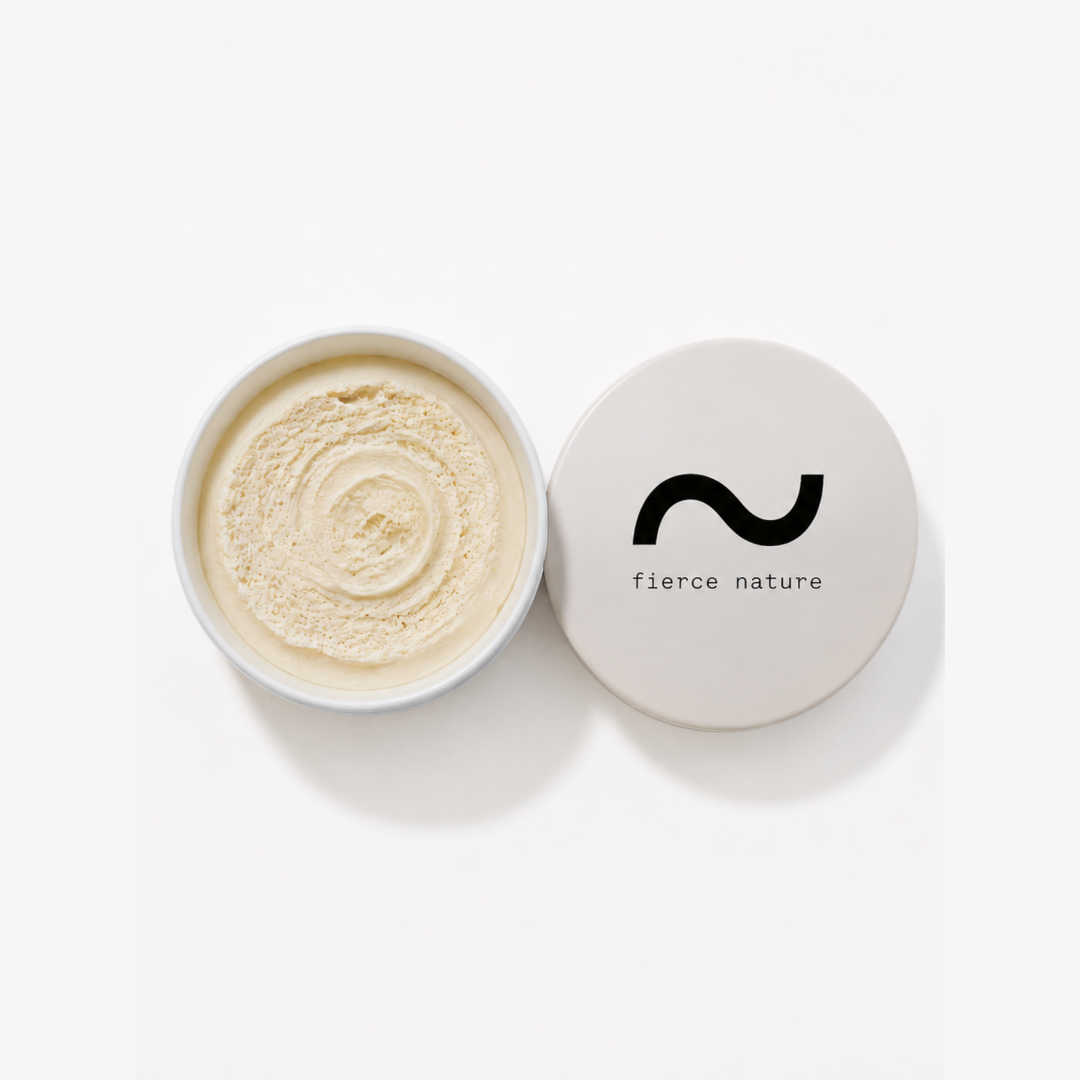
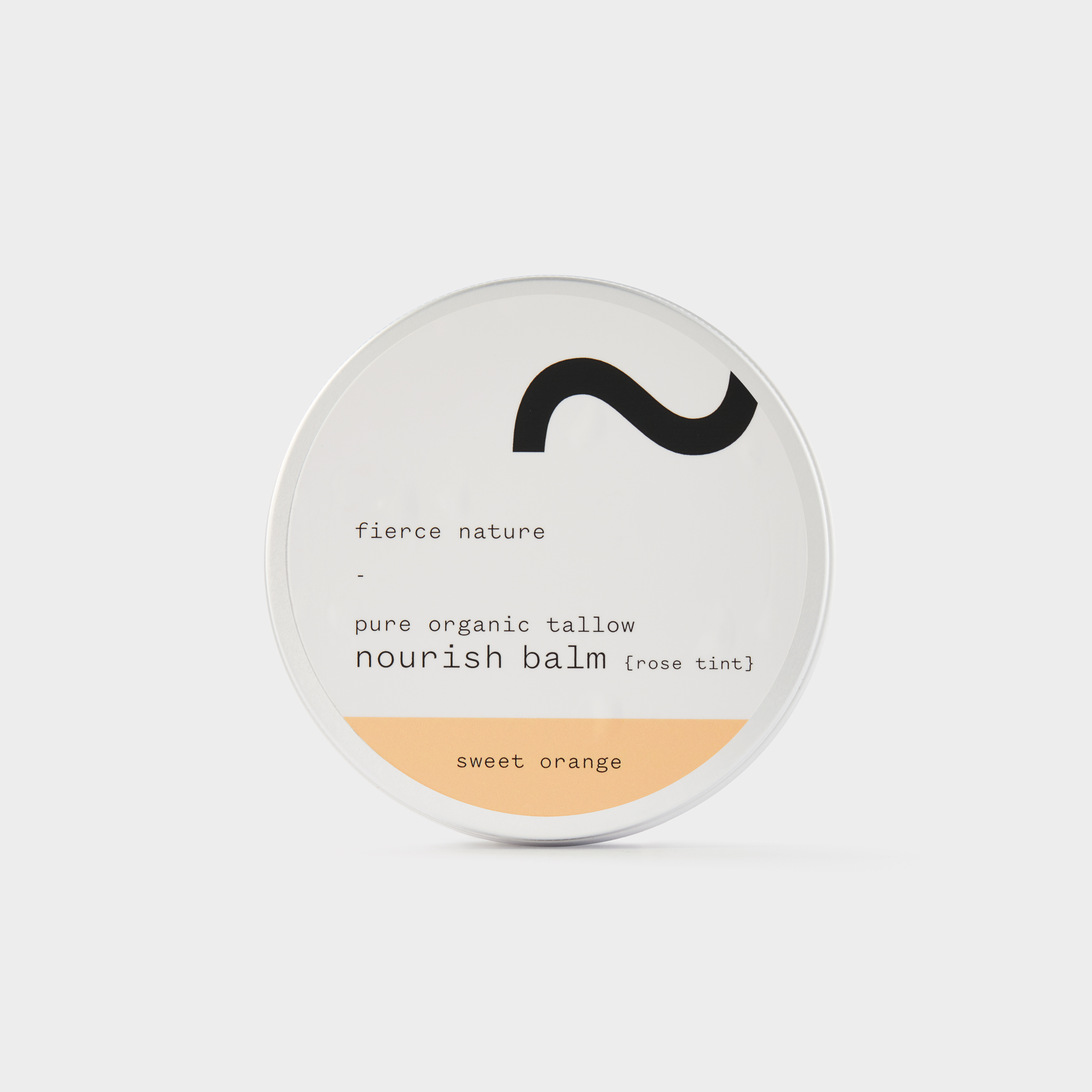
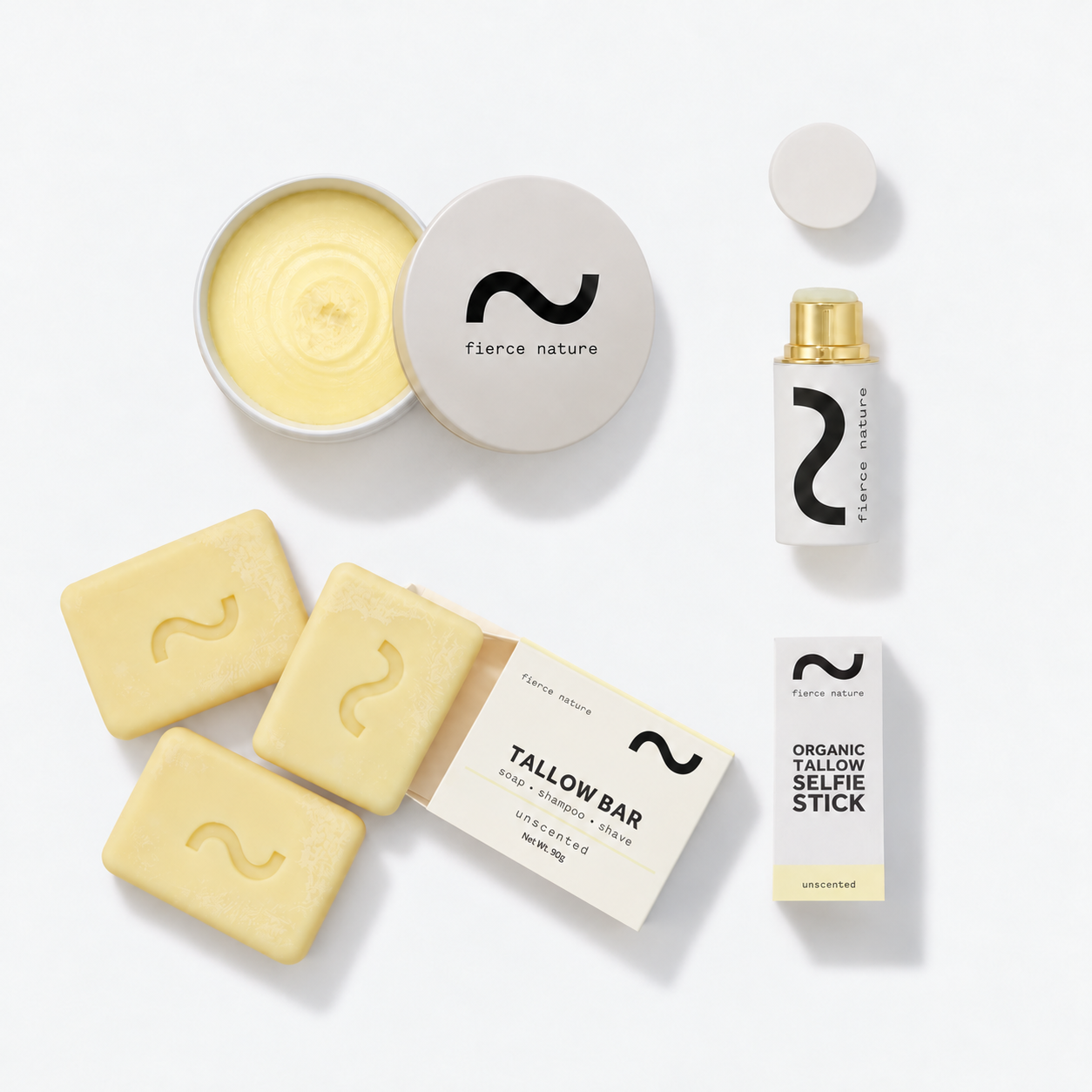
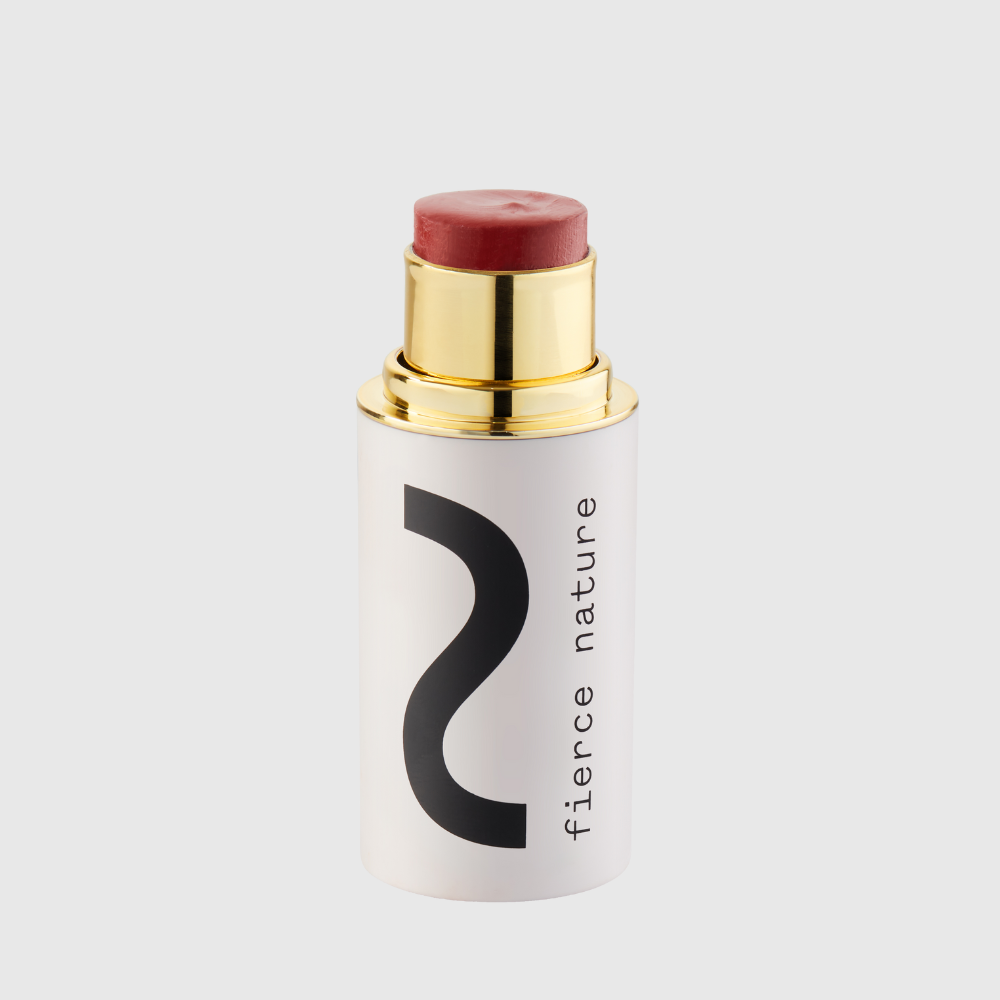
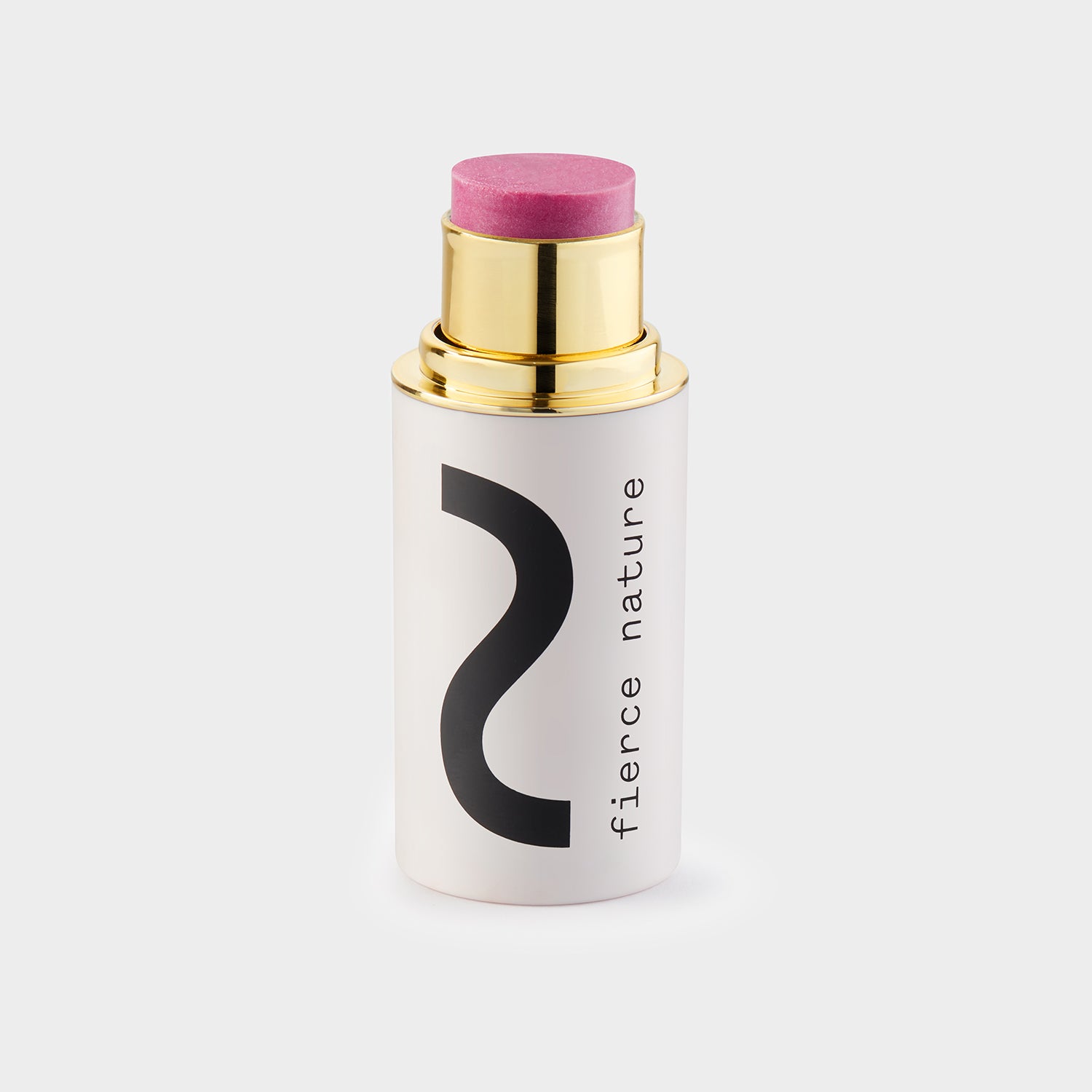
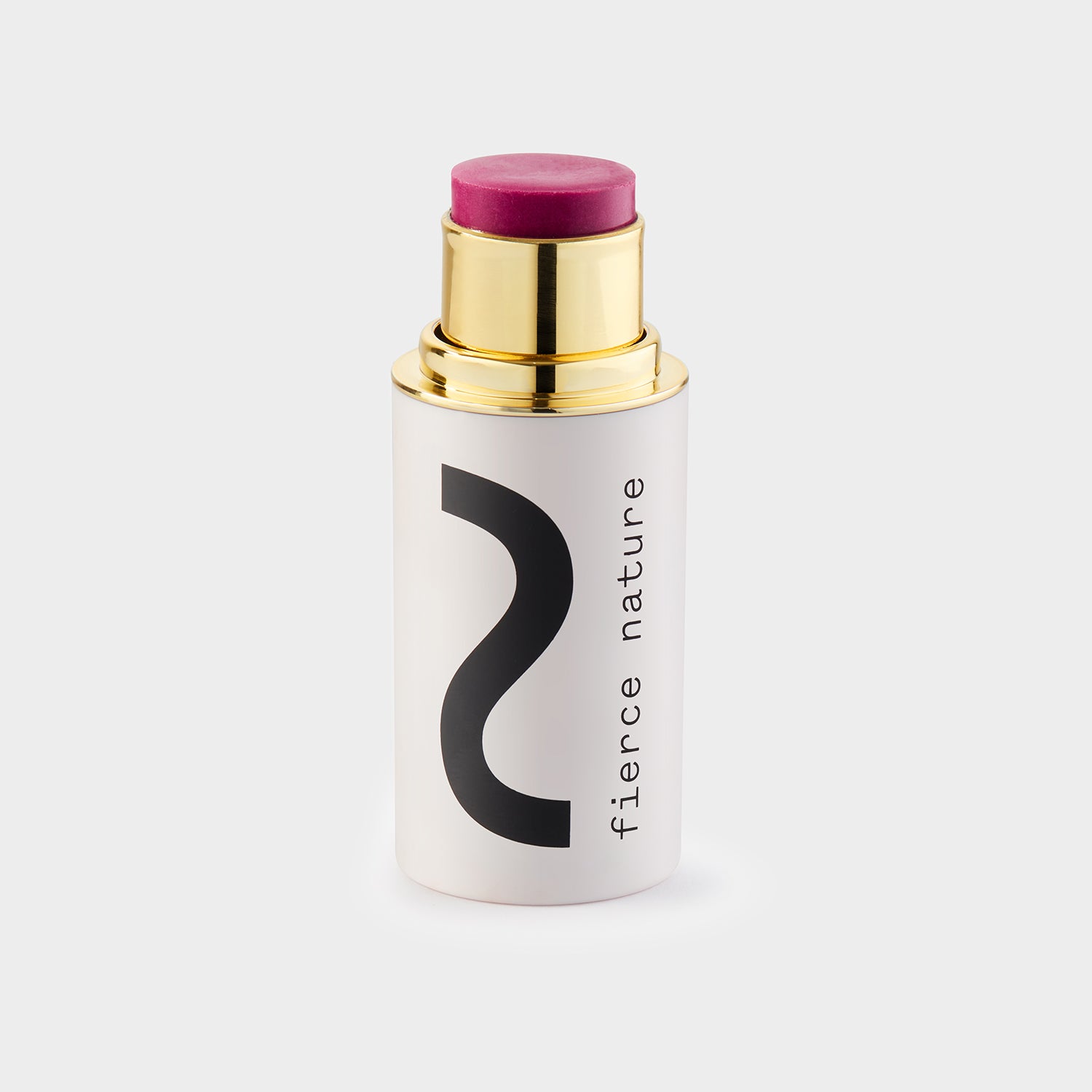
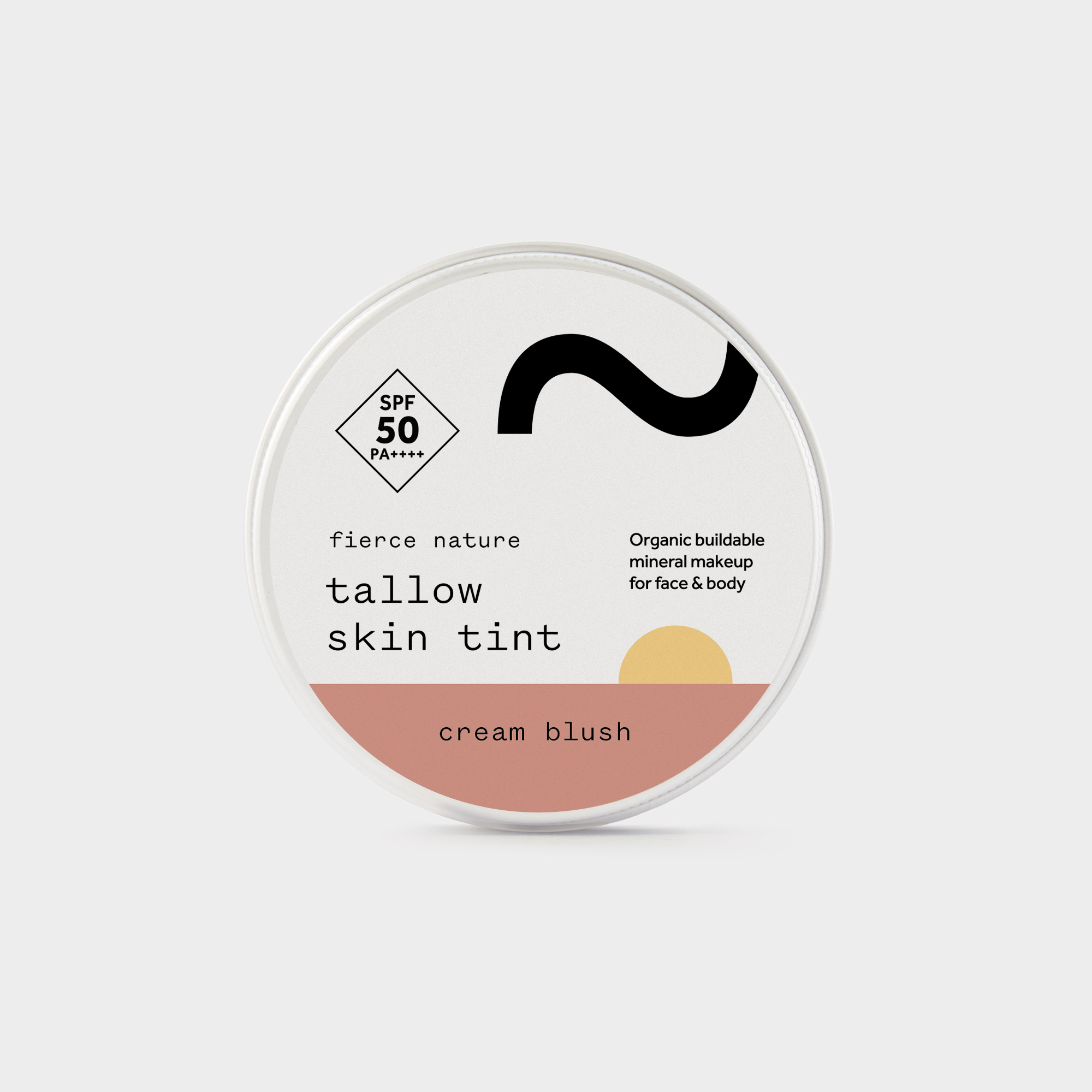
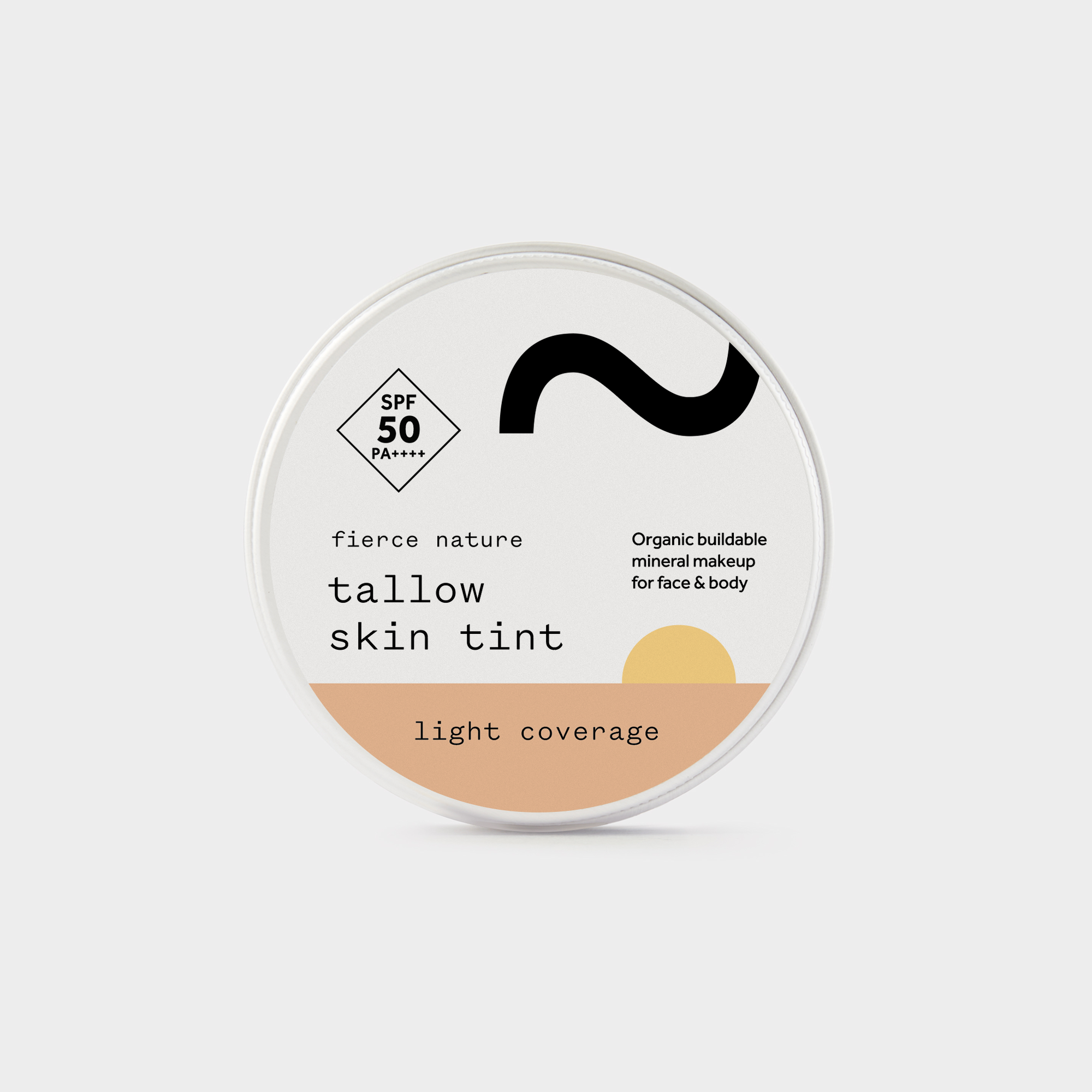
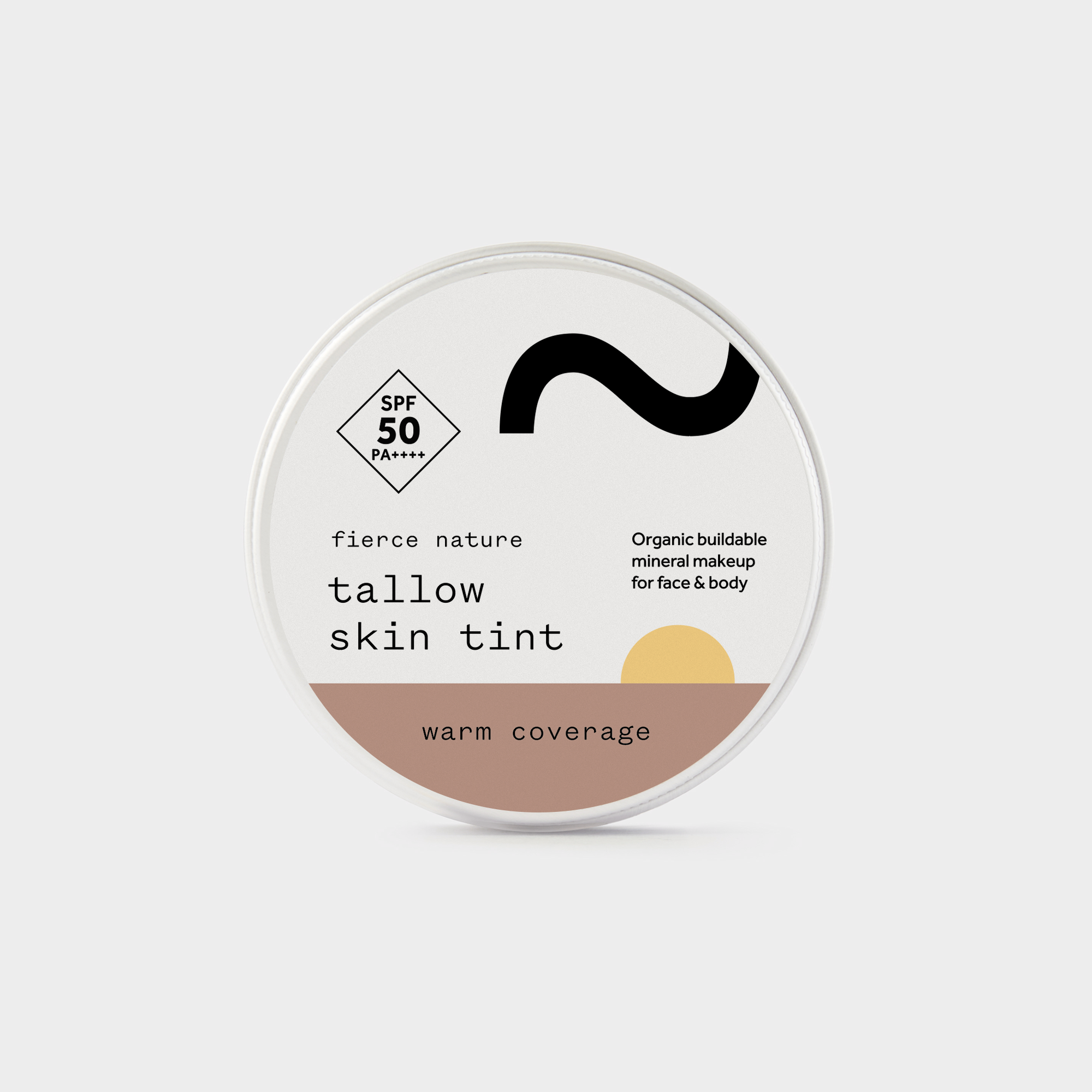
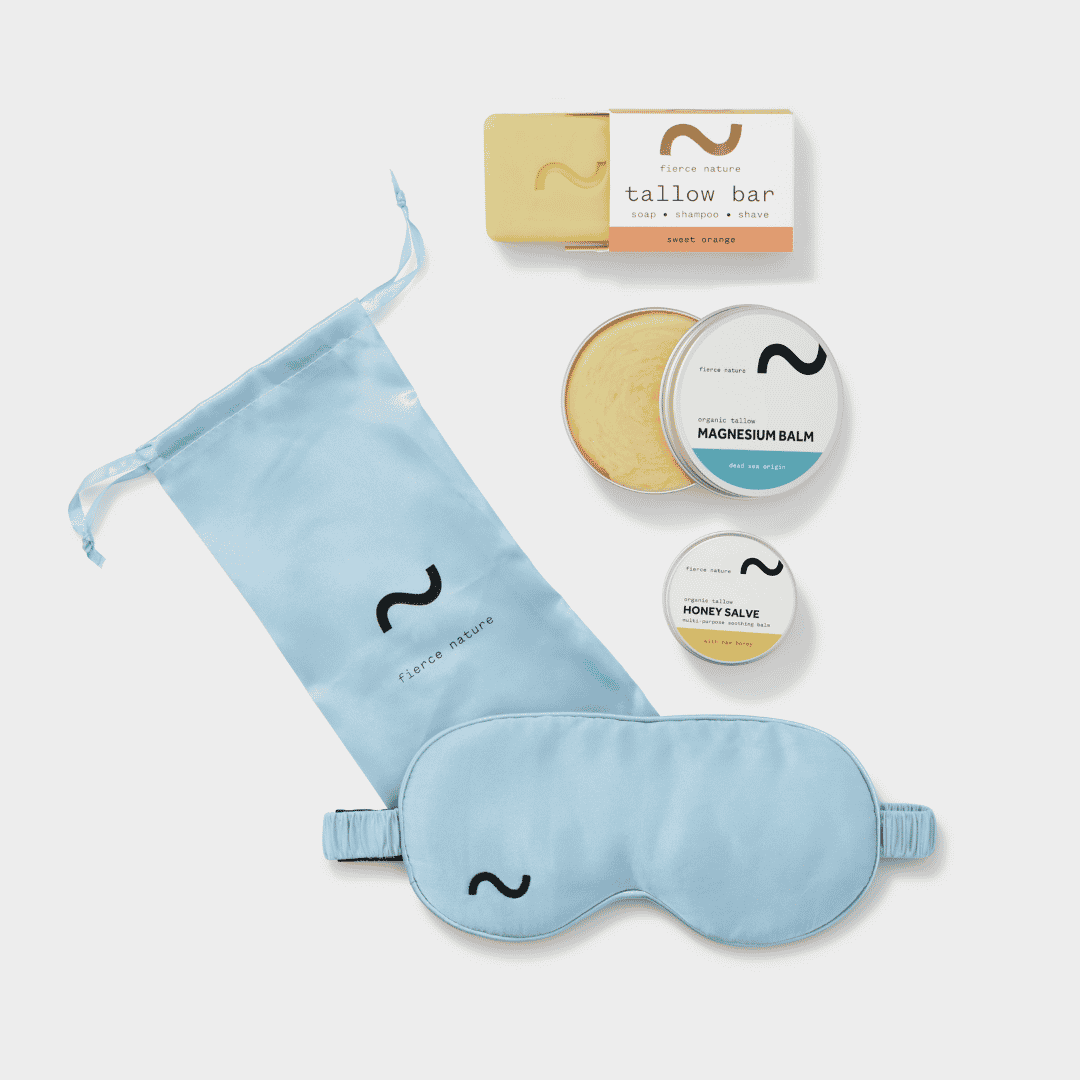
Tallow is ethical when it comes from well-raised animals, is made from fat that would otherwise be thrown away, and is sold by a maker who tells you plainly where it comes from. It is not vegan, and it never pretends to be. What decides whether a tallow balm sits comfortably with your values is the source of the fat and the honesty of the brand, not the fact that it is tallow. That is how we approach every balm we make at Fierce Nature, using organic, grass-fed tallow, handmade in the UK.
This guide is for you if you are weighing up a face or body balm and want a straight answer on animal welfare, waste and the environment before you buy. We will keep it practical: what tallow actually is, what the ethical questions are, and the simple checks that separate a considered balm from a marketing line.
Fierce Nature
Explore Tallow Skincare, Made With Care
Fierce Nature makes face and body balms with organic, grass-fed tallow and naturally sourced ingredients, handmade in the UK.
TL;DR
- Tallow is rendered beef or sheep fat, a by-product of the meat industry, so using it for skincare puts a whole-animal resource to work rather than sending it to waste.
- It is an animal-derived ingredient, so it is not vegan. Whether it feels ethical to you depends on how the animal lived and how transparent the maker is.
- “Ethical” is a marketing word with no fixed legal meaning on a label, so look for specifics: grass-fed, organic, UK-made, and a clear ingredient list.
- Our balms use pure organic, grass-fed tallow as the foundation, handmade in the UK with naturally sourced ingredients.
Table of Contents
What tallow is, and what it is called in the UK
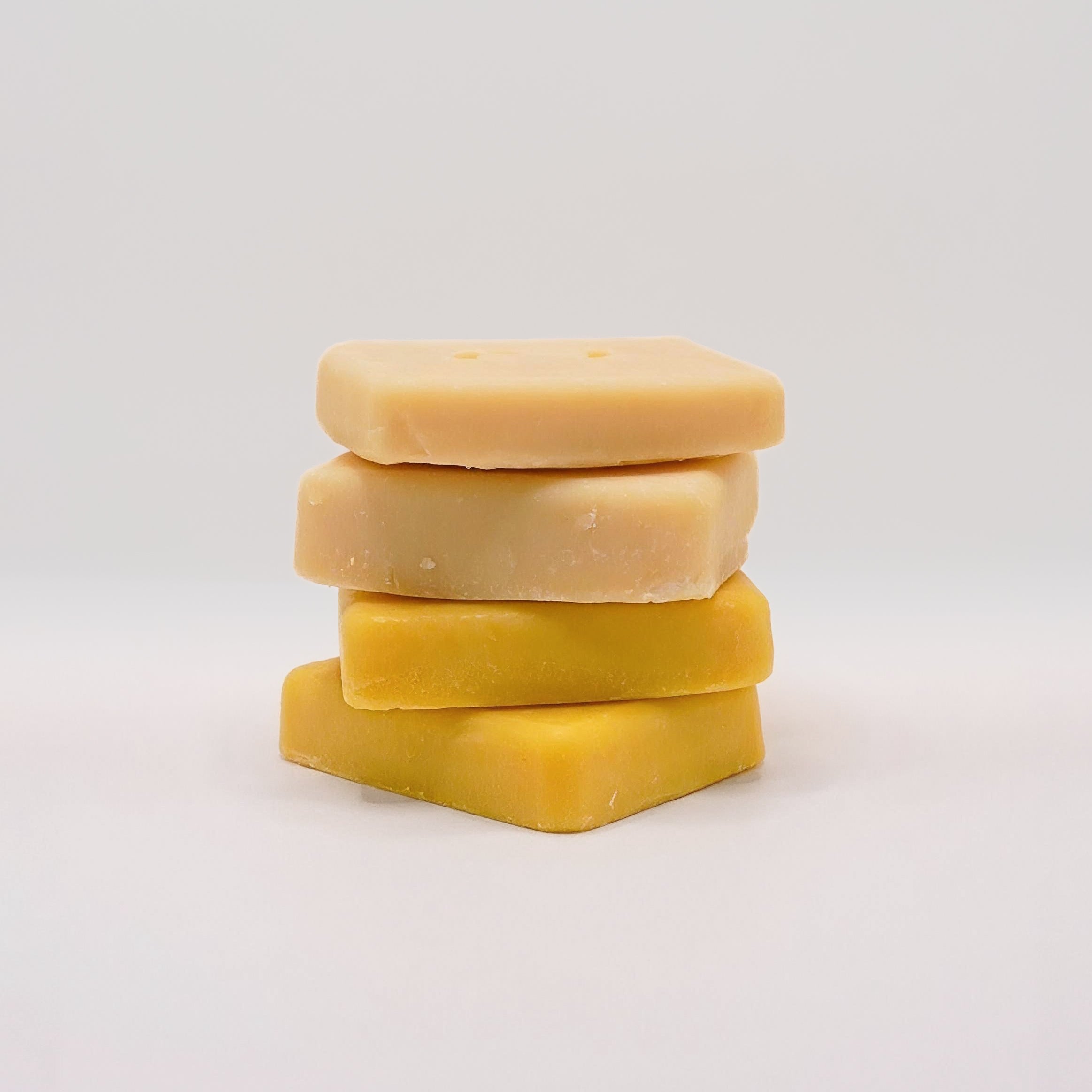
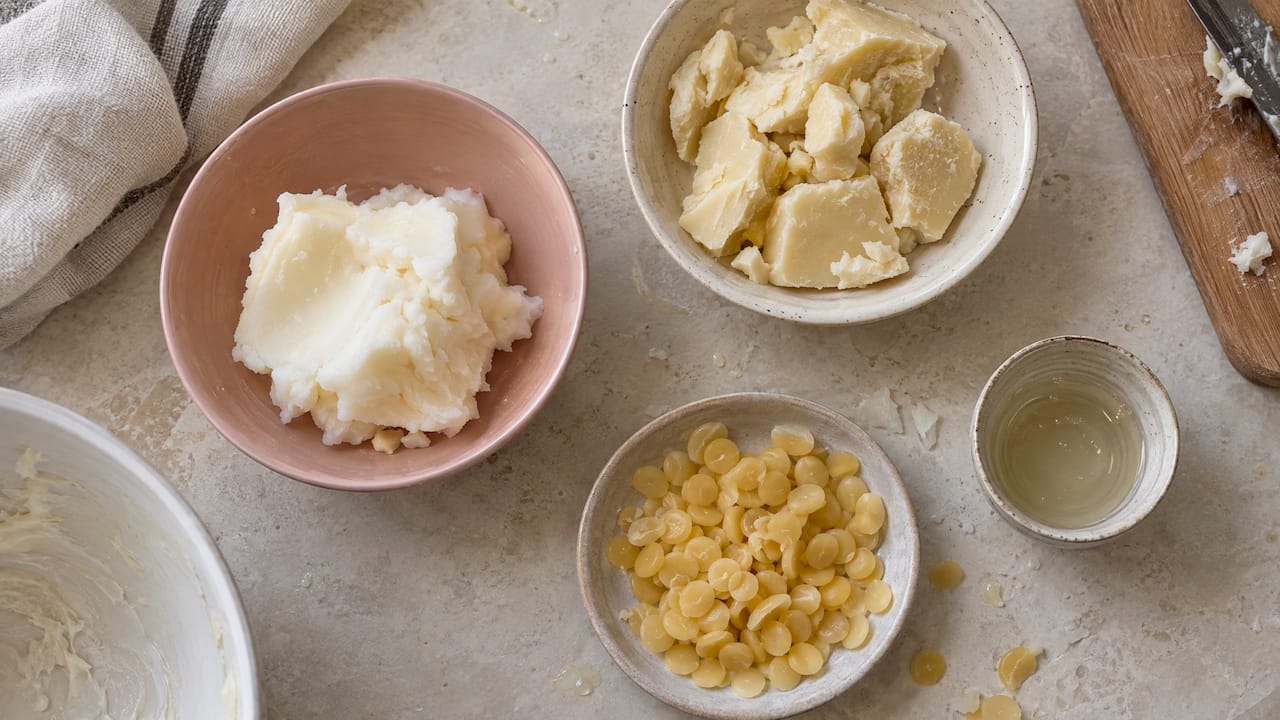
Tallow is animal fat that has been gently melted down (rendered) and strained until it is clean and shelf-stable. In skincare it usually means beef tallow, made from the hard fat found around the kidneys and loins of cattle. That raw fat is called suet, a word many British cooks already know from dumplings and Christmas puddings. Rendered, it becomes tallow.
So in the UK it is simply called tallow. You may also see it described as rendered beef fat, and sheep tallow is made in the same way from sheep fat. On an ingredient list for a leave-on balm it appears as tallow; in soap you will usually see the saponified form, sodium tallowate, which is simply tallow that has been turned into soap.
The practice is old. People have used tallow for candles, soap and as a skin emollient for centuries, long before modern cosmetics existed. Its fatty acid profile is rich in the kind of fats the skin itself contains, which is why many people find it comforting on dry, sensitive skin. If you want to read more on how it behaves on the skin, our guide to animal-fat emollients for dry skin goes into it.
Why “is tallow ethical?” is really three questions
When someone types this into a search bar, they are usually asking one of three different things. It helps to pull them apart, because the honest answer is slightly different for each.
1. Is it fair to the animal?
Tallow is made from animals that are raised for meat. Choosing a balm does not create a new animal; it makes use of a part that comes with the one already being farmed. The welfare question is therefore about how that animal lived, not about the balm itself.
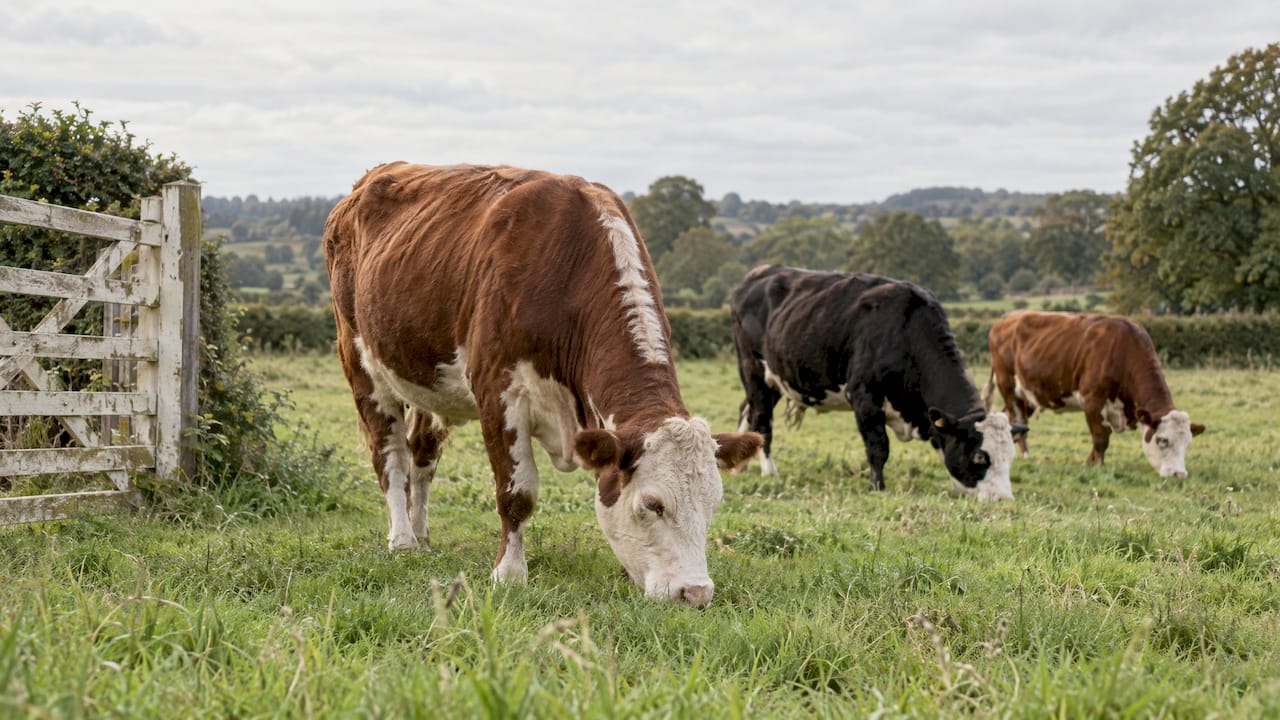
A beef animal raised on pasture, grazing grass for most of its life, has a very different life from one kept indoors on a feed lot. This is why the words on the pot matter. Grass-fed and organic describe how the animal was raised, and they are the two details we put first when we describe our tallow.
If animal welfare is your main concern, ask of any brand: where does the fat come from, and what do you know about the farm? A maker who answers in specifics is showing you the kind of care you want to see.

2. Is it wasteful?
This is where tallow makes its strongest case. Suet is a by-product. In a world where there is growing interest in using the whole animal, rather than only the prime cuts, turning that fat into something useful is a sensible use of what already exists. Fat that is rendered into a balm is fat that is not discarded.
That idea of whole-animal use is familiar from “nose to tail” eating, which has become part of how many British farms and butchers talk about respect for the animal. A skincare balm is another expression of the same thought: if an animal has been raised, every part deserves to be used well.
It also compares favourably with a long ingredient list of synthetic substitutes, many of which are made through chemical processes far from any farm. Tallow is one ingredient, made by a method you can picture: heat, strain, cool.
3. Is it good for the planet?
The environmental question is the one where we think honesty serves you best. Beef farming has an environmental footprint, and that footprint depends heavily on how the cattle are raised. Grazing on well-managed pasture is a different proposition from intensive systems that rely on imported feed.
The useful way to think about it is this: the footprint of the animal is already there because of the food system. Tallow skincare takes a by-product of that system and uses it, rather than adding a new demand. Choosing a maker who sources from pasture-raised, organic cattle points your purchase at the more careful end of farming. Our article on the environmental benefits of tallow-based products sets out our thinking in more detail.
Tallow, cruelty-free and vegan: three different words
These terms get mixed up constantly, and the confusion is the root of many ethical worries.
-
Vegan means no animal-derived ingredients at all. Tallow is animal-derived, so a tallow balm is not vegan. If you avoid all animal products, tallow is not for you, and that is a perfectly clear line.
-
Cruelty-free is normally used to mean that a product and its ingredients were not tested on animals. It says nothing about whether an ingredient comes from an animal. A product can be cruelty-free and still contain tallow, beeswax or lanolin.
-
Ethical has no single agreed definition. One person means no animal testing, another means high-welfare farming, another means low waste. Because it is not a tightly defined label, you are right to look for the detail behind it.
On testing, the UK has a long-standing position: animal testing for finished cosmetics and cosmetic ingredients is not permitted in Great Britain. Our balms are simple, handmade formulas, and the point of a short ingredient list is that you can see exactly what is in them.
One more word on labels. You may notice that a product can avoid the familiar rabbit logo schemes and still be made without animal testing; those logos are paid certification programmes, and many small makers do not carry them. The better question to ask a brand is what its ingredients are and how they are made.
How to judge any tallow balm for yourself
You do not need a laboratory or a degree to choose well. Here is a short routine we would use ourselves.
-
Find the animal. Does the brand say what the tallow comes from (beef or sheep) and how the animal was raised? Words like grass-fed and organic are a good sign because they describe the farming, not just the product.
-
Look for a short, readable ingredient list. If you can recognise every ingredient, the maker has nothing to hide. Full ingredient transparency is the standard we hold ourselves to.
-
Check where it is made. Handmade in the UK means a shorter, more traceable journey from farm to pot, and it means you are buying under UK cosmetic safety rules.
-
Notice how the fat is processed. Gentle rendering of good fat, without harsh chemical treatment, keeps the nutrients intact. A maker who is proud of the process will describe it.
-
Read the claims with care. “Ethical” and “sustainable” are not tightly regulated terms on a label, so give more weight to the facts a brand states than to the adjectives.
Our own piece on what ethically sourced tallow means for your skin walks through the same questions from the skin’s point of view.
A worked example: two balms side by side
Imagine you are standing at a shelf, or scrolling, with two balms in front of you.
The first says “natural, ethical, premium tallow” and little else. No farm, no animal, no description of how the fat is made.
The second says the tallow is organic and from grass-fed cattle, lists every ingredient, says it is handmade in the UK, and explains the process.
Both might use the word ethical. Only the second gives you anything to check. That is the whole method: let the specifics do the talking.
What the by-product point means in practice
It is worth being concrete about why “by-product” matters, because it is the heart of the ethical case.
When cattle are raised for meat, the animal is processed into many different parts. Some are prized, others are harder to sell. Suet, the hard fat around the organs, is one of the parts that has long had traditional uses (food, candles, soap) and now has a place in skincare. Using it keeps a valuable material in use.

If you care about waste, this is the argument that carries the most weight. A balm made from by-product fat does not ask for a new resource; it makes better use of one that is already there. In a household where we try to throw away less, buy fewer disposable things and use what we have, that is a very natural fit.
It also fits with what a lot of us already do in the kitchen. If you save the fat from a roast, or buy a good cut with the bone in, you are already part of the same habit of using the whole thing. Tallow skincare extends that habit to the bathroom shelf.
Sheep tallow, and other options within the same idea
Beef tallow is the most common, but it is not the only animal fat used in skincare. Sheep tallow is made in the same way and has its own followers. If you are curious, our guide to sheep tallow for skin covers its benefits and use. The same ethical questions apply: the life of the animal, the transparency of the maker and the care taken in rendering.
Using tallow skincare comfortably
An ethical choice should also feel good on your skin. A few simple habits help any new balm settle in.
-
Start small. Try a little on a small area of skin first, as you would with any new product, and see how your skin responds over a day or two.
-
Use a little. A balm is concentrated. A small amount, warmed between your fingertips, goes a long way.
-
Apply to slightly damp skin. This helps the balm sit comfortably and leaves skin feeling soft.
-
Store it well. Keep the pot somewhere cool, out of direct sun, with a clean lid on.
As with any skincare, if you have a skin condition, known allergies or you are unsure how a new ingredient will suit you, speak to your GP or a dermatologist first. Our article on tallow allergy explains what to look out for and how to introduce a balm gently.
Our perspective
We started Fierce Nature because we wanted skincare we could trust, and that meant starting from the ingredient and working outwards. For us, the ethical case for tallow is simple and rests on respect: respect for the animal, for the land it grazed and for the person who will use the balm.
We use pure organic tallow as the foundation of our products because we believe in making use of what the land gives us, and in being clear about it. Tallow has been used for centuries in soap making and as a skin emollient, and we think its long history says something. Our products are handmade and crafted in the UK with premium, naturally sourced ingredients, and we say what is in them.
We also believe that when you buy skincare, you are entitled to know more than the pot’s marketing. That is why we talk openly about grass-fed tallow and about transparency. It is the opposite of the glossy promises we grew up with, where harsh chemicals arrived in seductive packaging.
Our founder grew up in South Africa battling rashes and reactions from mainstream cosmetics, and later came to understand the effect of toxic load on the body. That experience shapes how we choose every ingredient. We want you to be able to look at a balm and understand it.
Using tallow, to us, is a way of saying that we grew from the land and we look to it for nourishment. If that is a way of living that sits well with you, we think you will feel at home with our balms.
Fierce Nature
Where to start with Fierce Nature
If you would like to try tallow in a form that suits your routine, our face and body balms are the natural starting point. They are handmade in the UK with organic tallow as the base. The Nourish Balm (Unscented) is a simple first choice if you prefer a fragrance-free balm. If you like to wash with it, our tallow soaps bring the same approach to the shower, and you can read about the thinking behind them in our guide to beef tallow soap.
FAQ
Is beef tallow considered cruelty-free?
Cruelty-free normally refers to whether a product or its ingredients were tested on animals, not to whether an ingredient comes from an animal. Tallow comes from animals raised for meat, so it is not vegan, but it can be part of a product made without animal testing. If welfare matters most to you, look for a maker who is open about how the animals were raised.
What is beef tallow called in the UK?
It is called tallow in the UK too. The raw fat it is made from is known as suet, and tallow is that fat after it has been gently rendered and strained. You may also see it described as rendered beef fat, and in soap it appears as sodium tallowate.
Is using tallow a waste-free choice?
Tallow is a by-product of the meat industry, so using it for skincare makes use of fat that already exists instead of calling for a new raw material. That is the strongest part of the ethical case. The most considered version is tallow from organic, grass-fed cattle, made by a maker who is open about it.
Can I use tallow if I avoid animal products?
Tallow is animal-derived, so it is not suitable if you follow a vegan lifestyle. If you are comfortable with animal-derived ingredients and care about sourcing, a balm made from organic, grass-fed tallow can fit well. Choosing is a personal decision, and it helps to know exactly what is in the pot.
Does “ethically sourced” on a label guarantee anything?
Not by itself. The phrase has no single fixed meaning, so the facts around it carry the weight: what the animal was fed, whether it was organic, where the balm is made and whether the ingredients are listed in full. Those are the details to look for.
Recommended