Carrito
0
80% También añadido esto


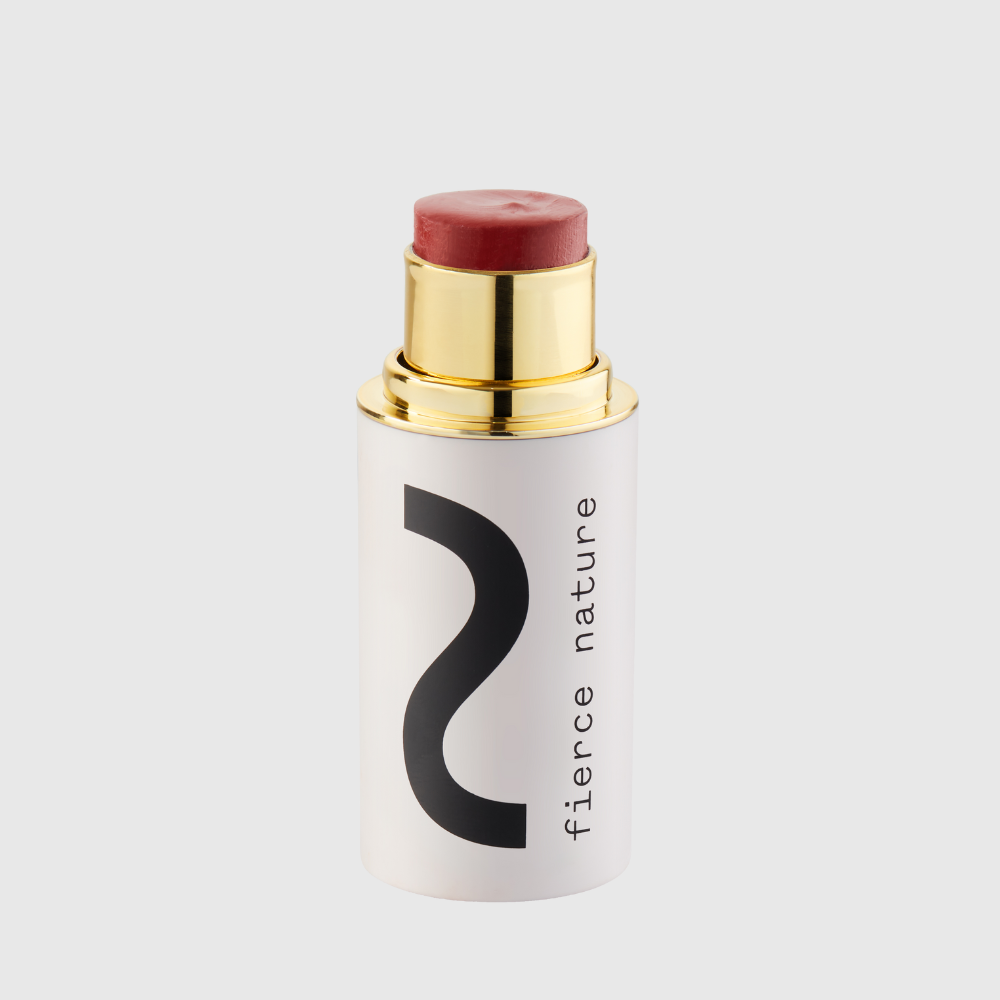
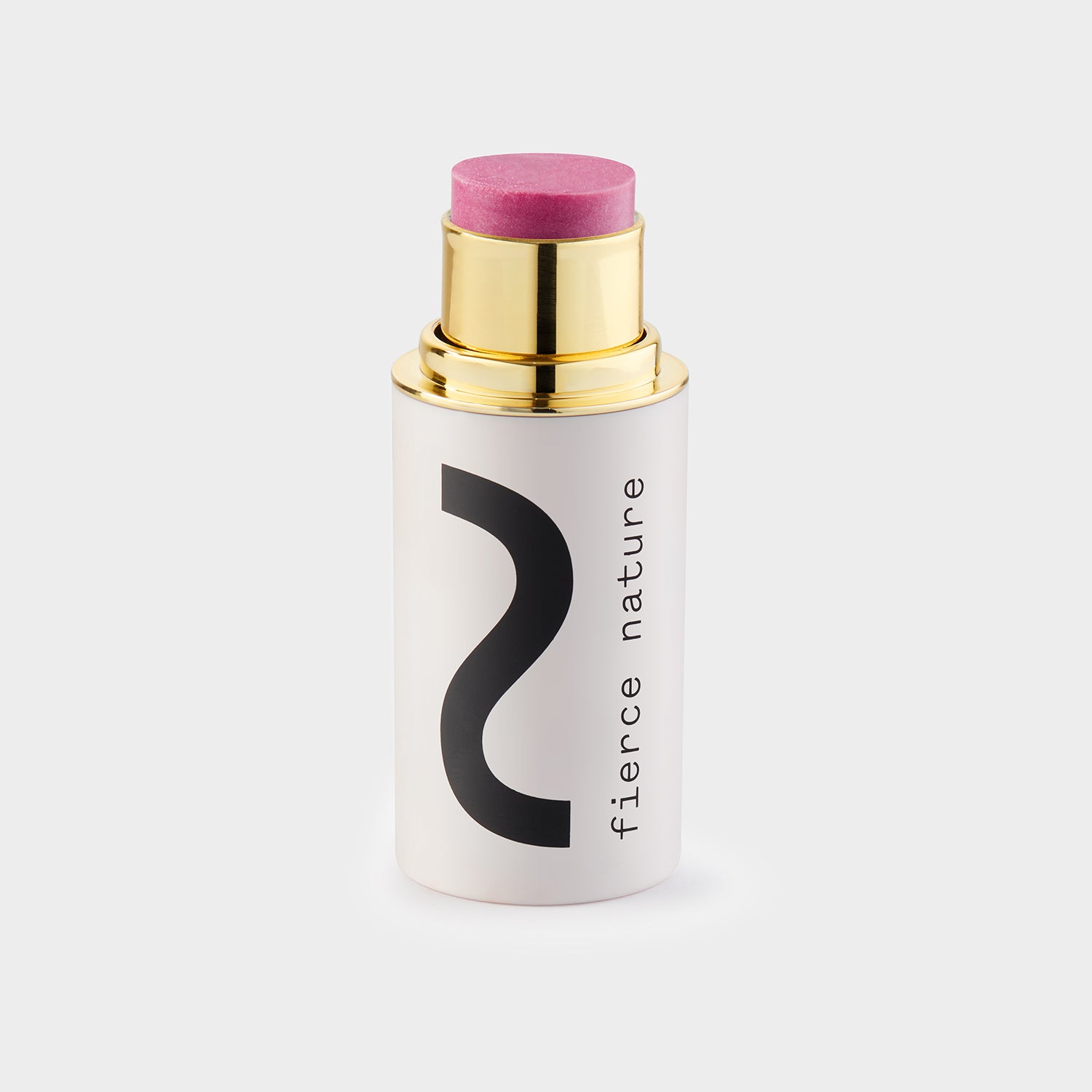
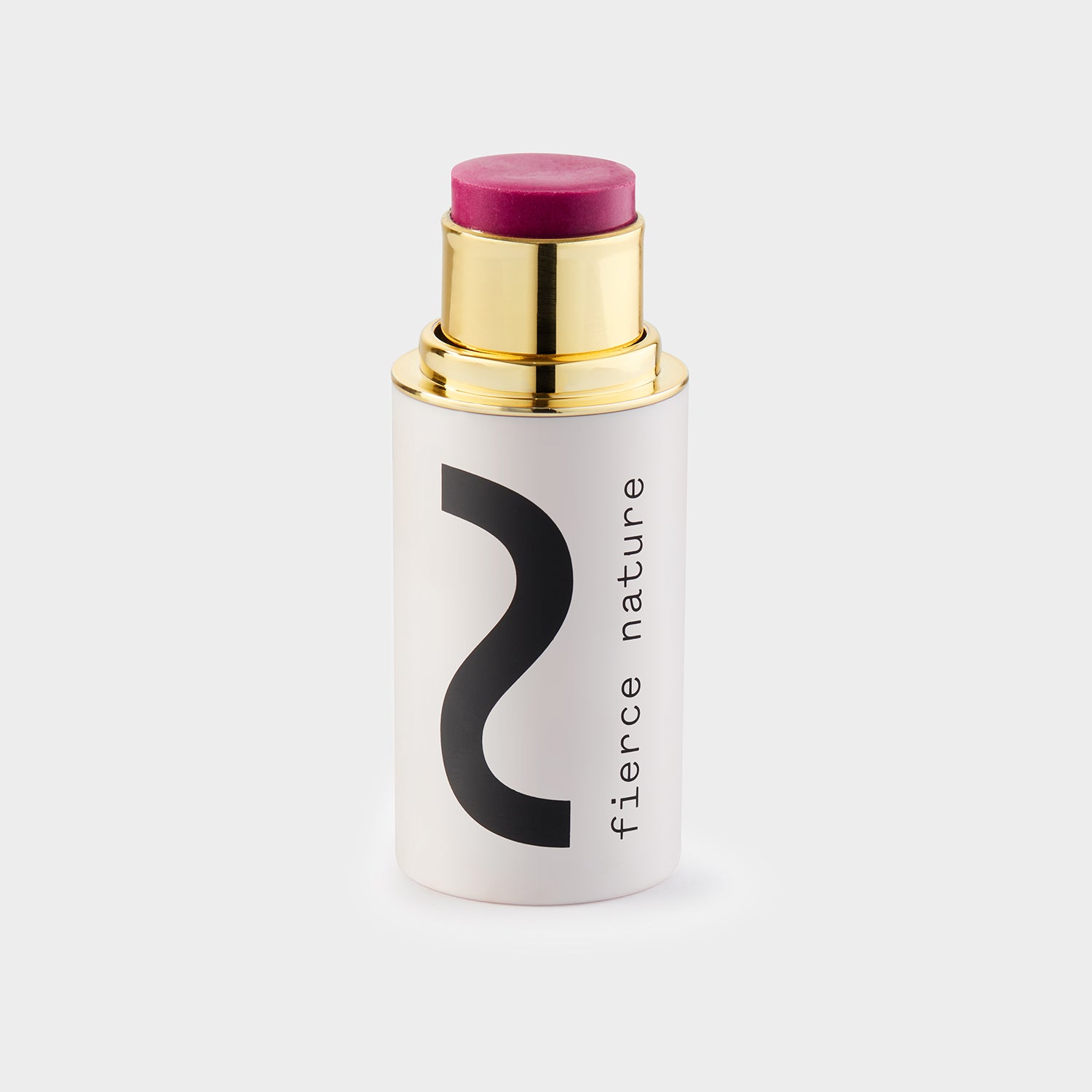
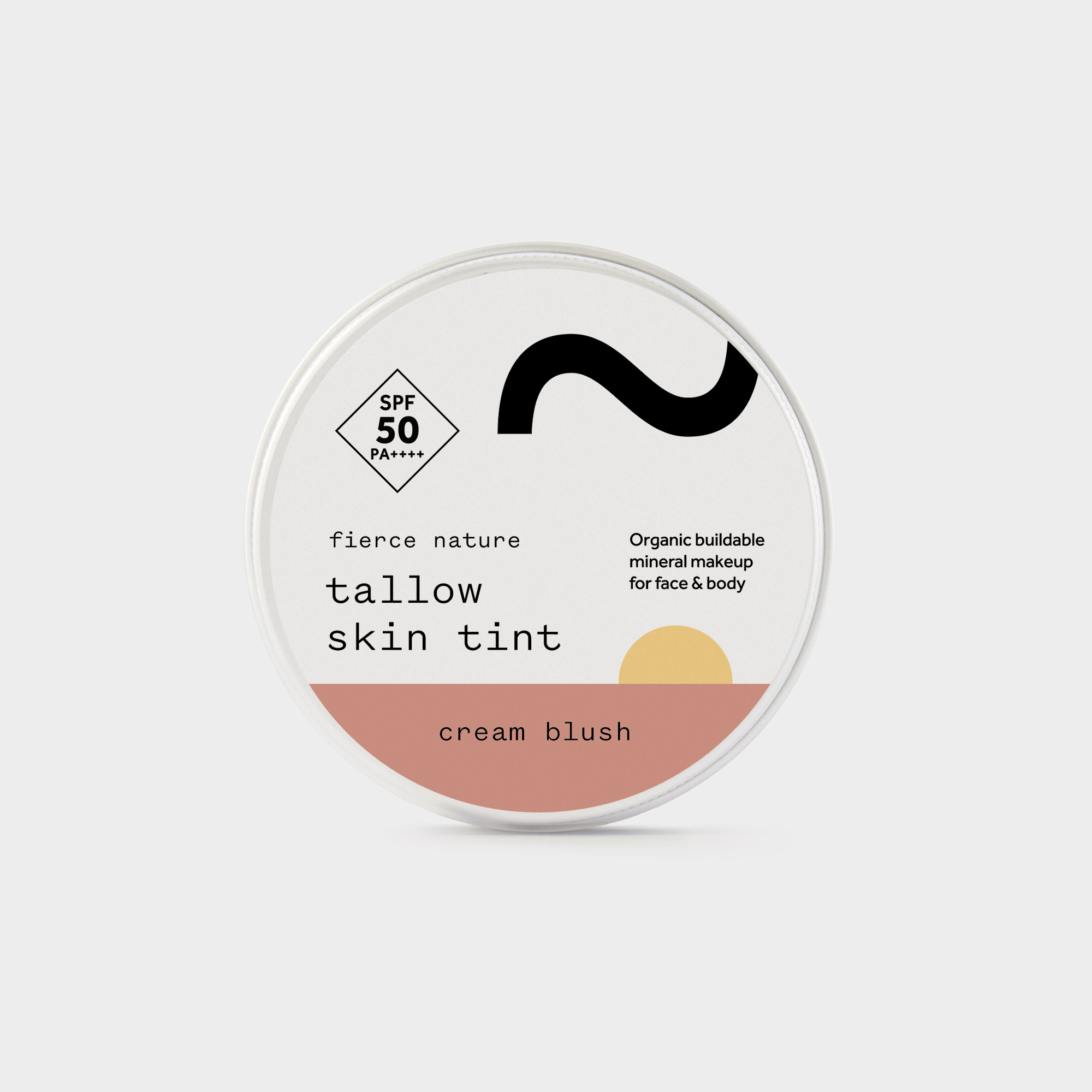




Rinse-off microbeads have largely disappeared from scrubs and toothpastes thanks to bans across several markets, but synthetic microplastics still turn up in leave-on products like foundation, mascara and lip balm. The single most useful thing you can do right now is read the INCI list on the back of the pack and learn to recognise a handful of polymer names. Once you know what you’re looking for, choosing plastic-free becomes second nature.
TL;DR:
- Most leave-on cosmetic products like foundation, mascara, and lip balm can still contain synthetic microplastics, which are harder to identify due to regulatory gaps.
- Recognising common polymer INCI names such as polyethylene, PET, and polymethyl methacrylate enables consumers to exclude microplastic ingredients.
- Current regulations mainly target rinse-off products, leaving many liquid or dissolved polymers in leave-on cosmetics legally unregulated.
- Search for natural alternatives like cellulose beads, ground nutshells, and silica, which can replace microplastic exfoliants with similar performance.
- Ask brands directly whether their products contain solid, water-insoluble synthetic polymers under 5mm, as vague labels often hide microplastic content.
Microplastics are tiny, water-insoluble solid plastic particles, typically defined as 5mm or smaller. In skincare and make-up, the smallest of these are often called microbeads, and they’ve been engineered into formulas for decades because they do a specific job well.
Manufacturers reach for them because they’re cheap, uniform and reliable. Common functions include:
There’s also a distinction worth knowing. Primary microplastics are manufactured at that tiny size on purpose, which is how most cosmetic microbeads are made. Secondary microplastics form later, when larger plastic items, including packaging, break down through wear, heat or sunlight.
The products that got banned first were the obvious offenders: facial scrubs, body washes and toothpaste, all rinsed straight down the drain after a single use. Regulators targeted these because the plastic went directly into wastewater systems with no filtration step designed to catch particles that small.
Leave-on products tell a different story, and they’re where most of today’s gaps sit:
Packaging adds a second, less obvious source. Everyday abrasion from opening, closing and squeezing plastic tubes and jars can shed secondary microplastic fragments, quite separate from anything deliberately added to the formula.
The honest answer is that the science is still catching up with the products on shelves. The World Health Organization’s 2019 review of microplastics found no reliable epidemiological evidence that ingested microplastics cause overt harm to human health, while noting that research on smaller particles remains thin.
No confirmed human health harm from ingested microplastics has been established, though evidence gaps remain for the smallest particle sizes, according to the WHO’s 2019 assessment. That gap matters more for cosmetics than it sounds, because lip products and particles shed near the mouth are a plausible, if unquantified, ingestion route.
Environmental harm is better documented. Microbeads washed down the drain during rinse-off use pass through wastewater treatment largely intact and accumulate in rivers and oceans, where marine organisms can ingest them.

More recently, researchers at the University of Birmingham flagged that regulatory attention has concentrated almost entirely on rinse-off microbeads, leaving leave-on cosmetics such as moisturisers, sunscreens and lipsticks substantially understudied. They called for more research into how synthetic particles behave on and potentially through skin over time.
Given the gaps on both sides, a precautionary approach makes sense: avoid what you can identify, without assuming everything currently on sale has been proven safe or unsafe.
The UK dealt with the clearest case first, benefiting from European cosmetics safety standards that regulate microplastic use in personal care products. The Environmental Protection (Microbeads) (England) Regulations 2017 ban the manufacture and sale of rinse-off personal care products containing water-insoluble solid plastic microbeads of 5mm or smaller, with the sales ban fully in force by mid-2018. It covers exfoliants, body washes and toothpaste specifically, not leave-on formulas.
The EU has since gone further with REACH restrictions from the European Chemicals Agency, which widen the definition to cover intentionally added synthetic polymer microparticles more broadly, not just beads in rinse-off products. Reporting obligations are phased:
For shoppers, the practical upshot is that leave-on products and certain liquid or dissolved polymer forms can still sit outside current enforcement, even though some of those polymers are synthetic. Definitions turn on whether a substance is solid, water-insoluble and a certain size, which means a polymer used in liquid form might legally dodge the “microplastic” label. Our UK toxic cosmetics awareness checklist covers this grey area in more detail.
Reading an INCI list takes practice, but a handful of names do most of the heavy lifting once you know them.
When a name is genuinely unclear, a cosmetics ingredient database can help you check its classification before you buy. Our own guide to reading cosmetic ingredient labels walks through this process step by step.
Pro Tip: If a product’s own website doesn’t list a full INCI, email the brand and ask specifically whether any ingredient is a solid, water-insoluble synthetic polymer under 5mm, rather than asking the vaguer “is this natural?”.
Brands that want to avoid synthetic microplastics have plenty of tested substitutes to reach for, and several have been in commercial use for years.
None of these are a perfect one-for-one swap. Plant-based beads can cost more to source and occasionally feel less uniform on skin than a manufactured plastic sphere. Even so, voluntary industry phase-outs in rinse-off products happened faster than legislation in several cases, showing that reformulation is entirely workable once a brand decides to prioritise it.
When you’re standing in front of a shelf or scrolling a product page, run through this quickly:
Pro Tip: Ask the brand this exact question: “Does this product contain any solid, water-insoluble synthetic polymer particles under 5mm?” It’s specific enough that a vague answer tells you something too.
You’ll find the full version of this process in our 6-step INCI checklist for plastic-free skincare.
I grew up battling unexplained skin rashes while surrounded by mainstream cosmetics, and it took years to connect that reaction to the chemicals hiding behind seductive packaging. Fierce Nature exists because I wanted ingredients I could actually name and understand, built on organic tallow rather than synthetic fillers. That’s the same standard this checklist asks of every brand you buy from.
— Fierce Nature
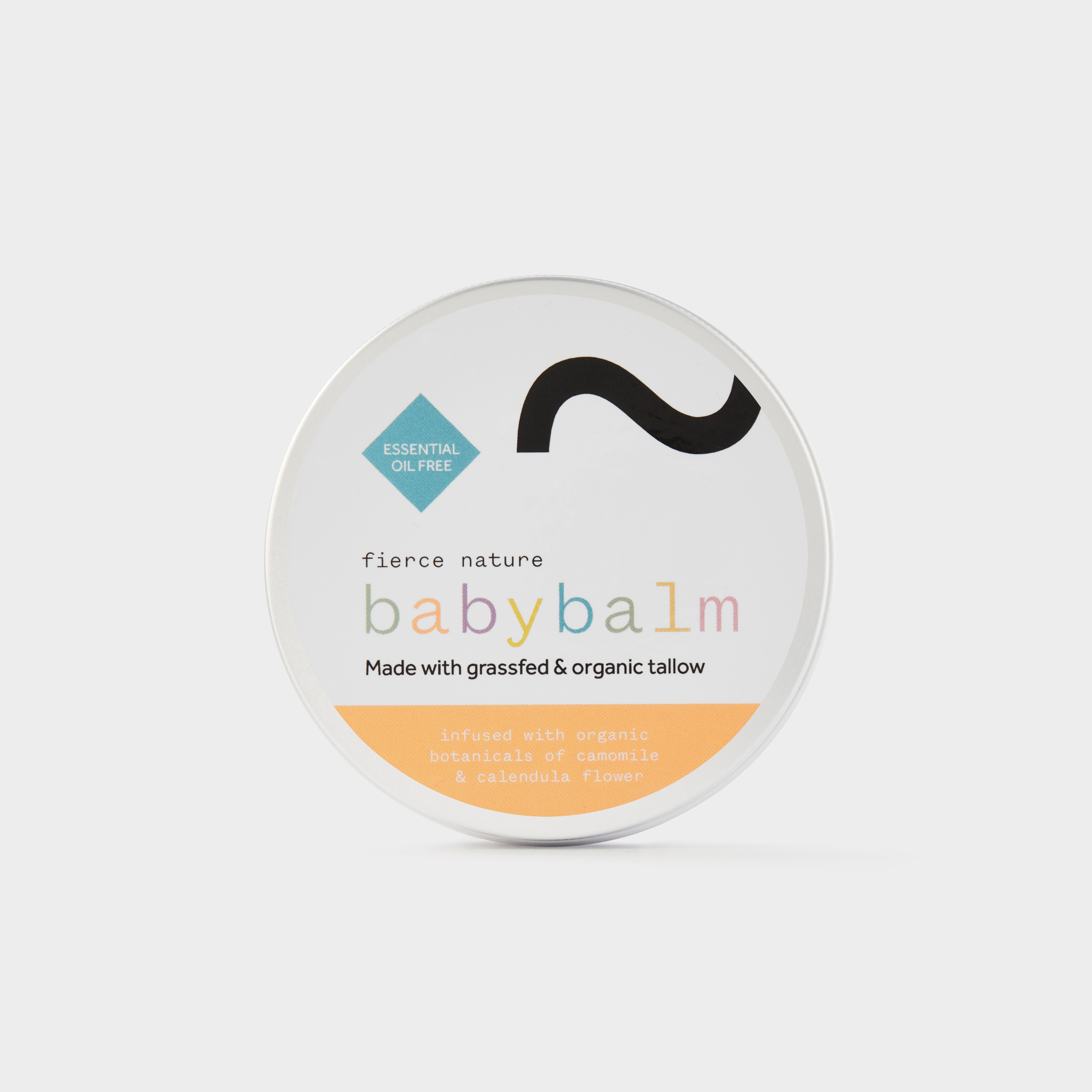
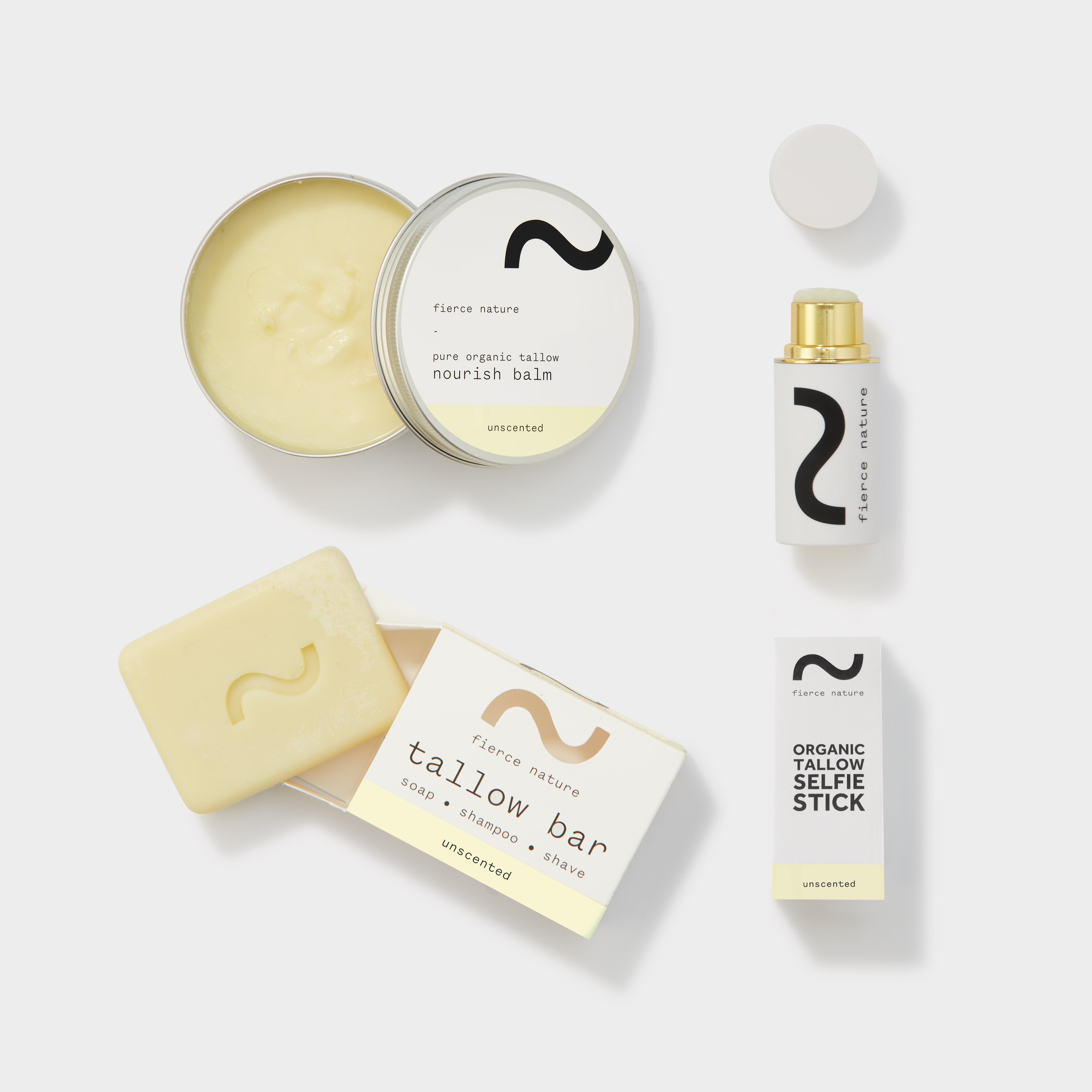
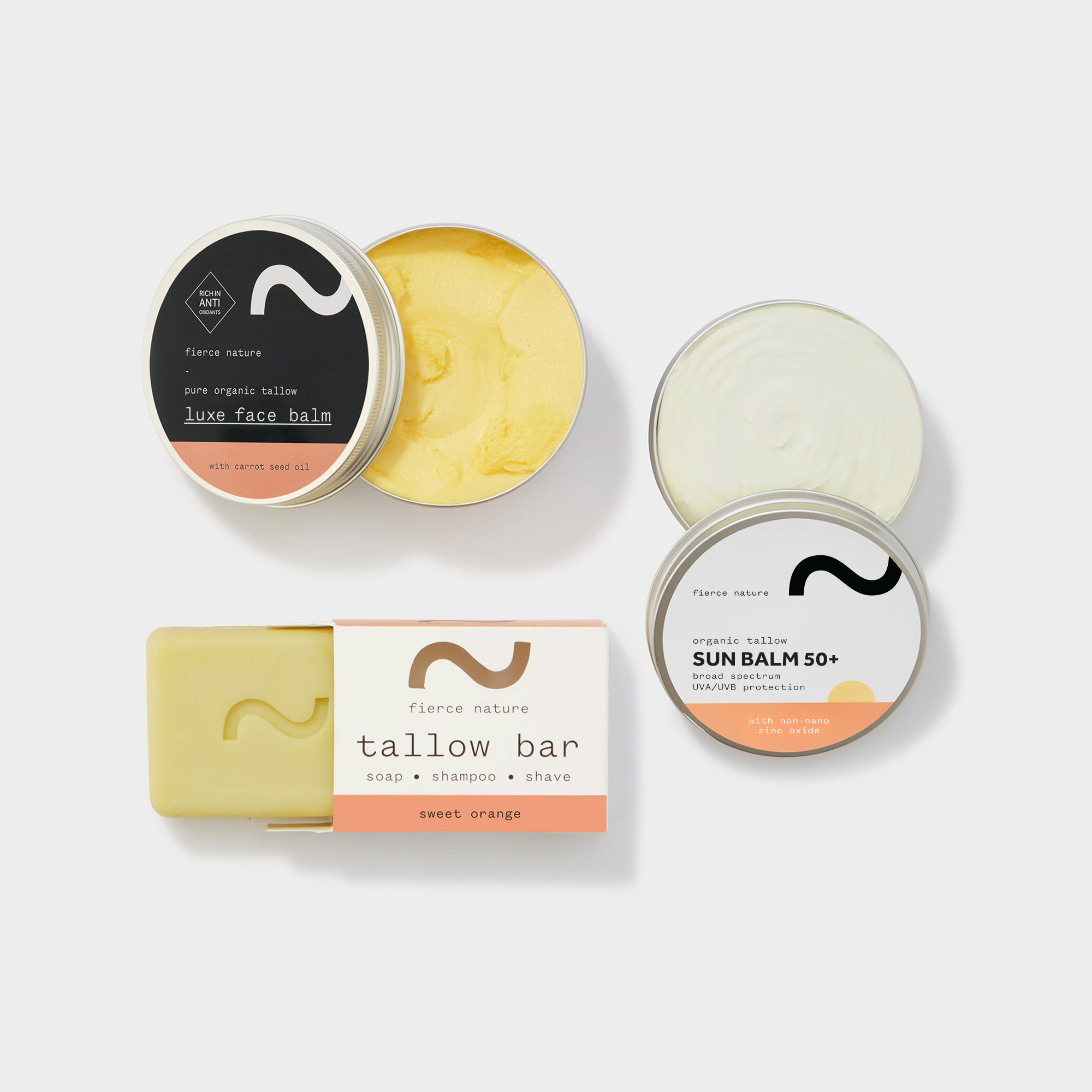
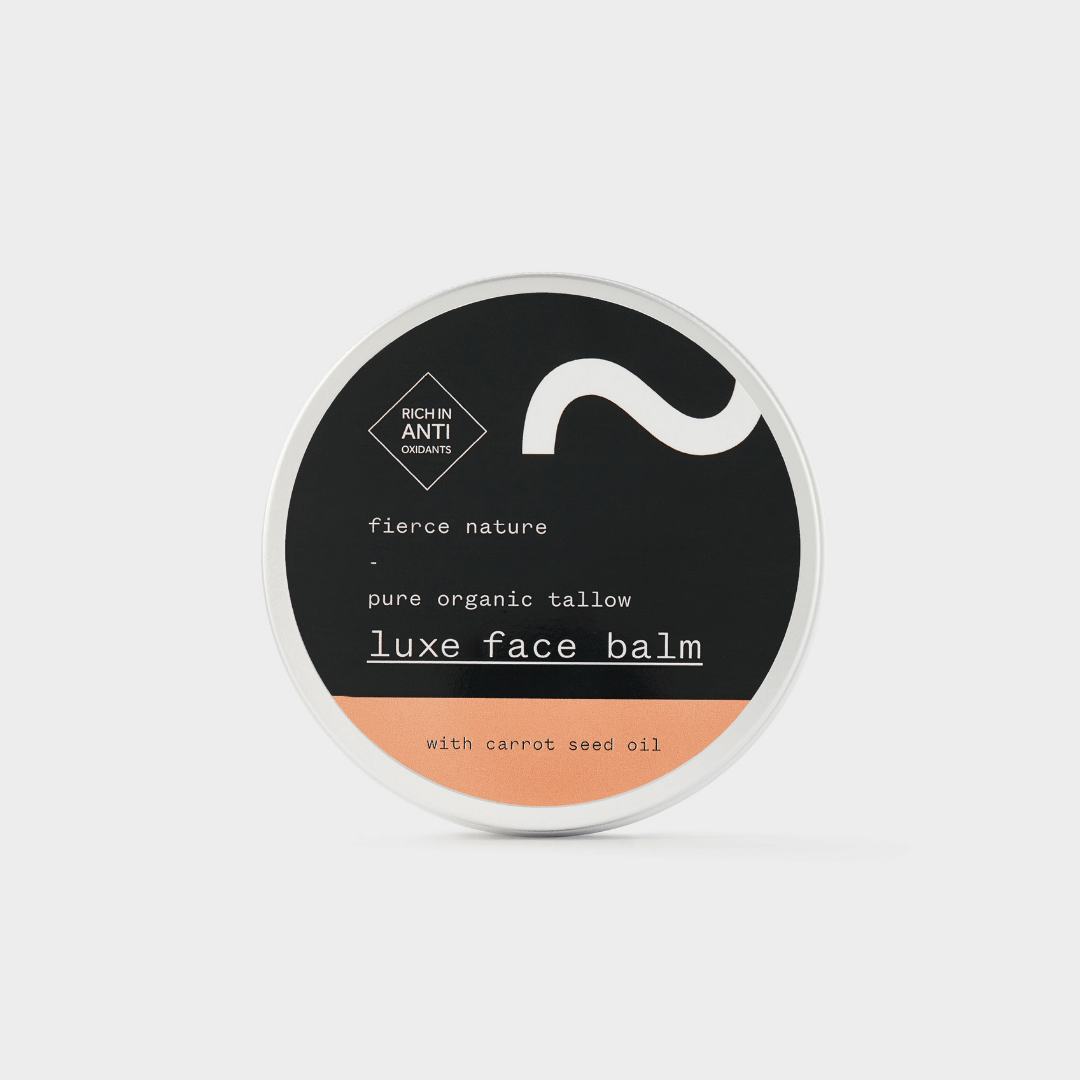
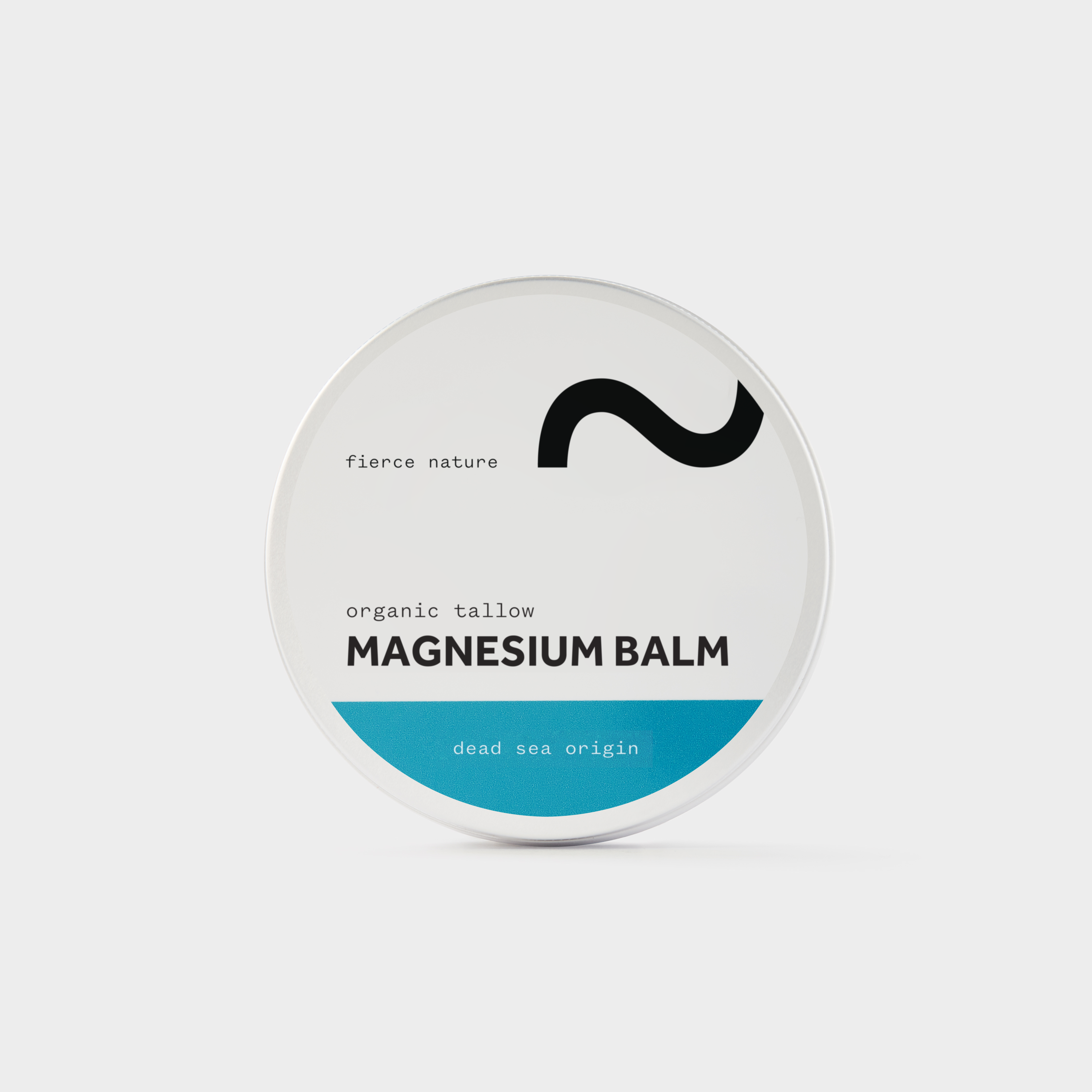
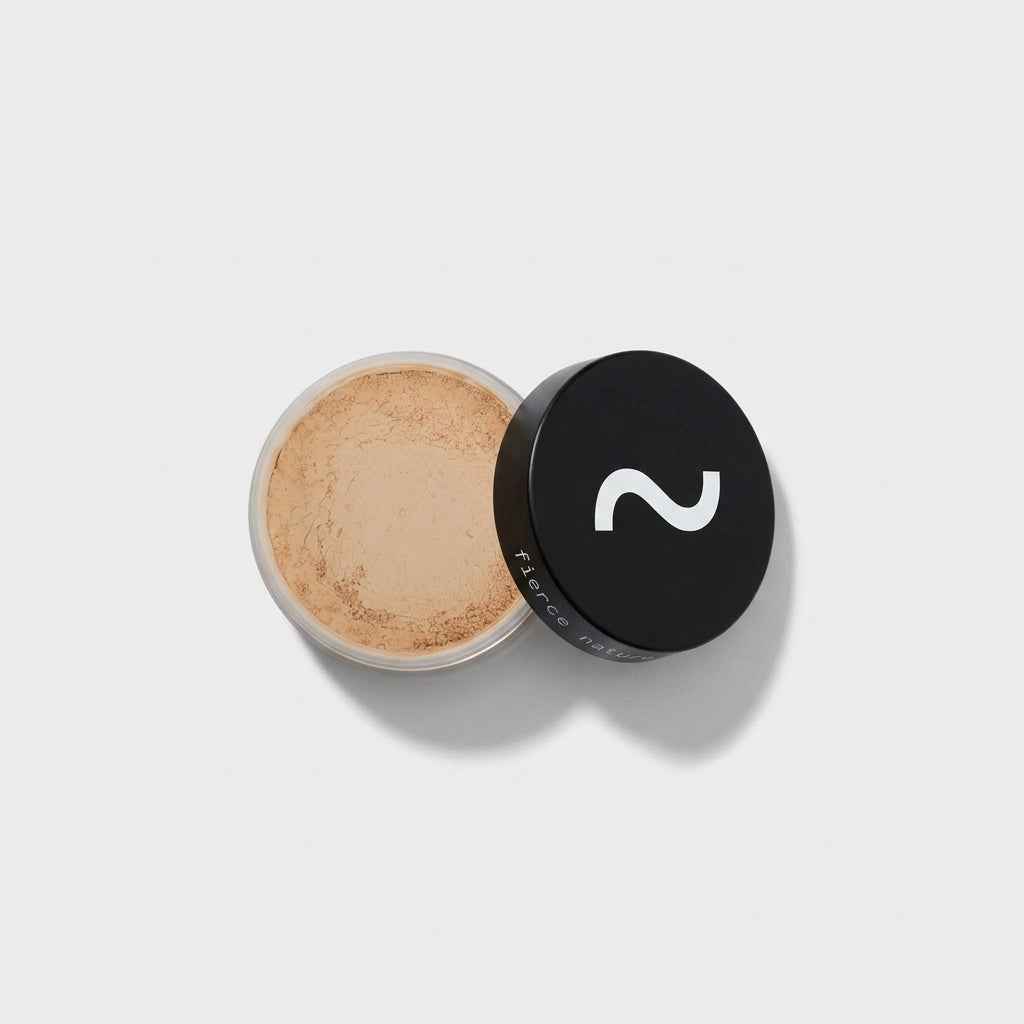
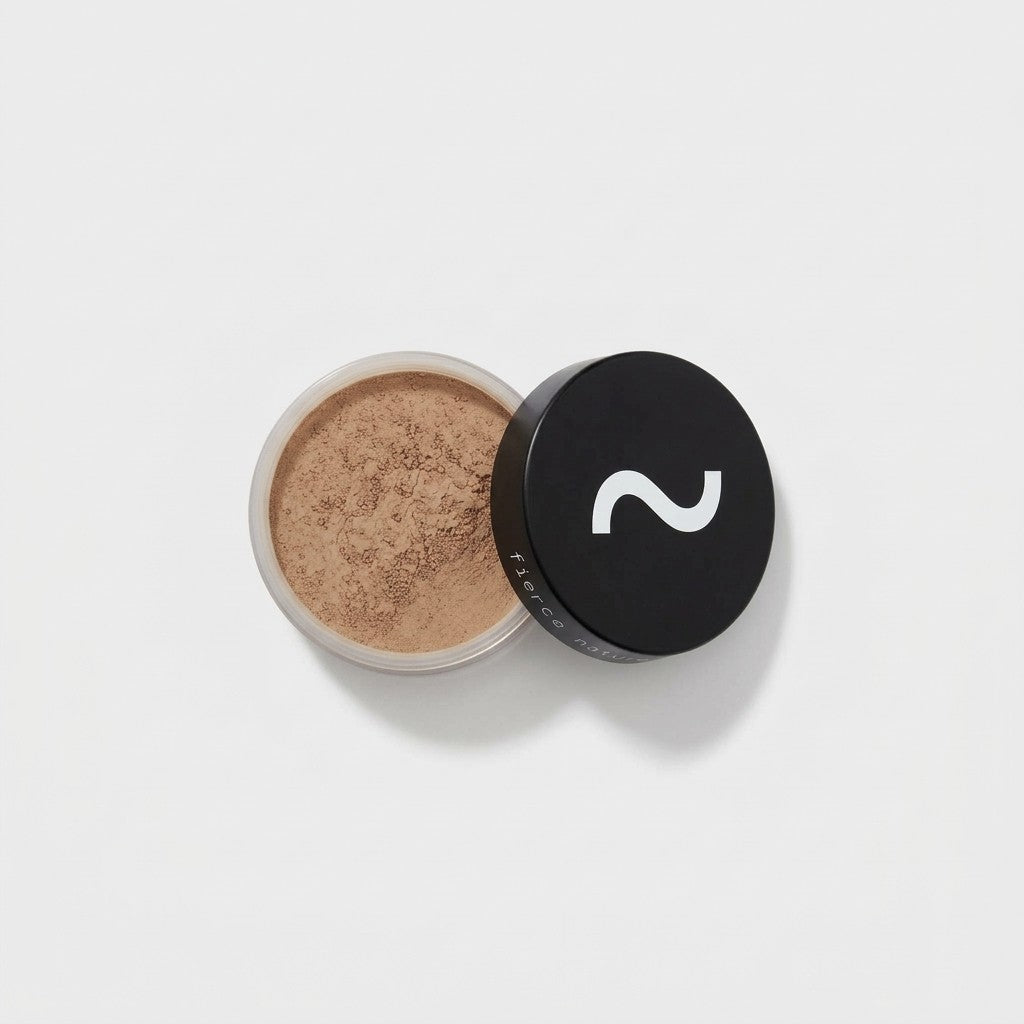
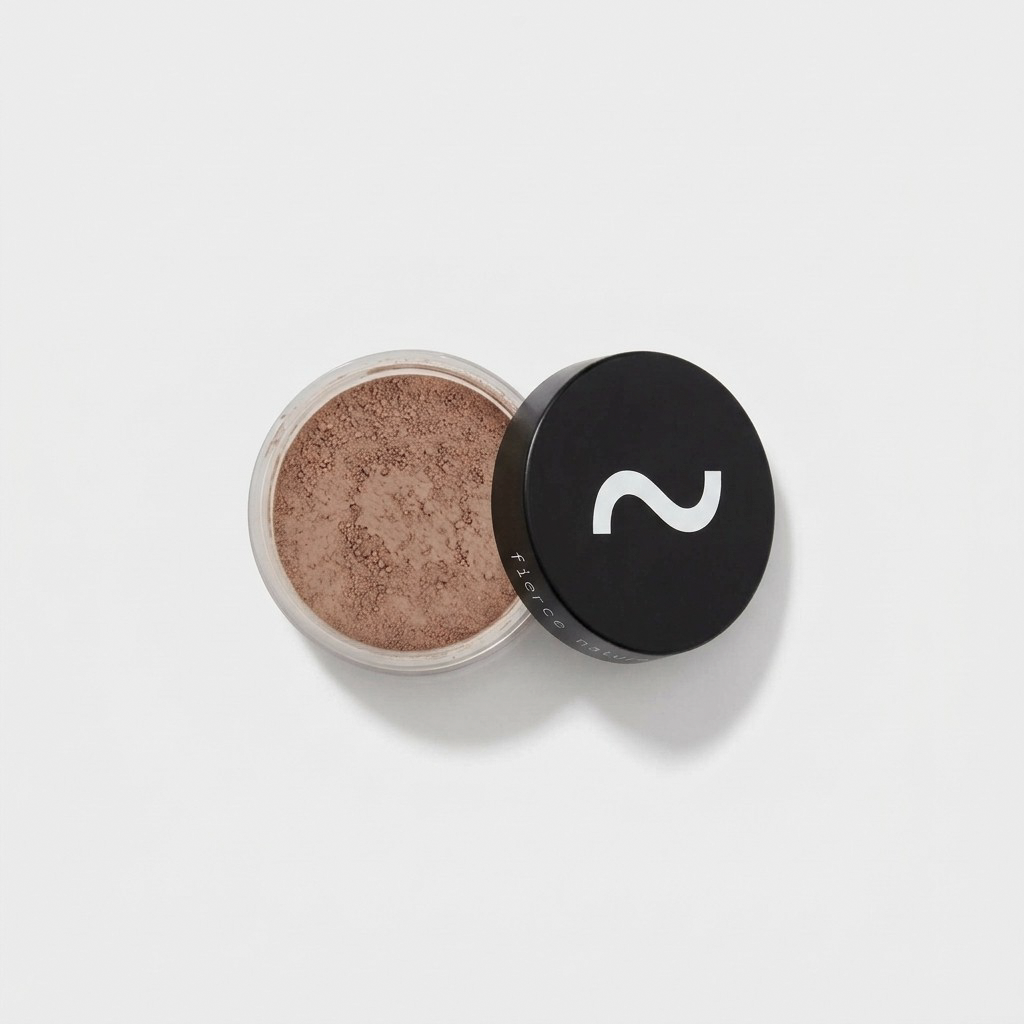
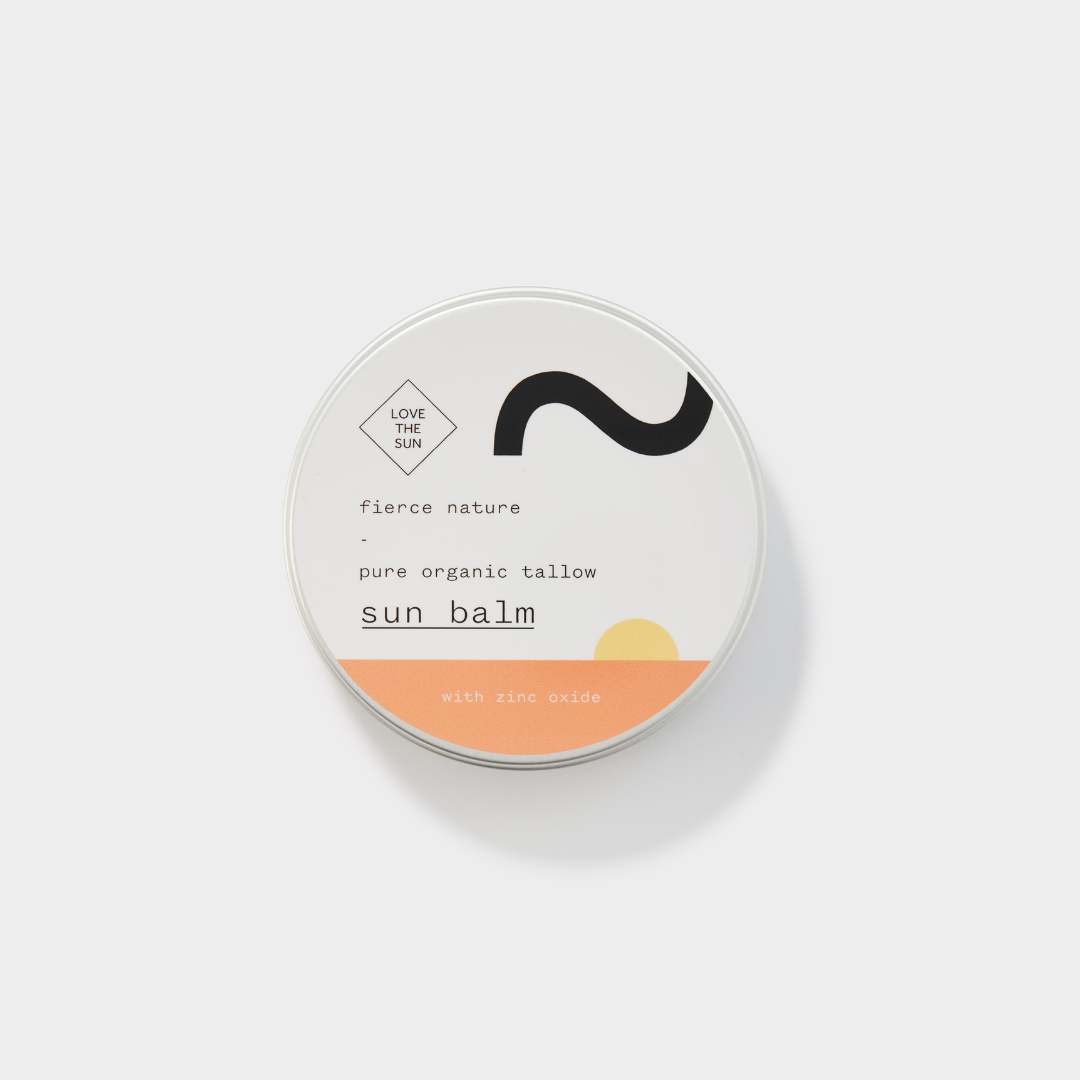
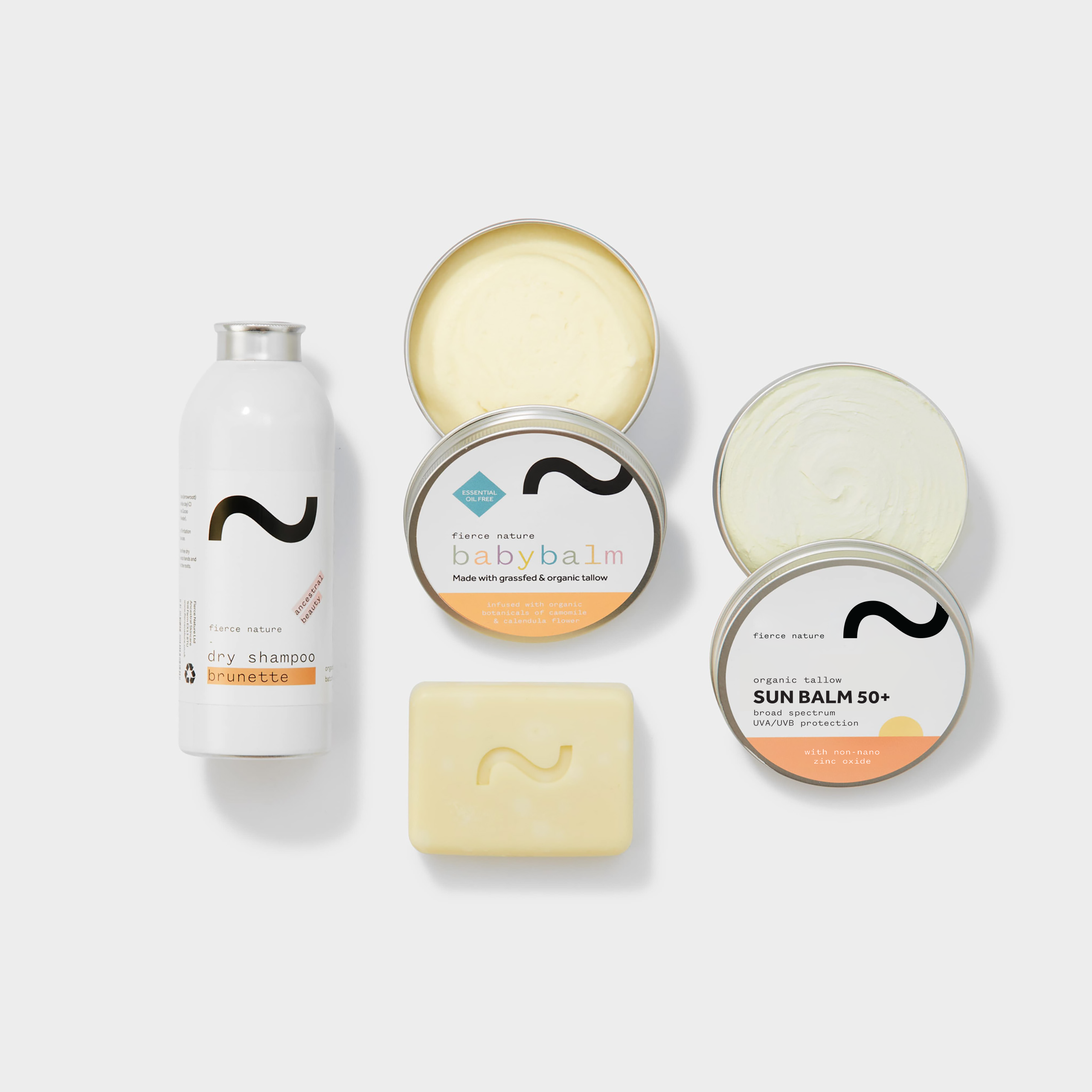
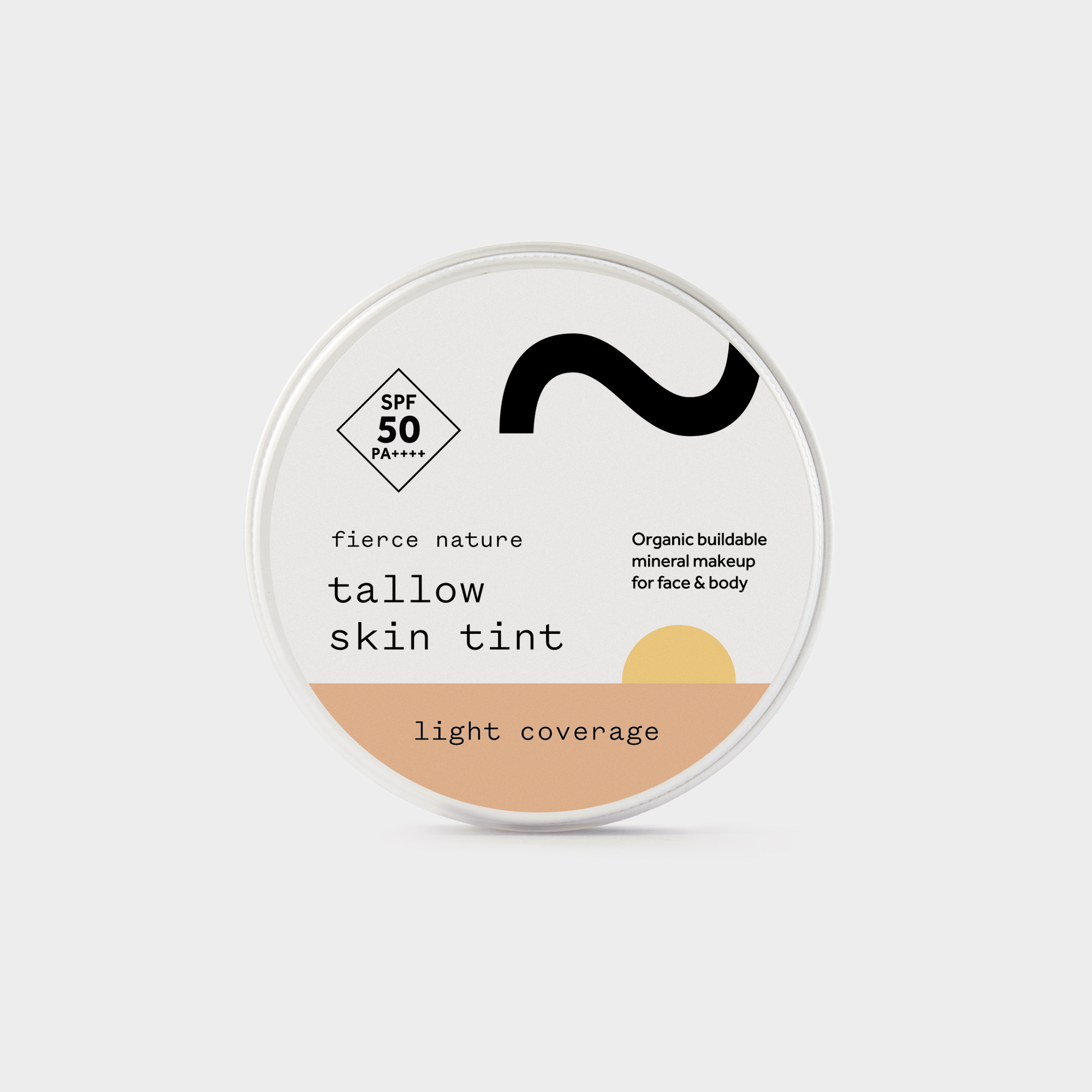
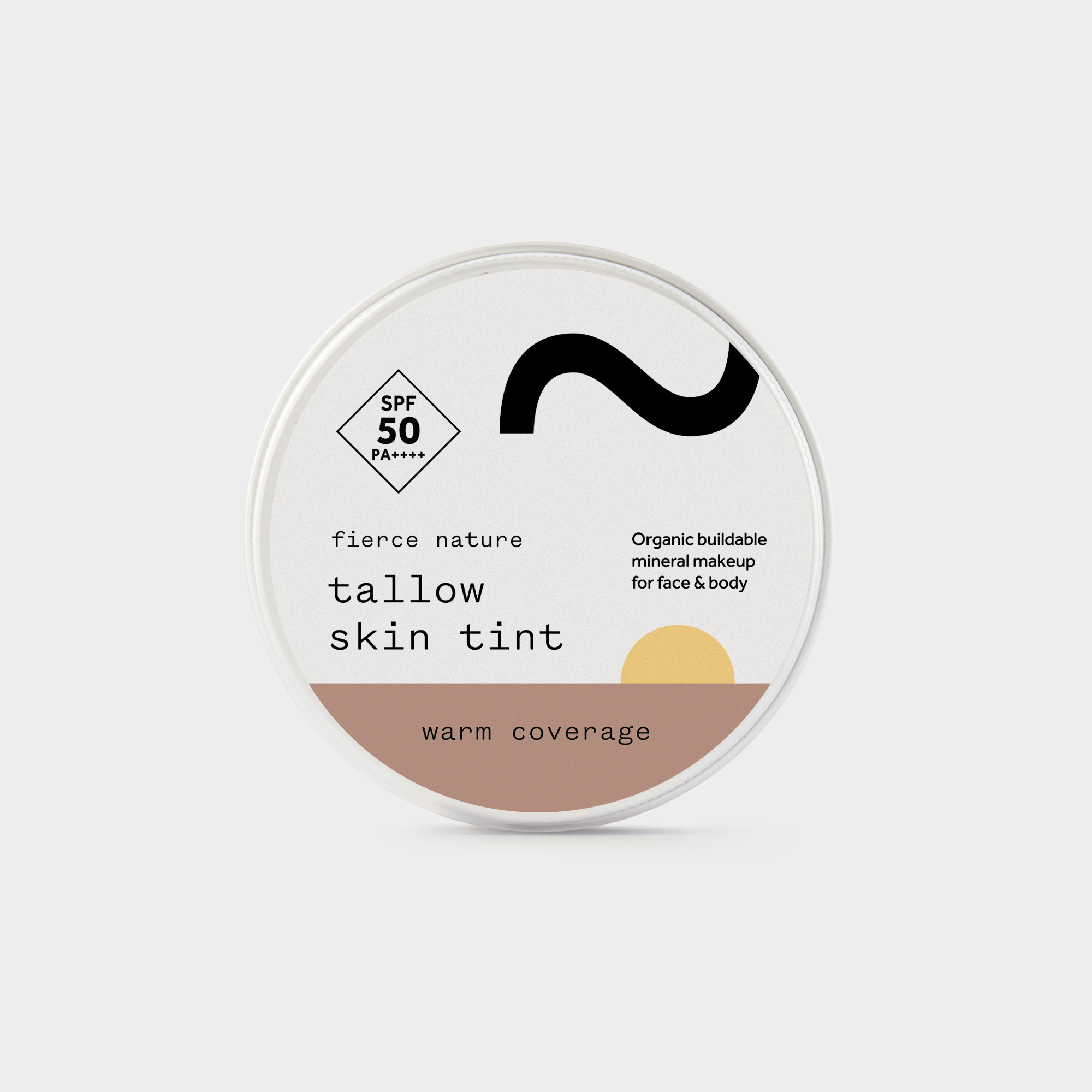
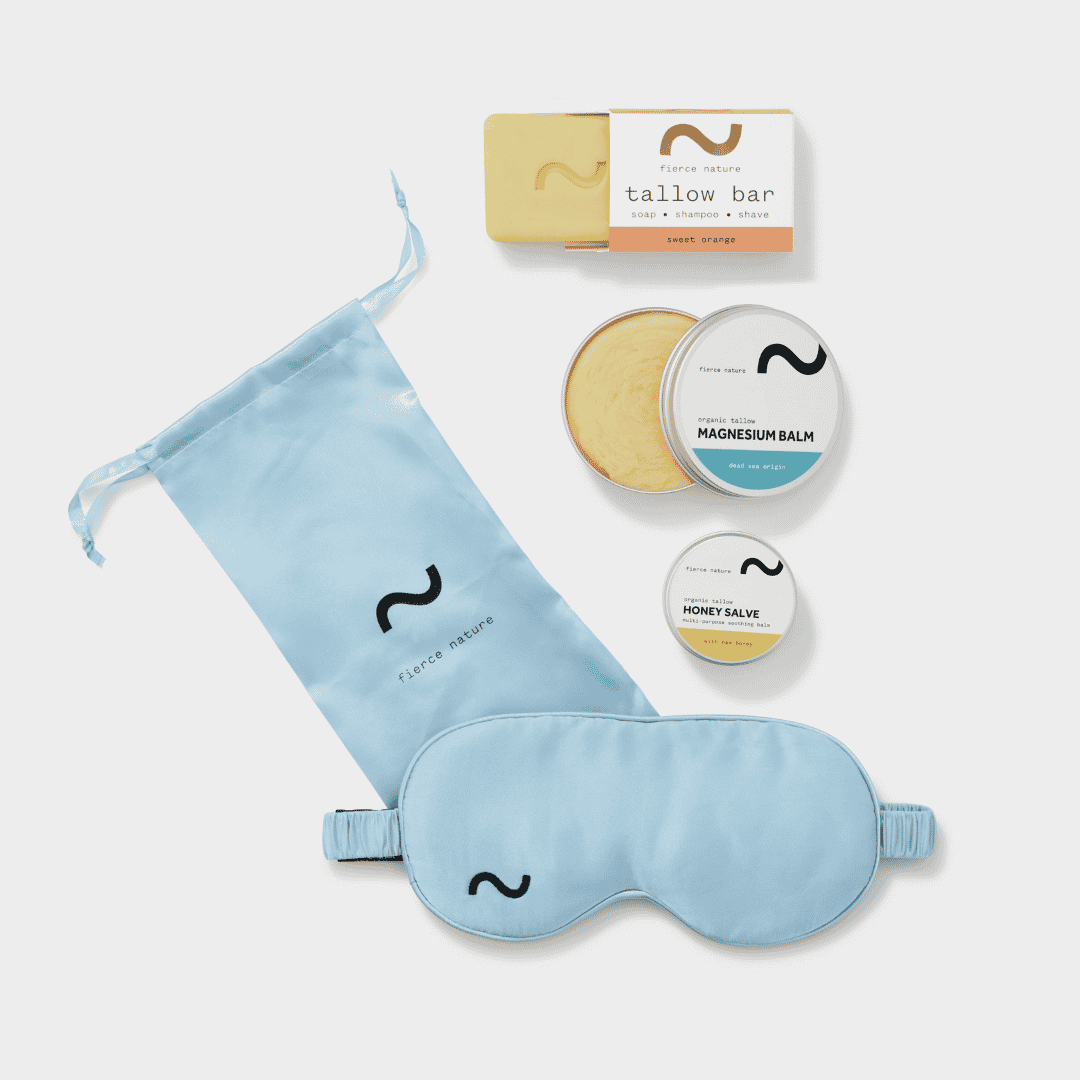
Every formula is handmade from organic, grass-fed tallow, so there’s no polyethylene, no acrylates copolymer and no ambiguous “poly-” ingredient to decode. Our Face and Body Balms and Skin Tints are built around ingredients we can each fully name on the label, not filler polymers chosen for cost.
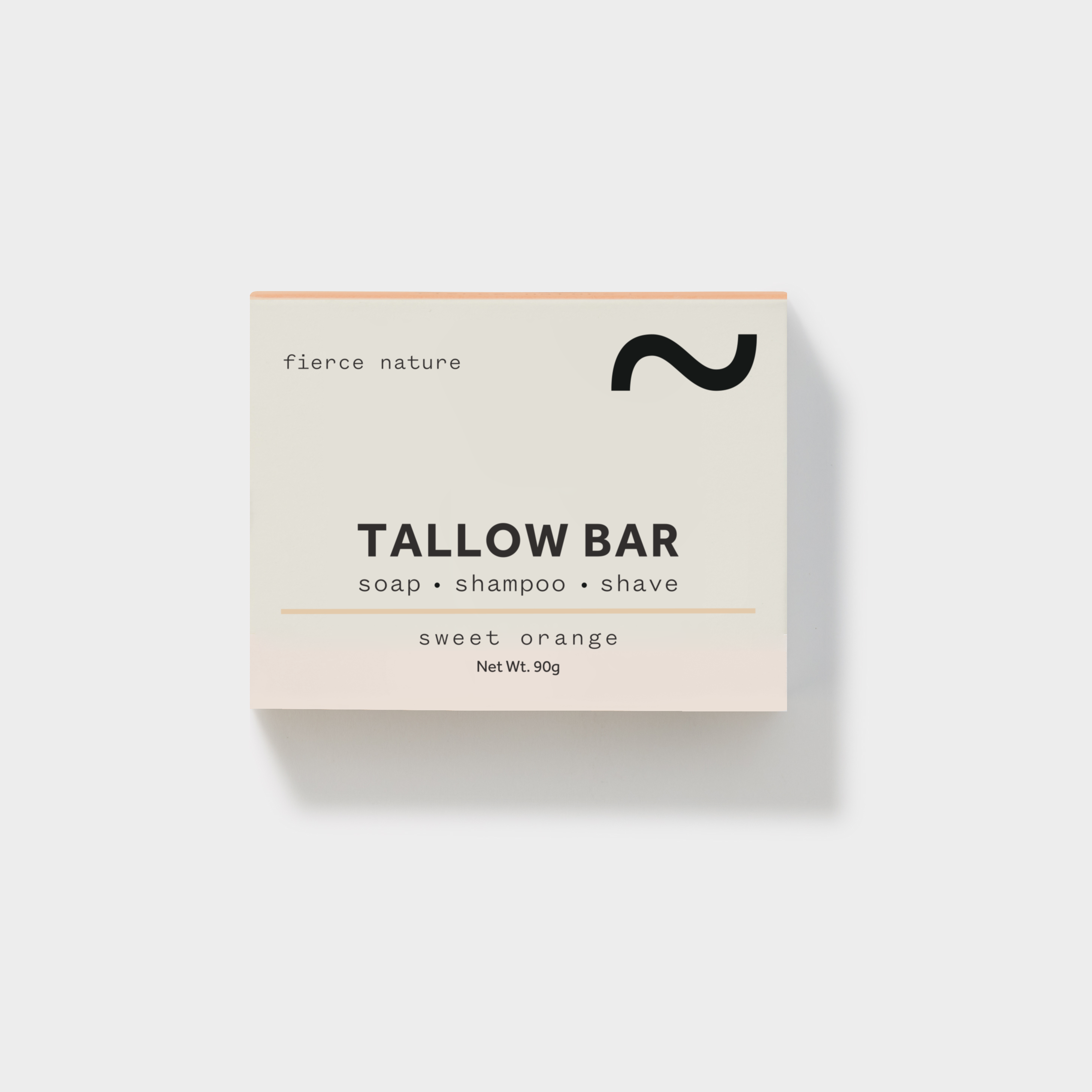
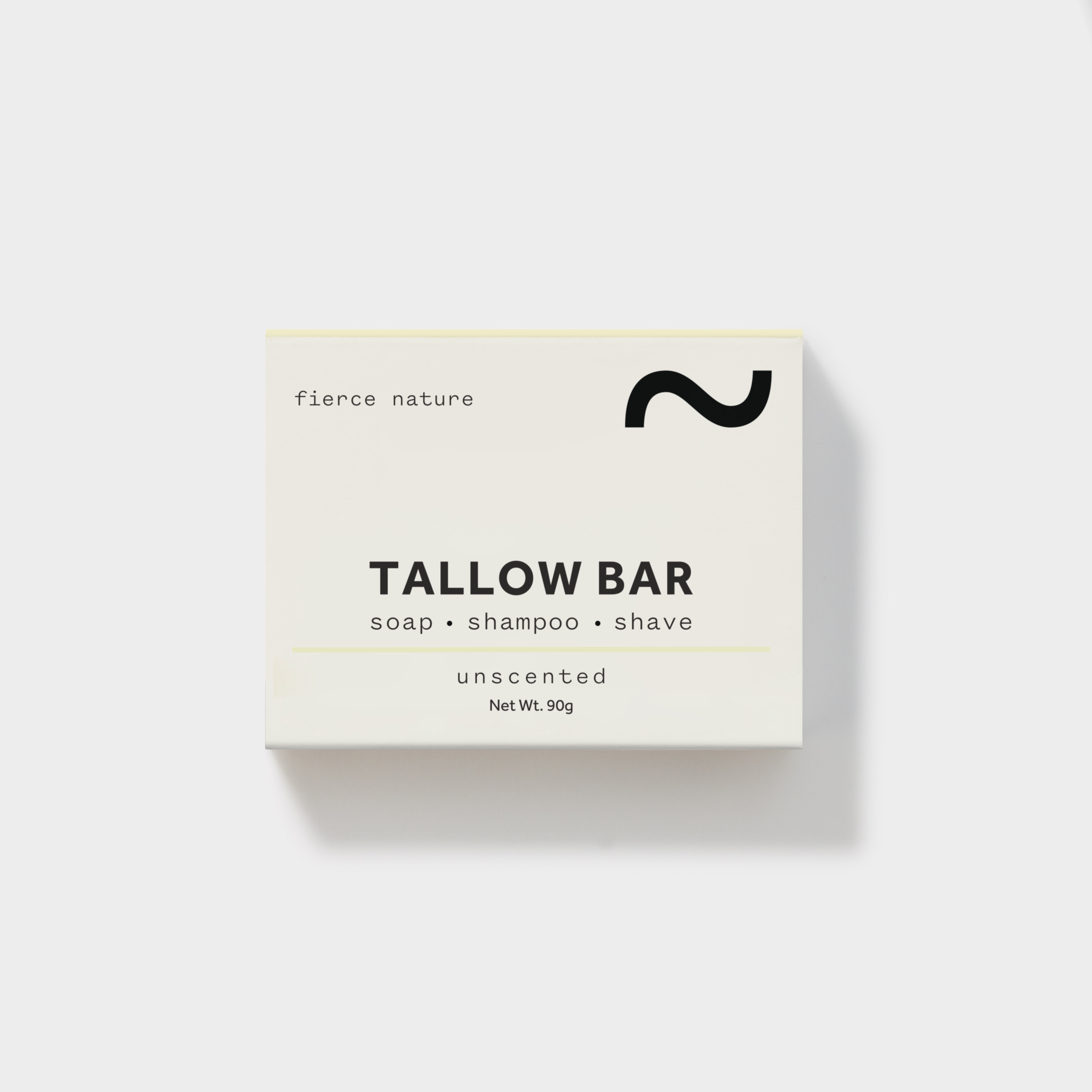
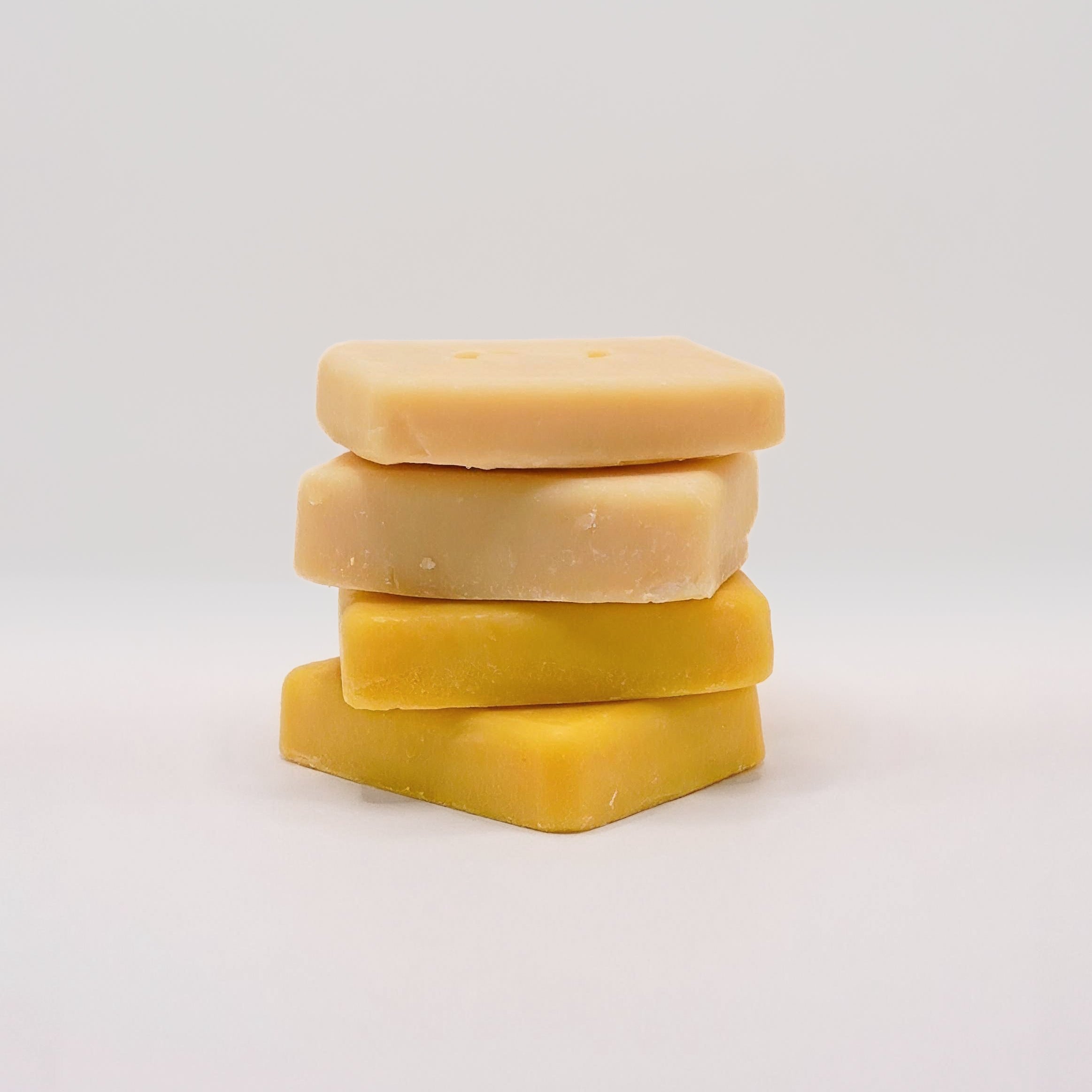
If you’d like to see the full ingredient list before you buy, our Tallow Soaps collection is a good place to start.
This article is general information, not a substitute for advice from a qualified doctor. Consult a qualified healthcare professional about your own circumstances before acting on anything here.
There’s no confirmed method for actively clearing microplastics from the body, since current evidence hasn’t established how or whether they accumulate in human tissue long-term. The WHO’s 2019 review found no reliable evidence of overt harm from ingested microplastics, but also flagged that research on smaller particles is still limited.
There’s no single verified industry-wide list, since “microplastic-free” claims vary by brand and aren’t independently audited across the whole market. The most reliable approach is checking each product’s own INCI list for the polymer names covered in this article, rather than trusting a marketing label alone.
Ingredient lists vary by specific CeraVe product and change between formulations, so this isn’t something that can be answered with one blanket yes or no. The most accurate way to check is reading the INCI on the exact product you’re considering for any of the flagged polymer names above.
Vaseline’s core ingredient is petroleum jelly, which is a petroleum derivative rather than a solid, water-insoluble microplastic under current regulatory definitions. Our guide to petroleum derivatives in skincare explains why some people still choose to avoid it for other reasons.
Glitter often uses polyethylene terephthalate (PET), one of the polymer names flagged earlier in this article, which places many glitter products squarely in microplastic territory. Products like the Selfie Stick Pearl Shimmer are worth checking against a brand’s own ingredient transparency before assuming shimmer automatically means plastic.