Carrito
0
80% También añadido esto
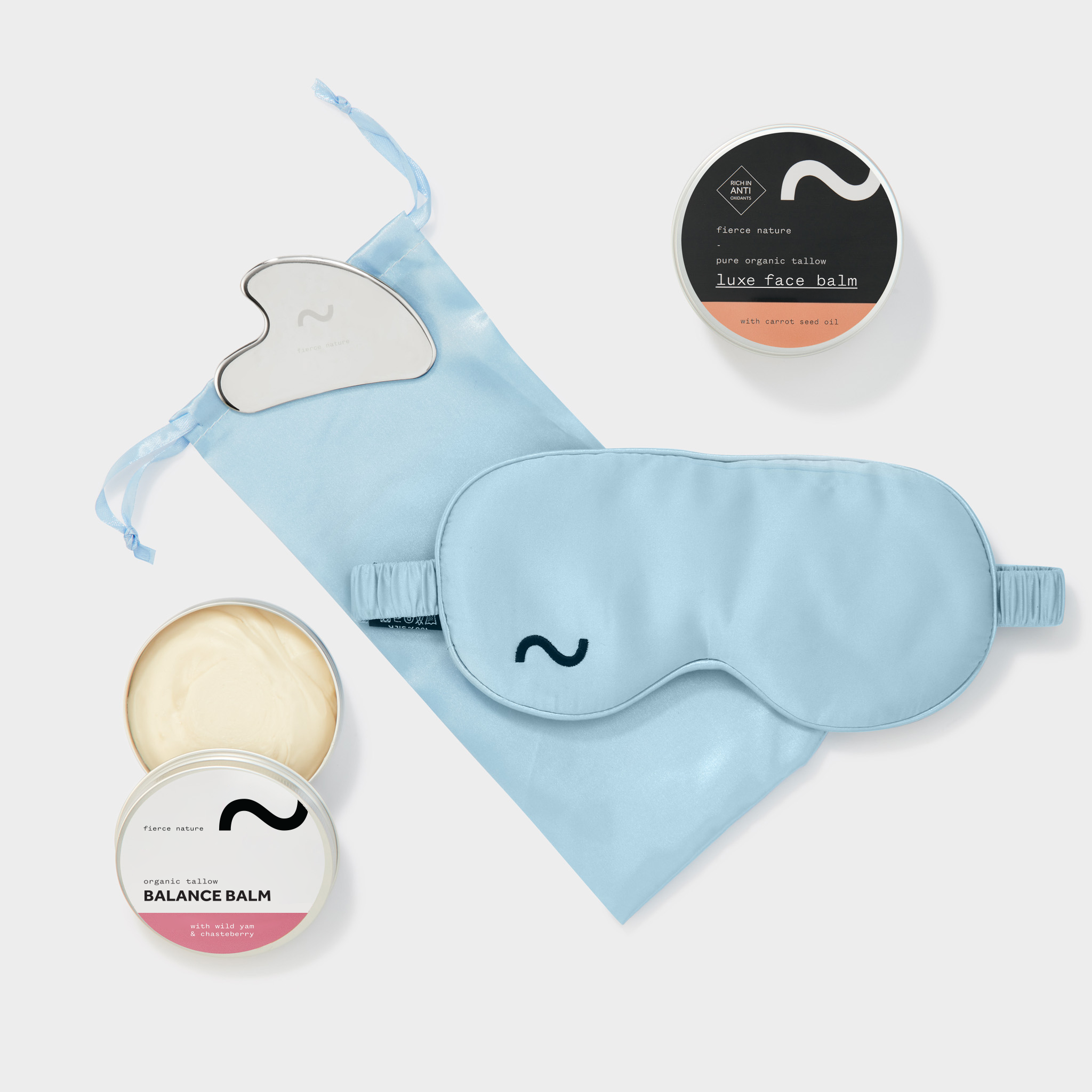
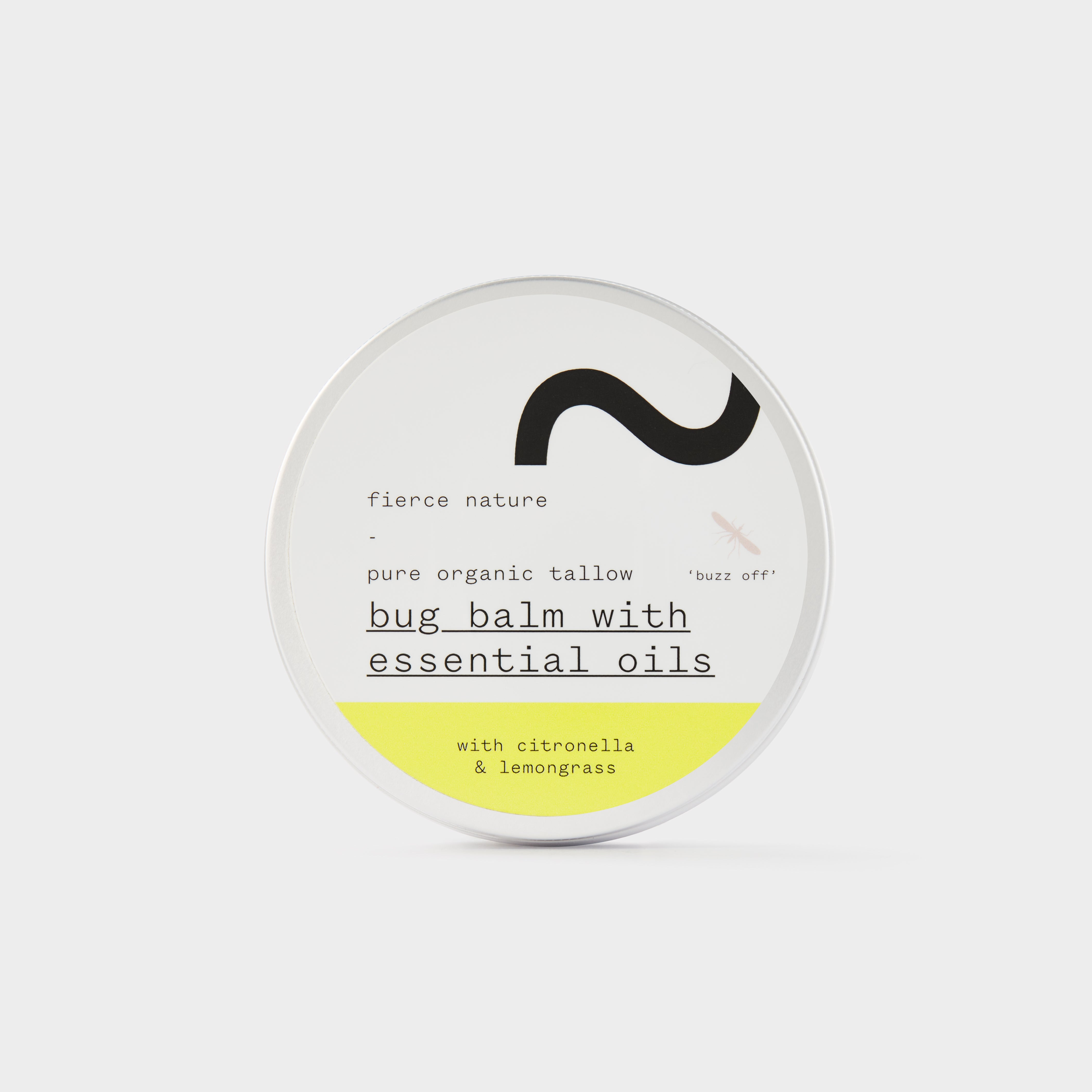
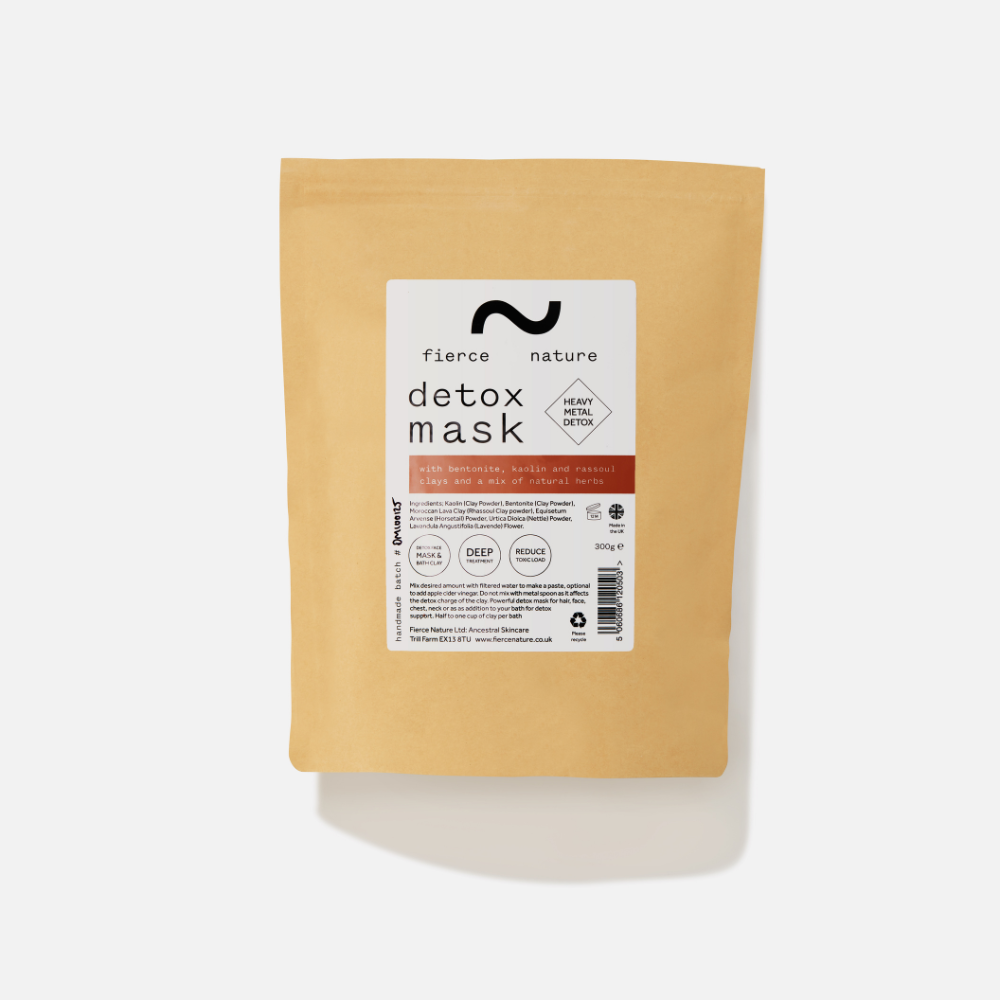
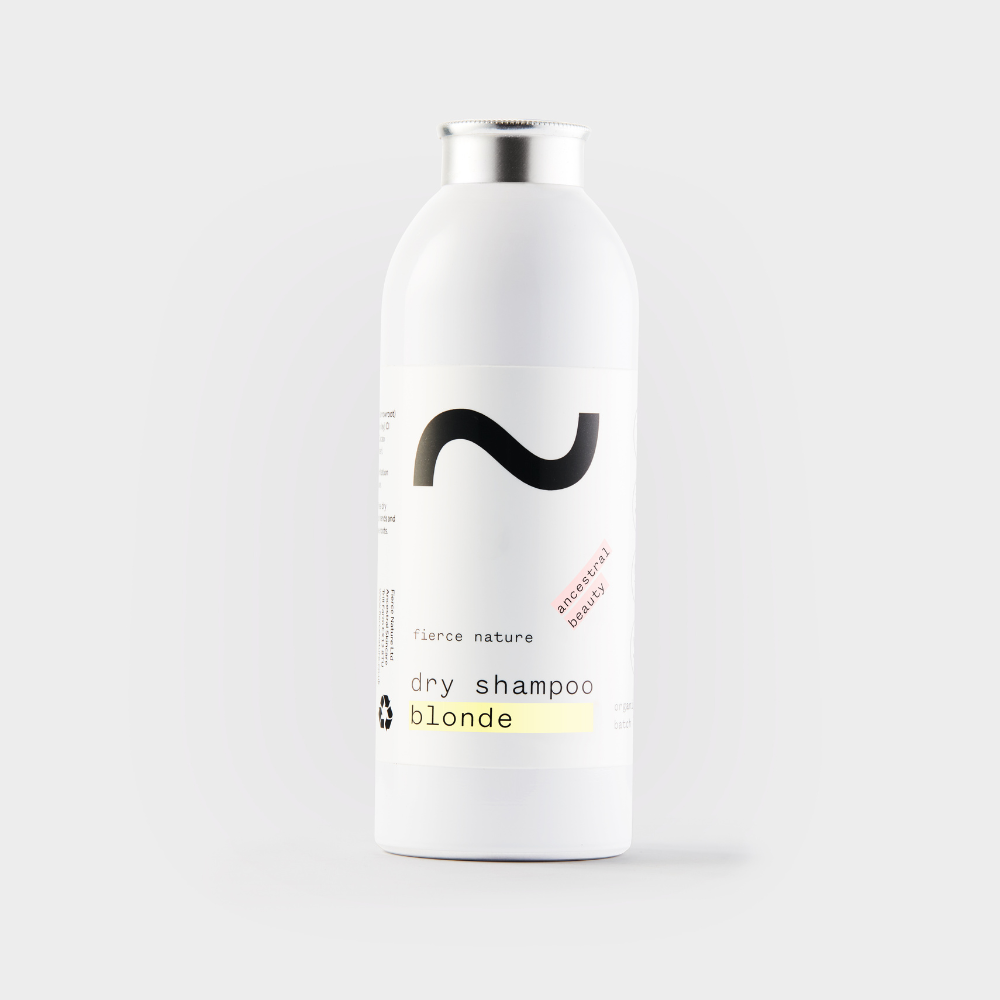
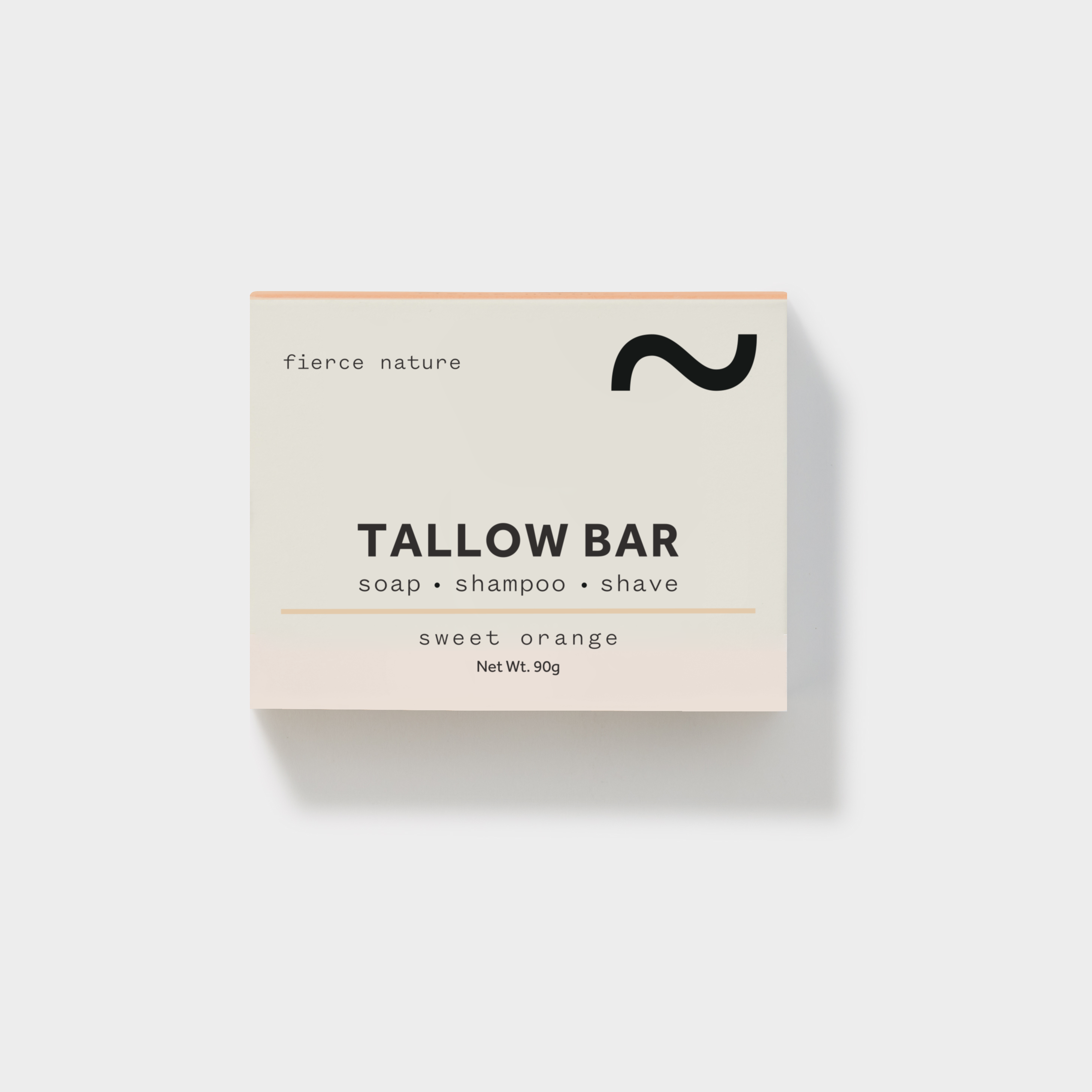
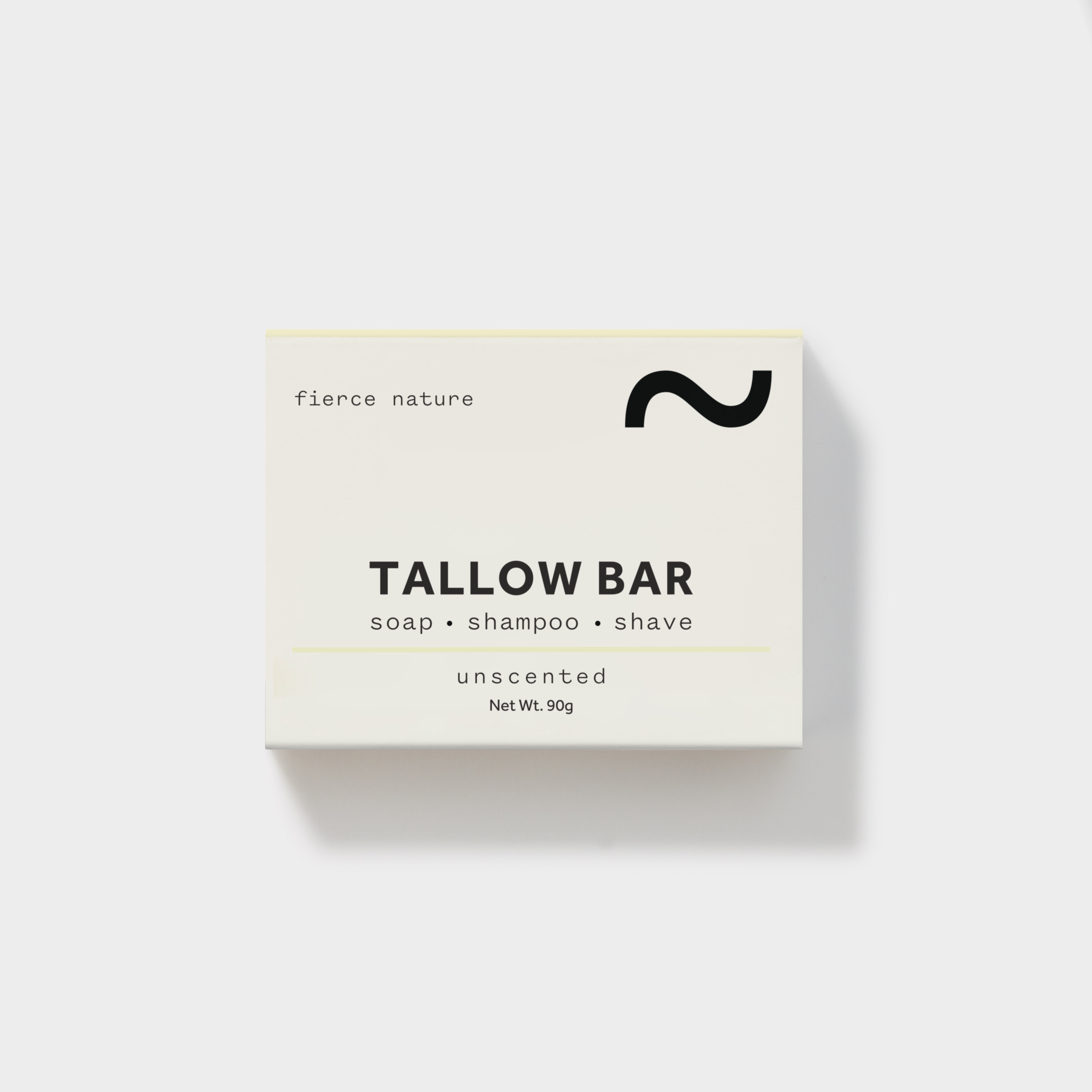
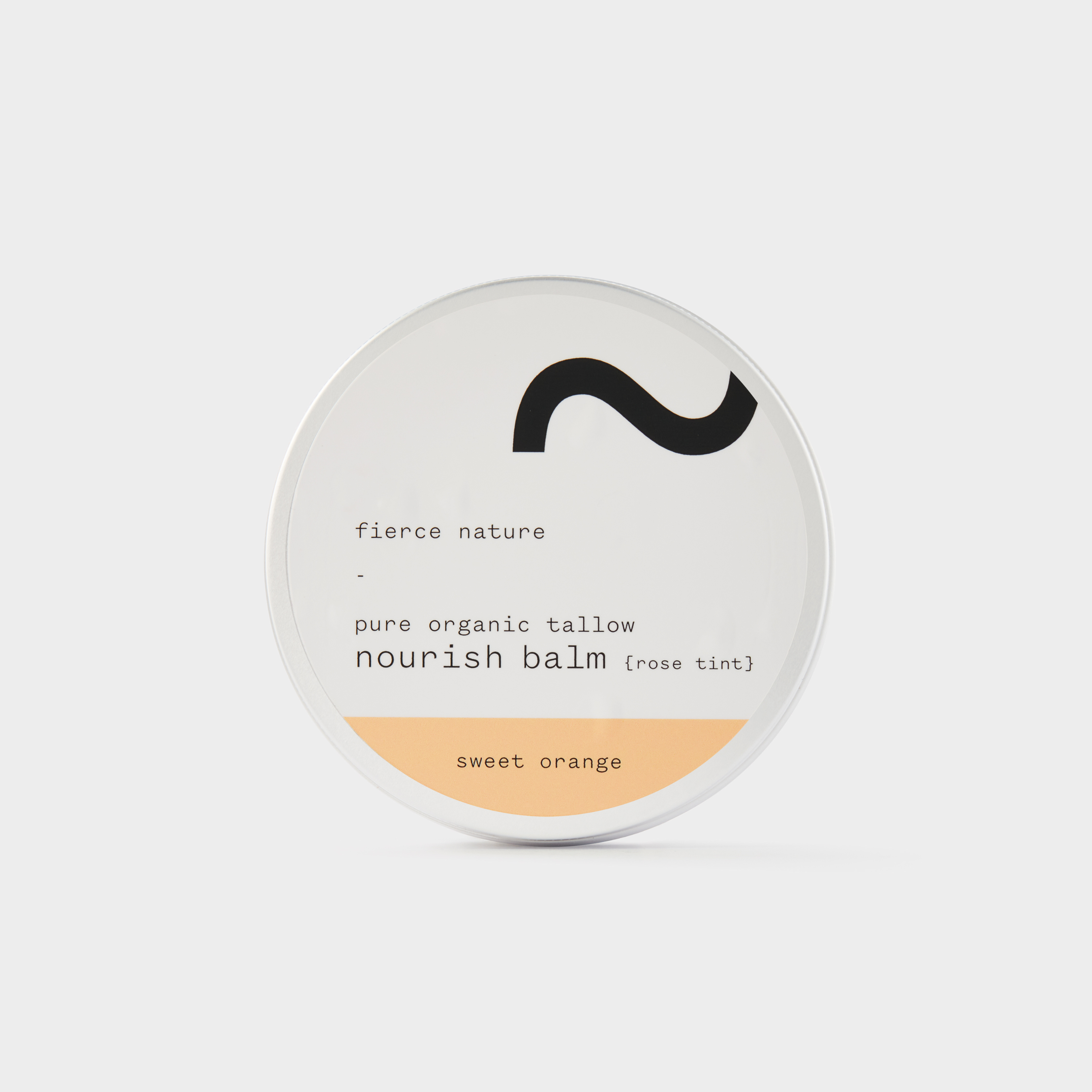




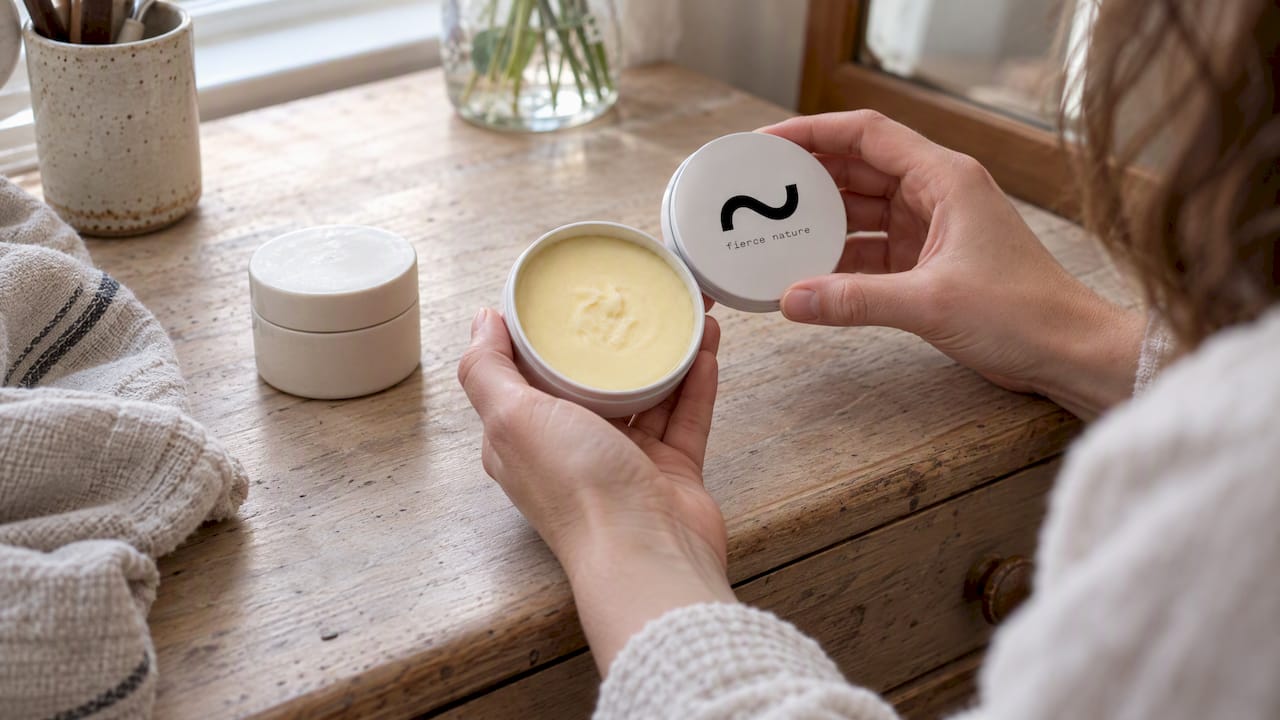
On an ingredient list, “parfum” or “fragrance” is a catch-all term for a scent blend, and that blend can include ingredients known to trigger reactions. The two words mean the same thing under UK and EU cosmetics rules, so neither one is inherently gentler. If your skin reacts to products, we always recommend choosing unscented formulations, checking labels for named allergens, and patch testing anything new before it meets your face.
TL;DR:
- Both “parfum” and “fragrance” are regulatory terms for scent blends, which often contain dozens of secret ingredients, making full disclosure impossible.
- EU and UK rules require certain allergens like linalool and limonene to be listed only if they exceed specific thresholds, but many unknown chemicals remain undisclosed.
- Fragrance ingredients can trigger allergic contact dermatitis, with severity depending on individual sensitivities and product contact duration, especially in leave-on formulations.
- “Parfum” does not indicate concentration or strength; scent longevity depends on the ingredient type and formulation, not label terminology.
- Choosing fragrance-free or minimal-ingredient products and patch testing new formulations reduces the risk of reactions and simplifies allergy management.
When you turn a bottle around and see “parfum” sitting among the ingredients, you are looking at a single word standing in for a whole composition. Under UK and EU cosmetics regulation, “parfum” is the standard INCI term used to declare perfume and aromatic compositions on an ingredient list. In some other markets, you will see “fragrance” used instead, and it means the same job: a placeholder for a blend rather than a full breakdown.
That blend is rarely simple. A scientific review of fragrance mixtures in cosmetics notes that a single “parfum” entry can represent dozens of individual components, often protected as a trade secret so competitors cannot copy a formula. This is why you will never find a full scent recipe listed ingredient by ingredient, even on brands that pride themselves on transparency elsewhere.
There is one safeguard built into the system. Regulators require certain allergens to be named individually once they pass a set concentration, which is how some familiar fragrance chemicals still appear by name even inside an otherwise bundled label.
For a reader with sensitive skin, this creates a practical split:
Our guide to reading cosmetic ingredient labels walks through exactly where “parfum” sits in a full INCI list, which helps if you want to practise spotting it yourself.
The single word “parfum” is not the whole story. EU and UK labelling rules require specific fragrance allergens to be declared by name once they exceed set thresholds: specific fragrance allergens must be declared by name once they exceed certain strict regulatory thresholds in leave-on and rinse-off products. Below those thresholds, a chemical can sit quietly inside the general “parfum” term with no individual mention.
The named allergens are listed in regulation annexes, and there are more than 80 of them, covering compounds like linalool, limonene, citral, geraniol and eugenol. Spotting one of these names on a label does not mean a product is unsafe for most people. It means that chemical is present above a level regulators consider worth flagging, which matters a great deal if you already know you react to it.
More than eighty individual fragrance chemicals have mandatory disclosure thresholds under EU and UK rules, so a product can comply fully with labelling law while still containing a trigger you have never had named to you before.
A few points worth holding onto:
This is the gap sensitive-skin shoppers fall into: a label can be perfectly legal and still leave you none the wiser about the exact chemical that caused your last reaction.
Fragrance ingredients are one of the most commonly recognised causes of allergic contact dermatitis, and NHS guidance on contact dermatitis lists perfumes and fragrance ingredients among the usual suspects when a rash or irritation has no obvious other cause. There is an important distinction worth understanding before you start eliminating products.
If you suspect a fragrance allergy, patch testing arranged through your GP or a dermatology service is the clinical standard for pinning down exactly which ingredient is responsible. A patch test exposes small areas of skin to suspected allergens under medical supervision, which is far more reliable than trial and error with new products at home.
Behind the scenes, bodies such as the Scientific Committee on Consumer Safety assess fragrance ingredients using quantitative risk assessment methods, often referred to as QRA2, to set safety limits for the population as a whole. These assessments are thorough, but they acknowledge real limitations: once someone is already sensitised to a chemical, even very low exposures can trigger a reaction, and population-level safety limits cannot account for every individual case.
Pro Tip: Keep a simple note on your phone of every new skincare product you try and the date you started it. If a reaction appears, that timeline becomes invaluable for your GP or dermatologist.
Shopping with sensitive skin does not have to mean reading a chemistry textbook every time you stand in an aisle — our guide on τι σημαίνει sensitive skin offers practical advice for managing skin sensitivity and understanding product labels. A short, repeatable checklist does most of the work.
A few extra habits make this easier over time:
None of this requires giving up skincare altogether. It simply means shifting from guessing to checking, one label at a time.
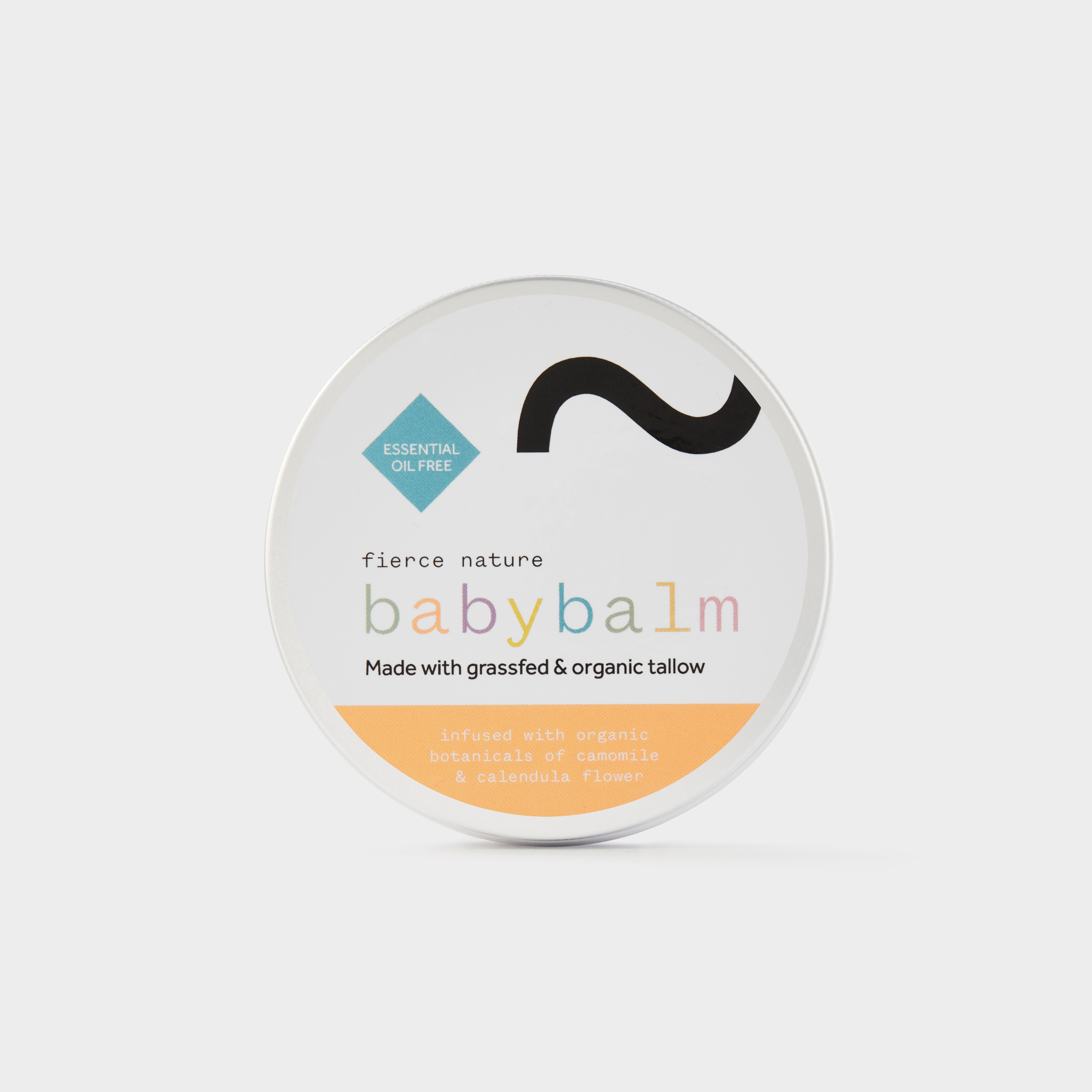
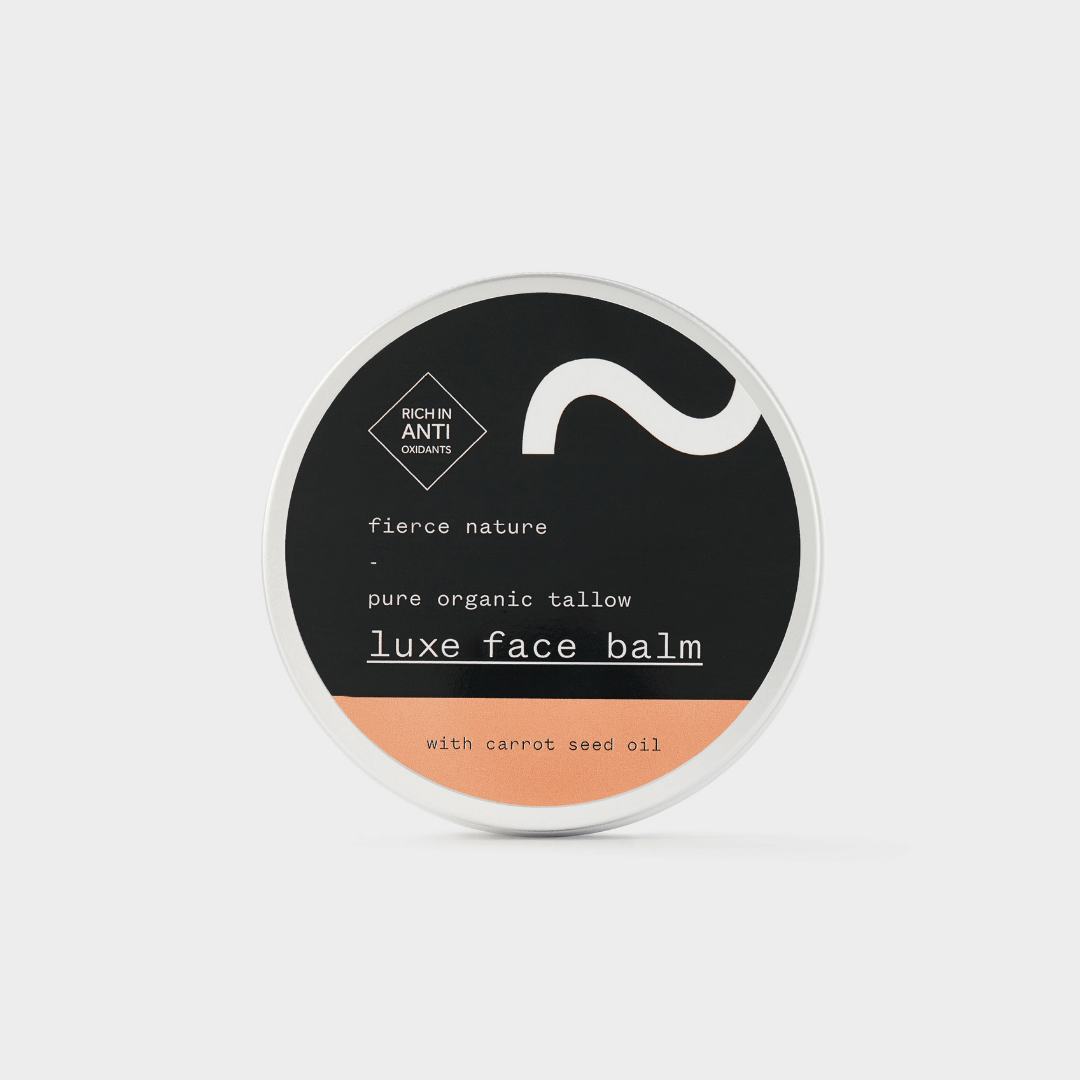
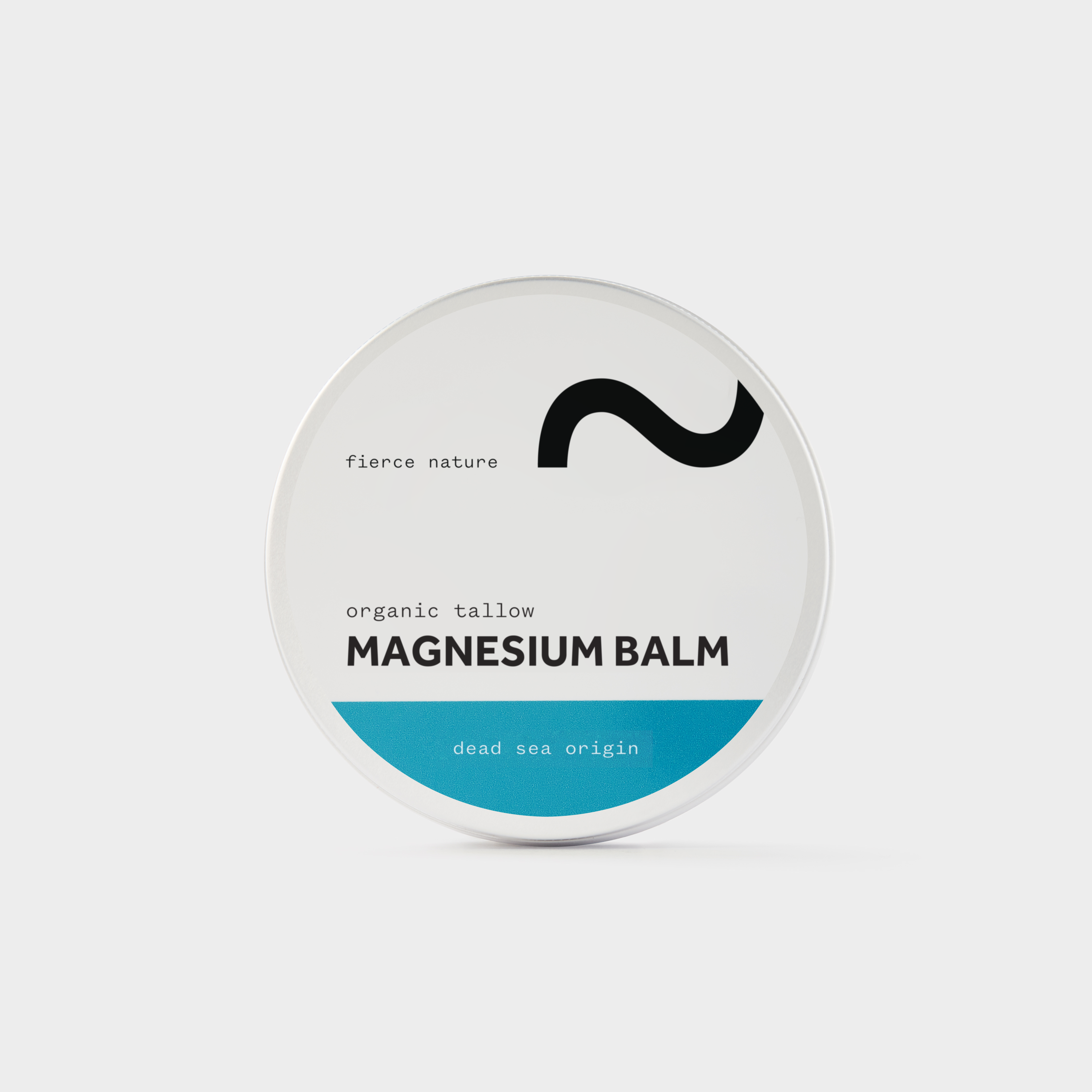
Our founder grew up battling unexplained skin rashes while using mainstream cosmetics, and years spent studying the toxic load on our bodies from everyday products shaped how we approach every formulation now. Our balms and bars are crafted using organic tallow as the foundation, with short ingredient lists chosen so there are fewer unknowns for sensitive skin to contend with.
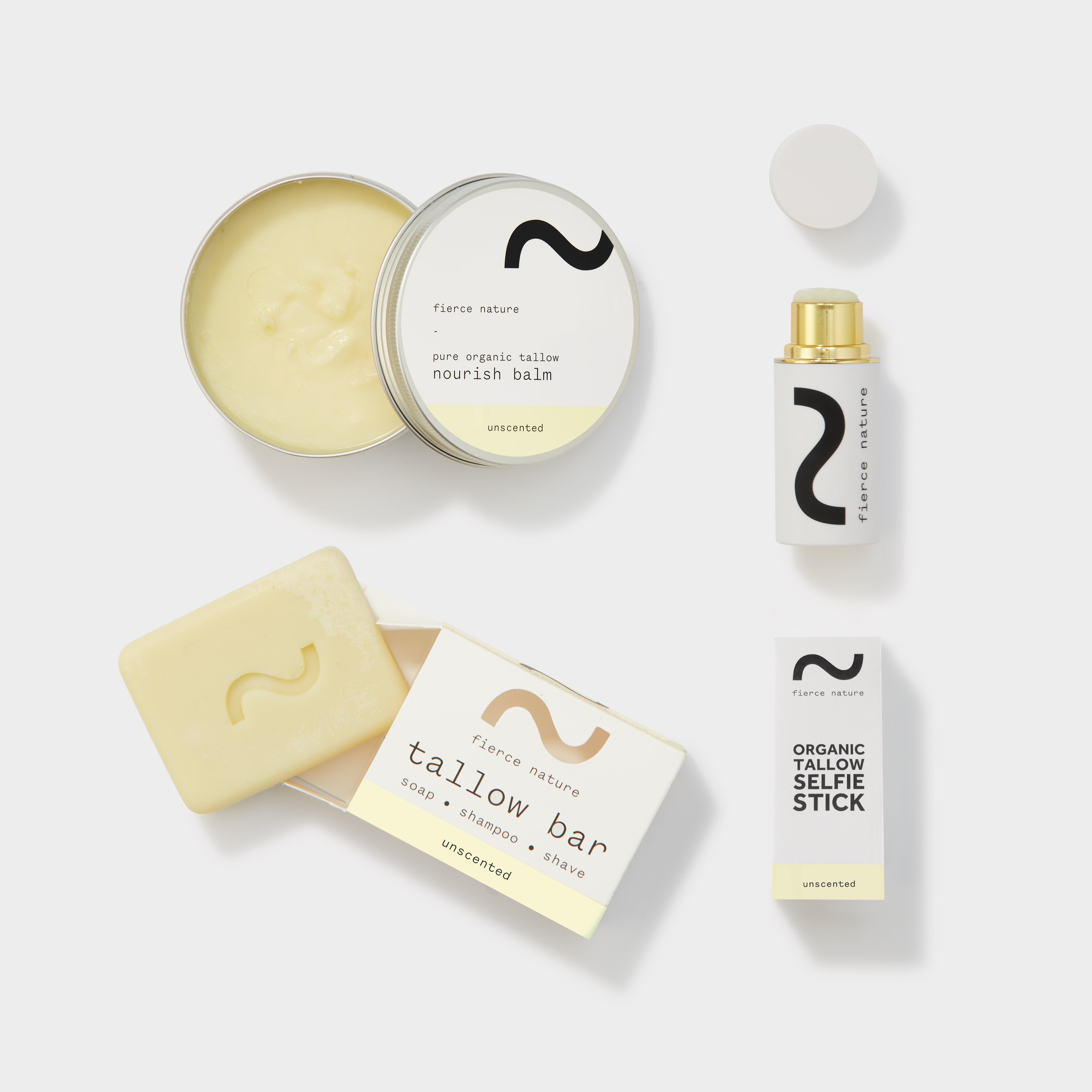
For readers managing reactions or allergy-prone skin, we point to our genuinely unscented options first: our Nourish Balm (Unscented) and Multi-Use Tallow Bar (Unscented) carry no added fragrance at all, rather than a masking scent dressed up as “unscented”. Our unscented balm soap guide explains why we think that distinction matters so much for ultra-sensitive skin.
Here is the part that surprises most people: on an ingredient list, “parfum” and “fragrance” do not describe different concentrations or different types of formula. They are regional naming conventions for the same regulatory concept, a declared scent composition. The real variation in composition and concentration happens inside the blend itself, not in which word a brand chooses to print.
A scent blend can range from a handful of essential oil extracts to a complex mixture of dozens of synthetic and natural aroma compounds, and the strength of that blend within a finished product is set by the formulator, not dictated by whether the label says “parfum” or “fragrance”. A body lotion might carry a very low percentage of total fragrance, while a solid balm or an intensely scented product could carry considerably more, yet both could simply say “parfum” with no indication of strength.
This is precisely why the named-allergen disclosure rules matter so much. They are the only mechanism that gives you any concentration-related information at all, since a named allergen only appears because it has crossed a defined threshold. Without that disclosure, “parfum” tells you a blend exists and almost nothing about how concentrated or complex it is. If concentration and composition are your real concern, the allergen list, not the headline term, is where to look.
Whether a label says “parfum” or “fragrance”, the chemical building blocks behind it tend to fall into similar categories. Essential oils and plant extracts contribute natural aroma compounds, such as linalool from lavender or limonene from citrus peels, and these can be just as allergenic as anything made in a laboratory. Synthetic aroma chemicals are manufactured to replicate or extend natural scents, often more consistently and at lower cost, and they make up a large share of commercial fragrance blends.
Fixatives are another common component, added to help a scent last longer on the skin rather than evaporating quickly, and solvents are often included simply to carry and disperse the aroma compounds evenly through a product. None of these categories map neatly onto “parfum” versus “fragrance”: a product labelled either way can contain any combination of them.
The named allergens required by regulation, including linalool, limonene, citral, geraniol and eugenol, cut across both natural and synthetic sources. A completely plant-derived fragrance can contain several of these at meaningful concentrations, which is part of why “natural” fragrance is not automatically a gentler choice for sensitive skin. The ingredient category tells you where a compound originated, not whether your skin will tolerate it.
If you are hoping that “parfum” signals a stronger or longer-lasting scent than “fragrance”, the label itself will not confirm that. Longevity and intensity depend on the specific aroma compounds used, their concentration in the finished formula, and the base product carrying them, not on which regulatory term a brand has printed on the ingredient list.
A few practical patterns do hold true in skincare and personal care products more broadly. Oil and tallow-based balms tend to hold scent longer than water-based lotions, because fats slow the evaporation of aroma compounds against the skin. Products with fixative ingredients included in the blend will also tend to last longer than those without, regardless of whether the label reads “parfum” or “fragrance”. Heavier, more concentrated blends intended for leave-on use will generally project and persist more than a light rinse-off product that is washed away within minutes of application.
For sensitive skin, this has a practical implication worth sitting with. A long-lasting, intense scent in a leave-on balm or cream means prolonged skin contact with whatever compounds are producing that intensity, which is one reason leave-on products carry a stricter allergen disclosure threshold than rinse-off ones. Longevity is not just a preference question. It is an exposure question, and exposure time is part of what determines whether a sensitised person reacts at all.
Pulling the regulatory picture together helps explain why “parfum” and “fragrance” behave the way they do on a label. UK and EU cosmetics regulation requires perfume and aromatic compositions to be declared using the term “parfum” or “aroma” in the ingredient list, rather than broken down compound by compound. This single rule is the root of everything else in this topic: it is what allows a complex blend to be legally summarised in one word.
UK legislation, specifically the Cosmetic Products (Safety) Regulations 2008, confirms that ingredient lists must use INCI names and explicitly permits perfume or aroma to be declared under that umbrella term, which is the legal foundation brands rely on.
What this framework does not do is require full disclosure of a fragrance blend’s complete composition, concentration of non-allergen components, or sourcing. Trade secret protection for formulations sits comfortably alongside consumer safety disclosure, and the two coexist by design rather than by oversight. Understanding that balance is the key to reading any “parfum” or “fragrance” listing realistically rather than assuming either full transparency or total concealment.
Given that “parfum” and “fragrance” are the same regulatory concept wearing different regional names, there is no inherent health distinction between a product labelled one way versus the other. Any health impact comes from the specific compounds inside the blend and your individual sensitivity to them, not from which word appears on the packaging.
That said, the health impacts associated with fragrance generally are worth taking seriously. Fragrance ingredients are a recognised cause of allergic contact dermatitis, and reactions can range from mild redness and itching to more persistent, uncomfortable skin inflammation that affects daily life. Because sensitisation can develop over repeated exposure, a product you have used for months without issue can still eventually trigger a reaction once your skin crosses that threshold.
Risk assessment bodies, including the Scientific Committee on Consumer Safety through its QRA2 work, acknowledge that quantitative risk assessment for skin sensitisation has genuine limitations. These methods set safety limits intended to protect the general population, but they cannot fully predict or prevent reactions in people who are already sensitised to a specific chemical. Clinical services also point out that fragrance exposure is not limited to obviously scented products. Sunscreens and other everyday formulations can carry fragrance ingredients too, which is why thorough patch testing typically checks across a person’s full product routine rather than the perfume counter alone.

The honest takeaway from all of this is that the word on the label matters far less than most shoppers assume. Chasing the difference between “parfum” and “fragrance” as if one were inherently safer is energy spent in the wrong place. Both terms describe the same regulatory shortcut, and both can hide the exact chemical that triggers your skin.
Where we think the conventional advice falls short is its heavy focus on terminology over substance. Shoppers are often told to “avoid fragrance” as a blanket rule, yet a genuinely unscented, minimal-ingredient product can still cause problems if even one remaining ingredient is a known irritant for your particular skin, and a lightly fragranced natural product can be perfectly fine for someone else. The named-allergen list, however short, is a far more useful tool than the headline word, because it is the one piece of the label actually tied to a measurable threshold.
If we had to prioritise one action above all others, it would be this: stop reading “parfum” as a verdict and start reading it as a prompt to check further, through allergen names, patch testing, and a habit of tracking what your own skin tells you over time.
— Fierce Nature
If you have read this far because a product has upset your skin before, the simplest next step is choosing formulations where fragrance uncertainty is removed entirely rather than managed around. Our Nourish Balm (Unscented) and Multi-Use Tallow Bar (Unscented) are built with no added fragrance and short ingredient lists, so there is far less guesswork when you are trying to identify what works for your skin.
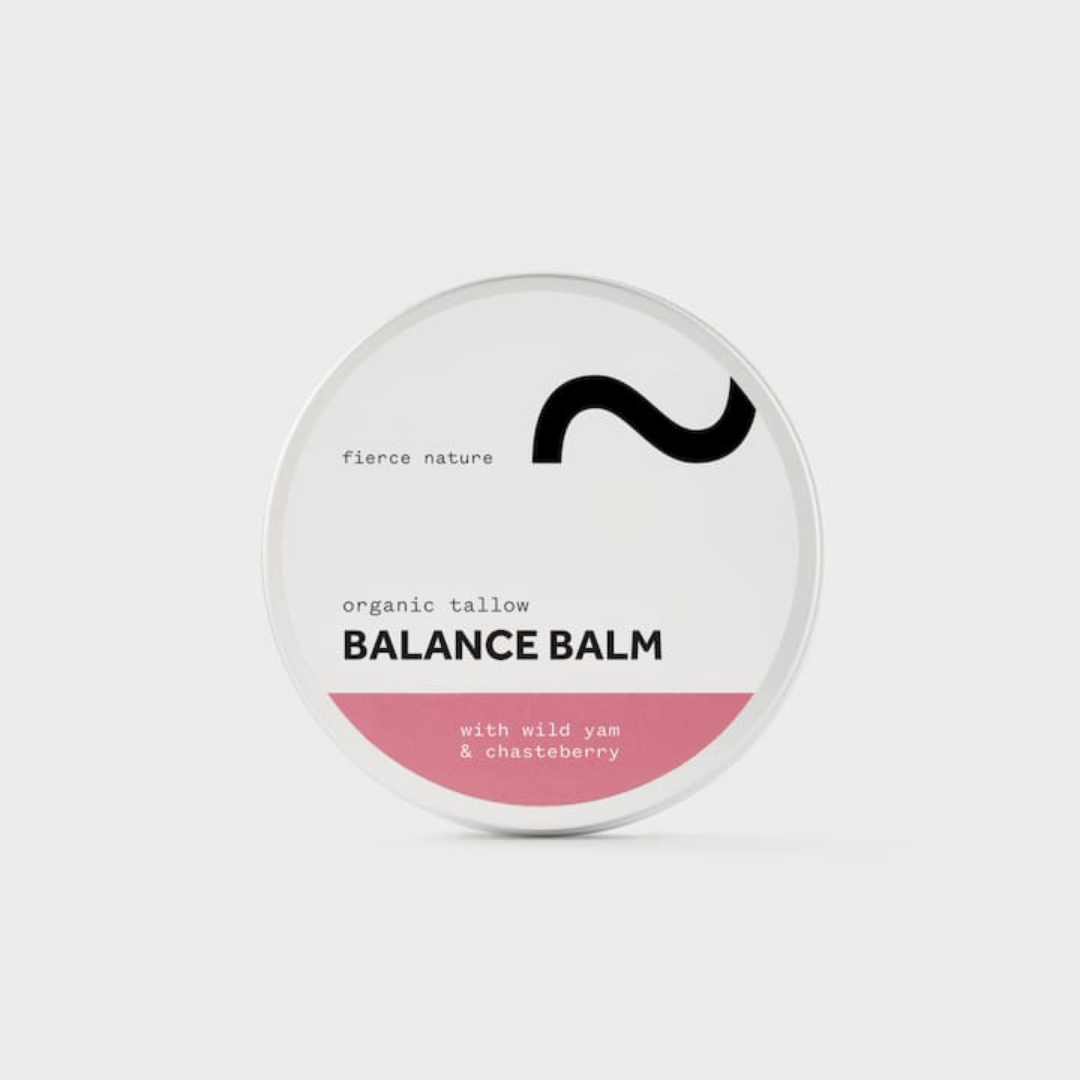
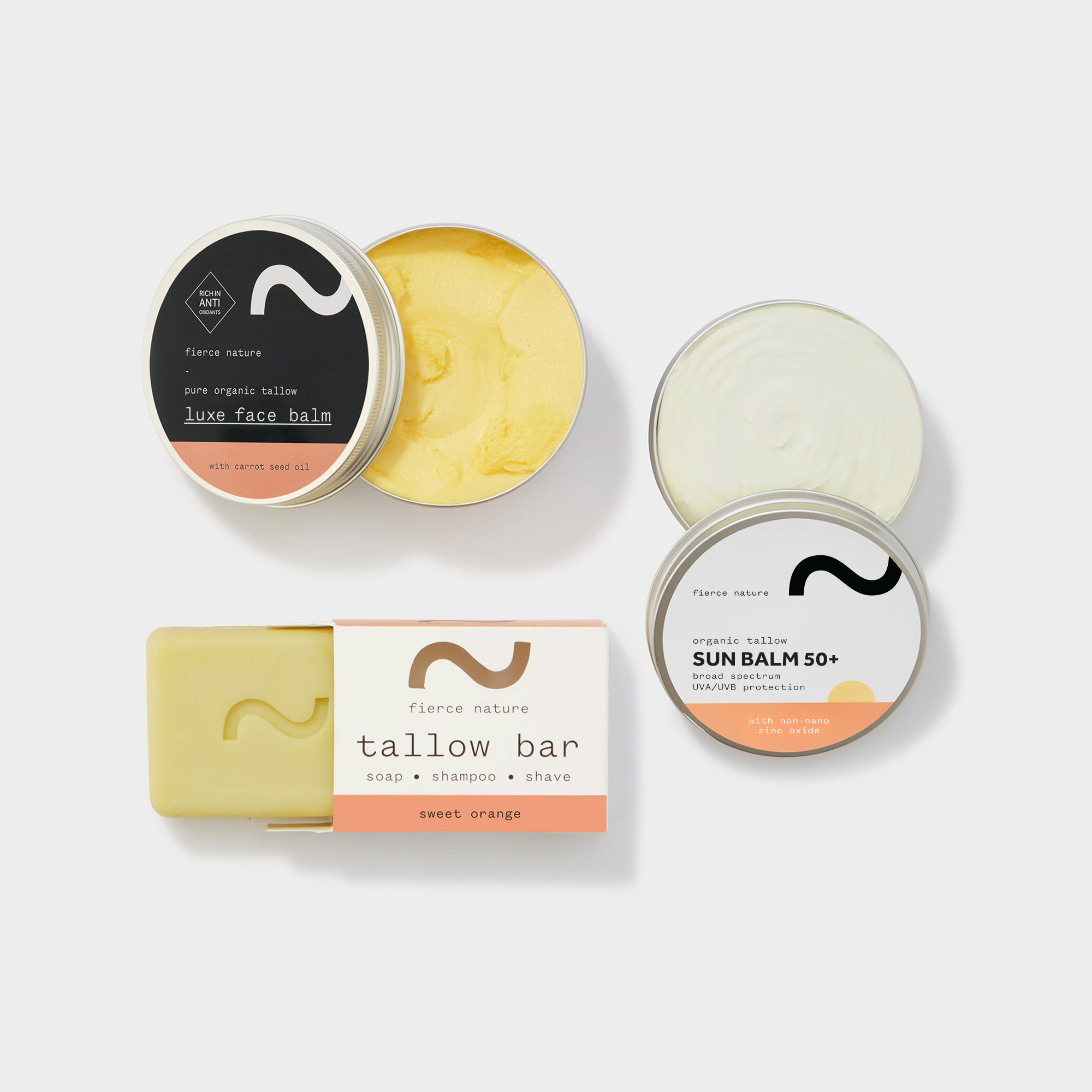
For anyone who prefers a touch of scent and tolerates it well, some scented balm and bar products remain available, each with full ingredient details on their product pages so you can check exactly what you are applying.
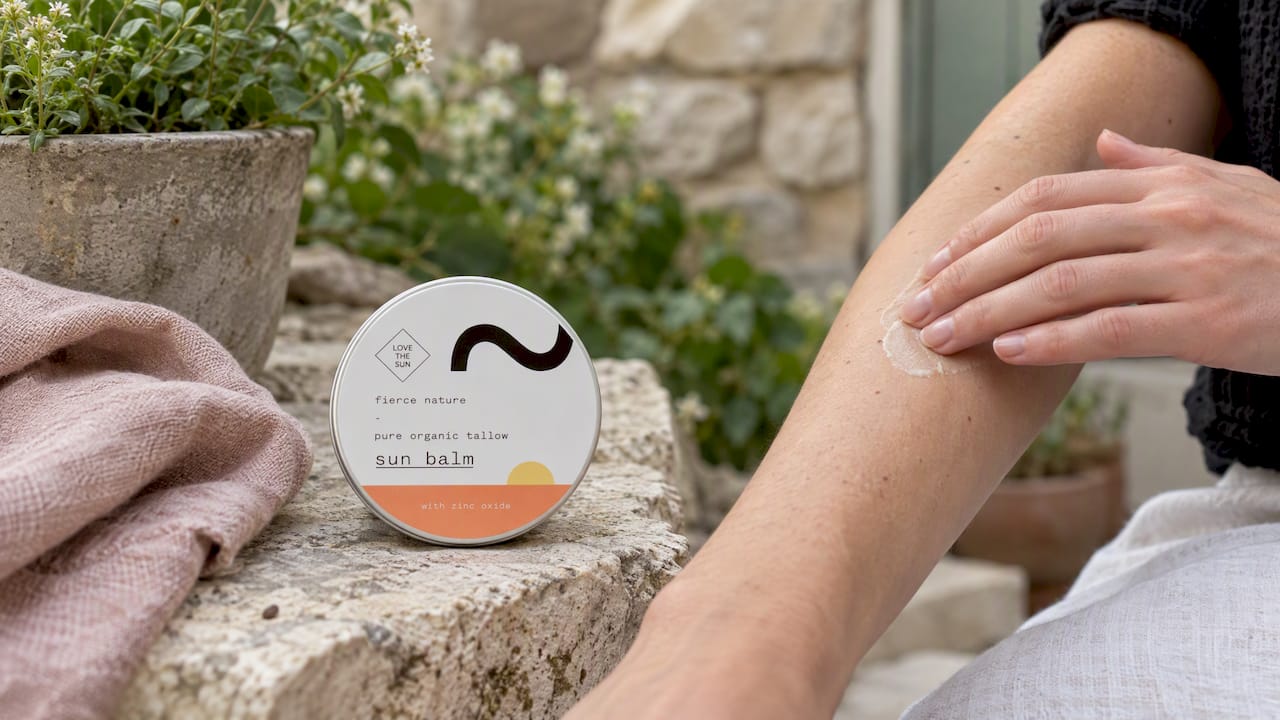
If anything on an ingredient list is unclear, reach out to us directly for a breakdown before you buy, and consider a small patch test on your inner arm before applying any new balm to your face.
This article is general information, not a substitute for advice from a qualified doctor. Consult a qualified healthcare professional about your own circumstances before acting on anything here.
No, “parfum” and “fragrance” are the same regulatory term used in different markets, not an indicator of strength. Concentration depends entirely on the specific blend a brand has formulated, not on which word appears on the label.
Not always. Some “unscented” products contain a masking fragrance added to neutralise the smell of other ingredients, so a genuinely fragrance-free product should state that explicitly rather than relying on the word “unscented” alone.
Commonly named allergens include linalool, limonene, citral, geraniol and hydroxyisohexyl-3-cyclohexene carboxaldehyde, among many others covered by UK and EU disclosure rules. They must be listed individually once they exceed regulatory thresholds in leave-on or rinse-off products.
Yes, natural fragrance compounds such as linalool and limonene are among the most common named allergens, so plant-derived scents are not automatically gentler than synthetic ones. Sensitivity depends on the specific compound and your individual skin, not its origin.
Stop using the product, note the ingredients and timing in a simple diary, and speak to your GP about arranging a patch test through dermatology services. Patch testing remains the clinical standard for identifying exactly which fragrance ingredient is responsible.