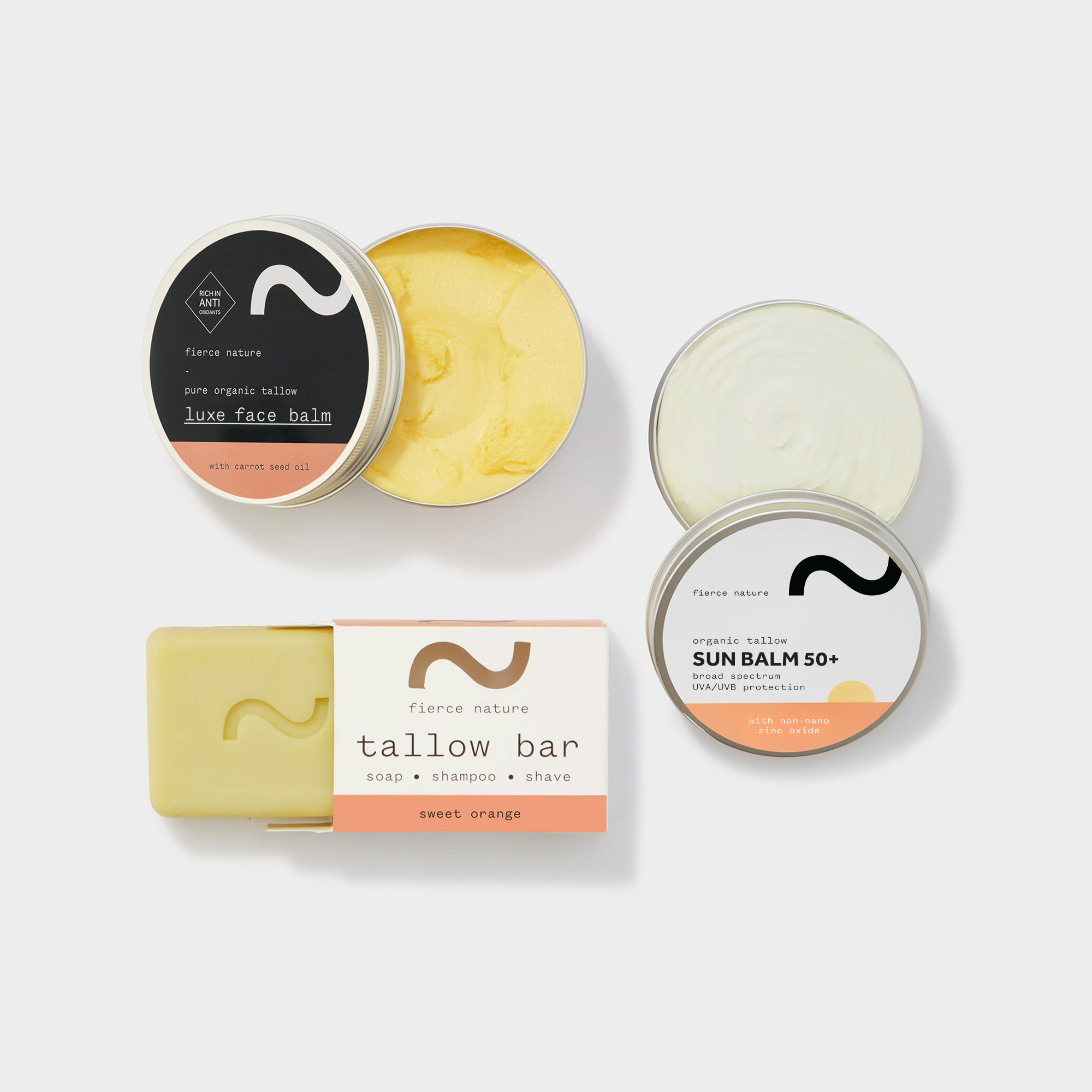
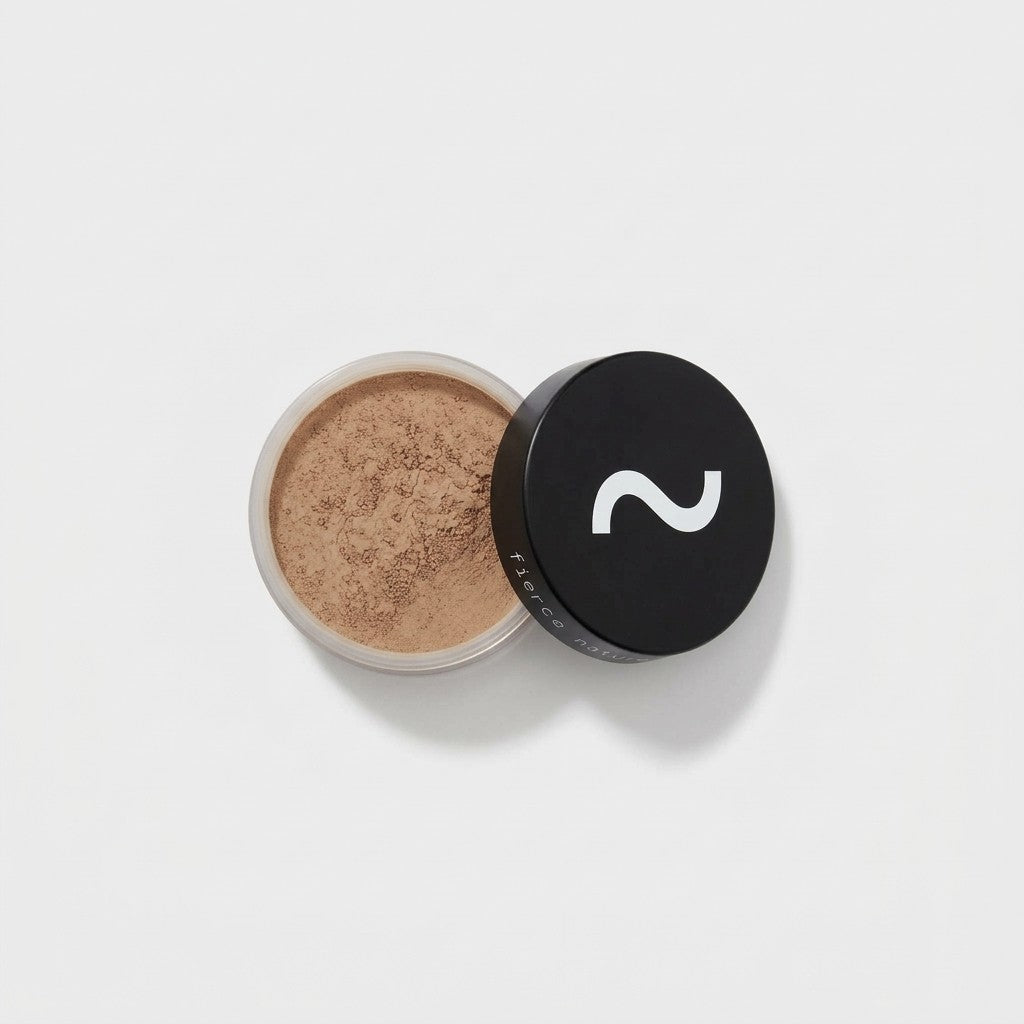
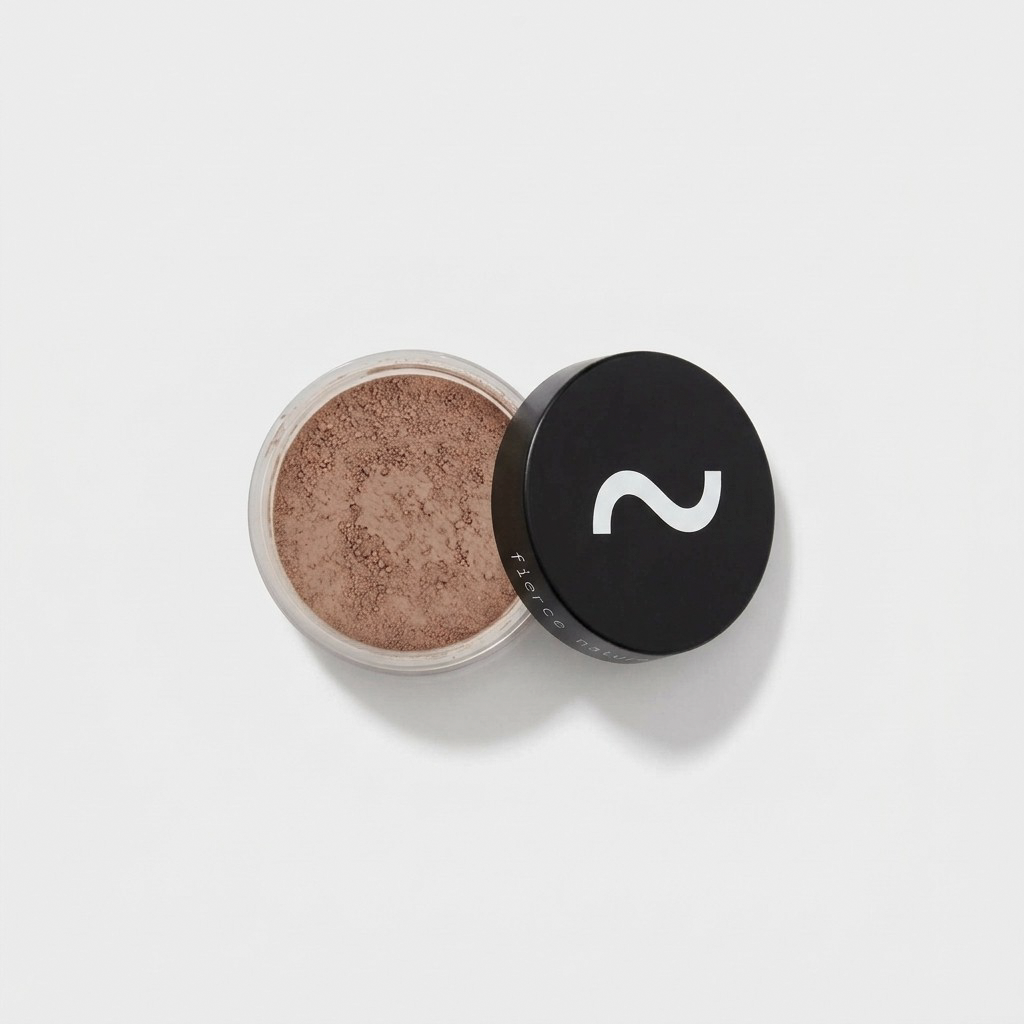
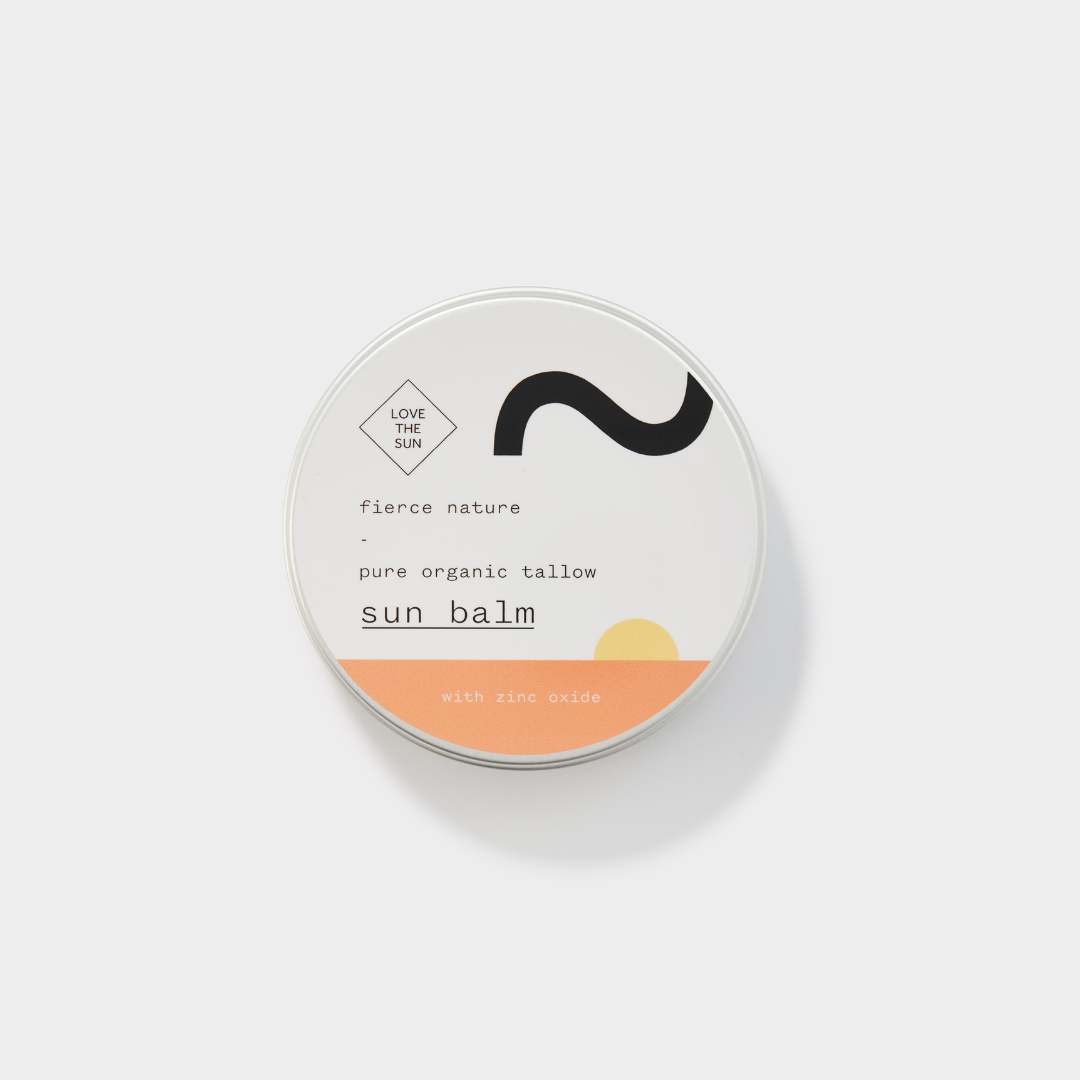
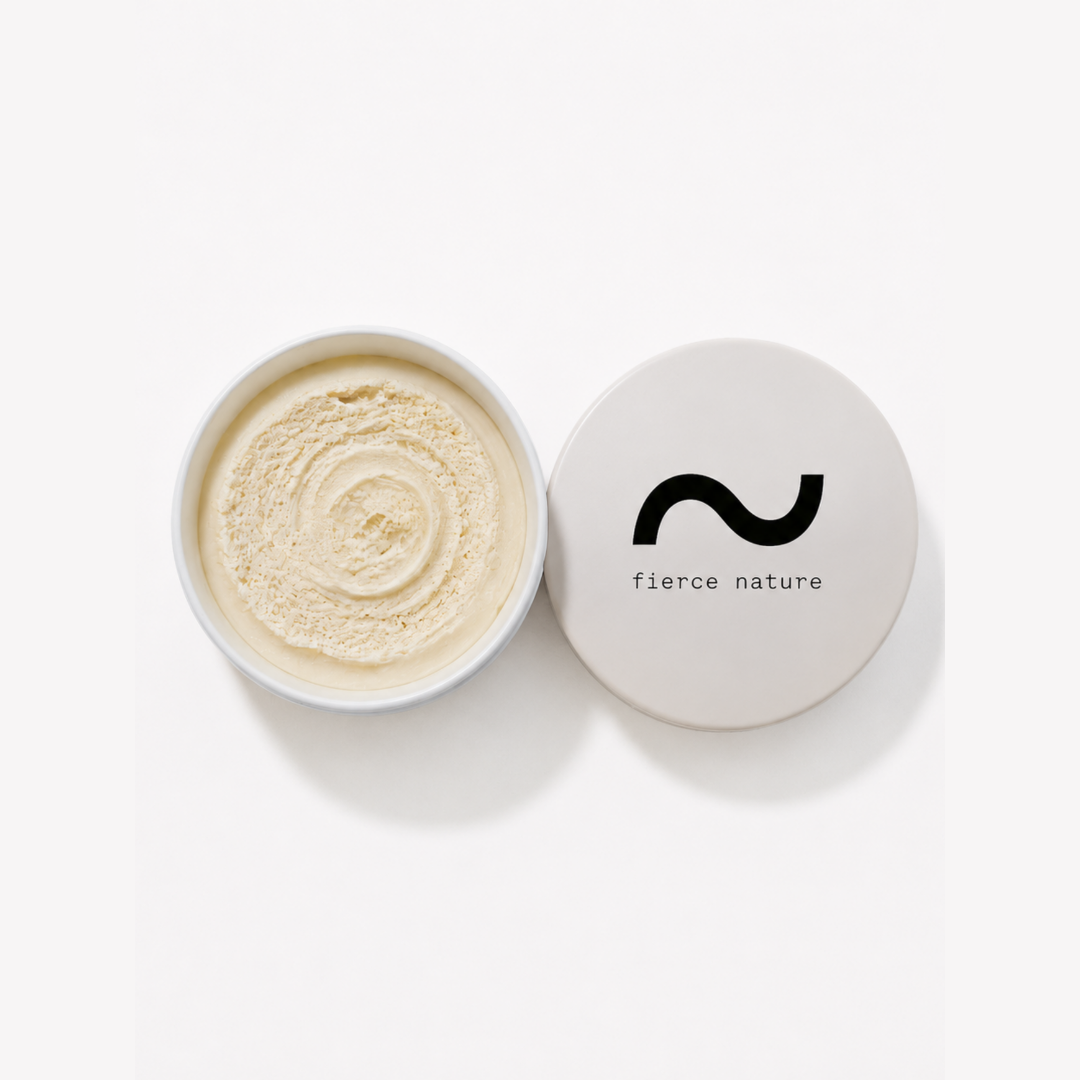
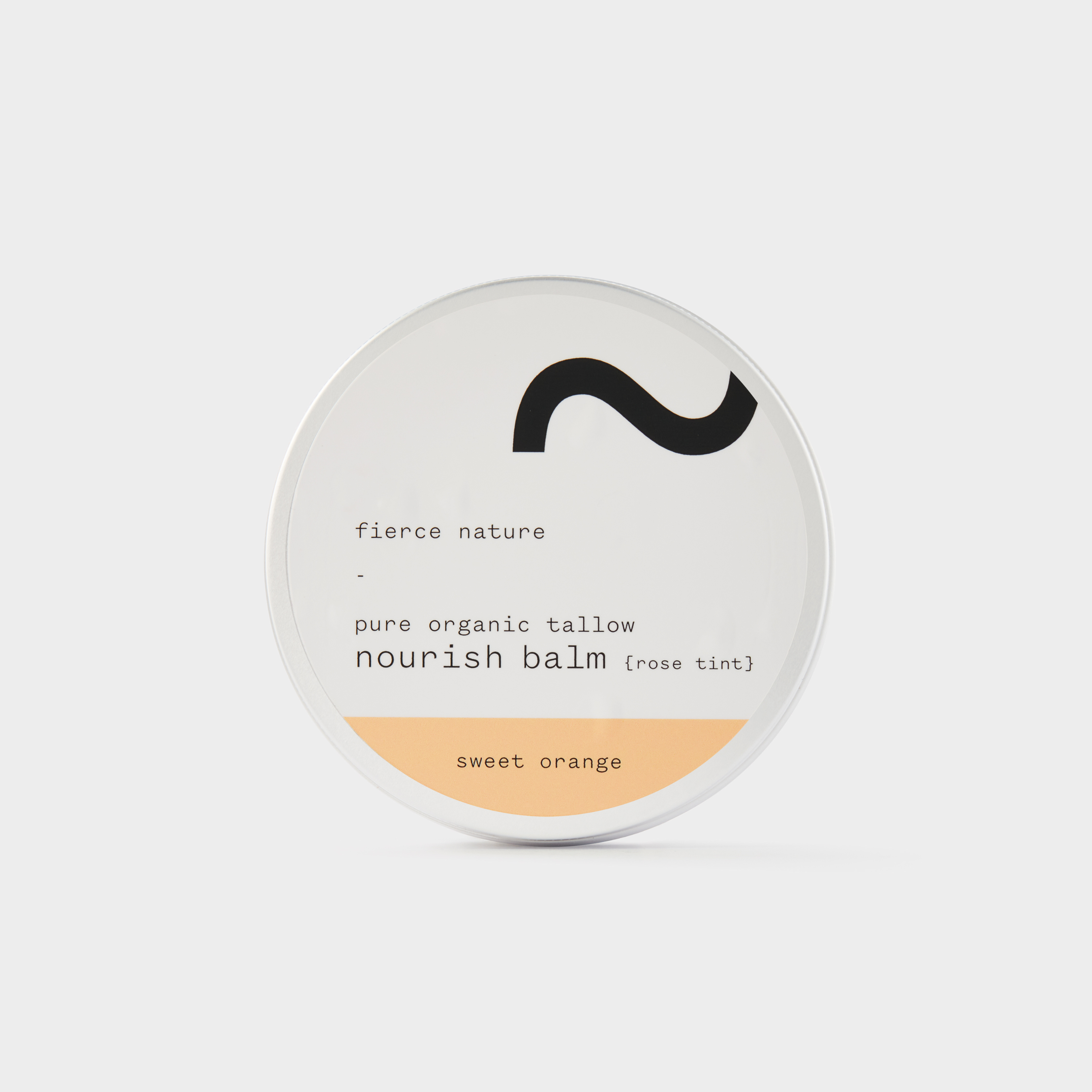
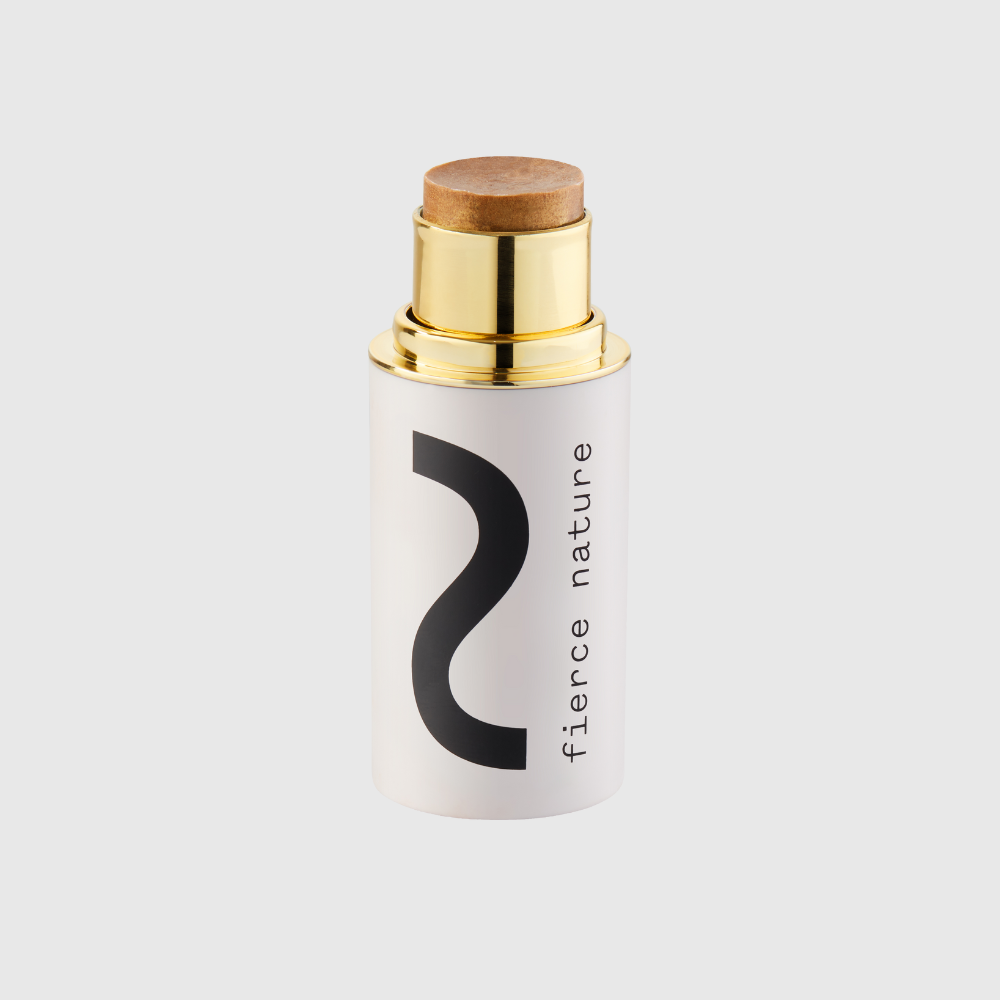
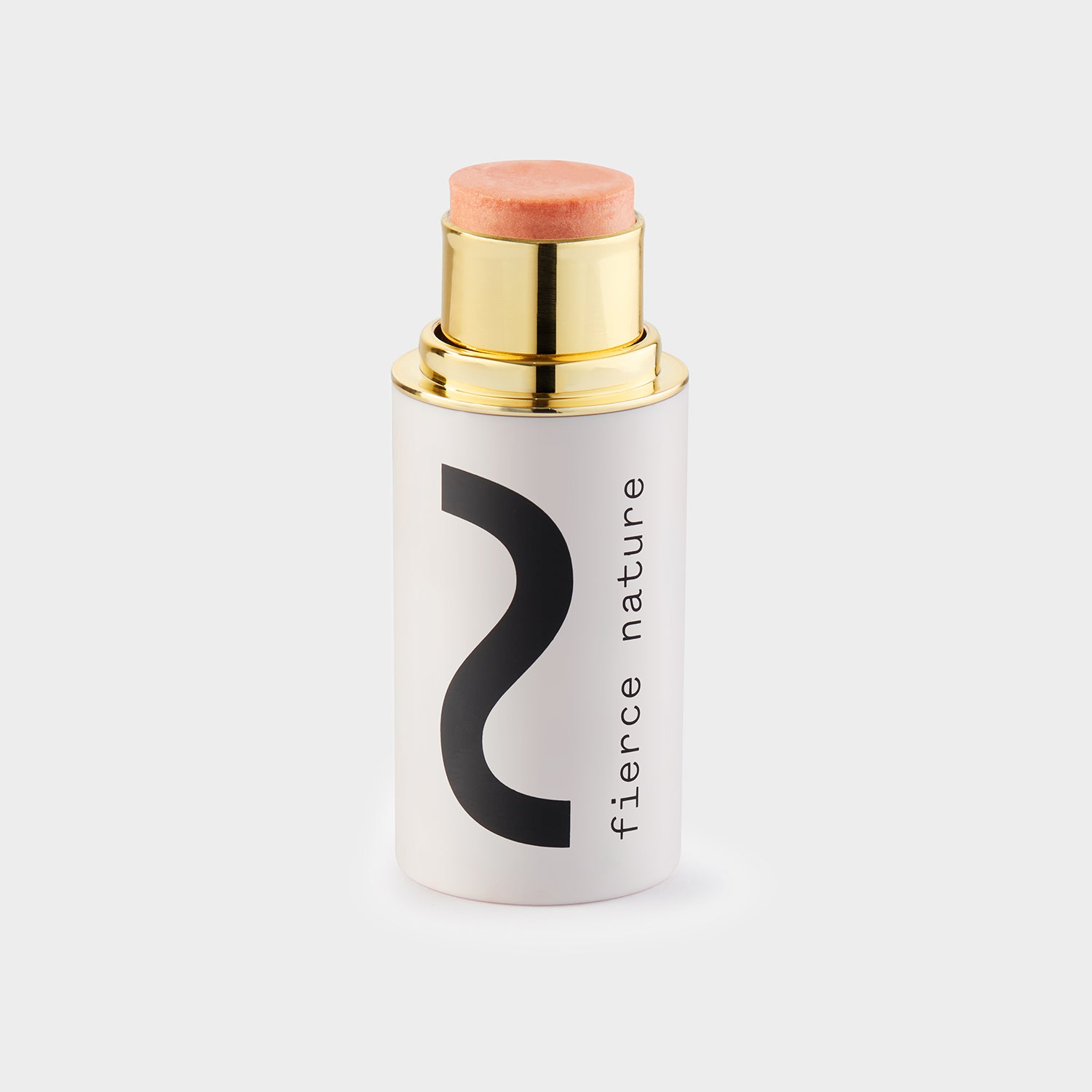
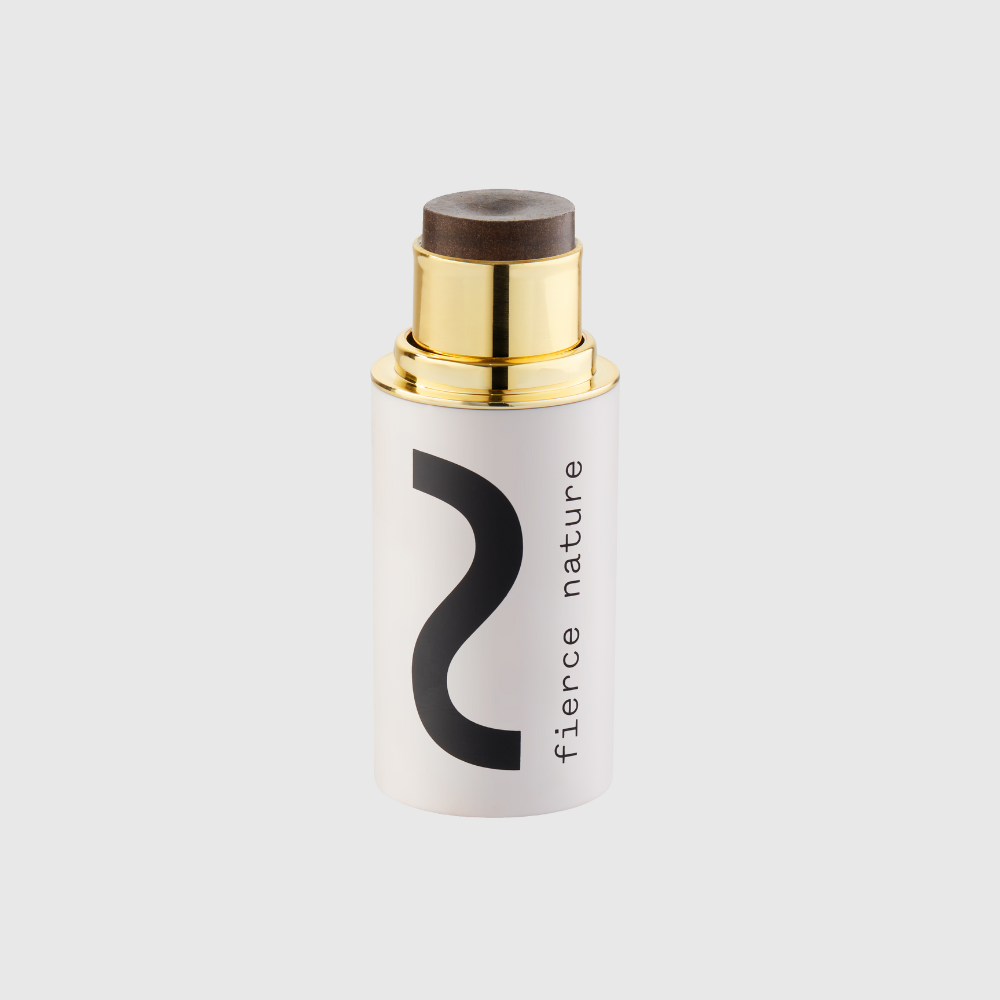
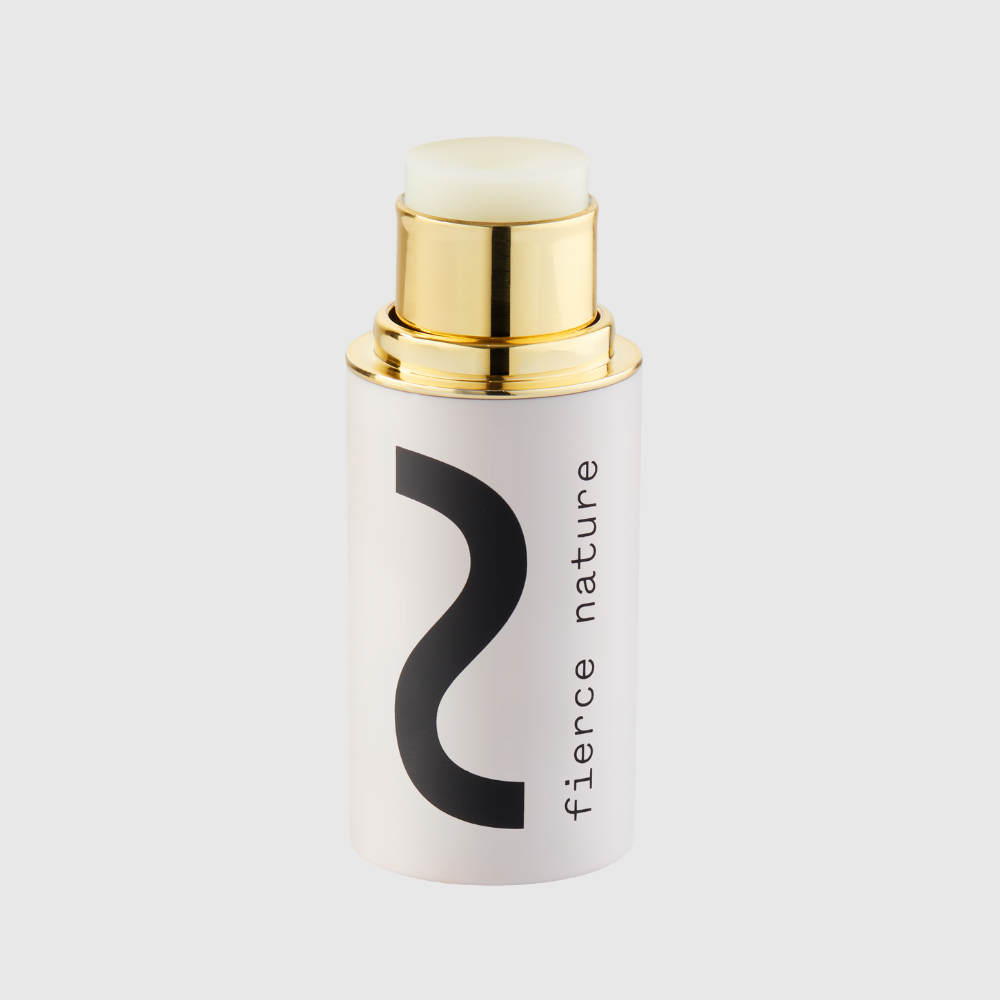
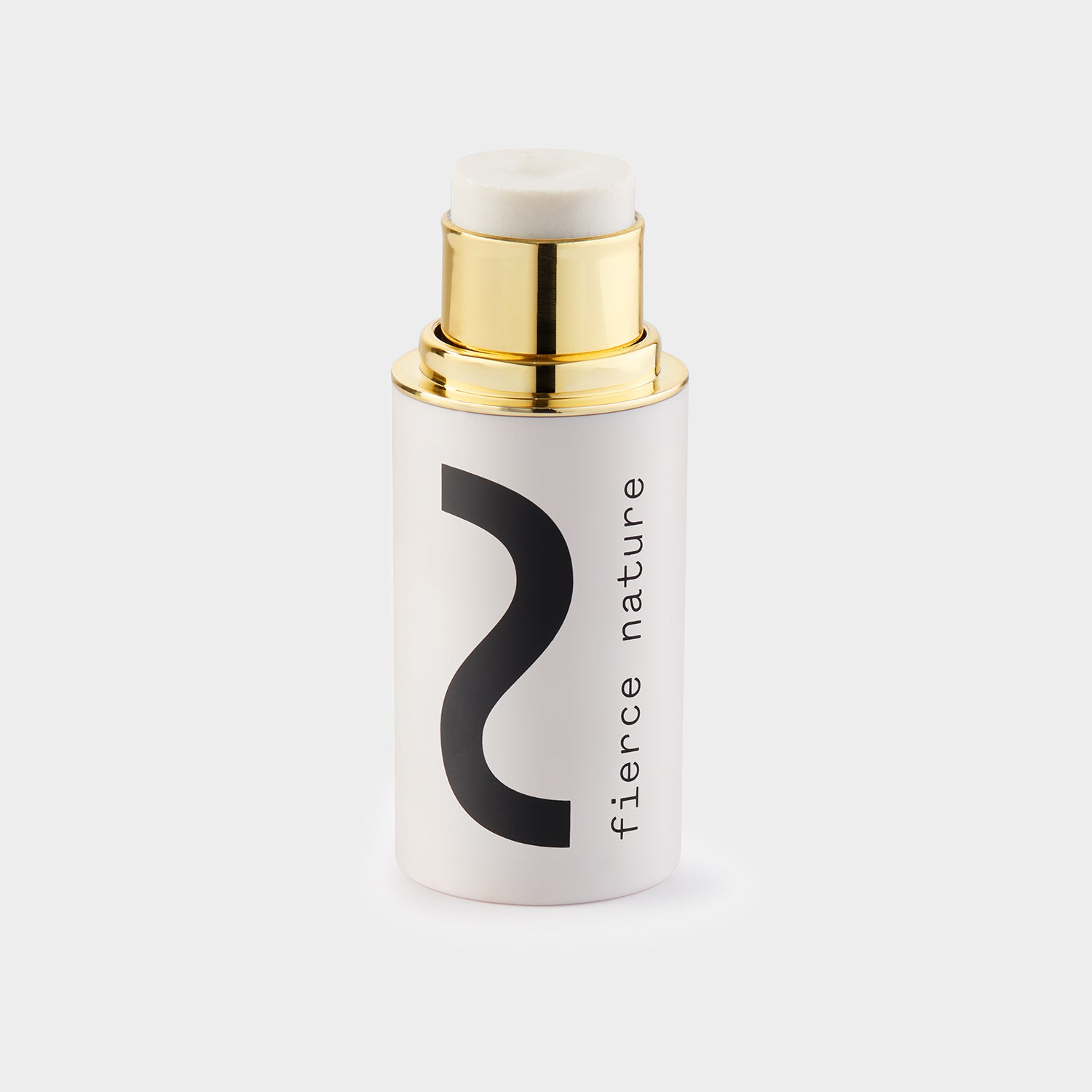
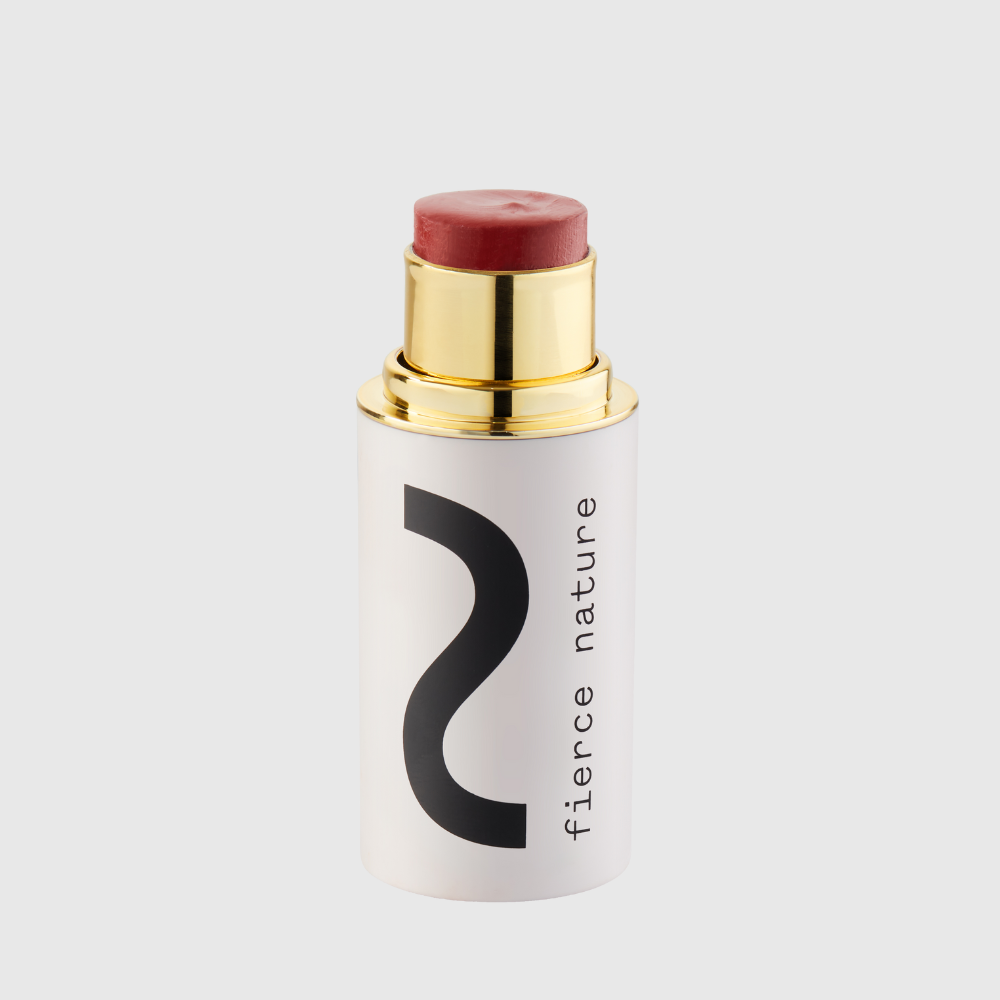
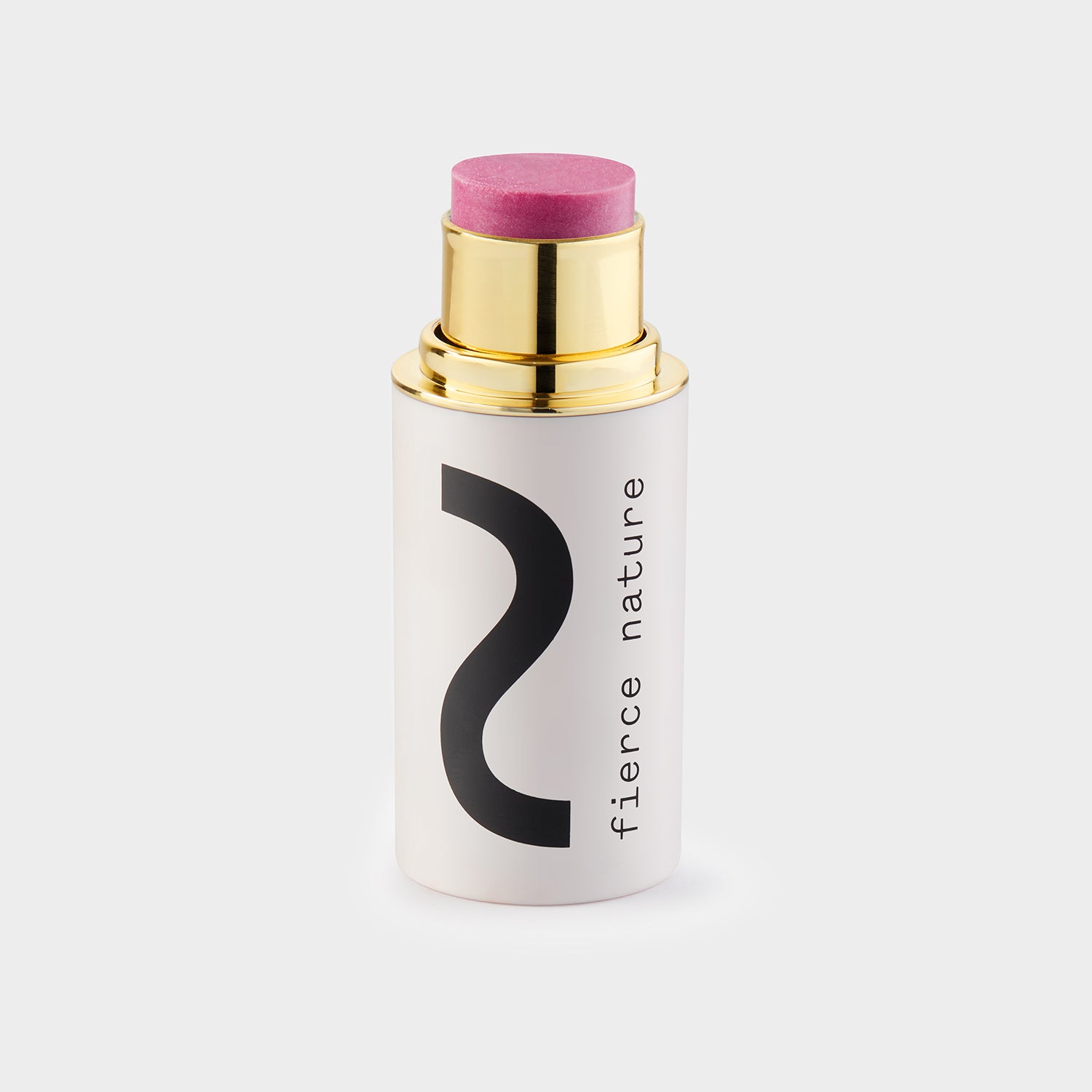
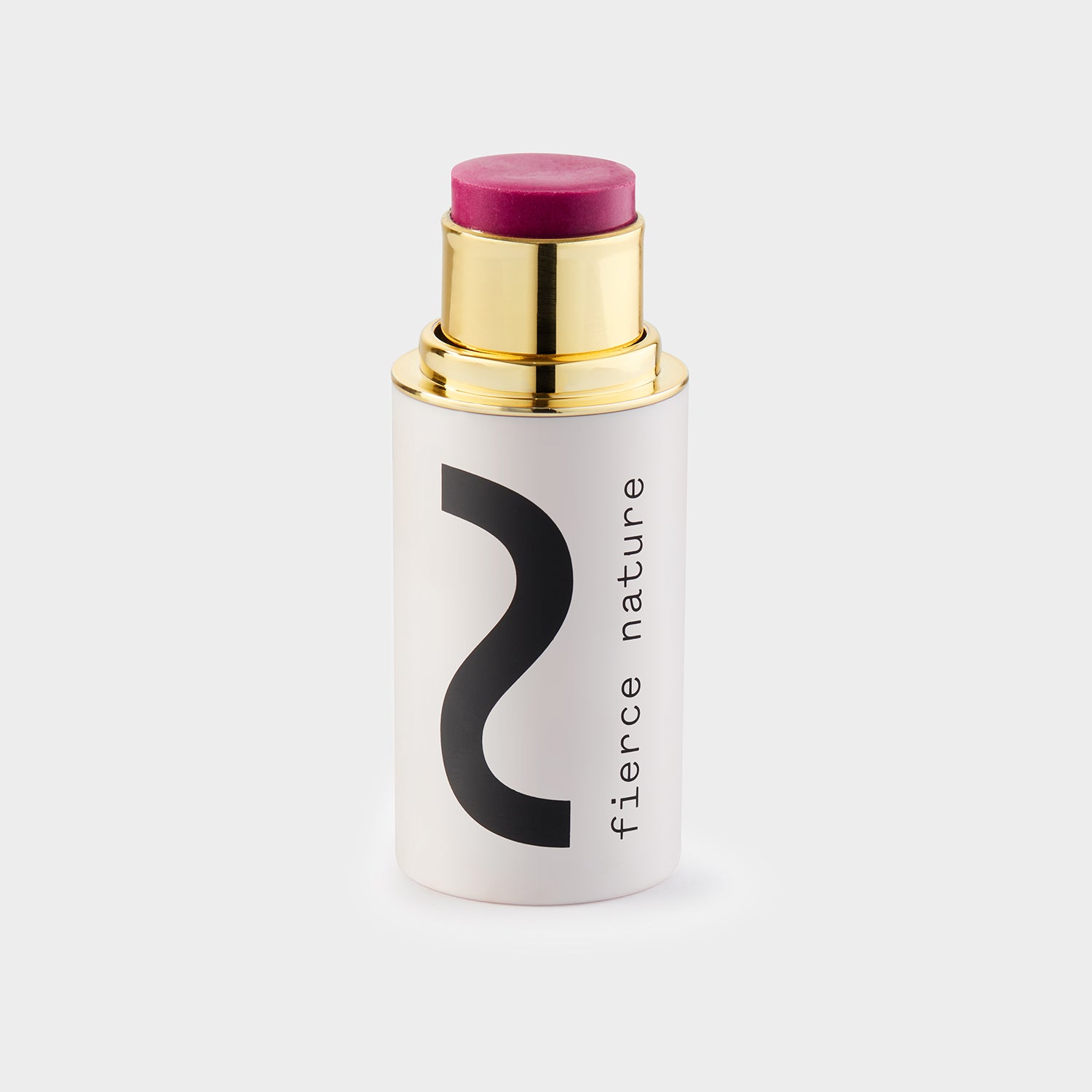
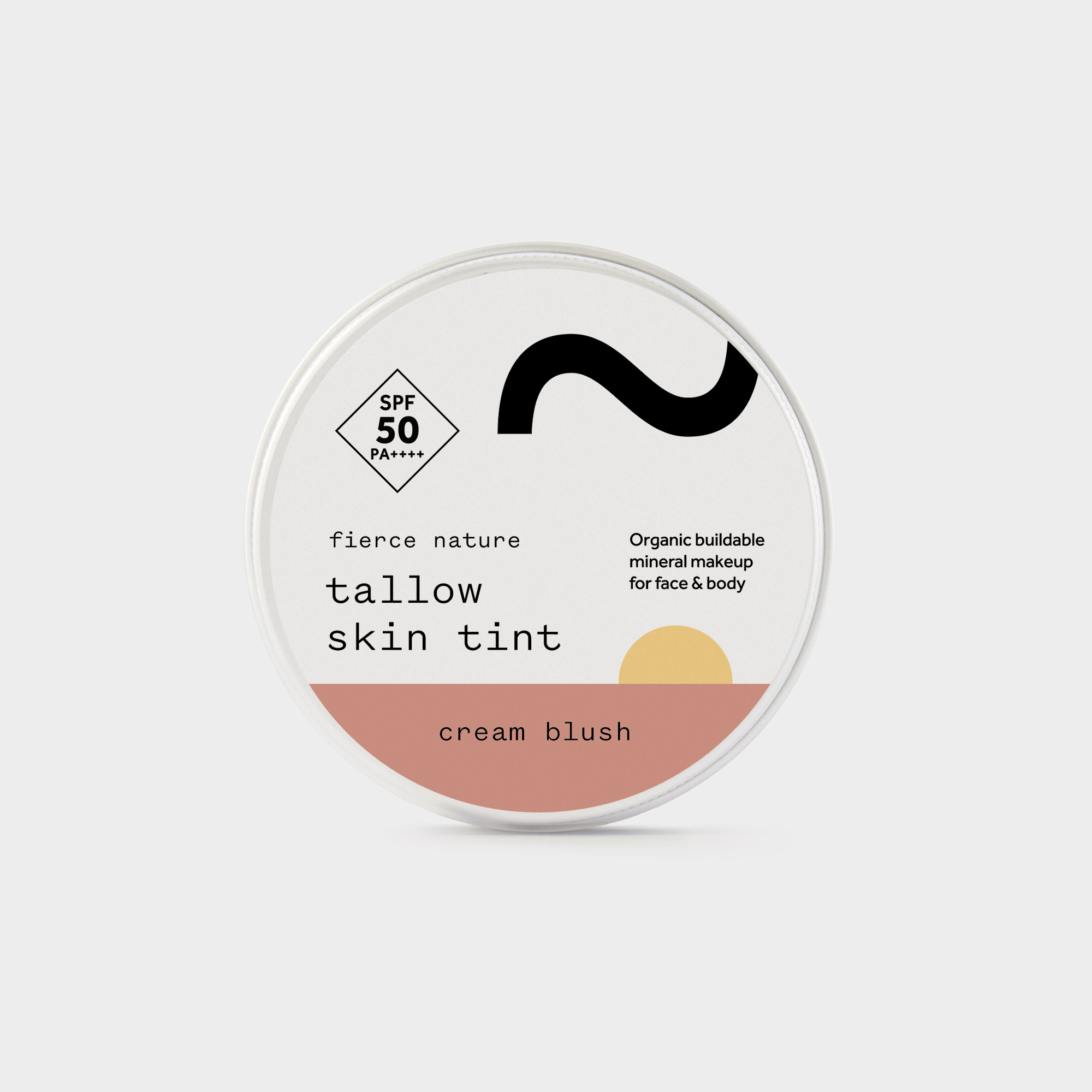
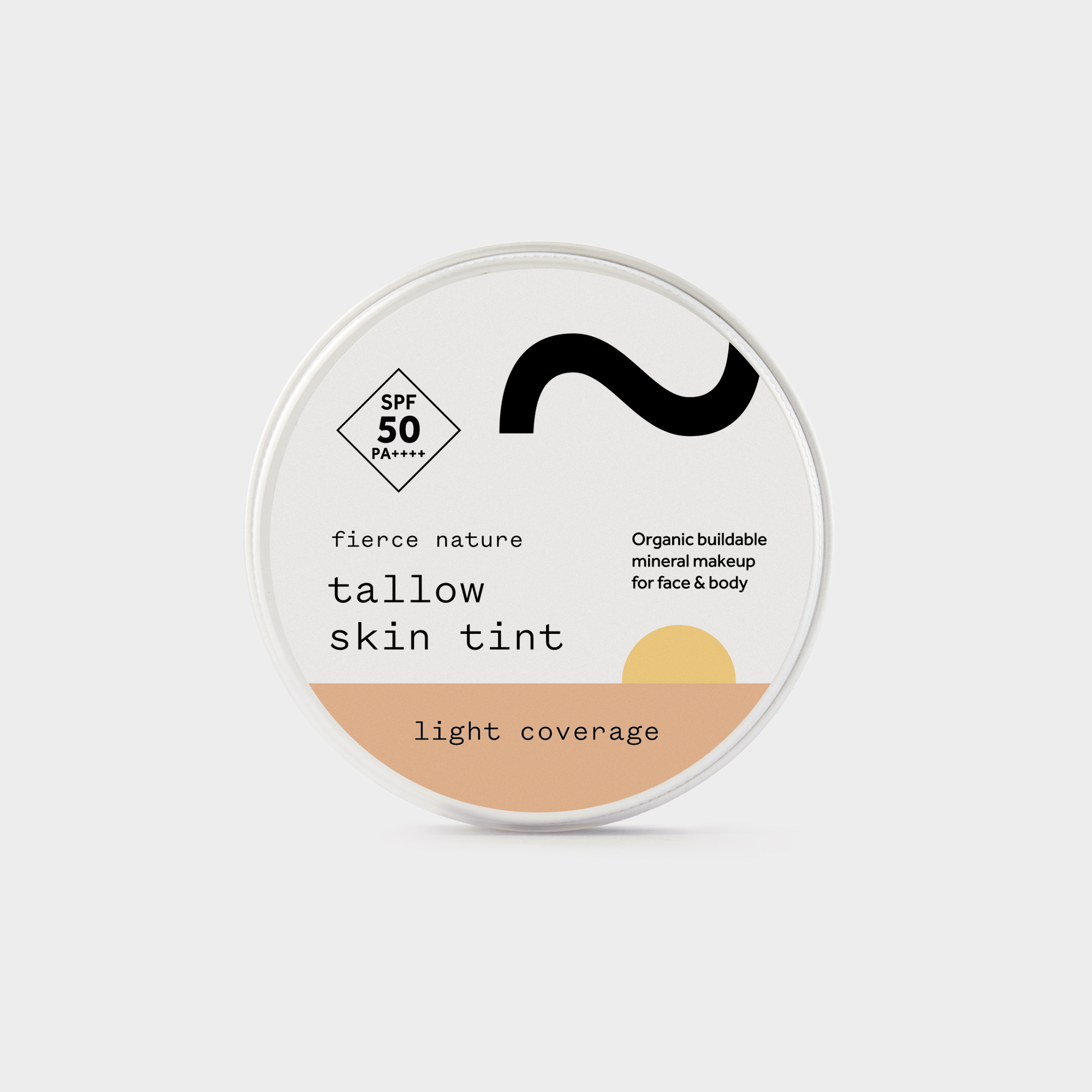
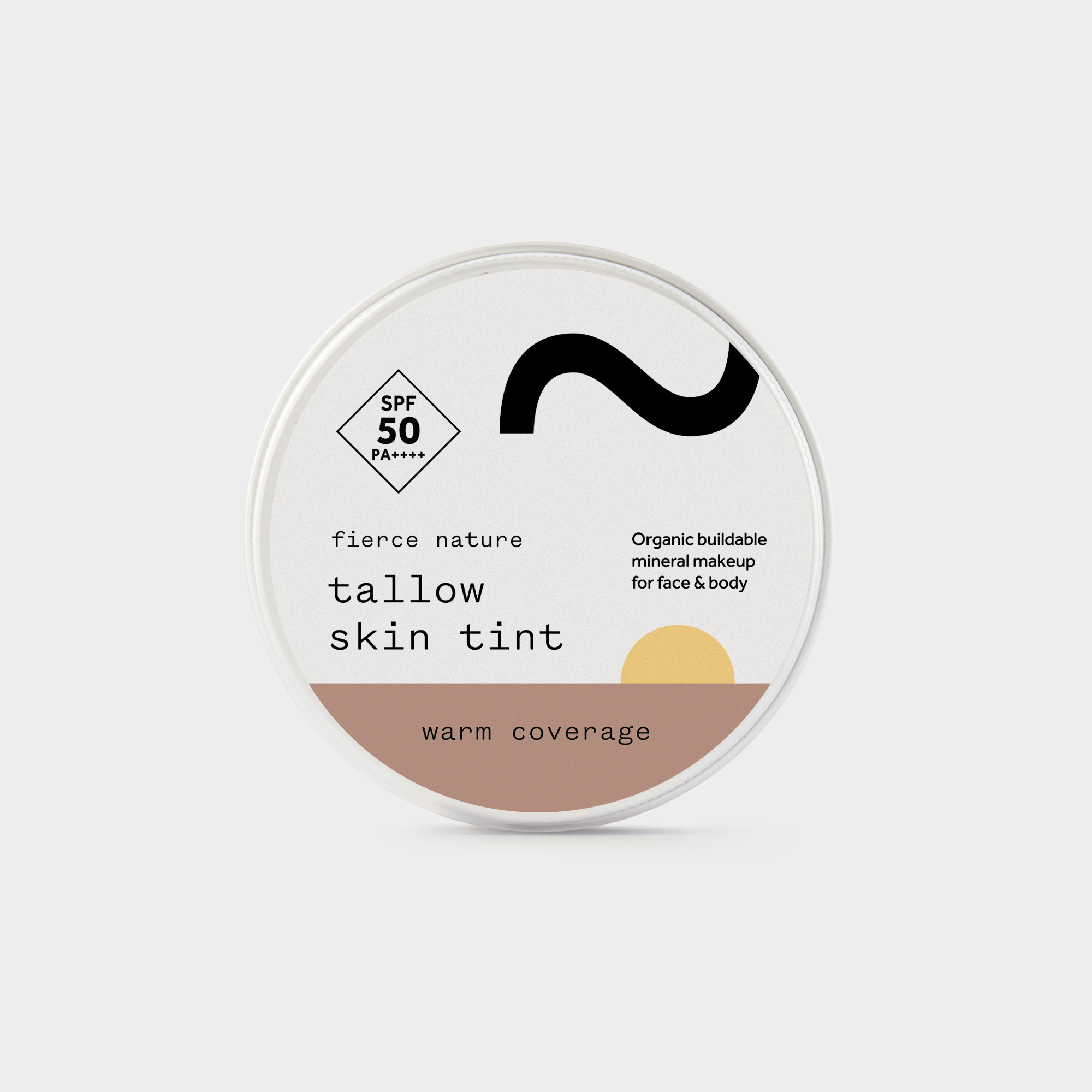
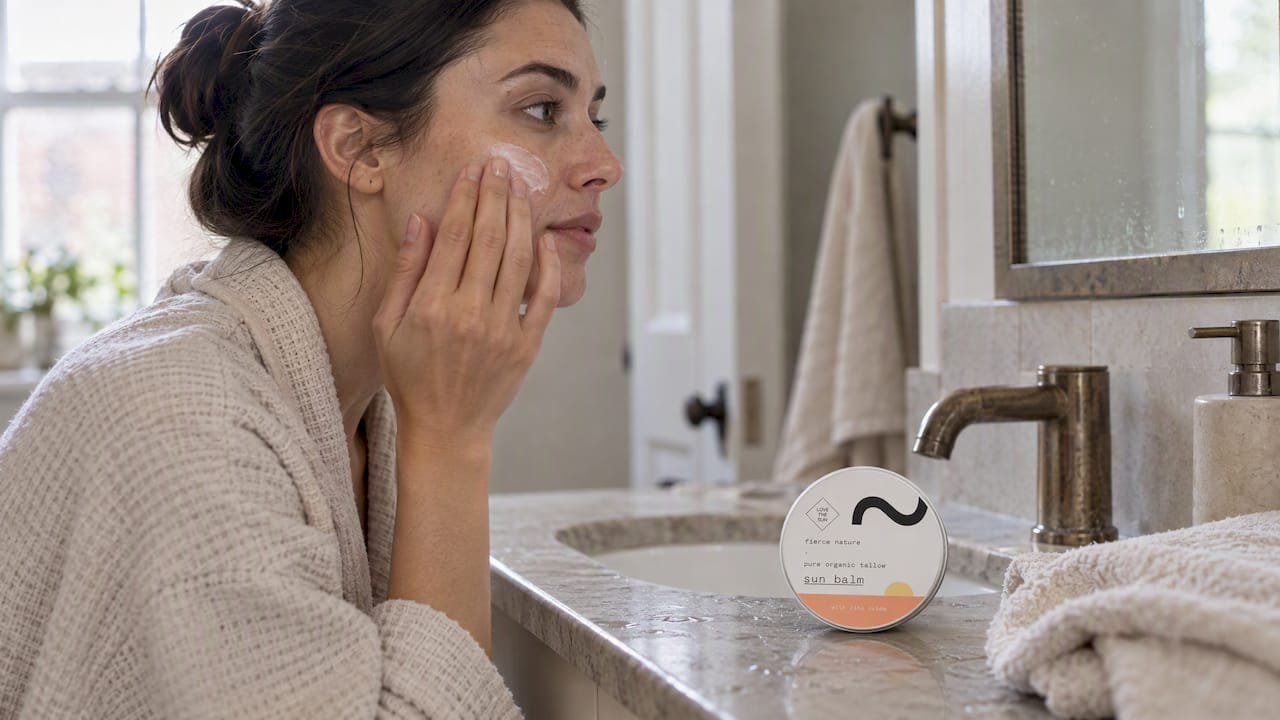
Choose a broad-spectrum tinted sunscreen with at least SPF 50 and strong UVA and visible-light protection, and wear it every day. Our sun protection balm is an option to consider in that category. Reapplying through the day matters as much as the number on the tube, and steady use is what lowers the risk of pigment returning.
TL;DR:
- SPF measures UVB protection, not UVA or visible light; choose iron oxide tint for visible light coverage and strong UVA protection, such as PA++++.
- A 2025 systematic review found iron oxide tinted sunscreens reduced MASI scores by 30–40%, compared with 15–25% for non tinted products over similar periods.
- Use two fingers’ length for the face and neck, and reapply every two to three hours outdoors, or sooner after swimming, sweating, or toweling.
- If no tinted sunscreen matches your skin, wear high SPF sunscreen with strong UVA protection and layer iron oxide makeup over it.
- Because melasma also responds to heat and hormones, sunscreen supports rather than replaces a clinician’s treatment plan, especially for resistant pigment.
Fierce Nature
Nourish Skin With Nature
Explore Fierce Nature’s handmade UK skincare, crafted with naturally sourced ingredients and organic tallow as its foundation.
Table of Contents
How do SPF, UVA and visible light feed melasma?
Melasma is more stubborn than a simple tan, and the reason is that it responds to more than one part of sunlight. A plain SPF label only tells you about one of them.
SPF measures protection against UVB, the waveband that burns skin. It is tested in people under controlled conditions, using a thick, even layer. Most of us apply far less than that in real life, so the protection you actually get is lower than the number suggests. This is why we point people with melasma towards SPF 50 or above: the higher figure leaves a margin for the thin application that happens on busy mornings.
UVB is only part of the story. Melasma-prone skin also reacts to UVA, including the longer UVA1 range that reaches deep into the skin and passes through window glass. On top of that sits visible light, particularly the blue and violet end, which can stimulate pigment-making cells in people with deeper skin tones. A sunscreen that handles UVB beautifully but lets UVA1 and visible light through leaves a gap that pigment can exploit.
Here is what to look for as a result:
-
A high SPF of 50 or above, to allow for the lighter application most of us manage.
-
Strong UVA protection, shown by a rating such as PA++++ or a UVA seal on the pack.
-
Visible-light cover, which in practice means a tint containing iron oxides, since a clear lotion cannot block what you can see through.
-
A finish you will actually wear, because a sunscreen that feels chalky or heavy tends to be skipped.
That last point deserves its own weight. Clinical reviews report that many people with melasma underuse sunscreen in everyday life, and cosmetic acceptability is one of the main reasons. The best formula on paper does nothing if it sits in a drawer.
So the practical takeaway is straightforward. Seek out high SPF, proven UVA protection and a tint, and then pick the version whose texture and shade you genuinely like. Protection you enjoy using is protection you will keep using, and with melasma, consistency is the whole game.
Why do tinted sunscreens with iron oxides work better for melasma?

If you take one thing from this article, let it be this: the tint is not just cosmetic. Iron oxides are the pigments that give a tinted sunscreen its colour, and they are also what scatter and absorb visible light. A clear mineral or chemical sunscreen cannot do that job.
A 2025 systematic review01371-5/fulltext) of studies on this question found that tinted sunscreens containing iron oxides reduced melasma severity scores (the MASI, which rates area and darkness) by 30–40%. Reviews suggest tinted formulas may outperform UV-only protection when it comes to preventing relapse.
A 2025 systematic review found tinted, iron-oxide sunscreens cut MASI scores by 30–40%, against 15–25% for non-tinted sunscreens. In plain terms, tinted sunscreens showed greater reductions in MASI scores than non-tinted sunscreens in the review.
Trials that compare sunscreens protecting against both UV and visible light with UV-only products point the same way. People using the broader protection tend to see larger improvements and fewer flare-ups, especially when they are also using a prescribed depigmenting treatment. Reviews of photoprotection in skin of colour reach a similar conclusion and recommend tinted, iron-oxide formulas over non-tinted ones for anyone prone to hyperpigmentation.
The catch is cosmetic. A tint that does not suit your skin is a tint you will stop wearing, and clinicians who work with pigmentation note that chalky or mismatched formulas are a common reason people abandon them. So make the shade work for you:
-
Try more than one shade. Test along the jawline in daylight rather than under shop lighting, and give it a few minutes to settle, since tints often deepen slightly as they dry.
-
Blend thoroughly. Work the product out towards the hairline and down the neck so there is no visible edge.
-
Layer if you need to. When no sunscreen tint matches you perfectly, wear your best-matching high-SPF sunscreen and add a foundation or tint that contains iron oxides over the top. You get your UV protection from the sunscreen and extra visible-light cover from the makeup.
-
Keep your routine simple. The fewer steps between you and a protected face, the more likely you are to do it daily.
If you like the idea of colour that works with your skincare, our Skin Tints are worth exploring, and our blog post on clean colour and tinted balm explains how we think about it. For readers still working out their match, our skin tint page and shade variations page are good places to compare options.
How do you choose a sunscreen for melasma?
Standing in front of a shelf of tubes, it helps to have a short checklist. Work down it in order and you will rule out most of the wrong choices quickly.
Start with the measurable features:
-
SPF 50 or higher. This gives you a buffer for real-world application.
-
A strong UVA rating. Look for PA++++ or an equivalent UVA mark. UVA1 is a key driver of pigment, so this is not optional.
-
Iron oxides in the ingredient list. They are your visible-light protection. If the sunscreen is tinted but you cannot see iron oxides listed, ask or check before you buy.
Then consider what makes it wearable:
-
Texture and finish. You want something that sinks in or sits comfortably without a heavy white cast. Balms, creams and lightweight lotions all work if they feel right on your skin.
-
Tint range. A wider range of shades means a better chance of a good match, which means better adherence.
-
Water resistance. Useful if you sweat, swim or are outdoors a lot, though it never replaces reapplying.
-
A gentle base. Skin that flares with melasma is often reactive, so a non-irritating formula helps avoid inflammation that can darken pigment further.
-
Helpful extras. Antioxidants and niacinamide can be nice additions to a daily sunscreen, though they come second to the protection basics.
If no tinted option suits your skin tone, do not fall back on a clear, low-protection product. Use a high-SPF sunscreen with strong UVA cover, then add a camouflaging foundation or powder that contains iron oxides over it. This two-step approach gives you the broad protection that melasma needs while still letting you control the colour.
Pro Tip: Buy the smallest size first. Try it in your normal routine before committing to a bigger tube, because the true test of a melasma sunscreen is whether you still reach for it on a rushed morning.
For current details about our sun protection balm, see its product page. You can read the full details on its product page.
How should you apply and reapply sunscreen for melasma?
Even the best formula underperforms if too little goes on. The tested level of protection assumes a generous, even layer of product, which is more than most of us instinctively use. Here is how to get close to it without a set of scales.
-
Measure generously for your face. A common rule is two fingers’ length of product, squeezed along your index and middle fingers, for the face and neck. For a balm, that means a generous, even layer rather than a thin swipe.
-
Cover the forgotten areas. Apply to the ears, the sides of the neck, the hairline, the temples and the backs of the hands, all places where pigment likes to appear.
-
Apply early. Put it on before you go outside so it can settle into an even film.
-
Allow it to set. Let it sit before layering anything on top, so you do not rub it away.
-
Reapply every two to three hours outdoors. Do it sooner after sweating, swimming or towelling your face.
For midday top-ups, you do not have to remove makeup and start again. Many people find a stick, balm or powder touch-up the easiest way to stay protected, as long as you press it on with enough product to matter.
When it comes to layering, put your moisturiser or serum on first, then your sunscreen, then any makeup. Our morning skincare routine shows how this order fits into a simple daily ritual. Choose a daily formula for commuting and office days, and a more water-resistant one for long stretches outdoors.
Pro Tip: Set a phone reminder for reapplication on days you are outside. With melasma, a single unprotected afternoon can undo weeks of careful work.
Which sunscreen ingredients help, and which should you avoid?
Reading an ingredient list is easier once you know what you are looking for.
Mineral filters such as zinc oxide and titanium dioxide sit on the skin and reflect and scatter light. They are valued for covering a broad range of wavelengths, including UVA1 and, when combined with iron oxides, visible light. Their main drawback is cosmetic: older or poorly formulated versions can leave a white cast, particularly on deeper skin tones. That is exactly why the tint matters, because iron oxide pigments help balance the cast and give a more natural finish. Chemical filters absorb UV and are often lighter in feel, but on their own they do little against visible light, and some people find them more irritating.
Helpful companions to look for:
-
Antioxidants such as vitamin C and vitamin E, which support skin against environmental stress.
-
Niacinamide, a gentle ingredient often used for tone and barrier support.
-
Soothing, non-irritating bases that keep reactive skin calm.
You may also hear about depigmenting agents like hydroquinone. These belong to a treatment plan guided by a clinician and are separate from sunscreen. Think of them as the active work, and your sunscreen as what protects that work from being undone.
Ingredients to be wary of if your skin is reactive:
-
Strong fragrance and essential oil blends, which can provoke irritation.
-
Alcohol-heavy formulas that dry and sting.
-
Harsh exfoliating acids layered under sunscreen without guidance.
Irritation matters because inflammation can leave behind darker marks, so a product that makes your skin angry works against you even if its SPF is high. When in doubt, patch-test behind the ear for a few days before using something new on your face.
What do trials and reviews say about tinted, high-SPF photoprotection?
The clinical picture is consistent, even if it is not perfect. Here is a summary of the main findings and what they mean for you.
| Finding |
What it suggests |
| Tinted sunscreens with iron oxides reduced MASI scores by 30–40% in a 2025 systematic review |
Visible-light protection adds meaningful benefit |
| Non-tinted sunscreens reduced MASI scores by 15–25% over similar periods |
UV-only protection helps, but less |
| Trials of UV plus visible-light sunscreens show larger improvements and fewer relapses |
Broad protection supports depigmenting treatment |
| Reviews report low everyday sunscreen use among people with melasma |
Adherence is a real-world weak point |
Studies of sunscreens used alongside depigmenting treatments found that broader protection helped results last, which fits with clinical guidance that treating melasma without strict photoprotection invites relapse.
There are limits worth knowing. Many of these studies are small, and they differ in how long people were followed, which products they used and how much they applied. The results describe averages, not a promise for any one person. What stands out across all of them is that adherence and cosmetic acceptability decide how well the science translates to real life. A tinted, high-SPF product you wear faithfully will always outperform a perfect one you avoid.
Melasma also responds to heat and hormones, so even the best protection works alongside, not instead of, a clinician’s plan. If your pigment is resistant, a dermatologist can tailor treatment to you.
Our view on natural tinted SPF for sensitive, pigmented skin
We started Fierce Nature because I grew up battling rashes and reactions, and I never understood why. That experience shapes how we think about sun protection. For skin that is both pigmented and sensitive, we wanted to create a balm that fits into a skincare routine.
We want to be honest about what that means. We build our products with care for skin and its needs. We do not claim to treat or cure melasma, because sunscreen is a protective step within a wider plan. For product details, read the information on the product page, and patch-test first if your skin is easily upset. If your pigmentation is stubborn or worsening, speak to a clinician who can tailor a plan to you.
— Fierce Nature
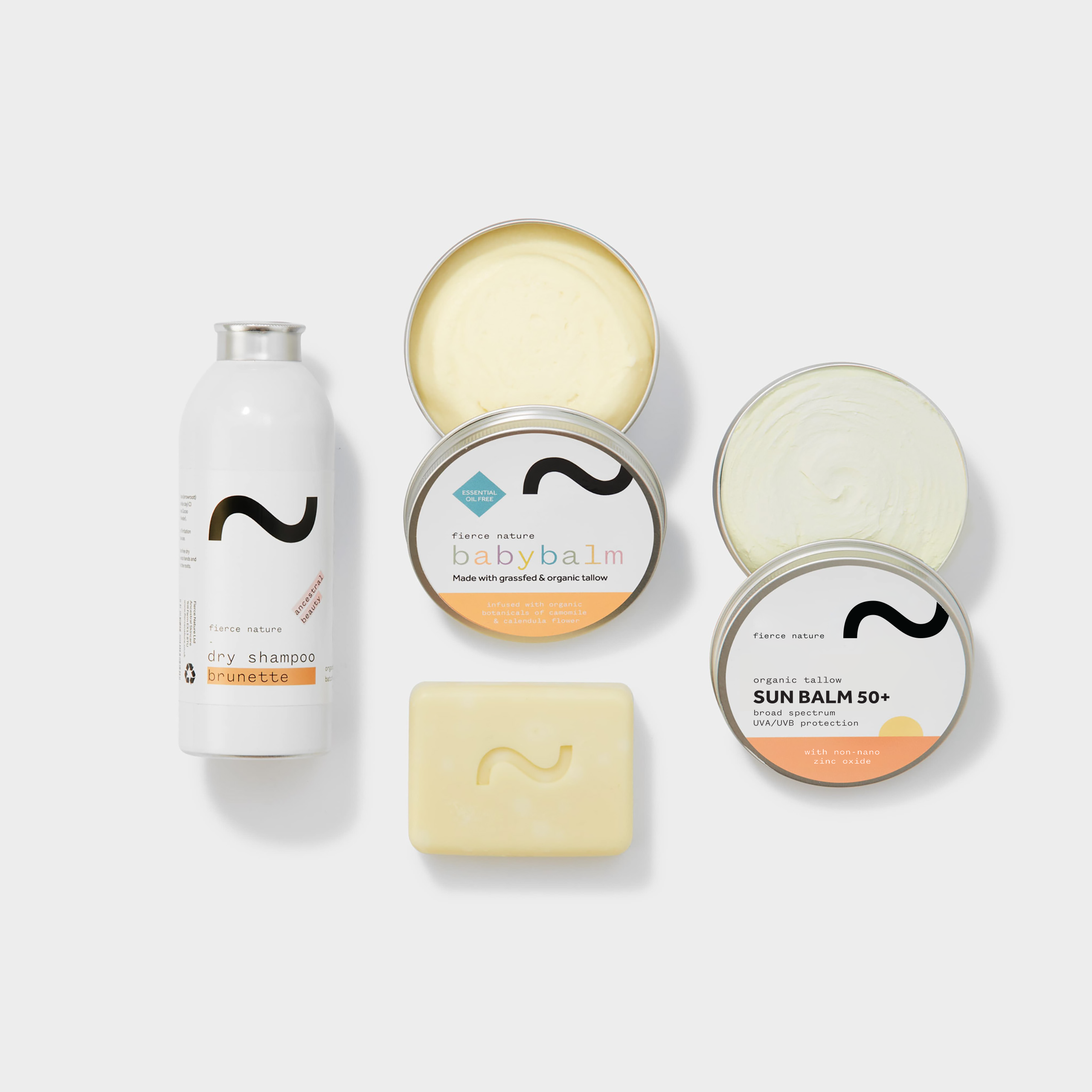
New Sun Balm SPF 50+ PA++++: made for daily protection
For current details about our sun protection balm, see its product page. It brings together the features that matter for melasma-prone skin:
-
Sun protection, for daily use.
-
A skincare balm to incorporate into your routine.
-
Handmade in the UK, in a tallow-based balm.
Wear it as the final skincare step each morning, and press a little more on at midday over or under makeup. It pairs well with our Skin Tints if you like extra colour. Head to the product page for the full ingredient list, lab details and to order.
This article is general information, not a substitute for advice from a qualified doctor. Consult a qualified healthcare professional about your own circumstances before acting on anything here.
FAQ
What SPF is best for melasma?
SPF 50 or higher is the usual recommendation. The higher number gives a buffer, because most people apply less sunscreen than the amount used in testing. Pair it with strong UVA and visible-light protection.
What is the best sunscreen for melasma and hyperpigmentation?
The best choice is a broad-spectrum, tinted sunscreen with iron oxides, high SPF and a UVA rating you trust. It should also feel pleasant enough to use daily. Our New Sun Balm SPF 50+ PA++++ fits that description.
What do Koreans use for melasma?
Many Korean routines lean on high-SPF, high-PA sunscreens worn daily, often with gentle skincare underneath. The principle matches the clinical advice here: consistent, broad protection and low irritation. Look for the PA++++ mark for strong UVA cover.
Is La Roche Posay sunscreen good for melasma?
We cannot speak for other brands, so check any product against the same checklist: SPF 50 or higher, strong UVA protection and iron oxides for visible light. If a sunscreen is untinted, consider layering it with an iron-oxide makeup. Your clinician can advise on your specific skin.
Can I wear sunscreen indoors if I have melasma?
Yes, it is sensible to. UVA1 passes through window glass, and visible light comes from screens and indoor lighting as well as the sun. A daily tinted sunscreen covers you on days when you barely leave the house.
Recommended