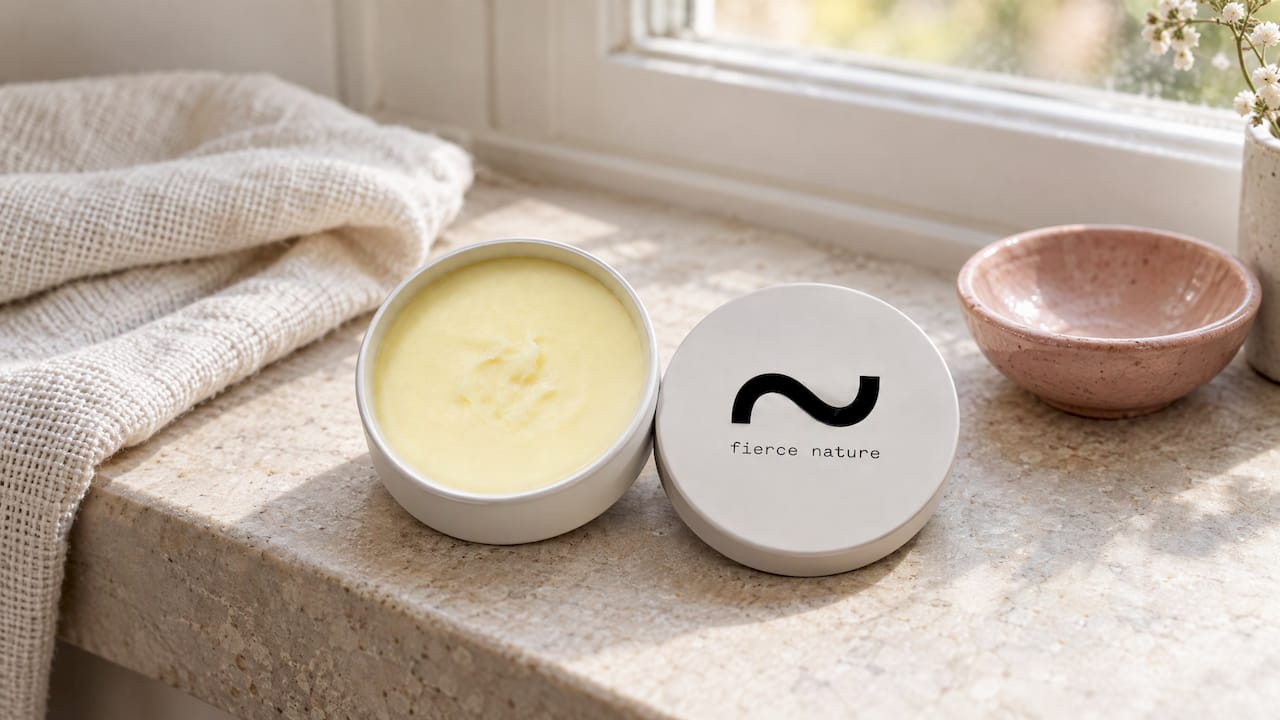
Natural ingredients
•
Kind to skin
•
A healthier planet
Hemos enviado un correo electrónico con un enlace para actualizar su contraseña.
Restablecer su contraseña
Le enviaremos un correo electrónico para restablecer su contraseña.
Tallow Allergy: Can You React to Tallow Skincare?
Ralph Barrozo
0 comentarios
Yes, it is possible to react to tallow skincare, though true allergy is uncommon. Any product that touches your skin can trigger a reaction in someone, and that includes natural, simple formulas. Most skin reactions to balms turn out to be irritation or a reaction to another ingredient, such as fragrance, rather than an allergy to tallow itself. The people who need most care are those with a diagnosed beef allergy or alpha-gal syndrome, and anyone whose skin is already inflamed or very reactive.
We make tallow balms by hand in the UK, and we want you to feel confident before you put anything new on your skin. This guide explains what a tallow allergy would look like, how to tell it from irritation or a breakout, how to patch test properly, and what to do if your skin does not agree with a product.
Fierce Nature
Choose Skincare With Care
Fierce Nature makes handmade UK tallow skincare with naturally sourced ingredients, so you can explore the range before trying a new balm.
A true allergy to tallow skincare is uncommon, but a reaction to any new product is possible, so a patch test is always worth doing.
Allergic contact dermatitis is delayed. Allergy UK says it can take 48 hours or more to appear, so a clear patch after a few hours does not tell the whole story.
If you have a diagnosed beef allergy or alpha-gal syndrome, speak to your GP or allergy specialist before using any beef tallow product.
If your skin reacts, stop using the product, keep to a gentle soap substitute and fragrance-free emollient, and get medical advice if it is severe or has not settled after a few days.
Tallow is rendered animal fat. In skincare it is most often beef tallow, and some makers use sheep tallow. When people search for a tallow allergy, they are usually asking one of three different things:
Am I allergic to beef, and will that matter on my skin? This is a food allergy question.
Can my skin develop a contact allergy to something in a tallow balm? This is allergic contact dermatitis.
Why did my skin go red, itchy or spotty after using it? This is often irritation, a clogged-pore breakout or a reaction to another ingredient.
These are separate things, and mixing them up is the main reason people end up confused or worried. Clinicians also treat them differently.
A food allergy involves the immune system reacting to proteins when you eat something. Allergic contact dermatitis is a delayed skin reaction that develops after the skin has become sensitised to a substance it touches. Irritant contact dermatitis is not an allergy at all. It is damage to the skin barrier from something harsh or from repeated exposure.
The evidence on tallow in skincare is still limited. The Cleveland Clinic notes that research on its effects on skin is insufficient, and that reactions are possible even in people with no known beef allergy. We would rather say that plainly and help you use tallow thoughtfully than pretend any product suits every single person. Our approach is to give you clear ingredient information and the knowledge to introduce a balm gently.
Allergy, irritation or breakout: how to tell the difference
Three things can look similar on the skin: an allergic reaction, irritation and a breakout. The timing, the look and the spread give you the best clues.
Allergic contact dermatitis
Irritant contact dermatitis
Breakout or clogged pores
Timing
Delayed, often 48 hours or more after contact
Can appear soon after contact, or build up after repeated use
Builds over days or weeks
How it feels
Itchy, sometimes painful
Stinging, burning, tightness, soreness
Tender spots, little itching
How it looks
Redness, dryness, sometimes blisters, cracked skin or weeping
Redness, dry or cracked patches
Whiteheads, blackheads, small bumps
Where
Where the product touched, and sometimes beyond
Where the product touched
Usually oil-prone areas
Typical trigger
A specific ingredient your immune system has learned to react to
Allergy UK describes contact dermatitis as potentially itchy or painful, with redness, dryness, blisters, cracked skin or even ulceration in more severe cases. It also explains that irritant contact dermatitis is more common than the allergic kind and results from barrier damage after direct contact with irritants such as harsh soaps, often with repeated exposure.
This matters, because many people who think they are allergic to a natural product are actually reacting to the way they are washing or to a fragrance.
Why the delay matters
Because allergic contact dermatitis can take two days or more to appear, the order in which you try things matters. If you start a new cleanser, a new serum and a new balm in the same week, you cannot tell which one is responsible. Introduce one new product at a time and leave a few days between each.
Rich balms and breakouts
A balm that feels wonderful on dry skin on the body or cheeks may feel too heavy on skin that is oily or prone to blemishes. That is not an allergy, but it can look like a reaction. The Cleveland Clinic points out that heavy products can worsen conditions linked with sensitive skin, such as rosacea. If you have a skin condition like this, speak to your GP or a dermatologist before adding a rich balm to your face.
Beef allergy and alpha-gal: what you need to know
This is the question we get asked most often, and it is the one where we ask you to take the most care.
Beef tallow comes from beef fat. If you have a diagnosed beef allergy, or alpha-gal syndrome (an allergy to a sugar found in mammal meat, usually linked to a tick bite, with reactions that often come hours after eating red meat), please talk to your GP or allergy specialist before you use any product containing beef tallow. Whether skin contact is a problem for you is an individual question that only someone who knows your history can answer. We do not make promises about it, and neither should anyone selling you a balm.
Some things are worth knowing:
Rendered fat is mostly fat, with the proteins largely removed. Even so, we would never tell someone with a diagnosed allergy to simply try it. Ask your specialist first.
Our products are made with grass-fed beef tallow. If you are unsure whether a product in our range suits you, there is no harm in asking us what is in it.
If you have a food allergy to something else entirely, such as nuts, check the full ingredient list of any balm. Some balms include plant oils and butters alongside tallow.
For babies and young children with eczema or a known food allergy, speak to your health visitor, GP or paediatric team before introducing any new product. You can read more in our guide to tallow and babies.
If you do not have a diagnosed allergy, your risk from tallow itself is generally low, and the same sensible patch-testing routine applies as for any new skincare.
Why a reaction might happen, and what is usually behind it
If you do react to a tallow balm, the tallow is not always the culprit. Here are the usual suspects, roughly in order of how often they cause trouble in natural skincare.
Fragrance and essential oils
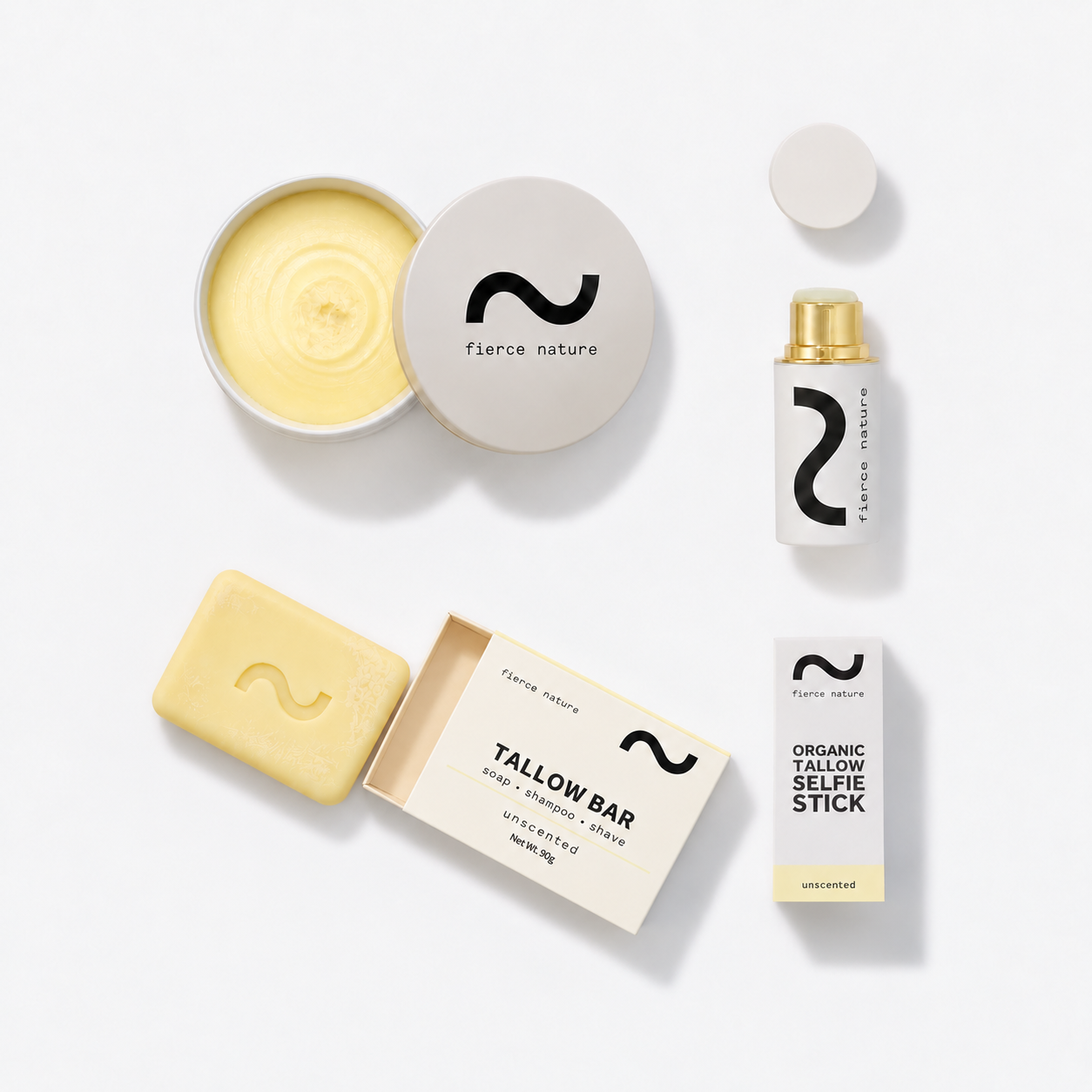
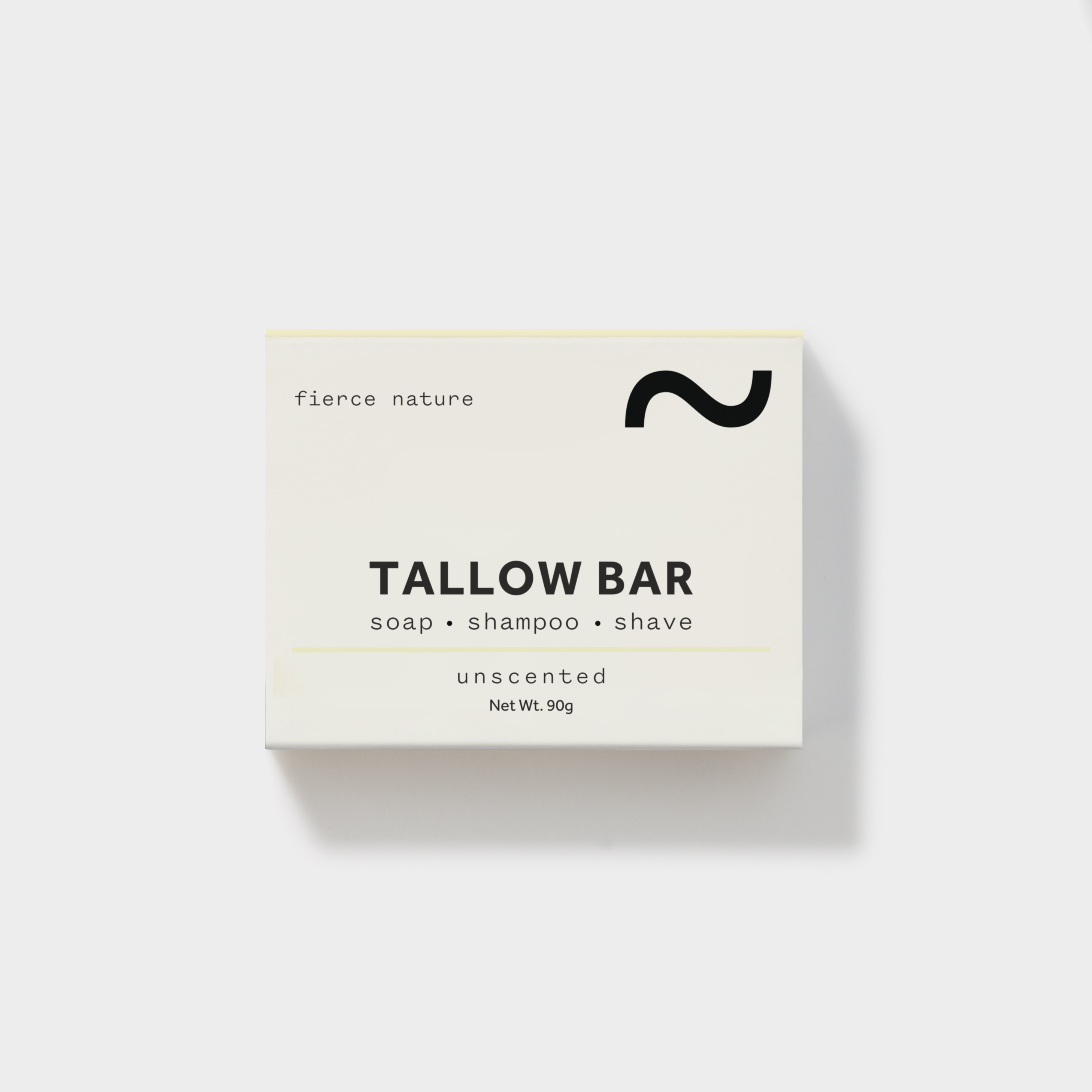
Fragrance, whether synthetic or from essential oils, is one of the best-known causes of contact allergy in cosmetics. Many people who react to a “natural” balm are reacting to a scented ingredient. This is why an unscented version is the sensible place to start if your skin is reactive. Our Nourish Balm (Unscented) and Multi-Use Tallow Bar (Unscented) are made for exactly that situation.
Freshness and storage
Animal fats contain a high proportion of unsaturated fatty acids, which makes them more prone to going rancid if they are poorly made or badly stored. A 2024 review of tallow and its biocompatibility notes that animal-derived fats can be susceptible to microbial contamination during rendering and storage, and that the unsaturated fats raise the risk of rancidity. Oxidised fats can irritate skin and may contribute to reactions.
In practice, that means:
Keep your balm in a cool, dry place with the lid on.
Use clean, dry fingers or a spatula rather than dipping in wet hands.
Pay attention to smell. A balm that smells sharp, sour or “off” should not go on your skin.
Choose a maker who is open about where the tallow comes from and how the product is made.
We make our products by hand in the UK in small batches, with ingredients we are open about. That kind of transparency is the reason many of our customers come to us.
Product quality varies
A 2025 academic study of tallow skincare on social media found dozens of retailers selling tallow products and noted that, in the United States, tallow skincare does not need pre-market approval, so quality can vary from one product to the next. In the UK, cosmetics must meet safety rules, but it still pays to buy from a maker who can tell you exactly what is in the jar and how it was made. If you buy a homemade balm from a stranger or make your own without proper hygiene, you take on risks that a properly made product avoids.
Your skin barrier
Skin that is already inflamed, cracked or recovering from over-washing absorbs things more readily and reacts more easily. If your barrier is compromised, almost any new product can sting. Calm the skin first, with gentle cleansing and a simple routine, before introducing something new.
Breakouts from rich ingredients
The same 2025 study notes that tallow contains both stearic acid, which supports hydration and barrier function, and oleic acid, which may disrupt the way lipids pack in the outer skin layer and may worsen acne for some people. That is why we suggest starting with the body, or a small area of the face, and watching how your skin responds over a couple of weeks.
How to patch test a tallow balm properly
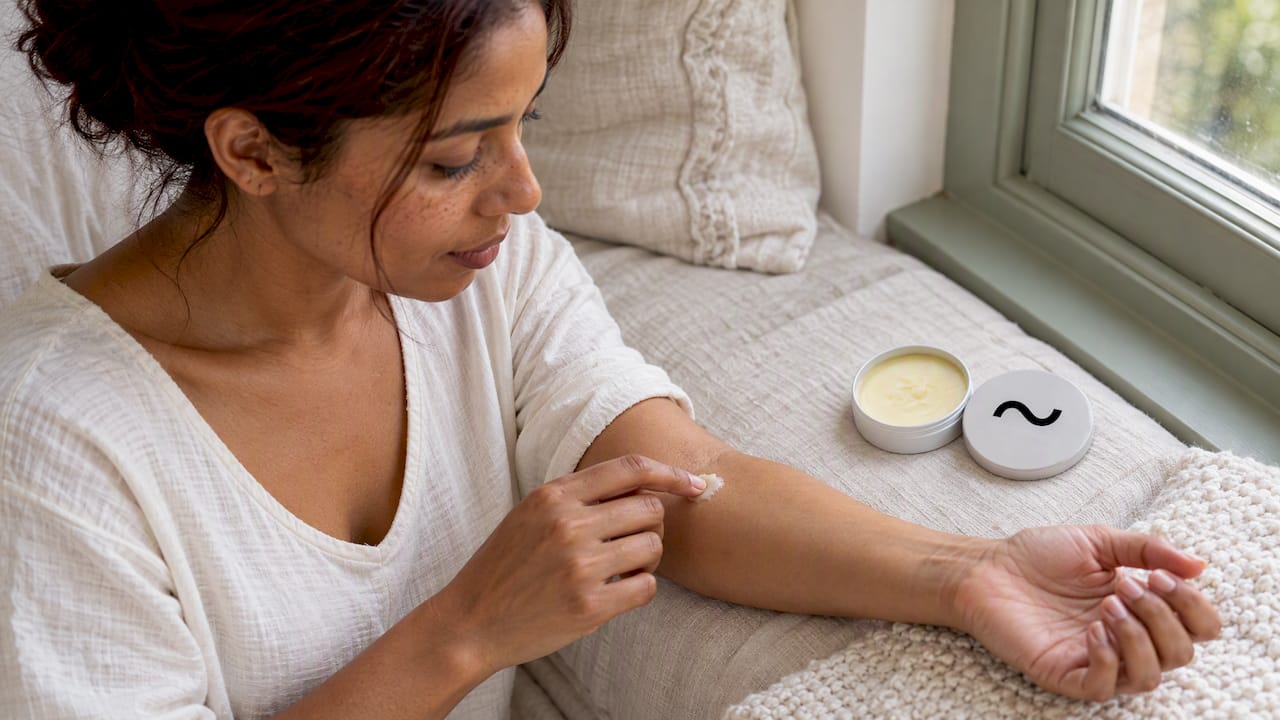
A patch test costs you nothing and is the single best way to avoid a bad surprise. Allergy UK’s guidance on cosmetics suggests applying a small amount of a product to the crease of the elbow twice daily for up to a week before using it more widely.
Here is how we suggest doing it:
Start with clean, calm skin. Do not test on skin that is already red, broken or flaring.
Choose the elbow crease or the inner forearm. The skin there is thin and easy to check.
Apply a small amount of the balm, about the size of a lentil, and rub it in gently.
Repeat twice a day for up to a week. Do not wash the area with a new or strongly scented soap during the test.
Check the area each day, including at 48 hours and beyond. Delayed reactions are the reason the test runs for several days.
Look for redness, itching, bumps, blisters, swelling or dryness that was not there before.
If the patch stays clear, move on gradually. Use the balm on a small area of the face or body first, then build up.
If you see any reaction at all, stop. Do not carry on in the hope that your skin will “adjust”. Allergy UK advises stopping use of cosmetics on the affected area when a reaction is suspected.
You can follow the same steps when you are introducing a balm to a child or a baby. Do the test on a small patch, and ask your health visitor or GP if your child has eczema or a known allergy.
A note on introducing it to your face
Facial skin is thinner and more reactive than the skin on your arms and legs. Once the patch test is clear, start with a very thin layer on a small area, for example one cheek, for a few days. Warm a pea-sized amount between your fingertips so it melts and spreads thinly. A little goes a long way, and using less is gentler on skin that is new to balms.
What to do if your skin reacts
The advice from Allergy UK is clear and calm. Here is how we would summarise it.
Stop using the product and any other cosmetics on the affected area.
Wash gently with a soap substitute rather than your usual soap or cleanser.
Use a fragrance-free emollient to keep the skin comfortable.
Give it a few days. Allergy UK’s guidance on cosmetics says to seek medical advice if the reaction is severe or if symptoms do not settle after a few days. A pharmacist or GP may suggest a mild topical steroid for a short course, which should only be used as they advise.
Keep the product and its packaging, with the ingredient list, so a clinician can see exactly what you used.
Do not try several new products at once while your skin recovers. Keep things simple.
When to get help quickly
Some symptoms need urgent medical attention rather than waiting:
Swelling of the lips, tongue, face or throat
Difficulty breathing or wheezing
Widespread hives, or feeling faint or very unwell
Rapidly spreading redness, pain, pus or fever, which can be a sign of infection
If you have swelling of the face, lips or tongue or any breathing difficulty, call 999. For a rash that is severe, painful, blistering or not settling, contact your GP or NHS 111. If you have a baby with a reaction, get advice from a health professional the same day.
How clinicians investigate a suspected skin allergy
If your reaction keeps happening or you cannot work out the cause, a GP can refer you to a dermatology department. According to Allergy UK, a clinician will ask about your medical history and the products you use, and examine the affected area.
The key test for allergic contact dermatitis is patch testing, which is done at a clinic once your skin has calmed. Small amounts of common allergens are held against your back on patches for a couple of days, and the skin is checked afterwards. Allergy UK is clear that skin-prick tests and blood tests for IgE are not useful for diagnosing this type of reaction. Those tests are for different kinds of allergy, such as food or hay fever.
This is also the route to finding out whether you are sensitive to a fragrance mix, a preservative or a plant extract. Many people discover that the answer has nothing to do with tallow at all. Take the packaging of the products you use to the appointment. It helps.
Choosing and using a tallow balm well
If you have sensitive or reactive skin, these habits give your skin the best chance of enjoying a balm.
Start unscented. Fragrance is a common cause of reactions, so an unscented balm removes one variable.
Read the full ingredient list. A short list is easier to understand, and if you do react, easier to trace.
Introduce one product at a time, and wait a week before adding the next.
Use less than you think. A thin layer on slightly damp skin spreads further and feels lighter.
Apply to the body before the face. This gives you a gentler first trial.
Store it well. Cool, dry, lid on, clean hands.
Wash gently. Hot water and harsh soaps are a common reason for sensitive skin to flare, whatever you moisturise with. If you want to see how a tallow soap fits into a gentle routine, read our guide to beef tallow soap.
For more on how we think about reactive skin, see tallow for sensitive skin, and if your concern is eczema in particular, our article on tallow balm and your skin barrier goes into more detail. If you live with eczema, rosacea or perioral dermatitis, please agree any new product with your GP or dermatologist first. We cover our approach to that last condition in our perioral dermatitis article.
Our perspective on tallow and sensitive skin
We started Fierce Nature because of our own experience. Growing up, mainstream cosmetics, shaving gels, hair removal creams and lipsticks left us with rashes and reactions we could never explain. Learning about gut health and the toxic load our bodies carry showed us how much we put on our skin without thinking.
That is why we make our balms the way we do. Every product is handmade in the UK, with organic, grass-fed tallow as the foundation and naturally sourced ingredients we are happy to be open about. Tallow has been used for centuries as a skin emollient, and we believe it nourishes in a way that works with your skin, not against it.
We also believe that being kind to skin means being honest. No product, natural or otherwise, suits every person. So we encourage everyone to patch test, to begin with an unscented balm if their skin is easily upset, and to speak to a doctor if they have a diagnosed allergy or a skin condition. A short, clear ingredient list is our promise, because it lets you make a confident choice and, if your skin ever does react, lets you work out why.
When you give your skin simple, nourishing care and a little patience, it often shows you the glow it has been waiting to show.
Fierce Nature
Ready to try a gentle balm?
If you would like to begin carefully, our Nourish Balm (Unscented) is a simple place to start, and you can browse the full range of face and body balms to find the one that suits your routine. Patch test first, introduce it slowly, and let your skin tell you how it feels.
FAQ
Can you be allergic to tallow?
Yes, it is possible, although it is uncommon. Reactions to tallow skincare can occur even in people with no known beef allergy, and a delayed contact allergy can take 48 hours or more to show. A patch test on the elbow crease before wider use is the sensible way to check how your skin responds.
What does an allergic reaction to a tallow balm look like?
Typically you would see redness, itching, dryness, bumps or, in more severe cases, blisters or cracked skin where the balm was applied. Because it is delayed, it may appear a day or two after use. Stop using the product and see your GP or pharmacist if the reaction is severe or has not settled after a few days.
Is it safe to use tallow if I have a beef allergy or alpha-gal syndrome?
Because beef tallow comes from beef fat, please speak to your GP or allergy specialist before using it if you have a diagnosed beef allergy or alpha-gal syndrome. They know your history and can advise you personally. Do not simply test it on your skin without that advice.
How do I know if it is an allergy or just irritation?
Irritation is more common and often shows up as stinging, tightness or soreness, particularly after harsh washing or repeated exposure. An allergy tends to be itchy and delayed, and can spread beyond where the product touched. If you cannot tell, stop the product and keep your routine very simple. A clinician can arrange patch testing if it keeps happening.
What should I put on a reaction to a skincare product?
Stop the product, wash with a soap substitute and use a fragrance-free emollient. Allergy UK advises seeking medical advice if the reaction is severe or does not settle after a few days, and a pharmacist or doctor may suggest a mild steroid cream for a short time. Call 999 if you have swelling of the face, lips or tongue or any difficulty breathing.