Chariot
0
80 % également ajouté à ceci


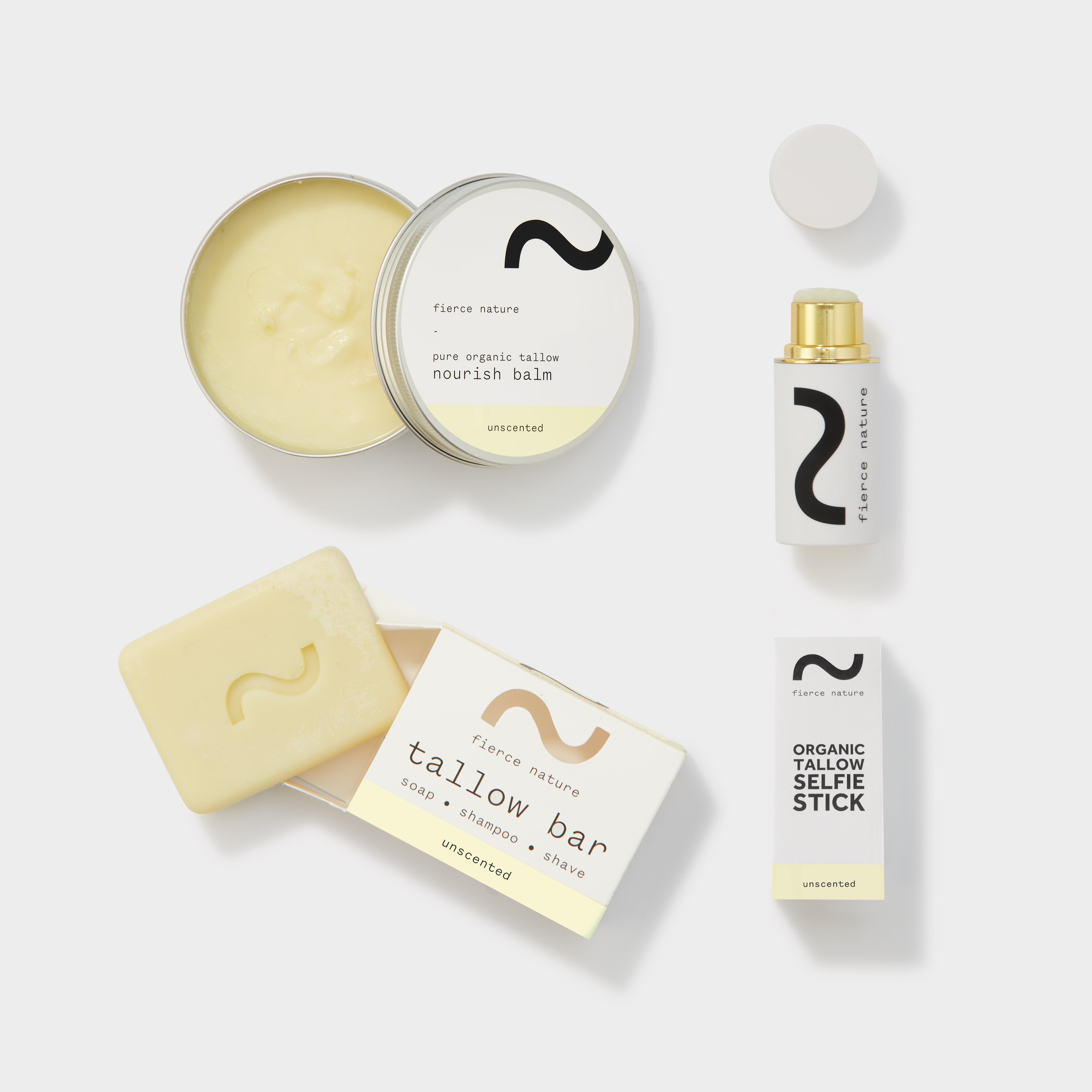
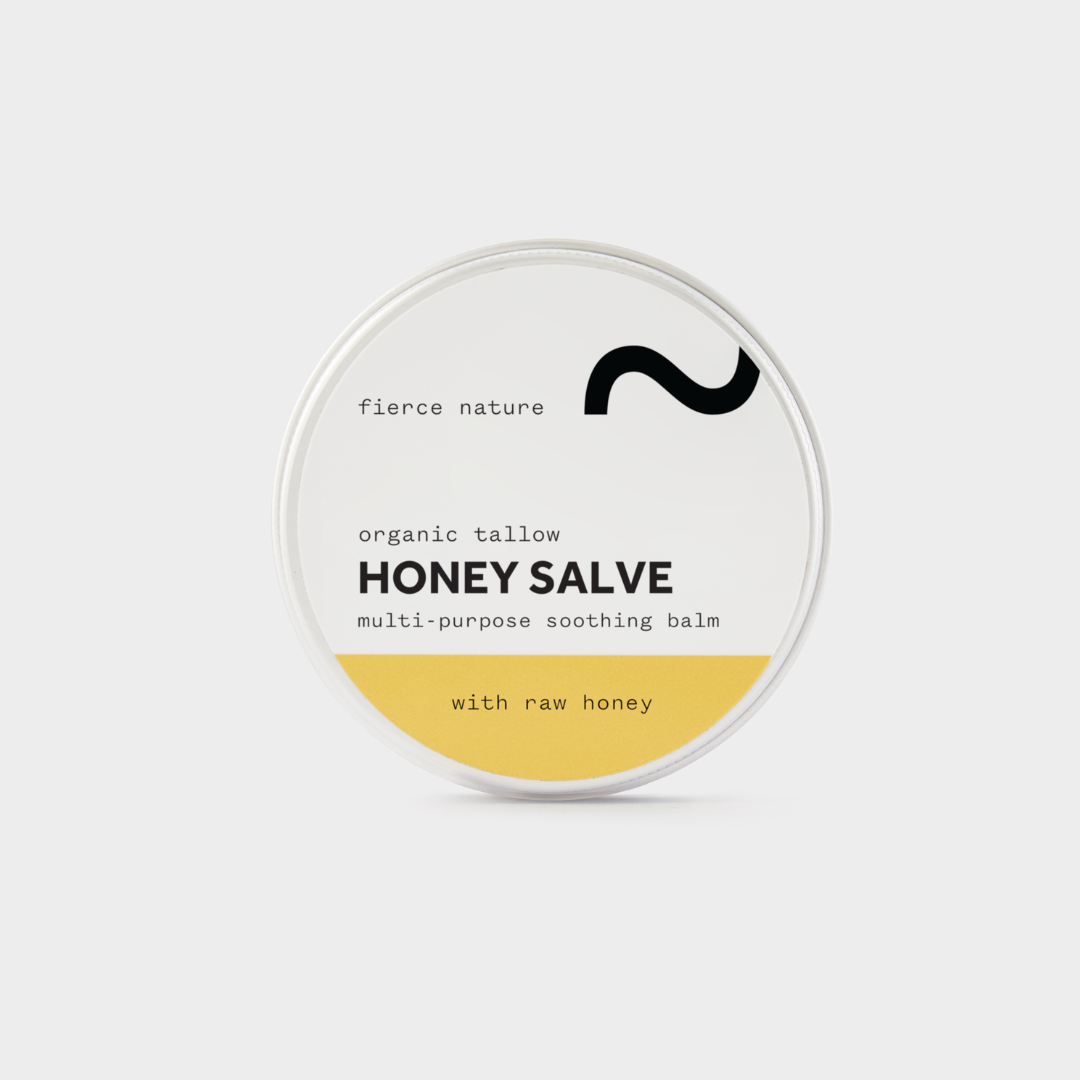
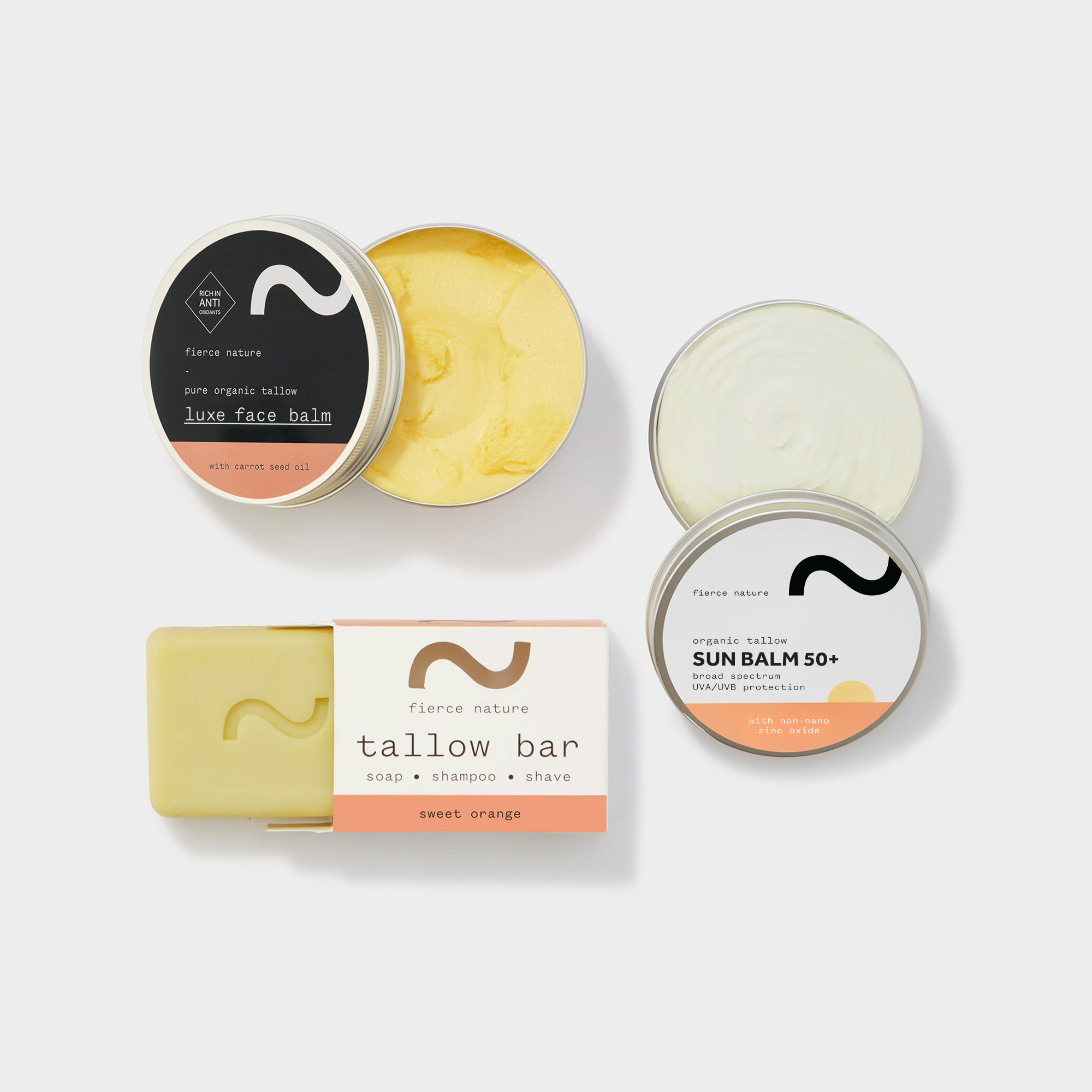
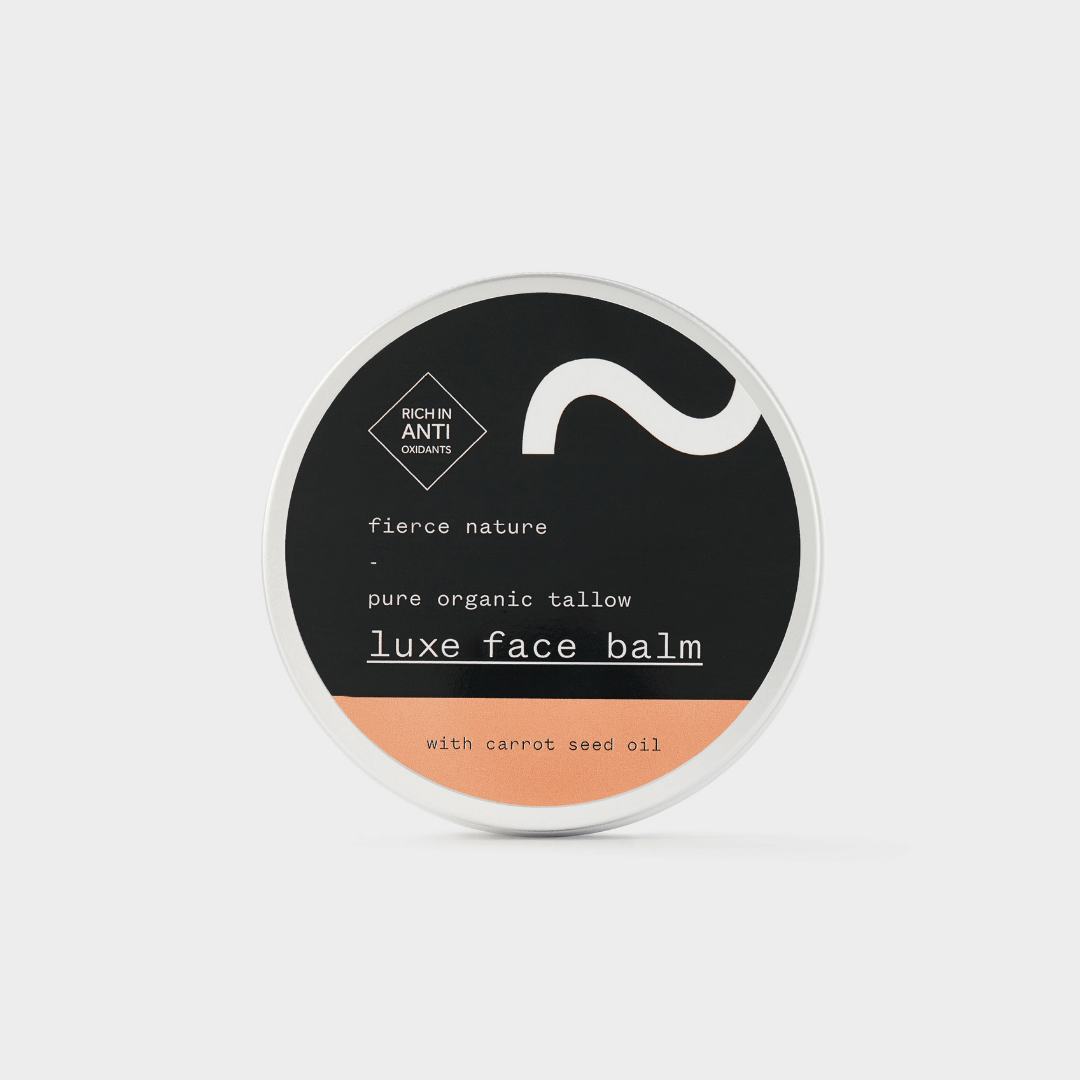




Yes, dry shampoo can leave visible residue that contributes to scalp buildup, and the immediate step is to remove that residue gently and get back to regular water-based cleansing. Most cases clear up within a short period of simple home care. If redness, pain or flaking persists beyond that, it is worth asking a doctor or dermatologist to take a closer look.
TL;DR:
- Brush the roots before wetting your hair, then massage gently, shampoo once, and rinse thoroughly; avoid harsh scrubbing and heavy oils on irritated scalps.
- Limit dry shampoo to a couple of uses between washes; daily use for a week can leave residue, while powder formulas overspray less than aerosols.
- For seborrhoeic dermatitis, leave ketoconazole shampoo on for five minutes, use it twice weekly for up to four weeks, then every one to two weeks.
- Seek a clinician for severe redness, pain, crusting, a spreading rash, or rapid hair loss; home care may take two to four weeks to improve buildup.
Scalp buildup is the layer that forms when sebum, sweat, dead skin cells and leftover product sit on the scalp instead of washing away. Dry shampoo adds to this mix directly: most formulas rely on starches or clays to soak up oil at the roots, and if you never follow up with a proper wash, that powder stays put along with everything it has absorbed.
A light dusting after one skipped wash is usually just surface residue, brushed out easily. Buildup becomes stubborn when powder layers accumulate over several days or weeks without a proper cleanse, forming a film that clings to the scalp and coats individual hairs.
Buildup rarely comes from one source. Dry shampoo, natural oil production, sweat from exercise, humidity and other styling products often combine, and relying on dry shampoo as a stand-in for washing makes the mix heavier.
Watch for:
Scalp buildup is an accumulation of sebum, sweat, dead skin cells and product residue that can flake off and resemble dandruff, which makes it easy to confuse with other scalp conditions.
Seborrhoeic dermatitis can look similar, with red, scaly, greasy patches, and genuine buildup from product can sit on top of it or mask it entirely. If flaking is greasy rather than dry, or appears alongside redness, it is worth considering that something more than residue is involved.
Dermatology guidance generally treats occasional dry shampoo use as low risk. The concern is chronic, exclusive reliance on it instead of regular washing, which can leave the scalp irritated and, over time, may contribute to hair becoming drier and more prone to breakage at the roots.
Clinical treatments sometimes recommended for related scalp conditions include:
One point worth remembering: a layer of residue can disguise what is actually happening underneath. If flaking or itching does not settle with simple removal and a short break from heavy product use, it may be worth ruling out an underlying condition rather than assuming it is purely cosmetic buildup.
Clearing residue works best as a short, deliberate routine rather than one aggressive wash.
Pro Tip: Do the brushing step over a towel or sink. Watching how much powder actually comes loose is a good reminder of why mechanical loosening matters before you even reach for shampoo.
Give the scalp a day or two to settle before reintroducing dry shampoo, and keep an eye on whether flaking or itching improves once the residue is gone.
Most buildup comes down to how dry shampoo gets used, not whether it gets used at all.
Pro Tip: If your scalp feels tight or itchy the day after using dry shampoo, that’s usually a sign to switch to a gentler, lower-residue formula rather than simply using less of the same product.
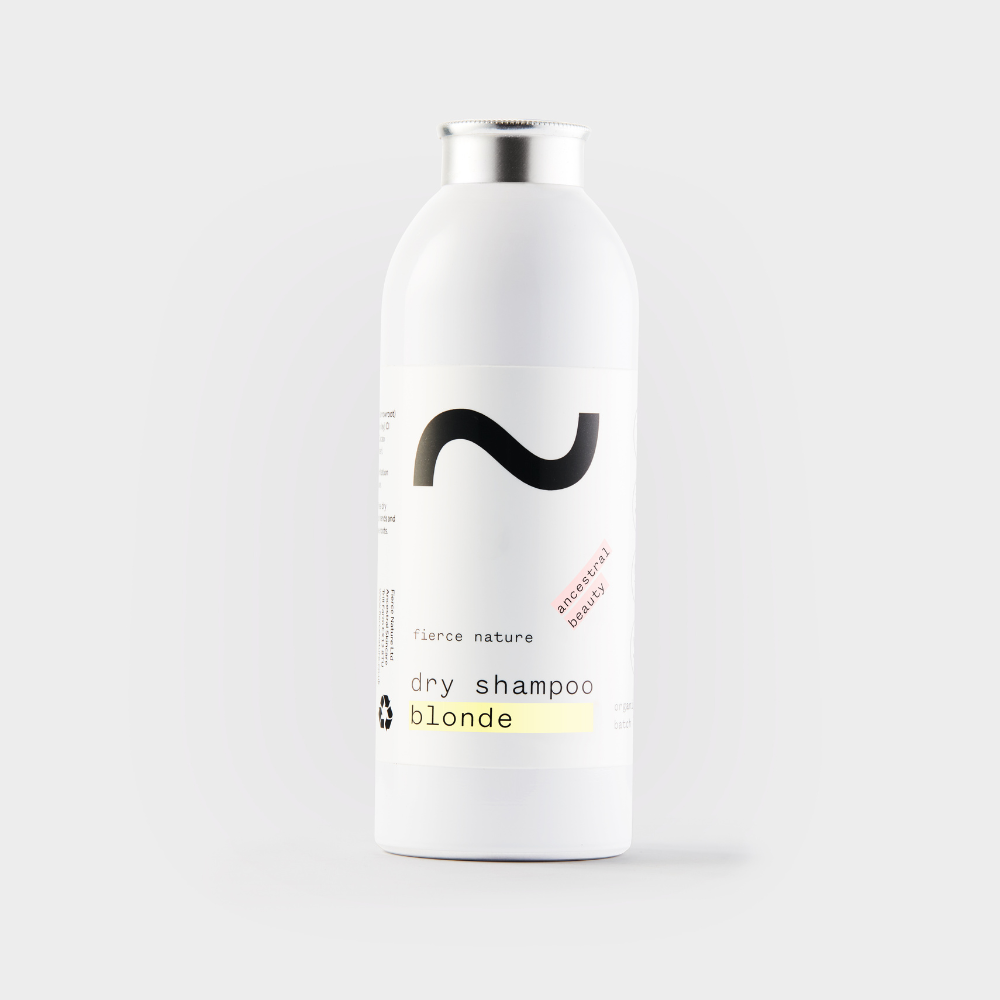
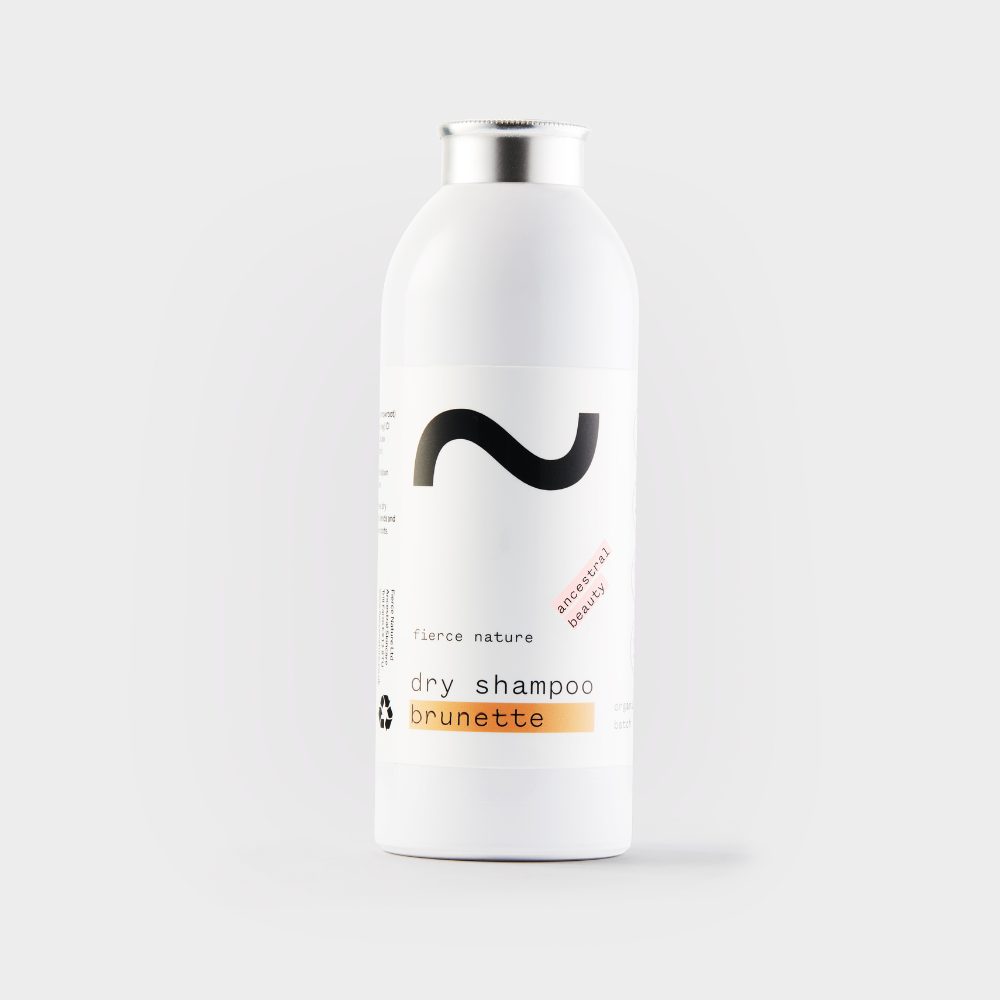
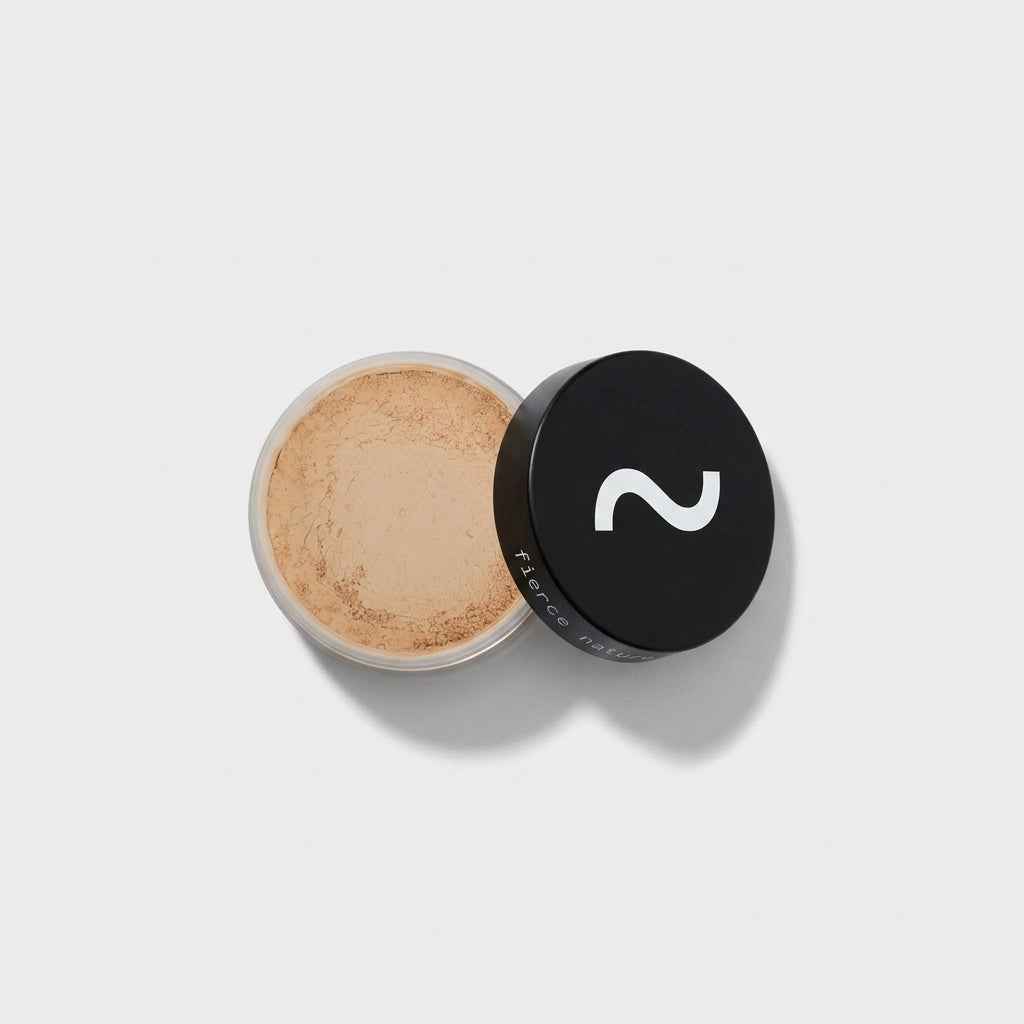
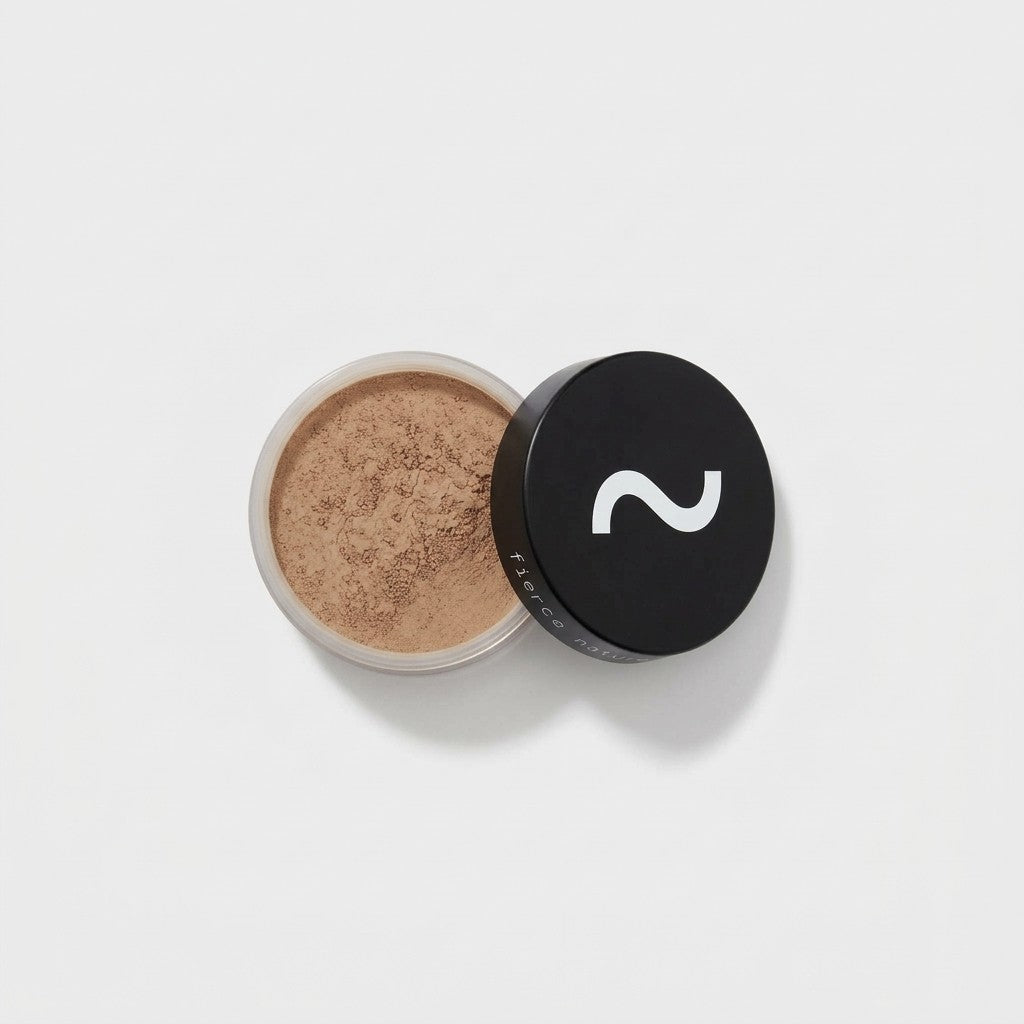
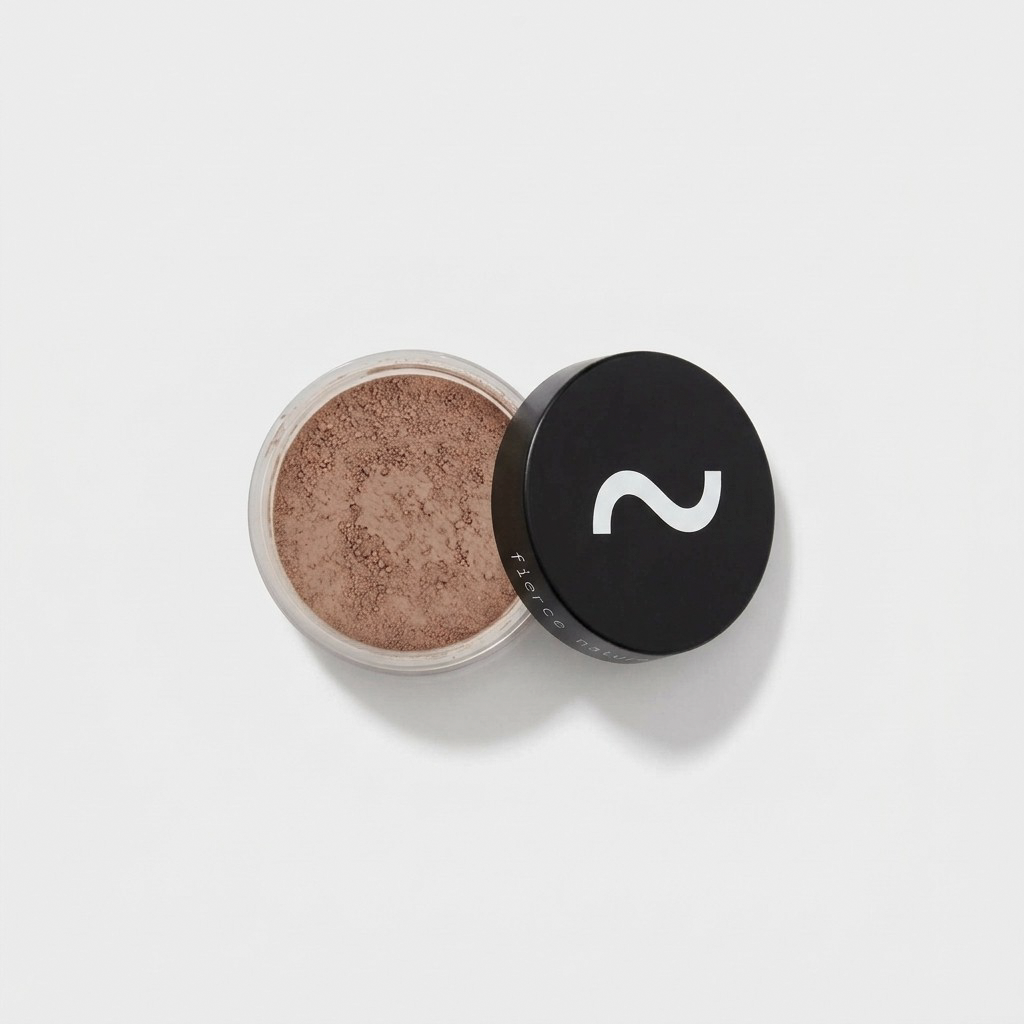
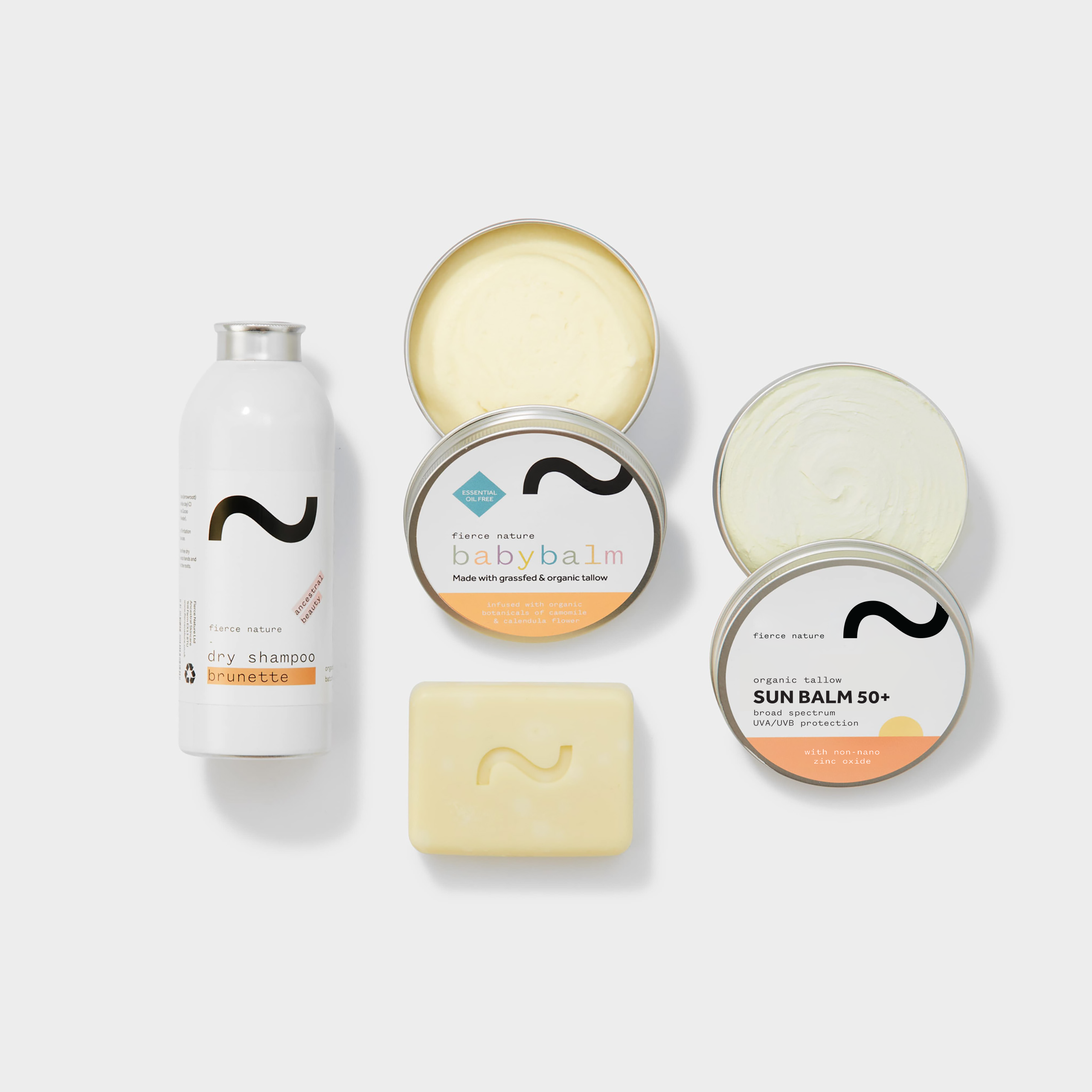
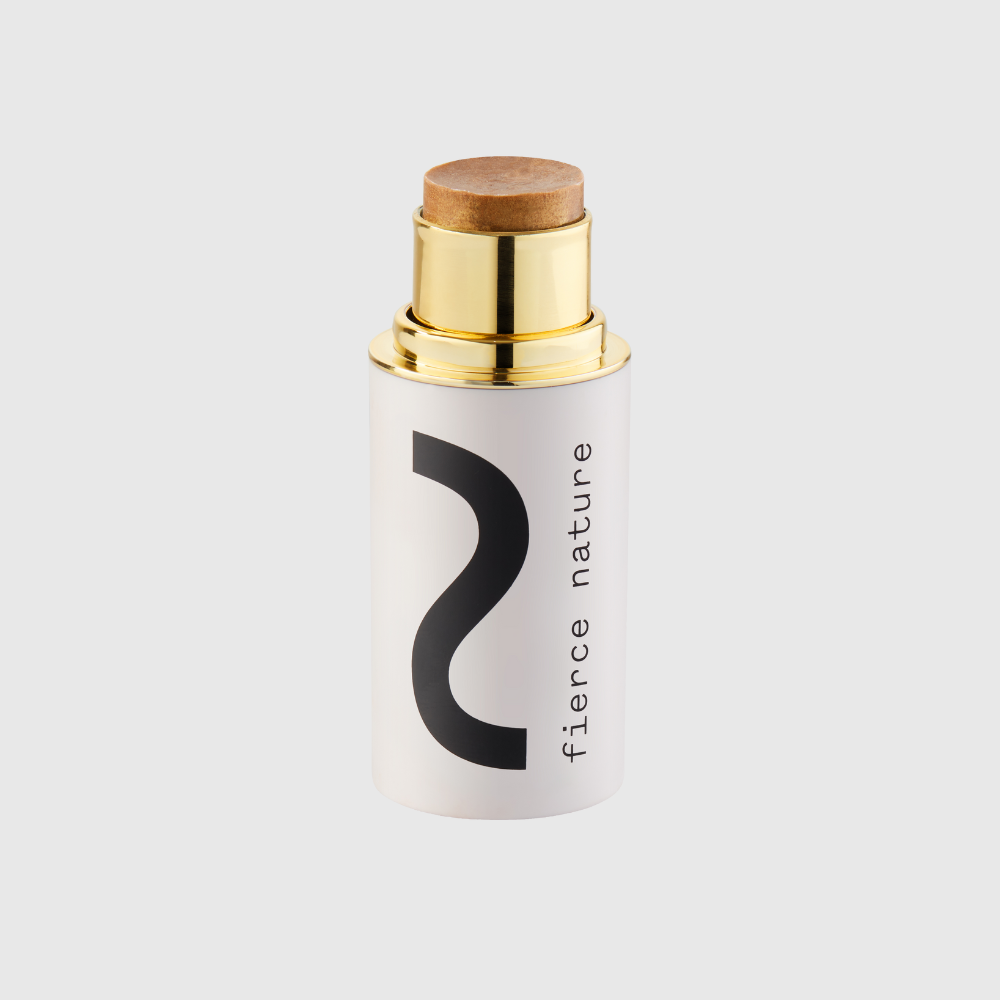
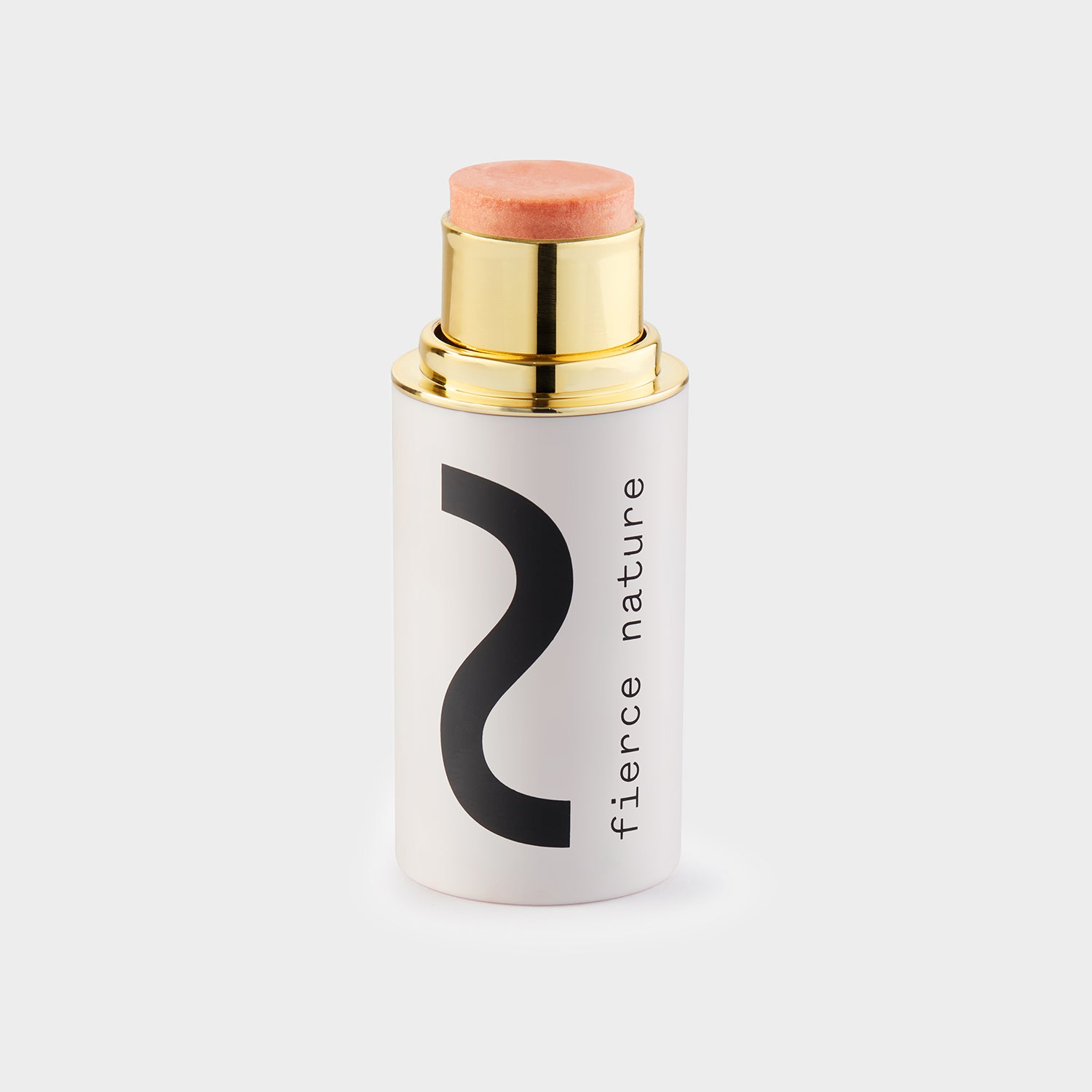
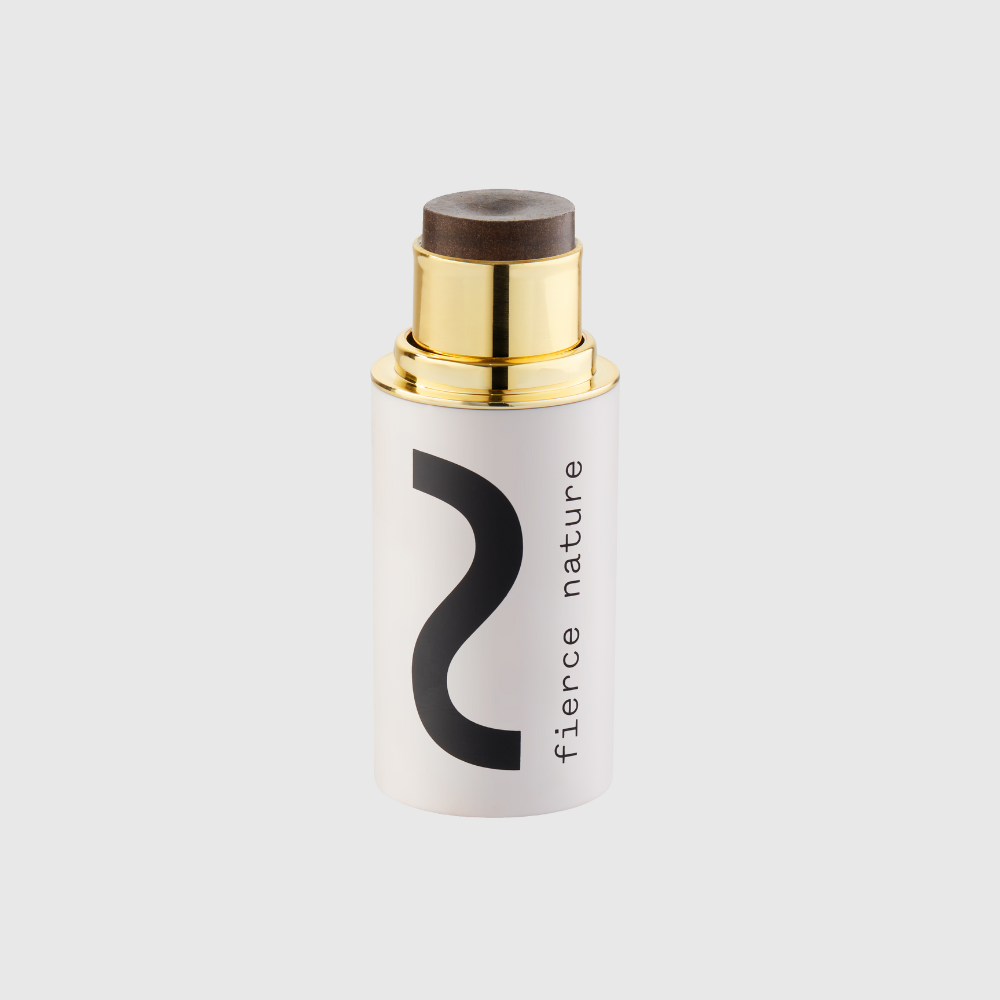
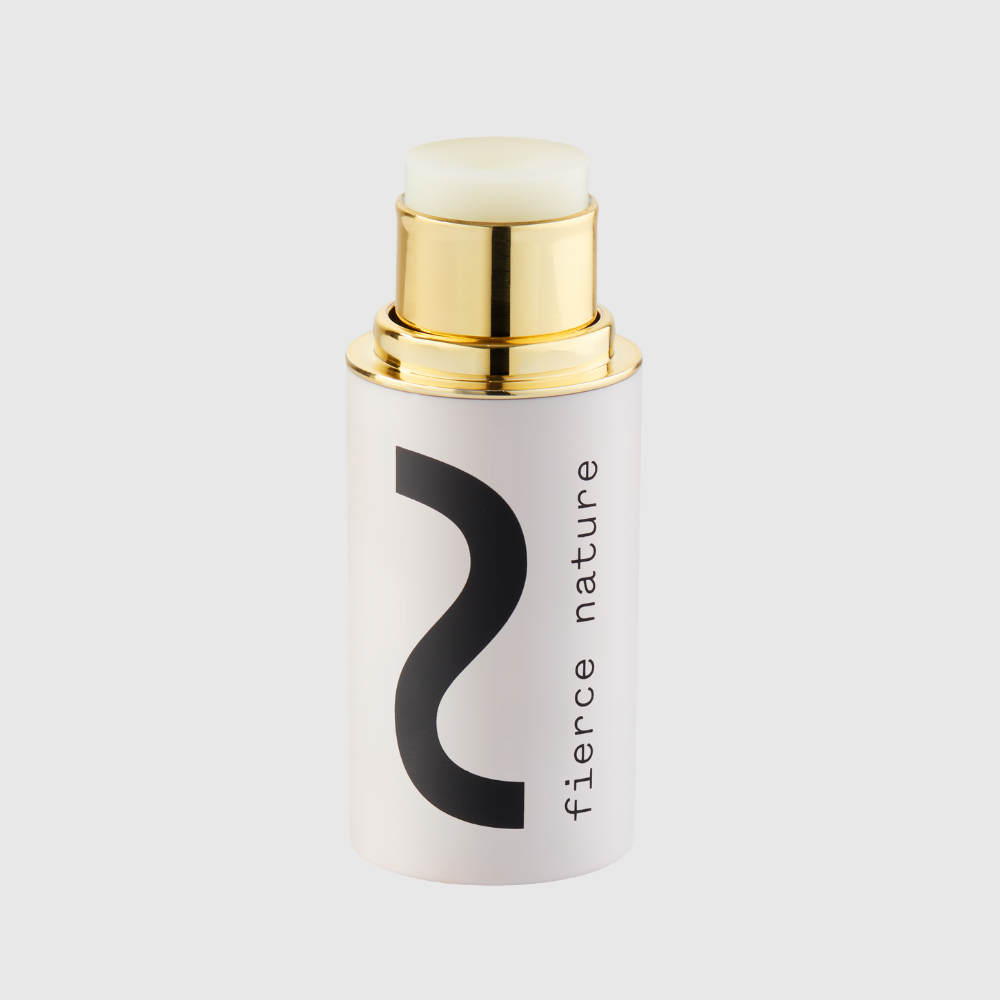
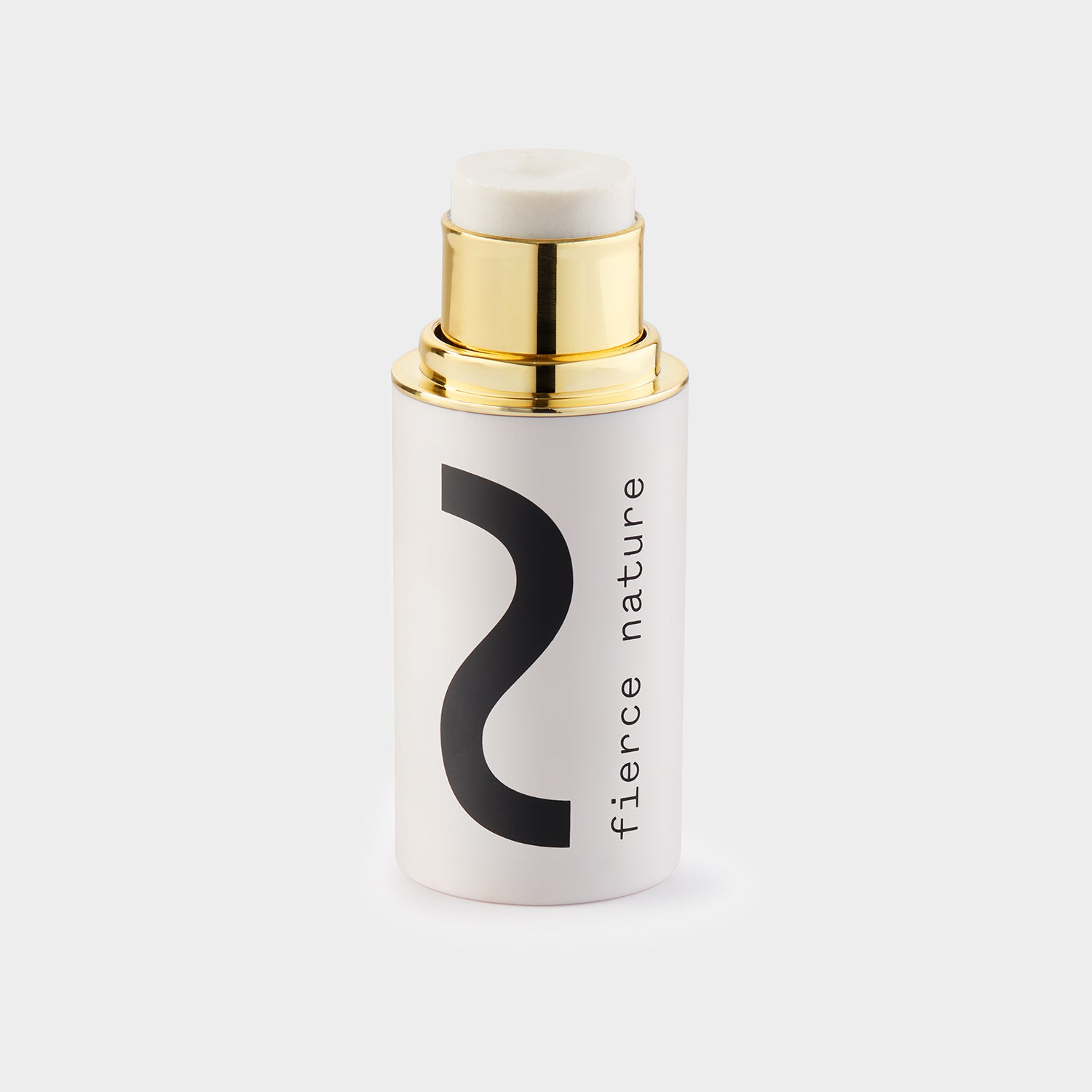
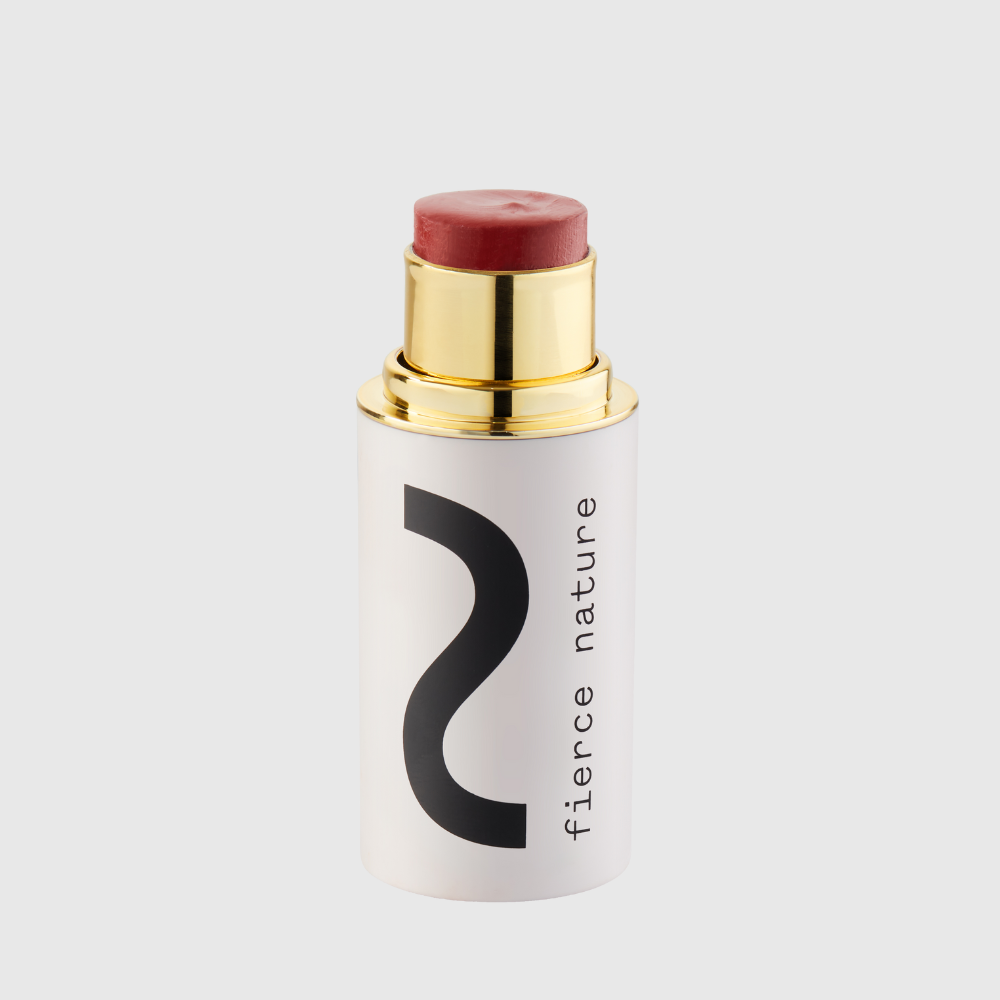
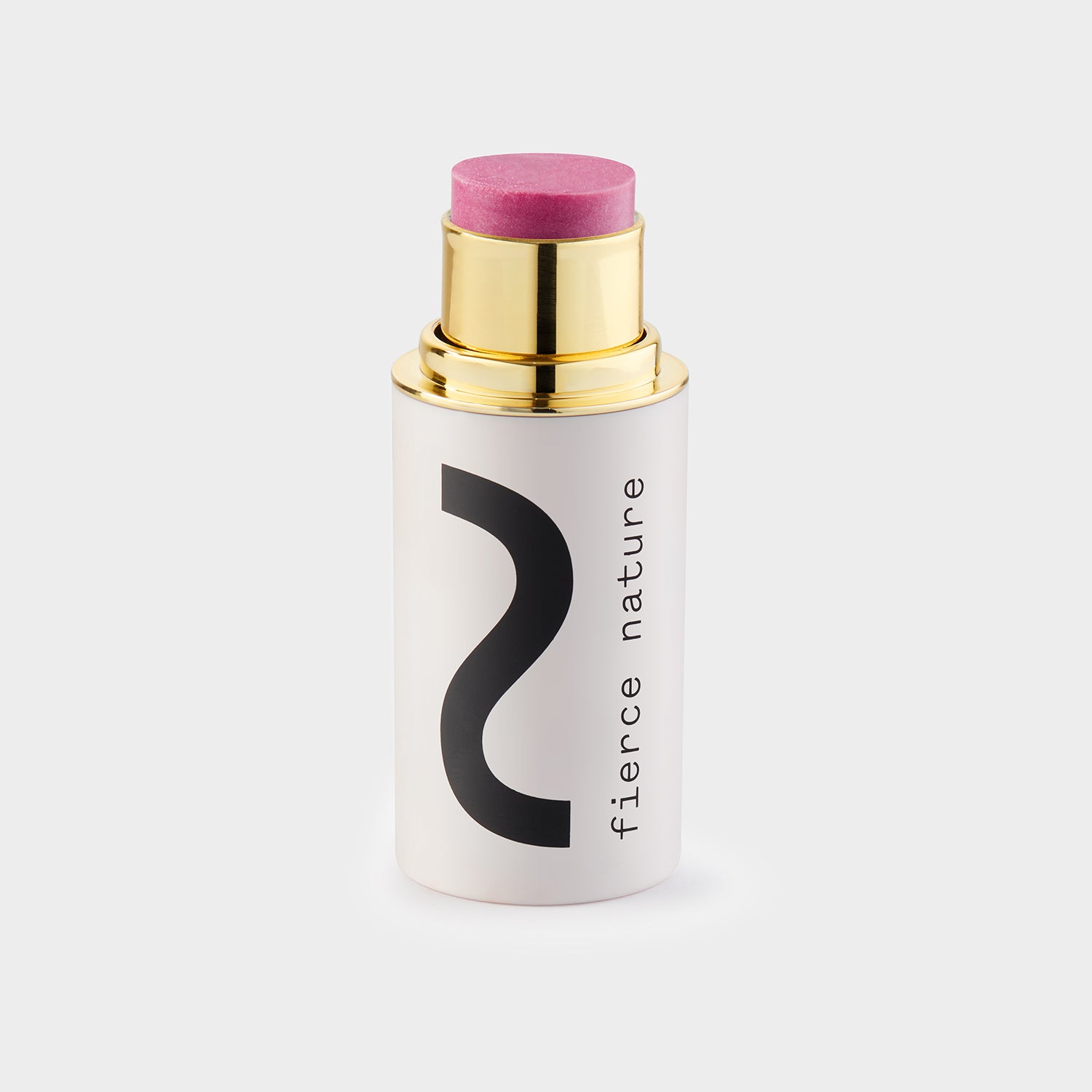
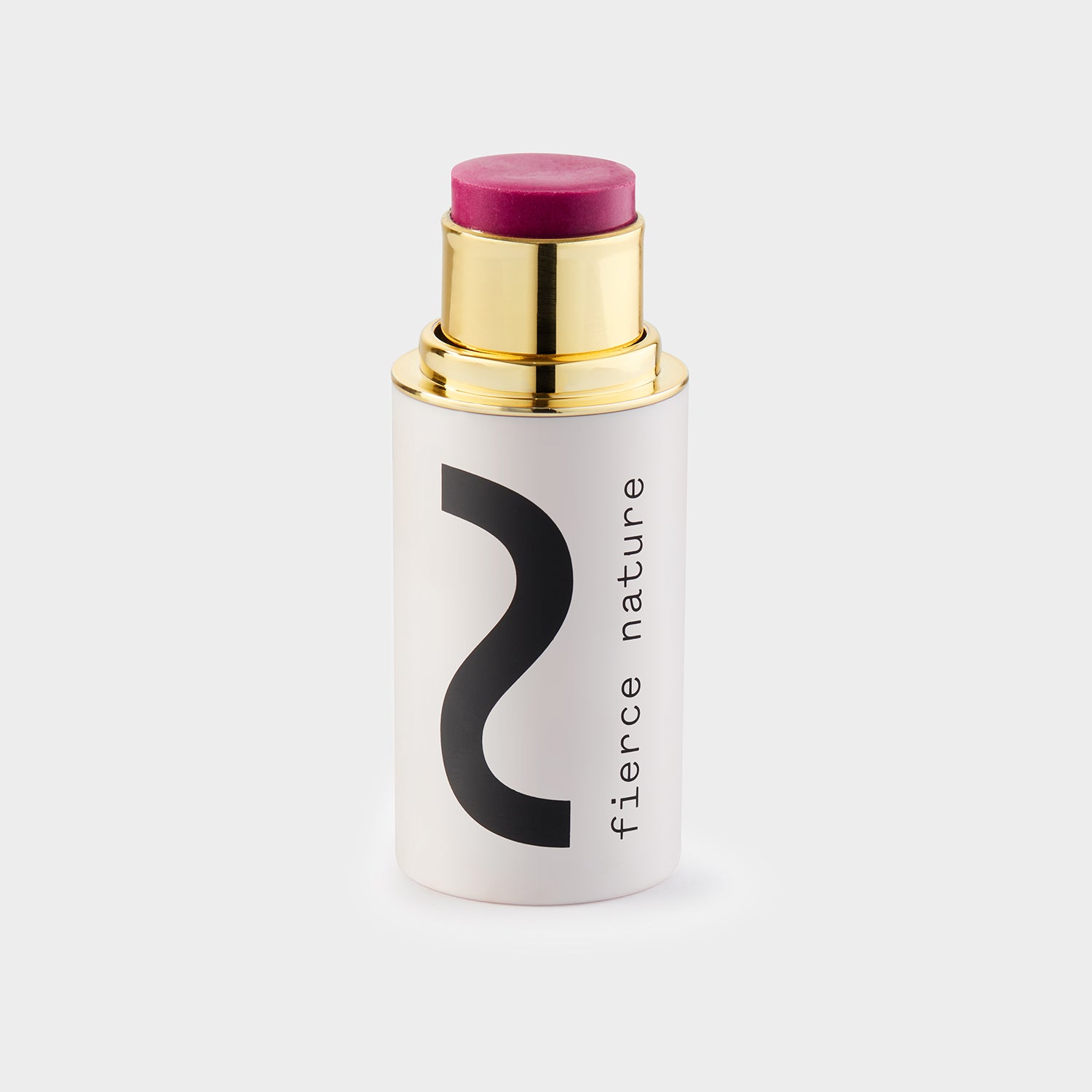
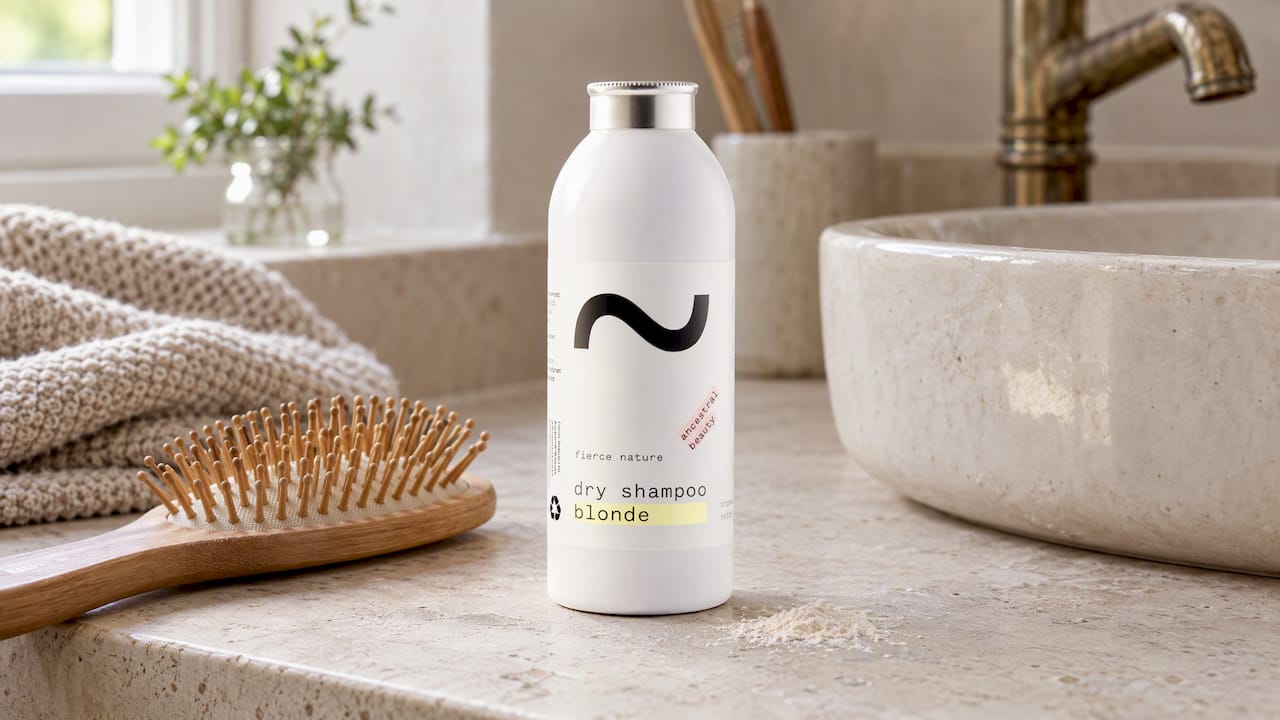
This is exactly the gap our Dry Shampoo (Blonde) and Dry Shampoo (Brunette) are built to close: powder-based, non-toxic formulas designed to absorb oil without leaving the heavy film that aerosol sprays can.
Most buildup responds to brushing, a clarifying wash and a short break from heavy product use. Give home care around two to four weeks before expecting full improvement.
See a doctor sooner if you notice severe redness, pain, crusting, rapid hair loss or a rash that seems to be spreading rather than settling. These signs point beyond simple residue and may need a clinical approach, such as a prescribed antifungal shampoo or a short course of topical steroids, rather than continued self-care at home.
Fierce Nature grew out of years spent trying to understand why so many mainstream products left sensitive skin reacting, and why so few brands were honest about what actually goes into the bottle. Our products are carefully crafted using natural, high-quality ingredients rather than synthetic fillers.
That same transparency shapes how we write about scalp care. For more on dry shampoo ingredients and how they interact with your scalp, our piece on dry shampoo spray and scalp health goes deeper into what to check on a label. If you want a practical routine for post-workout refreshes, our low-residue dry shampoo routine walks through it step by step.
Not all dry shampoos behave the same way on the scalp. Aerosol sprays disperse fine particles quickly and feel convenient, but they tend to deposit widely across the hair rather than staying concentrated at the roots, which means more surface area for residue to settle on and more product used per application to get the same oil absorption.
Powder formulas, applied by hand or with a brush, let you target roots directly and control exactly how much goes on. Because they’re not propelled through an aerosol, there’s generally less overspray onto lengths that didn’t need it in the first place.

Ingredient base matters too. Many conventional dry shampoos use cornstarch, rice starch or talc as the absorbing agent, alongside alcohols that help the spray dry quickly but can also strip natural oils and leave the scalp more prone to irritation with frequent use. Clay-based powders, such as kaolin, tend to absorb oil without the same drying effect, which is one reason they turn up more often in formulas aimed at sensitive scalps.
The common thread across all formats is this: however the product is delivered, if it isn’t washed out regularly, the absorbing agent and whatever oil it has soaked up will sit on the scalp and contribute to buildup over time. Format affects how much residue you’re likely to leave behind, not whether buildup is possible at all.
Brushing loosens surface residue, but exfoliation reaches the layer that brushing alone misses, the dead skin cells and oil bound more tightly to the scalp itself.
A gentle scalp scrub or a silicone scalp brush used during a regular wash helps lift this layer without scratching or damaging hair follicles. The goal is light pressure in small circular motions, similar to the massage step in a removal routine, rather than scrubbing hard enough to cause soreness.
Mechanical removal, brushing and gentle scalp exfoliation, is often under-used as a first step before reaching for stronger shampoos or treatments. Doing it regularly, once a week for most people, reduces how much buildup accumulates between washes and can mean you need a clarifying shampoo less often.
Exfoliation is not a substitute for washing out dry shampoo residue itself. It works best as a complement: use it on wash days to keep the scalp surface clear, and rely on thorough rinsing and an appropriate shampoo to deal with the powder and oil buildup directly. Overdoing exfoliation, daily use or very abrasive tools, can backfire by irritating a scalp that is already sensitive, so once a week is a sensible starting point for most people.

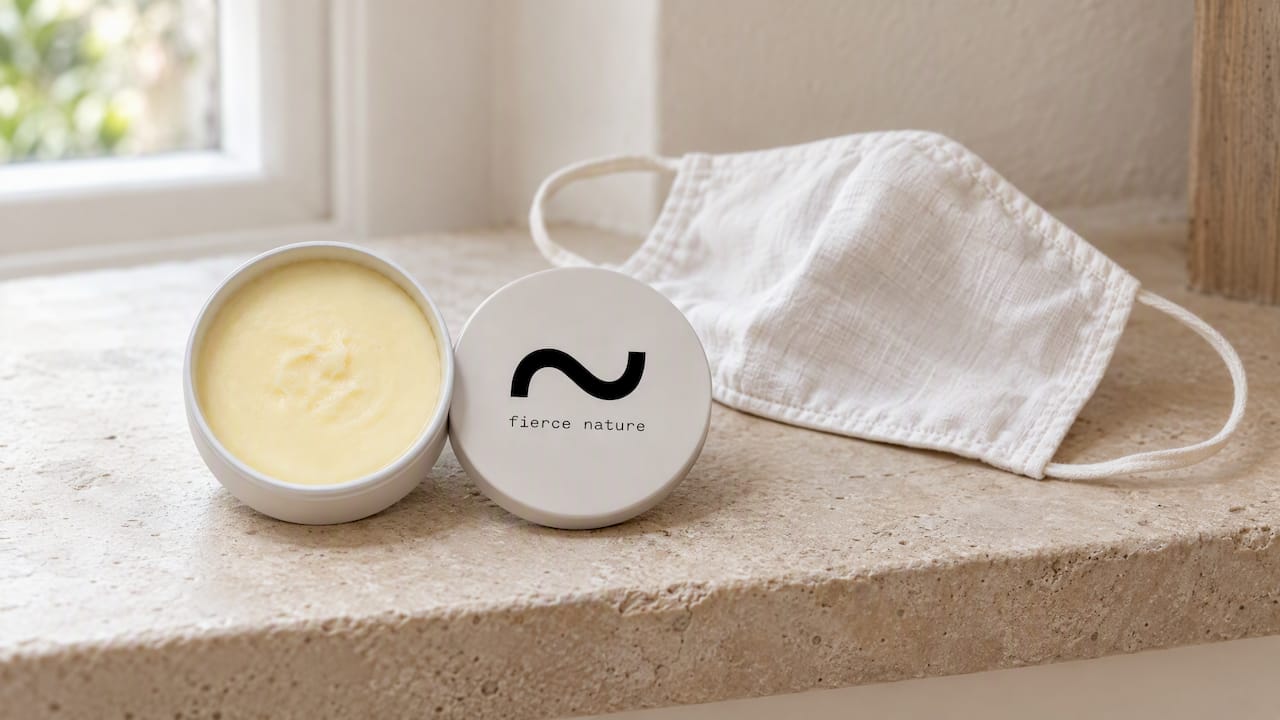
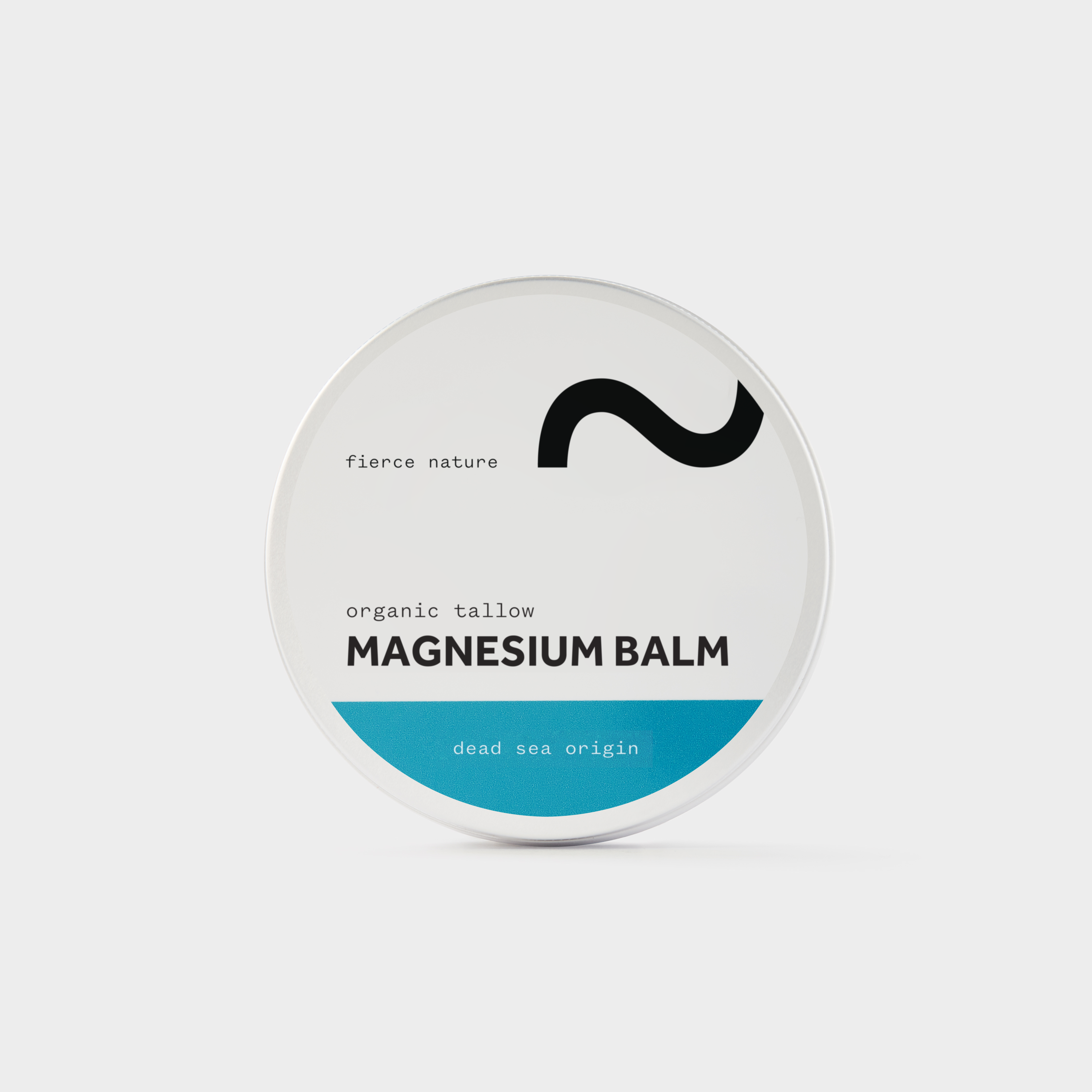
Some of the ingredients in conventional dry shampoo, particularly synthetic fragrances and high-alcohol propellants, are exactly what tends to dry out a sensitive scalp and leave it more reactive over repeated use. Tallow-based and other naturally derived alternatives take a different approach, built around ingredients the skin already recognises.
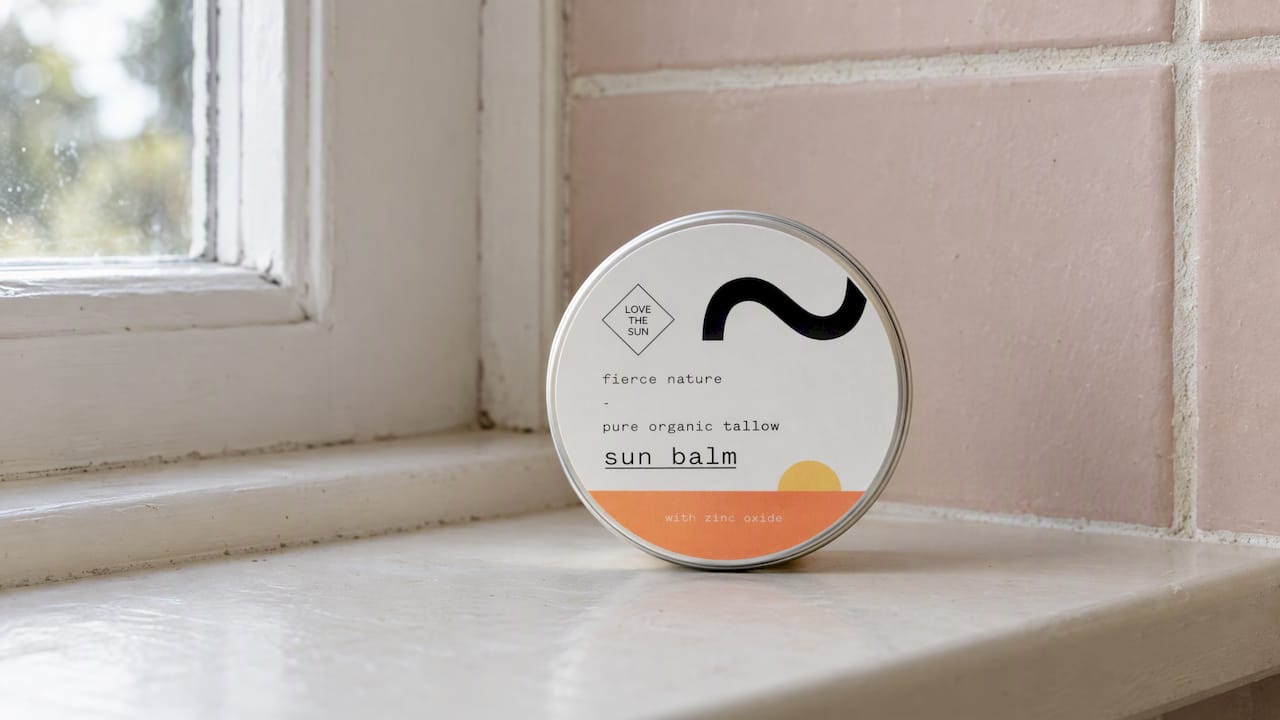
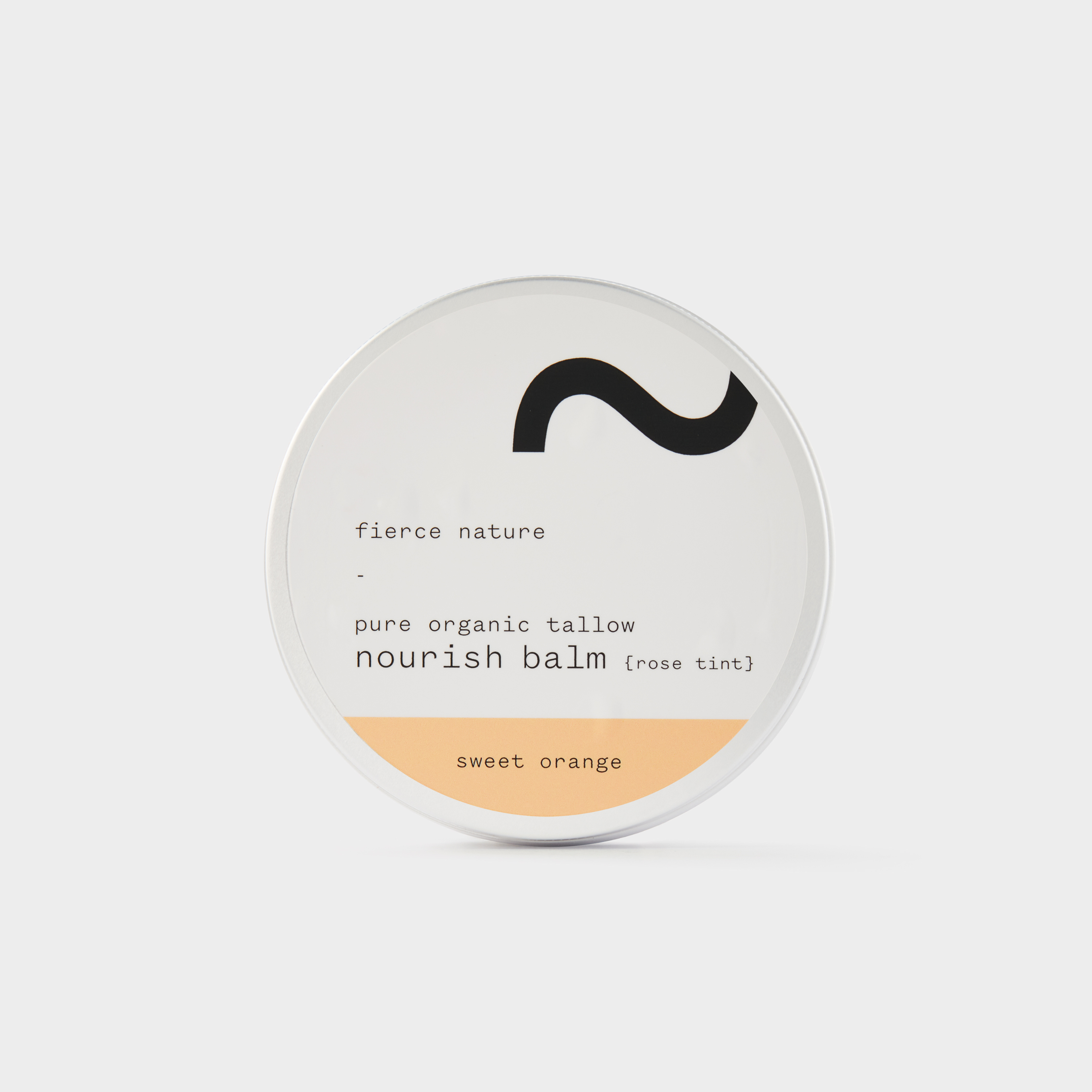
Tallow itself is not an oil absorber in the way starch or clay is. Where tallow-based formulas fit into the dry shampoo conversation is as a carrier for gentler, bioavailable nourishment once residue has been cleared, helping the scalp recover its natural barrier rather than compounding dryness the way harsher conventional sprays can. Pairing a low-residue, powder-based dry shampoo with a nourishing scalp balm between washes gives you oil control without the drying trade-off that frequent aerosol use often brings.
For scalps that react easily, natural alternatives generally mean fewer synthetic fragrances, no aerosol propellants and simpler ingredient lists, all factors that reduce the chance of the irritation that makes buildup feel worse than it is.
We built our dry shampoo range around a simple question: how do you get the convenience of a quick refresh without asking your scalp to carry days of leftover powder? Customers tell us the difference shows up fastest at the roots, less tightness, less visible cast, especially on days between washes when a lighter hand with product matters most.
— Fierce Nature
Our Dry Shampoo (Blonde) and Dry Shampoo (Brunette) are powder-based and non-toxic, formulated to absorb oil at the roots without the heavier film that aerosol sprays can leave behind.
For more on the formulation itself, our post on the science behind our dry shampoo explains how the powder base works. Ready to try a lower-residue refresh, visit the Dry Shampoo (Blonde) or Dry Shampoo (Brunette) product pages to find your shade.
Use dry shampoo sparingly between washes rather than as a daily replacement for water-based cleansing. A couple of uses between washes is generally fine for most hair types, but going much longer without a proper wash is when residue tends to accumulate.
Dry shampoo itself does not cause dandruff, but leftover powder can look similar to flaking and can worsen irritation on a scalp that already has seborrhoeic dermatitis. If flaking looks greasy or comes with redness, it is worth treating it as a possible skin condition rather than simple buildup.
Look out for high levels of alcohol and synthetic fragrance, both of which can dry out and irritate a sensitive scalp with frequent use. Powder or non-aerosol formulas with simpler ingredient lists tend to suit sensitive scalps better than heavily propelled aerosol sprays.
Brush thoroughly to loosen dry residue, massage the scalp gently, then wash with a clarifying or medicated shampoo and rinse thoroughly. Repeat a milder version of this routine as needed, and give your scalp a couple of weeks of consistent care before expecting full improvement.
Occasional use is generally considered low risk for hair health. Relying on it exclusively instead of regular washing can leave the scalp irritated and, over time, may contribute to drier hair that is more prone to breakage at the roots.