Chariot
0
80 % également ajouté à ceci


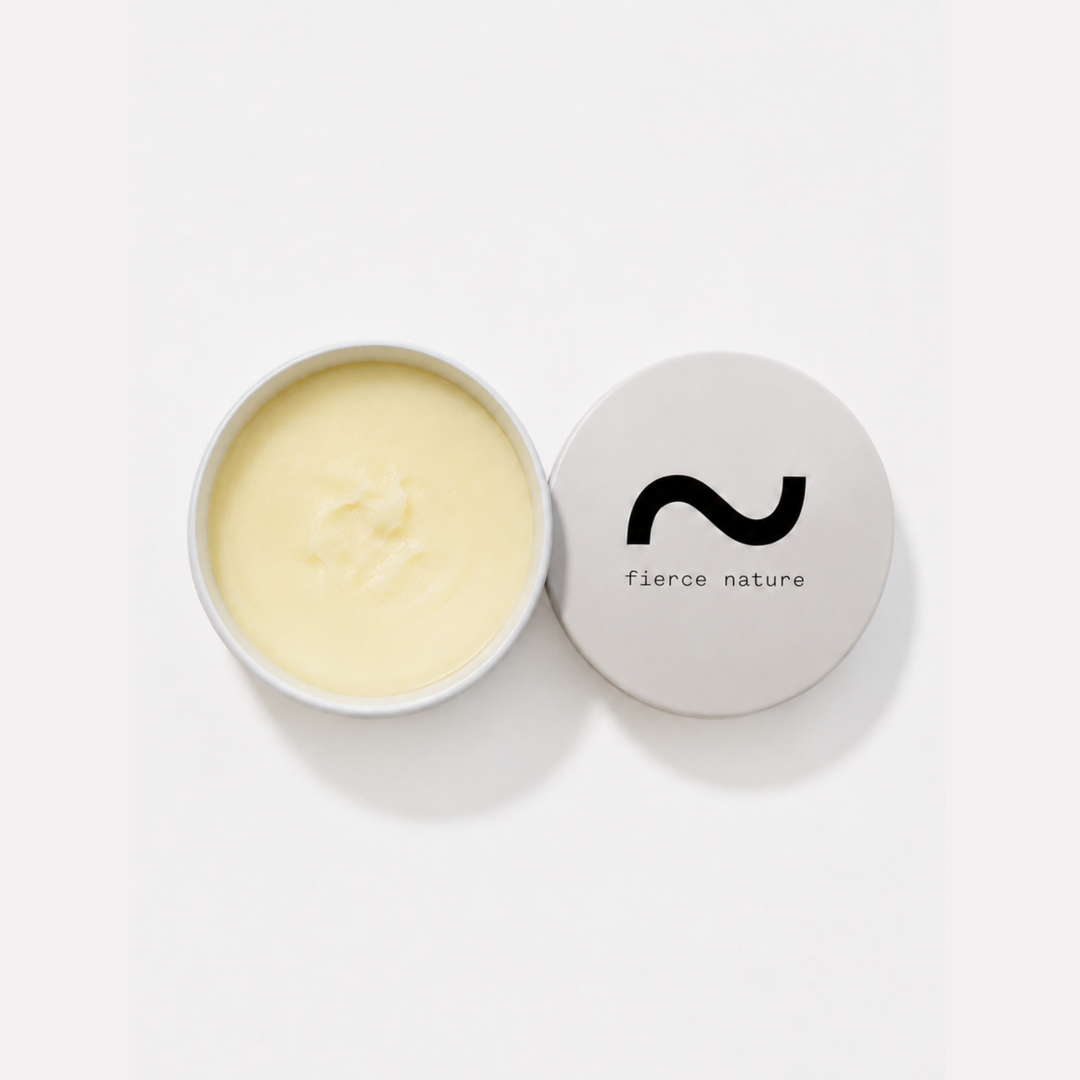
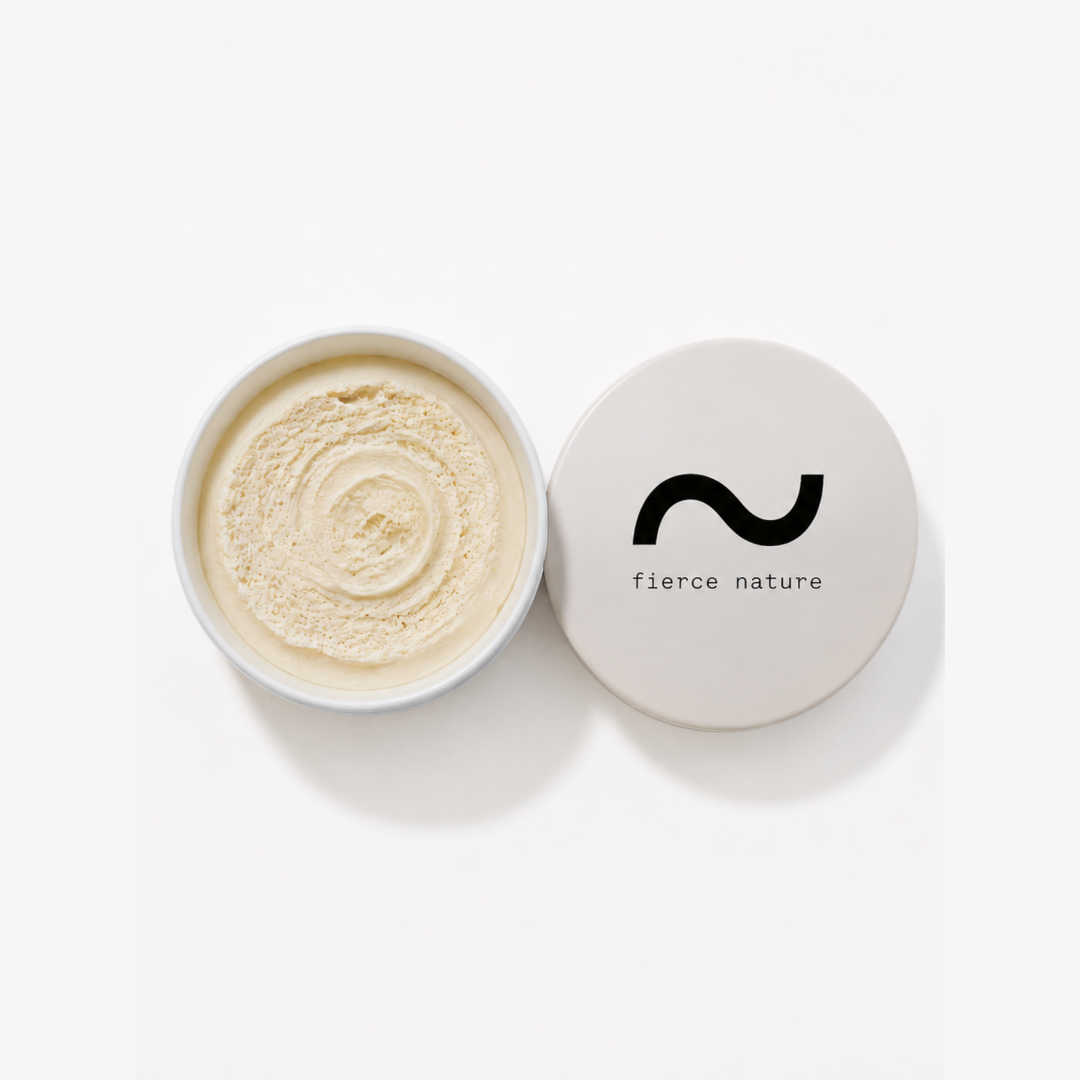
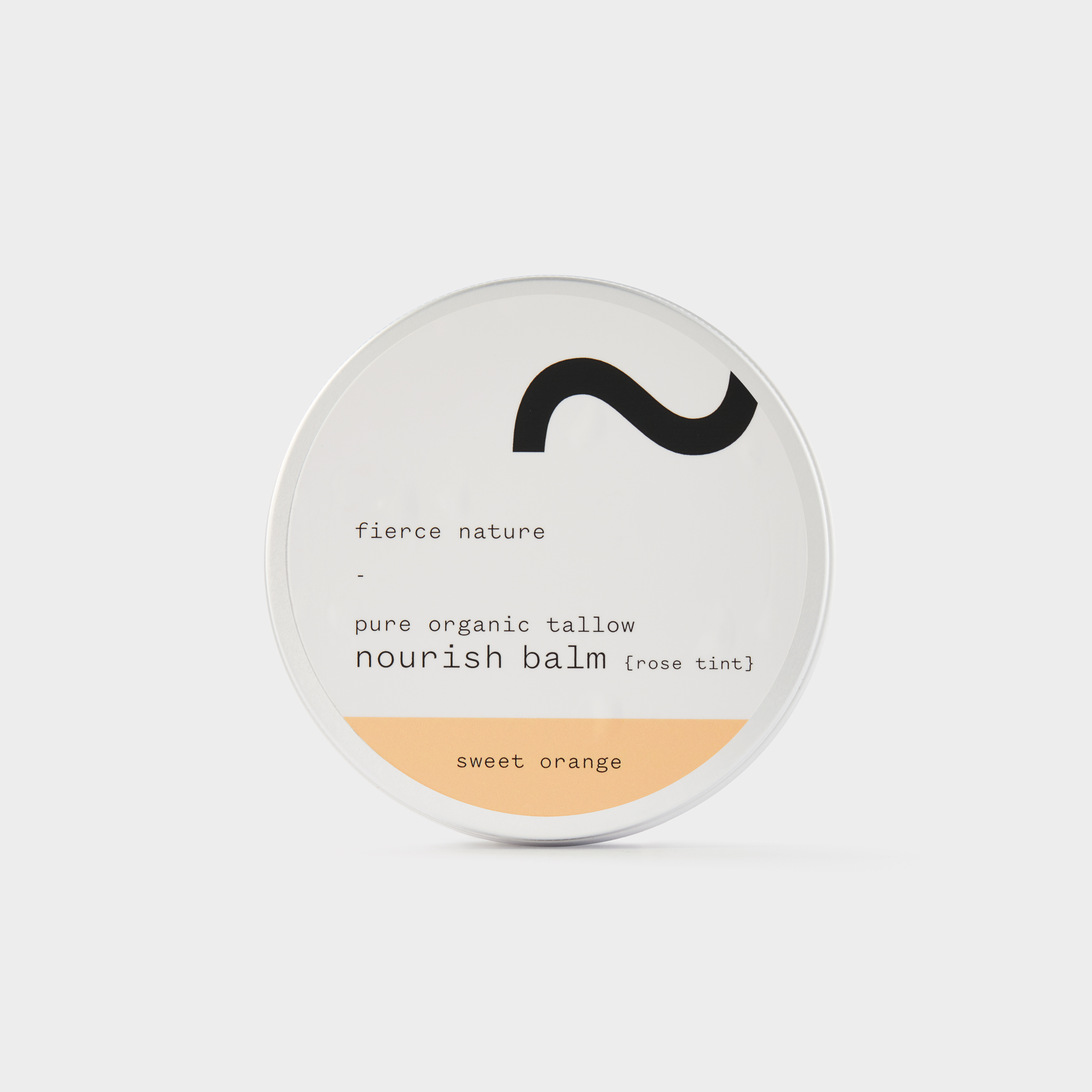
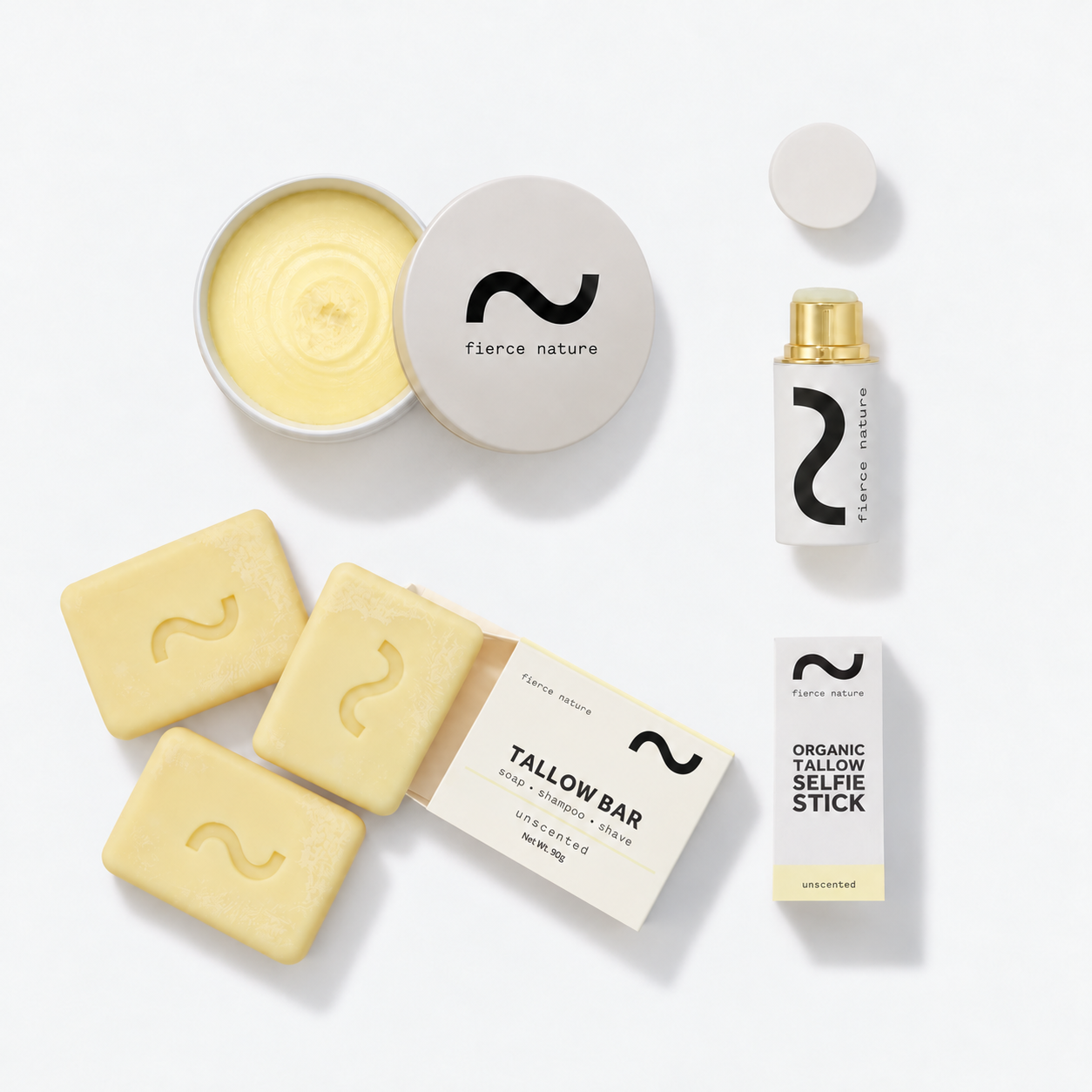




If your hands are red, tight, itchy or cracked after washing, the most effective remedy is usually a gentle combination: wash with lukewarm water and as little cleanser as you can, pat your hands fully dry, and apply a rich moisturiser (an emollient) straight afterwards and again through the day. Add gloves for wet jobs and see your GP if the rash does not settle. Below, we walk through why it happens, what to wash with, a simple daily routine and when to get medical advice.
Healthy skin is protected by a thin barrier of natural oils and fats that keeps moisture in and irritants out. Water, soap, detergent and alcohol gel all dissolve some of that protective layer. Do it once and your skin copes. Do it many times a day, day after day, and the barrier struggles to rebuild.
The NHS describes how repeated contact with water, soap, alcohol hand gel and other detergents can lead to dry skin and irritant contact dermatitis. The British Association of Dermatologists also notes that jobs involving a lot of water contact, or washing hands more than 10 times a day, carry a higher chance of hand dermatitis. That includes nurses, carers, hairdressers, cleaners, chefs and parents of young children, who often wash their hands far more than they realise.
What you might notice:
The good news is that when the cause is simple over-washing, most people can calm their skin with consistent, gentle habits. The key is to work with your skin, not against it.
Not every hand rash is the same, and it helps to know the two main types of contact dermatitis.
Irritant contact dermatitis is direct damage to the skin barrier from things like soap, detergents, water and alcohol gel. This is the most common cause of a hand washing rash. It can appear in anyone if the exposure is frequent enough.
Allergic contact dermatitis is an immune response to a specific substance, usually after repeated exposure. Fragrances, preservatives, certain rubber chemicals in gloves and some plant extracts are well-known triggers. Allergy UK explains that both types can cause redness, dryness, blisters or cracked skin, which is why they are hard to tell apart by sight.
A few clues can help you think it through:
| Clue | More likely irritant | More likely allergic |
|---|---|---|
| Timing | Builds up with repeated washing | Can flare after exposure to one particular product |
| Location | Backs of hands, between fingers, wherever water sits | Wherever the substance touched, sometimes beyond the hands |
| Improvement | Eases when you wash less or protect your skin | Eases when you avoid the specific trigger |
You cannot reliably diagnose yourself, and the two types can overlap. If you suspect a particular product is the culprit, such as a scented hand wash, a new glove or a cleaning spray, stop using it and tell your GP, who can refer you for allergy testing if needed.
When skin is already irritated, the product you wash with matters as much as how often you wash.
NHS dermatology guidance from hospital trusts in England is consistent here: avoid ordinary soaps, detergents and heavily scented cleansers, and use warm water with a soap substitute. Soap substitutes are fragrance-free, emollient-based washes that cleanse without stripping. If your hands are genuinely dirty, the same guidance says to use a non-perfumed soap sparingly and rinse it off thoroughly.
Squeaky-clean hands are not a sign of healthy hands. That tight feeling means oils have been stripped away.
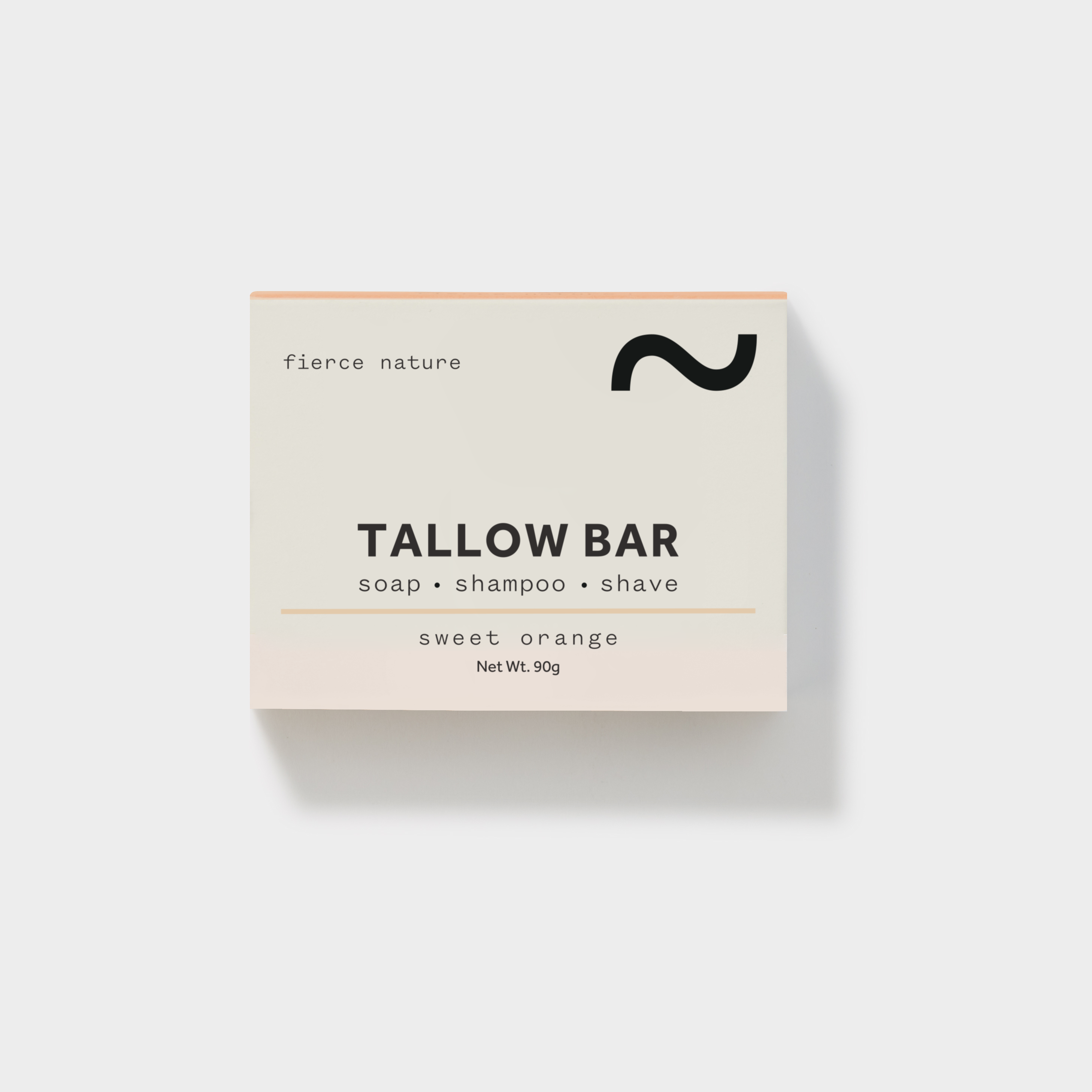
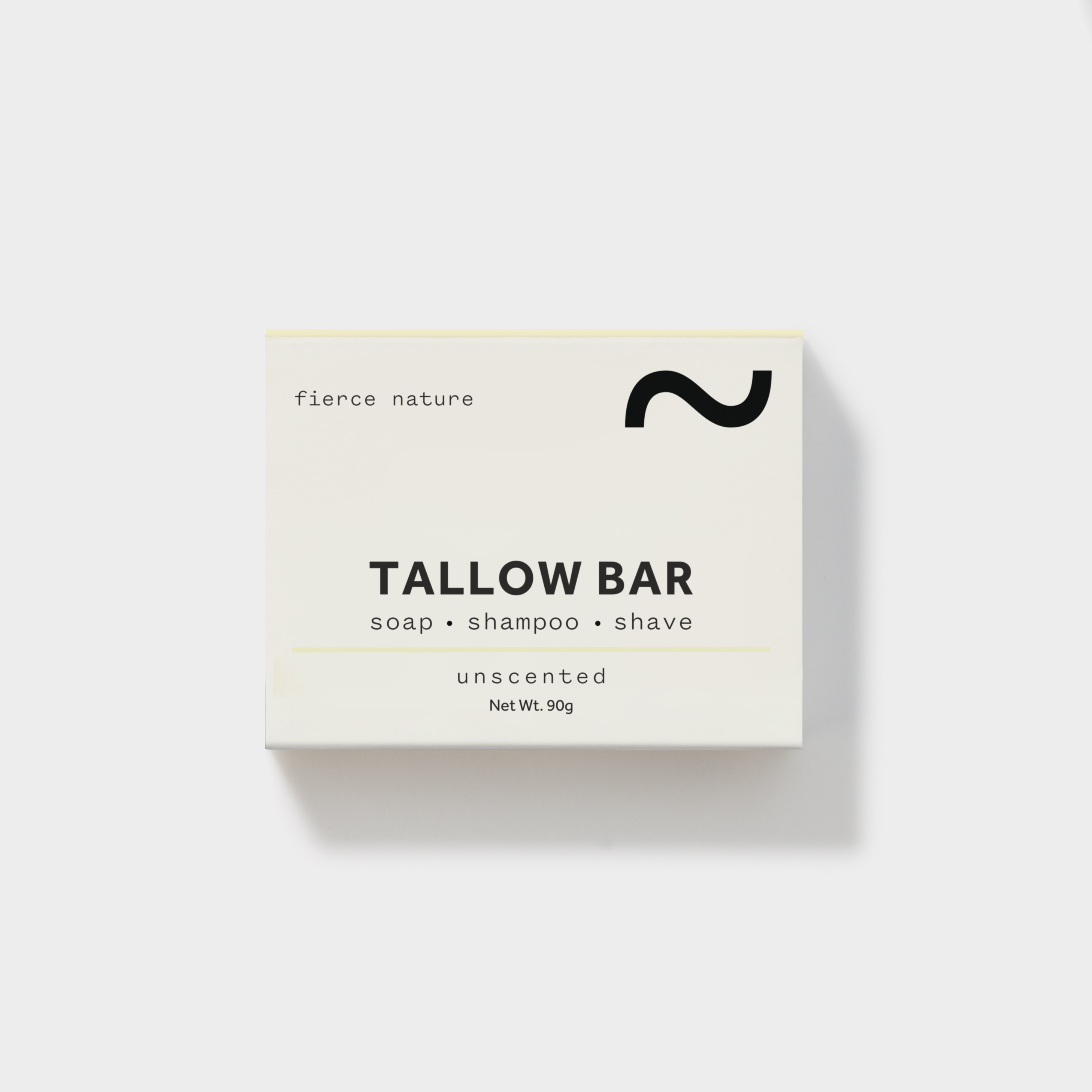
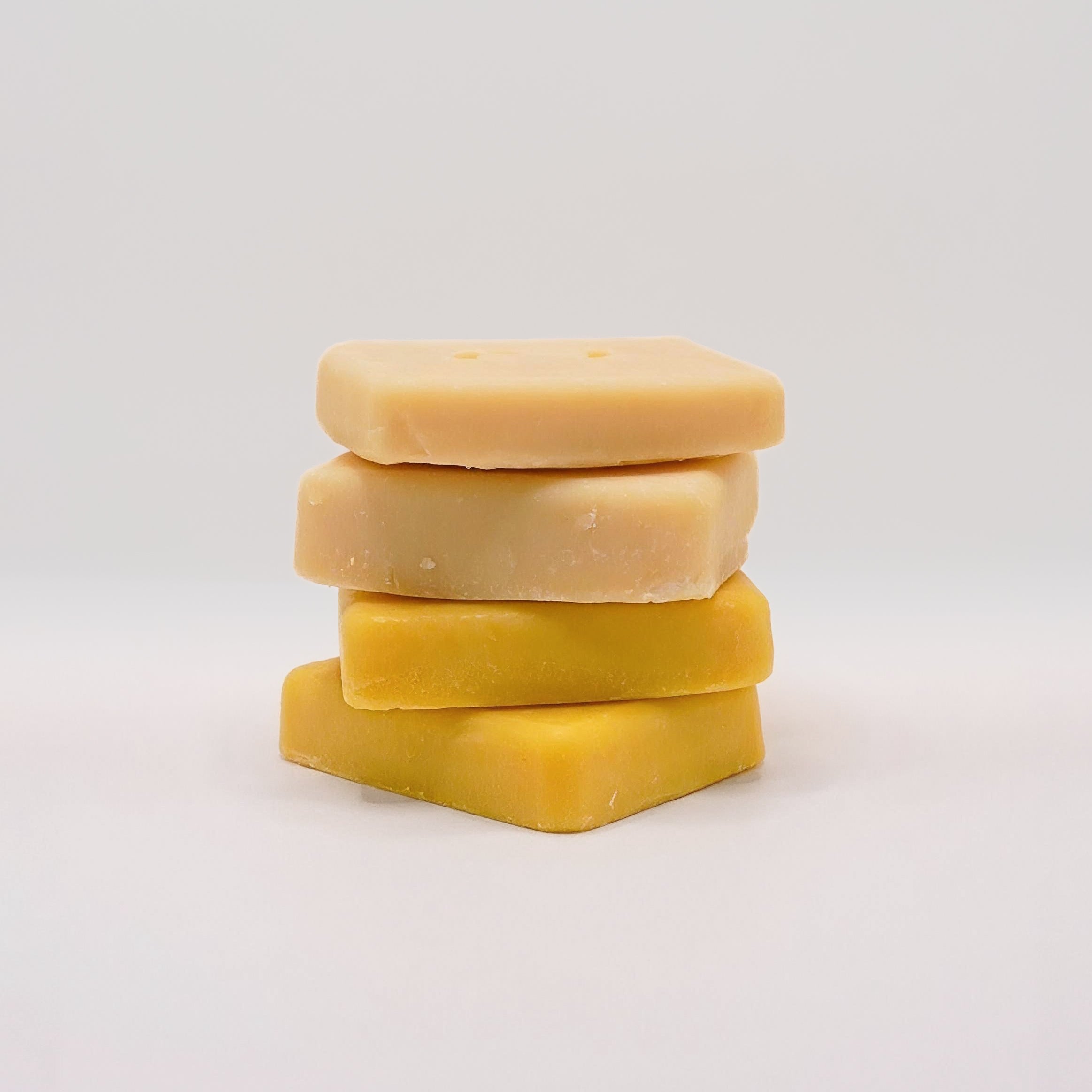
A well-made bar can be a gentle option because it can be made with very few ingredients and without synthetic fragrance. We have written in more detail about mild, unscented soap for sensitive skin and about unscented soap for gentle everyday cleansing, if you would like to look at what to choose and why. If you have eczema or psoriasis, our guide to unscented soap for eczema and psoriasis-prone skin goes further.
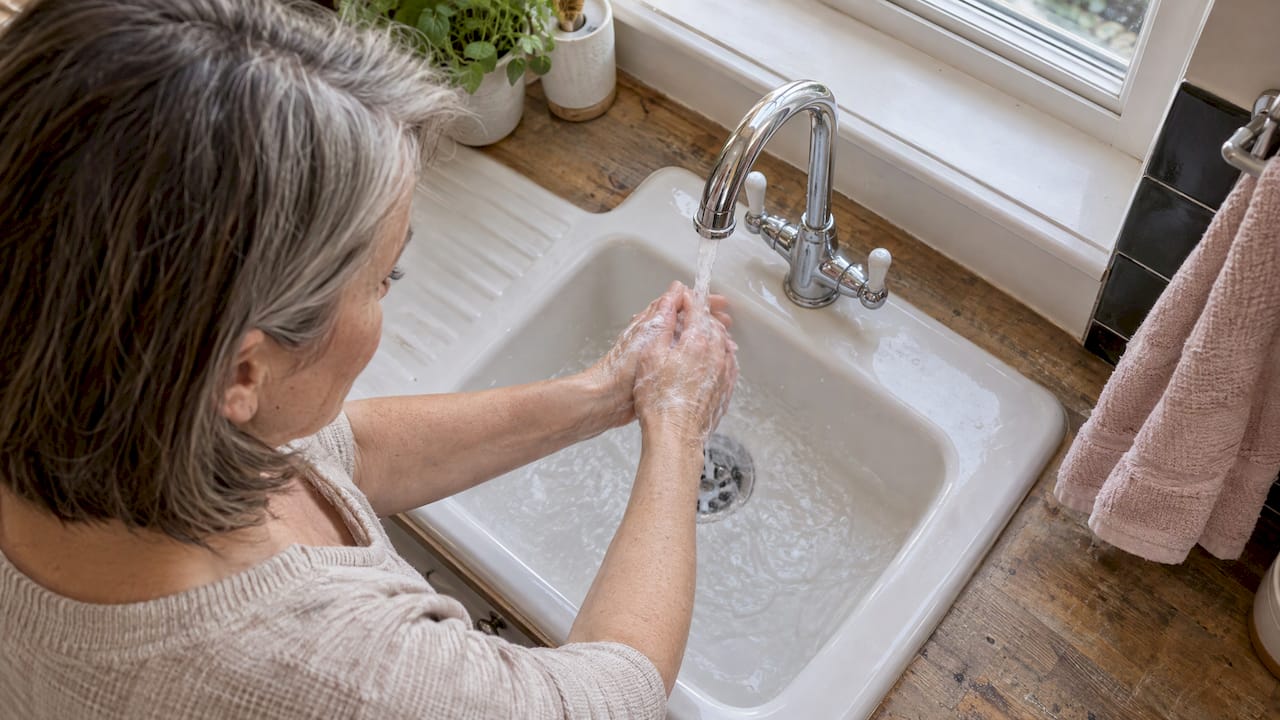
The water you wash with matters too. Use lukewarm water rather than hot, which strips oils faster and can leave already sore skin feeling worse.
You still need to wash your hands when they are dirty and before preparing food, so the goal is not to stop but to wash smarter. Here is a routine that fits real life.
It can help to keep a balm by every sink in the house, and one in your bag, so the habit becomes automatic.
If there is one thing to take from this article, it is this: moisturise much more often than feels necessary. The British Association of Dermatologists says emollients are essential for hand dermatitis and should be applied repeatedly, particularly after washing and whenever the skin feels dry.

Emollients soften and smooth the skin and form a protective layer that slows moisture loss. For hands, richer is usually better. Lotions are thin and mostly water, so they can be gone within minutes. Thicker balms and ointments tend to stay put and protect for longer, which suits hands that are washed all day.
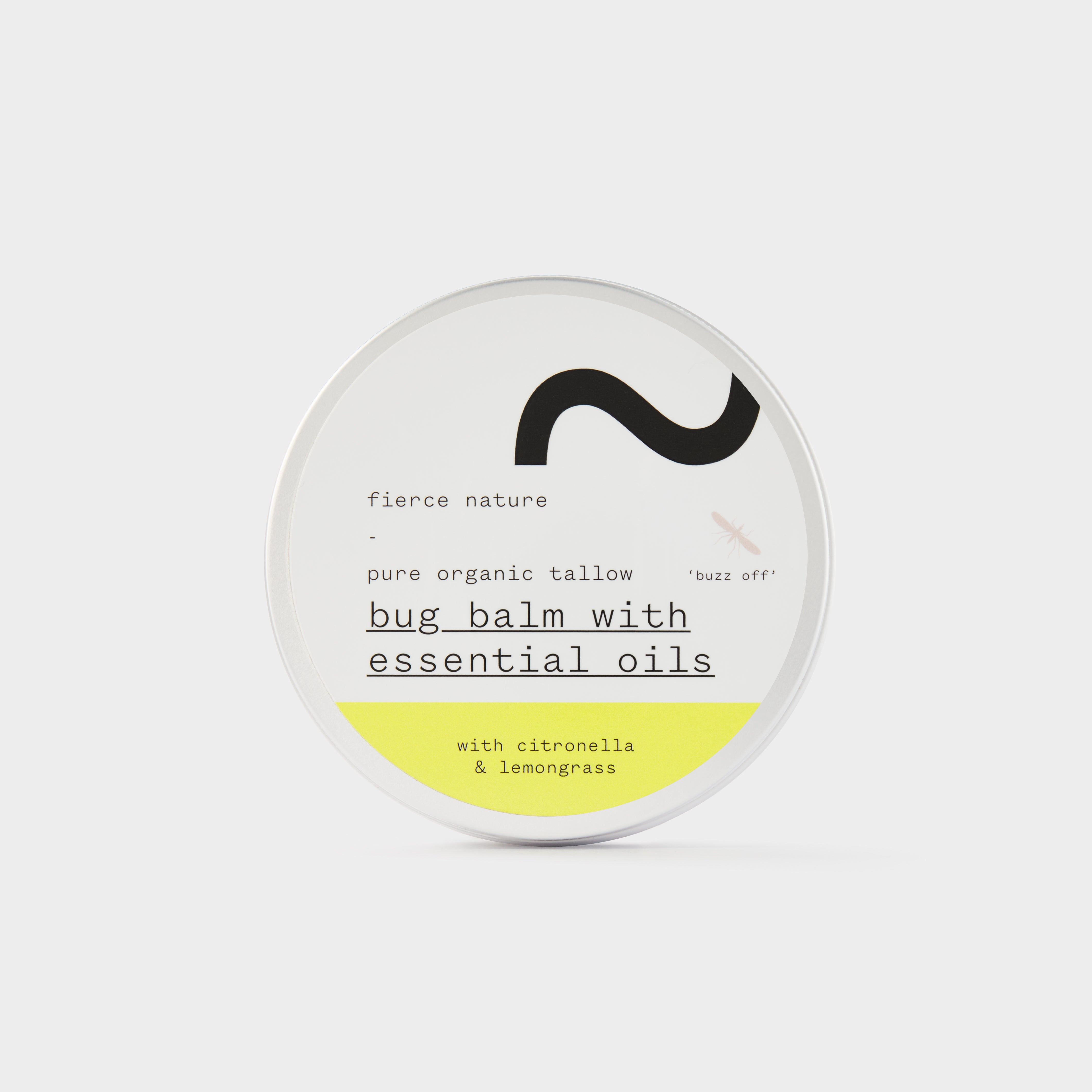
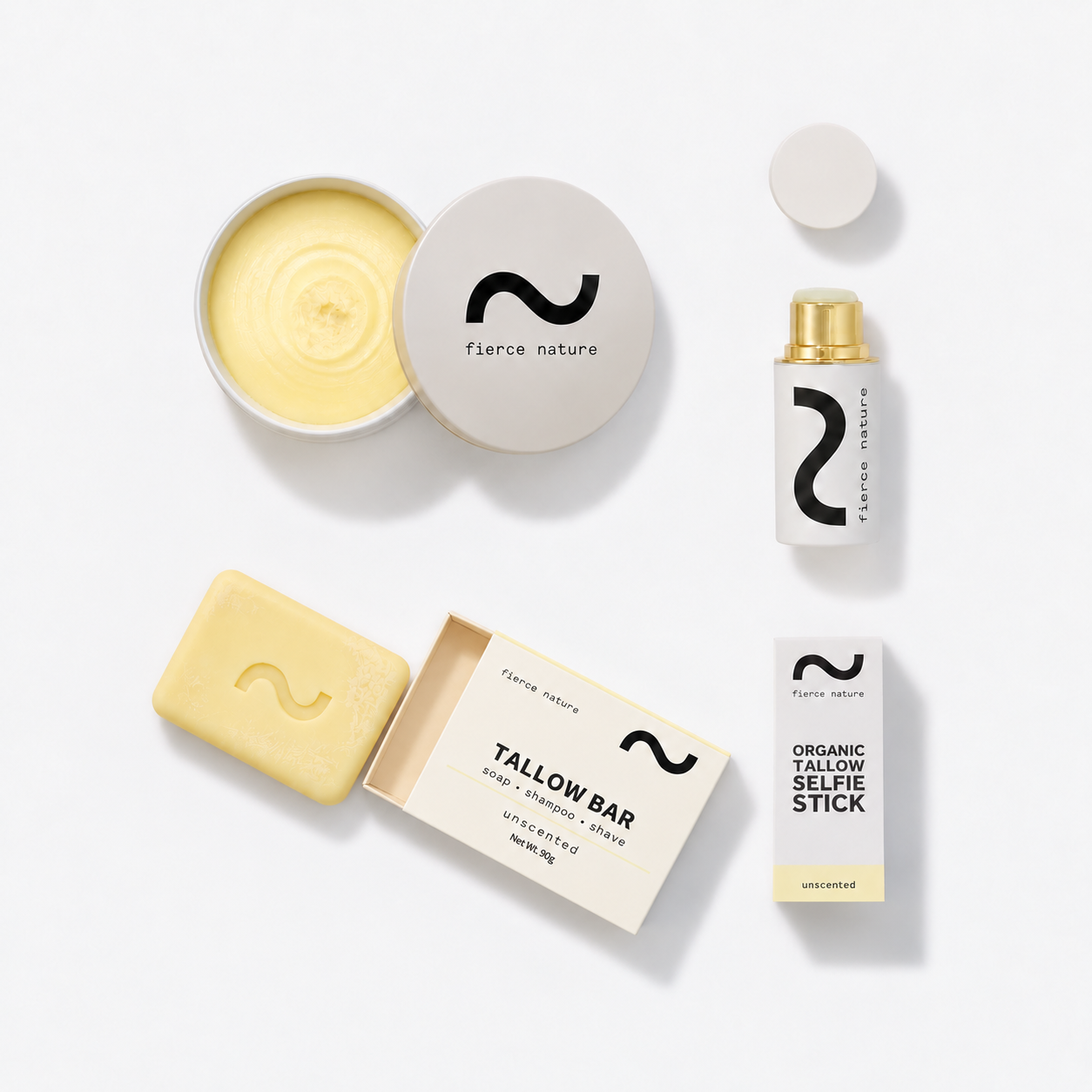
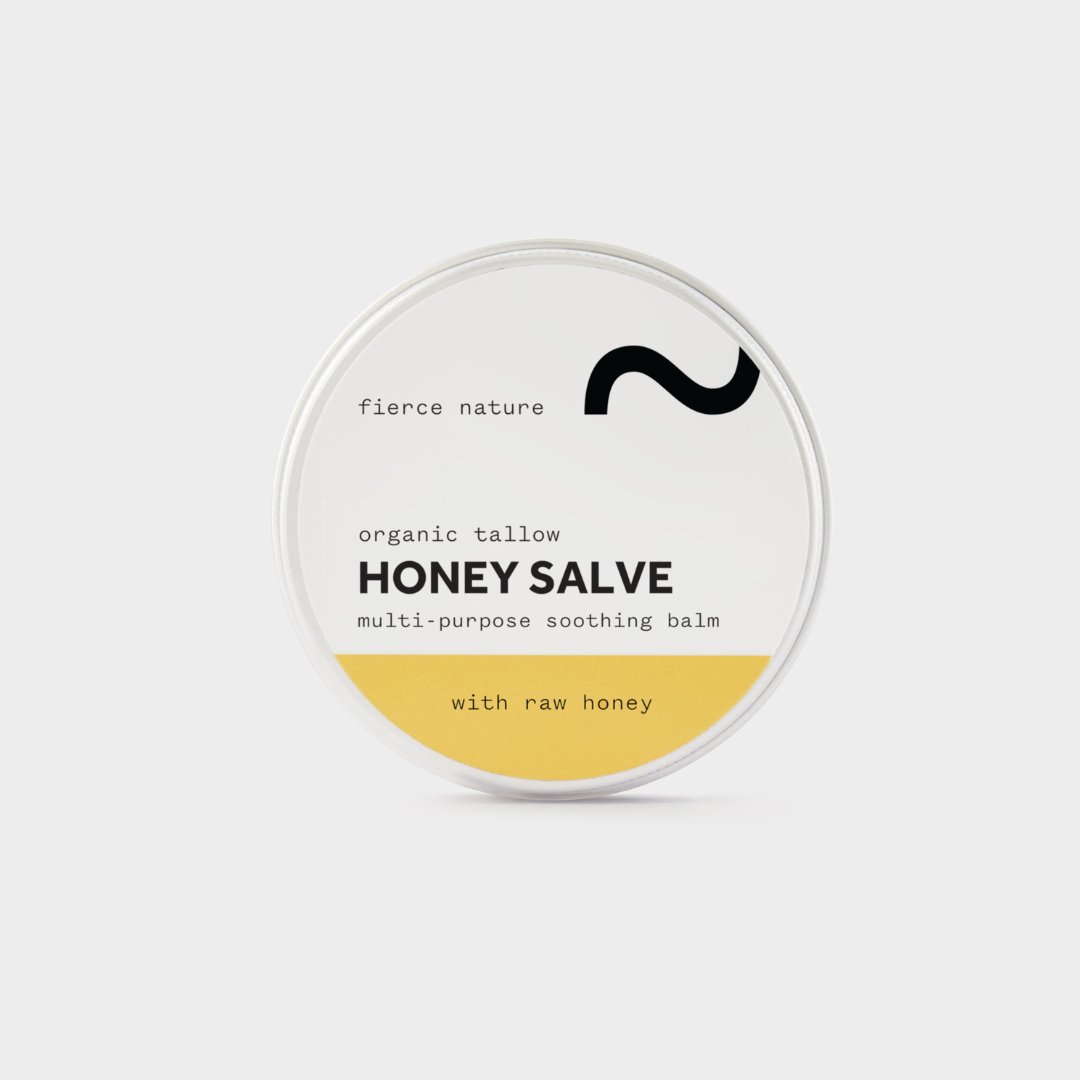
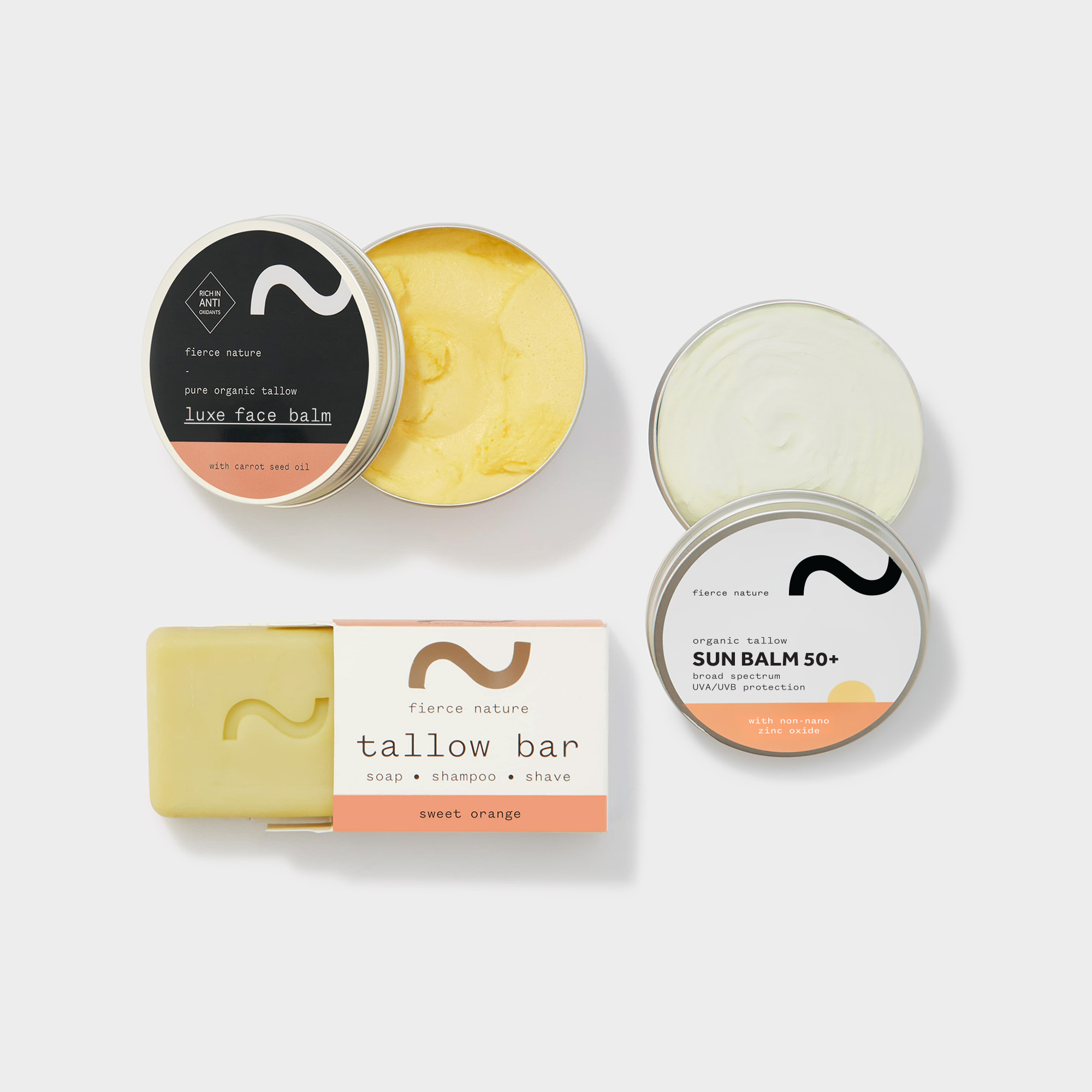
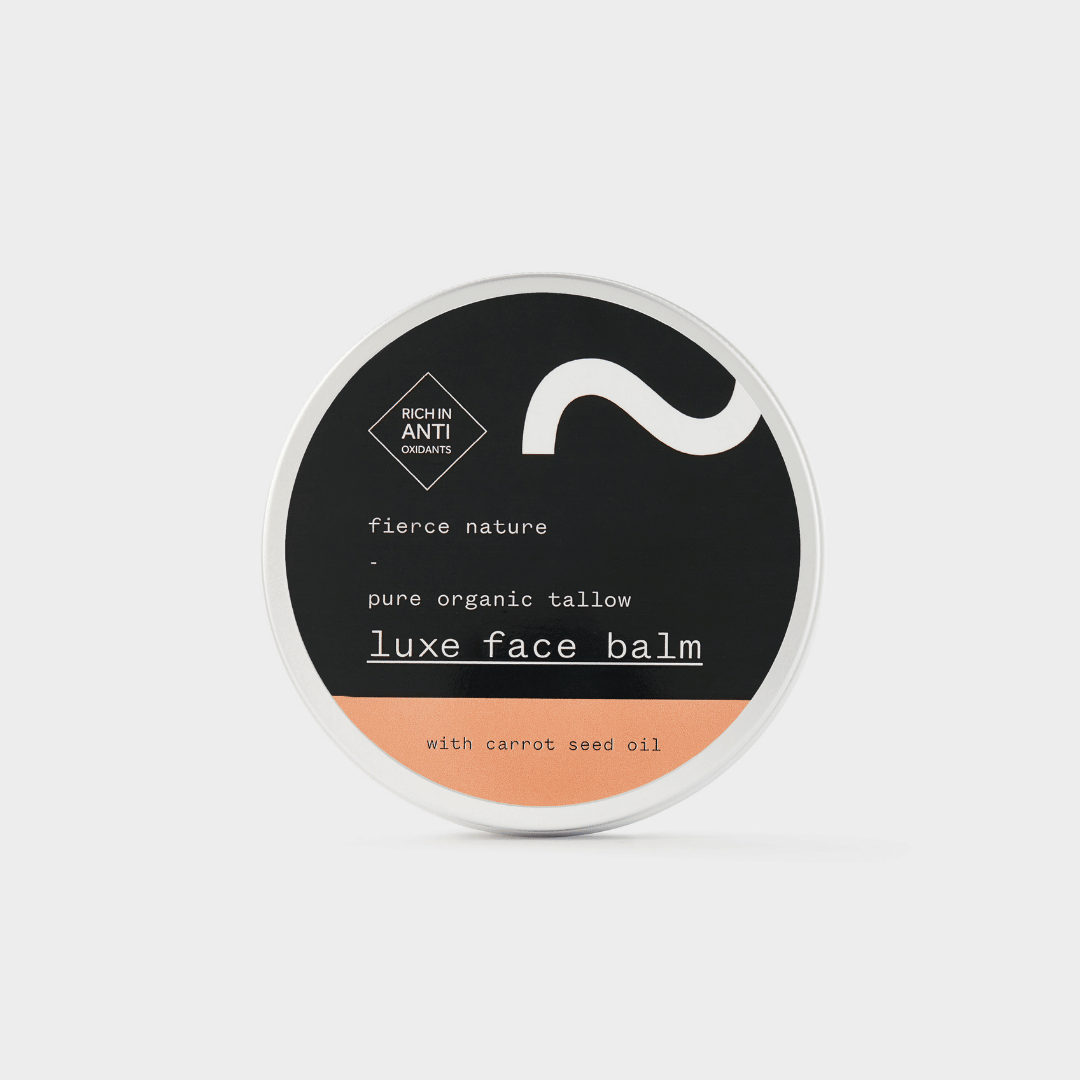
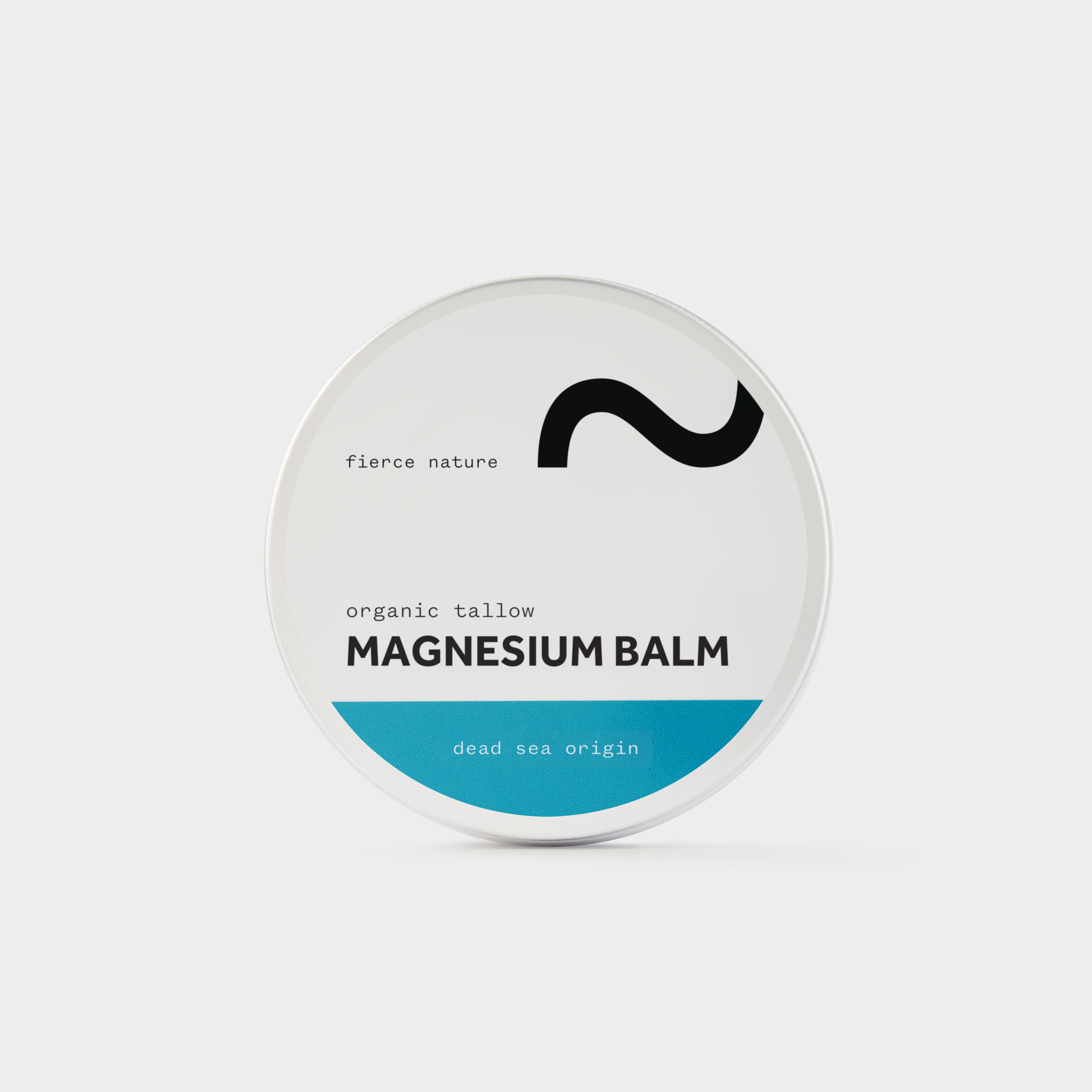
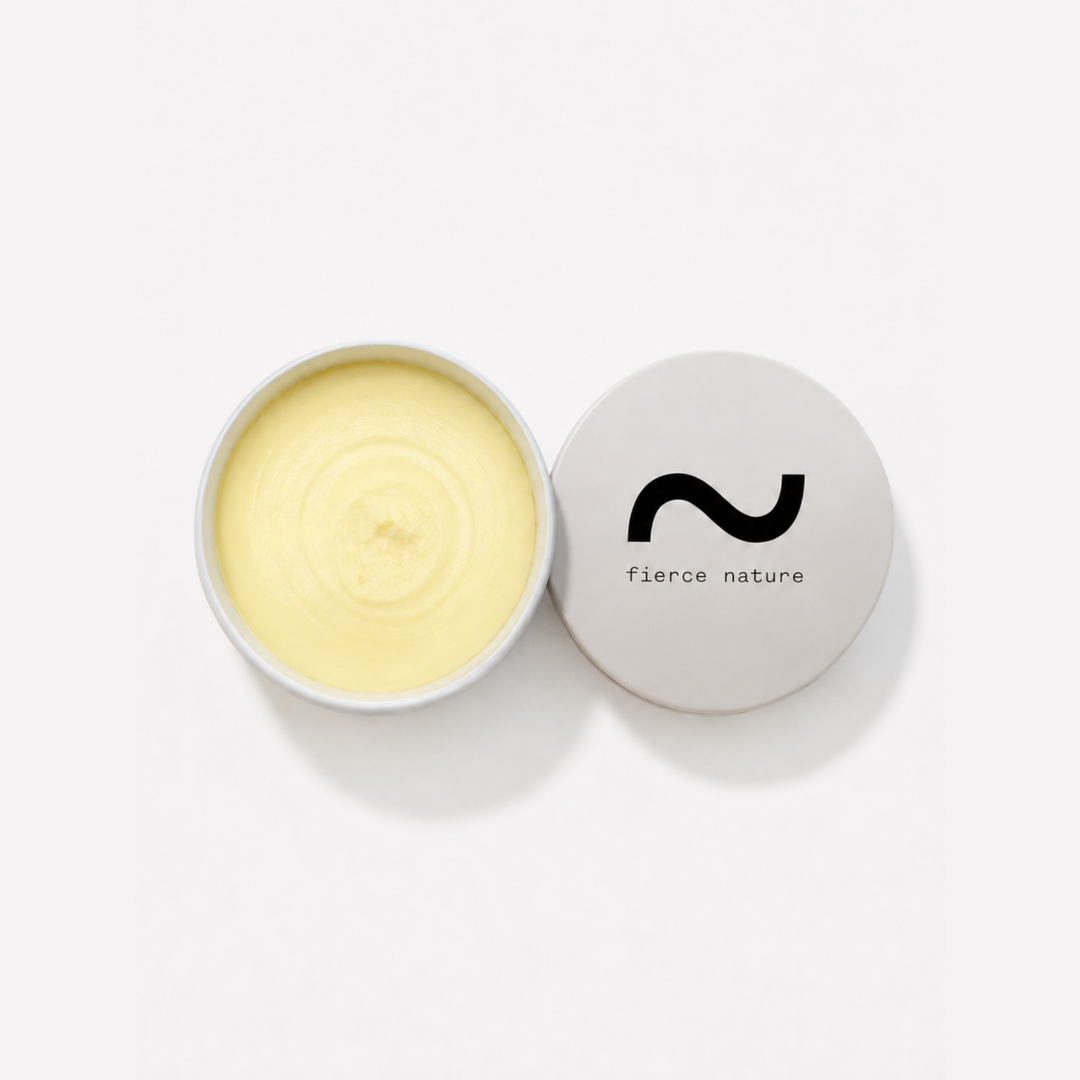
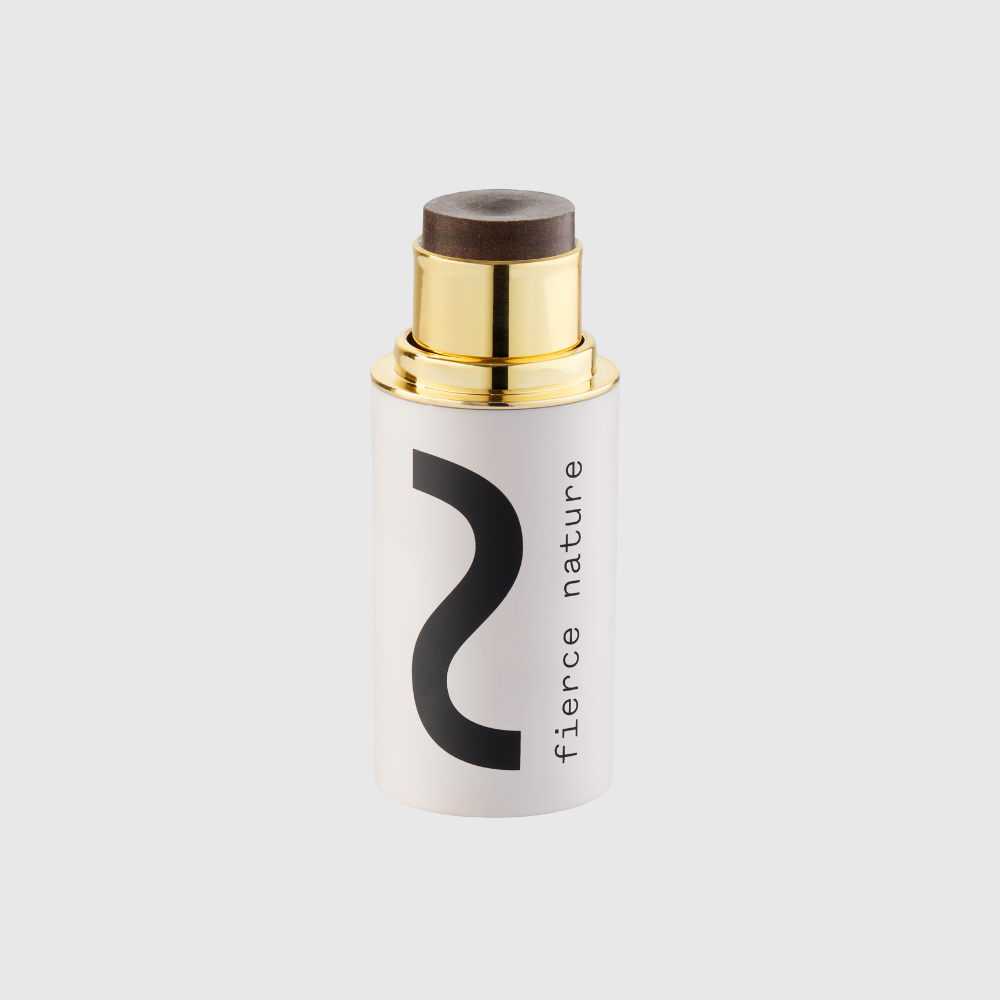
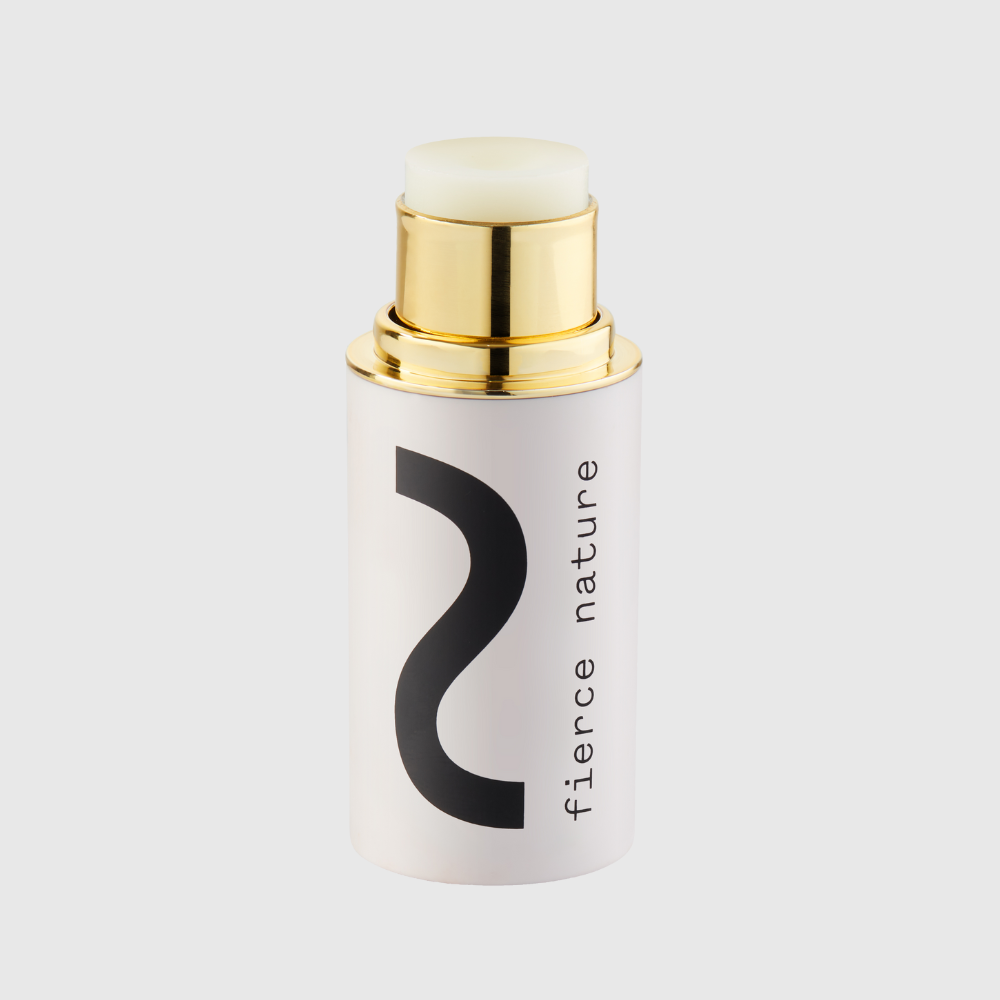
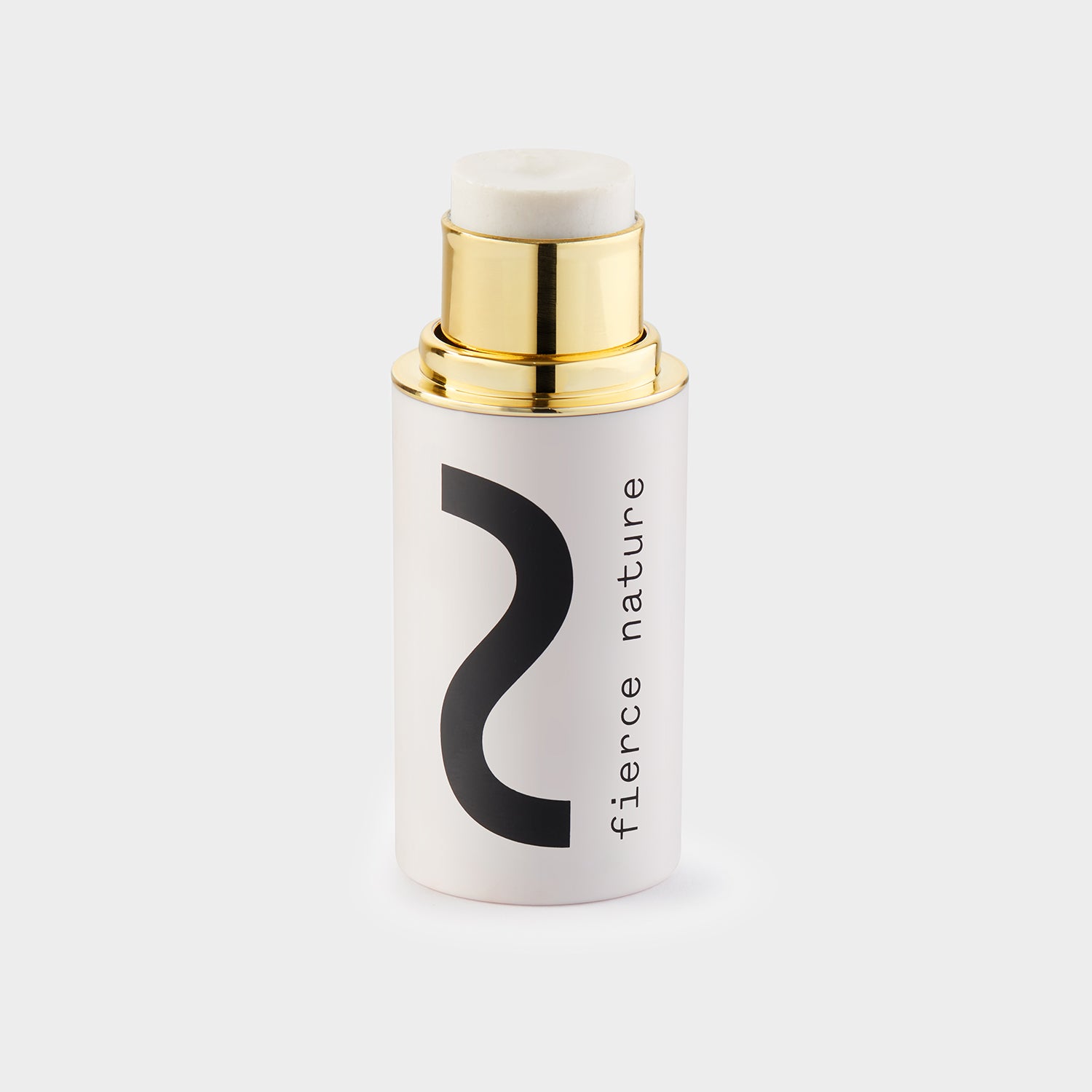
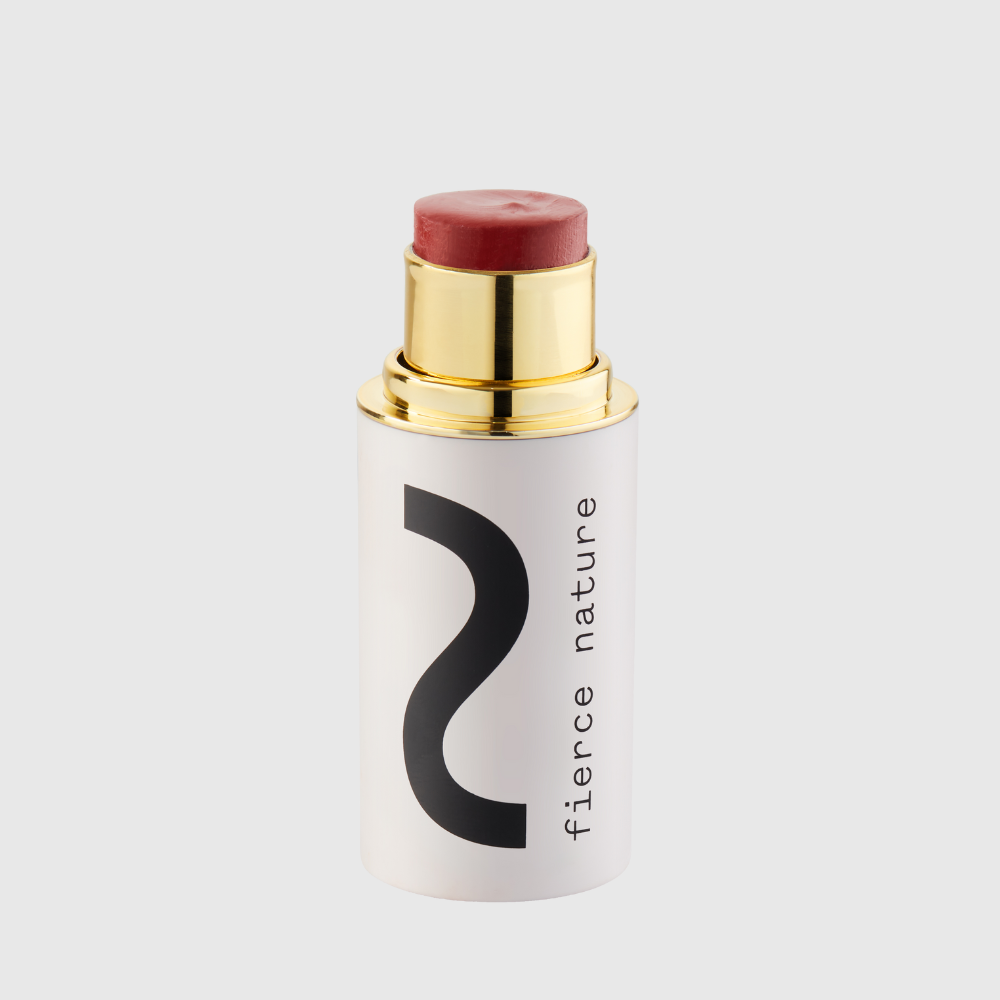
Tallow has been used for centuries as a skin emollient. Our balms use pure organic tallow from grass-fed animals as their foundation, and we believe its natural makeup is a big part of why it feels so nourishing on dry, stressed skin. We design our formulas to deliver deep nourishment with bioavailable vitamins, and they are handmade here in the UK with naturally sourced ingredients.
If your hands feel like they have lost their protection, our guides on repairing the skin barrier and on choosing a skin barrier repair moisturiser for dry skin explain the thinking behind daily nourishment in more detail. You can also read how we look at tallow balm alongside steroid creams for eczema-prone skin.
Soothing the rash is half the job. Preventing the next flare is the other half.
Washing up, cleaning, bathing children, gardening and handling detergents all expose your hands to water and chemicals. NHS guidance on preventing hand dermatitis at work recommends protecting your hands with nitrile gloves during wet work. A few practical points:
Alcohol gel can be drying, but NHS hand care advice also notes that, for health workers, alcohol rubs are less irritating than repeated soap and water when hands are not visibly dirty. The exceptions are visibly dirty hands and certain infection situations, where washing is needed. If you work in healthcare, follow your workplace policy and your occupational health team’s advice. At home, a moisturiser after sanitising makes a real difference.
We started Fierce Nature because of our own skin story. Growing up in South Africa with mainstream shaving gels, hair removal creams and lipsticks, our founder battled rashes and reactions as a young teenager and never understood why. Years of working with gut health and the toxic load our bodies carry made one thing clear: what we put on our skin matters.
When we look at a hand washing rash, we see skin that has lost its protective layer and needs to be nourished, not stripped further. That is why we encourage gentle cleansing with as few ingredients as possible, and then generous, regular moisture. Tallow is our foundation because it has been trusted for centuries as a skin emollient, and we believe its richness and bioavailability make it a deeply nourishing skin food for hands that are working hard.
Everything we make is handmade in the UK from premium, naturally sourced ingredients, with full ingredient transparency. Our balms are designed to sit on the skin and feel restorative, so that a quick moment at the sink becomes a small ritual of care rather than a source of dread. Healthy, radiant hands do not come from a promise on the packaging. They come from consistent, kind habits.
Fierce Nature
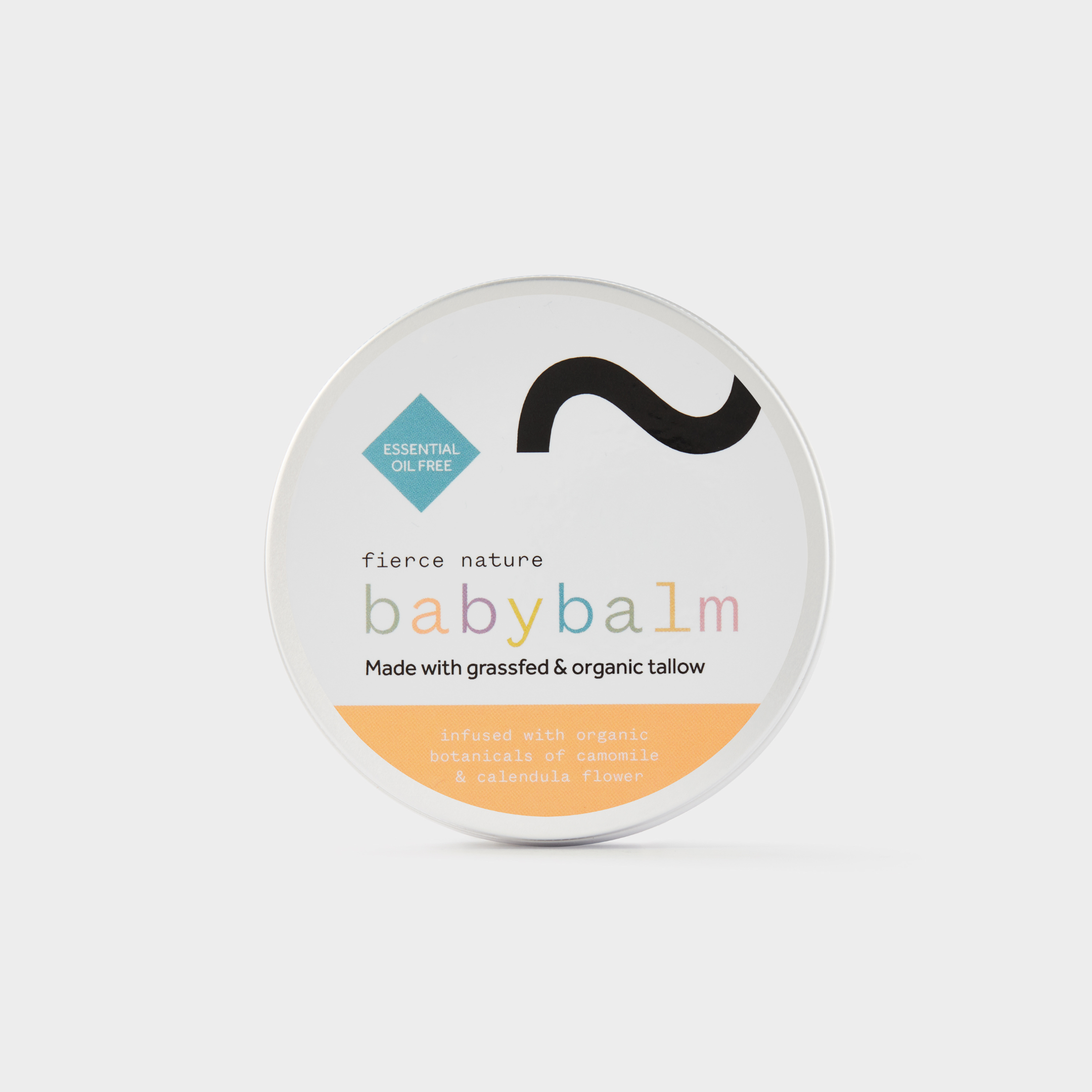
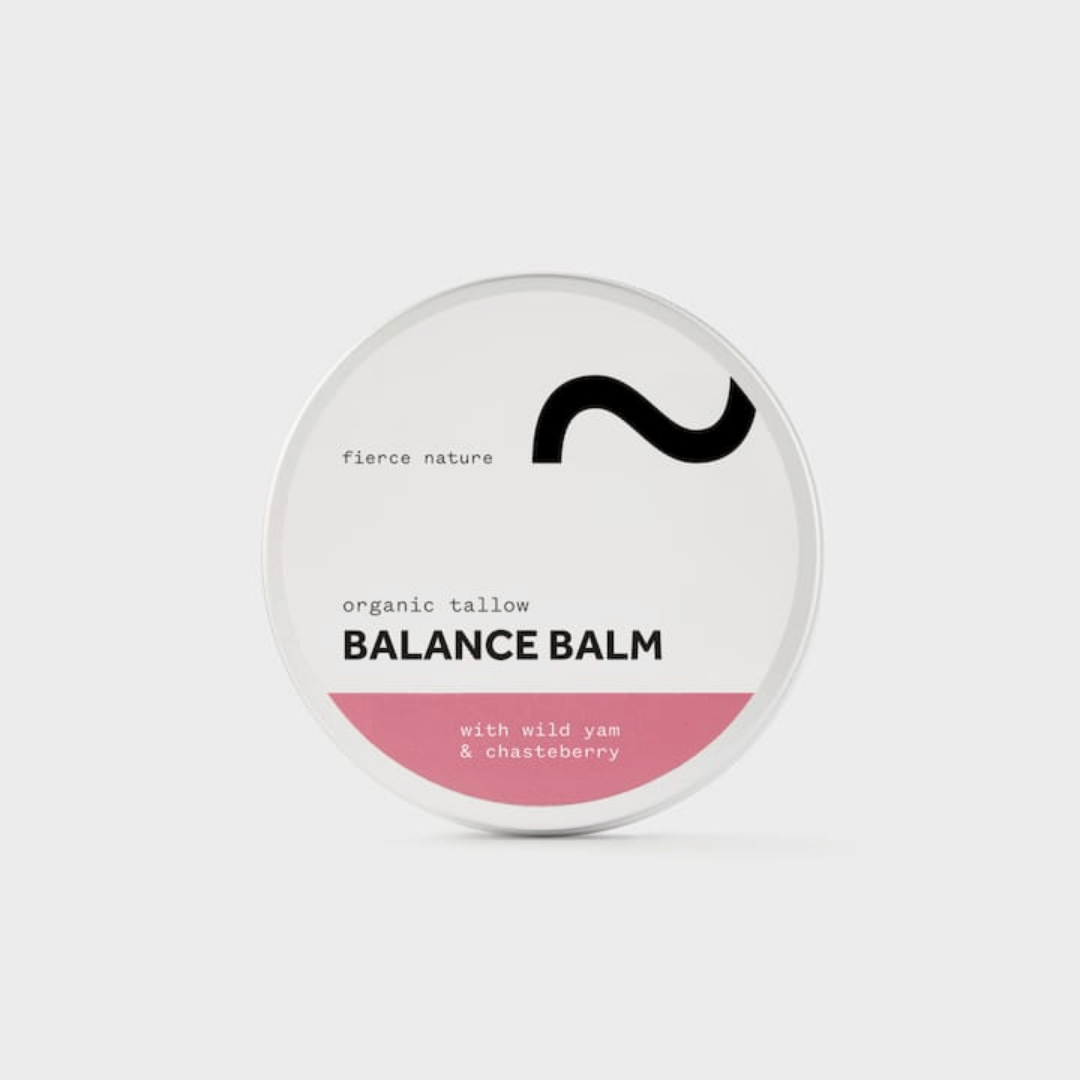
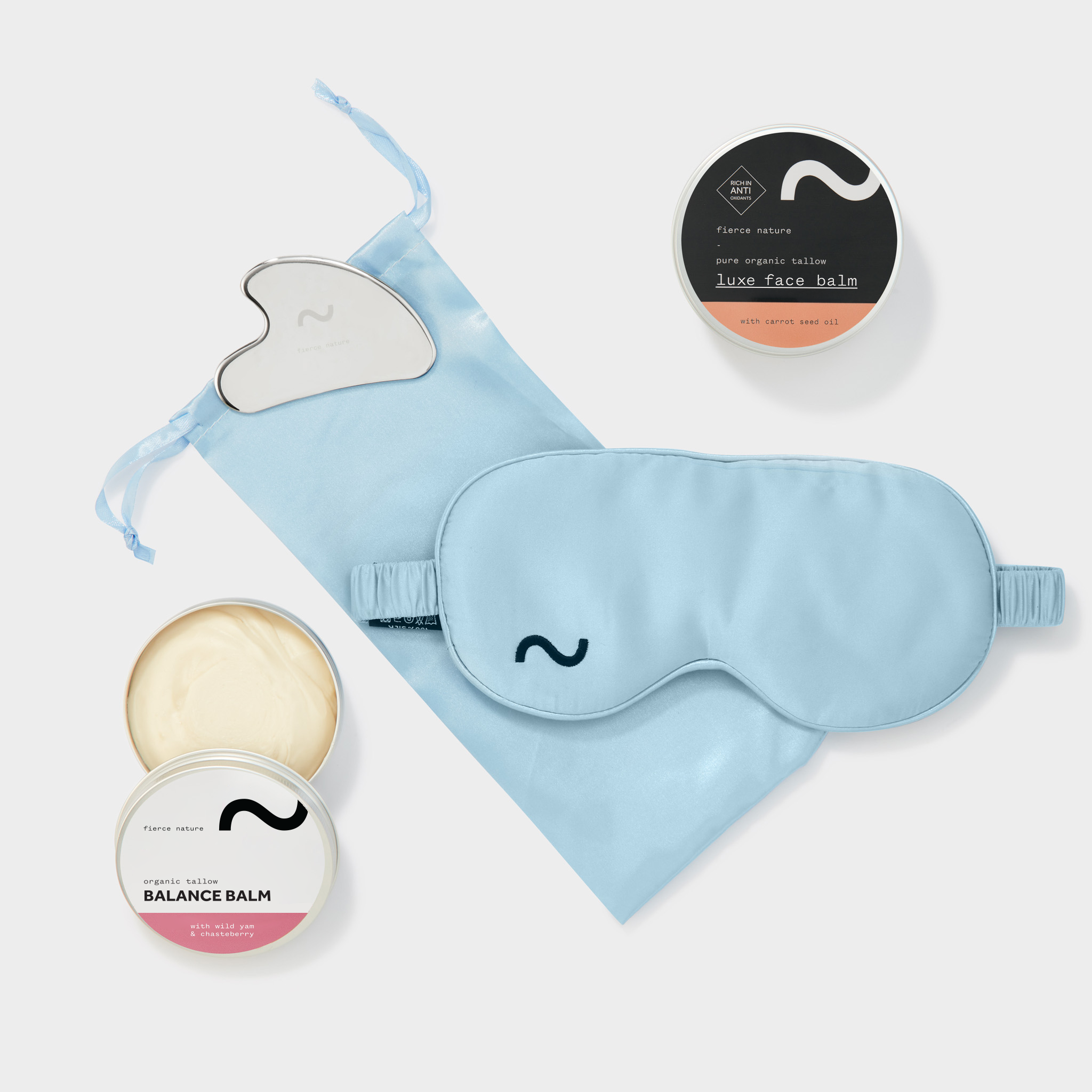
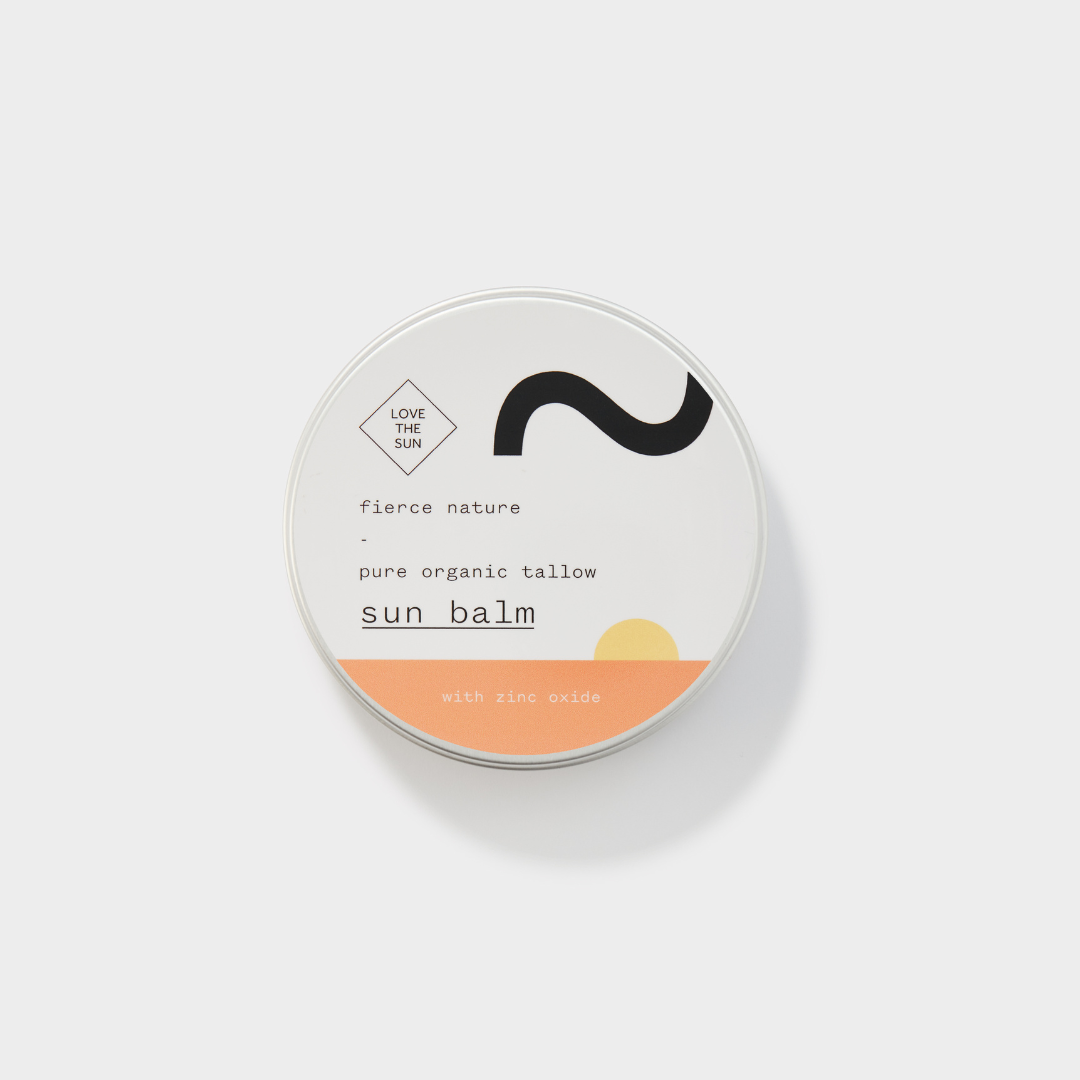
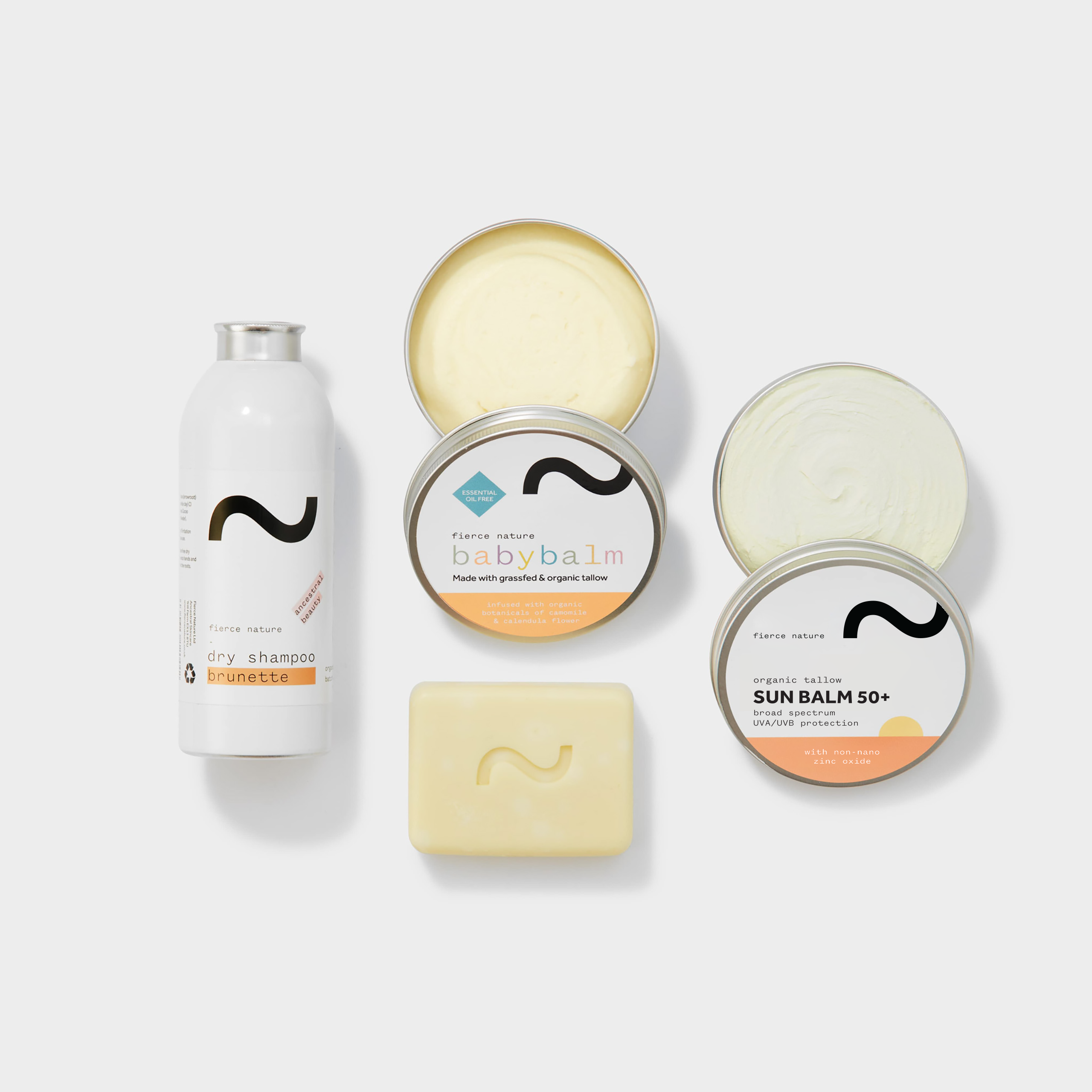
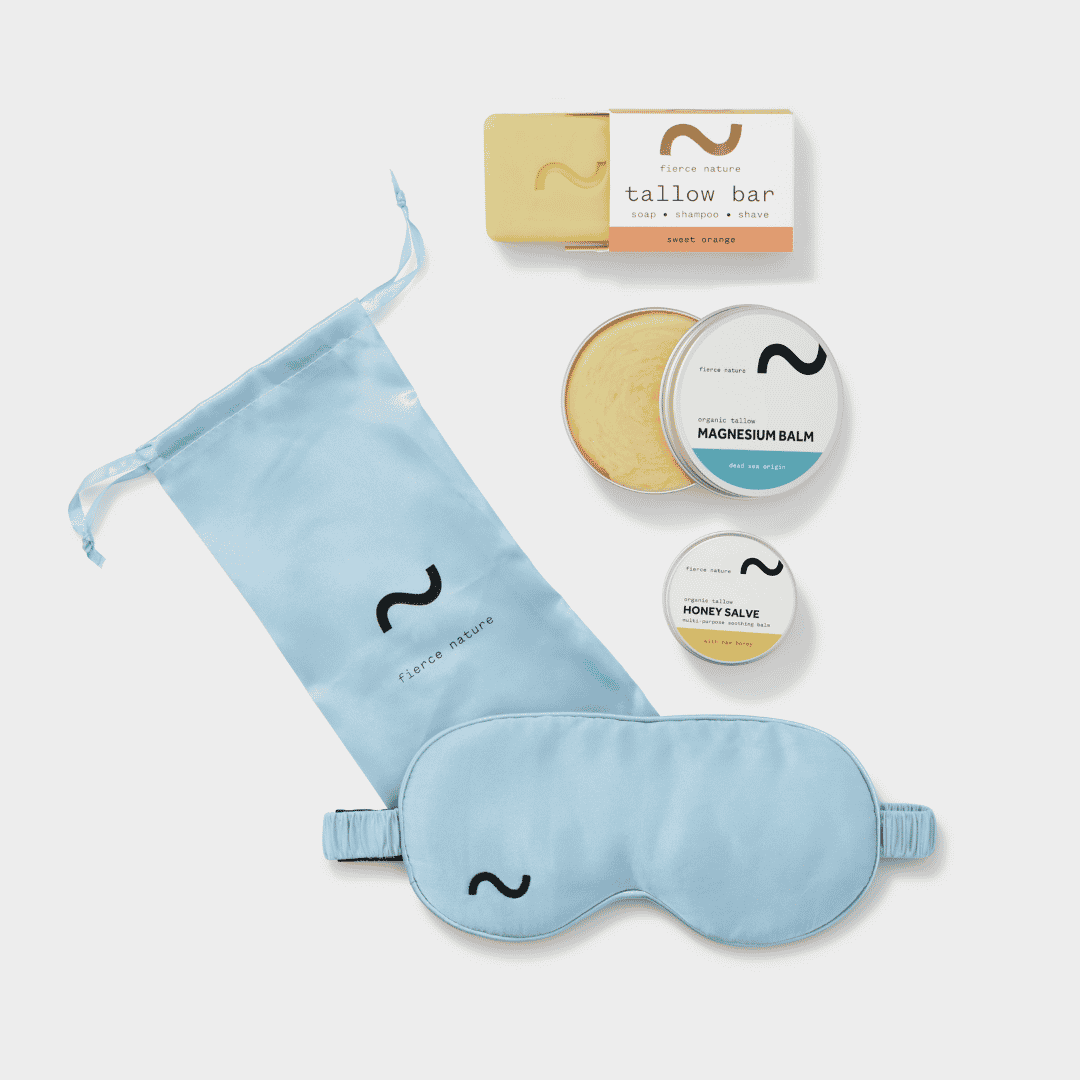
If you are looking for something rich to keep by the sink, our face and body balms are handmade in the UK with organic tallow as the base. For everyday protection across the day, our Functional Balm Collection and Nourish Balms Collection are worth a look. For cleansing, our tallow soaps are made for people who want a simple, natural wash. Little hands washing all day long can be looked after with our Baby Balm.
Home care is right for mild irritation, but some rashes need a professional. NHS advice is to see a GP if contact dermatitis is persistent, recurrent or severe. In particular, get advice if:
The British Association of Dermatologists explains that, in most cases, treatment controls hand dermatitis rather than curing it. Emollients remain essential, and steroid creams or ointments can relieve symptoms and calm inflamed skin when prescribed. Your GP may also suggest a soap substitute, advise on avoiding triggers or refer you to a dermatologist.

Our balms are skincare, not medicine, and they are not a replacement for treatment your clinician prescribes. Many people find that a nourishing moisturiser fits comfortably into their routine alongside medical advice, so ask your GP or pharmacist how to combine them.
Use lukewarm water and a soap substitute, which is a fragrance-free, emollient-based wash. If your hands are visibly dirty, use a small amount of non-perfumed soap and rinse it off thoroughly. Avoid heavily scented cleansers and anything that leaves your skin feeling tight.
Water, soap and alcohol gel strip away the natural oils that protect your skin barrier. When that barrier is weakened, irritants get in more easily and moisture escapes, so your hands feel dry, sore and sometimes cracked. Gentler washing and frequent moisturising help the barrier recover.
In most cases, treatment controls hand dermatitis rather than curing it, according to the British Association of Dermatologists. Avoiding triggers, moisturising regularly and using treatments such as steroid creams when prescribed can keep it well managed. Speak to your GP if it keeps returning.
Irritant and allergic rashes can look very similar, with redness, dryness, blisters or cracks. An allergic rash is an immune reaction to a specific substance, often after repeated contact, so it tends to flare after particular products. Your GP can arrange testing if you suspect an allergy.
Yes, it can help. After applying a thick layer of emollient or balm, soft cotton gloves keep it on your skin overnight so it can work while you sleep. Choose clean, breathable cotton and wash the gloves regularly.