Chariot
0
80 % également ajouté à ceci

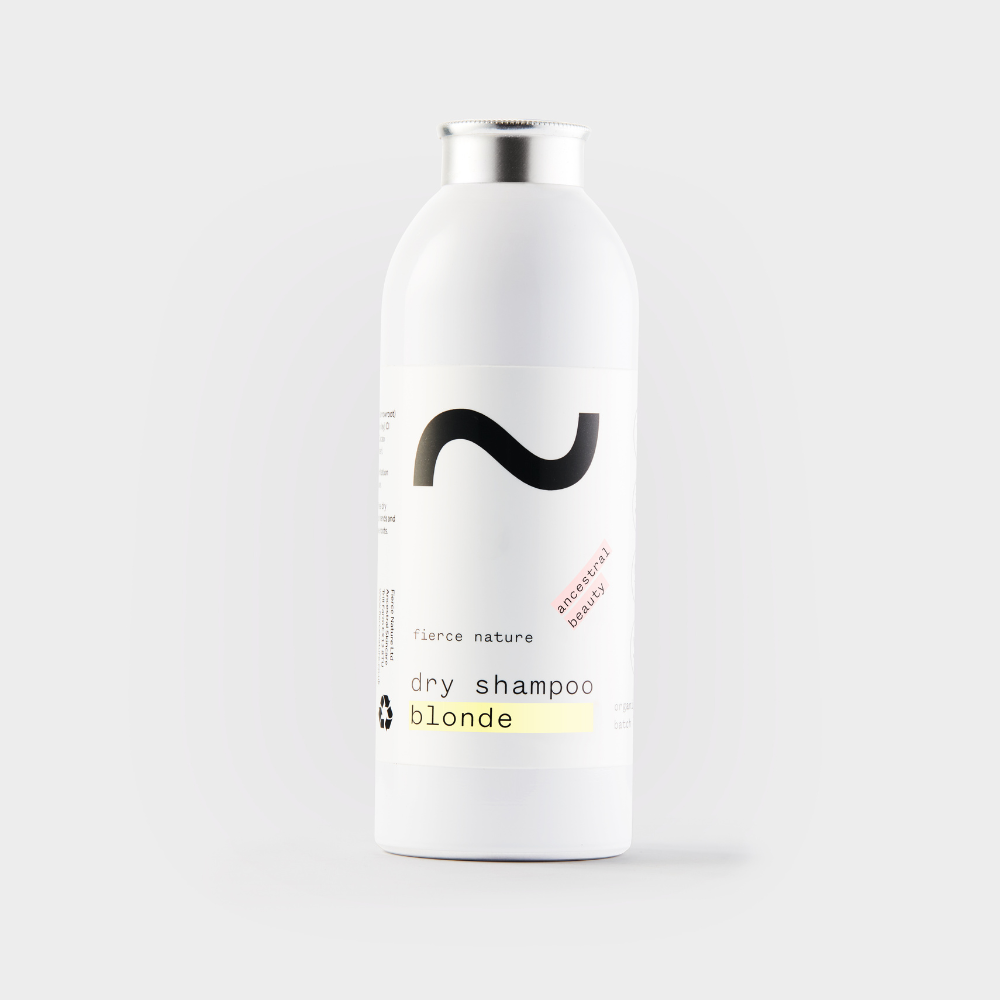
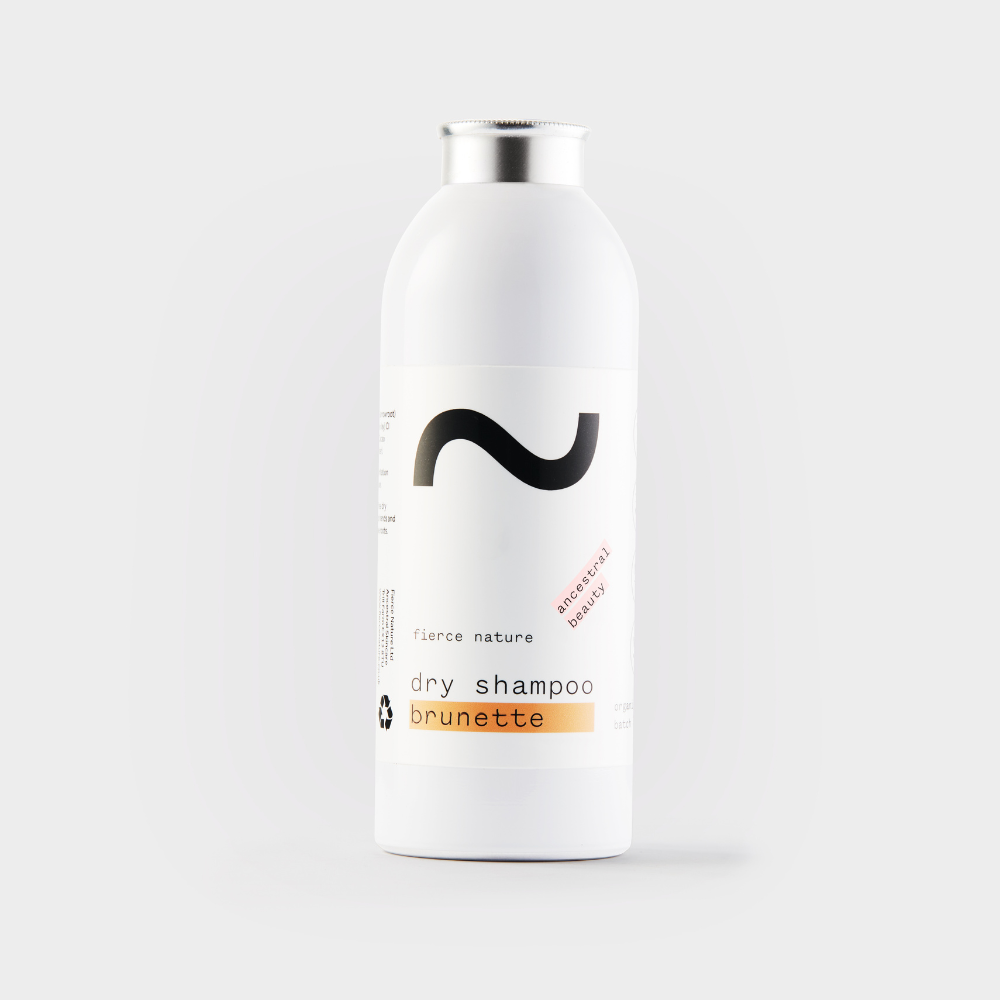

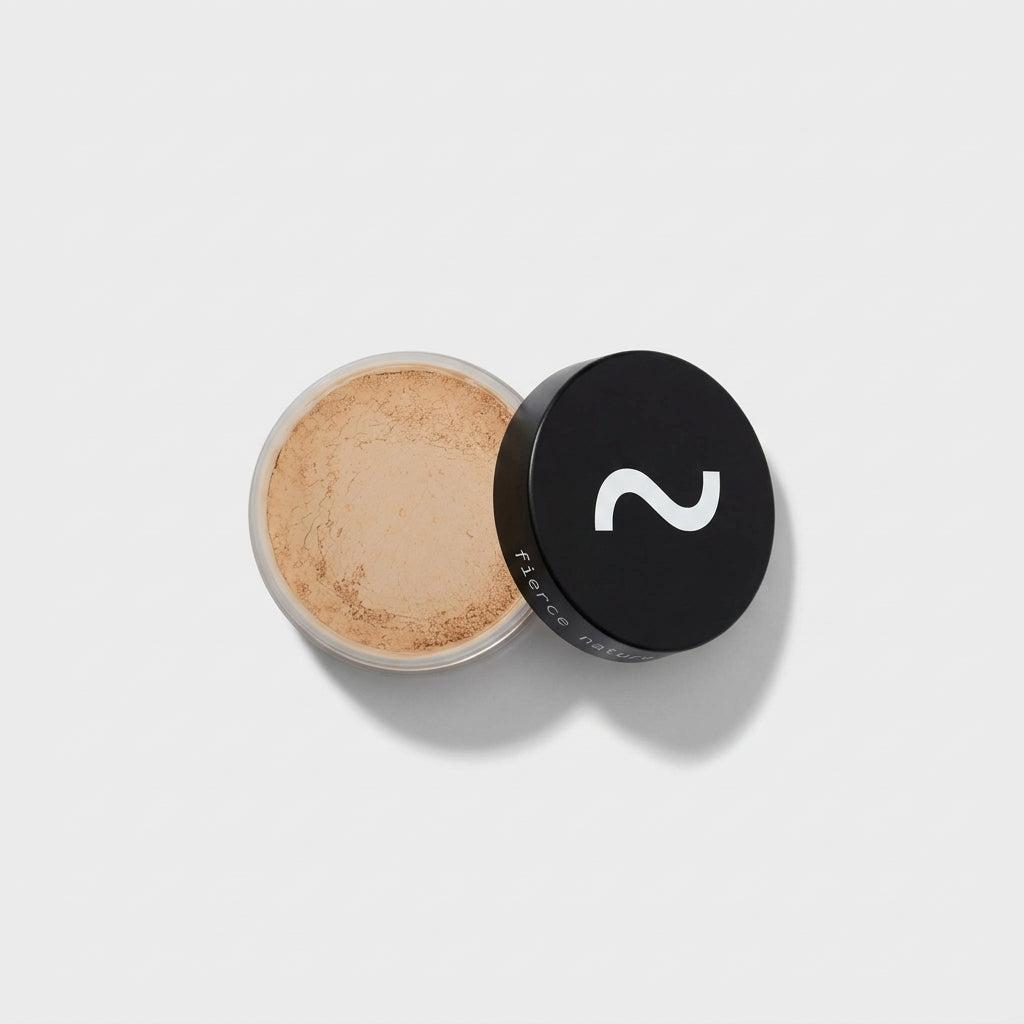
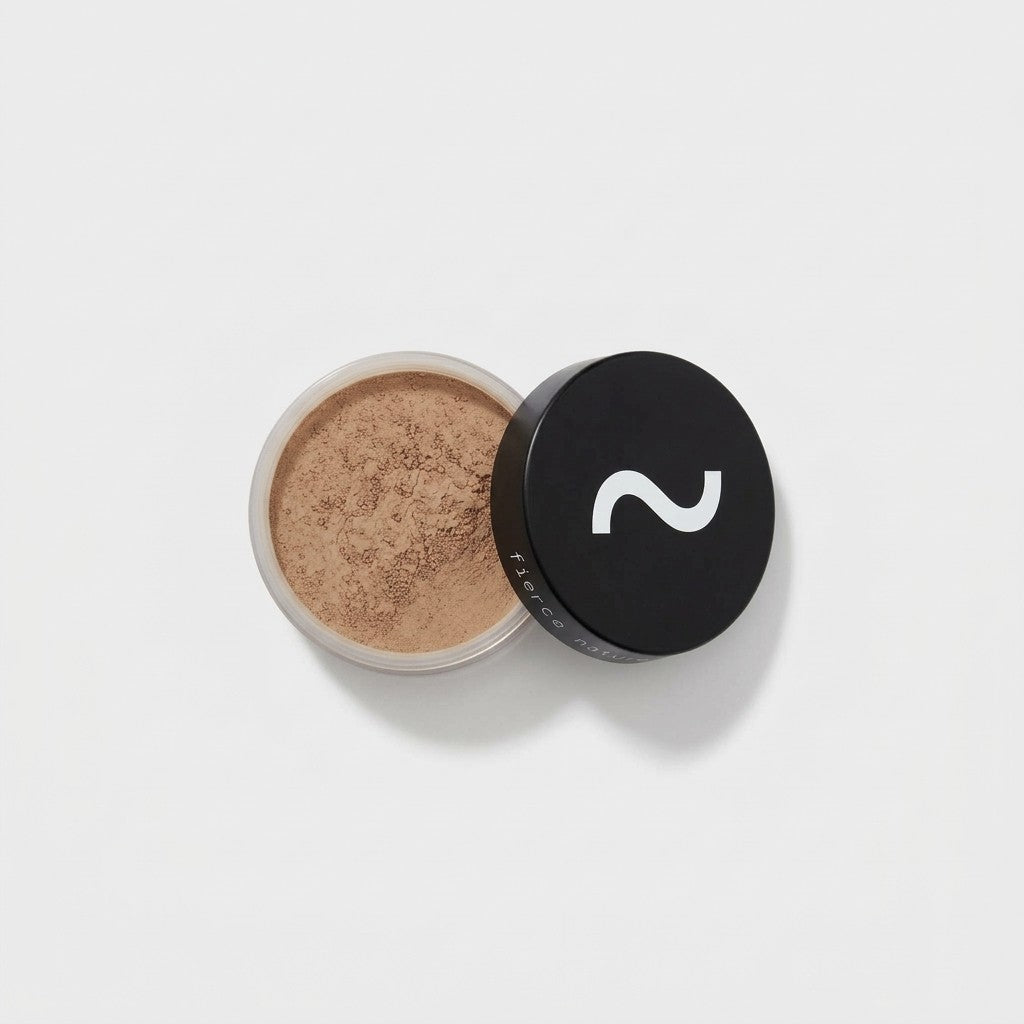
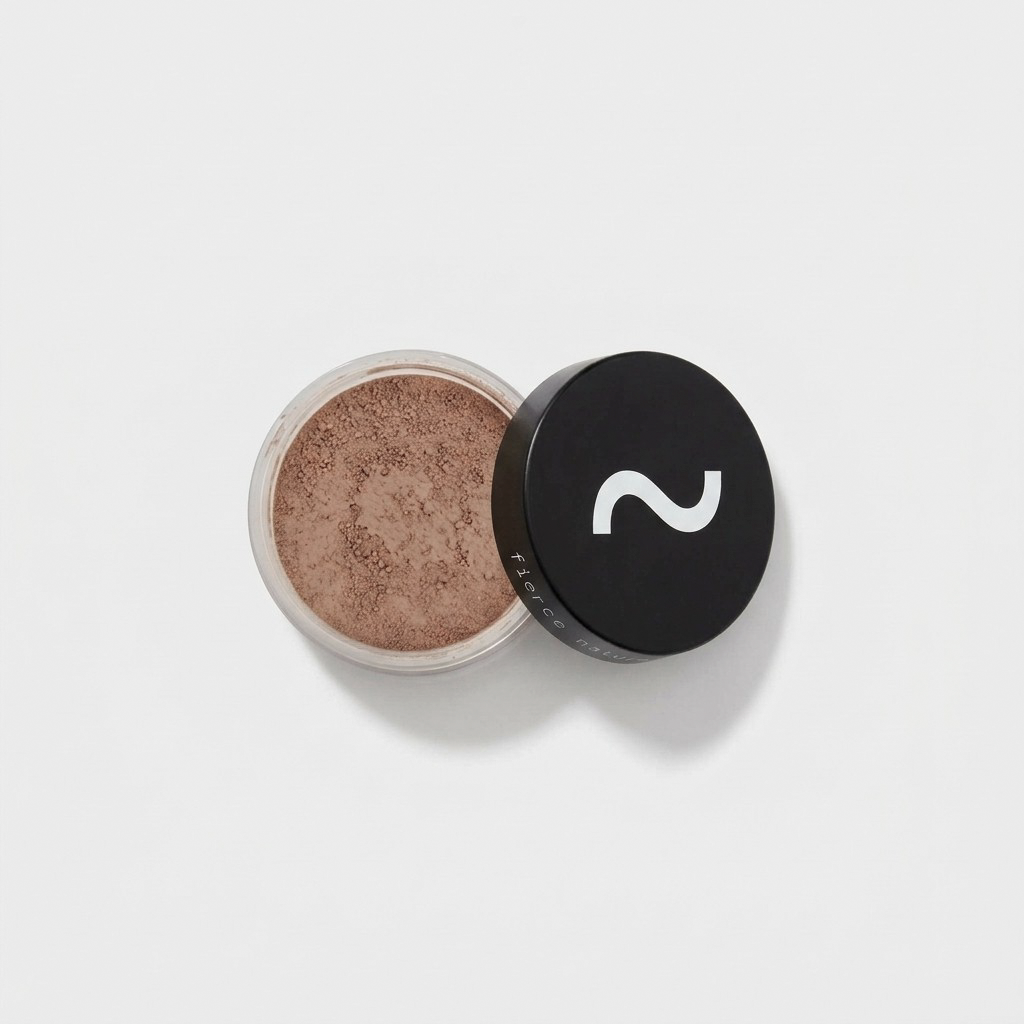
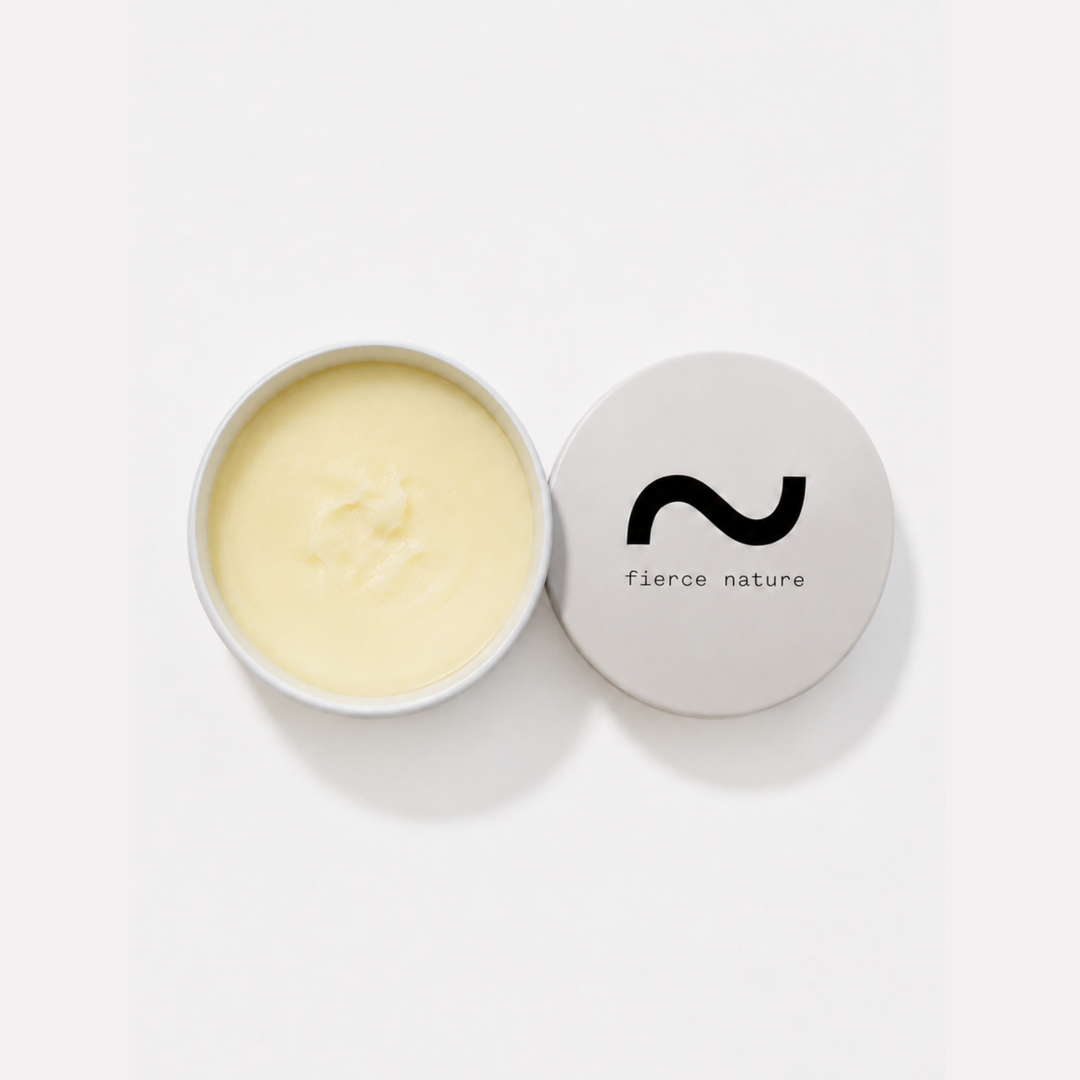
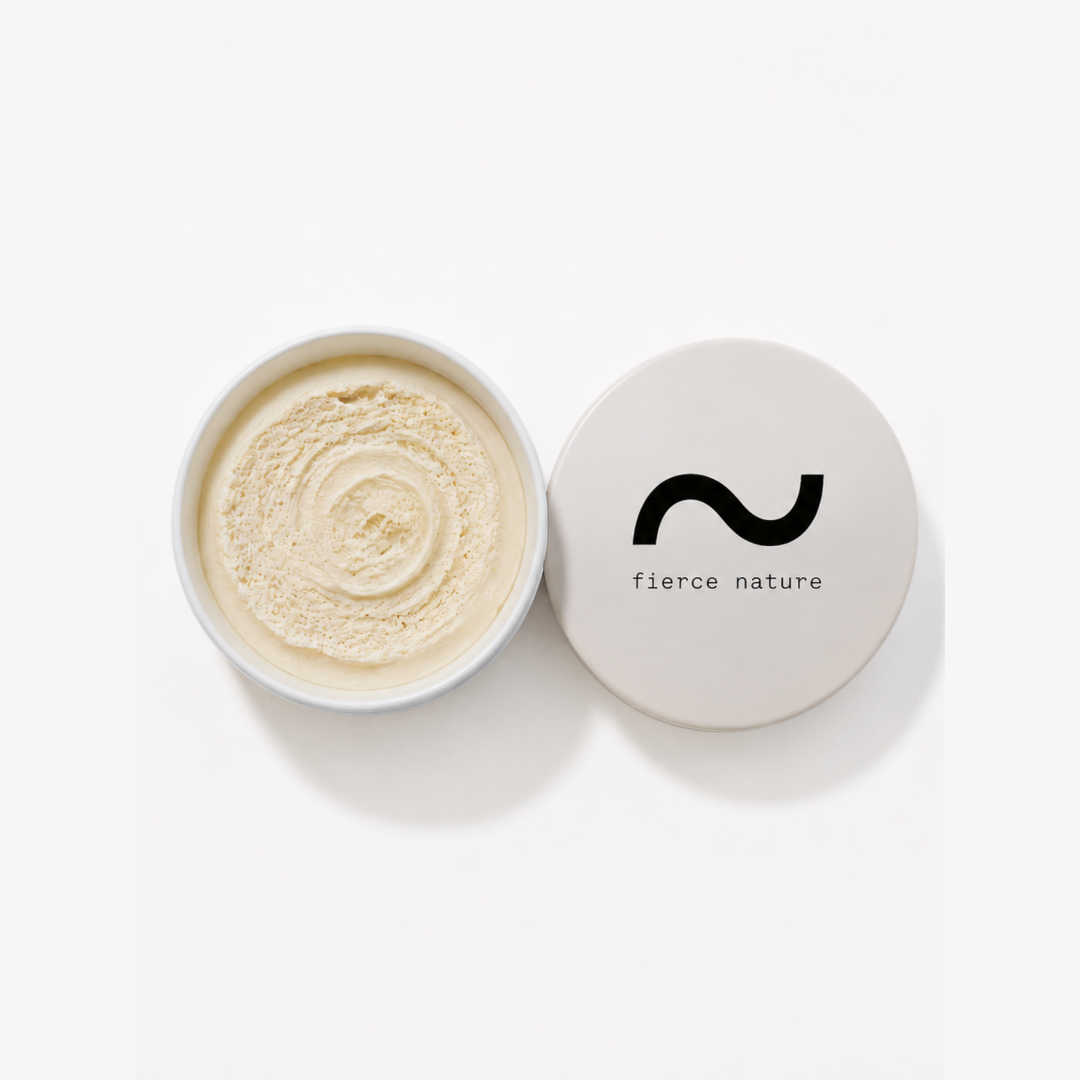
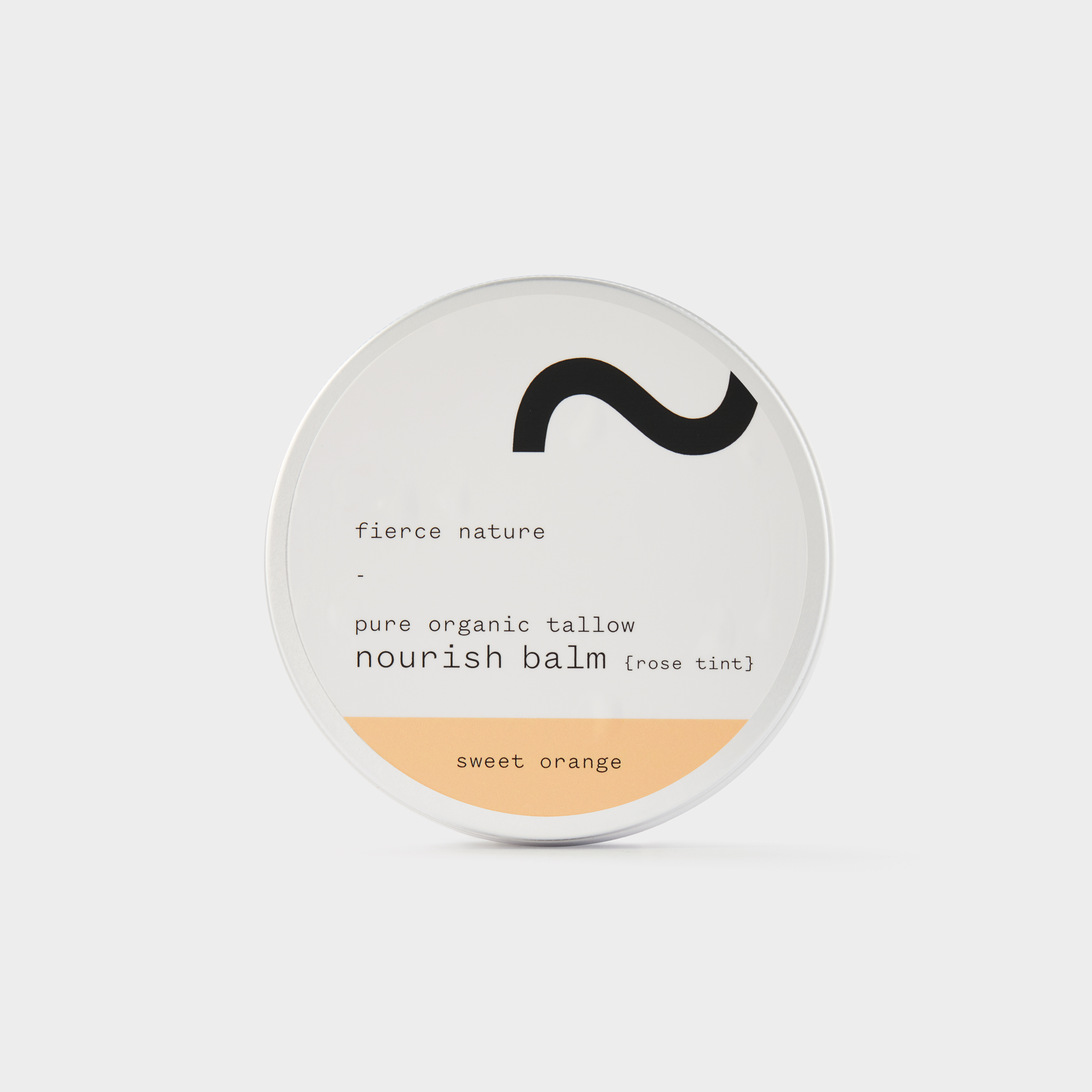
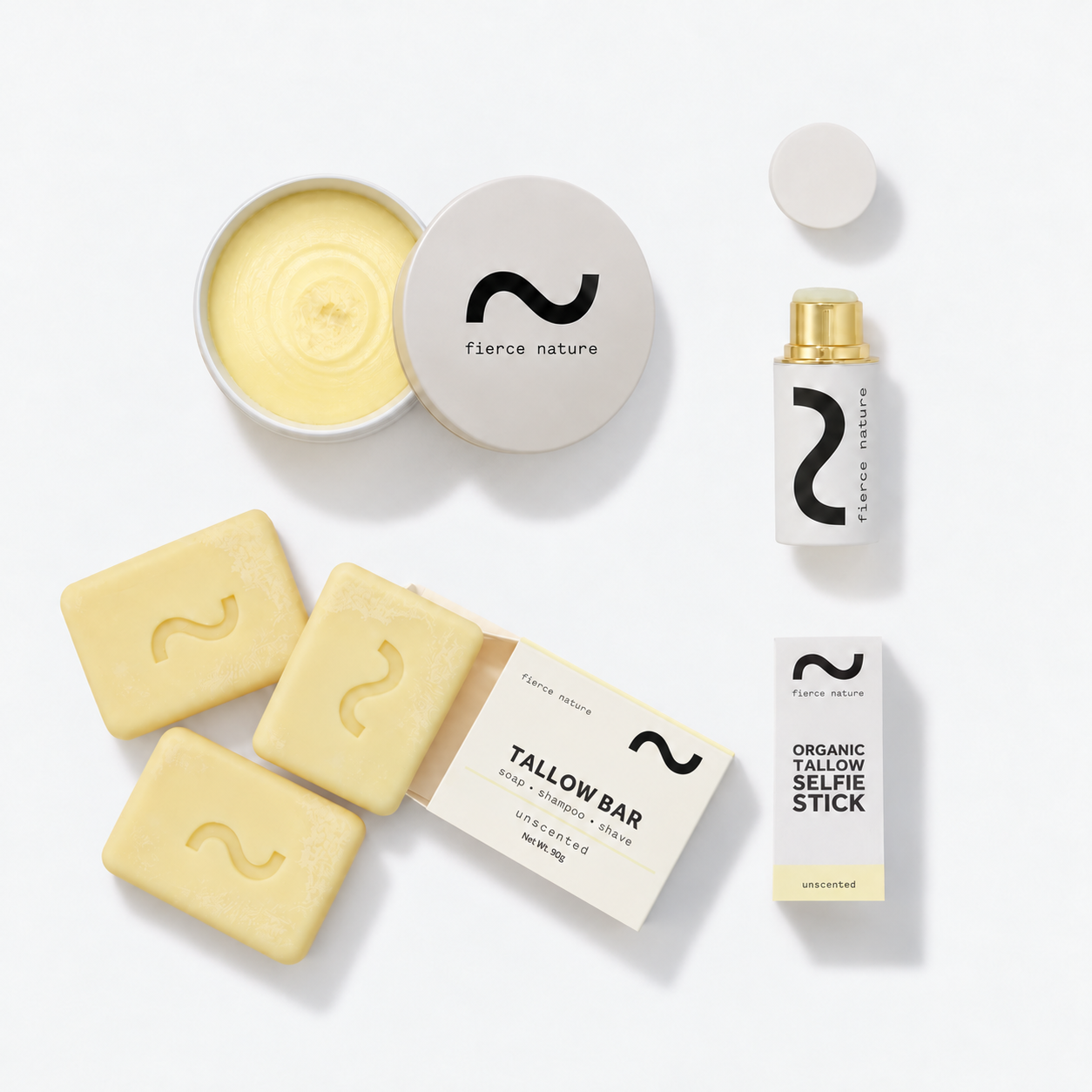
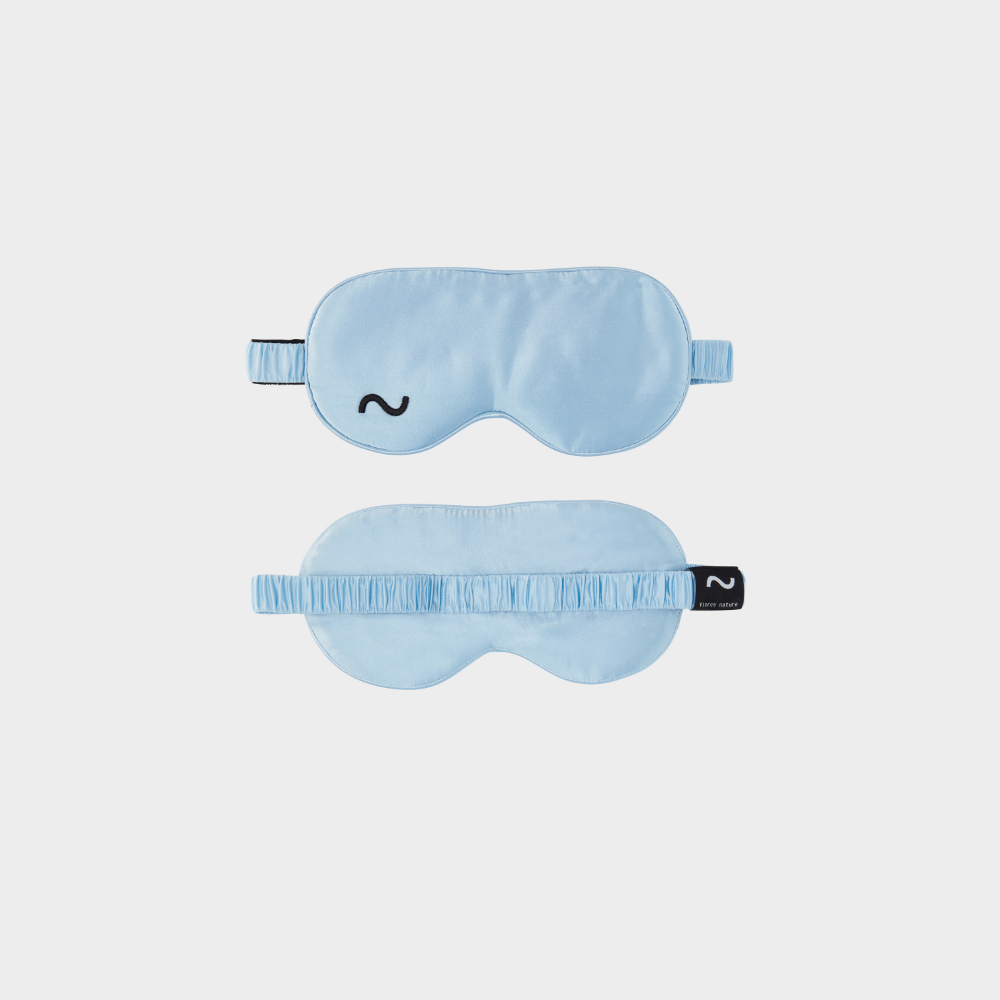

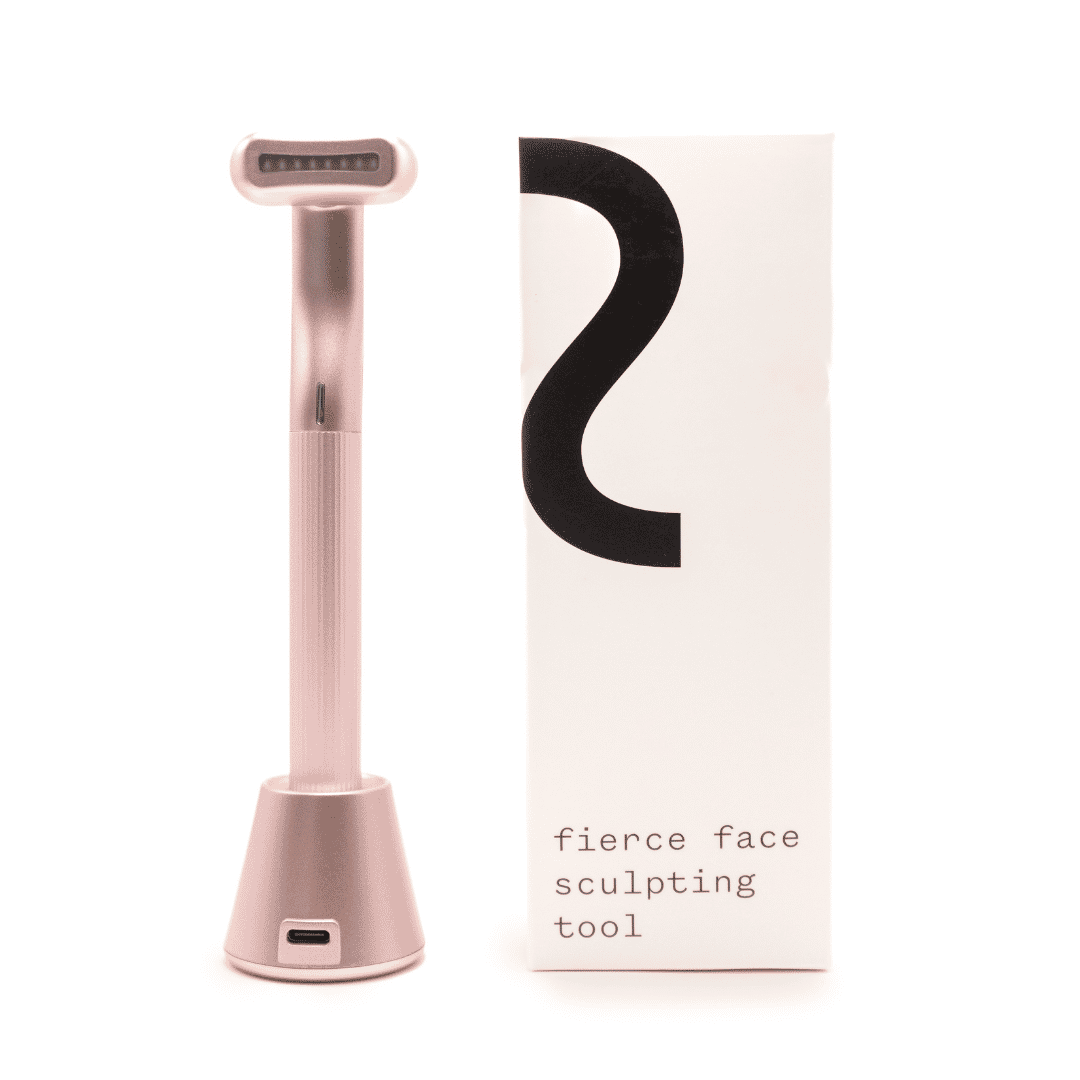
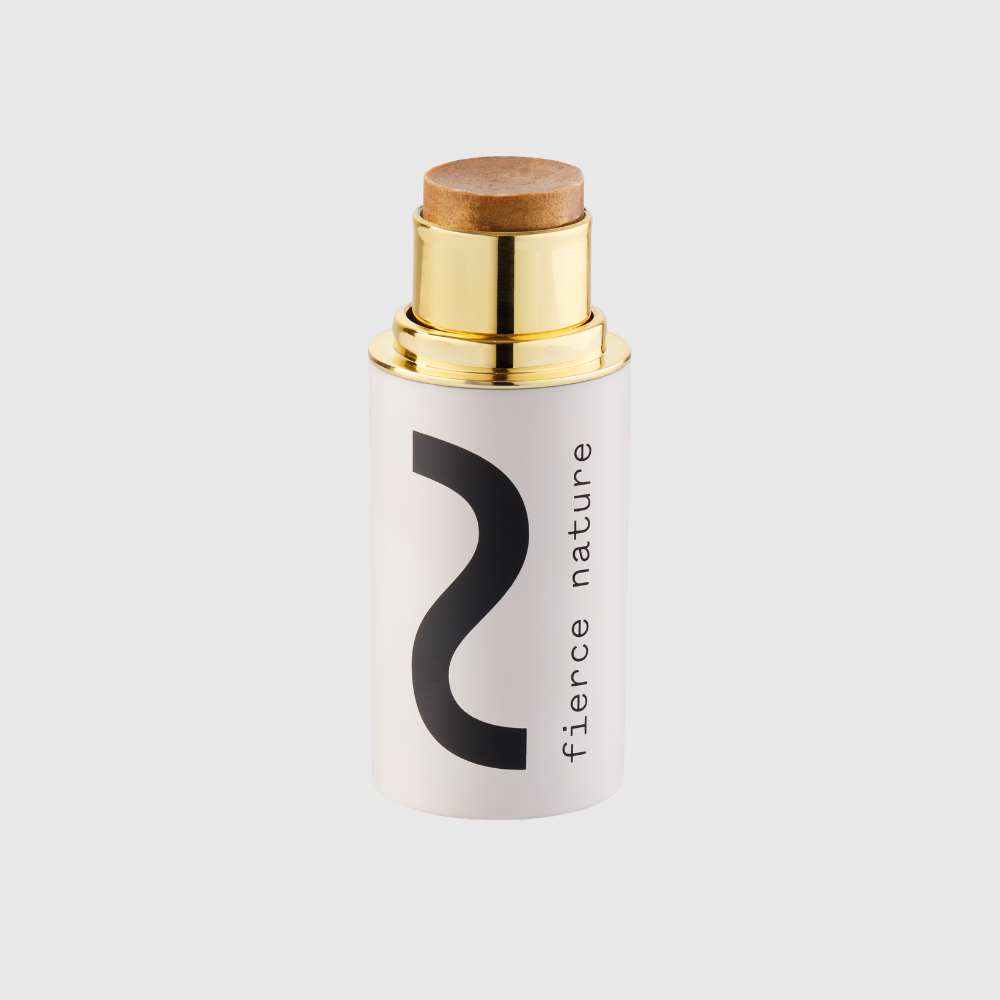
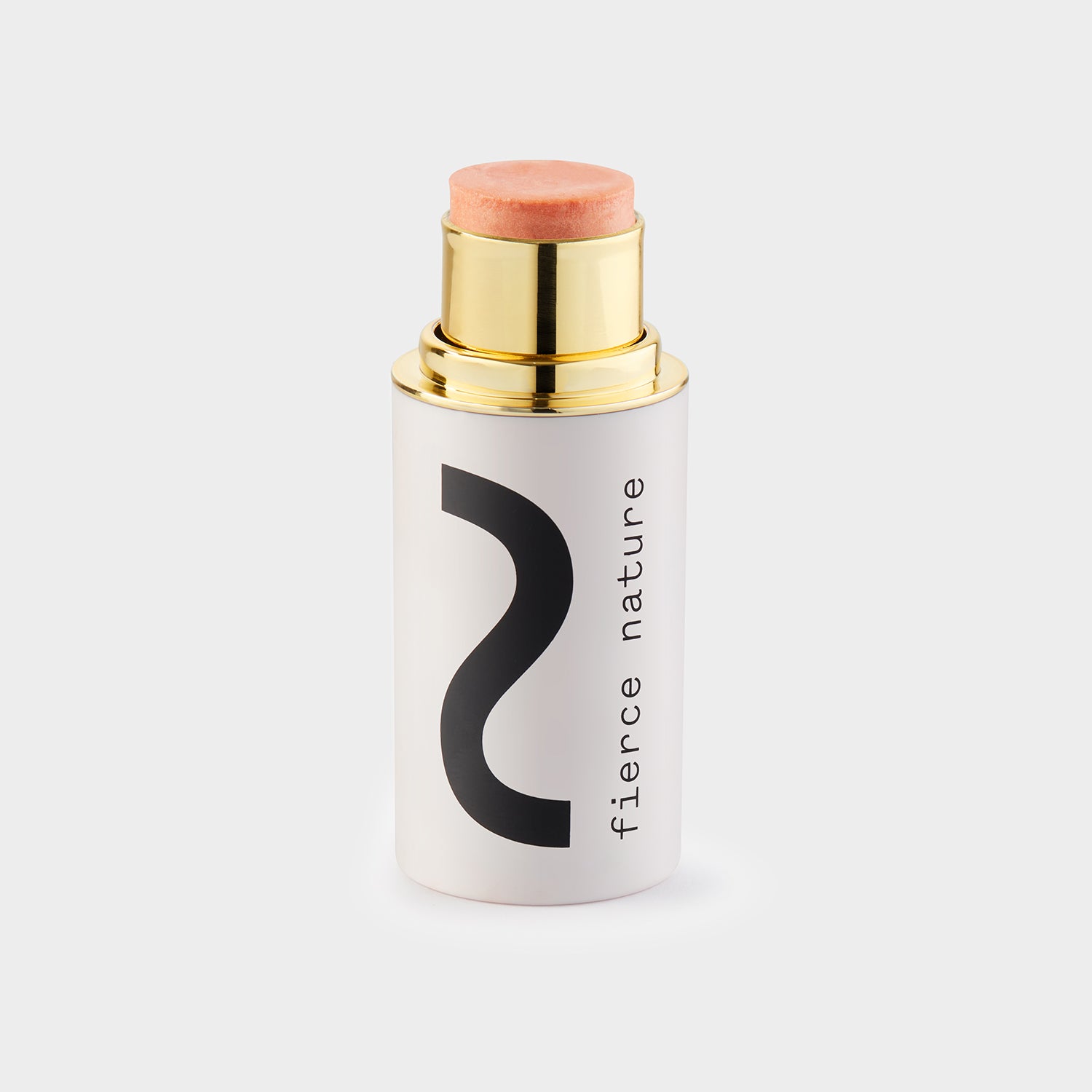
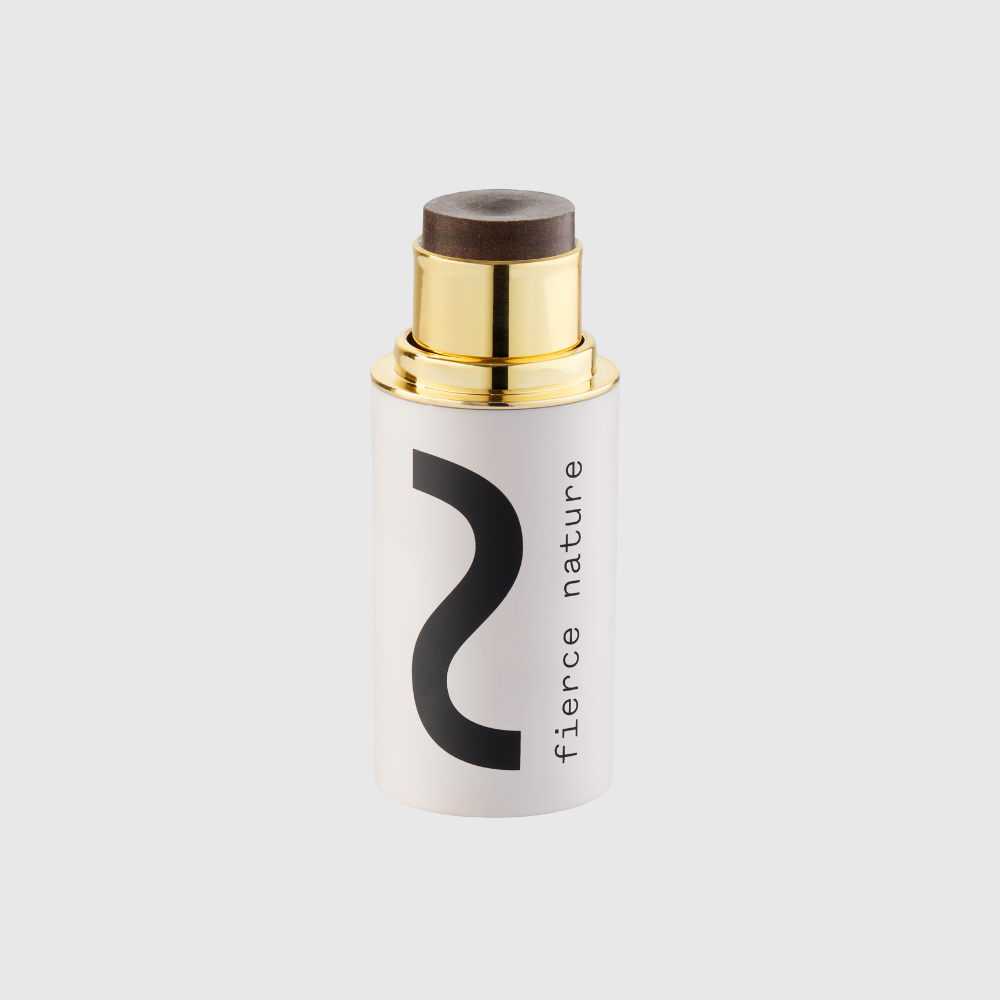
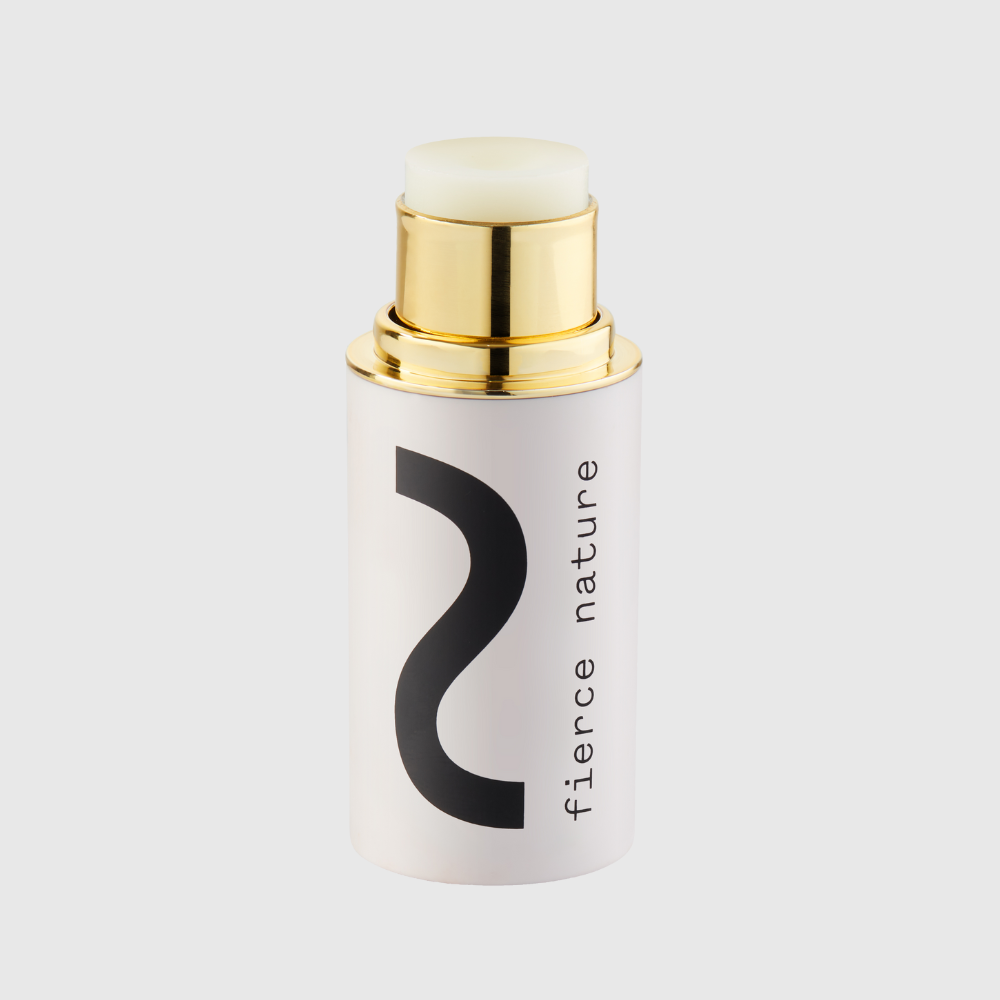
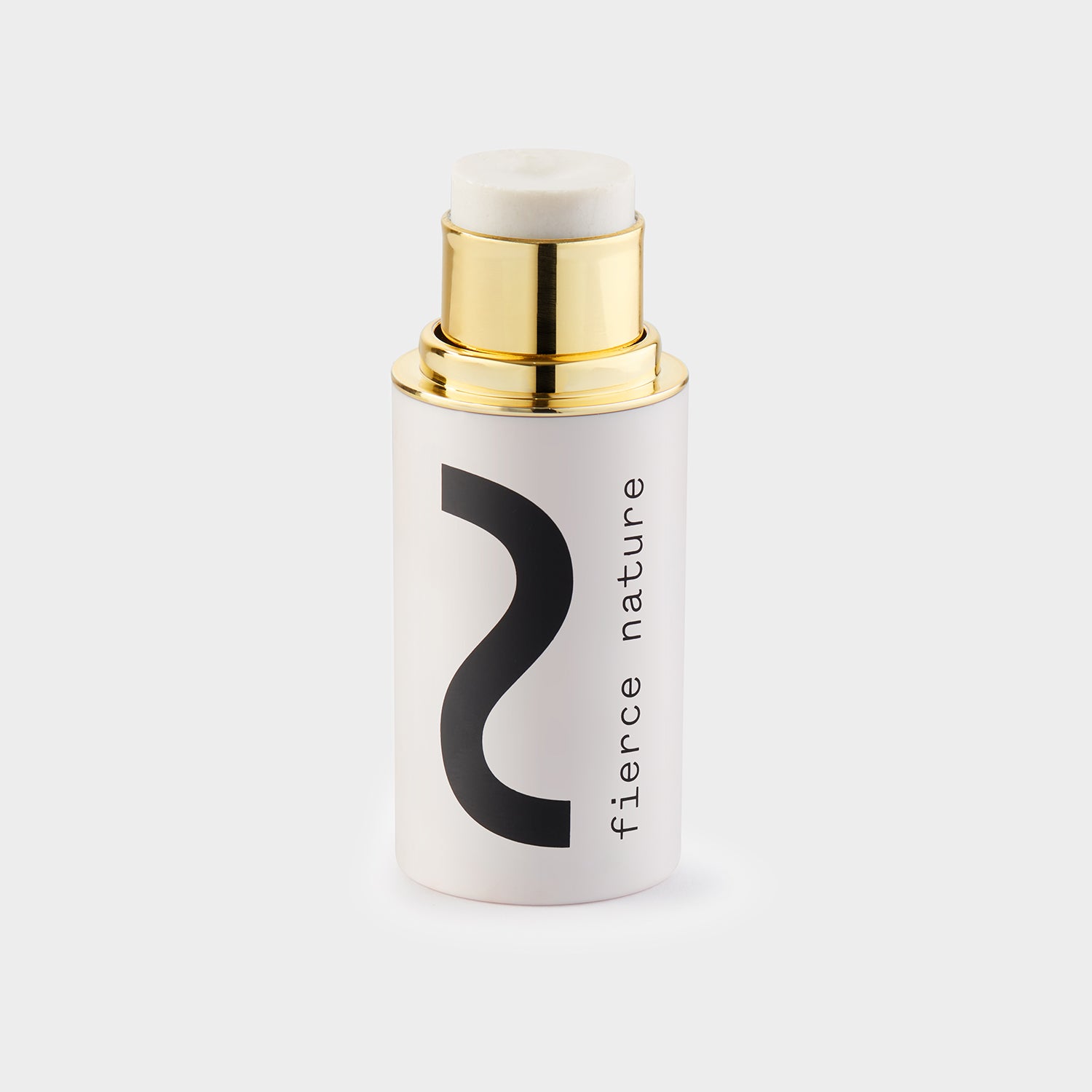
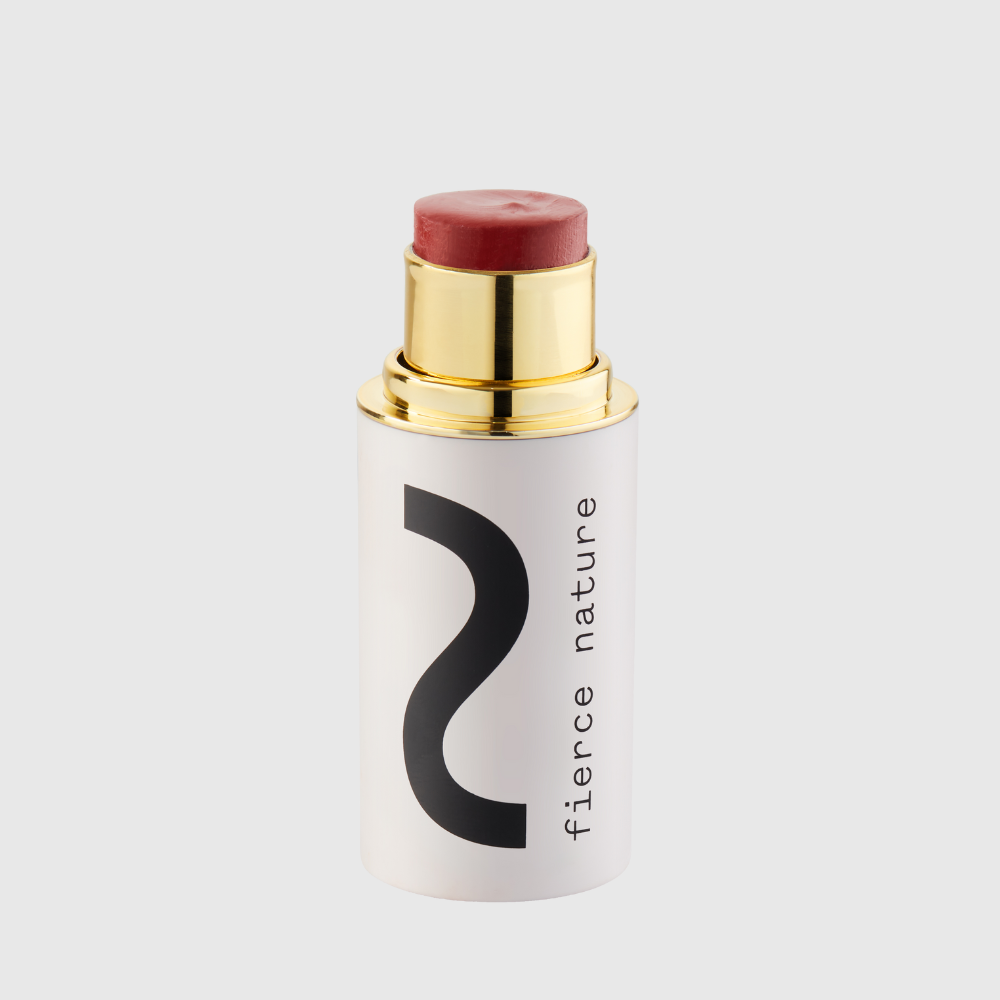




A scalp that smells a day or two after washing is almost always carrying a mix of sweat, natural oil, dead skin and product residue that bacteria and yeast feed on. The fix is rarely more perfume. It is a lighter, cleaner routine: wash well, rinse well, dry fully, and refresh between washes with something that absorbs oil without leaving a heavy film. Our talc-free powder dry shampoo is made for that job. A smell that keeps returning with itching, flaking, redness or hair loss is a different matter, and we cover when to see your GP below.
Your scalp is skin, and it has more oil glands than most. Oil, sweat and shed skin cells collect there. A community of yeast and bacteria lives on the scalp as a normal part of healthy skin, and when there is plenty of oil and debris for them to feed on, the by-products they produce can smell sour, musty or a bit like old cheese.
The usual contributors are:
The key point is that the smell is usually a sign of build-up, not of being unclean. That is why scrubbing harder or washing three times a day tends to backfire: hot water and harsh cleansing can strip the scalp, which may prompt it to make even more oil.
It is worth working out where the smell is coming from before changing your routine.
A musty smell that returns soon after every wash, especially with itching or flaking, is worth a closer look at the scalp, and the GP section below tells you what to watch for.
Most of the work happens on wash day. Here is the routine we would give a friend.
Hot water can stimulate oil production, and cold water does not rinse oil out well. Lukewarm sits in the middle and cleans without stressing the skin.
Put shampoo on your fingertips and work it into the scalp, where the oil and sweat are. The suds running down will clean the lengths. If your scalp is oily or you have used a lot of product, a second round of shampoo helps lift what the first lather only loosened.
Use the pads of your fingers, never your nails. Sixty seconds of gentle circles loosens oil and flakes and leaves the scalp properly cleansed. Scratching can damage the skin and make irritation worse.
Residue from shampoo and conditioner is one of the most common reasons hair smells flat or sour. Keep conditioner to the mid-lengths and ends, and rinse until the water runs clear and the hair squeaks slightly between your fingers.
A UK dermatologist has recommended the “sandwich method”: a little conditioner, then shampoo, then conditioner again. It protects the hair’s moisture barrier when you wash often, so you are not tempted to skip washes to save dry ends.
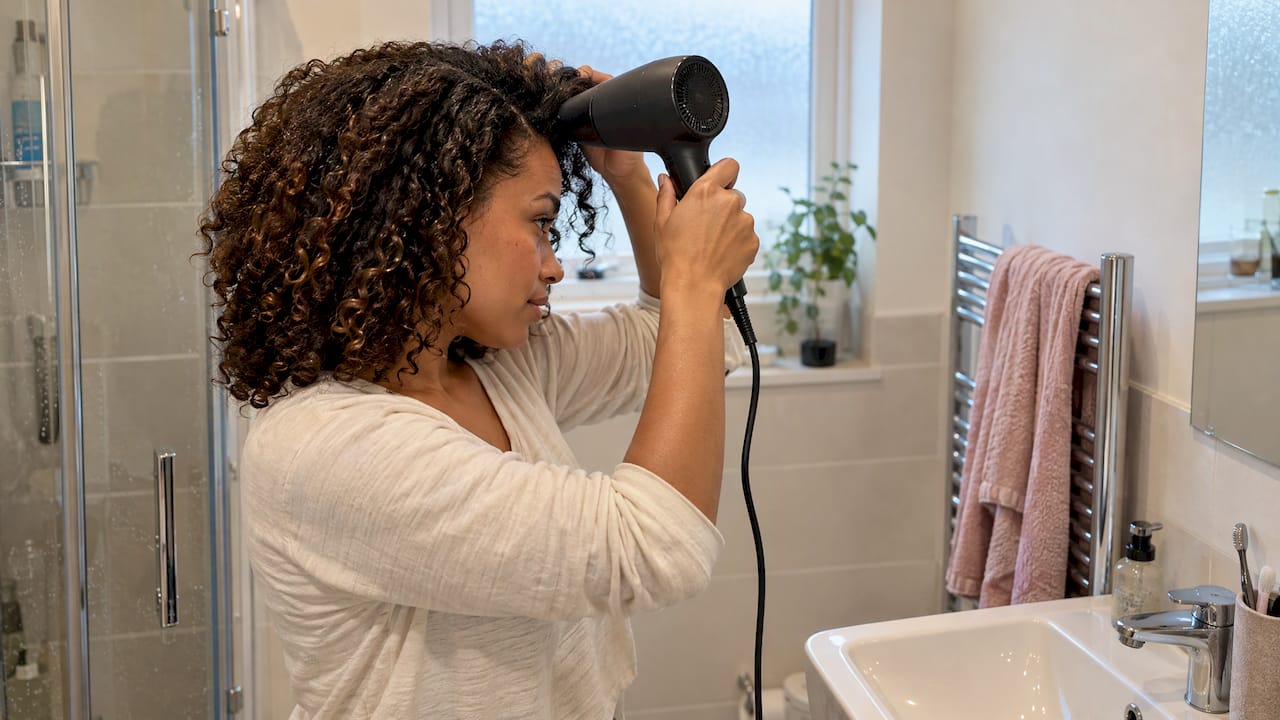
Damp conditions encourage microbes. Towel-blot, then let air do the rest or use a warm, not hot, setting on a hairdryer, aiming at the roots. Avoid going to bed or tying hair up while the scalp is still damp.
Wash pillowcases, hats, headbands and gym towels regularly. Clean your hairbrush by removing trapped hair and washing the bristles in warm water with a little gentle shampoo, then letting it dry fully. A dirty brush returns oil and product to your scalp every time you use it.
If you sweat heavily, a quick rinse with plain water through the roots removes salt and moisture without a full wash. Let your hair air out afterwards rather than scraping it back tightly while still damp. We cover a quick refresh in our low-residue post-workout routine.
There is no single right answer. It depends on your hair type, how much you sweat and how oily your scalp is. A UK dermatologist, speaking to the press in 2025, gave these rough guides:
| Hair type | Typical wash frequency |
|---|---|
| Fine hair | About every other day, as it gets oily faster |
| Coarse hair | Every three to four days |
| Coily or very curly hair | Every two to three weeks |
The same dermatologist warned that stretching washes too far can lead to irritation, dandruff and flare-ups of eczema or psoriasis, and that bacteria breaking down sweat and oil will cause an odour. If your scalp smells before your next planned wash, that is your cue to shorten the gap, not to cover the smell.
A sensible starting point for most people with straight or wavy hair is a wash every two to three days, adjusted for exercise and oiliness. Let your scalp tell you: if it smells or feels greasy, wash. If it feels tight, itchy or dry, stretch the gap or swap to something gentler.

Dry shampoo is the obvious tool for bridging the gap. It works by absorbing oil at the roots, which makes hair look and smell fresher for another day. But it is not a substitute for washing. Used heavily, day after day, powder, fragrance and propellants can pile up on the scalp, and that is precisely the build-up that causes odour in the first place.

A dermatologist quoted in 2025 also warned that many dry shampoos and styling sprays contain sulphates, strong fragrance and denatured alcohol, which can inflame the scalp and trigger contact dermatitis (an itchy, red reaction to something the skin touches). If your scalp is sensitive, the ingredients list matters as much as the scent.
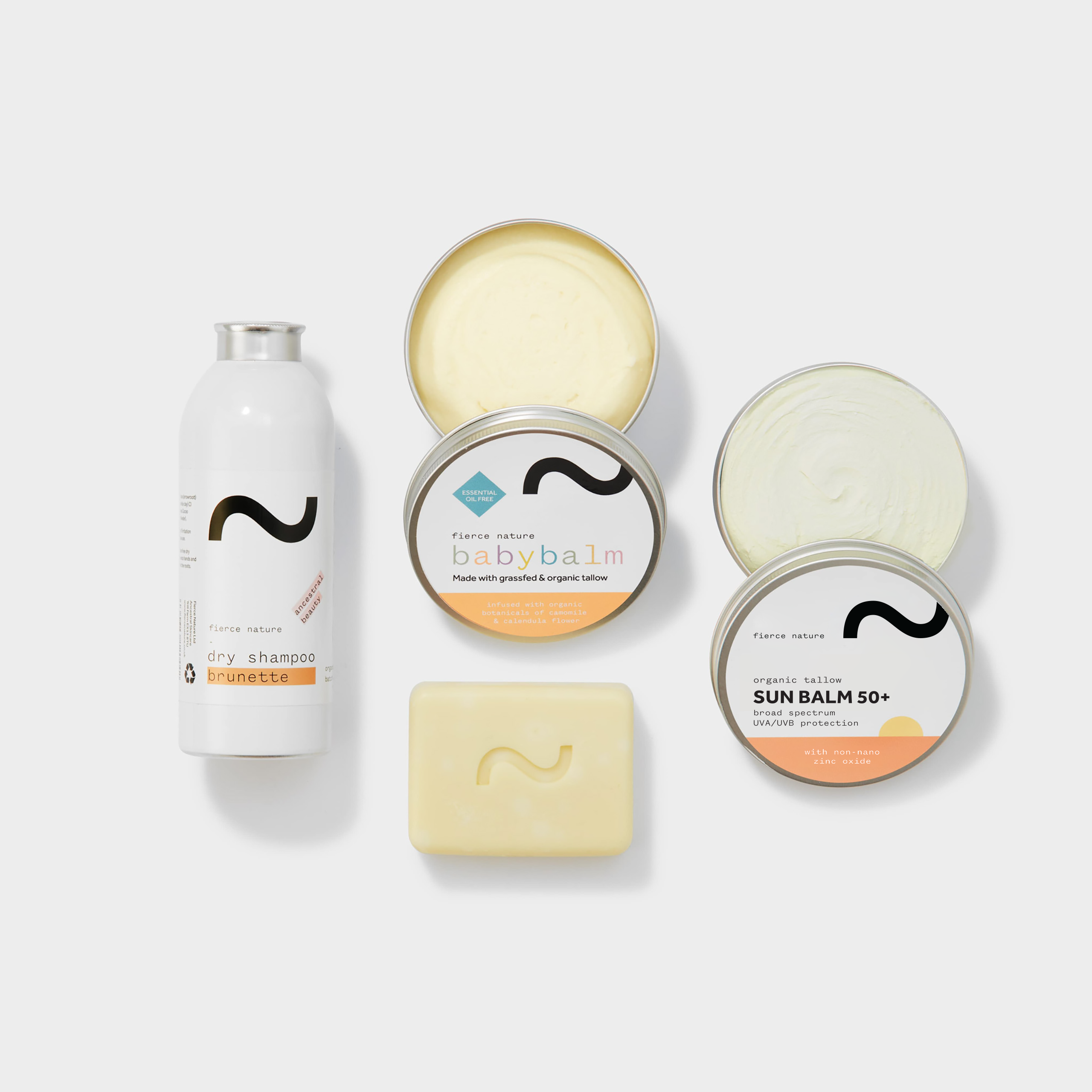
This is the thinking behind our own dry shampoo. It is a powder, not an aerosol, and it is talc-free. Our guide to powder dry shampoo explains why a non-aerosol powder suits sensitive scalps, and our dry shampoo build-up routine sets out how to use it without layering residue.
Our article on how dry shampoo refreshes hair goes into more detail on what happens at the root, and our note on talc-free dry shampoo for every hair tone covers colour-matching.
What goes on your scalp on wash day determines how it behaves for the next two days. Harsh detergents can leave the scalp feeling stripped and squeaky, which sometimes triggers a rebound of oil. A gentler cleanser that still removes the day’s sebum and sweat keeps the balance steadier.
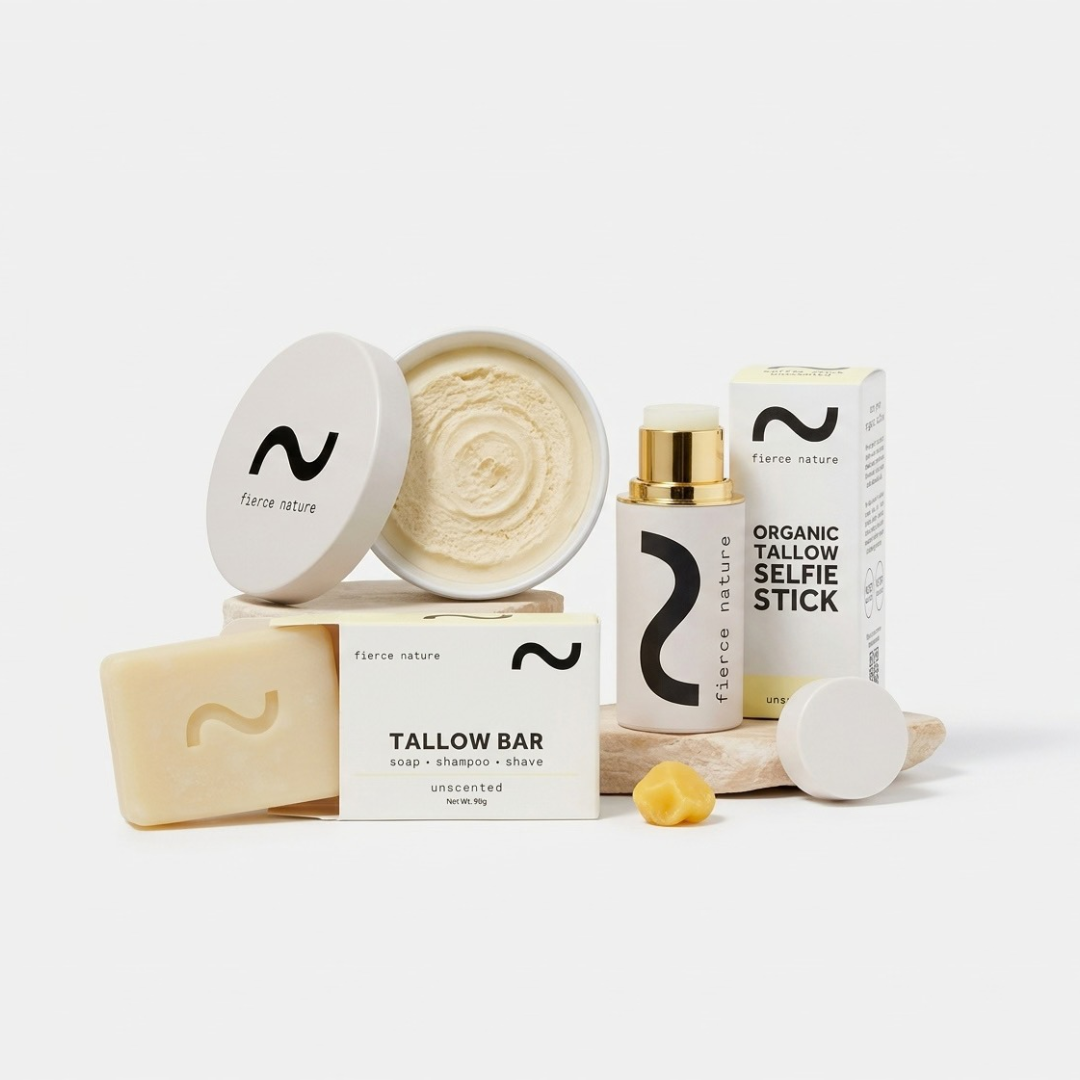
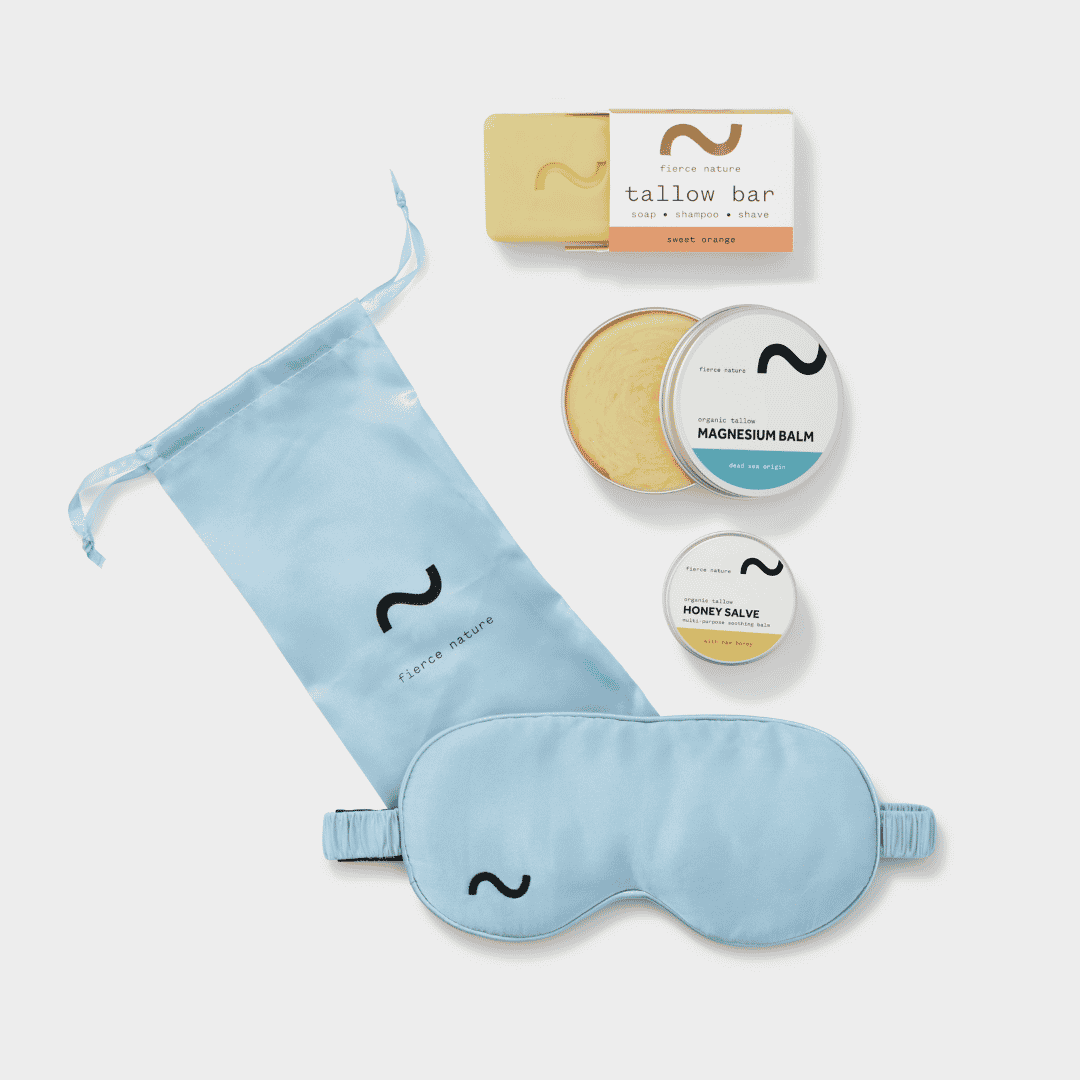
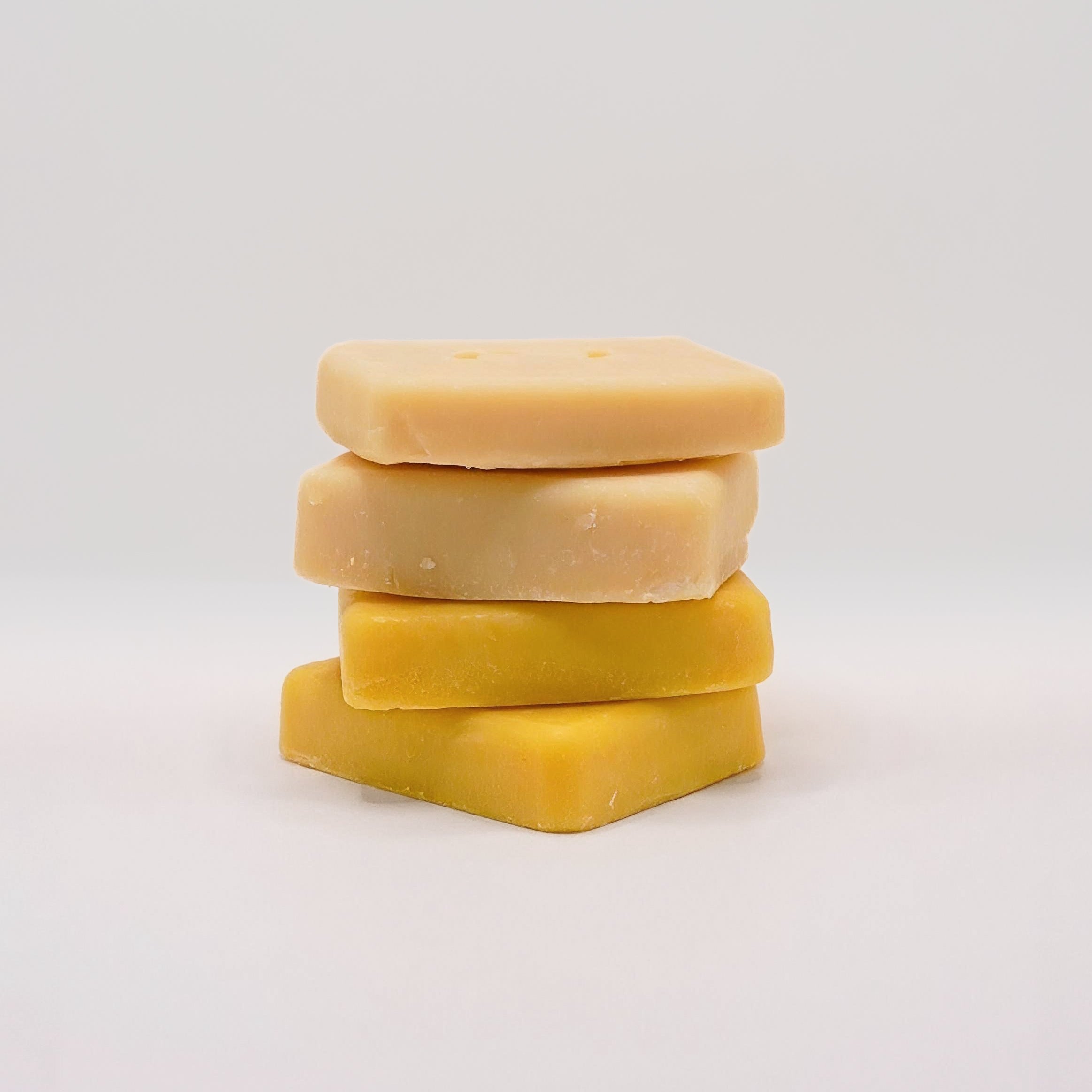
We make tallow-based hair care, handmade in the UK, because we believe skin and hair respond well to ingredients that feel familiar to them. Our guides explain how tallow shampoo can benefit hair from dry to oily and why many people choose a non-toxic shampoo. If you like a rinse to finish, our piece on an apple cider vinegar hair rinse as a conditioner shows how to use one.
Whatever you choose, patch test any new product on a small area of skin first, particularly if you have eczema, a history of reactions or very sensitive skin.
We started Fierce Nature because we had lived with the rashes and reactions that mainstream products can bring. We came to believe that what we put on our skin matters, and that the promises on glossy packaging often do not match how skin feels a week later.
Scalp odour is a good example. Many people reach for a stronger fragrance, another layer of spray or an extra wash with a harsh cleanser, and the scalp ends up more coated or more stripped than before. We think the better path is to work with your skin, not against it: cleanse well, rinse well and refresh with something light.
That is why our dry shampoo is a non-aerosol powder, talc-free and made with ingredients we are happy to be open about. Our products are handmade in the UK, with organic tallow at the heart of our range, because we value nourishment over disguise.
A fresh scalp is a calm scalp. Give it a simple routine and the glow follows.
Fierce Nature
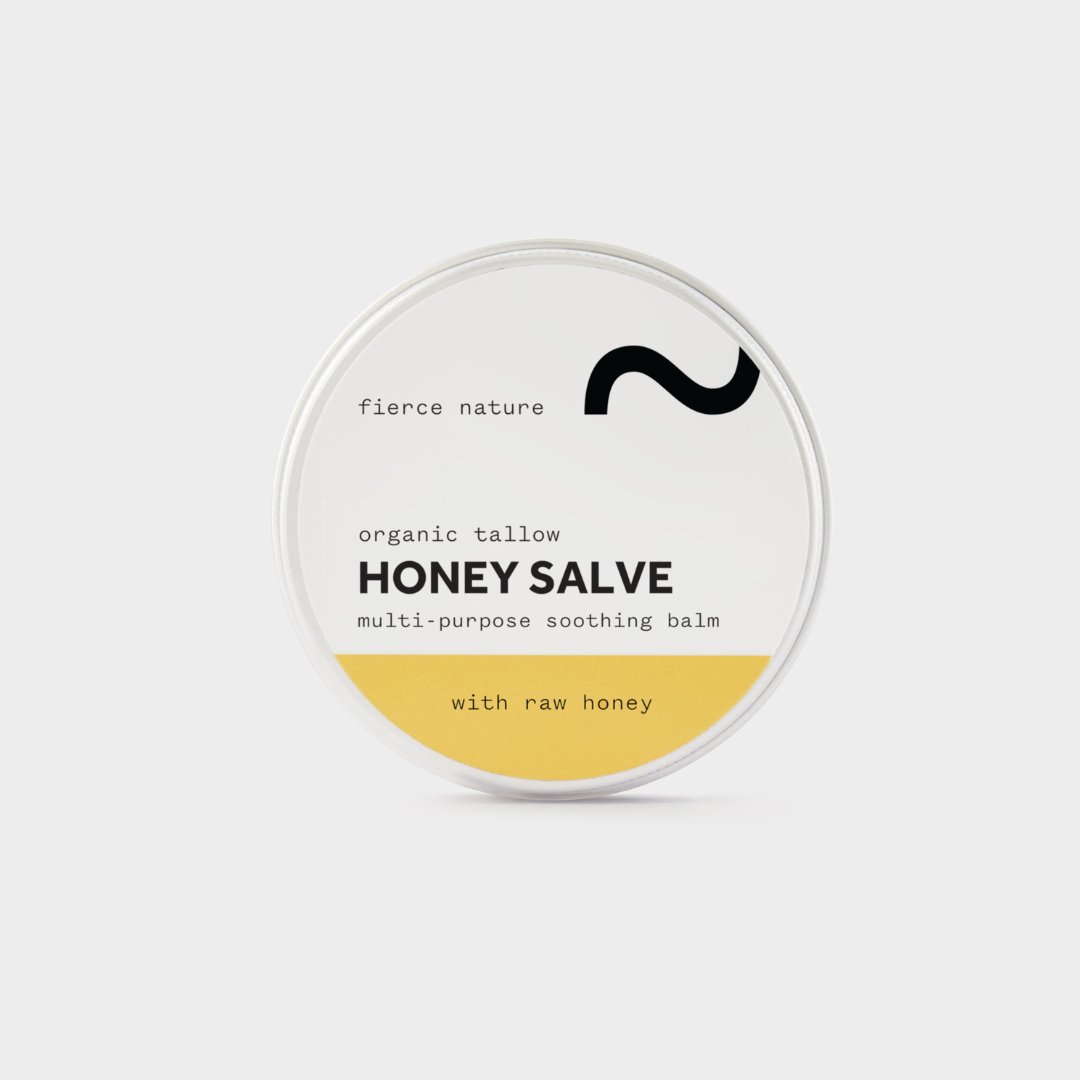
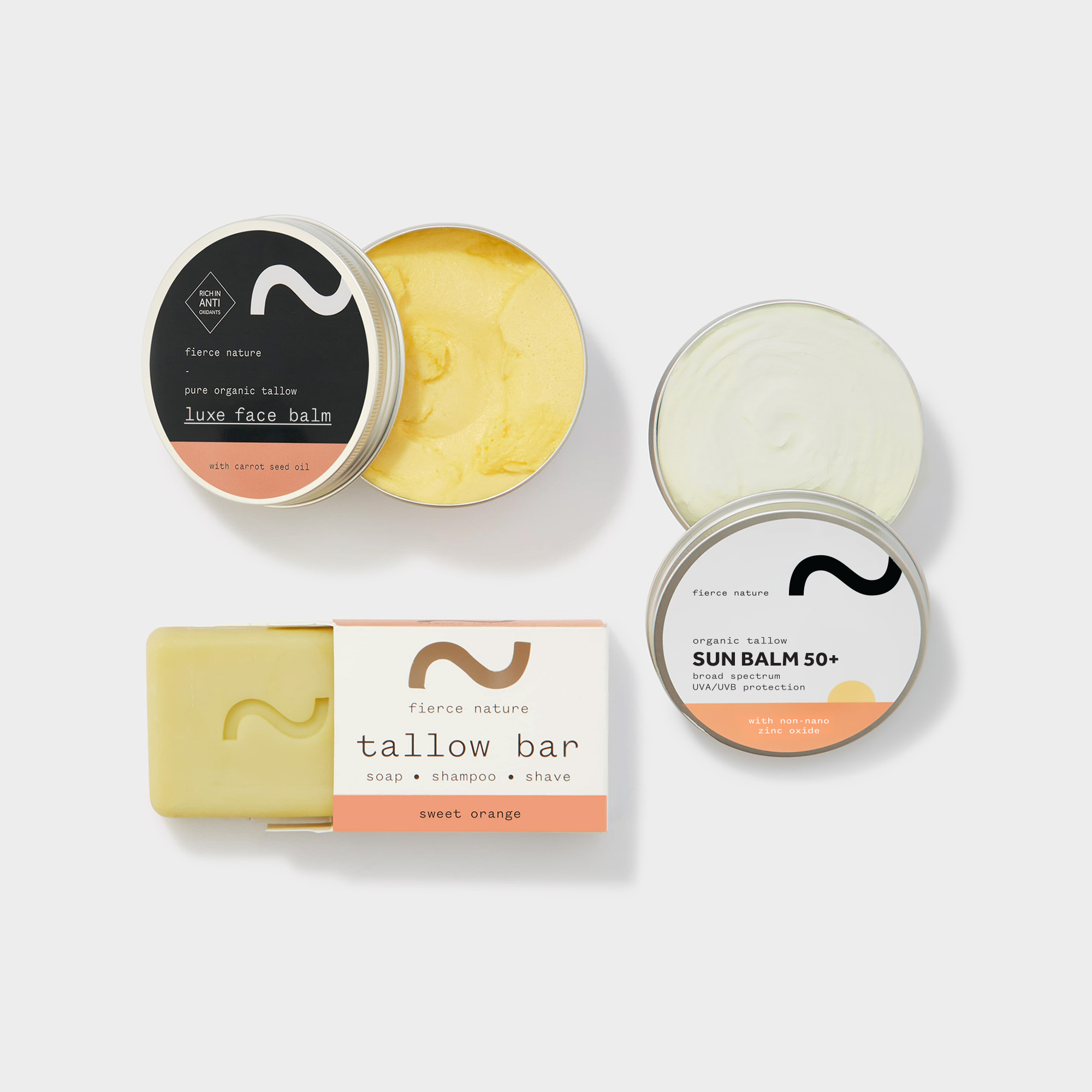
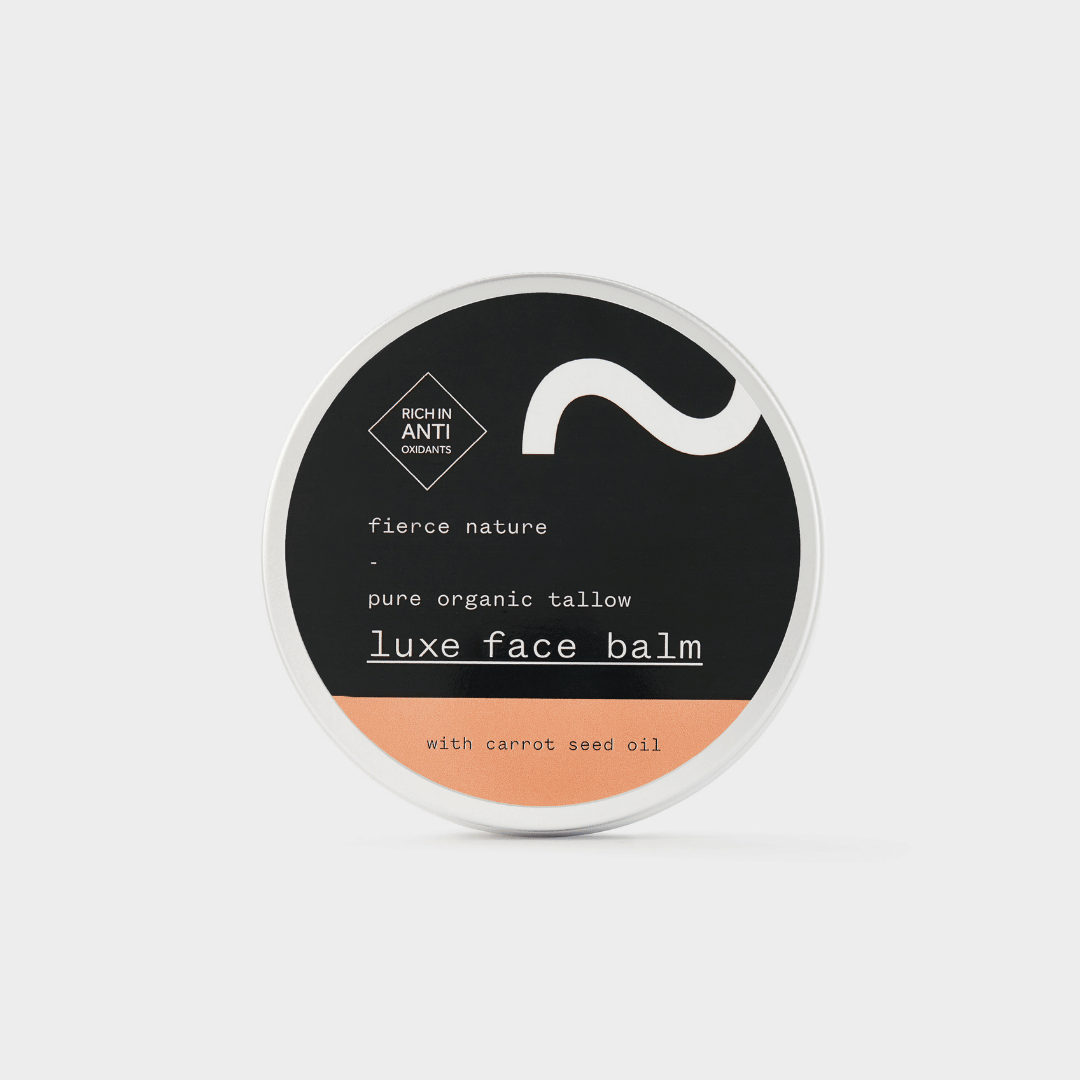
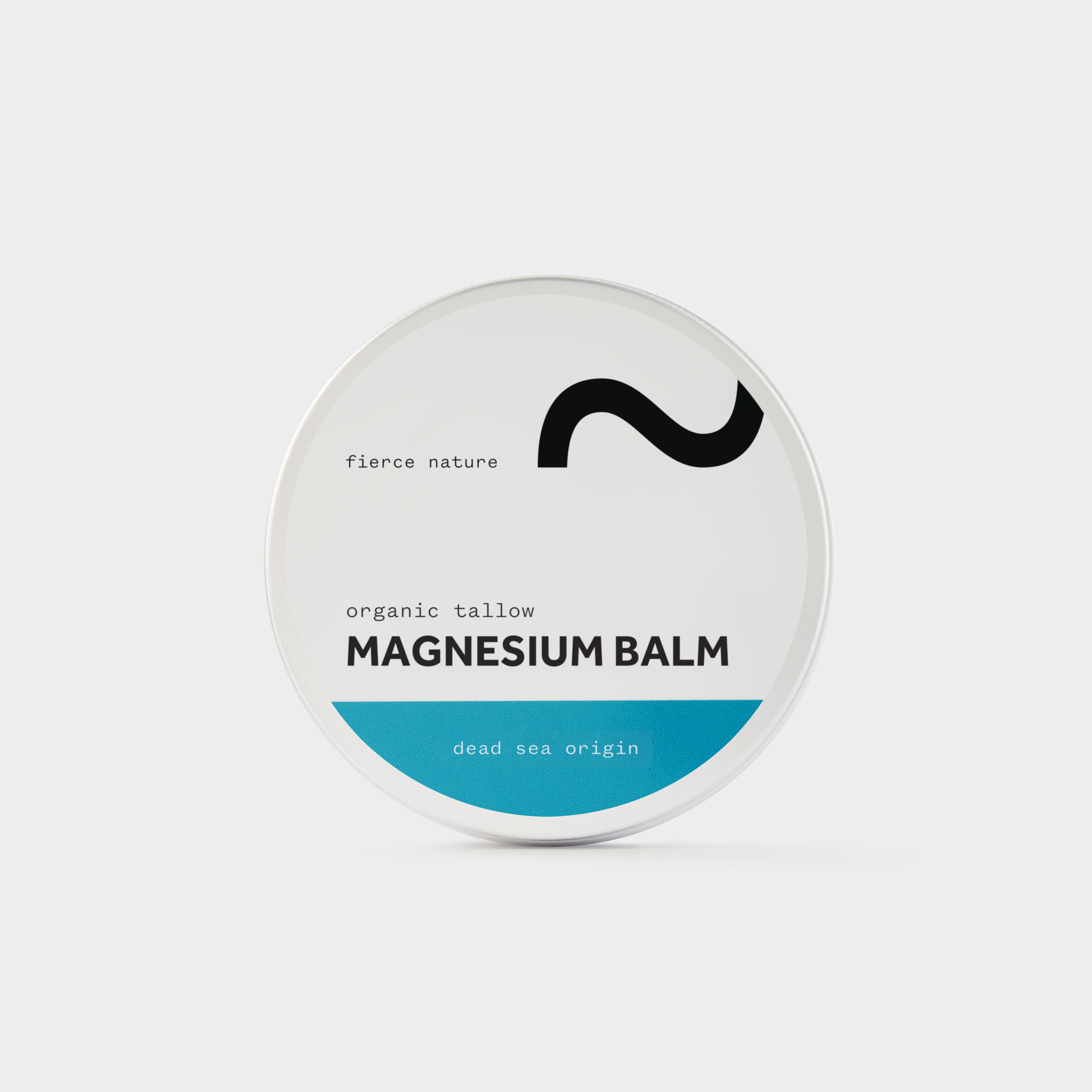
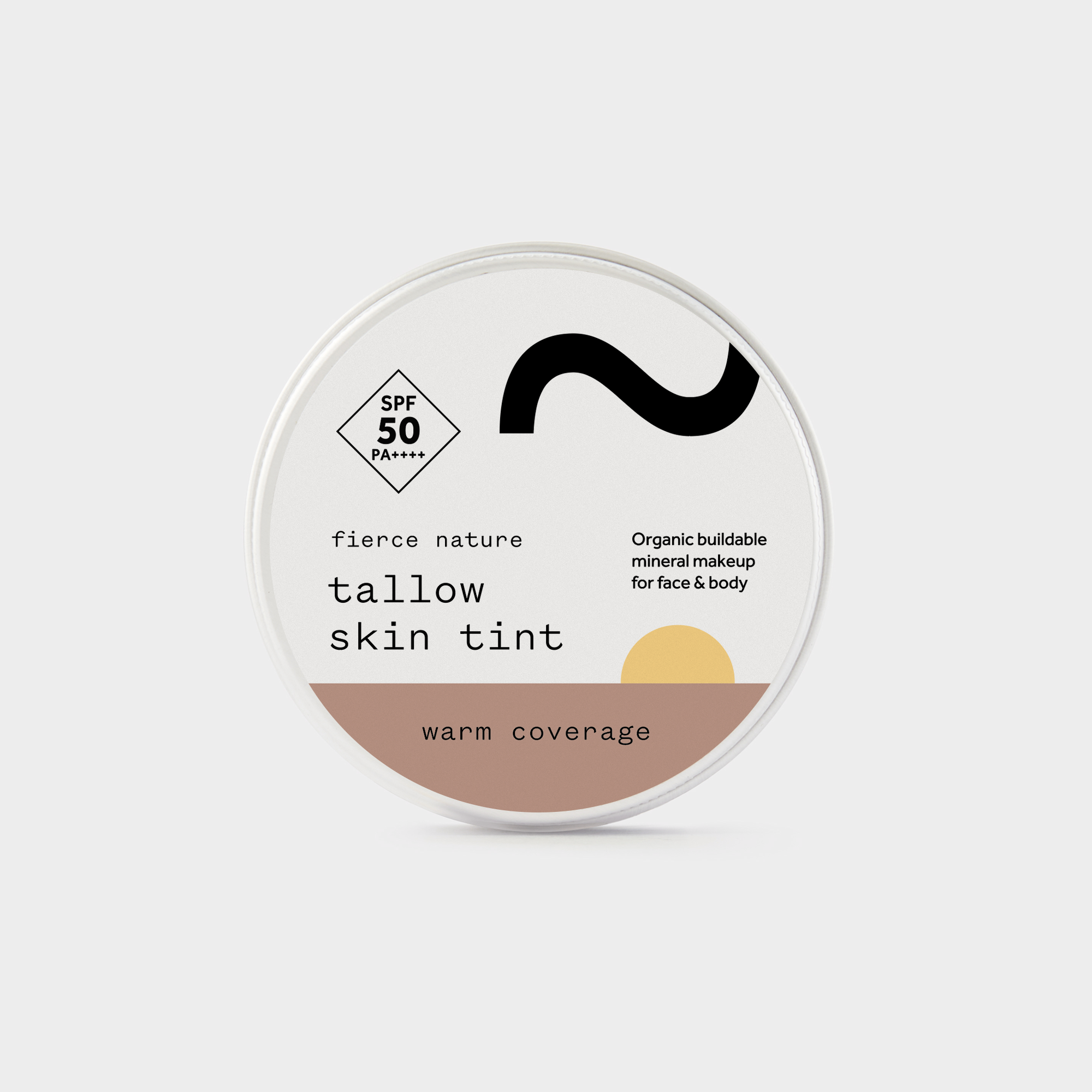
If you want a light way to freshen your roots between washes, our dry shampoo in brunette and blonde shades is a talc-free, non-aerosol powder made for sensitive scalps. You can also browse our full hair care collection, all handmade in the UK. For dry skin on the body or face that often goes hand in hand with a sensitive scalp, our face and body balms are made with organic tallow as the base.
Most scalp odour improves with a better routine. Some does not, and a persistent smell can be the first sign of a scalp condition that needs treatment. This is where a medical professional, not a product, is the right answer.
See your GP if:
This common condition causes scaly, itchy, red patches on the scalp, face and other areas, often with greasy yellowish scales that can smell. NHS guidance for mild scalp disease points to anti-dandruff shampoos containing zinc pyrithione, coal tar or salicylic acid. For moderate or severe disease, a GP may recommend a ketoconazole 2% shampoo, used according to the directions given. Do not pick at scales, as this can damage hair follicles.
This is a fungal infection that can cause a musty smell, scaling and patchy hair loss. It is treated with prescription oral antifungal medication alongside a medicated antifungal shampoo to reduce the spread of the fungus, and it should be managed under a GP. It is more common in children. A painful, inflamed lump or patch on a child’s scalp should be assessed promptly, so call your GP or NHS 111 the same day if you see one.
Excessive sweating (hyperhidrosis), psoriasis, hormonal changes and eczema can all contribute to scalp odour. If home care does not help, or you have other symptoms alongside the smell, your GP can examine the scalp and, if needed, refer you to a dermatologist.
If your scalp smells between washes and you have no worrying symptoms, try this for two weeks and see how it feels.
The point is to give your scalp a chance to rebalance. A calm scalp with less residue and less trapped moisture gives odour-causing microbes much less to work with.
Usually something is still sitting on the scalp: product residue, trapped oil or dead skin, or the scalp is still damp. Rinsing for longer, using less conditioner near the roots and drying the scalp fully often helps. If the smell returns quickly alongside itching or flaking, it may be dandruff or seborrhoeic dermatitis, and a GP can advise.
Rinse the roots with plain water after sweating, brush your hair to move oil along the lengths, and wash your pillowcases and hats regularly. A light dusting of powder dry shampoo at the roots, brushed through, absorbs oil and freshens hair. Keep it to a day or two, then wash properly.
Start by finding out whether it comes from the scalp or from the hair. Washing towels, hats and pillowcases, drying the scalp fully and removing product build-up often clears it. A musty smell that keeps coming back, especially with scaling or patchy hair loss, should be checked by your GP, as it can be a fungal infection.
Only up to a point. Washing every two to three days suits many people, and oily or fine hair may need it more often. Very frequent washing with harsh products or hot water can irritate the scalp and increase oil, so aim for gentle cleansing and a thorough rinse rather than more washes.
Used sparingly, a light dry shampoo helps hair feel fresh between washes. Problems come from heavy, daily layering without a proper wash, as the residue can trap oil and bacteria. Apply a small amount, brush it out well and wash your hair thoroughly every few days.