Chariot
0
80 % également ajouté à ceci

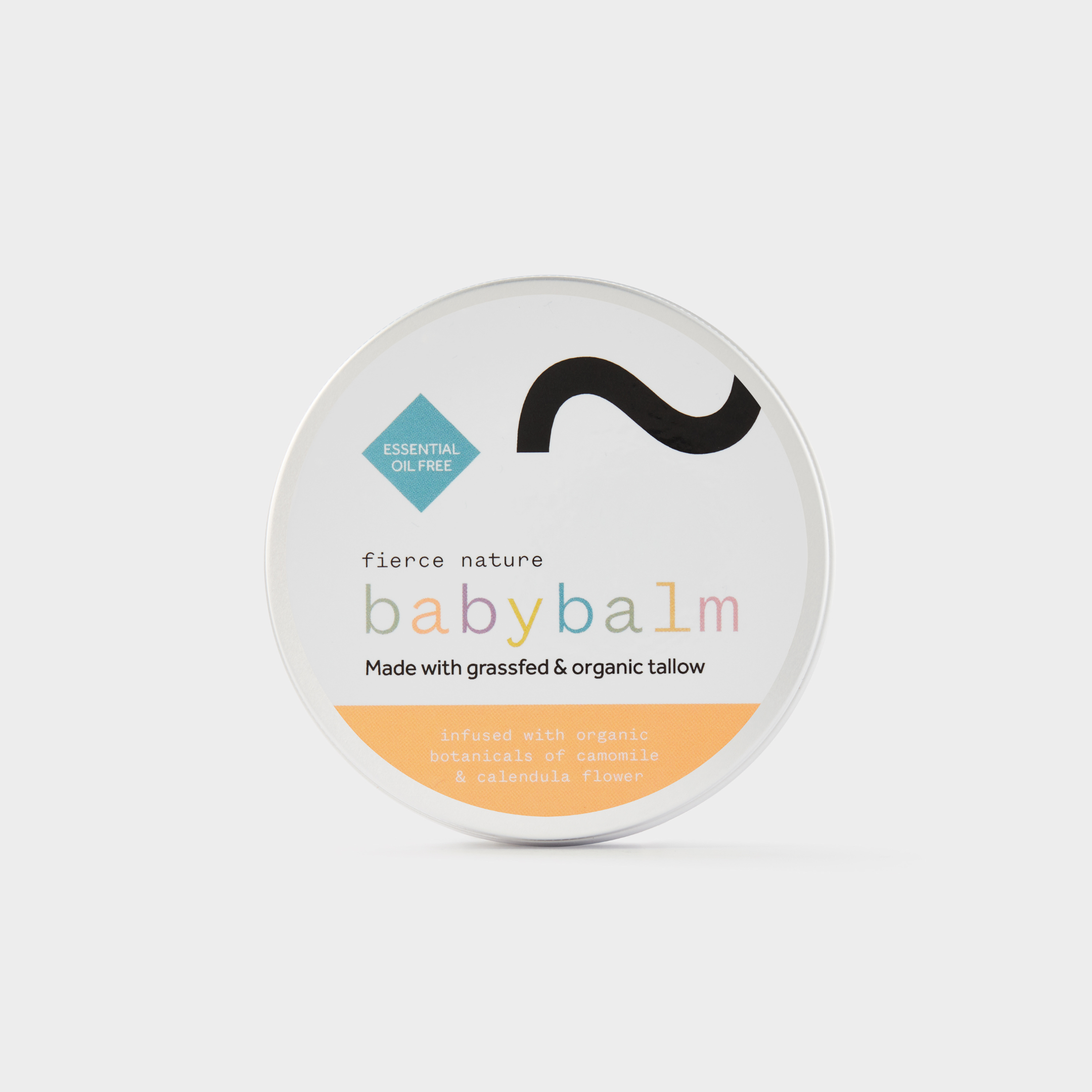
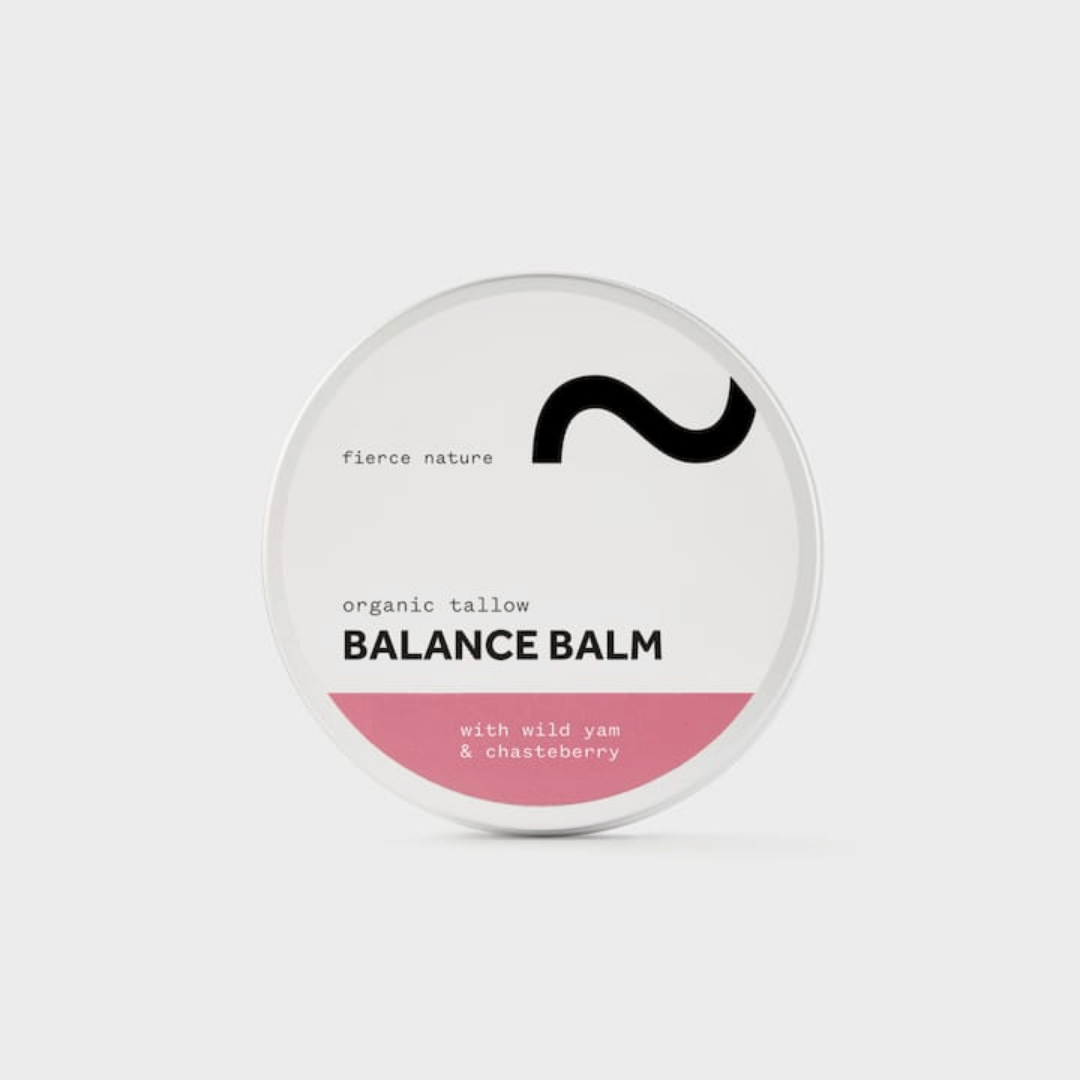

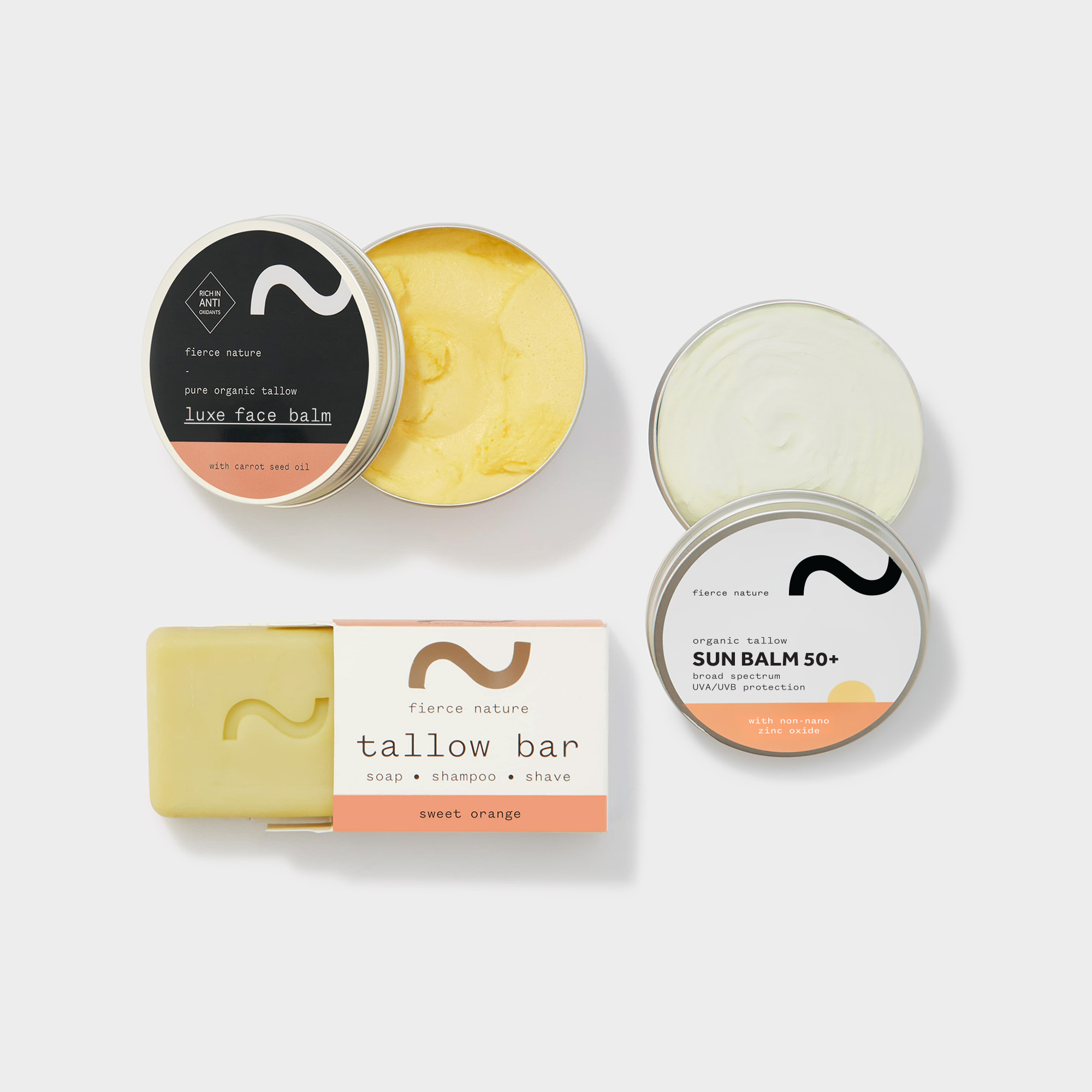
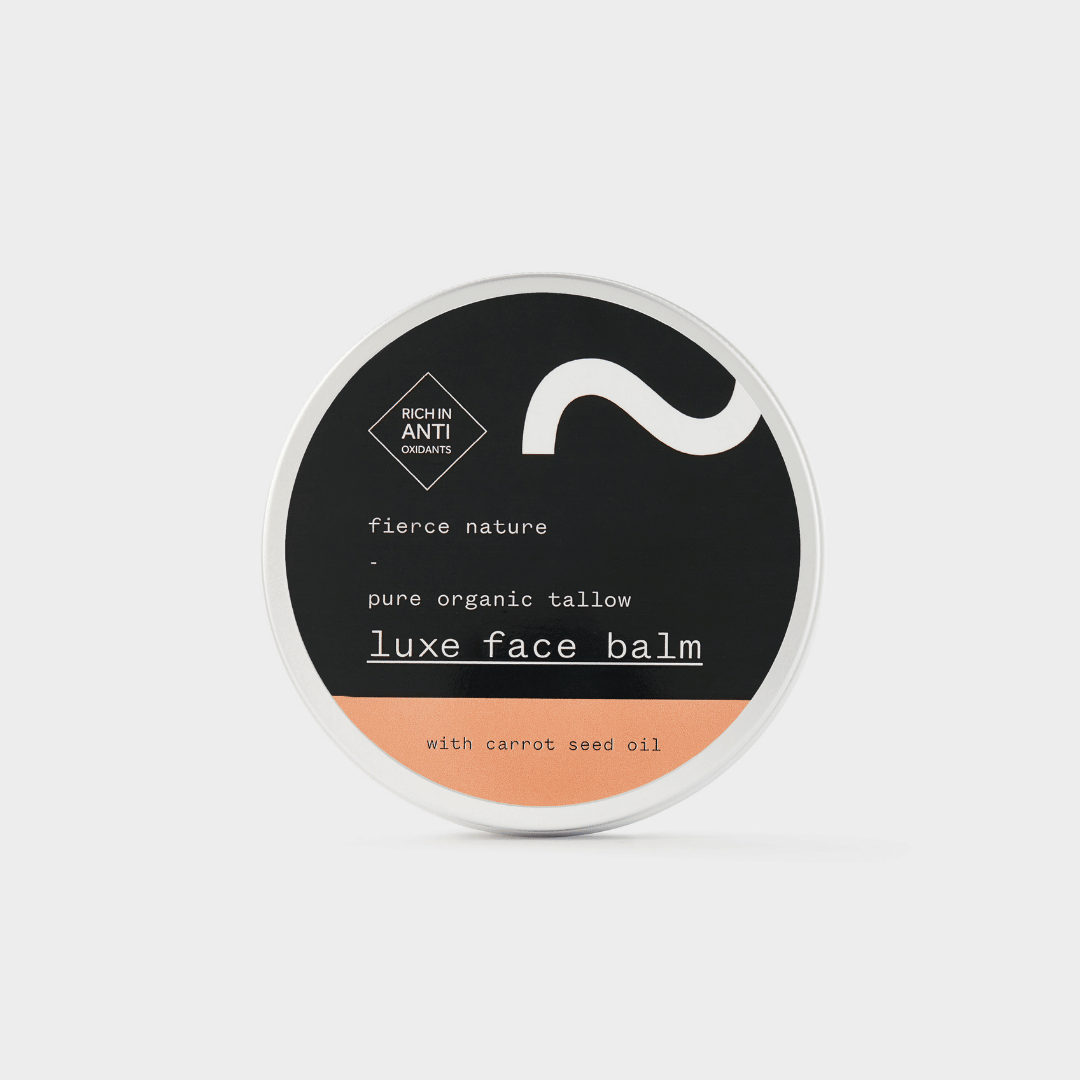

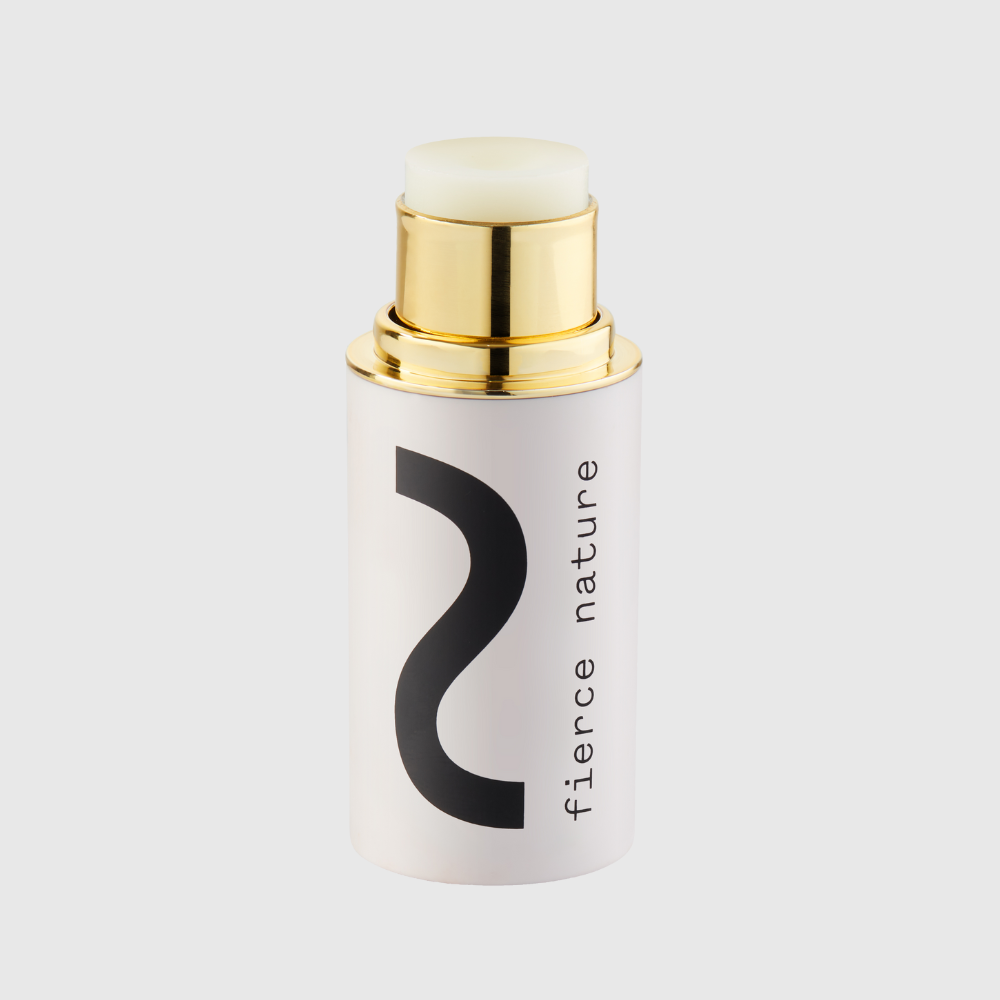
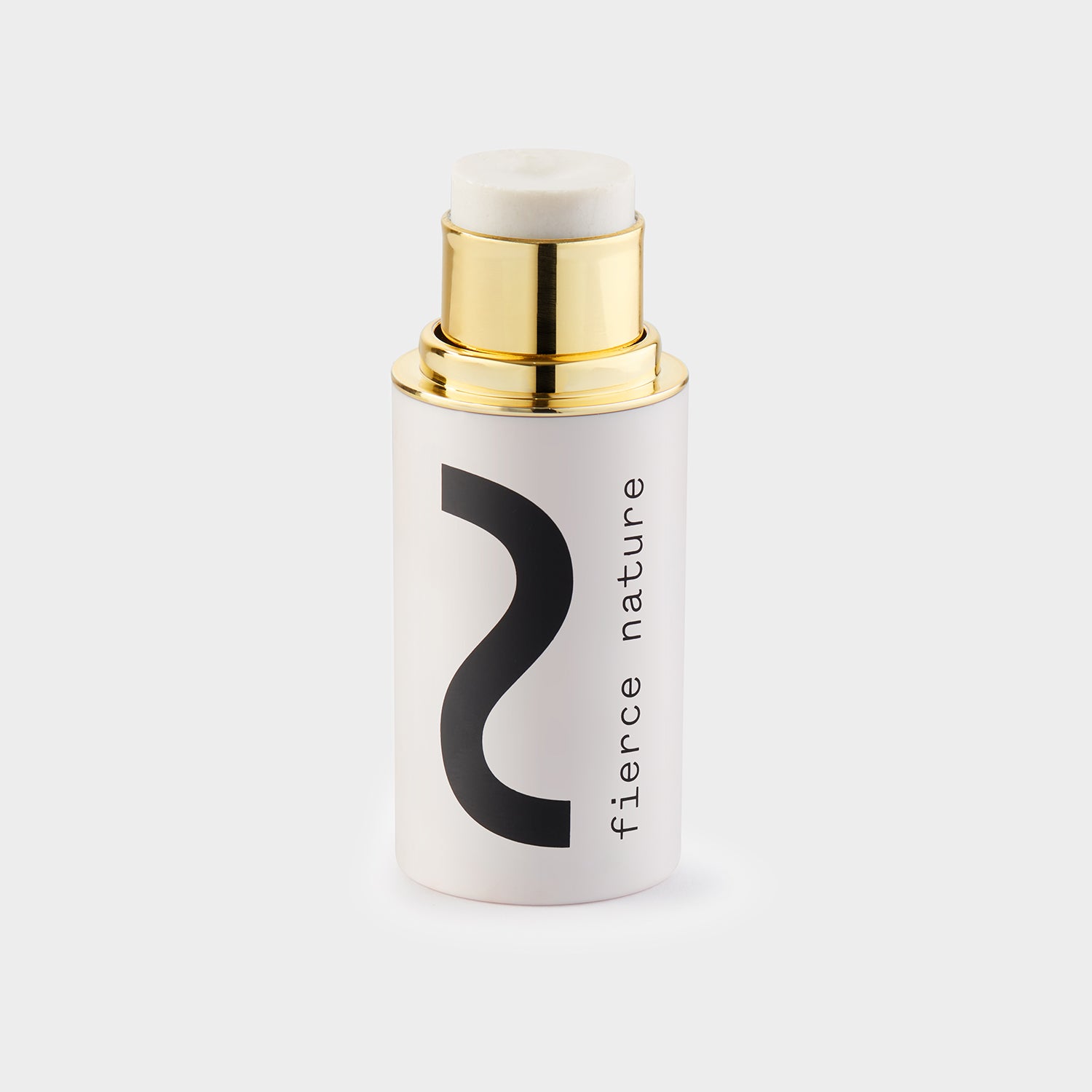
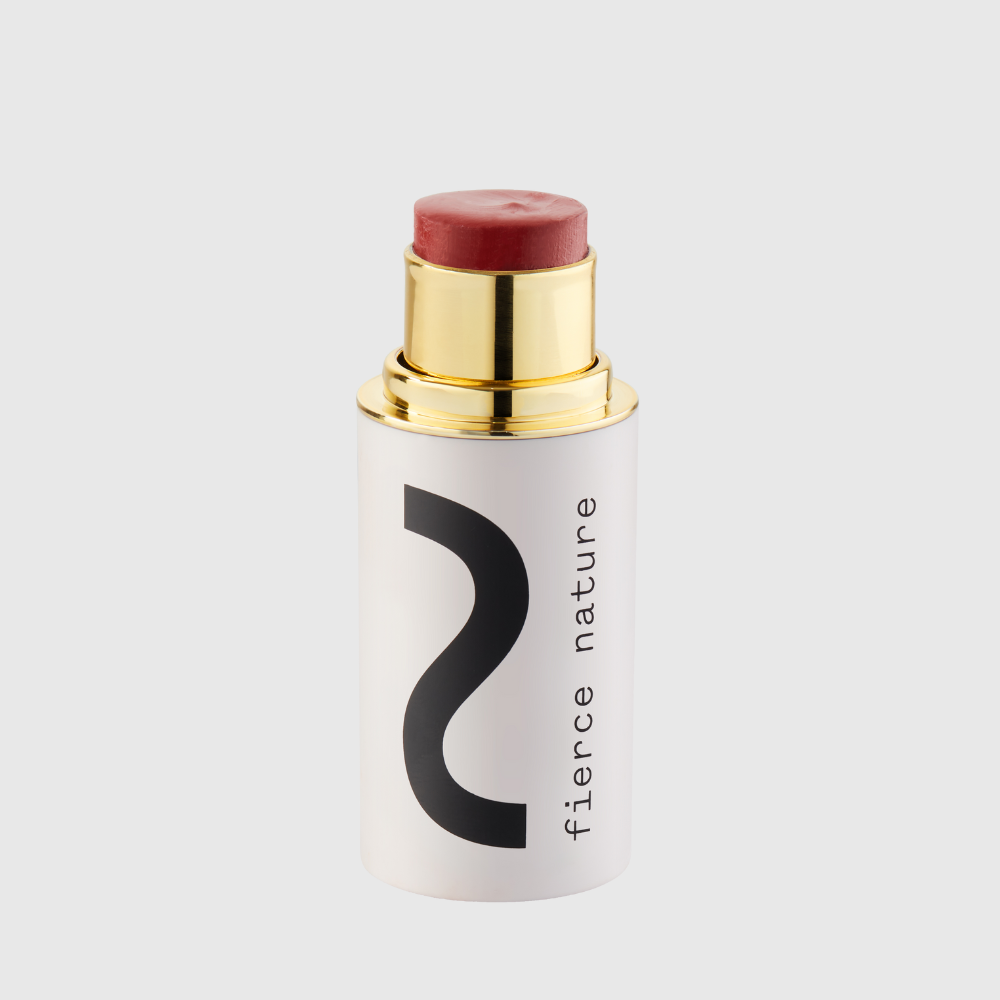
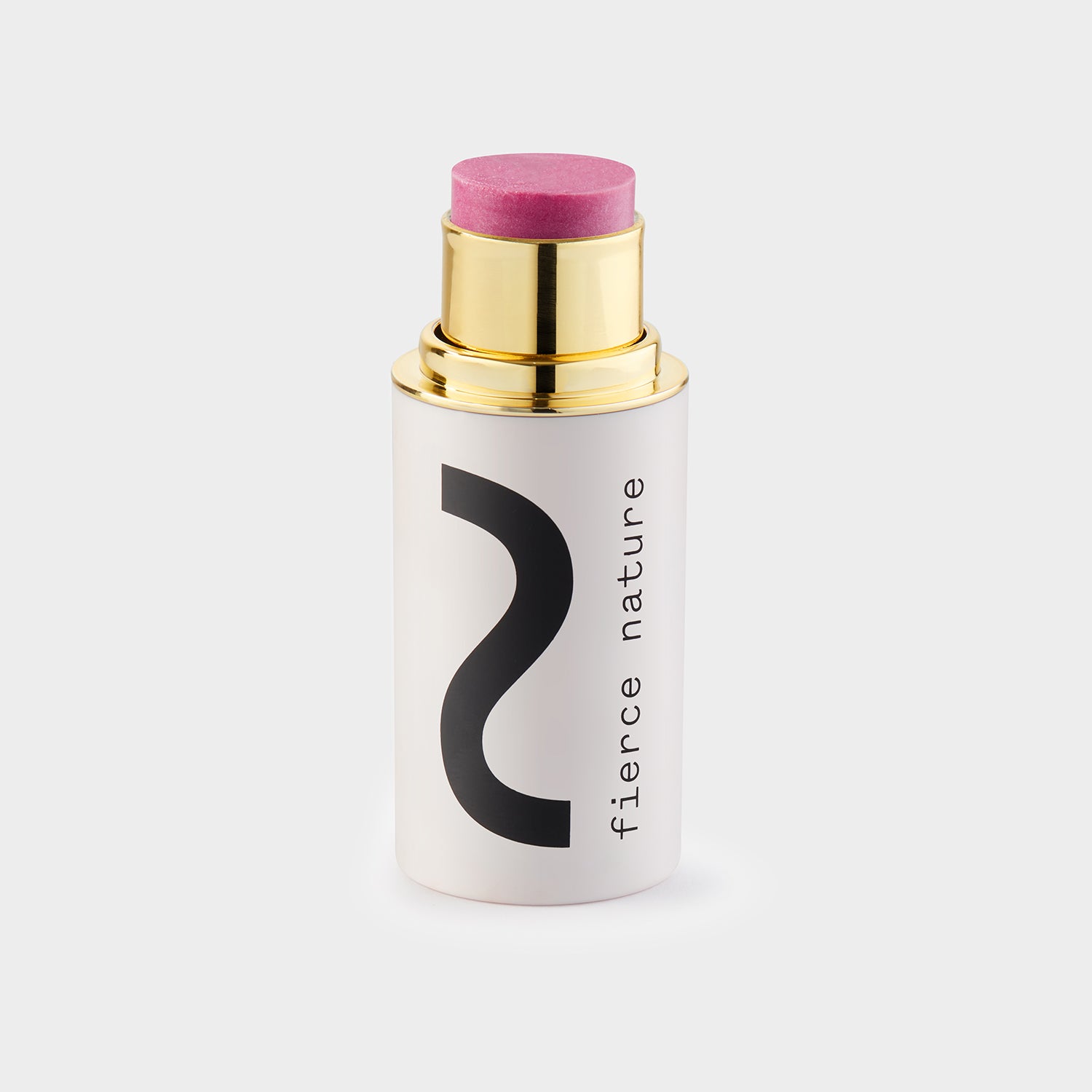
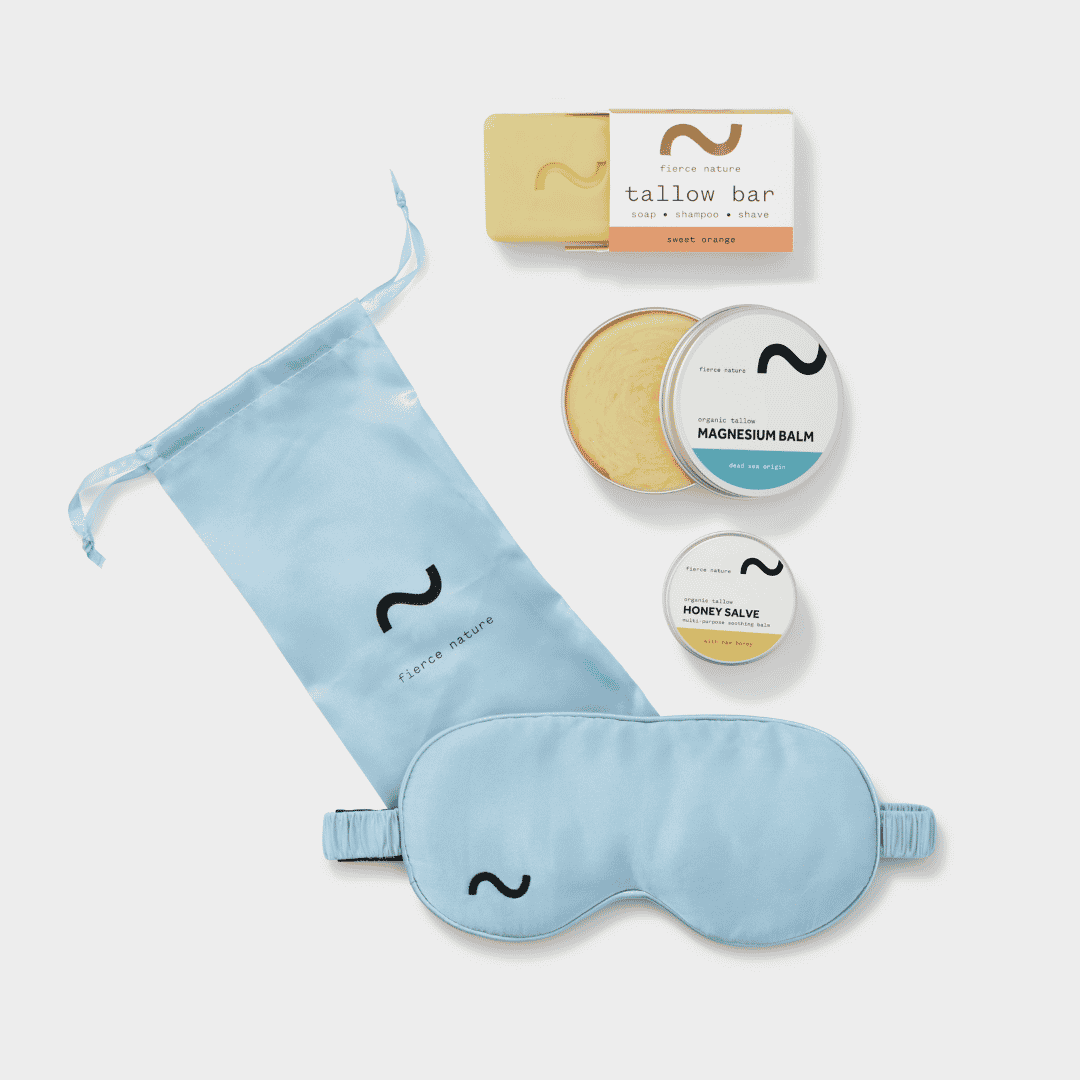




The best remedy for wind-chapped hands is a simple routine done consistently. Wash gently, pat dry, seal the skin with a rich, unscented balm straight away, repeat after every wash, and give your hands a deeper treatment overnight under cotton gloves. We make handmade, tallow-based balms in the UK for exactly this kind of dry, weathered skin, and our Nourish Balm (Unscented) is the one we would reach for first. Below is the whole routine, step by step, with the reasons behind each step so you can adapt it to your own days.
Your skin has a natural outer barrier made of skin cells held together by oils. Its job is to keep water in and irritants out. Cold air holds very little moisture, and wind keeps whisking away what little moisture sits on the surface of your skin. Central heating then does the same job indoors. The result is skin that feels tight, looks rough or flaky, and eventually splits, often across the knuckles and in the creases of the fingers where the skin moves the most.
Hands are particularly vulnerable for a few reasons:
Understanding this makes the remedy obvious. You are not fighting a rash that needs a miracle cure. You are helping a damaged barrier rebuild, and protecting it while it does. That means replacing the oils the weather has taken, sealing moisture in, and cutting down the things that keep stripping it away. It is the idea we follow throughout our skincare: work with your skin, not against it.
This routine follows the same principles that dermatology guidance in the UK gives for dry, sore hands: gentle cleansing, frequent moisturising and protection. You do not need ten products. You need a few good habits.
Use lukewarm water rather than hot. Hot water feels soothing on cold hands but it strips oils quickly. Wash only when your hands are actually dirty or before eating or preparing food, and use a mild, unscented soap sparingly. Rinse thoroughly so no residue stays on the skin.
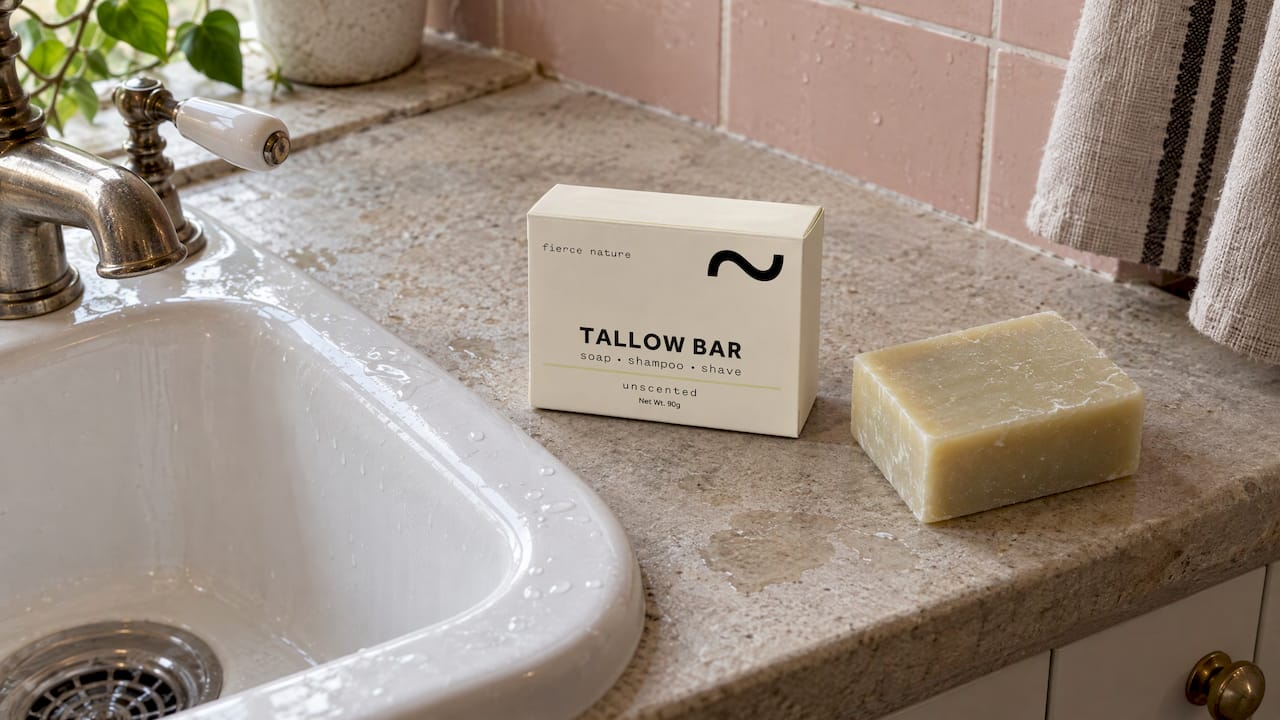
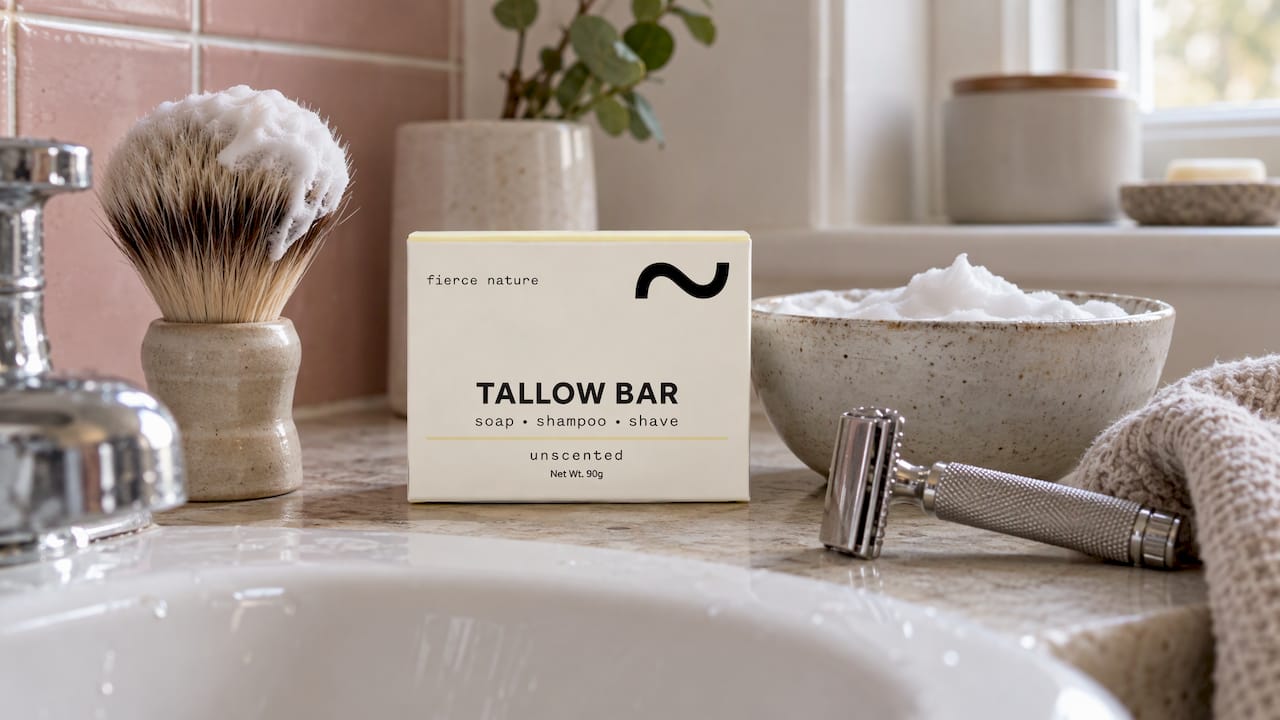
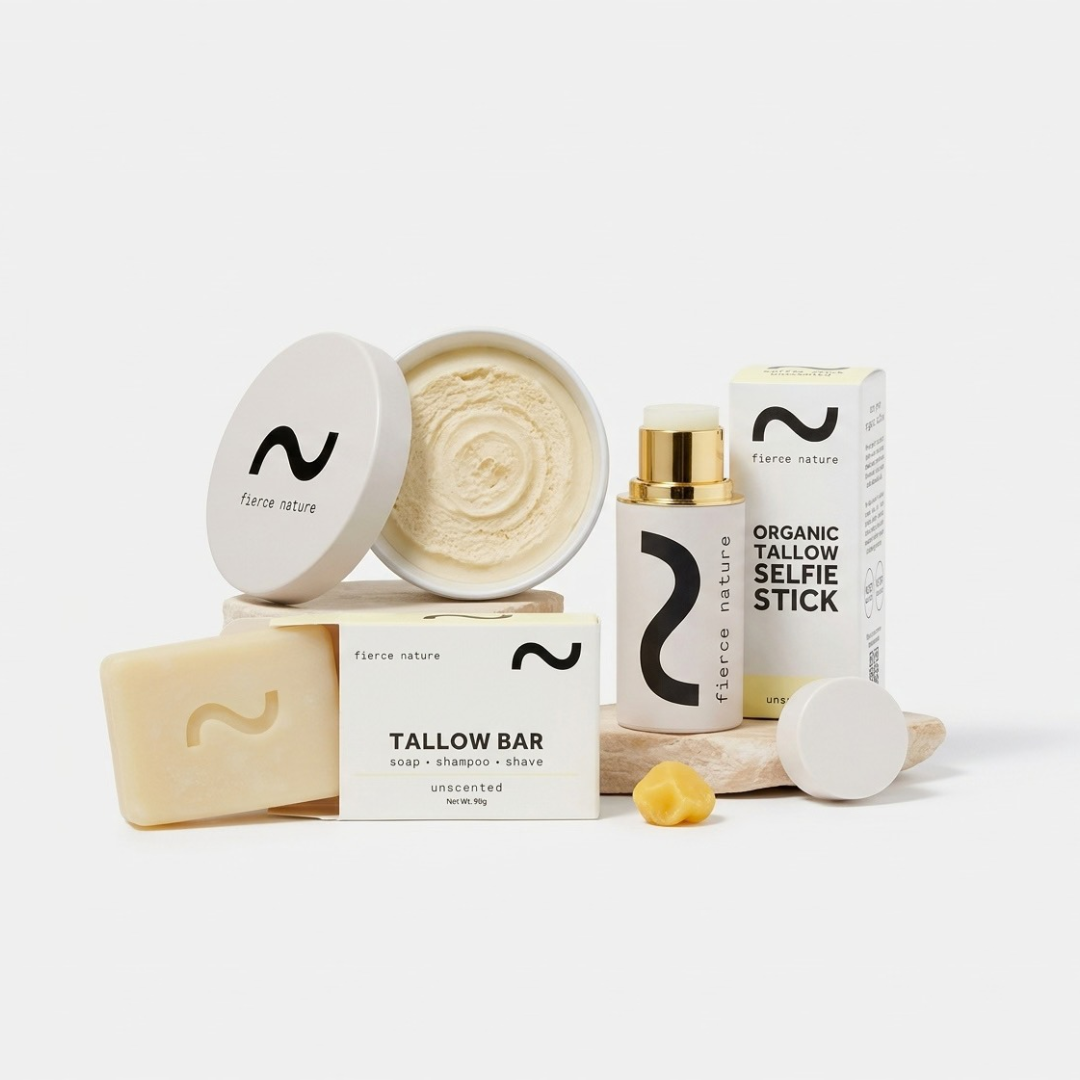
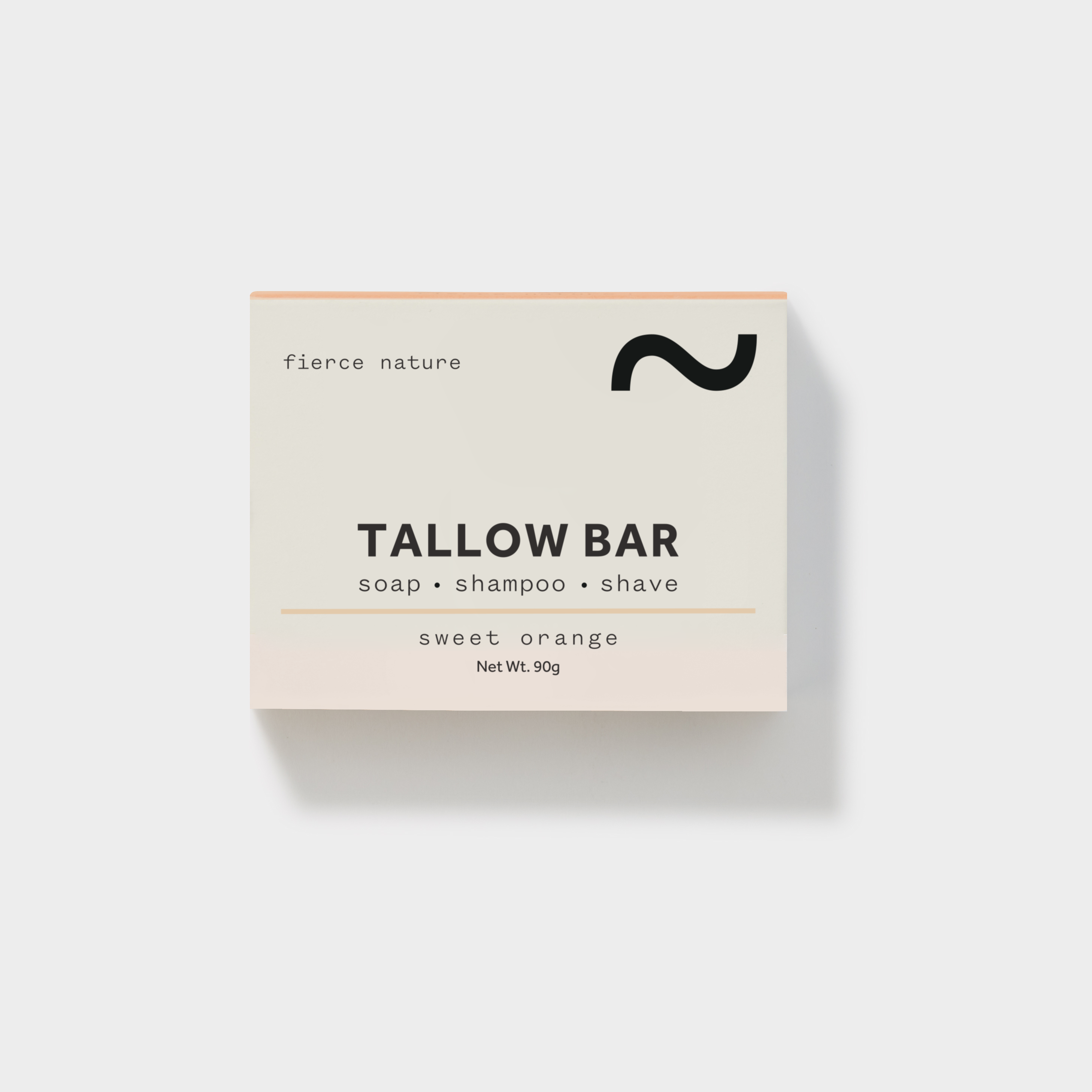
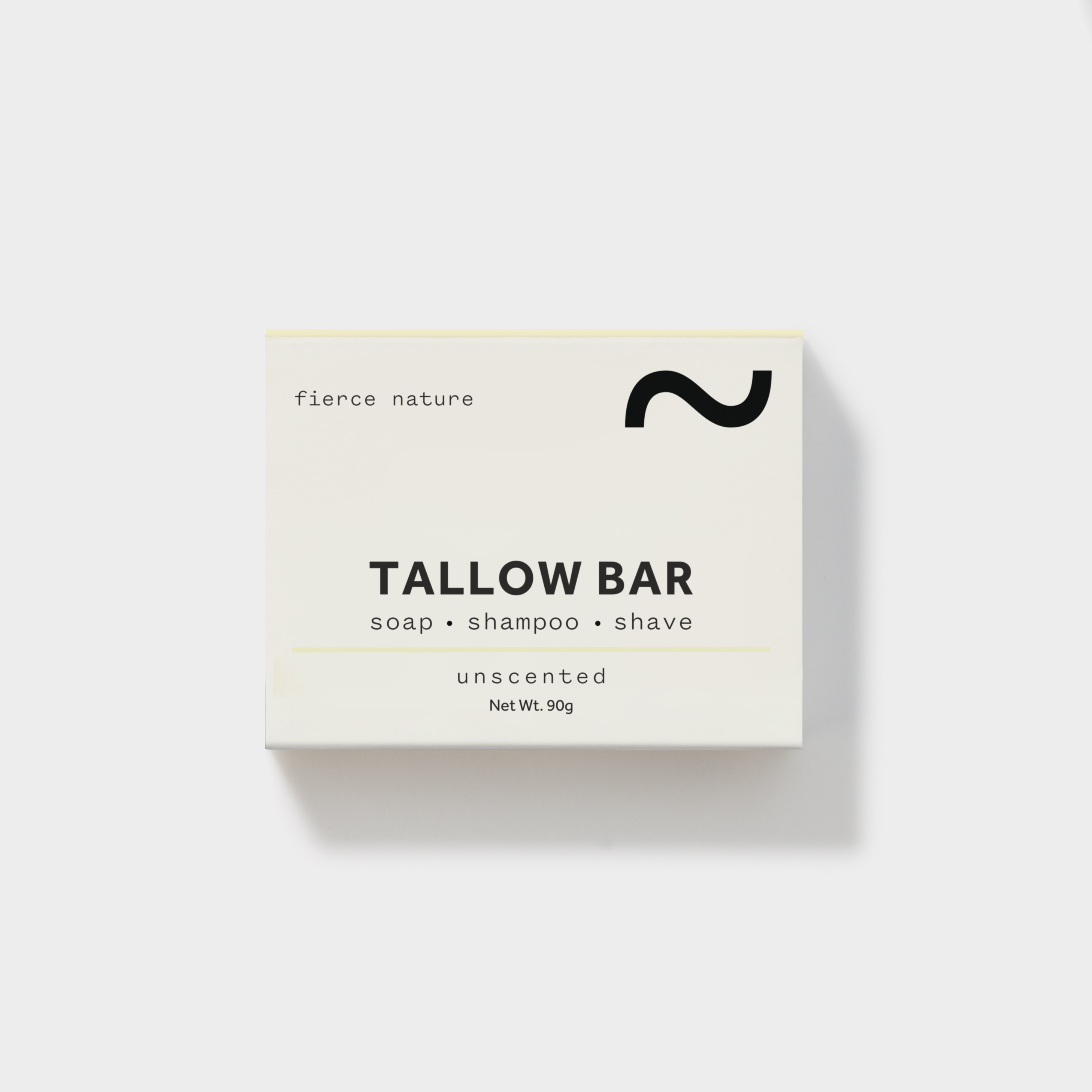
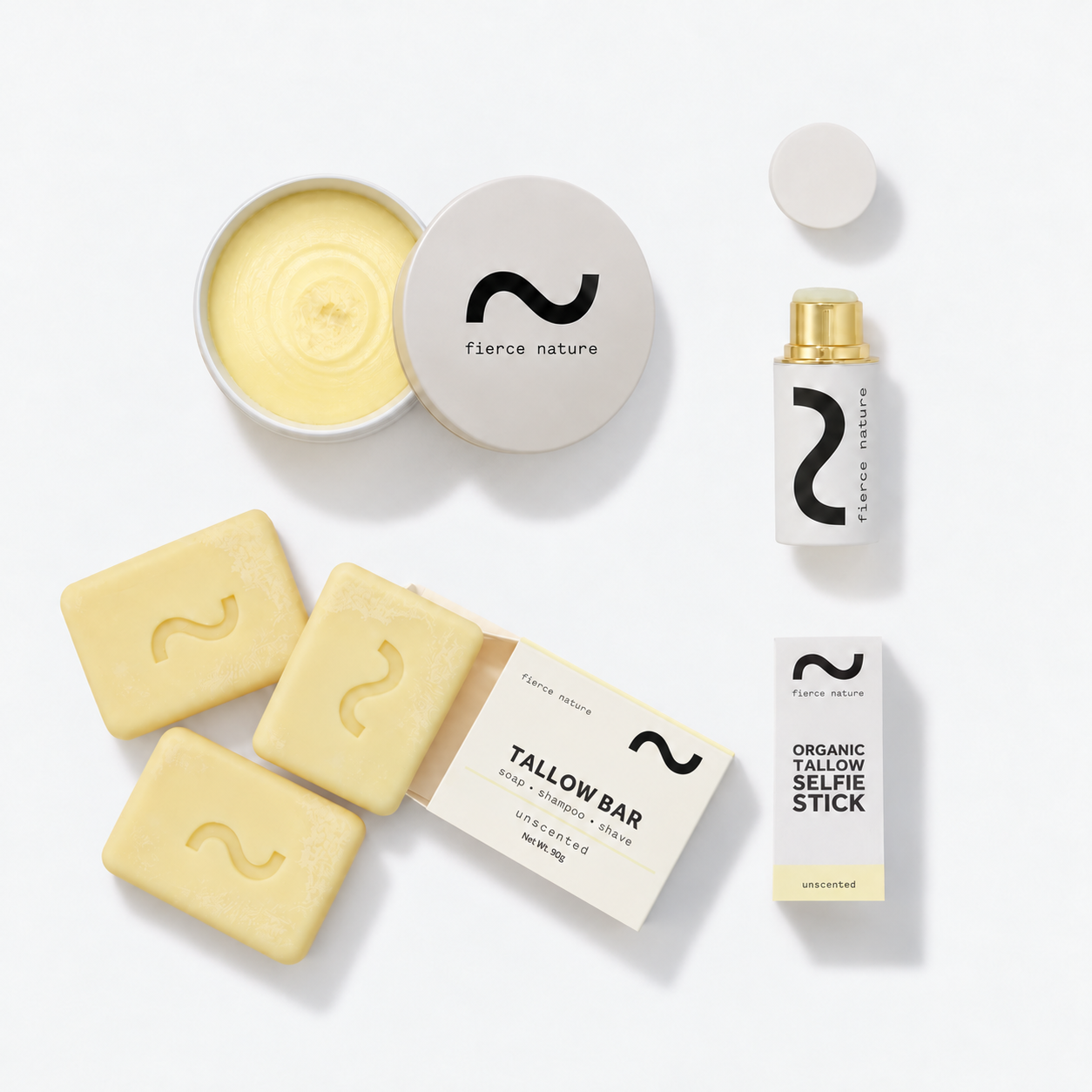
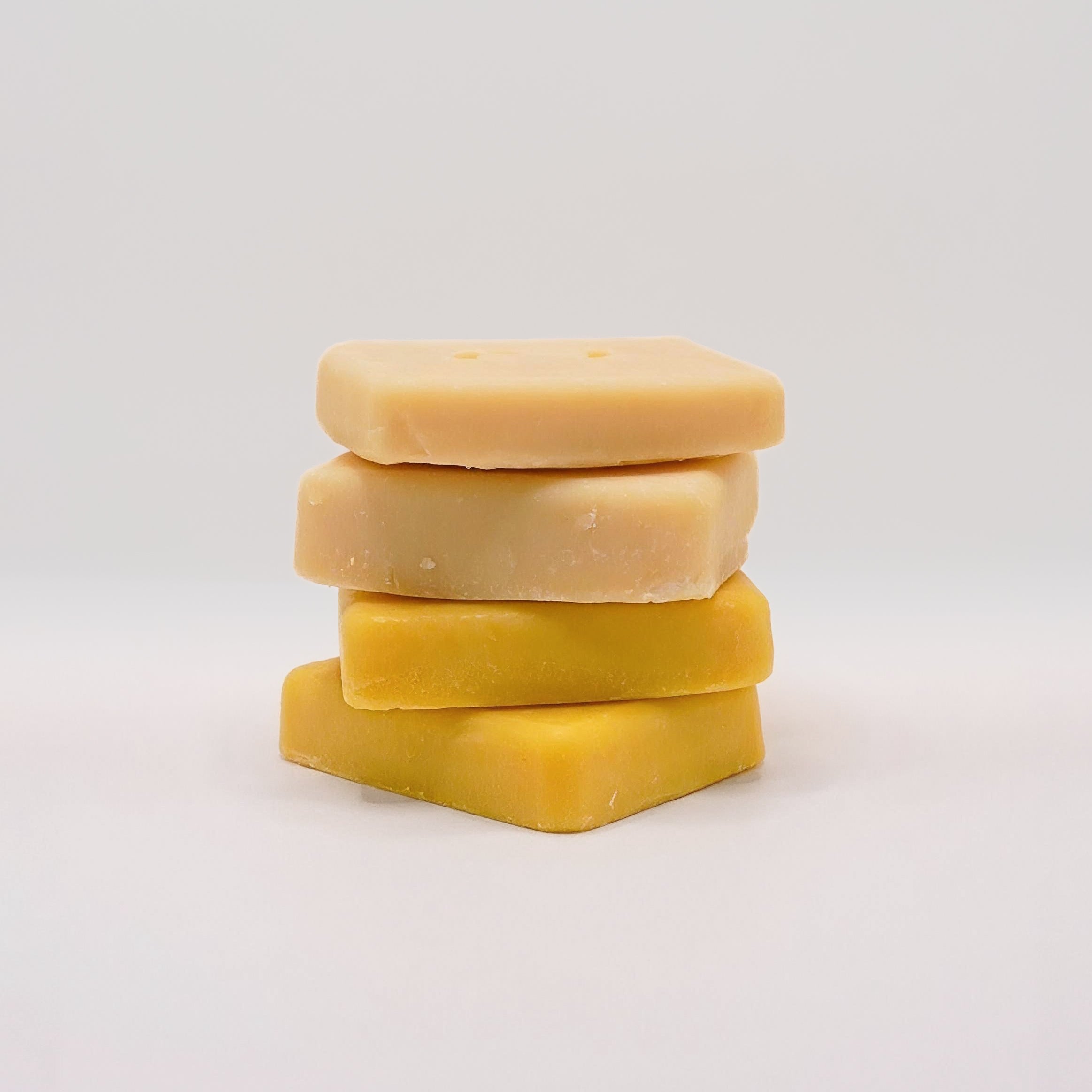
This is the step where it goes wrong most often. Liquid hand soaps are often heavily fragranced and designed to cut through grease, and your skin has just lost its own grease. If your hands are already chapped, a gentle, unscented bar is kinder. Our Multi-Use Tallow Bar (Unscented) is handmade in the UK with a tallow base, so it fits a gentle washing routine. If you want to understand why soap choice matters so much for dry skin, our guide to the best soap for dry skin goes through it.

Use a clean, soft towel and pat rather than rub. Pay attention to the spaces between your fingers, where moisture lingers and causes irritation. Damp skin left to air-dry in a cold wind chaps faster than skin that has been dried properly and moisturised.
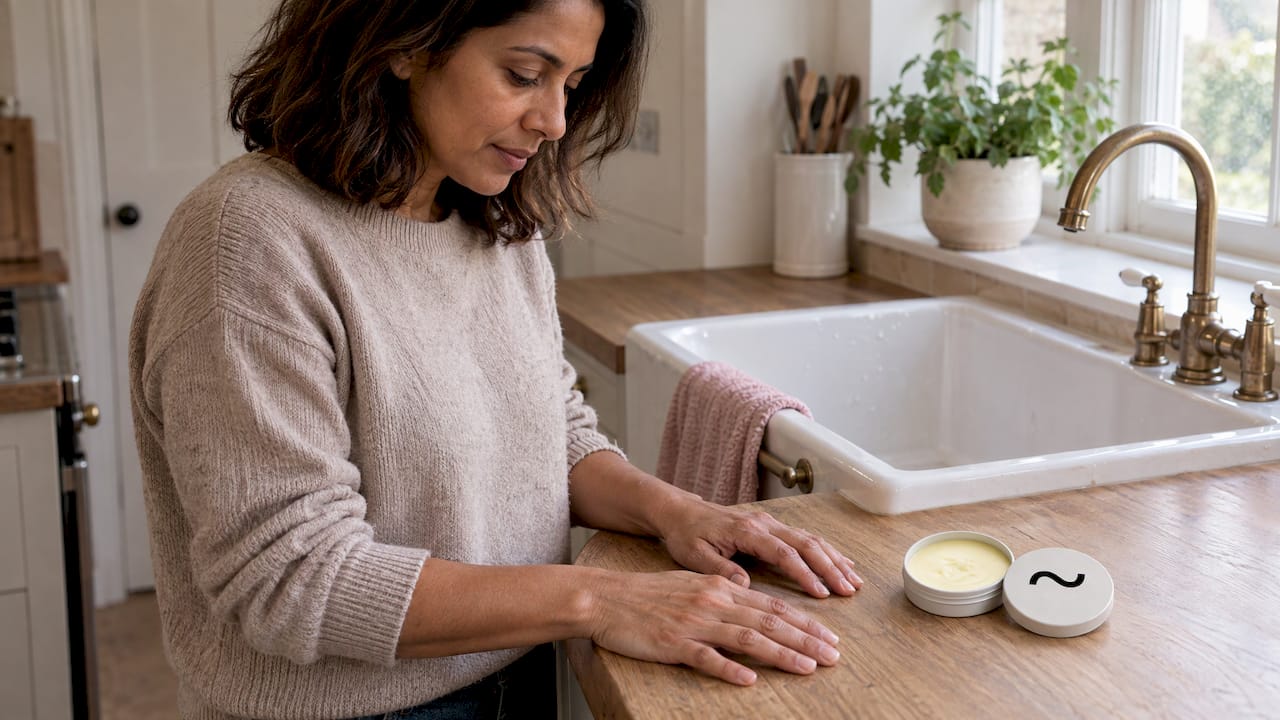
The moment after washing is the best time to moisturise, because the skin is at its most receptive and you are sealing in the little moisture it has. Warm a small amount of balm between your palms, then press and smooth it over the backs of your hands, your knuckles, between the fingers and around the nails and cuticles.
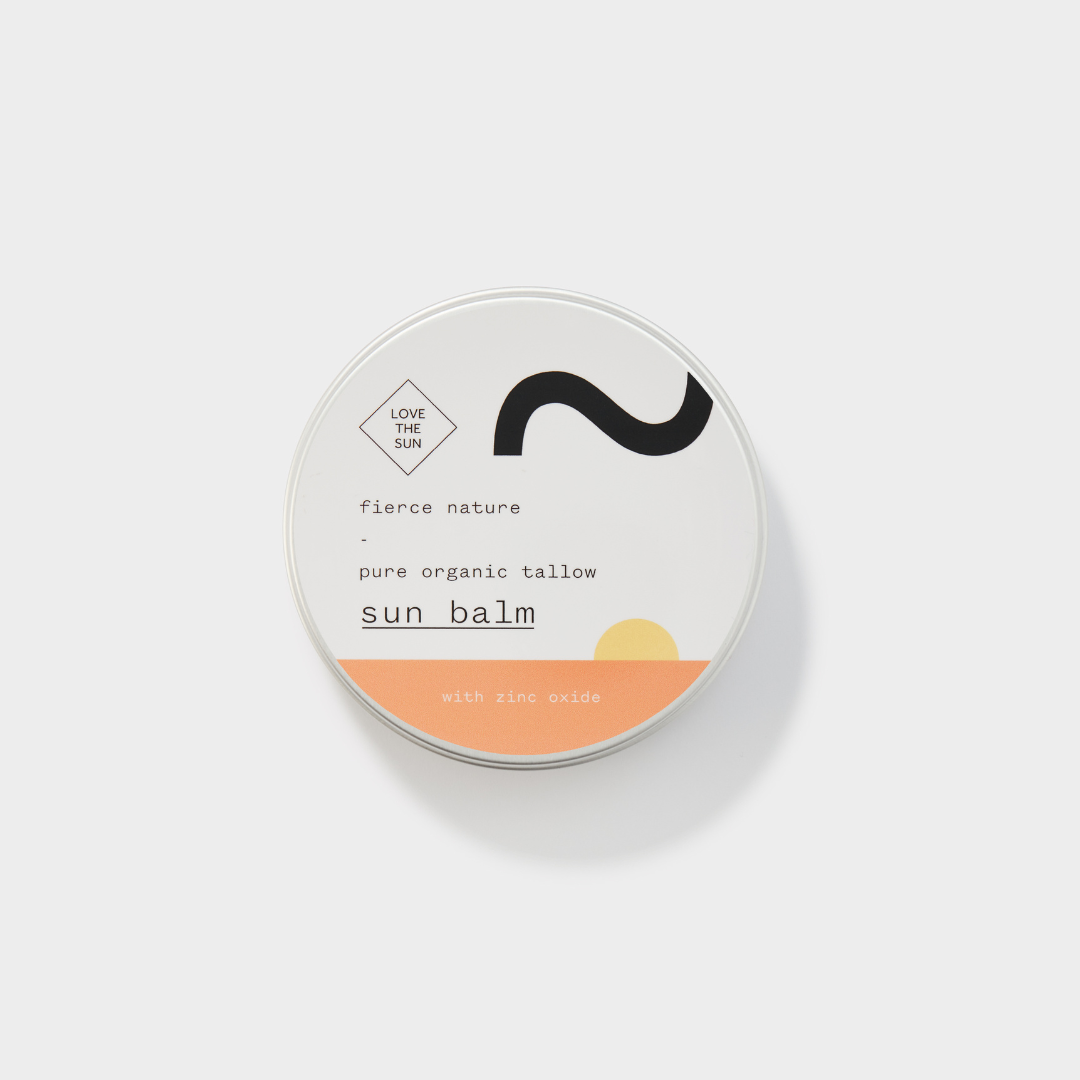
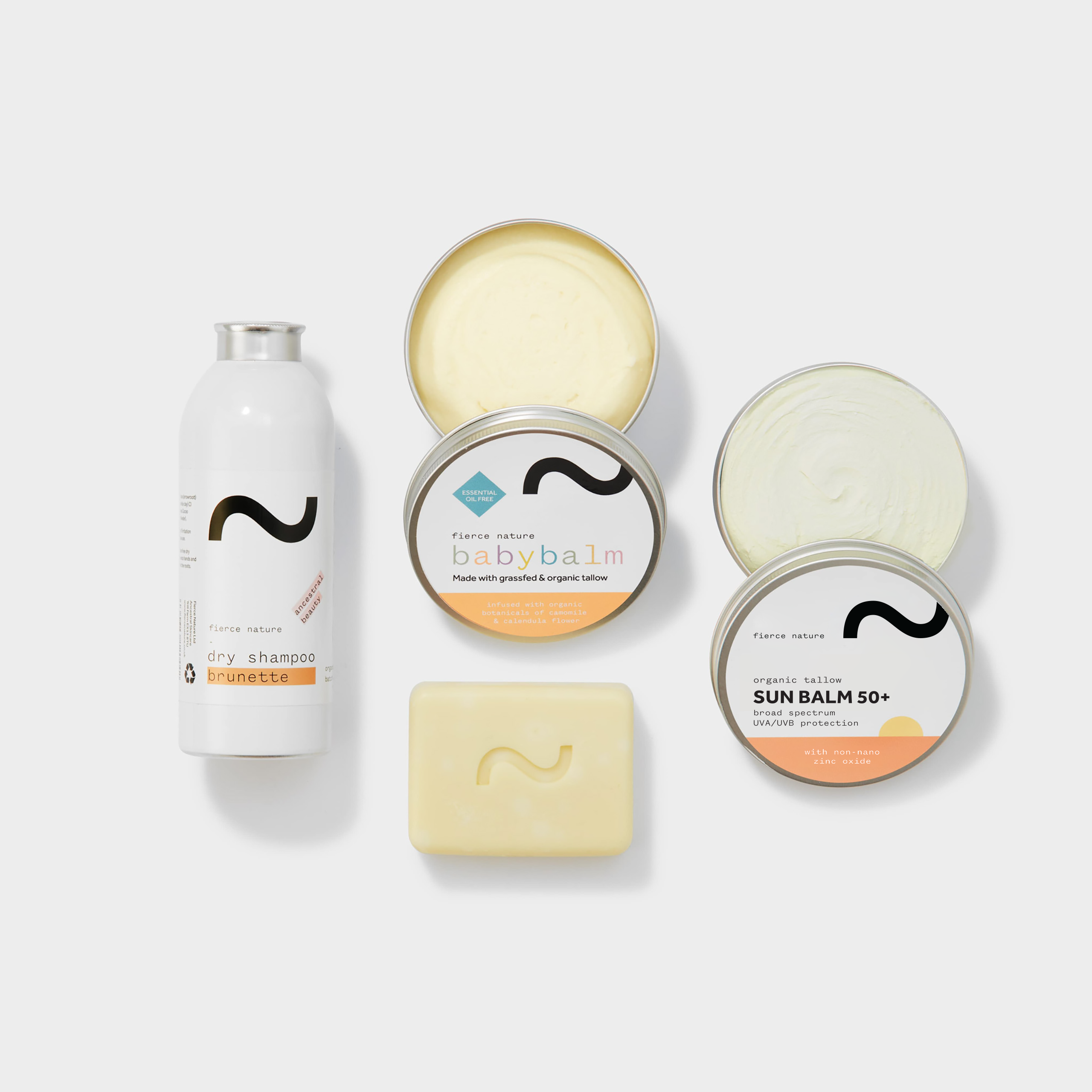
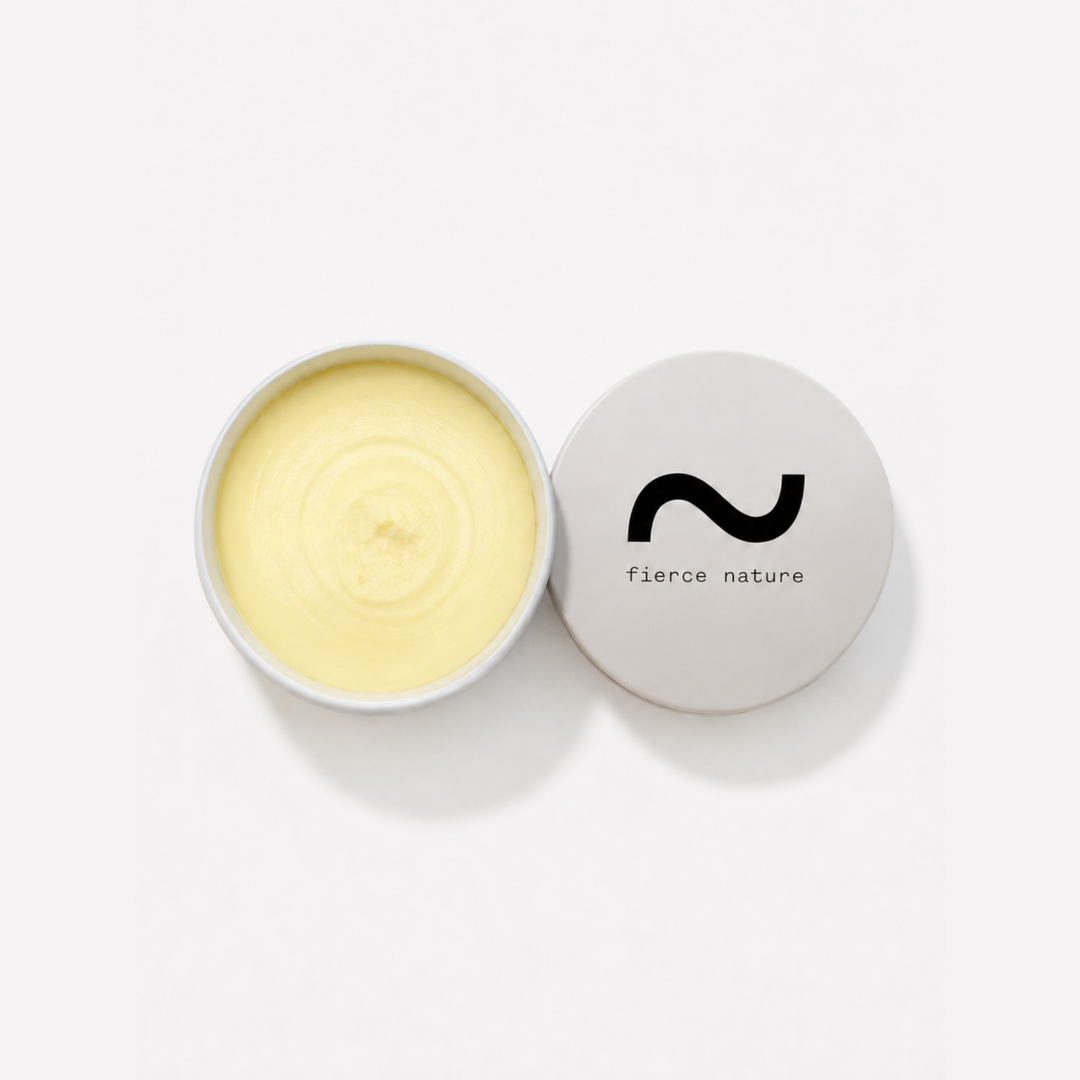
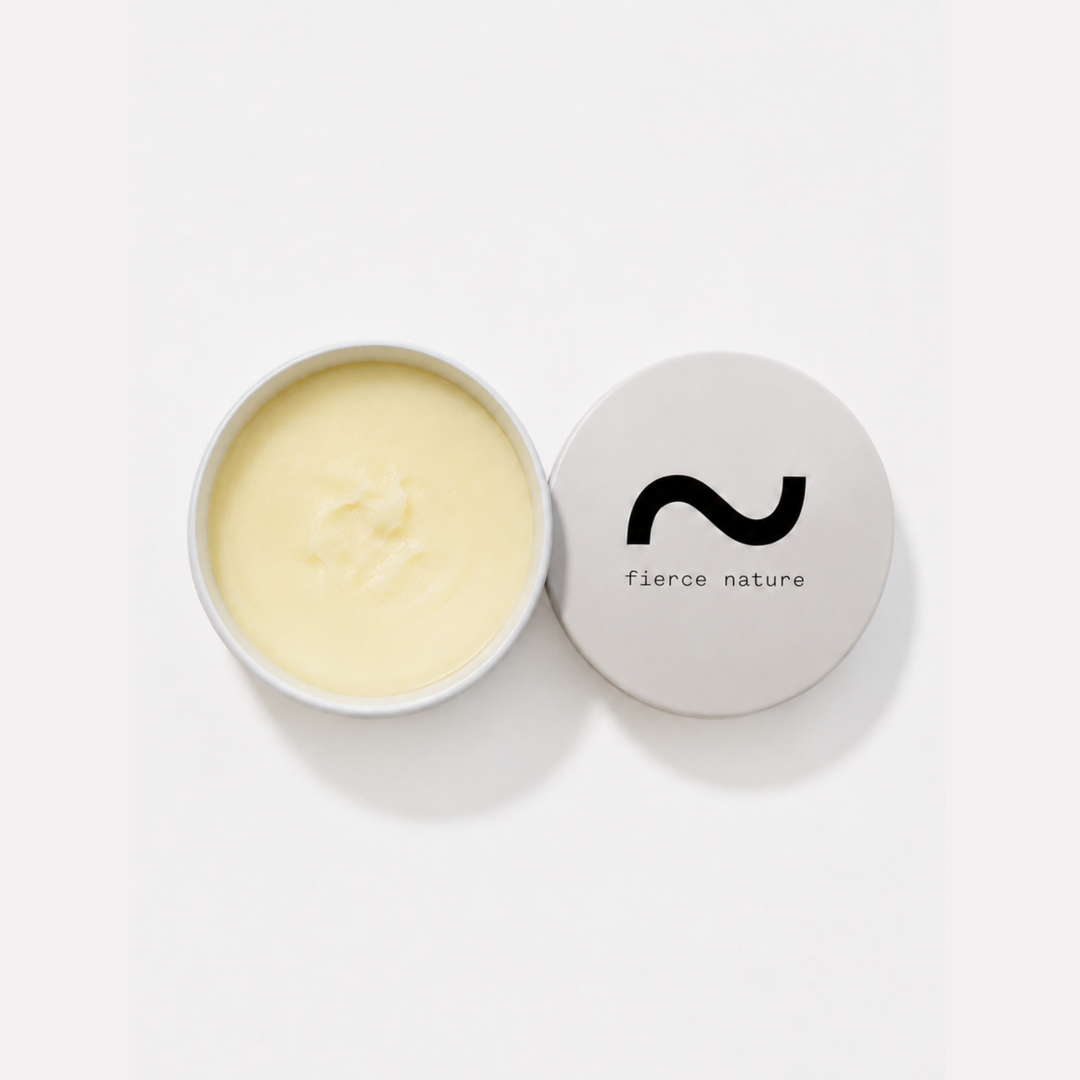
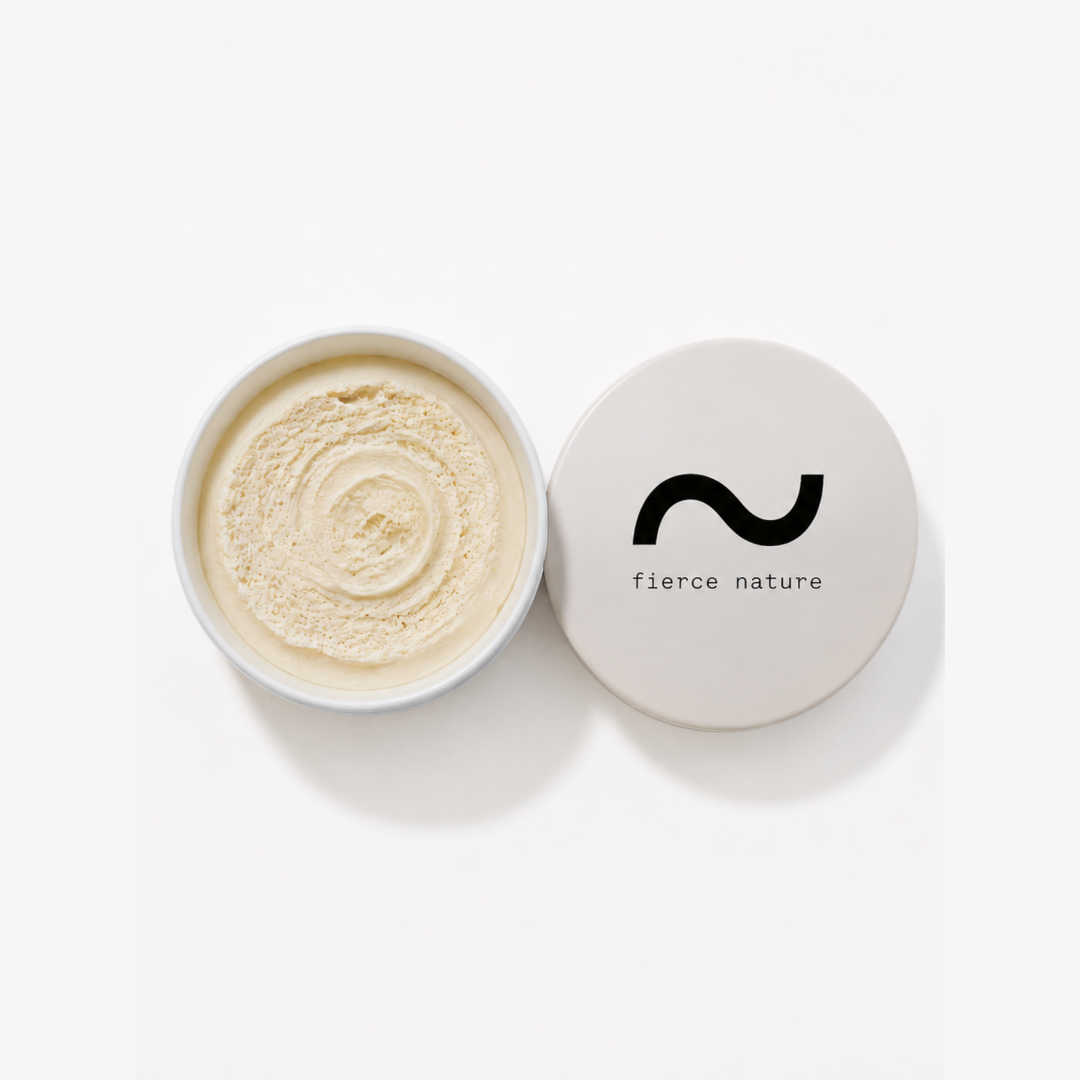
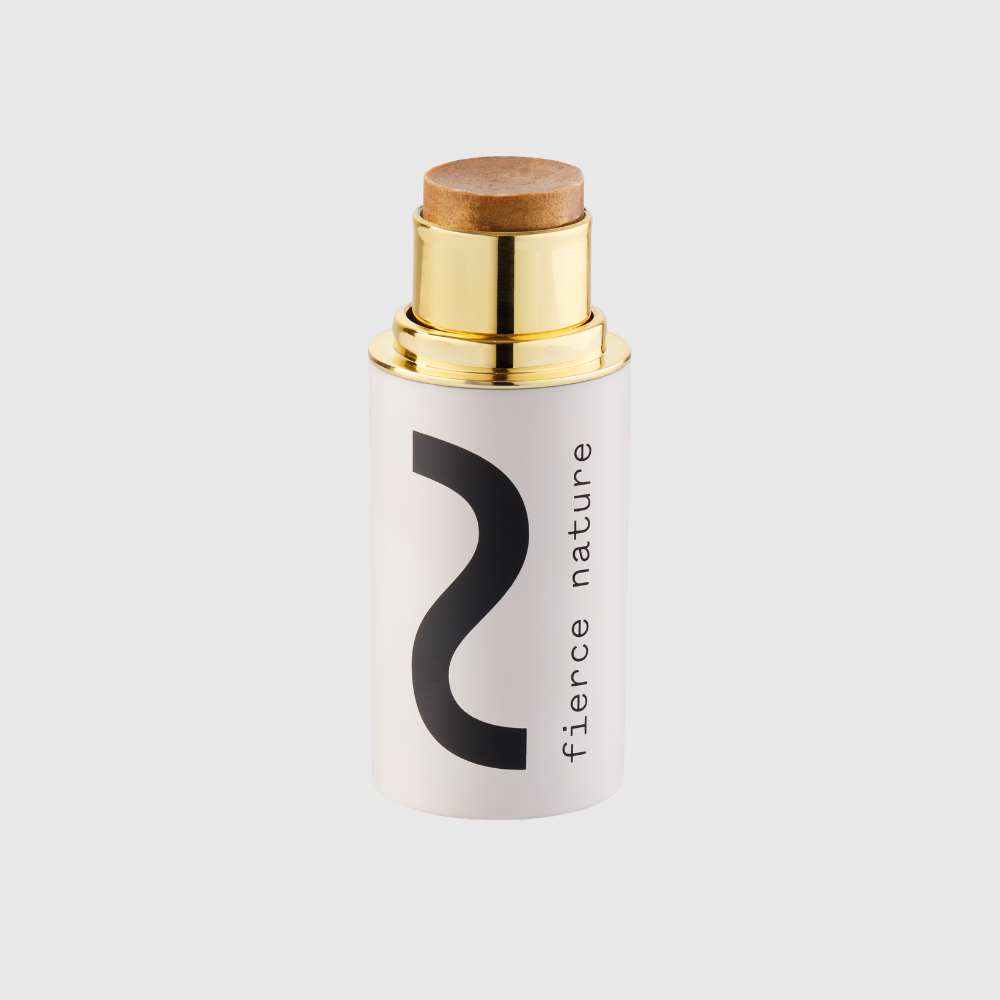
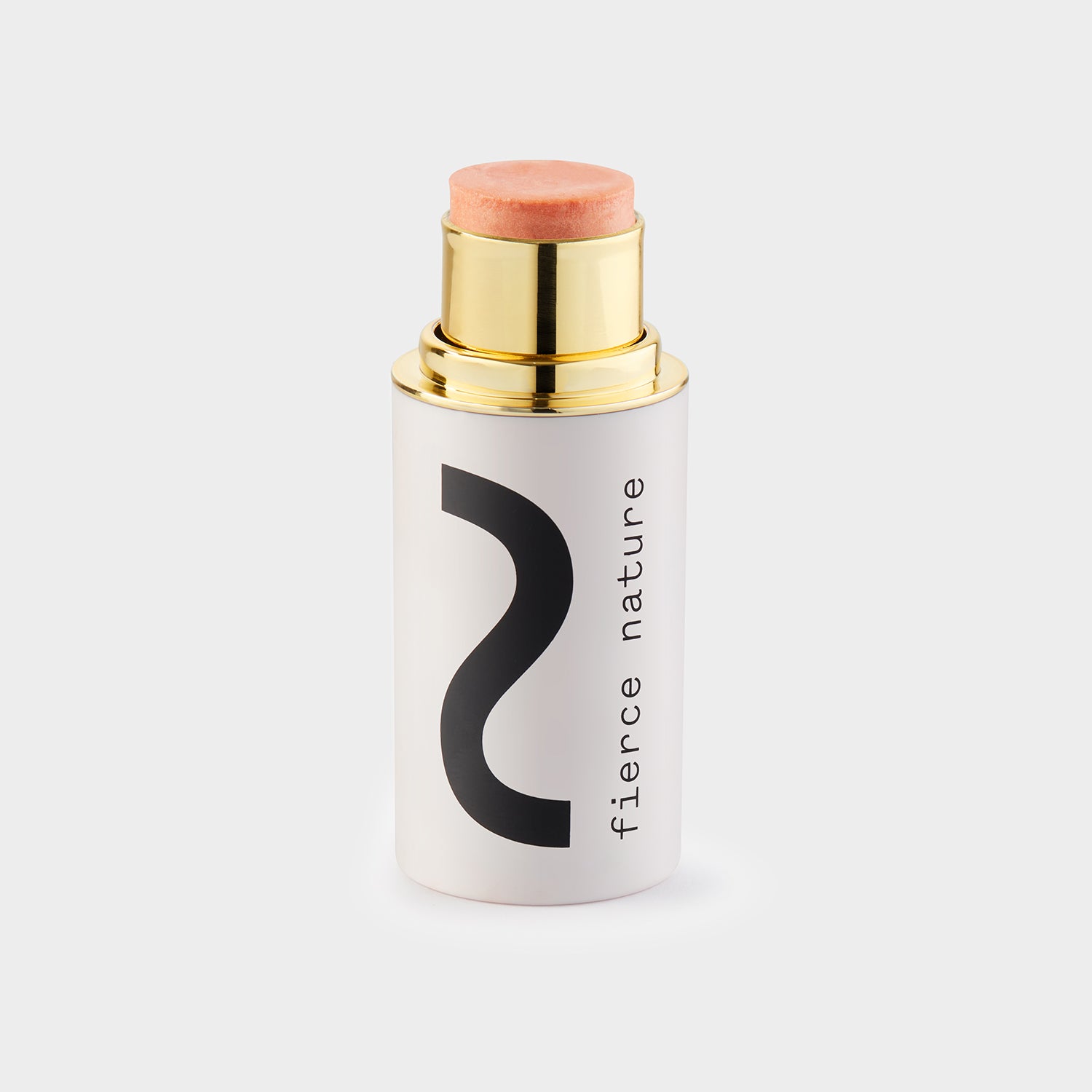
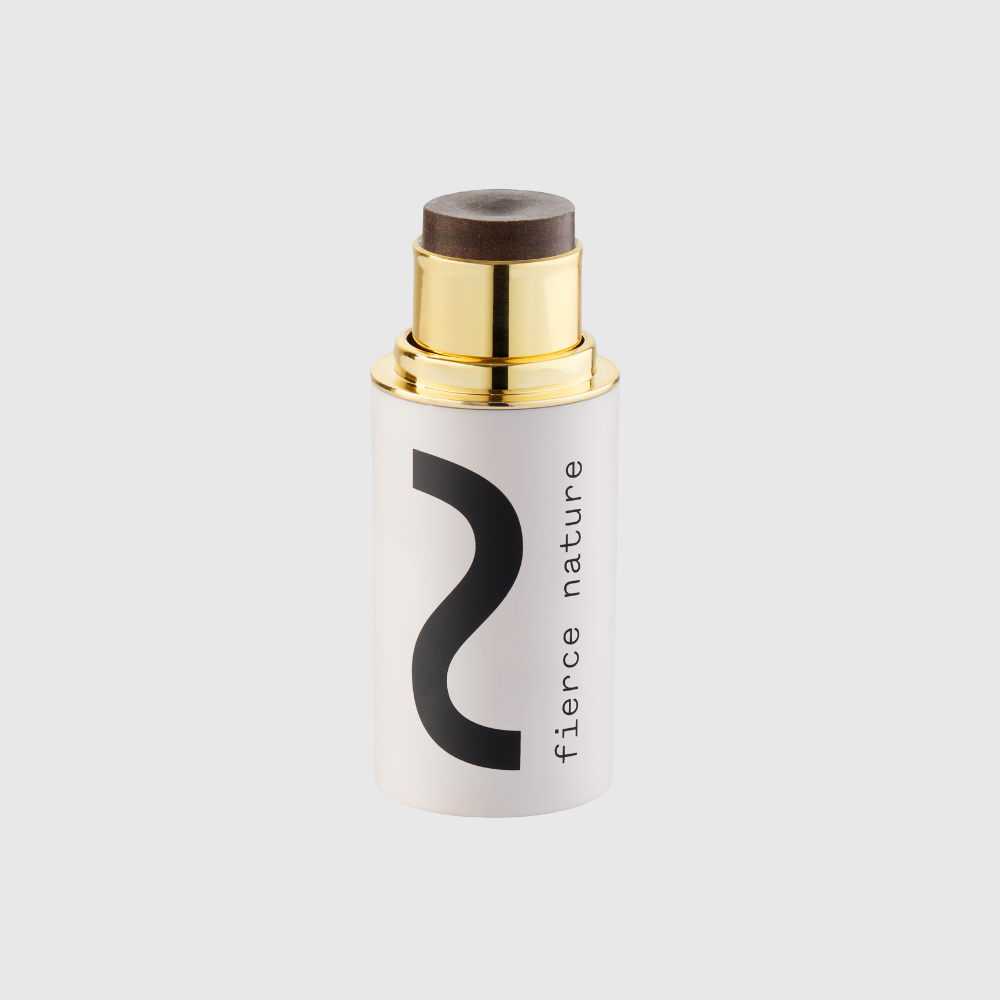
A balm suits chapped skin better than a thin lotion because it is richer and stays put. Our balms are built on organic tallow, an ingredient that has been used for centuries as a skin emollient, a soothing, softening layer for the skin. Our tallow is grass-fed and our products are made by hand in the UK, with the full ingredient list on the label. We design our formulas for deep nourishment, and the Nourish Balms Collection is where we would send you for everyday hand care.
A little goes a long way. If the balm leaves a heavy film, you have used too much. Massage what is there until it sinks in, and add more later if needed.
This is the part most people underestimate. Hand care guidance from UK dermatologists stresses applying moisturiser often: after every hand wash and whenever the skin feels dry. The protective effect of any moisturiser wears off over a few hours, particularly on hands that are being washed and used all day.
A practical way to make it stick:
If you only ever apply it when you remember at bedtime, your hands spend the whole day unprotected. When the skin is badly chapped, three or four applications a day is a sensible target, and it is the same rhythm we suggest for our windburn face balm.
The overnight treatment is the single most effective upgrade to the routine, because it gives the balm hours to work without being rubbed or washed off.
If you do not have gloves, clean cotton socks work in a pinch. Wash the gloves regularly so they do not carry old product, dirt or irritants back onto your skin.
For a few nights in a row this can transform dry, rough hands. It also means that during the day you need less balm, because the skin is already in better condition.
Healing is only half of the job. If the wind and water keep attacking the barrier, the cracks will return. Protection is where you stop the cycle.
Wear gloves outdoors in cold or windy weather, and put them on before your hands get cold, not after. Choose a smooth, soft lining, since rough wool next to cracked skin can itch and irritate. For washing-up, cleaning and laundry, wear waterproof gloves with a cotton glove underneath, but only for as long as the job takes. Take them off straight away if water gets inside, and do not wear them for long stretches, as sweat can irritate skin too. UK dermatology guidance also suggests gloves for gardening and decorating.

Skin that is already split does not need extra soaking. Where you can, avoid putting your hands in water unnecessarily, use a spoon or scraper rather than fingers for messy tasks, and rinse rather than scrub.
Soap, water and product can get trapped under rings and irritate the skin there. Taking rings off for washing and chores, and drying underneath them, helps.
Alcohol-based sanitiser dries skin out quickly, and used repeatedly on cracked hands it can sting. Soap and water, followed by balm, is gentler when it is an option. If you want more on this, we have written about calming sore, irritated hands after sanitiser and about soothing and protecting hands after washing.
The cracks in chapped skin are tiny open doors, so whatever touches them matters more than usual.
One more thing worth knowing: a rich balm can occasionally sting a little on cracked skin, or feel warm on itchy skin. This does not necessarily mean you are allergic, and it usually settles as the skin improves. If the stinging continues or you notice redness, swelling or a rash that spreads, stop and speak to your pharmacist or GP.
When your hands are chapped, the balm in your pocket matters. These are the things to look for:
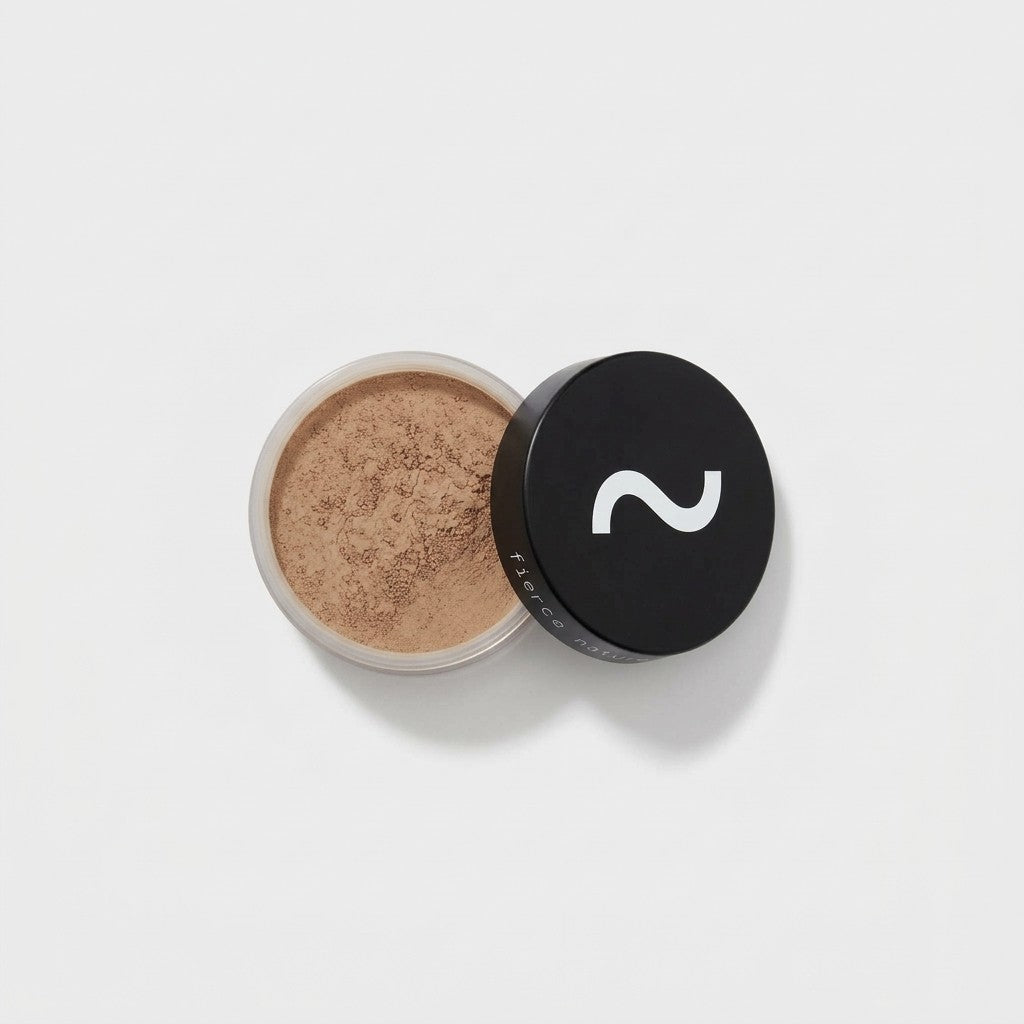
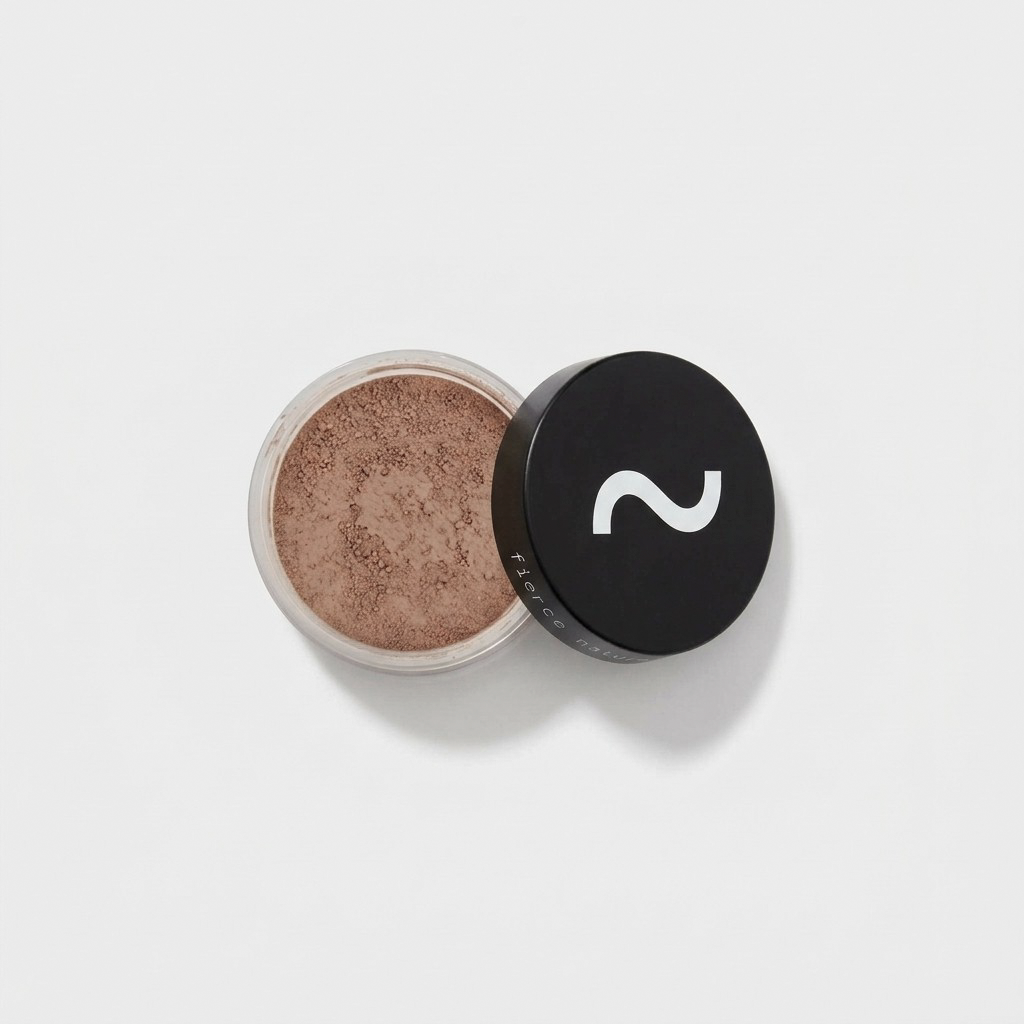
Our balms are handmade in the UK with organic tallow as the foundation, alongside naturally sourced ingredients, and we publish the ingredients so you can see exactly what you are putting on your skin. Here is how we would match them to your needs:
| What you need | Where to look |
|---|---|
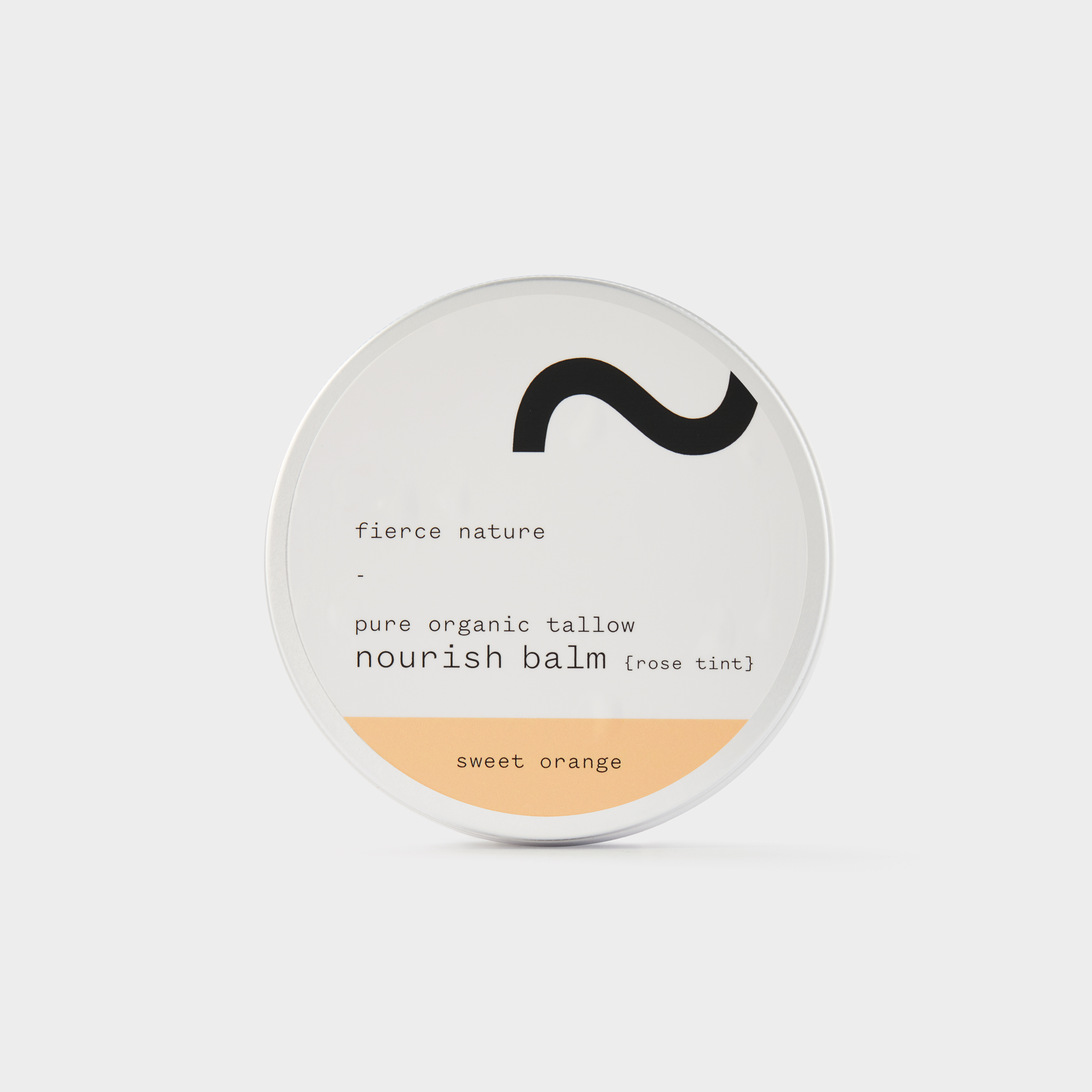
| Everyday hand care, fragrance-free | Nourish Balm (Unscented) |
| A lightly scented everyday balm | Nourish Balm (Sweet Orange) |
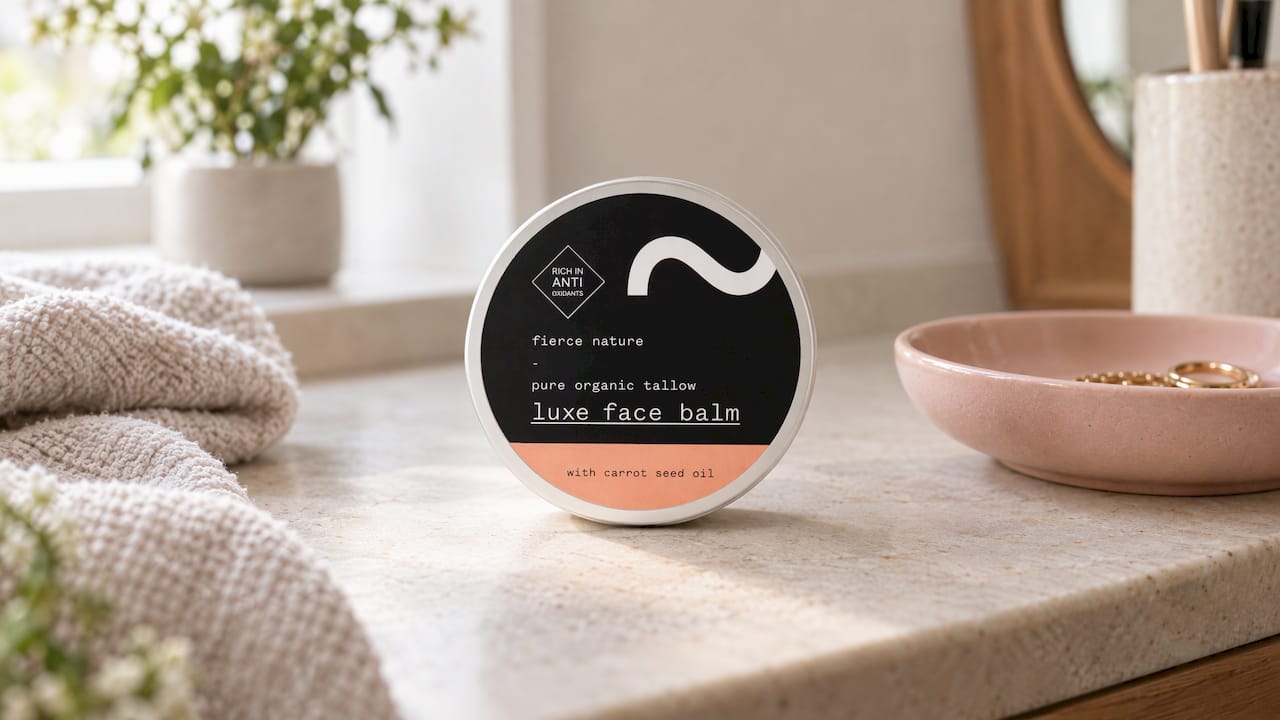
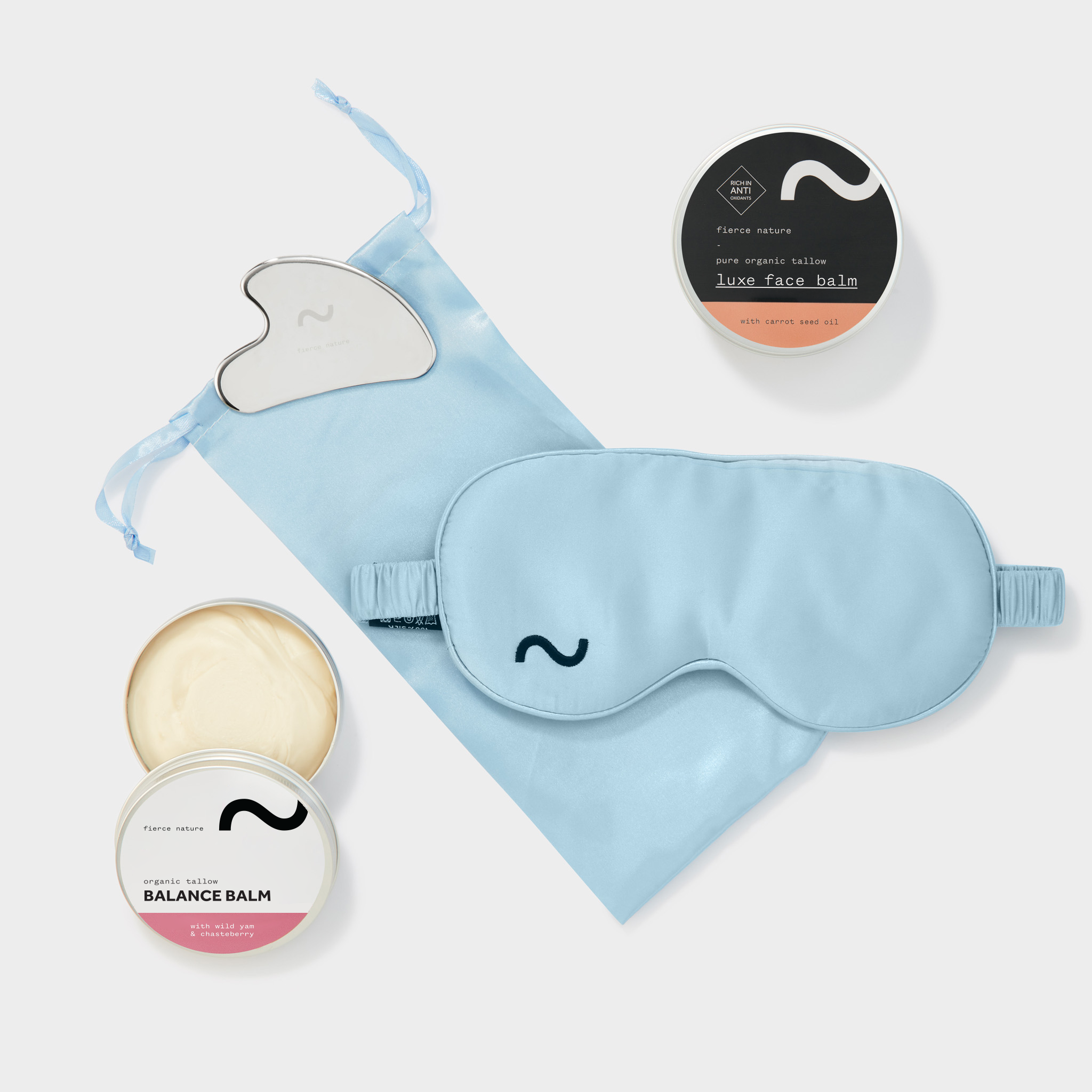
| Face and lips as well as hands | Luxe Balm and Balance Balm |
| Gentle washing | Multi-Use Tallow Bar (Unscented) |
| Browsing the whole range | Face and Body Balms |
If your skin tends to react to everyday products, our two-step routine for eczema-prone skin pairs an unscented soap with a nourishing balm, and it is just as useful for hands that have been battered by the weather. Our piece on dry, itchy skin relief with a grass-fed tallow balm explains more about barrier repair.
Sometimes it helps to see it all in one place.
Morning. Wash your hands gently in lukewarm water, pat dry and apply balm. Put gloves on before you step outside, and keep a small balm in your pocket.
During the day. Reapply balm after every wash and whenever your skin feels tight. Wear waterproof gloves with cotton liners for washing-up. Avoid long soaks and hot water.
Evening. Wash only if needed, pat dry and apply a thick layer of balm, working it into the knuckles and around the nails.
Bedtime. Add a little more balm and put on cotton gloves. Sleep.
Stick with this for a week and most people notice that their hands feel noticeably smoother and less tight. Skin that has been split for a long time can take a couple of weeks or longer to feel properly comfortable again, so keep going even once it looks better. Many people find that carrying on with a lighter version of the routine through the cold months stops the problem returning.
We started Fierce Nature because we grew up with mainstream cosmetics that promised a lot and left our skin rashy and reactive. Hands show this more than anywhere, because they take the weather, the water and everything we use to clean our homes, all day long.
Our belief is simple: skin that has been stripped needs nourishment, not another layer of harsh chemicals disguised in pretty packaging. That is why we build our balms on pure organic tallow, an ingredient people have turned to for centuries to soften and nourish skin, and why we handmake them in the UK with naturally sourced ingredients. We design our formulas for deep nourishment, and we publish what goes into them so you can make an informed choice.
For wind-chapped hands, we would keep it uncomplicated: a gentle bar for washing, a balm in every place you wash your hands, and a thick layer under cotton gloves at night. Work with your skin, not against it, and it tends to repay you.
Fierce Nature
If your hands are feeling the cold, our handmade tallow balms are made for this. Start with the Nourish Balm (Unscented), keep one wherever you wash your hands, and pair it with an unscented tallow bar for gentle cleansing. You can see the full range in our Face and Body Balms collection.
Most wind-chapped hands settle with good care. But cracked skin can sometimes need more than a balm, and it is worth getting advice when:
Your pharmacist can advise on mild treatments for inflamed, itchy skin, and your GP can prescribe stronger ones and check for infection or an allergy. Follow their instructions on how often and for how long to use any medicated cream, and keep up the gentle washing, balm and glove routine alongside it.
Mild chapping often feels better within a few days of regular balm and gentle washing. Deeper cracks can take a couple of weeks or longer, because the skin barrier needs time to rebuild. Keep using the routine even when your hands look better, since the weather has not changed.
For chapped, cracked hands, a rich balm is the better choice, because it stays on the skin and seals moisture in. A lighter lotion can be fine for healthy hands in mild weather. Our Nourish Balms are tallow-based and made for exactly this kind of nourishing, protective layer.
Yes, if you are happy with the formula on both. We make face and body balms, so one balm can cover your hands, lips, elbows and cheeks, which makes it easier to carry and use often. Browse our Face and Body Balms to choose one.
Yes. Clean, soft cotton gloves are a standard suggestion from UK dermatologists for dry, cracked hands, because they keep moisturiser on the skin and protect the sheets. Use fresh, clean gloves and wash them often. If you notice redness, rash or itching that gets worse, take them off and speak to your pharmacist or GP.
Often, yes, once the cause is gone: when the weather warms, you wear gloves for chores and you stop over-washing, the skin tends to recover. But keeping it moisturised speeds this up and lowers the chance of painful cracks. If it does not improve, or keeps returning, ask your GP.