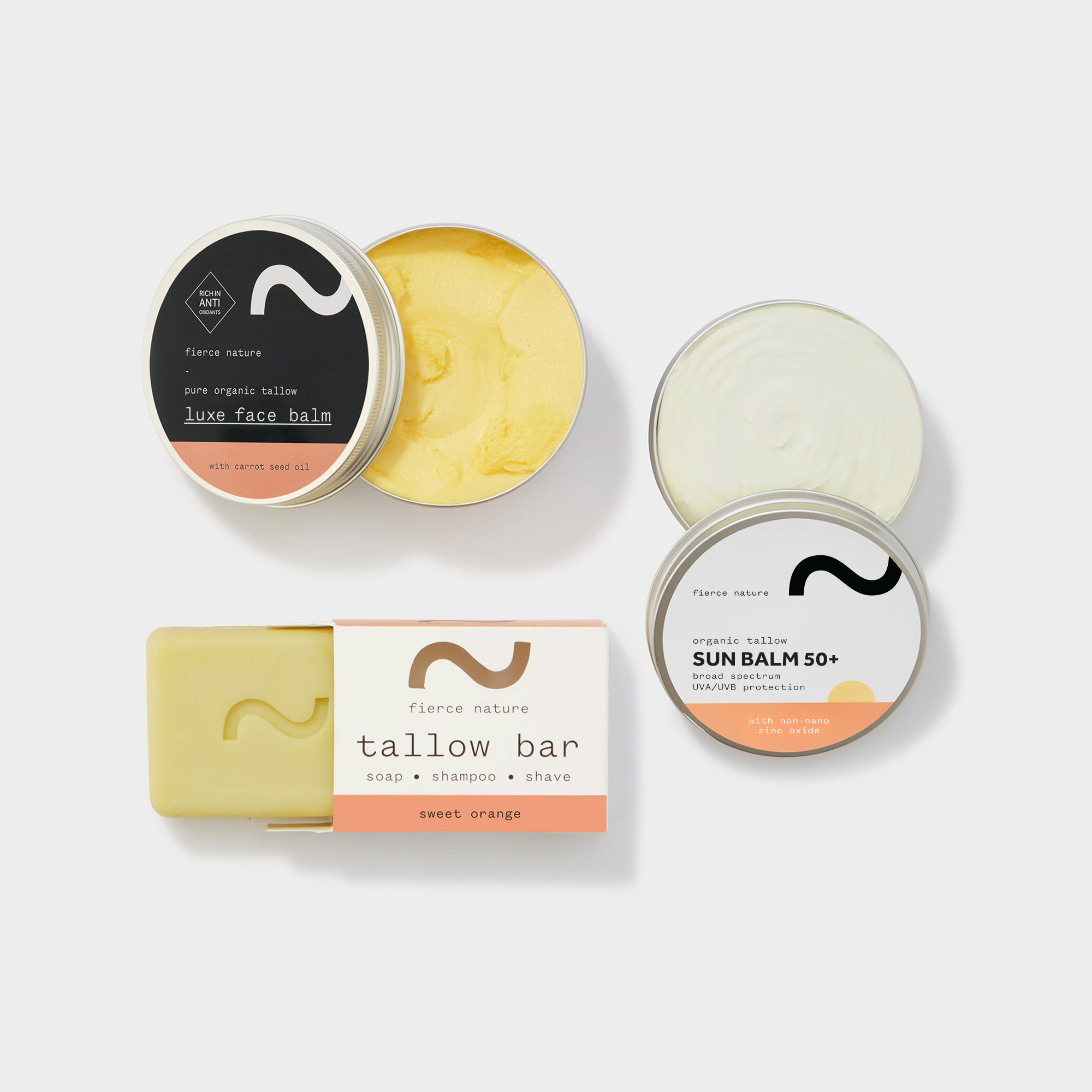
Natural ingredients
•
Kind to skin
•
A healthier planet
Ti abbiamo inviato un'email con un link per aggiornare la tua password.
reimposta la tua password
Ti invieremo un'e-mail per reimpostare la tua password.
Cold Process Soap: Skin Benefits, Glycerin, and UK Label Rules
Ralph Barrozo
0 Commenti
Cold process soap keeps its natural glycerin and can be made from nourishing oils and butters, which gives it real moisturising, skin-friendly qualities. Add gentle cleansing, a short and readable ingredient list, low-waste packaging and a long life once cured, and you have a bar worth understanding. We make ours by hand at Fierce Nature, with tallow as the foundation.
TL;DR:
Tests on skin samples found about 1–2 μg/cm² of glycerol deposited per wash, but these laboratory results do not establish benefits in people.
Choose a syndet on a clinician’s advice for a skin condition; true soap has higher pH, and a poorly made bar can feel harsh.
UK makers need a Cosmetic Product Safety Report, a UK Responsible Person, product notification, and a Product Information File kept for 10 years.
A fully cured bar lasts longer, and a draining dish prevents it from sitting in water; patch test new bars and stop if irritation appears.
Cold process soap can support comfort but cannot treat eczema, psoriasis, acne, or damaged skin; consult a GP or pharmacist for persistent symptoms.
Fierce Nature
fiercenature.co.uk
Choose a Tallow-Based Soap
Fierce Nature makes handmade UK soap with tallow as its foundation, using naturally sourced ingredients.
Here is what you can expect from a well-made bar, and why each point matters for your skin and your routine.
Glycerin-rich moisturisation. Glycerin is a humectant, meaning it draws water towards the skin. In cold process soap it stays in the bar, because nothing strips it out. Many mass-produced bars have it removed and sold separately, so what remains can leave skin feeling tight.
Nourishing fats. Tallow, plant oils and butters soften and feed the skin as you wash. Tallow has a long history in soap making and as a skin emollient, and it is the base of every bar we make.
Gentle cleansing for dry and sensitive skin. A bar with a balanced recipe removes dirt without that squeaky, stripped feeling. Formulation is what decides this, not the label on the front.
Customisation. Makers choose the scent, the additives and what to leave out. If fragrance bothers you, an unscented bar is simple to find.
Simple ingredient lists. Many cold process bars rely on fats, a lye solution and perhaps one or two extras. Fewer ingredients means fewer unknowns.
Environmental benefits. A solid bar needs little packaging, often just paper, and replaces plastic bottles of liquid wash.
Longevity. Curing lets excess water evaporate, so the bar becomes harder, dissolves more slowly and lasts longer in daily use.
Pro Tip:Store your bar on a draining soap dish rather than in standing water. A dry bar can last noticeably longer than one left to sit in a puddle.
2. What does the research say about glycerin and your skin barrier?
The idea behind cold process soap is simple. During saponification, fats and lye react to form soap, and glycerin forms naturally alongside it. Because the bar is not stripped afterwards, that glycerin stays put. It is a humectant that can deposit on the skin as you wash, and depositing glycerin through cleansing bars may help build a healthy skin barrier and may support the skin microbiome.
Laboratory work on high-glycerine bathing bars gives this some measurable backing. Ex-vivo tests on skin report glycerol being deposited across the stratum corneum, the skin’s outer layer, with each wash, as described in ex-vivo studies. These were laboratory studies on skin samples, not trials on people, so we read them as a promising explanation of how the effect works rather than a promise of results.
About 1–2 μg/cm² of glycerol was deposited across the stratum corneum per wash in ex-vivo tests of high-glycerine bars.
That is a tiny amount, but small, repeated deposits are exactly how a daily wash could add up. It helps to see why the type of cleanser matters as well. A scientific review comparing soaps and syndets concludes that syndets tend to be milder because of their pH and surfactant properties, while harsher soaps can disrupt the skin barrier. Choosing a cleanser means balancing mildness against how well it cleans. So the formulation and pH of a bar decide whether it feels gentle or harsh, and a carefully made cold process bar with a generous fat content sits at the kinder end of the soap spectrum.
3. How does cold process compare with melt and pour and syndet bars?
The three bar types are made in quite different ways, and the differences are practical.
Melt and pour. The maker starts from a pre-made base, melts it, adds scent or colour and pours it into a mould. It is convenient and quick, but you have less control over the recipe and over how glycerin is handled. Many bases are also made with added ingredients that help them melt cleanly.
Syndets (synthetic detergent bars). These use detergents rather than true soap. They typically sit at a lower pH and are formulated for mildness, which is why they can suit certain clinically sensitive skin conditions. The review mentioned above covers the science behind that.
Cold process. The maker builds the bar from scratch, choosing every fat and keeping the natural glycerin. It takes weeks of curing, but the control over ingredients is far greater.
Some simple rules help you choose:
Choose cold process when you want moisturising glycerin, ingredient control and a lower-waste product.
Choose a syndet when a clinician has advised one for a diagnosed, sensitive skin problem.
Choose melt and pour mainly for gifts and hobby crafts, where speed and appearance matter more than formulation.
None of these is right for everyone, and many people find the best answer is simply the bar their skin tolerates.
4. What should you check on the label, and what do UK rules require?
A good label tells you most of what you need to know. Handmade soap sold to consumers is treated as a cosmetic in the UK, so makers have legal duties, and there is no hobbyist exemption. Before a bar is sold, the maker needs a Cosmetic Product Safety Report (CPSR), a UK-based Responsible Person and a product notification, and they must keep a Product Information File for 10 years. Our guide to why UK skincare regulations differ goes into the background.
Here is what to look for on a compliant label:
An ingredients list headed “Ingredients”.
The Responsible Person’s name and address.
The nominal content, meaning the weight of the bar.
A batch number so the bar can be traced.
Any precautions, plus a minimum durability date or period-after-opening symbol where it applies.
Small unwrapped bars have some labelling fallbacks, so a plain bar sold from a market stall may carry its details on a leaflet or sign instead. If you want to practise reading labels, our UK skincare label reading guide walks through it step by step.
Pro Tip:Ask the maker whether the bar has a CPSR. A confident, quick answer is a good sign. Be wary of any unlabelled bar, and of any soap that promises to treat or cure a medical condition.
5. How do you choose and use cold process soap for the best results?
A little care when buying and storing a bar goes a long way.
Read the ingredient list first. Look for the fats you want, such as tallow or specific plant oils, and check for fragrance components if you react to scent.
Prefer cured bars. A bar that has had its full cure time is harder and milder, and it lasts longer in the shower.
Keep it dry between uses. Use a draining dish, and let the bar air out rather than sitting in water.
Rotate your bars. If you own more than one, use them in turn so the spares can keep curing.
You do not need a long routine. A good bar, a dry dish and a balm you enjoy are enough to begin with.
6. Does cold process soap have anti-inflammatory or healing benefits?
We would be careful here. Soap is a cleanser, not a medicine, and nobody should expect a bar to heal damaged skin. What a well-made bar can do is avoid making things worse. Skin that stays comfortable after washing is less likely to feel itchy, tight or inflamed, and that comfort is the benefit you can reasonably expect.
The fats do contribute. Tallow and many plant oils are rich in nourishing fatty acids and vitamins, which soften skin and support its natural condition while you cleanse. Glycerin adds hydration, and skin that is well hydrated tends to look calmer and recover more easily from everyday dryness. Those are gentle, supportive effects, not treatments.
If you have broken skin, a persistent rash or a diagnosed condition, speak to your GP or pharmacist before changing your routine. Any maker who claims their soap cures or heals a condition is overstating things, and UK rules do not allow cosmetics to make medicinal claims.
7. How does cold process soap support skin barrier repair?
Your skin barrier is the outer layer that keeps moisture in and irritants out. Harsh cleansing can disturb it, which leaves skin dry, tight and more reactive. Supporting it is mostly about being kind to it every day.
A cold process bar helps in two ways. First, the glycerin it retains is a humectant that can deposit on the skin as you wash. Laboratory findings on high-glycerine bars suggest this deposit may help build skin barrier health and interact well with the bacteria that naturally live on skin. Second, the nourishing fats leave a softer after-feel than a stripping cleanser.
We say “support” rather than “repair” on purpose. A soap cannot rebuild a damaged barrier alone, and the research behind this comes from controlled laboratory work. The sensible approach is to pick a gentle bar, avoid very hot water, pat skin dry and follow with a balm. Over time, those small habits protect the barrier far more than any single product.
8. How does cold process soap compare with synthetic or chemically formulated soaps?
The big difference is what has been taken out and what has been added. Many commercial washes and bars are built from detergents, with added stabilisers, fragrances and preservatives to keep them stable on a shelf for a long time. Some of those formulas are mild and well tested, and a syndet can be a sensible choice for some skin conditions.
A cold process bar goes the other way. It is made from a short list of fats and lye, keeps its natural glycerin and usually carries few additives. That simplicity is the appeal. You can read the label and recognise most of what is in it.
The honest trade-off is that true soap has a naturally higher pH than a syndet, so a poorly made bar can feel harsh. The answer is quality, not avoidance: a generous fat content, a proper cure and a maker who is open about ingredients. We favour this transparency, and it is why our bars are handmade in the UK from premium ingredients with organic tallow as the foundation. You can look at our Tallow Soaps range to see how we put it into practice.
9. Do natural antioxidants in cold process soap help your skin?
Many of the fats and extras used in handmade soap contain natural antioxidants. Plant oils, butters and some botanical additions carry vitamins and other compounds that protect the oils themselves from going off, and these compounds are valued in skincare generally.
How much of that survives the soap-making process and then makes a difference during a short wash is a fair question, and we will not overstate it. Soap is rinsed away, so a cleanser is not the main place to look for antioxidant benefits. A leave-on product stays on the skin far longer, which is why we pair our soaps with balms.
What antioxidants can do inside the bar is help the fats stay fresh, which supports a longer, more pleasant shelf life. That is a quiet but useful benefit. If antioxidant-rich skincare appeals to you, treat the soap as the gentle first step and let a balm do the lingering work.
10. Can cold process soap help with eczema, psoriasis or acne?
This is a common question, and the careful answer is that cold process soap is not a treatment for any of these conditions. Eczema, psoriasis and acne each have their own causes, and they respond best to guidance from a GP, dermatologist or pharmacist.
What a gentle bar can do is avoid adding to the problem. People with dry or reactive skin often find that a mild, unscented, fat-rich bar feels more comfortable than a heavily perfumed or foaming wash. Fewer ingredients also means fewer possible triggers, which is useful when you are trying to work out what your skin reacts to.
There are limits. Some people with eczema are advised to use a syndet or a soap-free emollient wash, and that clinical advice should come first. Acne-prone skin may prefer a lighter routine with less rich fats. If you want to try a handmade bar, patch test it on a small area first, introduce one new product at a time and stop if irritation appears. When in doubt, ask a professional who knows your skin.
11. Why do cold process soap and tallow matter to us?
I grew up in South Africa with mainstream cosmetics and battled skin rashes and reactions as a teenager, never understanding why. Years of working with gut health and toxic load changed how I see the products we put on our bodies. That is why we handcraft our soaps in the UK with organic tallow and keep our ingredients open for you to read. If you want to try the benefits, our product pages and blog posts are a good place to start.
— Fierce Nature
12. Where can you try cold process soap from Fierce Nature?
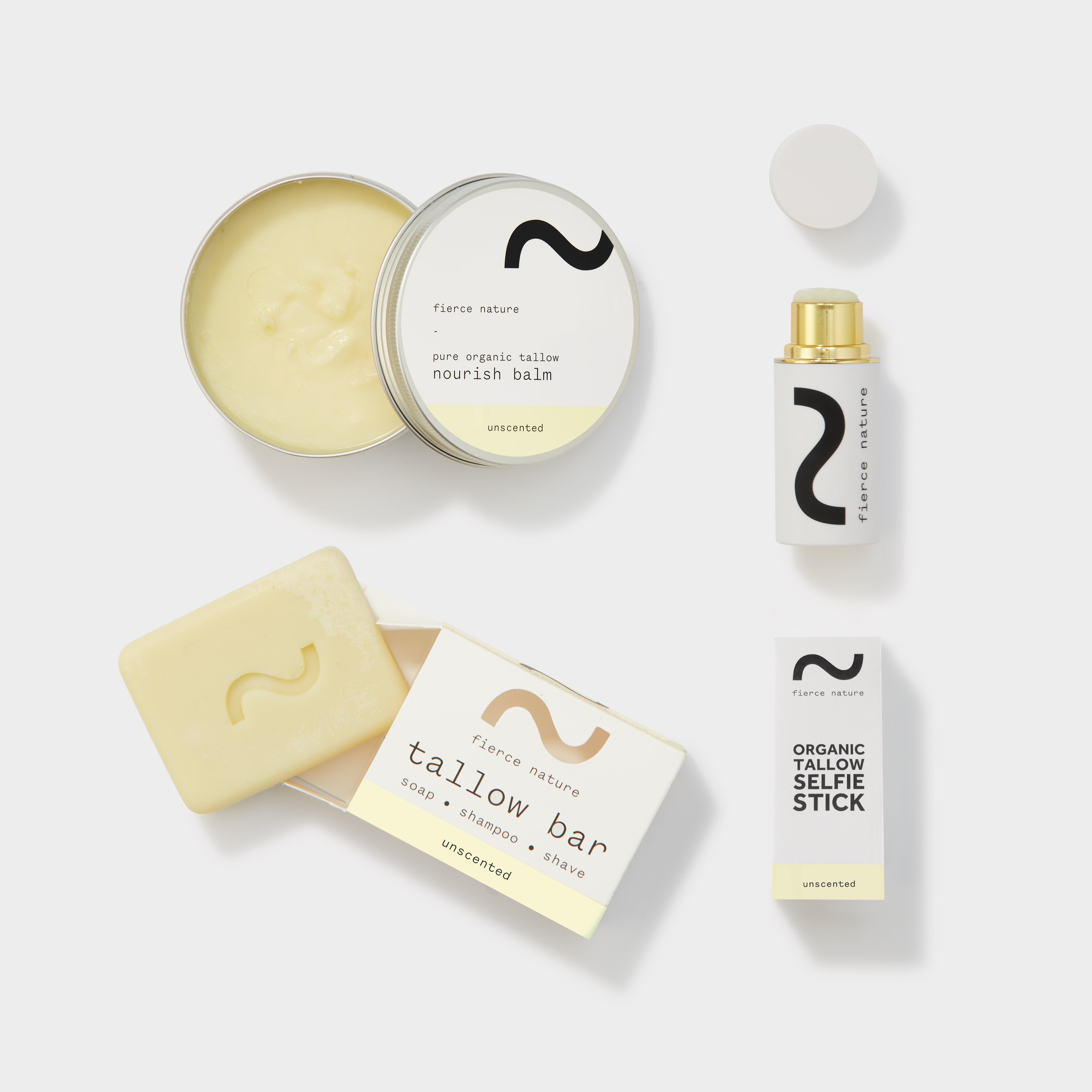
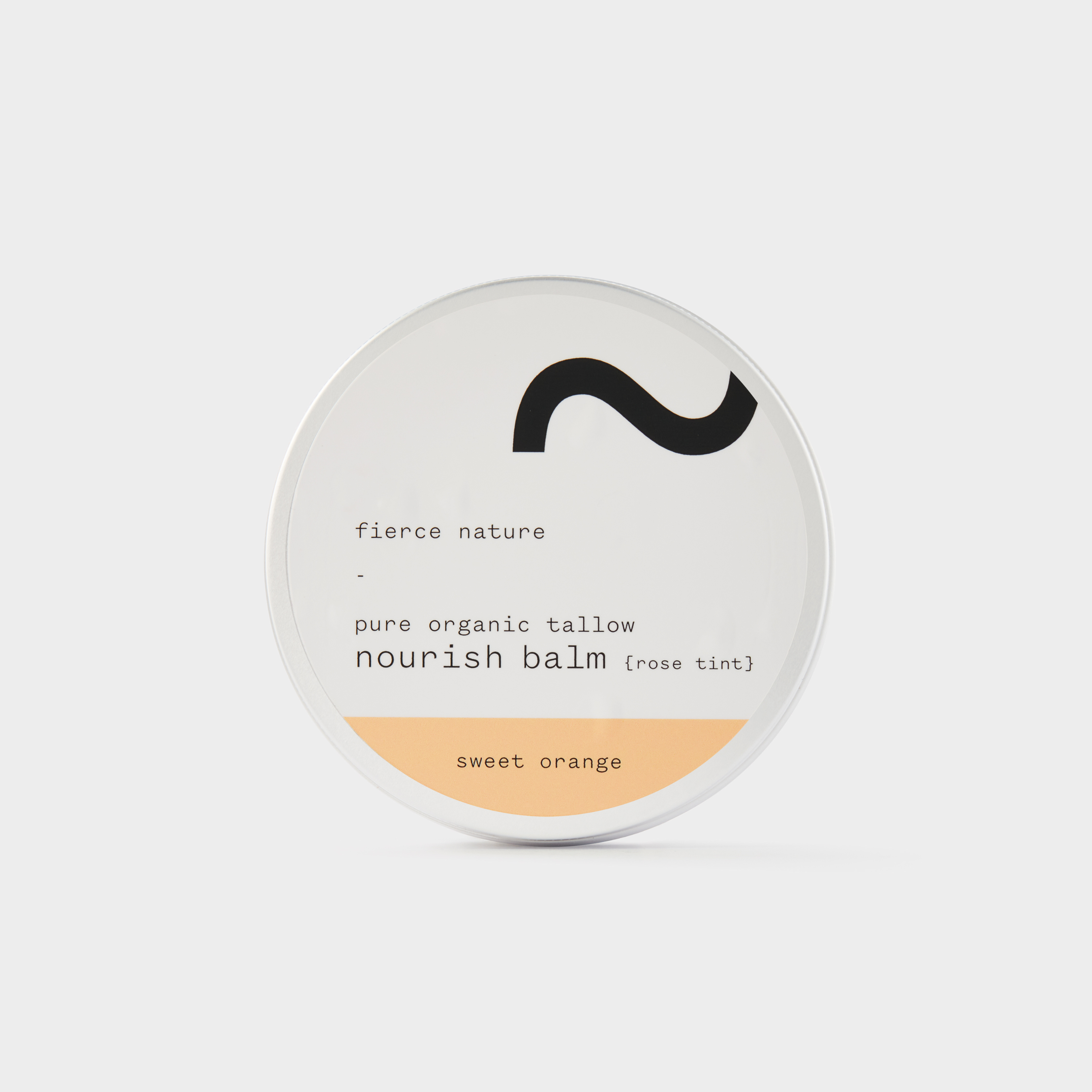
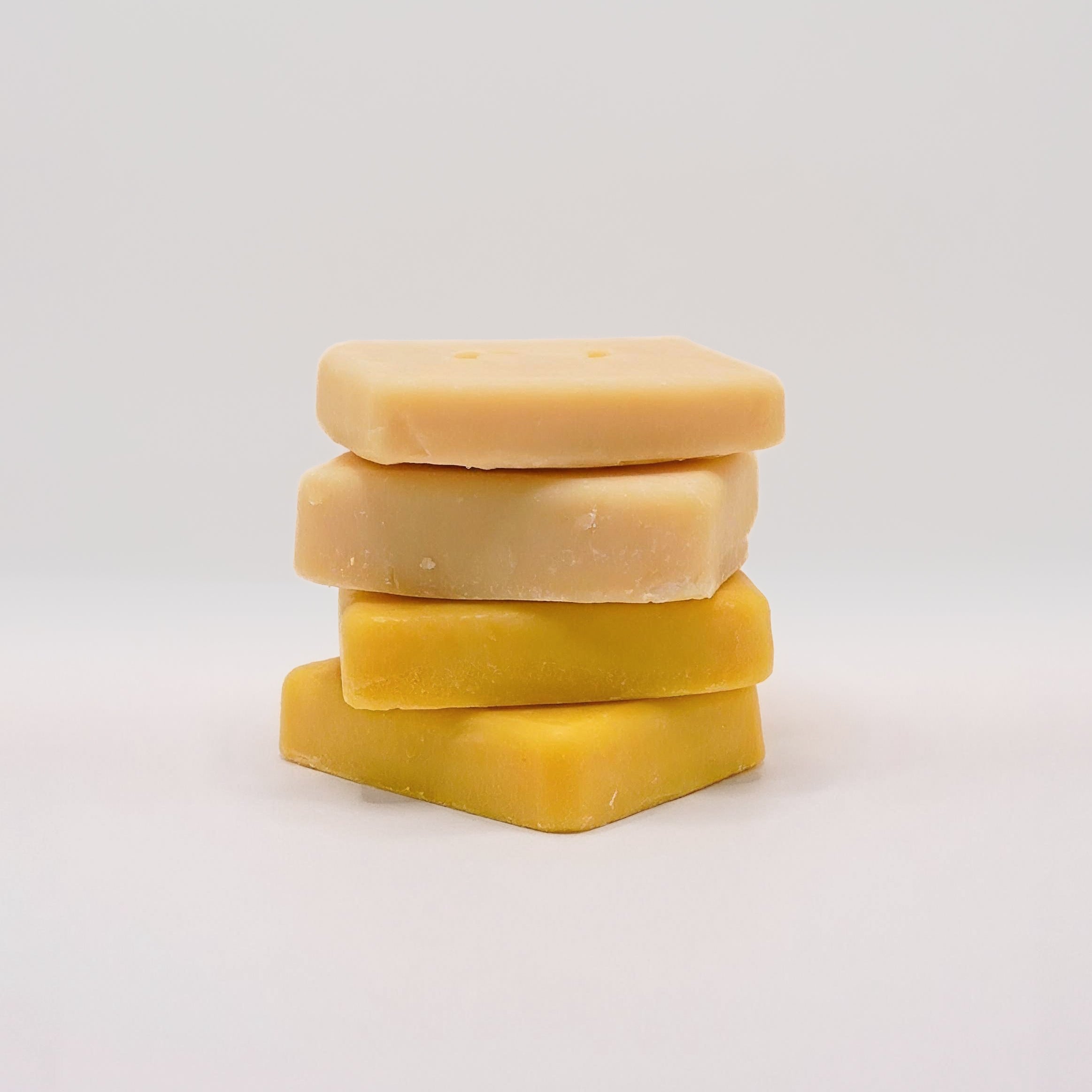
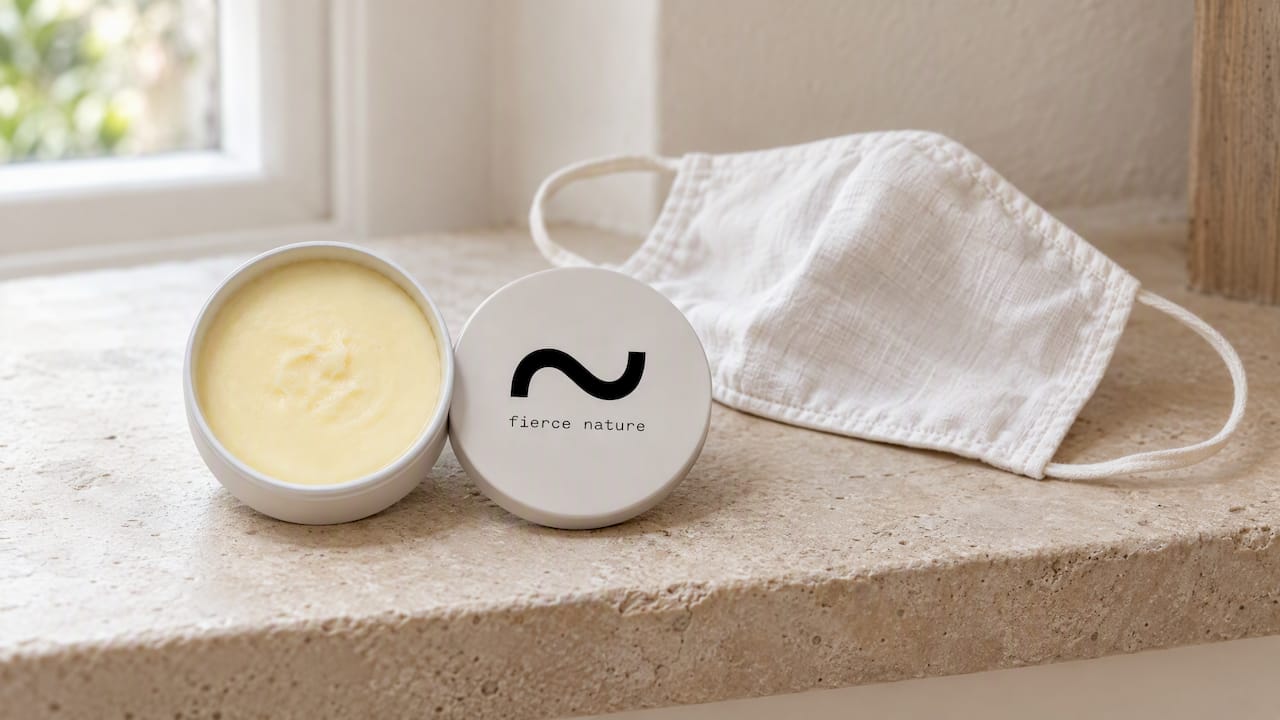
If you want a low-risk way to try a tallow cold process bar, start with our Wonky Soap (Pack of 3). After washing, our Nourish Balm (Sweet Orange) and Nourish Balm (Unscented) work as leave-on moisturisers for the rest of your routine. Everything is handmade in the UK with premium organic tallow, and you can see exactly what goes into each one. Browse our Tallow Soaps to choose your first bar.
FAQ
Is cold process soap good for your skin?
Yes, for most people a well-made bar is a kind choice. It keeps its natural glycerin and is usually made from nourishing fats. Anyone with a skin condition should check with a GP or pharmacist first.
Which is better, hot or cold process soap?
Both make true soap, and the difference is mainly in how the batch is cooked. Hot process cooks the mixture to speed up saponification, while cold process lets it happen at lower temperatures and then cures. Neither is automatically better, so the quality of the recipe matters more than the method.
How long do cold process soaps last?
A properly cured bar lasts a long time in use, because curing makes it harder and slower to dissolve. Keeping it dry between uses helps it last longer still. Check the label for any durability date the maker gives.
What is the healthiest soap to use on your body?
There is no single healthiest soap, because the right choice depends on your skin. A gentle, fragrance-light bar with a short, readable ingredient list suits many people. If you have a diagnosed skin condition, follow the advice of your clinician.