Dry shampoo is the better choice for your hair. Baby powder can soak up oil in a pinch, but it is made for skin, not for your scalp. A dry shampoo is made for hair, so it is designed to absorb oil at the roots, leave hair looking fresher and be brushed out cleanly. Either way, a powder only hides grease for a day or two. It does not wash anything away, so plain shampoo and water still do the real cleaning.
Below we compare the two properly, look at the cornstarch question, and cover the safety points that matter most: scalp build-up, inhalation and talc. We also show how to apply any dry product so your hair looks lovely and your scalp stays comfortable.
Fierce Nature
Explore Nature-Inspired Skincare
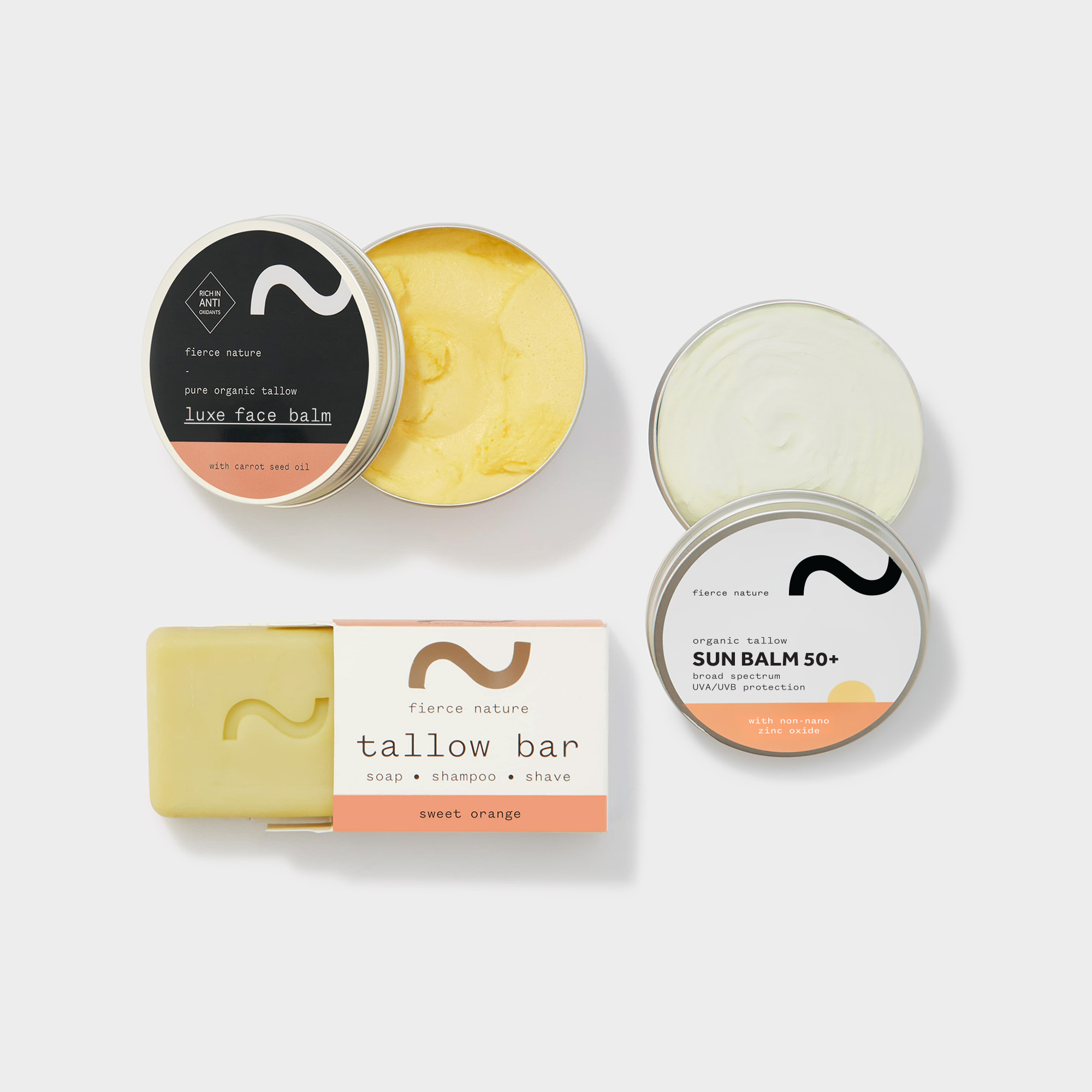
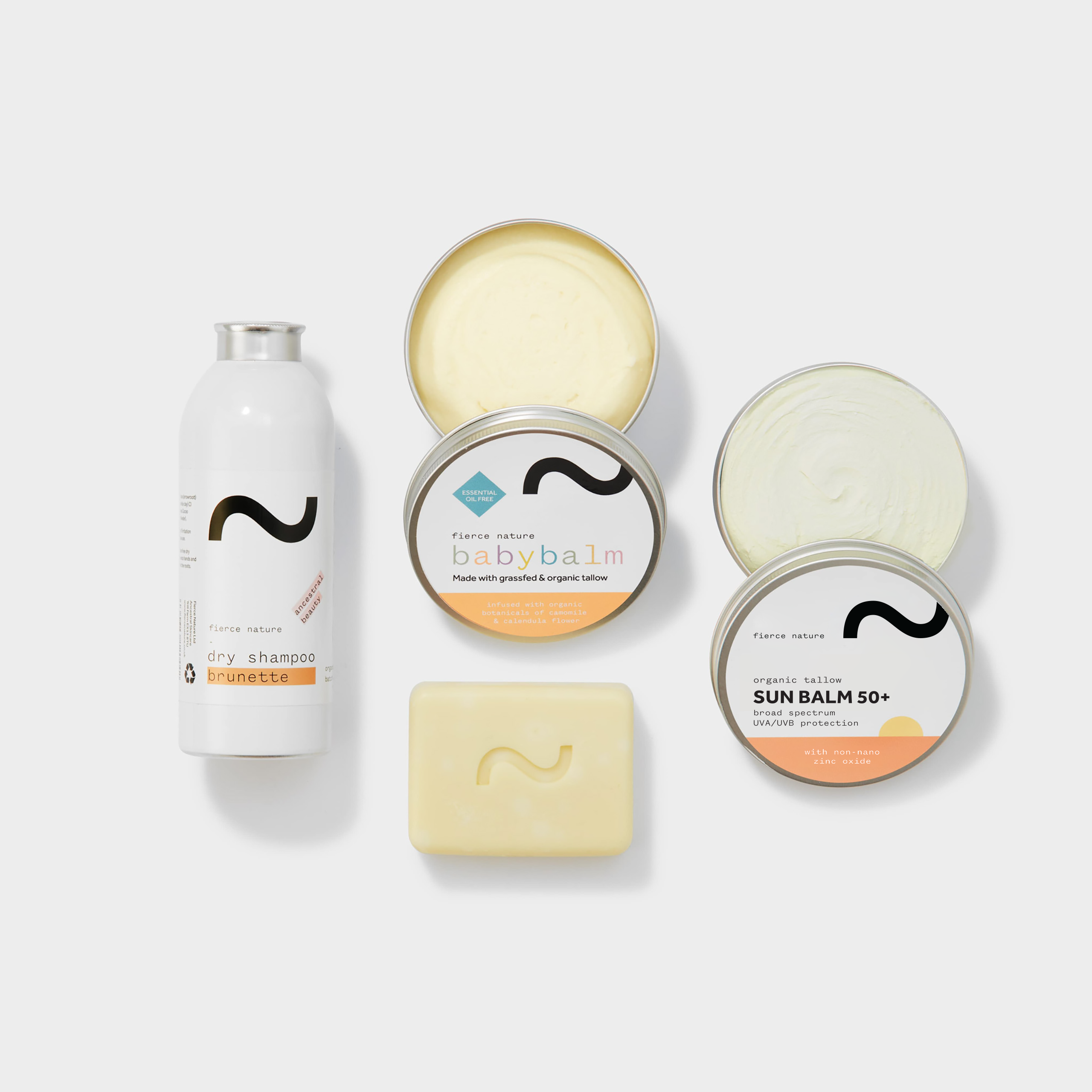
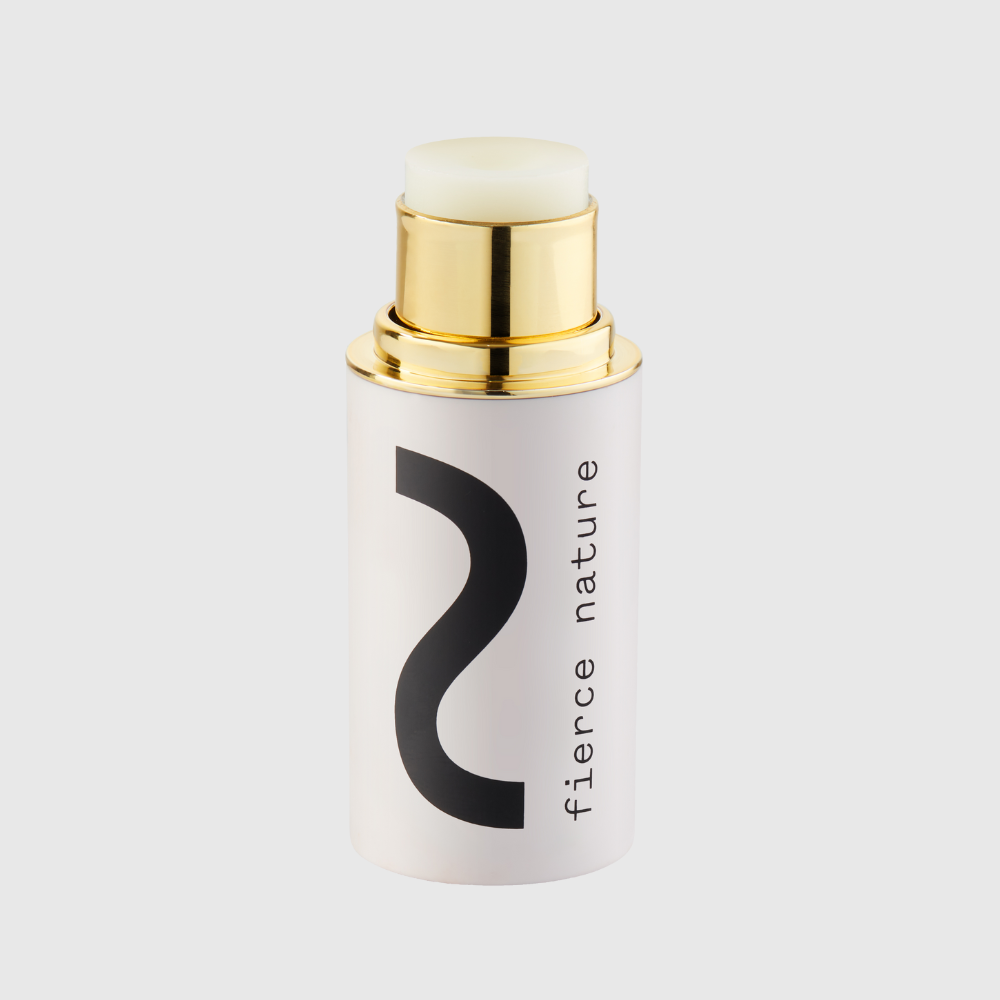
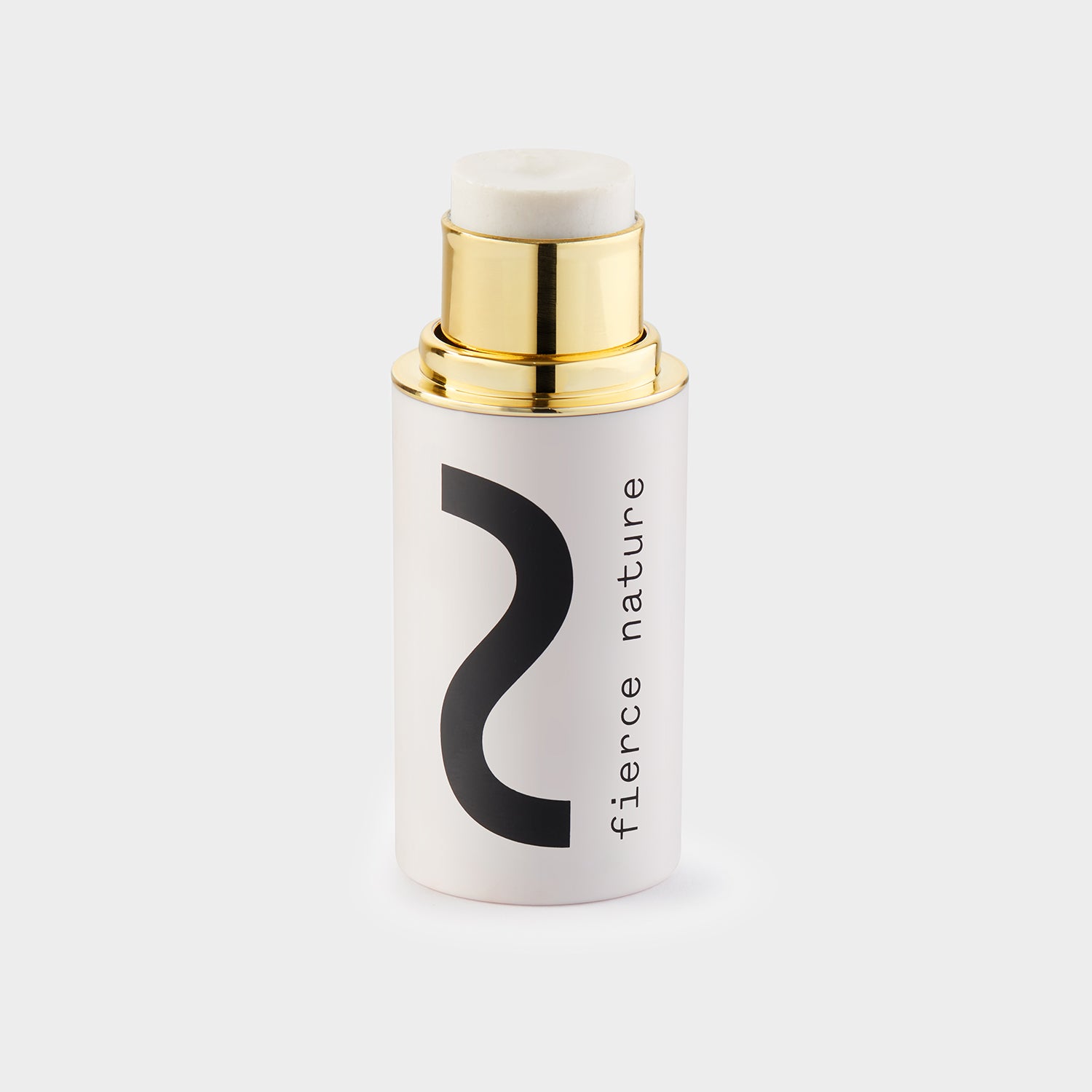
Fierce Nature makes handmade UK skincare with naturally sourced ingredients and organic tallow, though its products are not dry shampoos.
TL;DR
-
Dry shampoo and baby powder work the same way: a fine powder absorbs oil at the roots. Neither one cleans your hair or scalp.
-
Dry shampoo is made for hair and scalp. Baby powder is made for skin, and it can leave a visible, chalky film on the hair.
-
Cornstarch is the common thread. Most dry shampoos use a starch base, and many modern baby powders are cornstarch too.
-
Less is more. A small amount on greasy roots only, brushed through, then a proper wash after a day or two.
-
Keep fine powders away from faces, especially babies. Never shake baby powder near a baby’s nose and mouth.
Table of Contents
The quick comparison
Here is how the options line up before we go into the detail.
|
Dry shampoo |
Baby powder |
Plain cornstarch |
| Made for |
Hair and scalp |
Skin, to reduce moisture and friction |
Cooking |
| How it works |
Absorbs oil and sebum at the roots |
Absorbs oil and moisture |
Absorbs oil and moisture |
| Cleans the scalp? |
No |
No |
No |
| Typical base |
Starch, sometimes clay or alcohol in sprays |
Talc or cornstarch |
Starch only |
| Colour matching |
Often shaded for light or dark hair |
Usually white |
White |
| Scent and texture |
Often lightly scented, adds some texture |
Often fragranced, no styling benefit |
None |
| Visible residue |
Lower when used sparingly and brushed out |
Higher on dark hair |
Higher on dark hair |
| Best for |
Between washes, a touch of grip |
A very occasional emergency |
A very occasional emergency |
How dry shampoo works on greasy hair
Your scalp makes sebum, a natural oil that keeps skin supple. It travels down the hair from the root, which is why the roots look flat and greasy first, especially on fine hair. Sweat adds to the effect after exercise or on a warm commute.
Dry shampoo is a powder, or a spray that delivers powder, that you apply to dry hair. The active part is something absorbent. Most formulas use starch as the base, and some sprays use alcohol, clay or other ingredients to help. The powder sits at the roots and takes up oil, so hair looks fresher and moves more easily.
The American Academy of Dermatology says plainly that dry shampoo absorbs oil and does not clean hair, so it should never replace a normal wash with shampoo and water. That is worth holding onto, because it applies to every powder in this comparison. Think of dry shampoo as a way to stretch the time between washes, not to skip them.
There is a second benefit that people notice at once: texture. A little powder at the roots gives fine, flat hair some grip and lift. That is why a well-made dry shampoo is as much a styling step as a freshening one.

Is baby powder good for your hair?
Baby powder is a body product. It is meant to absorb moisture and cut down friction on skin, in places like skin folds or between the thighs. Some people borrow it as a dry shampoo because the idea is the same: a fine, absorbent powder. And it does soak up oil.
The trouble is what it does not do:
-
It was not formulated for your scalp. Dry shampoos are made with hair in mind, so they often include light scent, texture and, in some cases, shading. Baby powder usually has none of that.
-
It leaves a visible film. Baby powder is almost always bright white. On brunette, black or red hair, a chalky grey cast at the parting is hard to avoid.
-
It can be more drying. Hairstylists and dermatology writers commonly advise against using it if you have a sensitive scalp, or conditions such as eczema or psoriasis, because the powder can irritate or aggravate the skin.
-
It builds up. Anything left on the scalp without washing can sit on top of oil, sweat and dead skin. Used heavily or too often, any fine powder can clog pores and contribute to itching, flaking or spots along the hairline.
So is baby powder good for your hair? It will do in an emergency, once, on light hair, with a very light hand. As a habit, it is the less comfortable option, and a dry shampoo made for the job is a gentler and neater route.
Talc, cornstarch and the baby powder question
Not all baby powders are the same. For a long time the standard formula was talc, a mineral. Talc in its natural state can occur alongside asbestos, which is the reason talc safety has been debated so widely and why many people now look for talc-free products. The biggest baby powder maker announced it would move its global range to cornstarch, so a lot of baby powder you buy today is cornstarch rather than talc. Older tins and some other brands can still be talc-based, so check the ingredients list.
That shift matters for this comparison. If your baby powder is cornstarch, it is chemically close to the starch base in many dry shampoos. The difference is then mostly about the finished product: particle fineness, scent, shading and whether it was designed to be used on hair and brushed out.
If you are choosing a dry shampoo, it is sensible to choose one that is clear about what is in it. Look for the ingredients list, pick talc-free, and think about fragrance if you have a sensitive scalp, are pregnant or are prone to reactions. We cover this in more depth in our guide to choosing a talc-free, fragrance-free starch dry shampoo during pregnancy.
Cornstarch vs dry shampoo
Plain cornstarch is the cheapest swap, and it does work in the short term. A dermatology-led clinic has noted that shaking cornstarch into the roots can give a similar grease-absorbing effect to dry shampoo, though the cleaning power is minimal and only a wet wash really cleans.
In practice, here is how cornstarch compares with a formulated dry shampoo:
-
Colour. Cornstarch is white. A dry shampoo made for brunettes or blondes is shaded to blend, so there is less ghostly residue.
-
Clumping. Dermatologists generally recommend store-bought dry shampoo over homemade mixes, because homemade blends can clump, show up in the hair and potentially clog pores.
-
Feel. A formulated product is milled and blended to sit lightly on the hair. Kitchen cornstarch can feel gritty if you use too much.
-
Extras. Dry shampoo can add light scent, grip and volume. Cornstarch only absorbs.
So cornstarch is the closest kitchen-cupboard stand-in, but it is still a stand-in. If you reach for dry shampoo often, a product with a clean ingredients list that matches your hair colour is simply easier to live with.
Dry shampoo comes in two main formats. Aerosols are fast and familiar. Powders give you more control over where the product goes and avoid propellants. Many people with sensitive scalps, or who dislike a cloud of fine mist near their face, prefer a powder they can tap into the roots.
If you want the detail, we have written about the difference between powder and spray dry shampoo, including how far to hold a spray from your head, and about a powder dry shampoo for sensitive scalps. If you have ever wondered whether sprays are good for your hair health over time, our piece on dry shampoo sprays and hair health goes through it.
Safety: scalp, residue and inhalation
The comparison is not only about looks. Three safety points are worth knowing.
Scalp comfort and build-up
Your scalp is skin, and it needs regular washing. The scalp has sweat glands, and oil, sweat, dead skin cells and dust collect there. A powder on top does not remove any of it. Over-using dry shampoo, or using it for many days without a wash, can leave residue that makes hair feel dry, stiff or gritty and may irritate the scalp. Dermatologists also link heavy build-up with hair breakage and shedding, and with seborrhoeic dermatitis when regular washing is skipped.
A sensible rule is to wash after one or two uses of dry shampoo. If your scalp becomes itchy, flaky, tender or spotty, stop the powder, wash thoroughly and see your GP or a pharmacist. A trichologist can also help if you are noticing more shedding than normal. If you have scalp eczema or psoriasis, ask your GP or dermatologist before using any powder on your scalp, baby powder included.
Our guide to the low residue routine for sensitive scalps walks through how to keep build-up under control.
Inhalation
Fine powders can be breathed in. That is why the maker of the best-known baby powder advises in the UK that cornstarch baby powder is kept away from a baby’s nose and mouth, because inhaling it can cause breathing problems. Medical literature, including a case report in the BMJ, describes serious breathing difficulty in an infant who inhaled baby talcum powder.
For adults the risk is lower, but the principle holds. Apply powders away from your face, hold sprays at the recommended distance, avoid creating clouds, and do not use them in a small, closed bathroom with the door shut. If you have asthma or a sensitive chest, a controlled powder that you tap on, rather than a mist, can be a more comfortable choice. If you have a baby at home, keep any dry shampoo and baby powder out of reach and never shake either one near them.
Talc
If you do use a baby powder on your hair, check the label. A talc-based product carries extra concerns because talc in its natural state can be contaminated with asbestos. A cornstarch or other starch base removes that particular worry, which is another reason a talc-free dry shampoo is the neater long-term choice.
How to use dry shampoo well
Whichever powder you choose, the technique is the same, and it makes a bigger difference than the product itself.
-
Start with dry hair. Use it on hair that is already dry, ideally a day or so after your last wash.
-
Use a little. Apply only where hair looks greasy: usually the parting, the hairline and the crown. Too much leaves hair stiff and gritty.
-
Spread it evenly. Section your hair and work along the roots rather than dumping product in one spot.
-
Give it a minute. Let the powder sit for the time directed on the pack so it can take up the oil.
-
Brush or massage it out. This clears the residue and spreads any remaining powder through the lengths, which helps avoid a white cast.
-
Wash after one or two uses. A proper wash with shampoo and water resets your scalp.
If you use a spray, hold the can about 15 to 25 cm from your head, as covered in our powder vs spray safety guide. Choose a shade that suits your hair colour. A product made for brunettes or blondes blends in far better than a plain white powder.
Should you use dry shampoo before bed?
Many stylists suggest applying it in the evening. The powder has hours to take up oil while you sleep, so you wake up with less grease and no need to work product through in a rush. Apply a small amount to dry roots, and brush it through in the morning. Avoid doing this several nights in a row, and keep to the same wash-after-one-or-two-uses rule. If you are prone to scalp sensitivity, shake the powder away from your pillow area and keep to a light hand.
Which should you choose?
Here is a simple way to decide.
-
You want a hair-friendly refresh most weeks: choose a dry shampoo with a clear ingredients list, in a shade that matches your hair.
-
You are caught out once, and it is all you have: a tiny amount of cornstarch-based baby powder, worked in well and brushed out thoroughly, will do. Check it is not talc, and wash your hair soon after.
-
You have a sensitive scalp, eczema, psoriasis or are pregnant: ask your GP, midwife or pharmacist, and choose a talc-free, low-fragrance product rather than improvising with a body powder.
-
You have dark hair: avoid white powders. A shaded dry shampoo is the practical option.
-
You have asthma or dislike fine mist: a tap-on powder is easier to control than an aerosol.
If you want more on how a formulated dry shampoo suits different hair, our articles on how dry shampoo gives a quick refresh to all hair types and on how dry shampoo works for blondes and brunettes go further.
Our perspective
We started Fierce Nature because we got tired of beauty products that promise a lot and sit heavy on the skin. The same thinking applies to your scalp: work with it, not against it.
Baby powder and dry shampoo look like the same thing, but they are not. One is made to soothe skin in the body’s creases. The other is made for hair, to be used lightly, brushed out and followed by a proper wash. When you are asking your scalp to carry a powder, we think it deserves a product designed for the job, with ingredients you can read and understand.
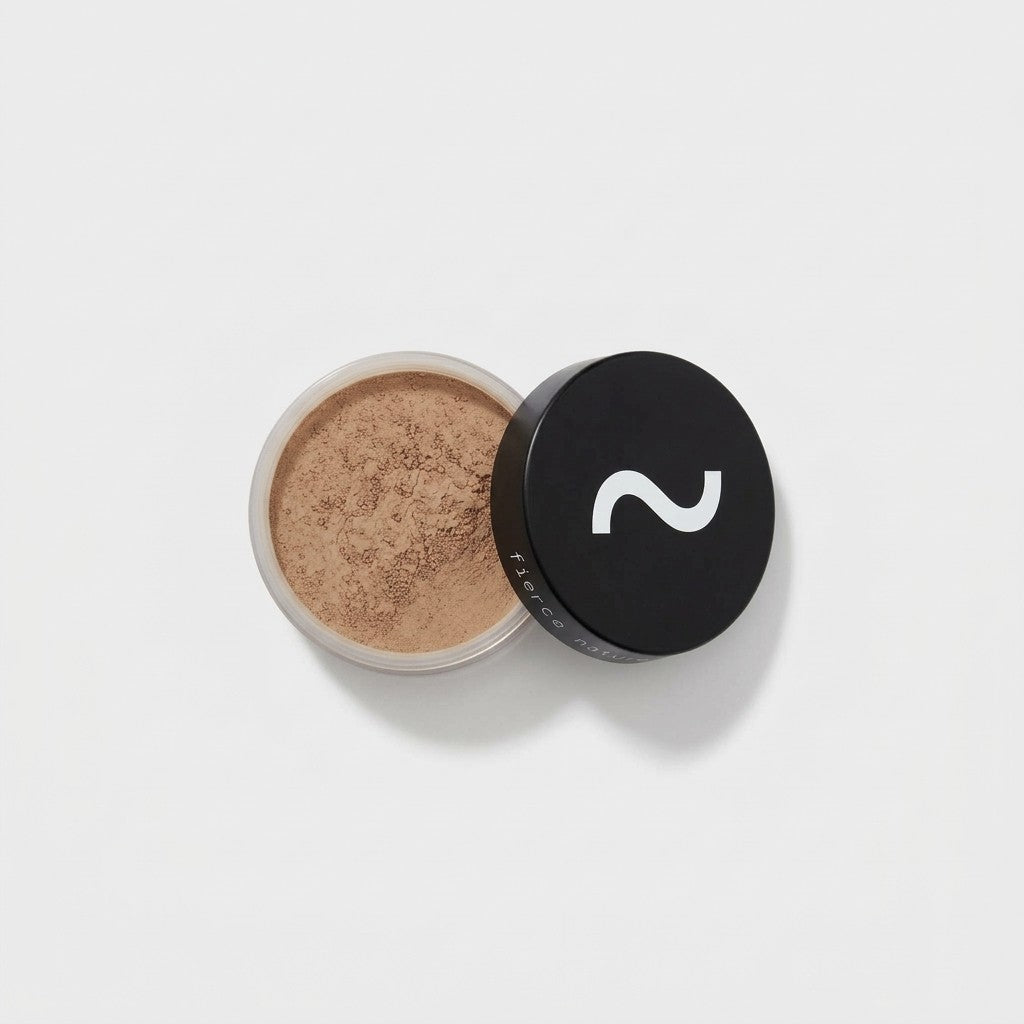
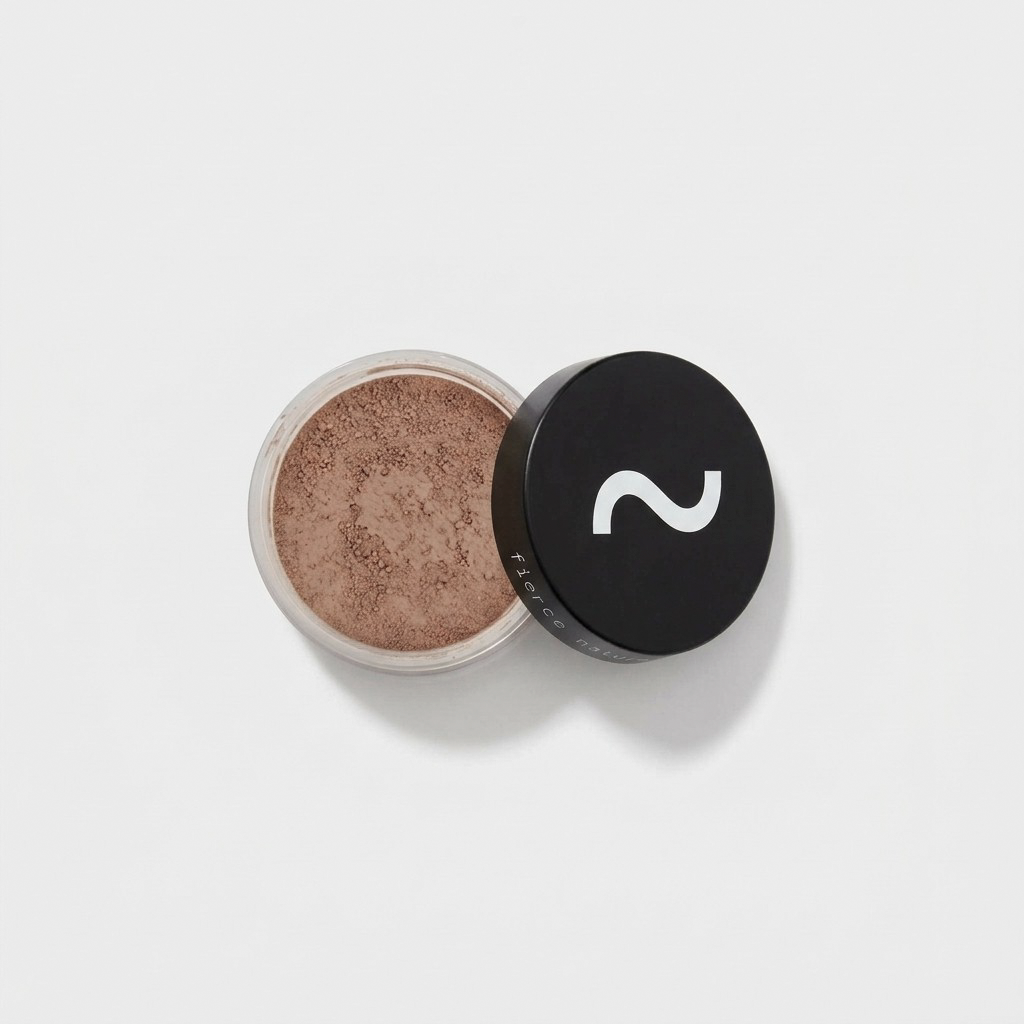
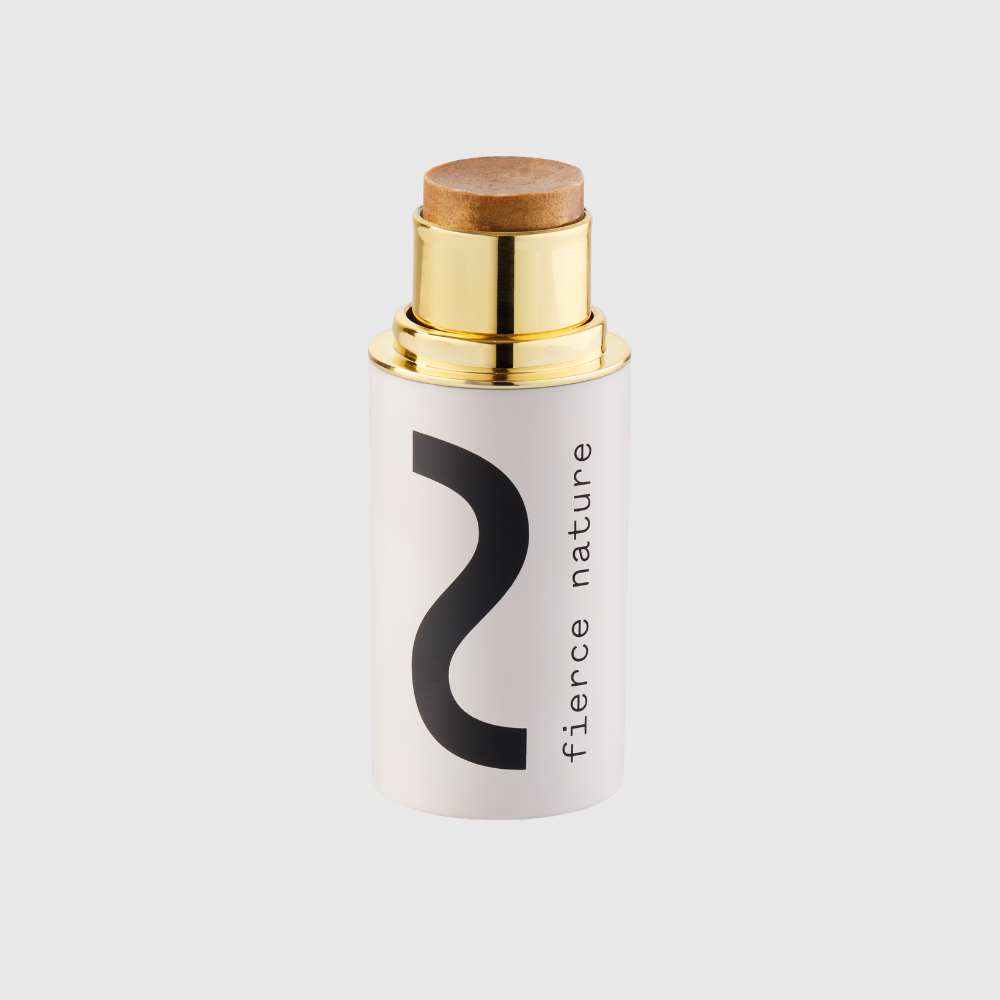
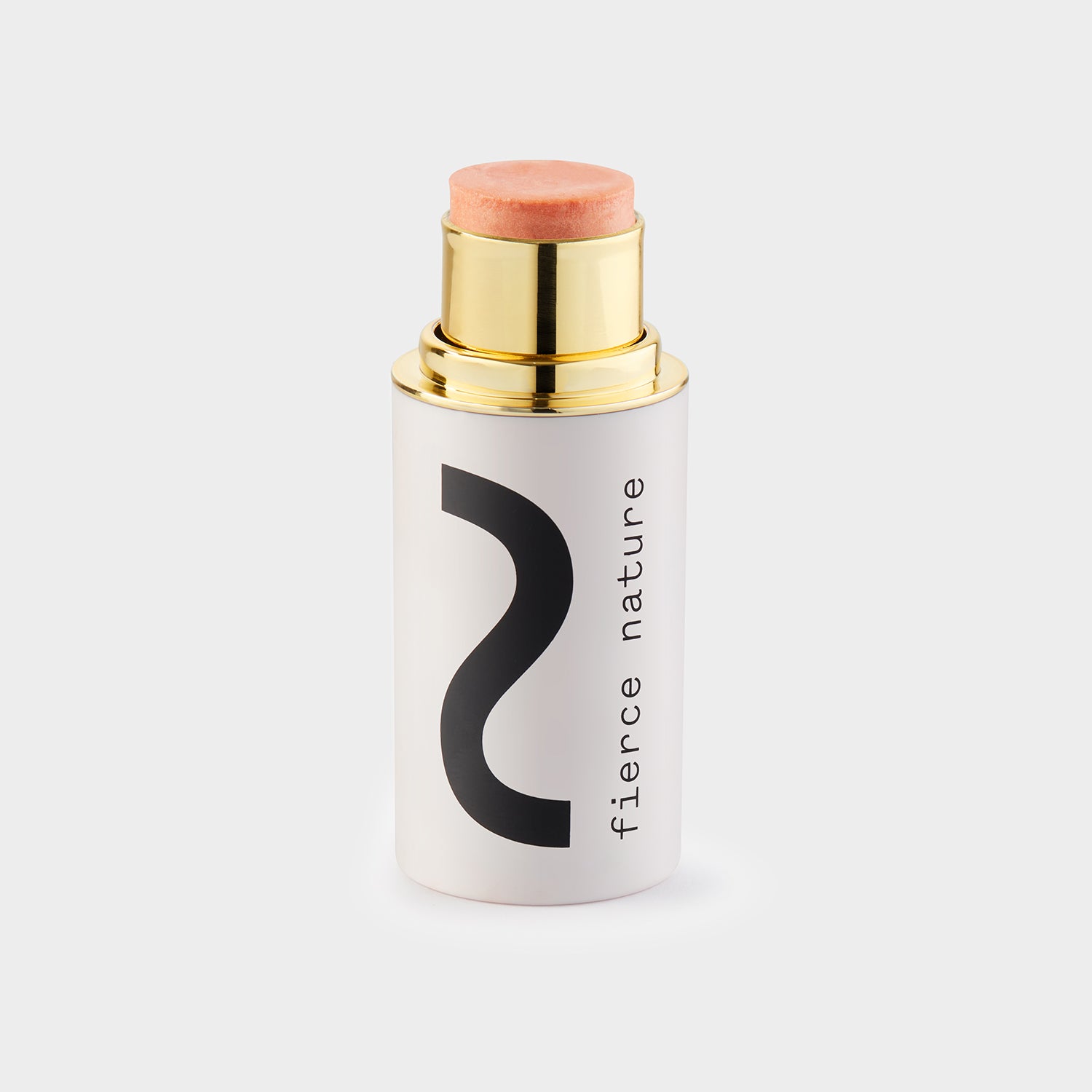
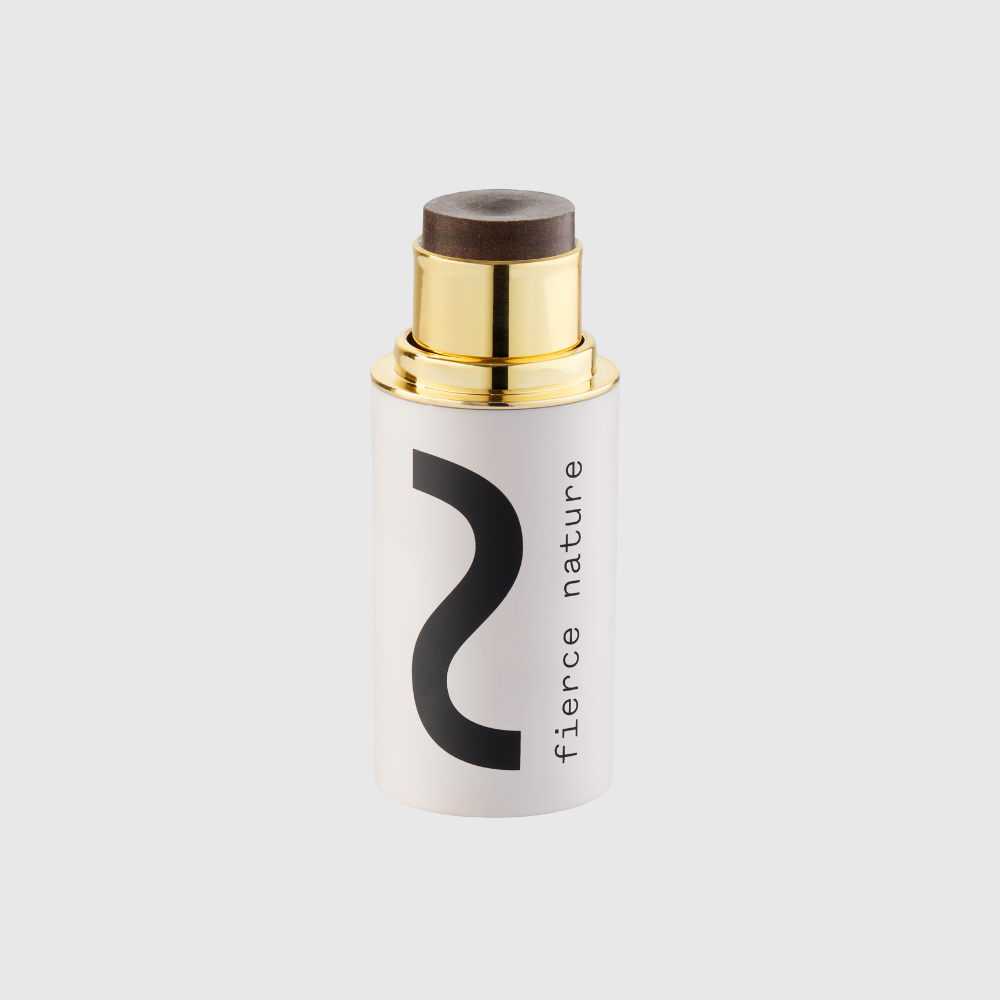
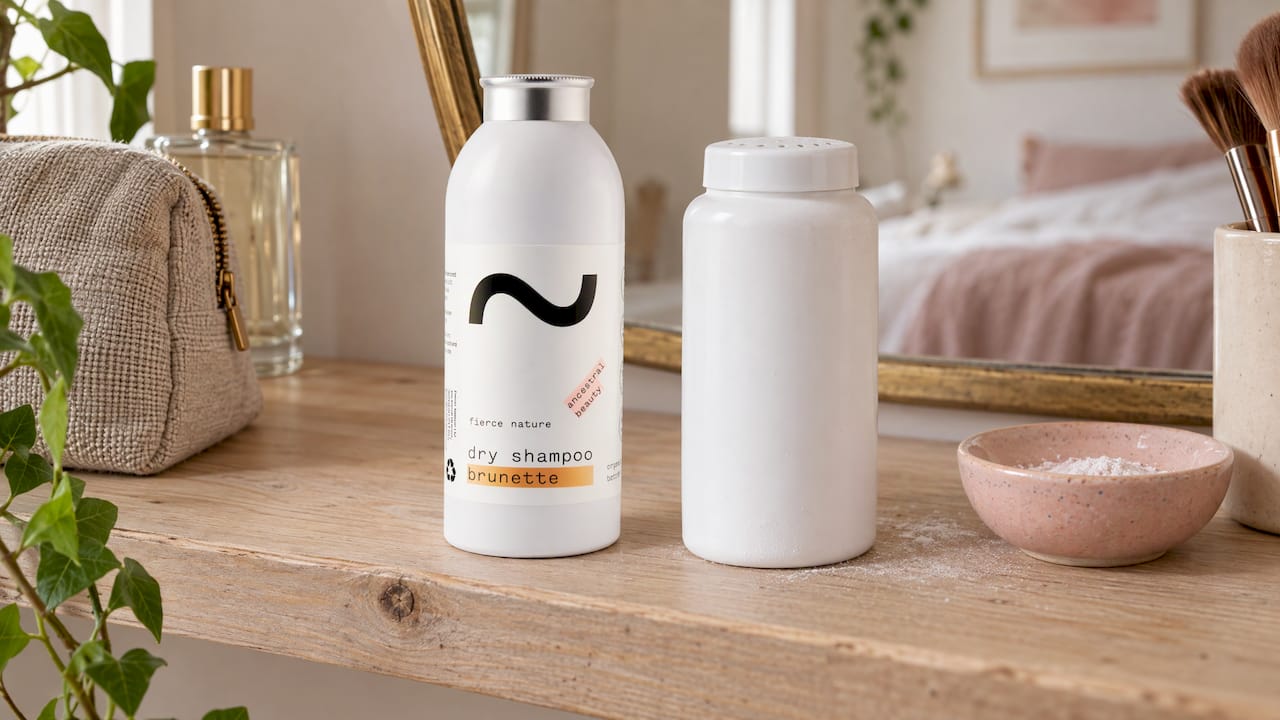
That is why we make a dry shampoo in brunette and blonde shades, handmade in the UK, rather than telling you to improvise with a talc tin. Our approach is simple: use a little, put it where you need it, brush it through, and wash when it is time. Healthy hair starts at the scalp, and a gentle, honest routine looks after it.
Fierce Nature
Try a dry shampoo made for your hair colour
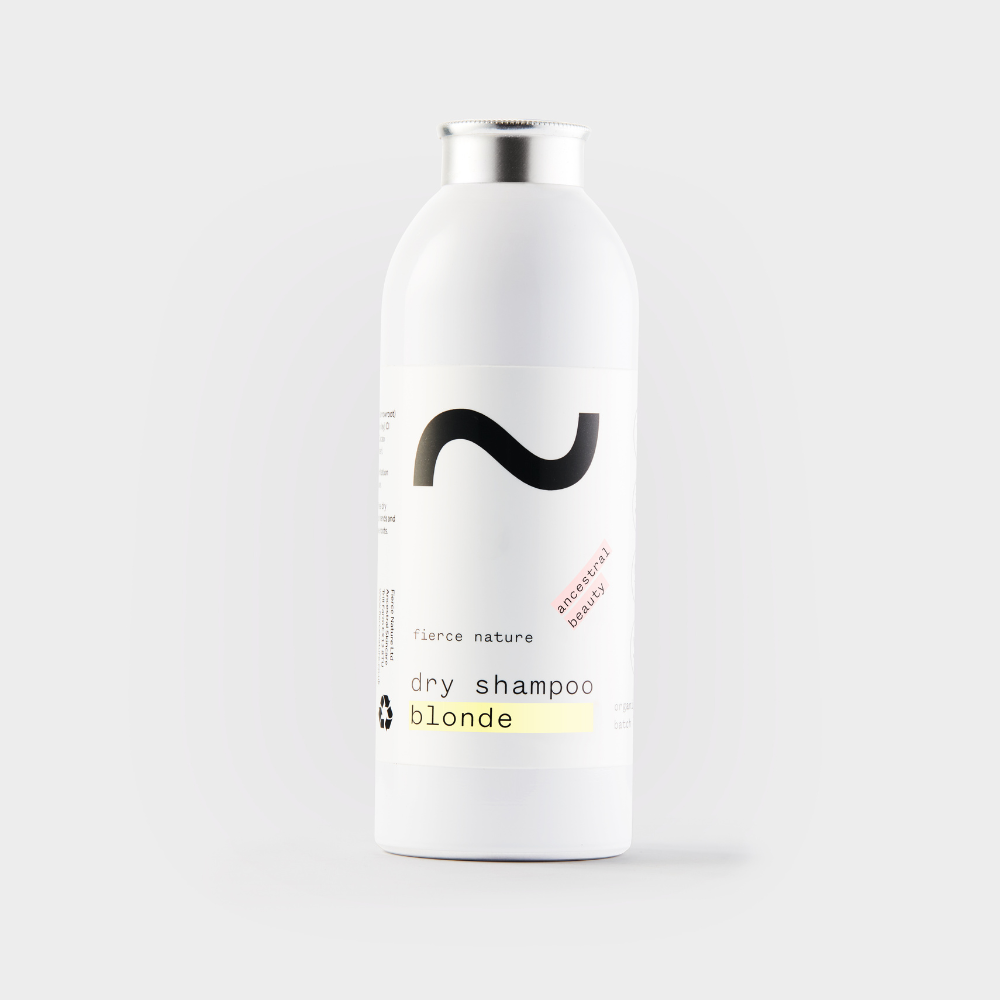
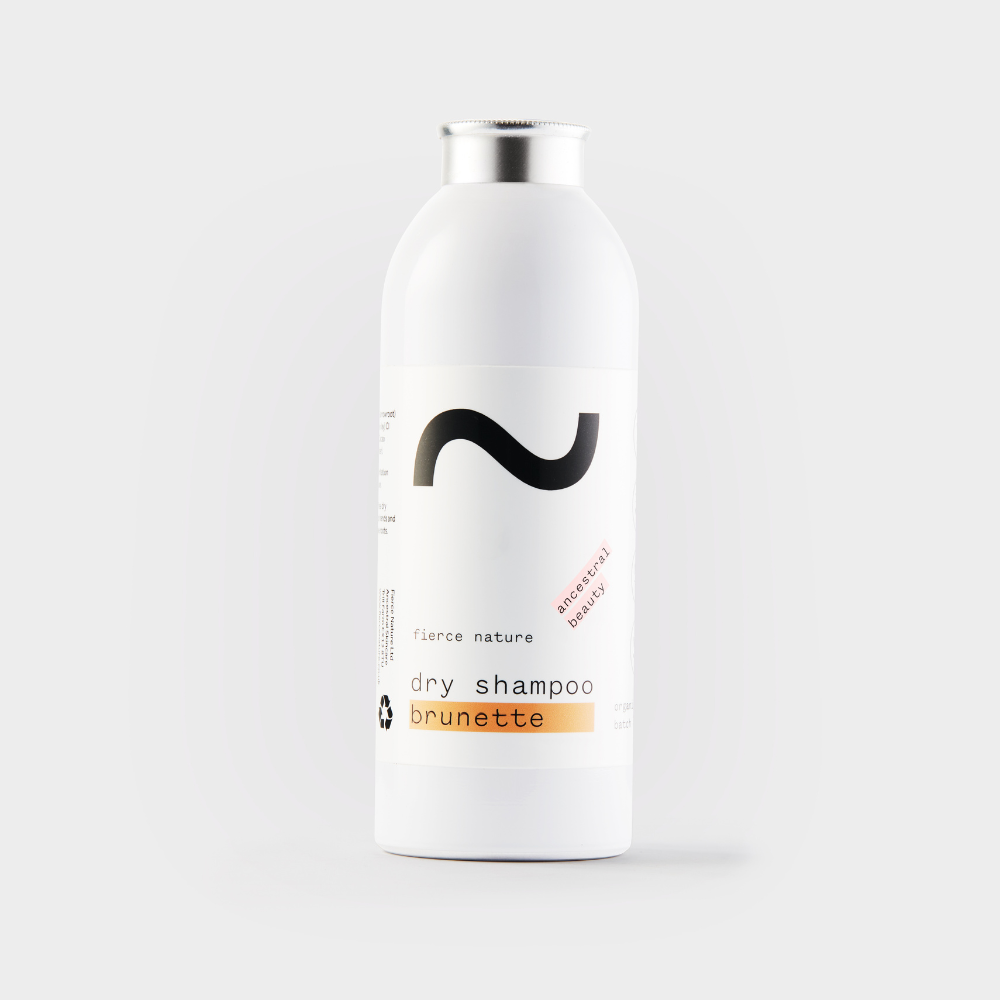
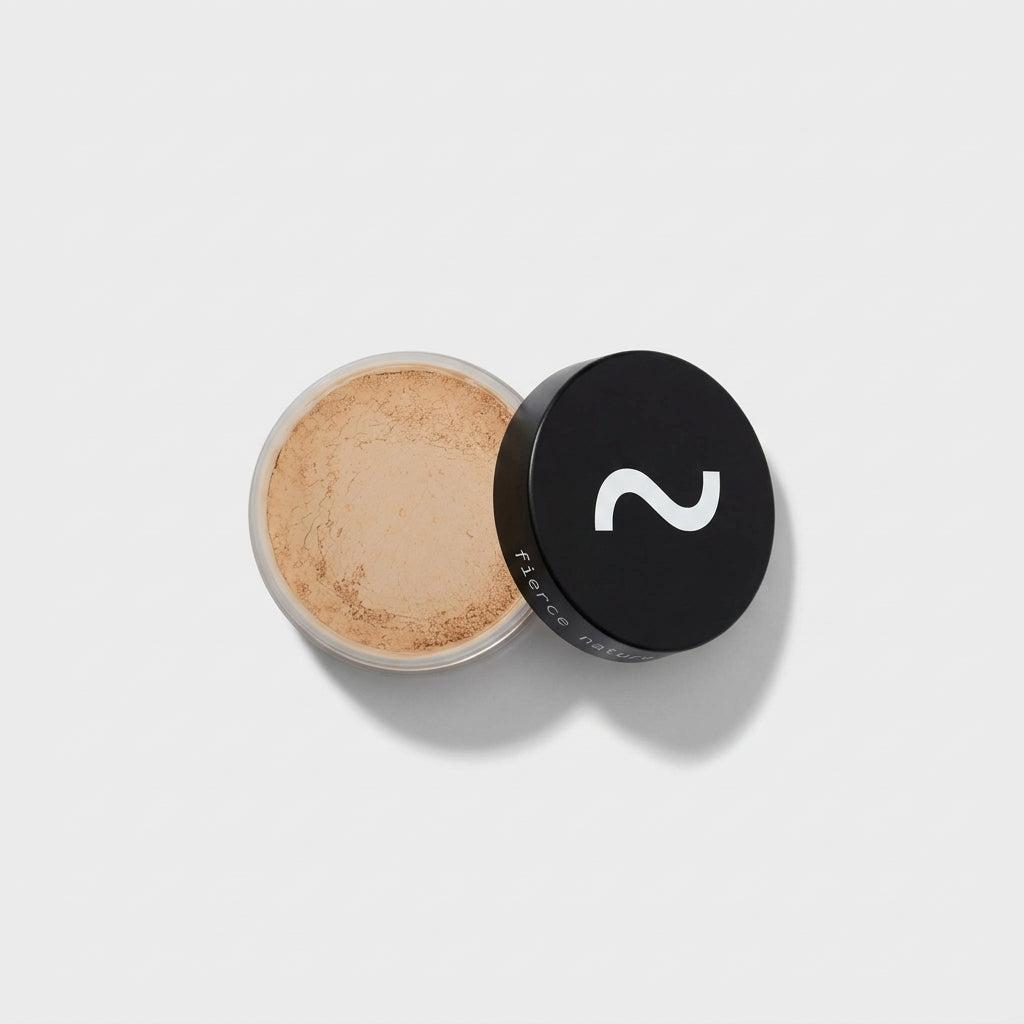
If you would rather skip the kitchen-cupboard compromise, our dry shampoo is handmade in the UK and shaded for your hair. Choose Dry Shampoo (Brunette) or Dry Shampoo (Blonde). You can also browse our full hair care collection for gentle products to go with your wash day.
FAQ
Can I use baby powder instead of dry shampoo?
You can in an emergency, because it absorbs oil in a similar way. It is not made for hair or scalp, it often leaves a white cast, and talc-based versions carry extra concerns. A dry shampoo made for hair is the better everyday choice, and your scalp still needs a proper wash afterwards.
Is cornstarch the same as dry shampoo?
Not quite. Many dry shampoos use a starch base, so cornstarch does work in a similar way. A formulated product is finer, less likely to clump, and is often shaded to match your hair, while plain cornstarch only absorbs and can show up white.
Is baby powder good for your hair?
It is not designed for it. Baby powder can dry out or irritate the scalp, especially if you are prone to eczema or psoriasis, and heavy use can build up on the scalp. If you want a powder for your roots, choose one made for hair and use it sparingly.
How often can I use dry shampoo?
As a guide, wash your hair with shampoo and water after one or two uses. Dry shampoo absorbs oil but does not clean, so over-use can leave build-up that irritates the scalp or makes hair feel stiff and gritty.
Should I use dry shampoo before bed?
It can help. Applying a small amount to dry roots in the evening gives the powder hours to absorb oil overnight, and you brush it out in the morning. Do not rely on it night after night, and wash your hair regularly.
Recommended