Natural ingredients
•
Kind to skin
•
A healthier planet
Ti abbiamo inviato un'email con un link per aggiornare la tua password.
reimposta la tua password
Ti invieremo un'e-mail per reimpostare la tua password.
A Non-Toxic Shaving Routine: Gentle Steps for Calm Skin
Ralph Barrozo
0 Commenti
A non-toxic shaving routine is built on three things: a clean, sharp blade, as few passes as possible, and products whose ingredient lists you can read and understand. The blade does the cutting, but what you put on your skin before and after decides how it feels an hour later. We make face and body balms with organic tallow as the foundation, and the after-shave step is where a nourishing balm earns its place. Below is the full routine, step by step, with what to look for at each stage.
Fierce Nature
fiercenature.co.uk
Nourish Skin After Shaving
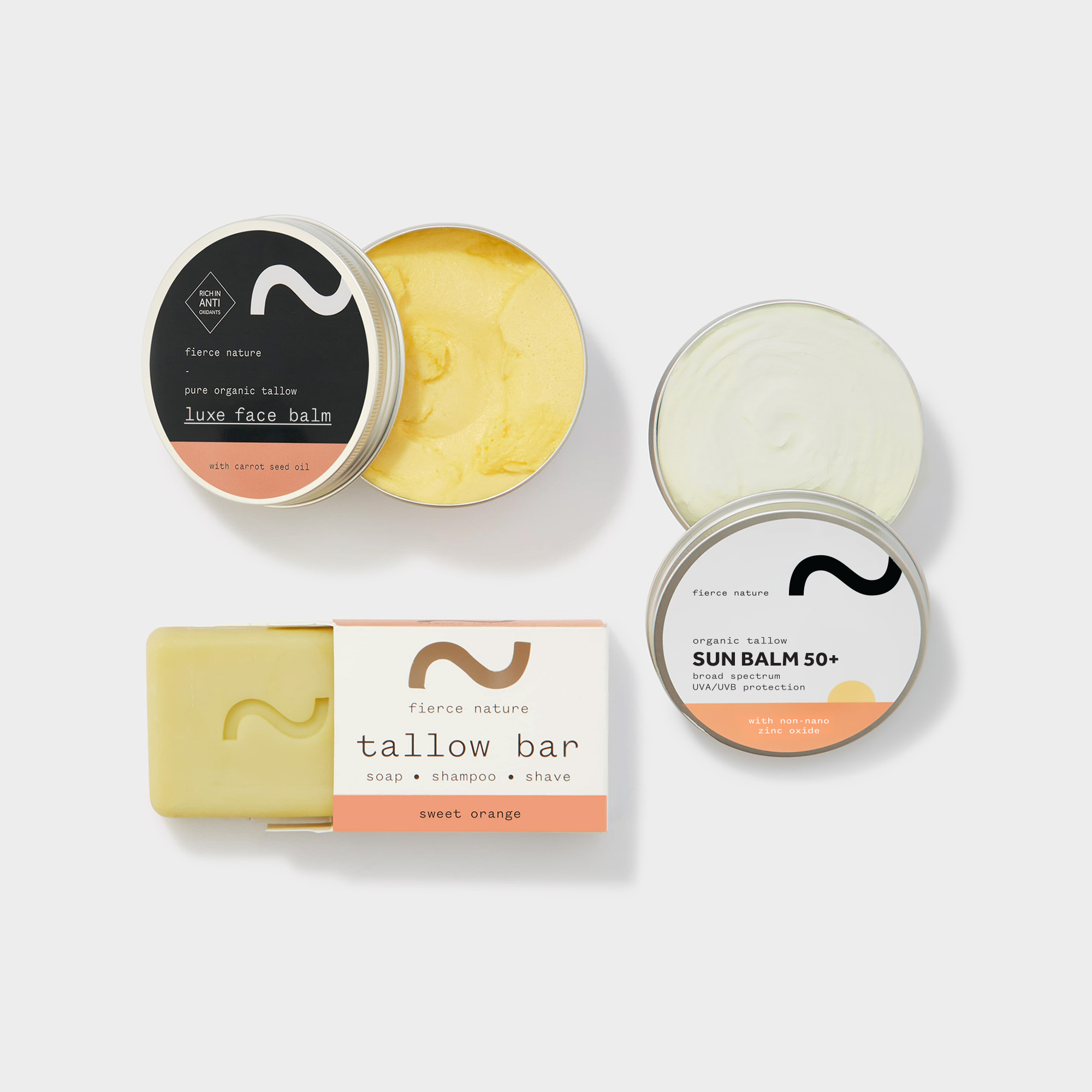
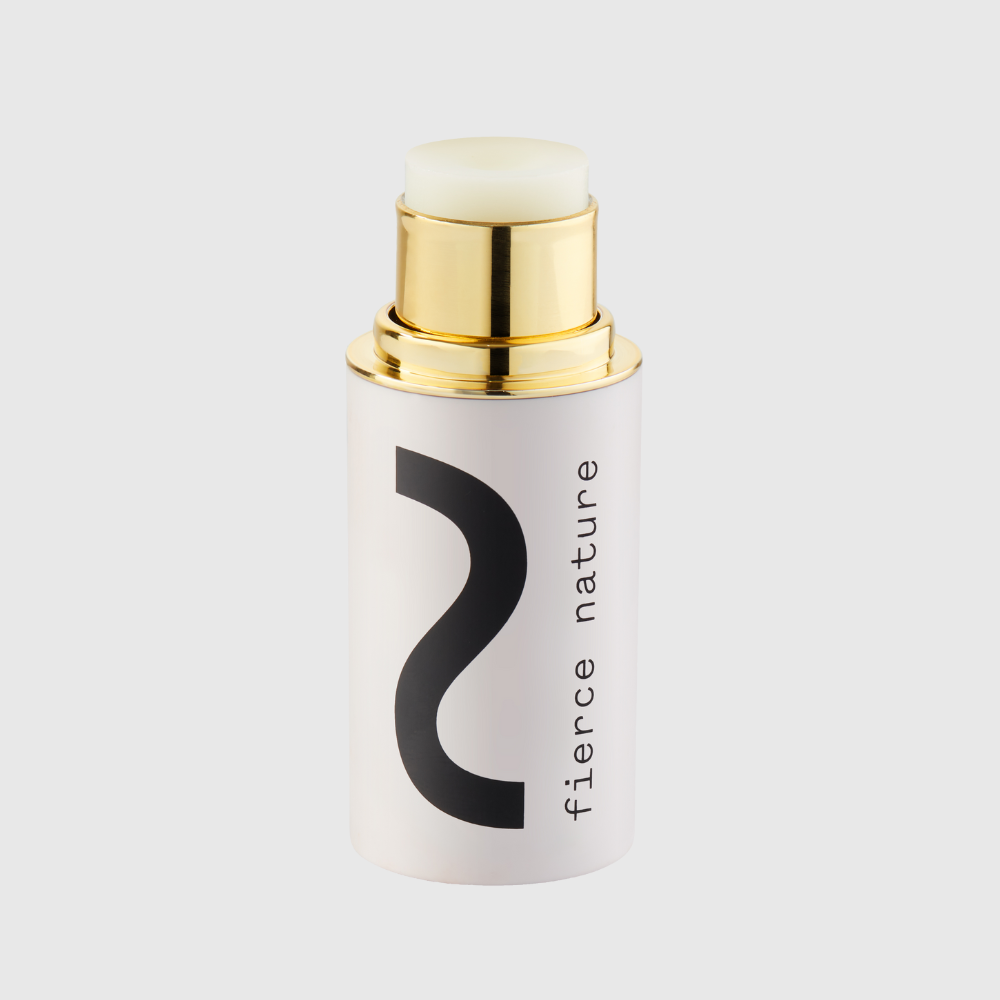
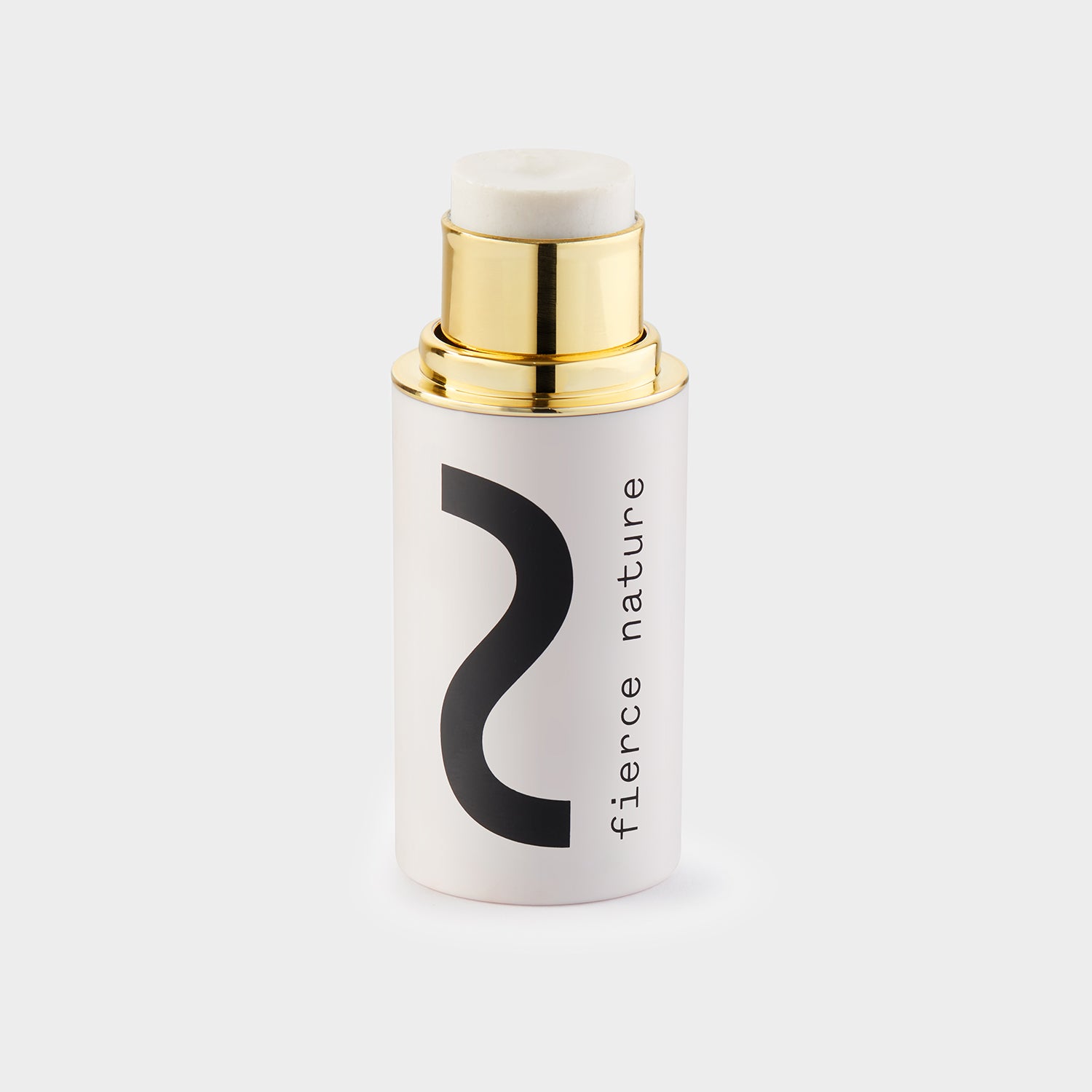
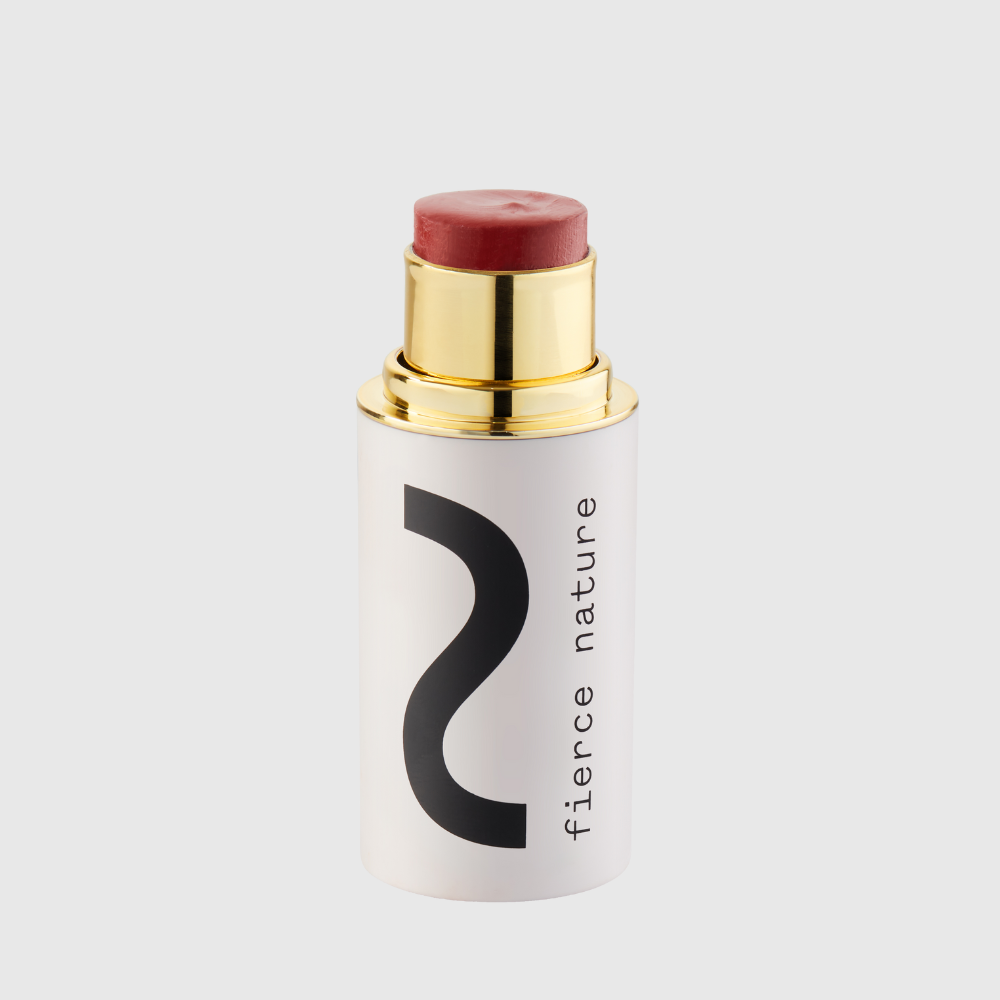
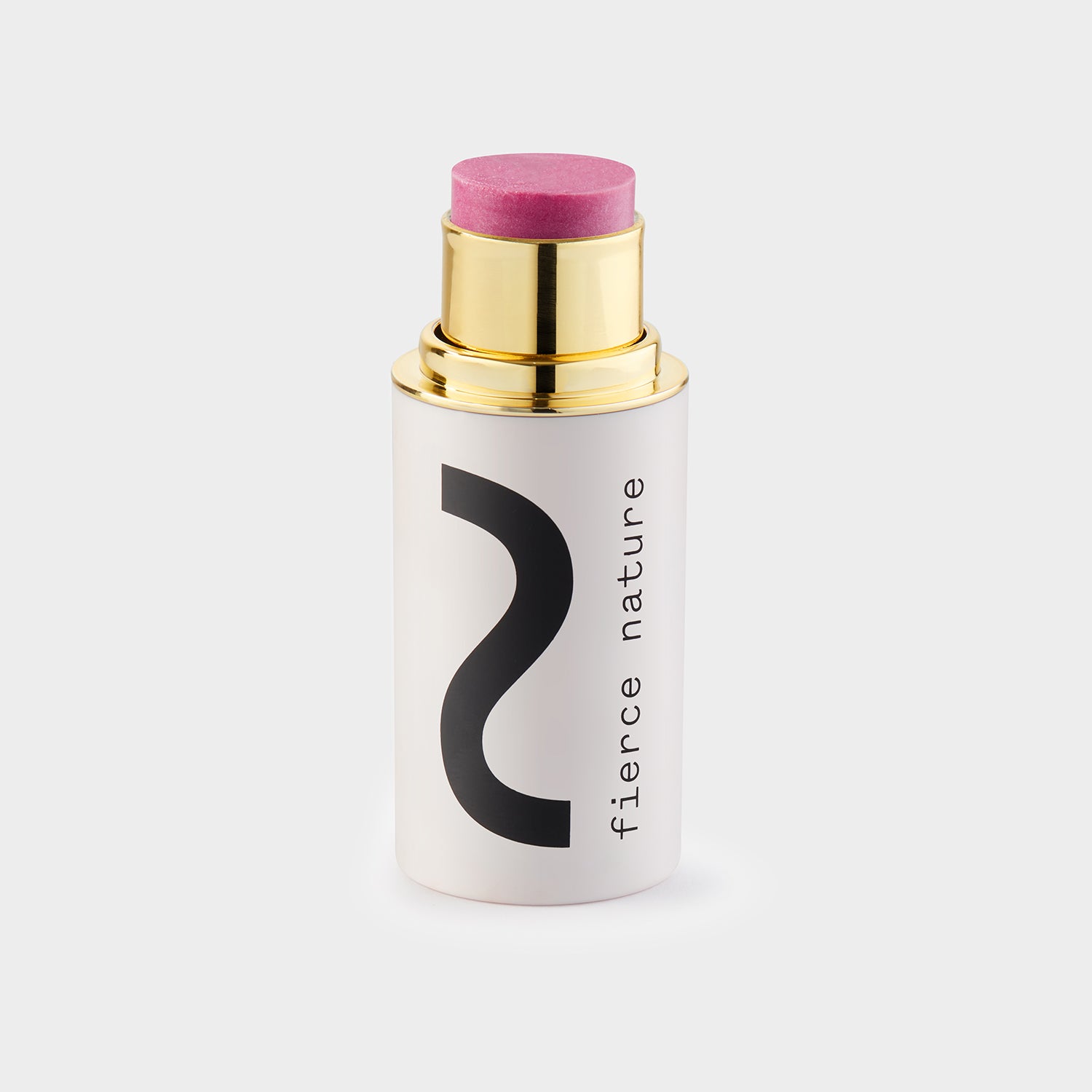
Explore handmade face and body balms crafted in the UK with naturally sourced ingredients and organic tallow as their foundation.
Shaving removes the hair, and it also lifts away a thin layer of the skin’s surface cells. For a short while your skin is more exposed than usual, which is why a product that is perfectly fine on a normal day can sting or itch straight after a shave.
So a non-toxic shaving routine is not about a single magic product. It means choosing things that put as little unnecessary strain on that freshly shaved skin as possible. In practice that tends to mean avoiding:
A lot of drying alcohol, which can leave skin tight and tingly after the blade.
Menthol, which gives a cooling sensation but can irritate skin that is already sensitive.
Heavy or undisclosed fragrance, a common trigger for rashes and itching.
Foams that are mostly air, which give a thin cushion between blade and skin.
Our own approach to skincare is to work with your skin, not against it. If you would like the bigger picture on what the phrase means across your whole routine, our guide to what non-toxic skincare means goes through it in plain language.
How to read a label before you buy
Words such as “natural”, “pure” or “clean” on the front of a bottle are not tightly defined in the UK, so the front label tells you very little. The back is where the facts are.
Under UK cosmetics law, a product must list its ingredients, headed by the word “ingredients”, in descending order of weight. Anything present at under 1% can appear in any order. Two things follow from that.
Look at the first five or so ingredients. They make up most of what is in the pot. If you want a rich, cushioning product, you want to see nourishing ingredients near the top, not alcohol or water-thin fillers.
Look for the word “parfum”. Perfume and aroma blends can legally be listed under that one word, even though it can stand for many individual materials. If you have reactive skin, a product with no added fragrance is the simpler choice.
A quick 30-second check you can do in the aisle or at your screen:
Is it a cream or balm with real substance, or a puffy foam?
Is alcohol near the top of the list?
Is fragrance listed as one vague term?
Is there something to hold moisture on the skin, such as glycerin or aloe, or something rich and nourishing such as a plant butter or tallow?
We publish our ingredients openly because we think you should be able to do exactly this check on anything you put on your skin. If you want to go further, our guide to reducing toxic load in your skincare shows how to apply the same habit to the rest of your shelf.
Your six-step non-toxic shaving routine
Step 1: Prepare the skin
Good shaves start before the razor comes out. Shave after a warm shower or at least after holding a warm, wet flannel on the area for a minute or two. Warm water softens the hair and makes it easier to cut cleanly, so you need fewer passes.
If you exfoliate, do it gently, with a soft cloth or loofah, and do it before you shave rather than straight after. Dermatologists suggest keeping exfoliation to a couple of times a week, not every day, because the blade is already doing a form of exfoliating.
Where it goes wrong: scrubbing hard on the same day as shaving, or shaving dry skin. Both create friction on skin that is about to be exposed.
Step 2: Cleanse with something gentle
Wash the area with a mild cleanser. This softens the hair, removes surface oil that makes the blade skip, and gives you a clean surface. Choose something unperfumed if your skin is easily upset, since fragrance on skin that is about to be shaved is a common cause of stinging.
Where it goes wrong: using a harsh, strongly scented wash that leaves skin squeaky and tight. Skin that feels stripped before shaving will feel worse after.
Step 3: Give the blade something to glide on
Shaving with water alone or on dry skin drags the blade across the surface. You need a layer of lubrication. A conventional foam or gel is the usual choice, but it is not the only one.
UK eczema and NHS dermatology guidance both note that many people with sensitive or eczema-prone skin find a plain moisturising cream works well in place of shaving foam: apply it, add water and work it into a light lather, and shave as normal. This works on the face, underarms, legs and bikini line. The advice is to avoid anything perfumed and to skip heavy scented products altogether.
This is the answer to the common question of what to use instead of shaving cream: a simple, unscented, cushioning cream with a short ingredient list. If you are using a tallow balm, warm a small amount between your fingers first so it spreads thinly, and use it sparingly; you want a thin film, not a thick layer.
Where it goes wrong: using too little, so the blade catches, or using too much, so the razor clogs and you need more strokes to clear it.
Step 4: Shave with the grain, lightly and slowly
Technique matters more than almost anything you buy. The NHS guidance for avoiding ingrown hairs, which is also useful for avoiding razor burn, boils down to a few habits:
Shave in the direction the hair grows, not against it.
Use as few strokes as possible. Do not keep going back over the same patch.
Rinse the razor after every stroke so it doesn’t clog.
Do not shave too close. Leaving a tiny amount of stubble helps reduce hairs growing back into the skin.
Do not use a blunt razor. A dull blade tugs the hair and scrapes the skin.
Do not shave every day if you can avoid it. Skin needs recovery time.
Use light pressure and let the blade do the work. A single-blade razor tends to be gentler on skin than a multi-blade cartridge because it is less likely to lift and cut hair below the skin surface. If wet shaving keeps causing trouble, an electric razor or a trimmer set on a low setting is a kinder alternative for many people.
Where it goes wrong: pressing hard to get a closer finish. Closeness is exactly what encourages the sharp tip of a freshly cut hair to curl back into the skin, particularly with curly or coarse hair.
Step 5: Rinse cool, pat dry
When you are finished, rinse with cool water to calm the skin and remove any leftover product. Pat dry with a clean towel. Do not rub.
Then look after your razor, because it is part of the routine too:
Rinse it thoroughly and shake off the water.
Store it somewhere dry, not in the damp shower, where bacteria and fungus like to grow.
Change the blade or the cartridge once it feels like it is tugging. Many dermatologists suggest after roughly five to ten shaves, depending on how thick your hair is.
Keep your razor to yourself.
Step 6: Nourish straight away
This is the step that people skip, and it is the one that makes the biggest difference to how your skin feels the next day. Apply a moisturiser while the skin is still slightly damp, within a minute or two of finishing. Choose something fragrance-free, with no drying alcohol, and with a texture rich enough to keep moisture in.
For the first day after shaving, avoid exfoliating acids, retinol and strongly perfumed products on that skin. Give it a day before returning to them.
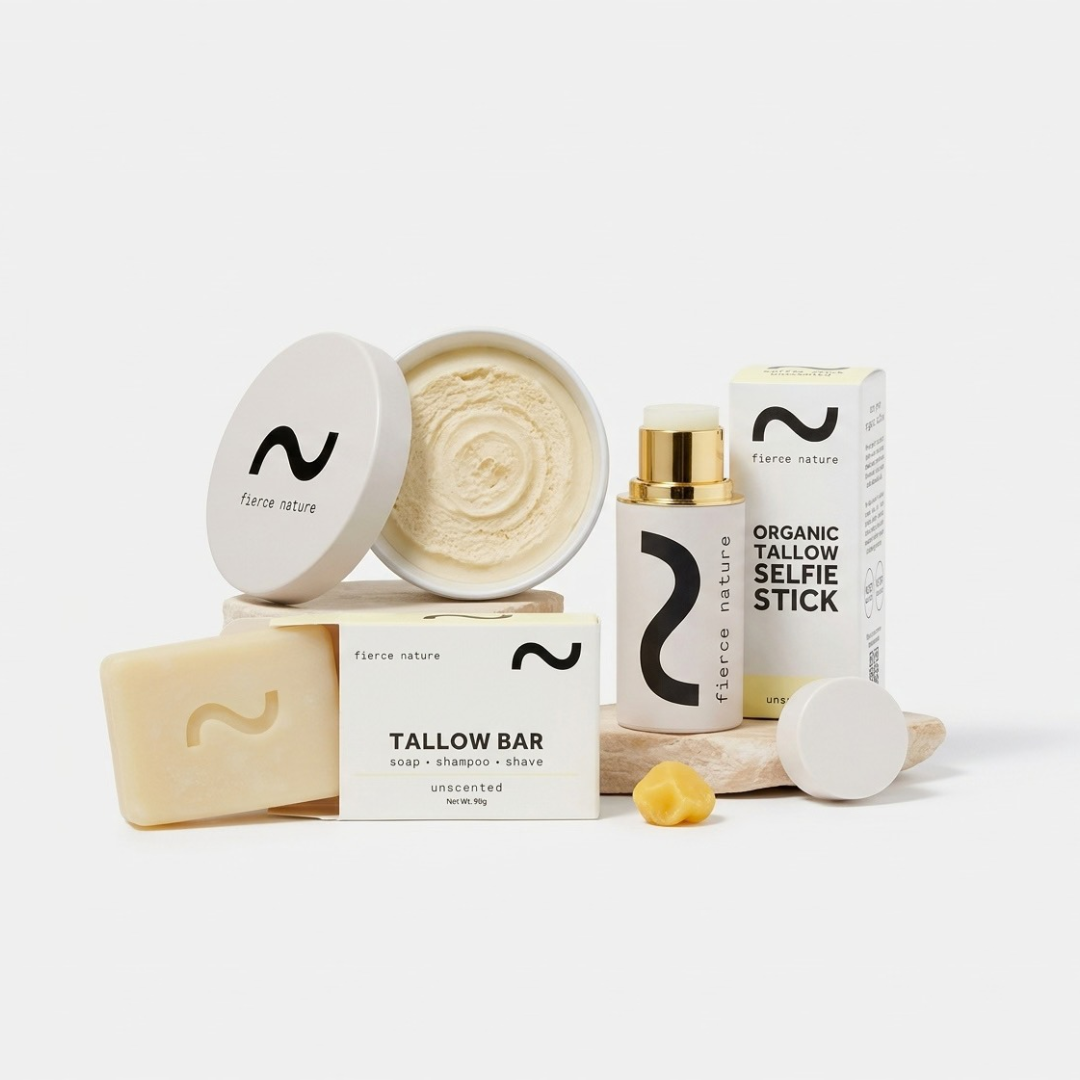
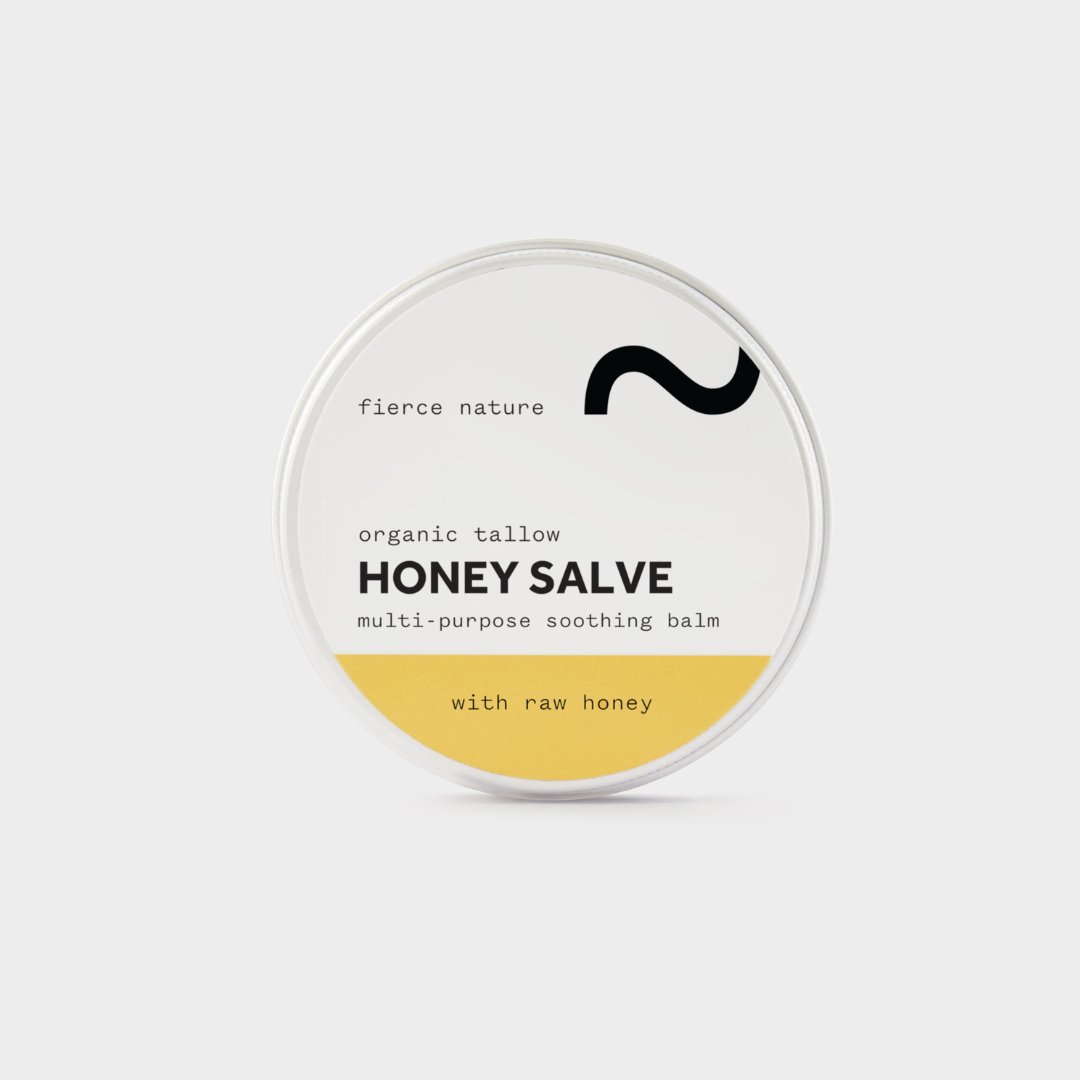
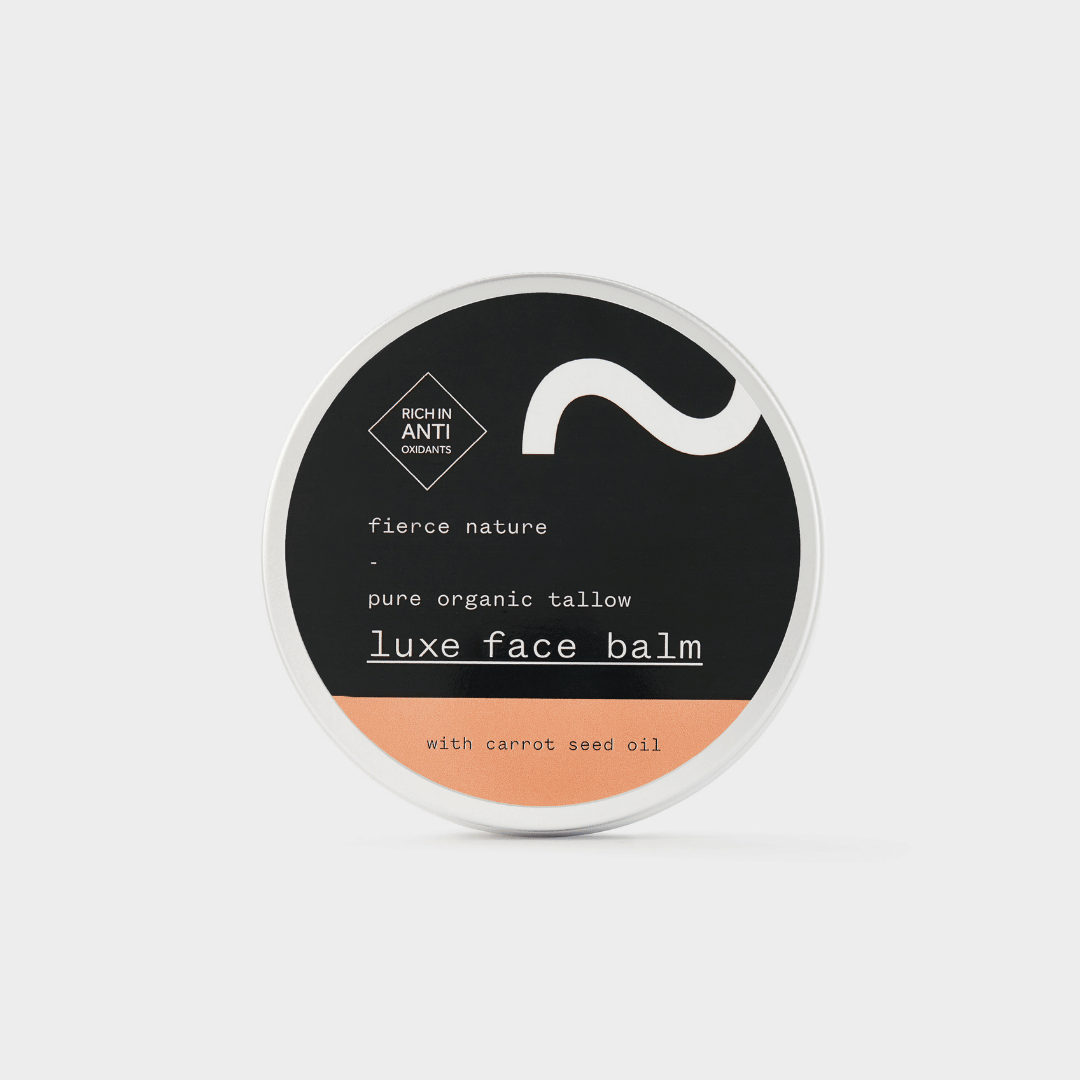
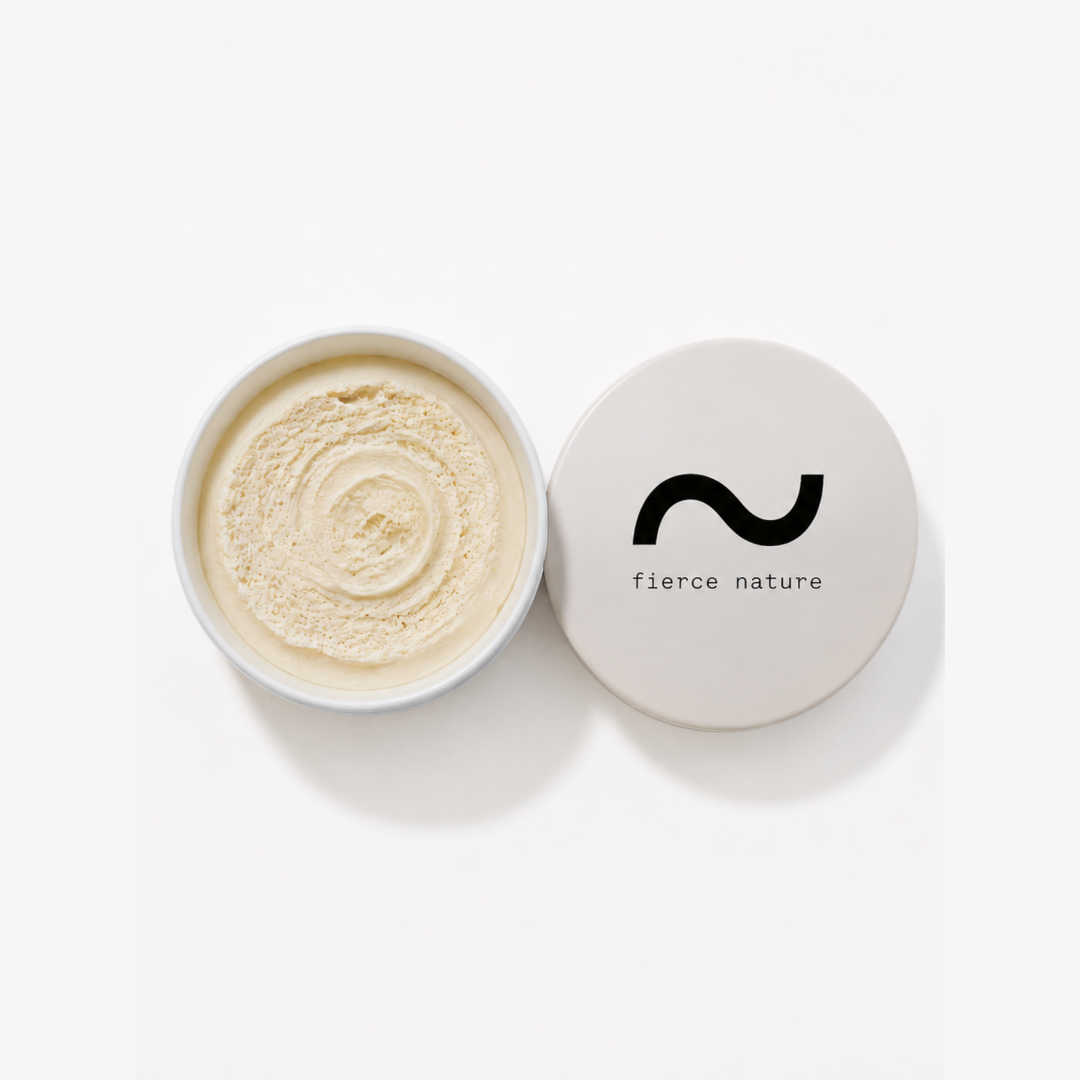
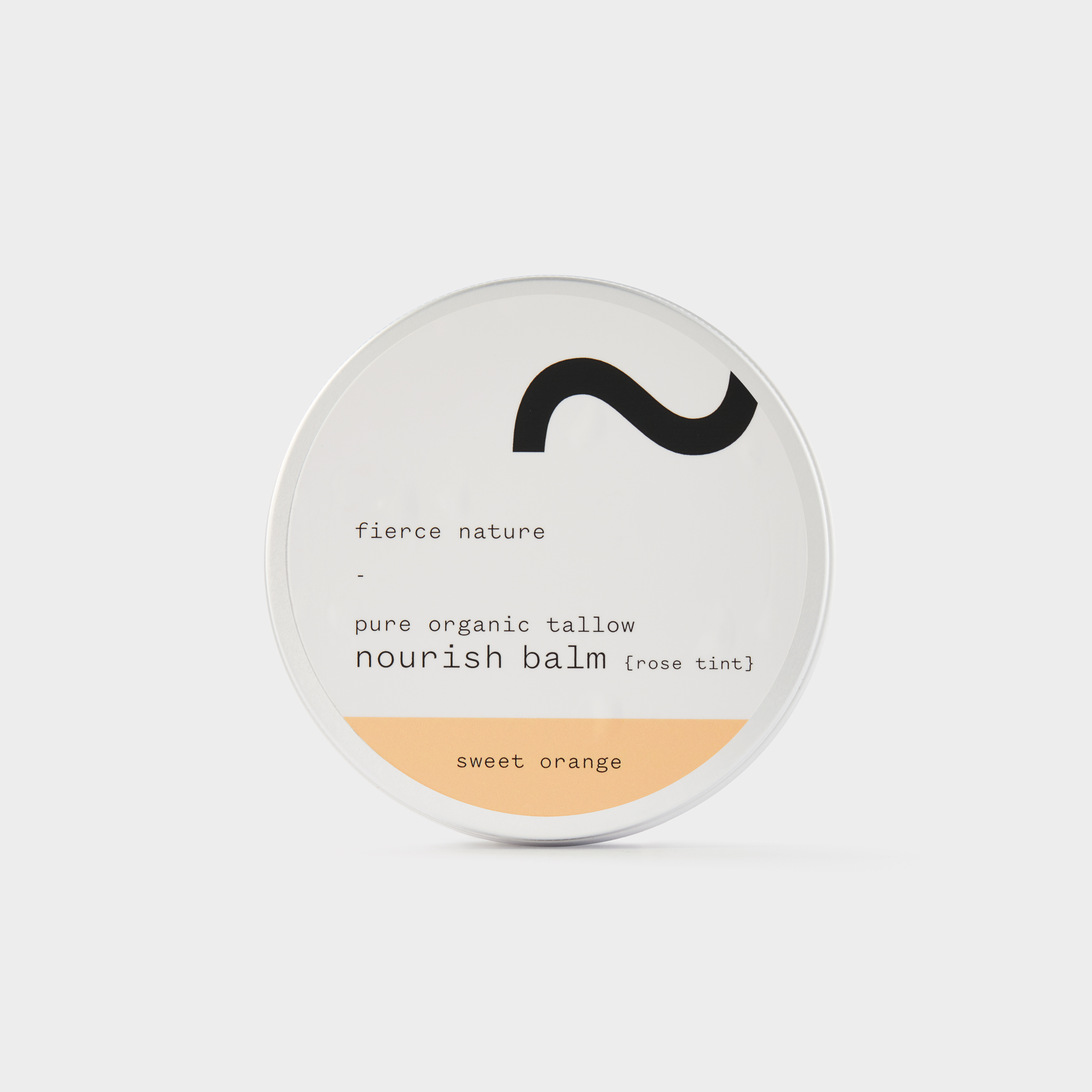
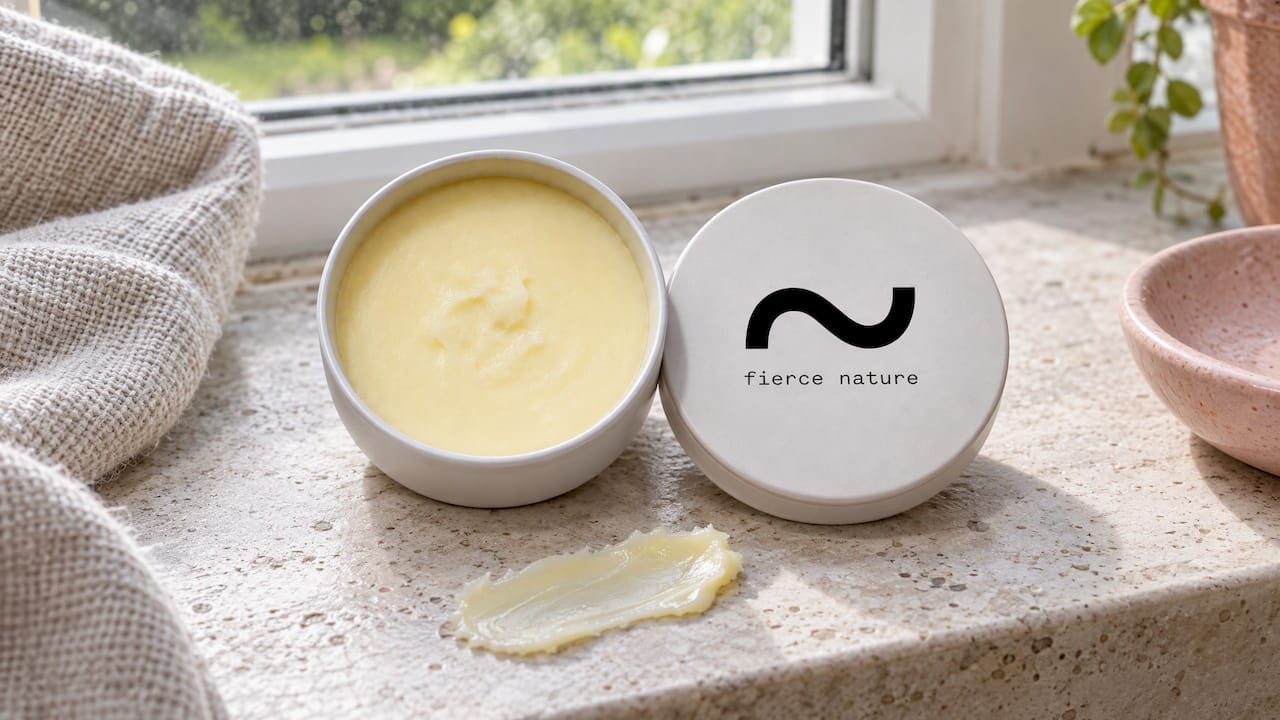
This is where our balms come in. Tallow has been used for centuries as a skin emollient, and our face and body balms are made by hand in the UK with organic tallow as the foundation, designed to nourish deeply. Warm a small amount between your fingertips, press it into freshly shaved skin and let it sink in. Our Nourish Balms Collection is the place to begin.
Shaving body hair and sensitive areas
The same six steps apply to legs, underarms, bikini line and other areas, with a few adjustments for skin that is thinner, more curved or more easily irritated.
Trim first if the hair is long. It lets the razor glide rather than snag.
Wash with a mild, pH-friendly cleanser and warm water.
Pull the skin taut with your free hand so the surface is flat. For areas with folds, work in small sections and keep the skin smooth and wrinkle-free.
Go with the grain and avoid repeated passes. Sensitive skin shows every extra stroke.
Finish with cool water and a fragrance-free moisturiser.
Do not shave over open wounds, infections, warts or flare-ups of severe eczema. Wait until the skin has healed.
If you have a skin condition such as eczema, or if you are unsure whether it is safe to shave an area, speak to your pharmacist or GP before you start.
Shaving every day without razor burn
The honest answer is to shave less often if you can. The NHS advises not shaving every day where possible, because skin and hair follicles need time to settle. If your routine or work means you shave daily, these habits help:
Use a fresh, sharp blade and keep it dry between uses.
Shave with the grain only, with one gentle pass.
Never go over irritated or spotty skin.
Apply a rich, fragrance-free moisturiser every time, not just now and then.
Give any sore area a day or two off.
Razor burn, which is red, stinging or itchy skin that appears soon after shaving, usually comes from a blunt blade, pressure, shaving against the grain or a product that does not suit your skin. Fix those four things first.
If your skin gets irritated
A little pinkness is common, but real stinging or itching is a sign to pause.
Stop shaving the area until it has calmed completely.
Cool it down. A cool, damp cloth held on the skin helps soothe heat and stinging.
Do not scratch. Pat gently instead.
Moisturise with something simple and unperfumed. Avoid acids, strong fragrance and heavy alcohol.
Wear loose, breathable clothing over the area.
If you notice separate, itchy bumps a day or two later, particularly with a hair visible under the skin, that is usually an ingrown hair. The NHS says not to pick or squeeze these, as that can damage the skin and lead to infection. A pharmacist can recommend suitable creams, and you should see your GP if a bump becomes very painful, hot or swollen, or if you develop a high temperature or feel unwell.
If razor bumps keep returning, especially on the face or neck with tightly curled hair, a dermatologist can advise on technique and on whether another method of hair removal suits you better. Our gentle guide to natural skincare for sensitive skin covers how to build a calmer routine around reactive skin.
Our perspective
Most of us grew up believing a good shave needed a can of foam, a sharp scent and a splash of something that stung. We were told the stinging meant it was working. We don’t think so.
Fierce Nature began with a young girl in South Africa who battled rashes and reactions from mainstream cosmetics, shaving gels and hair removal creams, and never understood why. Years later, working with gut health and the effect of toxic load on the body, we came to see how many beauty promises are wrapped in seductive packaging but built on harsh chemicals.
That is why shaving, to us, is a skin ritual rather than a chore. Skin that has just met a blade deserves nourishment, not a shock. Tallow is a food your skin recognises: it has been used for centuries as an emollient, and its bioavailability is what makes it such a deep-penetrating skin food. Our balms are handmade in the UK from premium, grass-fed tallow and naturally sourced ingredients, with the full ingredient list open for you to read.
Use a sharp blade, go slowly, and finish by pressing a little balm into warm, freshly shaved skin. That small habit is how we think shaving should feel: restorative, simple and kind.
Fierce Nature
Make the after-shave step part of your ritual
If you would like a handmade, tallow-based finish for your routine, explore our face and body balms, all made in the UK. To see how they sit alongside cleansing and the rest of your day, our page on building a natural skincare routine is a good next stop.
FAQ
What can I use to shave instead of shaving cream?
A plain, unscented moisturising cream works well for many people with sensitive skin. Apply it, add warm water to lather it lightly, and shave with the grain. Avoid anything perfumed, and keep the layer thin so the razor doesn’t clog.
How do I shave every day without getting razor burn?
Use a sharp blade, shave with the grain and keep to one light pass. Rinse with cool water and moisturise straight away with a fragrance-free product. The NHS advises not shaving every day where possible, so give your skin days off when your schedule allows.
How often should I change my razor blade?
Change it when it starts to tug or drag, which for most people is somewhere between five and ten shaves. Thick or coarse hair dulls blades faster. Always dry the razor and keep it out of the damp shower between uses.
Should I exfoliate before or after shaving?
Before, and gently. A soft cloth or loofah on warm, wet skin helps lift dead cells and can reduce the chance of ingrown hairs. Keep it to a couple of times a week, and leave exfoliating acids for at least a day after you shave.
Is it safe to shave over irritated skin or spots?
No. Leave irritated, broken or spotty skin alone until it has healed, since the blade will make it worse. If an area is painful, hot or swollen, see your GP.