Natural ingredients
•
Kind to skin
•
A healthier planet
Ti abbiamo inviato un'email con un link per aggiornare la tua password.
reimposta la tua password
Ti invieremo un'e-mail per reimpostare la tua password.
Soap for Hard Water Skin: How to Cleanse Without the Tightness
Ralph Barrozo
0 Commenti
If you live in a hard water area, the best soap for your skin is a gentle, simple, fragrance-free bar or cleanser that you use sparingly, rinse thoroughly and follow straight away with a nourishing leave-on balm. No soap can change your tap water, but the right choice and a few small habits can stop that tight, squeaky, slightly filmy feeling from taking over your day.
We make handmade tallow skincare in the UK, and we hear this from customers all the time: “My skin feels dry after every shower, and I can’t work out why.” Very often, the water is part of the answer. This guide explains what is going on, how to find out how hard your water is, what to look for in a soap, and the routine we recommend to keep skin soft, calm and glowing.
Fierce Nature
Nourish Skin After Washing
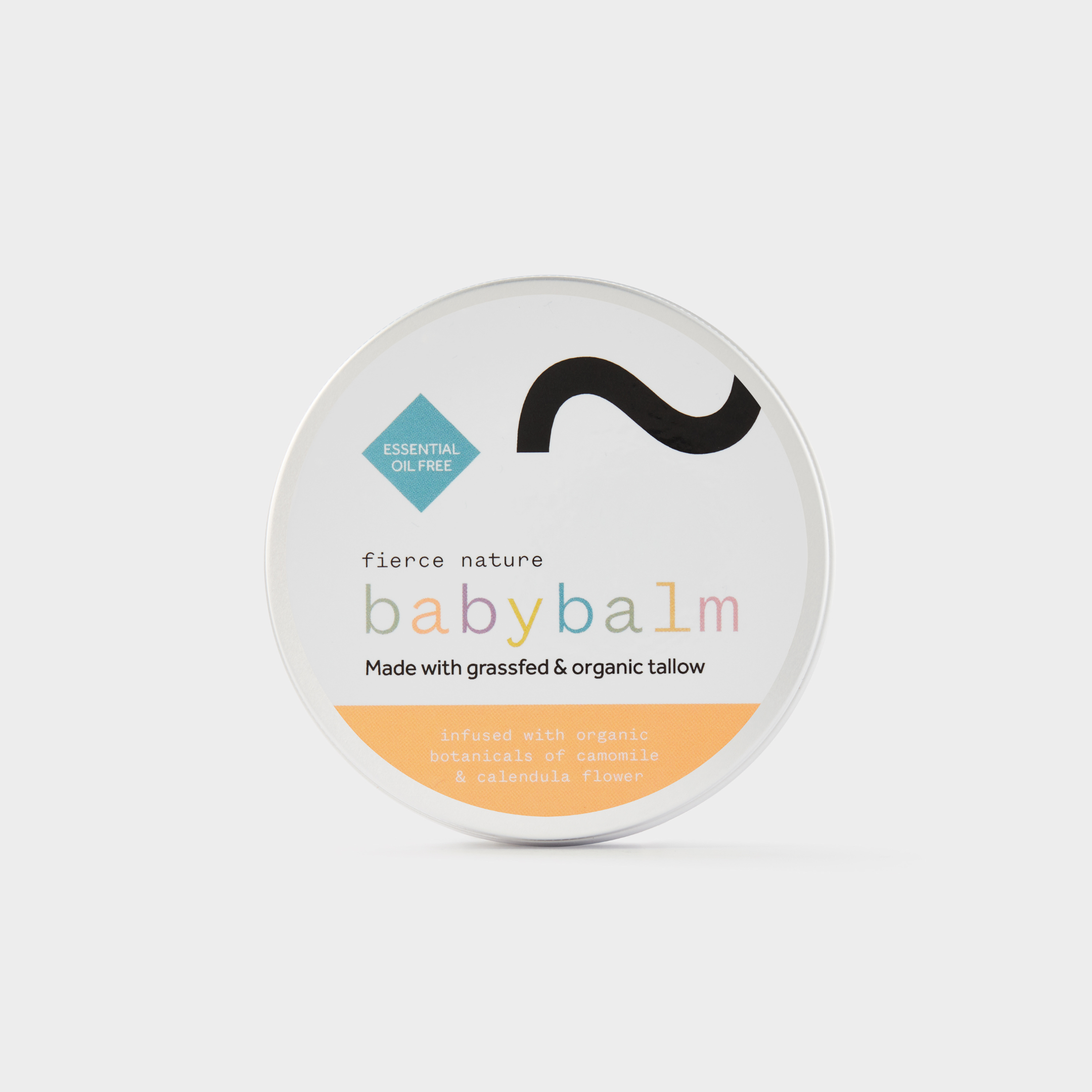
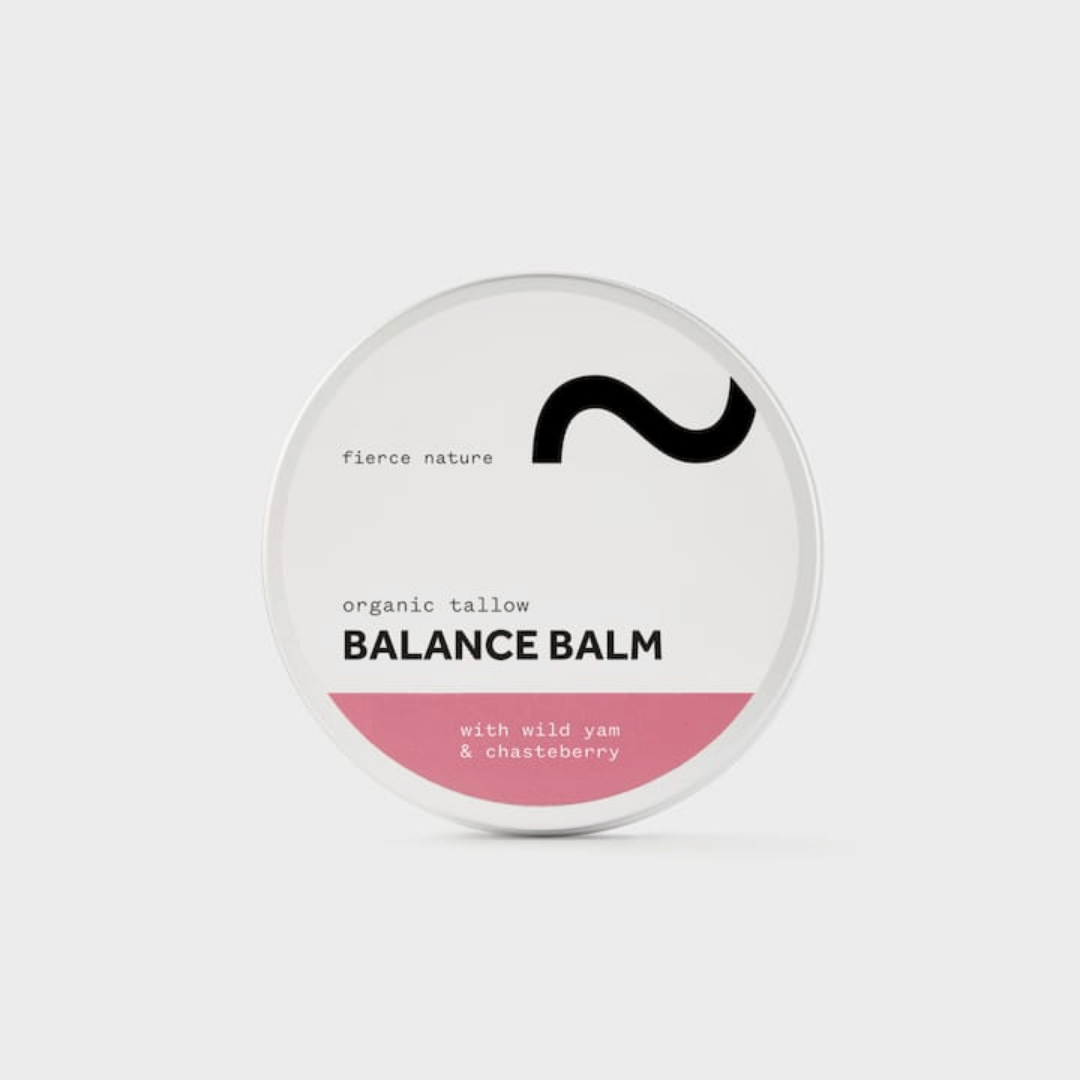
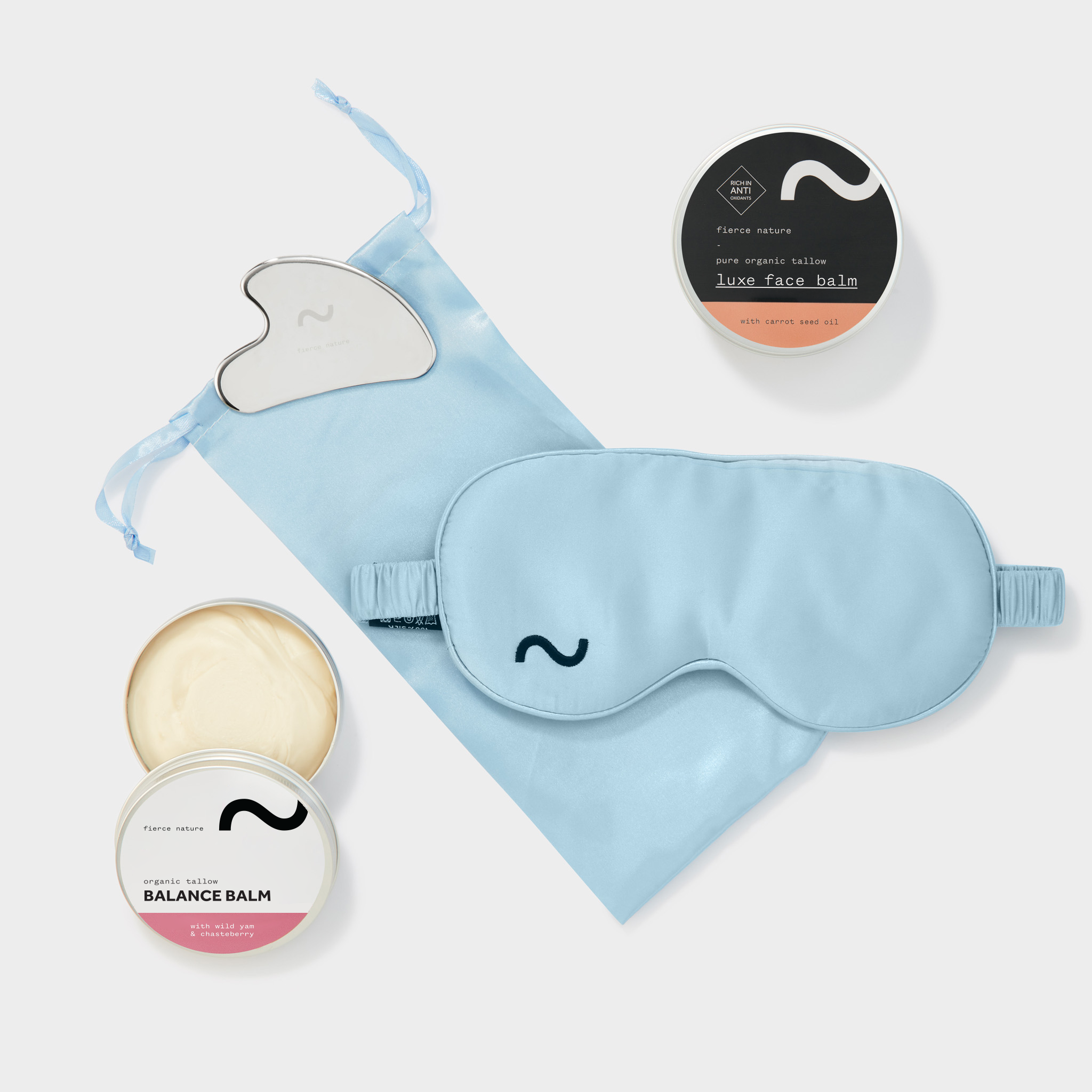
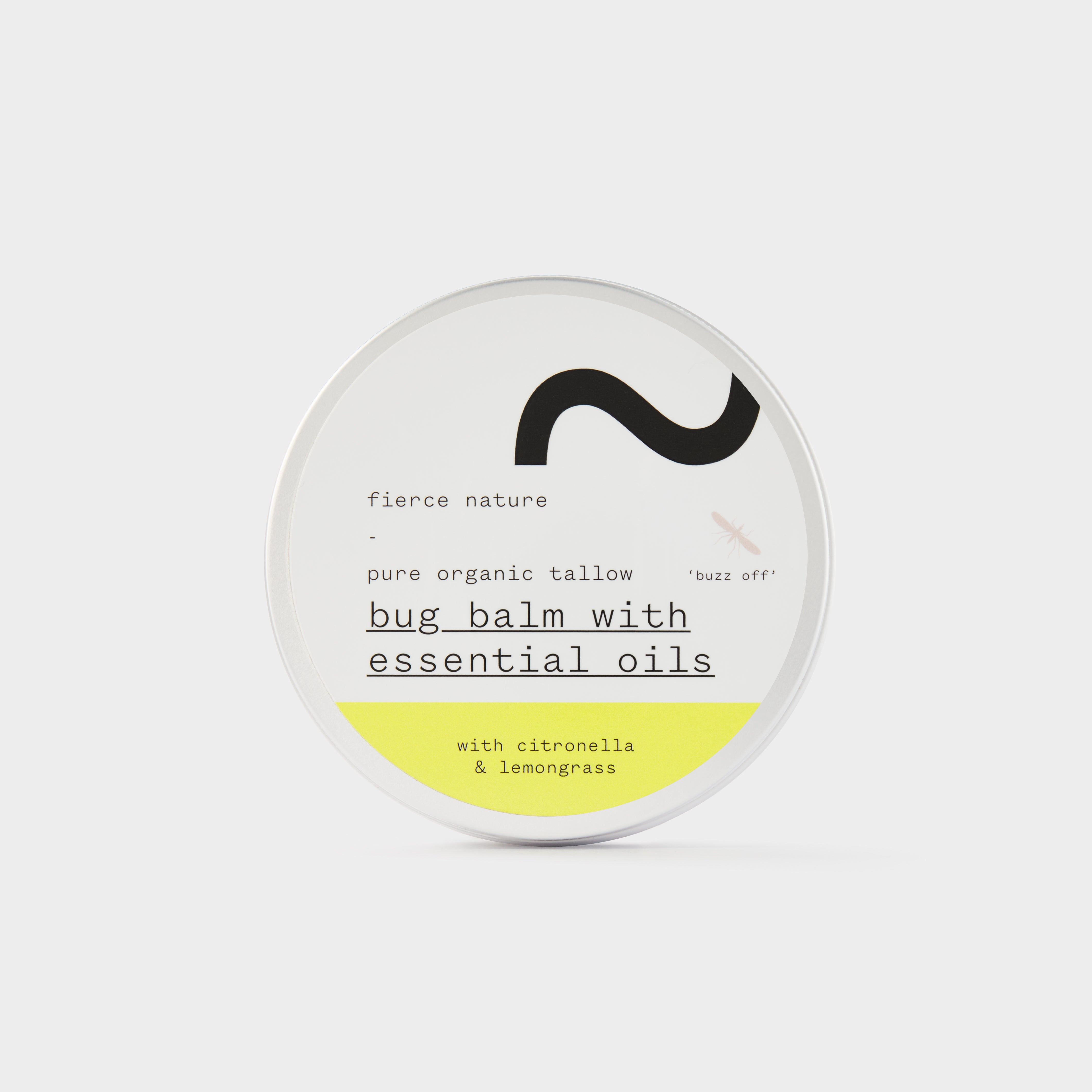
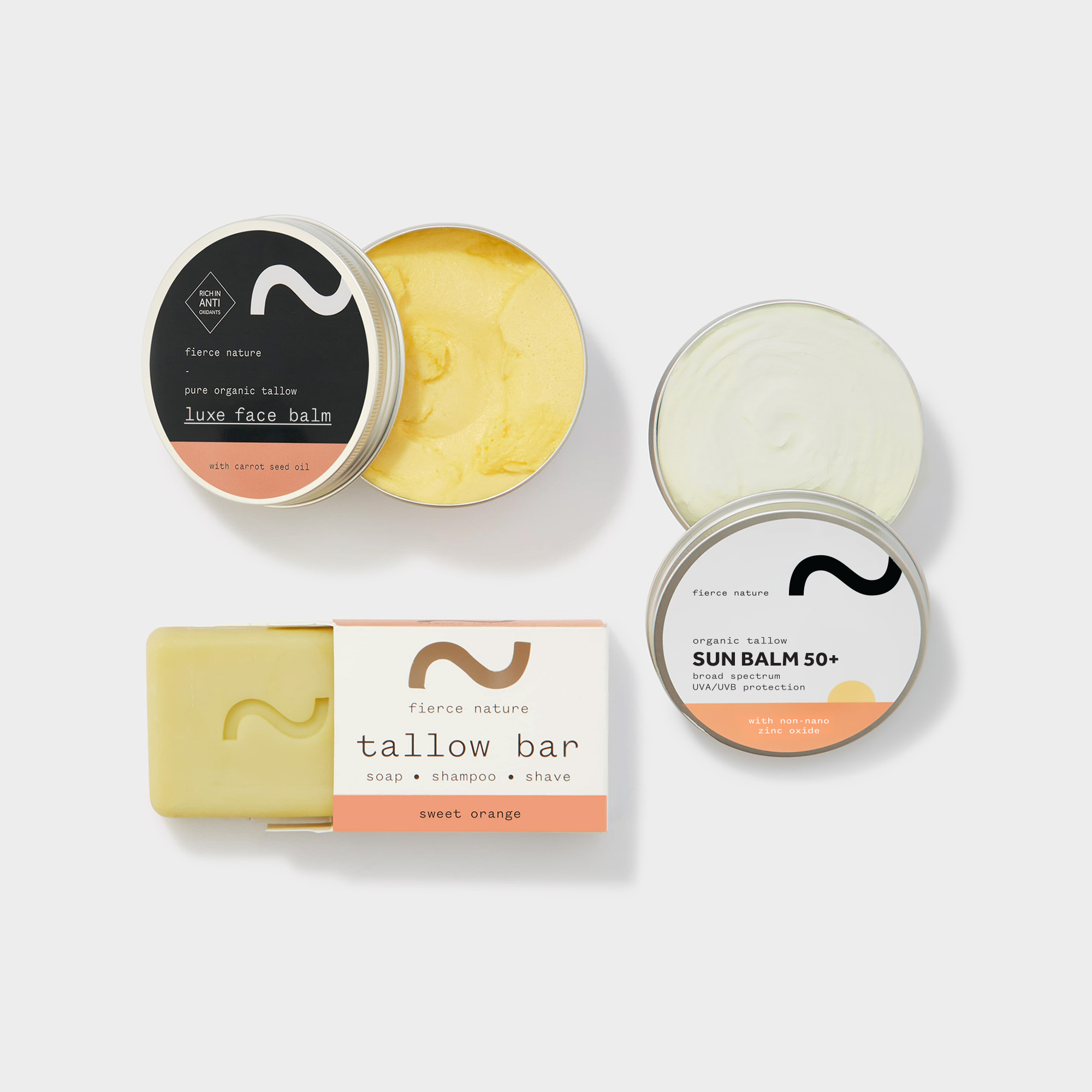
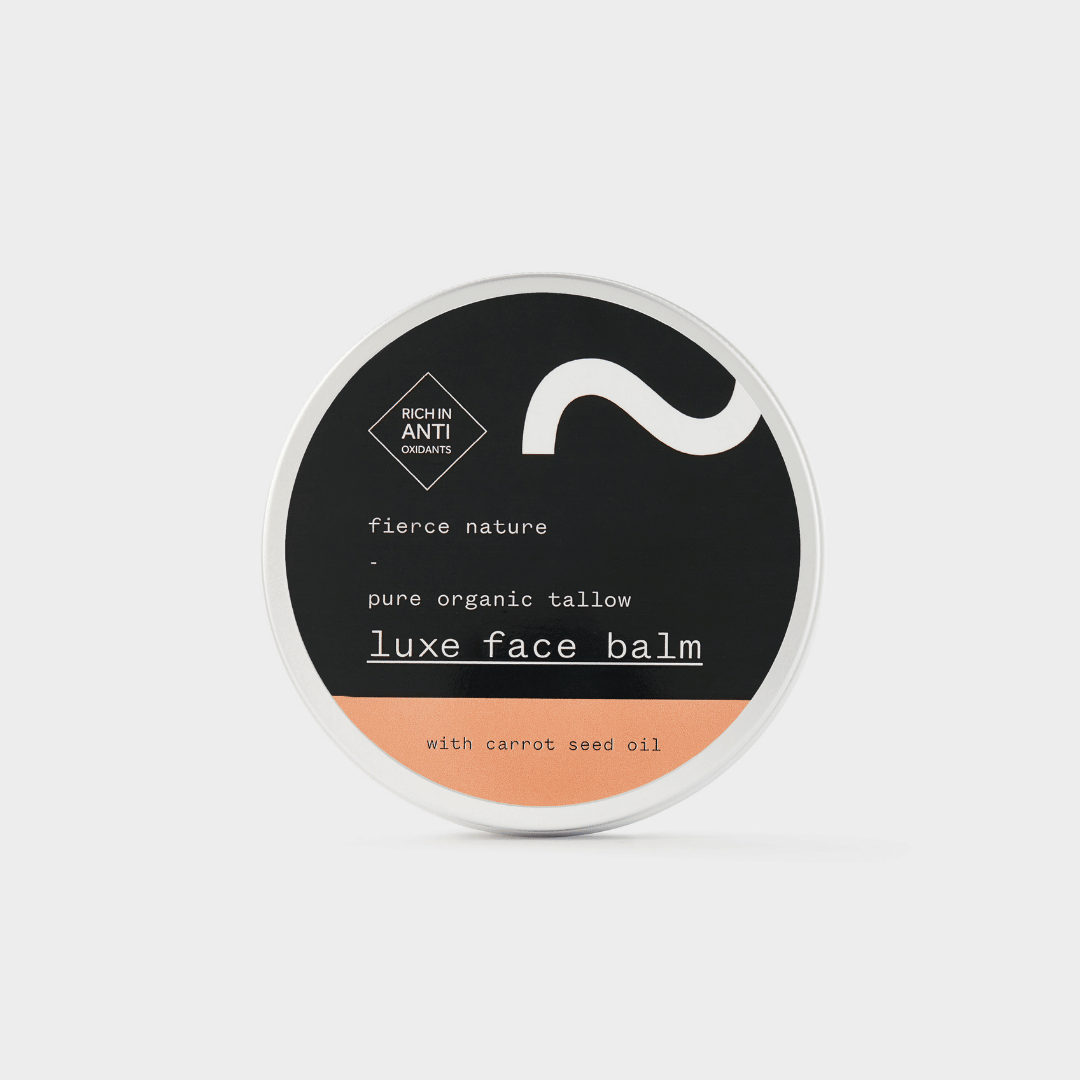
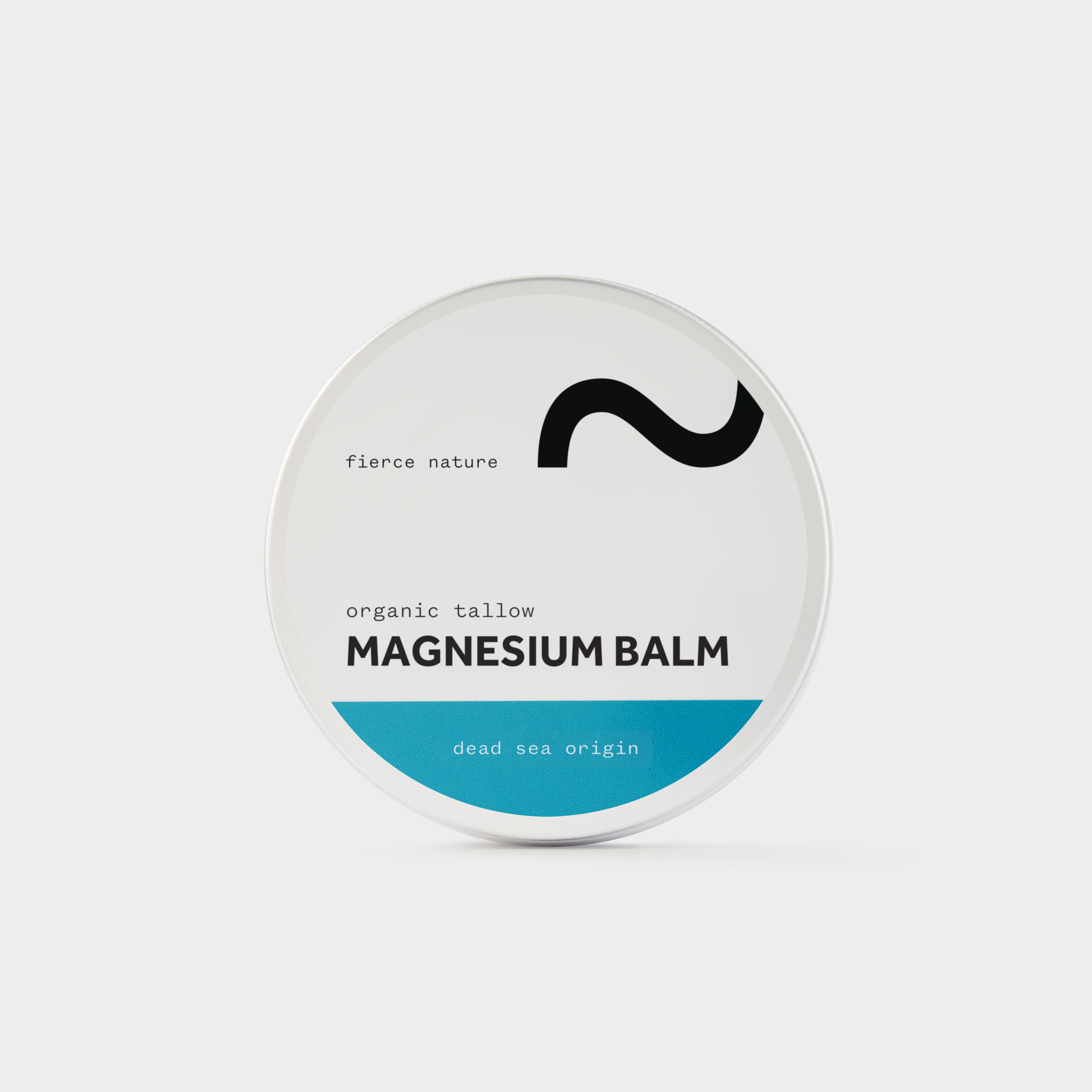
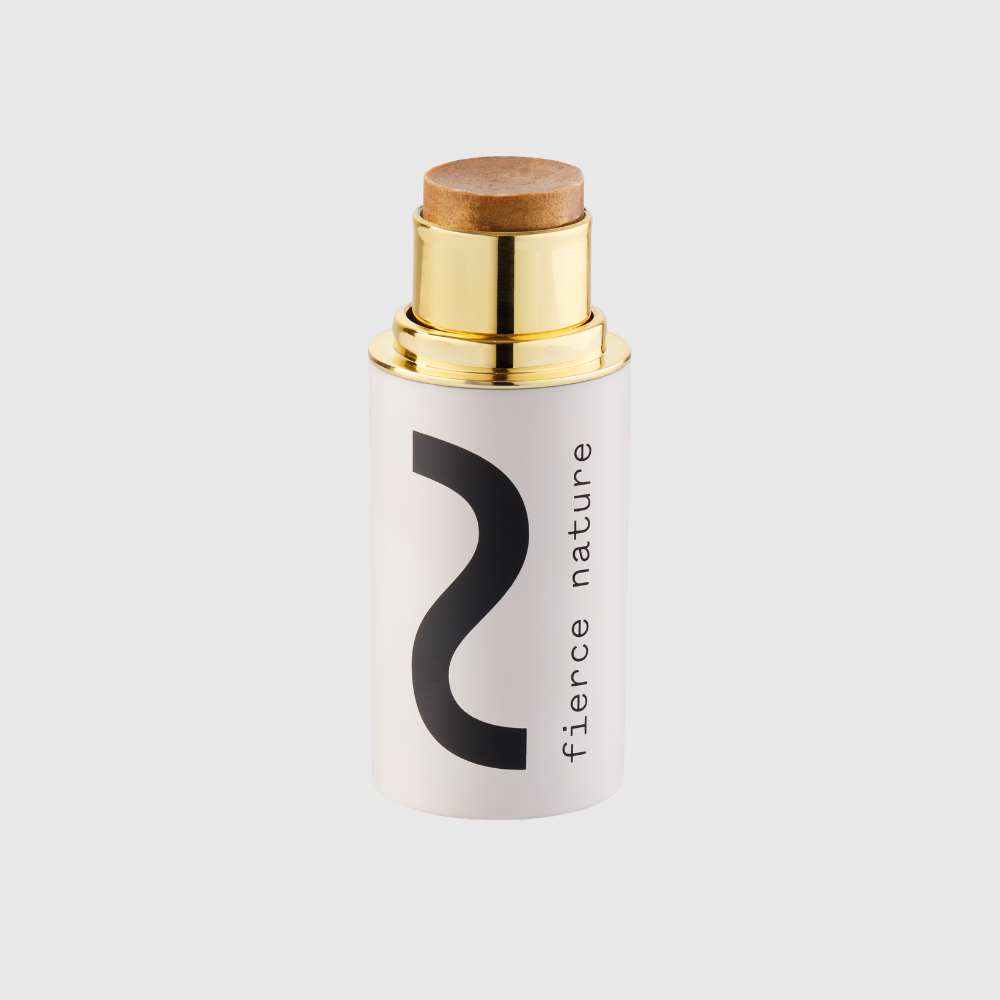
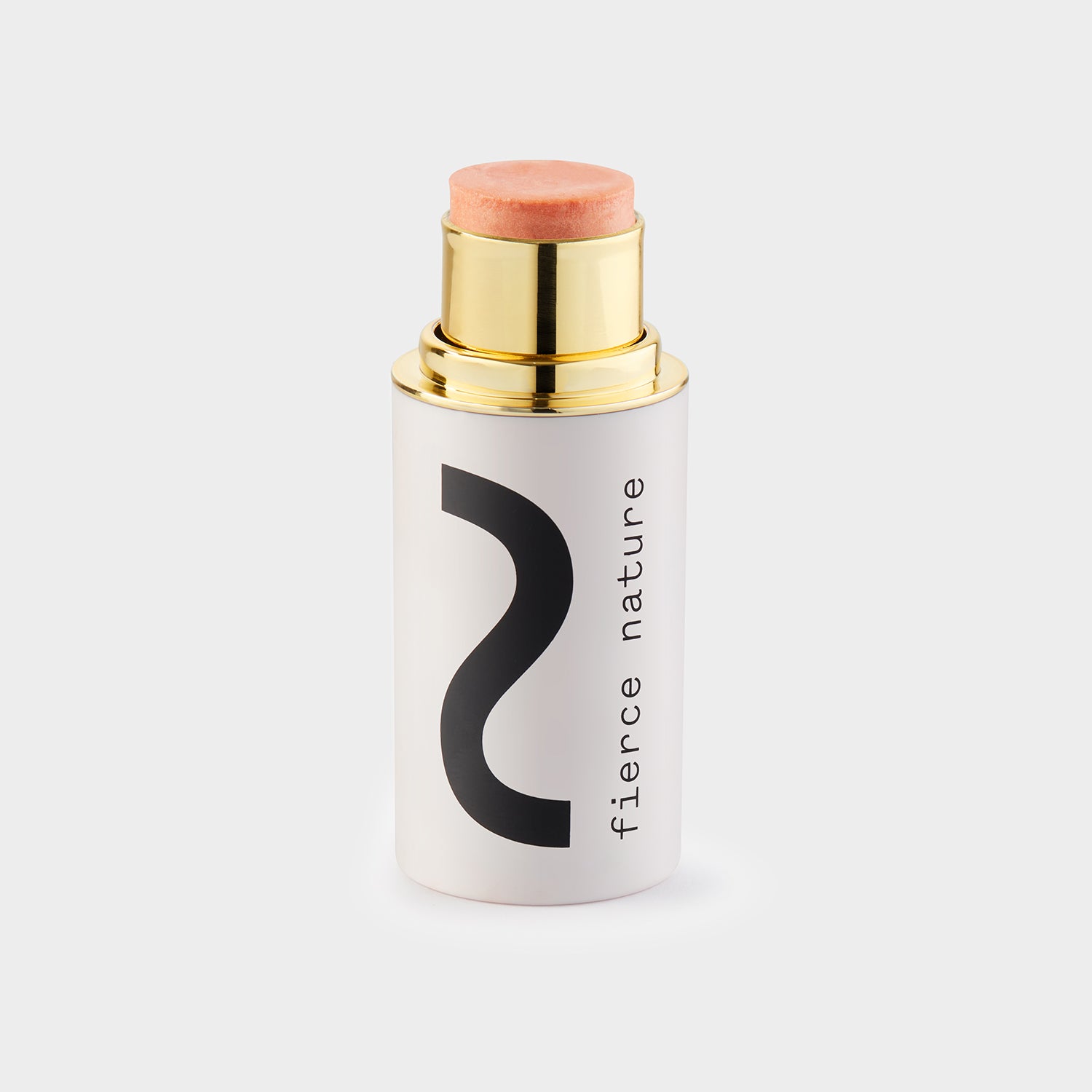
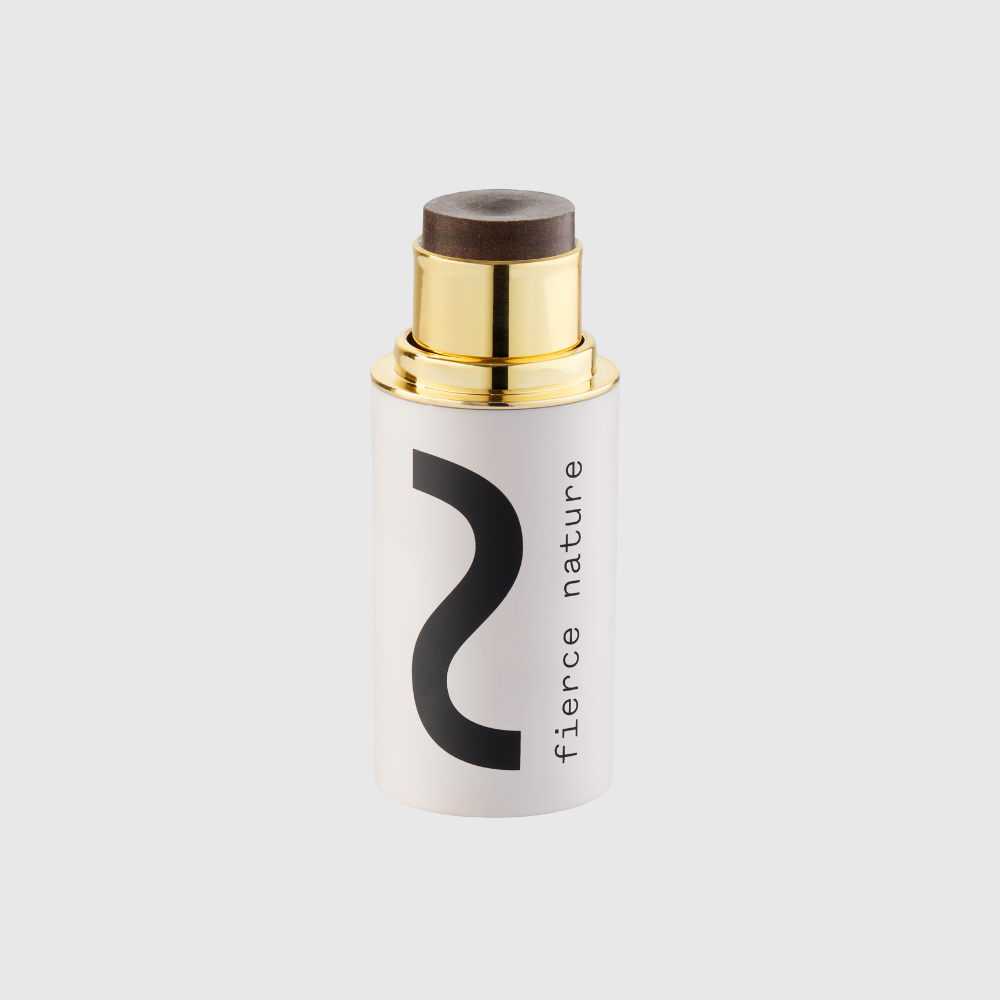
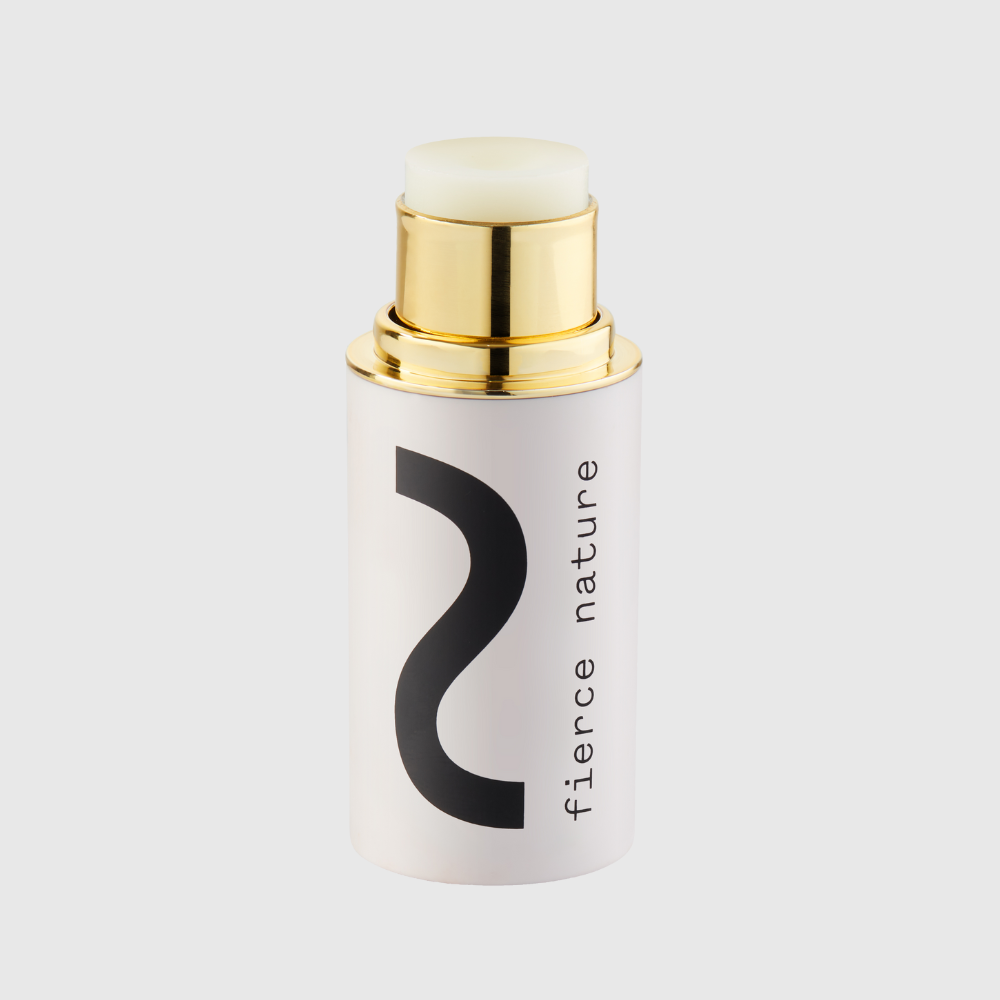
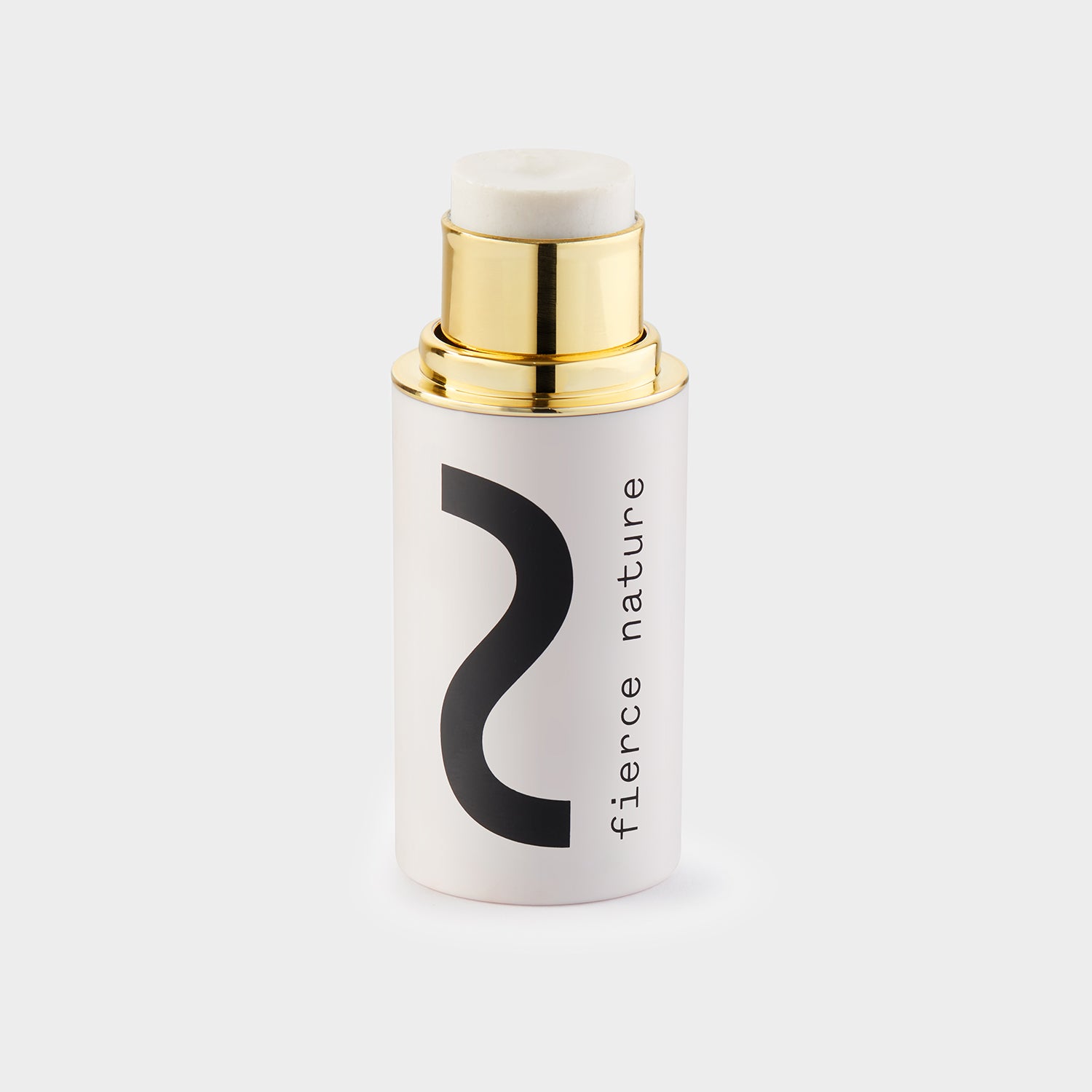
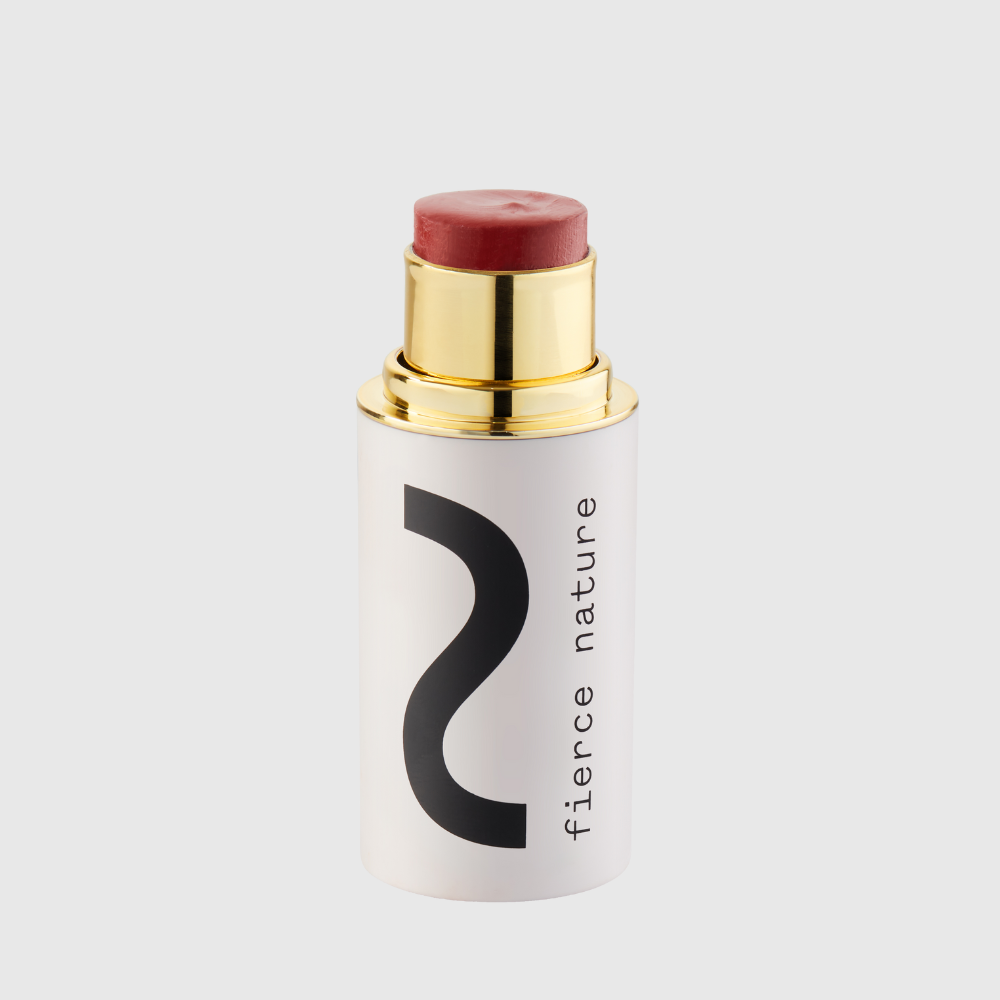
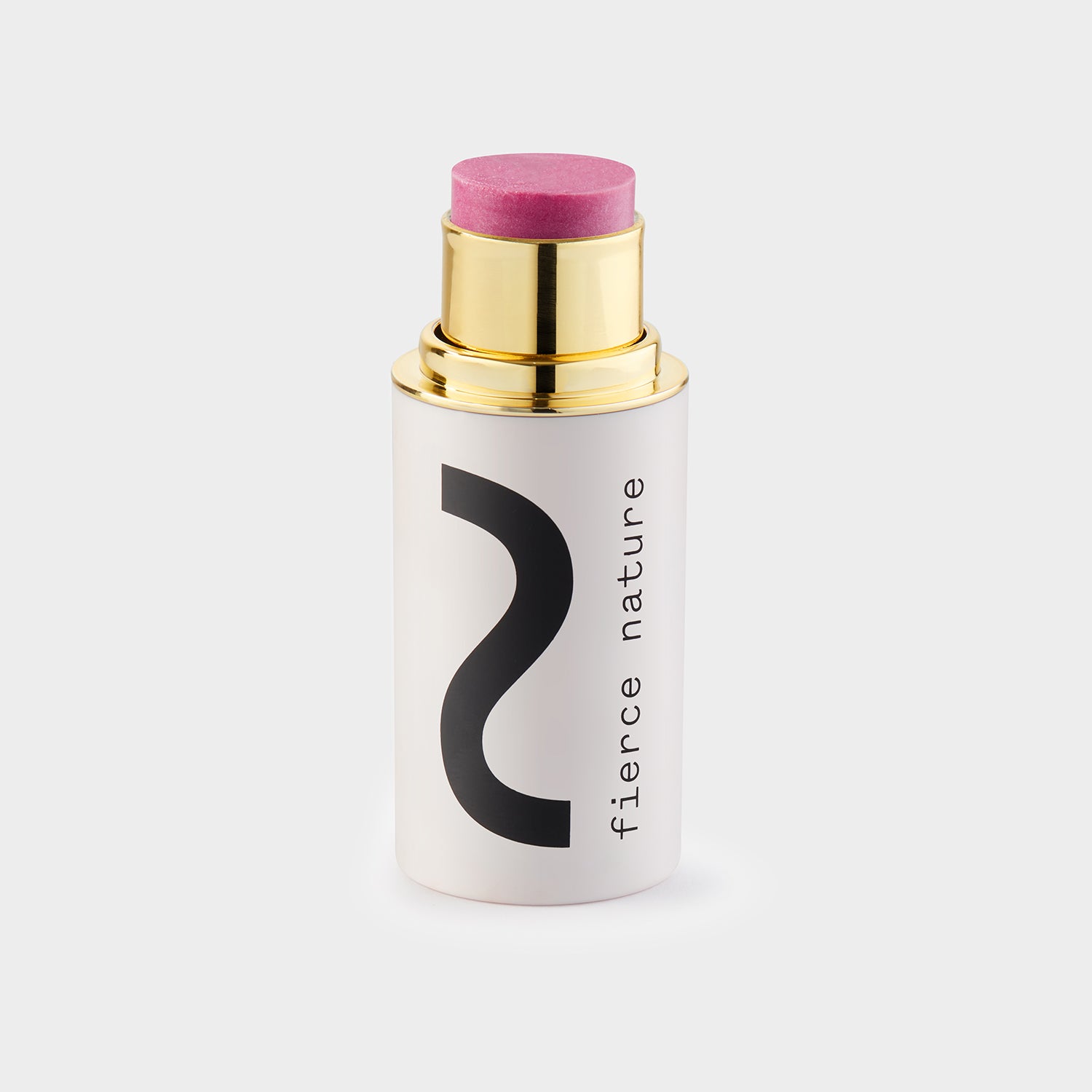
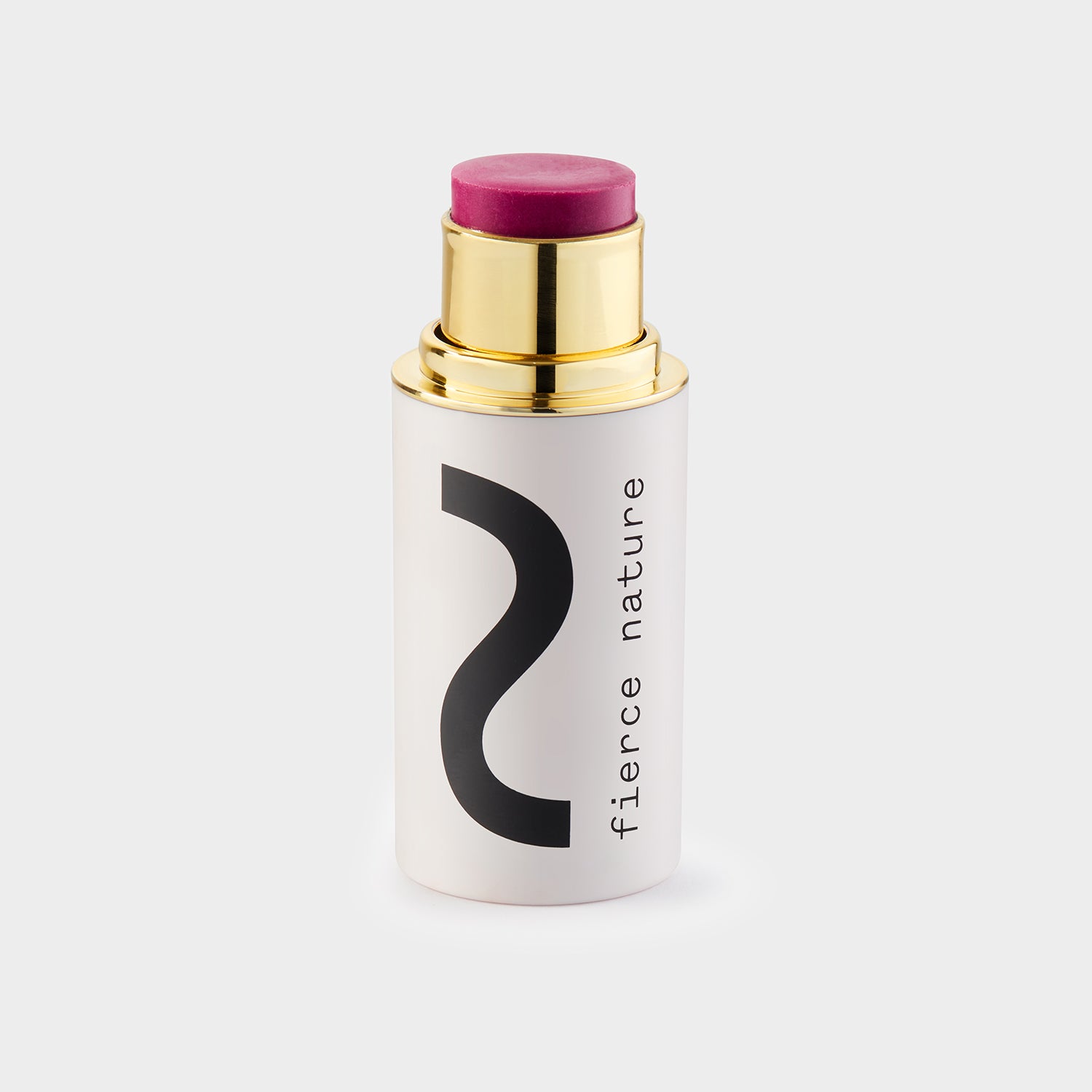
Fierce Nature makes handmade UK tallow skincare with naturally sourced ingredients, including balms for nourishing skin after cleansing.
Hard water is simply water carrying dissolved minerals, mainly calcium and magnesium. The Drinking Water Inspectorate explains that these minerals cause scale in kettles and hot water systems, and that soap and detergents produce less lather in hard water. It is not a health risk to drink, and it is very common across large parts of England.
The lather problem matters for your skin in two ways.
1. You tend to use more product. When lather is slow to appear, most of us squeeze out or rub on more soap. More product means more to rinse away, and more chance of drying the skin.
2. Soap can leave a film behind. Traditional soap reacts with calcium and magnesium to form an insoluble, scummy curd. This is the grey ring round the bath. Water science guidance from the US Geological Survey notes that hard water can leave a slight film of this curd on the skin, which is why your hands can feel as though they never quite rinse clean.
That film is usually harmless for people with robust skin, but it can feel tight, dull and a little itchy. If your skin barrier is already fragile, it can be more noticeable.
Why skin can feel dry or irritated afterwards
NHS guidance for families with eczema, including information from Great Ormond Street Hospital, lists hard water and the use of soaps among the factors that can trigger or worsen eczema, by increasing dryness and affecting the skin barrier. That does not mean hard water causes eczema, and it does not mean everyone in a hard water area will struggle. It means that if your skin is prone to dryness or flare-ups, the way you wash deserves some attention.
There is another detail worth knowing. Skin is naturally slightly acidic, and dermatology references such as DermNet explain that traditional alkaline soaps can disrupt that natural pH and make barrier damage worse. A gentle, short wash followed by a nourishing leave-on product is the simplest way to work with your skin, not against it.
How hard is your water? A quick UK check
Hardness varies enormously from one town to the next. Parts of London, the South East and East Anglia tend to have hard or very hard water, while much of Scotland, Wales and the North West tends to have soft water. Your own tap is what matters, so it is worth checking.
There are two easy ways:
Use the Drinking Water Inspectorate hardness map. It shows hardness by area across England and Wales.
Ask your water supplier. Enter your postcode on your water company’s website or phone them. This gives the most accurate figure for your street.
In the UK, hardness is described by the amount of calcium carbonate in the water:
Description
Calcium carbonate (mg/l)
Soft
Up to 100
Slightly hard
100 to 150
Moderately hard
150 to 200
Hard
200 to 300
Very hard
More than 300
If you are in the hard or very hard bands and you notice limescale on taps, a film on the shower screen, soap that will not lather and skin that feels tight after washing, it is a good bet that your water is contributing.
What to look for in a soap for hard water skin
There is no single magic bar. What matters is how gentle the formula is, how little you need, and how well you rinse. Here is what we would look at.
Keep the ingredient list short
The fewer the ingredients, the fewer the things that can react with your skin or with the minerals in your water. A short list is also easier to understand. We are strong believers in full ingredient transparency, and we think you should be able to read the back of any cleanser and know what each item is for.
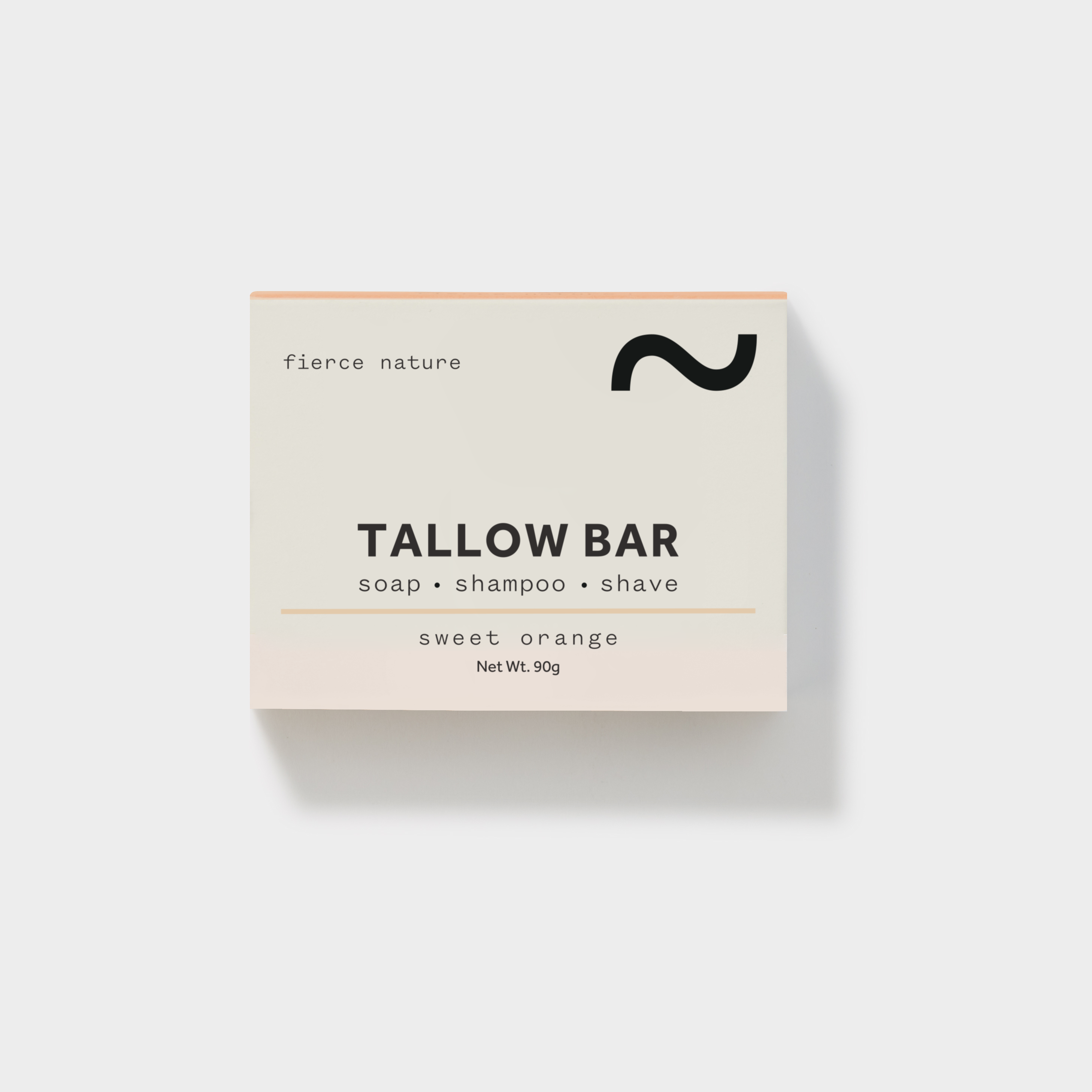
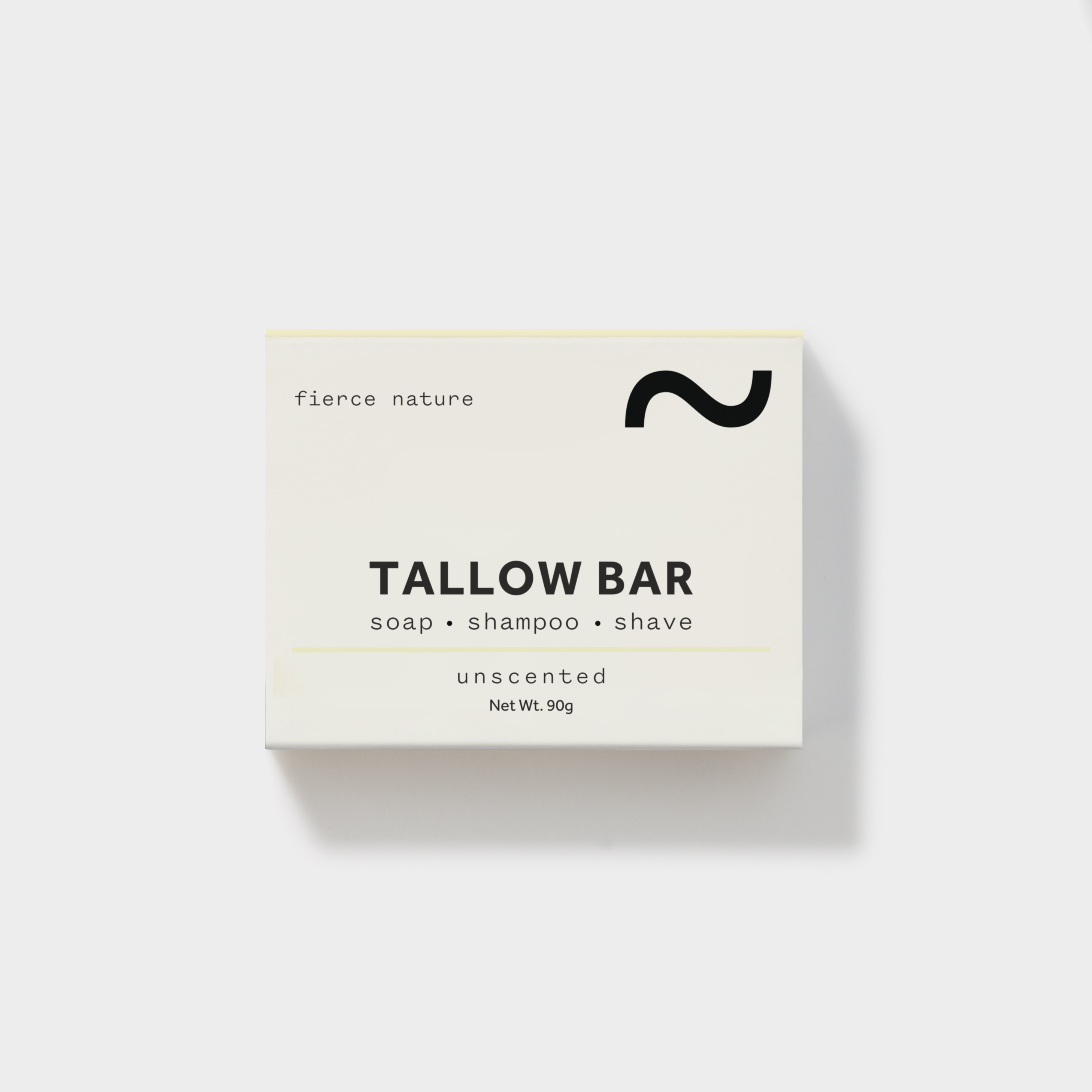
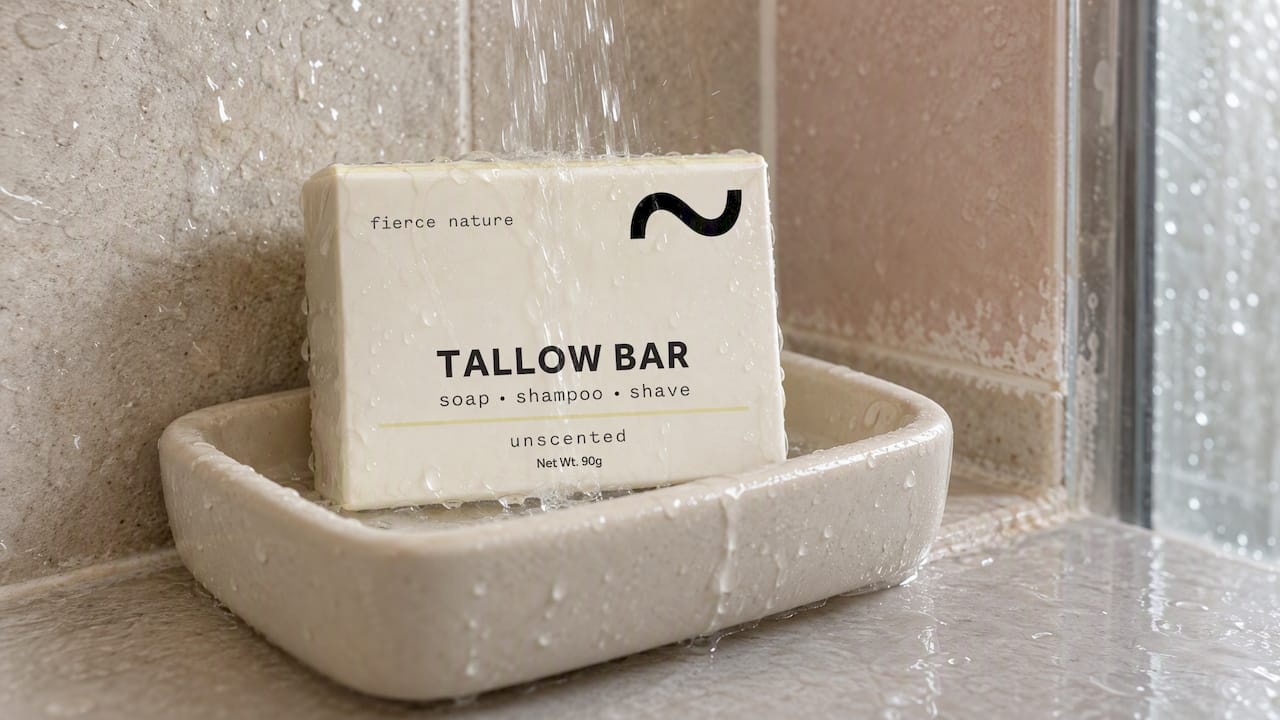
A soap made with nourishing fats is designed to feel less stripping than a harsh detergent cleanser. Tallow has been used for centuries in soap making and as a skin emollient, and it is rich in the kind of fats skin recognises. Our bars are handmade in the UK with organic, grass-fed tallow as the foundation, and they are designed to cleanse gently while leaving skin feeling comfortable rather than squeaky.
Be wary of the squeaky-clean feeling
Skin that squeaks is not skin that is clean in a healthy way. It usually means natural oils have been removed. If your skin feels tight within a few minutes of drying off, the product or the routine is too stripping for you.
Sulfates and foaming washes
Many foaming body washes rely on strong detergents to create a big lather. Some people with dry or sensitive skin find these drying, and the NHS-linked emollient guidance we have seen notes that certain ingredients, such as the sodium lauryl sulfate found in some aqueous creams, may irritate some people, particularly children with eczema. If you are sensitive, a low-foam or soap-free option is often kinder.
Soap substitutes for eczema and very dry skin
NHS information for people with eczema generally advises using a soap substitute or emollient wash instead of ordinary soaps and bubble baths, which can dry and irritate the skin. These substitutes do not foam, but they clean just as effectively. For discoid eczema, the NHS advises avoiding soaps, liquid soaps, bubble baths and shower gels altogether, even those that do not seem to irritate. If you have a diagnosed skin condition, follow the advice of your GP, pharmacist or dermatology nurse first. They can recommend a product that suits you and tell you whether an ordinary bar is right.
The hard water washing routine we recommend
With hard water, technique matters as much as the product. This is the routine we suggest to customers whose skin feels tight or looks dull.
Keep it lukewarm. Very hot water strips natural oils and is harder on dry skin. Aim for comfortably warm.
Use less than you think. Lather a small amount in your hands first, rather than rubbing a bar directly over every area. Focus on the places that need it: underarms, feet, groin and hands.
Rinse for longer. Take an extra thirty seconds to rinse thoroughly, so no soap or film is left behind, especially where skin folds.
Pat dry. Press a clean, soft towel against your skin instead of rubbing. Leave skin very slightly damp.
Moisturise straight away. Apply a nourishing balm while skin is still slightly damp. This is the step that makes the biggest difference.
Keep showers short. Ten minutes or less is kinder to dry skin than a long soak.
The NHS advice for people with eczema follows the same pattern: wash with a gentle product, pat the skin dry, then apply a leave-on emollient straight afterwards to prevent moisture loss.
A safety note on slippery surfaces and fire risk
Any emollient or balm can make a bath or shower floor slippery, so take care when getting in and out, and consider a rubber bathmat. The British Association of Dermatologists also advises that emollient products that build up on clothing, bedding, dressings or hair can increase fire risk, even once they have dried. Wash clothes and bedding regularly, and keep well away from naked flames and cigarettes, especially if you apply balm in generous amounts.
Why a balm after washing matters most
If you take only one thing from this article, take this: what you put on after you wash matters more than which soap you use. Hard water can leave skin a little depleted, and a good leave-on product helps replace what was lost.
The British Association of Dermatologists advises that emollients should be used regularly, not only on the dry patches, and that finding the right one can take some experimenting with different textures, such as ointments and creams. NHS emollient guidance also stresses that a product has to feel acceptable to you, because that is what makes you actually use it. We agree. A balm you love is a balm you reach for every day.
Why we use tallow as a base
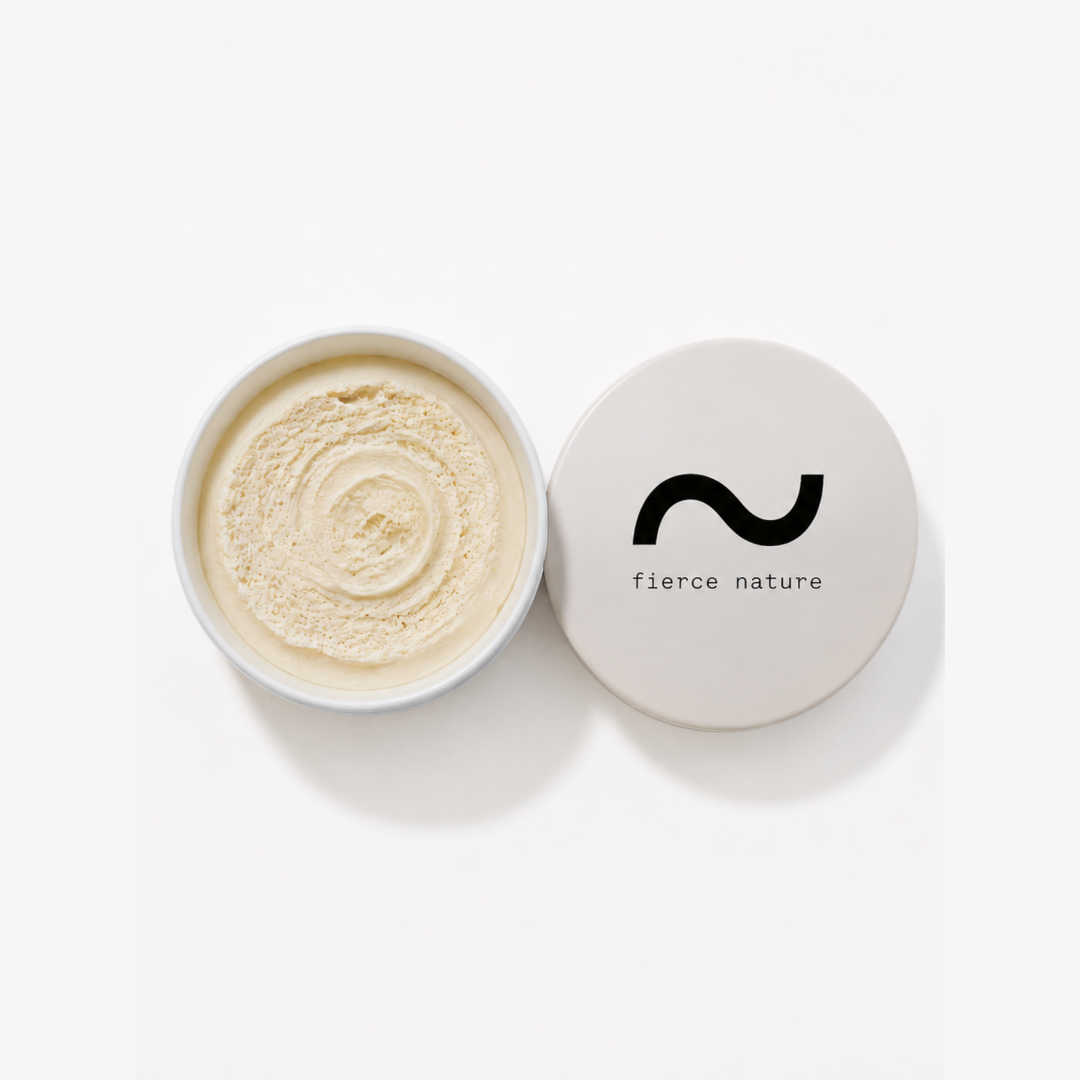
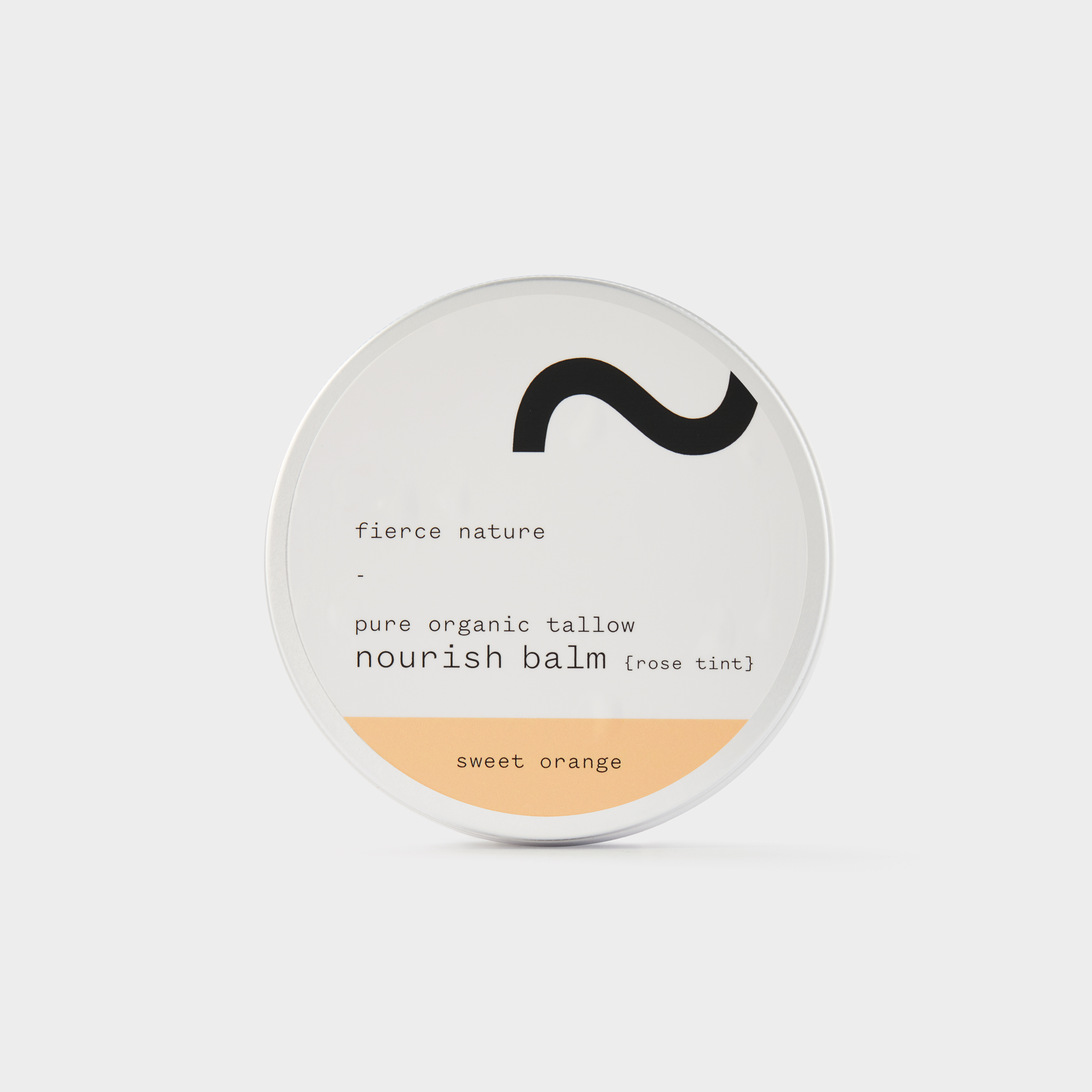
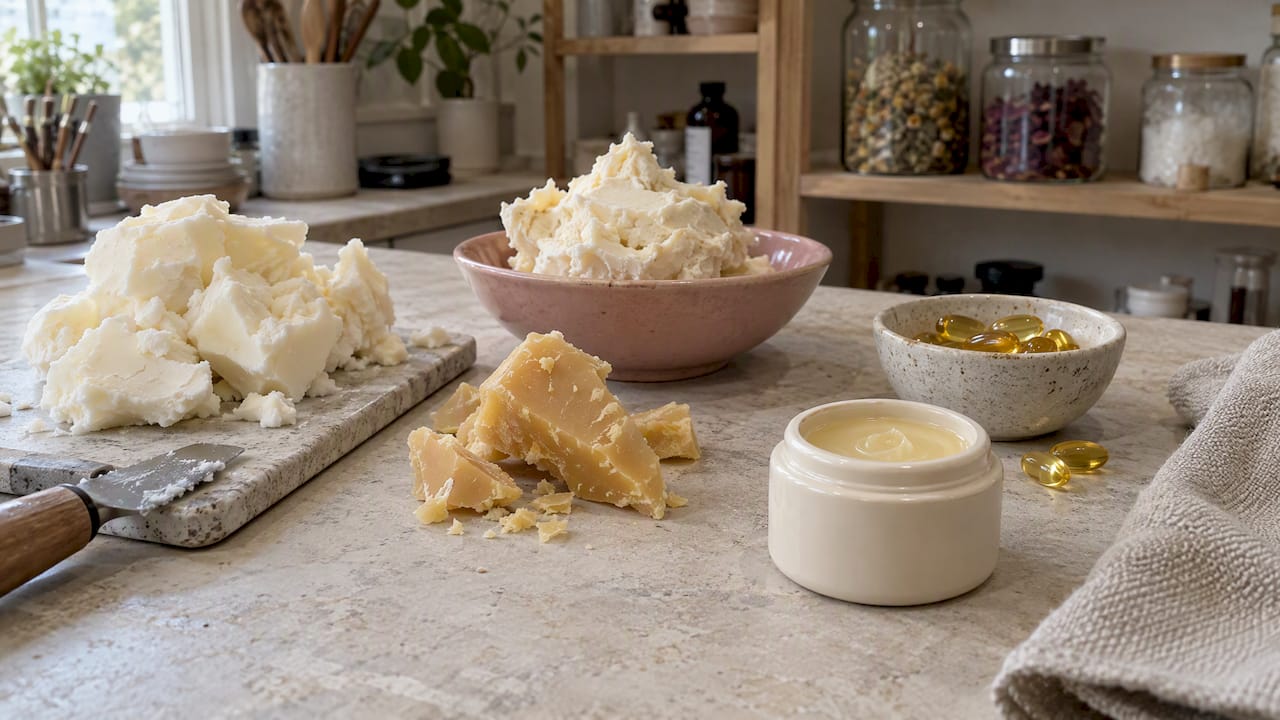
Tallow is closely related to the natural fats in human skin, which is why many people find it feels familiar and comforting on the skin. In our own words, its bioavailability makes it a deep-nourishing skin food, and our formulas are designed to deliver bioavailable vitamins from grass-fed tallow. Our balms are handmade in the UK with naturally sourced ingredients and no harsh synthetic additives.
Warm a small amount between your fingertips until it melts.
Press it into slightly damp skin rather than rubbing hard.
Start with a thin layer, and add more to the driest areas, such as shins, elbows and hands.
Reapply to your hands each time you wash them.
Our perspective: work with your skin, not against it
We started Fierce Nature because of our own skin. Growing up in South Africa with mainstream cosmetics, shaving gels, hair removal creams and lipsticks, our founder battled skin rashes and reactions for years without knowing why. Later, working with gut health and the effects of toxic load on the body, she came to see that many beauty promises are wrapped in seductive packaging around harsh chemicals.
That is why we think about hard water the way we think about everything else on your skin: keep it simple and gentle, and give your skin back what it needs. You cannot easily change what comes out of your tap, but you can choose what goes on your skin. We believe the kindest combination is a short list of recognisable ingredients, a gentle wash, a thorough rinse and a nourishing tallow balm afterwards.
We do not claim that our products will change your water, and we do not promise miracles. What we offer is skincare that is handmade in the UK, honest about what is in it, and designed to help your skin feel nourished, comfortable and radiant, even in a hard water postcode.
— Fierce Nature
Other ways to take the edge off hard water
Choosing the right soap is the easiest change, but there are others if hard water is a daily frustration.
A home water softener
The Drinking Water Inspectorate says a domestic water softener can make lathering easier and reduce tide marks on sanitary ware. Two points to keep in mind: softened water contains added sodium, so keep an unsoftened tap in the kitchen for drinking and cooking. Also, any water treatment device you fit at home must comply with the Water Supply (Water Fittings) Regulations 1999, and the Inspectorate advises using a qualified plumber to install it.
A shower filter
Some people fit a filter to their shower head. Opinions on how much difference these make to skin vary, so treat them as an optional extra. Whatever you choose, a thorough rinse and a good balm do much of the work.
Small habits that help
Wash your face with a gentle cleanser and lukewarm water, and avoid scrubbing.
Rinse your hair thoroughly. If your scalp feels itchy or your hair feels coated, our non-toxic hair care range is worth a look.
Wash towels regularly. Mineral-rich water can leave towels feeling stiff.
Drink enough water and keep your diet nourishing, because skin health starts from within.
Different skin, different needs
Dry skin. Use a very small amount of soap, only where needed, and apply balm to damp skin right after drying. Reapply to hands after washing.
Sensitive or eczema-prone skin. Start with an unscented option and introduce one new product at a time, so you can tell what suits you. Speak to your GP or pharmacist about suitable soap substitutes. Our routine guide for eczema-prone skin with unscented soap and a nourishing balm sets out a simple two-step approach.
Babies and children. Their skin is thinner and loses moisture more quickly. Keep baths short, use very little cleanser, and check any product with your health visitor or GP if your child has eczema. Our guide to choosing an eczema cream for babies covers what to consider.
Normal or combination skin. You can usually tolerate a bit more lather, but the same rinse and moisturise pattern will keep your skin comfortable all year round.
Using more soap to get a lather. Hard water lathers less. Resist the urge to add more.
Rinsing too quickly. Any film left behind can leave skin feeling tight.
Using water that is too hot. It feels good, but it dries the skin.
Rubbing with the towel. Patting is gentler on a fragile skin barrier.
Skipping moisturiser. This is the step that most often makes the difference.
Changing everything at once. Introduce one product at a time so you can see what is helping.
FAQ
What soap works best with hard water?
A simple, gentle, unscented soap or soap substitute that you use in small amounts works best for most skin. Because hard water reduces lather, rinse for longer and follow with a leave-on balm. If you have eczema, ask your GP or pharmacist which soap substitute suits you.
How do I heal my skin from hard water?
Start by washing gently in lukewarm water, using less product and rinsing thoroughly. Pat your skin dry and apply a nourishing balm straight away while it is slightly damp. If your skin is red, cracked, very itchy or not improving, speak to your GP or pharmacist, because you may need something more than a change of routine.
Can hard water make skin feel dry or irritated?
It can. Hard water leaves a thin film of soap curd on the skin, and NHS and hospital eczema guidance lists hard water and soaps among the factors that can worsen dryness and trigger flare-ups in people who are prone to them. Many people notice no difference, but if your skin feels tight after washing, it is worth adjusting your routine.
Do I need a water softener to look after my skin?
No. A softener can make lathering easier and reduce limescale, but a gentle soap, a thorough rinse and a good balm already go a long way. If you do fit one, use a qualified plumber and keep an unsoftened tap for drinking.
How can I find out if I live in a hard water area?
Check the Drinking Water Inspectorate hardness map, or enter your postcode on your water company’s website for the most accurate reading. In the UK, water above 200 mg/l of calcium carbonate counts as hard, and above 300 mg/l as very hard.