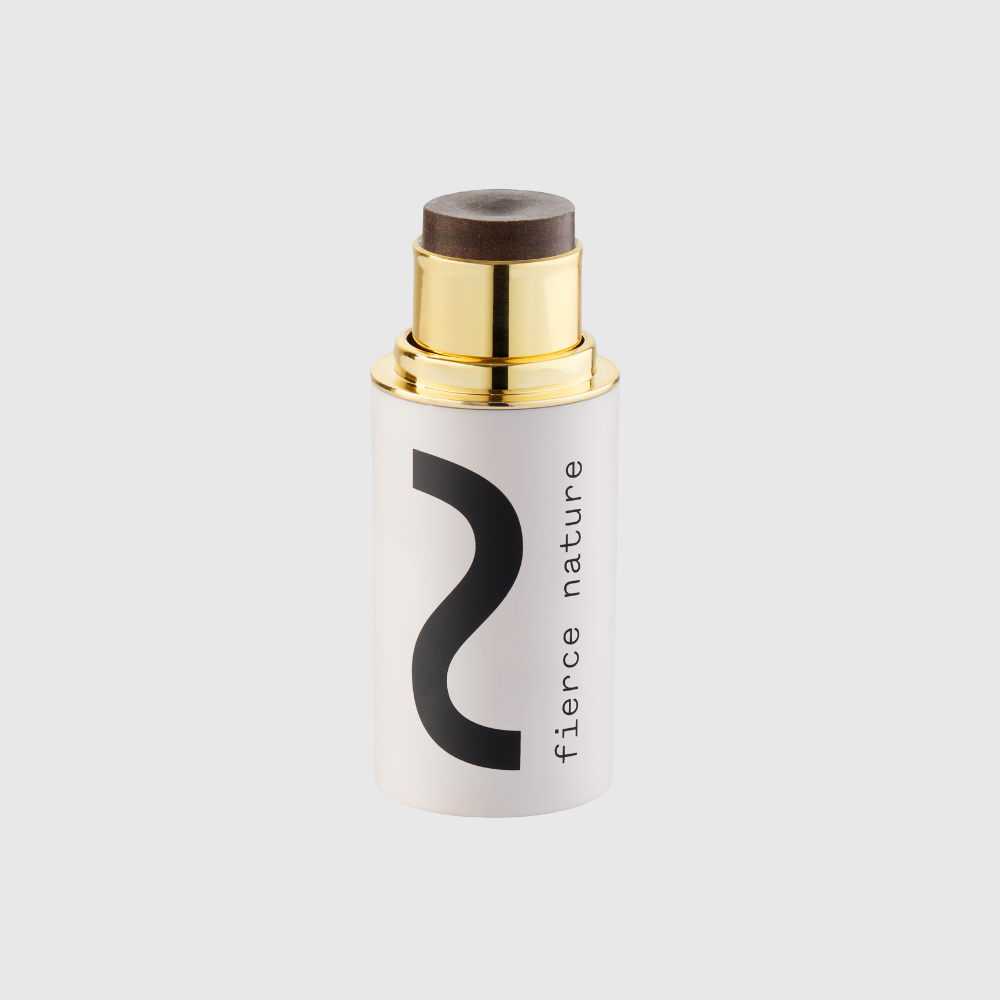
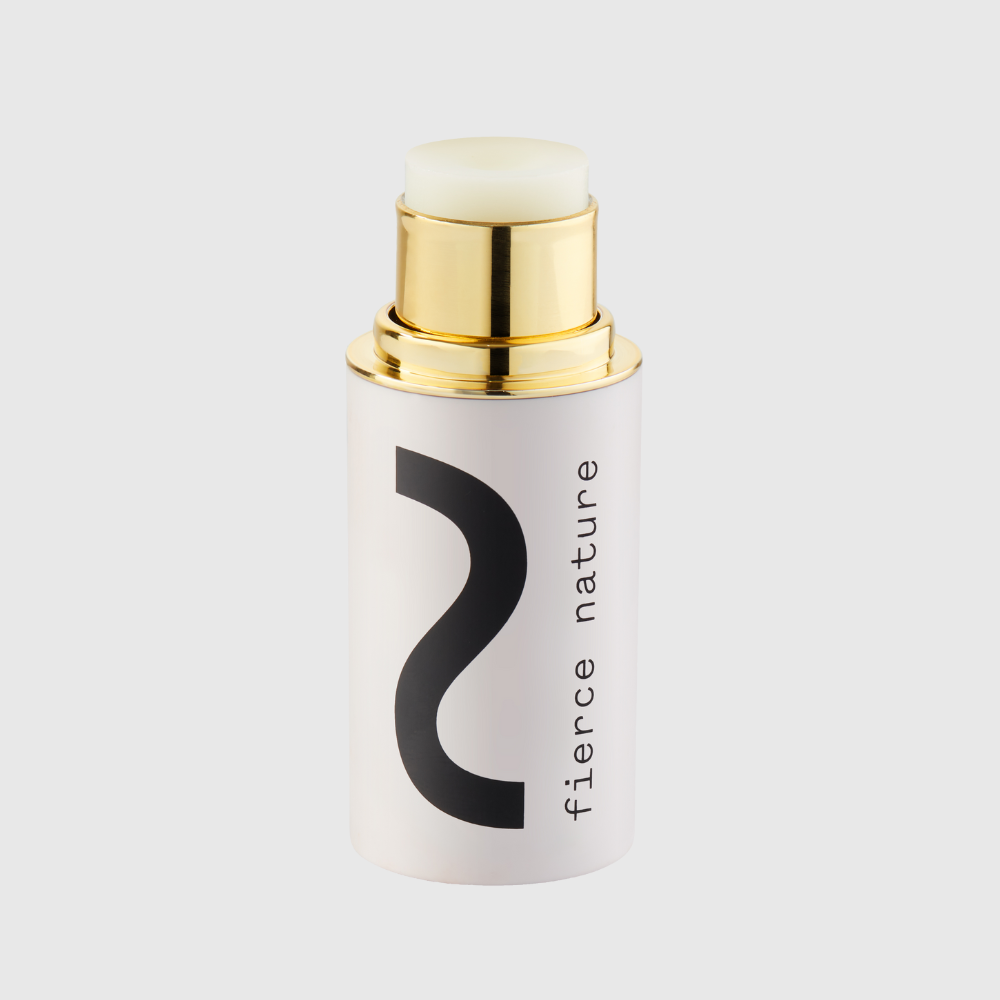
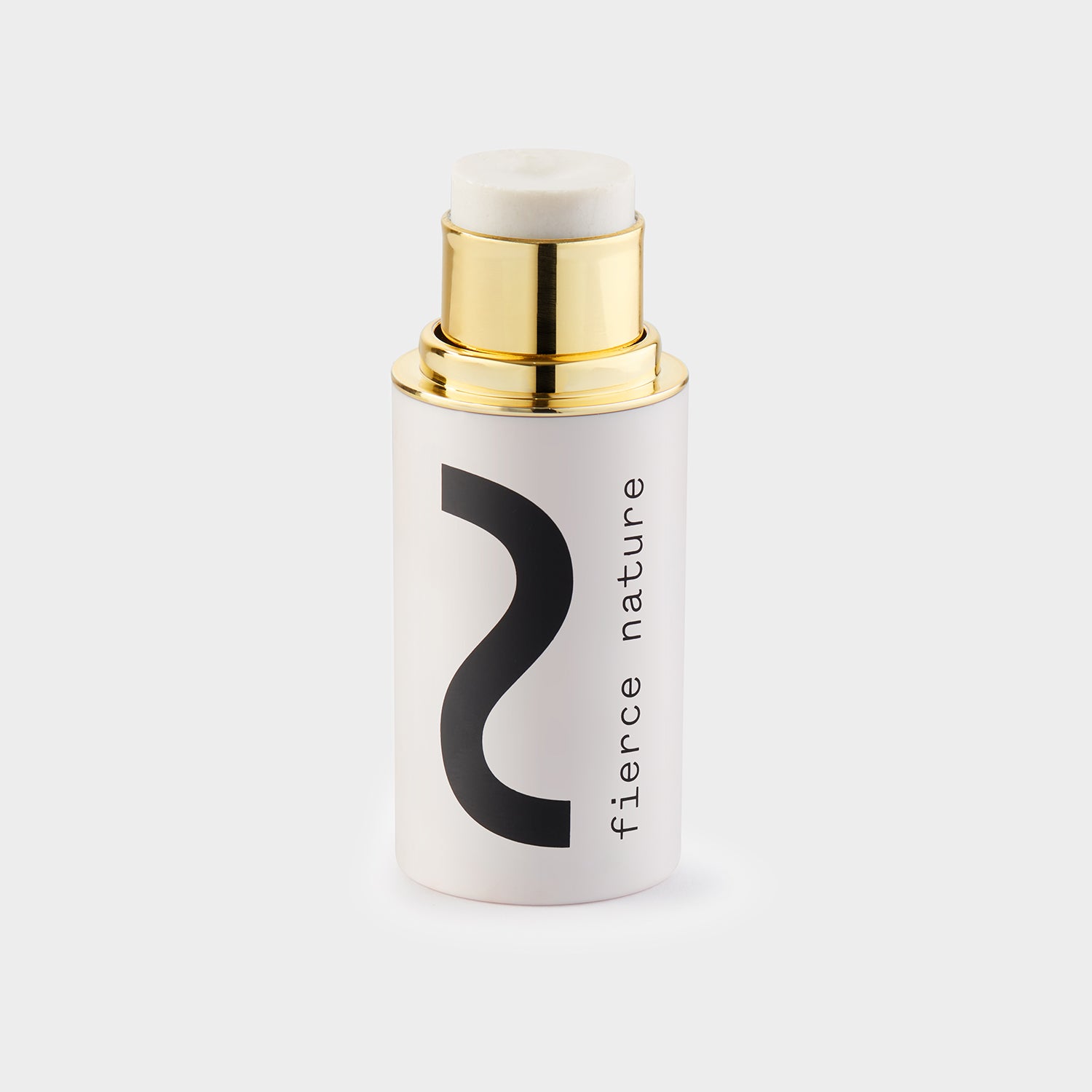
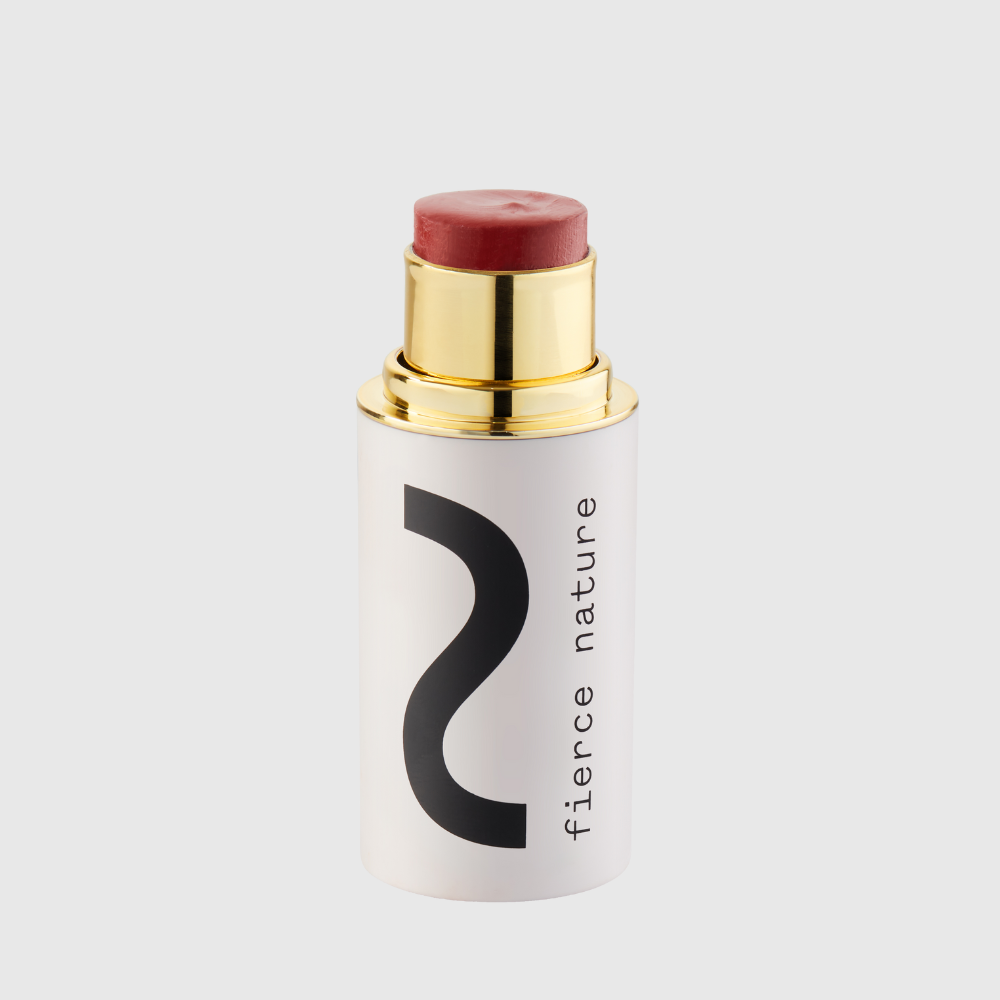
Natural ingredients
•
Kind to skin
•
A healthier planet
Ti abbiamo inviato un'email con un link per aggiornare la tua password.
reimposta la tua password
Ti invieremo un'e-mail per reimpostare la tua password.
Tallow and Your Skin Barrier: How a Balm Helps
Ralph Barrozo
0 Commenti
Tallow supports the skin barrier because it is made of the same kinds of fats your skin is made of. Its main fatty acids, oleic, palmitic and stearic acid, also turn up in the lipids (the natural fats) that hold the outer layer of your skin together. Spread as a thin layer of balm, it softens, cushions and slows moisture loss, which is what a stressed barrier needs most. Below we explain what the barrier is, what to look for in a tallow balm, how to use it step by step, and how to introduce it safely.
Fierce Nature
Nourish Your Skin Barrier with Tallow
Explore handmade UK skincare made with pure organic tallow and naturally sourced ingredients, crafted to nourish and soften skin.
Your skin barrier is the outermost layer of skin, a wall of cells held together by natural fats. When it is dry, tight or reactive, it needs fats and protection from water loss.
Tallow is rich in oleic, palmitic and stearic acids, fats that are also found in human skin lipids. A balm made on a tallow base is an emollient and occlusive: it softens the skin and seals moisture in.
Choose a balm with a short, readable ingredient list, a quality tallow base and gentle scenting, or none at all.
Apply a small amount to slightly damp skin, once a day to begin with, and patch test first.
If you have beef allergy, persistent eczema or a skin condition being treated, speak to your GP or pharmacist before starting.
The skin barrier sits in the outermost layer of your skin, called the stratum corneum. A common way to picture it is a brick wall. The skin cells are the bricks, and a mix of natural fats, including ceramides, cholesterol and fatty acids, is the mortar between them. Together they do two jobs: they keep water in, and they keep irritants and everyday grime out.
When the mortar is well supplied, skin feels soft, comfortable and calm. When it runs low, you notice it:
tightness after washing
rough, flaky patches
redness or stinging when you apply products that used to feel fine
hands and lips that crack in cold weather
In the UK, plenty of ordinary things wear the barrier down. Central heating dries the air from October to March. Hot showers strip natural oils. Foaming cleansers, hand sanitiser, frequent washing and windy, damp weather all play a part. So does over-exfoliating, which is a very common cause of a sore, shiny, reactive face.
A barrier-friendly approach is simple. Cleanse gently, avoid stripping the skin, and replace the fats that get lost. That last step is where a tallow balm comes in.
Why tallow suits a stressed barrier
A fat profile that looks familiar to skin
Tallow is rendered fat from grass-fed cattle. Its fatty acids are mainly oleic, palmitic and stearic acid. These same three fatty acids are found among the lipids of human skin. That overlap is why tallow is often described as feeling familiar on the skin: it is made of building blocks your skin already recognises, rather than a long list of unfamiliar synthetic ingredients.
Emollient: something that softens and smooths the skin by filling in the gaps between cells.
Occlusive: something that forms a light seal on the surface, so water stays in rather than evaporating.
Tallow does both. Because it is a dense, rich fat, it makes a protective layer on the skin, and under that layer the skin can hold on to its own moisture. This is why a tallow balm tends to feel so comforting on dry cheeks, chapped hands, elbows, heels and windburnt skin. It is also why we recommend applying it to slightly damp skin: the balm helps keep that surface moisture where it is.
Nourishment from a whole-food ingredient
Tallow has been used for centuries as a skin emollient and in soap making. Our own approach comes from that tradition. We use pure organic tallow as the foundation of our handmade balms, and our formulas are designed for deep nourishment. Tallow also contains small amounts of fat-soluble vitamins, and we choose premium, naturally sourced ingredients to go alongside it.
The skin barrier is one of the reasons we started Fierce Nature. Our founder grew up in South Africa battling rashes and reactions to mainstream cosmetics, and the search for gentler, simpler products is where our range began.
How to choose a tallow balm for barrier care
Not every tallow balm is the same. Because the barrier is easily upset, the quality of the formula matters more than the label on the front. Here is what we look at.
1. A short, readable ingredient list
The fewer the ingredients, the easier it is to know what your skin is meeting. A good barrier balm should read like a recipe: a tallow base, a plant oil or butter or two, and perhaps a few botanicals. If you cannot say what an ingredient is, that is a reason to look closer.
2. The quality of the tallow
Tallow is only as good as the animal and the rendering behind it. We use premium, grass-fed tallow, with pure organic tallow as the foundation of our products. Look for a maker who says where the tallow comes from and how the balm is made. Our balms are handmade in the UK.
3. Fragrance and essential oils
Fragrance is the most common trigger of allergic reactions to cosmetics, so a stressed barrier is often happier without it. If your skin is sensitive, start with an unscented option. Eczema UK lists perfume allergy as the commonest cause of allergic contact dermatitis from cosmetics and toiletries. Scented products are lovely when your skin is calm, and not something to rush into when it is not.
4. The right format for the job
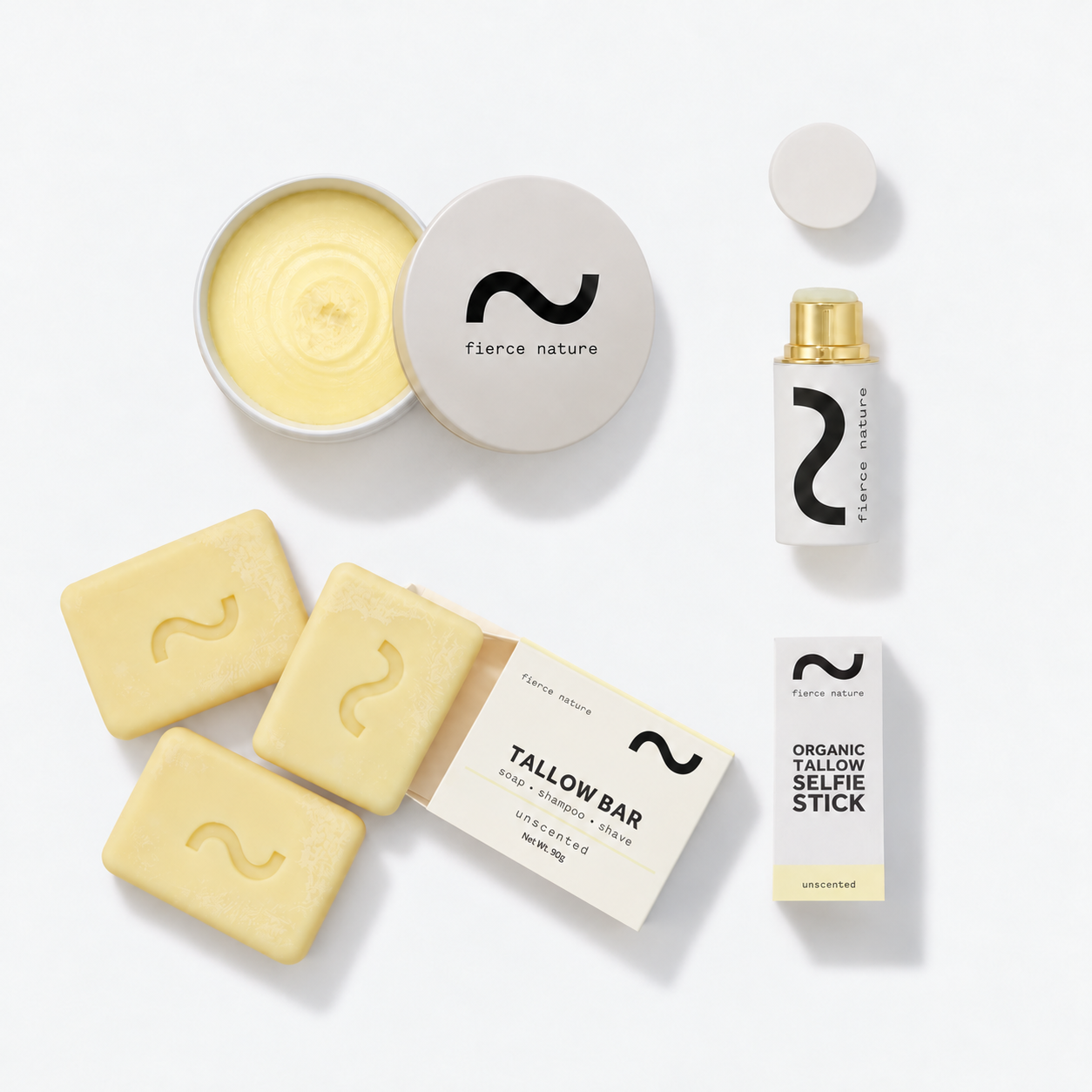
Different areas of the body ask for different textures. A face balm is typically lighter and used in a smaller amount. A body balm is richer and goes further on hands, elbows and legs. A multi-purpose bar melts on contact with warm skin and is handy for travelling and for rough patches.
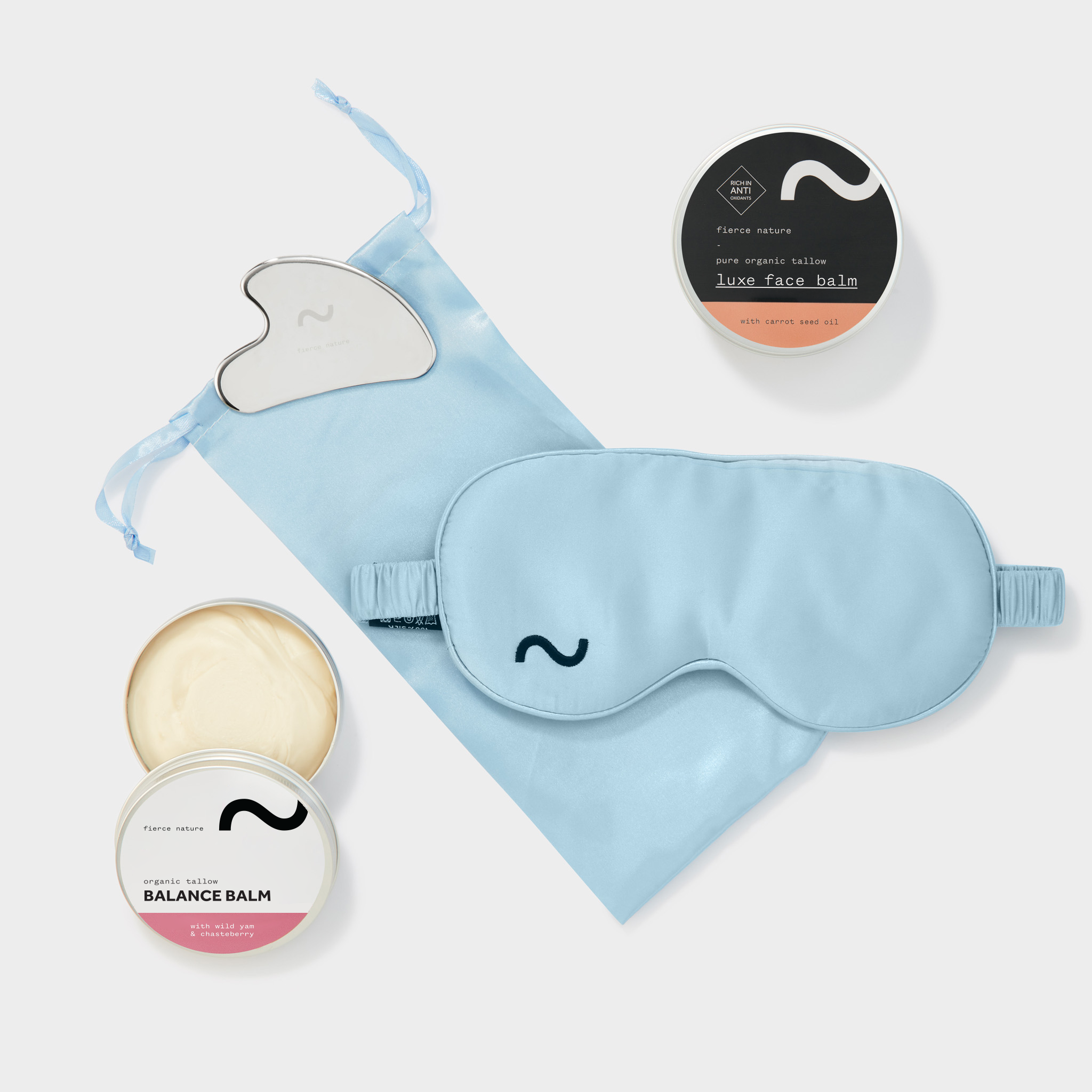
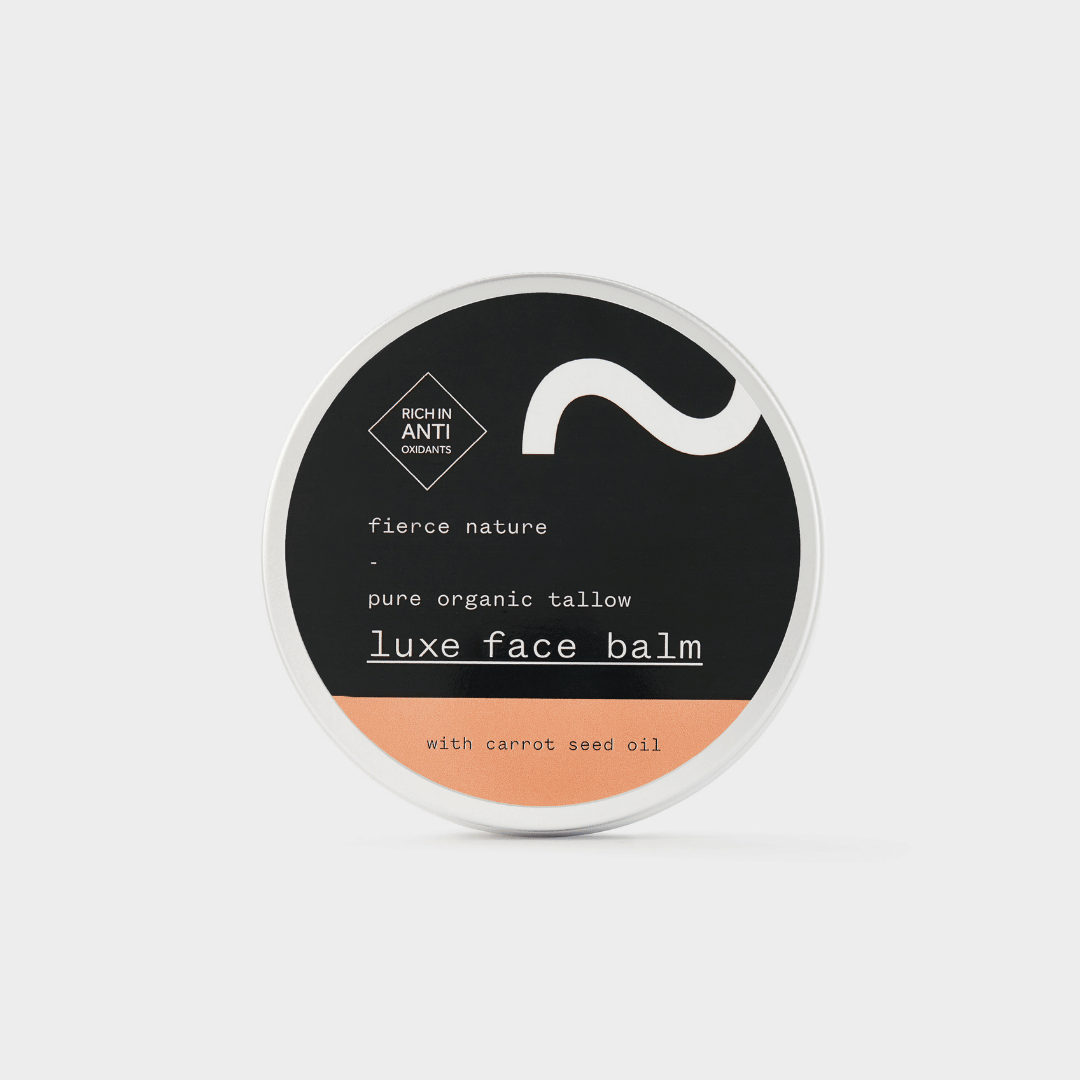
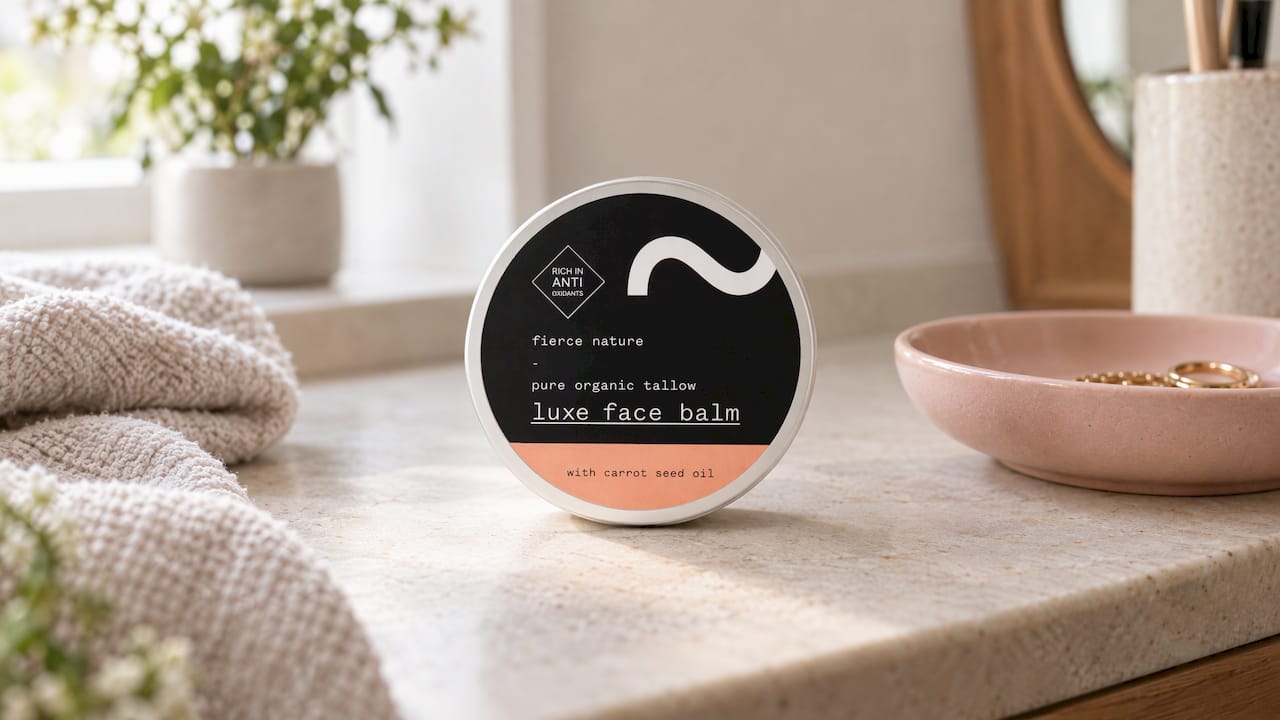
For the face, our Luxe Balm is a good place to begin.
A natural fat balm should be stored properly. Keep the jar closed, out of direct sunlight and away from heat, and take product out with clean, dry fingers or a clean spatula. That keeps the balm fresh and keeps water and bacteria out of the pot.
How to use a tallow balm on your skin barrier
Here is the routine we suggest, in manageable steps.
Patch test first. Put a small amount on the inner forearm or behind the ear. Leave it for 24 hours and watch for redness, itching or bumps. If anything appears, wash it off and stop. This is worth doing with any new skincare product, and especially one made from an animal-derived ingredient.
Cleanse gently. Use lukewarm water and a mild cleanser, or simply water in the morning. Very hot water and harsh foaming washes strip the fats you are trying to protect.
Leave the skin slightly damp. Pat with a towel rather than rubbing. Damp skin gives the balm some surface moisture to hold in.
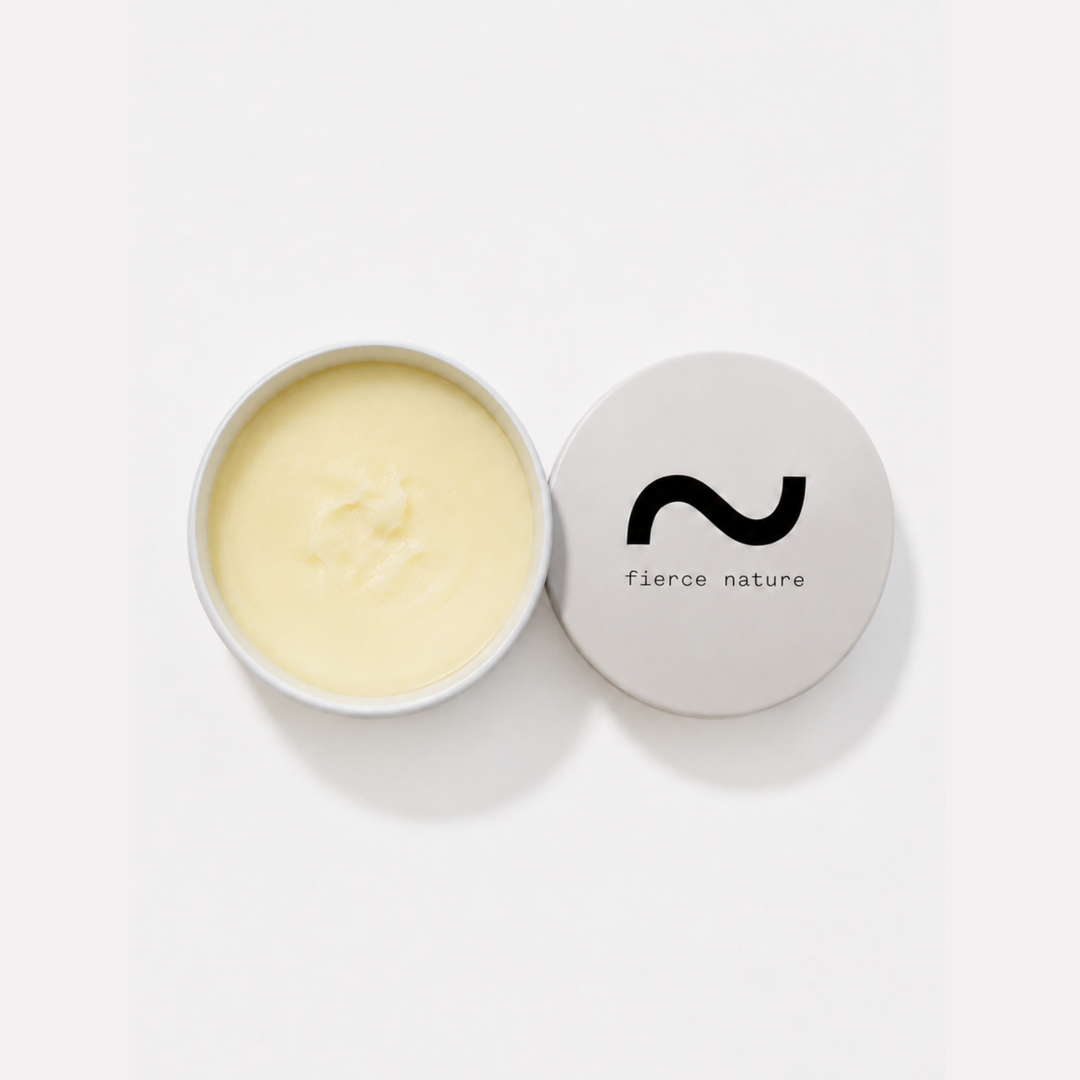
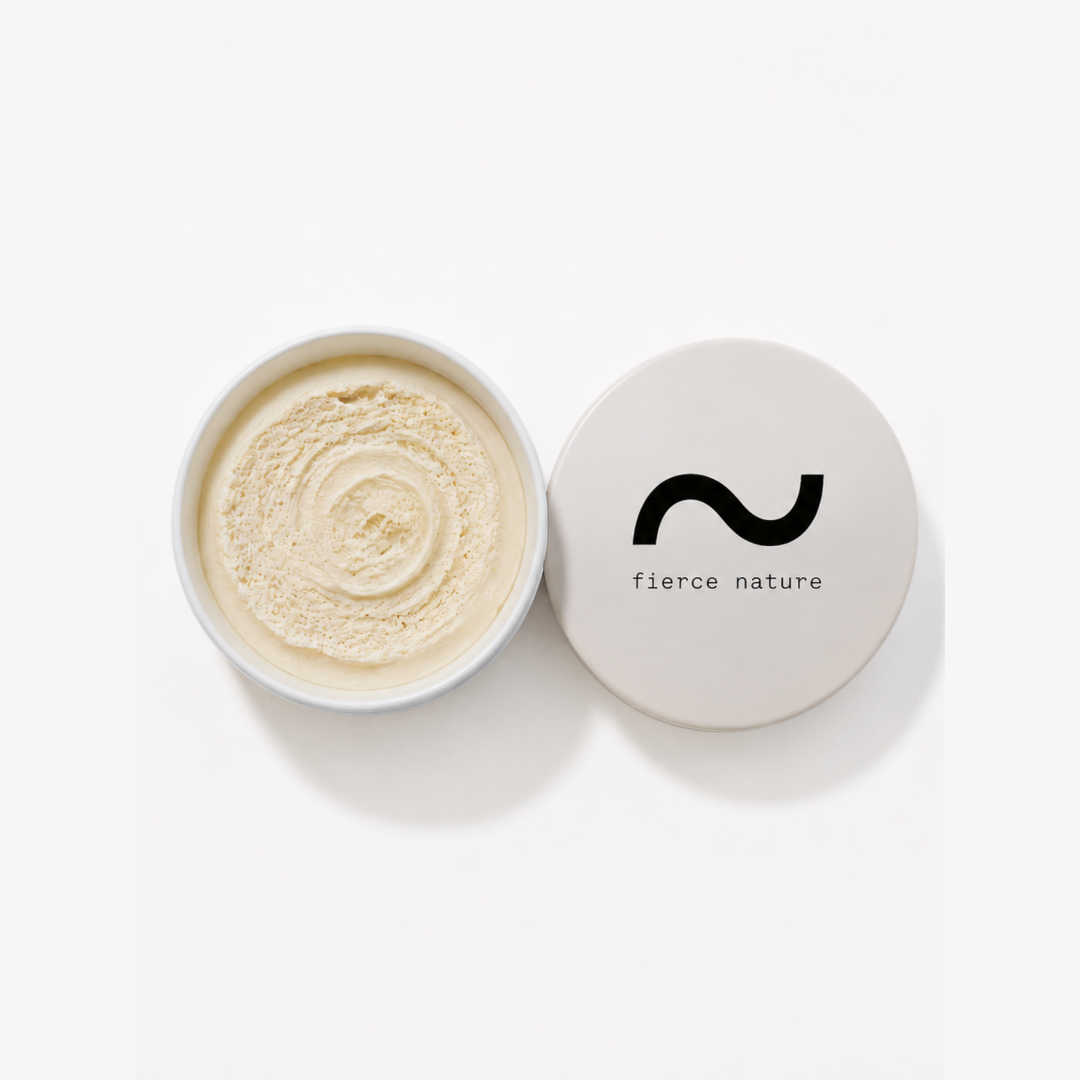
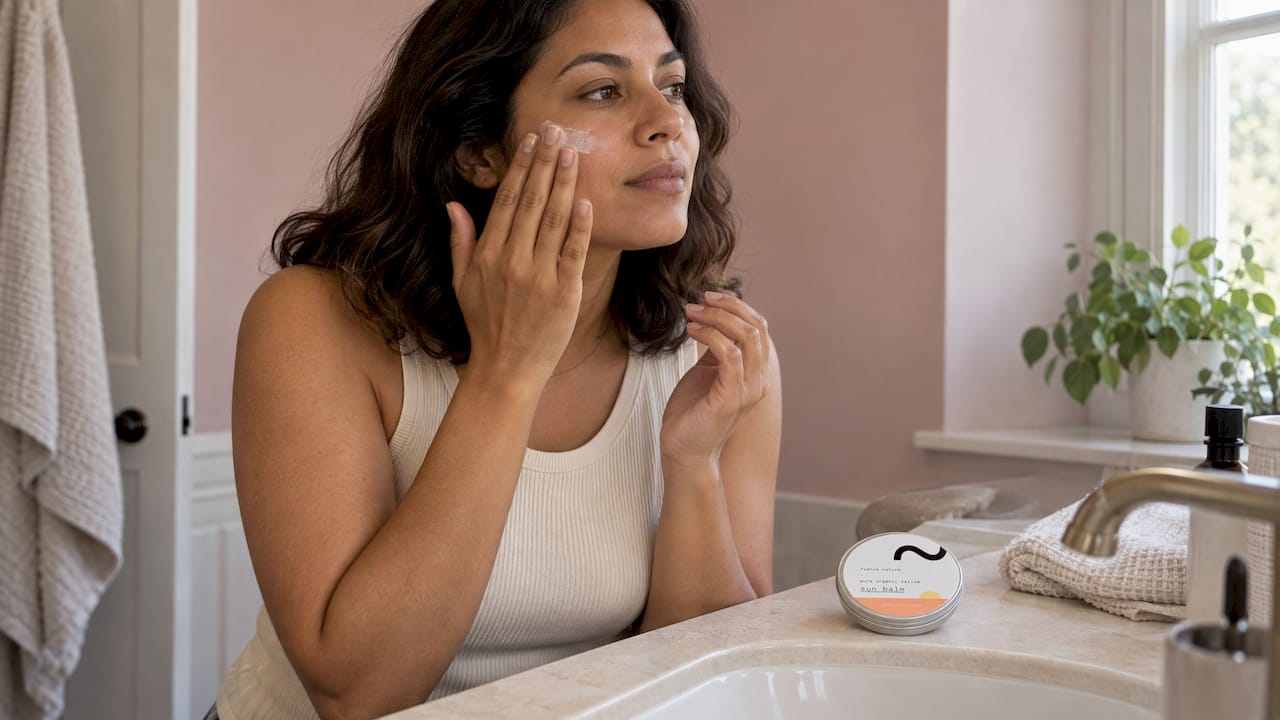
Warm a small amount between your fingers. Tallow balm melts at skin temperature. A pea-sized amount is plenty for the face. You can always add more, and it is hard to take away.
Press and smooth, do not rub. Press the balm into the skin, then smooth it over. On very dry areas, such as hands, heels and elbows, you can use a little more.
Start with once a day. Evening is the easiest time, because a rich balm works well overnight while the skin repairs. Once you know how your skin feels, you can add a morning layer if you wish.
Give it two to four weeks. Barrier care is about steady habits. Keep the rest of your routine simple and avoid changing several things at once, so you can see what is helping.
Face and body: what changes
On the face, use less than you think. A thin layer is enough, and it is best to avoid the eye area at first. Slightly oilier areas of the face may need only a touch, while cheeks and the area around the mouth, which are often the driest, may welcome more.
On the body, apply straight after a shower, when skin is still damp. Focus on the places where the barrier takes the most punishment: hands, shins, elbows, knees, feet and lips. A tallow balm is also a comforting option for areas rubbed by clothes or exposed to cold wind.
Layering with the rest of your routine
Keep it uncomplicated. A gentle cleanser, your balm, and sun protection in the daytime are the core. If you use other products, apply thinner, water-based ones first and the balm last, as the final seal. Avoid adding strong exfoliating acids or retinoids on the same night when you are rebuilding a sore barrier.
Who should take extra care
A tallow balm is a thoughtful choice for dry skin, and a gentle introduction makes it a better one. A few situations deserve a pause first.
Beef allergy or sensitivity. Tallow comes from cattle, and trace beef proteins could trigger a reaction in someone who is allergic to beef. If that is you, speak to your GP before using it. Our guide to tallow allergy covers what a reaction can look like.
Eczema. Eczema is a medical condition, and a moisturiser is part of managing it, not a replacement for medical advice. If you have persistent eczema, particularly on the face, eyelids or hands, talk to your GP or pharmacist before adding a new product. Eczema UK notes that NICE guidance advises referral for patch testing when allergic contact dermatitis is suspected in persistent atopic eczema. If a product seems to make a flare worse, stop using it and ask for advice.
Acne-prone or oily skin. Rich balms feel different on skin that produces a lot of oil. If you are acne-prone, begin with a very thin layer on a small area a couple of times a week and see how your skin responds. Our articles on whether tallow is comedogenic and tallow for acne explain how to go about this.
Babies and young children. Skin is thinner and more reactive in babies. Our guide to tallow skincare for babies has more, and your health visitor or GP is the person to ask about a baby’s skin condition.
Broken or infected skin. Do not put any balm on open wounds, weeping skin or signs of infection such as spreading redness, heat or pus. See your GP.
Skin that is changing. A mole or patch that is new, changing, bleeding or not healing needs to be seen by a GP, not treated with a balm.
Sun protection still matters
A balm is not a sunscreen. Tallow has no known sun-protective qualities of its own, and a rich layer of fat on the skin is not a substitute for SPF. The barrier is more fragile when it is sunburnt, so protect it. Wear sun protection on exposed skin whenever the UV index is 3 or above, which in the UK is usually from spring to early autumn, and cover up or seek shade in strong sun. We make a sun protection balm (SPF) as part of our range for exactly this reason.
Habits that help your barrier along
A balm works best alongside a few small changes.
Shorter, cooler showers. Warm rather than hot water leaves more of your natural oils in place.
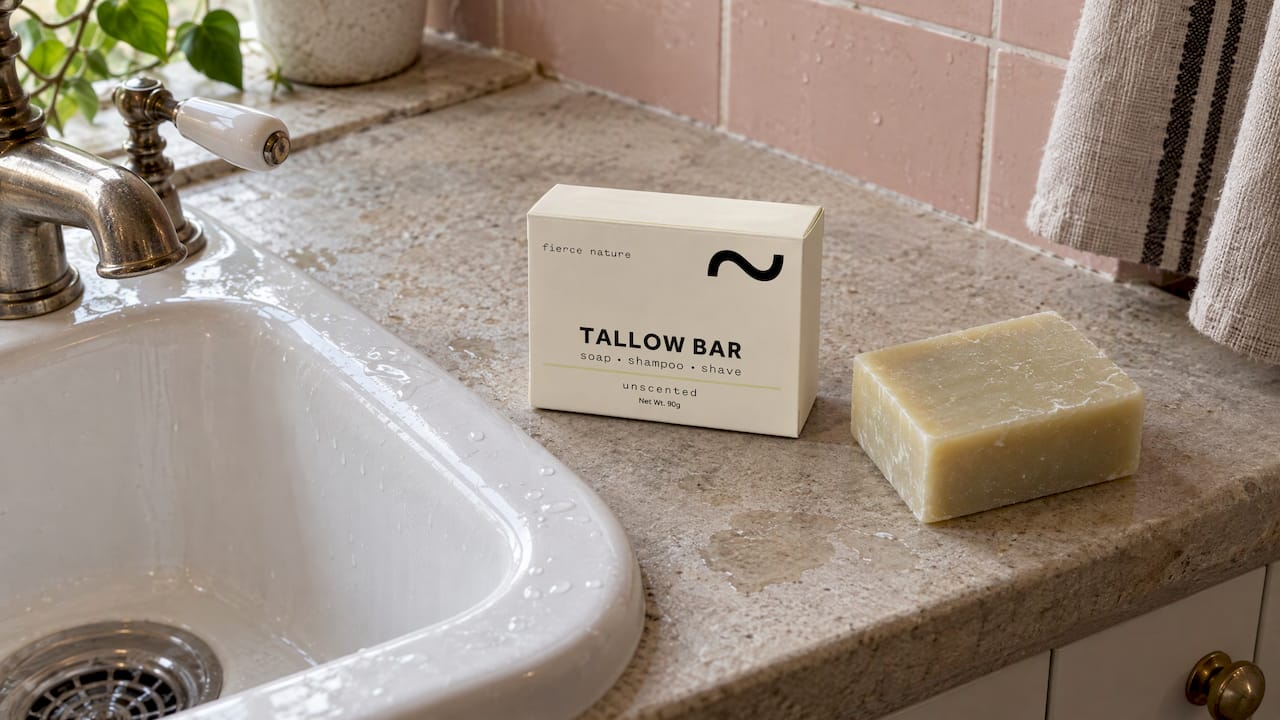
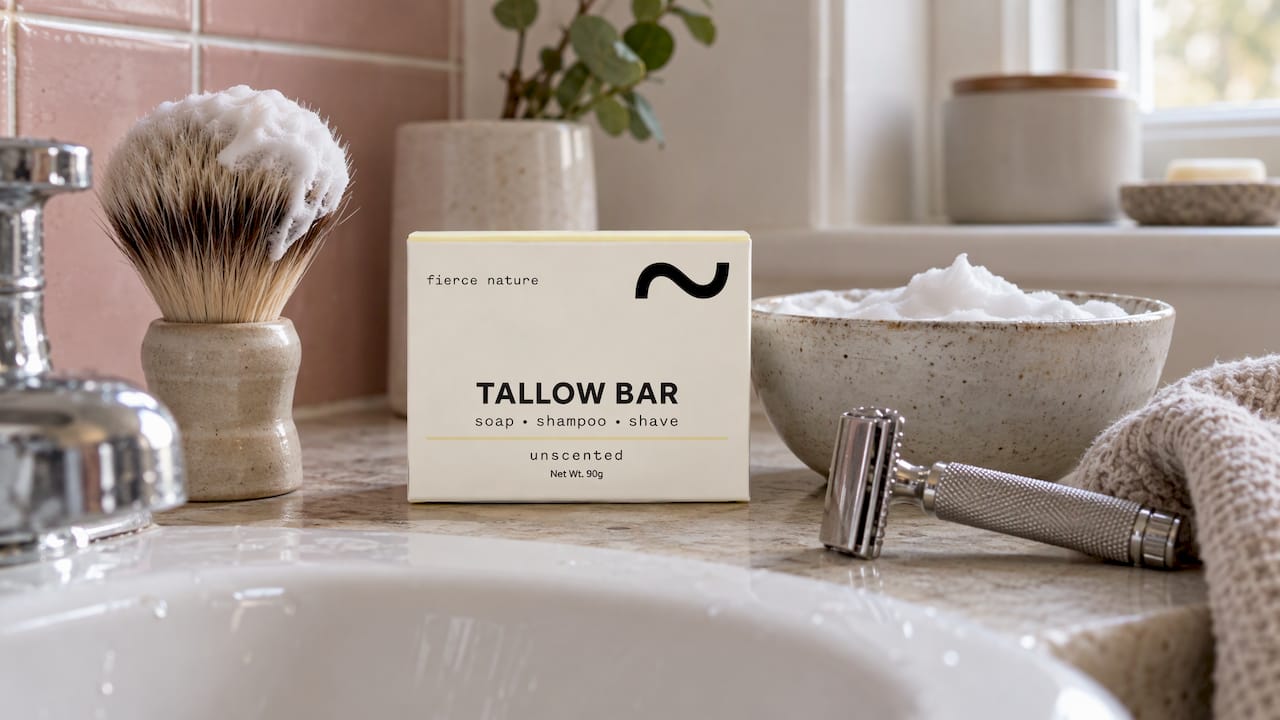
Gentle cleansing. Cleanse once or twice a day at most. Our tallow soaps are made to cleanse without that stripped, squeaky feeling, and you can read more in our guide to tallow soap.
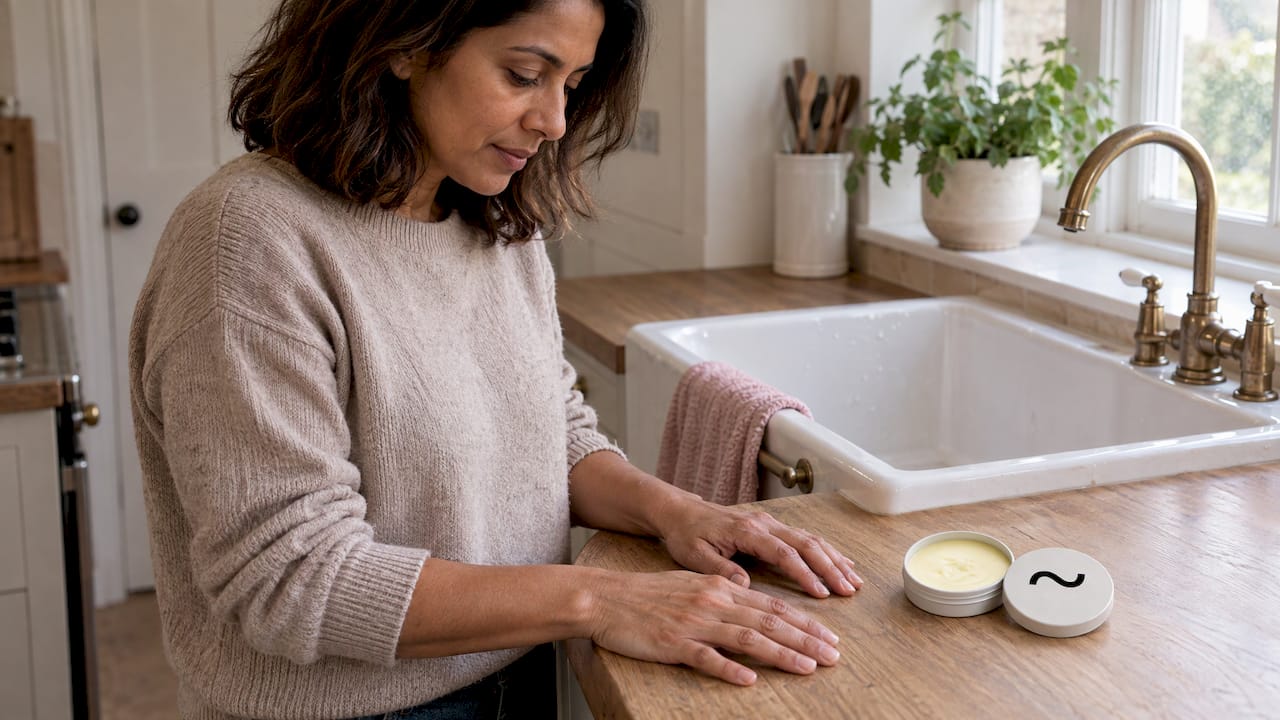
Moisturise after washing hands. Hands are washed more than any other part of the body, and a quick press of balm after drying keeps cracks from forming.
Humidify and layer up. Dry indoor air and cold wind both pull moisture from skin. Gloves, scarves and a bowl of water on a radiator are small, cheap help.
Eat and drink well. Skin is nourished from within, too. Plenty of water and a diet with good fats, protein and colourful vegetables support skin health.
Keep it simple. The fewer products you use while the barrier recovers, the easier it is to see what is working.
What our experience of tallow tells us
Skincare has become complicated, and we think that is a big part of why so many skins are unhappy. When we began Fierce Nature, we were guided by a simple question: what would nourish skin the way food nourishes the body?
Our answer was tallow. We use pure organic tallow as the foundation of every balm because it has been used for centuries as a skin emollient, and because its fats are the same kinds your skin already contains. We hand make our products in the UK with premium, naturally sourced ingredients, and we are open about everything that goes into them.
For a stressed barrier, we believe in working with your skin, not against it. That means a gentle cleanse, a thin layer of rich balm to cushion and protect, sun protection by day, and patience. Our balms are designed for deep nourishment, so a little goes a long way, and every jar is made to be part of a calm, short routine rather than a ten-step one.
Our founder knows from her own teenage years what it is like when skin reacts to everything. That is why we encourage everyone to patch test, to start with a small amount, and to choose unscented first if their skin is sensitive. Your skin will tell you what it likes, and we would rather you listened to it.
Fierce Nature
Find the right balm for your barrier
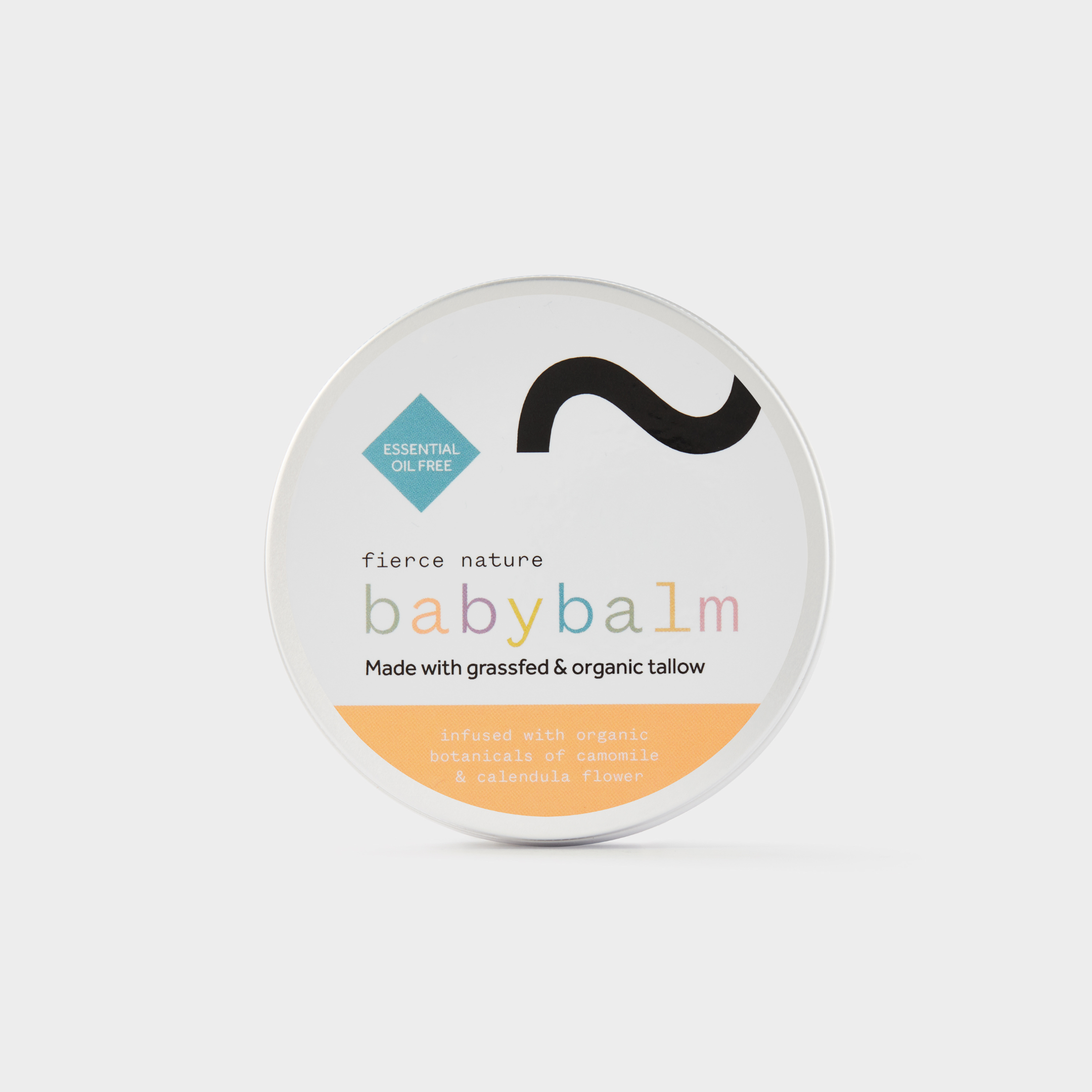
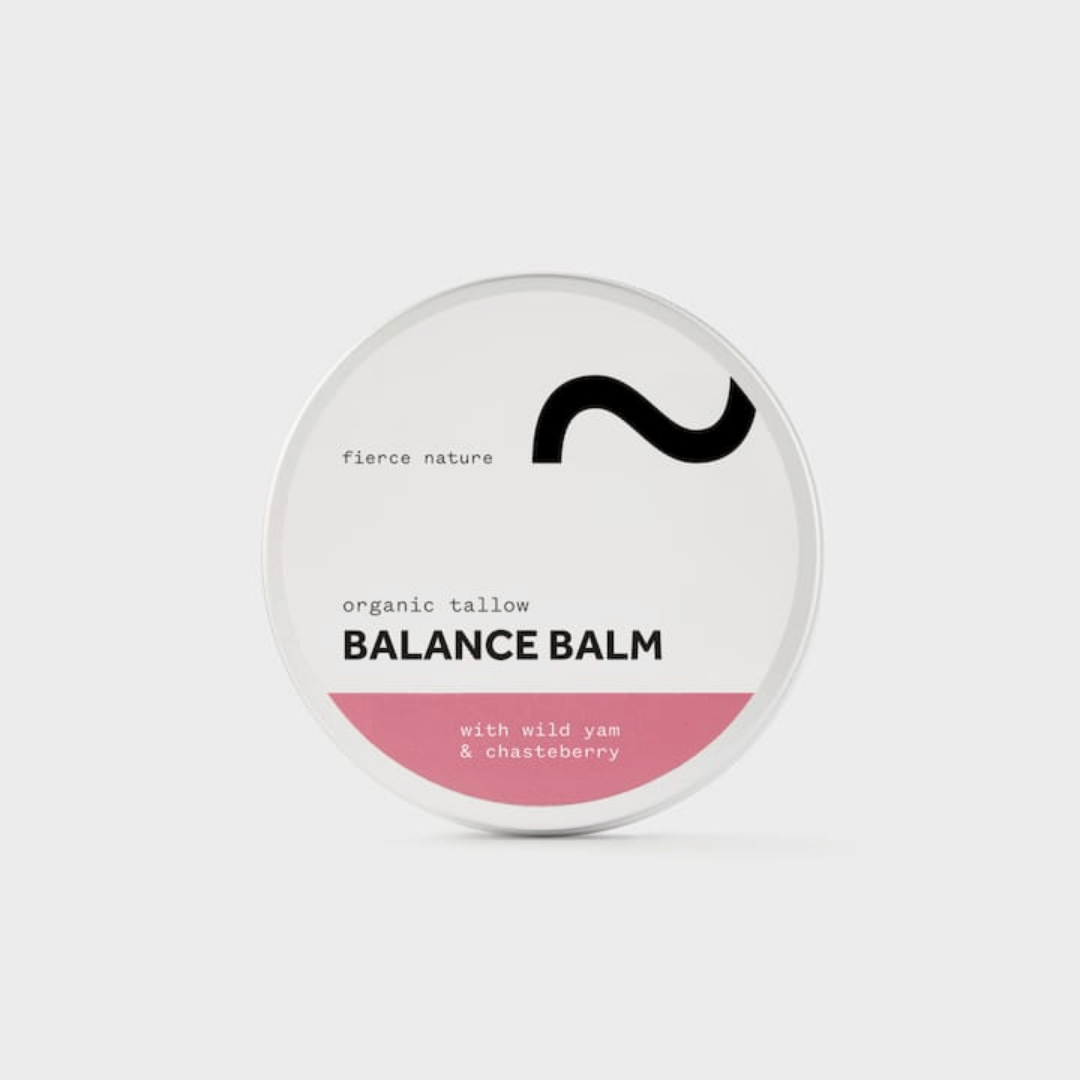
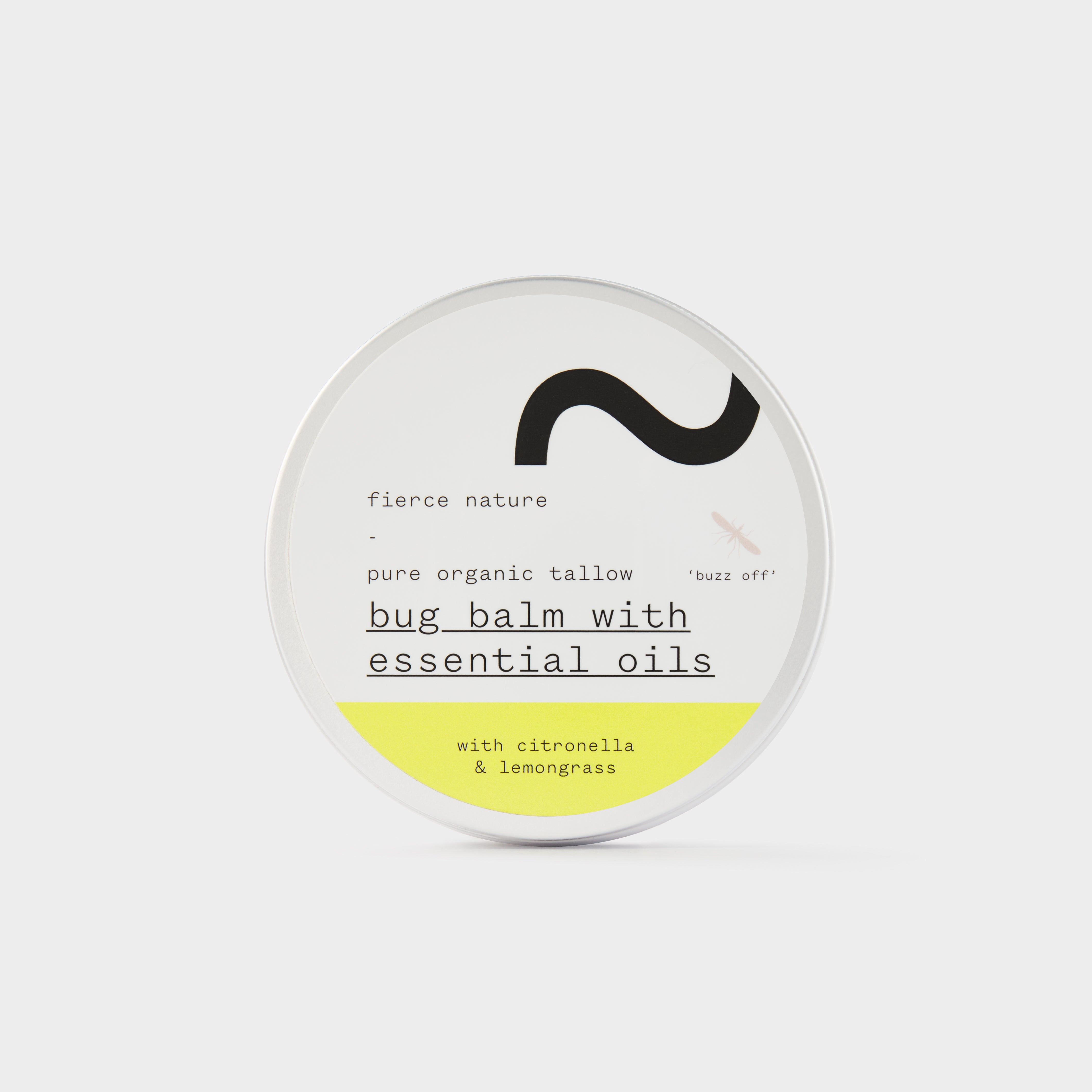
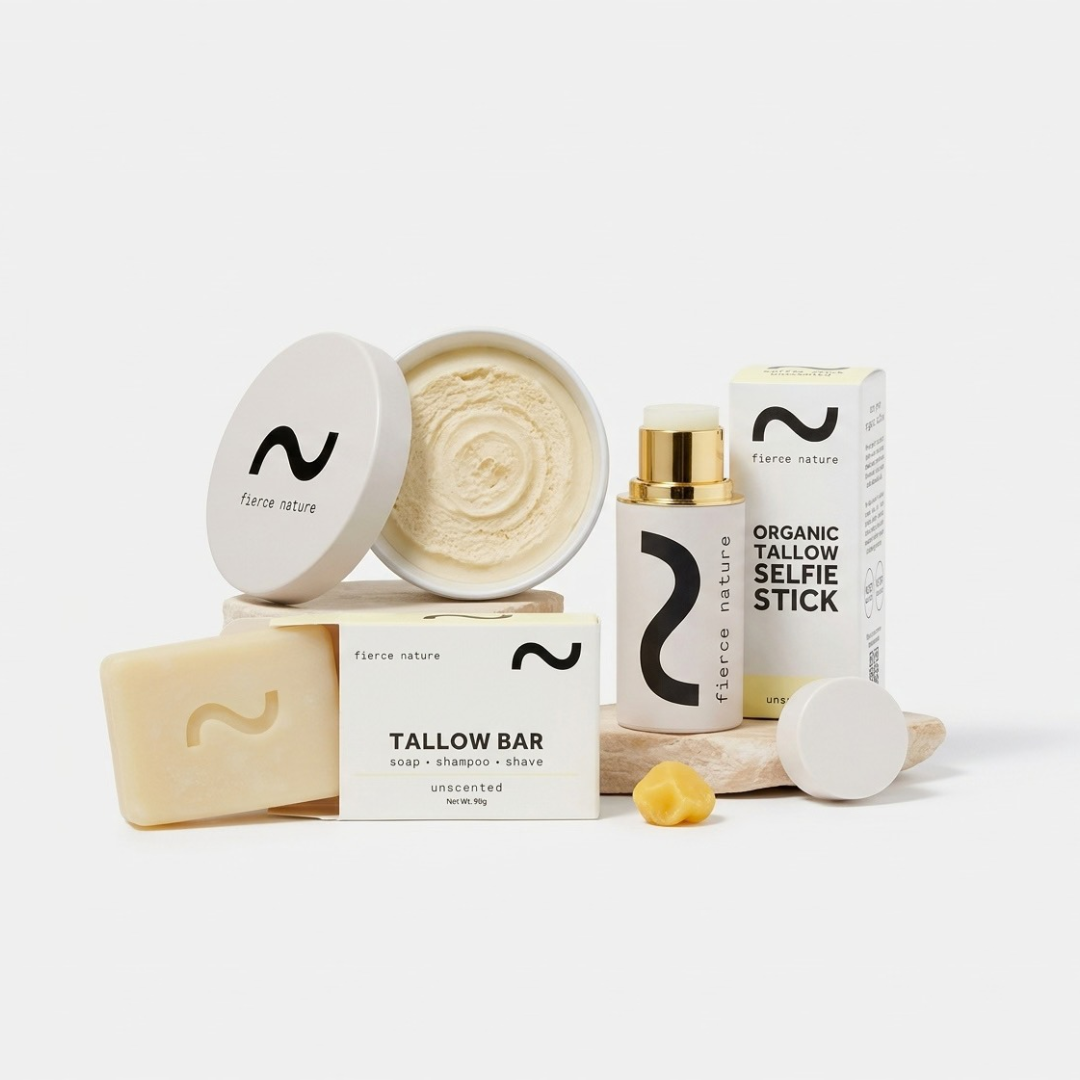
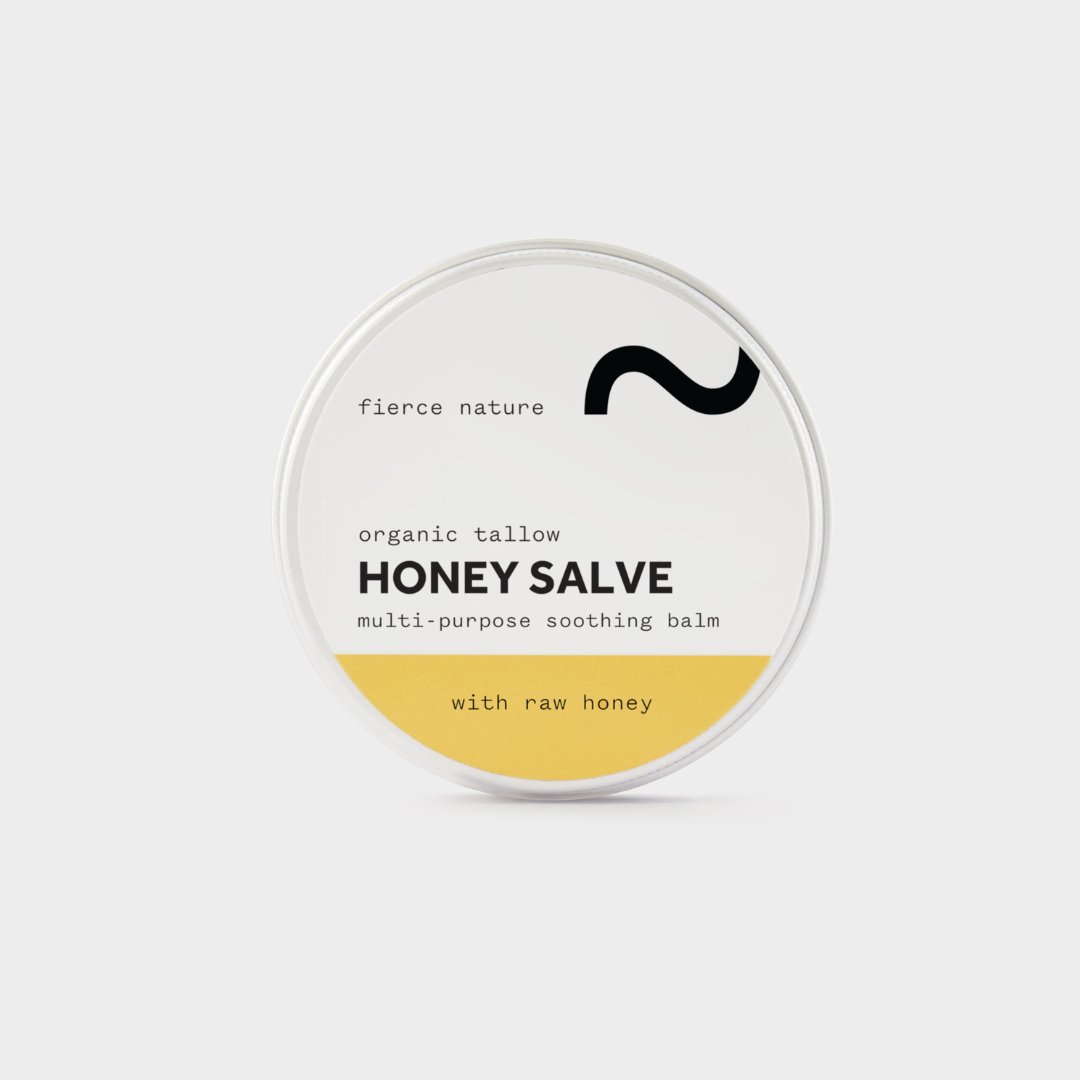
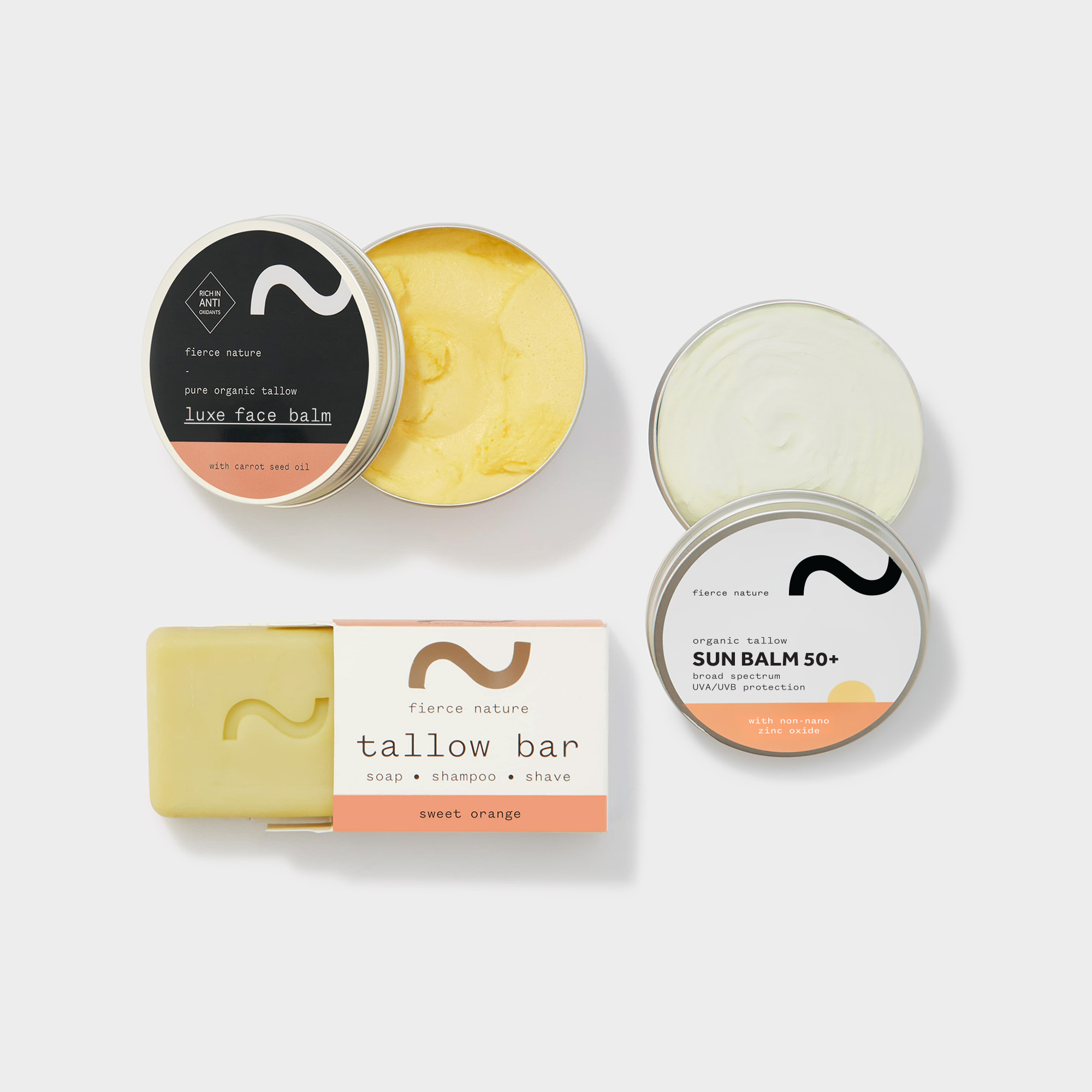
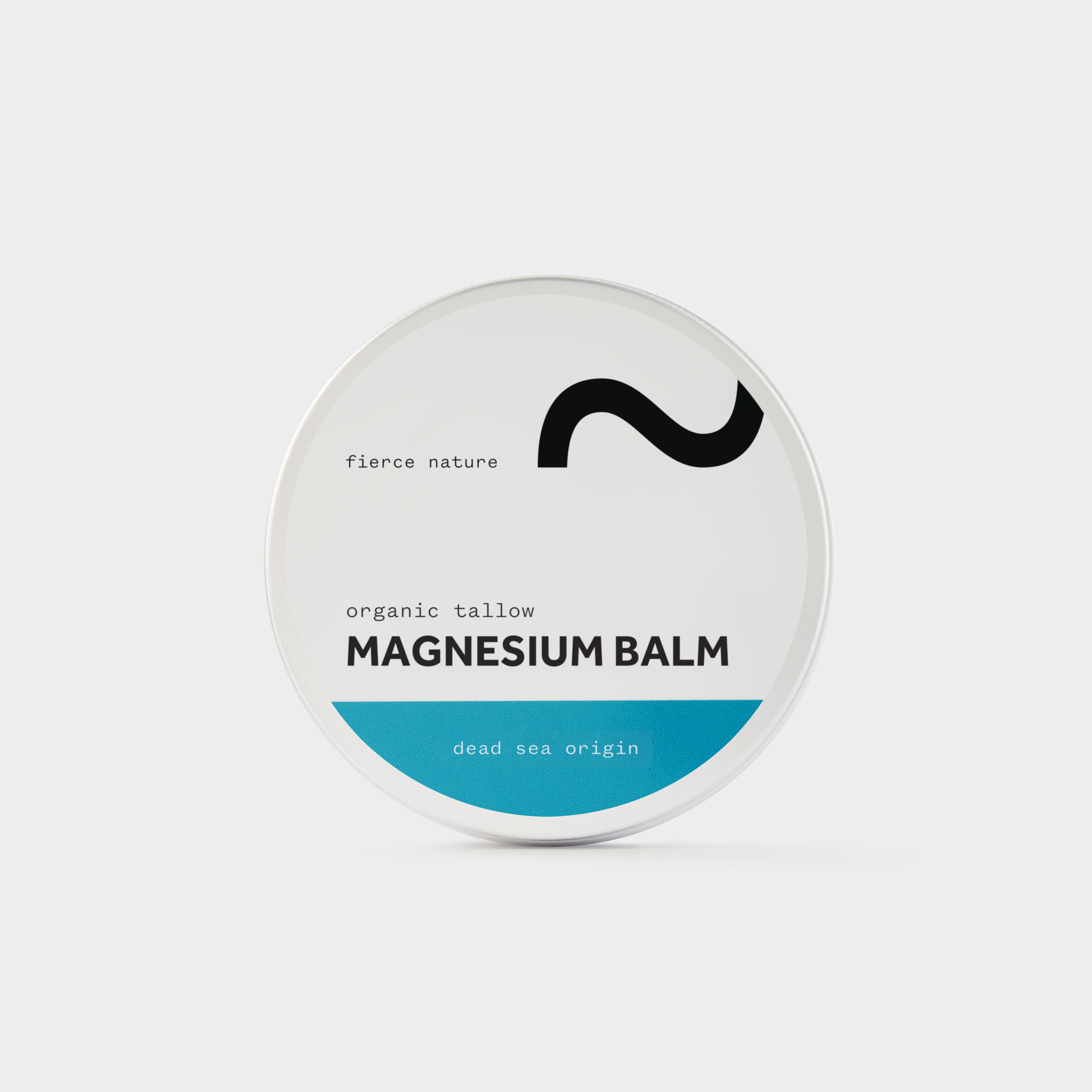
If you would like to try tallow for your own skin, our face and body balms are handmade in the UK on a base of pure organic tallow. For a richer, everyday step, the Nourish Balms Collection is a good place to start, and the Functional Balm Collection offers balms for particular jobs. If you are not sure where to begin, our face balm guide walks you through choosing one, and our Skin Blog has more on caring for your skin the natural way.
FAQ
How do I repair a damaged skin barrier?
Keep your routine simple: cleanse gently with lukewarm water, avoid harsh scrubs and strong actives, and moisturise while skin is still damp. A rich balm with tallow as its base can help cushion the skin and slow moisture loss while it recovers. Barrier repair usually takes a few weeks, and if your skin is painful, weeping or not improving, see your GP or pharmacist.
Is tallow good for sensitive skin?
Many people with dry, sensitive skin enjoy tallow because it has a short ingredient list and a fat profile similar to the skin’s own lipids. Choose an unscented balm, patch test on your inner forearm for 24 hours, and then start with a small amount. If you are allergic to beef, speak to your GP before using it.
Can I use tallow balm on eczema?
Eczema is a medical condition, so the first step is to talk to your GP or pharmacist about a routine that suits you, especially if it is persistent or on the face, eyelids or hands. If they are happy for you to try a tallow balm, choose an unscented one, patch test first and stop if your skin becomes more irritated.
Does tallow balm replace sunscreen?
No. Tallow has no known sun-protective qualities, so you still need SPF on exposed skin when the UV index is high. Use your balm as part of your care routine and add sun protection on top in the daytime. We also make a sun protection balm (SPF) for this purpose.
How often should I apply tallow balm?
Begin with once a day, ideally in the evening on slightly damp skin, using a pea-sized amount for the face. Once you know how your skin responds, you can add a morning application, or use extra on dry areas such as hands, elbows and heels.