Natural ingredients
•
Kind to skin
•
A healthier planet
We hebben je een e-mail gestuurd met een link om je wachtwoord bij te werken.
Stel je wachtwoord opnieuw in
We sturen je een e-mail om je wachtwoord opnieuw in te stellen.
Lip Balm vs Ointment: Which Is Right for Your Lips?
Ralph Barrozo
0 opmerkingen
A lip balm and an ointment are not rivals so much as neighbours on the same shelf. “Lip balm” is the broad name for anything you put on your lips to soften and protect them. An ointment is a thicker, greasier kind of preparation that seals the skin more heavily. For everyday comfort a balm is usually enough. For lips that are cracked, sore or very dry, you want the thick, ointment-like end of the range, ideally without fragrance. That is exactly where a rich, fat-based balm such as our tallow balms sits.
Below we explain what actually separates the two, what to look for on the label, how to use them through the day and night, and when lips need a pharmacist or GP rather than another layer of balm.
Fierce Nature
Choose a Richer Balm for Dry Lips
Explore Fierce Nature’s handmade UK balms, crafted with naturally sourced ingredients and organic tallow as their foundation.
Balm is the umbrella term, ointment is the thick end of it. Ointments are made mostly of oils and fats, so they are greasy, long-lasting and seal in moisture well.
Neither adds water. Both work by sealing in the moisture your lips already have and shielding them from wind, cold and dry air.
Match the texture to the problem. Light balm for daily upkeep, a thick ointment-style balm for chapped lips and for overnight.
Choose unscented. Fragrance, mint and strong flavourings are common triggers for irritated lips.
Persistent, painful or swollen lips need a pharmacist or GP, not more product.
What is the difference between lip balm and ointment?
The confusion comes from language rather than chemistry. “Lip balm” describes a job: soothing, moisturising and protecting the lips. It can come as a stick, a tube or a pot, and it can be waxy, oily, buttery or lightly tinted. “Ointment” describes a texture and a formulation: a semi-solid preparation made of oils or fats with little or no water in it.
That last point matters. The NHS describes ointments as the thick, greasy end of the emollient range (emollients are moisturising treatments for dry skin). Because they contain very little water, they usually need few or no preservatives, which is one reason they are often well tolerated by sensitive skin. They also stay on the skin longer, which is why they are the usual suggestion for very dry skin and for night-time.
So a lip balm can be an ointment, or it can be something lighter:
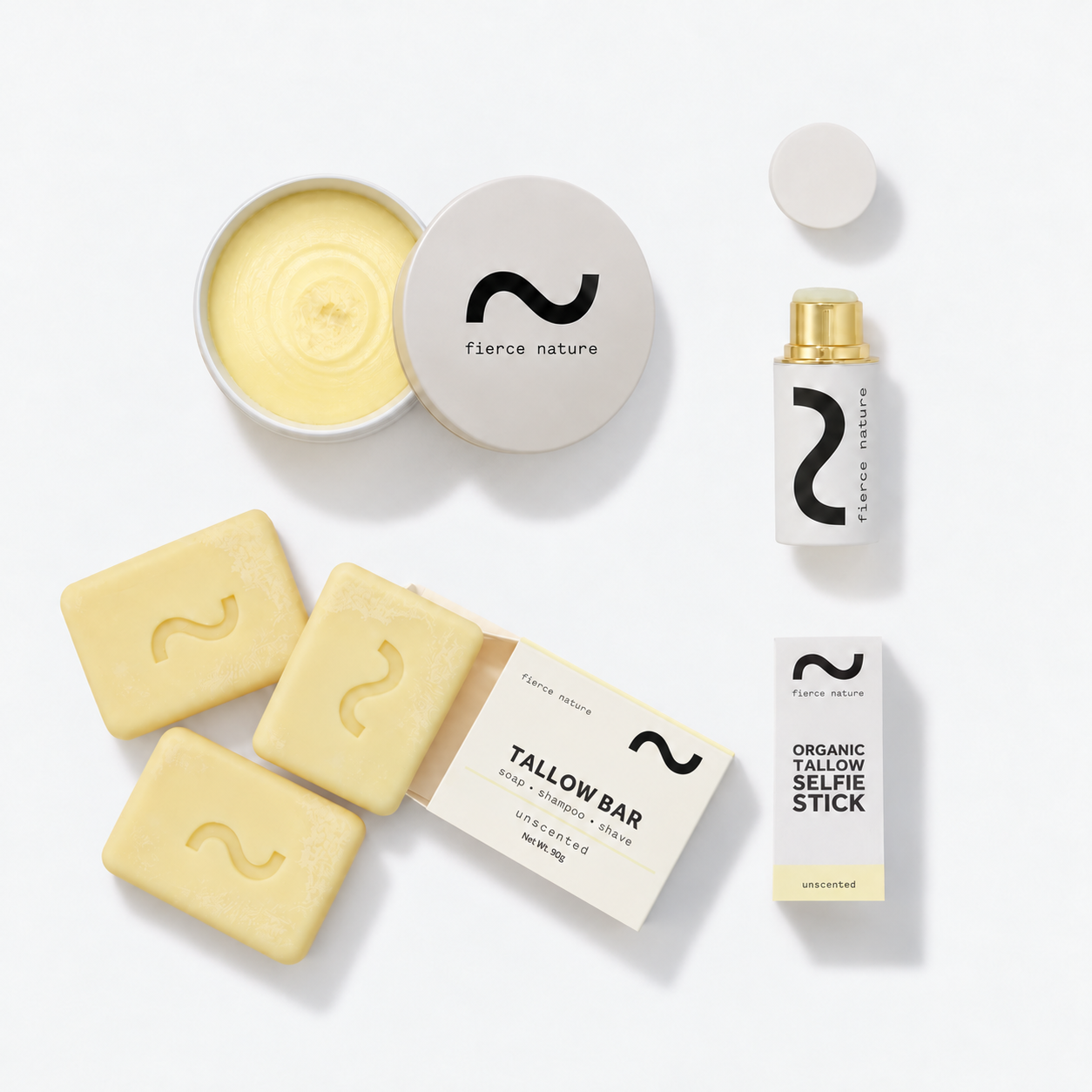
A stick balm is firm, wax-based and convenient. It glides on, suits daily top-ups and fits in a pocket.
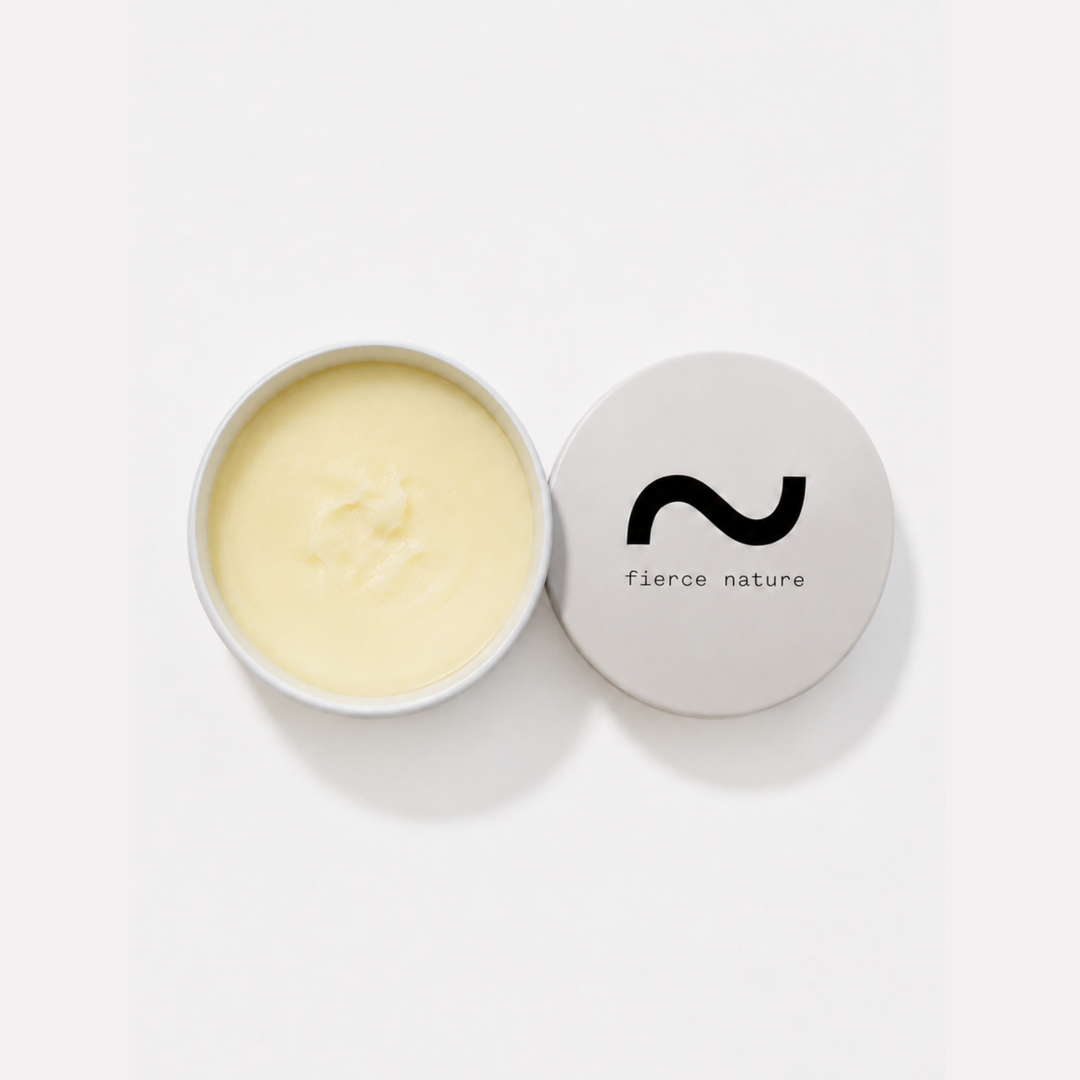
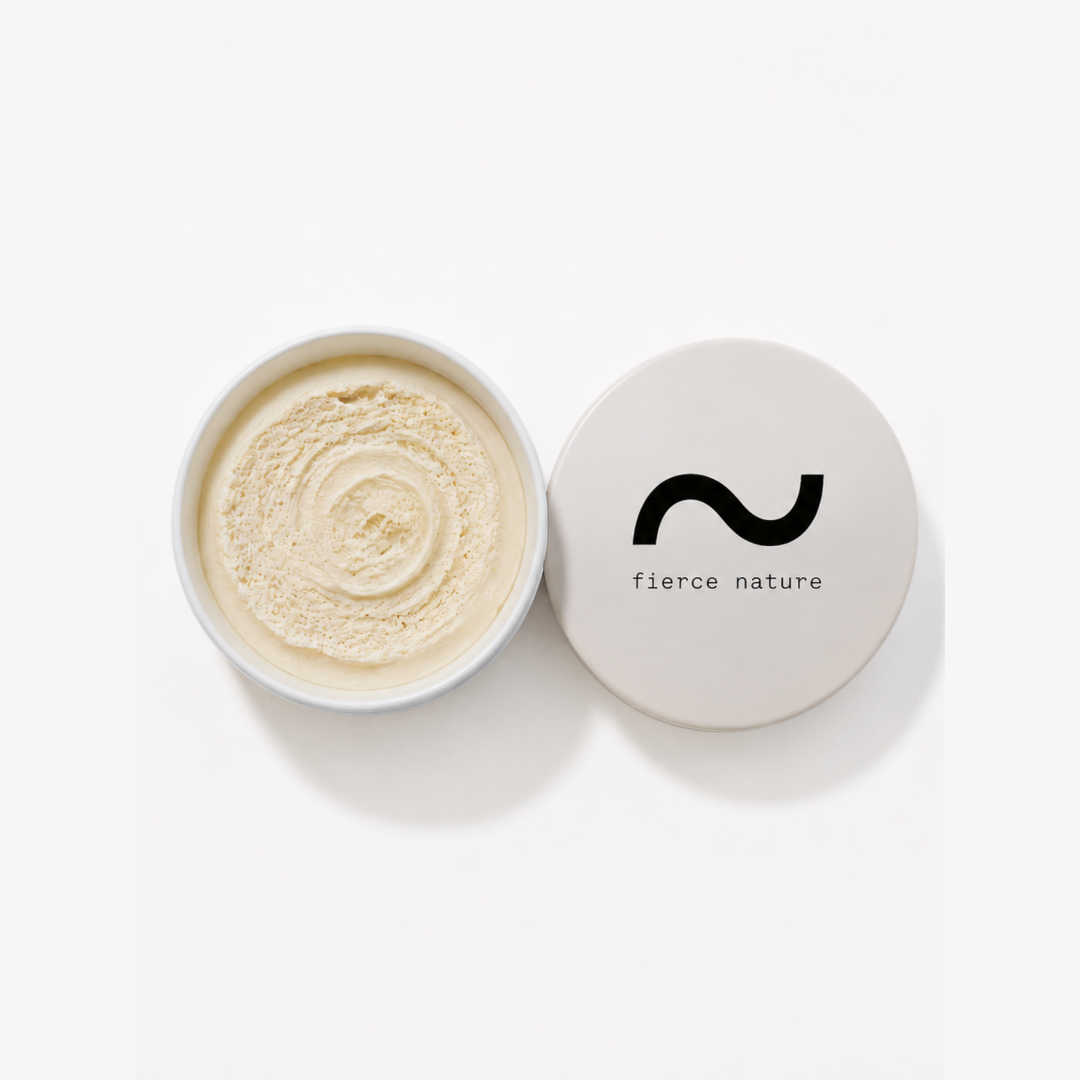
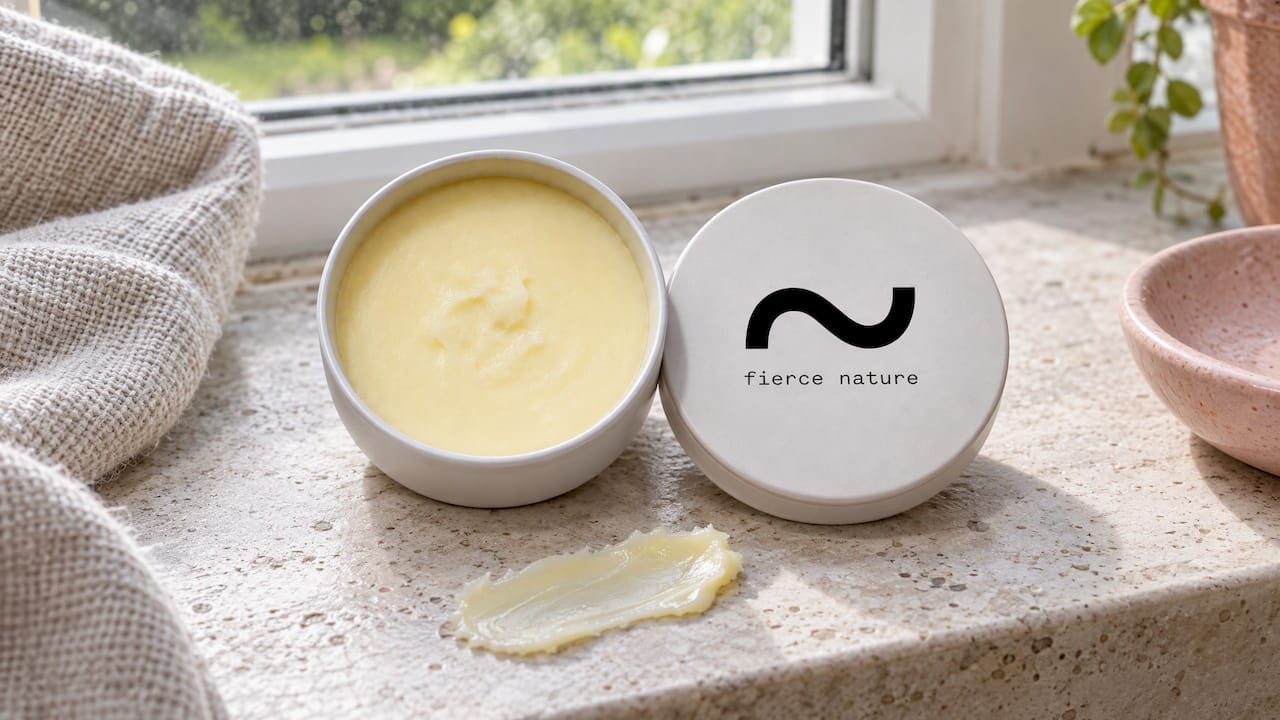
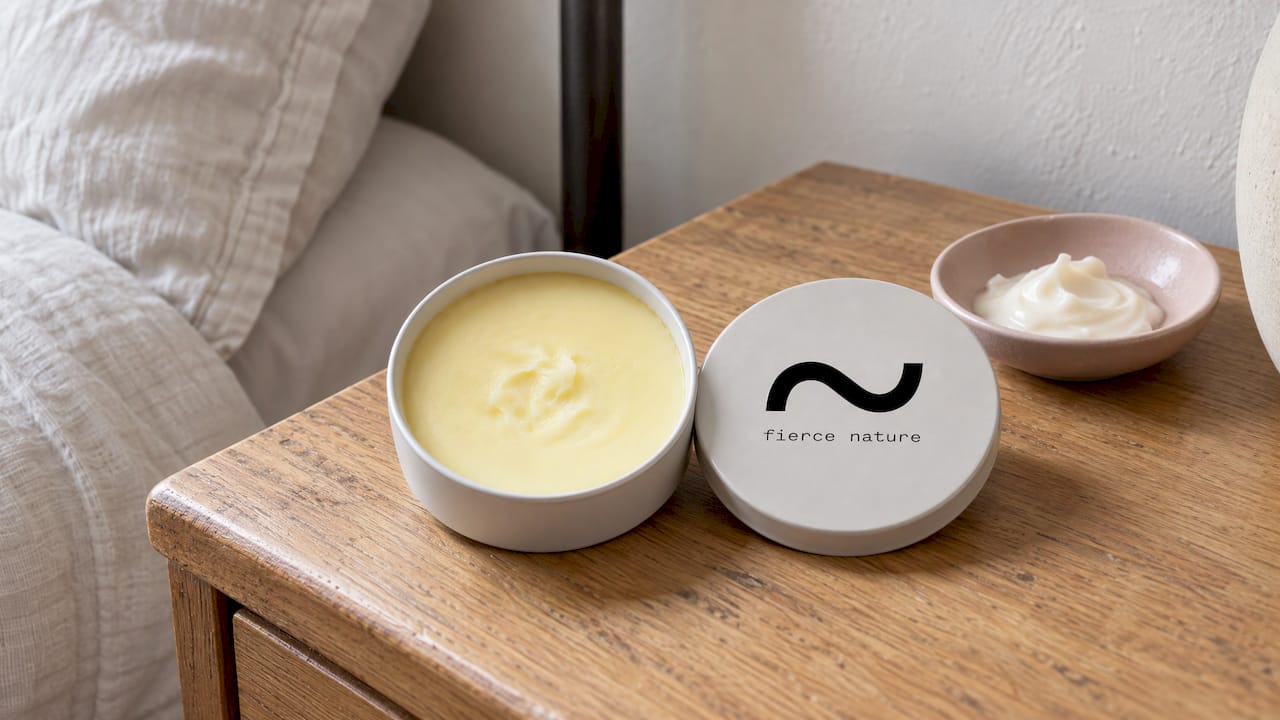
A pot or tin balm is softer and richer. It is closer to an ointment in feel, and you can press it on generously.
A true ointment is the thickest of the three: heavy, glossy and slow to wear off. It is the one to reach for when lips are properly cracked, or before bed.
A thicker product is not automatically a better one. A very greasy ointment can feel heavy at midday under lipstick or when you are talking all day. A light stick can be too little for split lips in January. The skill is matching the product to the moment.
Why lips need this help in the first place
Lip skin is thinner than the skin on most of your face and has no oil glands of its own, so it loses water faster and dries out quickly. A London consultant dermatologist has made the same point about the thin outer layer of the lips, explaining that more water escapes from them and they quickly feel dry and cracked. Cold wind, central heating, air conditioning, sun and dehydration all add to it.
That is why a protective layer matters. A balm or ointment does the job the lips cannot quite do themselves.
How balms and ointments actually work
It helps to be clear about what is going on, because it changes how you choose.
Balms and ointments do not put water into your lips. They create a seal on the surface so the moisture already in your skin stays there. Dermatologists call these sealing ingredients occlusives. Think of them as a thin, protective coat that slows water loss while the skin repairs itself.
A second group of ingredients, humectants such as glycerin, draw water towards the skin. They help, but they work best when an occlusive layer sits over the top to hold that moisture in. This is why a thick, fragrance-free ointment is so often described as the fastest route to healing for chapped lips: it provides the barrier the lips cannot supply themselves.
A third group are emollients, the fats and oils that soften and smooth. Tallow, shea butter and plant oils are examples. A balm built on a rich fat base combines softening and sealing in one product, which is why a good balm feels cushioning rather than just slippery.
The licking trap
Dry lips tempt you to lick them. It feels better for a few seconds, then worse. Saliva evaporates quickly, taking moisture with it, and the digestive enzymes in it can irritate the skin. Applying a balm instead breaks the cycle. The NHS also advises against picking, biting or licking flaky skin, and against sharing lip balms.
Which ingredients to look for, and which to avoid
This is where most of the real difference between products lies. Two pots labelled “lip balm” can behave very differently depending on what is inside.
Ingredients that help
Dermatologists generally point to barrier-building ingredients: petrolatum, mineral oil, dimethicone, shea butter, castor seed oil, hemp seed oil and ceramides. The NHS suggests a balm containing petroleum jelly or beeswax for sore or dry lips. Rich plant butters and animal fats sit in the same family of occlusive, softening ingredients.
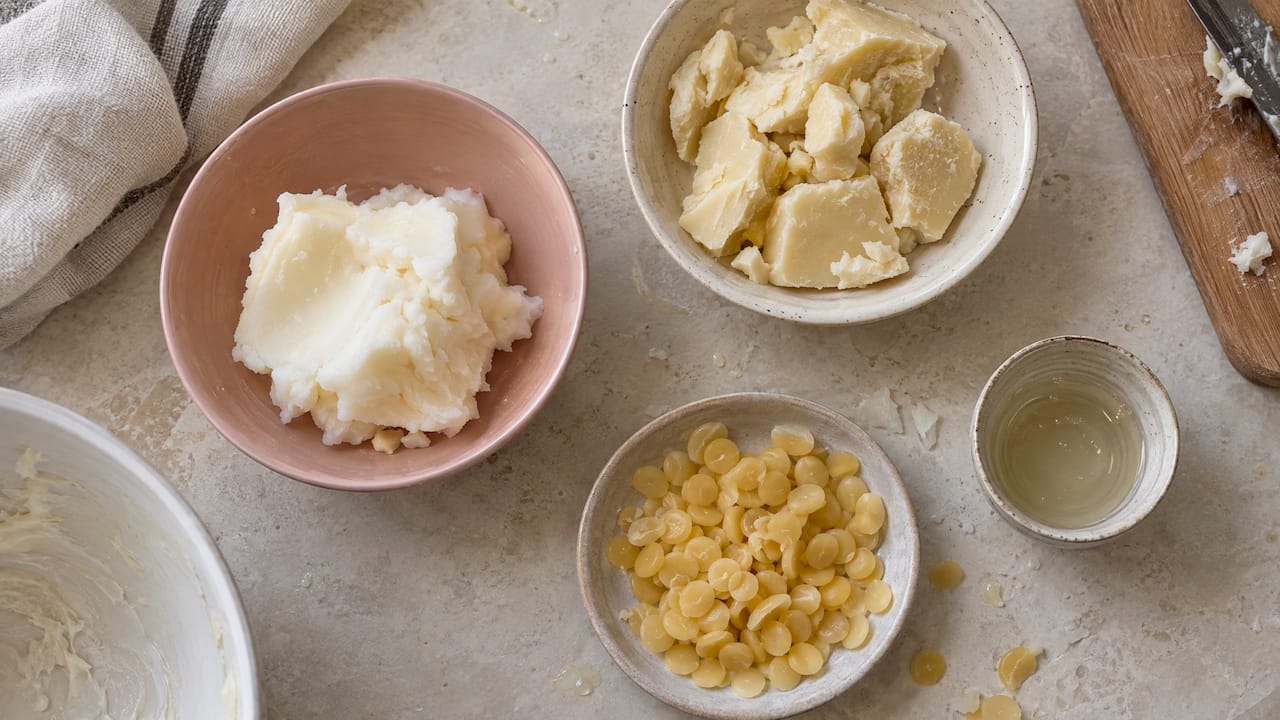
Our own approach starts from a different fat. We build our balms on organic, grass-fed tallow, which our formulas are designed to use as a deeply nourishing base. If you are curious how a traditional fat compares with wax in a balm, we have written about what beeswax and tallow each do in a balm. Tallow has been used for centuries as a skin emollient, and a fat-based balm gives lips a thick, ointment-like layer without a long list of additives.
Ingredients to be wary of
The American Academy of Dermatology advises choosing fragrance-free, hypoallergenic products and steering clear of ingredients that commonly irritate already sore lips. These include:
Fragrance and flavourings such as mint, peppermint, cinnamon and citrus
Menthol, camphor and eucalyptus
Lanolin, for people who react to it
Salicylic acid and phenol
Octinoxate and oxybenzone, two chemical sun filters
UK dermatologists say much the same. Highly scented or minty products give a brief cooling feeling but often irritate further, and people can become allergic to fragrances, essential oils and dyes in lip products over time. The NHS adds that if one balm is not working, it is worth trying a different one, because some people are sensitive to fragrances, dyes or other cosmetic ingredients.
Many people assume a cooling or tingling balm is doing something powerful. Often it is a mild irritant. If a product makes your lips feel better for ten minutes and worse by the afternoon, that pattern is the signal to switch to something plain.
Lip balm or ointment: which should you choose?
Use this table as a quick guide. Most people end up with two products: a lighter one for the day and a richer one for the evening.
Your situation
What suits you
Why
Normal lips, daily upkeep
A light to medium balm
Enough to seal in moisture and protect from wind
Dry, tight lips in cold or windy weather
A medium balm, reapplied through the day
Slows water loss when the air is harsh
Cracked, flaky or sore lips
A thick, fragrance-free, ointment-style balm
The heavier seal protects the skin while it heals
Overnight repair
A thick ointment-style balm
Lips recover while you sleep and nothing rubs it off
Outdoors in strong sun
A balm with sun protection
Lips burn too, and need cover
Sensitive or reactive lips
An unscented, simple-ingredient balm
Fewer ingredients means fewer possible triggers
Under lipstick or tint
A lighter balm, applied a few minutes before
A heavy layer can make colour slide
A worked example
Imagine a January week: cold mornings, a heated office, a long commute on a windy platform. By Wednesday your lower lip has started to split.
In the morning, press a thin layer of balm over clean, dry lips before you leave the house. Reapply after your coffee and again after lunch, since eating and drinking wipe it away. In the evening, skip the stick and apply a generous layer of a thick, unscented balm just before bed. Within a few days the splitting usually settles, as long as you are not licking or picking. If it does not, see the section on when to get advice.
Day and night: how to apply lip balm or ointment
The method is simple, but small habits make a noticeable difference.
Start with clean lips. After brushing your teeth or eating, blot away toothpaste, crumbs and old product. Do not scrub. Rubbing at flaky skin only makes it angrier.
Apply a thin, even layer. For a stick, glide it on. For a pot, use a clean fingertip or a small clean spatula to take a pea-sized amount, warm it between your fingers and press it on. The NHS suggests using a clean spoon or spatula to scoop emollients from pots, which keeps germs out.
Reapply little and often. Use balm as needed through the day, and always after eating and drinking. Little and often beats one thick layer.
Go thicker at night. Apply a richer, ointment-style balm just before sleep so it works undisturbed for hours.
Add sun protection outdoors. The NHS advises a lip balm with an SPF of 15 or more, reapplied every two hours when outdoors. Some dermatologists suggest SPF 30 or higher. Cover your lips with a scarf in cold wind.
Keep your own. Do not share balms or pots, and replace one that smells off or looks different.
One extra habit helps more than most people expect: drink enough water. Balm seals moisture in, but it cannot make up for a dry system.
Using a balm and an ointment together
You can, and many people do. NHS emollient guidance suggests pairing a lighter product by day with an ointment at night, and the same logic works for lips: a comfortable everyday balm for the daytime, a heavy one for bedtime. There is no need to layer several products at once. If you are using a prescribed treatment, follow your pharmacist’s or GP’s instructions on what goes first.
Sun on the lips
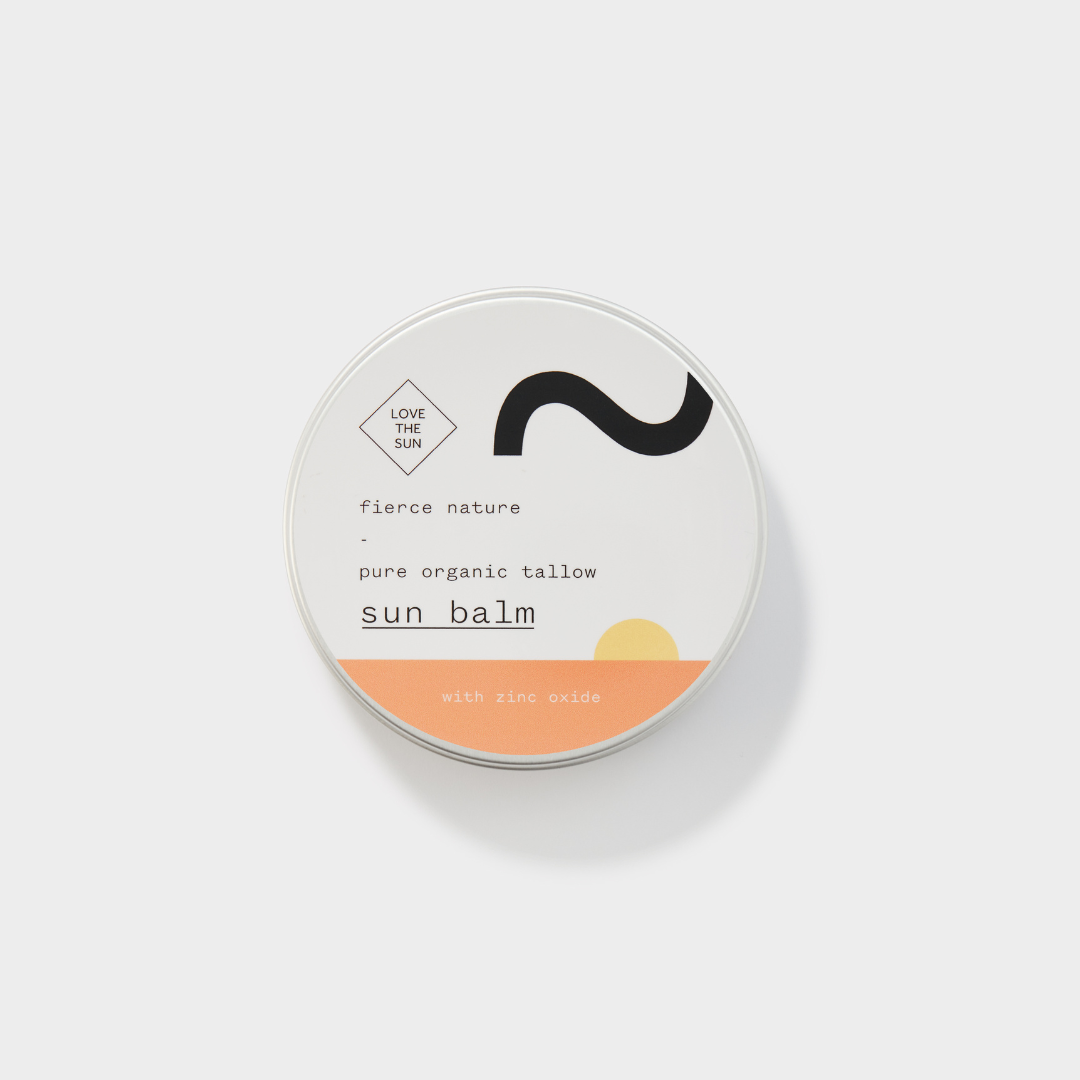
Lips have little natural protection from UV and burn easily, yet they are often forgotten. A sun-protective lip balm is a cosmetic product with sun protection rather than a full sunscreen, so look for clear reapplication guidance and the UVA logo (the letters UVA inside a circle) on the pack. If you spend time outdoors, our guide to mineral lip SPF for sensitive lips explains how we think about it, and our Sun Balm is made for exactly that kind of protection. Reapply it after eating, drinking and wiping your mouth.
A safety note on thick emollients and fire
This applies to ointments and rich balms generally, and it is worth knowing. The NHS and the UK medicines regulator warn that all emollient products, whether paraffin-based or paraffin-free, can catch fire if fabric holding a build-up of residue comes near a flame or a cigarette. Clothing, bedding and dressings that are regularly in contact with a thick emollient can ignite more easily.
In practice, for lips this is a small risk, but follow the sensible rules: keep away from naked flames, candles and cigarettes straight after applying a thick layer, and wash pillowcases and bedding regularly. This is particularly relevant if you use a great deal of balm on your face and body at night.
When lips need more than a balm
A good balm settles ordinary chapped lips within days. Some problems are not ordinary dryness, and balm is not the answer to them.
Speak to a pharmacist if your lips stay sore or dry despite regular care. They can advise on treatments and whether you need a GP. See a GP if your lips are hot, painful and swollen, as this can point to an infection, which may need an antibiotic or antifungal cream.
Other signs worth getting checked:
Dryness that lingers beyond two to three weeks of consistent care
Cracks at the corners of the mouth that keep returning
A patch that bleeds, crusts, or does not heal, particularly on the lower lip, which gets the most sun
Lips that react badly to a new product, which can suggest an allergy
If you are taking a medicine known to dry the skin, your prescriber or pharmacist will tell you how to look after your lips alongside it, and a regular, plain balm throughout the day is typically part of that advice.
What we think about lip balm and ointment
We started Fierce Nature because we were tired of beauty products that promised a lot and left skin reacting. Lips are a good test of that. They are thin, exposed and quick to complain, so they show you straight away when a product is working against them.
Our view is simple. Lips do not need a long ingredient list, a tingle or a scent. They need a protective, nourishing layer they can rely on, in a texture that suits the moment: something light in the day, something rich at night.
That is why we build our balms on pure organic tallow. Tallow is a rich fat that has been used for centuries as a skin emollient, and its bioavailability is why we call it a deep, penetrating skin food. Made by hand in the UK with naturally sourced ingredients, our balms give you that ointment-style comfort without the clutter. Work with your skin, not against it.
Before you buy or switch, run through these points:
Texture: lighter for day, richer for night and for cracked lips.
Scent and flavour: unscented wins. Skip mint, menthol, cinnamon and citrus on sore lips.
Ingredients: short, simple and built on a rich fat or butter that seals the skin.
Packaging: a clean spatula or fingertip for pots; keep your balm to yourself.
Sun: add protection with SPF when you are outdoors, and reapply every two hours.
Timing: reapply after eating and drinking, and always before bed.
Warning signs: hot, swollen, painful or stubborn lips go to the pharmacist or GP.
FAQ
Is lip balm the same as ointment?
Not quite. Lip balm is a general term for any product that moisturises and protects the lips, and it can be a light stick or a thick pot. An ointment is a particular kind of preparation: thick, greasy and made mostly of oils or fats with little water. Many rich balms behave like ointments, which is why the two terms overlap.
Is a thick ointment better than a light lip balm?
It depends on the job. A thick, fragrance-free ointment-style balm is the better choice for cracked or very dry lips and for overnight use, because it seals in moisture for longer. A lighter balm is more comfortable for daytime and under colour. Many people use both.
Can I use a body balm on my lips?
Yes, if it is gentle enough and free of strong fragrance, flavouring or other irritants. A simple, unscented, fat-based balm suits sensitive skin and is a good choice for lips. Apply it with clean fingers or a clean spatula, and take care to keep it away from the eyes.
How often should I reapply lip balm?
As often as your lips feel dry, and always after eating and drinking. Outdoors, reapply a balm with SPF about every two hours. Use a thicker layer at bedtime, so your lips can recover overnight.
When should I see a doctor about chapped lips?
See a pharmacist if dryness or soreness continues despite regular care, and a GP if your lips are hot, painful and swollen, or if a patch bleeds or does not heal. Dryness that lasts more than two to three weeks despite consistent care is also worth getting checked, as allergy, infection or sun damage can be behind it.