Winkelwagen
0
80% Ook dit toegevoegd


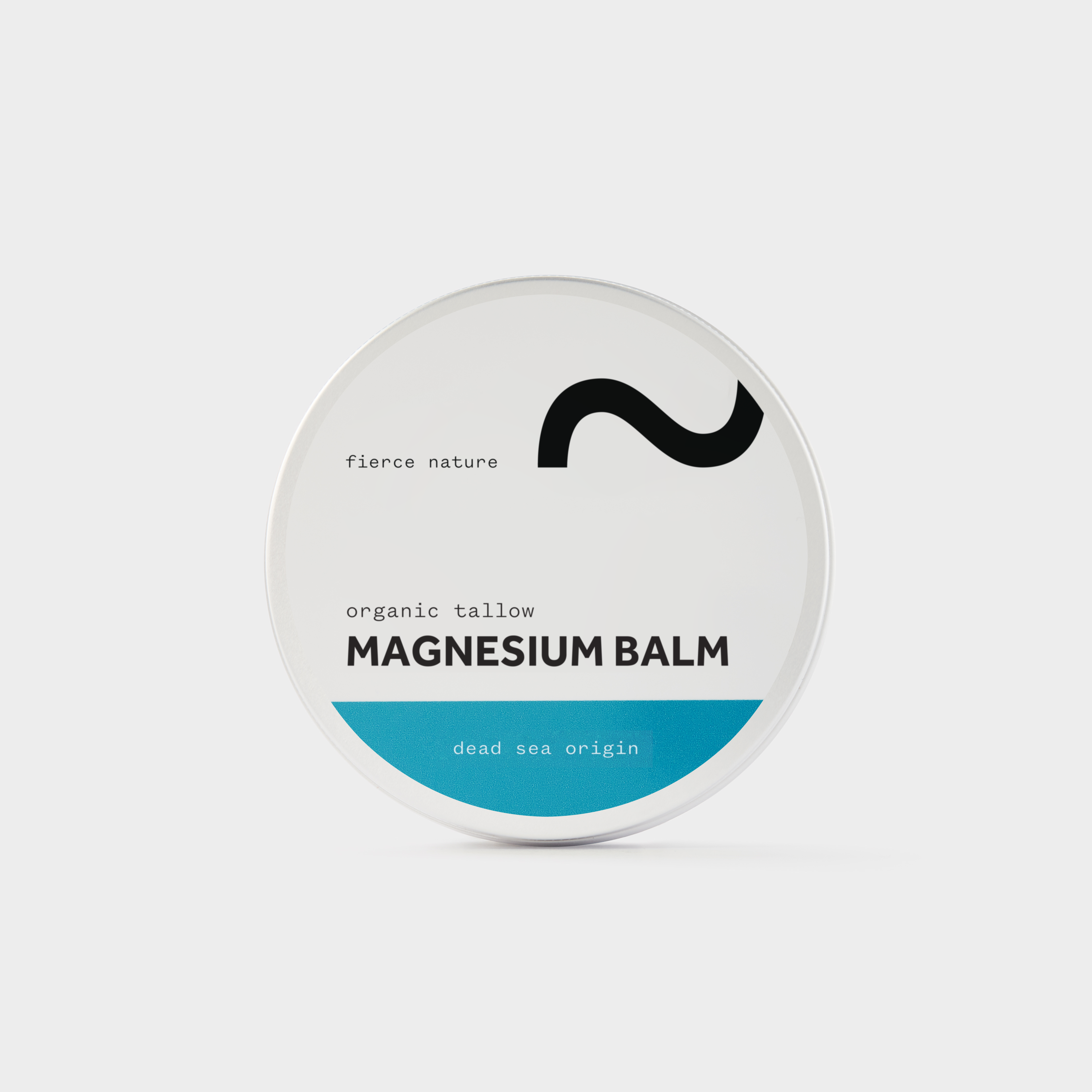

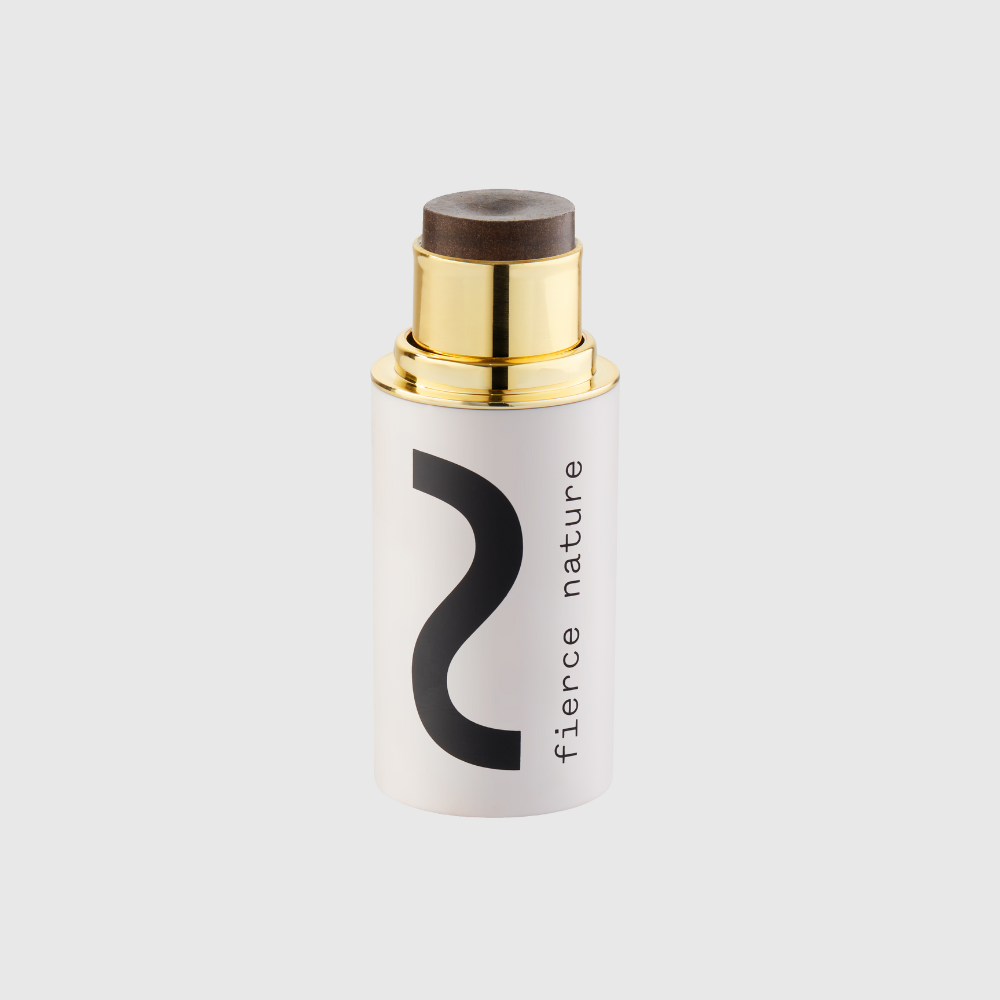
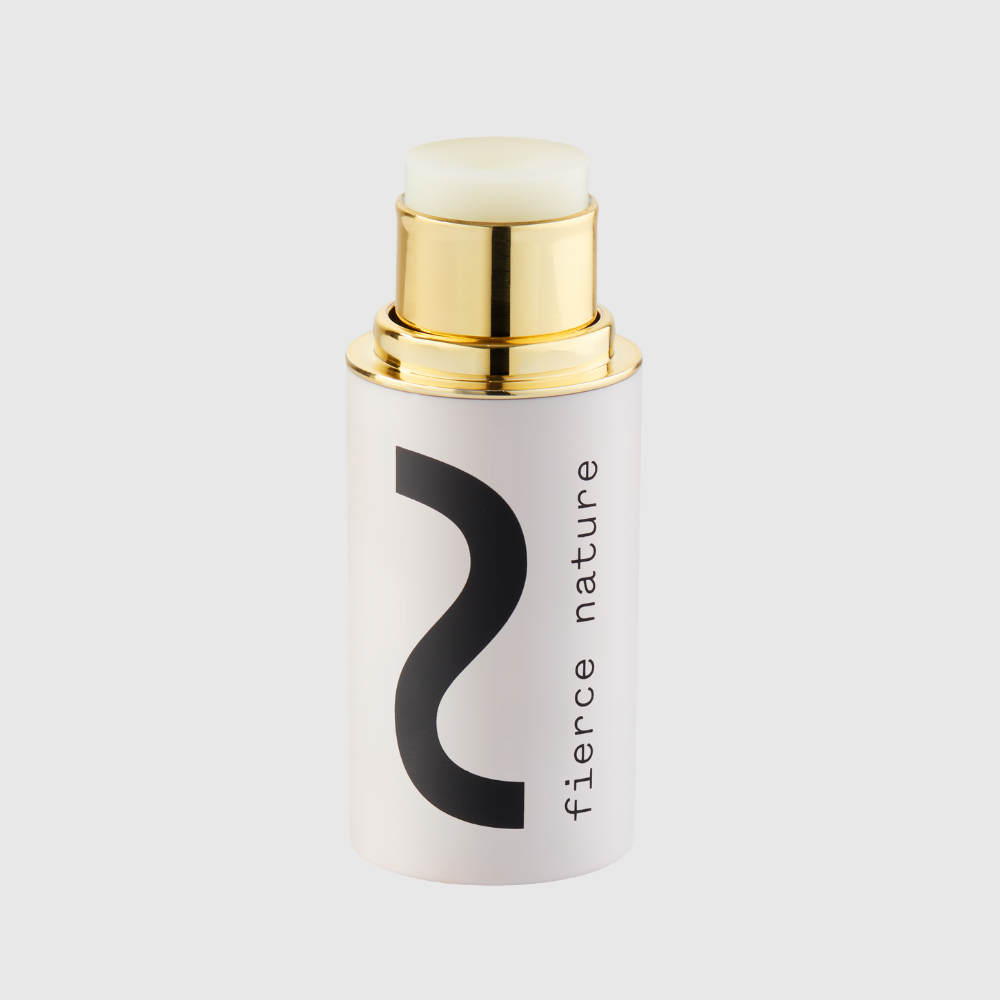
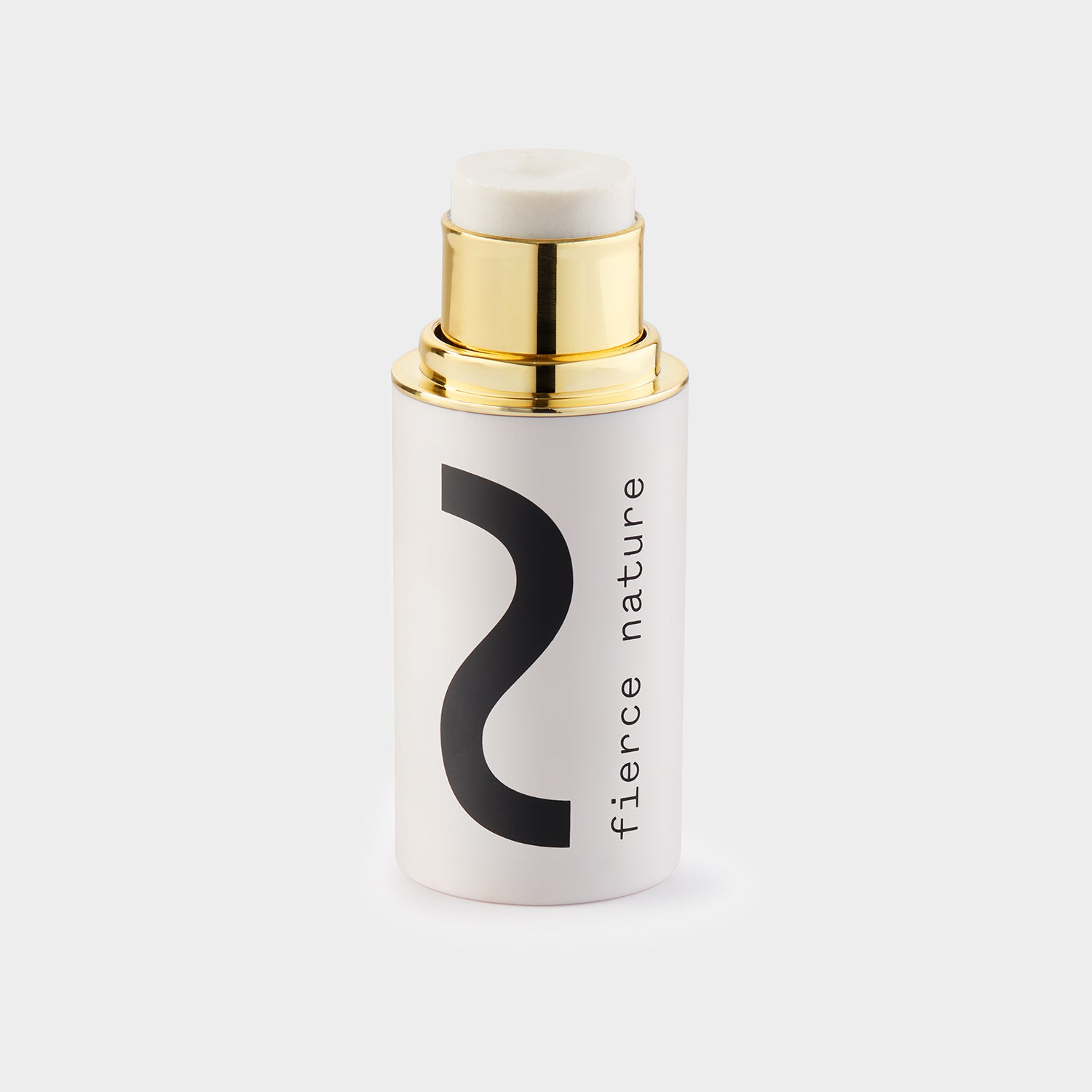
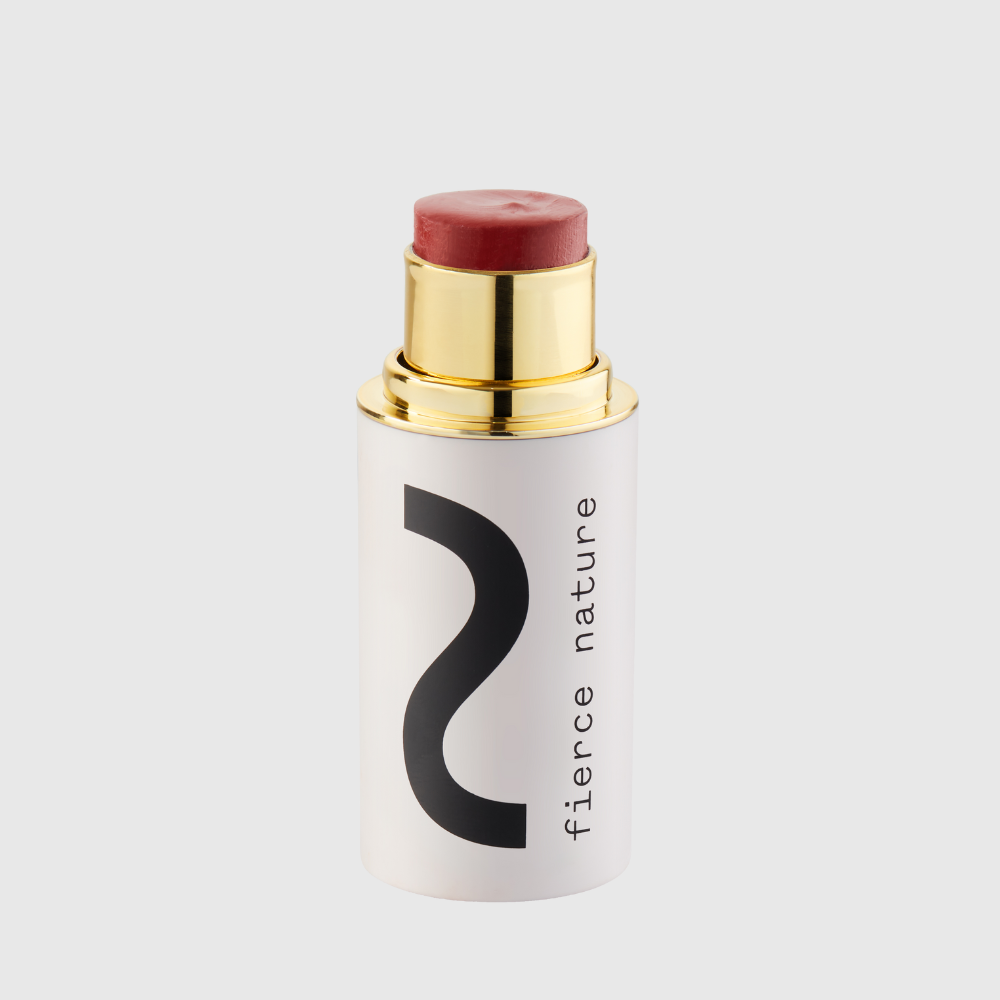



The fastest way to calm maskne is to pair a lightweight, non-comedogenic balm with simple prevention habits, mask hygiene, regular breaks and a gentle skincare routine rather than relying on the balm alone. Nearly a third of mask wearers develop some form of mask-related acne, and wearing a mask for more than four hours daily raises that risk further. Expect steady improvement over several weeks, not overnight.
TL;DR:
- A pooled 31% of mask wearers develop mask associated acne, and wearing a mask more than four hours daily raises risk; take safe 15 minute breaks.
- Wash cloth masks after every use, discard disposable masks after one use, and choose a breathable cotton inner layer with a snug, nonbinding fit.
- Choose a lightweight, fragrance free, noncomedogenic balm, apply a thin layer at least 30 minutes before masking, and reserve retinoids or benzoyl peroxide for evenings.
- Acne treatment may need eight to twelve weeks to show initial improvement, but seek medical care for blistering, sores, scarring, severe pain, or a spreading rash.
Maskne is the common name for acne mechanica, breakouts caused by friction and pressure rather than the usual mix of oil and bacteria behind typical acne. It shows up as red papules, small pustules and persistent itching, usually across the cheeks, chin and nose bridge where a mask sits tightest against the skin.
Mask-wearing does not only cause fresh breakouts. It can also flare existing conditions like rosacea and trigger contact dermatitis in people who are sensitive to certain fabrics or skincare ingredients. A systematic review and meta-analysis found a pooled prevalence of 31% for mask-associated acne among wearers, with longer daily wear time standing out as the strongest predictor of symptoms. That single detail, duration, matters more than most people realise when they are troubleshooting their own skin.
Three things happen at once under a mask. The fabric rubs against the skin with every word and breath, creating mechanical friction at the seal points. The mask also traps warm, moist air against the face, building a humid microclimate that softens the skin and encourages pores to clog. Heat and moisture together create ideal conditions for existing oil and debris to sit trapped against the skin rather than evaporating away.
An observational questionnaire study found that 48.6% of participants developed some kind of dermatological symptom after mask use, with red papules affecting 33.8% and itching affecting 27.2%. People wearing masks for more than four hours a day reported more symptoms, and healthcare workers, who tend to wear masks for extended shifts, were at even higher risk.

It helps to separate three distinct problems that often get lumped together as “maskne”: mechanical acne from friction and occlusion, ordinary acne from oil and bacteria, and irritant or allergic contact dermatitis from fabric or product sensitivity. Each responds to slightly different care, which is why a single balm cannot do all the work alone.
Prevention does more for maskne than any treatment applied after the fact. A few consistent habits make the biggest difference.
Pro Tip: Skip the disinfectant spray on your mask fabric. Heavily fragranced sprays and skincare products are a common, avoidable trigger for contact dermatitis under a mask.
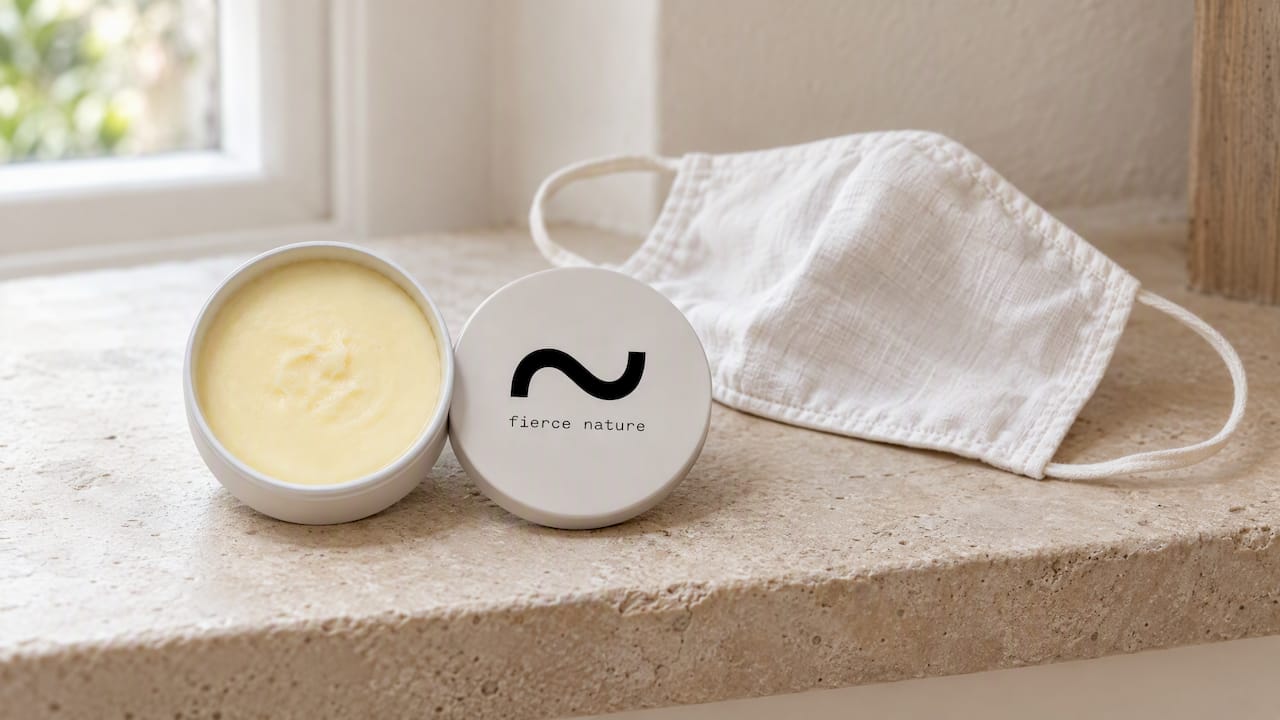
A well-chosen balm cushions the friction points where a mask seal rubs, supports the skin barrier and calms irritation, all without adding to the occlusion that is already working against you. The word “balm” covers a wide range of textures, though, and the wrong one can make things worse rather than better.
Balms that help tend to be light, breathable rather than heavily occlusive, and fragrance-free. Balms that work against you are typically thick, greasy formulas that sit on the surface and trap the same heat and humidity a mask already creates. A practitioner-level view worth keeping in mind: very occlusive balms and thick creams used under a mask can backfire, holding sebum and moisture against the skin rather than letting it breathe.
Among mask wearers, a pooled 31% develop some form of mask-associated acne, with the risk rising notably for anyone wearing a mask more than four to six hours a day. That figure is the clearest argument for choosing a balm formulated specifically to avoid adding to the problem.
On ingredients, simpler is almost always safer for maskne-prone skin. Be cautious with heavy plant oils on acne-prone skin, since some are more likely to clog pores than others. Timing matters too: apply a thin layer at least 30 minutes before putting your mask on, and save stronger treatments like benzoyl peroxide or retinoids for the evening, once your mask is off for the day.
A good maskne balm should tick a short, specific list of boxes before it earns a spot in your routine.
How you match texture to your skin type matters too. Drier skin tends to do well with a slightly richer balm applied sparingly, normal skin suits a standard lightweight formula, and oilier or breakout-prone skin benefits from the lightest, most breathable texture you can find.
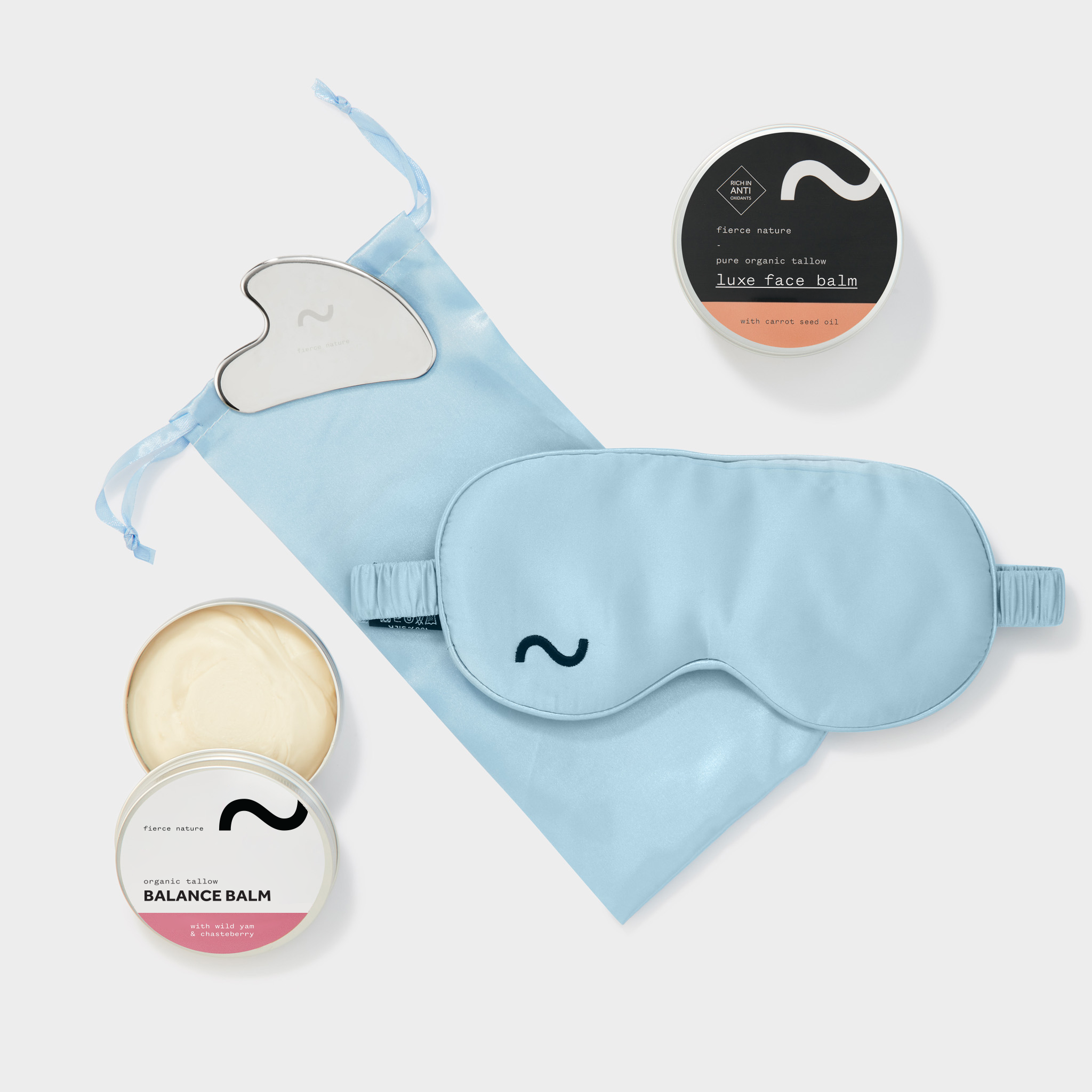
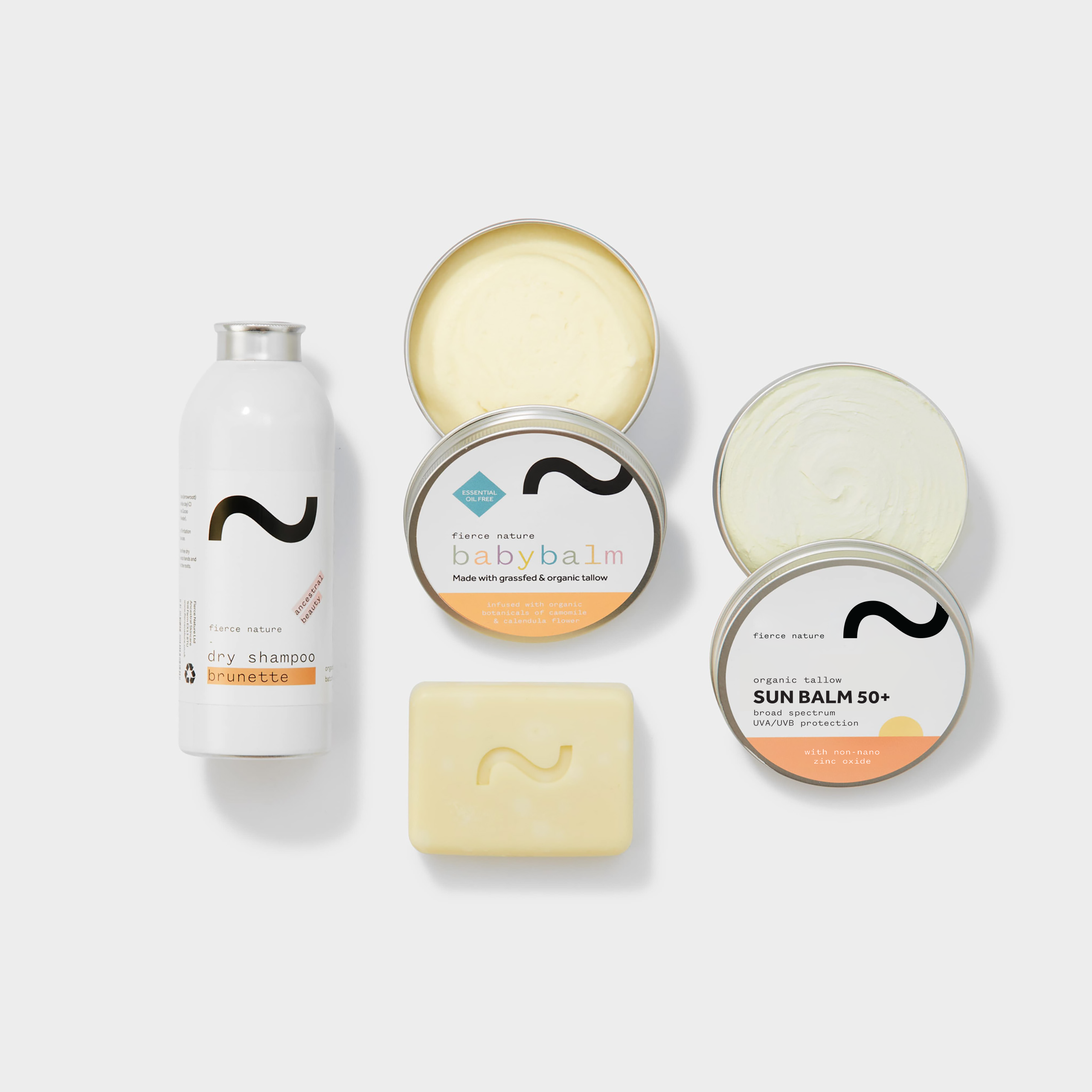
Our Functional Balm Collection may fit naturally in this space. The balms do not replace a prescribed acne treatment, but they fit comfortably into a daily routine built around prevention.
A simple, repeatable order keeps your routine from working against itself.
For raw or broken skin, swap the daytime balm for a simple healing ointment overnight instead, since a heavier texture that would feel occlusive during the day can be genuinely restorative while you sleep.
Pro Tip: A pea-sized amount goes further than it looks. Thin, even coverage protects friction points without adding the heaviness that can trap heat under a mask.
Patience matters here. NHS clinical guidance notes that initial improvement from acne treatment usually takes a minimum of eight to twelve weeks, and that any product likely to irritate the skin should be introduced gradually, every other night to begin with, rather than daily from day one. Many people notice changes gradually, with improvement building over time.
Some signs mean it is time to stop managing things yourself and see a GP or dermatologist: blistering, open sores, visible scarring, a rash spreading well beyond the mask area, severe pain, or symptoms that simply are not responding after several weeks of consistent care. Common over-the-counter options like benzoyl peroxide and adapalene can help, but both need to be introduced slowly to limit irritation, particularly for anyone combining them with daily mask wear.
Certain ingredients show up again and again as triggers for breakouts or irritation under a mask, and they are worth checking for on a label before you buy.
Heavy, pore-clogging oils and butters sit at the top of the list. Ingredients like coconut oil in high concentrations and certain mineral oils can trap sebum against the skin, which is exactly the problem a mask already creates. Fragrance, whether labelled as “parfum” or listed as individual essential oils, is one of the most common triggers for contact dermatitis in this context, since the combination of fabric friction and a mask’s warm microclimate makes skin more reactive than usual.
Alcohol-based formulas marketed as “mattifying” can feel appealing for oilier skin but often strip the barrier, leaving it more vulnerable to irritation from mask friction rather than less. Strong exfoliating acids, like high-strength glycolic or salicylic acid in a leave-on balm, are best avoided during the day if you are wearing a mask for extended periods, since they increase sensitivity at exactly the points where friction is already highest. Silicones themselves are not inherently problematic, but very heavy silicone blends layered under a tight mask can contribute to the same trapped-moisture effect as thick oils.
The simplest filter is to look for short ingredient lists, skip anything fragranced, and favour formulas described as lightweight or non-comedogenic over anything marketed primarily on richness.
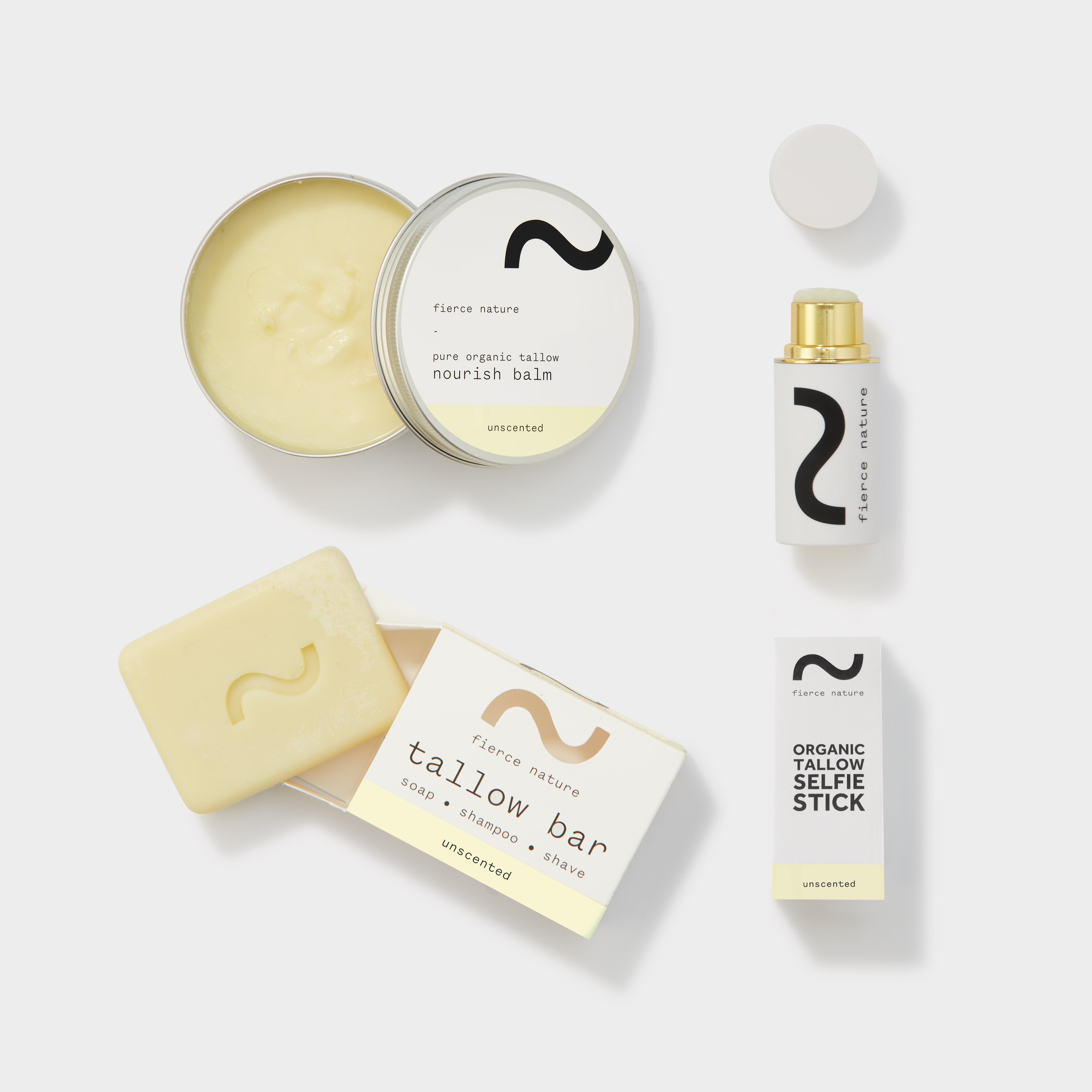
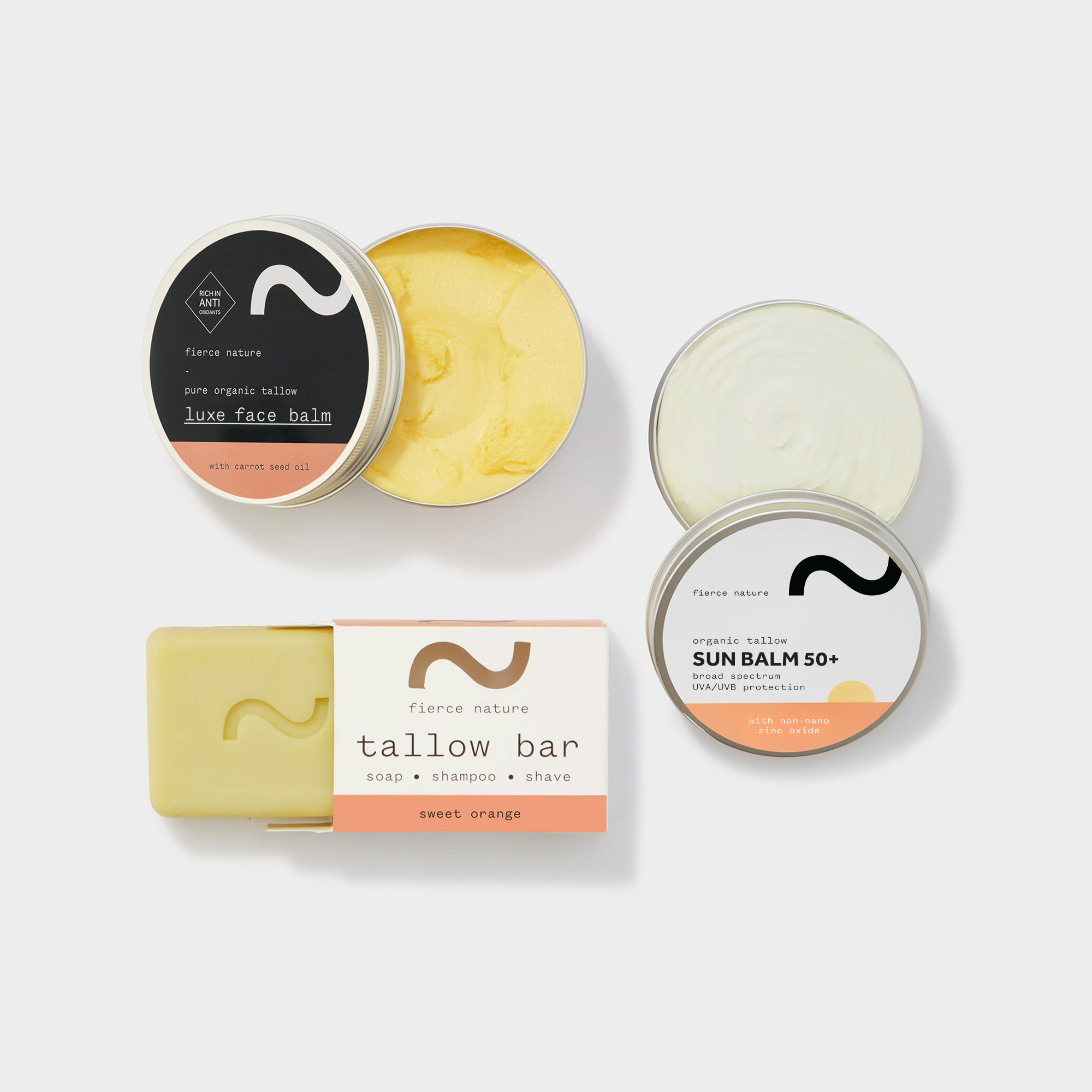
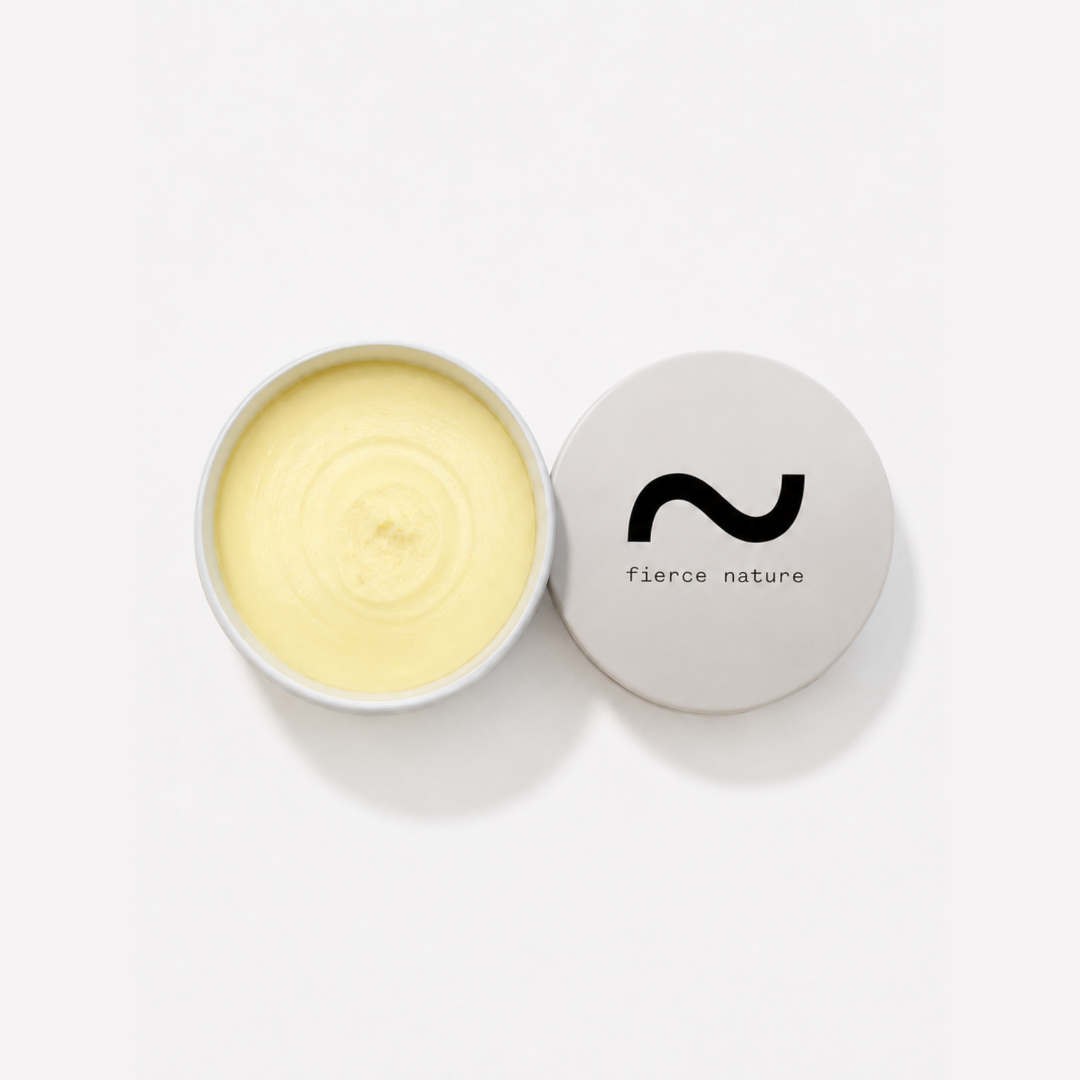
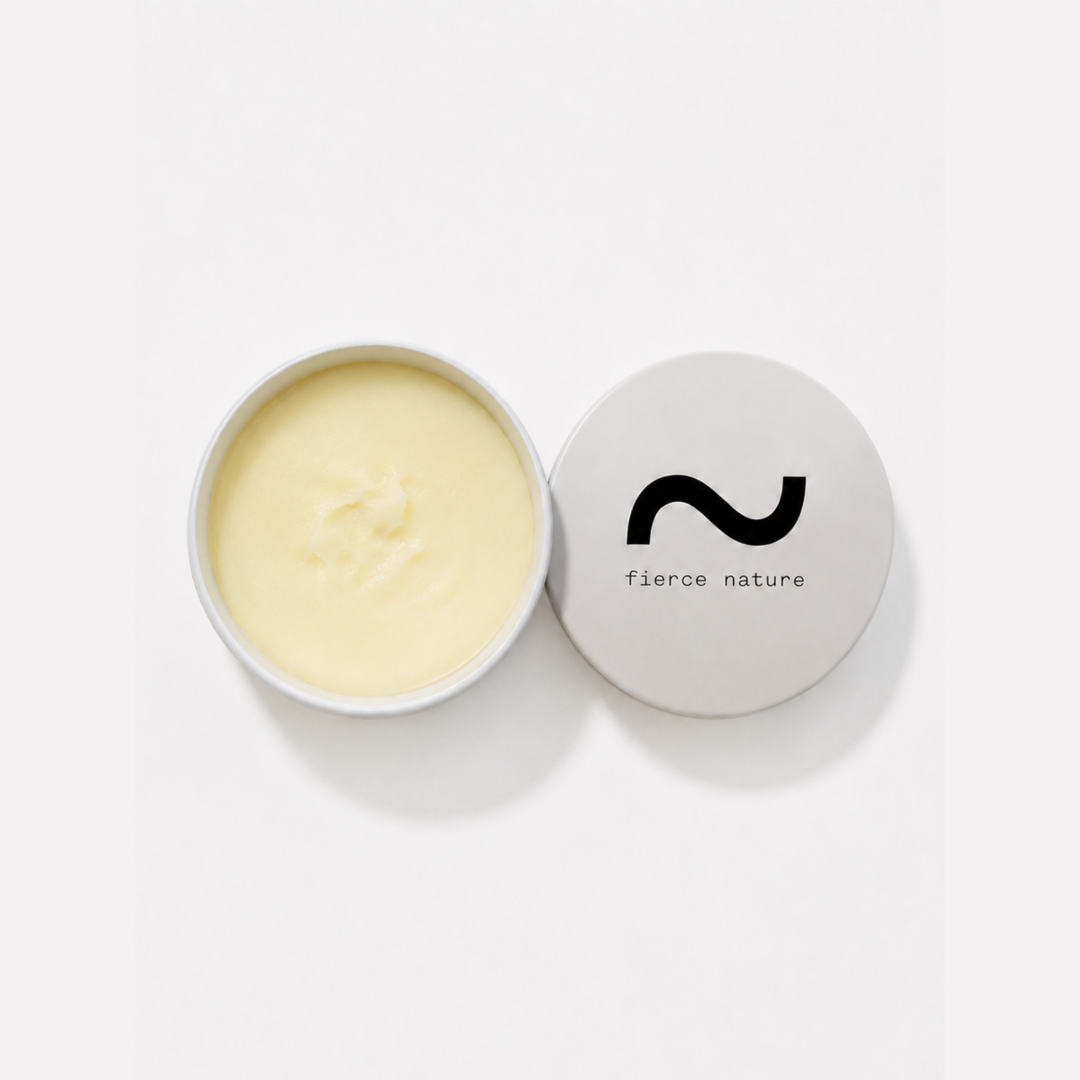
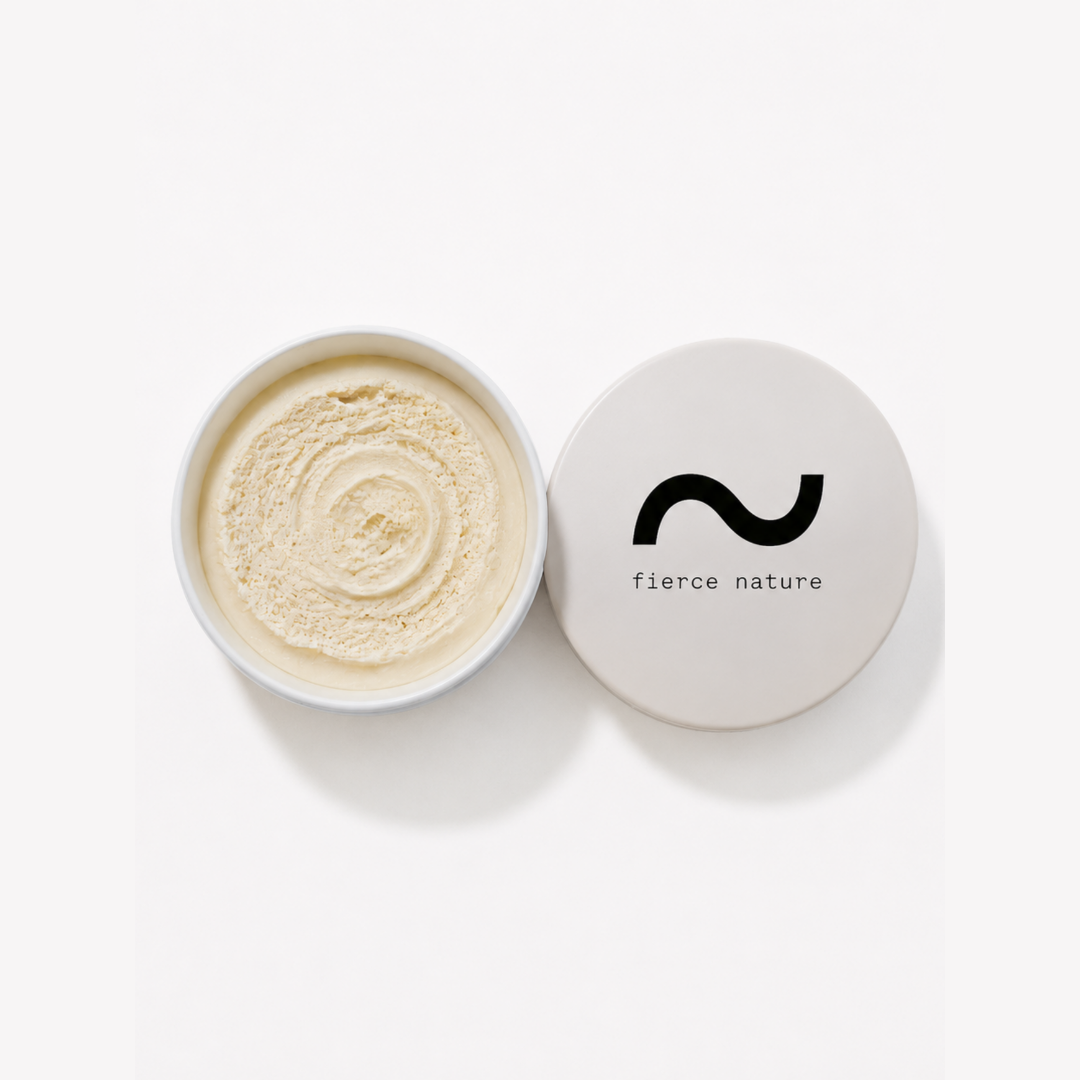
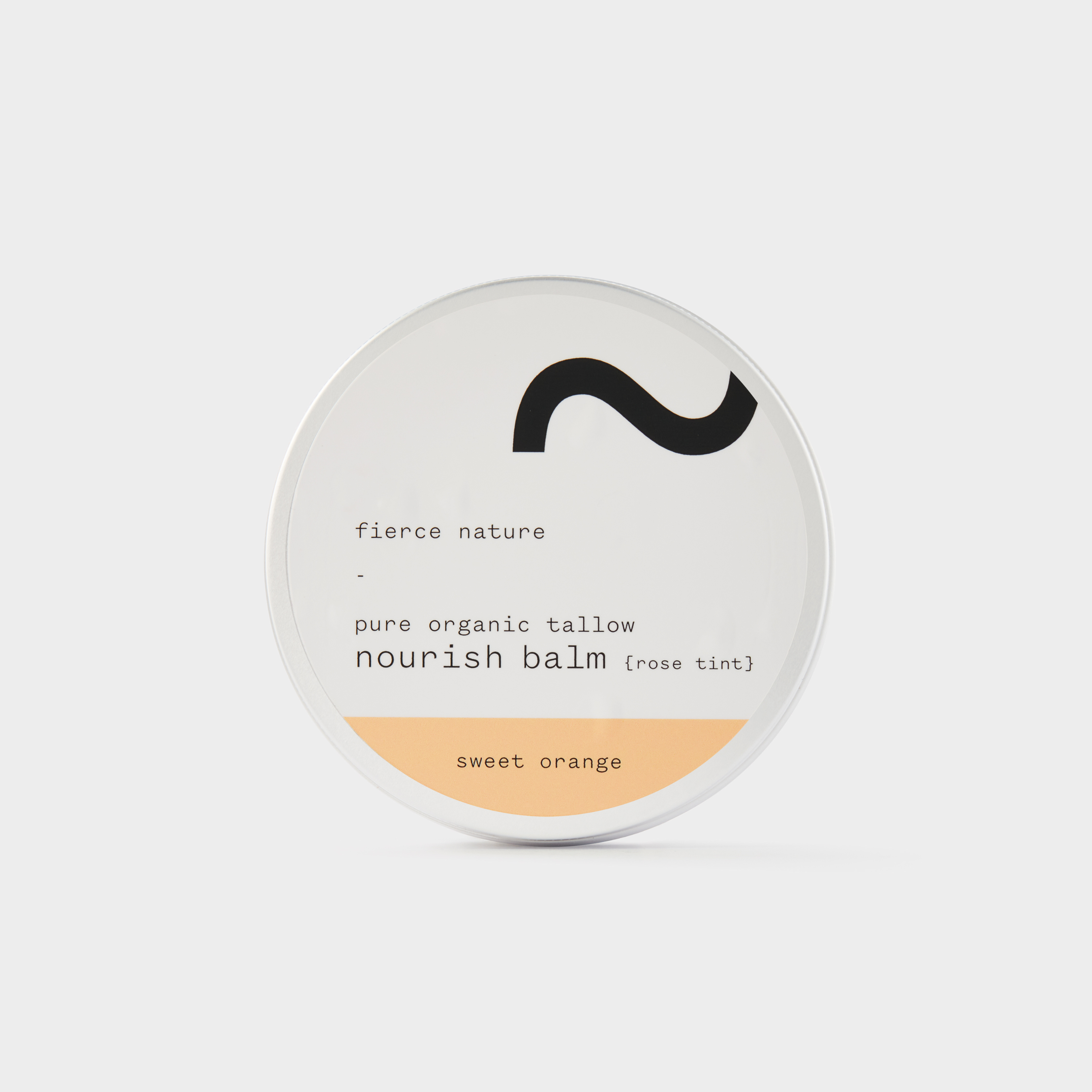
We handcraft every balm in the UK using organic tallow as the foundation, chosen for its similarity to the lipids already found in human skin. We believe nutrient-rich, tallow-based formulas can support a stressed or irritated skin barrier without resorting to synthetic fillers, though we are careful never to call that a cure for acne or dermatitis. For anyone wondering whether tallow suits acne-prone skin, our explainer on whether tallow is comedogenic walks through how it behaves on reactive skin, and our guide to applying balm to sensitive areas covers patch testing before you commit to a new product.
— Fierce Nature
If you are ready to put a balm into your routine, choose one that suits your skin and routine.
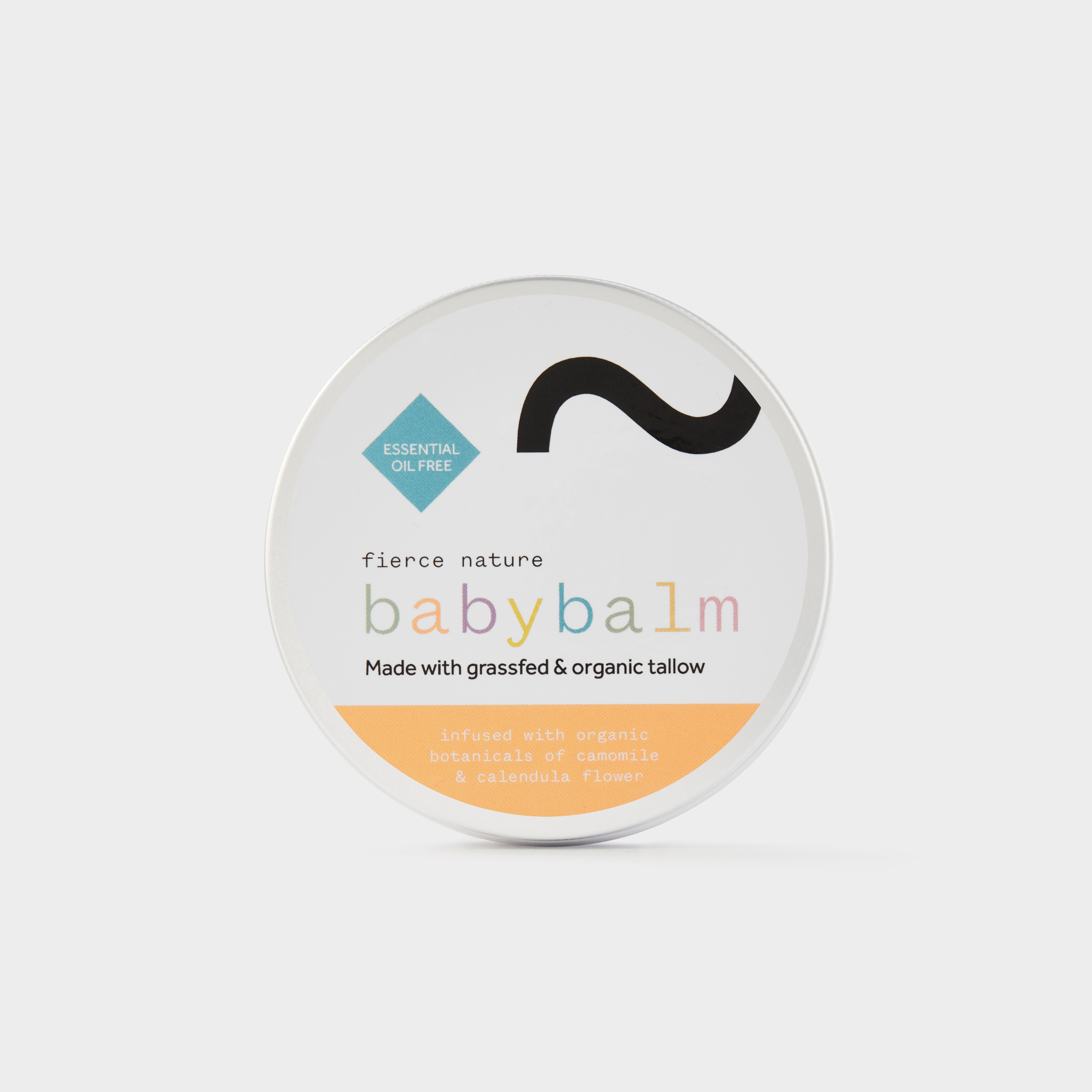
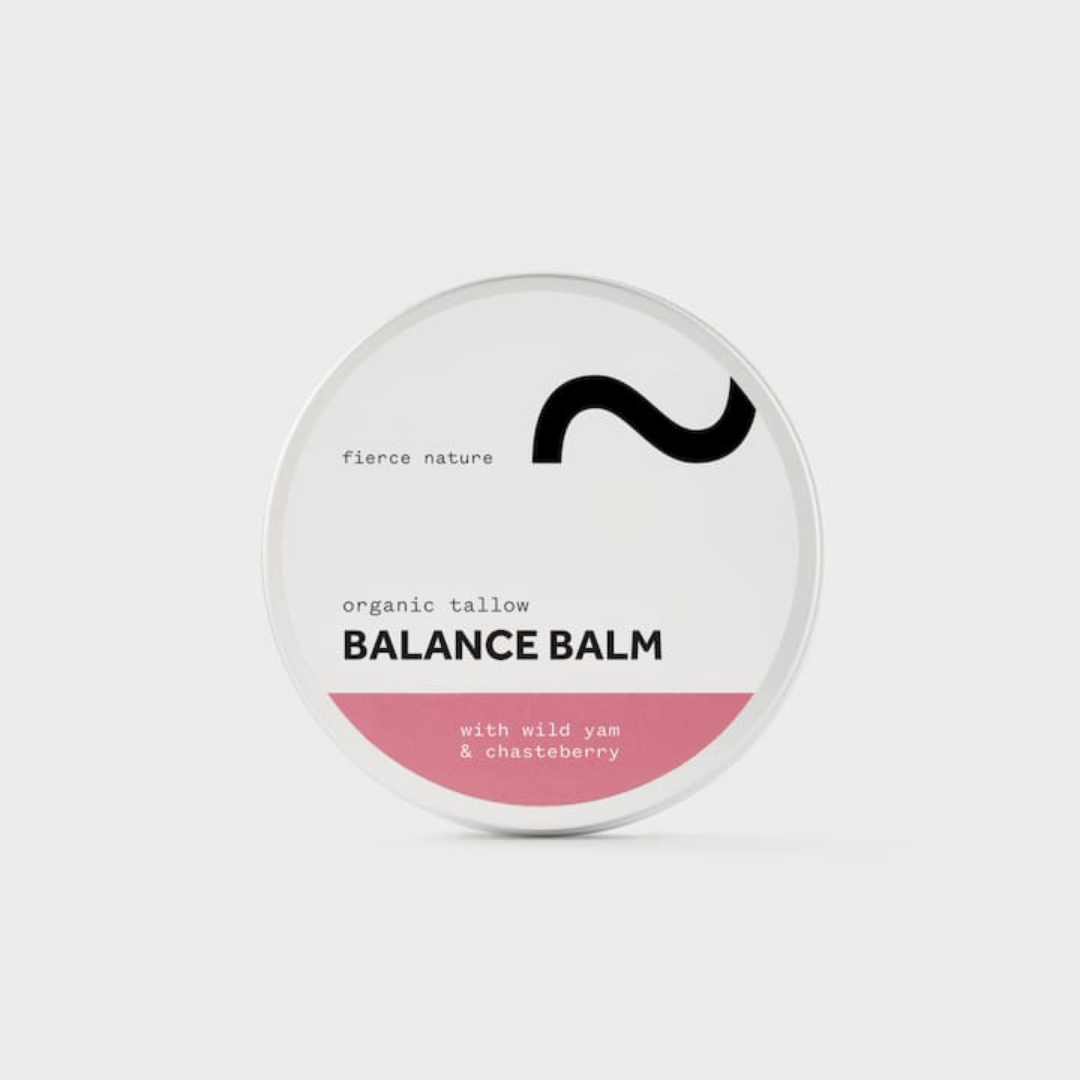
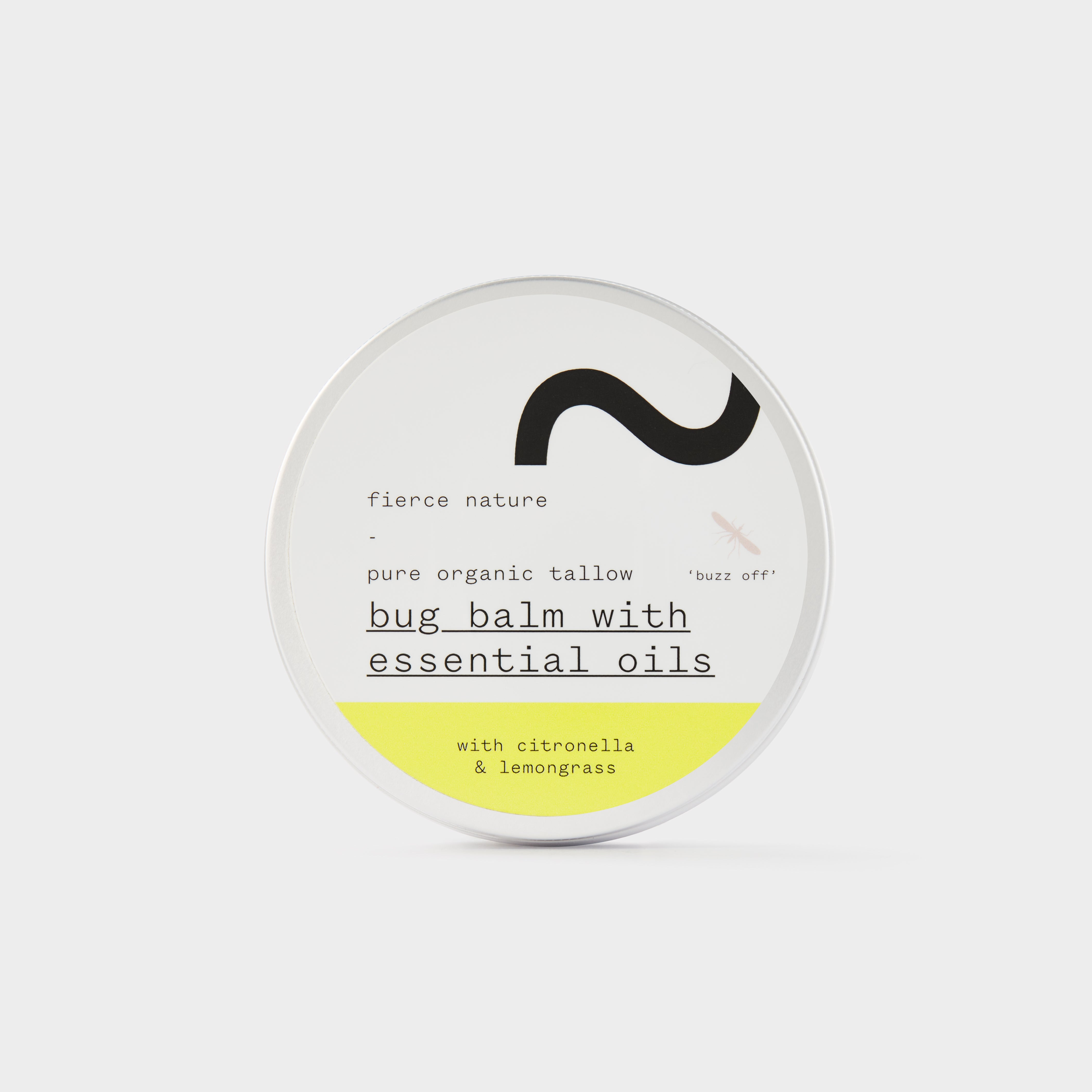
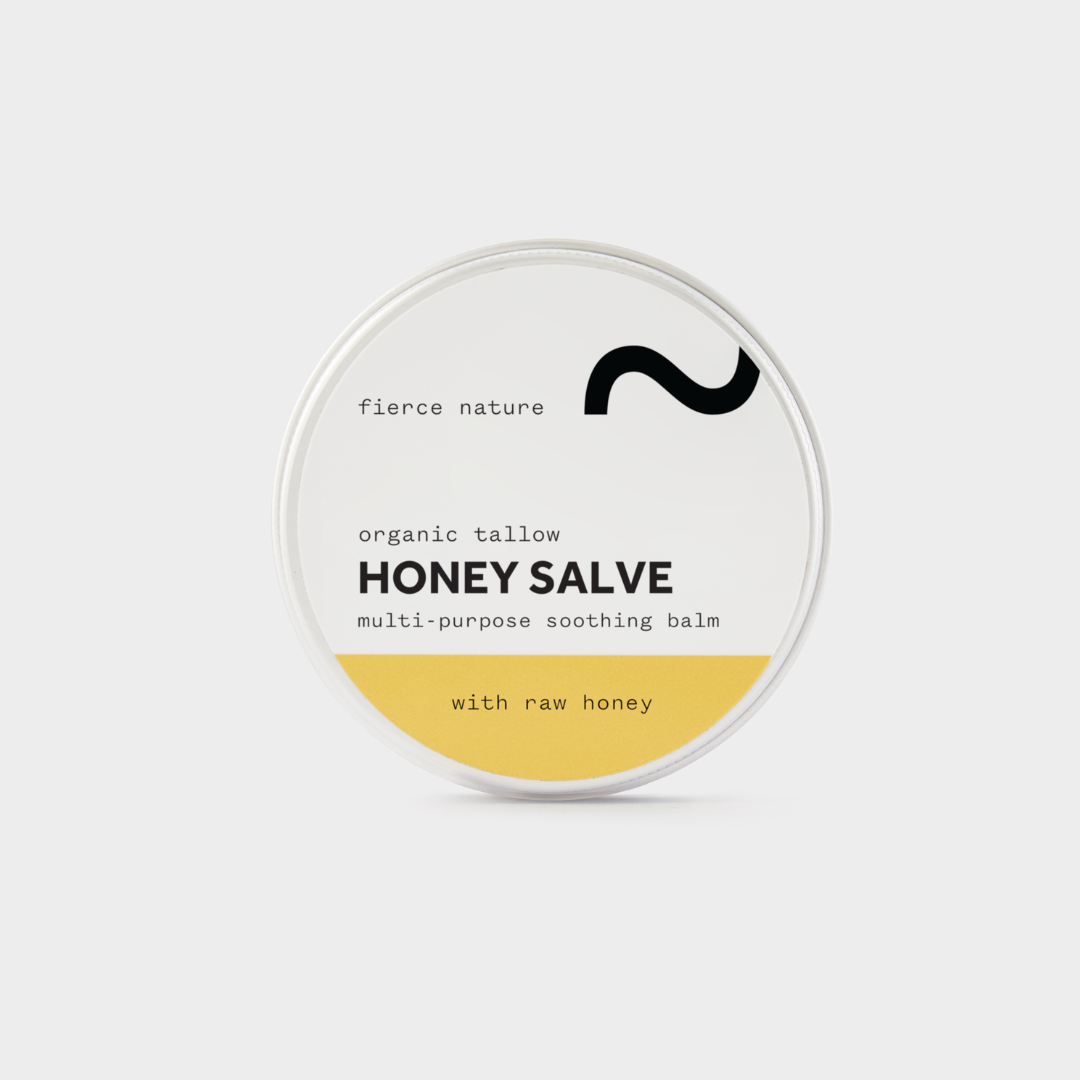
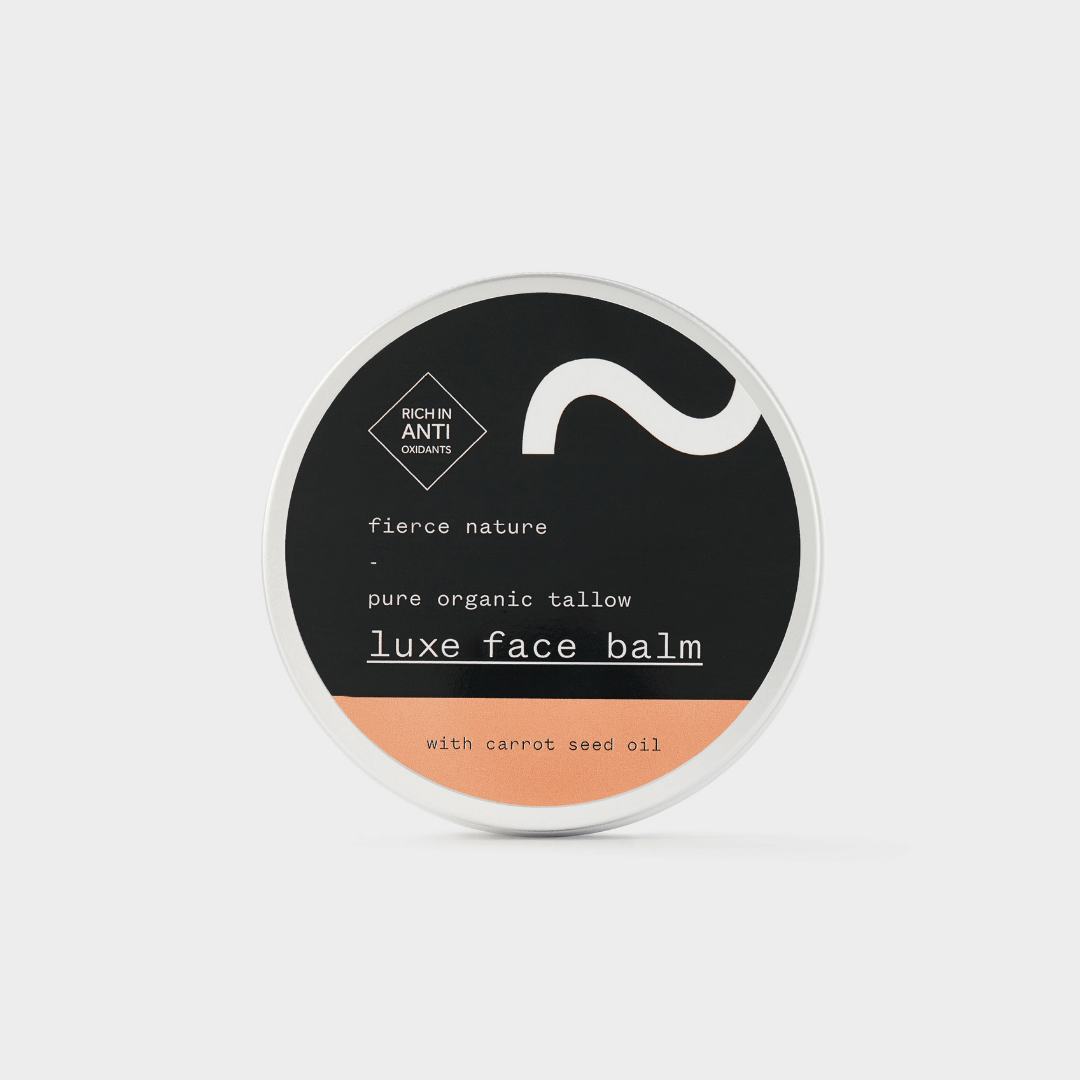
Patch-test any new balm on a small area first, follow the application timing covered earlier in this piece, and check each product page for the full ingredient list before you buy. You will find Bug Balm, Nourish Balm (Unscented) and Balance Balm within our wider Functional Balm Collection, alongside our broader Nourish Balms Collection if you are building out a full routine. For general acne-friendly skincare guidance beyond balms alone, our piece on natural skincare for acne-prone skin is a useful next read, and if mask fabric itself is part of your problem, ClothMe’s guide to fabrics for sensitive skin is worth a look when choosing your mask’s inner layer.
A cosmetic facial mask can help hydrate and support the skin barrier, but it is not a substitute for proper acne treatment. During periods of frequent protective mask wear, choose gentle, soothing formulas and avoid harsh exfoliating masks that can aggravate already irritated skin.
Salicylic acid can help with clogged pores, but it is best used in the evening rather than under a mask, since mask friction already increases skin sensitivity during the day. Introduce it gradually, a few nights a week at first, to avoid compounding irritation.
Lightweight, non-comedogenic, fragrance-free balms tend to work best, since they protect friction points without trapping heat and moisture the way thick, greasy formulas can.
Look for a short ingredient list, a fragrance-free formula and a texture described as lightweight rather than rich or occlusive. Checking that it is labelled non-comedogenic or oil-free is the quickest way to rule out a product that could add to pore blockage.
Initial improvement from a consistent routine can take time, with change building gradually. If symptoms worsen or fail to improve after several weeks, it is worth speaking to a GP or dermatologist.