Winkelwagen
0
80% Ook dit toegevoegd


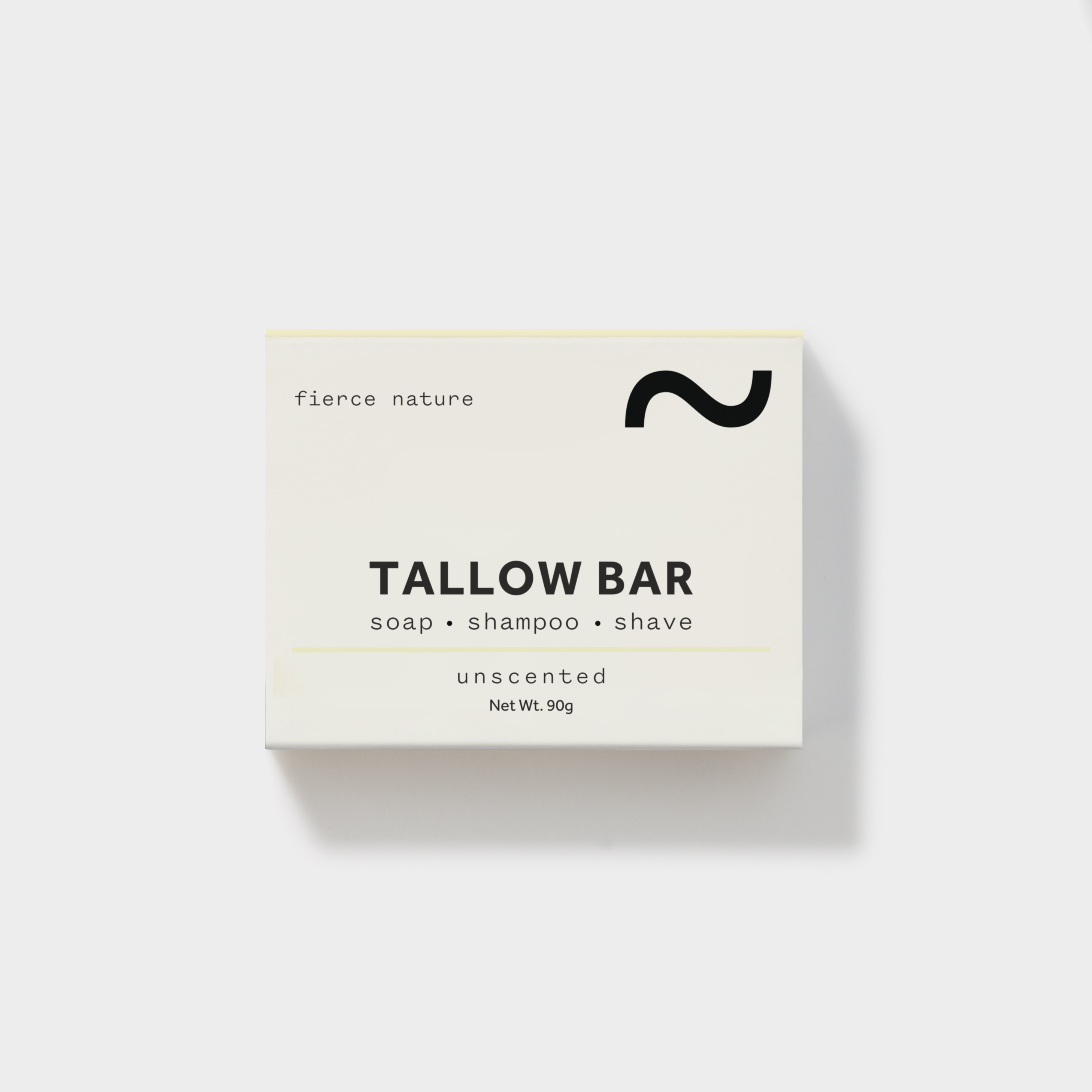




Zinc oxide and titanium dioxide are the two mineral sunscreen ingredients, and both are good choices. The main difference is that zinc oxide covers more of the UVA range, so it is the stronger all-rounder. Titanium dioxide is very good against UVB and tends to feel lighter on the skin. Many of the best mineral formulas use both, or zinc on its own.
Below, we walk through what each one does, how they differ on protection, white cast and sensitive skin, what UK rules say, and how to read a label. We also share how we think about mineral sun care at Fierce Nature.
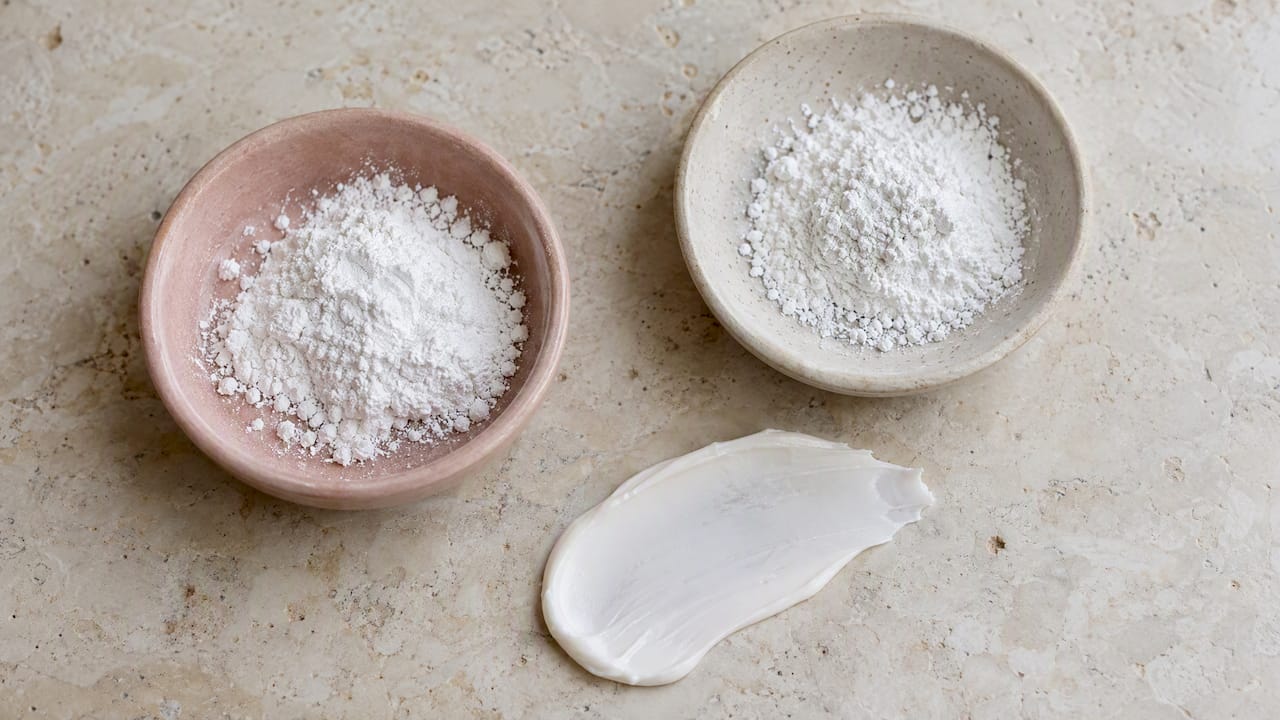
Both ingredients are mineral (sometimes called inorganic or physical) UV filters. They are fine white powders, and in a sunscreen they are suspended in the formula so that they sit on the skin’s surface rather than soaking in.
You will often read that mineral filters work like tiny mirrors, bouncing UV light away, while chemical filters soak it up. That story is simple and appealing, but it is dated. Research published in the Journal of the American Academy of Dermatology01024-0/abstract) found that zinc oxide and titanium dioxide protect mainly by absorbing UV rather than reflecting or scattering it, and a 2023 dermatology paper argues that clinicians should stop explaining sunscreen choice with the old mirror-versus-sponge idea.
What does that mean for you? It means the useful question is not “does it reflect?” but “how much of the UV spectrum does it cover, how does it feel, and will I wear it properly?” That is where zinc and titanium really differ.
UV light reaching us has two parts that matter for sunscreen:
Both minerals handle UVB well. The gap opens up in UVA. A study titled microfine zinc oxide is a superior sunscreen ingredient to microfine titanium dioxide compared the two and found zinc oxide covers the long-wave UVA1 region (roughly 340 to 400 nm) far better, while titanium dioxide’s effectiveness drops off significantly there.
Here is the practical summary:
| Zinc oxide | Titanium dioxide | |
|---|---|---|
| UVB (burning rays) | Strong | Strong, often described as its best area |
| Short-wave UVA | Strong | Good |
| Long-wave UVA1 | Strong | Weaker |
| Typical feel | Can feel thicker in high concentrations | Often lighter and silkier |
| Common use | Broad-spectrum on its own, nappy creams, balms | Often paired with zinc to improve texture |
If you want one ingredient to do the most work, zinc oxide is the answer. If a formula combines the two, you are usually getting the skin feel of titanium with zinc’s wider cover behind it.
The chalky white film is the main reason people give up on mineral sunscreen. It is real, but it is not fixed. Much of it comes from older formulas with larger particles. Modern formulas use finer (micronised) particles to improve transparency, which makes mineral sunscreen far more wearable than it was a decade ago.

There is a trade-off. The finer the particle, the less visible the formula, but regulation then becomes stricter, as we explain in the UK rules section below. Some people prefer non-nano zinc oxide, where the particles are not in the nano size range, and accept a little more visibility in exchange.
A few habits make white cast easier to live with:
Deeper skin tones often notice white cast more, so a tinted or very finely milled product, and a warm, well-blended application, usually helps.
Mineral filters are generally the suggested choice for children and for people with sensitive or allergy-prone skin. NHS guidance on sun safety in children recommends mineral sunscreens in this situation because the ingredients are considered less likely to irritate the skin or be absorbed into the bloodstream.
Between the two minerals, there is no rule that one suits sensitive skin and the other does not. Zinc oxide has a long history in soothing products such as nappy creams, which is one reason many families trust it. What usually causes trouble is not the mineral but the rest of the formula: fragrance, alcohol, or a long list of added preservatives and emulsifiers.
If your skin reacts easily, patch test any new sunscreen on a small area, such as the inner forearm, for a day or two before using it on your face. If you have eczema, a history of reactions, or a skin condition, or you are choosing for a baby under six months, speak to your GP, pharmacist or health visitor first. Babies under six months should be kept out of direct sun altogether.
We look at the zinc side of this in more detail in our guide to how UK parents pick safe nappy creams.
In the UK, both zinc oxide and titanium dioxide are permitted as UV filters in cosmetic products at a maximum concentration of 25%, as set out in the retained cosmetics regulation annex. Nano-form versions must meet extra criteria, including purity and particle size requirements, and are not permitted in products that could be inhaled, such as sprays.
That 25% is a ceiling, not a target. A higher percentage does not automatically mean a higher SPF, because the SPF depends on the whole formula, how evenly the particles are spread, and how it is tested. We unpack this in our guide to 20 to 25% zinc oxide and what it means for SPF and UVA.
For what to look for on the pack, Cancer Research UK’s sun safety advice is clear:
Rules for sunscreen labelling and manufacturing are updated from time to time, so if you are a small brand or just curious, our overview of UK sunscreen regulations is a good place to check the latest picture.
Labels can be confusing, because the same mineral can appear in two places. Look for it under the active ingredients (the UV filters doing the protecting). A mineral listed only further down the ingredient list may be there for another reason, such as thickening or colour, and does not tell you how much protection you are getting.
A quick checklist before you buy:
Our guide to sunscreen ingredients to avoid and safer choices goes through the chemical filters that attract the most questions in the UK, and our comparison of mineral and chemical sunscreen covers the wider choice.
It is tempting to spend a lot of energy on zinc versus titanium, but how you apply sunscreen makes more difference than which mineral you pick. Cancer Research UK’s guidance highlights two habits: most people apply much less than the amount needed to reach the SPF on the label, and sunscreen rubs, sweats and washes off, so it needs reapplying.
Try this routine:
Cancer Research UK reports that melanoma cases hit a record high in the UK, which is a good reason to treat sun care as an everyday habit and not just a holiday one. If you notice a new mole, or a change in size, shape or colour of an existing one, see your GP promptly.
UVA is present in daylight all year and passes through glass, which is why dermatologists often talk about daily protection. UVB, the burning ray, is much weaker in a British winter, so the need depends on where you are and what you are doing: skiing, hill walking or a bright day by the sea is different from sitting in an office.
If you are out for long periods or have fair skin, a daily mineral layer on the face is a sensible habit. A broad-spectrum zinc-based product is a natural fit here, because of its stronger long-wave UVA cover. We have more detail in our piece on whether you need sunscreen in winter in the UK.

We started Fierce Nature because our founder grew up in South Africa battling rashes and reactions from mainstream cosmetics, and later came to understand how much the toxic load of everyday products matters. That experience shapes how we look at sunscreen.
When we think about zinc versus titanium, we come back to a few simple ideas:
We would rather help you choose well than sell you a miracle, and that includes telling you that the right sunscreen is the one you will actually wear and reapply.
— Fierce Nature
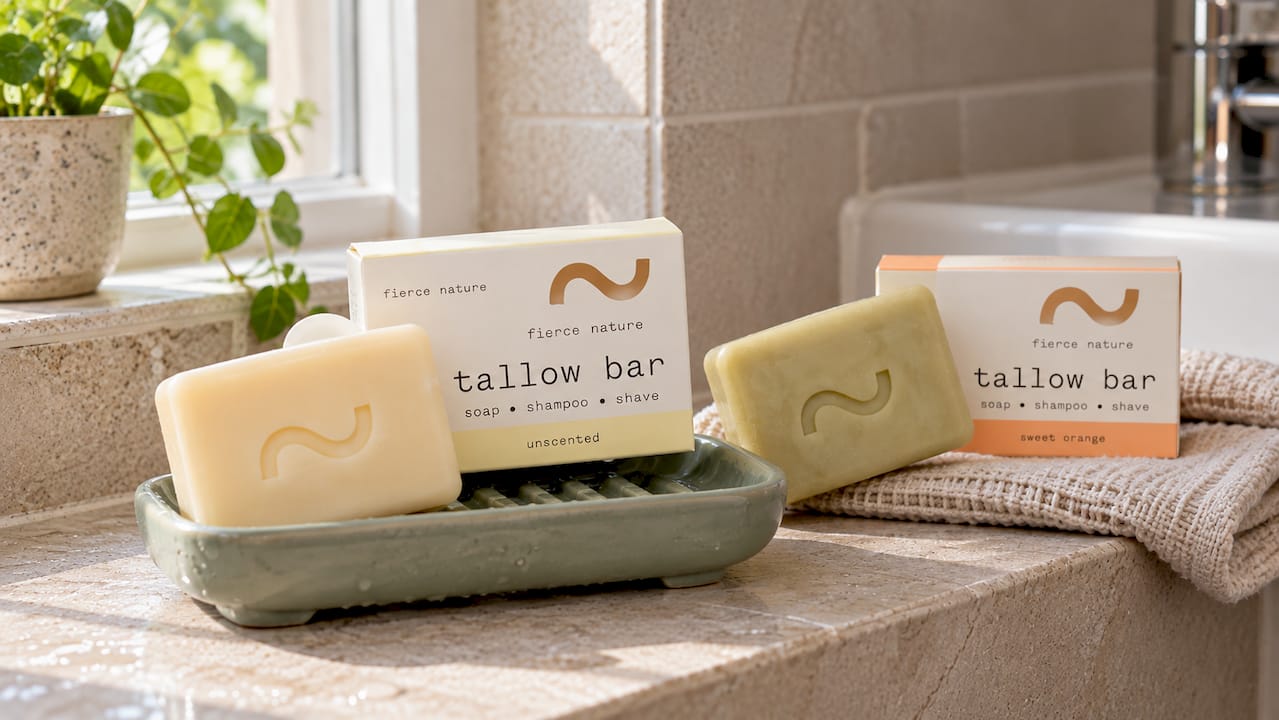
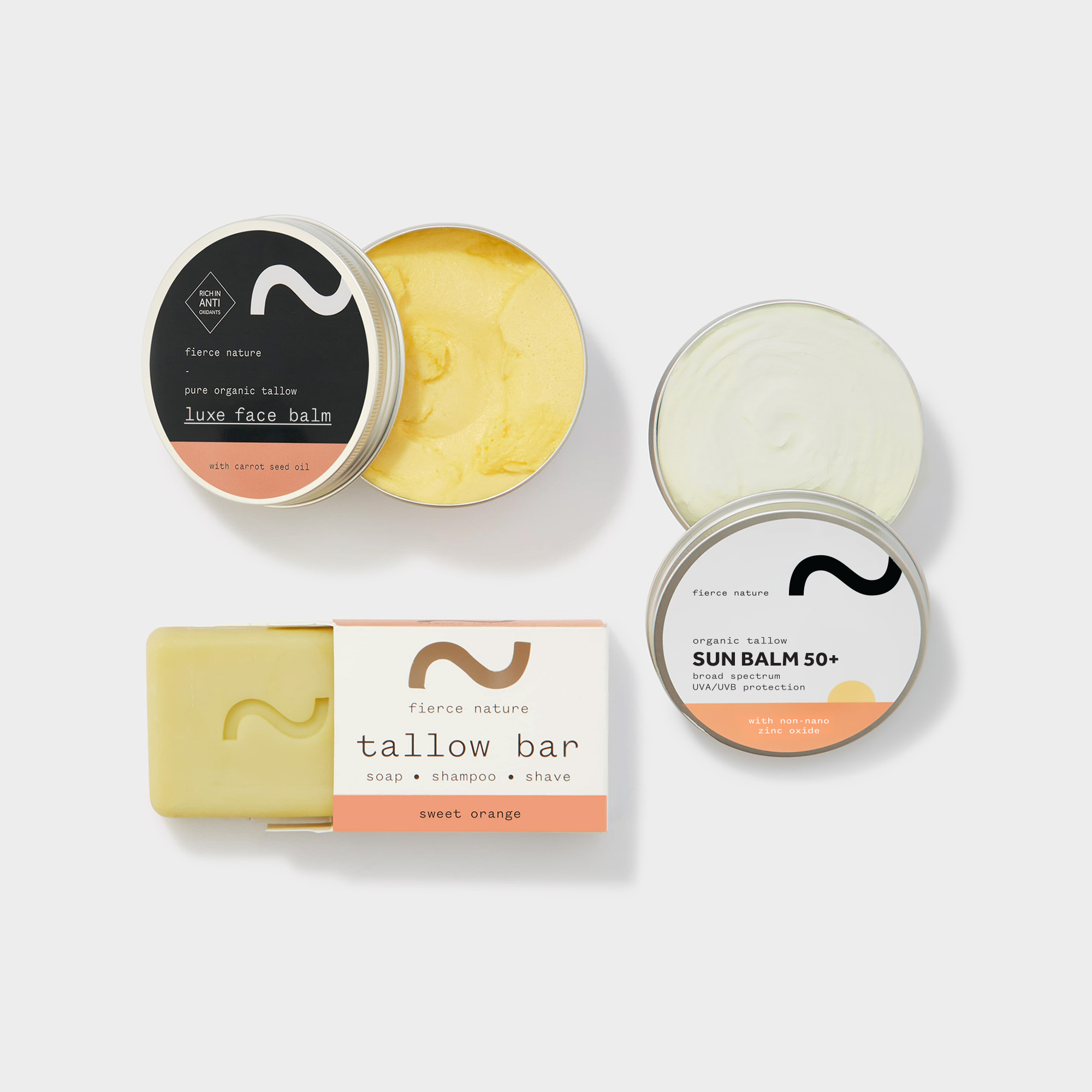
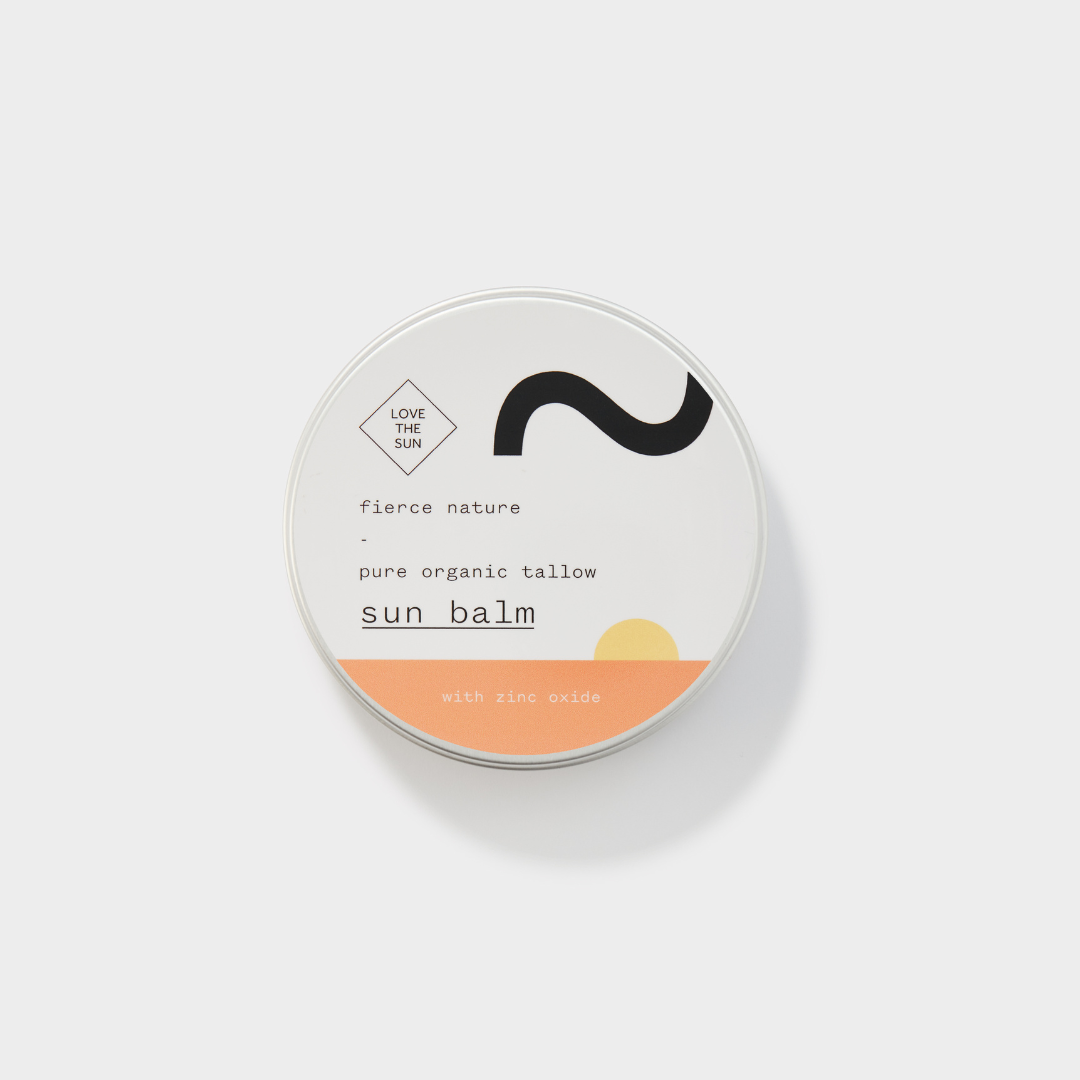
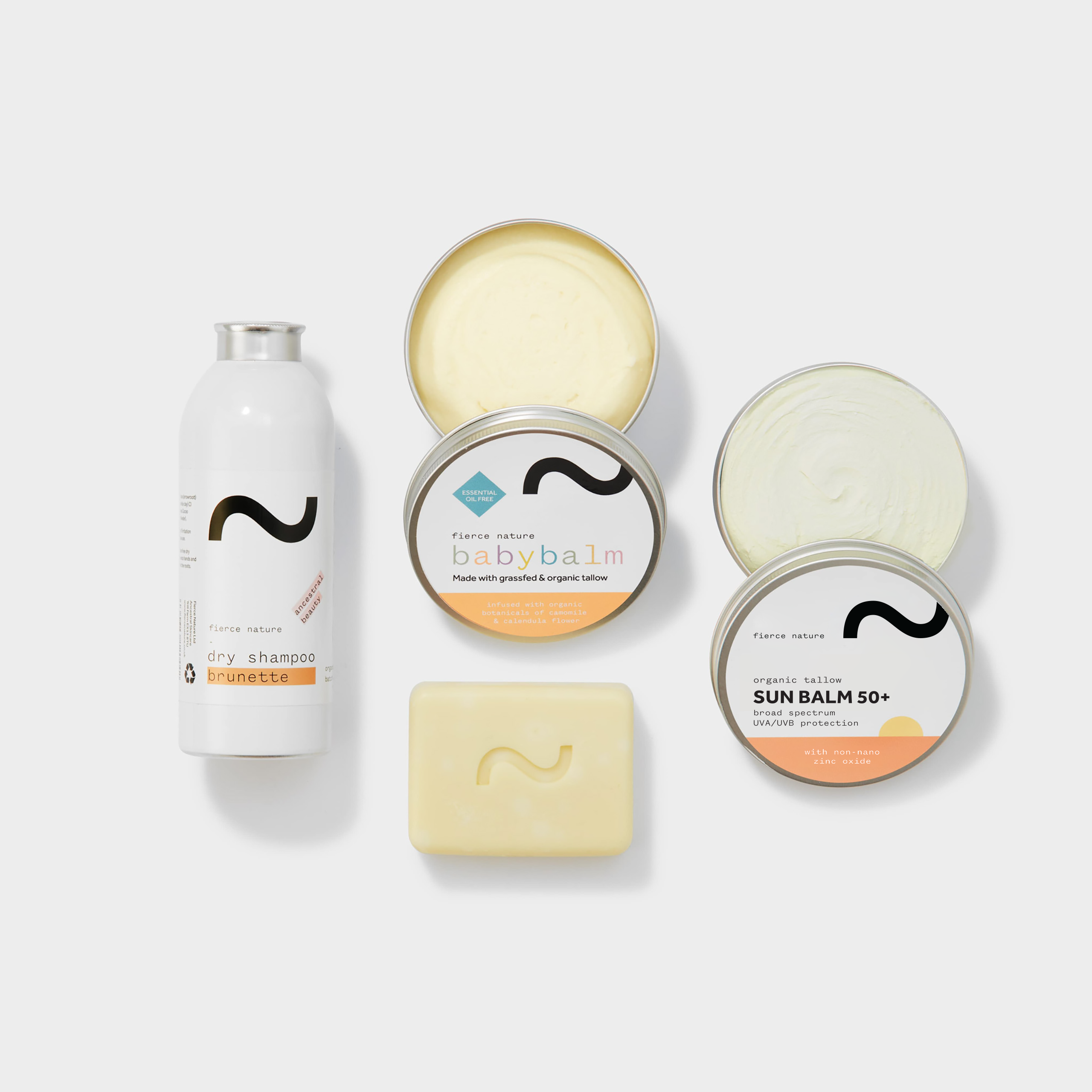
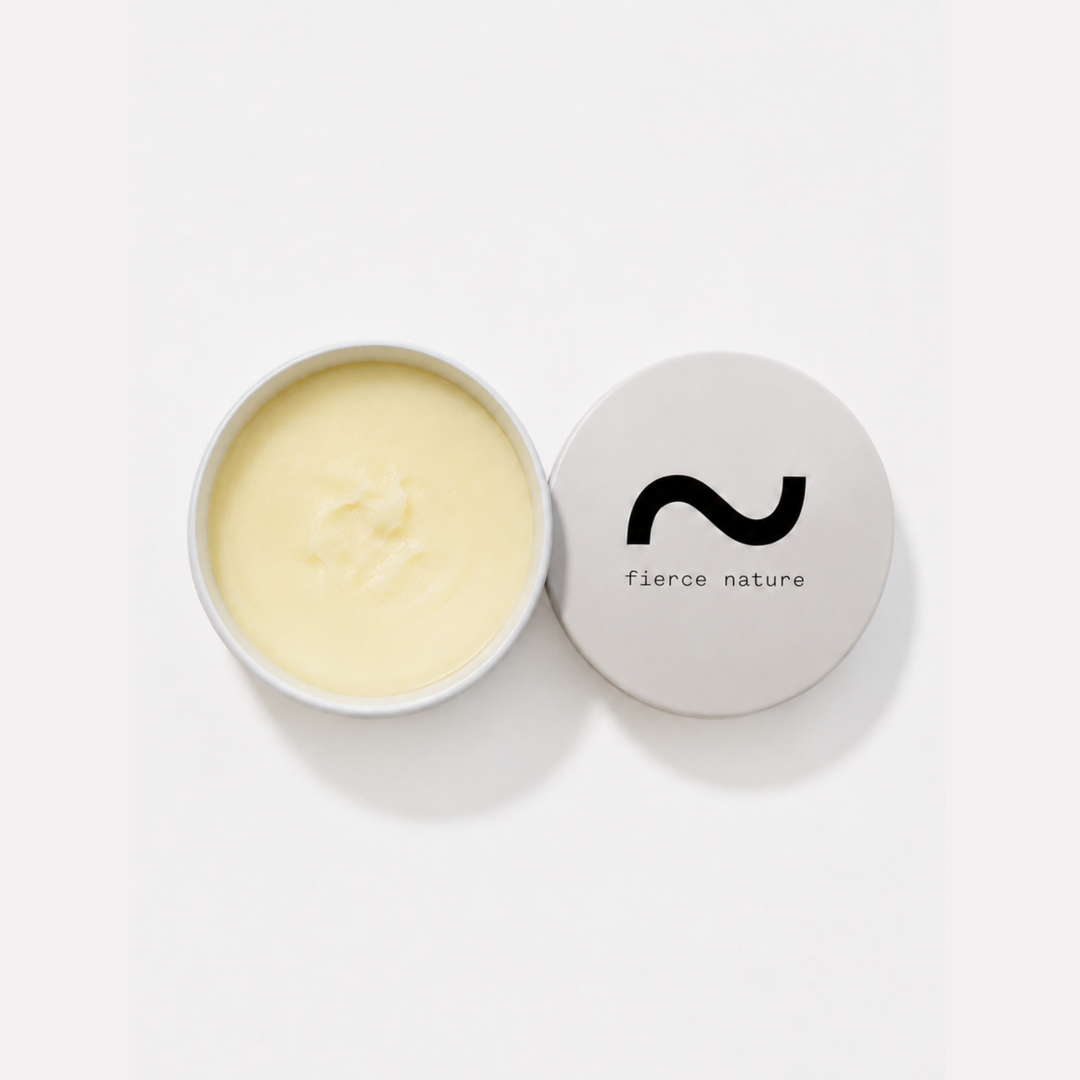
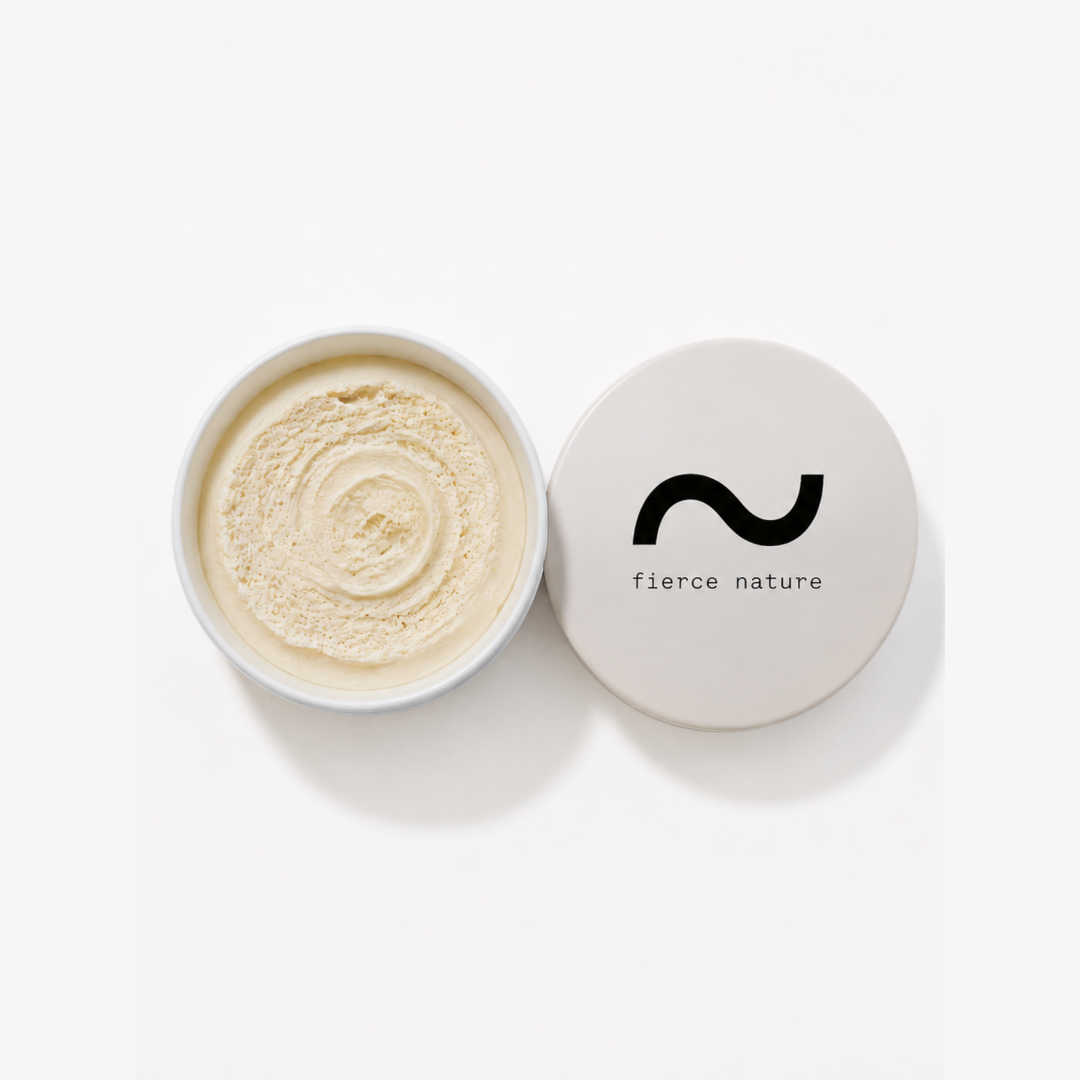
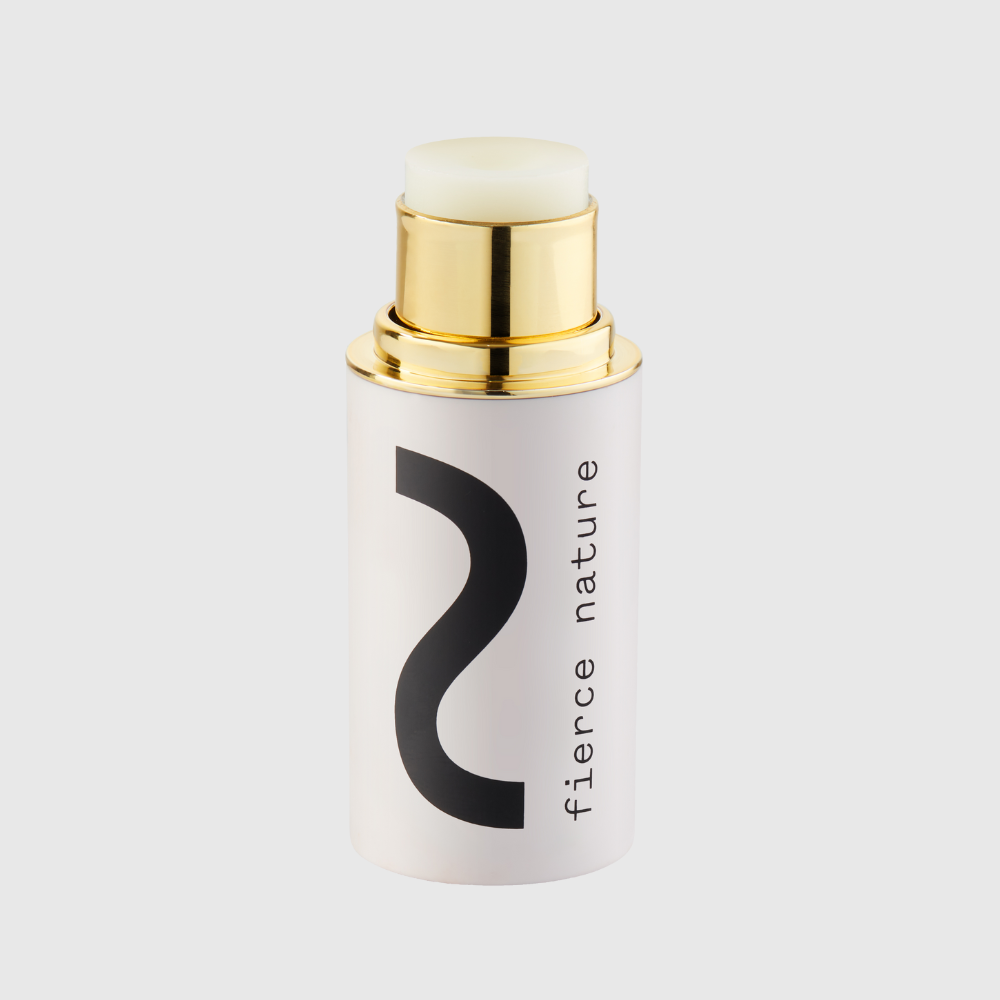
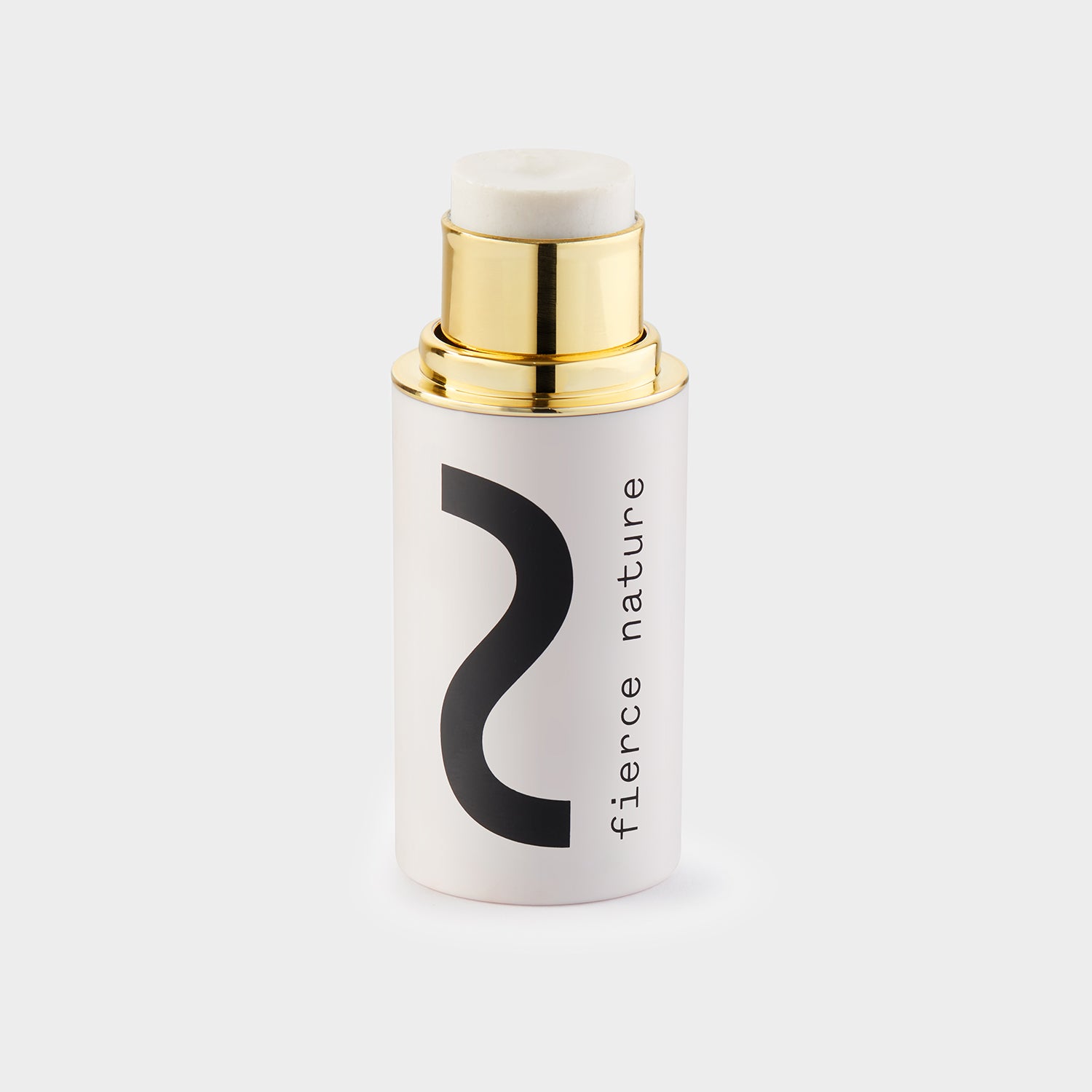
If you would like a mineral option in a nourishing, handmade formula, take a look at our New Sun Balm SPF 50+ PA++++. It is made in the UK on an organic tallow base, in the same spirit as the rest of our range. Check the product page for the full ingredient list and directions before you buy, so you can see exactly which filters it uses and how to apply it.
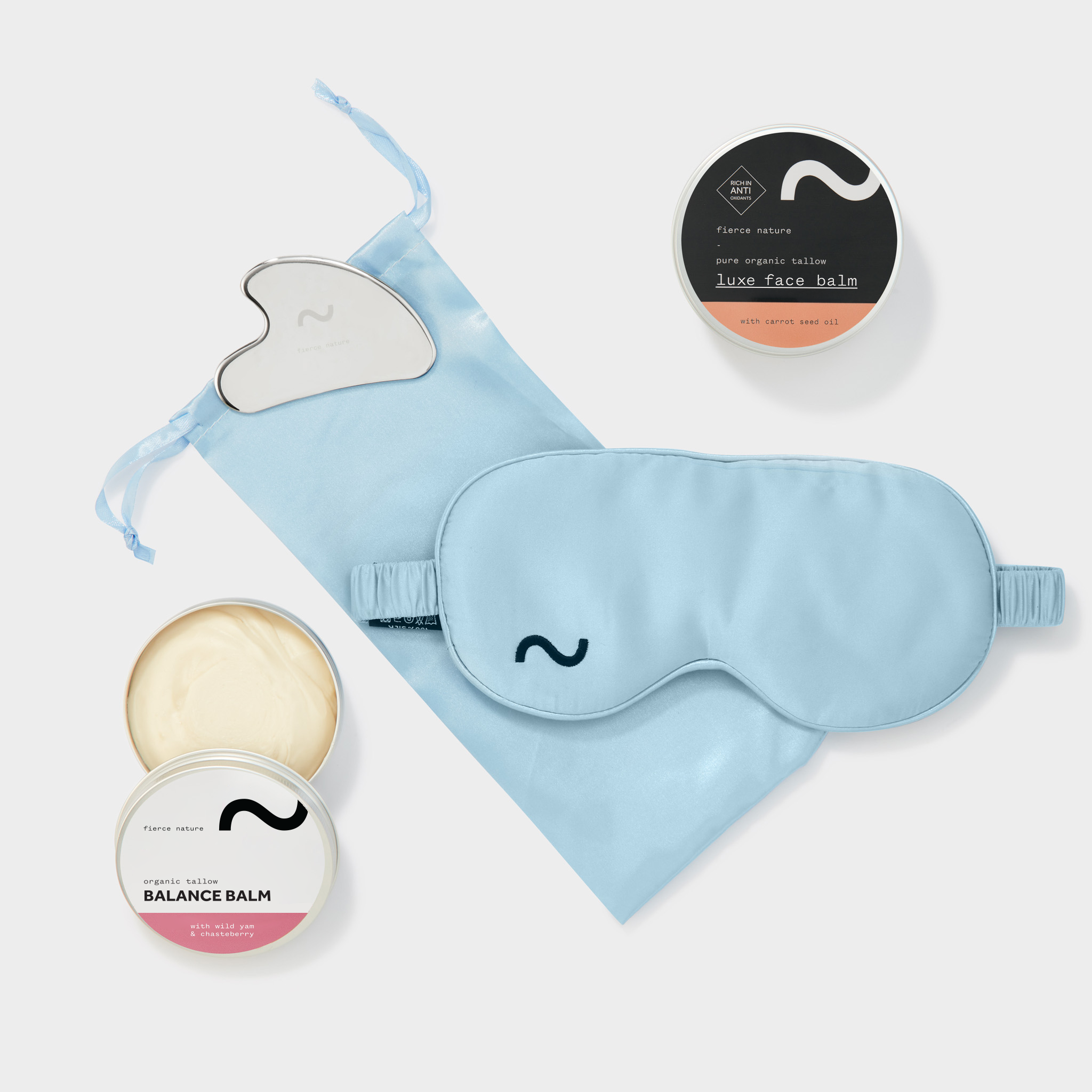
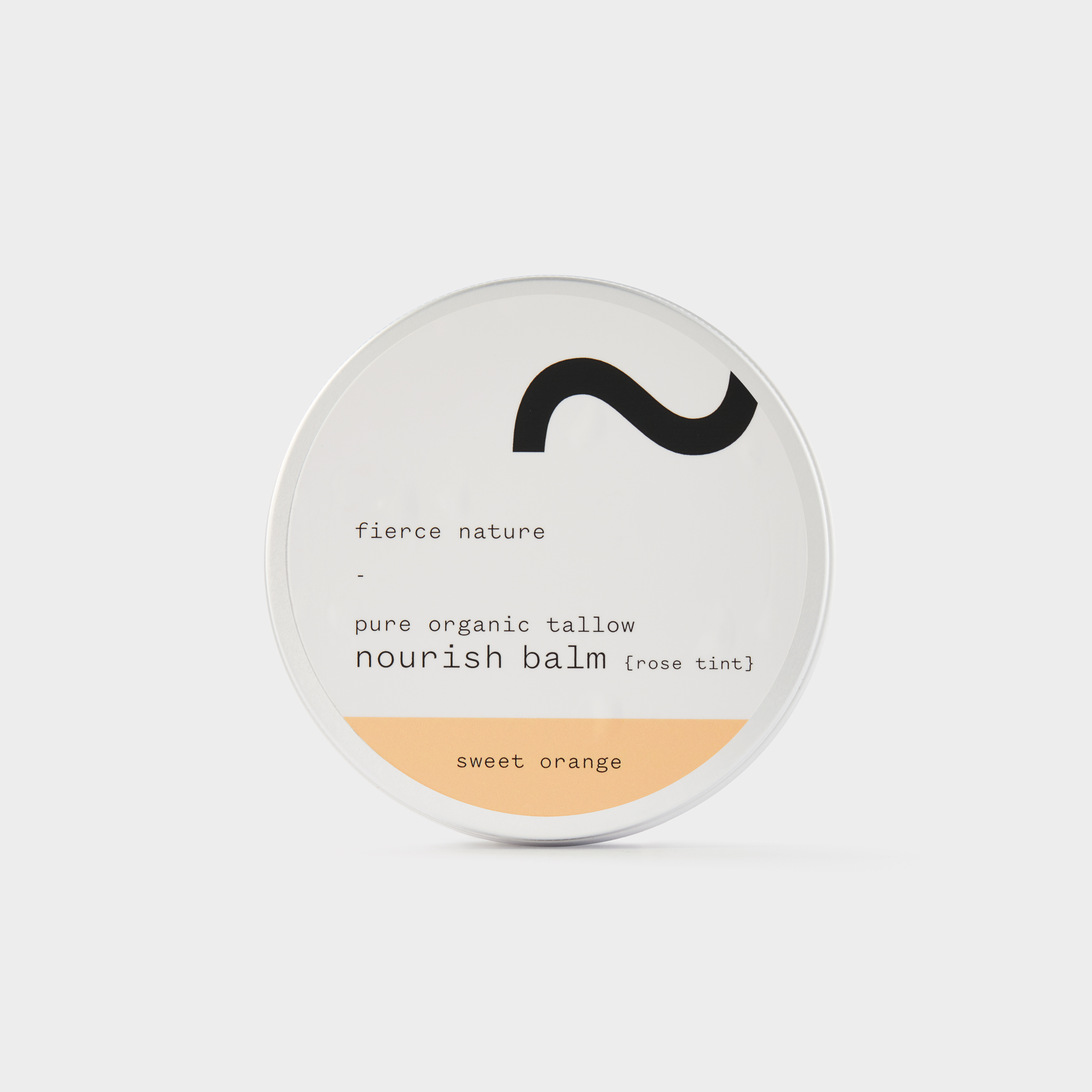
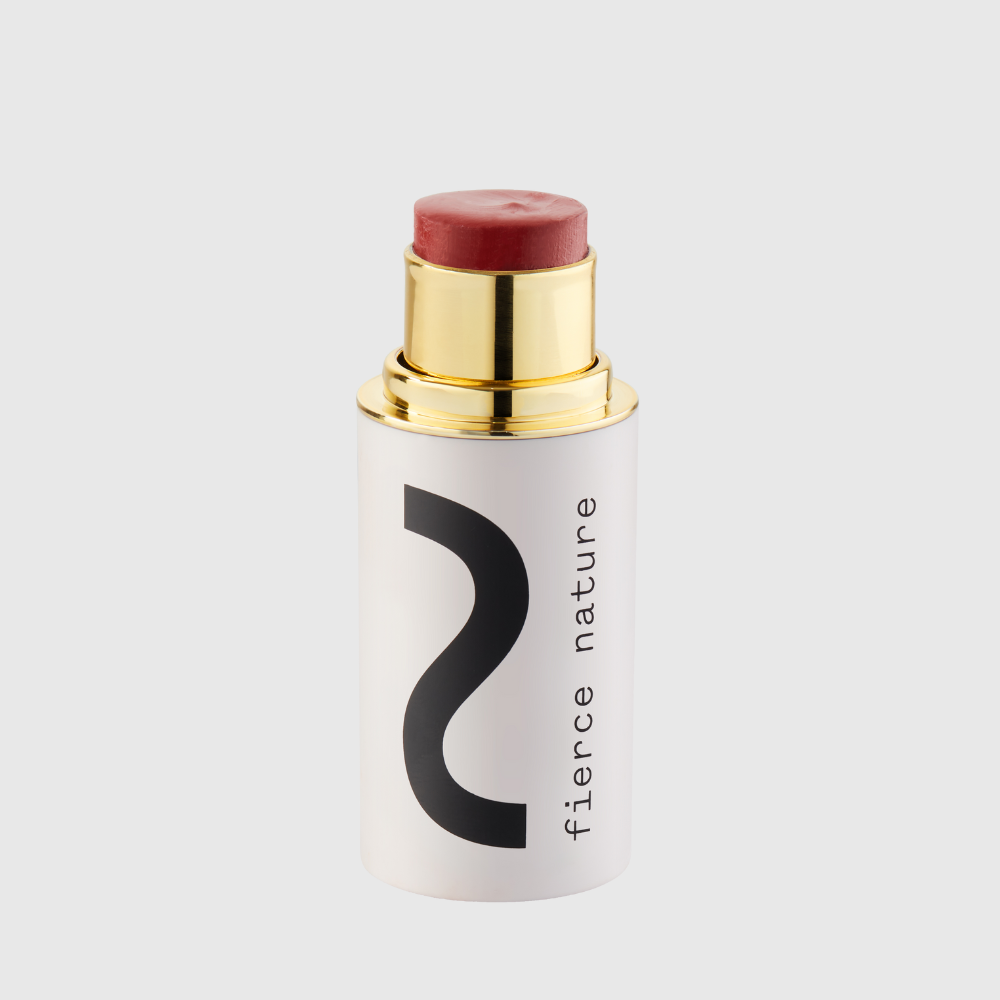
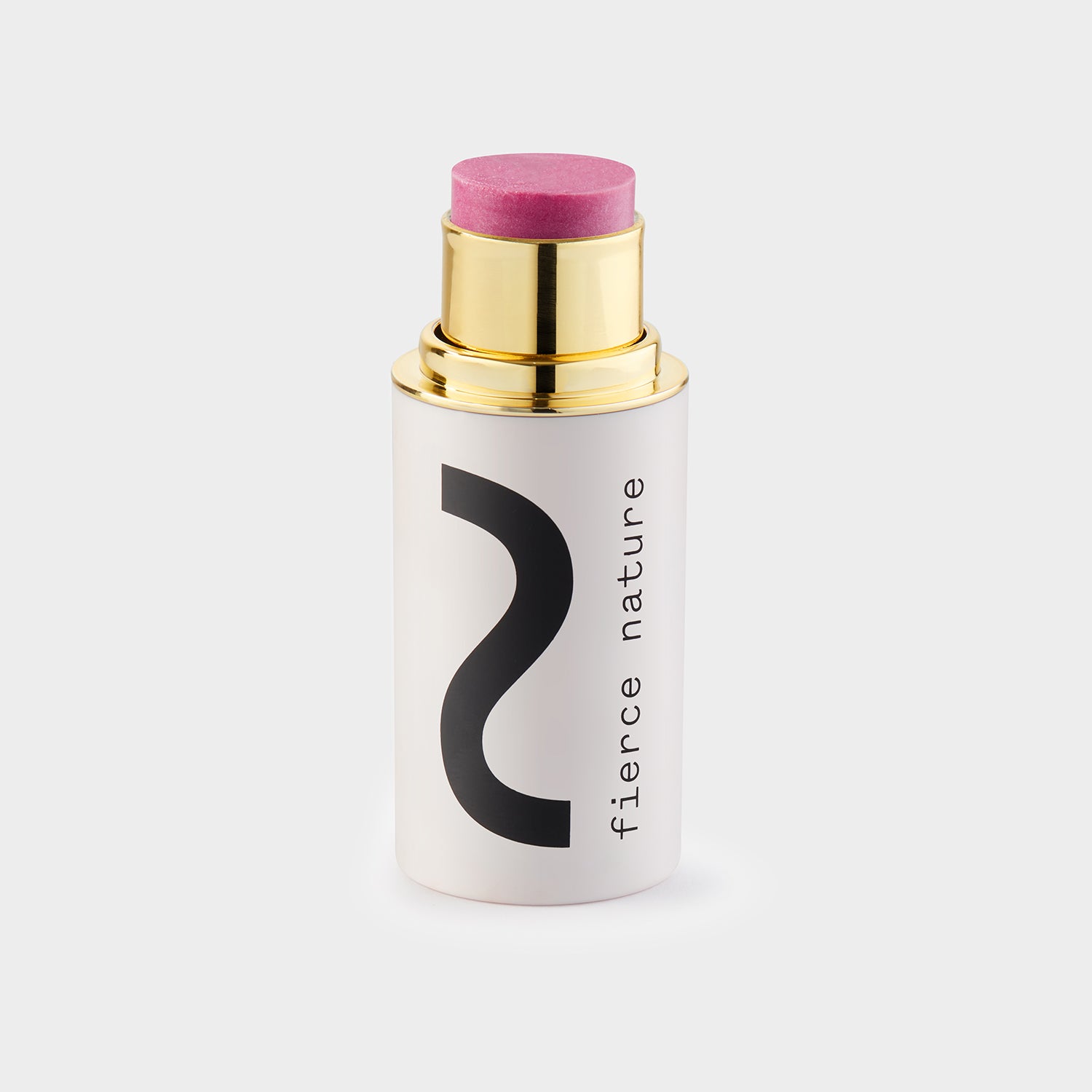
If you like to even out your complexion before going outside, our skin tints are worth a look, and our face and body balms are there for the after-sun moment, when skin simply wants nourishment. For a wider look at how a natural sun balm fits into a summer routine, see our guide on why you need a natural sun balm.
If you are still weighing the two, these situations may help:
In every case, check for SPF 30 or higher, a UVA rating of four or five stars, and then use enough of it.
“Mineral sunscreens only sit on top and never work as well.” Modern mineral filters protect well when applied properly. The old reflect-versus-absorb distinction is outdated, and dermatologists increasingly guide people by comfort, sensitivity and broad-spectrum cover.
“A higher percentage always means better protection.” Not on its own. The UK limit is 25% for each mineral, but SPF depends on the full formula and how evenly it is applied.
“All white cast is a sign of a good product.” It simply reflects particle size and formulation. A very visible cast does not prove higher protection, and a transparent one does not prove lower.
“If I use SPF 50, I can stay out all day.” No. Even a high SPF does not provide 100% protection, and it still needs reapplying every two hours.
For breadth of protection, yes. Zinc oxide covers the long-wave UVA range better, while titanium dioxide’s cover falls away there. Titanium dioxide is still very effective against UVB and is often used alongside zinc to make a formula feel lighter.
A mineral sunscreen with a short, fragrance-free ingredient list is usually the gentlest place to start, and NHS guidance recommends mineral options for children and sensitive skin. Patch test first on a small area. If you have eczema or a history of reactions, ask your GP or pharmacist for advice.
UK rules allow up to 25% of each in cosmetic products. There is no single ideal figure, because SPF and UVA protection depend on the whole formula and how it was tested. Look at the SPF and UVA rating on the pack rather than the percentage alone.
Yes. Mineral sunscreens are suitable for daily use, and many people wear a layer on the face year-round, especially if they spend time outdoors. Remember to apply enough, reapply every two hours if you are outside, and pair it with shade and clothing on bright days.
Not always. Older, coarser formulas were the main cause, and finer particles, tints and balm textures that blend well can reduce it a lot. Warm the product in your hands and apply in thin layers for the best finish.