Varukorg
0
80 % också tillagt detta


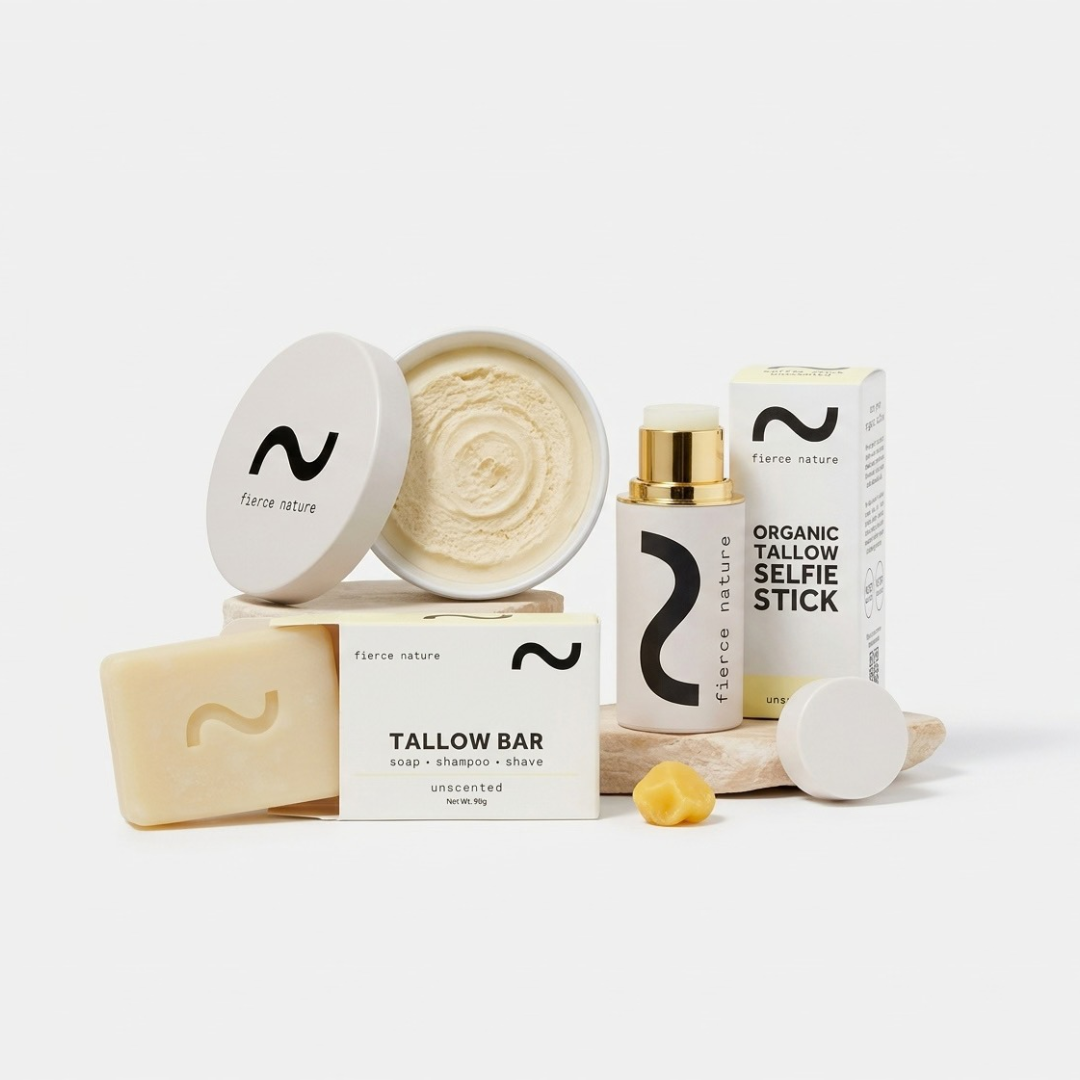
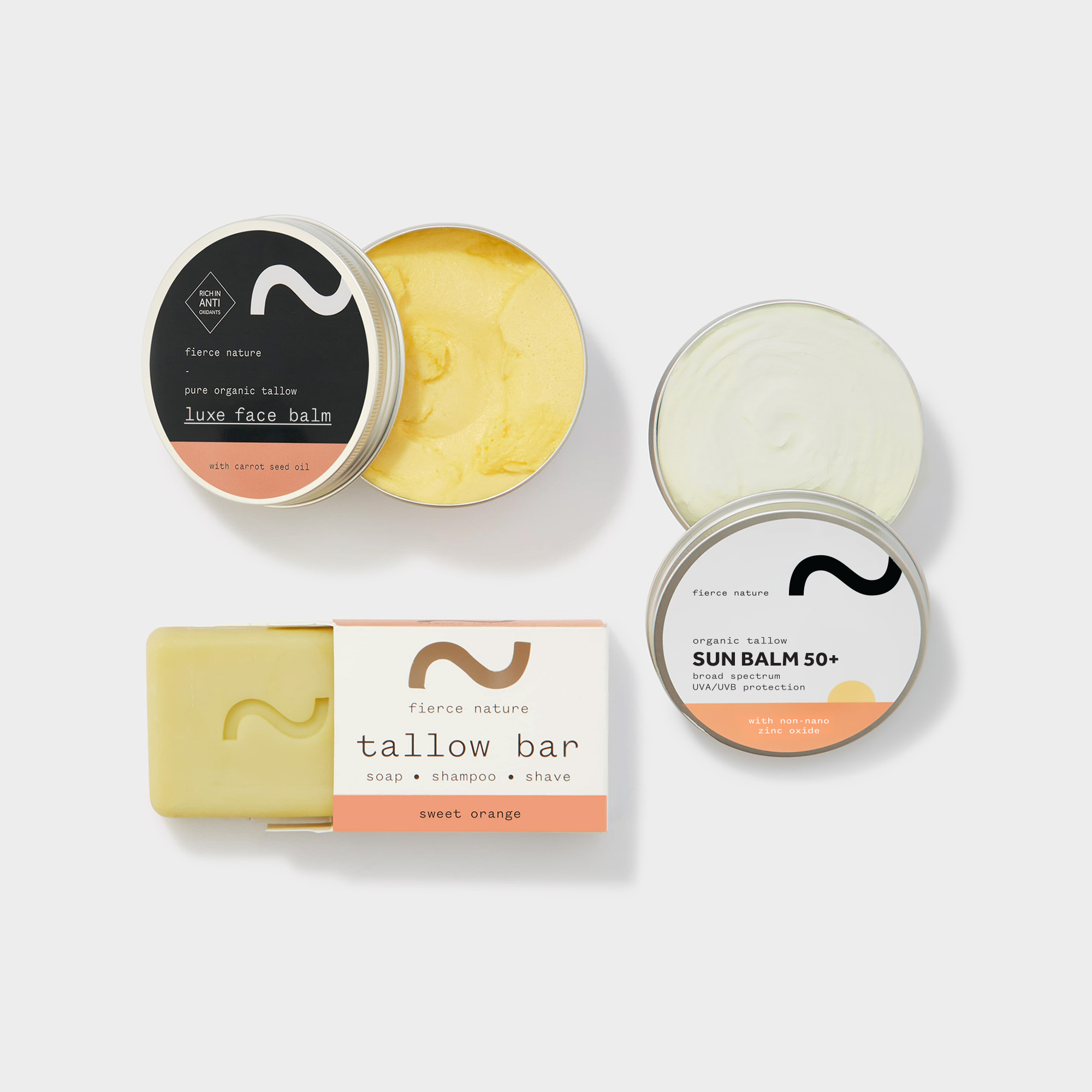
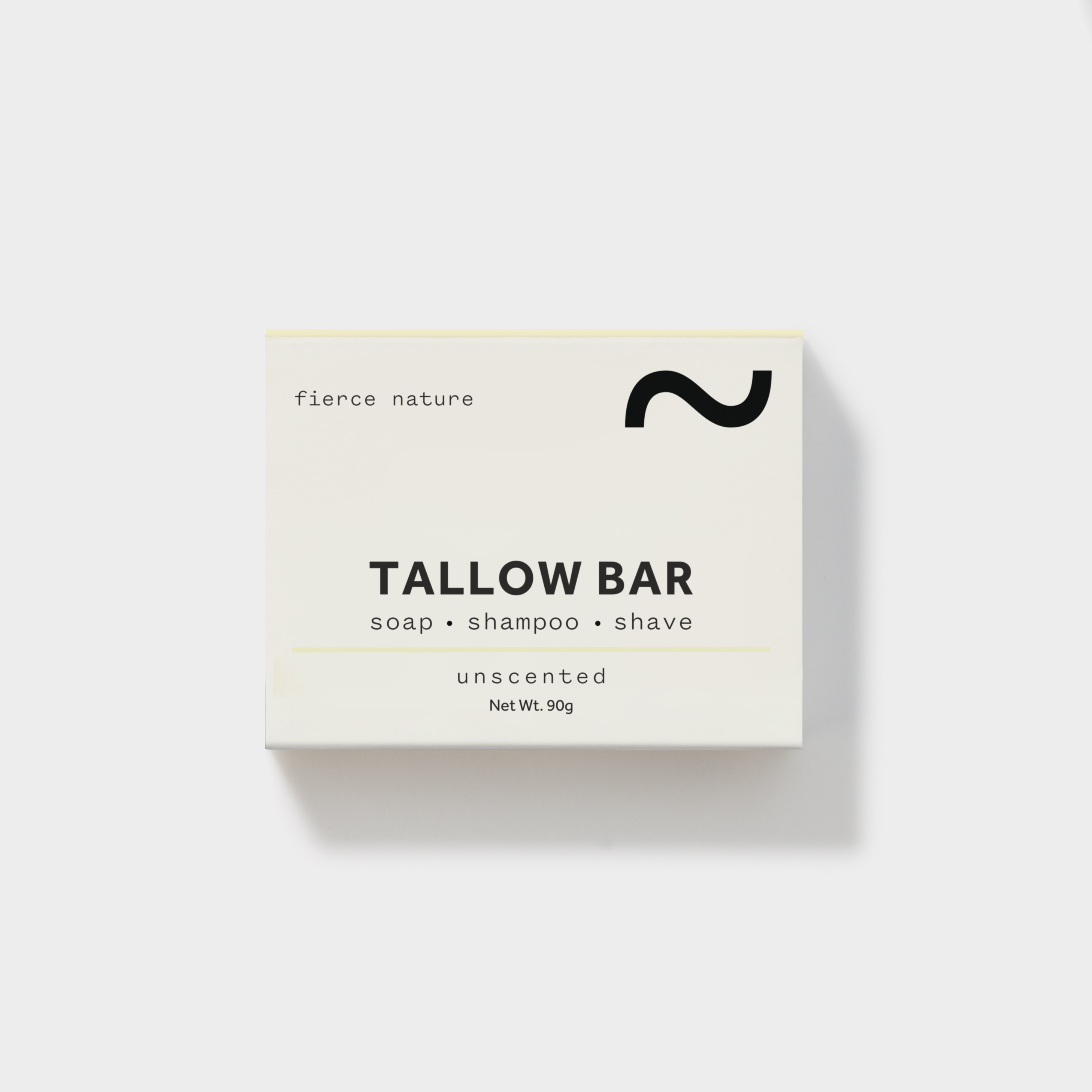
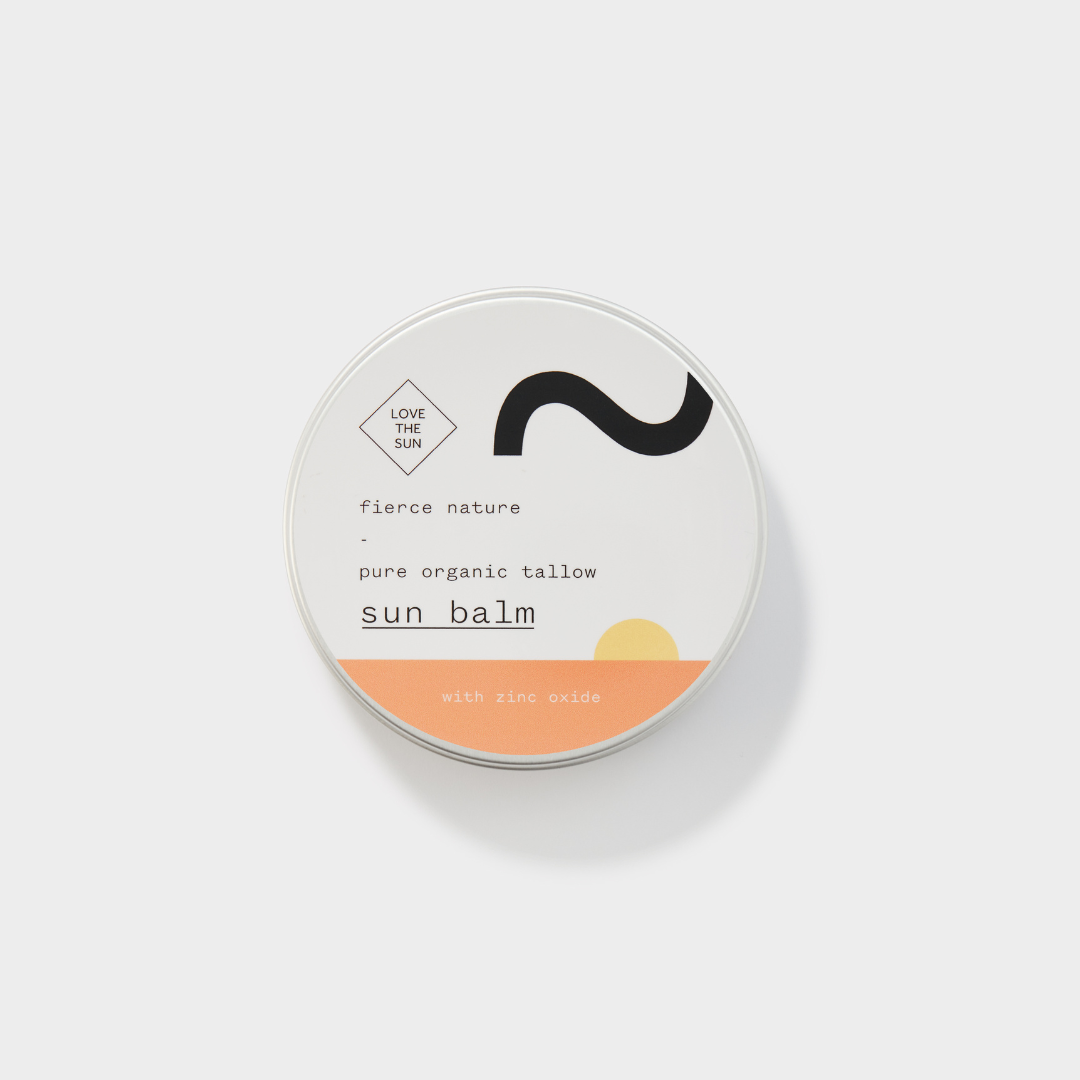
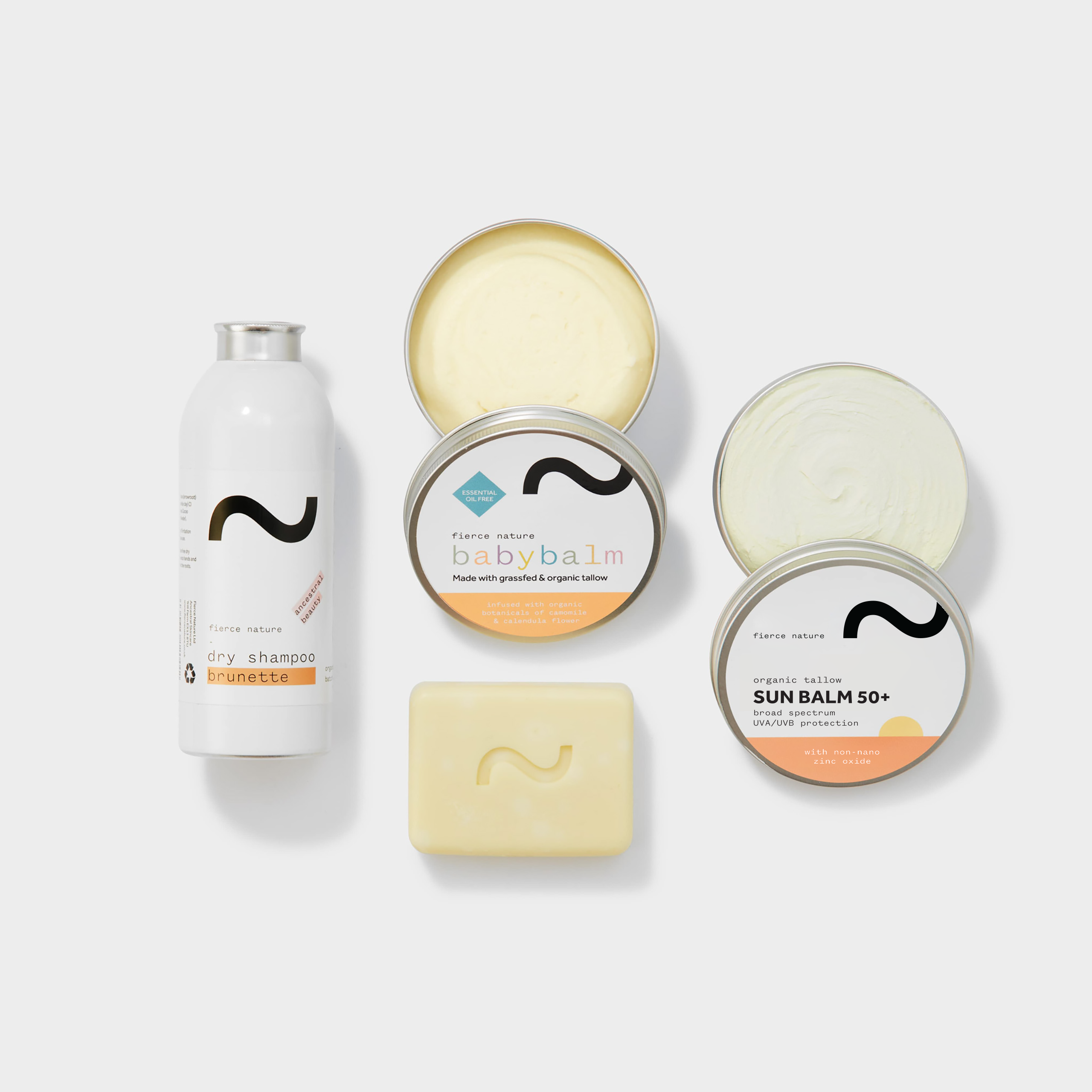
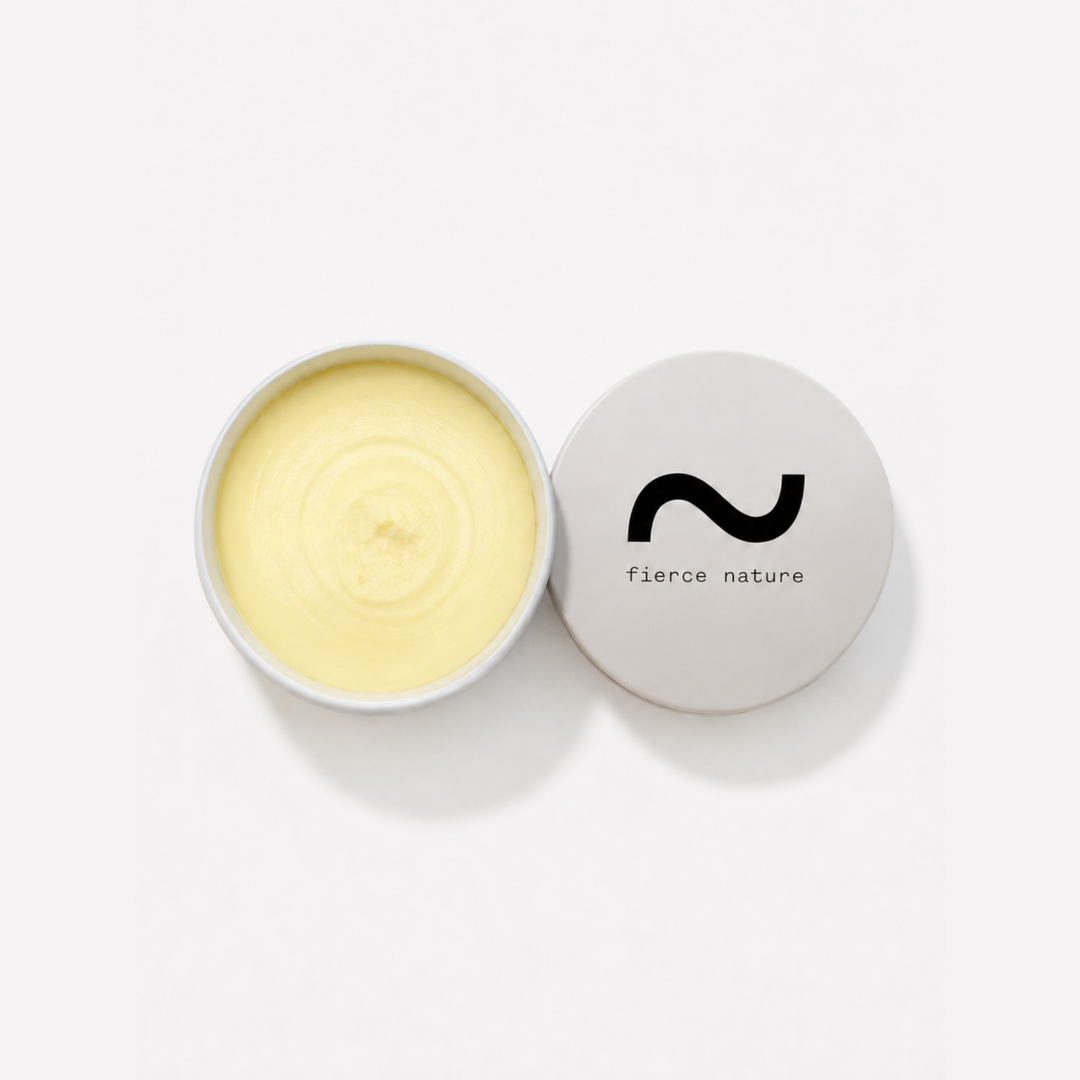
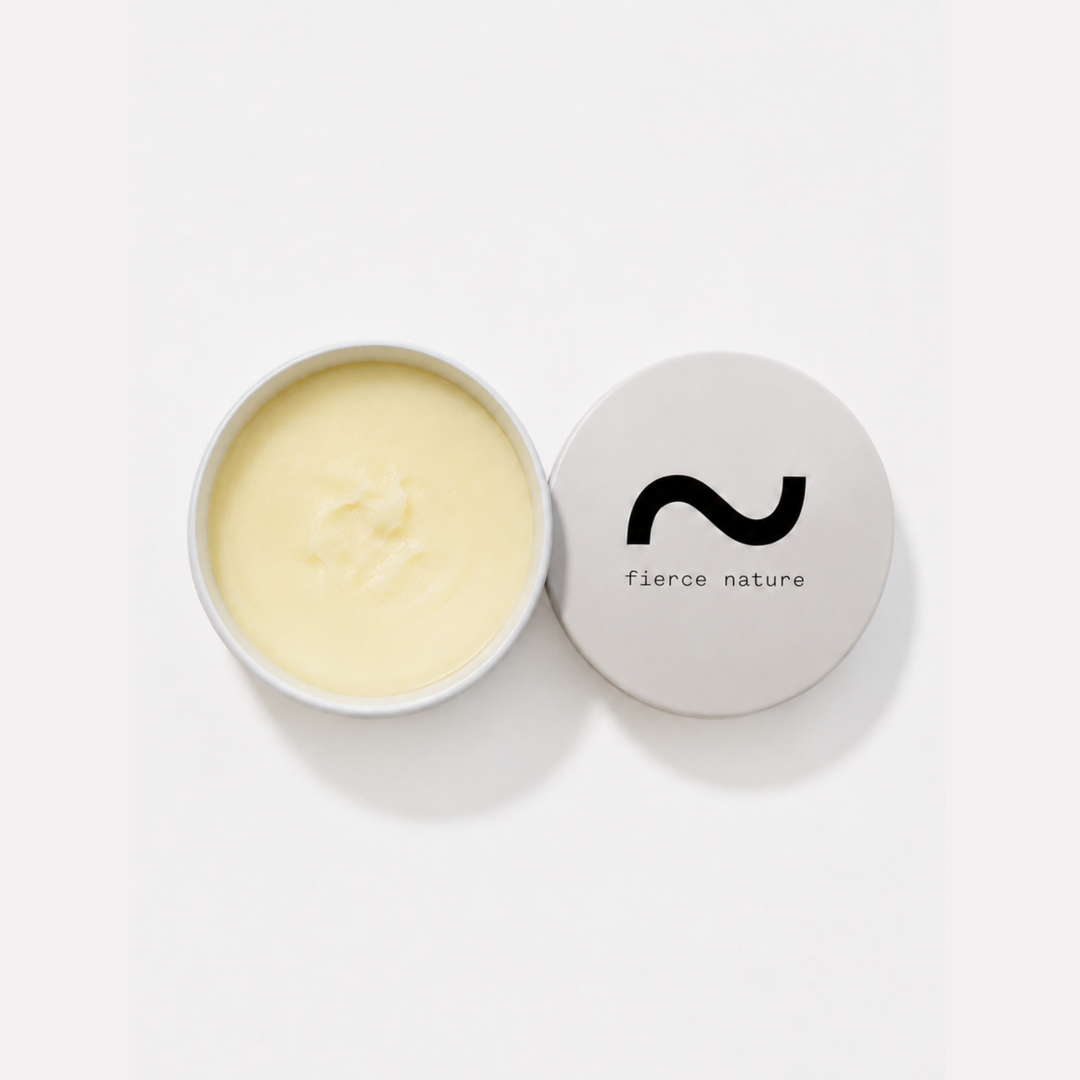
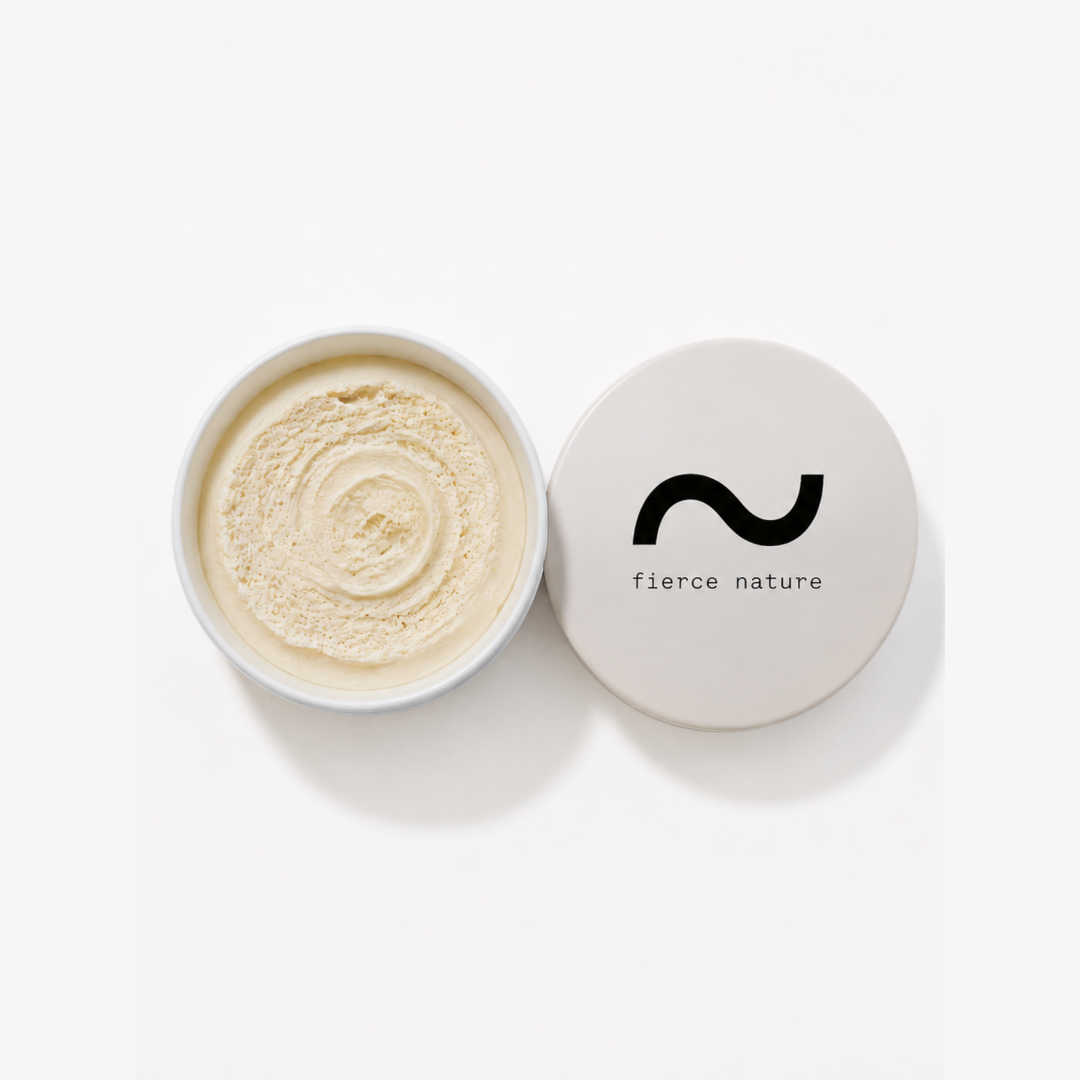
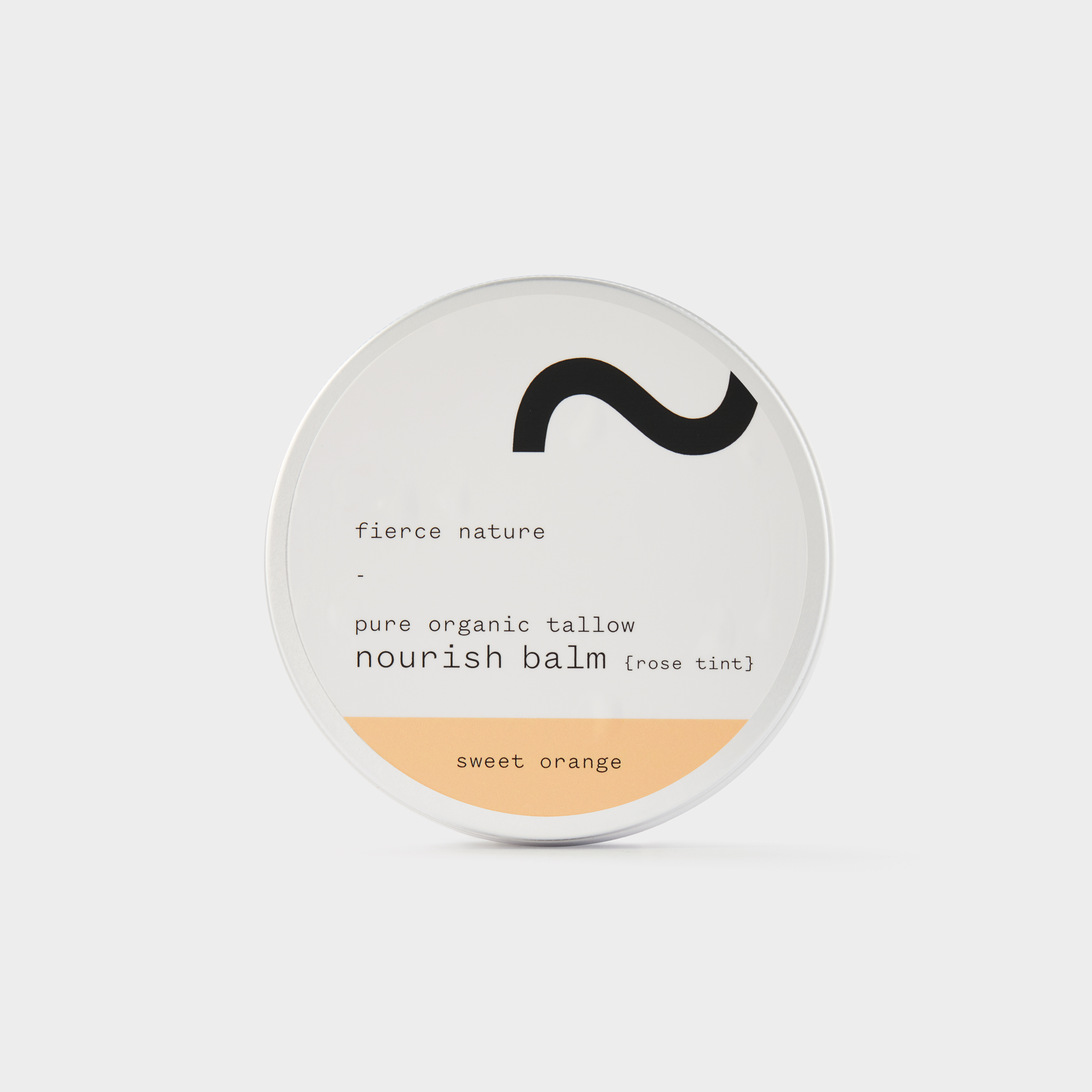
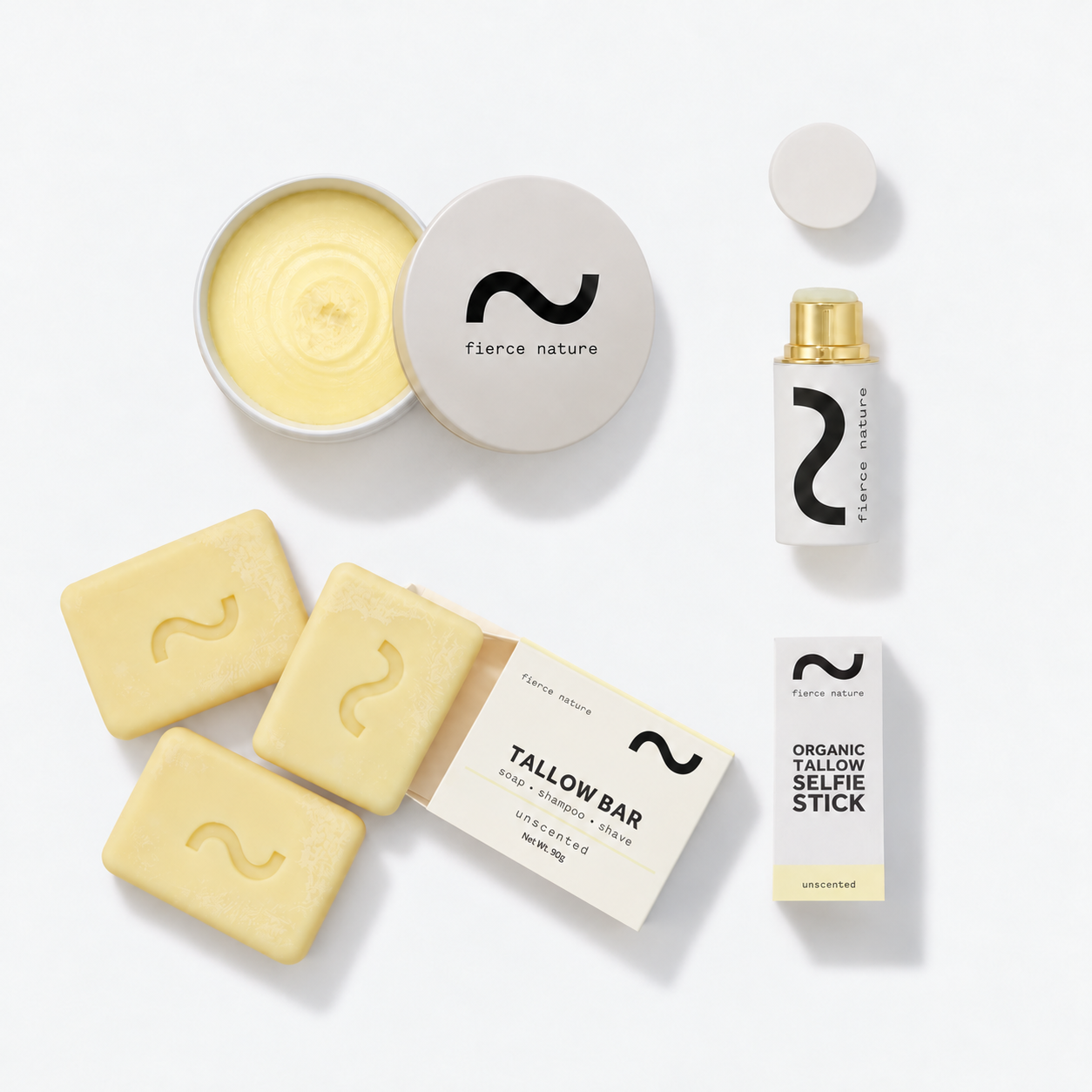

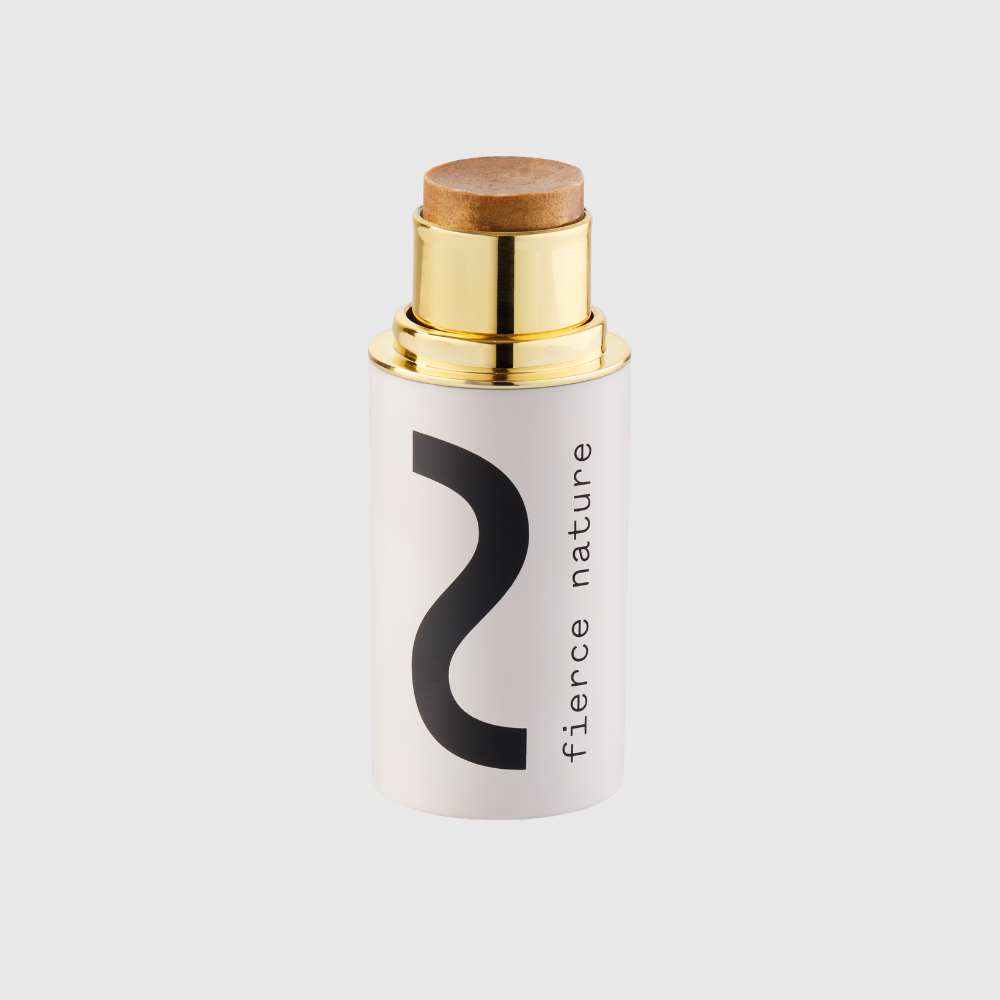
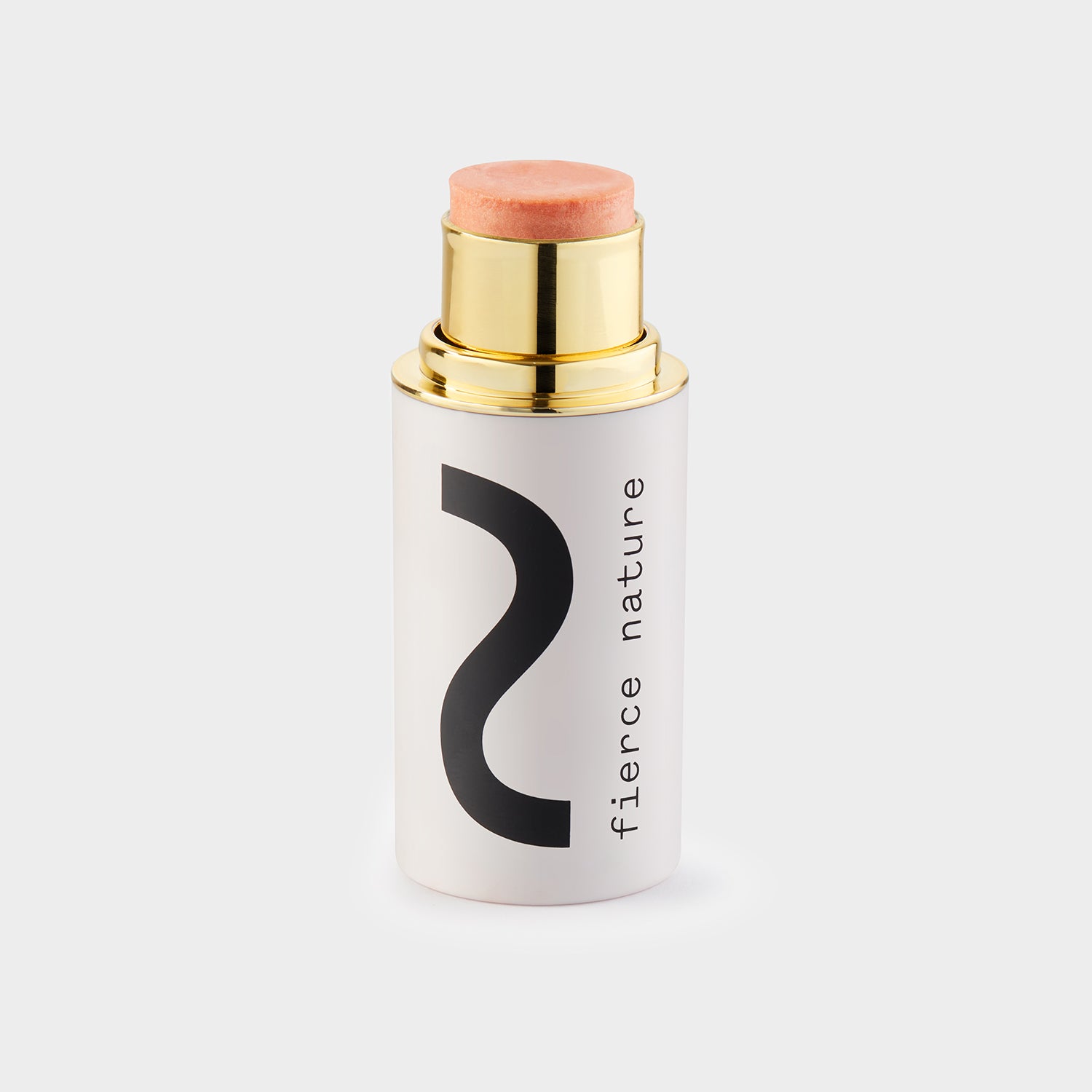
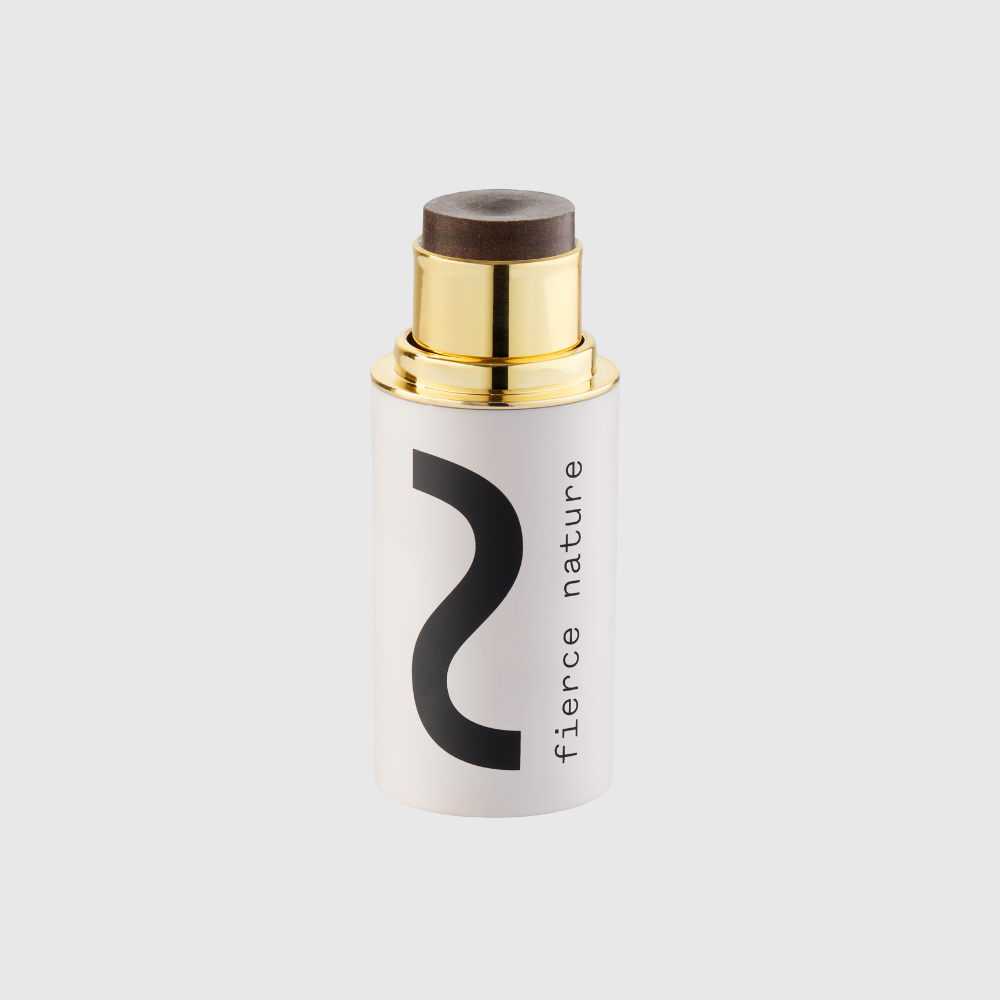
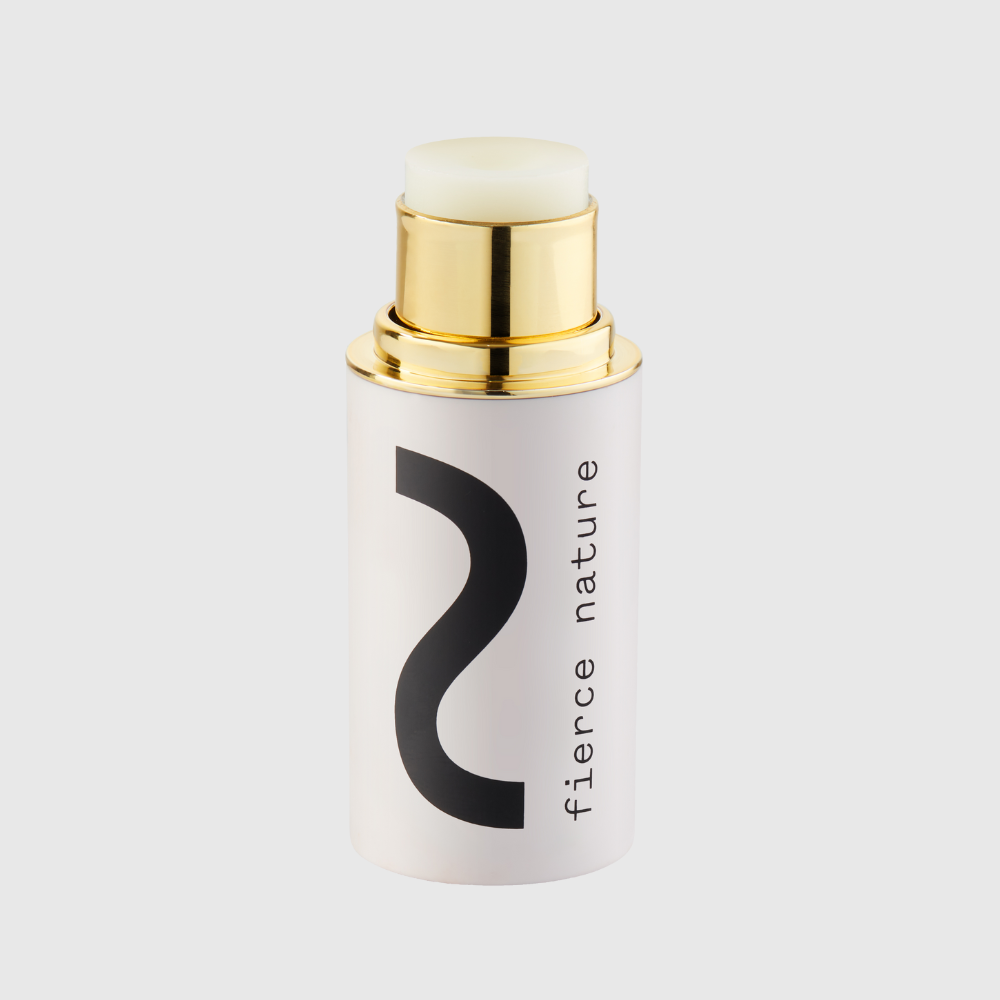
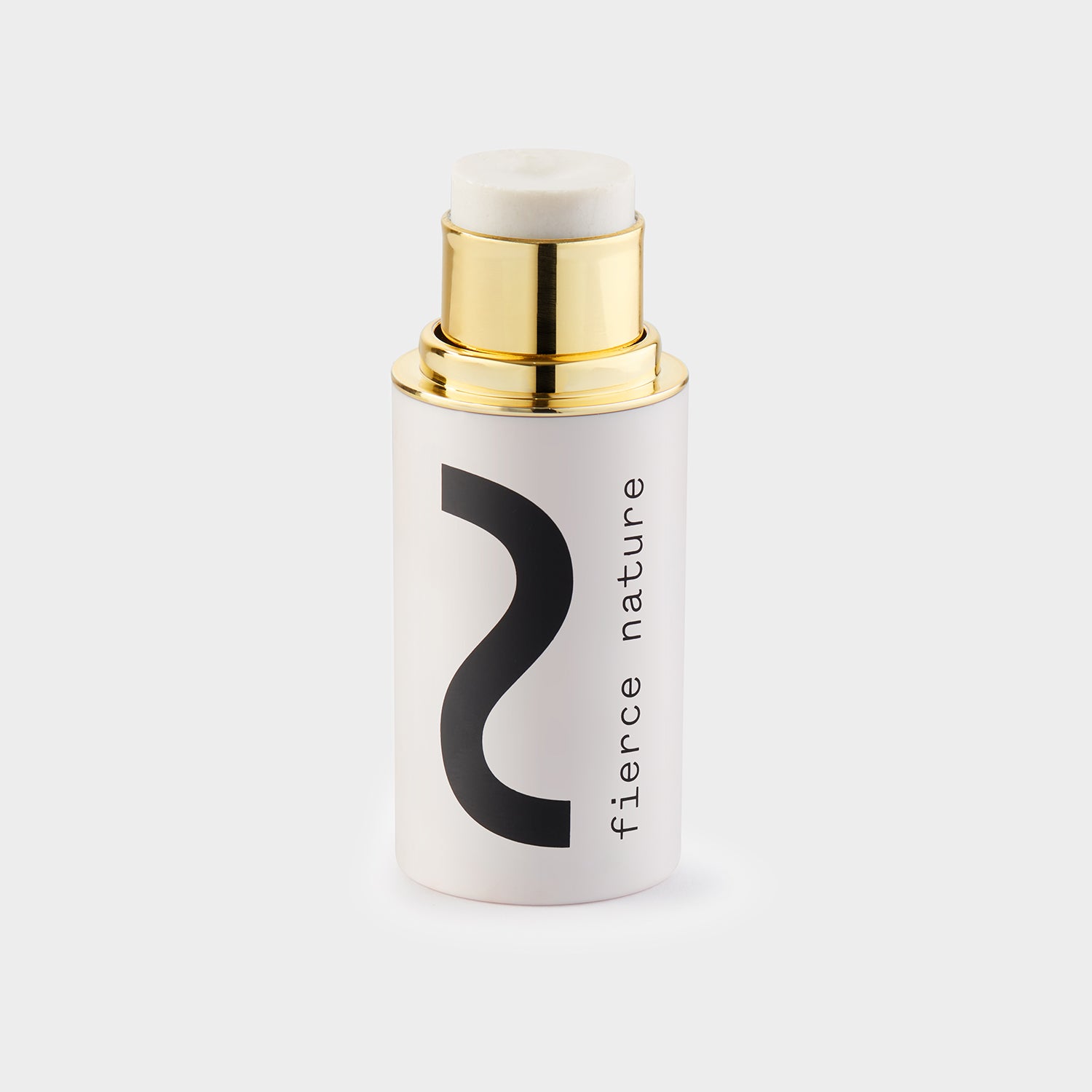
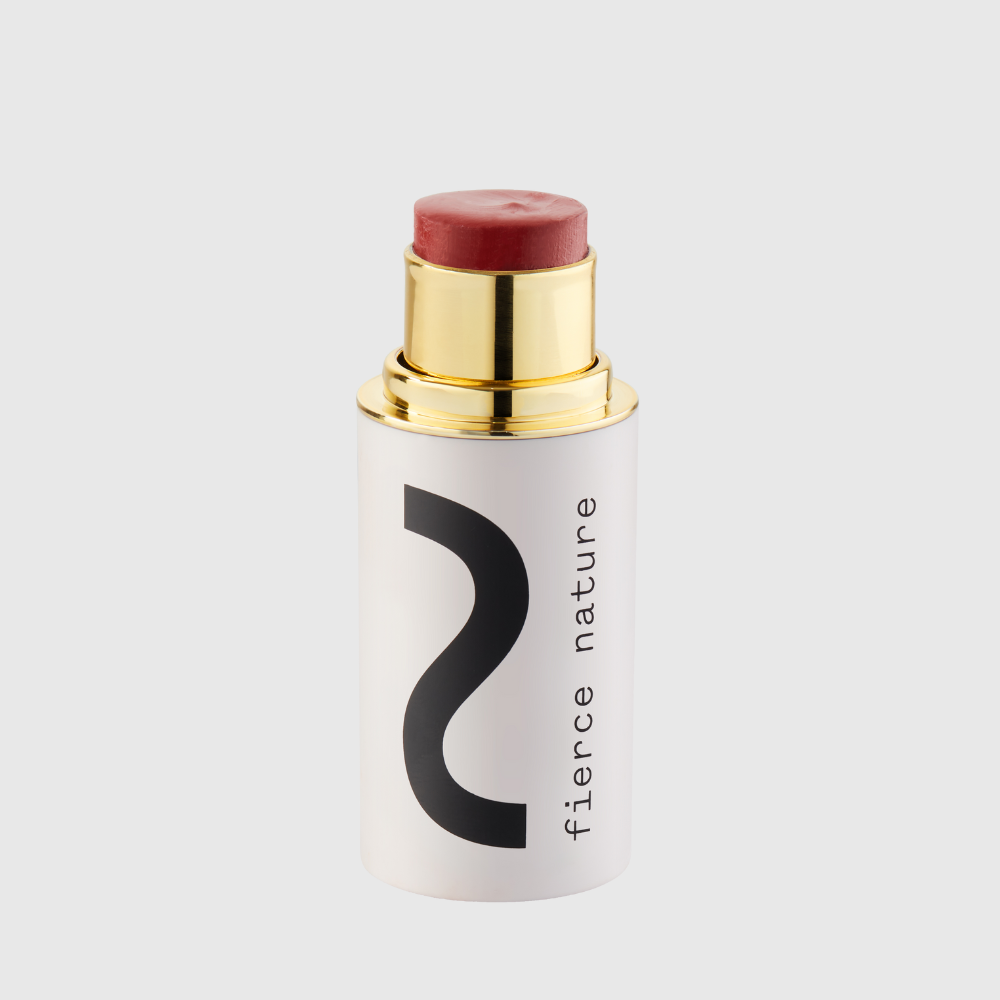
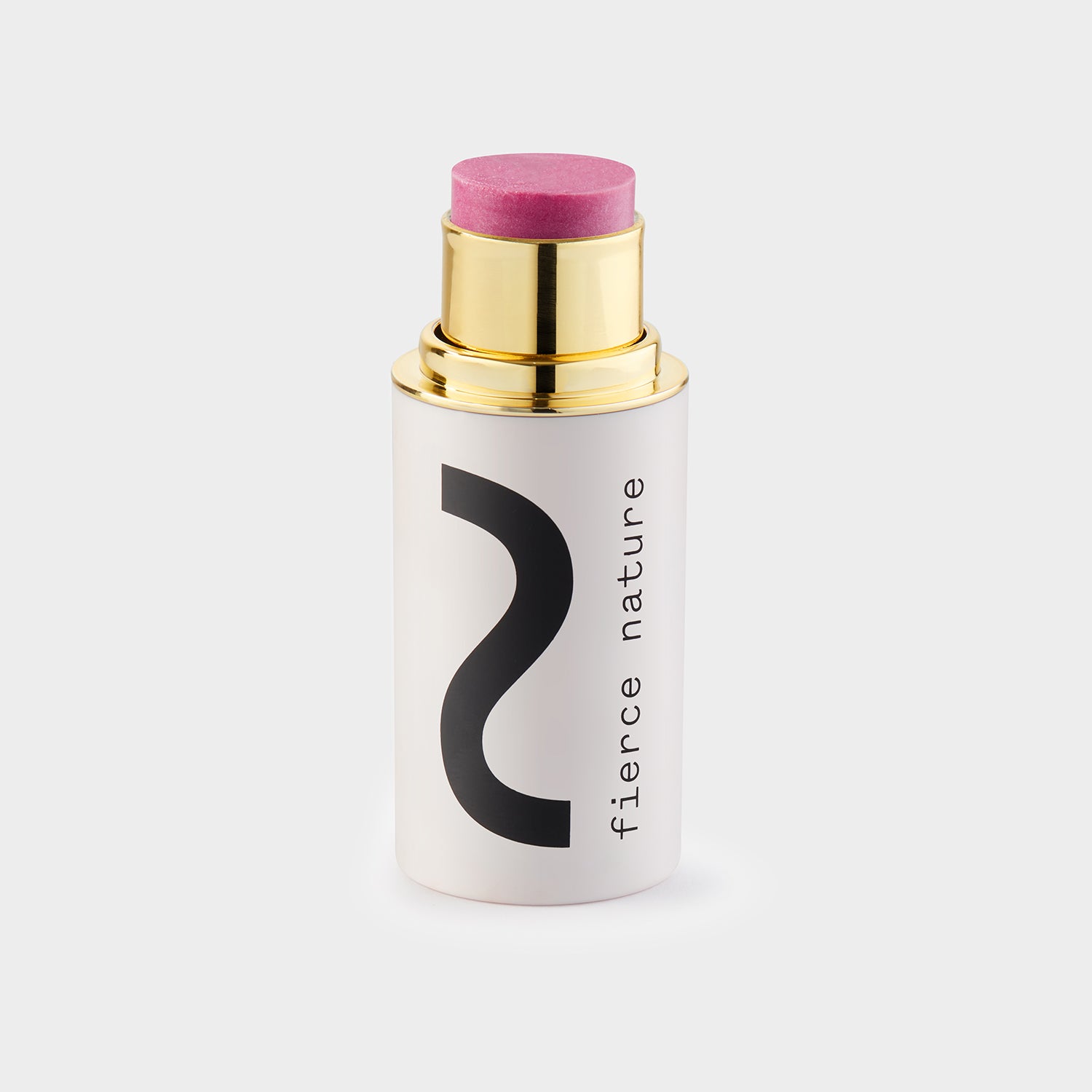
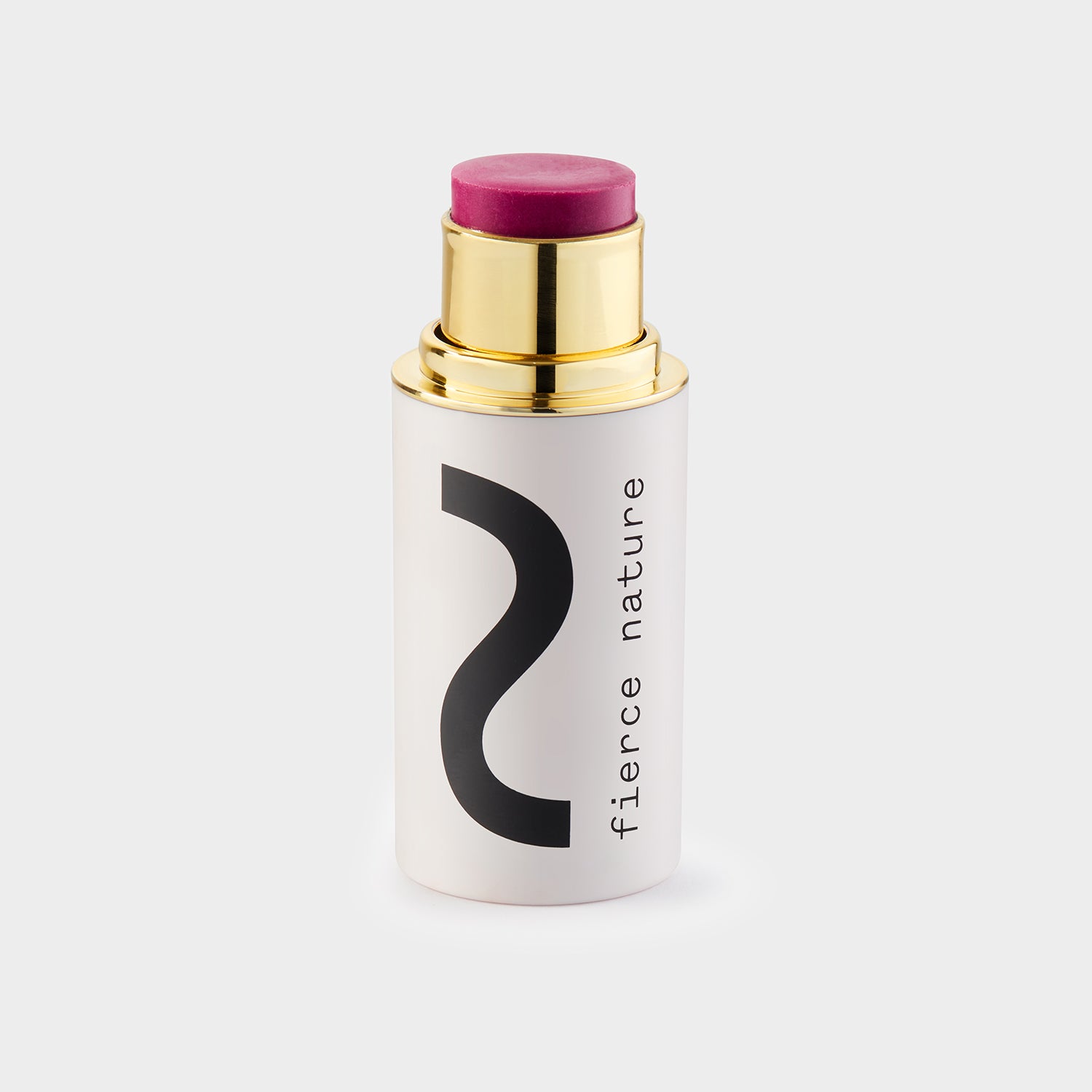




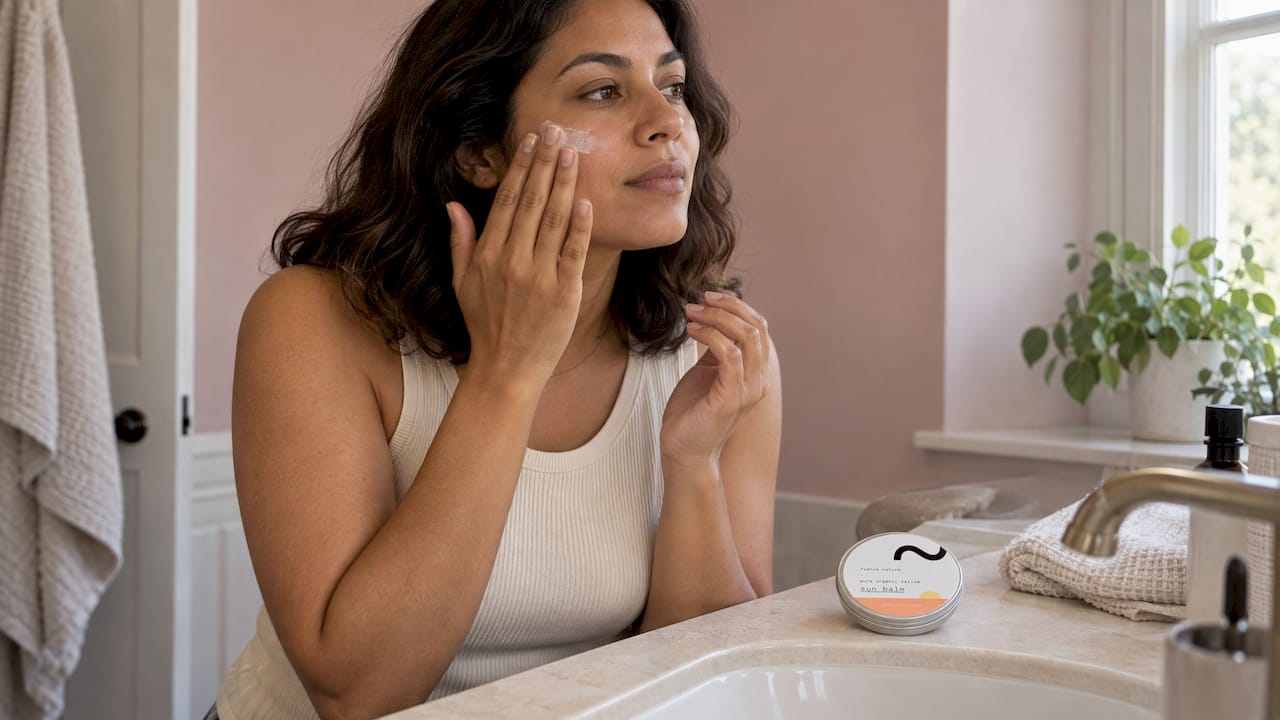
Mineral SPF goes under makeup: it is the last step of your skincare, applied in a generous layer, pressed in gently and given a minute or two to settle before foundation, tint or concealer. Done in that order, it protects your skin and gives makeup a smooth base. Skip the settling time, rub too hard or use too little, and you get pilling, patches and protection that is far lower than the number on the tube. Below we walk through the full routine, step by step, and show where it usually goes wrong. For a nourishing, tallow-based way to do it, our New Sun Balm SPF 50+ PA++++ and skin tints are made to work together.
Mineral sunscreen, also called physical sunscreen, uses two ingredients: zinc oxide and titanium dioxide. Instead of being absorbed into the skin and changing UV light into heat, as chemical filters do, mineral filters sit on the surface of the skin and reflect and scatter UV rays. If you want the detail on how the two minerals differ, our guide to what zinc oxide and titanium dioxide actually do covers it.
There are three practical consequences for anyone wearing makeup:
Mineral formulas are also generally considered gentle, which is why people with sensitive skin often prefer them. If you came to natural skincare because mainstream products left your skin red or itchy, this is a sensible place to start.
The order matters more with mineral SPF than with almost any other product, because the protection comes from an unbroken film on the skin’s surface. This is the sequence we recommend:
The reason SPF comes after moisturiser is simple. A mineral layer is a physical barrier, and anything layered over it, including a rich moisturiser or oil, can move it around and break the even coverage that gives you protection. Makeup is the one thing that has to go over it, so the aim is to disturb the layer as little as possible when you apply it.
Blending sunscreen with foundation or concealer in your palm is a popular shortcut, often called SPF cocktailing. It dilutes the sunscreen and changes how it sits on the skin, so you cannot be sure of the protection you end up with. The safer route is to apply sunscreen first, on its own, then makeup on top.
This is the step that goes wrong most often. SPF values on the label are measured in laboratory tests using a thick layer of product, 2mg for every square centimetre of skin. Most people apply well under that. Dermatology guidance warns that using only half the tested amount can cut protection by as much as two thirds, so a thin smear of an SPF 30 might be giving you something closer to a very low factor.
For the face and neck, a practical measure is two finger lengths of product, which works out at roughly a quarter of a teaspoon. Squeeze or scoop a line along your index finger and another along your middle finger, then apply it all. For the rest of your body, NHS guidance for adults is around 6 to 8 teaspoons for full-body cover, which shows how much sunscreen is really meant to go on.
Mineral formulas often feel as if you are using a lot, because they are thicker and show up on the skin. That is normal. The common mistake is to stop at the point that looks “enough” under a mirror, when the amount you need is more than that.
UK guidance, including from the NHS and Cancer Research UK, is to use at least SPF 30 with at least 4-star UVA protection. Because most of us under-apply, choosing a higher factor such as SPF 50 builds in a margin of safety. Our New Sun Balm is SPF 50+ with PA++++, the Asian rating system for UVA protection.
Factor numbers do not add together. Wearing an SPF 30 sunscreen under a foundation labelled SPF 30 does not give you SPF 60. You have the protection of whichever layer you applied properly, and a foundation will almost never be applied thickly enough to count for much.
Here is the routine in detail, with the places it tends to go wrong.

Cleanse, pat dry and, if you use a moisturiser or face balm, use a thin layer and let it settle. A product that is still wet or slippery is the number one cause of pilling, because the sunscreen then rolls up into little crumbs when you touch it. If your skin is dry, a little nourishment helps mineral SPF glide on. Our face and body balms are tallow-based, made to feed the skin, and you only need a thin veil beneath your sun protection.
Mineral SPF is easier to spread when it is softened first. Rub the product between your fingertips for a few seconds. This is especially useful for balm textures, which melt on contact with skin and then spread evenly instead of dragging.
Dot the product across the forehead, cheeks, nose, chin and jaw, and add a little on the neck and ears. Then spread each area gently. Working in sections stops you from running out of product halfway across your face and, importantly, means you actually apply the full amount.
Press the product into the skin with your fingertips and use light circular motions where needed. Do not scrub it in. Rubbing is what lifts the layer beneath and rolls it into pills, and it also leaves bare patches where the film has worn thin. Pay attention to the places that are easy to miss: around the nose, the hairline, the eyelids, the tops of the ears and the front of the neck.
This short pause is the difference between smooth makeup and patchy makeup. You want the surface to feel dry to the touch. Use the time to do your hair or brush your teeth. If you are heading out to spend time in strong sun, it is better to apply sunscreen around 20 to 30 minutes before you leave the house, and to do your makeup after the wait.
Use a damp sponge, a flat brush or your fingertips and press the product on in thin layers. Avoid the big sweeping strokes you might use over bare skin. A light-coverage product usually works better than a heavy one over a mineral base, since it moves less and looks more natural.
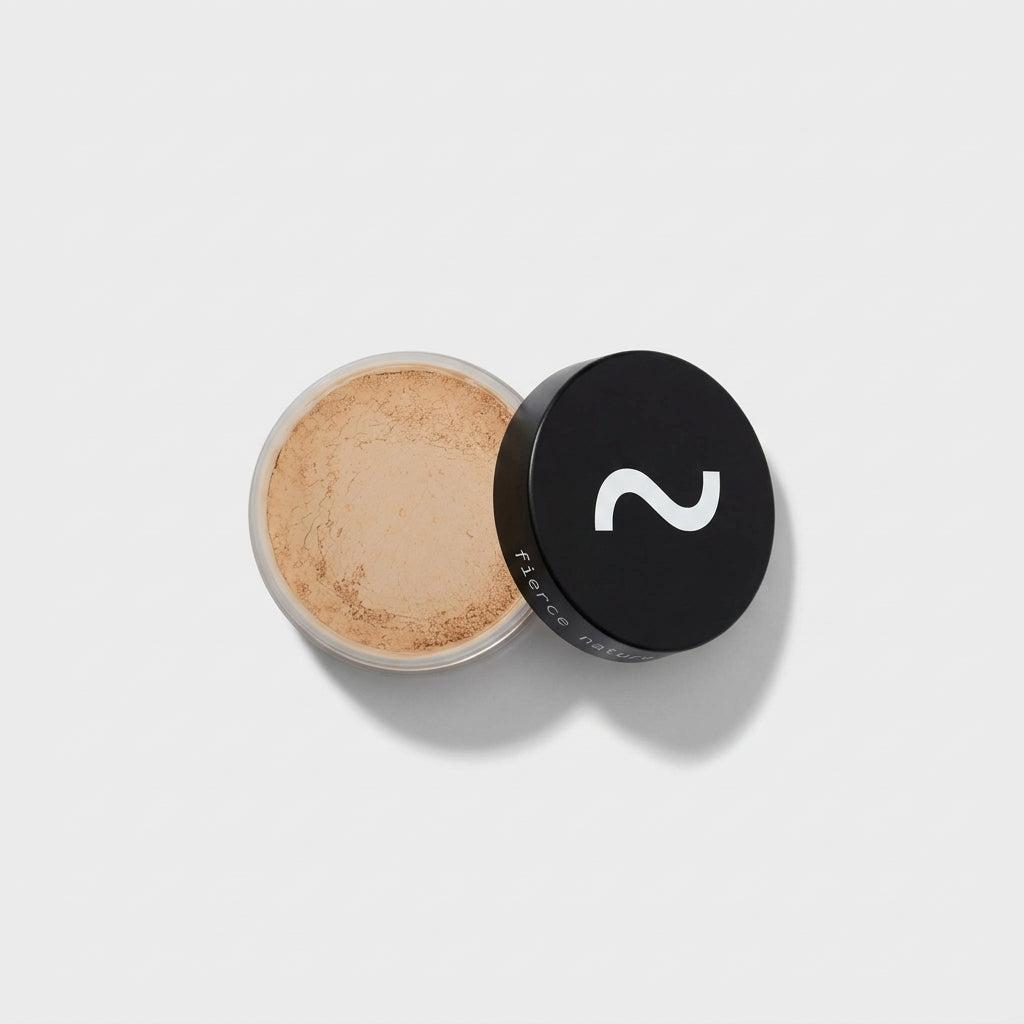
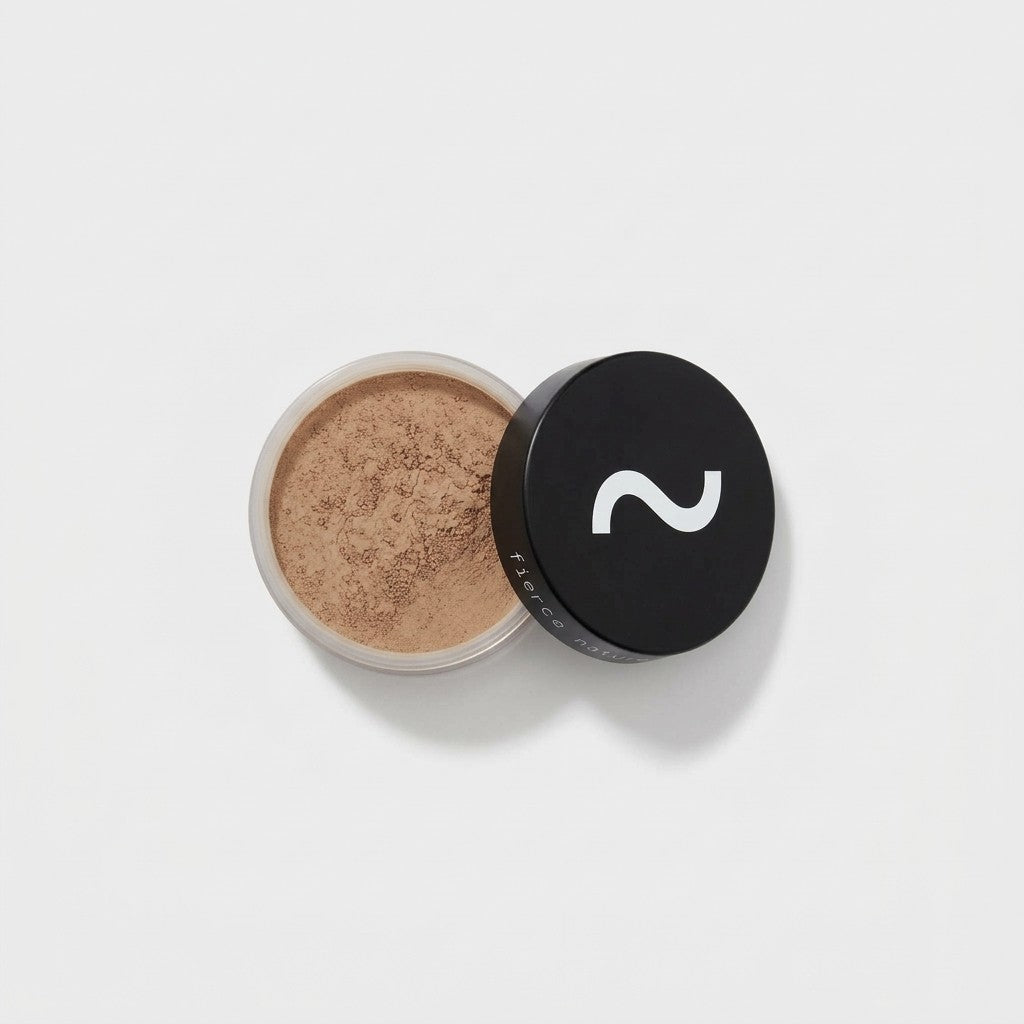
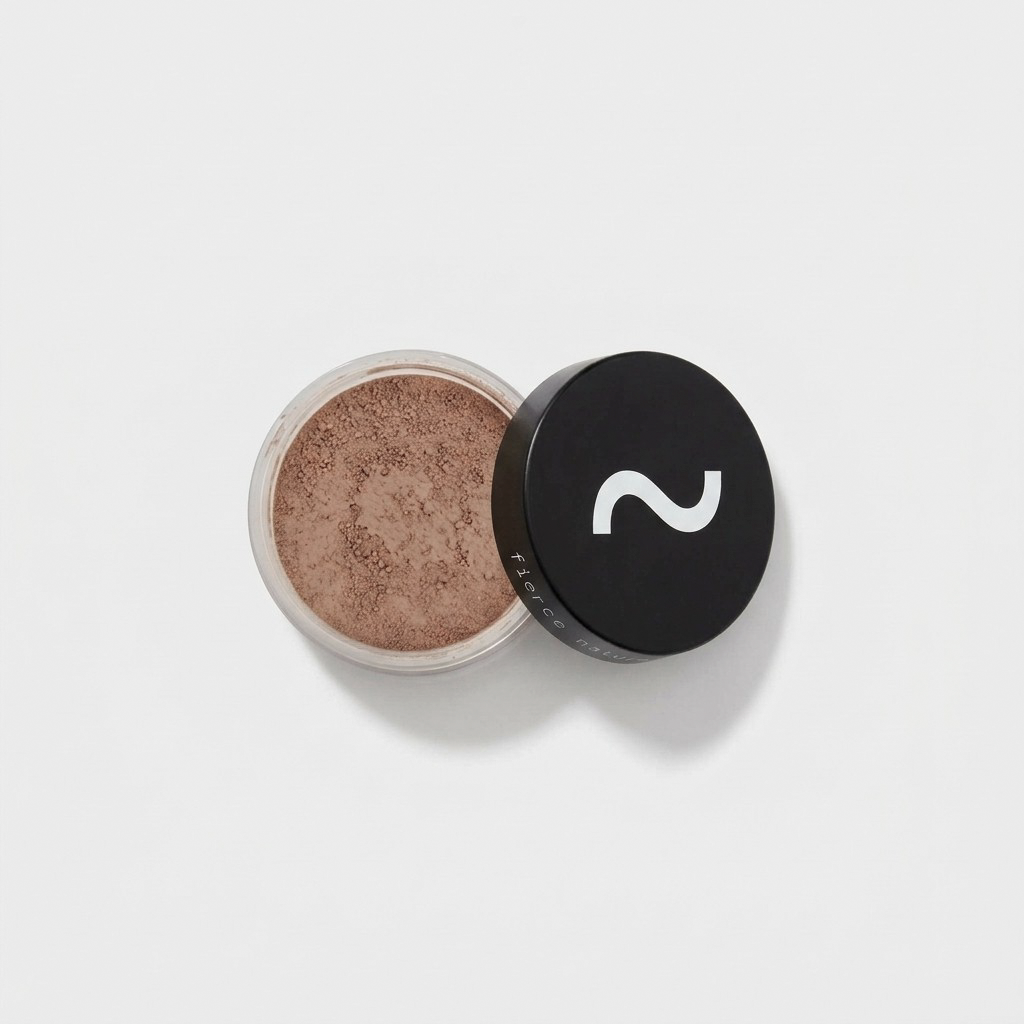
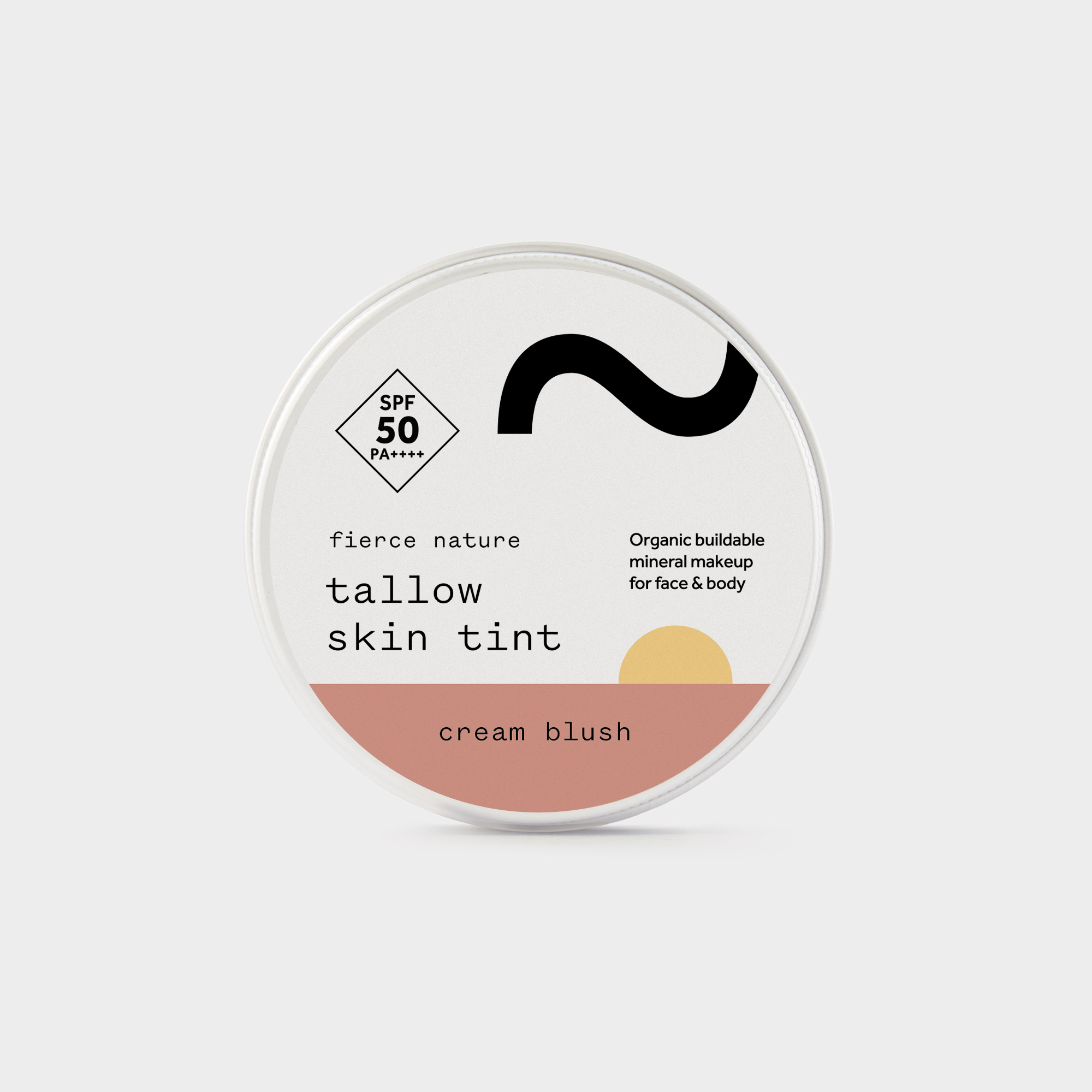
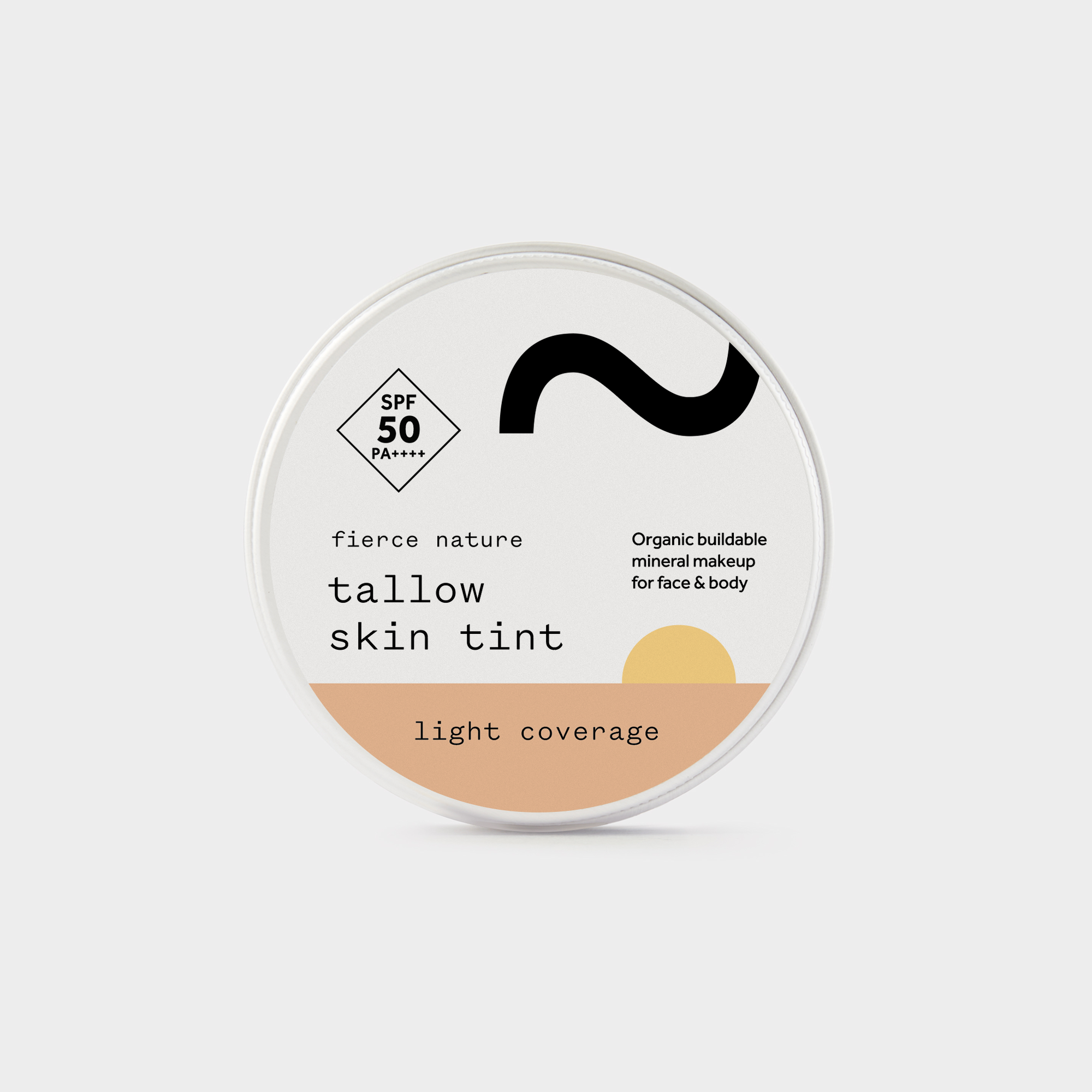
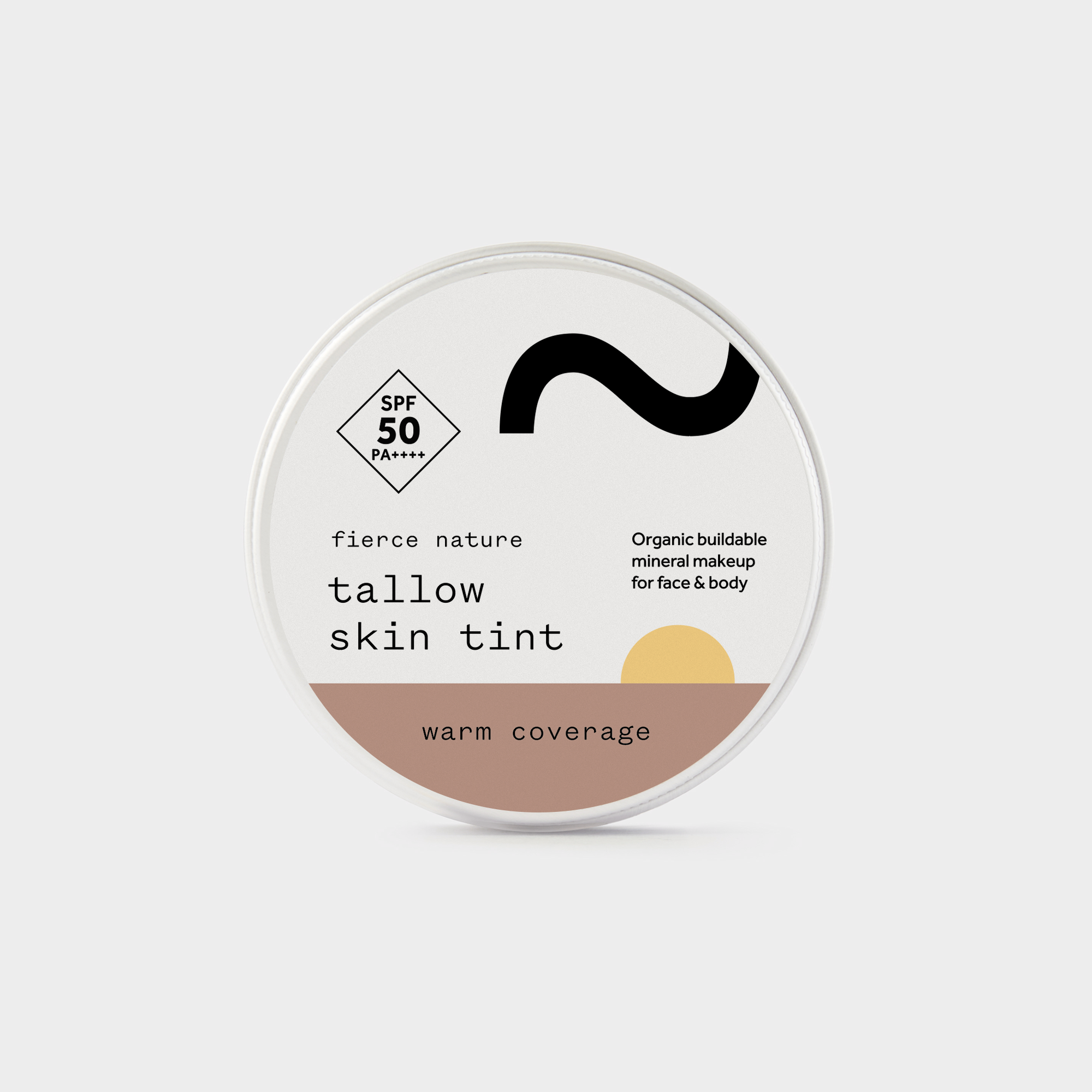
For a simple, low-effort finish, one of our skin tints goes on in thin layers and keeps the look light. The Light Coverage and Warm Coverage tints give you two options for the base.

Pilling is almost always one of three things: too much product underneath, too little waiting time, or too much rubbing. Cut back on layers beneath the SPF, give it longer to settle and switch to pressing. If it keeps happening, simplify the routine: one thin moisturiser or balm, one SPF, one makeup product.
The pale tinge from zinc oxide and titanium dioxide comes from the minerals reflecting visible light as well as UV. Some of the ways to reduce it are practical rather than clever:
We go further into the causes in our piece on white cast, why it happens and how to avoid it.
If foundation slides off in streaks, the SPF layer is probably still wet, or your makeup is oil-heavy. Oils in makeup can interfere with the sunscreen beneath, so choose lighter textures, build up coverage thinly and let each layer settle before the next.
If you are prone to breakouts, choose a light, simple texture, apply a thin and even layer and make sure you cleanse thoroughly at the end of the day. Mineral filters are generally well tolerated by sensitive skin. If you have a skin condition such as eczema, rosacea or acne, check with your GP or dermatologist before changing your routine.
Not on its own. Cancer Research UK advises using sunscreen even if your moisturiser or makeup contains SPF, because these products are rarely applied thickly enough to deliver the protection on the label and are not usually reapplied. Treat SPF in makeup as a bonus on top of a proper layer of sunscreen, not as the thing protecting you.
The same goes for powders and sprays that claim an SPF. They are handy for topping up, but they do not replace the generous layer you applied in the morning.
The NHS advice is to reapply sunscreen at least every two hours, straight after swimming, towel drying or sweating, and whenever it may have rubbed off. Over makeup, that is easier said than done. Here is how to approach it realistically:
We have a longer guide on how to reapply sunscreen over makeup with a tallow balm if you spend long days outdoors, and one on mineral versus chemical sunscreen and why reapplication matters either way.
Sunscreen wears off through sweat, touching your face, wiping, wind and simple skin movement. Dermatologists point out that “once a day” products cannot allow for under-application and for the accidental removal that comes with normal life. A single morning layer is a good foundation. It is not a day-long shield if you are outside all afternoon.
When you pick a mineral sunscreen to wear under makeup, these are the points that matter:
| What to look at | Why it matters under makeup |
|---|---|
| SPF 30 or higher, with 4-star UVA protection or equivalent | The UK minimum from the NHS and Cancer Research UK; a higher factor leaves room for under-application |
| Texture that you can press in | Pressing avoids pilling and keeps the film even |
| A formula that suits your skin | Dry skin needs nourishment; sensitive skin usually prefers simple formulas |
| A shade or tint that works with your tone | A visible cast is the main reason people stop using mineral formulas |
| Easy to reapply | If it is awkward, you will not do it |
If you want to know what is on the label, our guide to how to read a sunscreen label explains the SPF number, the star rating and the active ingredients in plain words.
We started Fierce Nature because skin that reacts to what is put on it deserves better than a long list of ingredients nobody can pronounce. Sun protection is where that matters most: you wear it every day, on your face, often under other products.
Our view is that a good routine is a simple one. A thin layer of nourishment, a generous layer of sun protection, a light tint if you want one. Everything we make is handmade in the UK with organic, grass-fed tallow as its foundation, because tallow is a deeply nourishing skin food, and we believe skin that is well fed wears sunscreen and makeup better.
That is why we designed our sun balm and our skin tints to sit together in a single, uncomplicated routine. You work with your skin, not against it, and you know what you are putting on it.
Fierce Nature
If you want a simple, nourishing set-up for under makeup, start with our New Sun Balm SPF 50+ PA++++, made by hand in the UK with a tallow base. Follow it with a skin tint in light or warm coverage, and you have a base routine in three steps. You can browse everything we make on the Fierce Nature site.
Yes, and it should. Sunscreen goes on as the final step of your skincare, and makeup goes on top once it has settled for a minute or two. This keeps the sunscreen in an even layer and gives you a smoother base.
Physical sunscreen is another name for mineral sunscreen. It uses zinc oxide and titanium dioxide, which sit on the surface of the skin and reflect UV rays. It works as soon as you put it on.
It depends on the full formula and on your skin, not on the mineral filters alone. Use a thin, even layer, cleanse thoroughly each evening and choose simple formulas. If you have acne or another skin condition, ask your GP or dermatologist which sunscreen suits you.
Wait one to two minutes, until the surface feels settled and no longer tacky. If you are going out in strong sun, apply the sunscreen 20 to 30 minutes before you leave the house, and do your makeup after the short wait.
Most people need sun protection from mid-March to mid-October, when the UV index reaches 3 or above. Outside those months many people can skip it, but if you have a skin condition, a higher risk of skin cancer or take immunosuppressive medicines, ask your doctor what is right for you. Our guide on whether you need mineral sunscreen all year in the UK goes into more detail.