Varukorg
0
80 % också tillagt detta

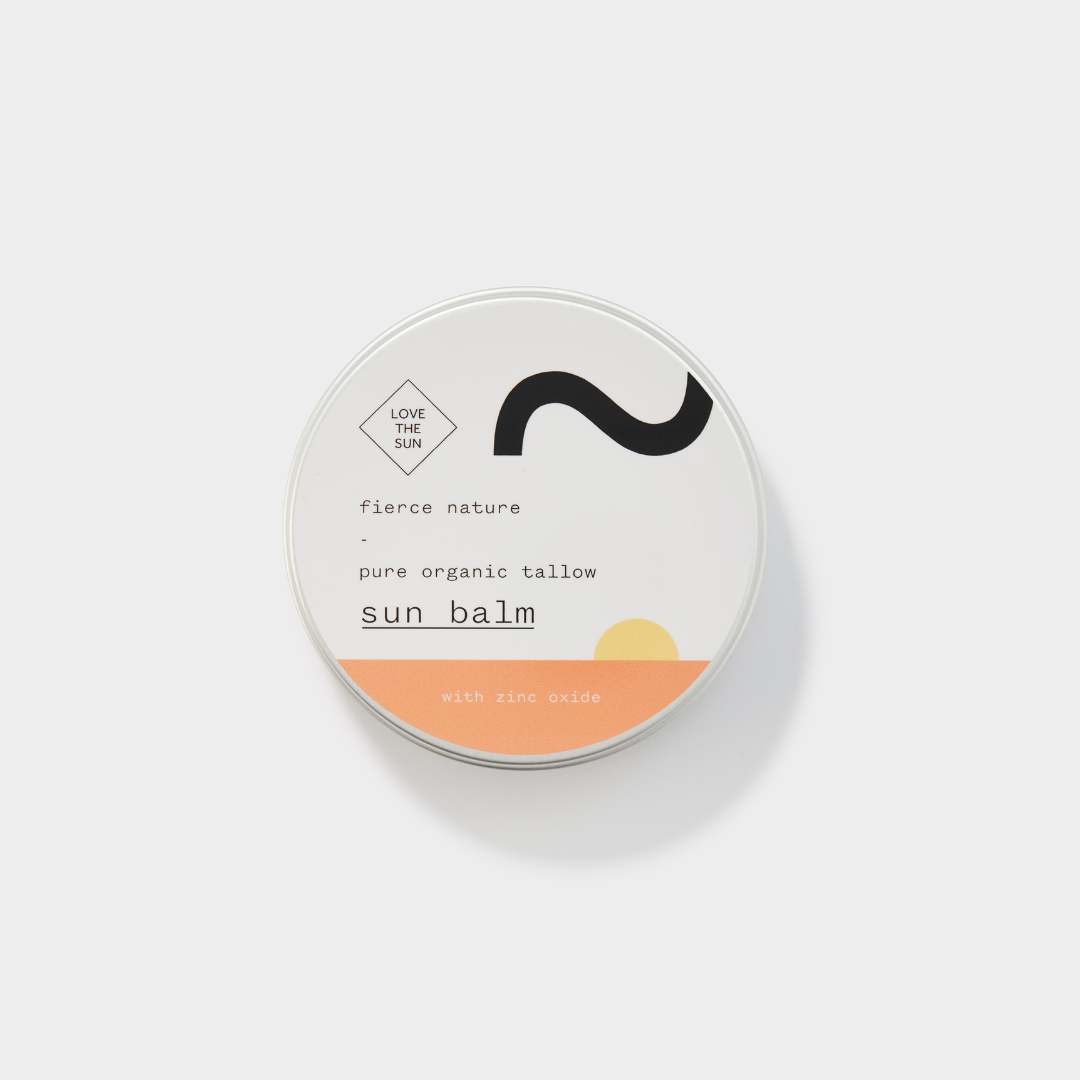
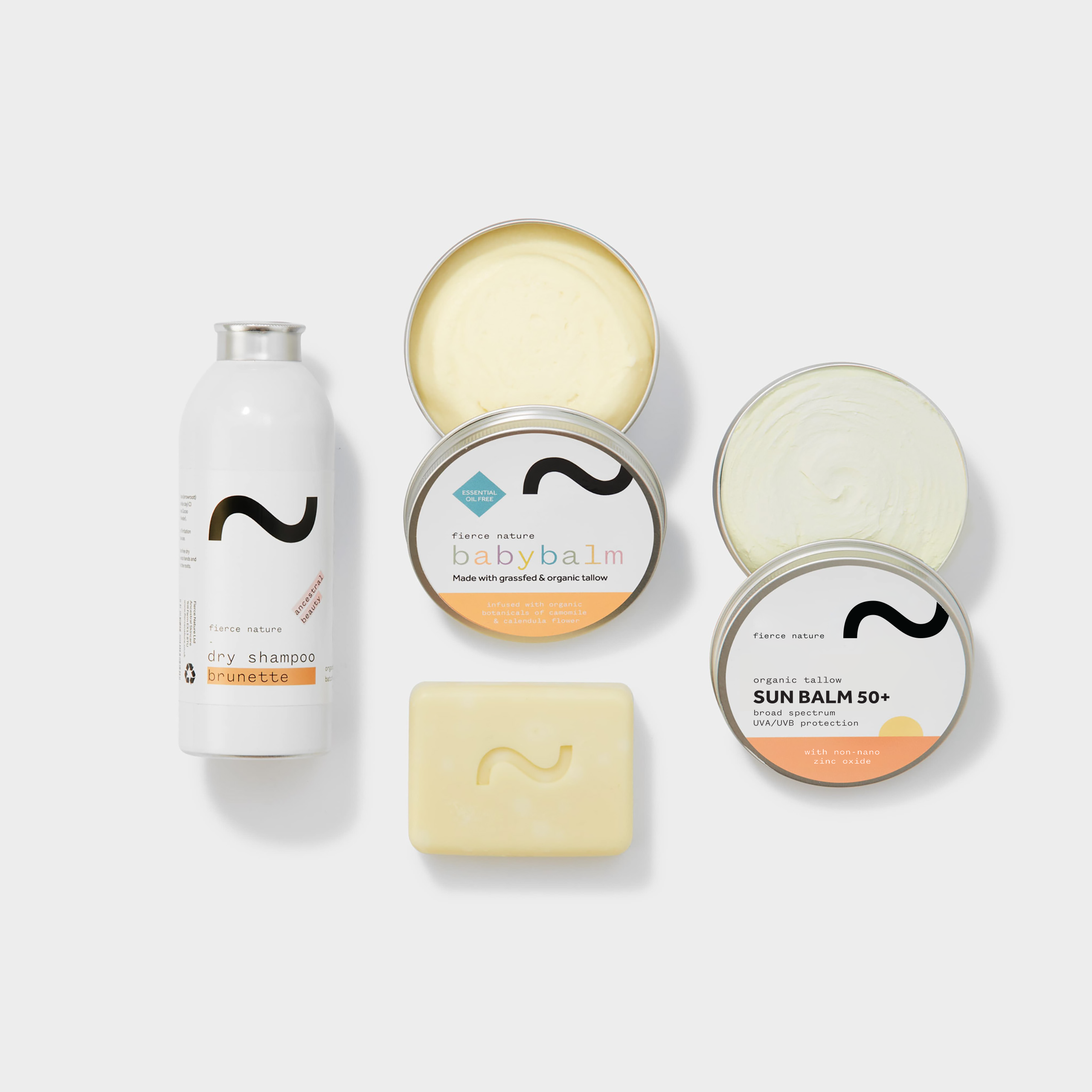





“Paraben-free” means a product has been formulated without parabens as its preservative system, nothing more and nothing less. It does not mean preservative-free, and it does not automatically mean safer: every cosmetic sold still has to meet the same safety standards, whichever preservative it uses. Understanding the label starts with that distinction.
TL;DR:
- UK labels list ingredients by weight, so check even near the end for names ending in paraben or hydroxybenzoate, then recheck after repurchasing.
- Paraben allergy is uncommon, with roughly 1% of patch tests positive; delayed redness, itching, swelling, or blistering can appear 48 to 72 hours after exposure.
- Laboratory studies find weak activity resembling hormones, thousands to millions of times weaker than the body’s own; detecting parabens in urine shows exposure, not harm.
- A paraben free label does not name its replacement; check the full ingredient list and discard products that develop changes in smell, color, or texture.
Parabens are a family of preservatives used to stop mould, yeast and bacteria growing in skincare, haircare and cosmetics. On an ingredients list you’ll usually spot them by name, and they share a common chemical backbone known as hydroxybenzoate.
The most common ones are:
Manufacturers have favoured parabens for decades because they work against a broad range of microbes at very low concentrations, which keeps formulations stable without needing large amounts of preservative. Chain length matters too: longer-chain parabens such as butylparaben and isobutylparaben penetrate skin more readily and show greater biological activity than shorter-chain ones like methylparaben, which is part of why regulators assess each one separately rather than as a single group.
Parabens turn up across a wide range of everyday products, including body creams and lotions, shampoos and conditioners, sunscreens, foundations and concealers, and some toothpastes and medicated creams. If you’re trying to cut them from your routine, these categories are worth checking first.
UK cosmetics rules require ingredient lists to appear in descending order by weight, using recognised INCI names rather than marketing terms, so the information you need is already on the pack. Here’s how to scan one quickly:
Our UK skincare label reading guide walks through this process in more detail if you’d like a fuller reference.
Regulators don’t treat parabens as one single ingredient. The Scientific Committee on Consumer Safety assesses each paraben individually and sets its own concentration limit. Methylparaben has historically been considered safe up to low concentrations used alone or in combination with other parabens, while butylparaben carries a much tighter assessed limit under specific conditions.
Parabens can show weak hormone-like activity in laboratory studies, but regulatory summaries describe this potency as thousands to millions of times weaker than the body’s own hormones, with safety conclusions depending heavily on dose and exposure rather than presence alone. Biomonitoring studies do detect parabens, particularly methylparaben and propylparaben, in urine samples, which tells us exposure is common but doesn’t on its own indicate harm.
The practical takeaway: it’s the concentration, the specific paraben and how a product is used that determine risk, not the ingredient category as a whole.

For most people, parabens are among the gentler preservatives on skin. A small group do develop allergic contact dermatitis, which typically appears as redness, itching, swelling or blistering 48 to 72 hours after exposure, rather than straight away.
Dermatology reviews report:
If you notice a delayed reaction after using a new product, a dermatologist can arrange patch testing to confirm whether parabens are the trigger. Once confirmed, avoidance means checking labels for both the specific paraben names and the broader “hydroxybenzoate” term, since both can appear.
Choosing paraben-free doesn’t mean choosing preservative-free. Removing one preservative system means a formulator has replaced it with another, often from classes like phenoxyethanol, benzyl alcohol or organic acids, each with its own effectiveness and sensitivity profile. Our phenoxyethanol-free skincare guide looks at one of these alternatives in more depth.
A few habits help you buy and use these products with confidence:
Pro Tip: If a paraben-free product separates, smells off, or grows a film on top, stop using it. That’s your formulation telling you preservation has broken down, regardless of what preservative it used.
We built our brand around full ingredient transparency. Every product we make is handmade with a nourishing base, chosen for its ability to be absorbed and tolerated by sensitive and reactive skin.
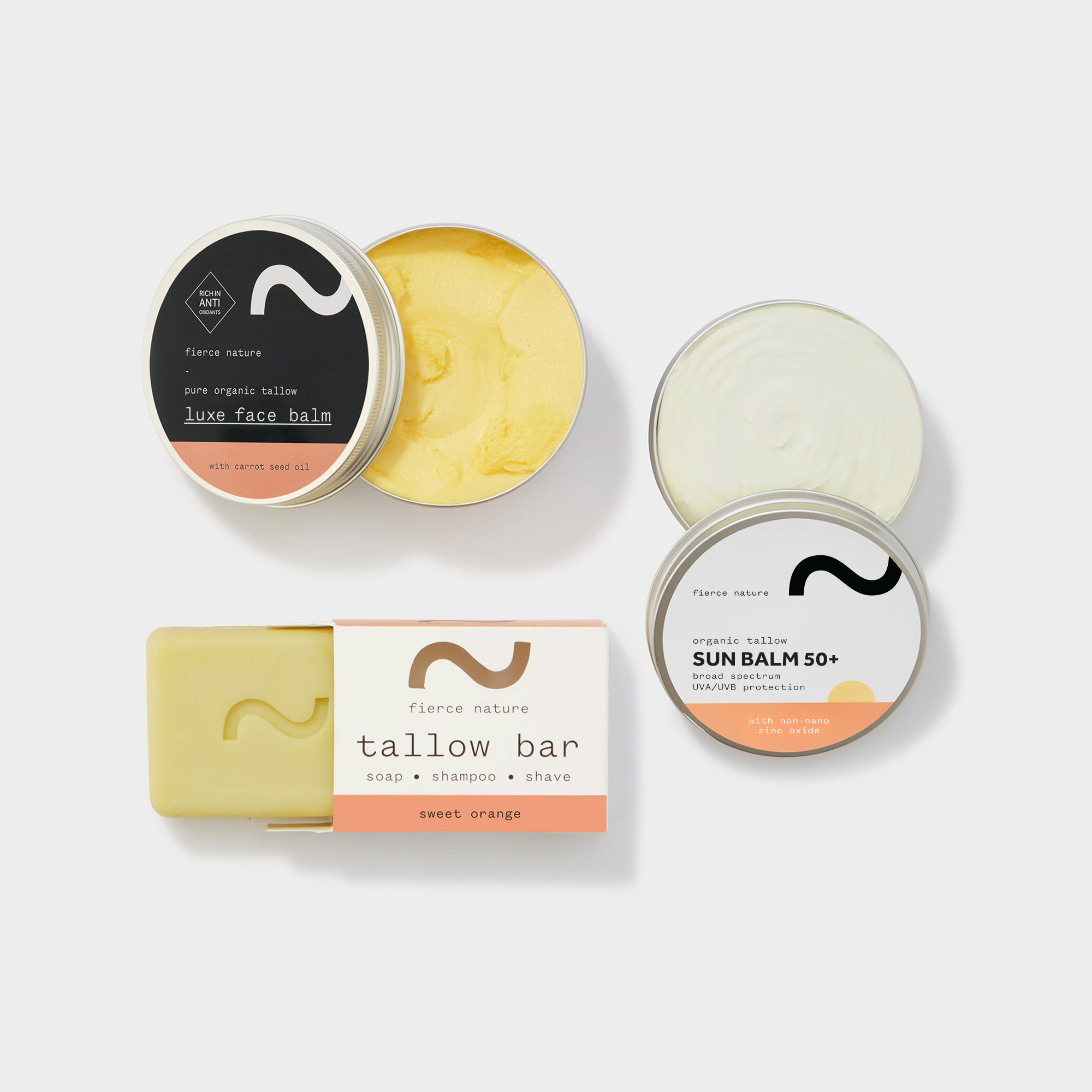
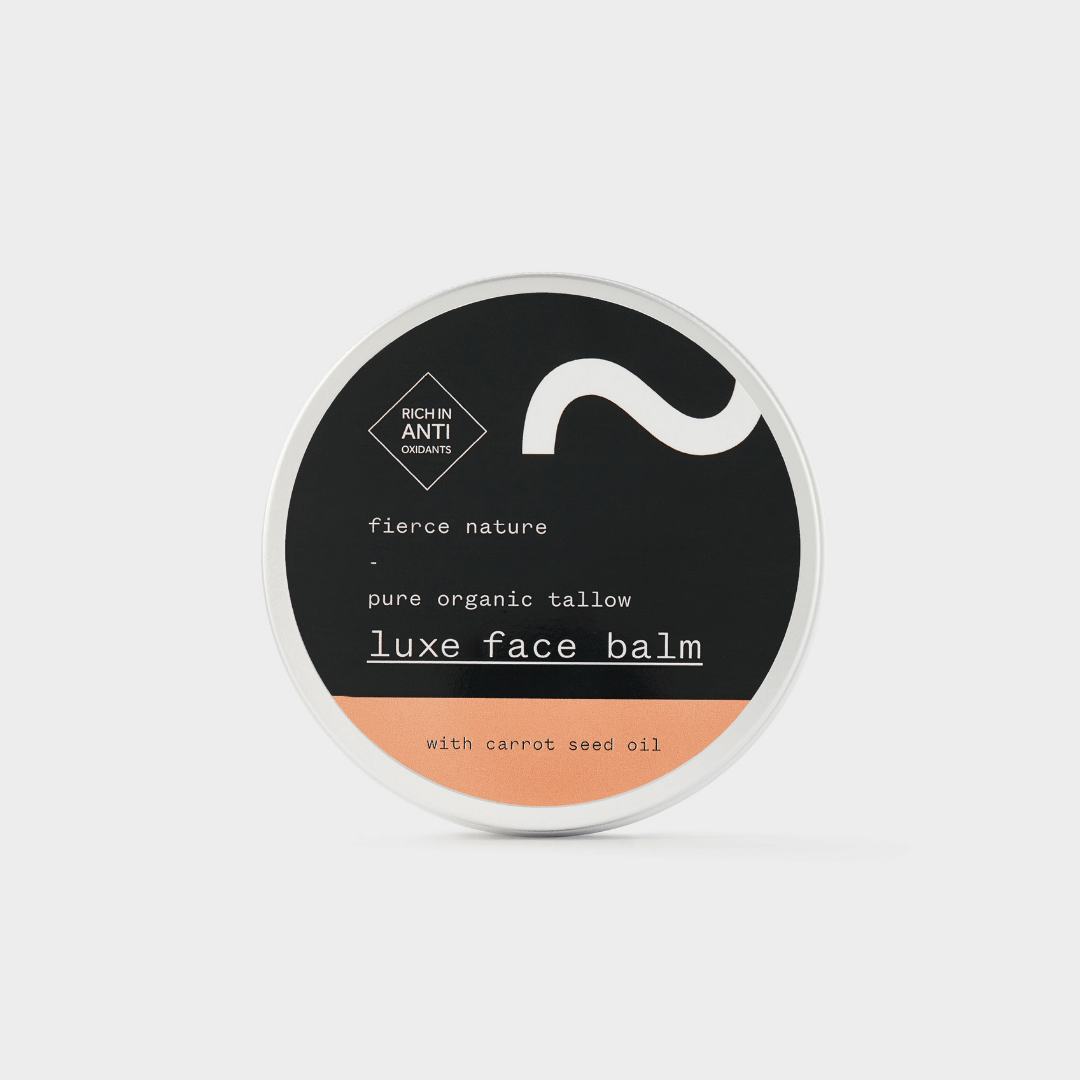
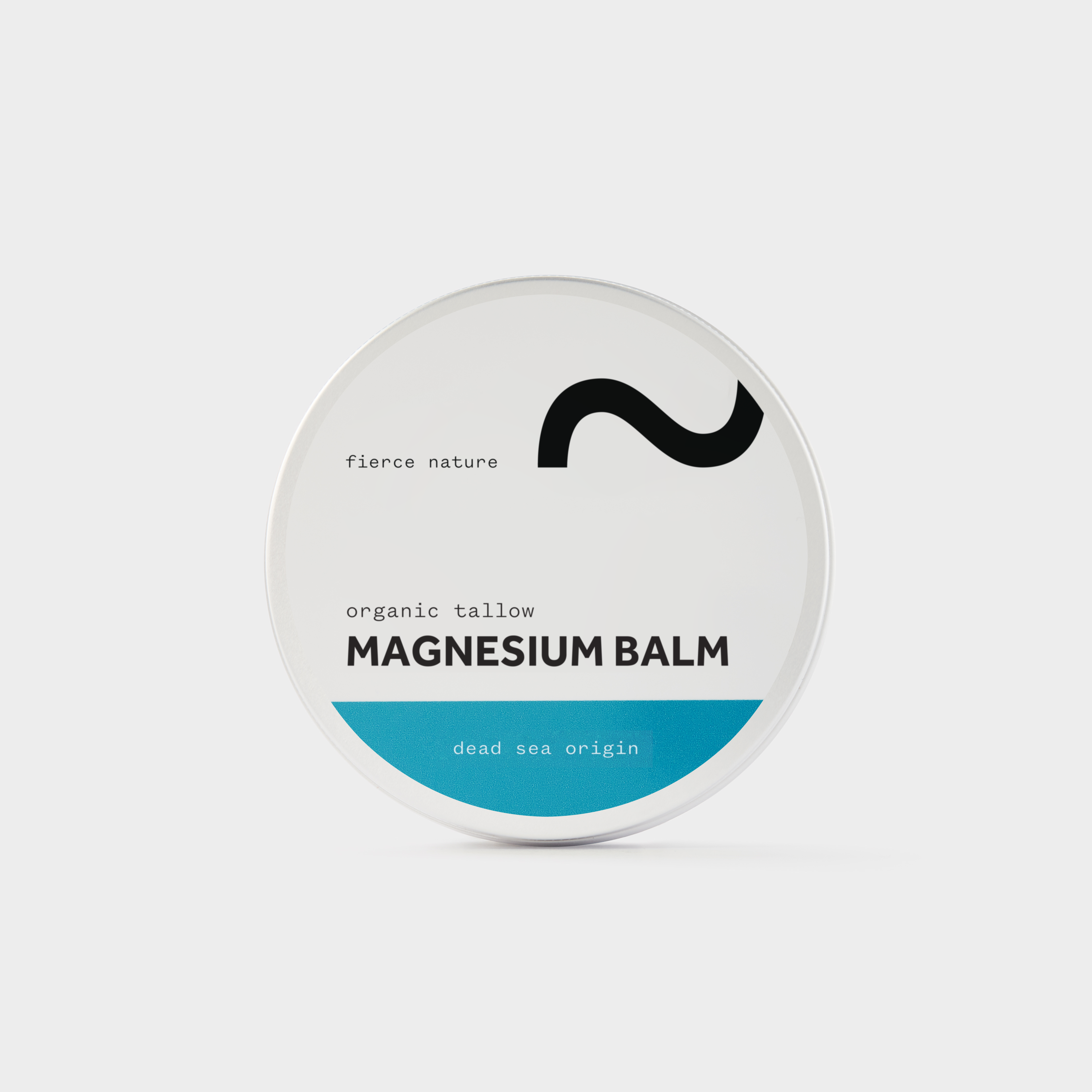
We formulate without parabens, phenoxyethanol or added fragrance across much of our range, which makes our balms a sensible starting point for parents of young children or anyone with a history of reactive skin. If that’s you, start with the smallest size available and read the full ingredient list on the product page before you buy.
The conventional advice treats “paraben-free” as shorthand for “safe” or “natural”, and that’s where it falls short. A product can drop parabens and still contain synthetic fragrance, harsh surfactants or a less-studied preservative that irritates sensitive skin just as readily. The label change tells you one ingredient is absent. It tells you nothing about the other twenty on the list.

What we’d prioritise instead is reading the whole ingredients panel, not hunting for a single buzzword. Ask what replaced the parabens, how few ingredients the formula actually needs, and whether the brand is willing to show you everything rather than just what it left out. For most people, parabens at regulated concentrations aren’t the biggest risk in their bathroom cabinet. Fragrance, preservative sensitivity and reformulation without notice usually matter more day to day.
If you take one thing from this, let it be that transparency matters more than any single ingredient ban. A short, legible ingredients list you can actually understand beats a long “free-from” badge every time.
— Fierce Nature
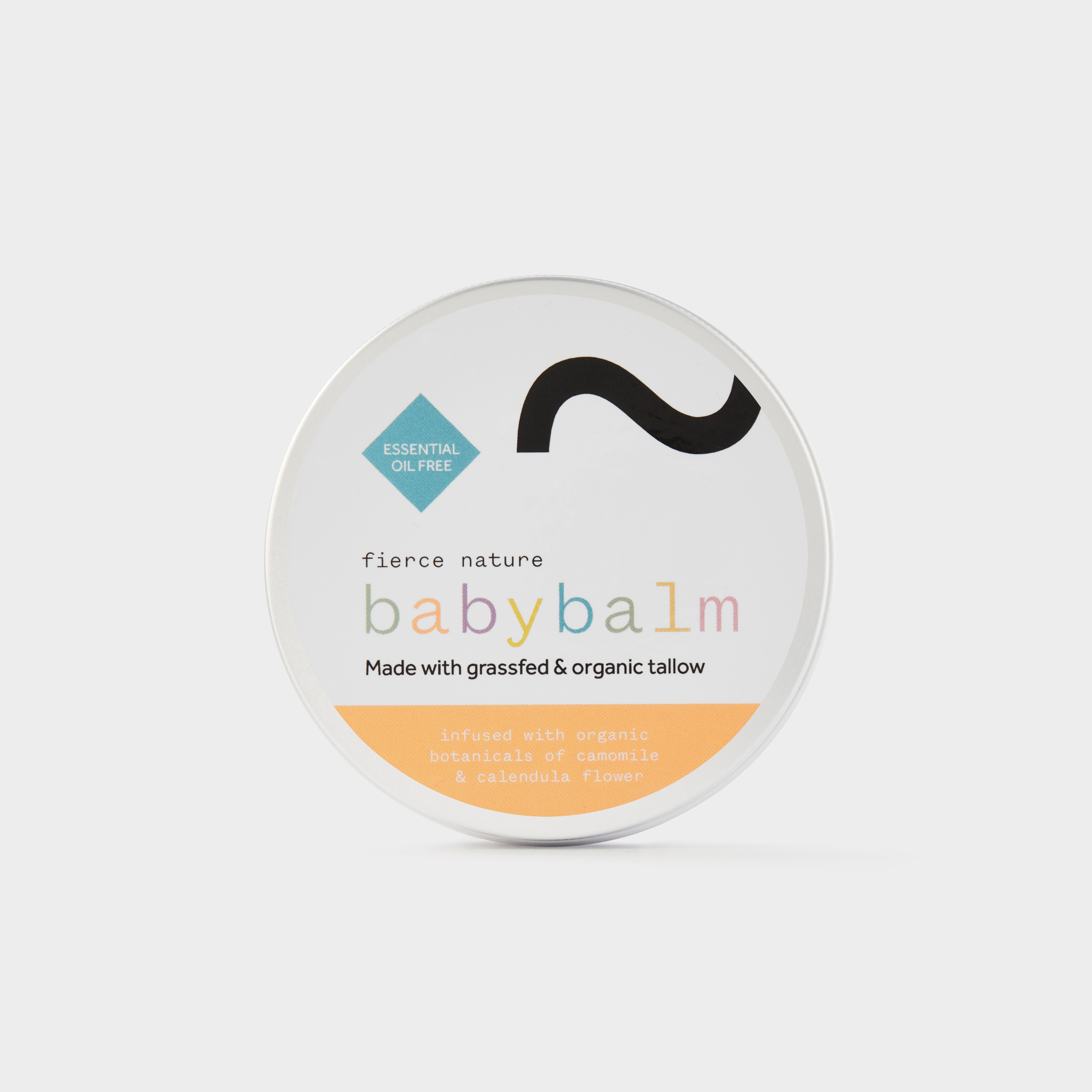
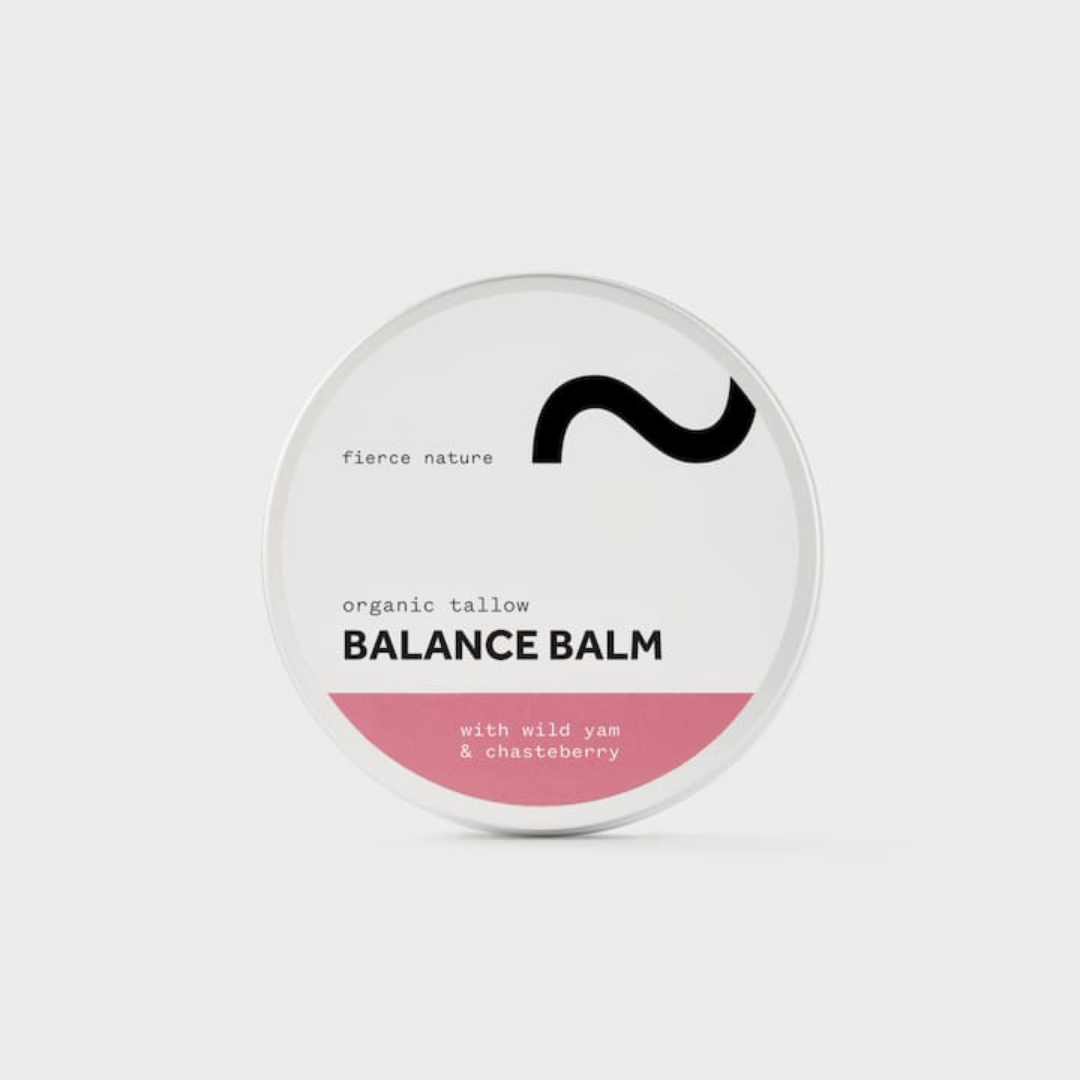
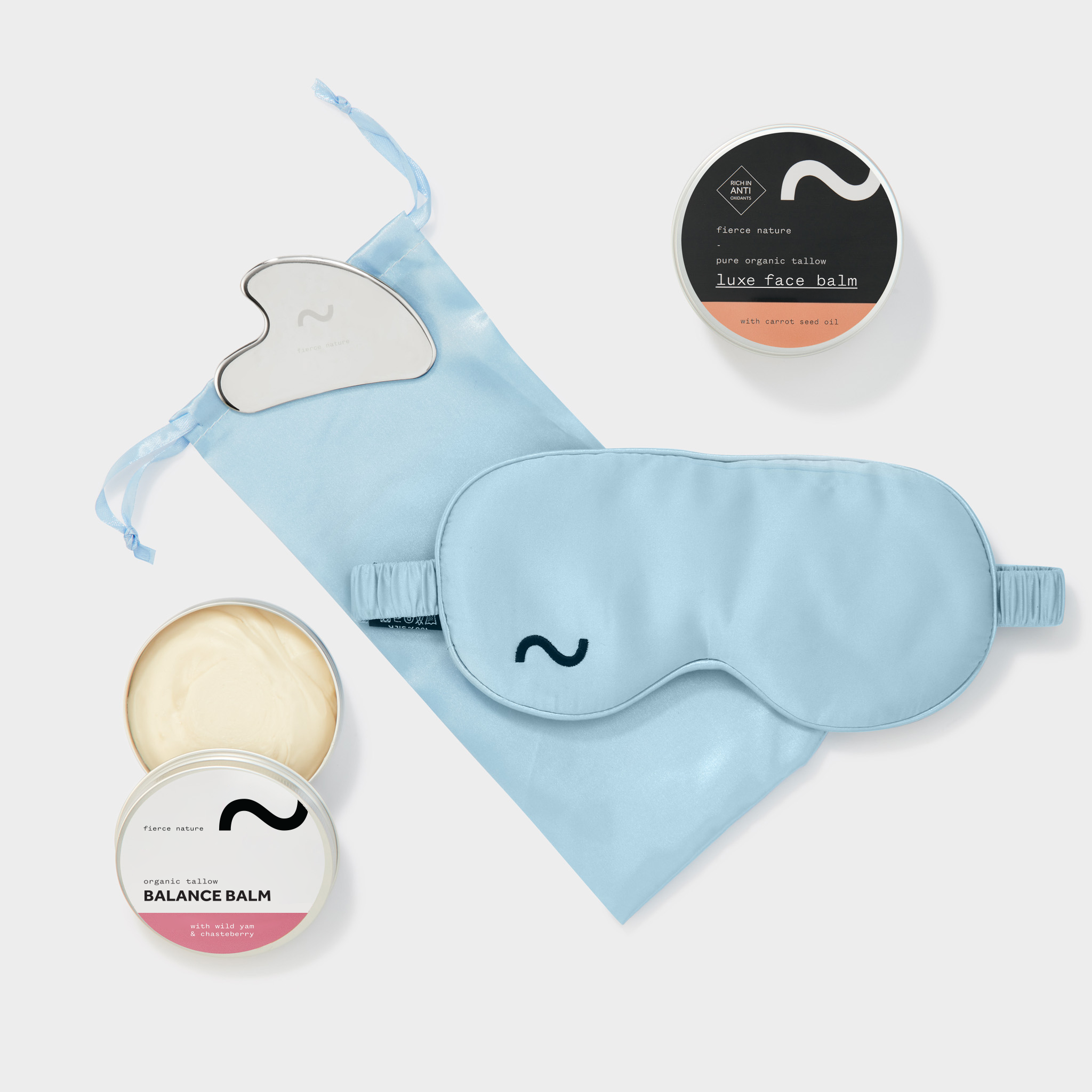
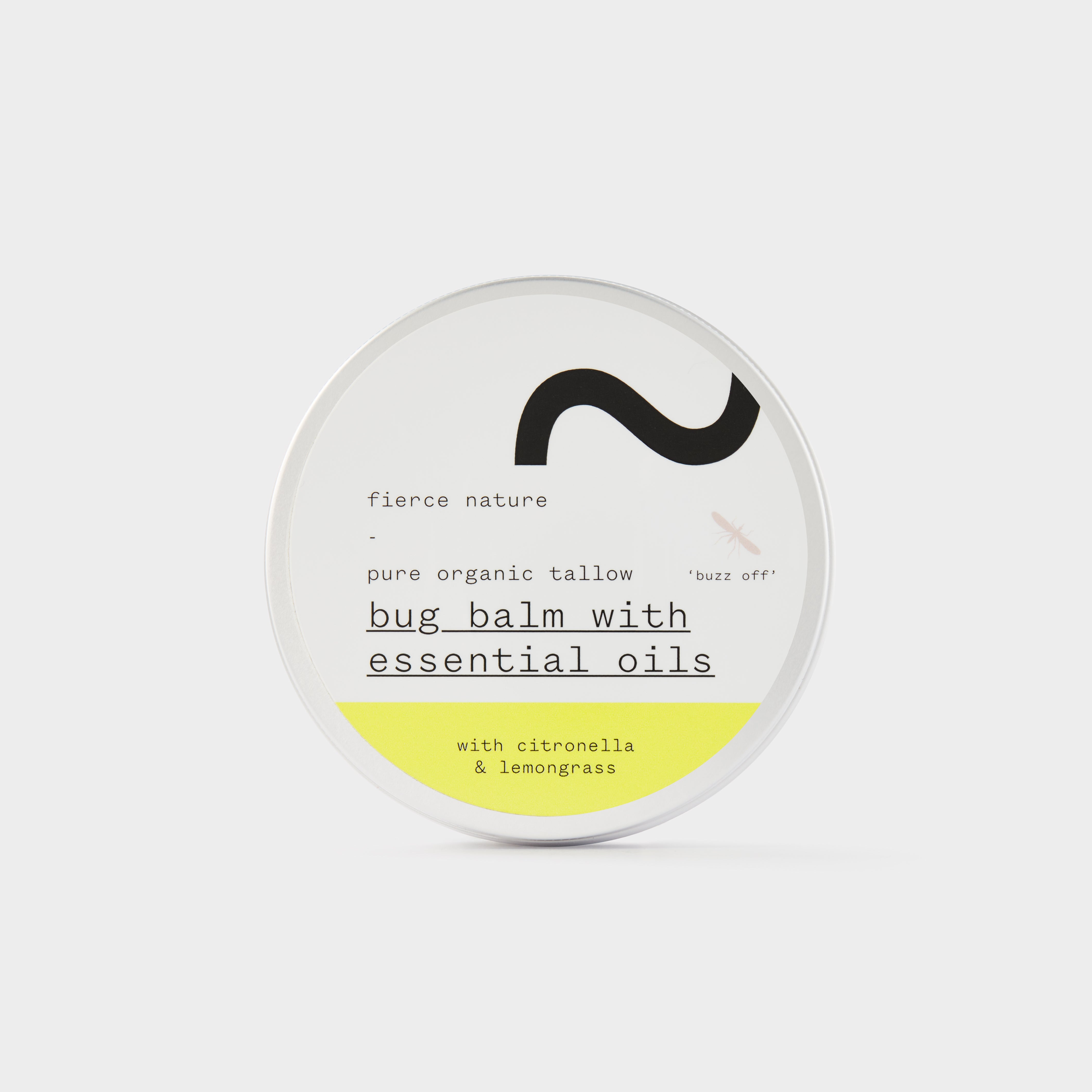
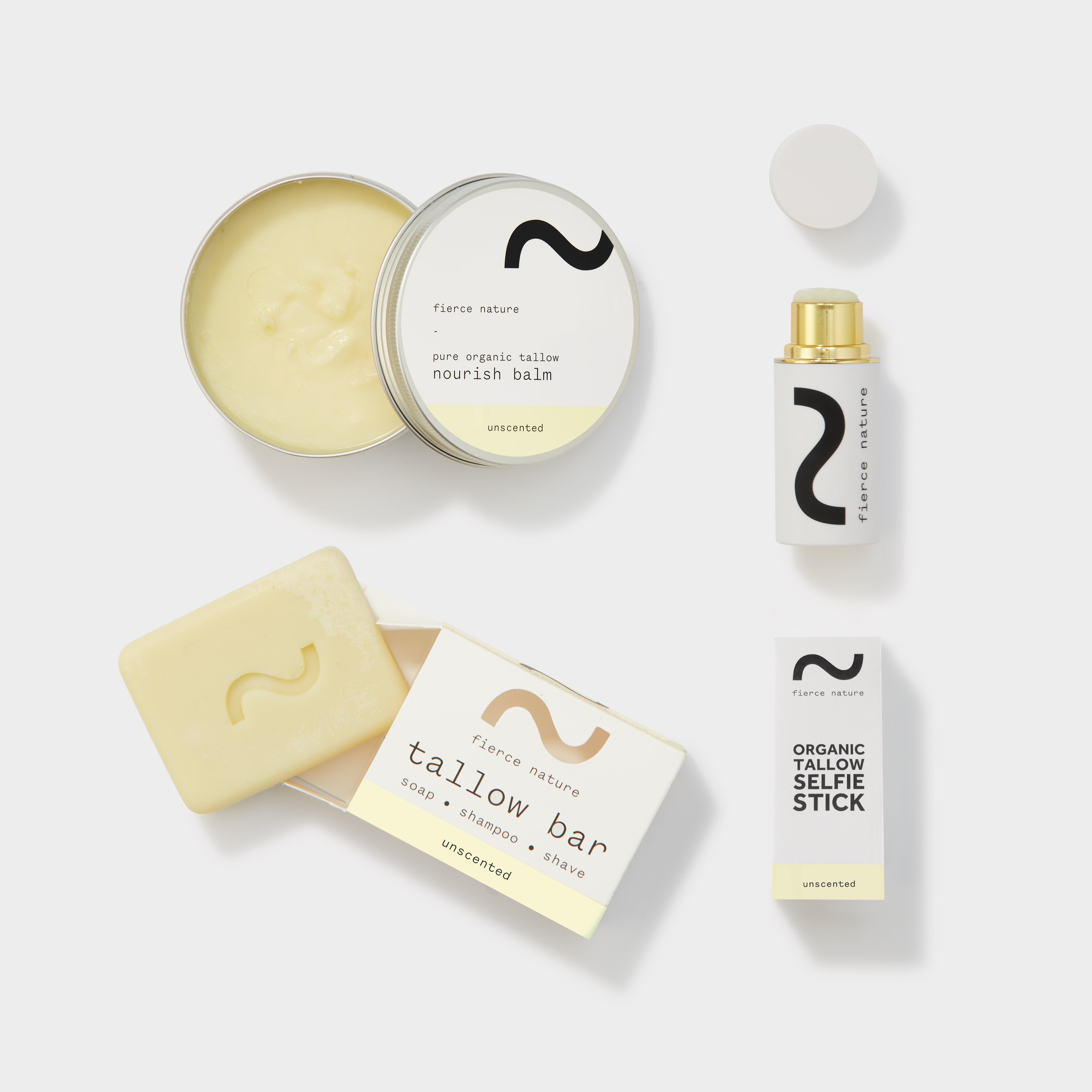
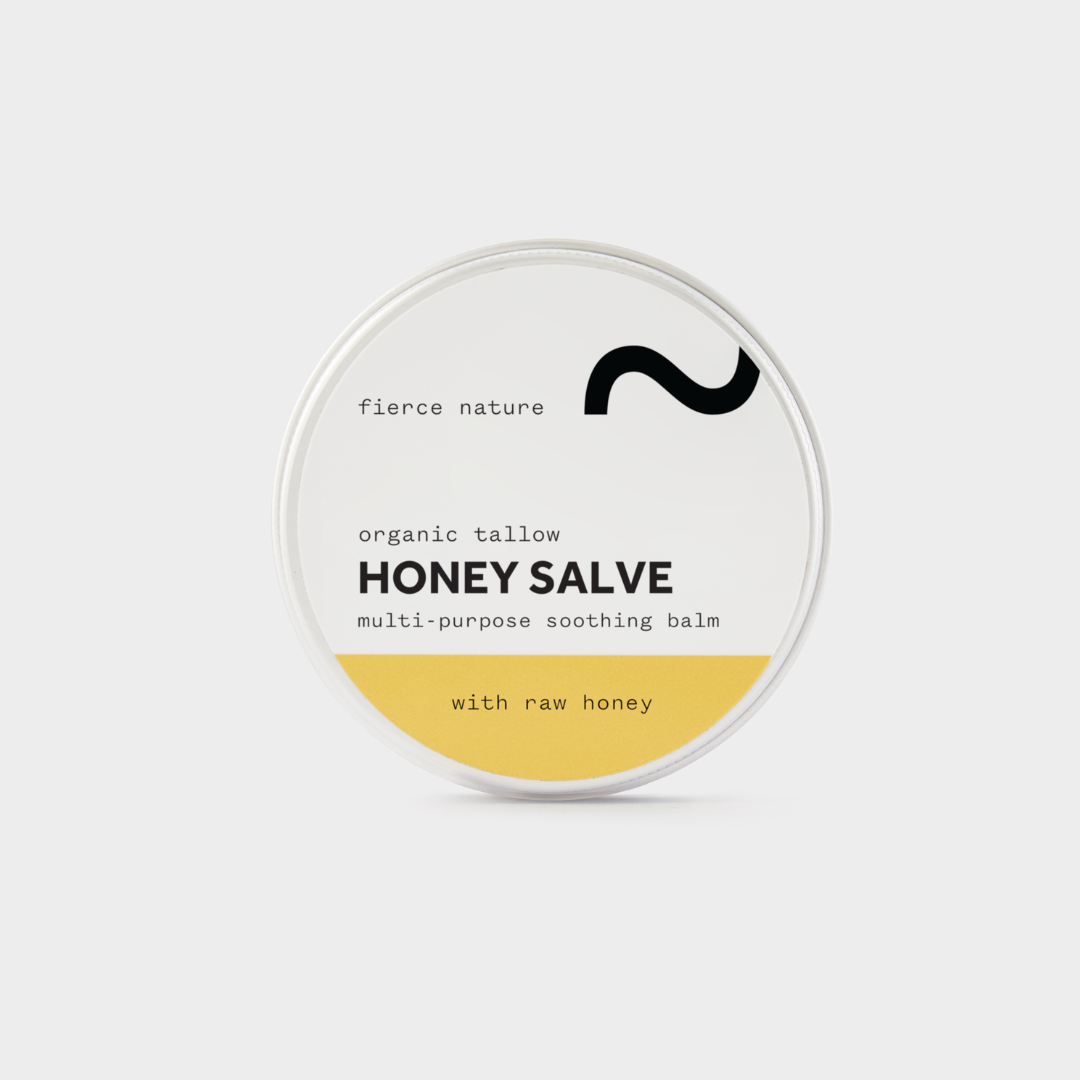
If you’re shopping for paraben-free products for yourself or your family, a few of our collections are worth a look. Our Non-toxic Baby Skin Essentials bundle suits parents wanting a complete, low-ingredient starting kit for a newborn’s skin. Our Baby Balm works as an everyday moisturiser for delicate skin, while our Bug Balm is a multi-purpose option for skin irritation and outdoor use.
Every product page lists the full ingredients, so you can check exactly what’s gone into the formula before you order. If you’re trying any of these for the first time, start small and see how your skin responds.
This article is general information, not a substitute for advice from a qualified doctor. Consult a qualified healthcare professional about your own circumstances before acting on anything here.
These address different things: paraben-free refers to preservatives, while sulfate-free refers to the cleansing agents used to lather and clean hair. Neither is inherently better than the other, and a shampoo can be both, either or neither depending on its full formulation.
Many skincare and haircare brands now offer paraben-free formulations, and the only reliable way to confirm it is by checking the ingredients list on the specific product you’re considering. Look for the absence of any ingredient ending in “-paraben” or labelled “hydroxybenzoate”.
For most people, parabens used within regulated concentration limits aren’t considered a significant health risk, and avoiding them is a personal preference rather than a medical necessity. If you have a confirmed paraben allergy or sensitive, reactive skin, choosing paraben-free products and checking labels carefully is a reasonable precaution.
There’s no strong evidence that parabens used at regulated levels damage hair or the scalp for most people. A small number of people develop contact allergy with symptoms like itching or redness on the scalp, in which case switching to a paraben-free shampoo and seeing a dermatologist for patch testing is the sensible next step.