Varukorg
0
80 % också tillagt detta





Stop reaching for retinoids, hydroquinone and systemic acne medicines the moment you see two lines on a test, and build your routine around a gentle cleanser, a moisturiser with niacinamide or hyaluronic acid, and a mineral sunscreen. That simple combination covers most pregnancy skin concerns safely. Anything involving a prescription, from stubborn acne to a persistent rash, belongs in a conversation with your GP or dermatologist rather than a search engine.
TL;DR:
- Avoid topical and oral retinoids, hydroquinone, tetracyclines, and high dose leave on acids; ask prescribers to check acne medicines against the BNF or SPC.
- Salicylic acid in low concentrations and rinse off formulas, plus occasional amounts of benzoyl peroxide, are acceptable, but regular use warrants a clinician’s advice.
- Choose mineral sunscreen with SPF 30 or higher; tinted formulas with iron oxides add visible light protection when melasma is a concern.
- Add one new product at a time, waiting a week between additions and patch testing first; use exfoliants infrequently, not nightly.
- Book a clinician for severe or cystic acne, suspected infection, unexplained lesions, or a persistent rash rather than trying more products at home.
Some everyday actives carry enough theoretical or documented risk that dermatology guidance consistently asks pregnant women to set them aside. Topical and oral retinoids sit at the top of that list. Formulary guidance advises that topical retinoids should not be used in pregnancy and flags many acne medicines more broadly for avoidance, asking prescribers to check the BNF or SPC before recommending anything in this family. Oral retinoids carry a well-established risk profile and are treated as a firm no.
Hydroquinone is the other ingredient that keeps appearing as a genuine concern. A medical review of topical agents in pregnancy found that most cosmetic treatments involve minimal systemic exposure, but it singled out hydroquinone and tretinoin as the two agents worth real caution, recommending that prescribing references guide any use.
Beyond those two, a handful of other ingredients are worth watching for on a label:
None of this means your skin has to go without care. It means reading the back of the bottle rather than trusting the front.
Plenty of effective actives have a long track record of safe use in pregnancy. Hyaluronic acid and niacinamide are both considered low risk and genuinely useful: hyaluronic acid draws moisture into the skin, while niacinamide helps calm redness and even out tone, two complaints that pregnancy tends to intensify. Azelaic acid is another well-tolerated option, often reached for when acne flares but retinoids are off the table. Topical vitamin C also has a reassuring safety record and can help with the dullness some women notice in the second trimester.
A few ingredients sit in a more conditional category:
What changes the risk picture more than the ingredient itself is often how it is applied. Absorption rises with the amount used, the size of the area covered, how often it is reapplied, and whether the skin underneath is broken. A thin layer on a small patch behaves very differently from the same cream slathered over your torso daily.
Pro Tip: Introduce one new product at a time and wait a week before adding the next, so if your skin reacts, you know exactly what caused it.
Pregnancy hormones make skin more reactive to the sun, and melasma, the blotchy pigmentation some women develop on the face, is driven largely by UV and visible light exposure. A 2025 review on photoprotection in pregnancy recommends mineral filters, zinc oxide and titanium dioxide, as the first choice, since these particles sit on the skin’s surface rather than being absorbed, which keeps systemic exposure minimal.
The same review flags oxybenzone and similar organic filters as worth avoiding on precautionary grounds, given their links to endocrine disruption. It also points out that tinted mineral sunscreens containing iron oxides offer an extra layer of protection against high-energy visible light, the part of the light spectrum particularly implicated in melasma.
A few practical habits make this easier to stick with:
Mineral-based sunscreens are recommended as the first-choice option in pregnancy, according to the 2025 photoprotection review, which also notes that combining them with pigment-calming actives like niacinamide tends to improve both results and adherence.
A pared-back routine is usually both safer and easier to stick with than a long regimen stacked with actives you are not sure about.
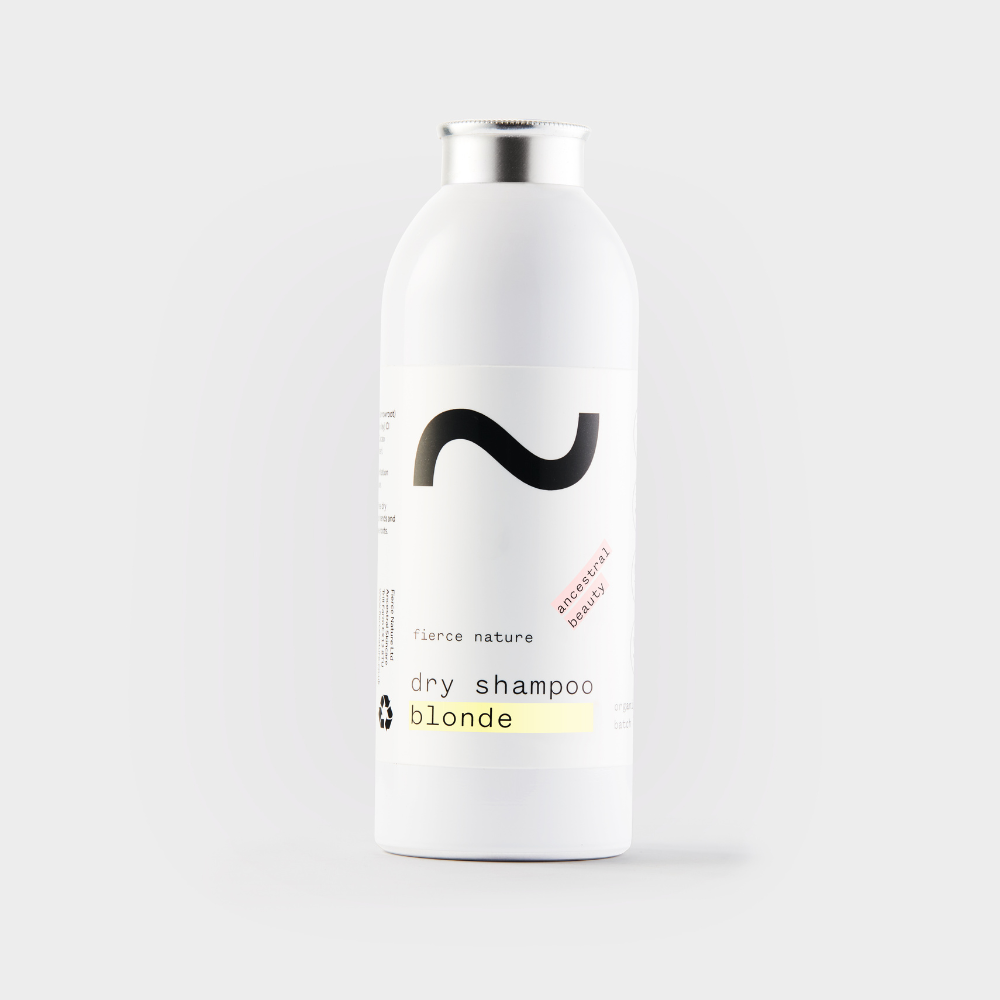
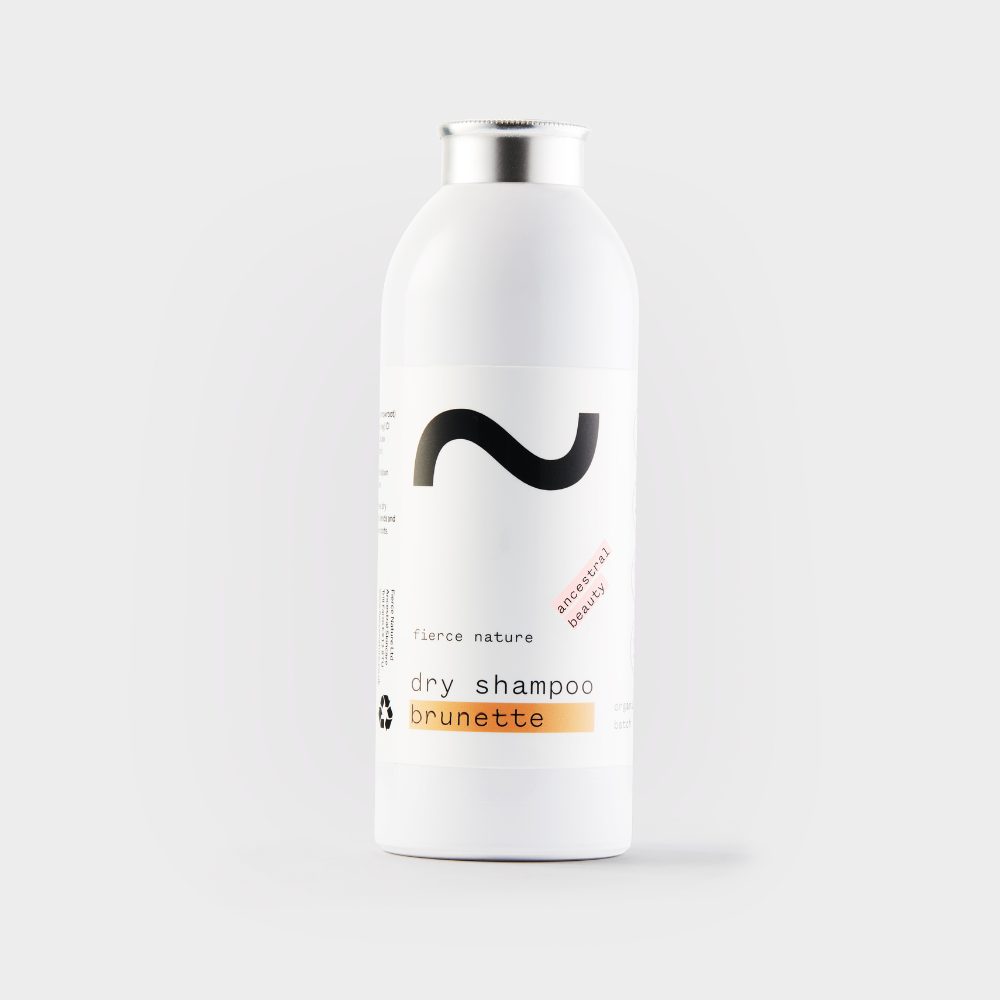
For specific concerns, simple swaps work well: azelaic acid or niacinamide for pigmentation and acne, a richer balm-based moisturiser for the dryness many women notice as oestrogen levels shift, and a fragrance-free formula if your skin has become more reactive than usual. Our piece on choosing a talc-free, fragrance-free dry shampoo during pregnancy covers the same fragrance-sensitivity logic for hair care.
Some situations need a professional eye rather than a shelf of products. Severe or cystic acne, anything that looks like an infection, unexplained lesions, or a rash that will not settle are all reasons to book a GP or dermatology appointment rather than experiment further at home.
If you are prescribed something topical, UKTIS guidance notes that corticosteroids such as hydrocortisone, mometasone and triamcinolone can be used in pregnancy when applied as recommended, since systemic absorption stays very small with correct use. Oral retinoids and tetracyclines remain firmly avoided, and formulary guidance asks prescribers to check the BNF or SPC before recommending any acne medicine during pregnancy, so it is worth asking your prescriber directly whether a treatment has been checked against those references.
It helps to bring a simple list to your appointment: what you are currently using, how often, and any reactions you have noticed. That small bit of preparation tends to speed up finding a safer alternative. The same precautionary thinking applies outside skincare too. Elective procedures like teeth whitening raise similar questions about safety during pregnancy, and this guide on teeth whitening during pregnancy walks through how to think about that kind of decision.

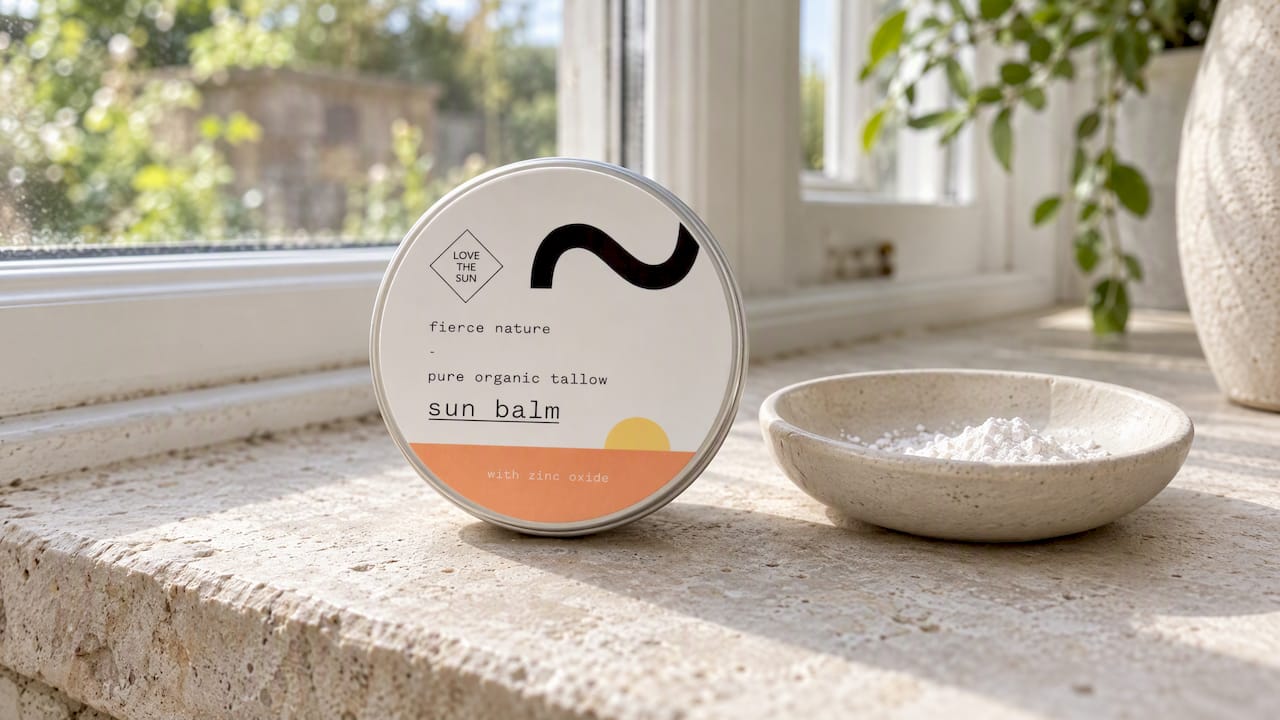
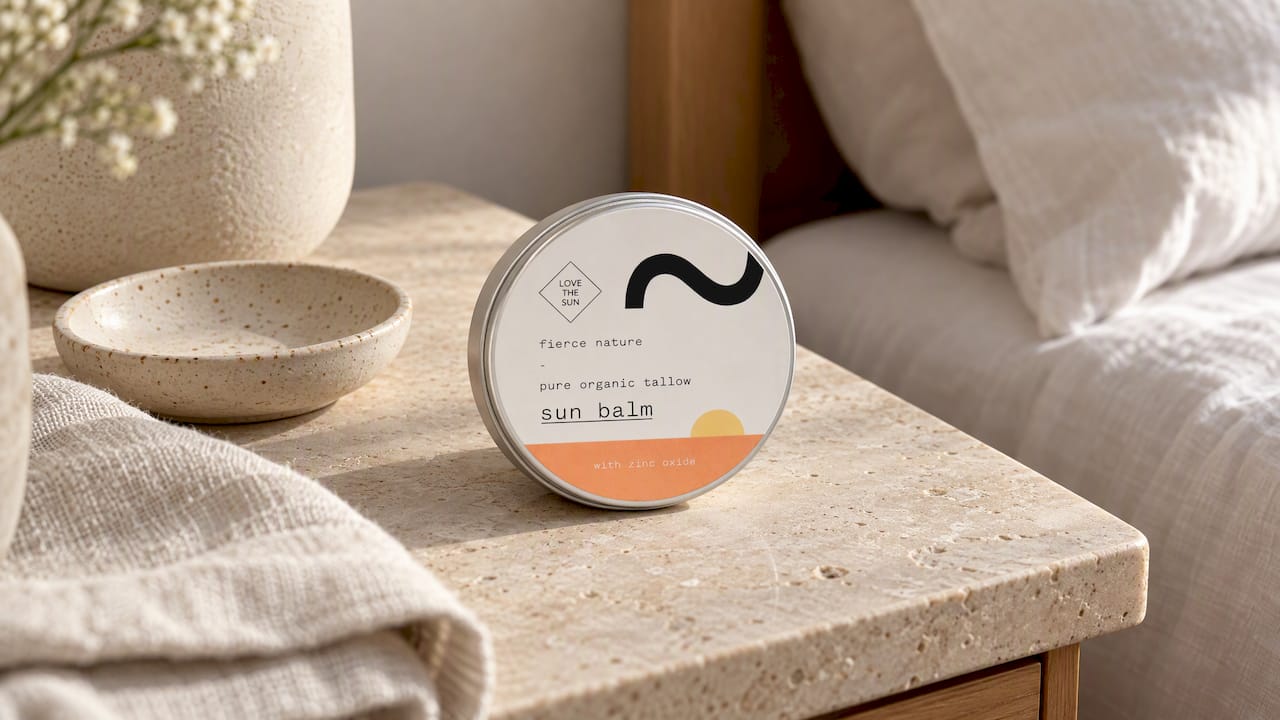
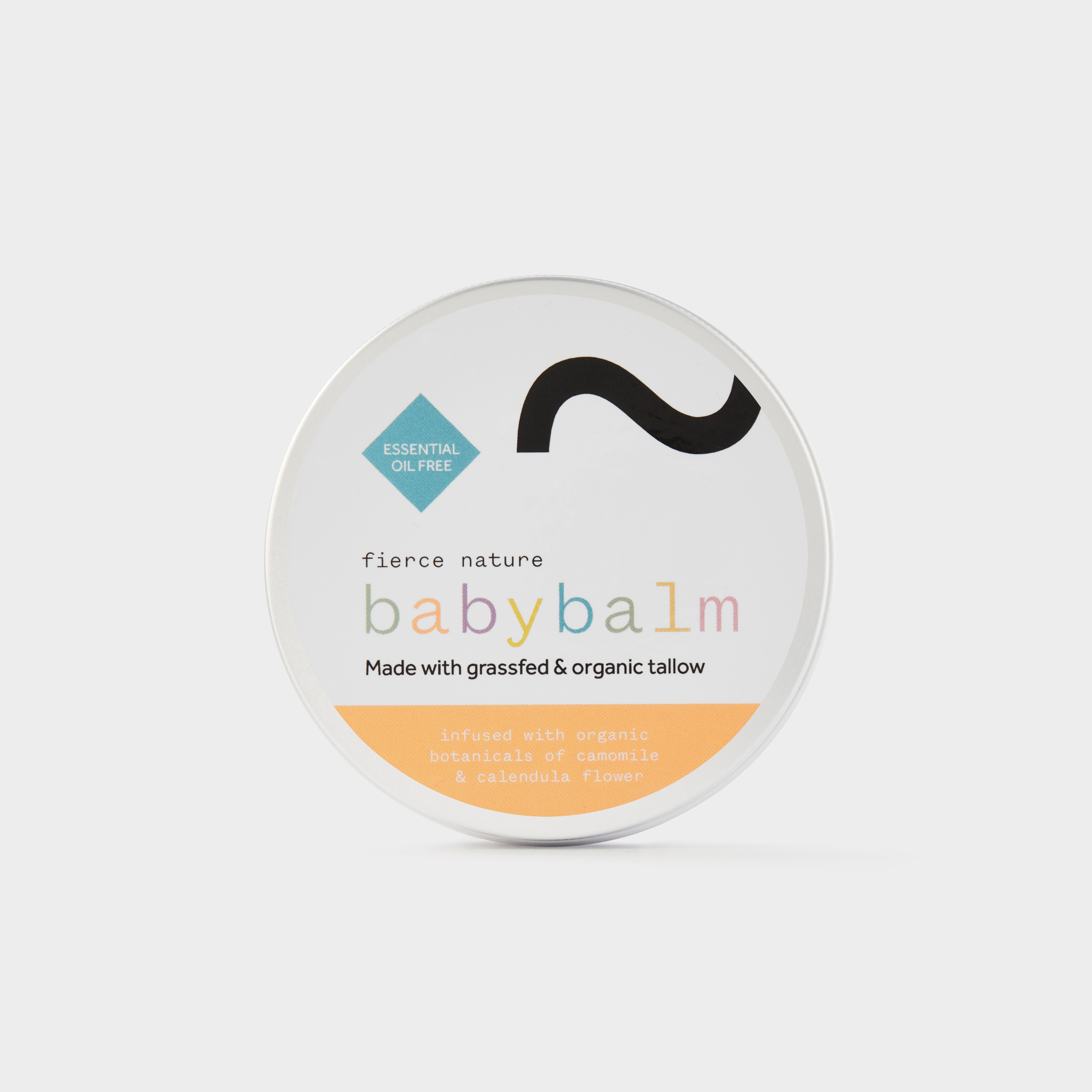
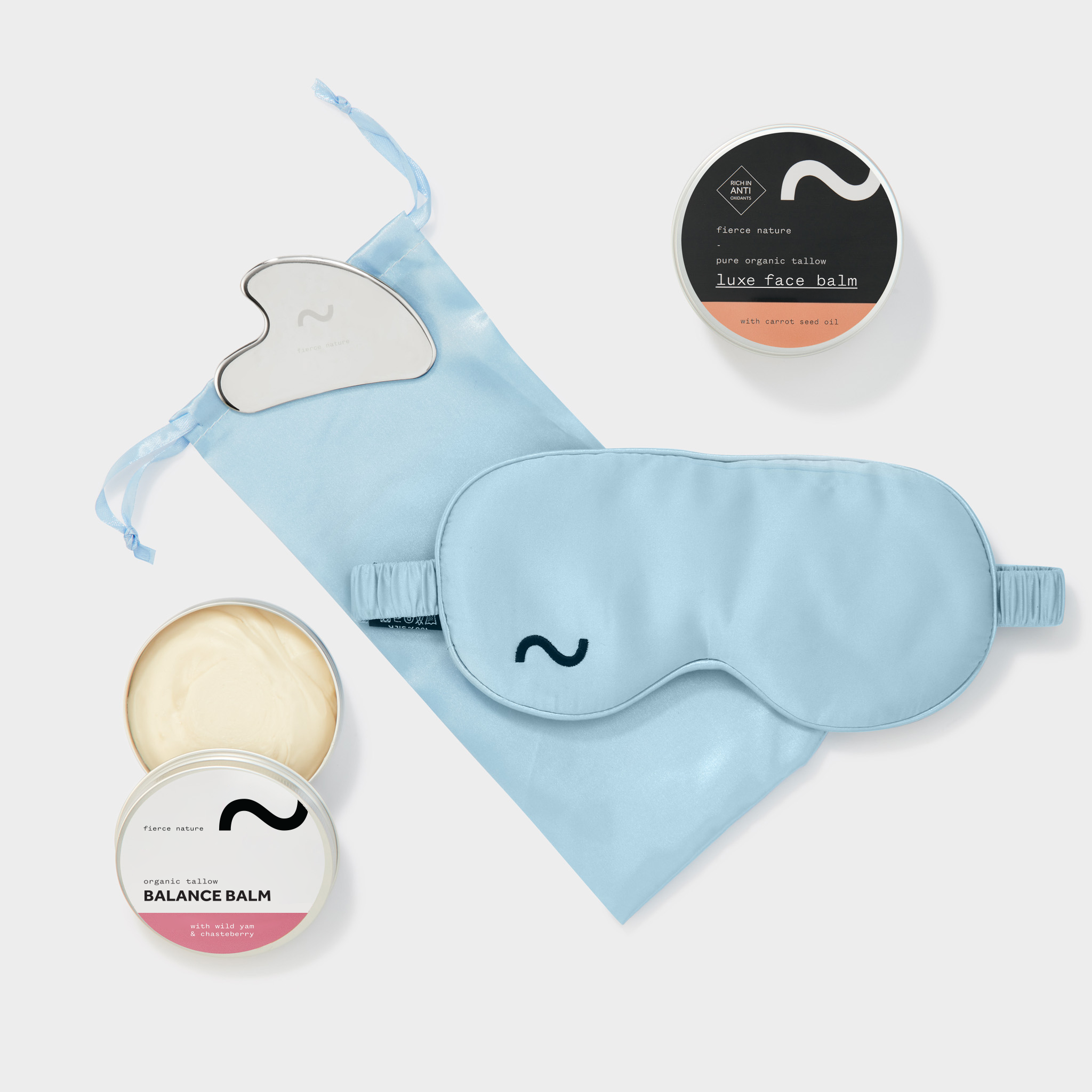
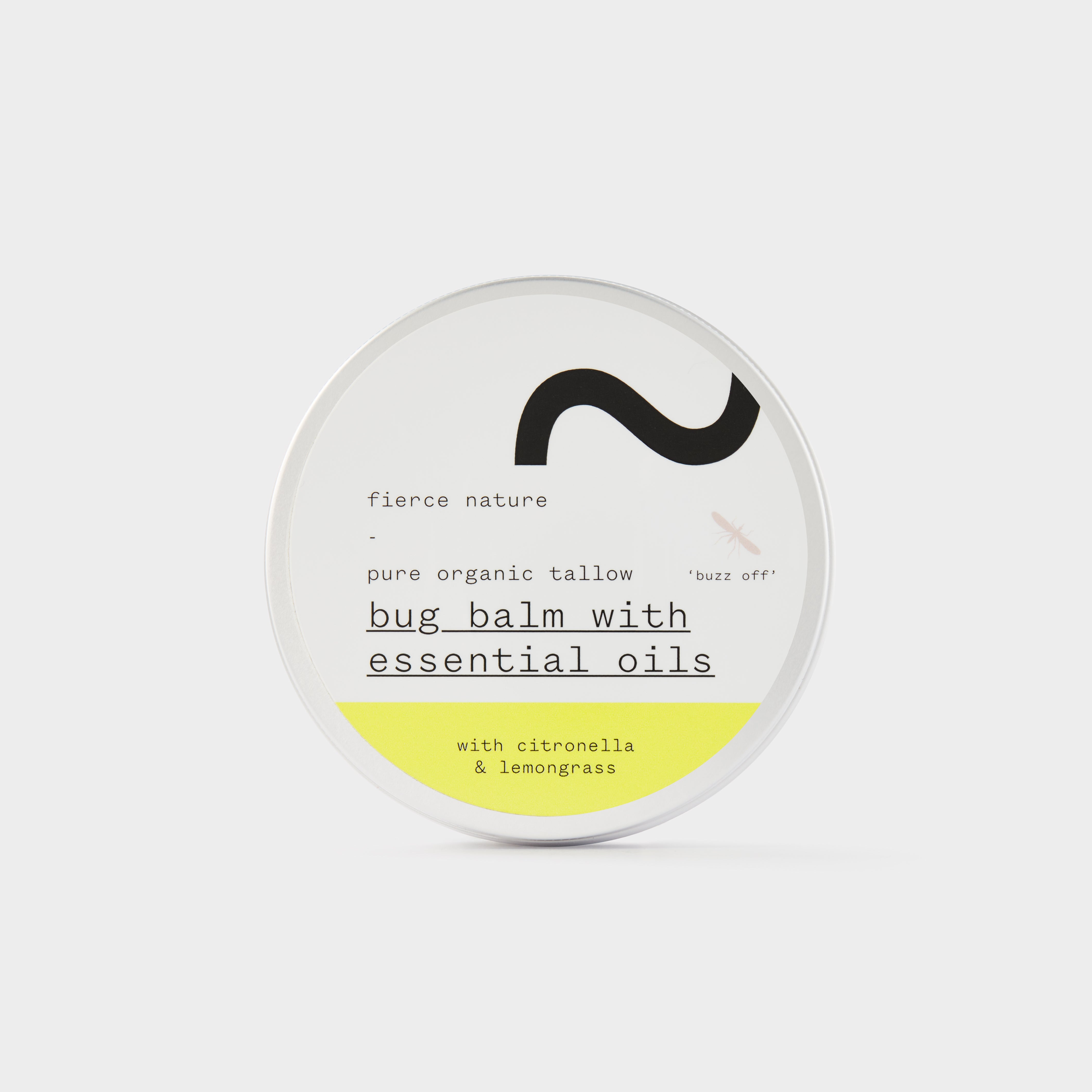
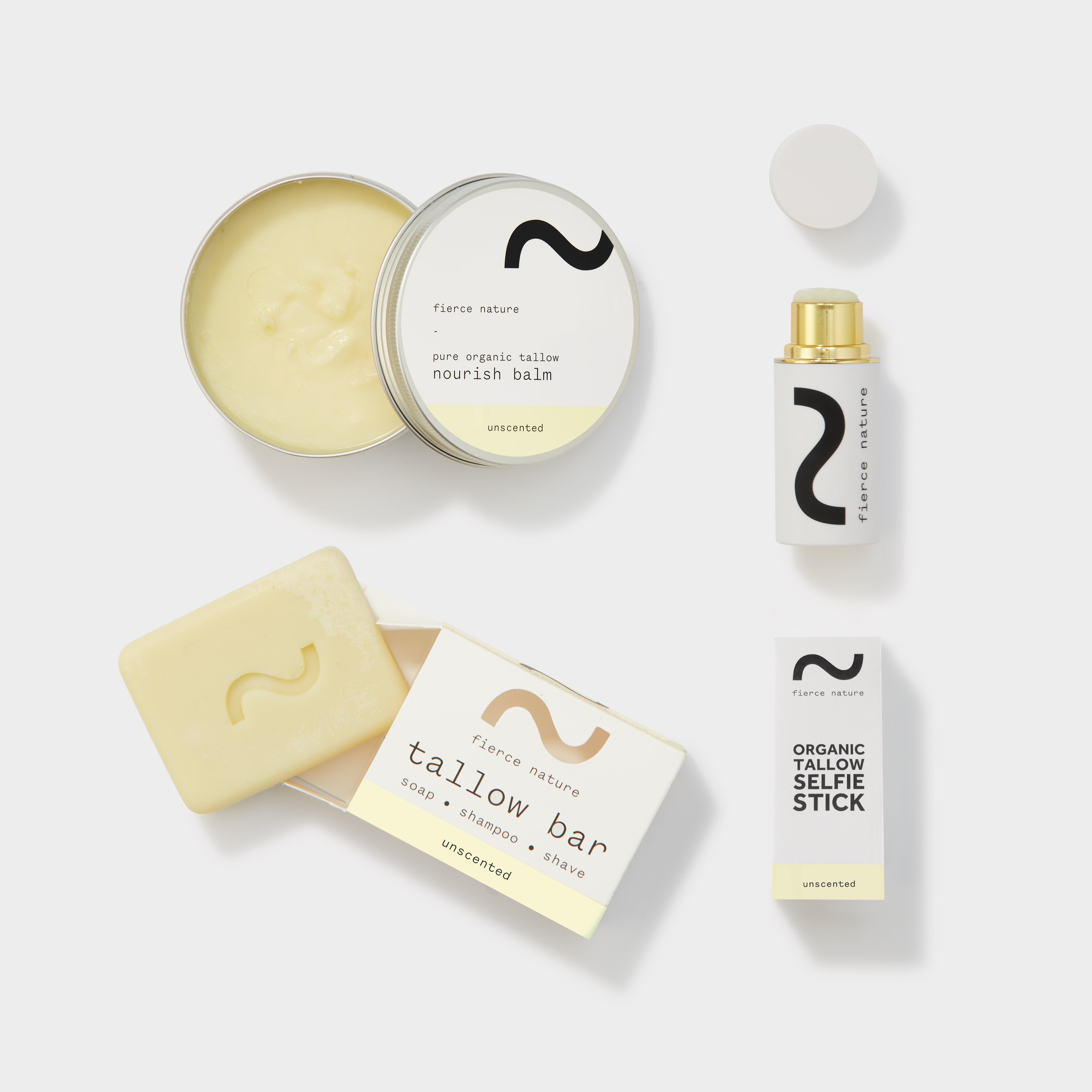
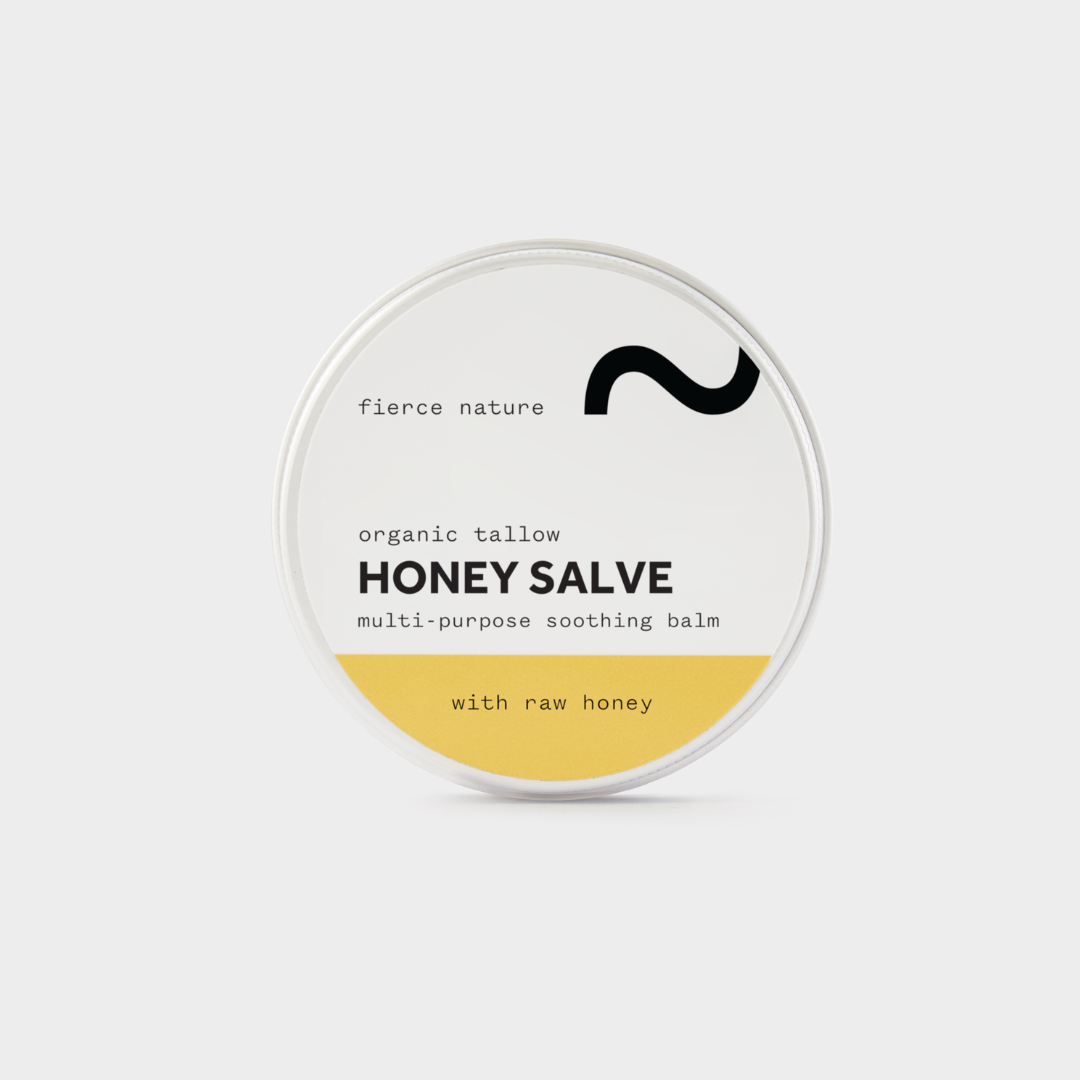
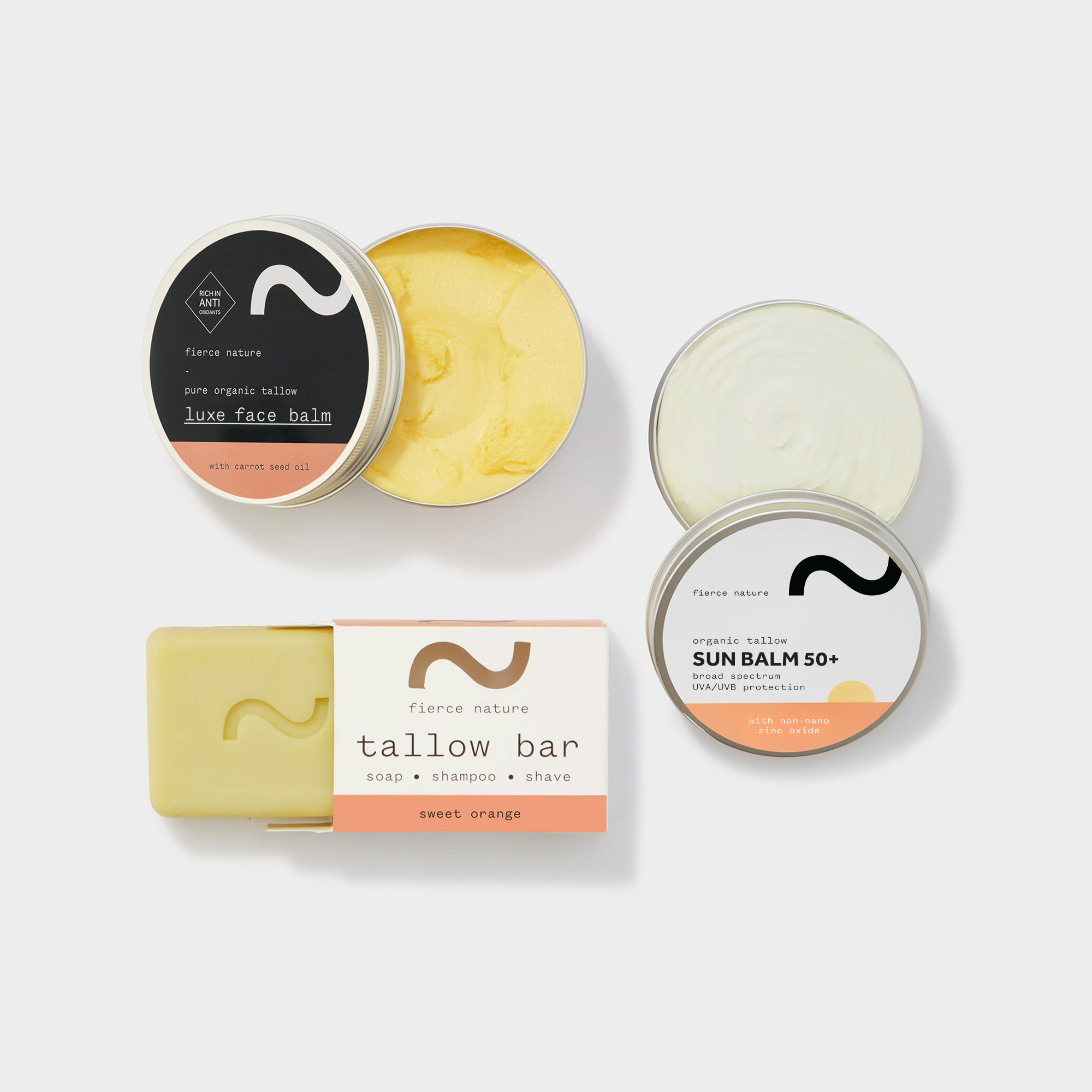
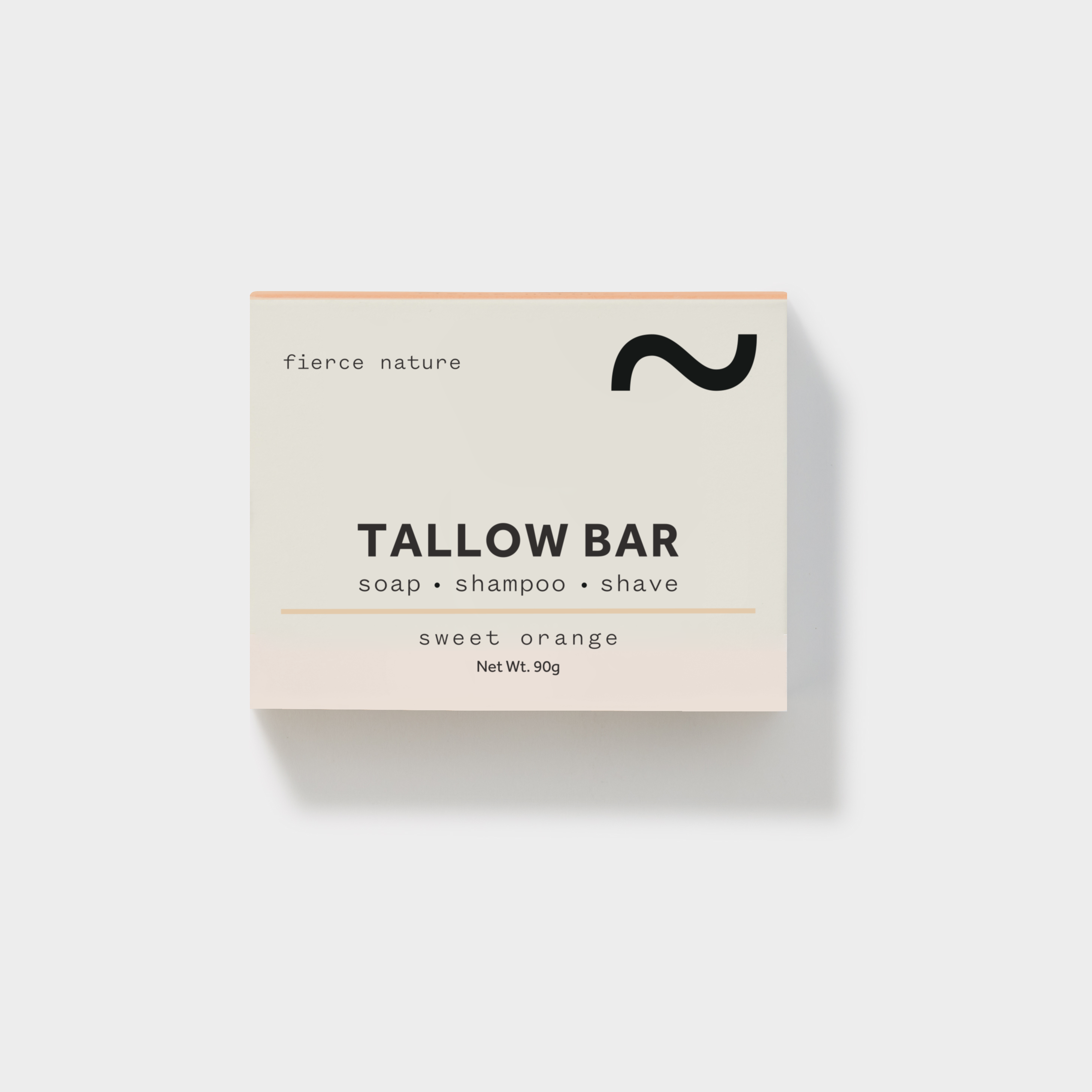
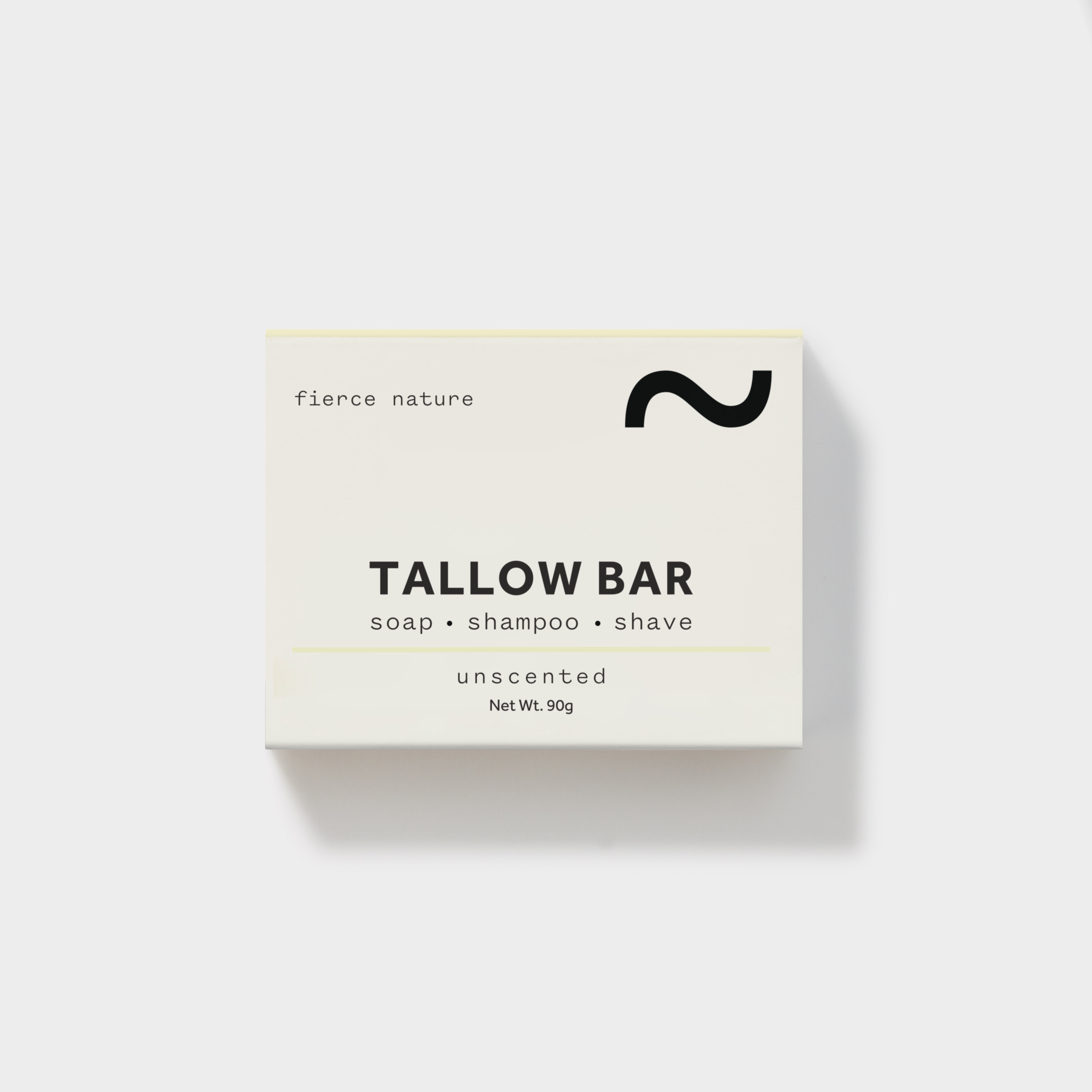
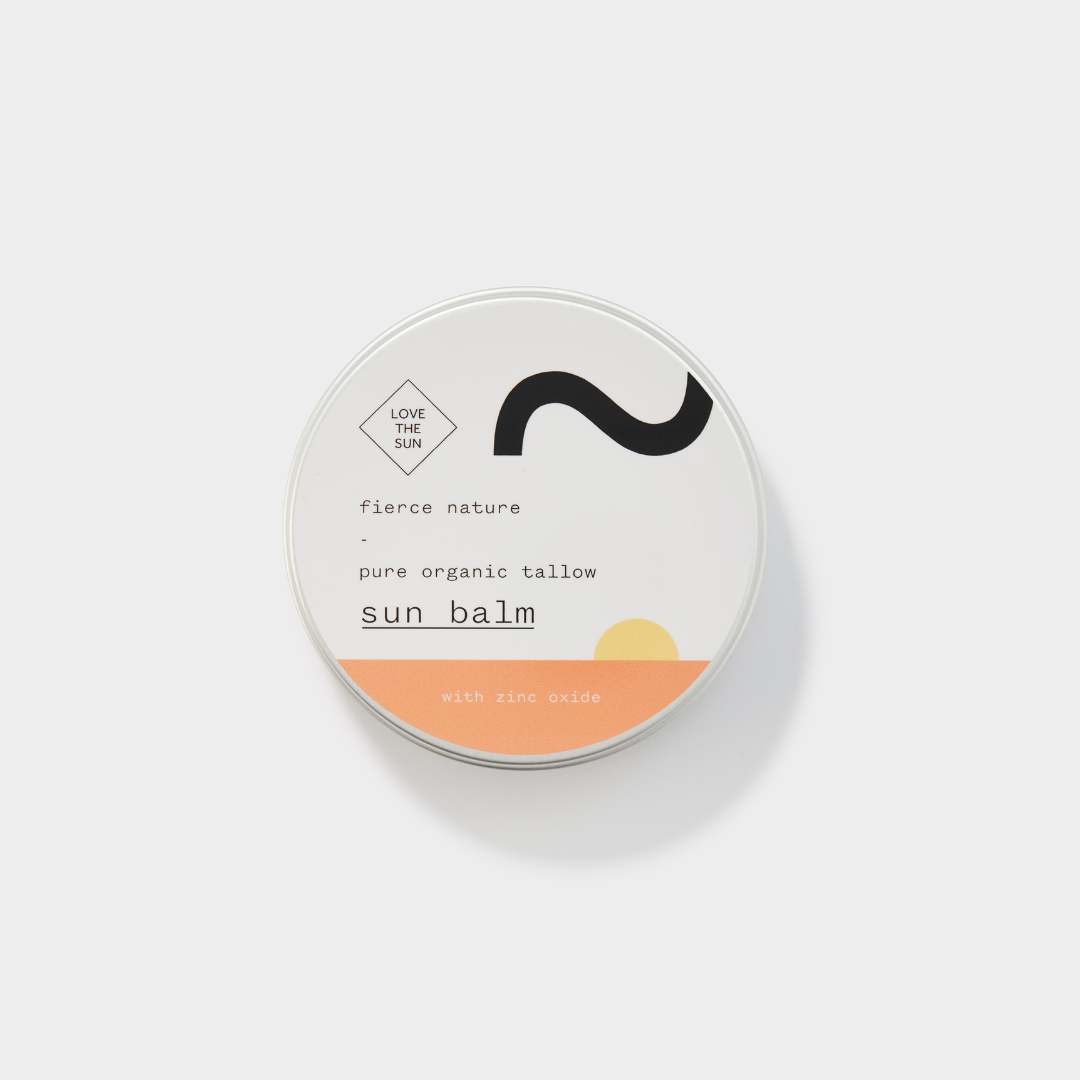
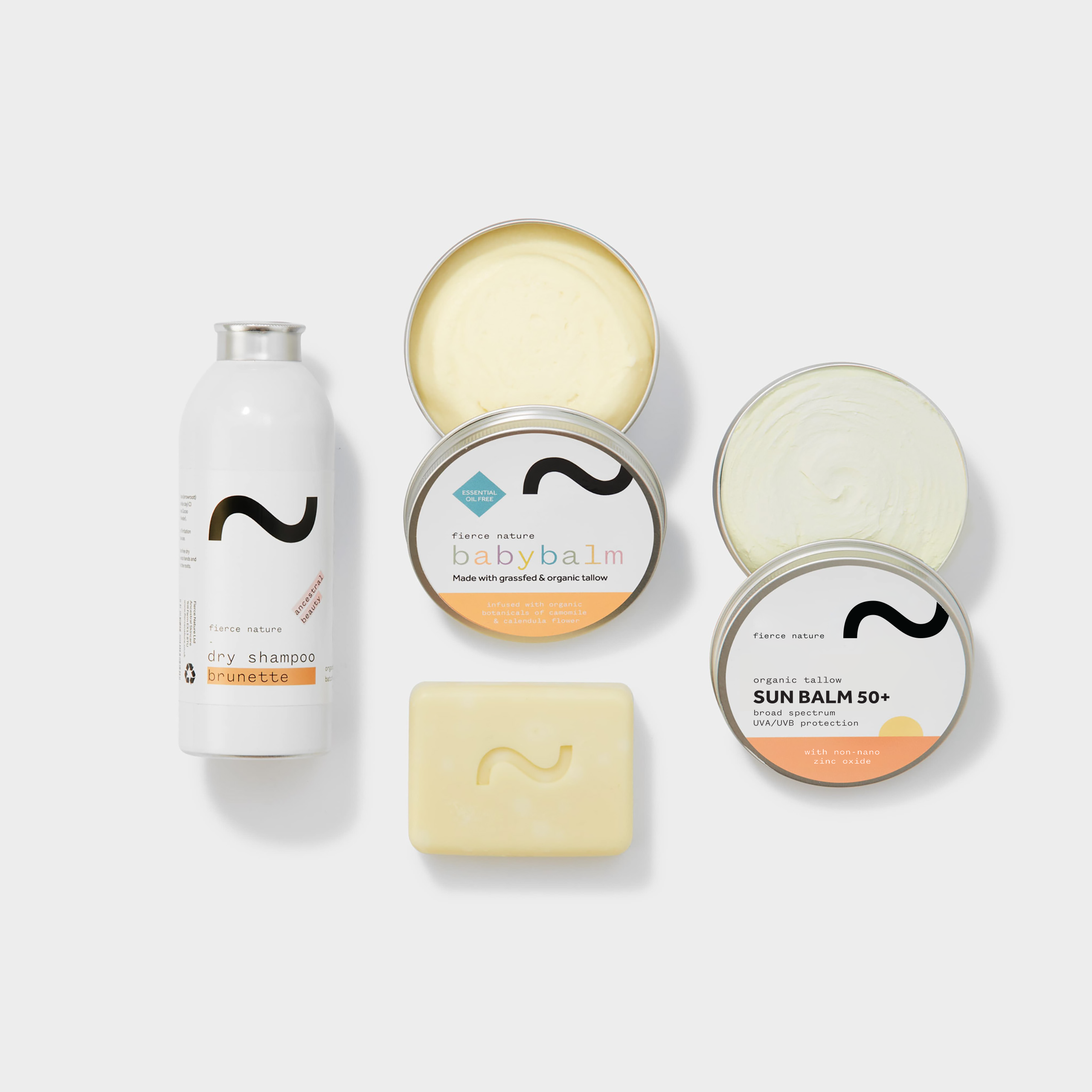
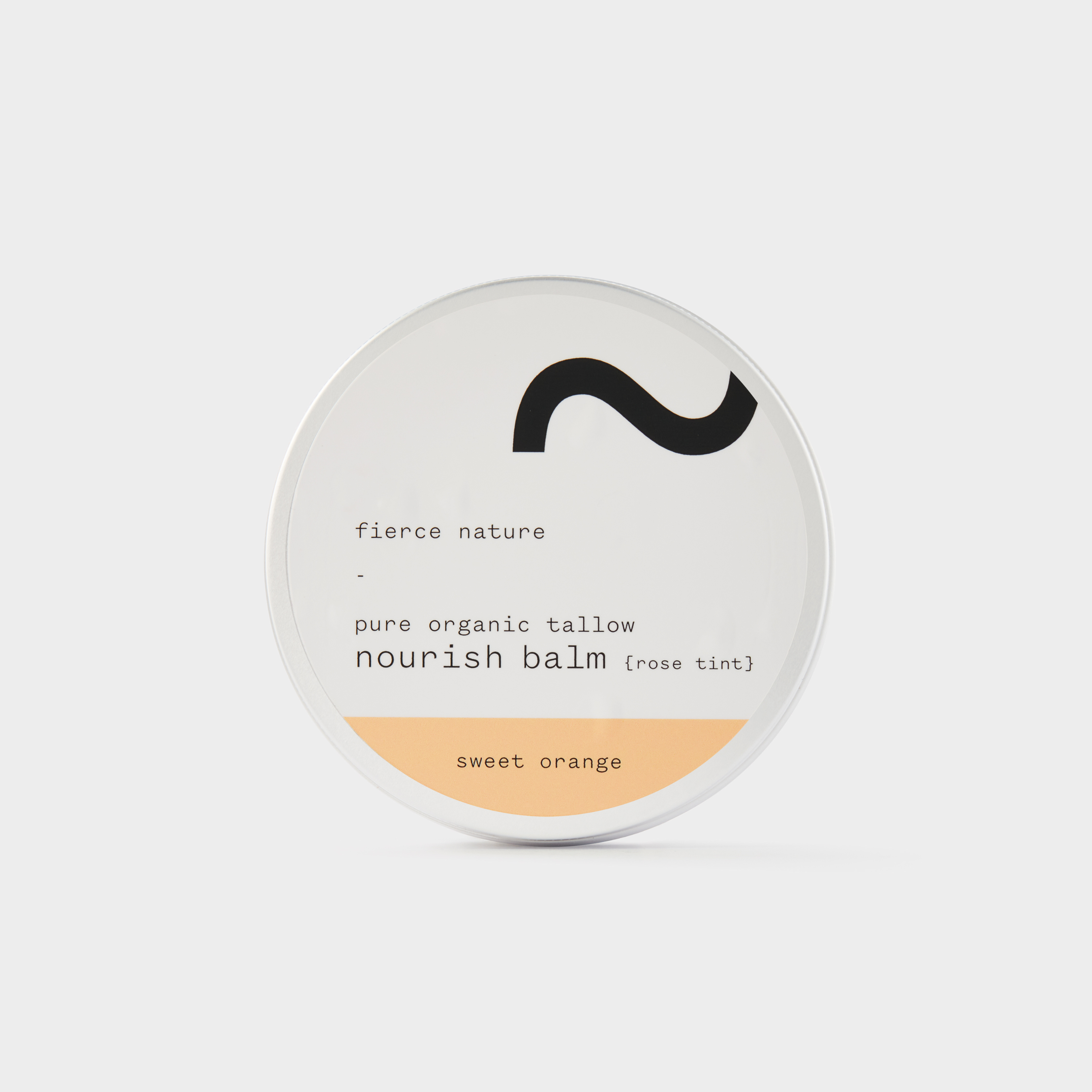
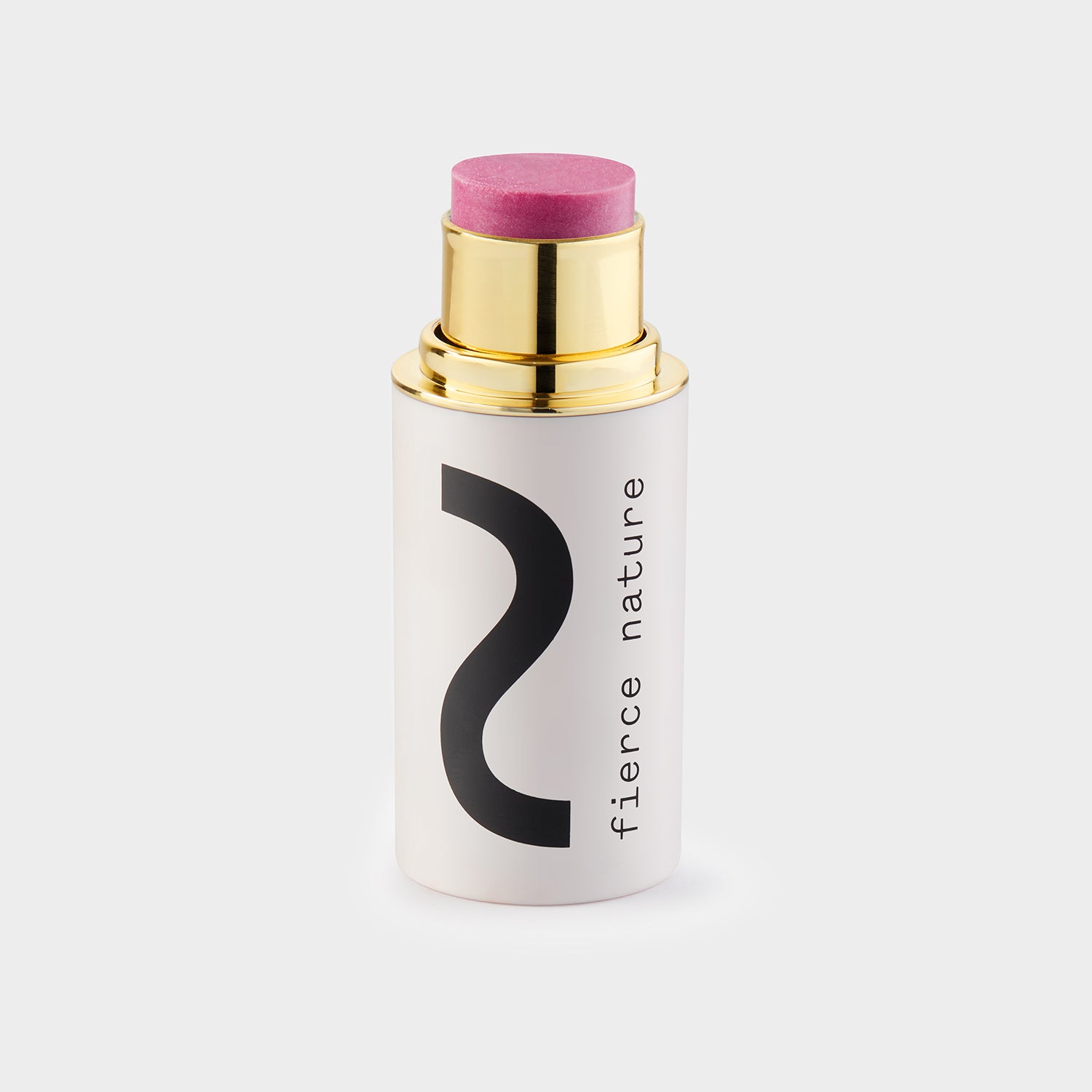
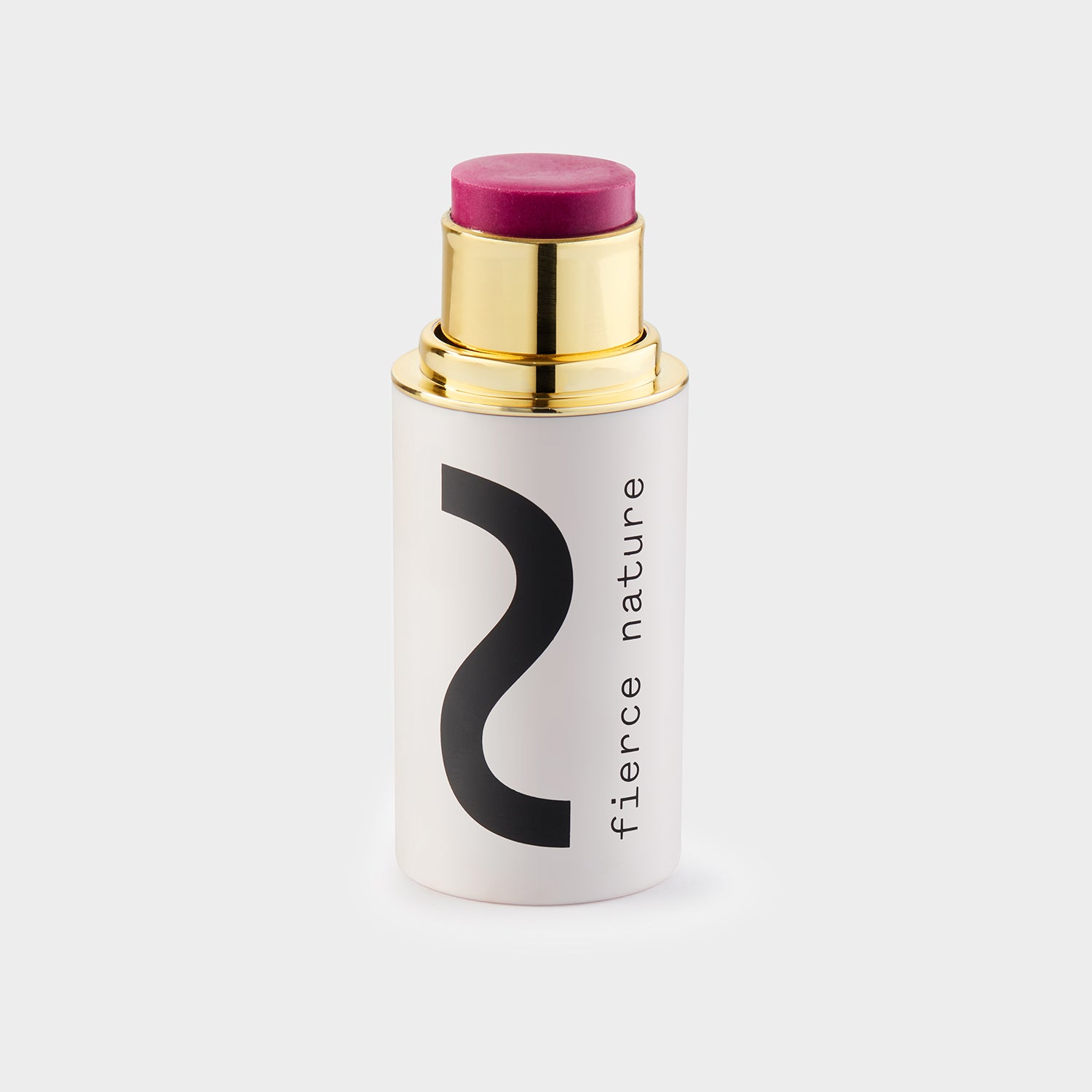
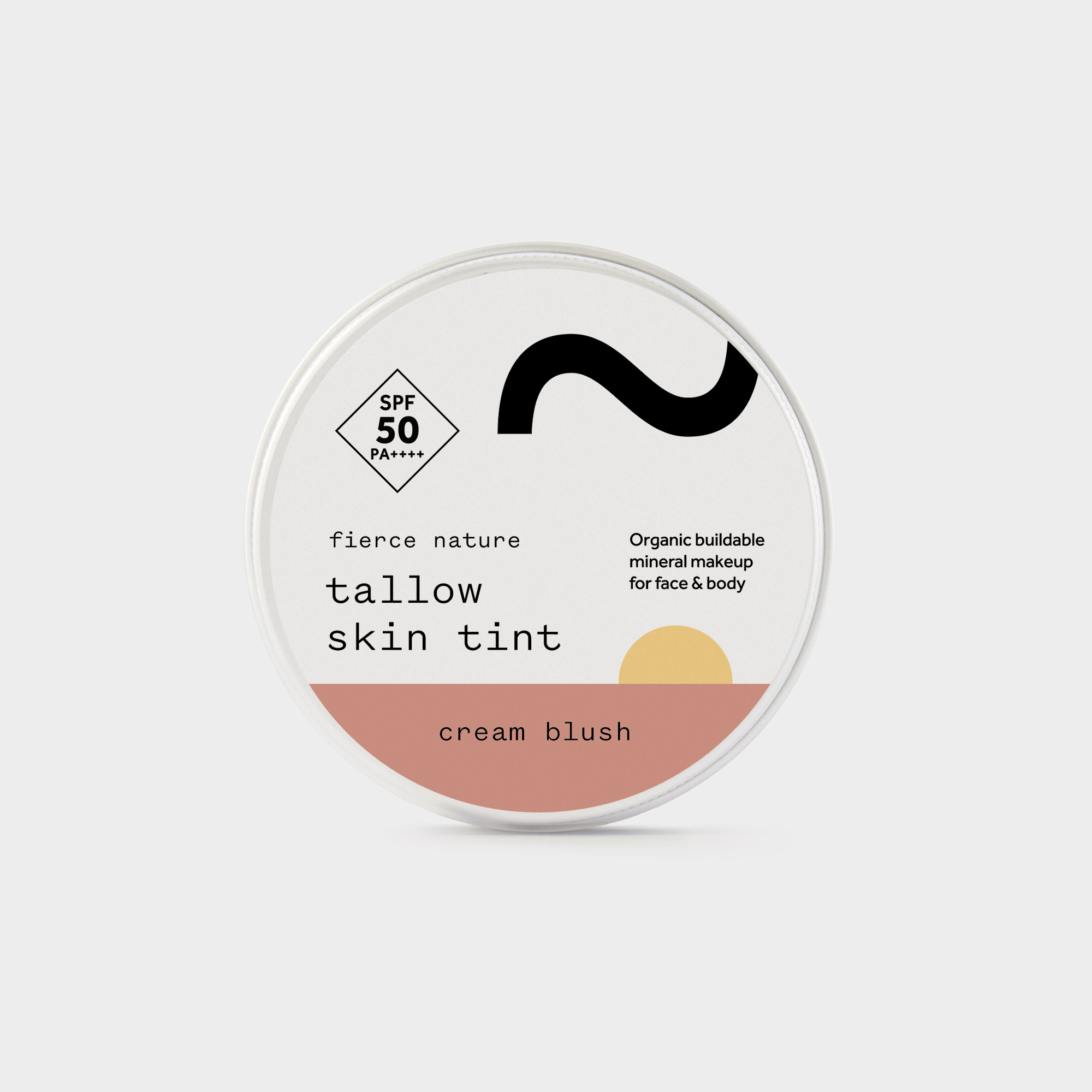
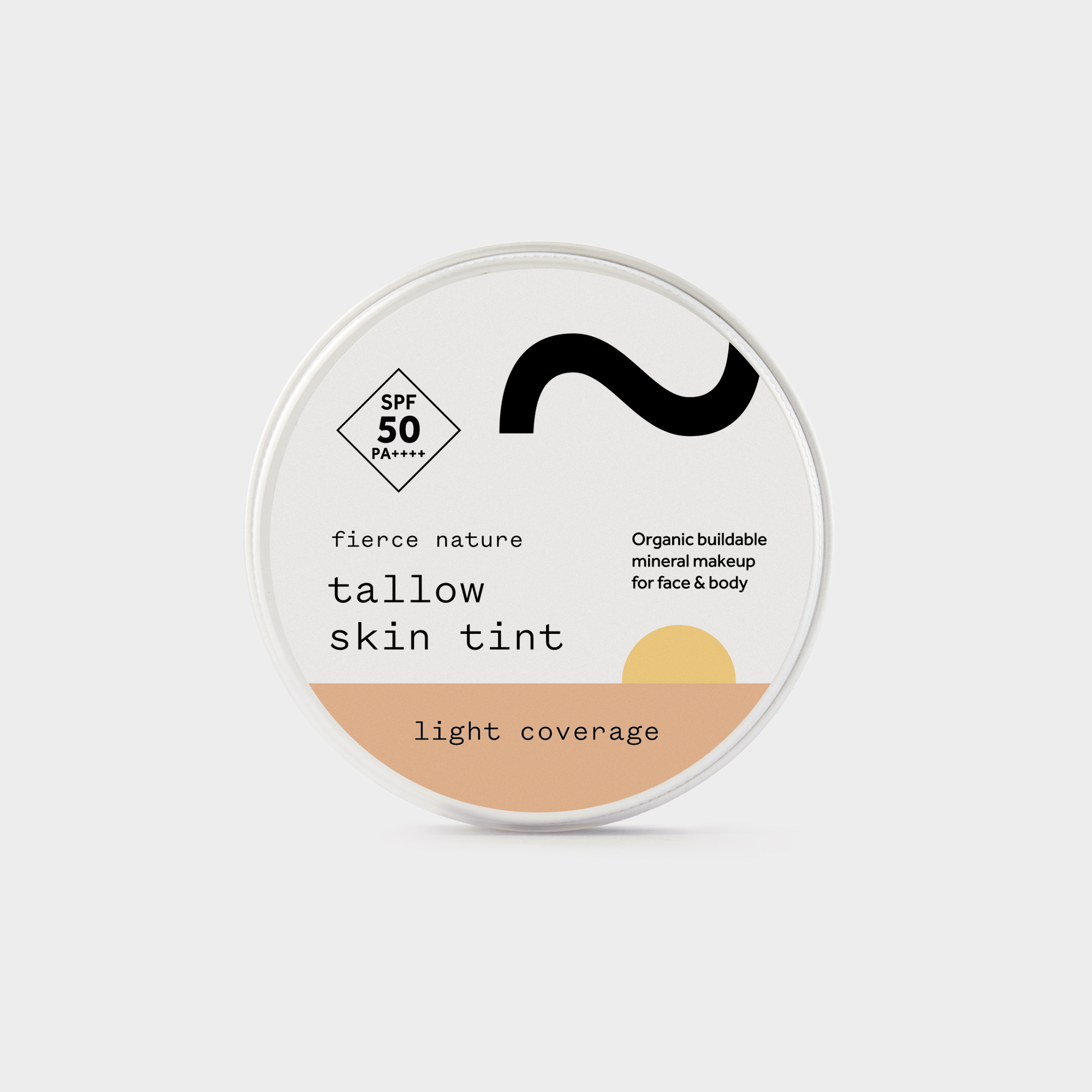
We built our skincare approach around pure, organic tallow because it has been used for centuries as a deep, penetrating skin food, and because it lets us keep ingredient lists short and legible. That matters most in pregnancy, when every label deserves a proper read. Our Non-toxic Baby Skin Essentials set pairs naturally with the gentle cleanse and moisturise steps above, our Baby Balm covers the moisturising stage for both you and your baby, and our New Sun Balm SPF 50+ PA++++ fits the mineral sun protection this routine calls for.
We would rather hand you a short, honest ingredient list than a long one dressed up in marketing language. Fewer, well-understood ingredients mean fewer unknowns at a time when caution matters most. Read the label, trust the evidence, and keep your routine simple.
— Fierce Nature
This article is general information, not a substitute for advice from a qualified doctor. Consult a qualified healthcare professional about your own circumstances before acting on anything here.
Avoid topical and oral retinoids, hydroquinone, systemic acne medicines including tetracyclines, and high-dose leave-on chemical exfoliants. Formulary guidance also advises avoiding most acne medicines unless specifically checked against prescribing references.
A gentle cleanser, a moisturiser containing niacinamide or hyaluronic acid, and a mineral sunscreen using zinc oxide or titanium dioxide form a safe, simple routine. Azelaic acid and topical vitamin C are also generally well tolerated.
Low-concentration, rinse-off salicylic acid is generally considered acceptable because contact time stays short, but stronger leave-on AHA or BHA formulas are best avoided or limited. Gentle enzymatic exfoliants are a milder alternative worth trying instead.
Yes, niacinamide is widely considered safe during pregnancy and is useful for calming redness and evening out skin tone. It pairs well with mineral sunscreen for managing pigmentation.