Varukorg
0
80 % också tillagt detta

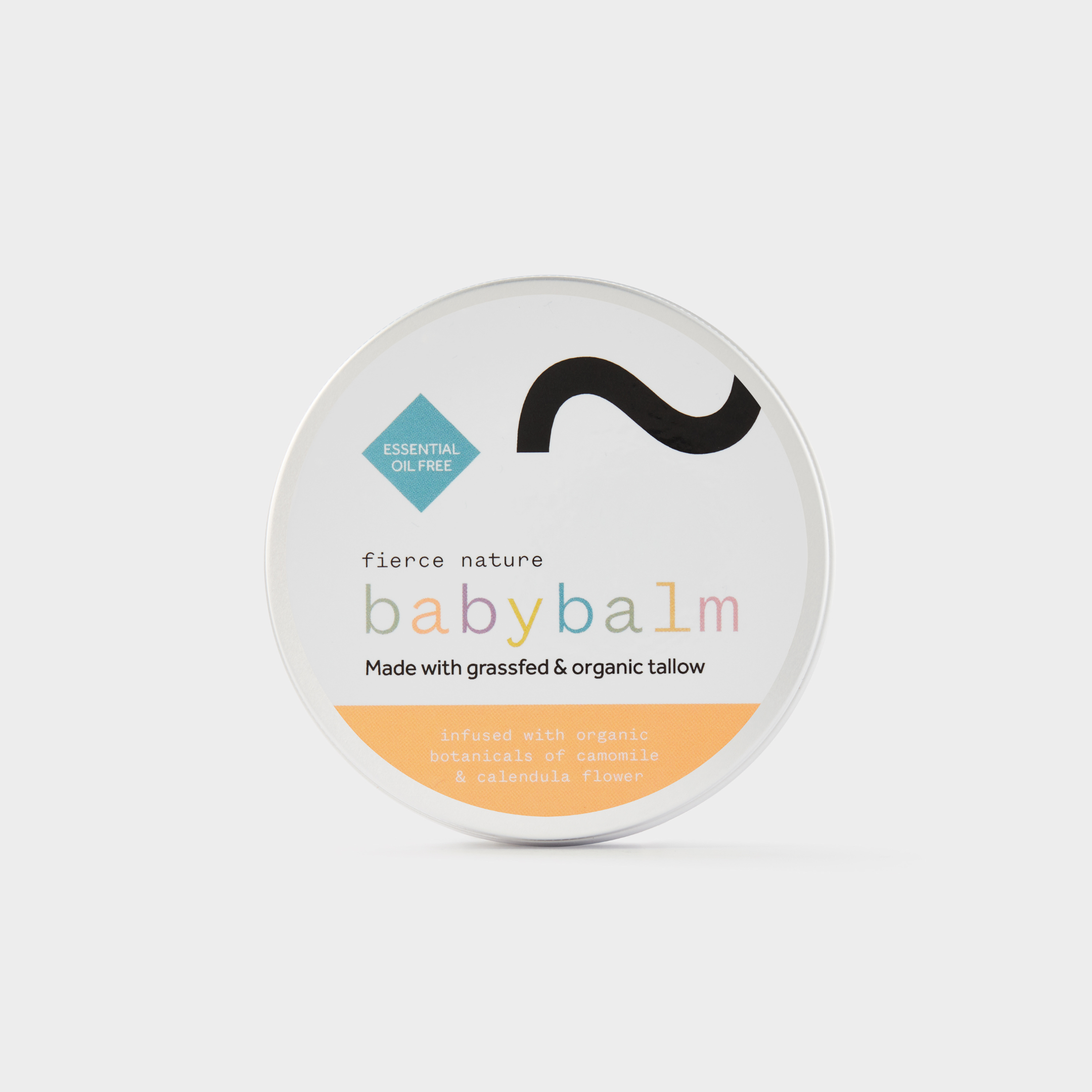
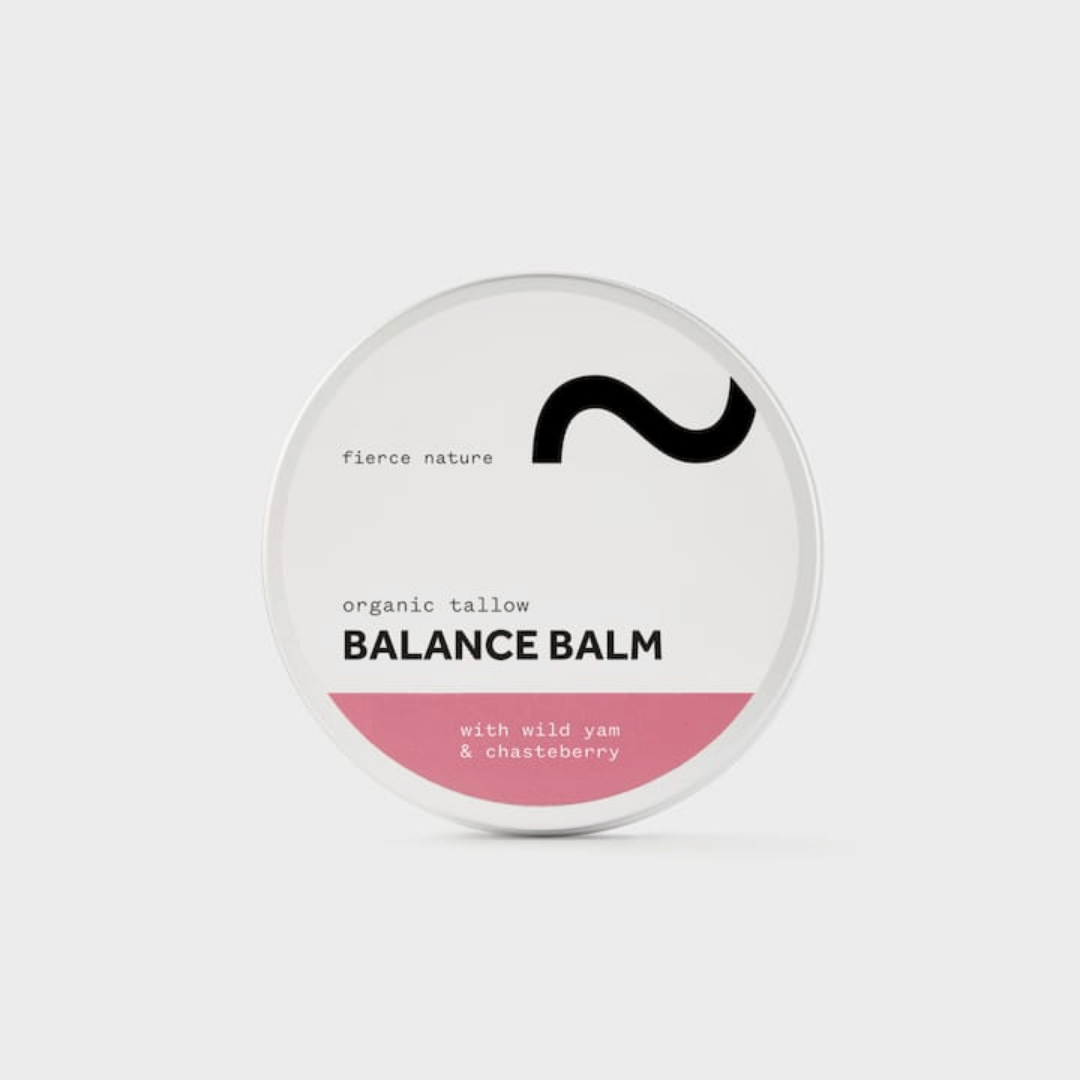
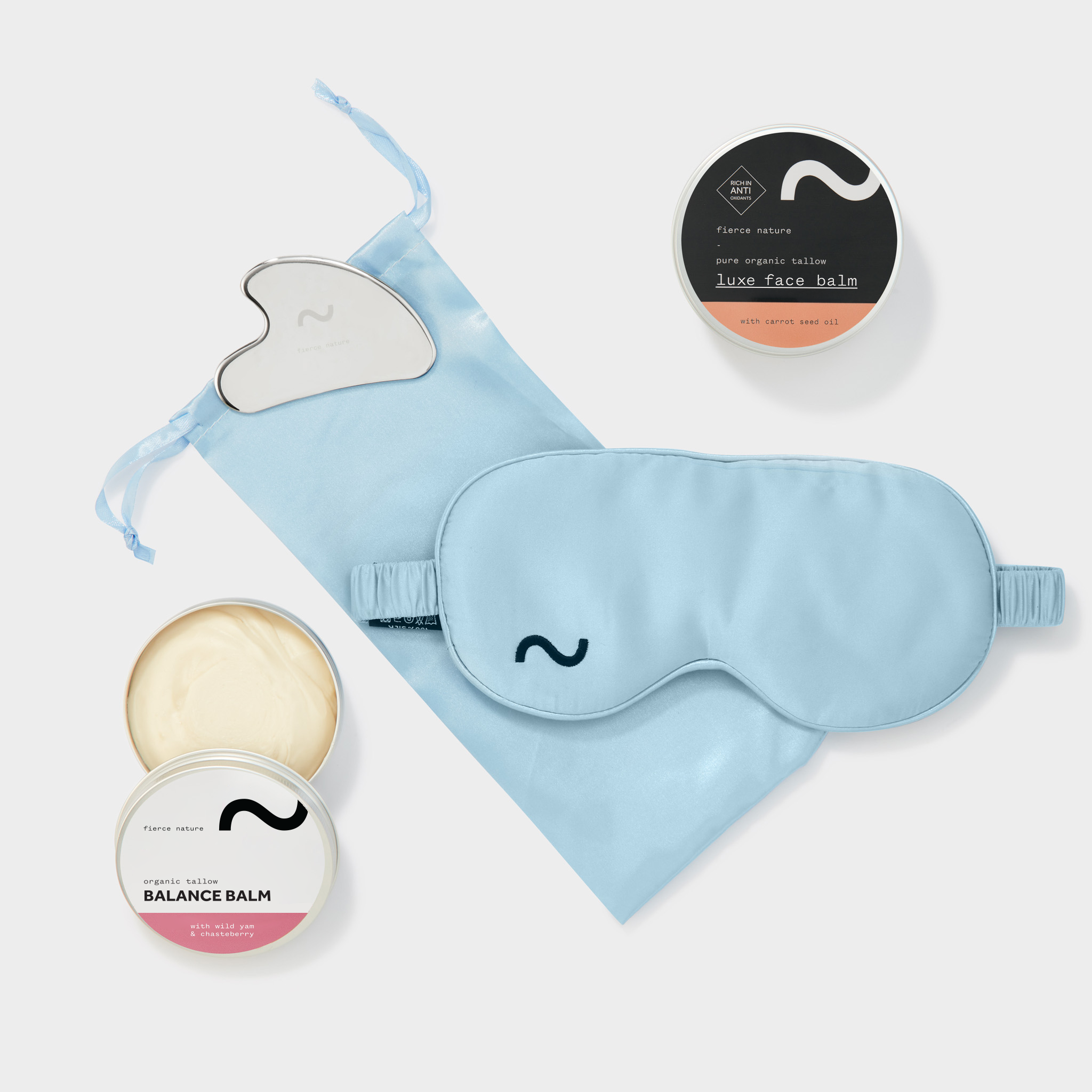
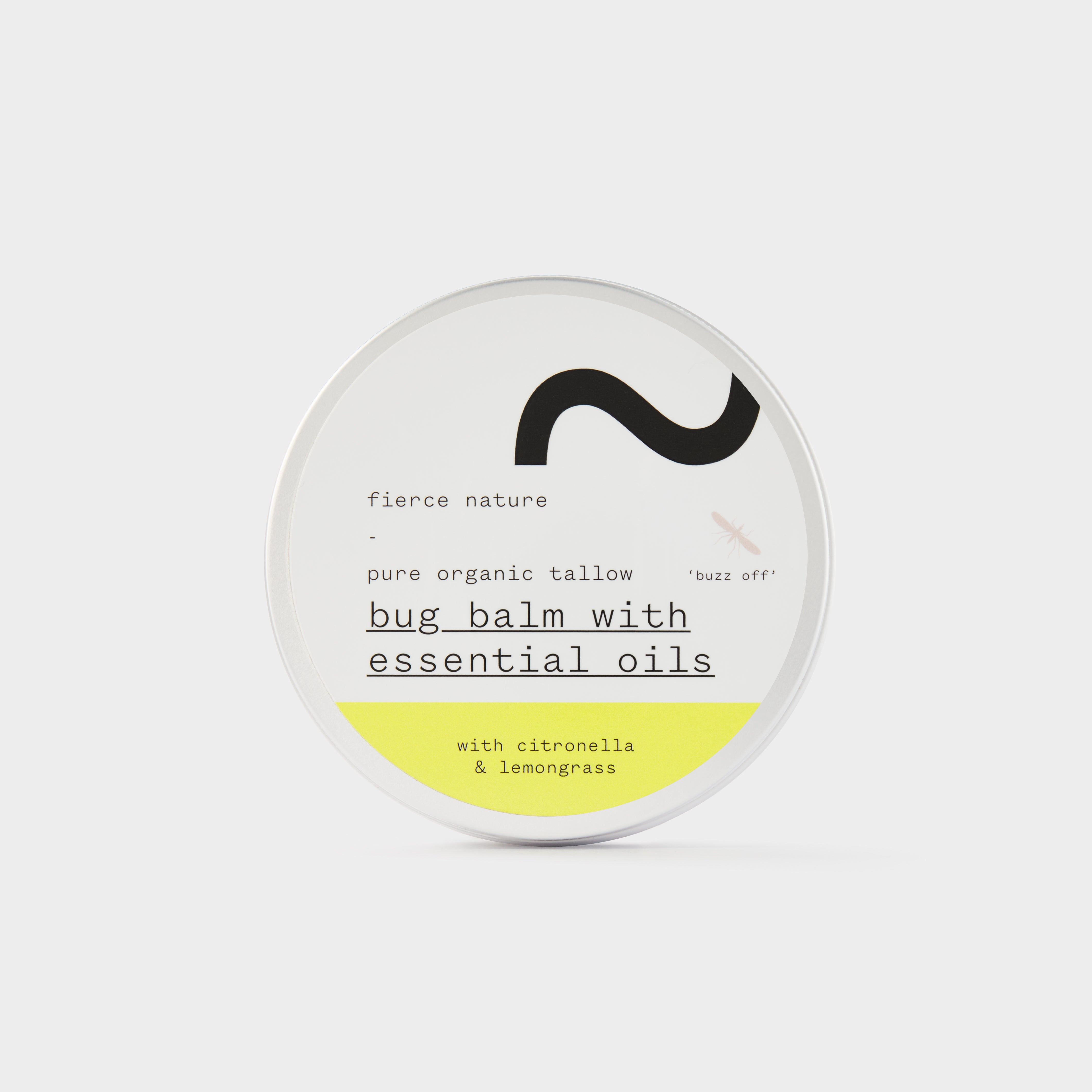
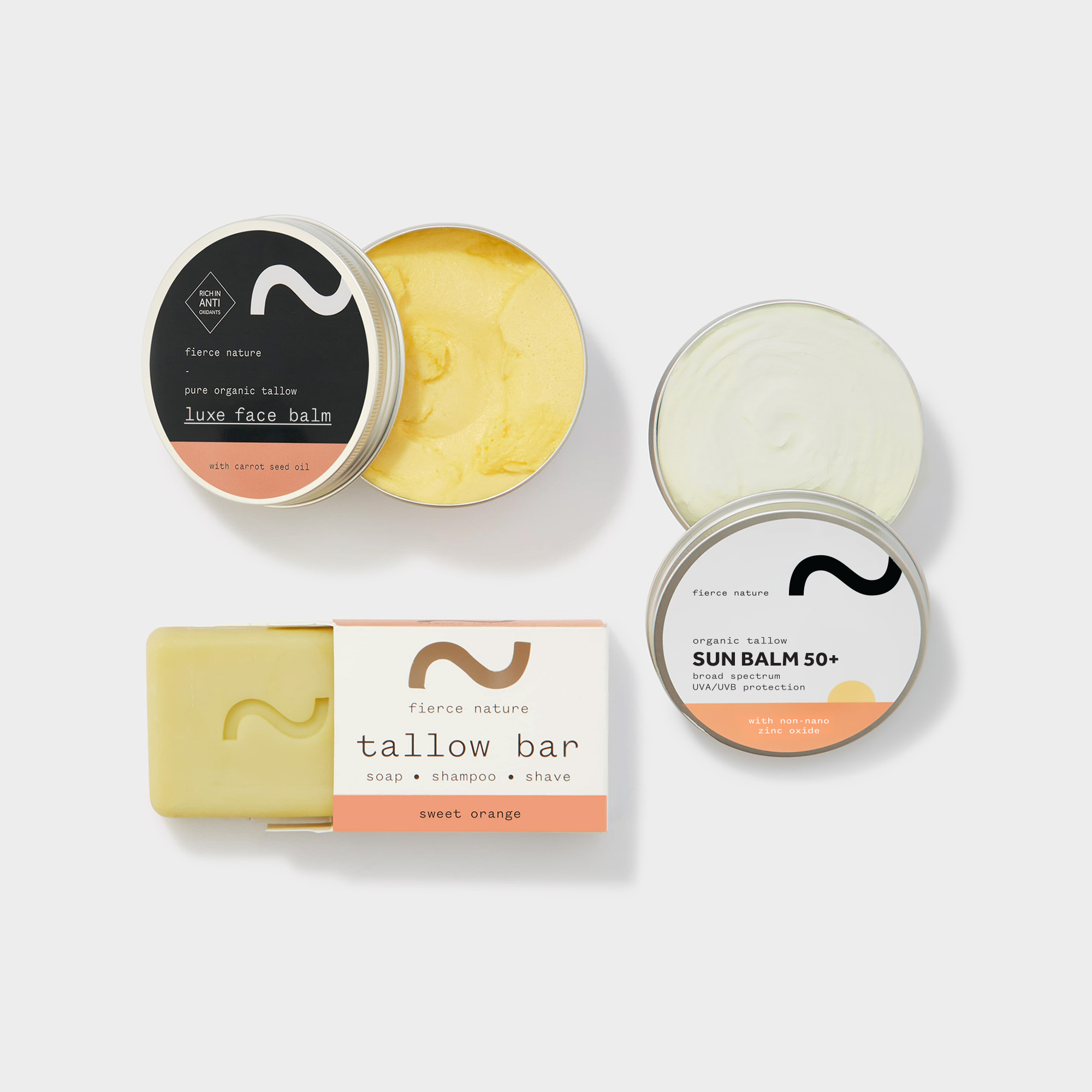
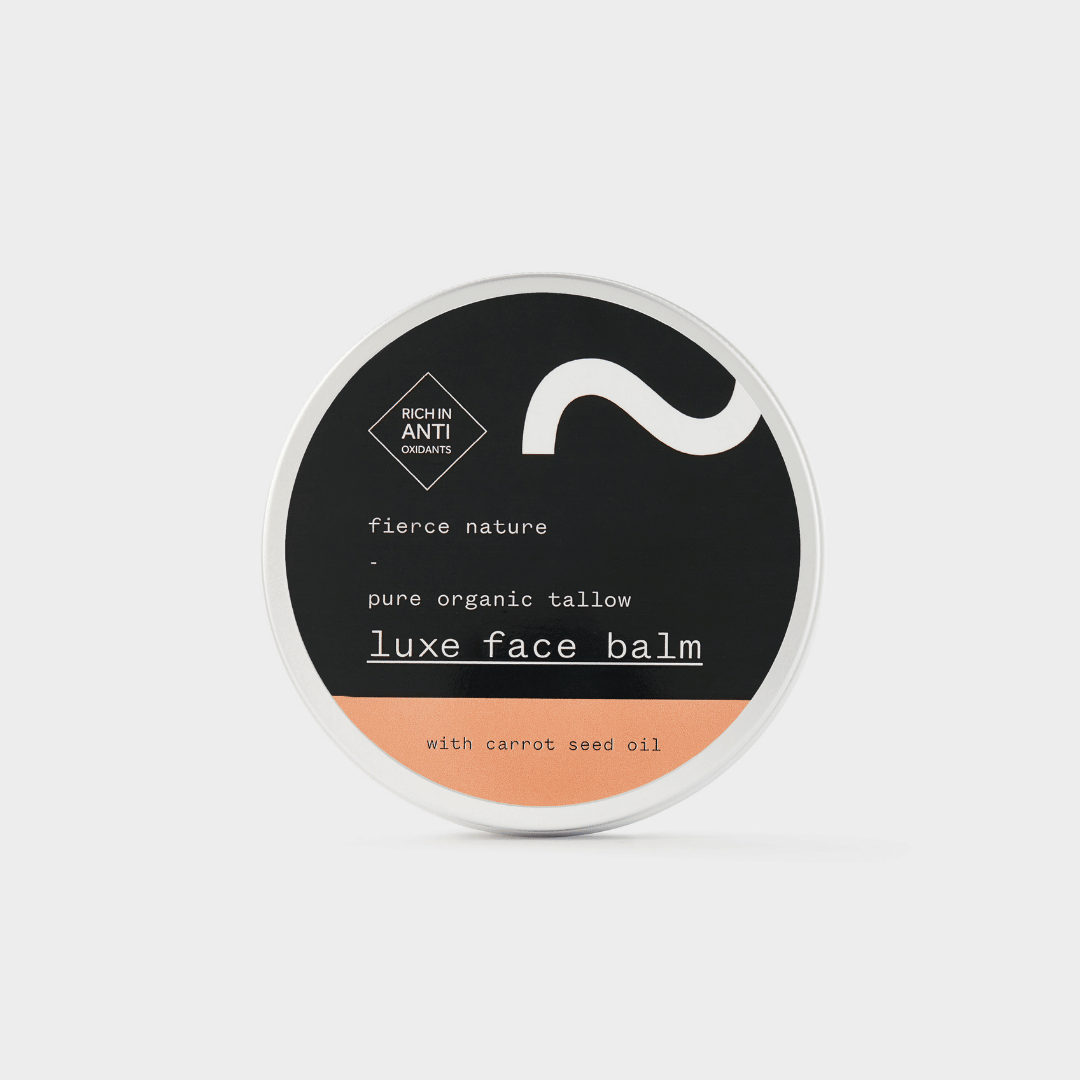
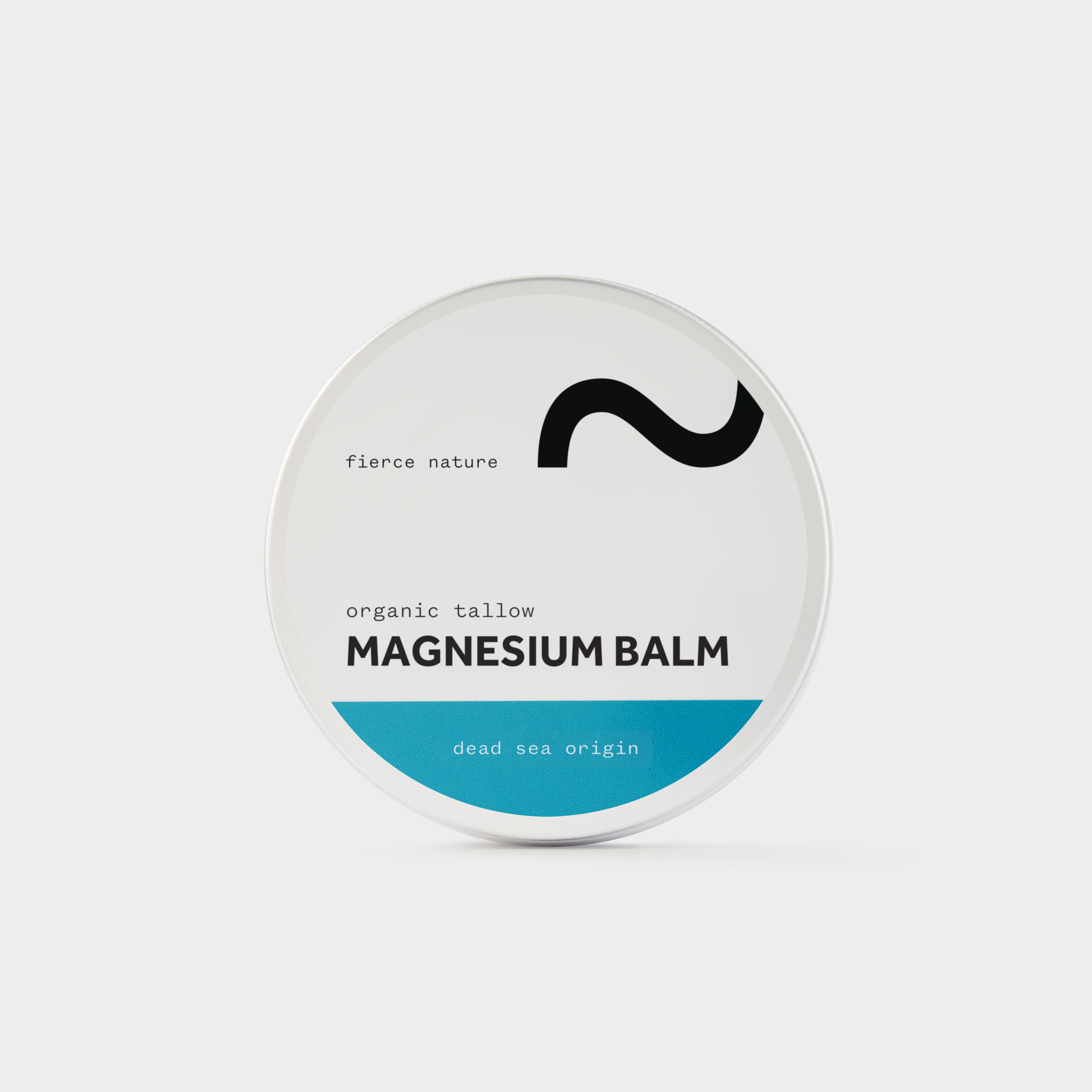
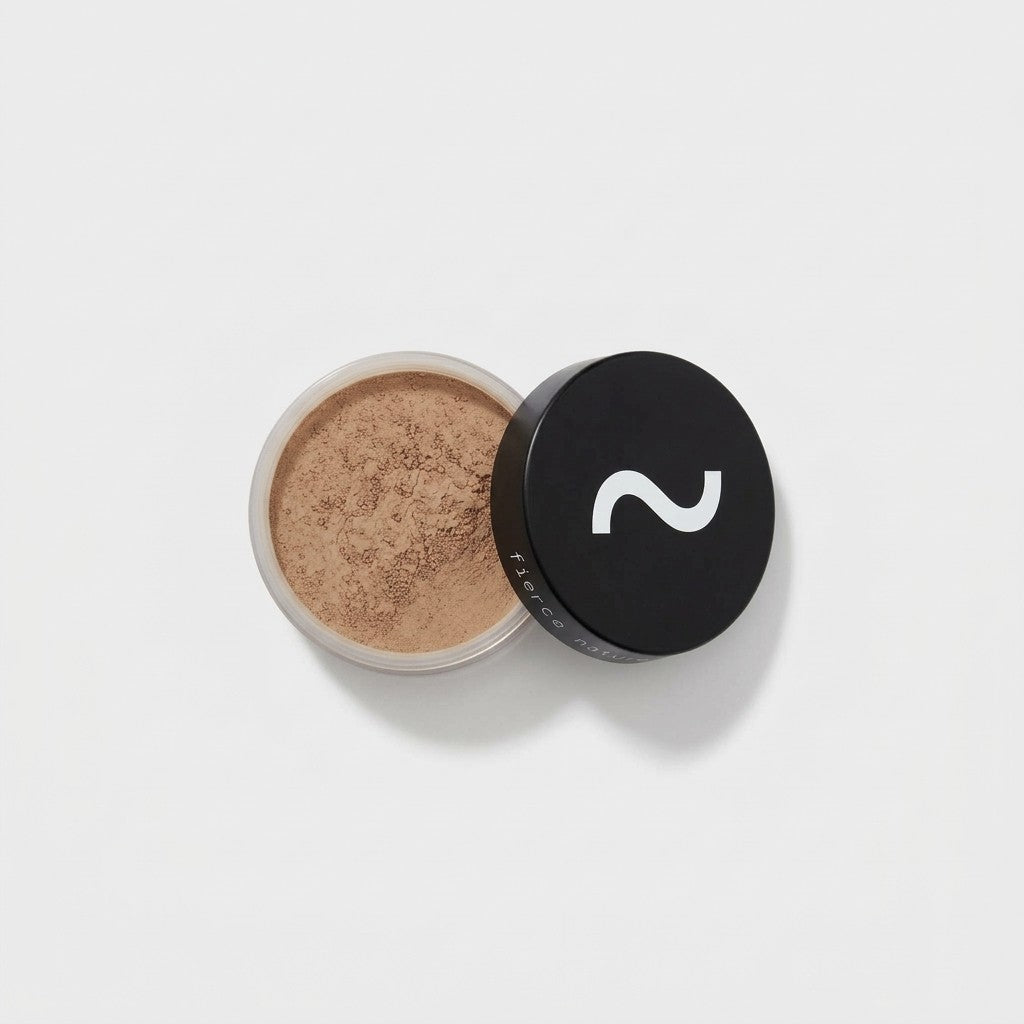
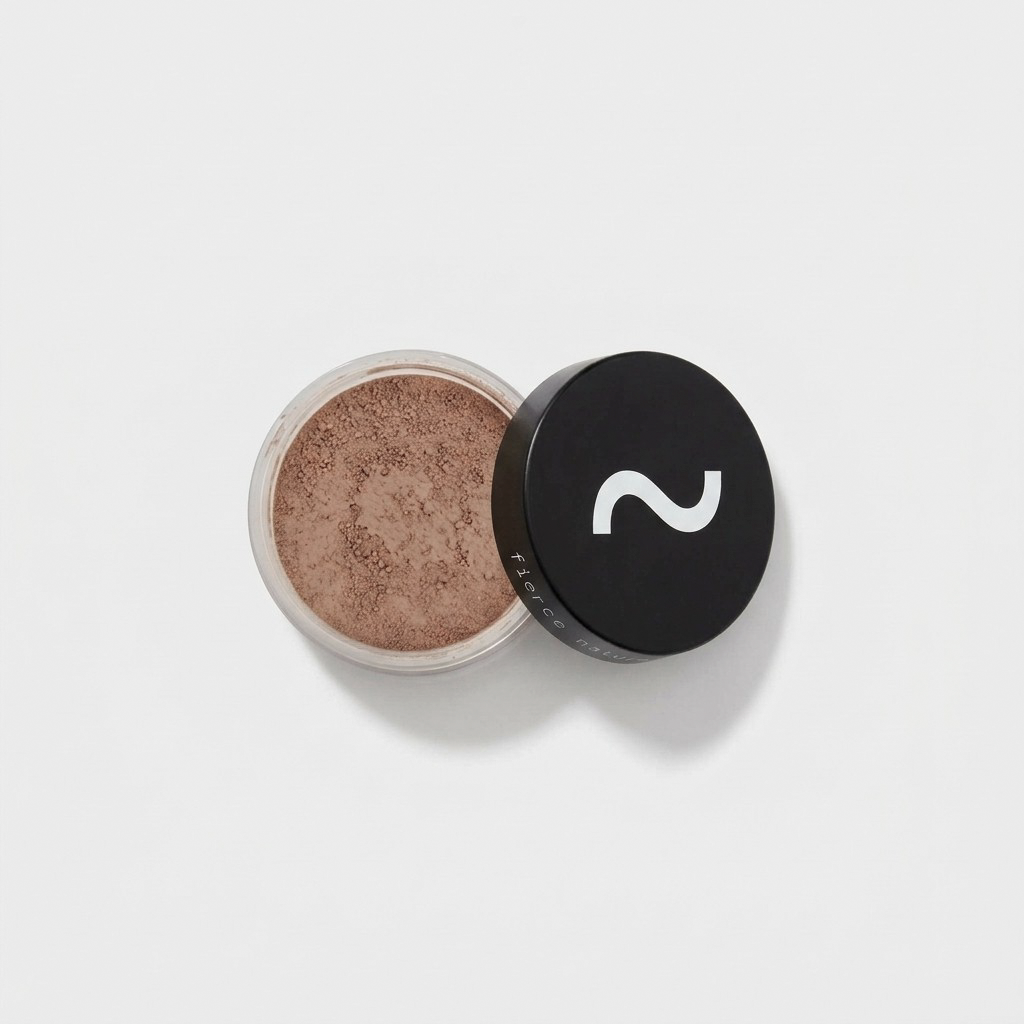
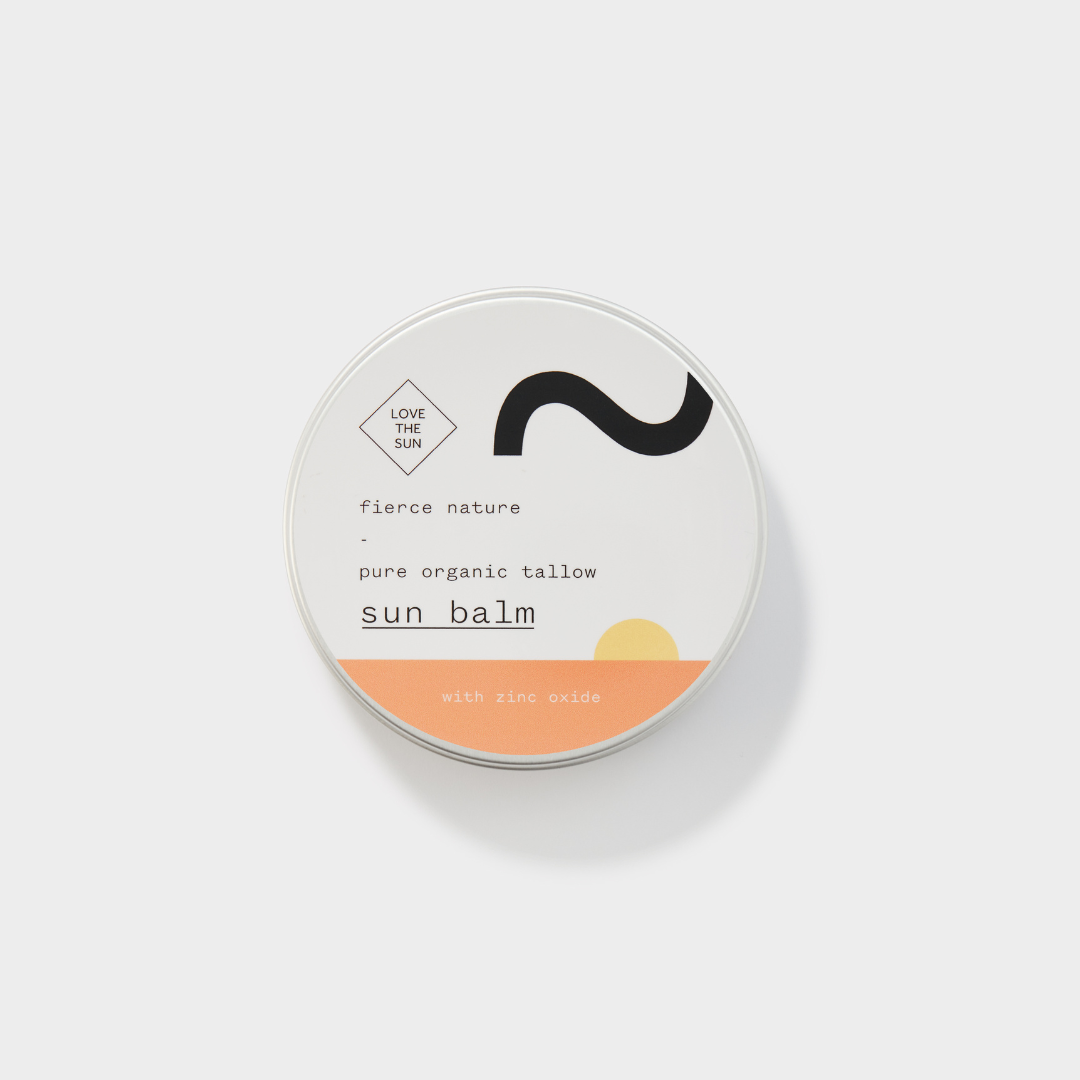
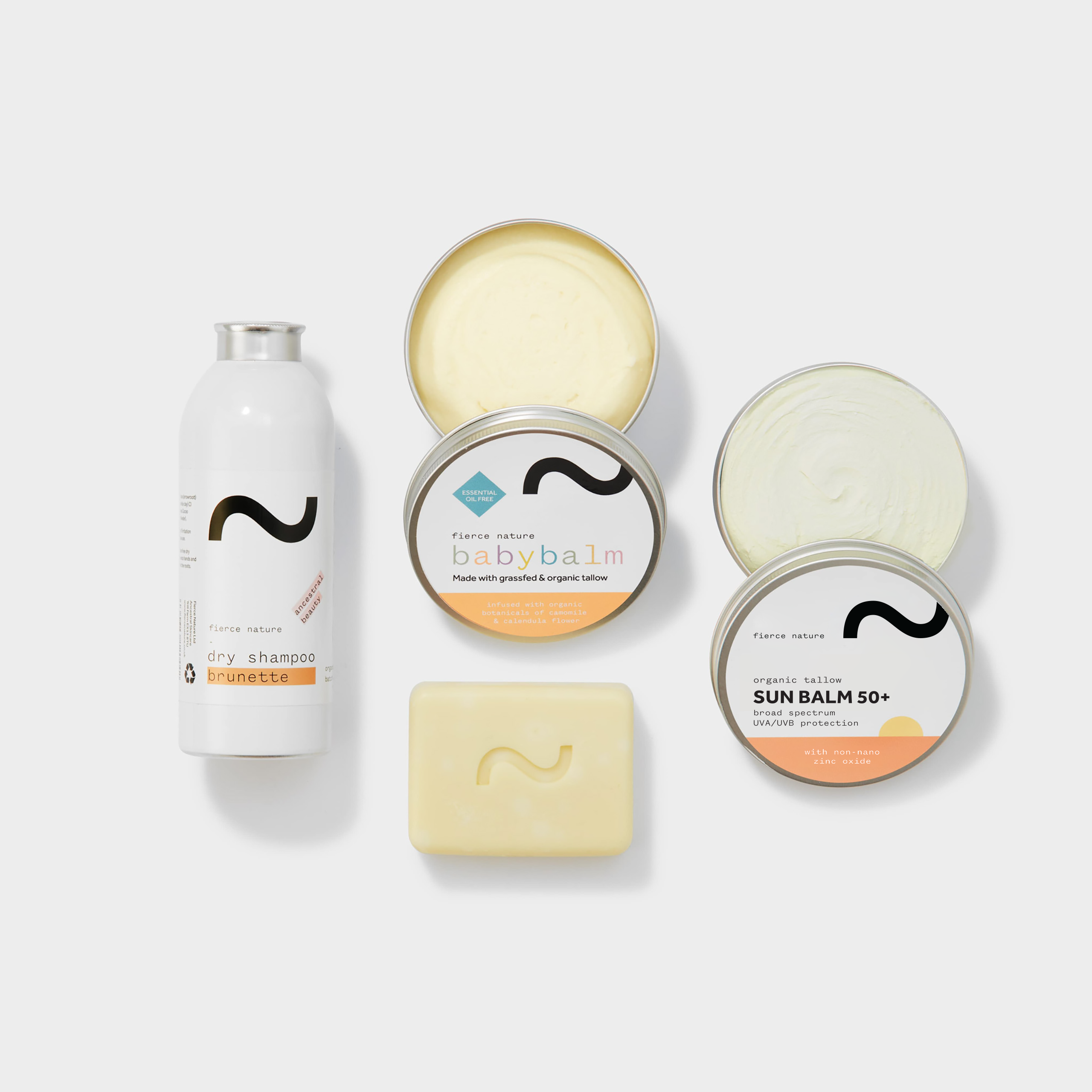
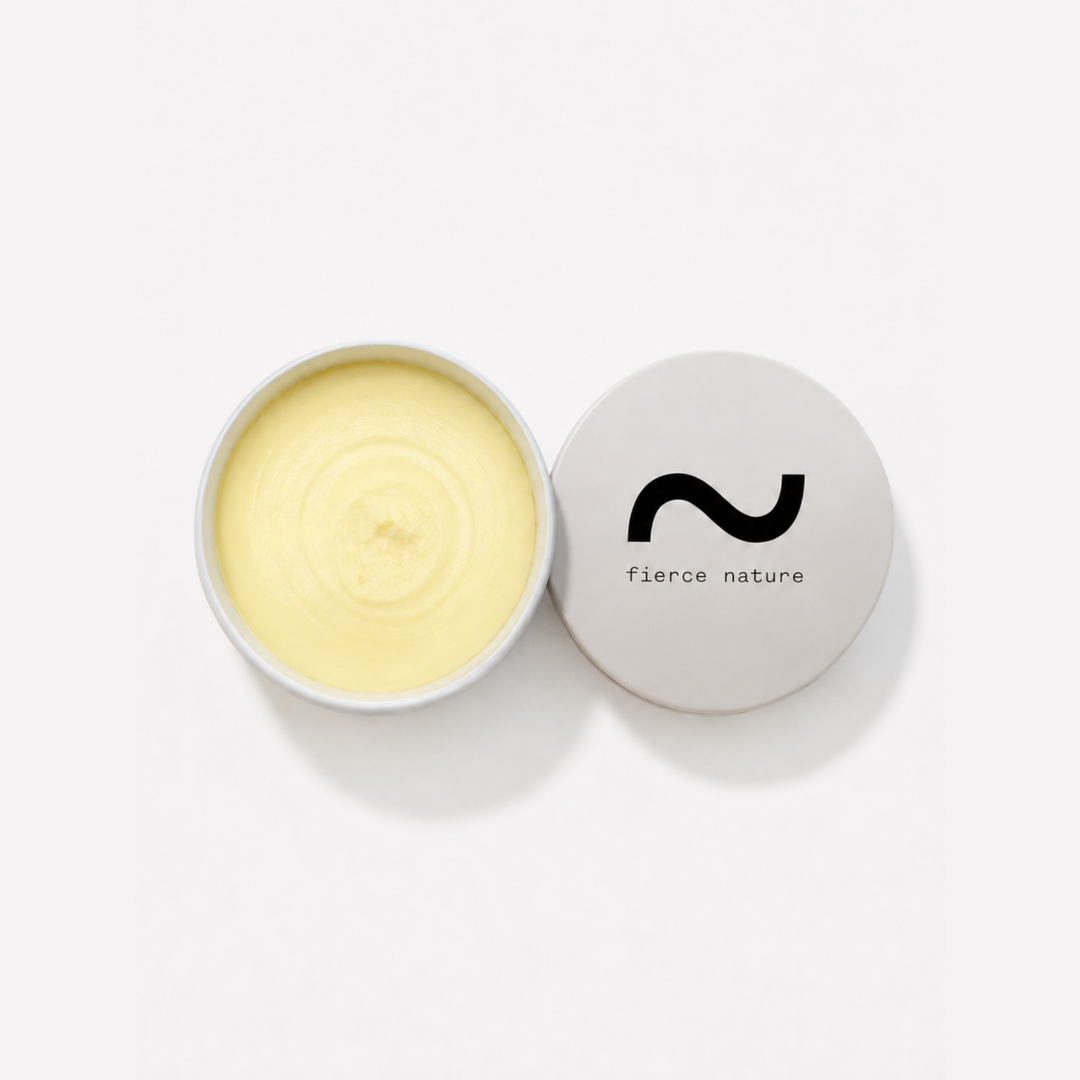
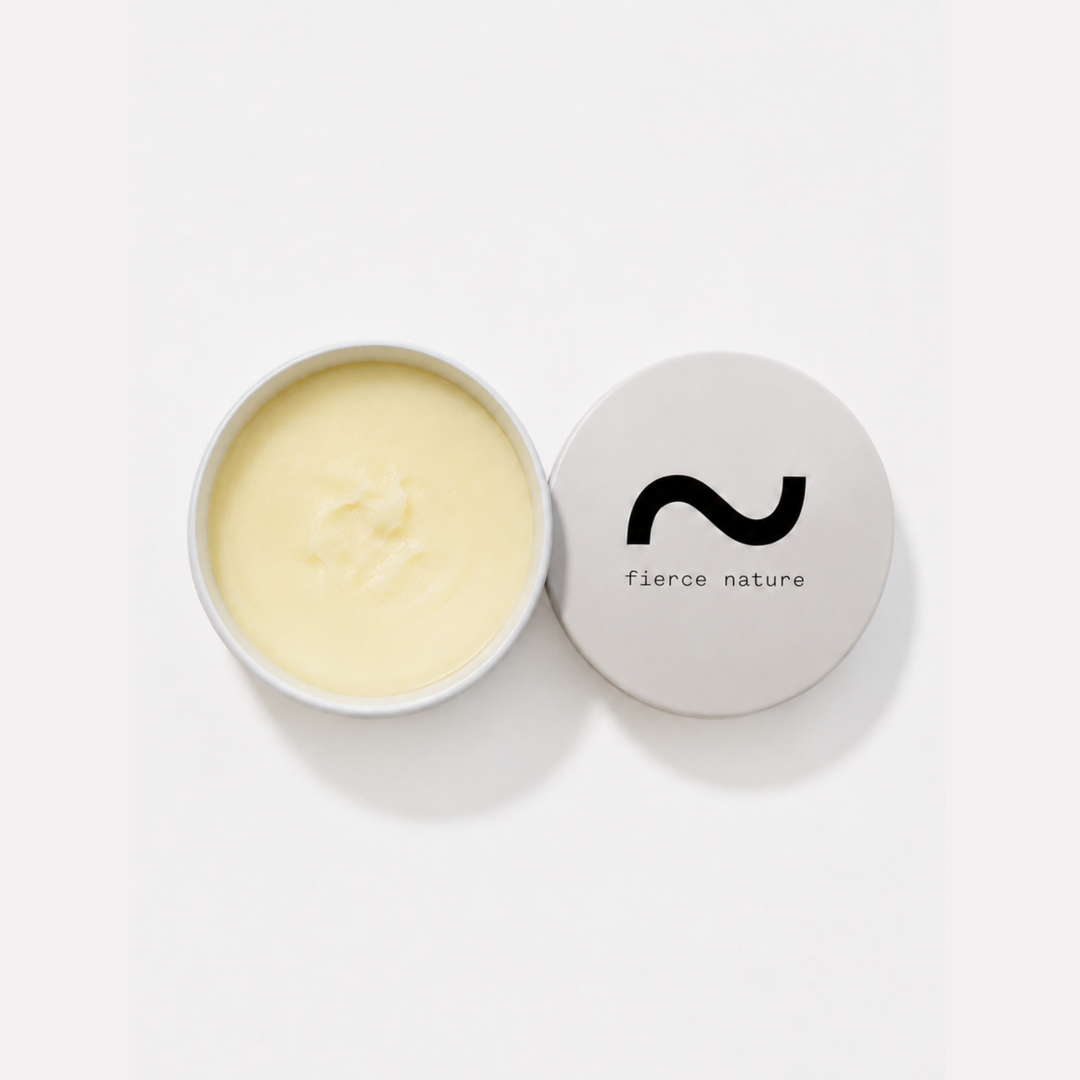
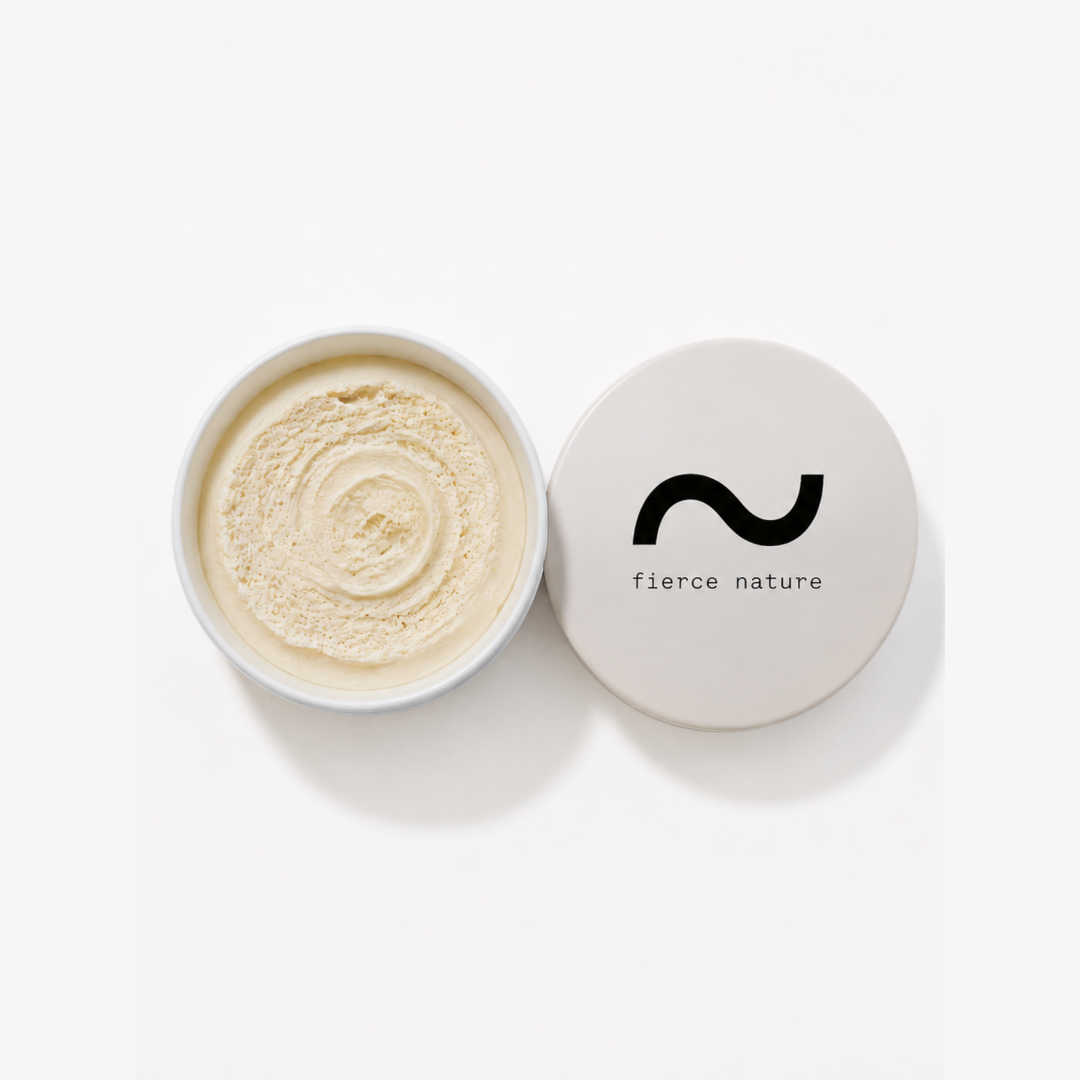
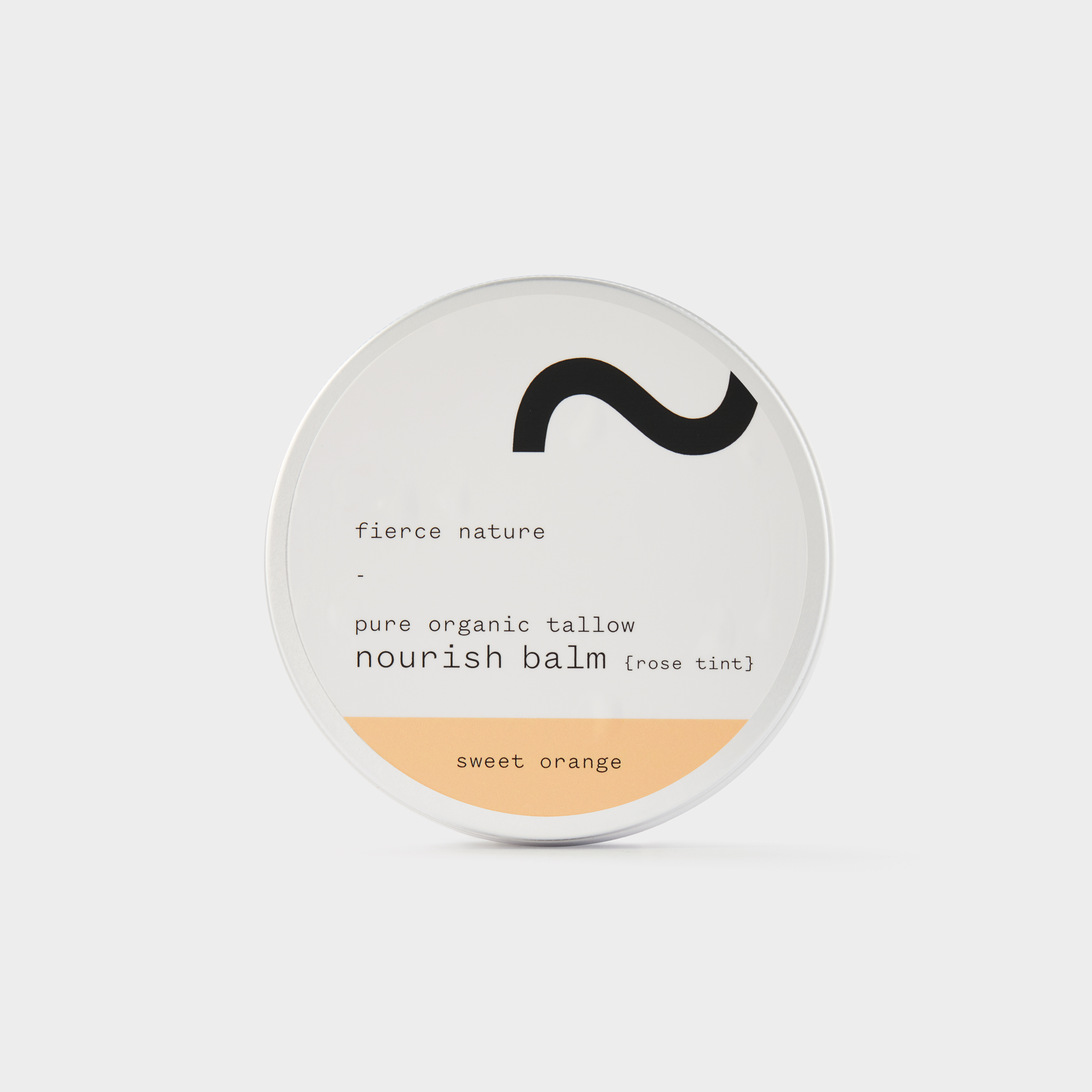

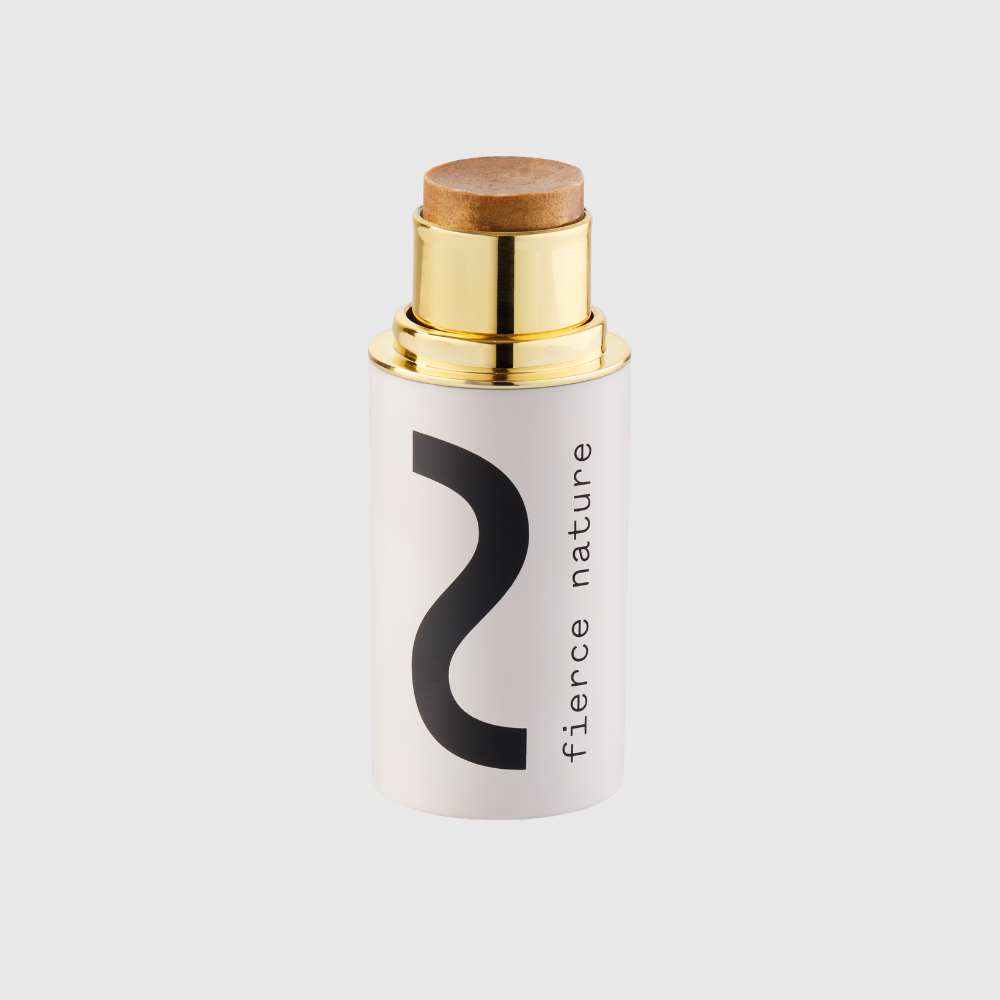
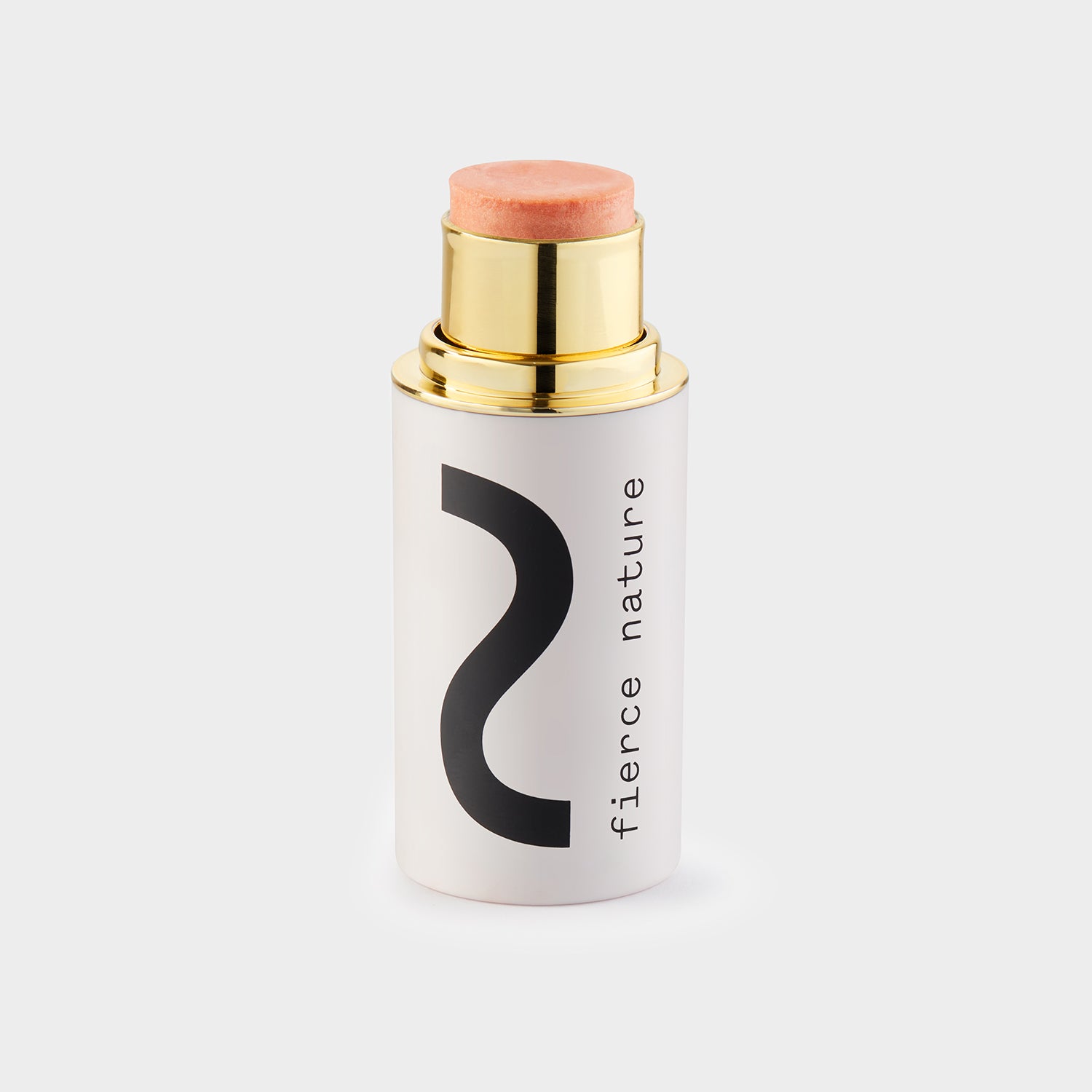
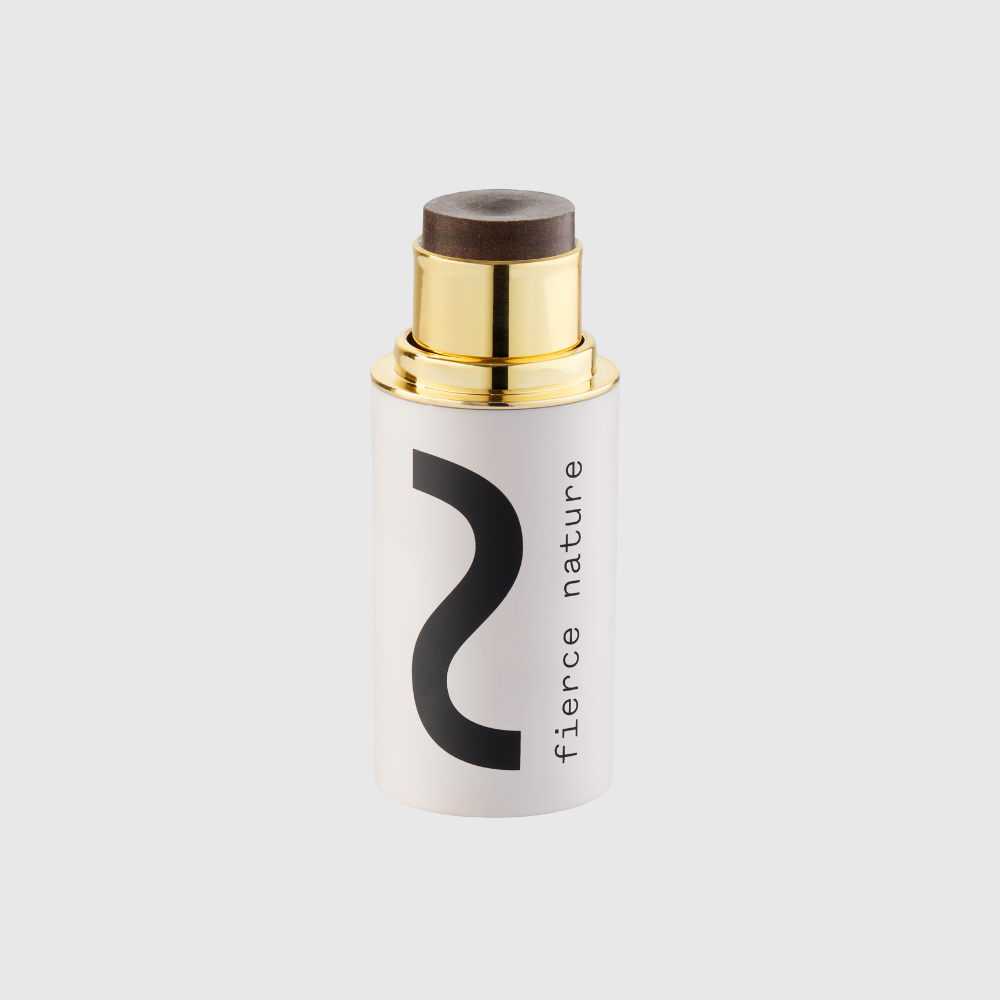
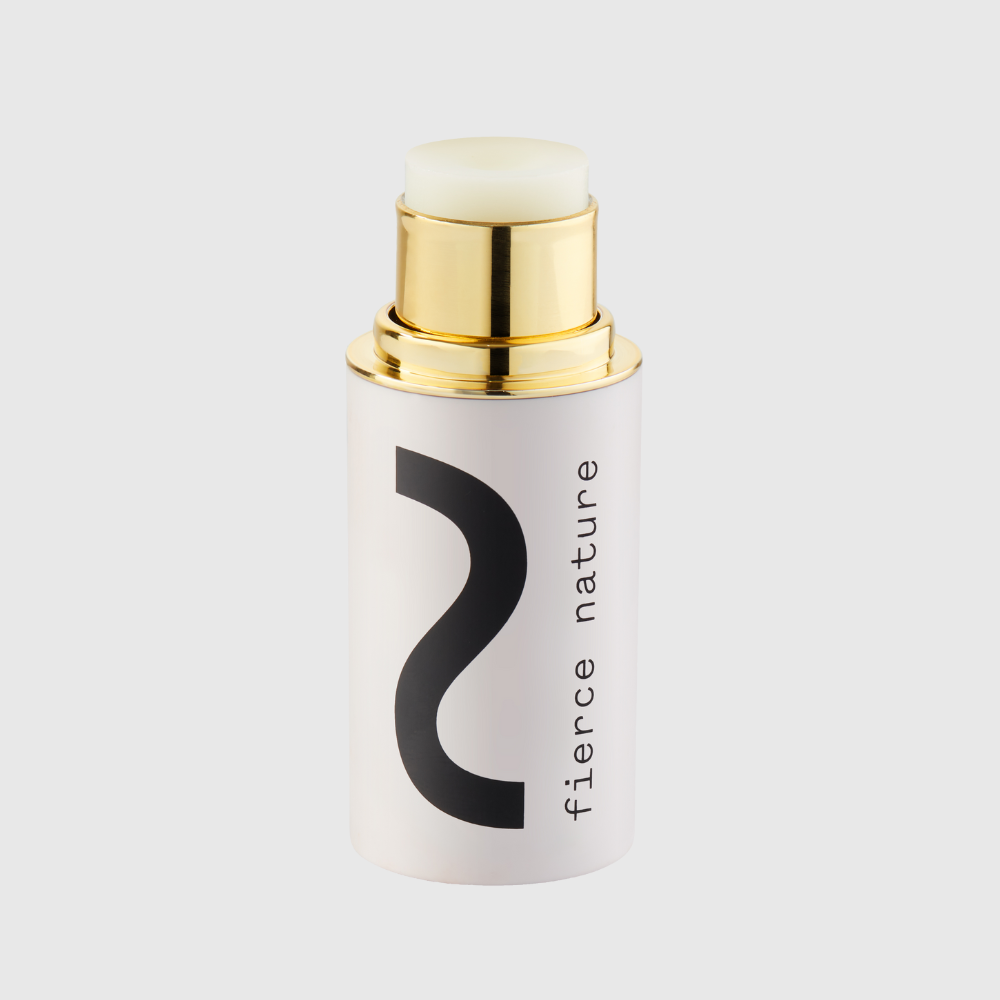
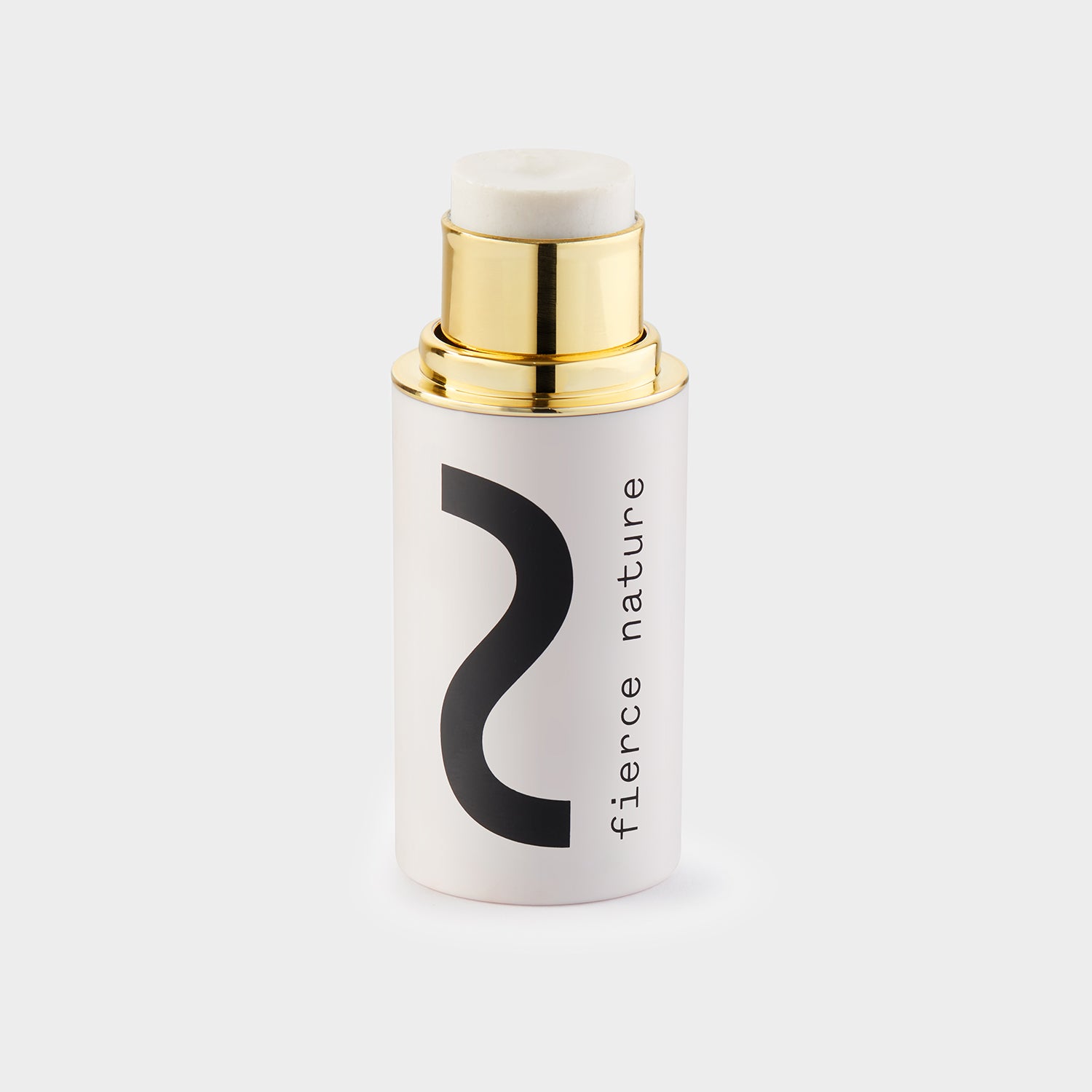
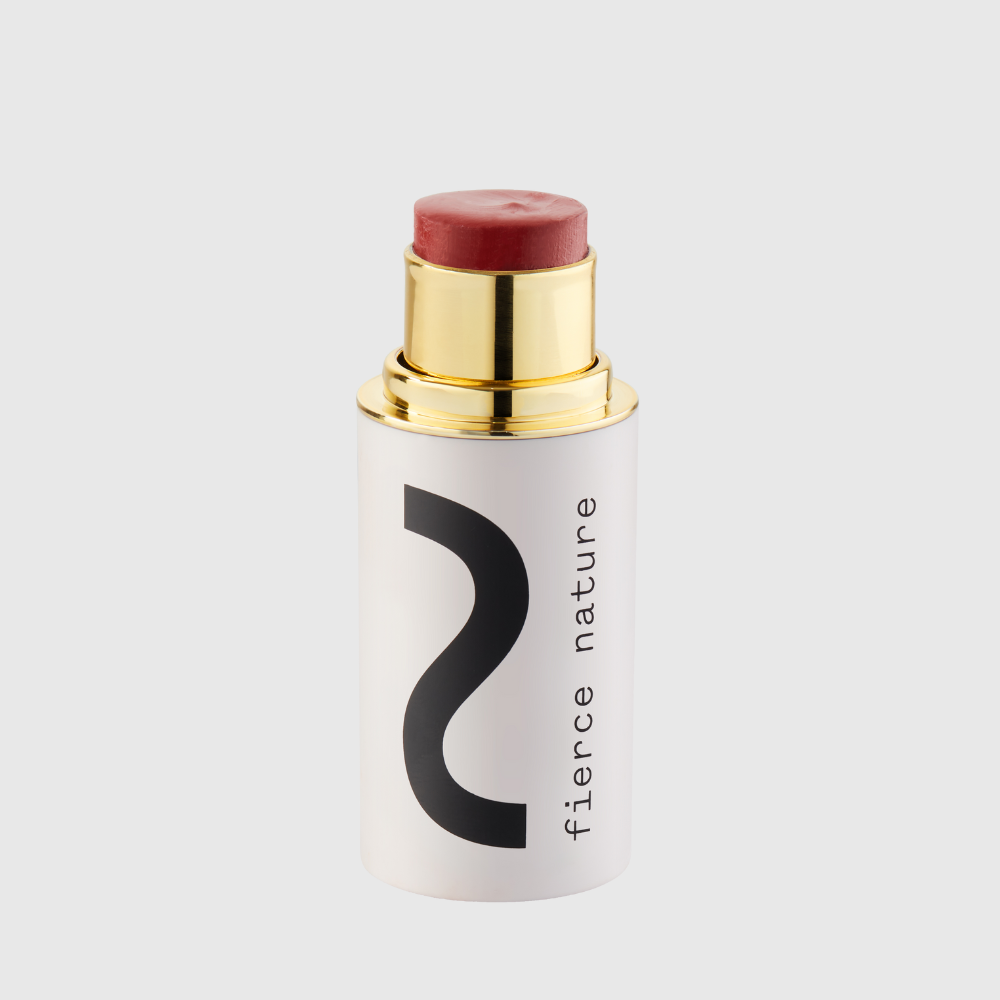
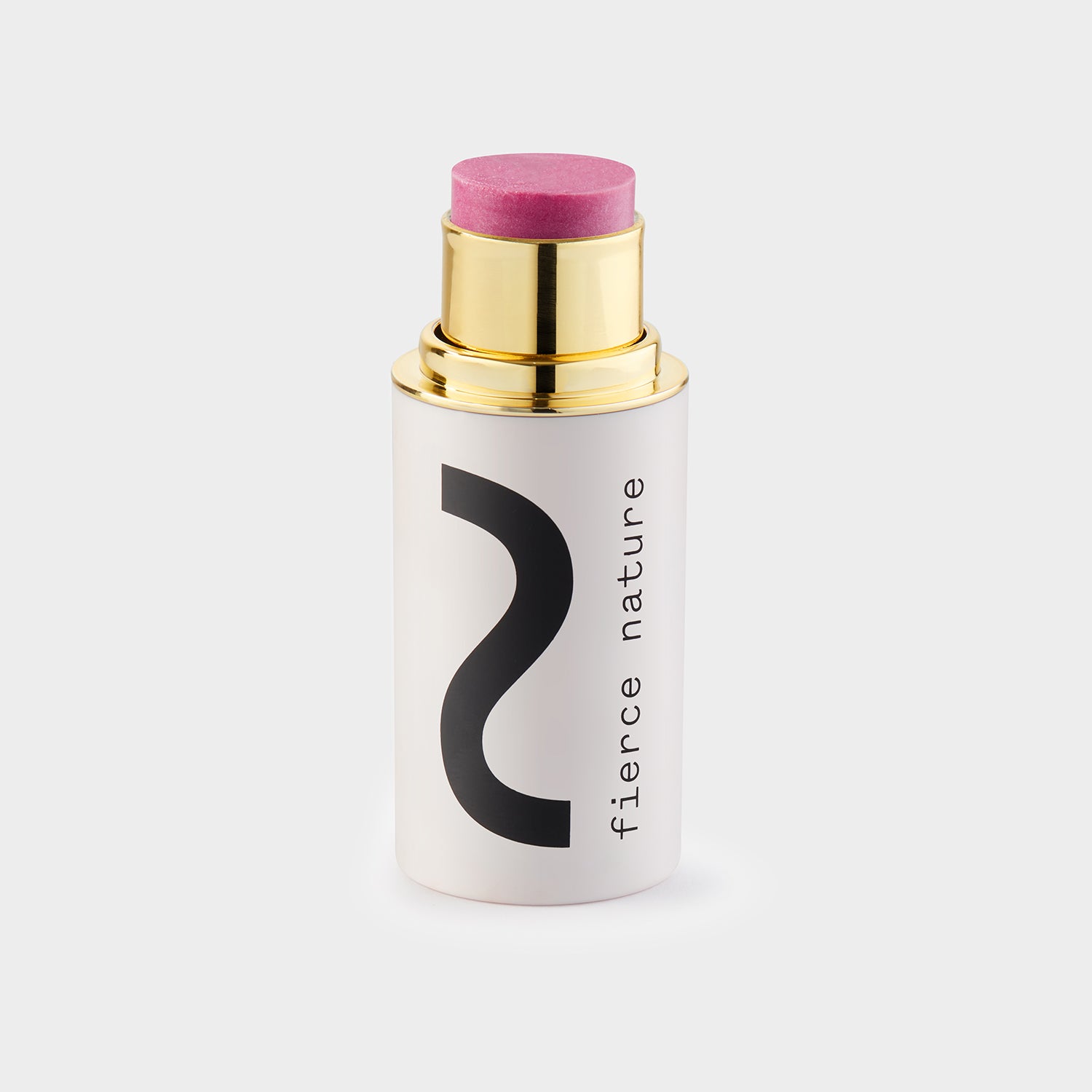
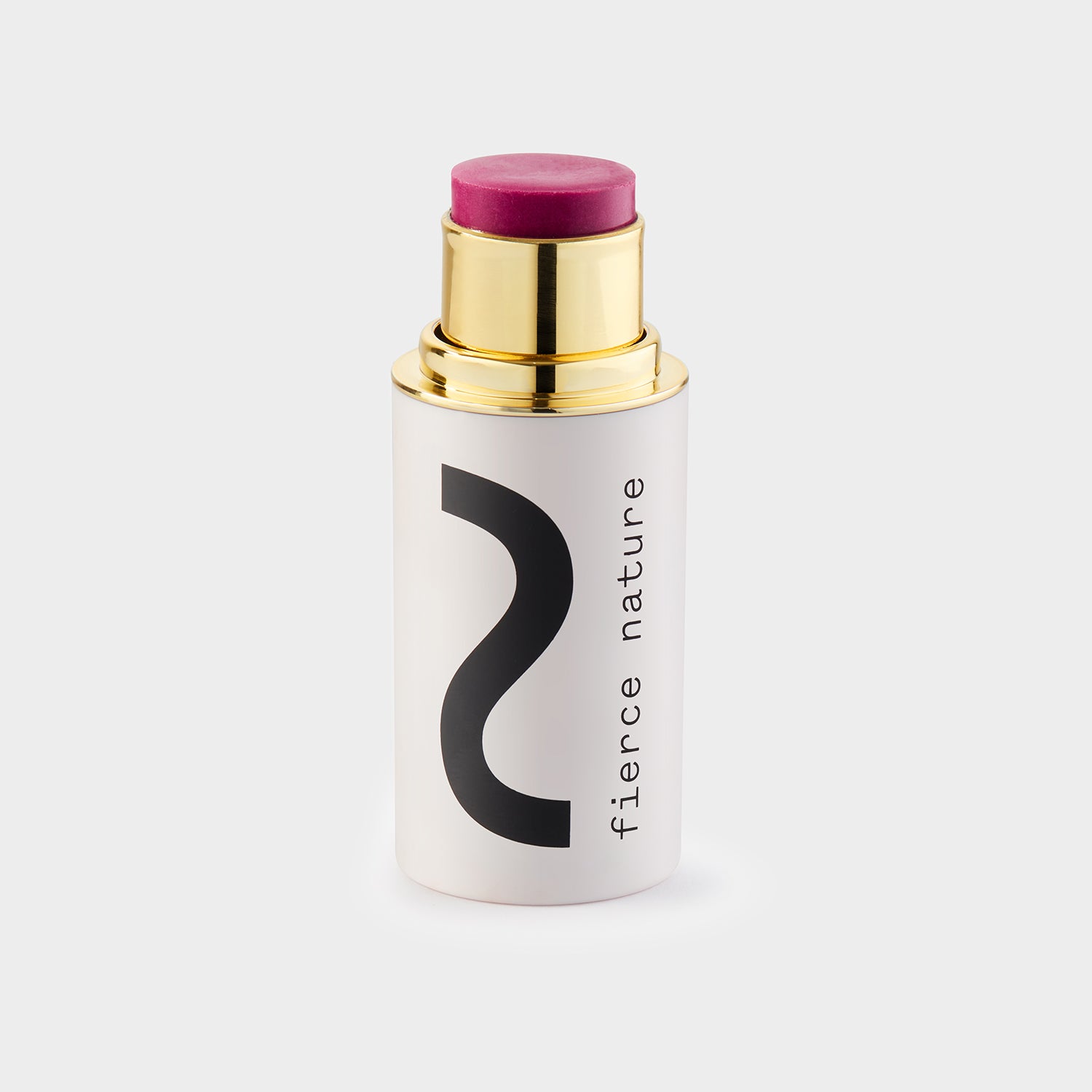
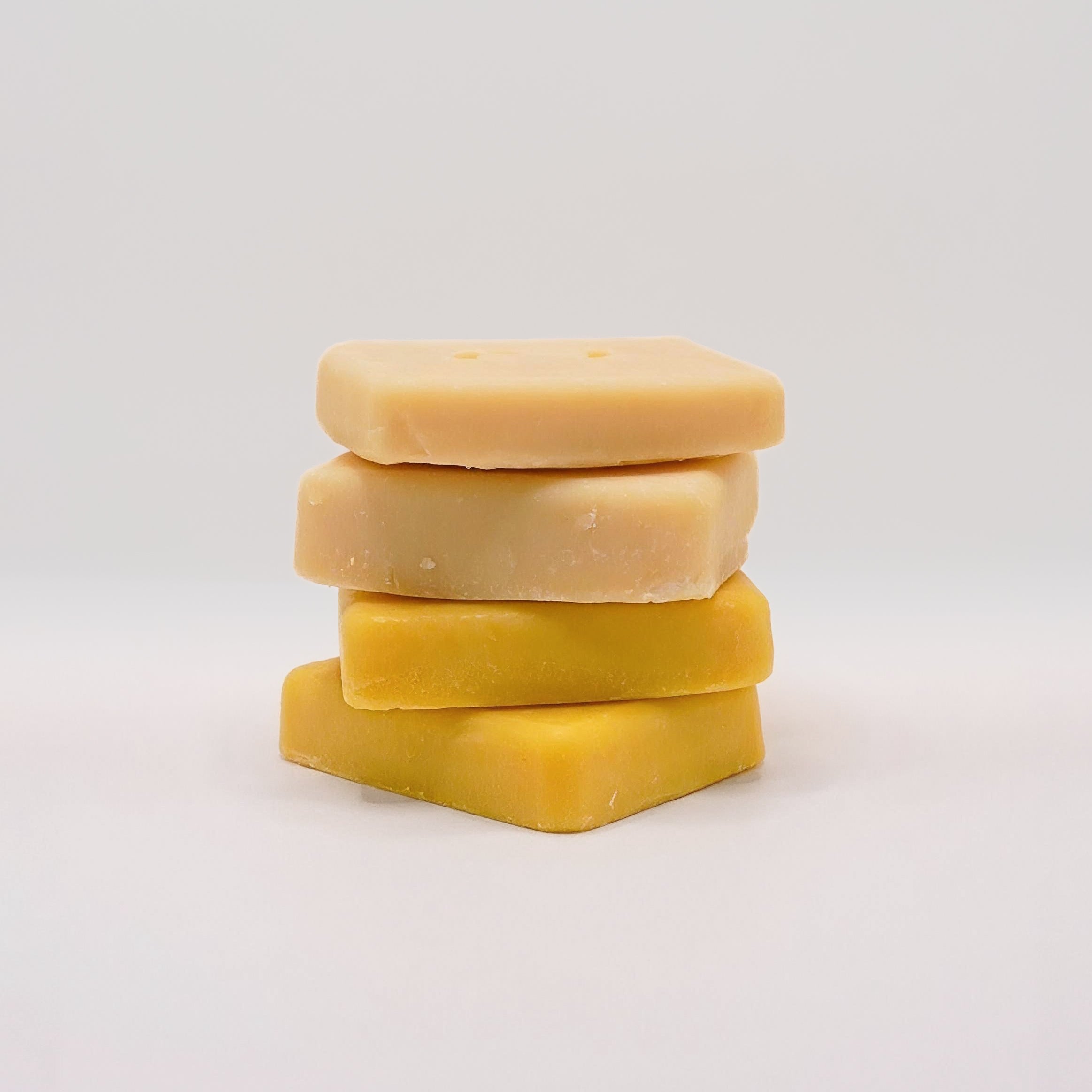


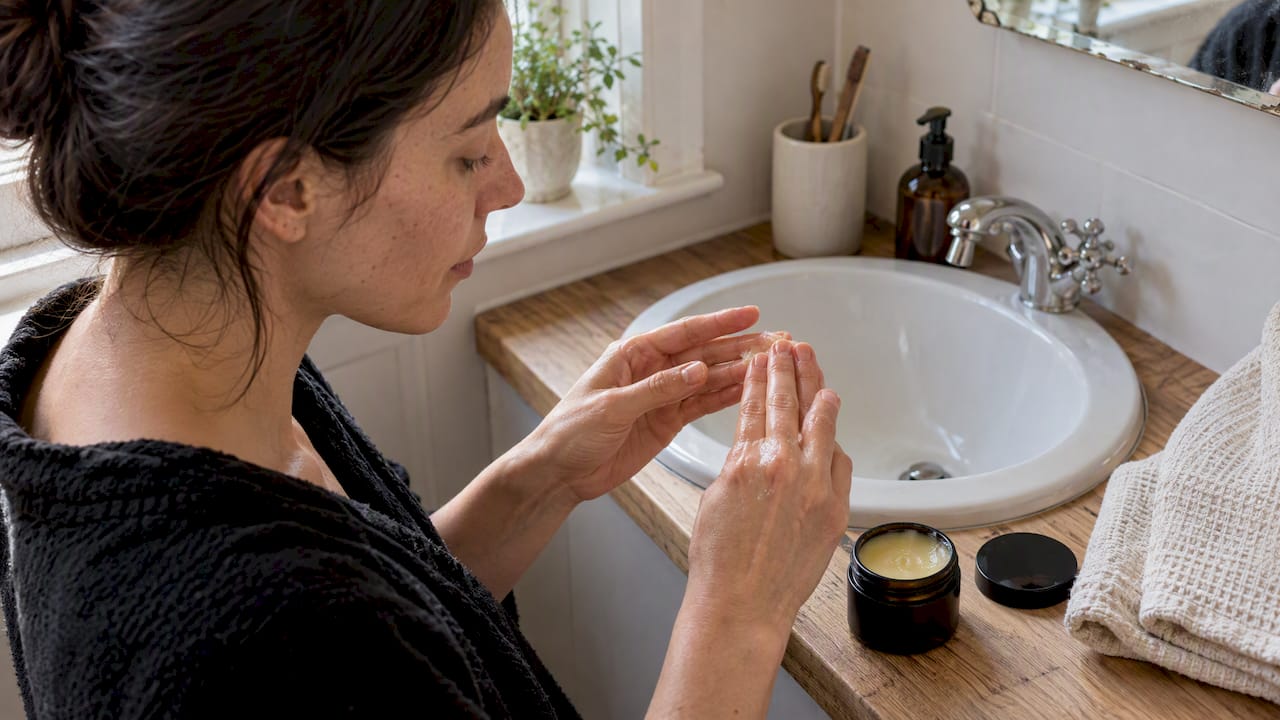
A tallow cleansing balm is a rich, oil-based cleanser made on a base of rendered beef fat. You massage it onto dry skin, let it dissolve make-up, sunscreen and the day’s grime, then rinse or wipe it away with warm water. It suits dry, tight or easily upset skin best, and it is not the right choice for everyone. Below we explain how it works, who should be cautious, how to use it, and what to look for on the label.
Tallow is rendered beef fat. People have used it for centuries in soap making and as a skin emollient, and it has had a revival in natural skincare in the last few years. A cleansing balm made with it is a solid or semi-solid balm that melts at skin temperature. Warm a little between your fingers and it turns to a silky oil.
That melting is the whole idea. Oil-based cleansers work on the principle that like dissolves like. Waterproof mascara, mineral sunscreen, sebum and pollution particles are all oily or oil-loving, so a balm grips them far better than a watery gel can. When you add a splash of water, most balms turn milky and rinse off cleanly. Some, particularly very rich tallow formulas, are better taken off with a warm damp cloth.

A tallow balm is usually blended with other skin-friendly ingredients such as plant oils or butters. The exact recipe varies from brand to brand, which is why the label matters so much (more on that below).
The two terms overlap, and it helps to separate them:
| Tallow moisturising balm | Tallow cleansing balm | |
|---|---|---|
| Main job | Leave on skin to soften and protect | Dissolve make-up and grime, then be removed |
| Applied to | Clean skin, often damp | Dry skin, before any water |
| Left on skin? | Yes | No, rinsed or wiped off |
| Texture goal | Rich, sits on the surface | Melts quickly and emulsifies |
Many people use a tallow balm in both ways: as a first-step cleanser in the evening and as a night moisturiser afterwards. Whether a particular product is designed for one or both is something its maker should tell you plainly.
We grew up believing the promises on bottles and tubes, and many of us paid for it in rashes and tightness. Our founder, who grew up in South Africa, battled skin reactions as a teenager with mainstream shaving gels, hair removal creams and cosmetics. That experience is a big part of why we make tallow skincare today.
Here is what makes tallow interesting as a cleanser base:
We also want to be straight about the limits. Tallow is best understood as a fat-based, emollient-style ingredient. NHS emollient guidance explains that oils and fats soothe, smooth and hydrate dry skin, and that the greasier a product is, the more moisture it can trap. The same guidance notes that very greasy preparations can make acne or folliculitis worse and should not go on infected skin. A cleansing balm is a rinse-off cosmetic. It is not a medicine and we would never present it as one.
A rich balm is not a universal answer. Be cautious, and ask a professional first, in these situations:
NHS dermatology advice also makes a point we agree with: skincare is individual. Try one product at a time and watch how your skin responds, instead of assuming a fashionable ingredient will suit every complexion.
It helps to know where a balm sits among the cleansers on a UK chemist’s shelf. We will describe them by type.
These lather well and feel fresh, but for dry or sensitive skin they can be stripping. NHS dermatology guidance says people with sensitive or treatment-dried skin may find foaming or gel cleansers too drying. If your face feels tight within minutes of washing, this is the likely culprit.
Quick and convenient, but many people need cotton pads and a fair bit of rubbing to shift heavier make-up. A balm lifts the same make-up with a massage and far less friction.
Oils work in the same way as balms. The difference is texture and control. A balm stays put in your palm and is less likely to run into your eyes or down your arm. If you want to go deeper on this choice, we compare the two in our guide on when a tallow cleansing balm beats an oil for dry or sensitive skin.
A tallow soap bar is a different tool. It lathers and rinses off with water, so it suits people who like a wash-off clean without a balm’s richness. If that sounds closer to you, read about why tallow soap can be a good natural face cleanser, or browse our tallow soaps.
Mainstream cleansing balms in the UK range from budget high-street options to premium prestige ones, and tallow balms made in small batches from quality ingredients sit in their own space. The honest comparison is cost per use. A small amount goes a long way, because you warm only a pea-sized to almond-sized amount for the whole face. We do not publish prices in this article, so check the current price on each product page.
The technique is simple. The details make the difference between a lovely, calm cleanse and a greasy one.
How often should you cleanse? NHS dermatology guidance suggests once or twice a day depending on need. Many people only cleanse properly in the evening, to remove the day’s sunscreen, make-up and pollution, and just splash with water in the morning. Do whatever keeps your skin comfortable.
Before a new balm touches your face, try a small amount on the inner forearm or behind the ear for a day or two. If you see redness, itching or swelling, do not use it. This matters even more if you have a history of reactions.
A tallow balm is not just for faces. A small amount works as a make-up-free body balm, for example on dry elbows, hands or heels. We make face and body balms for that reason: one simple, nourishing base for different parts of your routine.
The front of a jar tells you the story the brand wants to tell. The back tells you what is inside. UK cosmetic rules require a list of ingredients in descending order of weight, using INCI names, along with information about how long the product lasts once opened, precautions, batch identification and the details of the responsible person. That applies whether a product is handmade, natural or tallow-based.
A few practical points:
We go into more detail in our guides to reading cosmetic ingredient labels in the UK and decoding skincare labels with confidence. If you wonder why British rules differ from those elsewhere, we have also written about UK skincare regulations.
Here is the checklist we would give a friend:
Yes, like any natural fat or oil. Rancid fat smells sharp, stale or like old crayons or paint, and a balm that has gone off should be thrown away. Heat, sunlight, damp fingers and time all speed it up. To keep a balm in good condition:
A fresh tallow balm usually has a mild, soft scent, or the scent of its added oils or botanicals. If yours smells different from when you bought it, trust your nose.
We started Fierce Nature because we saw how many beauty promises do not hold up. Harsh ingredients wrapped in pretty packaging, and skin that paid the price. Our founder’s own experience with rashes and reactions as a young woman led to years of learning about gut health and the load our bodies carry from birth, and to a simple belief: skincare should work with your skin, not against it.
That is why tallow is the foundation of what we make. We handcraft our products in the UK from premium, naturally sourced ingredients, with organic, grass-fed tallow at the heart. Tallow has been used for centuries as a skin emollient and in soap making, and we like that it is simple and familiar to the skin.

But we also think honest skincare means honest limits. A balm is a cosmetic. It can leave skin soft, comfortable and nourished, and it can make cleansing a calmer ritual. It cannot treat a medical condition, and it will not be right for every skin. If something stings, itches or flares up, stop, and speak to a pharmacist or your GP. We would always rather you listened to your skin than to our marketing.
Our advice for anyone new to a tallow cleansing routine is to go slowly. Change one thing at a time, use a little, and give yourself a few days to see how your skin feels.
— Fierce Nature
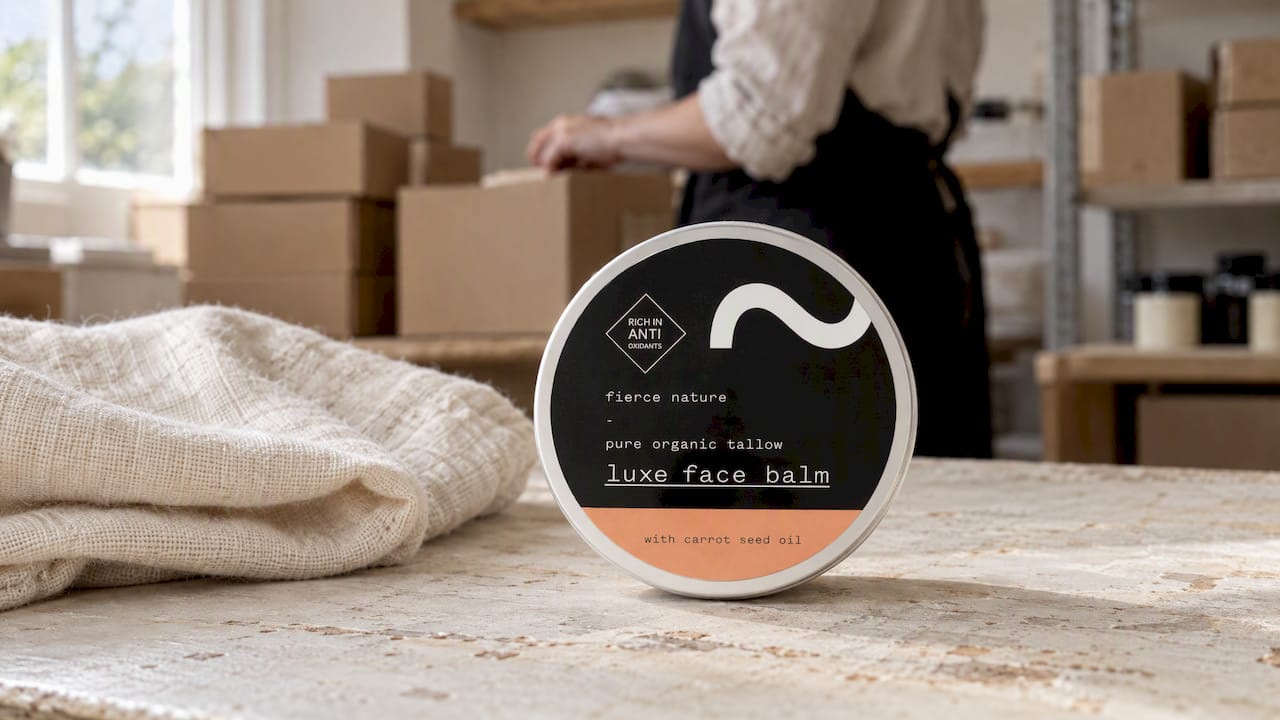
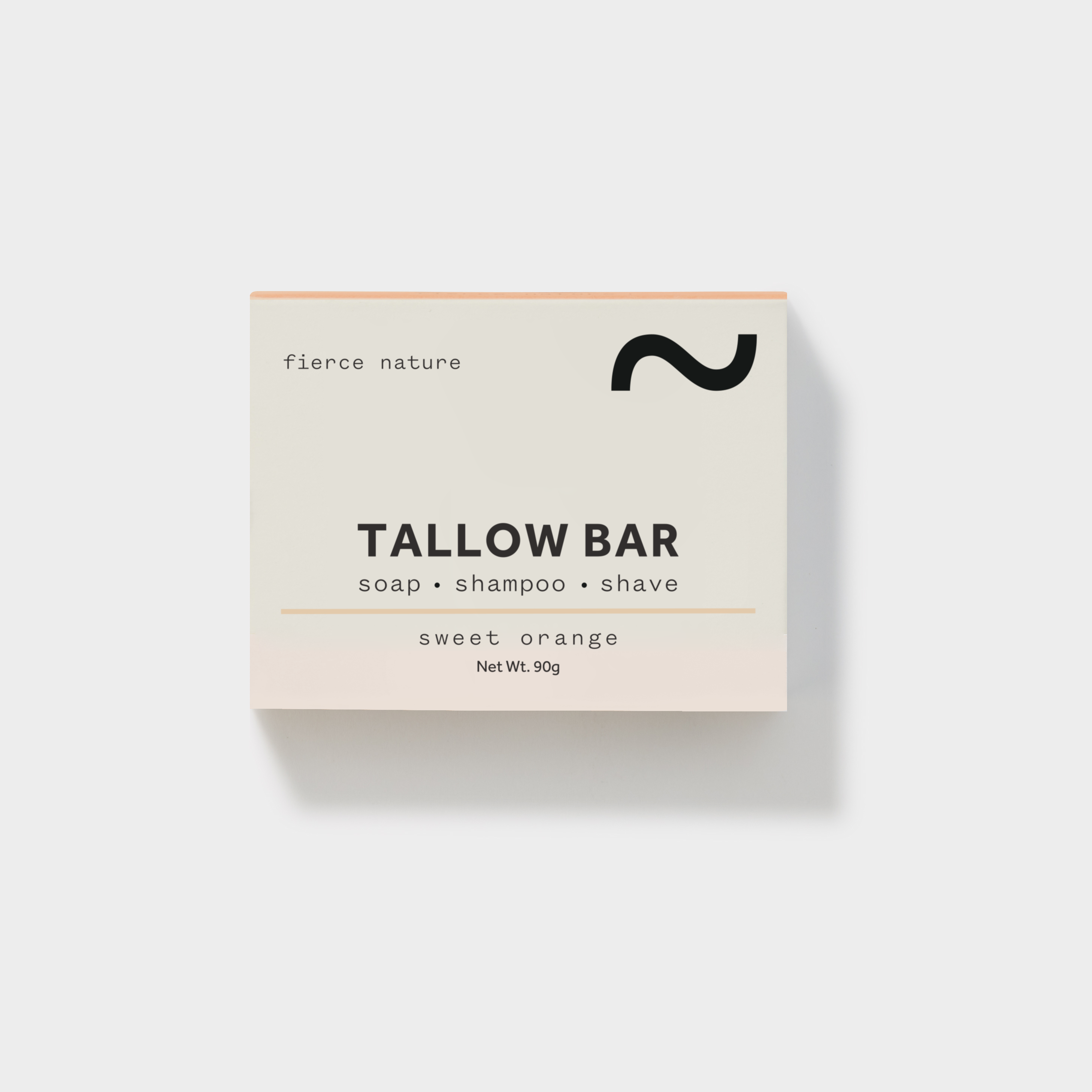
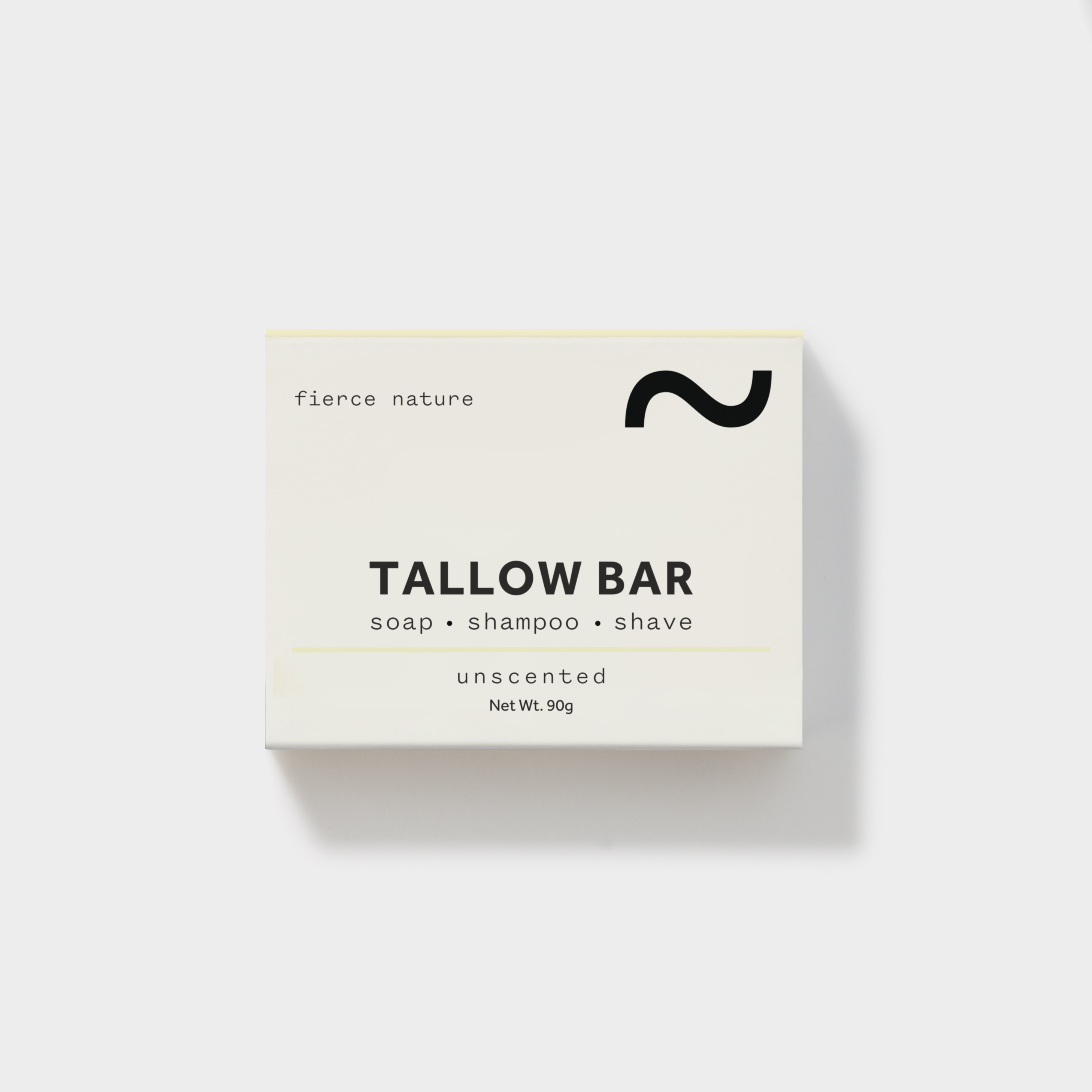
If you would like to try tallow on your skin, our Luxe Balm is a place to begin, and our full range of face and body balms is made by hand in the UK with organic tallow as the base. If you prefer something that lathers, the Multi-Use Tallow Bar (Unscented) is a simple option for sensitive skin, and the scented version is there if you like a little fragrance. Check each product page for the ingredient list and how it is intended to be used before you order.
Want more background first? Our guides on tallow balm benefits, uses and safety for UK skin and cleansing with a gentle balm if your skin is sensitive are good next reads.
If you would like to see how a balm cleanse fits into a normal evening, here is an easy plan for the first week.
If at any point your skin feels worse, go back to your previous routine and speak to a pharmacist if it does not settle. Slow and simple beats fast and dramatic every time.
Many people with dry or easily irritated skin find tallow balms comfortable, because tallow is a rich, fat-based emollient. It is not right for everyone: very rich products can feel heavy on oily skin and may aggravate acne or folliculitis. Patch test first, use a small amount, and see your GP or pharmacist if you have a skin condition.
Tallow is rendered fat, in skincare usually from beef. It has been used in the UK and elsewhere for centuries in soap and candle making and as a skin emollient. In cosmetics it must appear on the ingredient list by its recognised name, like any other ingredient.
Yes. Like any natural fat, tallow can go off with heat, light, damp and time, and it will smell sharp or stale when it does. Store your balm somewhere cool and dark, keep the lid tightly closed, use clean dry fingers, and follow the period-after-opening symbol on the label.
Not always. If you wear heavy make-up or a lot of sunscreen, wiping away with a warm damp cloth and then using a gentle second cleanser can help. If your skin is dry or sensitive and you wear little make-up, one balm cleanse followed by a cloth wipe is often enough. Let your skin feel be your guide.
Many people with sensitive skin like simple, short-ingredient balms, and an unscented one is the safest place to start. Still, sensitivity is individual, so patch test and introduce it on its own. If you have eczema, a skin infection or are on prescribed treatment, ask your GP, pharmacist or dermatologist first.