Natural ingredients
•
Kind to skin
•
A healthier planet
Wir haben Ihnen eine E-Mail mit einem Link zum Aktualisieren des Passworts geschickt.
Passwort zurücksetzen
Wir werden Ihnen eine E-Mail zum Zurücksetzen des Passworts schicken.
Heal Deodorant Rash in Days in the UK With Tallow Balm
Ralph Barrozo
0 Kommentare
Stop using the suspected deodorant straight away and rinse the area gently with lukewarm water or a soap substitute. Pat the skin dry, then apply a bland emollient regularly to support the barrier. If the skin is visibly inflamed, a pharmacist can often advise on short-term hydrocortisone 1%. See a GP if the rash spreads, weeps, or shows no improvement within a few days.
TL;DR:
Nearly all deodorant rashes result from irritation or allergy, with fragrance, aluminium salts, preservatives, and friction as common triggers.
Short-term use of hydrocortisone and continuous emollient application help calm and repair the skin before trying a new deodorant.
It is essential to introduce new products gradually, patch-test on healed skin, and avoid switching immediately to natural deodorants without ingredient checks.
Recovery may take weeks of gentle, consistent care, and full barrier restoration is more important than quick product swaps.
Seek medical advice if the rash spreads, worsens, or shows signs of infection, or if multiple reactions occur despite avoiding triggers.
Fierce Nature
Nourish Sensitive Skin Naturally
Fierce Nature makes handmade UK skincare with pure organic tallow and naturally sourced ingredients for face and body care.
Most deodorant rashes come down to one of two mechanisms: irritation or allergy, and telling them apart matters because the fix differs. Irritant contact dermatitis is the more common culprit in the underarm, where sweat, friction, and harsh ingredients weaken the skin barrier over repeated use. Allergic contact dermatitis, by contrast, involves immune sensitisation to a specific ingredient and tends to appear after your skin has already been exposed to that substance before, sometimes for months or years without issue.
Fragrance is the single most frequent trigger in cosmetic contact dermatitis. Beyond fragrance, several other ingredients and habits routinely cause flare-ups:
Aluminium salts in antiperspirants, which can irritate already-compromised skin.
Propylene glycol and preservatives, common in both mainstream and “natural” formulations.
Lanolin, a frequent hidden allergen in balms and creams.
Friction and shaving, which strip the barrier and let irritants penetrate more easily.
Trapped sweat, particularly under synthetic fabrics.
Timing offers a clue too. Irritant reactions often appear within hours of application and improve quickly once you stop. Allergic reactions can take a day or two to develop and tend to linger. Not every armpit rash is deodorant-related, either. Yeast infections, bacterial folliculitis, eczema, psoriasis, and simple razor burn can all mimic the same redness and itch. See a GP promptly if you notice spreading redness, pus, fever, or no improvement after several days of gentle care.
How to soothe the rash safely at home
Once you’ve identified deodorant as the likely trigger, a calm and consistent routine does most of the work. Follow this sequence for the first few days:
Cleanse gently. Use lukewarm water and a soap substitute or unscented cleanser. Hot water and vigorous scrubbing will only aggravate broken skin.
Pat dry, never rub. Rubbing reopens micro-tears in already sensitive skin.
Apply emollient generously and often. Smooth it on while the skin is still slightly damp, rather than rubbing it in, and reapply through the day. Regular emollient use genuinely reduces how often you’ll need a steroid cream.
Add hydrocortisone 1% if there’s visible inflammation. Used sparingly and for a short course, it can calm redness quickly, but check with a pharmacist first, particularly for underarm skin, which is thinner and more absorbent than most.
Cool the area if it’s hot or stinging. A clean, cool compress for a few minutes brings quick relief without adding another product to an already irritated patch.
Avoid shaving until the rash has settled. A razor over inflamed skin is one of the fastest ways to turn a mild irritation into a much angrier one.
Choose breathable fabrics. Cotton over synthetics reduces trapped sweat, which is itself an irritant.
Pro Tip:If you’re using both an emollient and a hydrocortisone cream, apply the steroid first and wait around 20 to 30 minutes before layering the emollient on top, so each one absorbs properly rather than diluting the other.
Some kitchen-cupboard remedies do more harm than good here. Skip tea tree oil, baking soda, undiluted essential oils, and exfoliating acids entirely. Damaged skin is far more permeable than healthy skin, so these substances penetrate deeper and irritate more, not less, however “natural” they sound. A gentle soap substitute for sensitive underarms is a safer starting point than anything with active or fragranced ingredients.
When should you see a pharmacist or GP?
A pharmacist is usually your fastest route to relief. Under the NHS Pharmacy First scheme, many pharmacies can supply hydrocortisone 1% for a localised, inflamed rash without a GP appointment, guided by a Patient Group Direction. Typical advice is a thin layer once or twice daily for a short course, generally no more than fourteen days, and only while inflammation is visible.
Book a GP appointment instead of relying on the pharmacy counter when:
The rash covers a large area, or keeps spreading despite avoiding the trigger.
There’s swelling, pus, warmth, or other signs suggesting infection rather than simple irritation.
Hydrocortisone hasn’t helped after a short course, which may mean a stronger steroid or a different diagnosis is needed.
The reaction keeps recurring with different products, which points towards a genuine allergy rather than one-off irritation.
The affected person is a young child or pregnant, where steroid strength and duration need closer medical judgement.
For recurring reactions, a GP may refer you for patch testing. This involves having small amounts of suspect allergens taped to your back for around 48 hours, with the results read roughly 96 hours after application. It identifies true allergens rather than general irritants, so it’s most useful when the same pattern keeps returning despite you avoiding the obvious triggers.
How to prevent it happening again
Prevention starts with what you put on your skin next, not just what you stopped using. Reach for products labelled “fragrance-free” or “without perfume” rather than “unscented,” since unscented formulas can still contain masking fragrances added purely to hide the scent of other ingredients. Read the full ingredient list, not just the front-of-pack claims.
Introduce one new product at a time, so if a reaction happens, you know exactly what caused it.
Keep the packaging or photograph the ingredient list before you throw anything away. If you do end up needing patch testing, dermatologists often want to test the actual product.
Patch-test on healed skin before returning to regular use. A small amount on the inner forearm for 48 hours is a sensible check.
Rethink shaving habits. Shave in the evening rather than before applying anything, and always use a sharp, clean blade to cut down on friction.
Loosen up on tight synthetic clothing, especially during warmer months when sweat and friction compound each other.
Pro Tip:Resist the urge to jump straight to another “natural” deodorant the moment your skin calms down. Comparing full ingredient lists side by side, rather than trusting marketing language, is what actually prevents a repeat reaction. If your skin keeps flaring no matter what you switch to, formal patch testing with a written record of every product tried gives a dermatologist far more to work with. Our guide on testing skincare products for sensitive skin walks through exactly how to do this at home.
Why barrier repair matters as much as the remedy itself
Fierce Nature began with a very personal frustration. Growing up in South Africa surrounded by mainstream cosmetics, shaving gels, and lipsticks, our founder spent her teenage years battling skin rashes and reactions with no clear explanation, until a decade of studying gut health and toxic load revealed how much of what we’re told about beauty products simply doesn’t hold up.
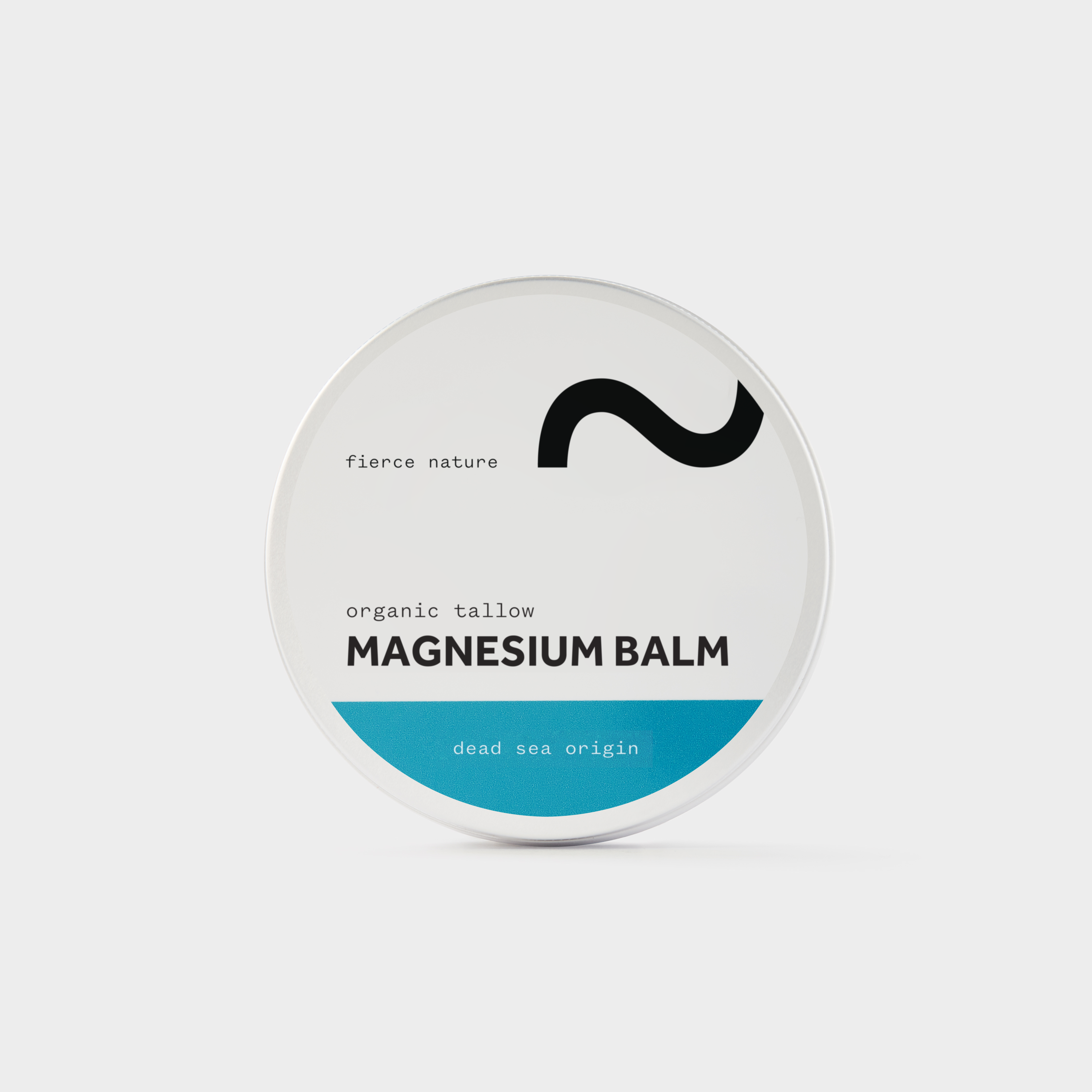
Once a rash has calmed and the trigger has been removed, the skin still needs help rebuilding. Bland, bioavailable emollients support that barrier repair without reintroducing the fragrances or harsh actives that caused the problem in the first place. Tallow-based balms work well here because their fatty acid profile is close to what skin naturally produces, making them easy for recovering skin to absorb without extra irritation. For a deeper walk-through of the repair process itself, see our guide on restoring a healthy skin barrier.
Our take: treat the skin, not just the symptom
Most advice on deodorant rash stops at “switch products and hope for the best.” That’s backwards. The evidence points clearly to a sequence: remove the trigger, calm the inflammation with an appropriately short course of hydrocortisone where needed, then rebuild the barrier with consistent, bland emollient use. Skipping straight to a new “natural” deodorant without that middle step is exactly why so many people cycle through product after product, blaming each one in turn.
What’s underrated is patience. Stopping the offending product brings relief quickly, but full barrier recovery can take weeks, not days, and expecting an overnight fix leads people to test new products too soon. What we’d prioritise first isn’t a clever ingredient swap. It’s giving the skin time and consistent, gentle care before introducing anything new at all. That discipline matters more than any single product choice.
— Fierce Nature
Products to support recovery and prevention
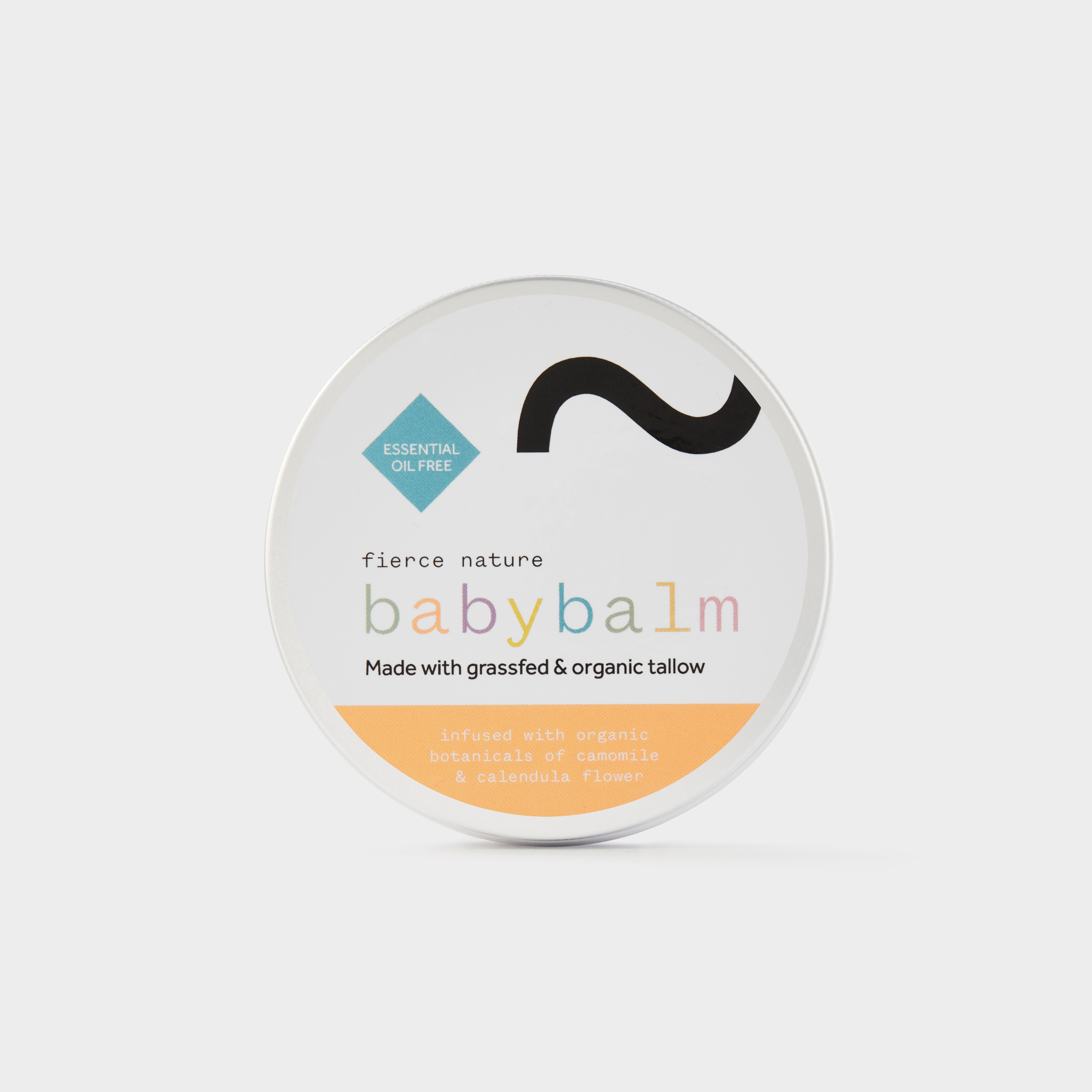
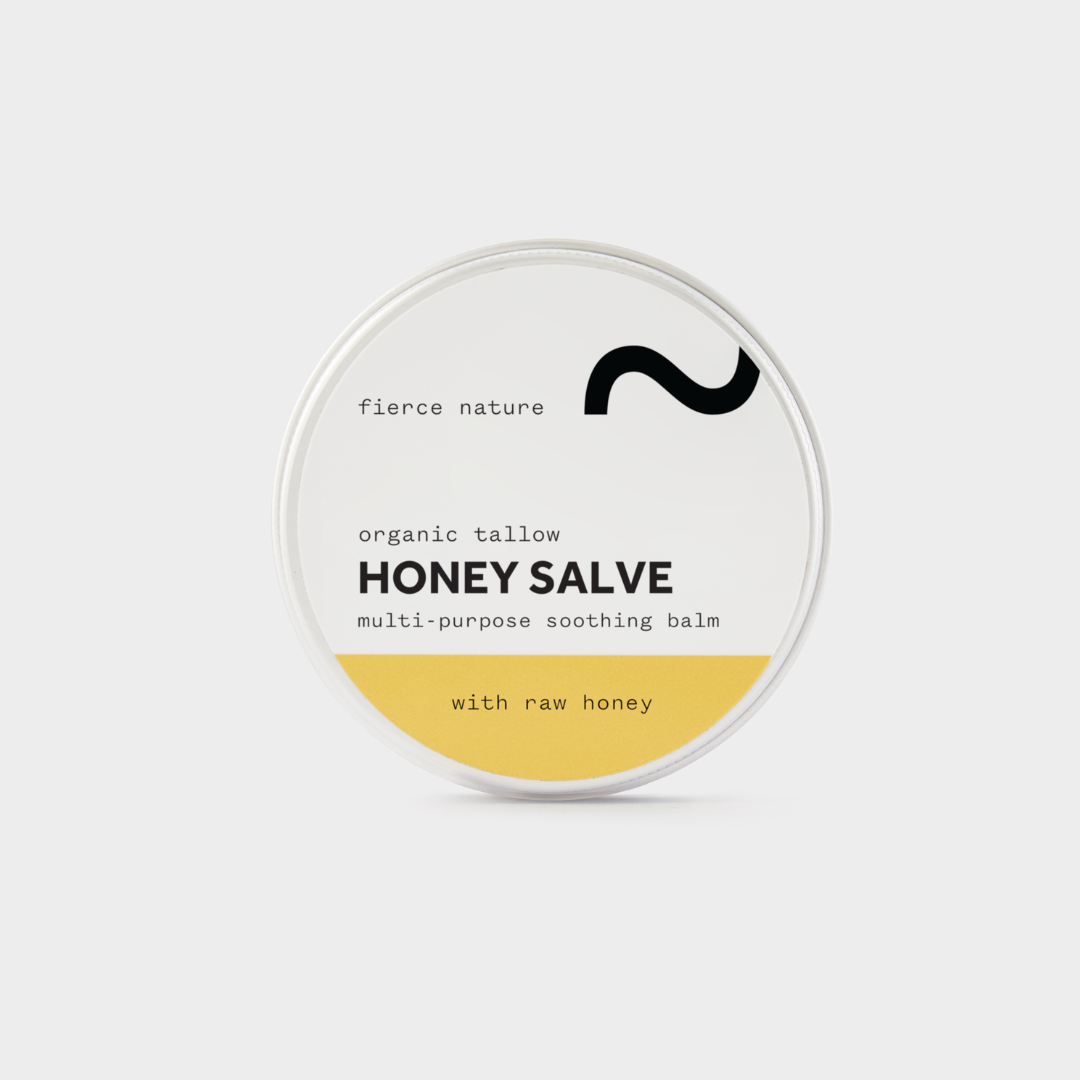
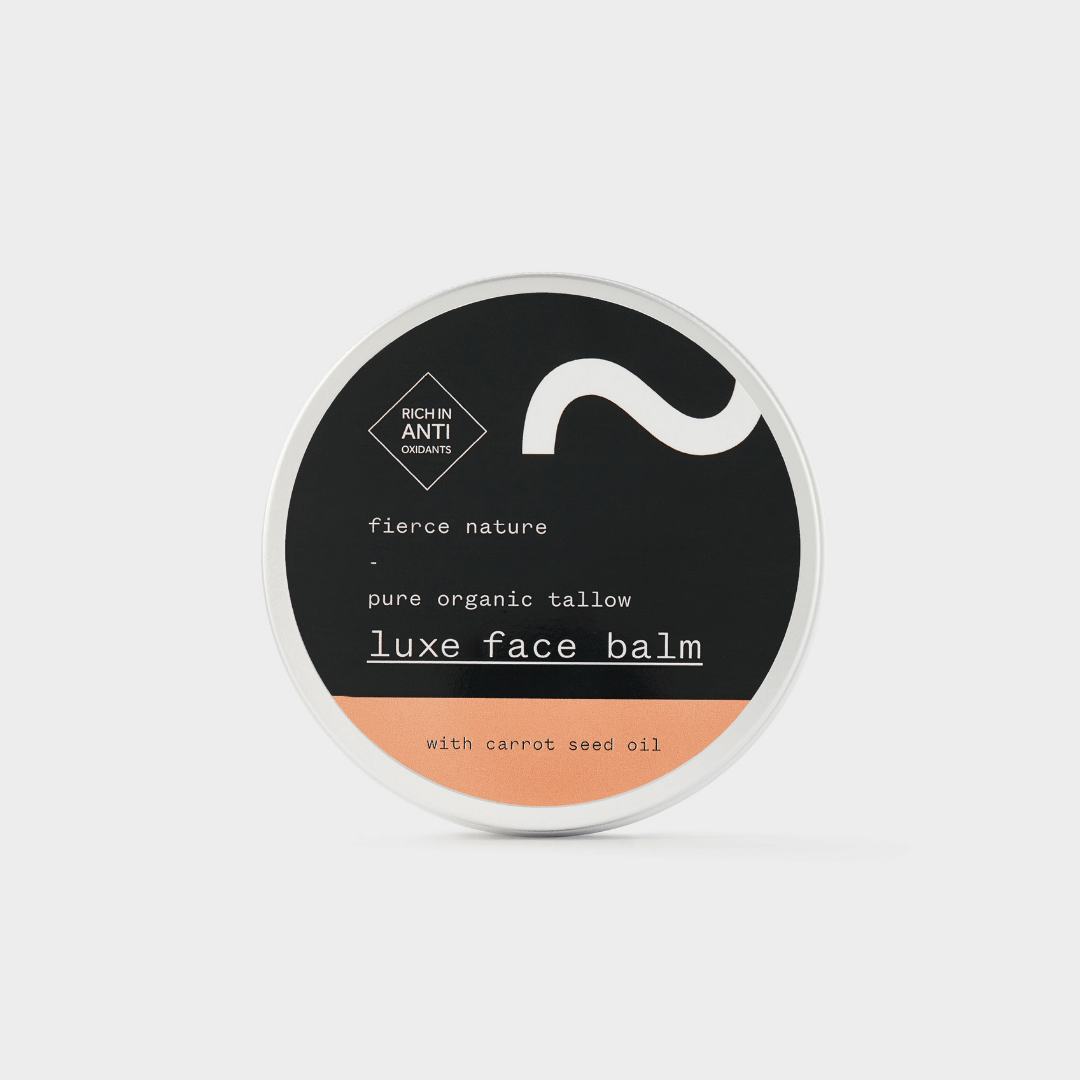
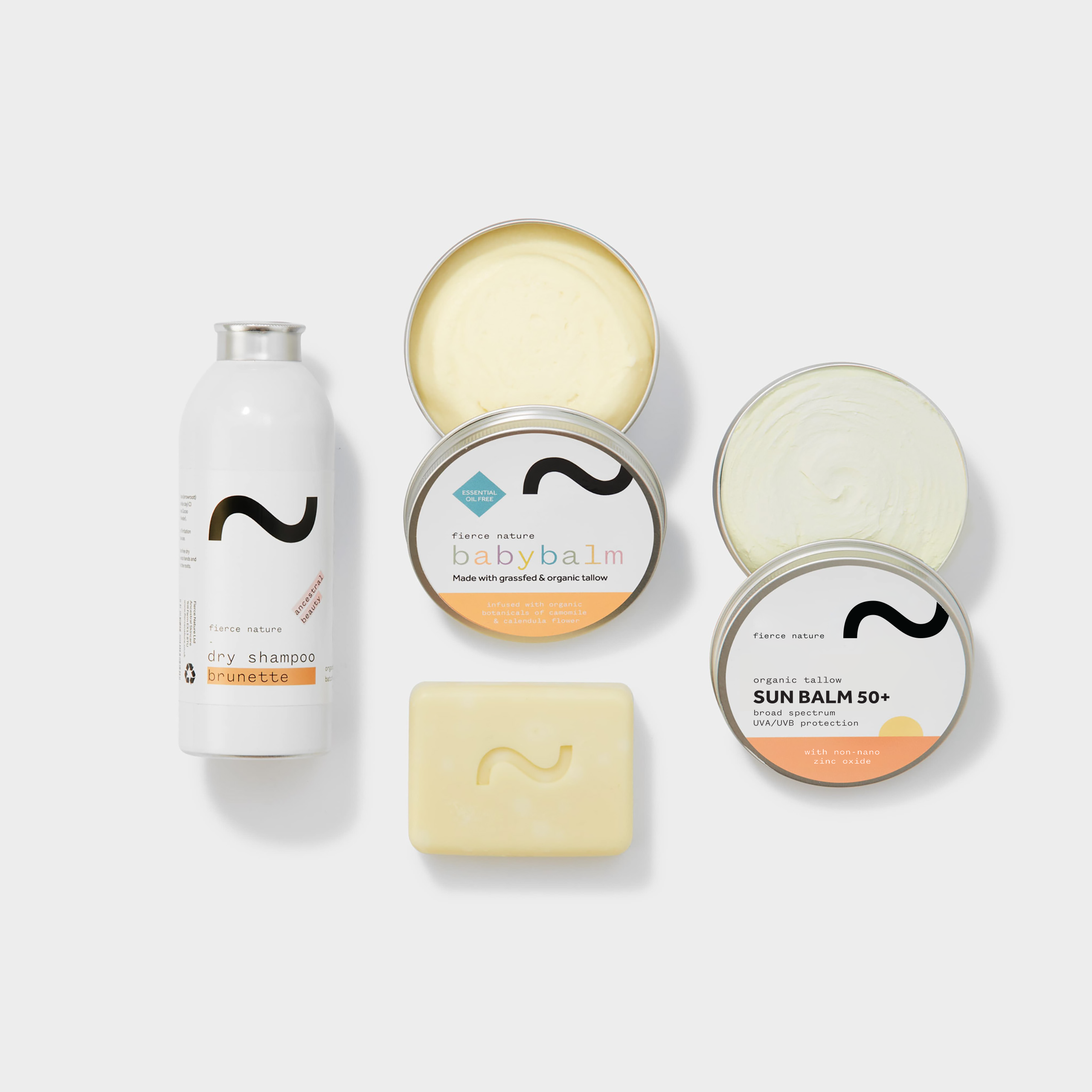
Once the acute rash has settled, choosing what goes back onto your skin matters just as much as what you took off. Fierce Nature’s Non-toxic Baby Skin Essentials were formulated for exactly the kind of delicate, reactive skin that’s recovering from irritation, making them a sensible starting point when you want simplicity over another long ingredient list. The Baby Balm works as a gentle everyday emollient once the acute inflammation has settled, smoothed on rather than rubbed in, following the same technique that supports barrier repair generally.
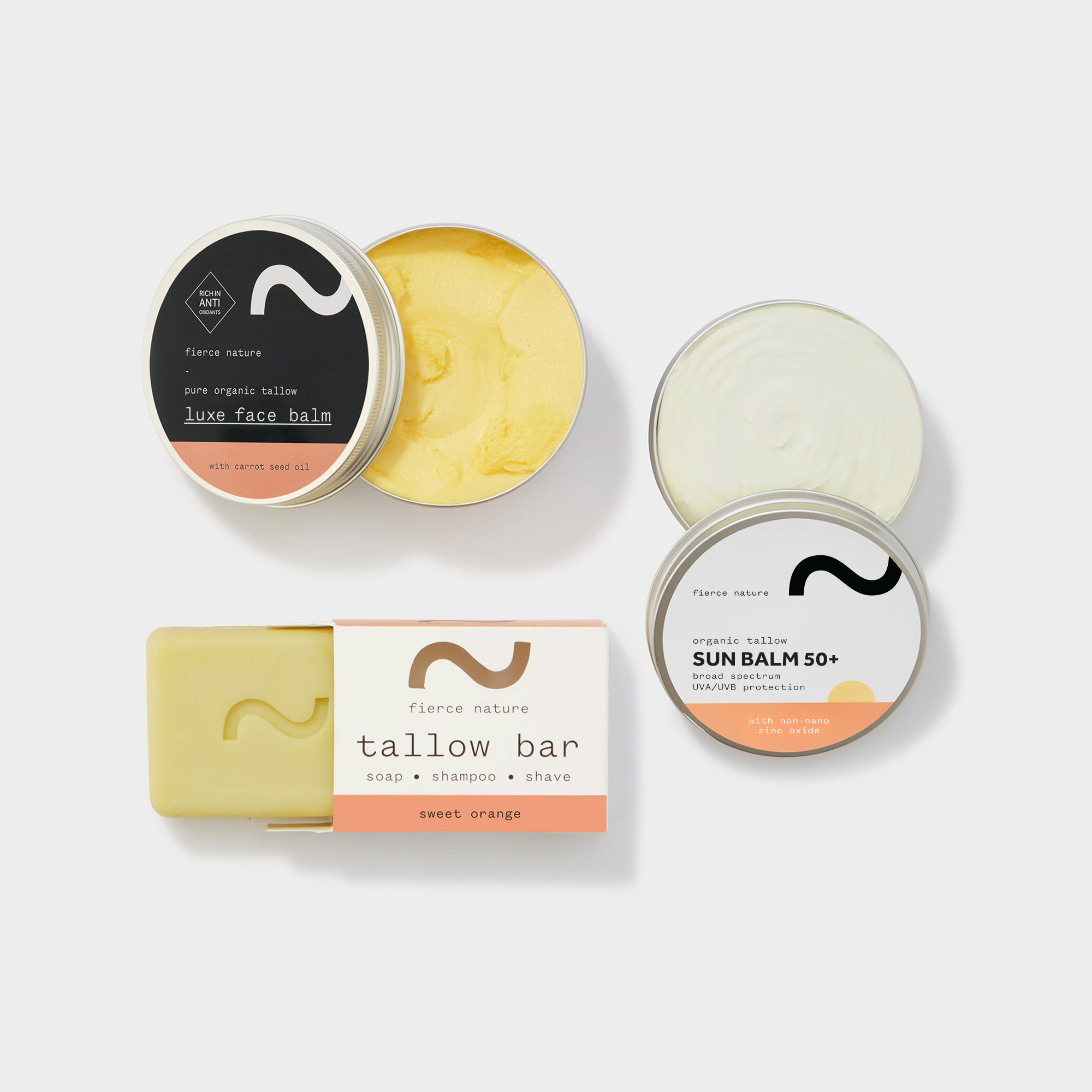
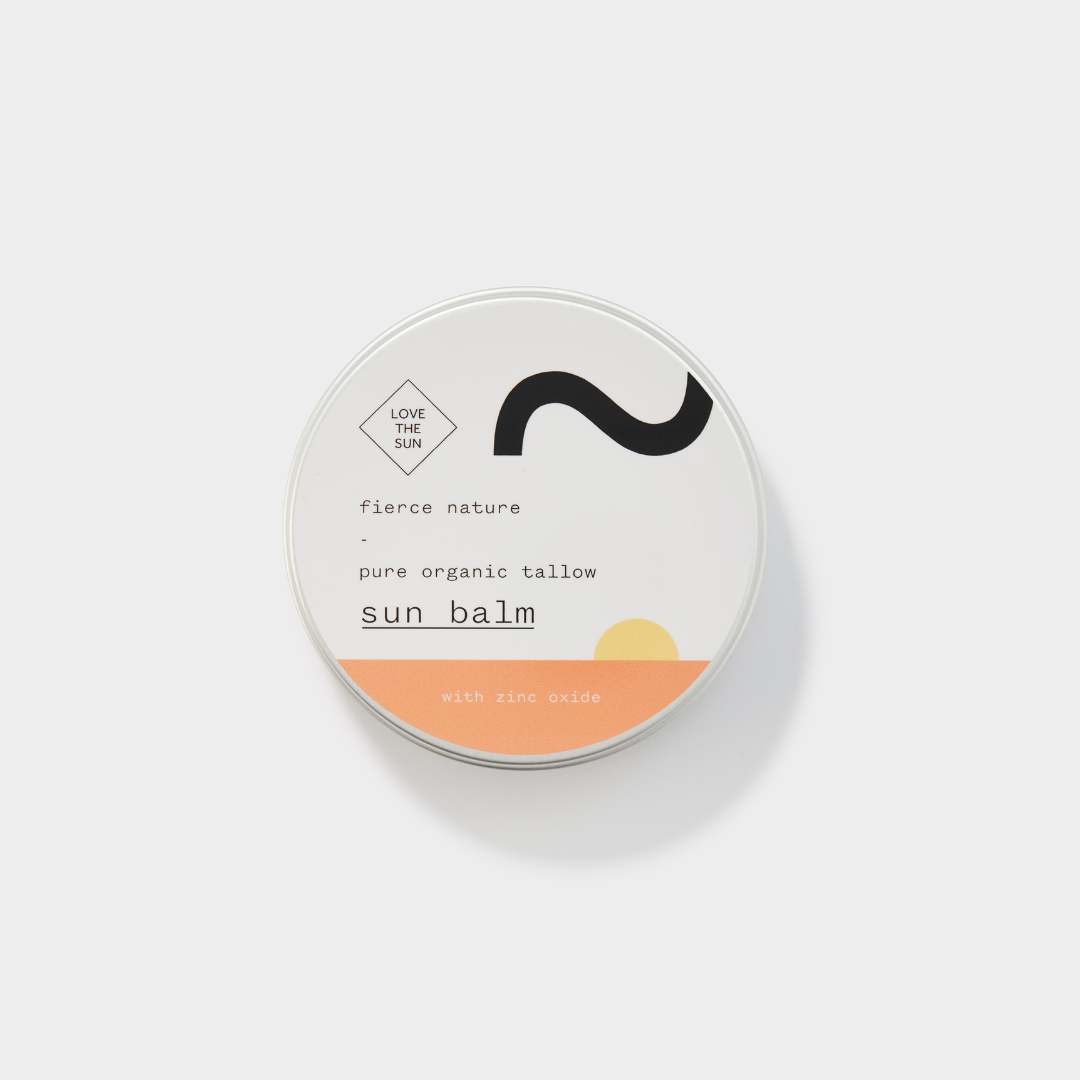
For sun-exposed areas once skin has fully healed, the New Sun Balm SPF 50+ PA++++ offers protection without the harsh chemical filters that can reignite sensitivity. As with any new product, avoid applying over open or weeping skin, and always patch-test on a small healed area first. Browse the full Face and Body Balms range or get in touch with customer service if you have questions about specific ingredients before you buy.
Where this advice comes from
This guide draws on NHS guidance on contact dermatitis and its treatment, Pharmacy First hydrocortisone supply rules, and dermatology patch-testing resources. Always follow direct NHS or GP advice over self-treatment if your rash is severe, spreading, or recurring.
This article is general information, not a substitute for advice from a qualified doctor. Consult a qualified healthcare professional about your own circumstances before acting on anything here.
FAQ
How do I get rid of a deodorant rash fast?
Stop using the product immediately and rinse the area with lukewarm water. Apply a bland emollient generously several times a day, and ask a pharmacist about a short course of hydrocortisone 1% if the skin is visibly inflamed.
How can I treat an allergic reaction to deodorant?
Remove the trigger product and treat the skin gently with emollients and, where needed, hydrocortisone 1% for a short period. If reactions keep recurring with different products, ask your GP about patch testing to identify the specific allergen.
How long does a deodorant rash take to go away?
Simple irritation often eases within a few days of stopping the product and starting gentle emollient care. Full barrier recovery, however, can take weeks rather than days, so give your skin time before introducing a new product.
What’s the fastest way to calm an underarm rash?
Cool compresses bring quick relief from heat and stinging, while consistent emollient use, applied while skin is still slightly damp, calms the barrier over the following days. A tallow-based balm such as Fierce Nature’s Baby Balm can support that recovery once the acute reaction has settled.
Can I switch straight to a natural deodorant after the rash heals?
Not straight away. Introduce any new product slowly and patch-test it on healed skin first, since jumping to another “natural” option without checking its full ingredient list is one of the most common reasons rashes come back.