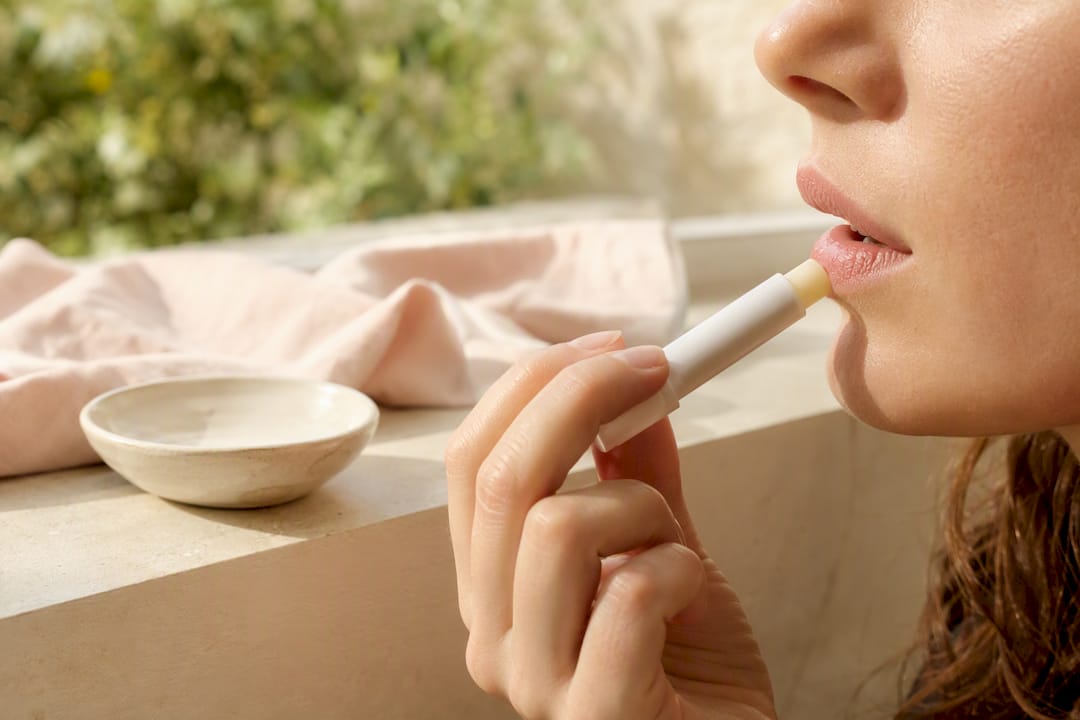
Mineral lip balms containing zinc oxide or titanium dioxide offer effective broad spectrum protection while minimising irritation, provided they sit in a hydrating, fragrance free base. The best approach for sensitive or daylight sensitive skin is an SPF 30 to SPF 50+ mineral formula built on nourishing emollients rather than petroleum derivatives. Tallow based balms following this exact template tend to suit lips that react badly to conventional sun sticks.
TL;DR:
- Mineral lip SPF formulas with zinc oxide or titanium dioxide offer physical UV protection that is less irritating, especially for sensitive or daylight-sensitive skin.
- Micronised or nanoparticle filters reduce white cast and improve wearability, but sensitive skin users may prefer non-micronised zinc oxide due to fewer dispersants.
- An SPF of at least 30 is suitable for daily use, while SPF 50+ is recommended for prolonged outdoor exposure or for those with photosensitivity.
- Reapplication every two hours, immediately after eating or drinking, is essential for effective lip sun protection, especially during outdoor activities.
- Look for products with active mineral ingredients, broad spectrum or PA ratings, fragrance-free formulas, and nourishing ingredients like waxes, butters, and oils.
Fierce Nature
Explore Nature-Based Lip Care
Fierce Nature creates handmade, tallow-based skincare in the UK using premium, naturally sourced ingredients and pure organic tallow.
Table of Contents
How mineral SPF actually protects your lips
Zinc oxide and titanium dioxide sit on the surface of your lips and physically reflect and scatter UV rays before they reach living skin cells. That is a genuinely different mechanism from chemical filters, which absorb UV radiation and convert it into heat within the skin. Journalistic health roundups covering derm-recommended lip balms describe zinc oxide as blocking UV physically, sitting as a barrier rather than being absorbed the way chemical actives are.
“Broad spectrum” means the filter defends against both UVA rays (which age and pigment skin) and UVB rays (which burn it). Zinc oxide is one of the few single ingredients that genuinely covers both ranges well, which is one reason dermatology guidance keeps returning to it for reactive skin.
Particle size matters more than most labels admit:
-
Micronised mineral filters are ground finer, so they spread more evenly and leave less of a chalky cast, while still sitting on the surface rather than penetrating skin.
-
Nanoparticle formulations go smaller still, reducing whiteness further, though some sensitive skin advocates prefer to avoid nanoparticles on delicate lip skin out of caution.
-
Non-micronised zinc oxide gives the most visible white tint but is often the choice favoured by very reactive skin, since less processing tends to mean fewer added dispersants.
Review sites that test lip balms outdoors consistently flag this trade-off between visible whiteness and tolerability. The takeaway for your lips specifically: a physical barrier reduces the irritation risk that comes with chemical filters penetrating thin, delicate perioral skin, which is exactly why lips deserve their own product rather than a smear of leftover face sunscreen.
Mineral or chemical: which suits your lips better?
For sensitive or daylight sensitive skin, mineral filters usually win on comfort. British dermatology guidance for daylight sensitive individuals points specifically towards mineral sunscreens that reflect UV light, recommending high factor, broad spectrum, non-fragranced products over chemical alternatives. Allergy clinic advice echoes this: chemical filters and added fragrance are flagged as common triggers for dryness and reactivity in sensitive skin, while mineral filters tend to be better tolerated.
That does not make mineral balms flawless. Two honest limitations:
-
White cast. Even micronised zinc oxide can leave a faint pale tint, especially in bright light or on darker lip tones, though tinted mineral formulas now largely solve this.
-
Water resistance. Some all-mineral formulas wear off faster during swimming or heavy sweating than water-resistant chemical sticks, simply because the film sits on the surface rather than bonding into skin.
If you have never had a reaction to sunscreen and you spend hours in water each week, a water-resistant chemical formula might genuinely suit your lifestyle better. But if you have any history of lip dryness, flaking, or reaction to scented balms, mineral is the safer starting point, and it is the only sensible choice if a dermatologist has already flagged daylight sensitivity.
Pro Tip: If you are switching from a chemical lip sunscreen to mineral for the first time, expect a short adjustment period where your lips feel slightly drier as they lose any silicone film the old product left behind. Layer a nourishing tallow balm underneath for the first week or two.
What SPF level do your lips actually need?
Lips deserve at least the same baseline protection as the rest of your face, and arguably more, since the skin there is thinner and has no melanin cushion to speak of.
-
Everyday, low exposure days: A broad spectrum SPF of at least 30 is generally recommended as a daily minimum, particularly under makeup or during a commute.
-
Outdoor days, sport, or altitude: step up to SPF 50+. Prolonged, direct exposure calls for the highest factor you can find in a formula you will actually reapply.
-
Anyone with daylight sensitivity or a diagnosed photosensitive condition: default to SPF 50+ every single day, regardless of season, following the guidance dermatology charities give this specific group.
PA ratings (Protection Grade of UVA, a Japanese and Asian-market standard increasingly seen on UK products) run from PA+ to PA++++, showing UVA defence specifically, separate from the SPF number, which is calculated against UVB. A product marked “SPF 50+ PA++++” is telling you it defends strongly against both burning and the deeper ageing rays.
Reapplication timing matters more on lips than almost anywhere else on your body, because lips get physically wiped by eating, drinking, and talking:
- Reapply at least every two hours in direct sun, sooner if you are sweating heavily.
- Reapply immediately after eating or drinking anything, since the film on lips comes off far more easily than the film on your cheeks.
- After swimming, treat the balm as gone and reapply on dry lips, even with a “water resistant” claim.
Ingredients that hydrate versus ingredients that irritate
A good mineral lip SPF is judged on two fronts at once: how well the zinc oxide or titanium dioxide sits as a continuous film, and how well the rest of the formula nourishes skin that dries out fast. Cancer Research UK’s shop lists a MooGoo SPF15 natural lip balm as a working example of this balance, combining zinc oxide with beeswax, shea butter, sweet almond oil, and jojoba oil in one formula.
Ingredients worth seeking out on the label:
-
Beeswax or plant-based waxes for the occlusive film that locks moisture in and helps the mineral filter stay put.
-
Shea butter and cocoa butter for deep emollience, particularly useful on chapped or peeling lips.
-
Sweet almond oil and jojoba oil for lighter-weight nourishment that absorbs without feeling greasy.
-
Glycerin as a humectant that pulls moisture into the surface layer of the lip.
Ingredients that deserve more scrutiny on sensitive lips:
-
Added fragrance or flavour oils, a leading trigger for perioral irritation according to allergy clinic guidance, even when marketed as “natural.”
-
Unnecessary synthetic preservatives, particularly in products that see repeated open-and-close exposure throughout the day.
-
Strong menthol or phenol-based tingling agents, which some brands add for a cooling sensation but which can aggravate already-reactive lips.
The base itself changes how the mineral filter behaves. Petroleum-based bases create a thick occlusive seal but sit heavily and can trap heat. Natural waxes and tallow behave differently: tallow’s fatty acid profile closely resembles the lipids already in human skin, so it tends to absorb rather than simply sit on top, while still helping the zinc oxide form an even film. That combination of absorption and film-forming is precisely what a lip needs, since lips have no oil glands of their own to keep the barrier supplied.
A practical checklist before you buy
Skip the marketing copy on the front of the packet and look for these specifics instead:
-
Active ingredient: confirm it names zinc oxide, titanium dioxide, or both, rather than a vague “mineral SPF” claim with no INCI detail.
-
SPF factor: SPF 30 minimum for daily wear, SPF 50+ for extended outdoor exposure or daylight sensitivity.
-
Broad spectrum or PA rating: look for an explicit UVA claim, not just a UVB-focused SPF number.
-
Fragrance-free: check the ingredients list yourself rather than trusting a “natural fragrance” label, which can still irritate.
-
Hydrating INCI list: waxes, butters, and oils should appear near the top of the ingredients, not buried after a long list of fillers.
-
Format and water resistance: stick, pot, or tube each wear differently; know whether the claimed water resistance has any independent backing.
| What to check |
Why it matters |
Red flag |
| Active mineral filter named |
Confirms genuine physical protection, not a vague “SPF” claim |
No zinc oxide or titanium dioxide listed in ingredients |
| SPF and broad spectrum stated together |
Confirms UVB and UVA cover, not just burn protection |
SPF number given with no broad spectrum or PA claim |
| Fragrance-free formulation |
Reduces irritation risk on delicate perioral skin |
“Natural fragrance” or flavour oils buried in the list |
Product pages worth trusting will state their active percentage or at least list zinc oxide clearly among the first few ingredients, alongside a stated SPF and broad spectrum claim. A page that only says “natural mineral protection” with no ingredient transparency at all is the clearest red flag going. If your lips are especially reactive, patch test a small amount on the inner wrist for 24 hours before committing a new balm to daily lip use, and reintroduce products one at a time so you know exactly what caused any flare-up.
How to apply and reapply mineral lip SPF properly
A mineral filter only works if it forms a genuine, unbroken film, which means the usual “quick swipe” habit most of us have is not enough.
-
Apply generously. Run the balm across both lips at least twice, working right into the corners and the cupid’s bow, where thin coverage is most common.
-
Let it set before eating or drinking. Give it thirty seconds to form its film properly rather than immediately biting into a sandwich.
-
Reapply every two hours outdoors, and immediately after any meal, drink, or heavy sweating, since lips lose product faster than any other area of the face.
-
Layer over makeup carefully. Blot lipstick or gloss first, then press the balm on rather than dragging it, to avoid smearing colour while still building the film.
-
Pair with a nourishing balm at night. A hydrating tallow-based balm without SPF can restore moisture overnight, since sun protection is unnecessary once you are indoors.
Pro Tip: Keep your SPF lip balm somewhere you will actually see it: glove box, desk drawer, handbag, because the products that work best are the ones you remember to reapply without thinking about it. For a full walkthrough of layering sunscreen over makeup without disturbing it, a slow, pressing motion beats rubbing every time.
Special advice for daylight sensitivity and perioral dermatitis
If you have been diagnosed with a photosensitive condition, your lip SPF choice is not really optional, it is part of managing the condition itself. Guidance for chronic actinic dermatitis specifically recommends mineral sunscreens that reflect UV light, alongside high factor, broad spectrum, non-fragranced products, and notes that tinted creams are sometimes offered as an additional layer of visible light defence. That last point matters, because some daylight sensitive conditions react to visible light as well as UV, which chemical filters do not address at all.
Perioral dermatitis, the small, sometimes itchy bumps that cluster around the mouth, needs a different kind of caution. Dermatology guidance on the condition is clear that topical steroids and fragranced cosmetics should be avoided, with a return to simple, unperfumed moisturisers once the flare has settled.
Practical steps worth taking:
- Choose fragrance-free, mineral-only formulas as your default if you have any history of perioral irritation.
- Patch test on the inner forearm for 24 to 48 hours before applying a new balm to your lips.
- Stop using any product that stings, tingles persistently, or causes visible bumps, and do not self-treat with steroid creams.
- See a dermatologist if symptoms persist beyond a few weeks or if standard changes to your skincare routine make no difference.
Why Fierce Nature builds lip protection this way
The founder of the brand behind these balms grew up battling unexplained skin rashes and reactions through years of mainstream cosmetics, shaving gels, and lipsticks, an experience that later shaped a career-long interest in gut health and the toxic load conventional products place on skin from birth onward. [author_bio]
That history is the reason every formula from this brand starts from the same two decisions: use organic tallow as the nourishing base, and leave fragrance out entirely. Tallow’s fatty acid profile mirrors the lipids already present in human skin, which is part of why it has been used for centuries as a deep-penetrating emollient in soap and balm making. For a lip product, that means the base is doing real hydrating work, not just holding the mineral filter in place.
A few points worth knowing about how this plays out in practice:
- Every formula is handmade in the UK, with the full ingredients list published rather than hidden behind a “natural fragrance” catch-all.
- The unscented approach is deliberate, aimed squarely at the allergy-prone and reaction-prone skin the founder once struggled with personally.
- Fierce Nature’s own comparison of mineral versus chemical sunscreen sets out the same reasoning covered above, in more depth, for anyone still weighing the two approaches.
What mineral lip SPF gets right, and where the advice usually stops short
Most sun-care advice treats lips as an afterthought, a quick footnote after several paragraphs about face and body SPF. That is the biggest gap in conventional guidance: lips have no oil glands, thinner skin, and constant physical wear from eating and talking, yet they get the same generic “apply and reapply” line as everywhere else.
The judgement worth taking from all of this is simple. Mineral filters are the right default for lips specifically, not just for sensitive skin generally, because the mechanism (a physical film) matches what lips actually need (something reapplied constantly that will not sting on broken or chapped skin). Chemical filters are not dangerous, but they solve a different problem, water resistance and cosmetic finish, that matters less on a body part you reapply every couple of hours anyway.
Where most buying guides fall down is treating “natural” and “effective” as opposites, when the real priority order is: confirm the active mineral ingredient and SPF first, then let fragrance-free and nourishing ingredients decide between two products that already clear that bar.
— Fierce Nature
Finding the right Fierce Nature balm for your lips
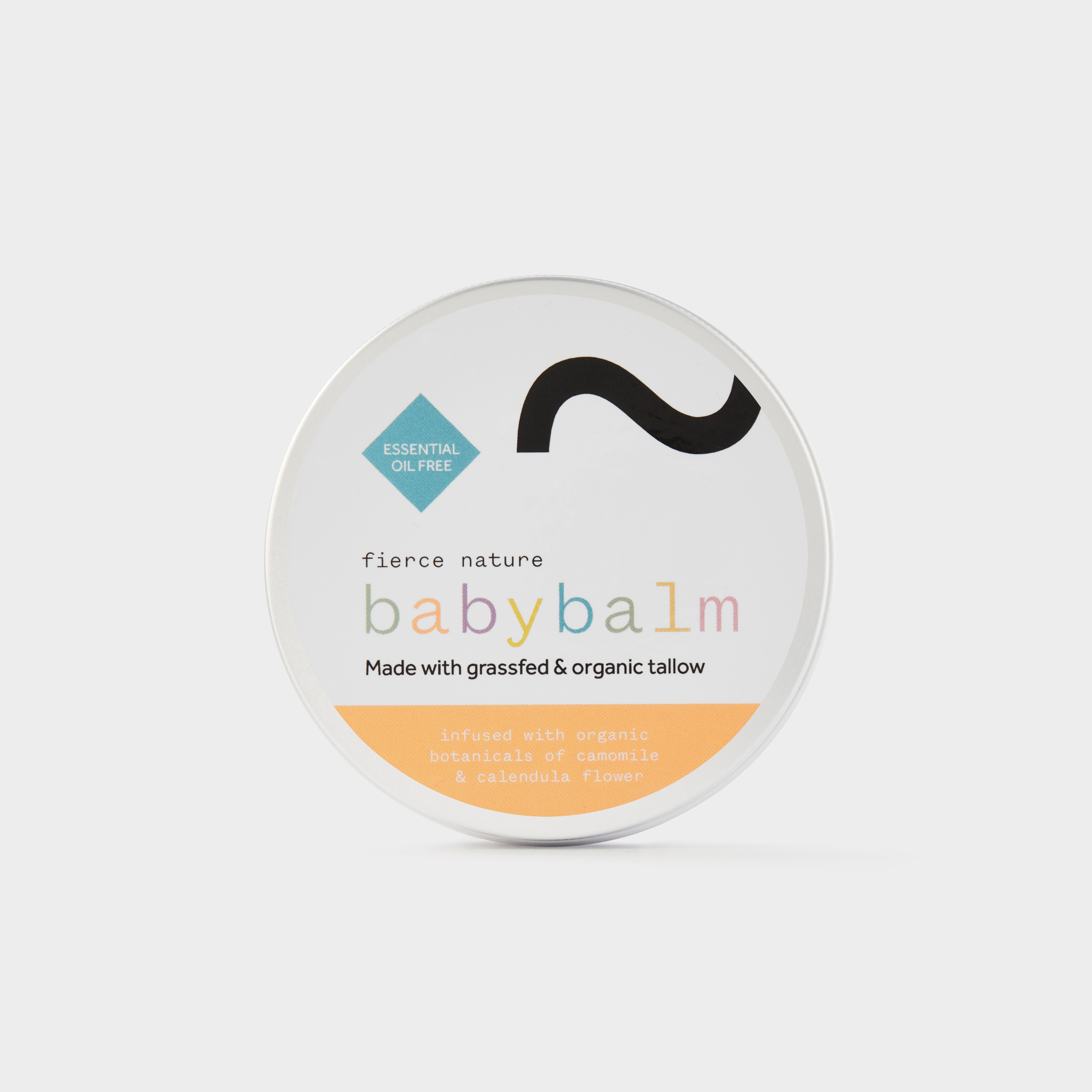
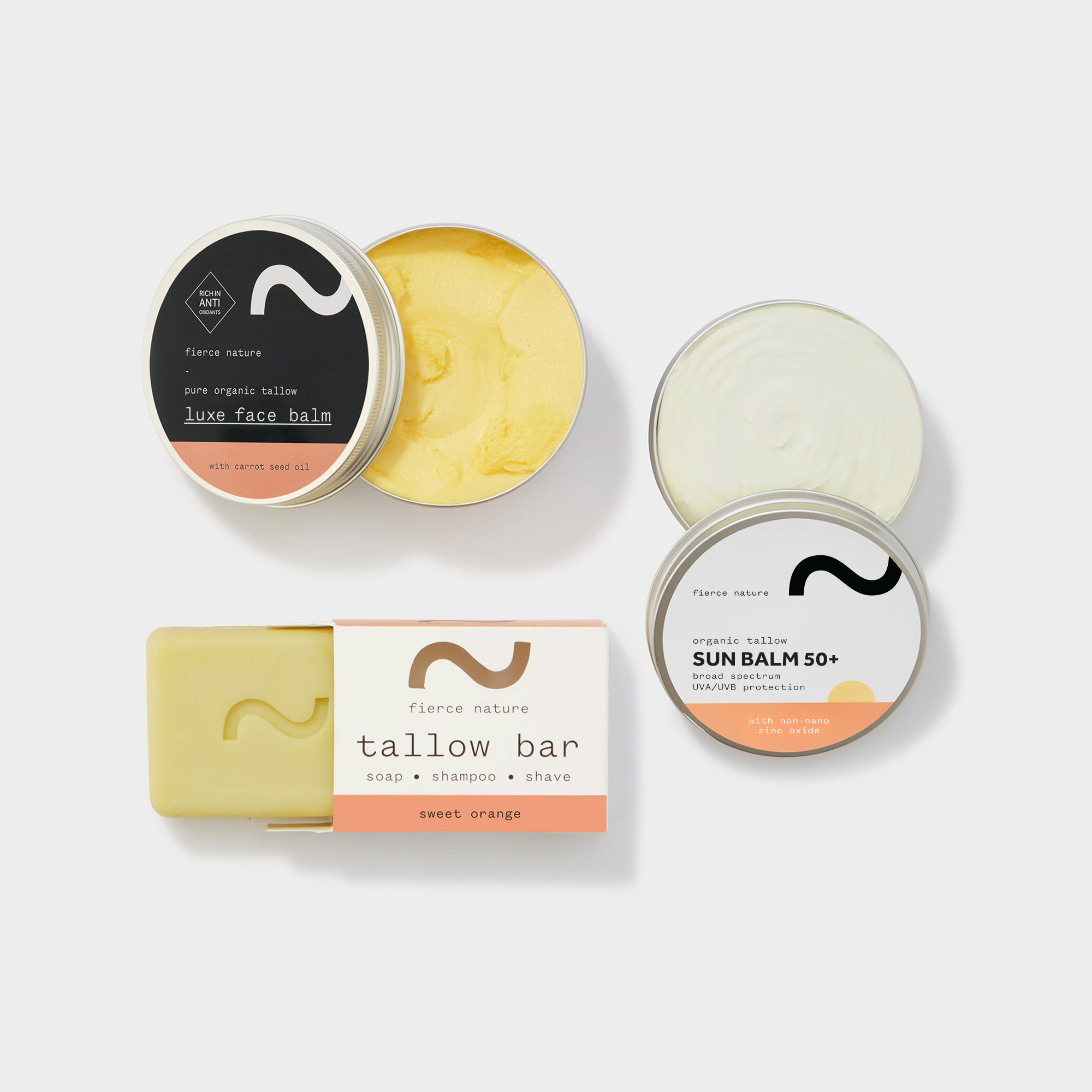
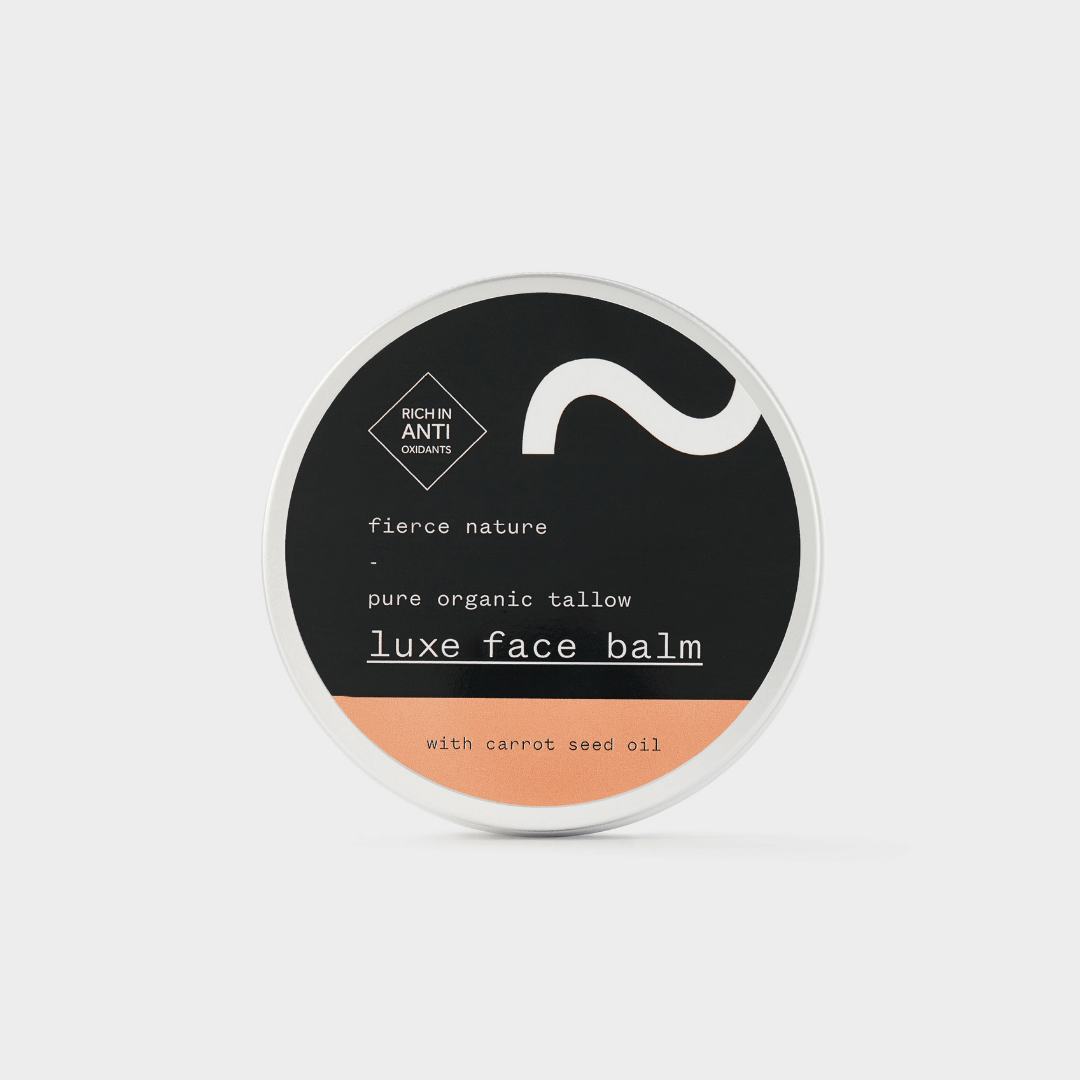
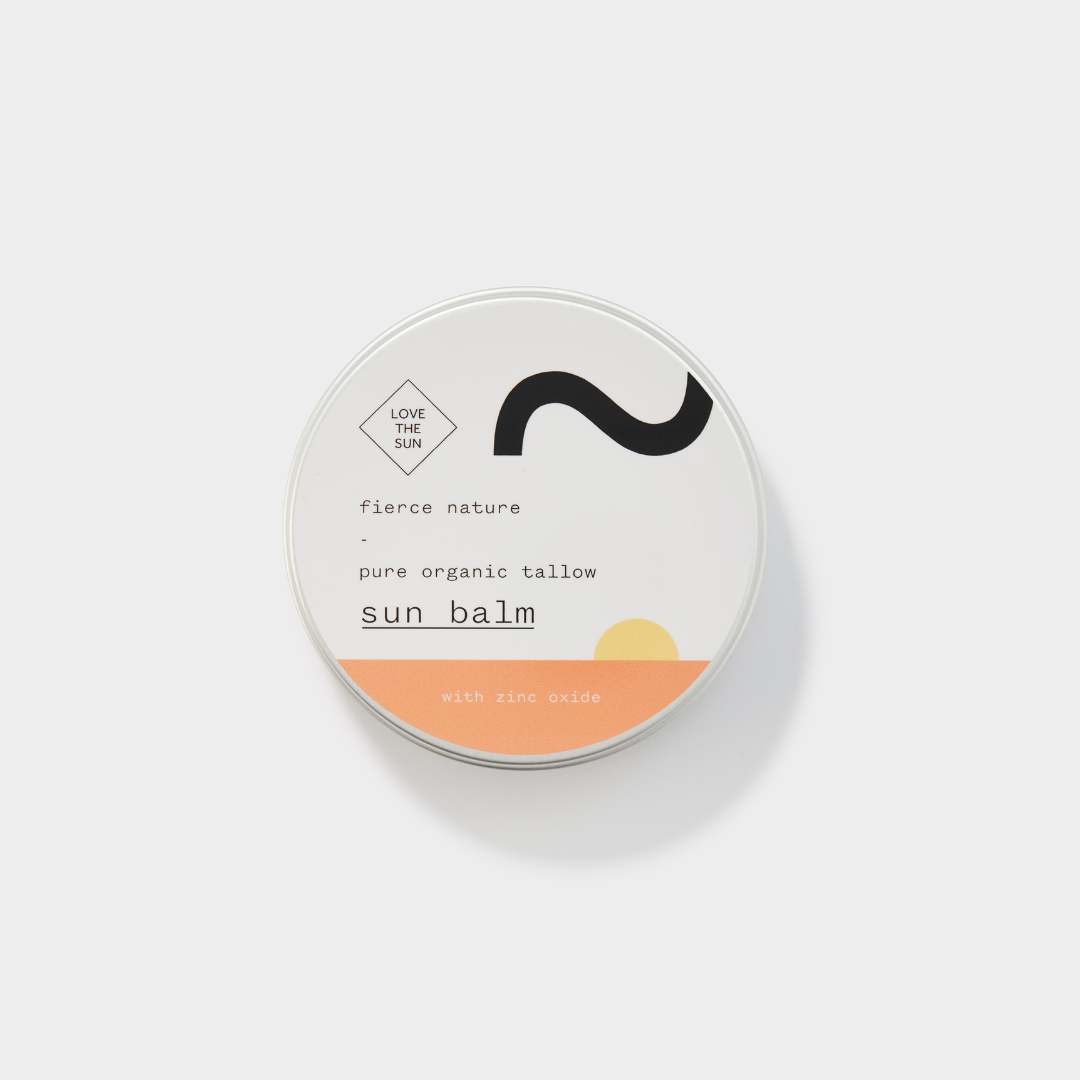
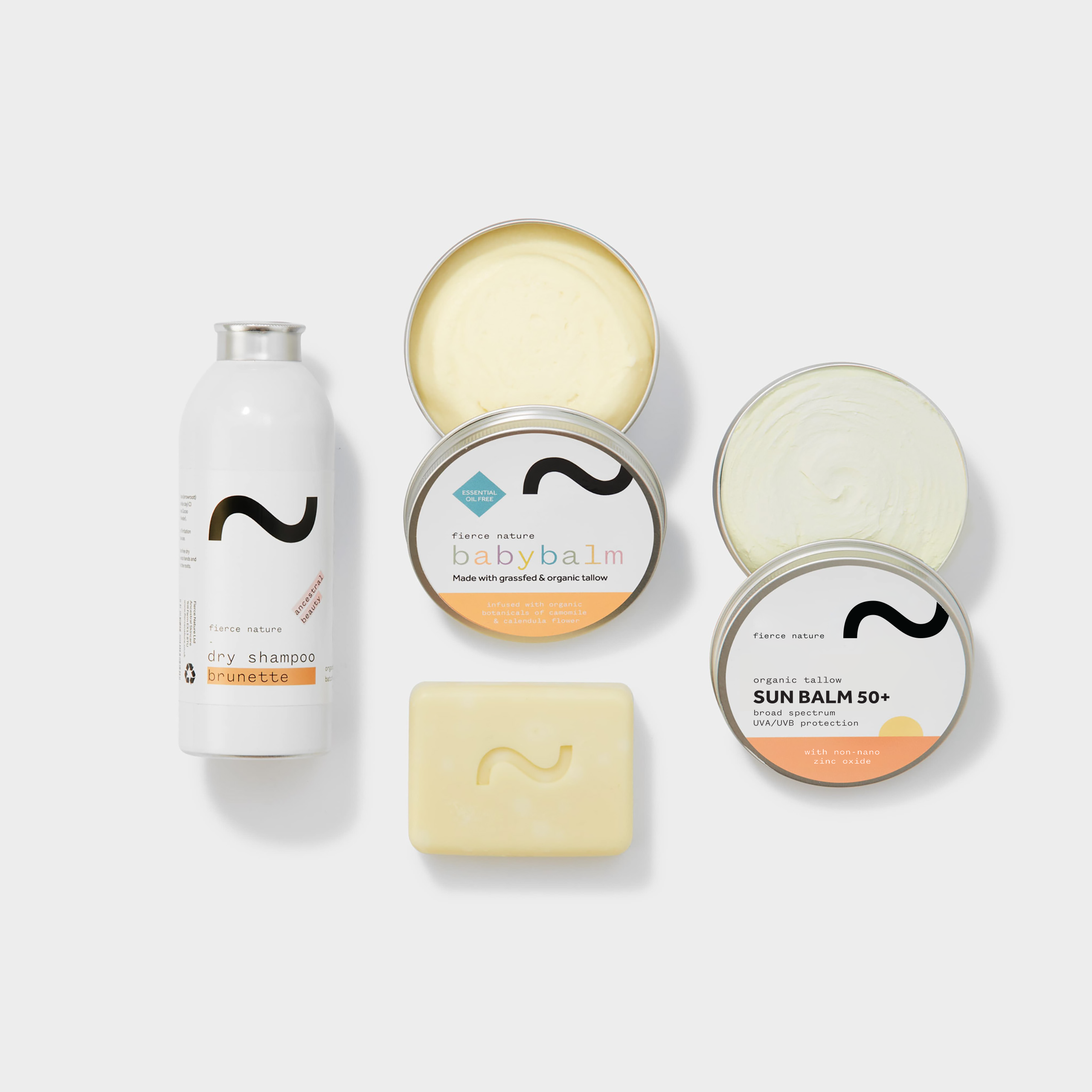
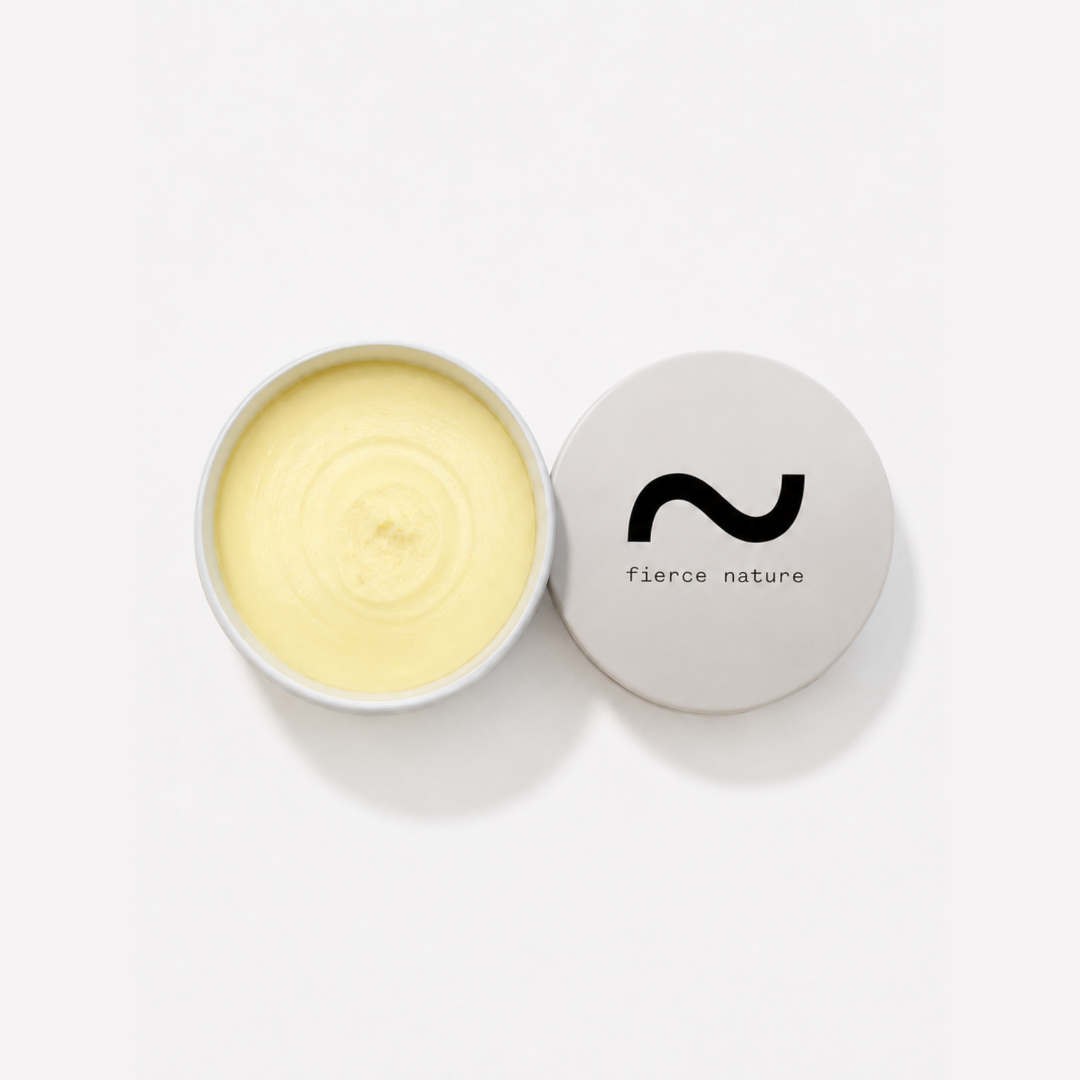
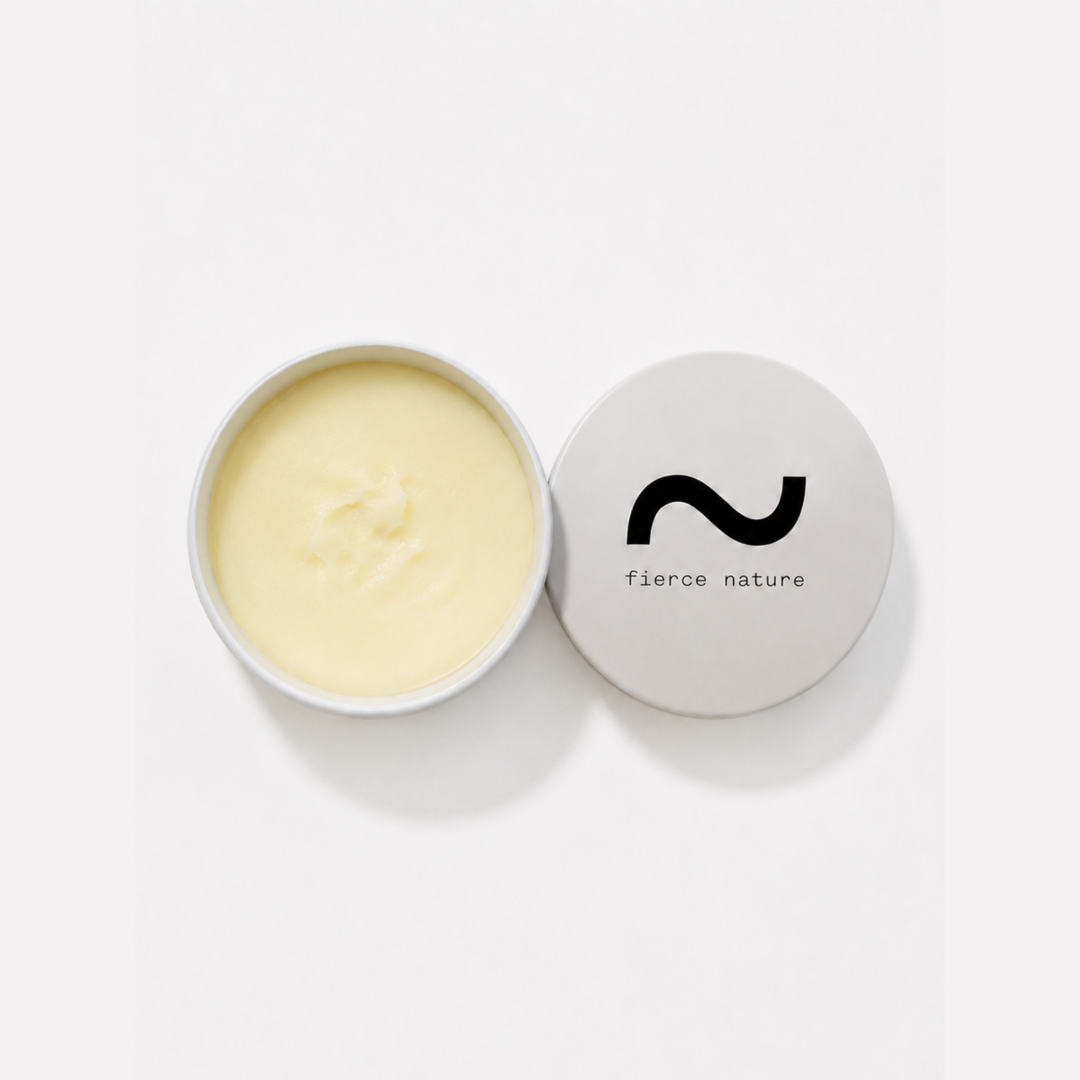
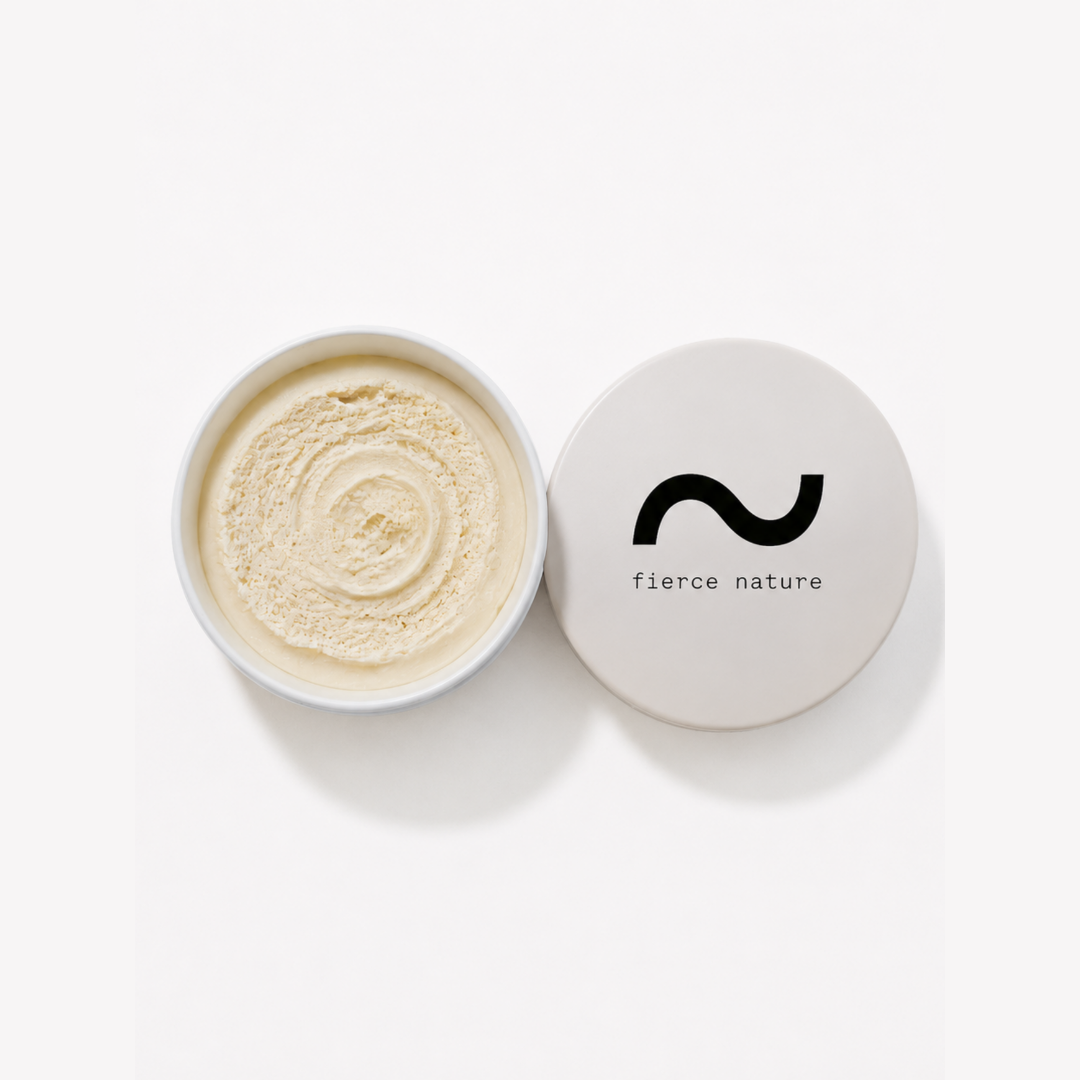
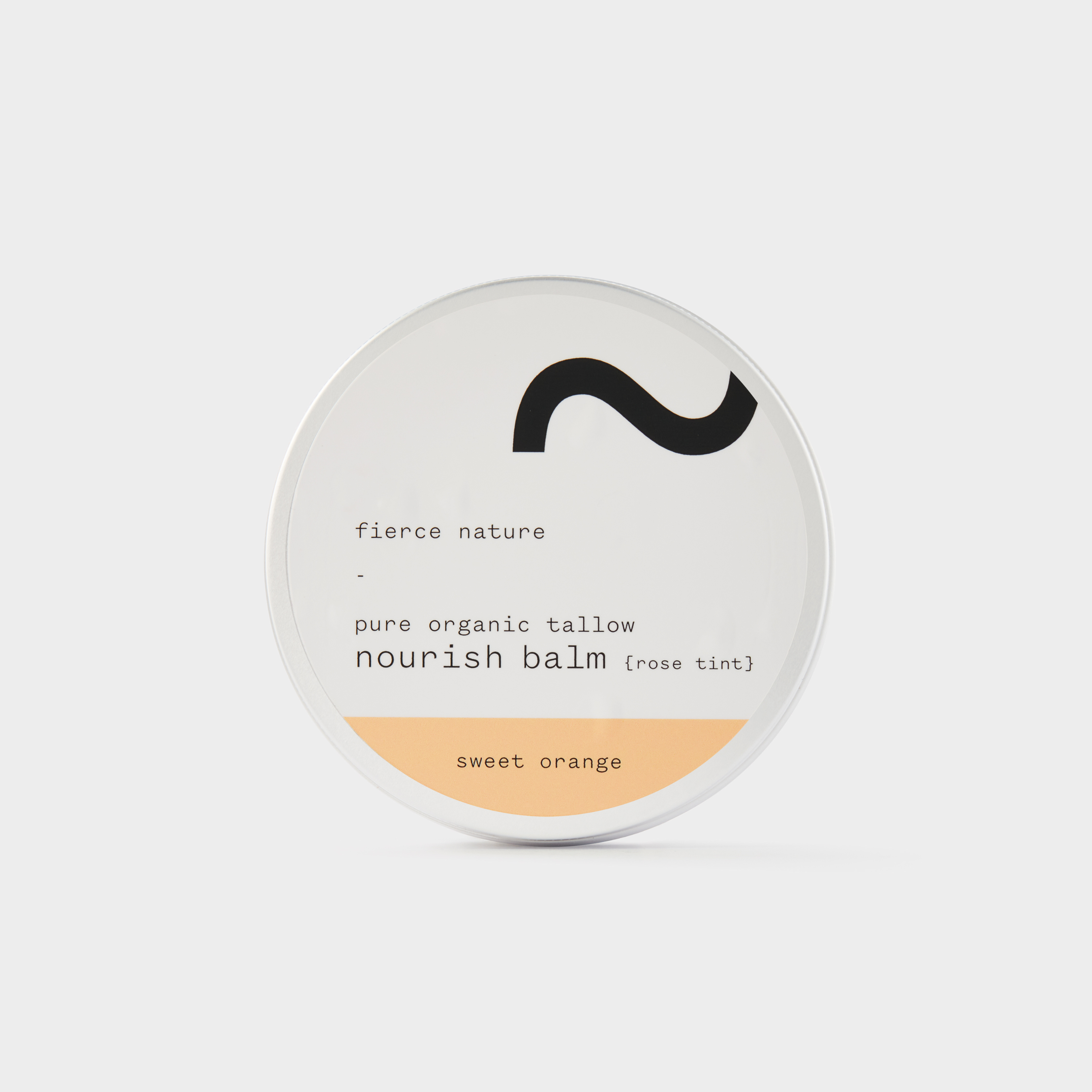
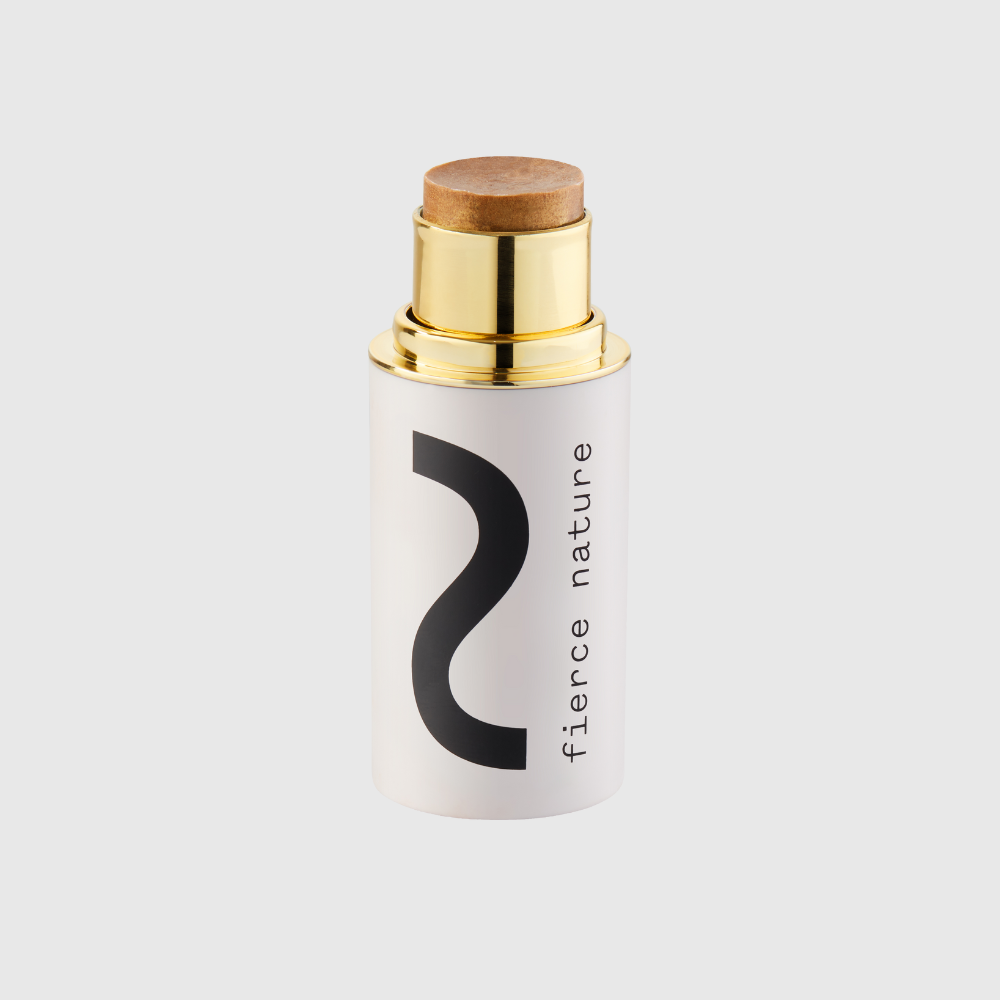
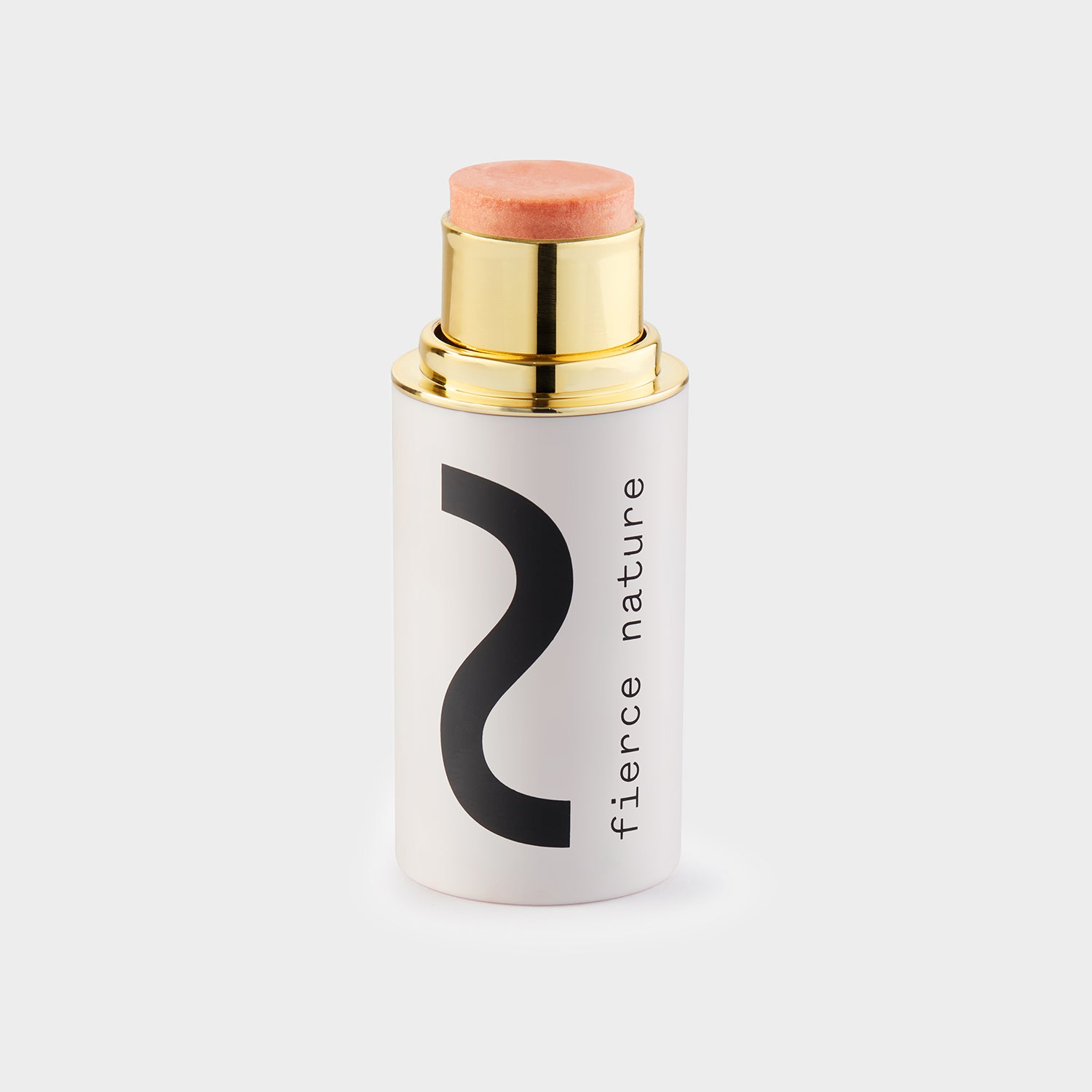
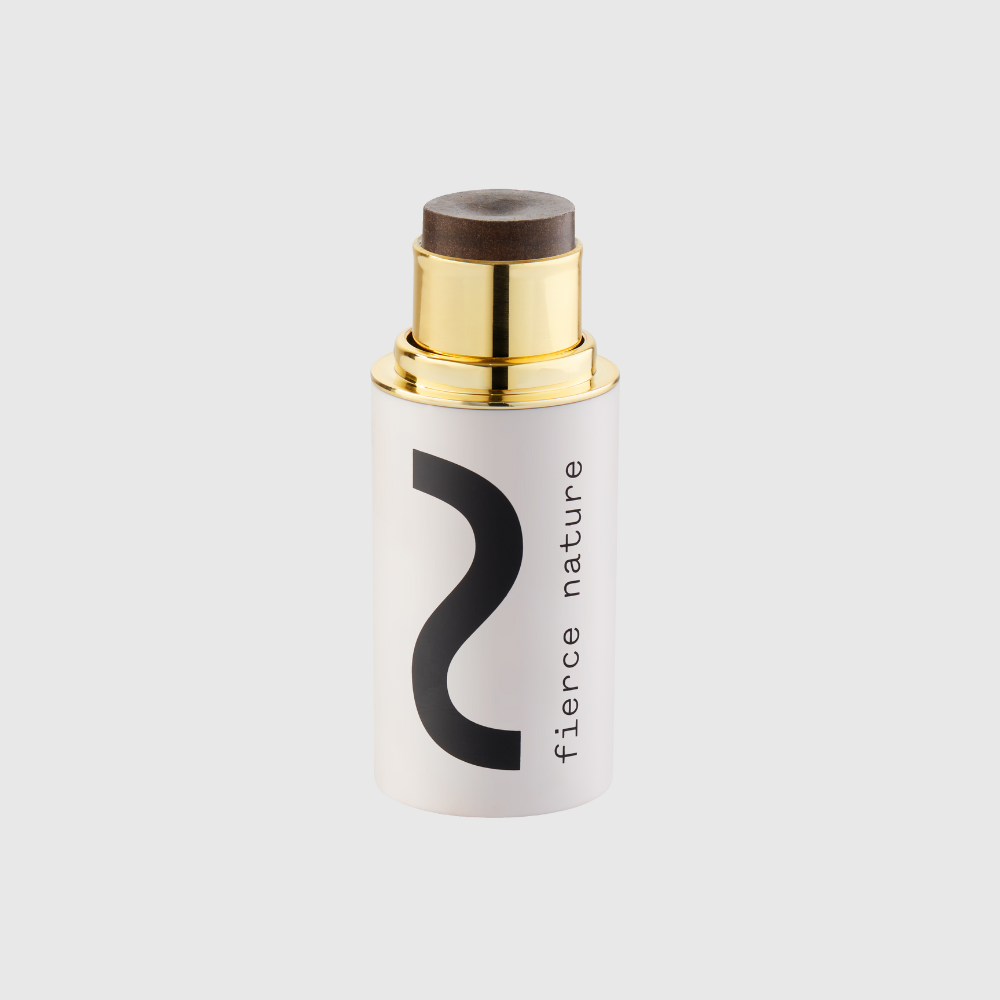
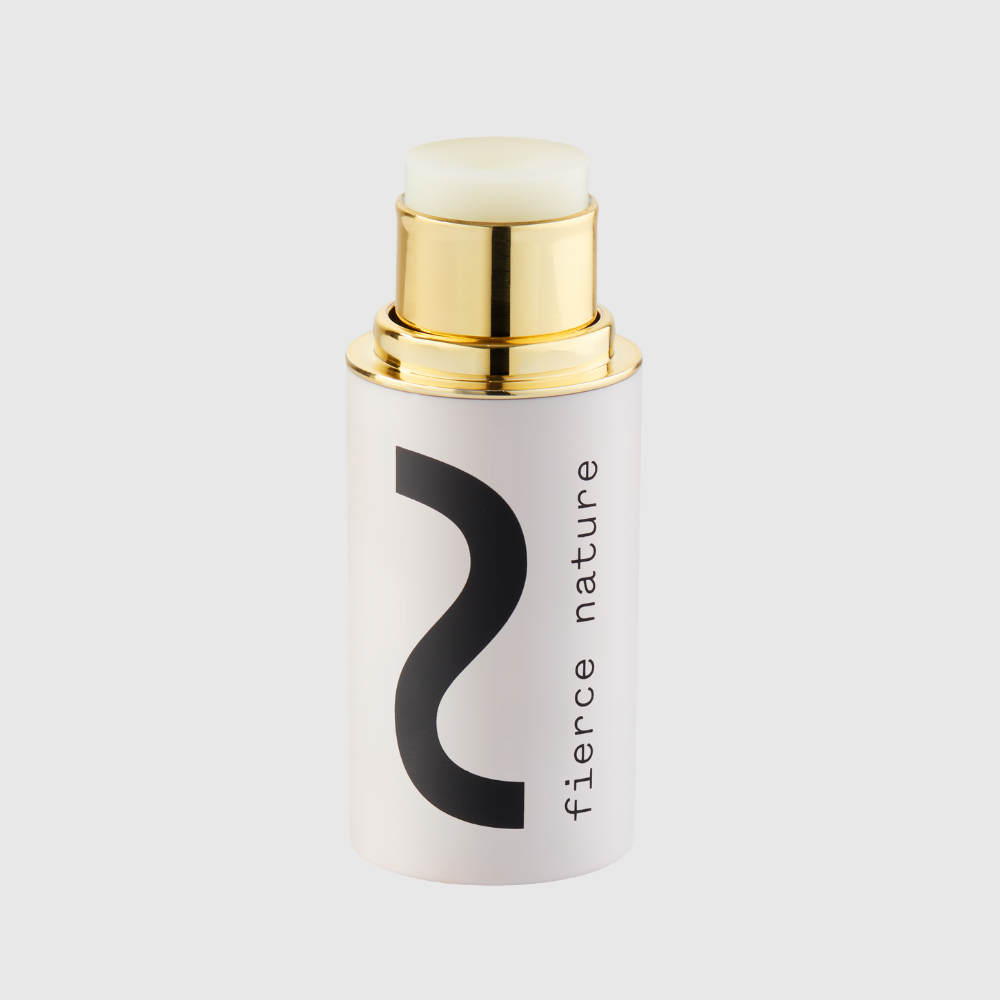
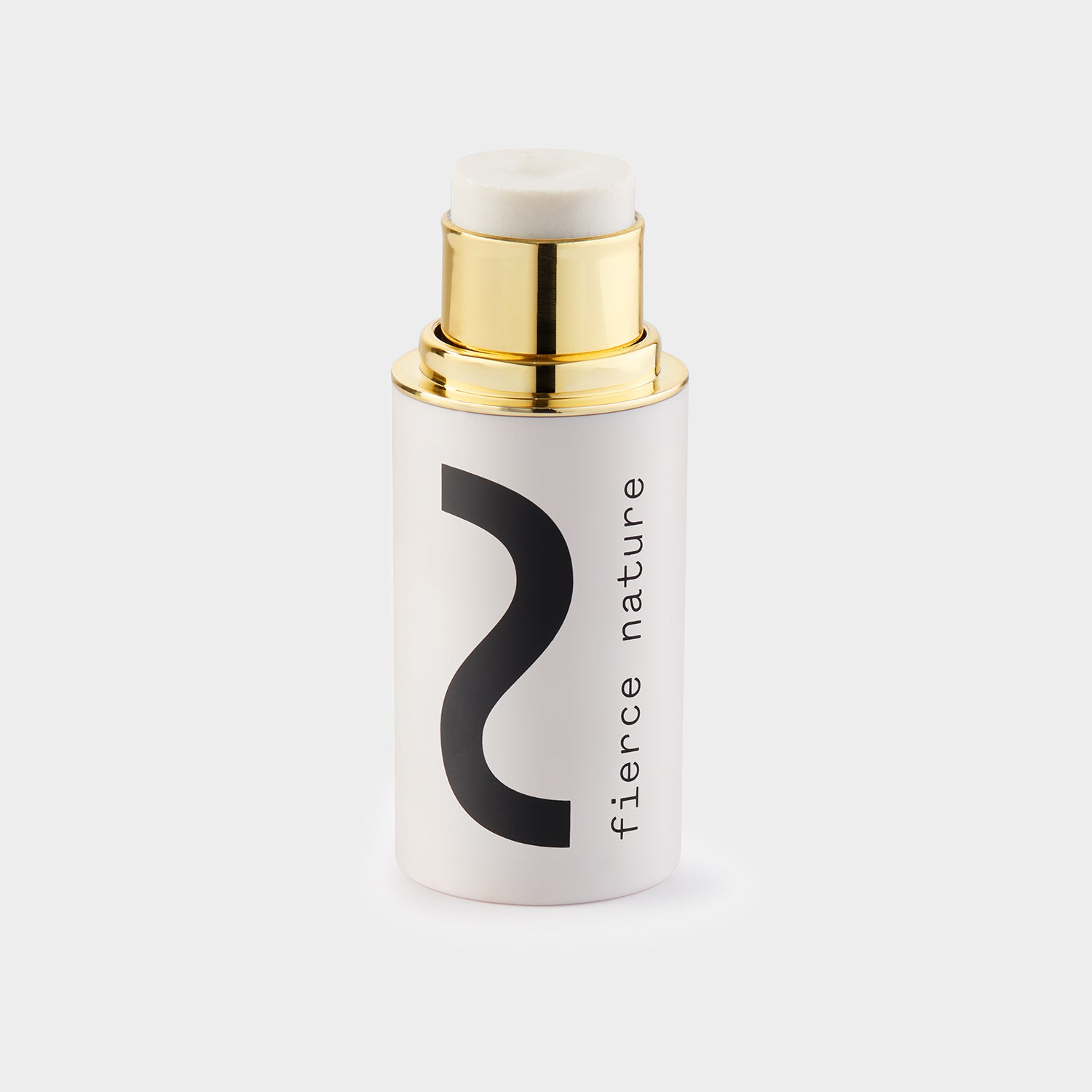
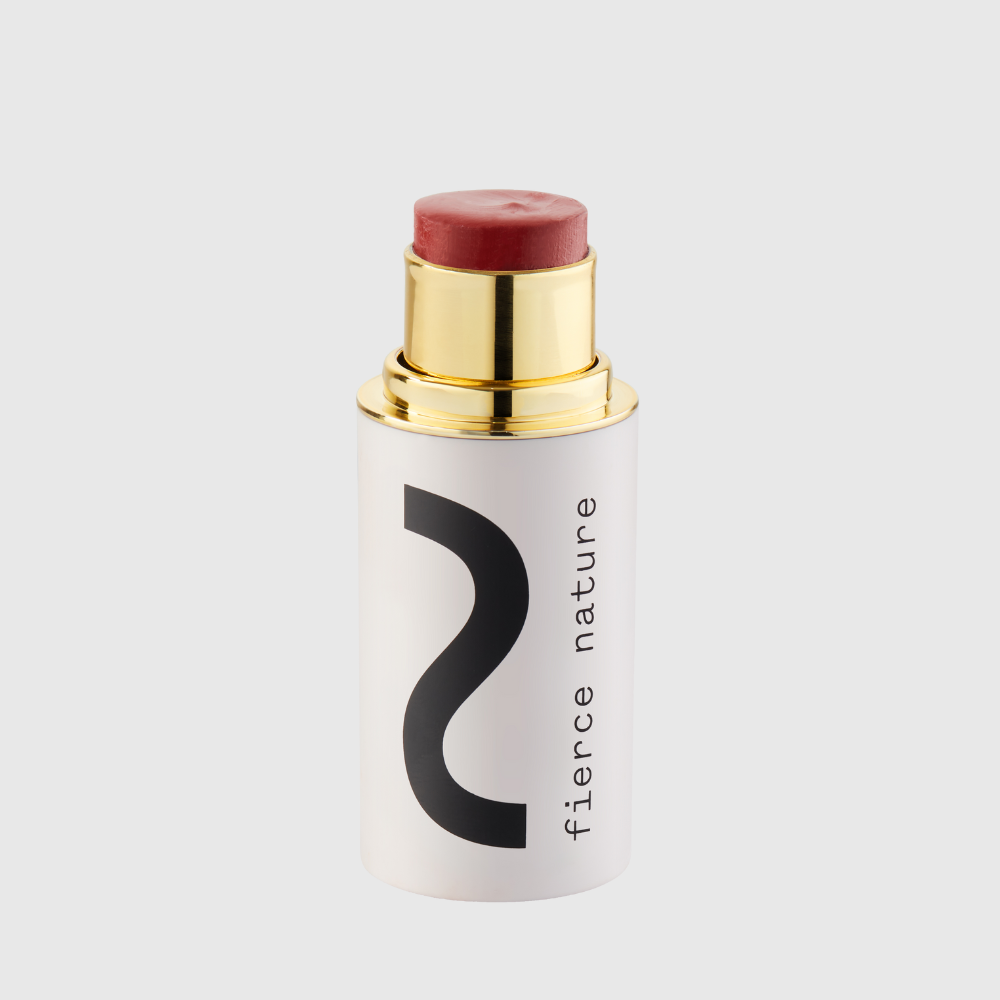
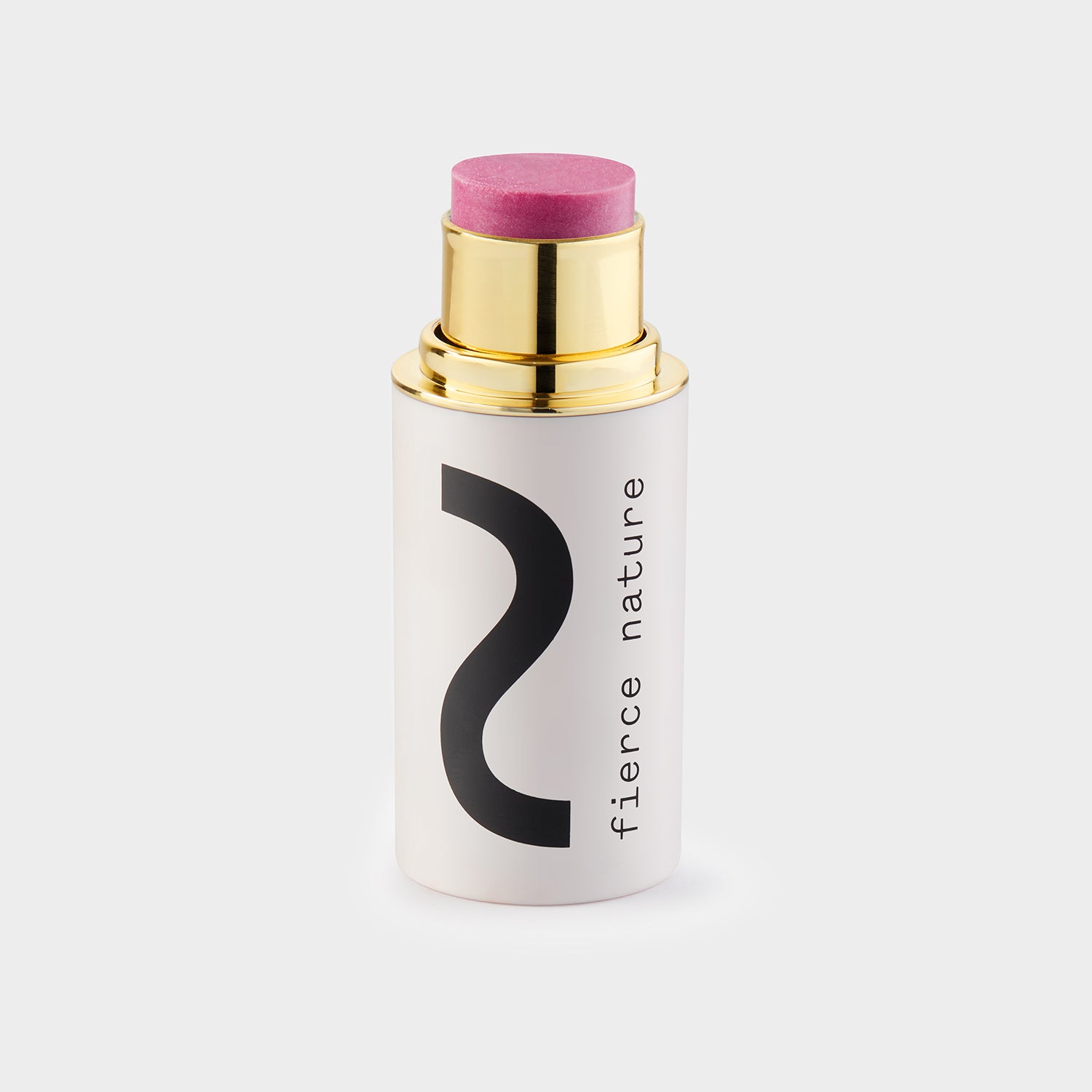
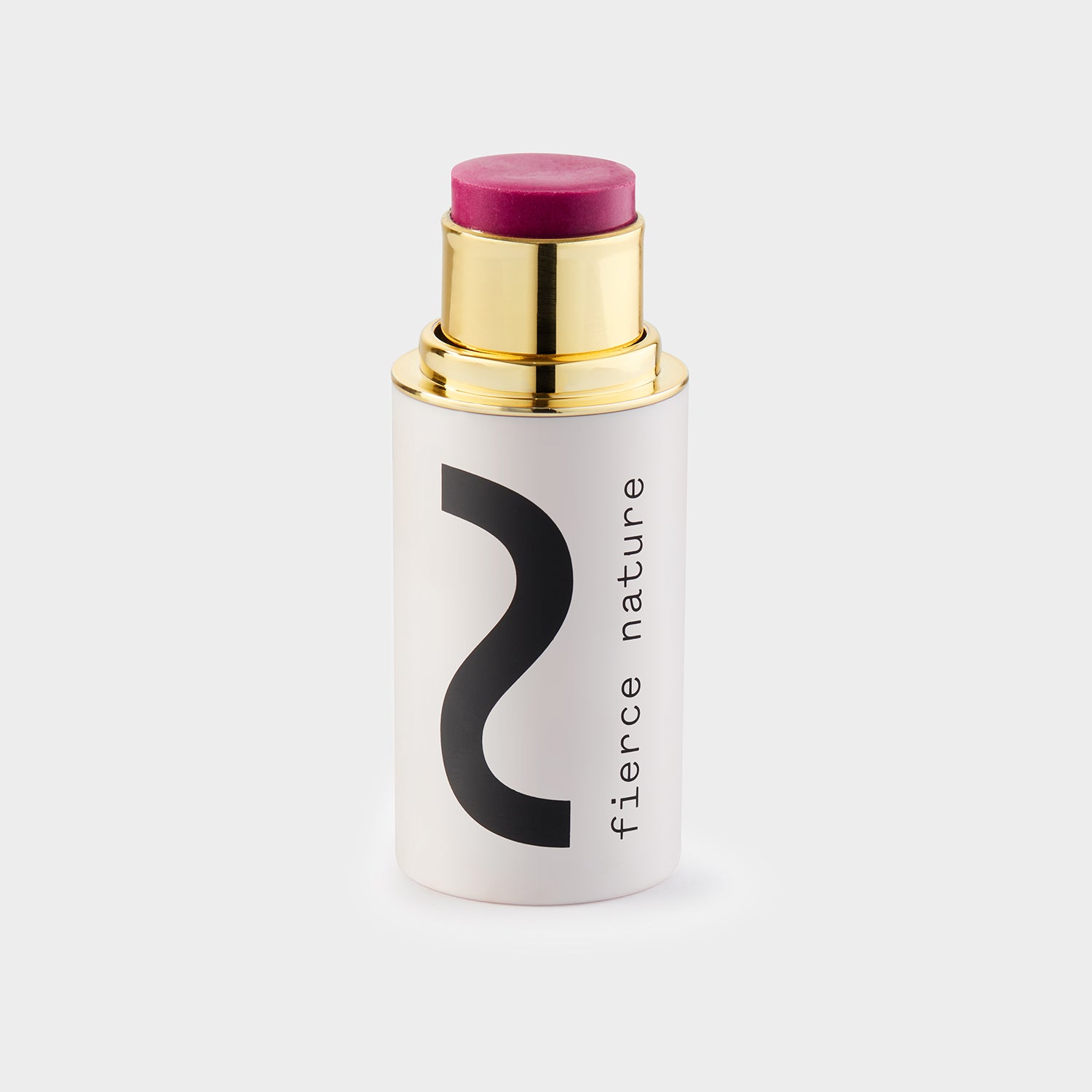
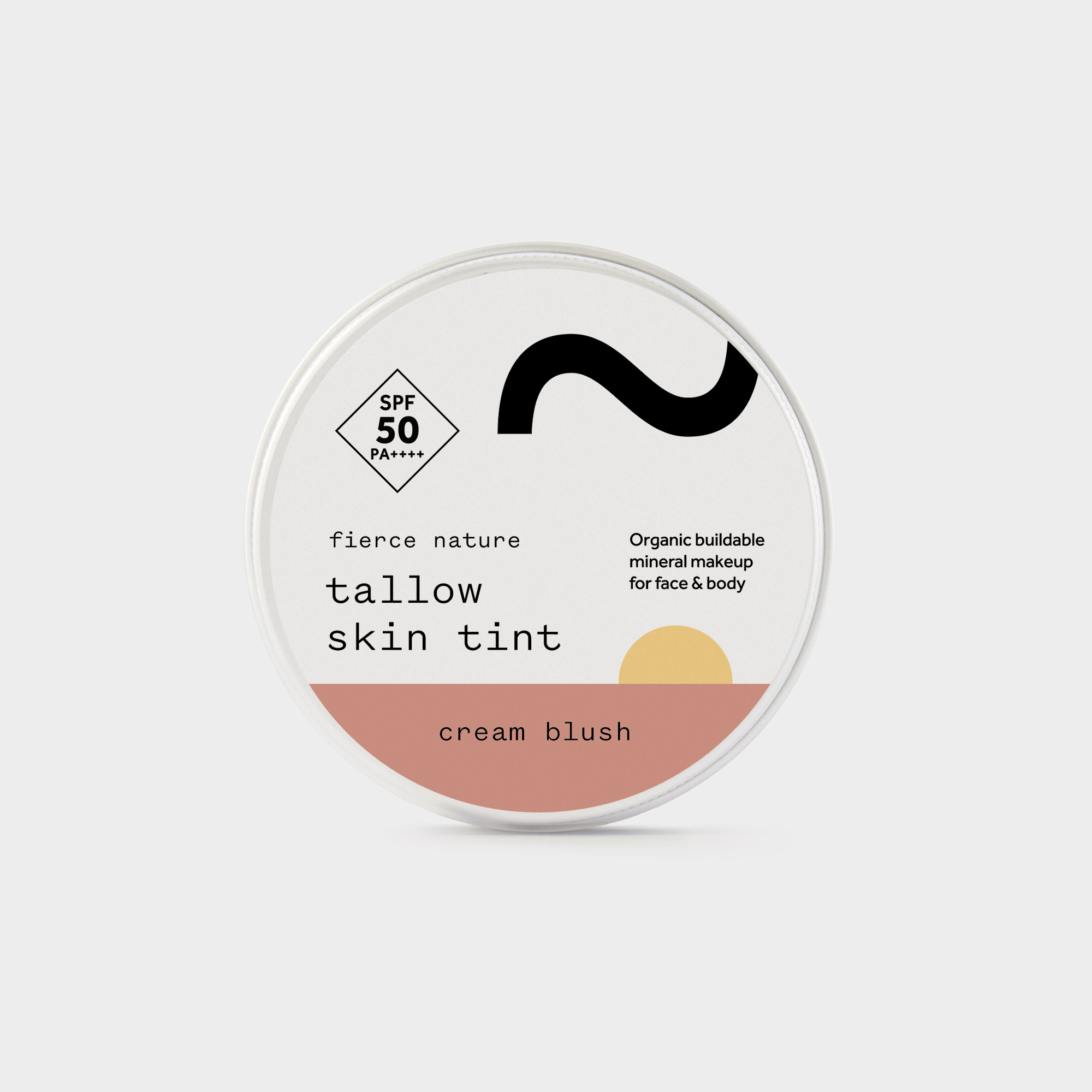
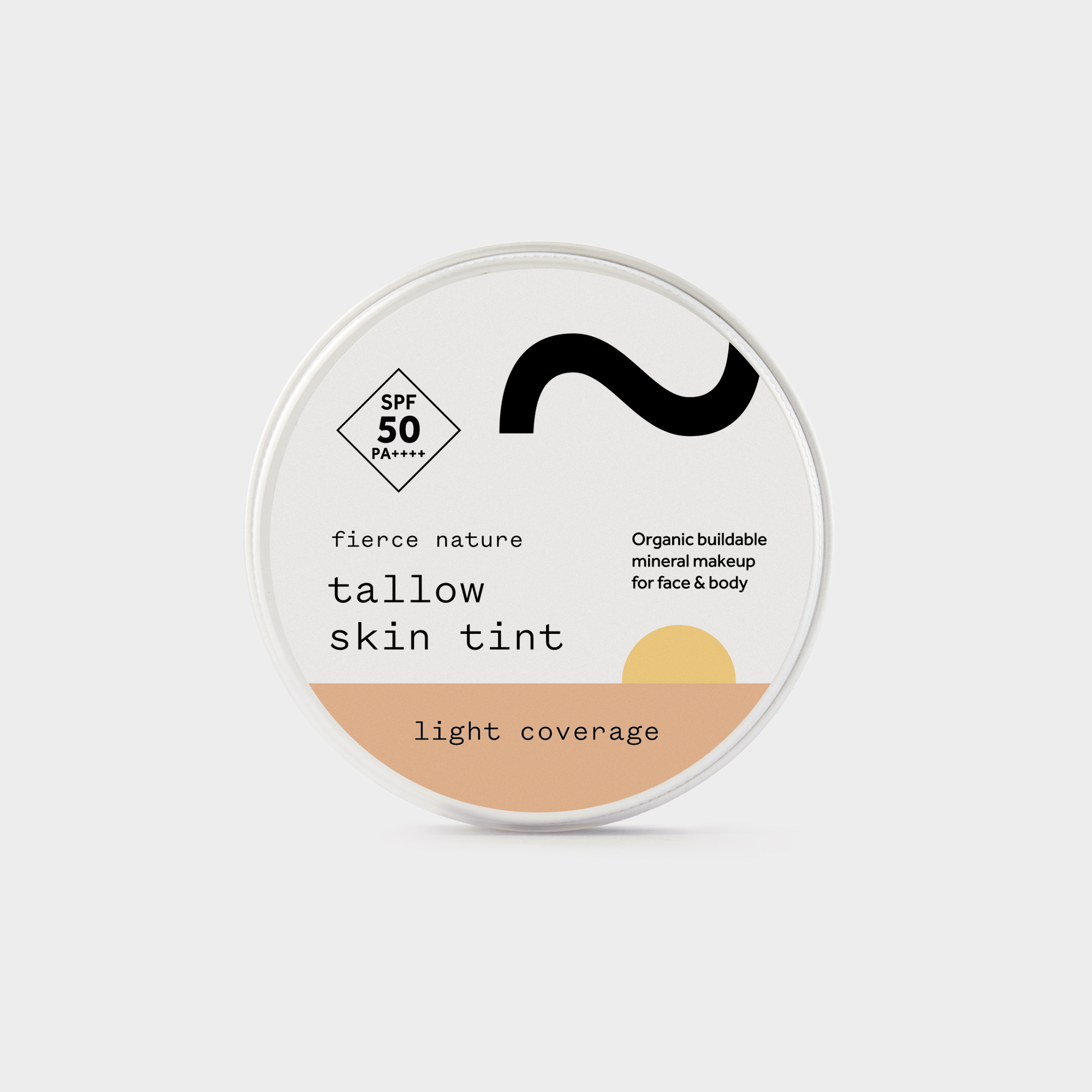
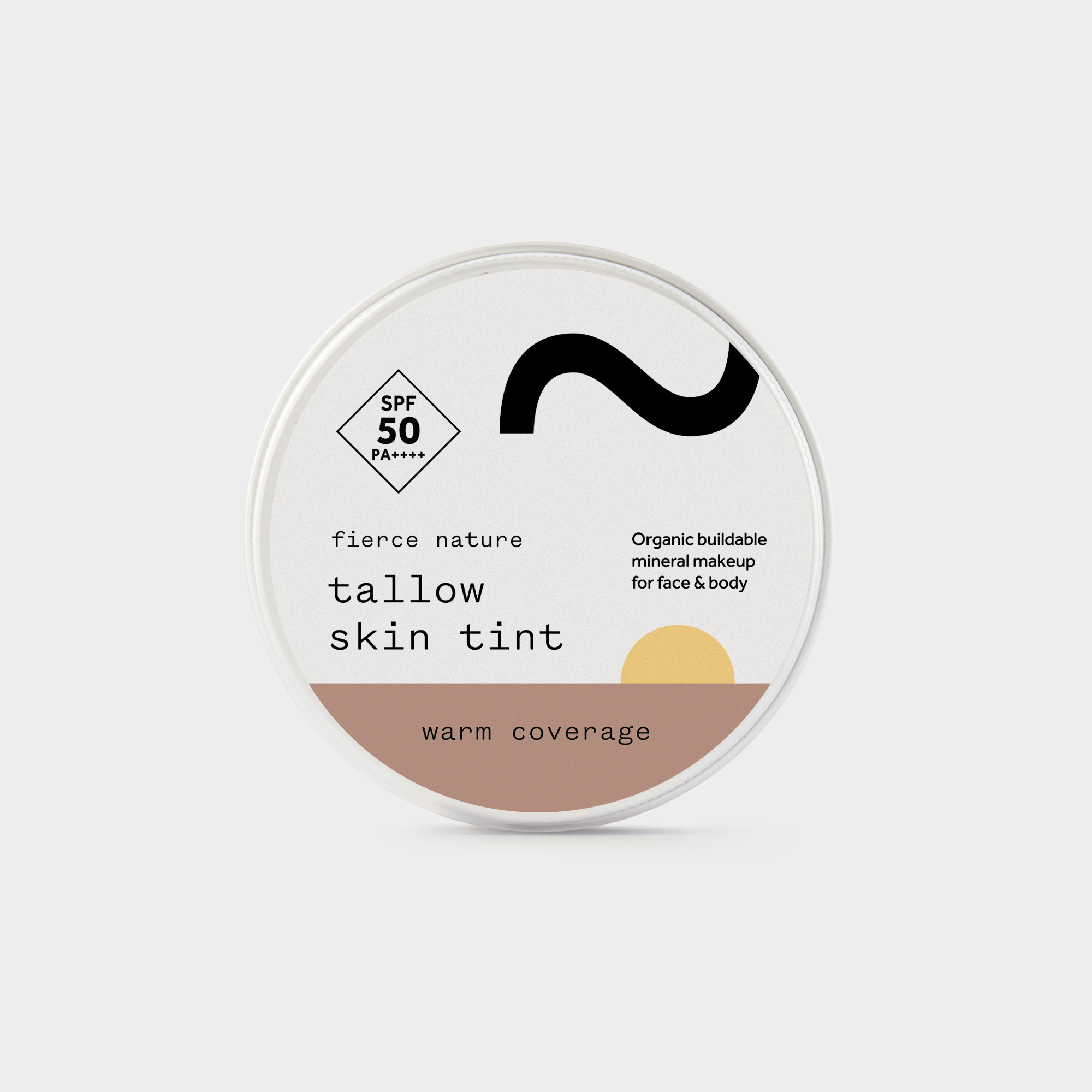
This brand’s catalogue covers most of what the checklist above asks for, without requiring a compromise between protection and comfort. Their New Sun Balm SPF 50+ PA++++ is suitable for genuinely sunny days, long walks, or holidays, since it covers the highest-exposure scenario the guidance above sets out. For everyday wear with a bit of colour, the Nourish Balm with Rose Tint (Sweet Orange) gives lips a hydrating, subtly tinted finish that works well layered under or after SPF on lower-exposure days. And for a natural lip and cheek tint that skips SPF altogether for evenings or indoor days, the Skin Tint (Cream Blush) rounds out a fuller natural routine.

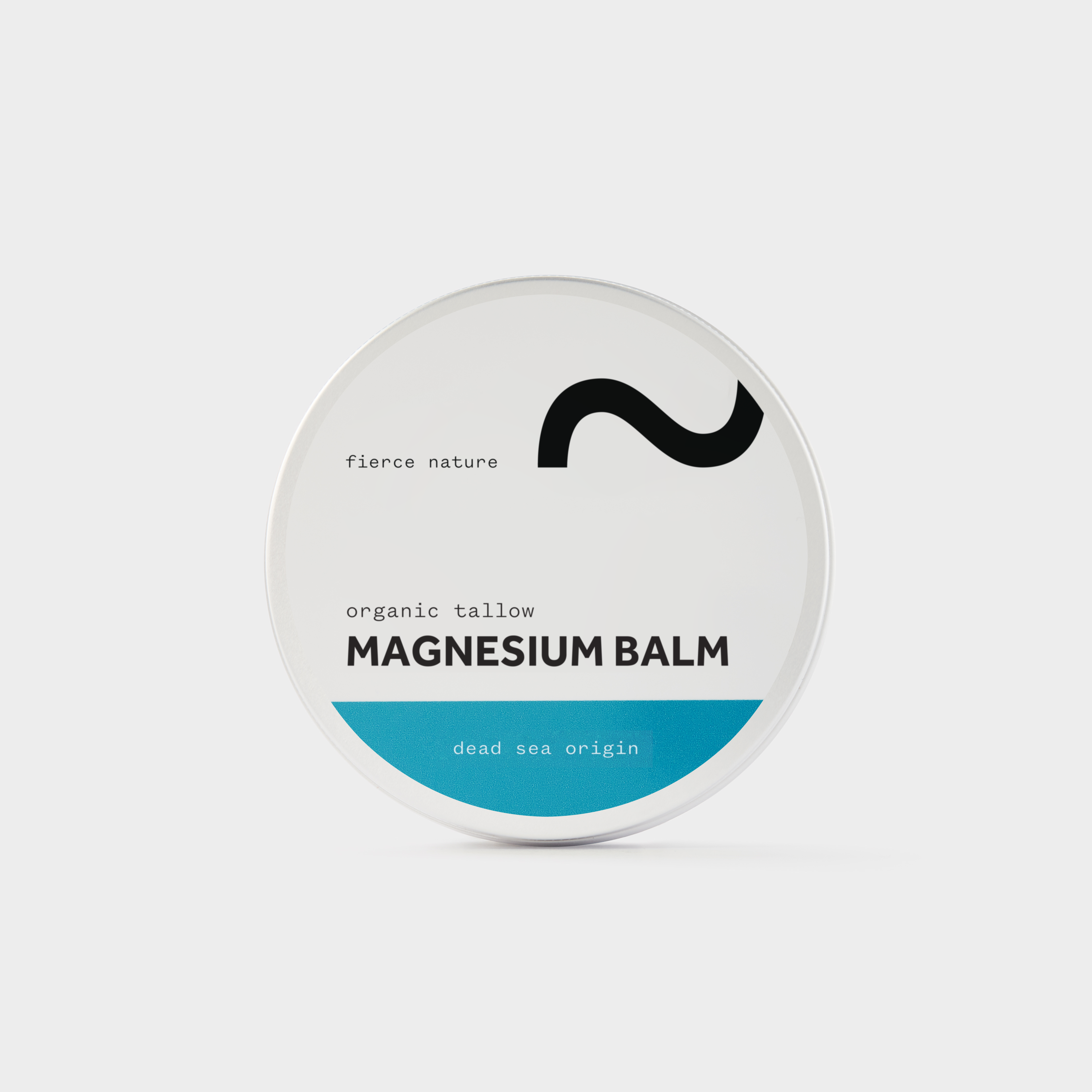
None of these ask you to choose between nourishment and protection, because tallow is doing hydrating work underneath the mineral filter in every one of them, not sitting alongside it as an afterthought. If you want to browse the full range of tinted and functional balms before deciding, the nourish balms collection and skin tints range are both worth a look, alongside the face and body balms if your hydration needs go beyond your lips. Start with the New Sun Balm SPF 50+ product page to check current stock and pricing.
Sources and further reading
- Cancer Research UK shop — product listings for mineral lip balms, showing real-market ingredient combinations of zinc oxide with natural emollients.
FAQ
Is mineral sunscreen better for lips?
For most sensitive or reactive skin, yes. Mineral filters sit on the surface and physically block UV rather than being absorbed, which dermatology guidance links to lower irritation rates than chemical filters on delicate perioral skin.
What SPF is best for lips?
SPF 30 with a genuine broad spectrum claim covers everyday, low-exposure days, while SPF 50+ is the better choice for extended outdoor time or for anyone with diagnosed daylight sensitivity. Fierce Nature’s New Sun Balm SPF 50+ PA++++ is built for that higher-exposure end of the scale.
Is mineral-based SPF actually better, or is that just marketing?
It depends on your skin and your activity. Mineral filters generally win on comfort and tolerability for sensitive or daylight-sensitive skin, while some chemical formulas offer better water resistance for heavy swimming or sweating.
What do lifeguards put on their lips?
Most lifeguards and other people who spend entire days outdoors favour thick, high-SPF zinc oxide sticks precisely because the mineral film holds up under constant reapplication and heavy sweat exposure. The same logic applies to anyone spending a full day in direct sun: reapply a mineral formula generously and often rather than relying on a single morning application.
Recommended