Einkaufswagen
0
80% Das wurde ebenfalls hinzugefügt

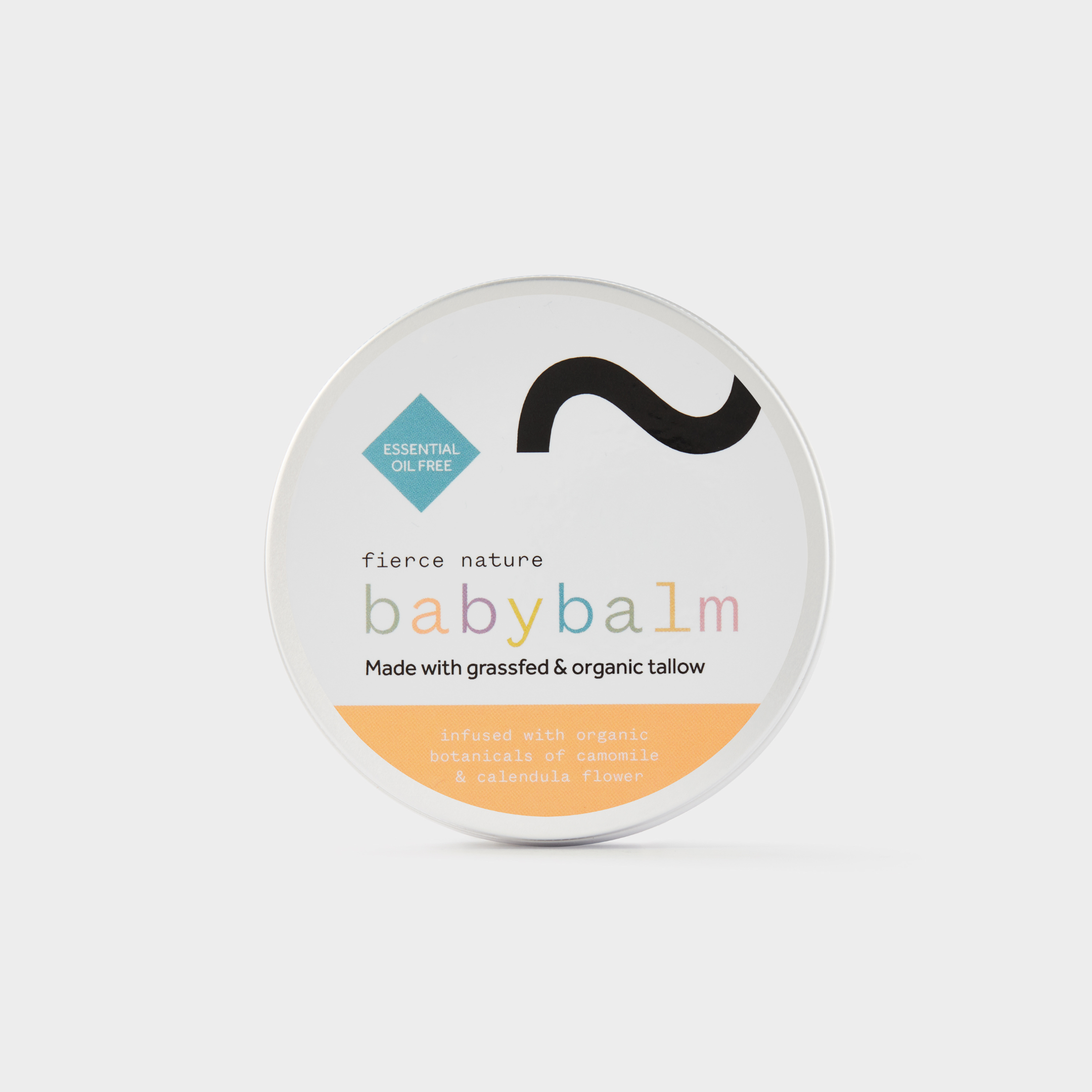
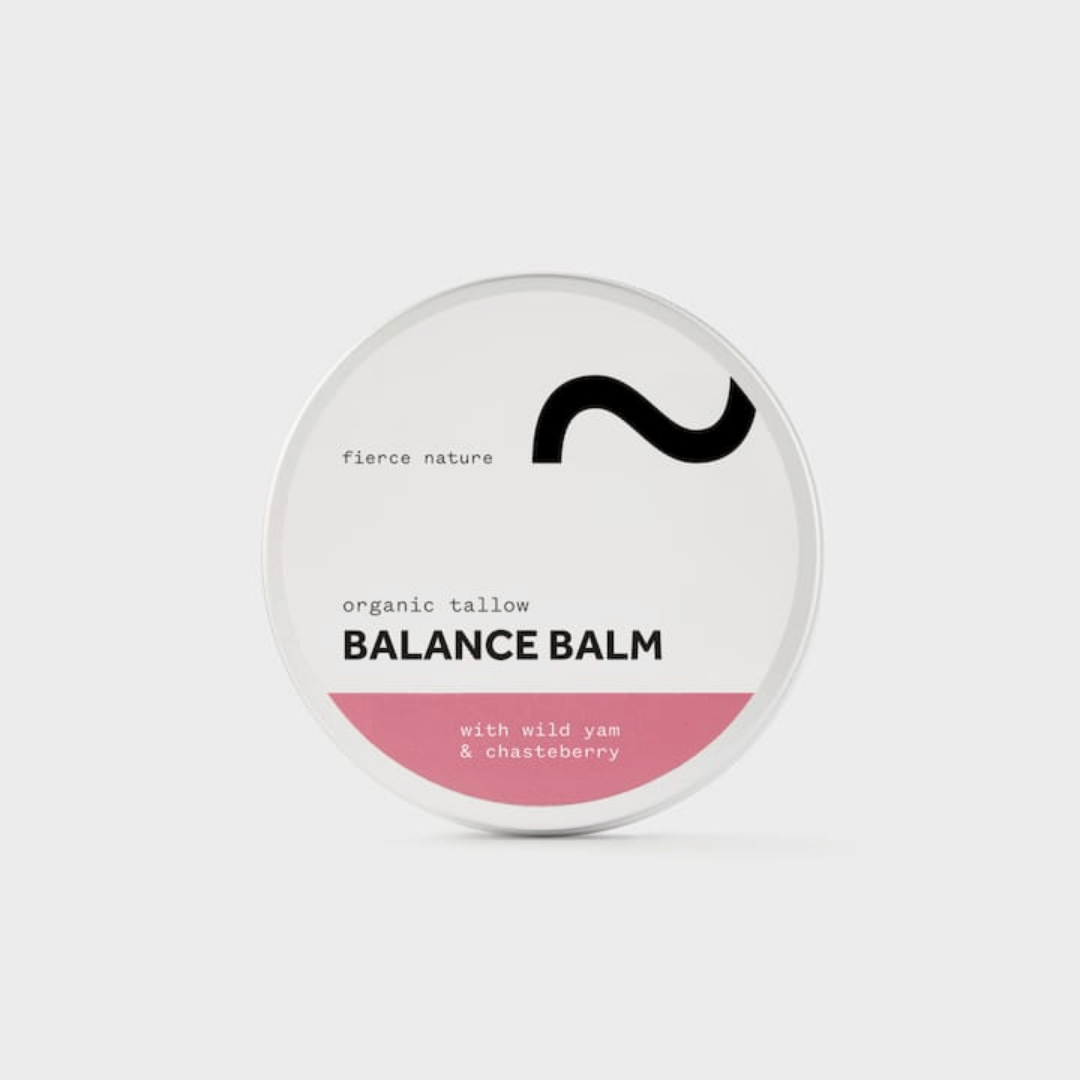
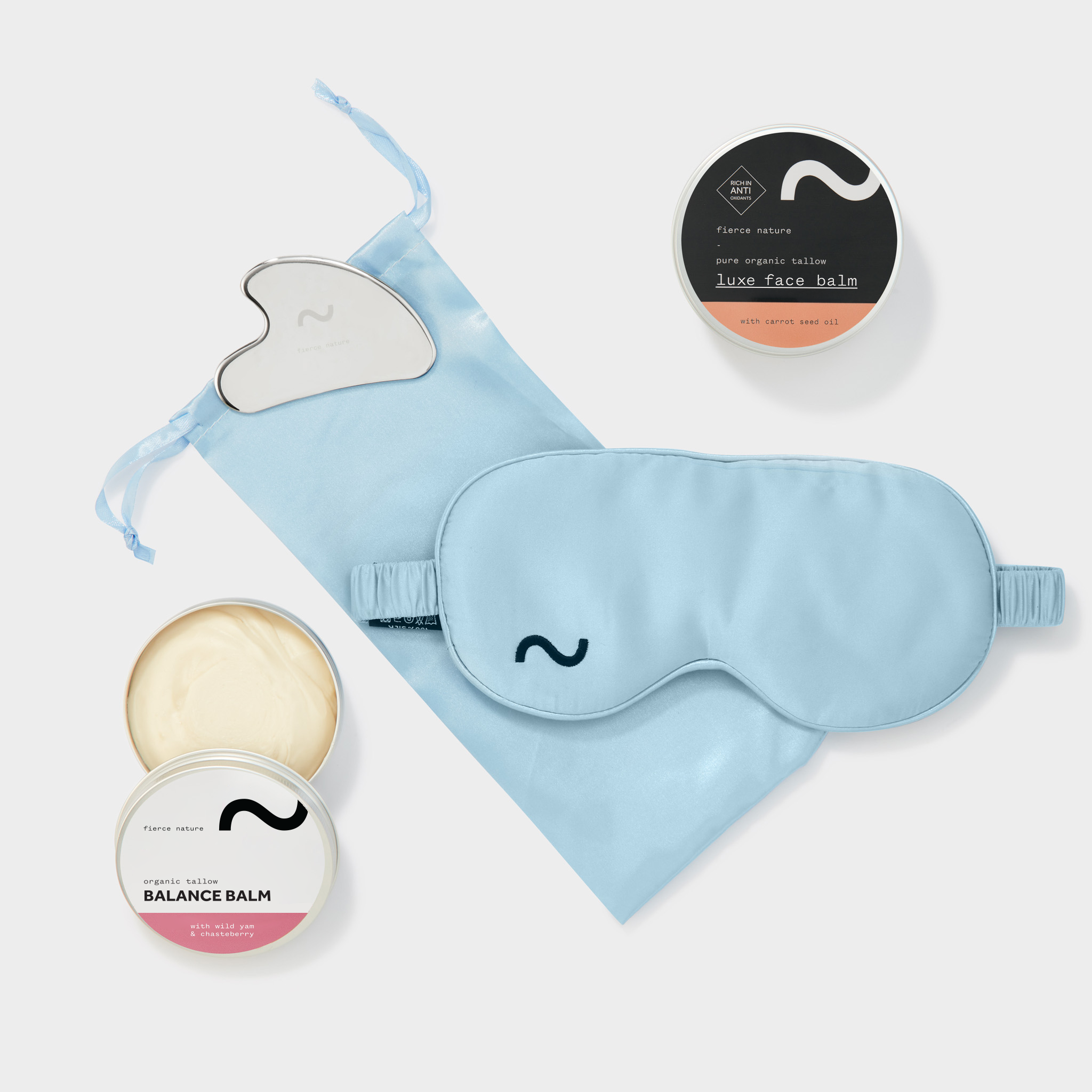
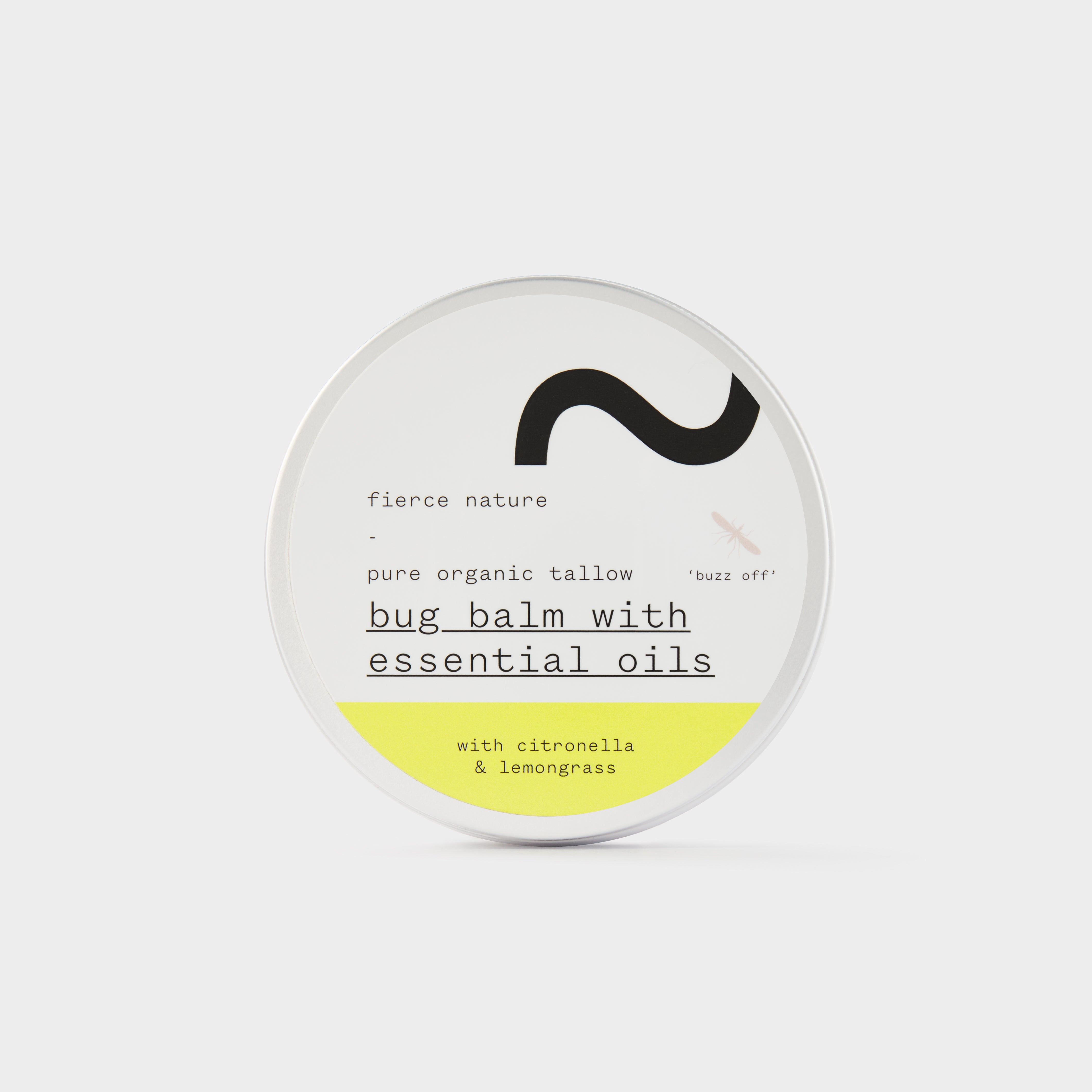
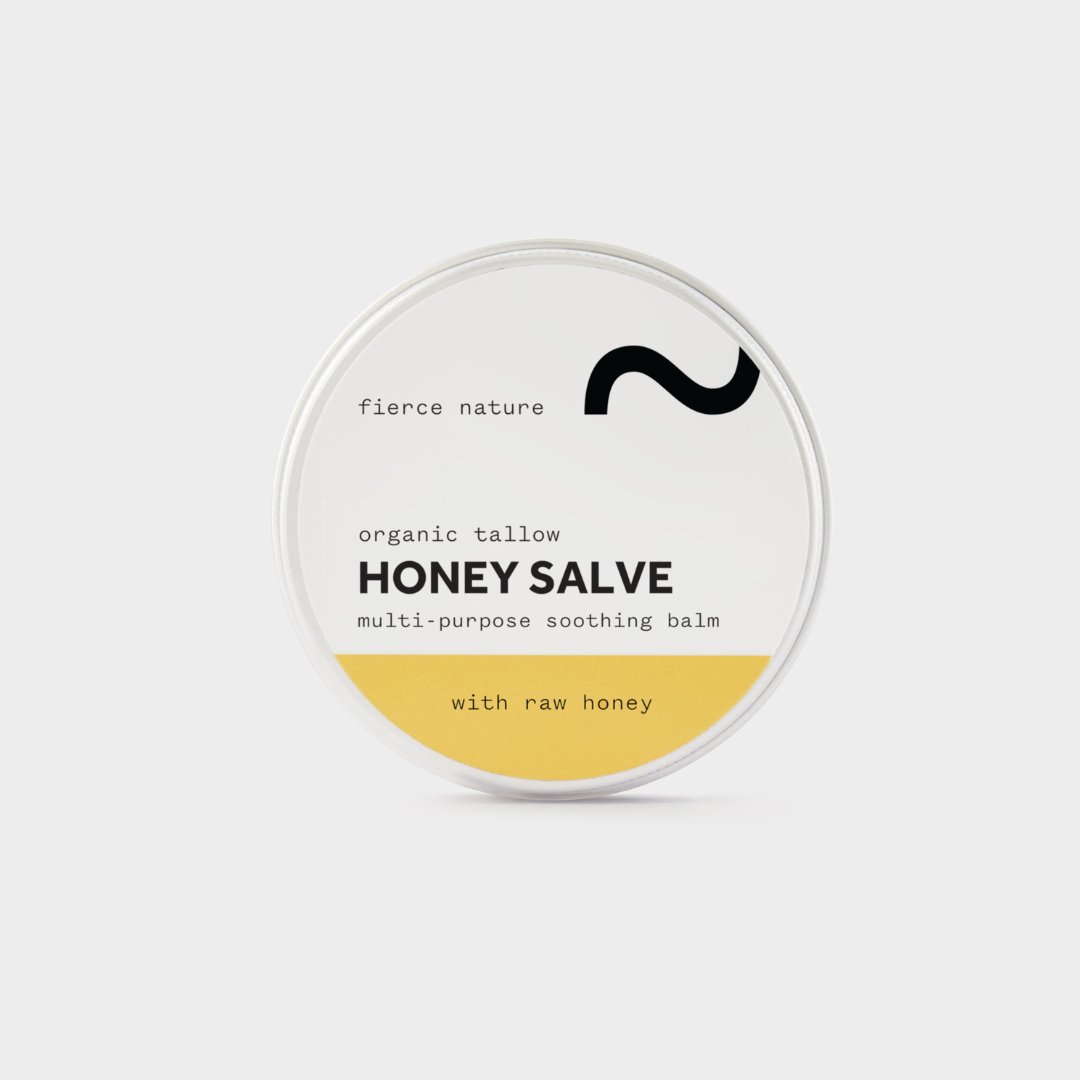
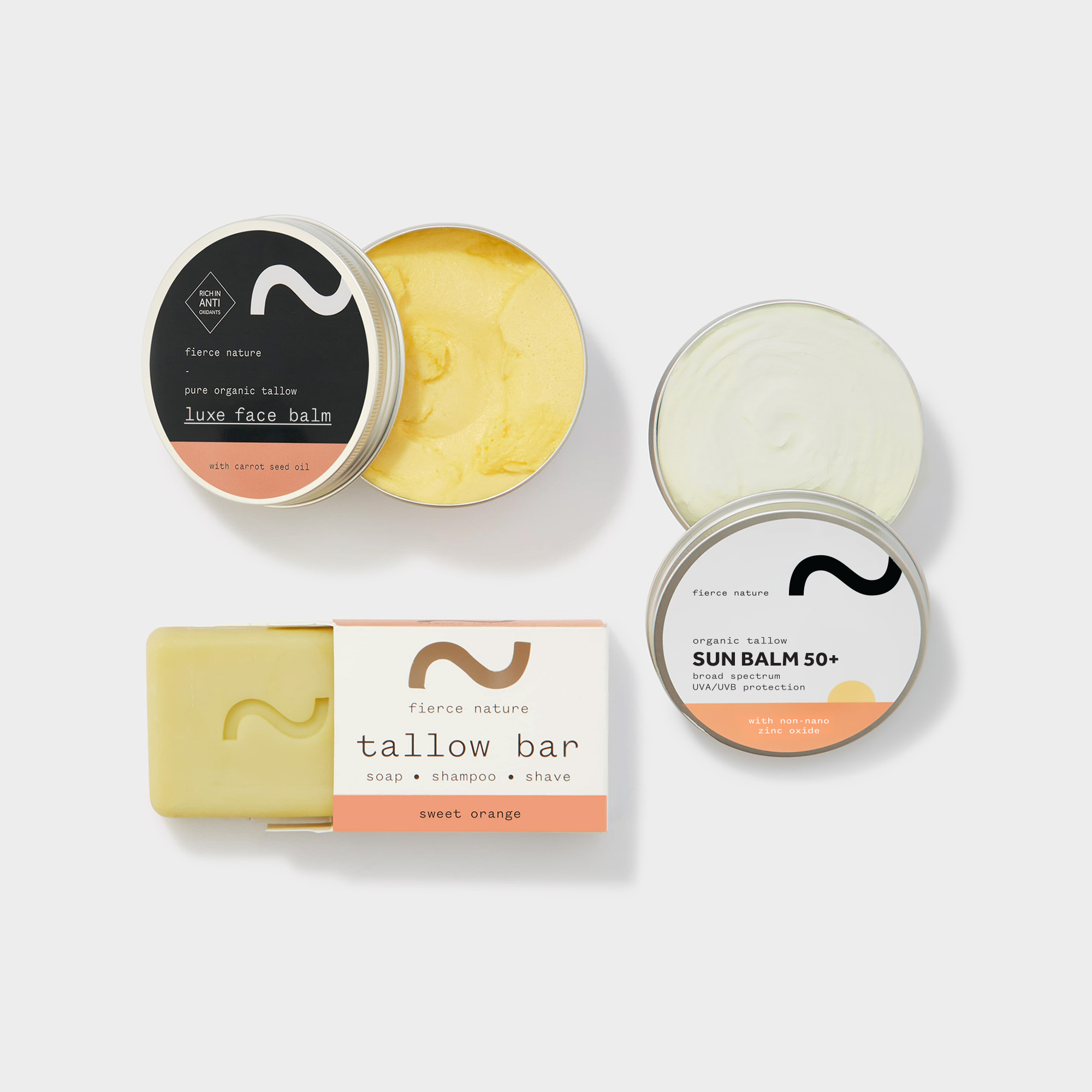
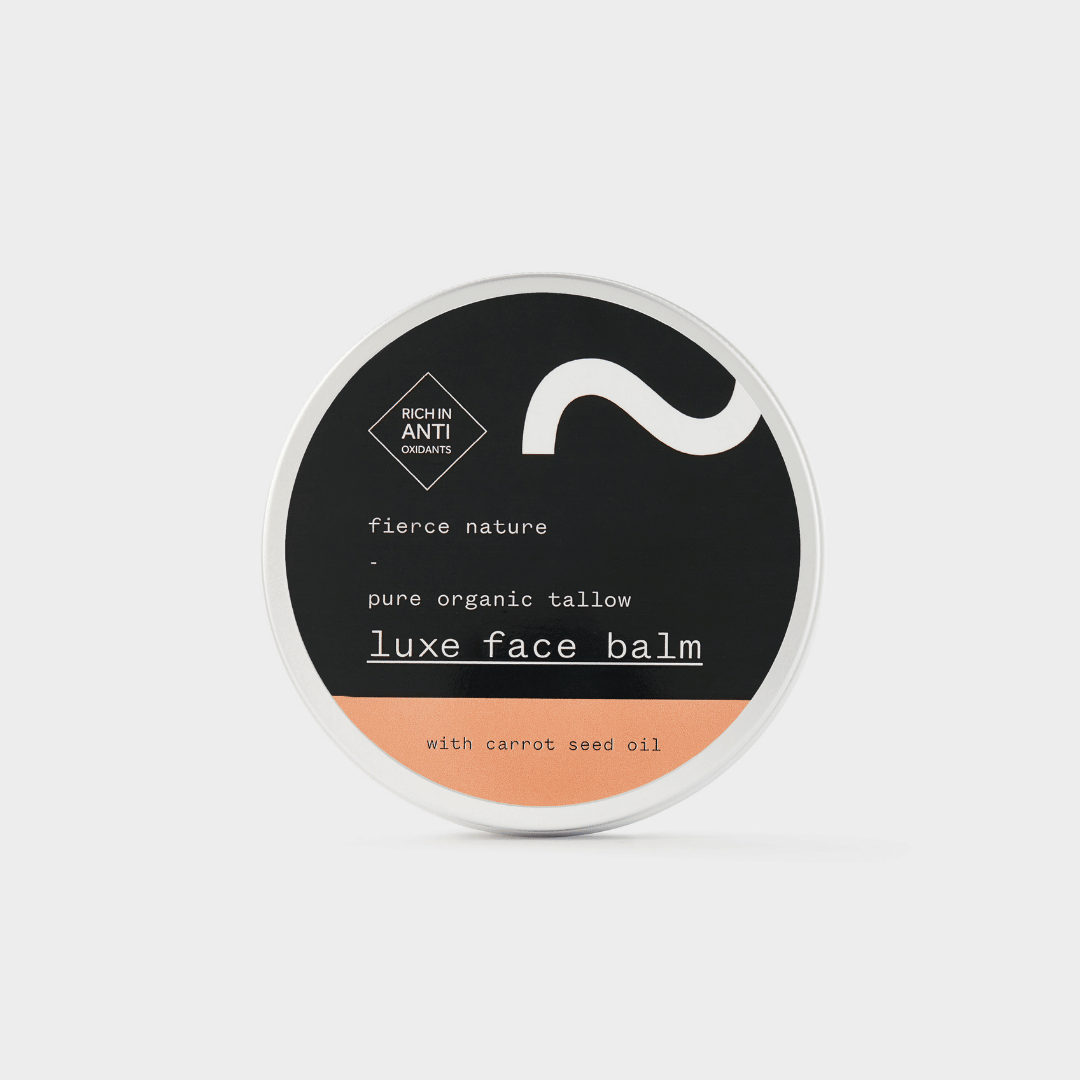
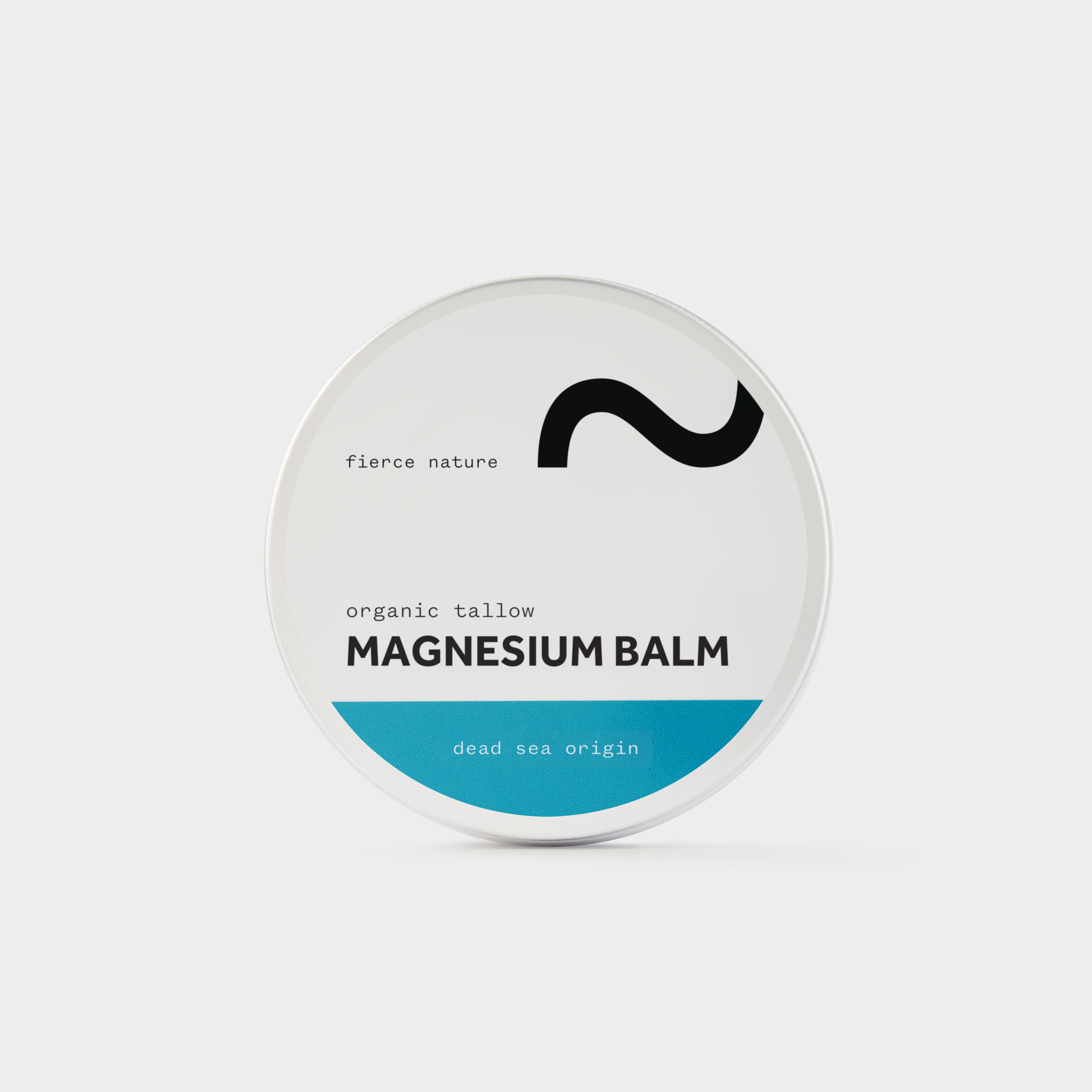
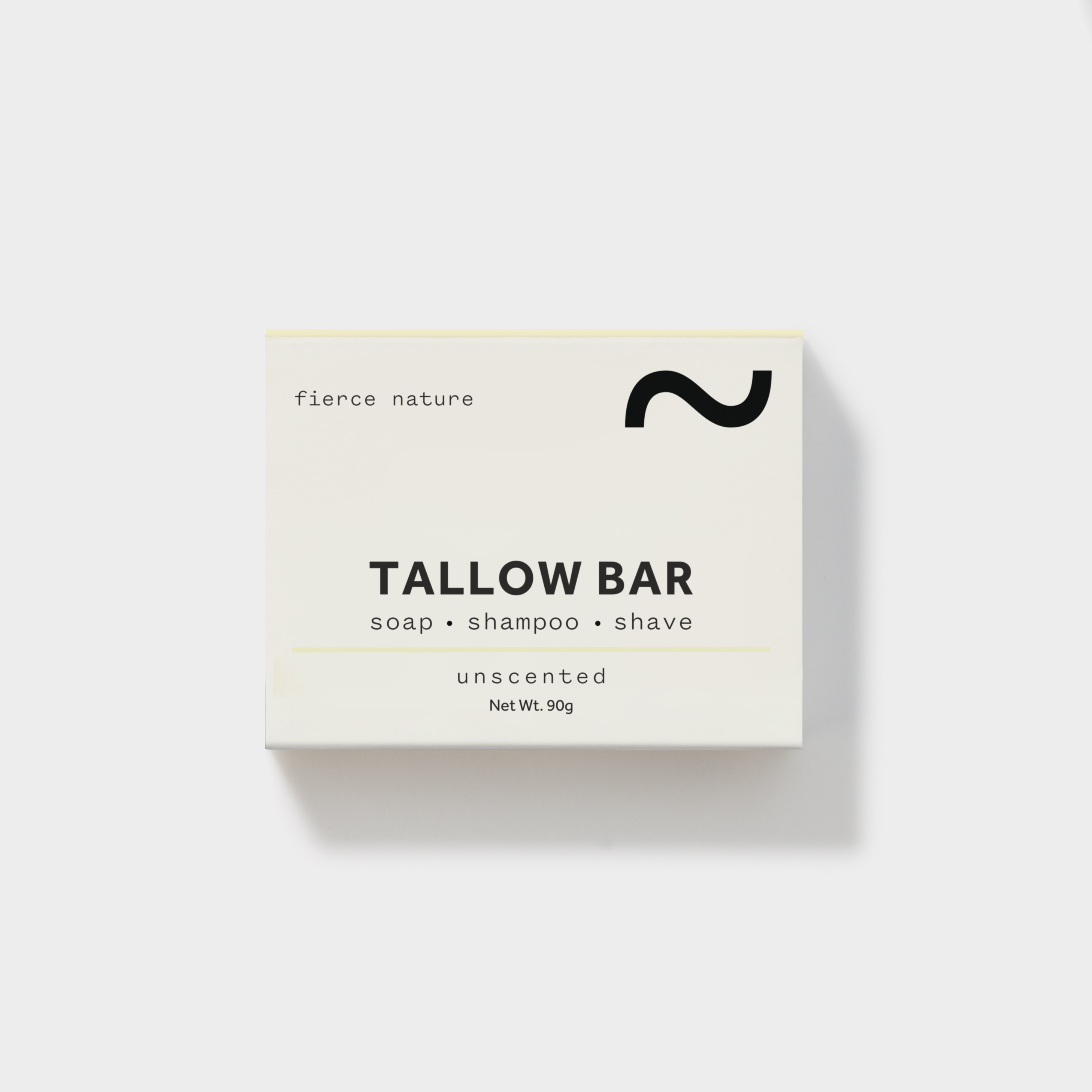
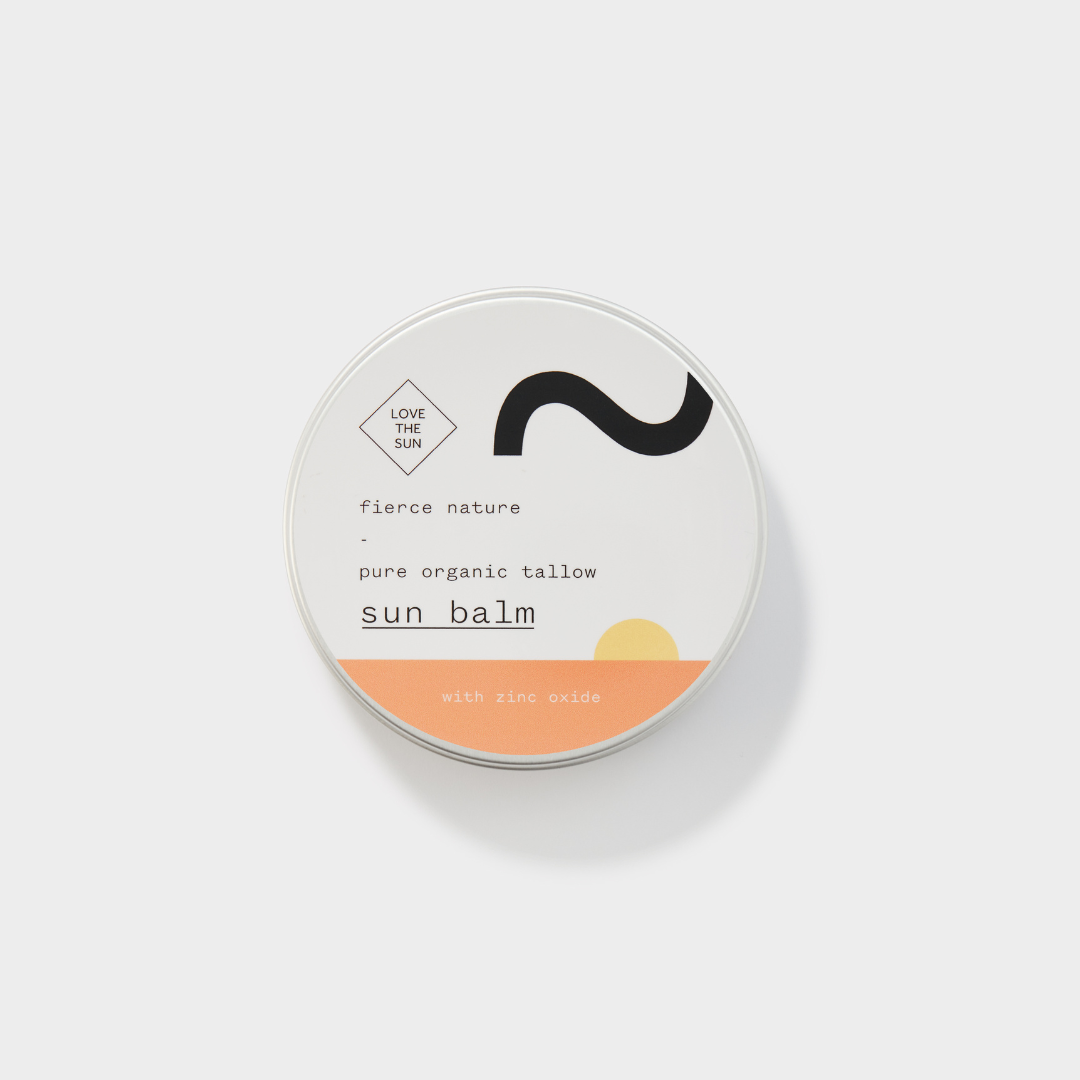
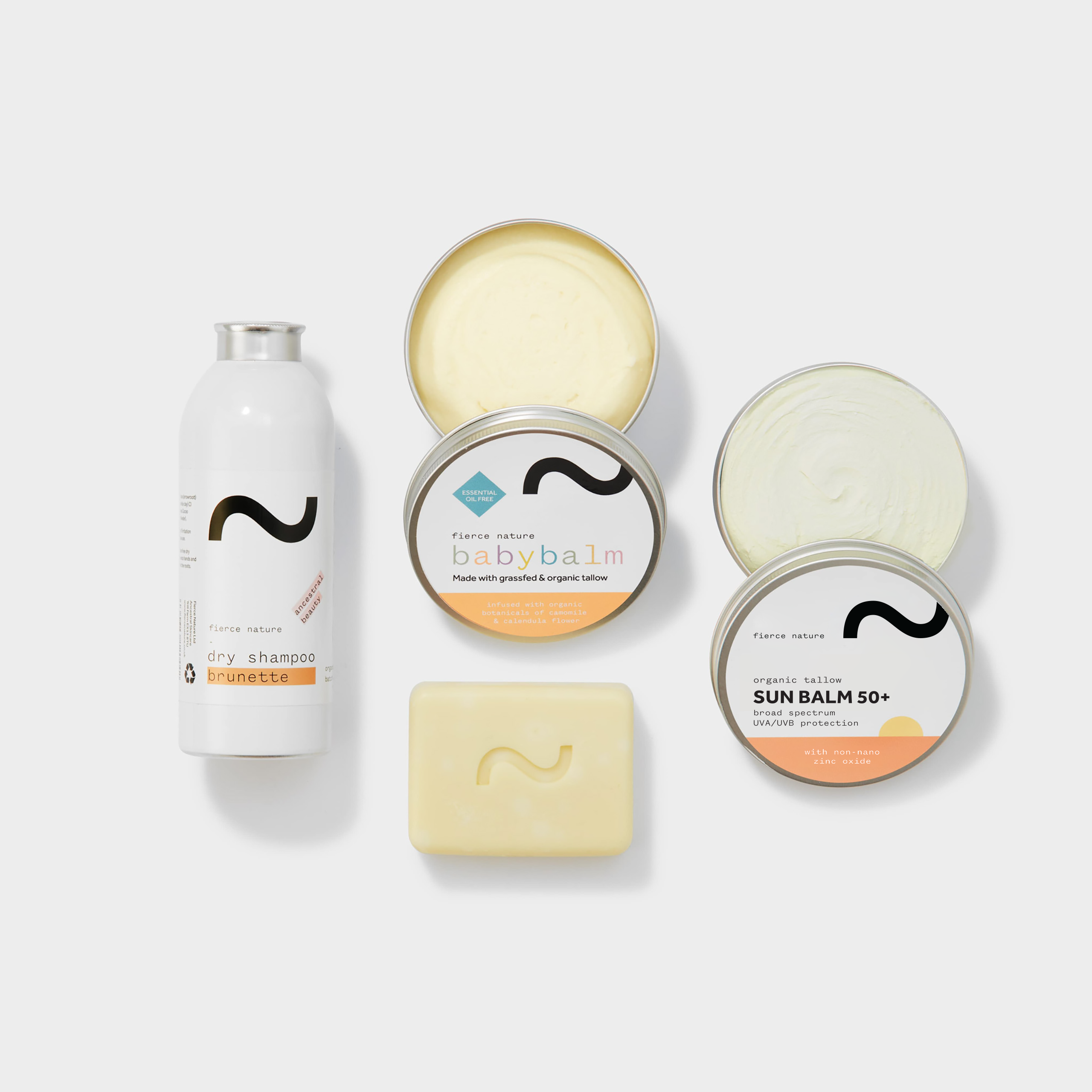
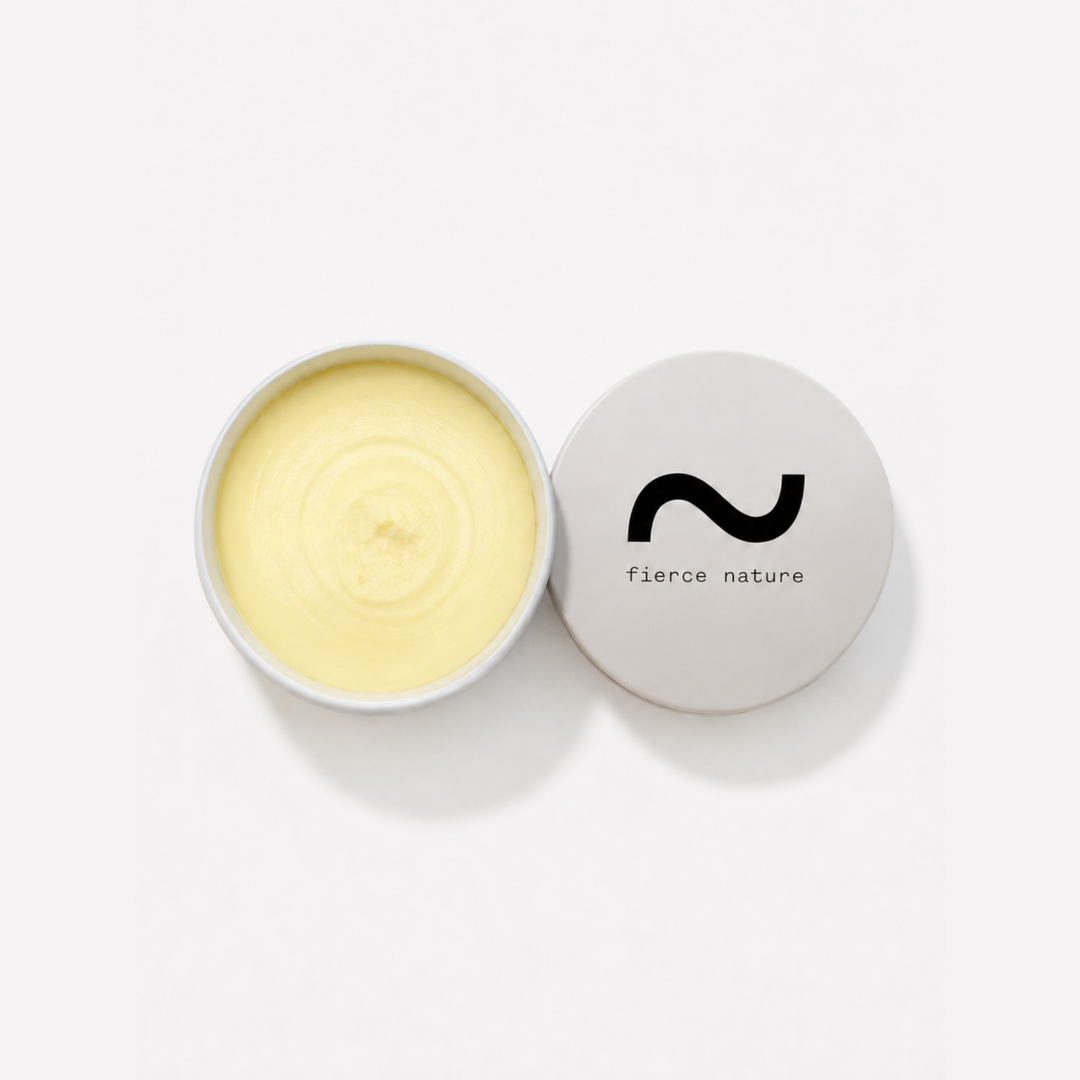
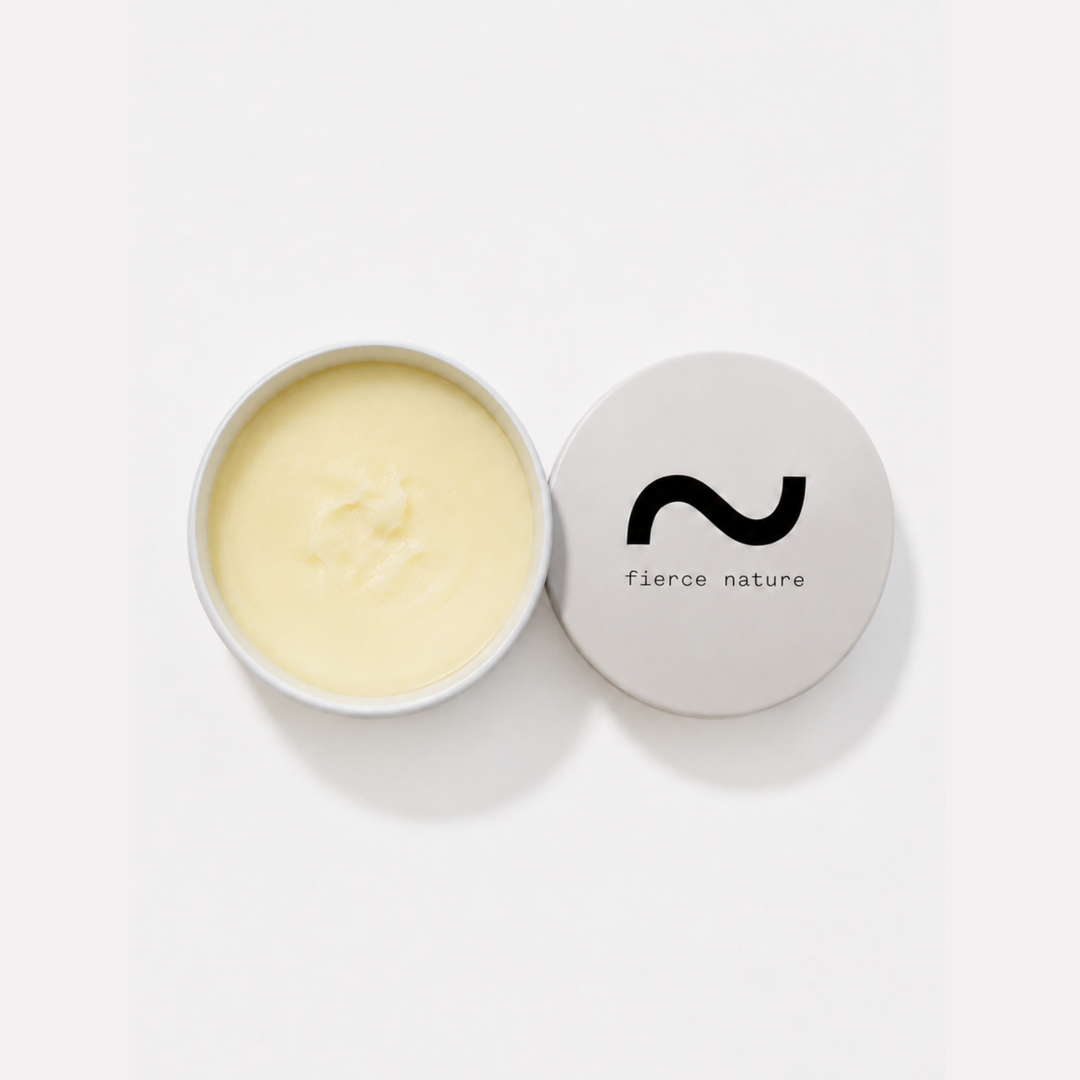
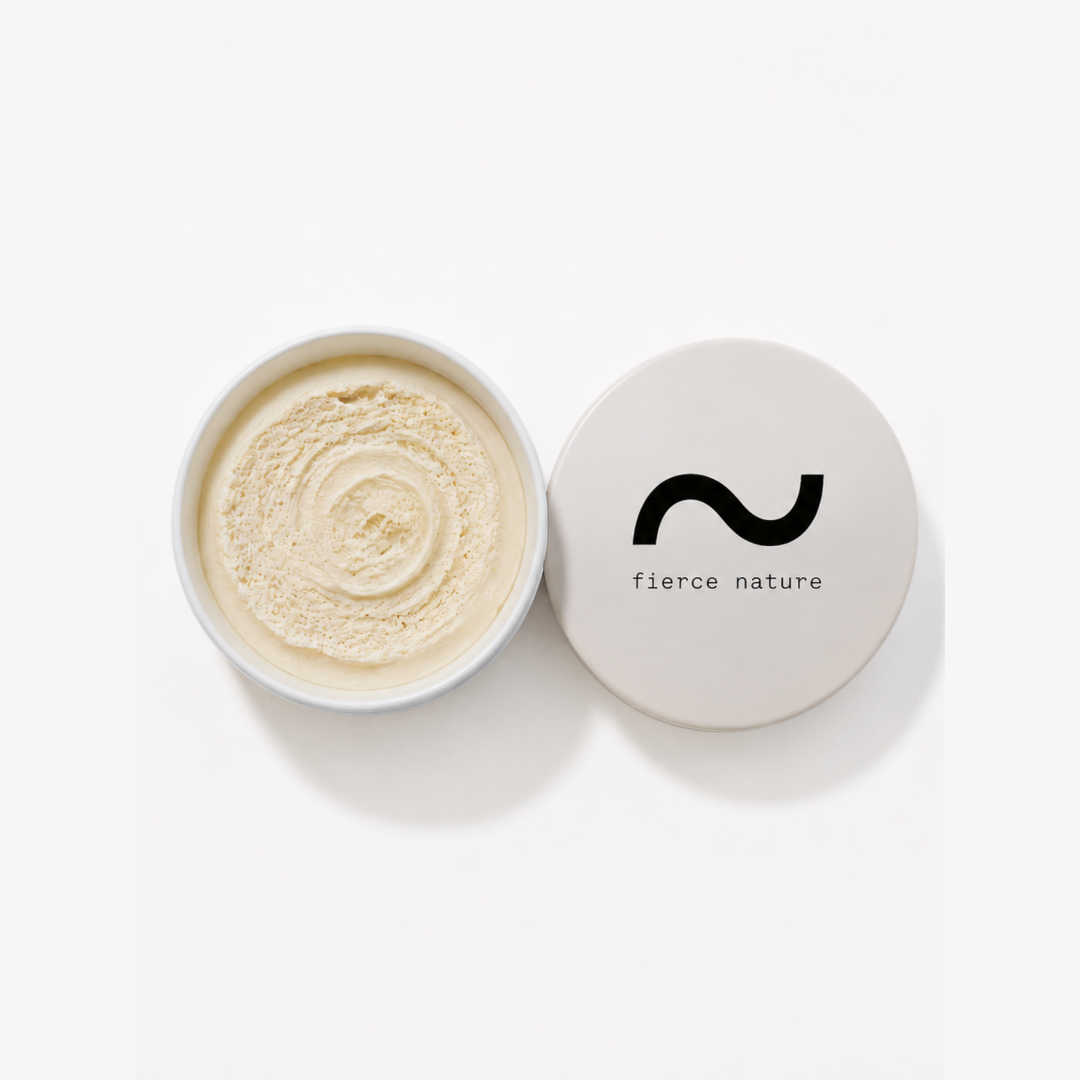
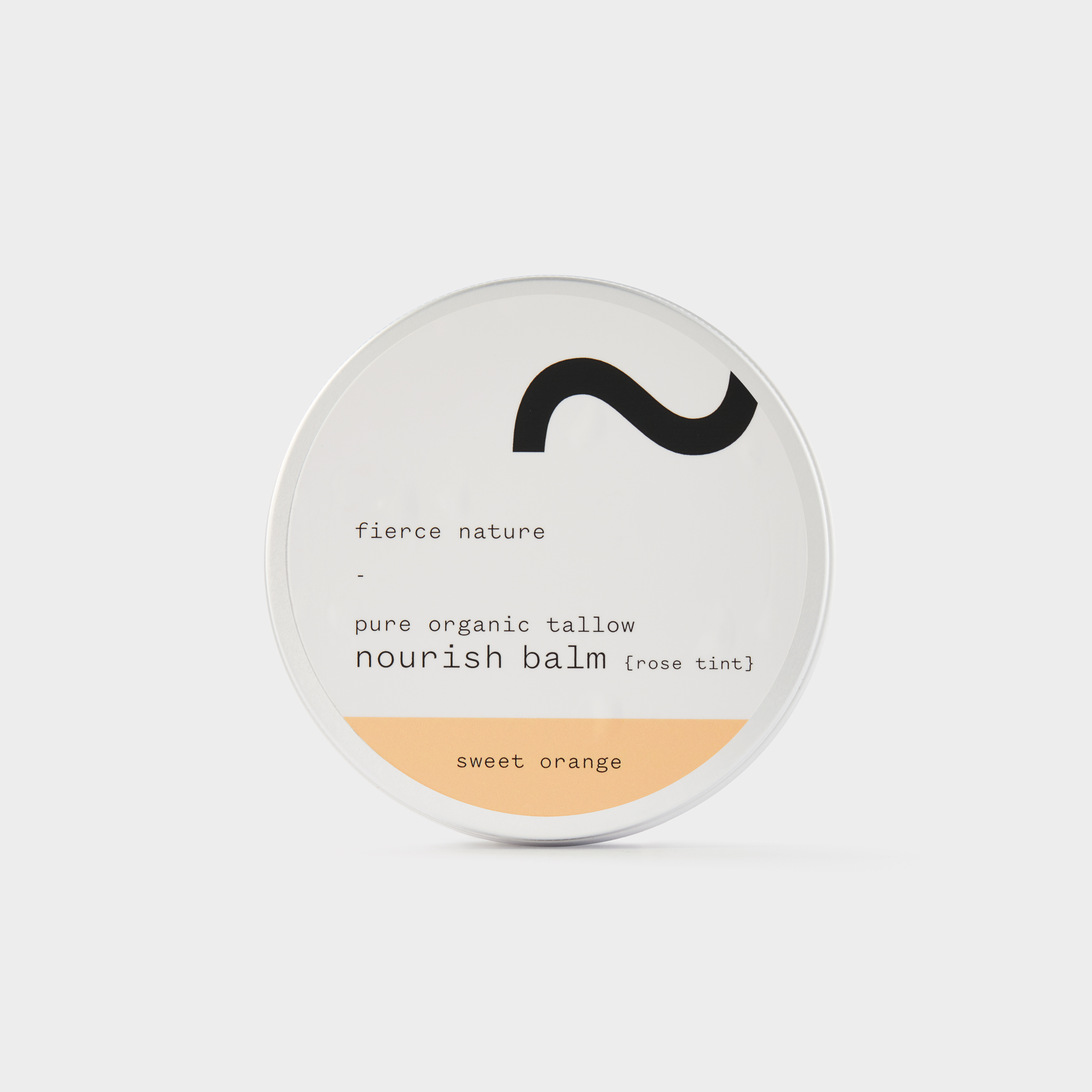
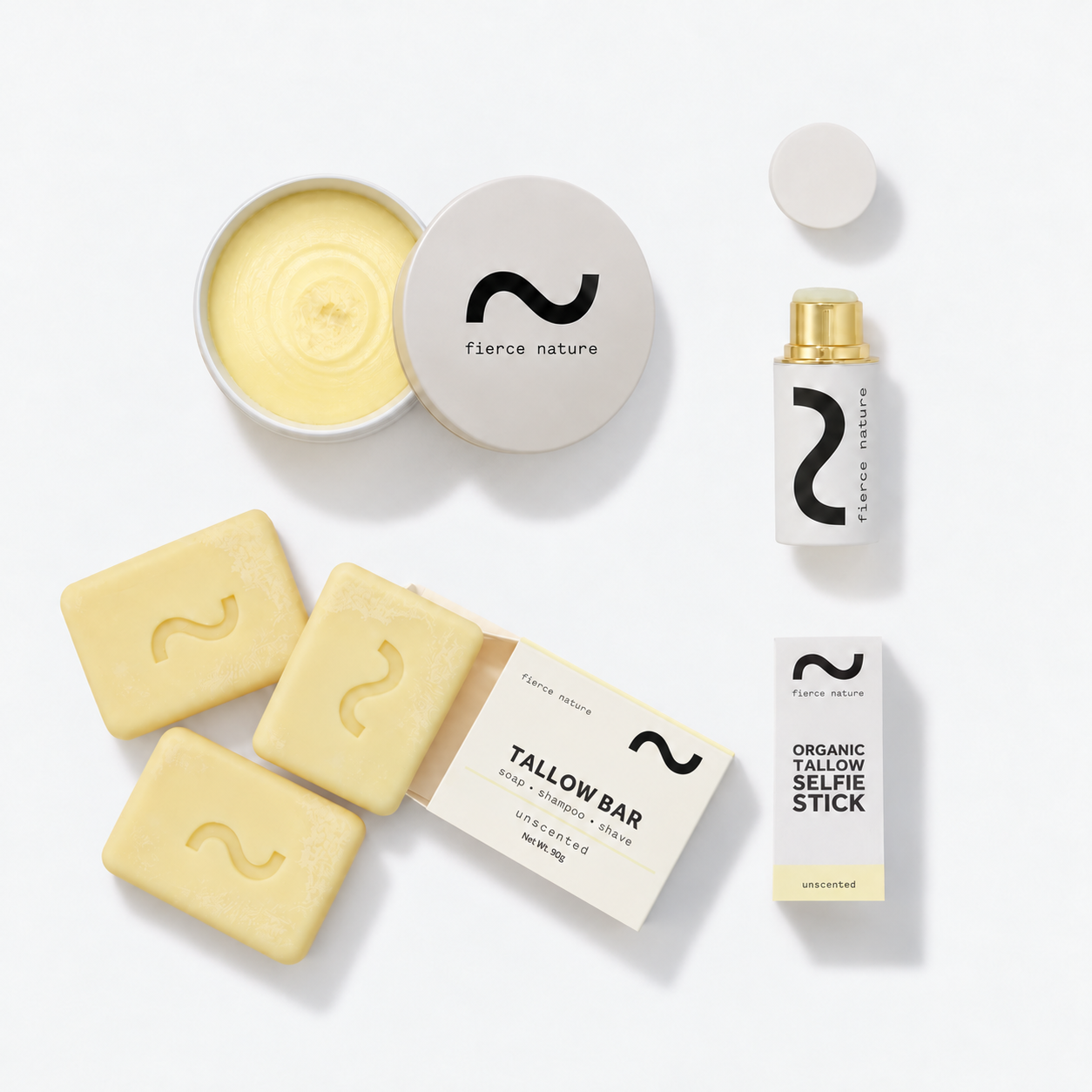

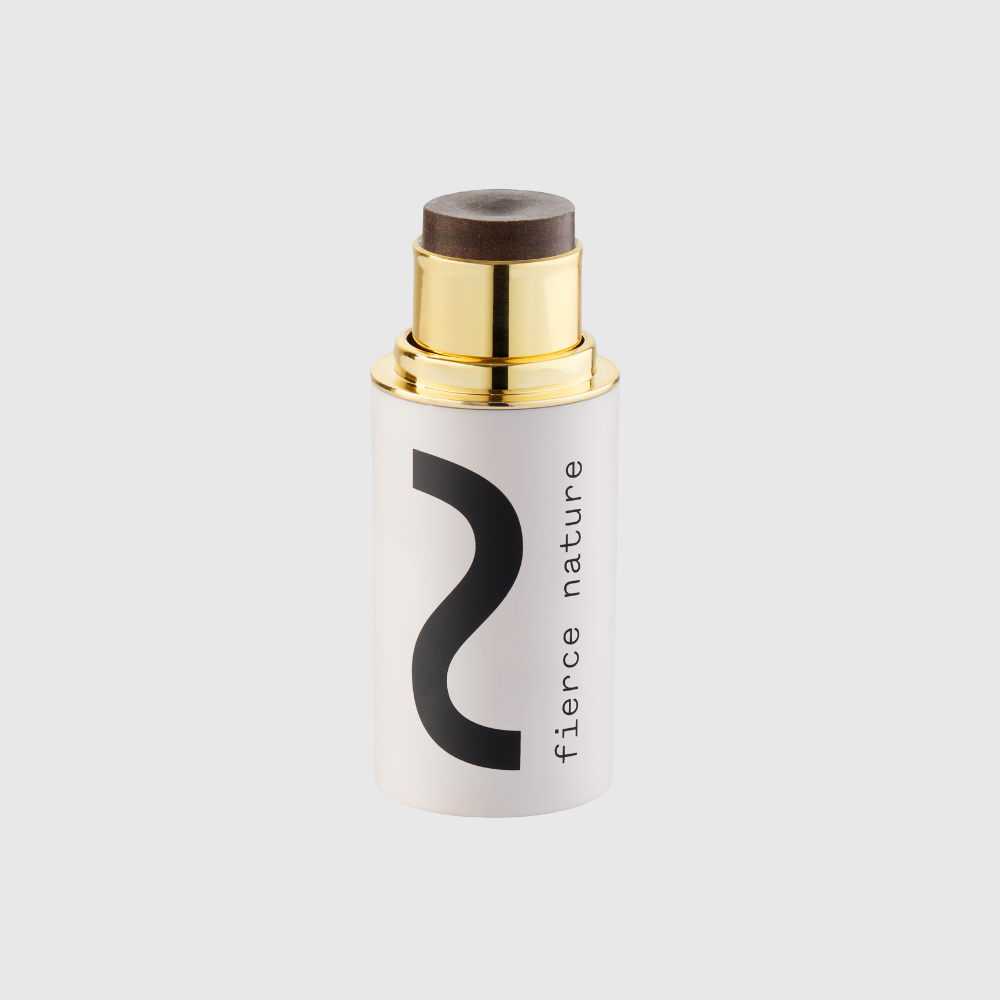
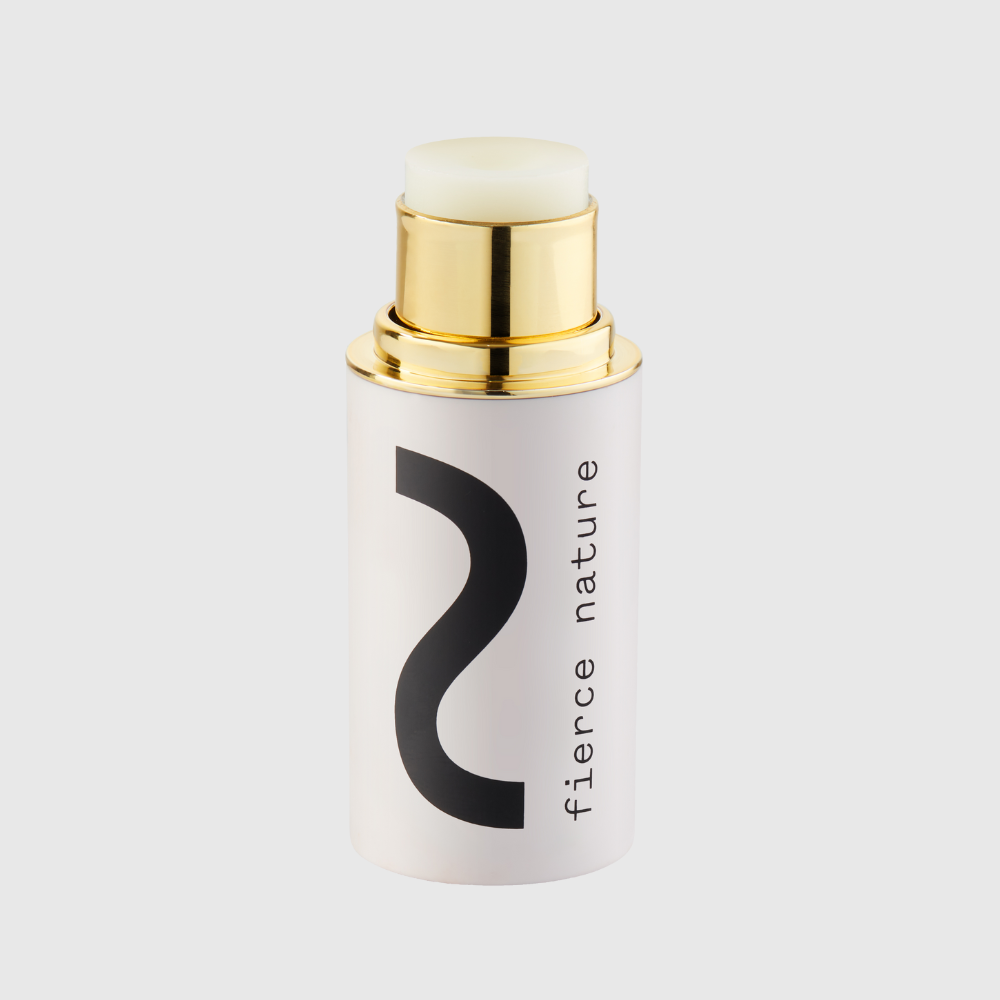
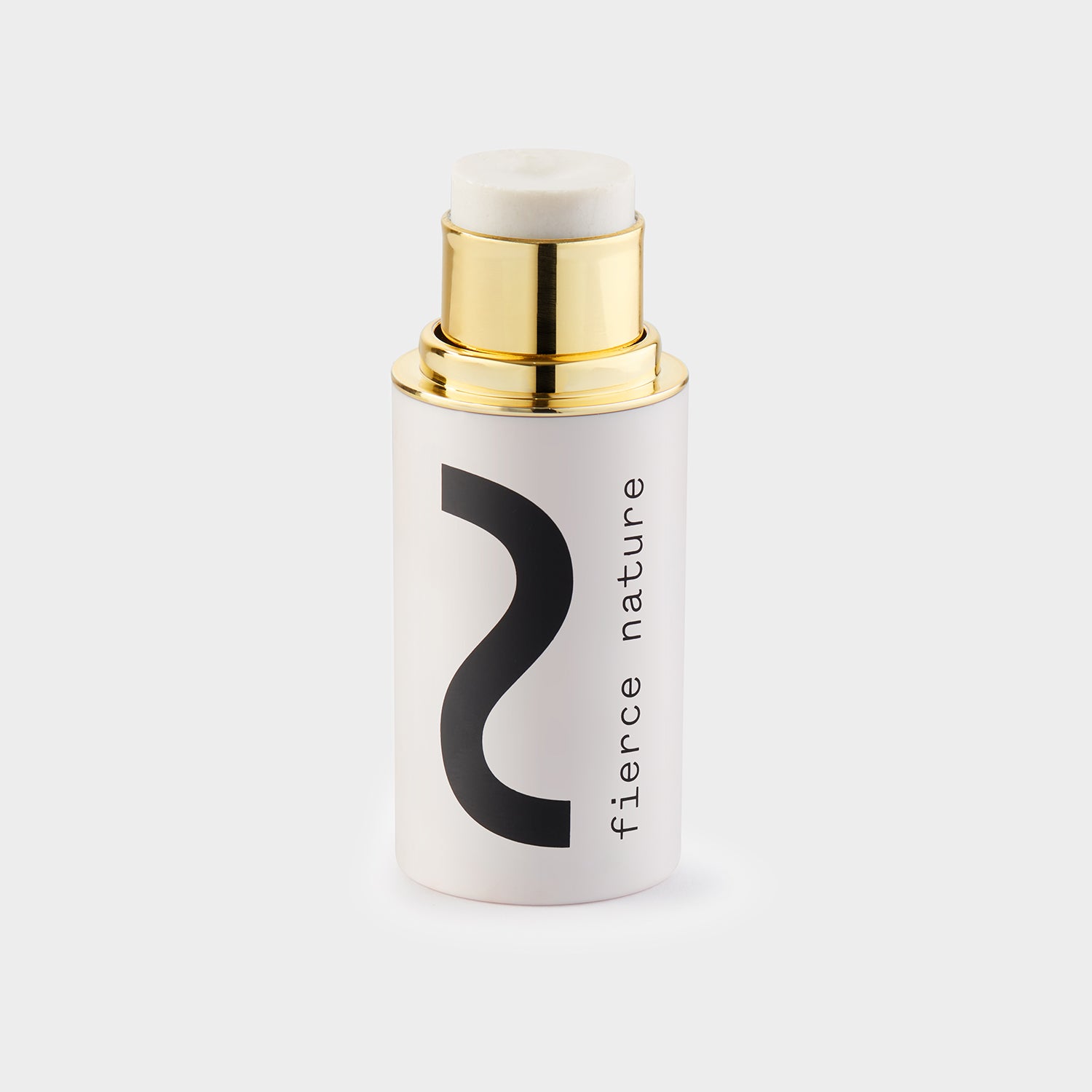
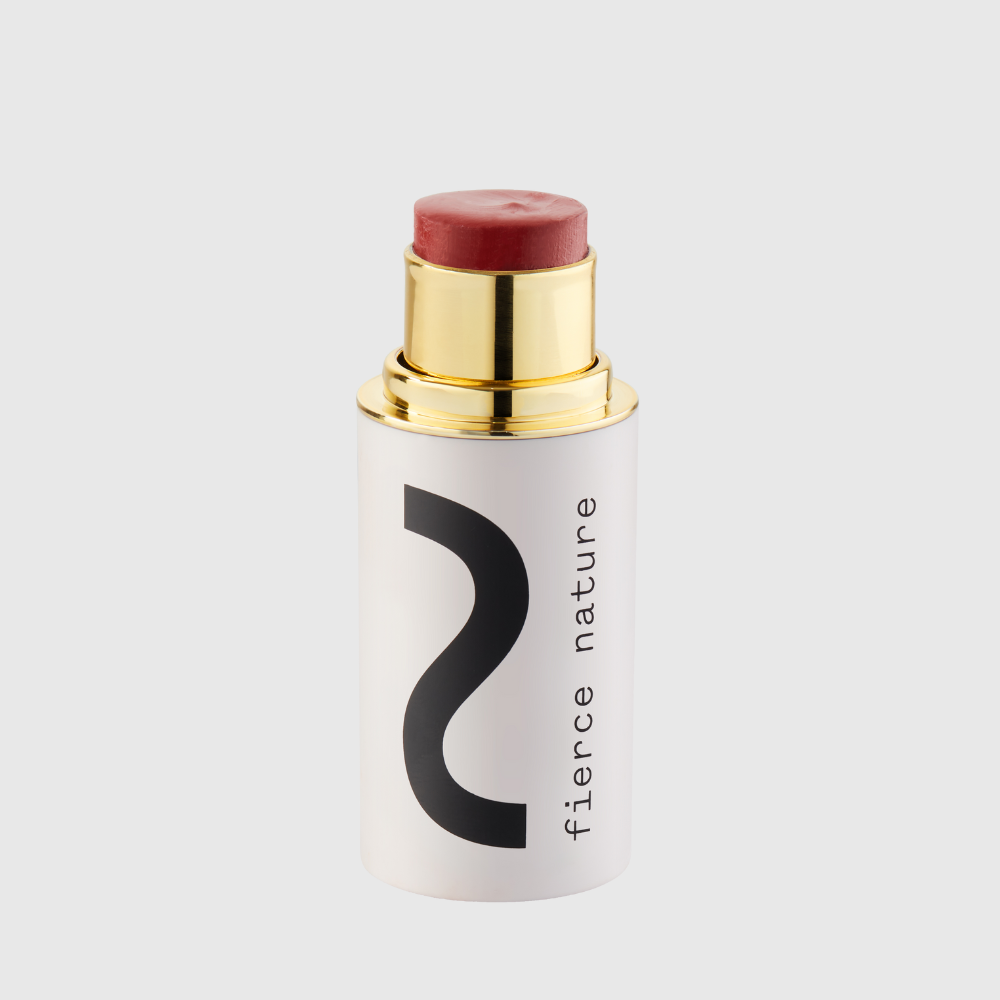


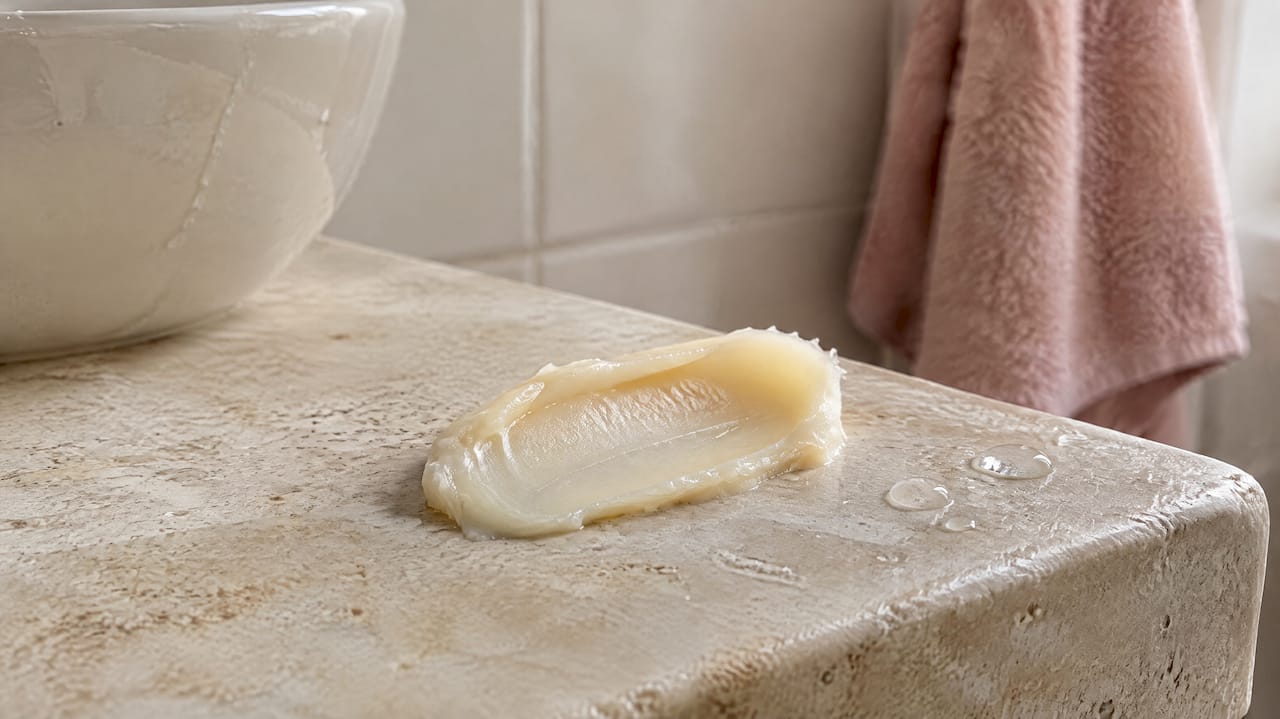
Waterless skincare is skincare made without water as its main ingredient. Instead of a watery base, the formula is built from oils, butters, fats and waxes, which is why balms, oils and solid bars sit at the heart of the category. The benefits people value most are richer nourishment, a simpler ingredient list, longer-lasting products and less packaging. One honest point comes first: removing water does not make a product magically better. What matters is the whole formula. Here is what waterless formats do well, who they suit, and how to get the most from them.
Open a typical lotion, cream or serum and look at the ingredient list. The first ingredient is very often “aqua”, the label name for water. In many conventional formulas water makes up well over half of the product, and in some it is far more. It dissolves other ingredients, gives the product its texture and makes it easy to spread.
Waterless skincare, sometimes called water-free or anhydrous skincare, leaves water out as a main ingredient. “Anhydrous” simply means no intentionally added water. You will meet it in a few forms:
So “waterless” covers a range of formats, and it describes how the product is made, not how well it works. A waterless label tells you what the formula is built on. The ingredients themselves still decide what the product does for your skin.
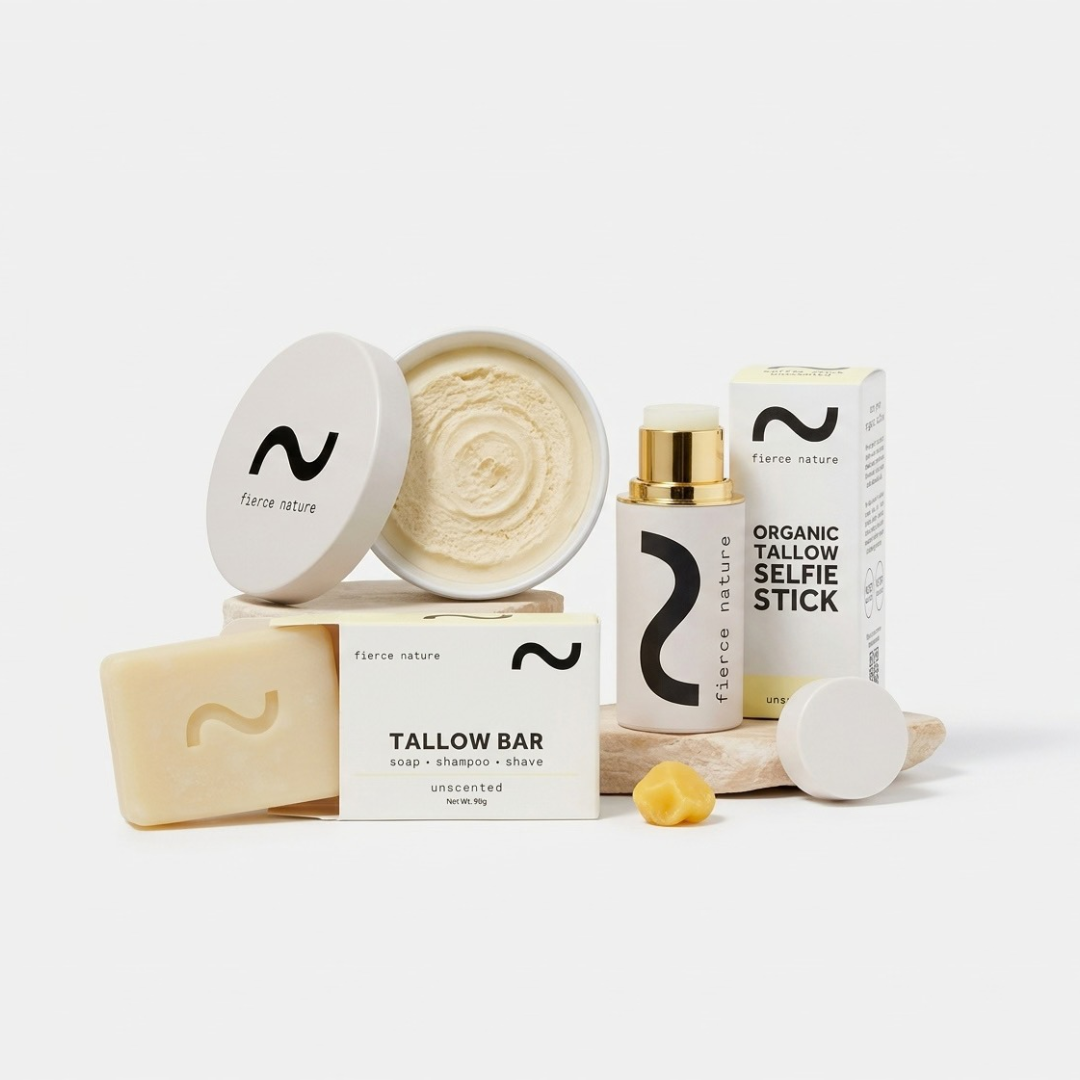
At Fierce Nature, our balms are made by hand in the UK with organic, grass-fed tallow as the foundation. Tallow is a fat, which is a natural fit for the rich, lipid-based way of making skincare that waterless fans value. You can read more about why handmade skincare works so well on our blog.
If a formula is mostly water, the nourishing ingredients share the jar with a lot of liquid. Take that water out and you free space for oils, butters and other skin-loving ingredients. That is why a small amount of balm can feel so generous on the skin. A little goes a long way, and the product is working with fats your skin recognises, not just a lightweight liquid that sits on the surface.
There is a sensible caveat that we will return to below: more concentrated does not always mean more effective. But for rich, nourishing care, a fat-based formula puts the emphasis exactly where dry skin needs it.
Water is the reason most skincare needs a preservative system. Wherever there is free water, microbes can grow, so water-based creams and lotions need to be protected. Formulas without added water, and which are not exposed to water during use, generally have much less need for the same kind of preservation.
For anyone whose skin reacts to common preservatives, that is a real advantage. Many of us come to natural skincare after years of redness, itching or rashes from mainstream products. Our founder grew up in South Africa battling skin rashes and reactions from everyday cosmetics, and never understood why. Looking at what is actually in the jar is often the first step towards calmer skin.
Two practical notes keep this honest:
Your skin barrier is the outer layer that keeps moisture in and irritants out. When it is under strain from cold weather, central heating, over-washing or a harsh routine, skin can feel tight, rough, flaky or itchy.
Lipid-rich products are well placed to help here. Butters, fatty acids and waxes form a protective layer on the surface that slows moisture loss from the skin, which is what you want when dryness is the problem. Water on its own evaporates quickly from the skin, and it is the oils and fats that hold comfort in place. This is the idea behind the balm approach we describe in our guide on why face balm prevents moisture loss.
The same logic is behind the way the NHS and dermatology teams talk about emollients for very dry skin: apply them generously and regularly, straight after washing, to keep skin comfortable. Waterless balms are not medicines, but the principle of sealing in moisture with a protective layer is the same. If you have eczema or another skin condition, speak to your GP, pharmacist or dermatology nurse about what to use and how often.
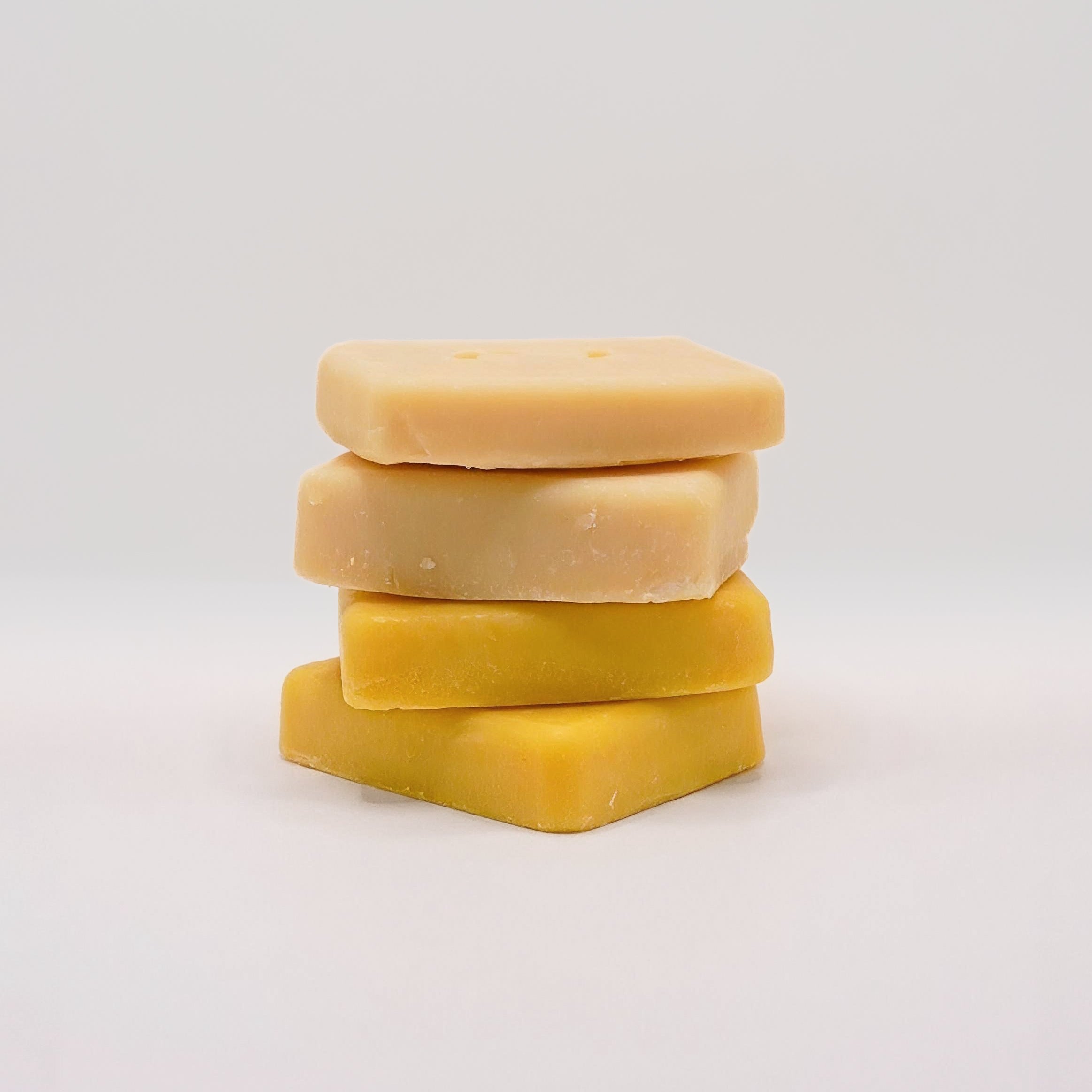
Tallow has been used for centuries in soap making and as a skin emollient, and it is valued because its fats are close in nature to the oils in our own skin. That is why we describe it as a deep nourishing skin food. Our formulas are designed to deliver the fat-soluble vitamins that grass-fed tallow naturally carries, in a form that feels rich and comforting without a watery filler.
This is our own approach and our own reason for choosing tallow. If you want to understand how different types of nourishment work and when to use each, our guide to skin nourishment approaches walks through them.
Because there is no watery base to break down, waterless products tend to be steady and long-lasting. A balm in a tin does not separate, and you are not trying to finish a bottle before it spoils. Fewer products get thrown away half-used, which is better for your wallet and for the planet.
The same stability helps with some delicate ingredients. Certain actives, such as vitamin C, are known to degrade quickly when exposed to water, light and air, so brands often use dry or anhydrous formats to protect them. It is one reason waterless is popular in formulation, though it is a point about stability, not a promise of results.
Water is heavy. A formula with little or no water is more compact, which means less packaging per use and lighter parcels to transport. A single tin of balm or a soap bar can replace several bottles. Solid formats often skip plastic altogether.
There is a fair caveat here too. Taking water out of a formula does not by itself guarantee a lower environmental impact. Where ingredients come from, how they are made, how they are packed and how much you use all count. That is why we talk about sustainability in skincare as more than a buzzword, and why we prefer to show our sourcing and our handmade process in the open.
Waterless products suit people who want fewer steps. One balm can moisturise your face, soften rough elbows, calm chapped lips and tame a dry cuticle. Solid formats slip into a handbag with no leaks and are easy to take in hand luggage, where liquid limits apply. Fewer products also make it easier to notice what your skin likes and what it does not.
A good guide tells you the full picture, and it helps you shop better. Three points are worth keeping in mind.

Waterless does not automatically mean better. How a product performs depends on its complete formula: the ingredients, how they are balanced and how you use it. A rich balm is excellent for skin that needs comfort, protection and lipid support. Other formats, with water-soluble ingredients, are designed for different jobs. The most useful question is not “is it waterless?” but “what does my skin need right now?”
Less water does not mean automatically stronger. Concentration and effectiveness are different things. An ingredient works because of the right amount, in the right form, reaching the right place in the skin, not simply because there is more of it. That is why we choose a short list of well-understood ingredients instead of piling in extras.
Waterless does not mean dry-feeling. A common worry is that a product without water cannot hydrate. The better way to think about it is that balms do not add water, they help your skin hold on to the water it already has. Apply balm to slightly damp, freshly patted-dry skin and it helps seal that comfort in.
This matters for how you judge greenwashing, too. Words like “clean”, “pure” and “waterless” are marketing words until you read the ingredient list. Our post on greenwashed beauty products shows what to look out for.
Waterless formats tend to be a lovely fit if you:
If your skin is very oily or prone to congestion, you may prefer to use balm in smaller amounts, on the drier areas, or at night, and to introduce it gradually. Skin is individual, and a slow start tells you a lot.
If you have a diagnosed skin condition such as eczema, psoriasis or dermatitis, or your skin is cracked, weeping or infected, see your GP or pharmacist before changing what you apply. Persistent or worsening itching and redness deserve a professional look, whatever you use.
We started Fierce Nature because we believe skincare should be simple, honest and rooted in the land. Our founder grew up battling rashes and reactions from everyday cosmetics, and years of working with gut health and toxic load made one thing clear to us: what we put on our skin matters.
That is why we build our balms on organic, grass-fed tallow. It is a rich, skin-familiar fat that has nourished skin for centuries, and we pair it with naturally sourced ingredients, handmade in small batches in the UK. We do not dress our formulas up in seductive packaging and big promises. We would rather you could read every ingredient and understand why it is there.
When people ask us about waterless skincare, we say this: the real benefit is not a trendy label, it is a formula that works with your skin, not against it. Rich balms give dry, tired or sensitive skin a protective, nourishing layer, and they do it with a short list of ingredients you can recognise. That is the kind of care we want to make easy.
Fierce Nature
The technique matters as much as the product. A few simple steps help you get comfortable, nourished skin.
NHS hospital guidance on emollients suggests applying them several times a day for very dry skin, straight after washing. Everyday balm use can follow the same rhythm: after your shower or bath, after washing your hands, and before bed.
Whenever you try a new product, dab a small amount on the inner forearm or behind the ear and wait 24 hours before using it more widely. This is good practice with any skincare, however natural. If you notice persistent redness, swelling or itching, stop using it and speak to a pharmacist or your GP.
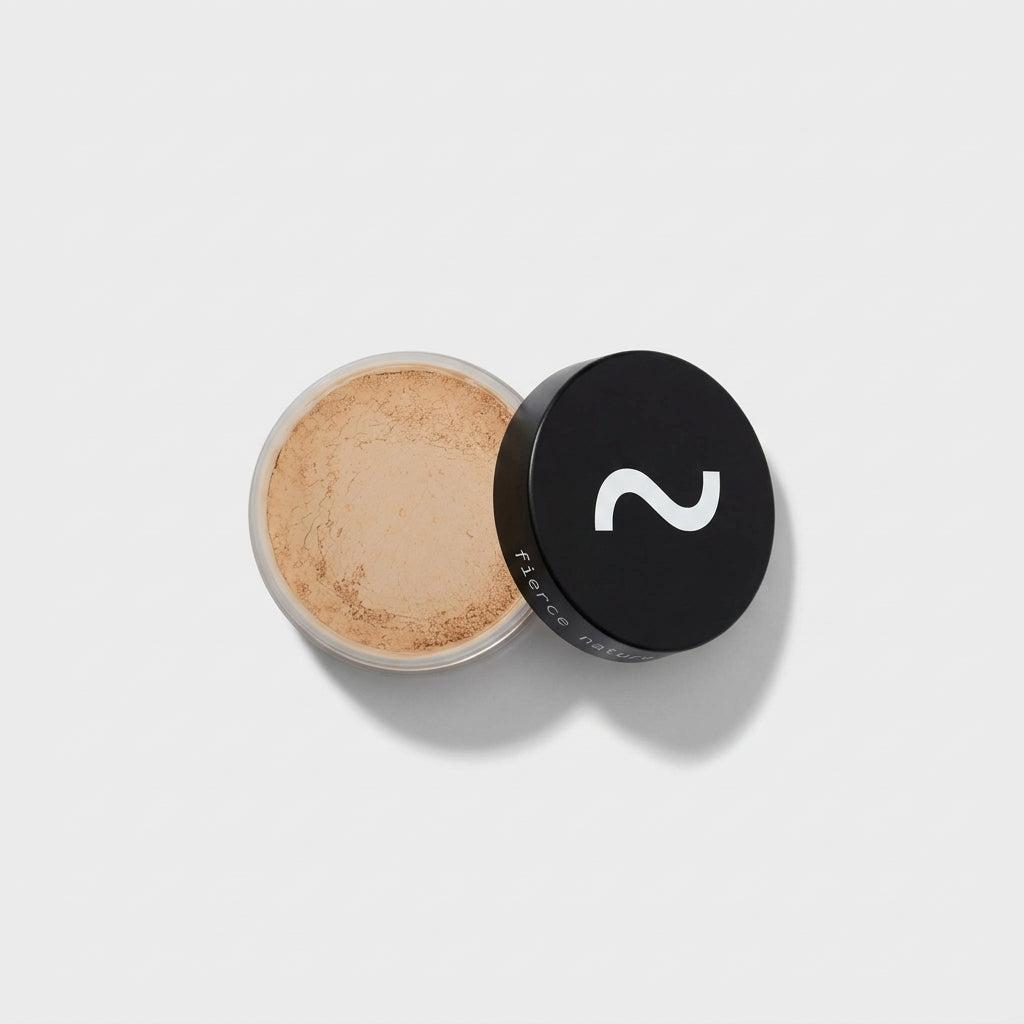
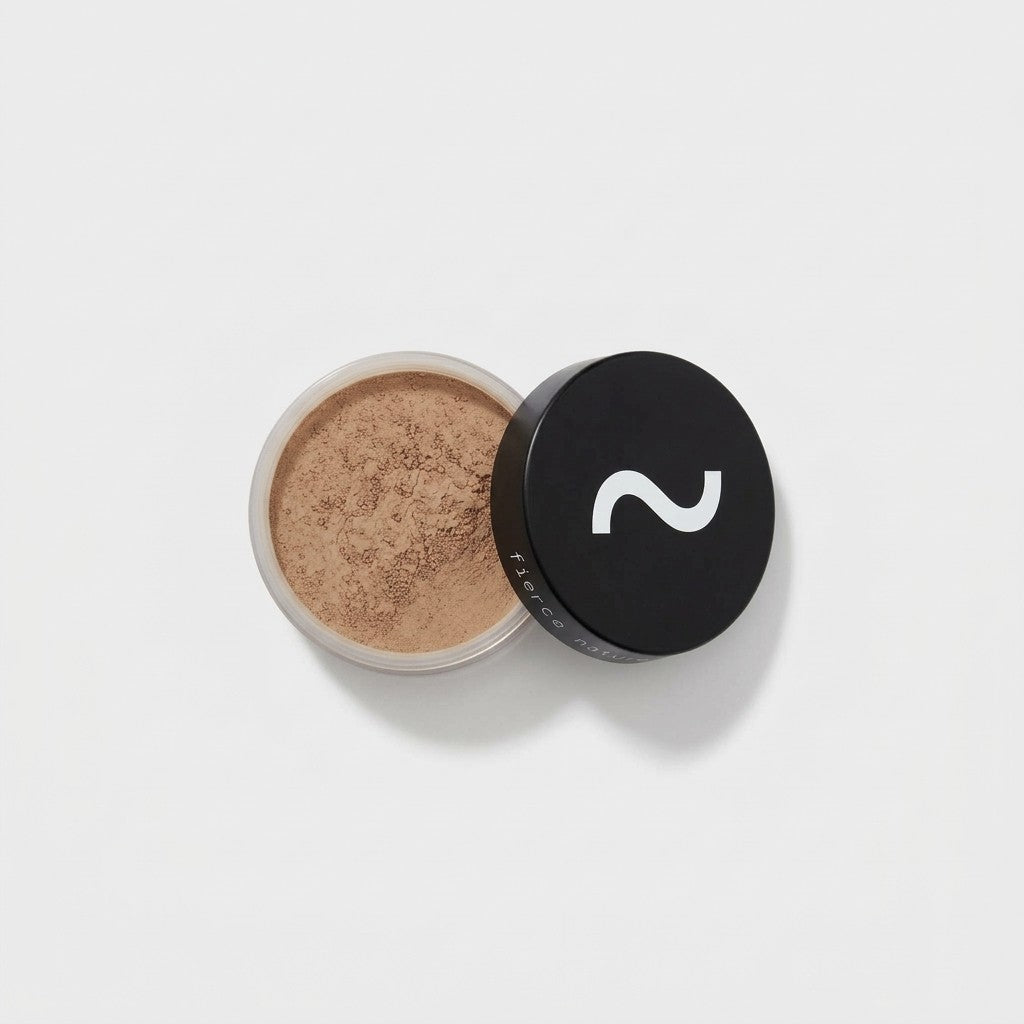
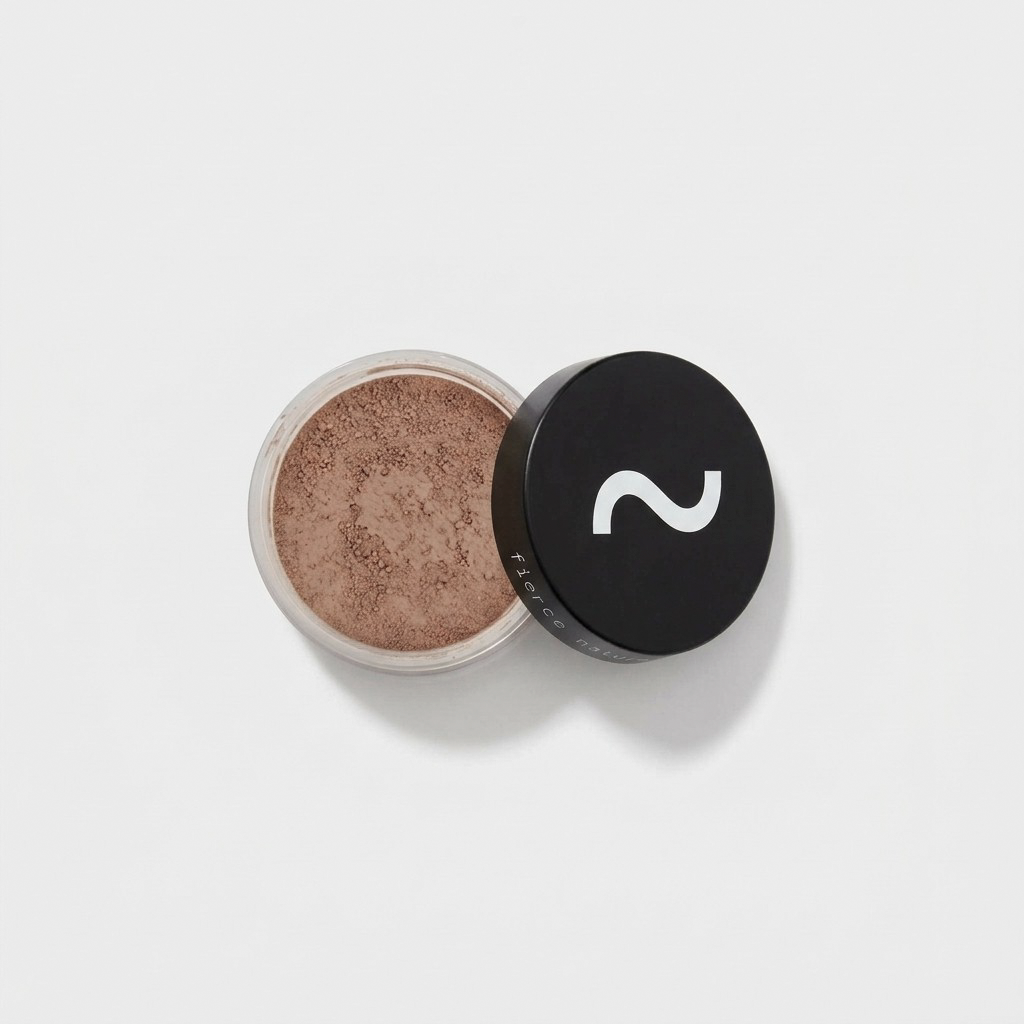
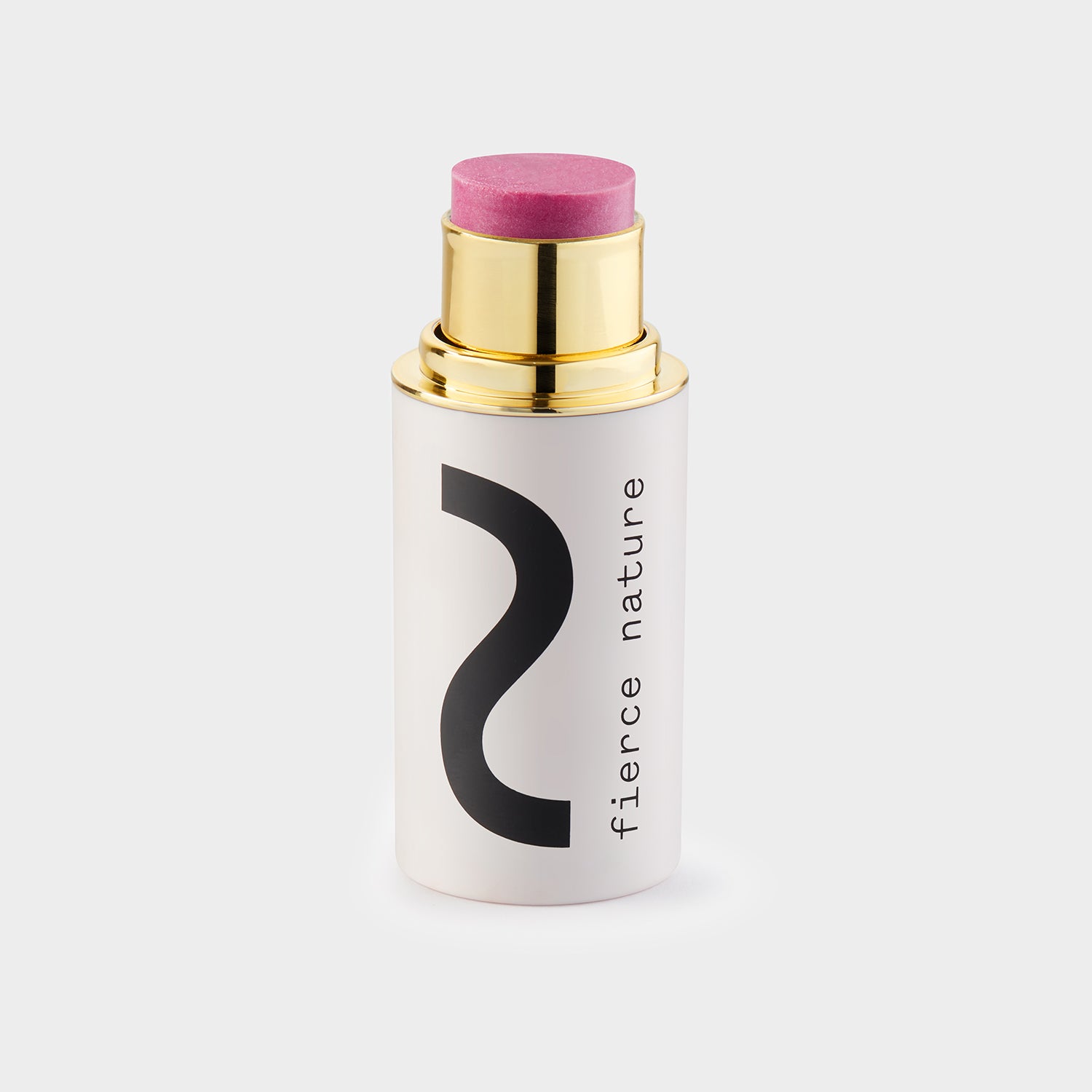
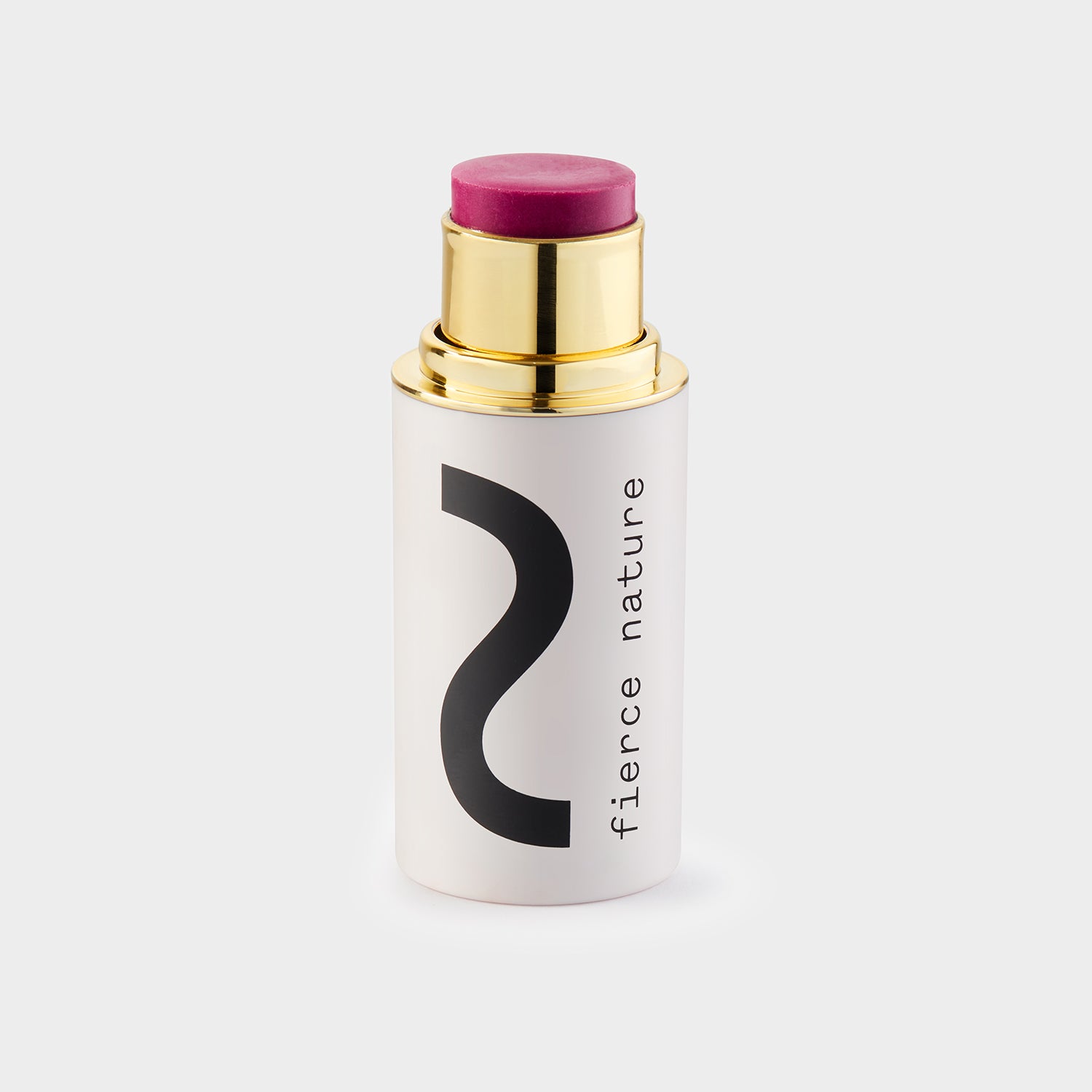
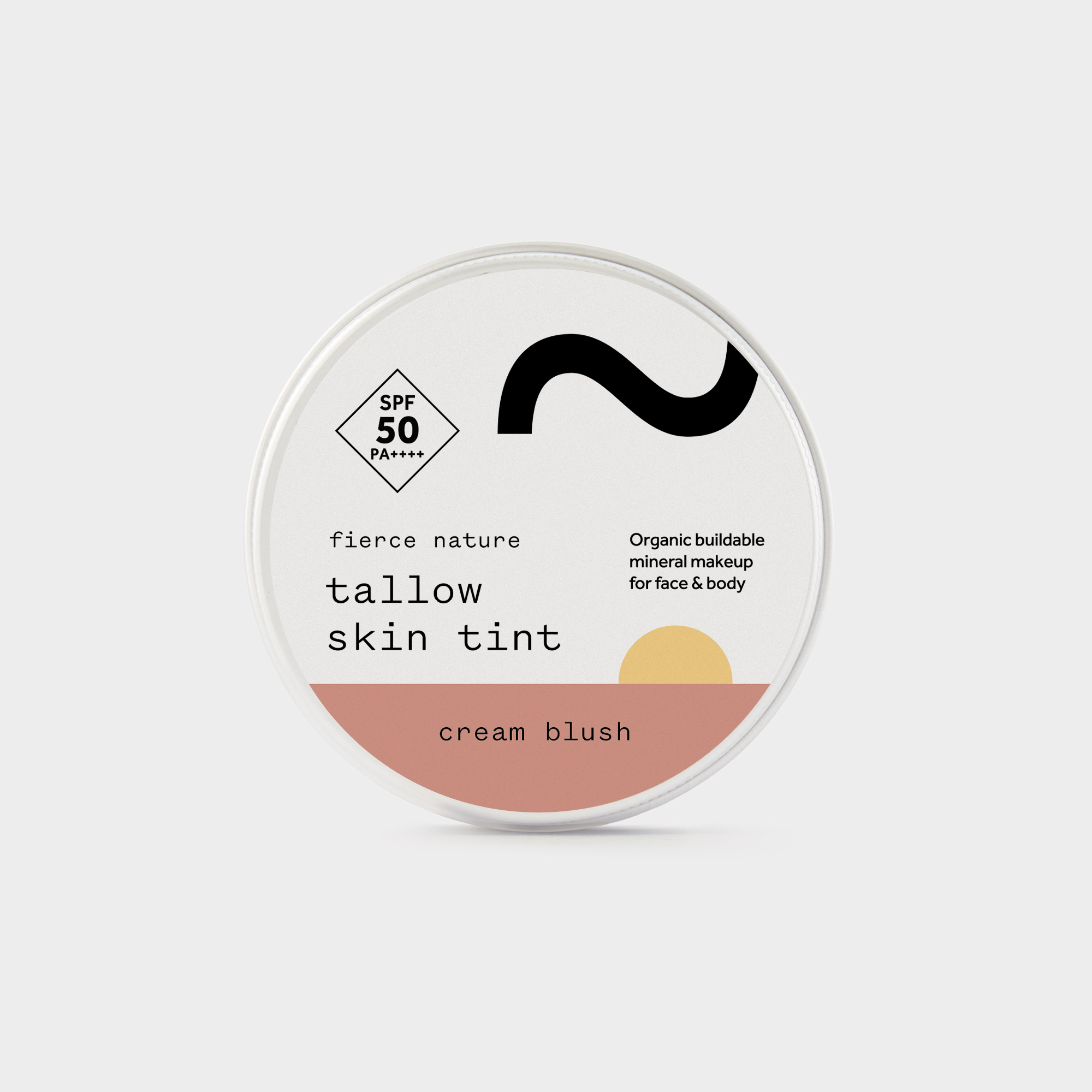
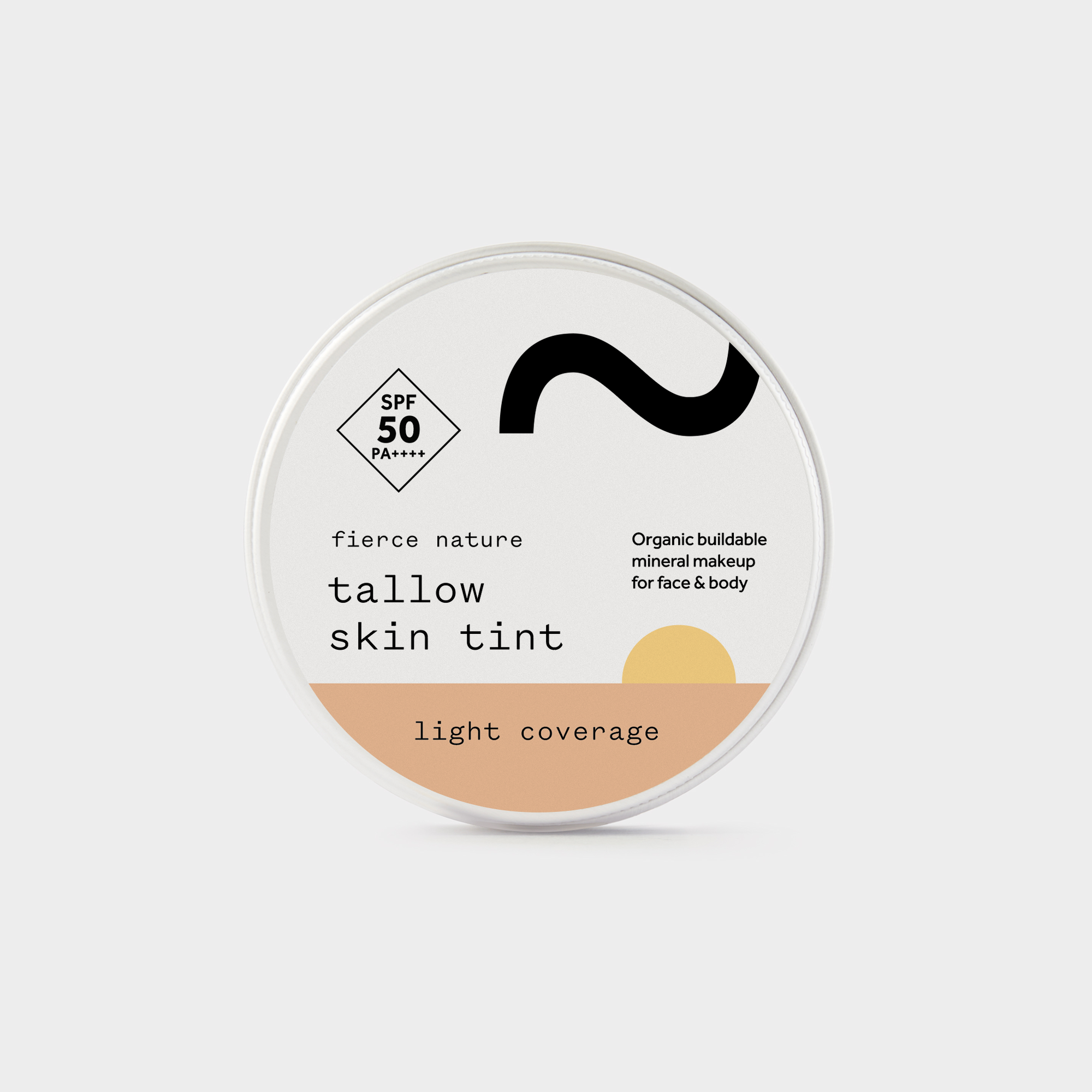
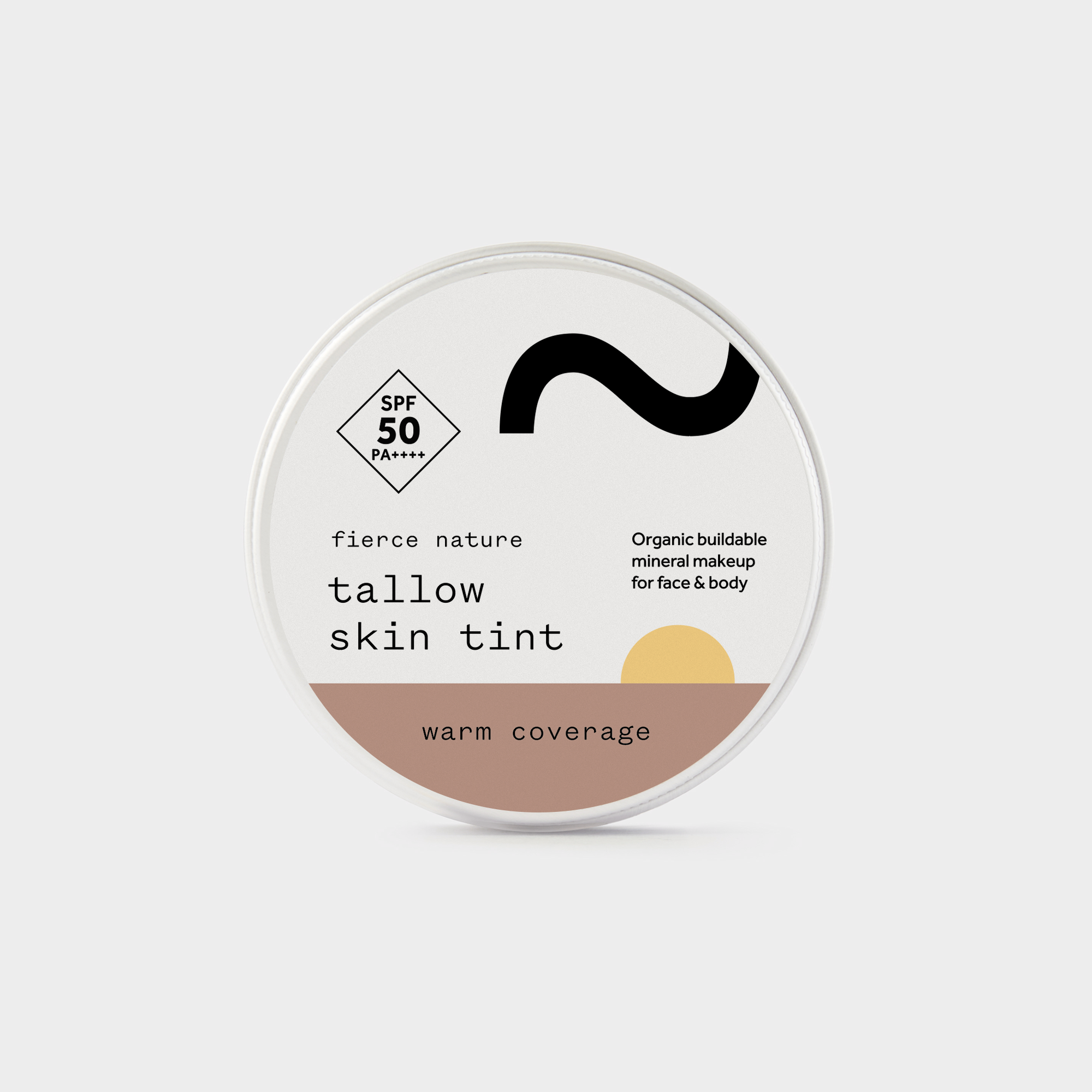
You do not have to choose a side. Many people enjoy a simple pairing: a lightweight, water-based product first if that is part of your routine, then a balm on top to lock in comfort. Apply thinner textures before richer ones, and finish with the balm. If you wear sun protection or skin tint in the morning, our skin tints are designed to sit alongside a balm-based routine, and you can keep the rest of your morning simple.
For a step-by-step routine for dehydrated, tight skin, our 3-step rescue routine shows how the pieces fit together.
With so many products labelled water-free, a few questions help you choose well:
If dryness is your main concern, our guide to skin barrier repair products and the article on a skin barrier repair moisturiser for dry skin go deeper into what helps, and our piece on dry, itchy skin and nourish balm explains how a grass-fed tallow balm fits in.
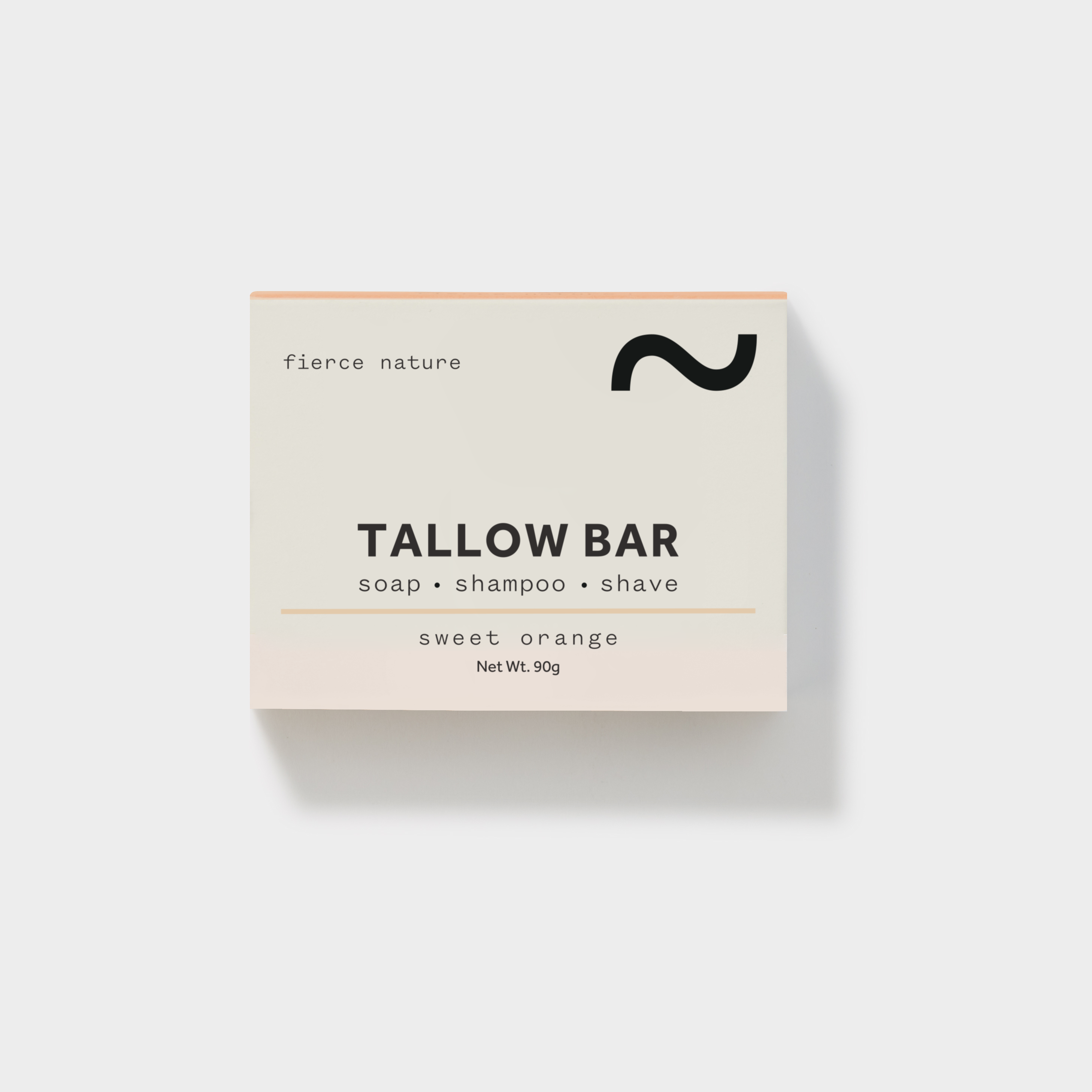
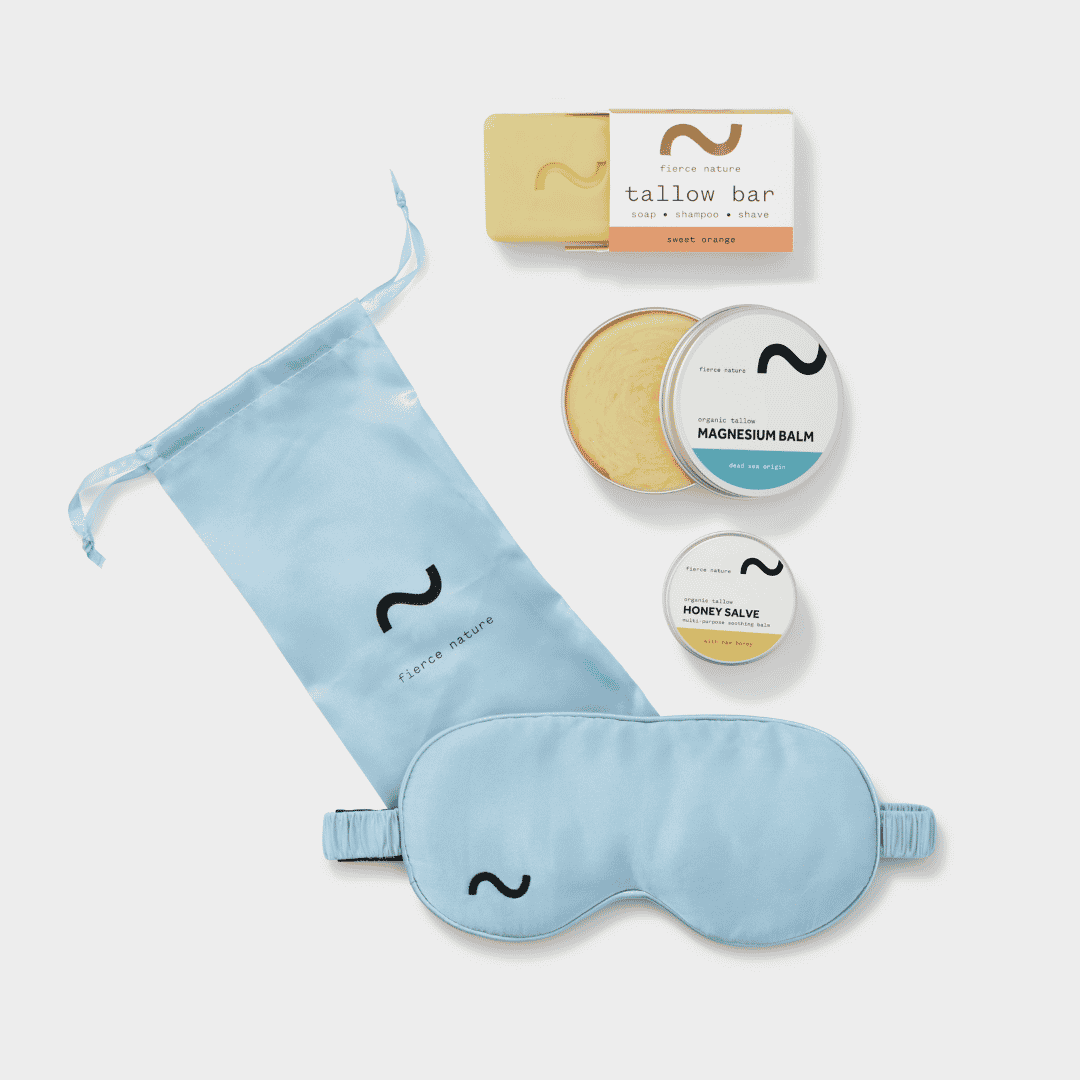
If you would like to experience a nourishing, balm-first routine, start with our face and body balms. Each one is handmade in the UK with organic tallow as the foundation and naturally sourced ingredients. If your skin needs extra comfort, our Nourish Balms Collection is where to look, and the Luxe Balm is a lovely place to begin for the face. Want everything in one go? The Hydration Rescue Bundle brings together a routine for dry, thirsty skin. You can also browse our tallow soaps for a gentle wash that pairs well with a balm afterwards.

Not automatically. Waterless products can be wonderful for dry, sensitive or weather-worn skin because they offer rich nourishment and often need fewer preservatives. But how well any product works depends on its whole formula, not only on whether it contains water. Choose the format that suits what your skin needs today.
Yes, in the sense that it helps your skin hold on to its own moisture. A balm forms a protective layer that slows water loss from the surface. For the best result, apply it to freshly washed, slightly damp skin, and again before bed.
Many people with sensitive skin find simple, water-free formulas comfortable because they typically rely on fewer added preservatives. Always check the full ingredient list, patch test first, and speak to a pharmacist or your GP if you have a skin condition or a known allergy.
They tend to be stable and long-lasting, but every product has a shelf life. Keep your balm in a cool, dry place, close the lid after use and use clean fingers or a spatula. Check the guidance on the packaging of your product for how long it stays at its best once opened.
Yes. A common approach is to apply any lighter, water-based product first and finish with a balm to seal in comfort. If you are unsure how to layer your routine, start with just one balm and add other products one at a time.