Natural ingredients
•
Kind to skin
•
A healthier planet
Hemos enviado un correo electrónico con un enlace para actualizar su contraseña.
Restablecer su contraseña
Le enviaremos un correo electrónico para restablecer su contraseña.
Goat Milk Soap vs Tallow Soap: Which Is Better for Your Skin?
Ralph Barrozo
0 comentarios
The two are not really rivals. Tallow is a fat, the main building block of a bar. Goat milk is an additive that replaces some or all of the water. Plenty of bars contain both, and plenty contain only one. So the useful question is what each one brings to a bar, what the evidence says about skin, and which kind of bar suits you. We make tallow-based skincare in the UK, so we have a view, and we will be open about where it comes from and where the evidence runs out.
Fierce Nature
fiercenature.co.uk
Explore Tallow-Based Skincare
Fierce Nature makes handmade UK skincare with pure organic tallow, offering a nature-led option for skin nourishment beyond soap.
Tallow is rendered beef fat. It is the base fat that makes a hard, long-lasting bar with a stable, fairly light lather.
Goat milk is an added ingredient, not a base. It contributes fats, proteins and milk sugar, which boost lather and can make a bar feel creamier.
Neither is proven to treat eczema. UK NHS guidance for dry or eczema-prone skin is to avoid ordinary soap and use an emollient wash instead.
For healthy or mildly dry skin, a simple, unfragranced tallow bar is a sensible, minimal choice. Goat milk bars suit people who like a creamy lather, as long as they check the label for fragrance.
Whichever you pick, read the ingredient list and patch test first.
People search “goat milk soap vs tallow” as if they were two flavours of the same thing. They sit at different levels of the recipe.
Tallow is rendered animal fat. In soapmaking it is one of the oils reacted with lye, alongside things like olive or coconut oil. It is the structure of the bar.
Goat milk is a liquid. A maker swaps it in for some or all of the water in the recipe. It brings its own fats, proteins and lactose (milk sugar) into the mix.
So a bar can be:
tallow only, with water as the liquid,
goat milk with vegetable oils and no tallow,
tallow and goat milk together,
or neither.
That is why the top results for this search are a mix of recipes and product pages. Many of them are “goat milk and tallow” bars, because the two work well together. When you compare bars in a shop, look at the whole ingredient list, not the one word on the front.
How soapmaking changes both ingredients
Soap is made by saponification: fats and oils react with a strong alkali, typically sodium hydroxide, to produce soap and glycerin. In the chemistry, one molecule of a triglyceride (the main component of fats) needs three of sodium hydroxide to produce one of glycerol and three of soap. After that, the fat is no longer fat. It has become soap.
This matters for the claims you will read online.
Tallow in a bar is not the same as tallow in a balm. A balm is simply rendered fat, which stays on the skin as an emollient. In a soap bar, most of the fat has been converted to soap molecules, which clean by attaching to oil and grease on one end and water on the other. Soap is a surfactant. That is its job: to lift dirt and oils off the skin and rinse away. A well-made bar is usually formulated with a small amount of fat left unreacted (“superfatting”) so it feels less stripping, but it is still a cleanser. This is the single most useful thing to know when comparing soaps with leave-on products.
Goat milk changes too. Its sugars boost lather. They can also make the mixture brown or even scorch if the soap gets hot, which is why makers often freeze the milk and keep the batch cold. The proteins, such as casein, can curdle during the process but do not generally break down into amino acids. So a lot of the “goat milk proteins nourish your skin” language on product pages is more marketing than chemistry. What you actually get is a creamier lather and a slightly different feel, not a bar full of intact milk nutrients.
Goat milk soap vs tallow soap side by side
Tallow soap
Goat milk soap
What it is
Soap made with rendered beef fat as a base oil
Soap where goat milk replaces some or all of the water
Role in the bar
Structure and hardness
Lather, creamy feel, colour and texture
Bar feel
Hard, long-lasting
Varies with the oils used; often creamy
Lather
Stable but sparse and light
Bubbly and creamy thanks to milk sugars
Typical makers’ reason to use it
Gentle, traditional base, minimal ingredients
Skin-feel and a “mild” reputation
Watch for
Fragrance and colour added to the bar
Fragrance, plus lactic acid naturally present in milk
Suits
People who want a simple, hard-wearing bar
People who like a rich lather
Dietary note
Animal-derived (beef)
Animal-derived (dairy)
The table shows why the best bars are often combinations. One gives structure, the other gives a softer lather.
Lather, hardness and how a bar behaves in the bathroom
If you judge a soap by how it behaves day to day, the differences are easy to feel.
Tallow makes a hard bar that does not turn to mush in a wet dish. Its lather is stable but sparse: it is closer to a light, silky wash than a bubble bath. Pork fat (lard), a close cousin, is similar in hardness but gives a creamier, more emollient lather. Tallow is rendered fat from cattle and other animals besides pigs.
If you have used cheap supermarket soap and expected mountains of foam, a tallow bar can feel too quiet at first. That is a feature. Lots of foam usually comes from added foaming agents or high-coconut formulas, which tend to be more stripping.
Goat milk bars generally lather more generously because of the milk sugars. They often have a smoother, creamier feel on the hands. Because the milk is a liquid and not a fat, how hard the bar is depends on the oils the maker chose, so two goat milk soaps can feel quite different.
A few practical tips apply to any bar:
Keep it on a draining dish. Even a hard bar lasts longer when it dries between uses.
Use a small amount of lather on the face, and rinse well.
Cooler water is kinder than hot water for dry skin.
Which suits dry, sensitive or reactive skin?
This is where we want to be careful, because sensitive skin is why many of our customers arrive, and it is easy to oversell.
What UK guidance says. NHS clinical guidance for dry skin and eczema recommends avoiding soaps and detergents, including shower gels and bubble baths, because they can be drying and disrupt the skin’s barrier. For washing, the recommended route is an emollient soap substitute, which does not foam but cleanses without the drying effect of traditional soaps. One NHS trust notes that ordinary soaps, especially fragranced, coloured or foaming ones, can dry and irritate eczema-prone skin, and advises applying an emollient soon after washing. The same guidance is clear that bathing itself is not harmful, provided an emollient is used.
That applies to every soap bar, tallow or goat milk. If you have diagnosed eczema, talk to your GP, pharmacist or dermatology nurse before swapping your wash, and follow what they prescribe.
What the evidence says about goat milk. The Asthma and Allergy Foundation of America, in a 2023 answer on this exact question, said goat milk soap may moisturise but can contain irritants such as fragrance and the naturally occurring lactic acid, that more research was needed, and that possible risks may outweigh any shown eczema benefit. That is a US source, but the chemistry is the same here.
What the evidence says about tallow. A 2024 scoping review of tallow research found signs of moisturising potential and possible relevance to dermatitis, psoriasis and wound healing. It also found large research gaps, a small and varied evidence base, and inconsistent findings on irritation. In plain words: promising, plausible, not proven. Tallow’s fat profile is close to the lipids in human skin, which is why people with dry skin often find it comforting in leave-on form. But that does not mean every tallow product is safe for every skin.
Our honest summary.
If your skin is generally healthy but dry or easily unsettled by supermarket soaps, a plain, unfragranced tallow bar is a reasonable, minimal choice, and a rich leave-on balm afterwards helps.
If you like a creamy lather and your skin tolerates it, goat milk bars can be pleasant. Pick unscented.
If you have eczema, dermatitis or broken skin, treat all soap with caution and follow clinical advice. A balm is more likely to be your helper than a bar.
Soap is for washing, balm is for nourishing
A lot of confusion comes from mixing up two jobs. Soap cleans. Balm leaves something behind.
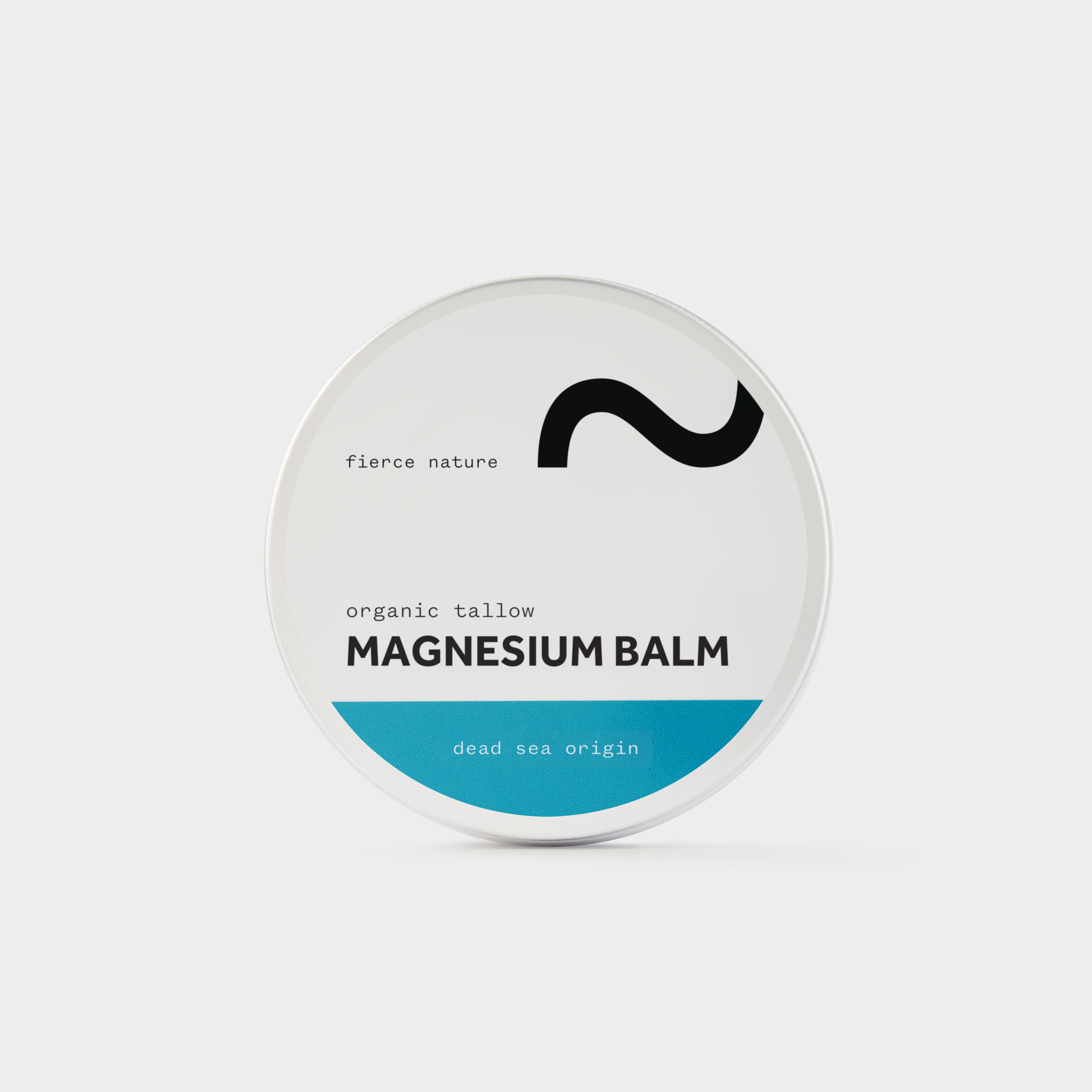
Tallow’s reputation as a skin food comes mostly from how it behaves as a leave-on. Rendered fat sits on the skin as an emollient and helps hold in moisture. Our view is that this is where tallow shines most, and a bar of soap, however gentle, is a cleanser first. If your main goal is soft, nourished skin, the routine that works for many people is:
Wash with a gentle, unfragranced bar, using lukewarm water.
Pat dry, do not rub.
While the skin is still slightly damp, apply a thin layer of balm.
Use a little more on dry patches such as elbows, heels and hands.
Handmade soap and shop-bought soap are both cosmetic products in Great Britain, so the label should tell you what you need to know. GOV.UK guidance on cosmetics says the packaging should state the product’s purpose, precautions, weight or volume (unless under 5g or 5ml), the Responsible Person’s name and UK or EU address, an identification number, use-by information with some exceptions, and the ingredients.
For the ingredient list itself:
Ingredients appear in descending order by weight, using INCI names. Tallow and goat milk have Latin-style names on the list, so do not be put off by unfamiliar wording.
Fragrance is listed as Parfum. If you have reactive skin, aim for none.
Certain fragrance and natural-extract ingredients associated with allergy must be listed separately, so scan for those.
Colours appear as CI numbers. A plain, uncoloured bar has fewer things to react to.
“Hypoallergenic” is a marketing word. Anaphylaxis UK advises treating it cautiously, since some products labelled that way may contain food proteins. If you have a milk allergy, a goat milk soap is not a safe assumption, and anyone with a food allergy should read the list and ask the maker for missing information before buying.
A short ingredient list is not automatically a safe one, and a long one is not automatically a bad one. But a short list makes it much easier to work out what is bothering your skin if something does.
Patch testing and other precautions
Before you commit to a new bar or balm, test it.
Choose a small area, such as the inner forearm.
Wash with the product as normal, rinse and pat dry. For a balm, apply a small amount.
Leave it, and check over the next day or two.
Stop if you see redness, itching, stinging or a rash.
Two caveats worth knowing. First, a home patch test is a sensible precaution, but it is not the same as clinical patch testing. In UK dermatology, patch testing is used to identify allergic contact dermatitis to specific substances, such as fragrances or preservatives, but it cannot tell you whether a product will cause non-allergic irritation. If you keep reacting to products and cannot work out why, ask your GP about a referral. Second, irritant and allergic reactions are different things, and soaps and perfumes can trigger flares in sensitive areas, including the genital skin. Keep fragranced bars away from those areas.
One more safety point that has nothing to do with skin. Anything oily or emollient can make a bath or shower floor extremely slippery. NHS guidance warns about the fall risk with emollient products used in the bath or shower. Rinse the tub, use a mat, and take extra care if you are older or unsteady.
How we think about it: the Fierce Nature perspective
We started Fierce Nature because of our founder’s own history. She grew up in South Africa battling rashes and reactions from mainstream cosmetics, shaving gels, hair removal creams and lipsticks, and never understood why. Years of work on gut health and toxic load changed how she looked at everyday products. That is the lens we bring to this question.
So here is our honest take. We do not think you need a long list of fancy ingredients to wash well. We think you need fewer, better ones, and a clear idea of what each product is for. Tallow, to us, is a respectful, traditional ingredient: it has been used for centuries in soapmaking and as a skin emollient. We use pure organic tallow as the foundation of our handmade UK range, and we like a bar that does its job quietly.
We are also careful not to promise what the research has not shown. The scoping reviews are encouraging but small, and no soap, ours or anyone’s, replaces medical care for eczema. If a product irritates you, stop using it.
Where do we think goat milk fits? It is a lovely addition for people who enjoy a creamy lather, and nothing we say here is meant to put it down. Our point is simply that the question “goat milk or tallow” is less important than “what else is in the bar, and what do I need it for?” Choose unscented if your skin is reactive, wash gently, and let a nourishing balm do the leave-on work.
— Fierce Nature
How to choose: a simple decision guide
Use your own skin and routine as the criteria.
Pick a tallow bar if:
you want a hard, long-lasting bar with a minimal formula,
you prefer a light, quiet lather over big foam,
you like the idea of a traditional, short ingredient list,
you plan to follow with a balm.
Pick a goat milk bar if:
you love a rich, creamy lather,
your skin is not reactive to fragrance or lactic acid,
you are happy with a dairy-based product and have no milk allergy.
Pick a combined goat milk and tallow bar if:
you want the hardness of tallow and the creamy feel of milk, and the label is clean.
Skip soap and ask a professional if:
you have eczema, dermatitis or psoriasis that flares,
your skin is cracked or broken,
you keep reacting and cannot find the cause.
A note on babies. Newborn and infant skin is delicate, and for babies with dry or eczema-prone skin you should follow your health visitor or GP’s advice. If you are curious about tallow for little ones, we have written about it in is tallow safe for babies.
Making the most of any soap bar
Some simple habits make any bar kinder to your skin.
Keep showers short and lukewarm. Hot water strips natural oils faster than any soap.
Lather in your hands first. Rubbing the bar directly on the face concentrates the soap.
Limit washing to where you need it. Underarms, hands, feet and groin often need soap. Arms and legs often need only water.
Moisturise within minutes. The window just after washing is when a balm works best.
Store bars dry. It prolongs life and keeps the bar firm.
Rotate, do not stack. If you introduce a new bar and a new balm on the same day and your skin reacts, you will not know which one caused it. Change one thing at a time.
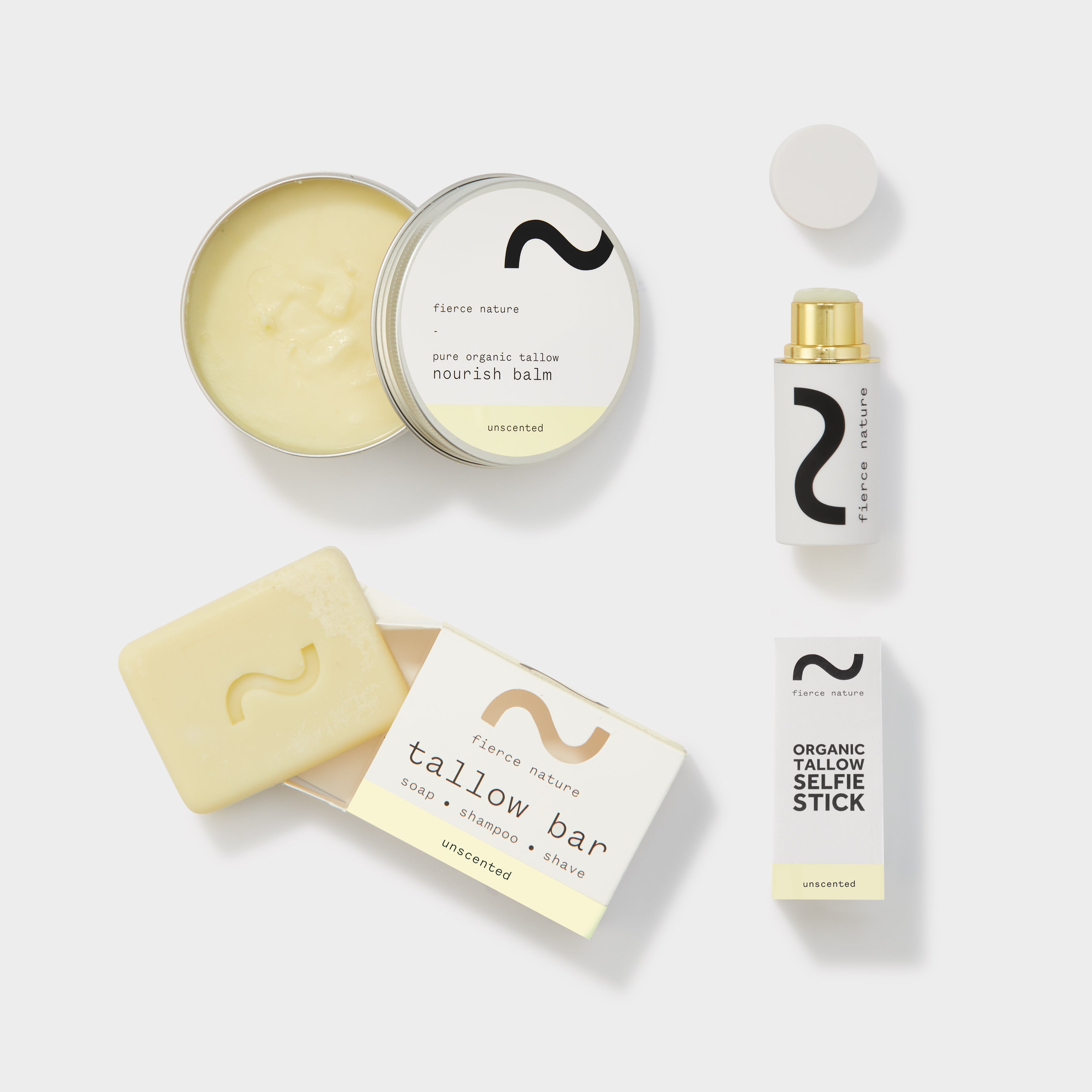
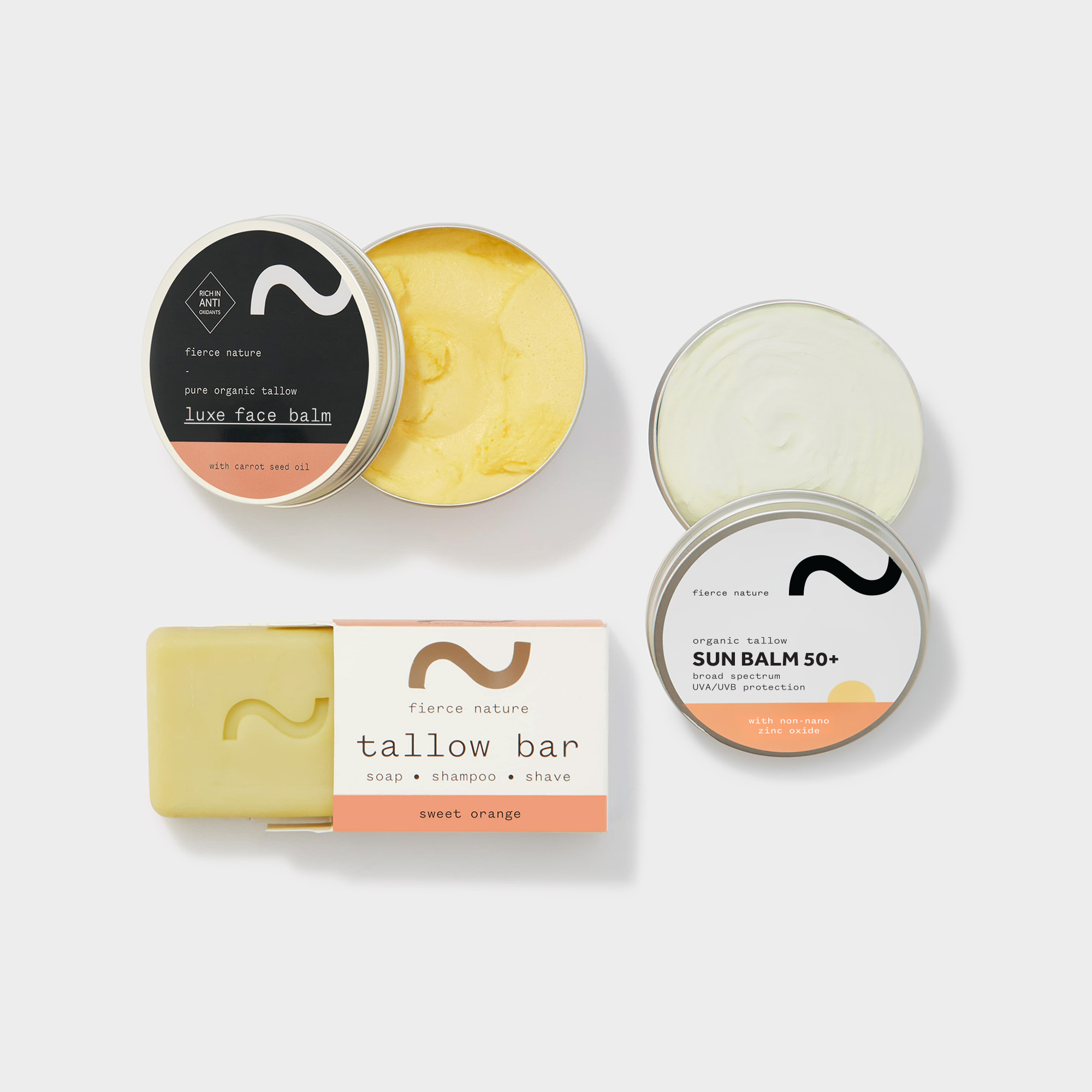
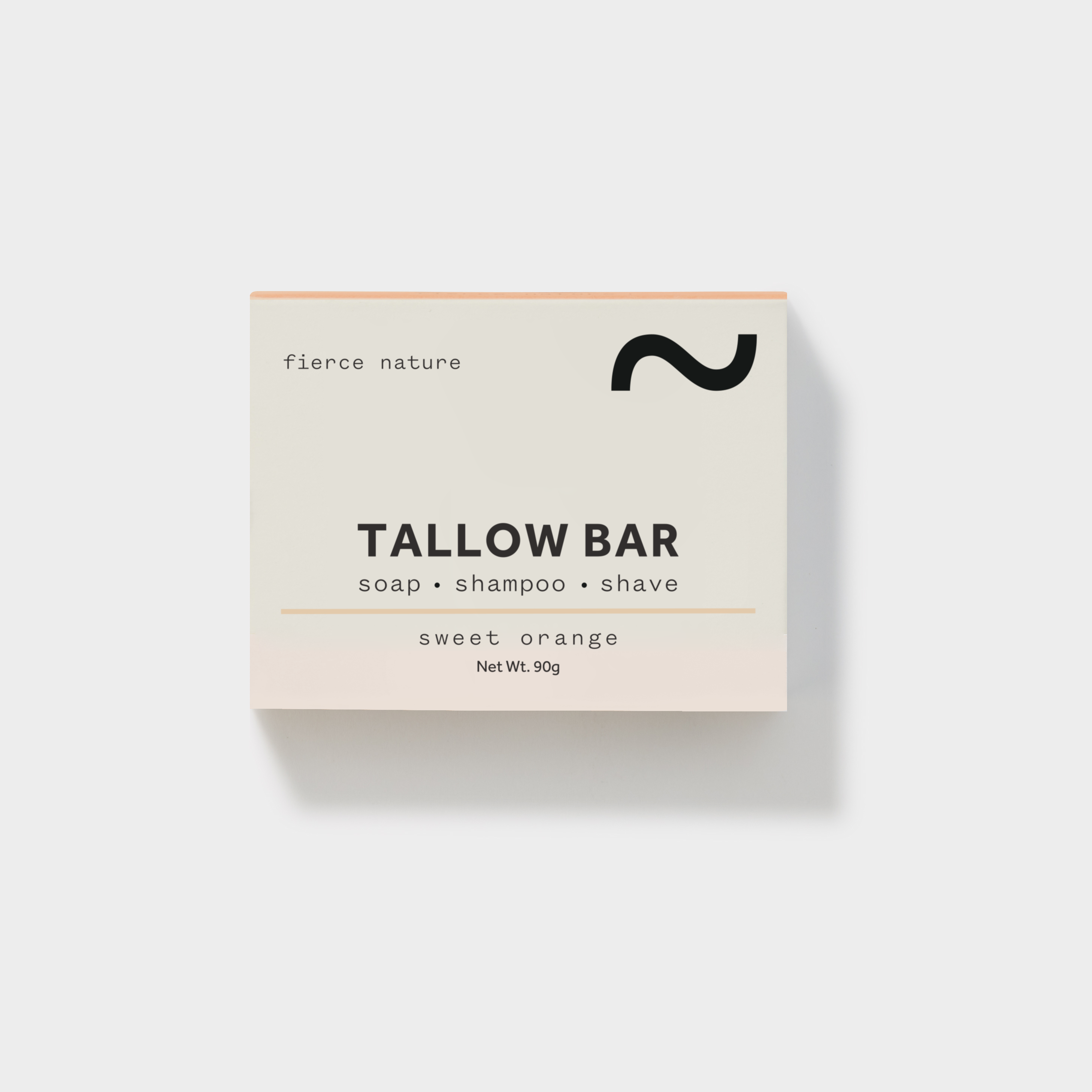
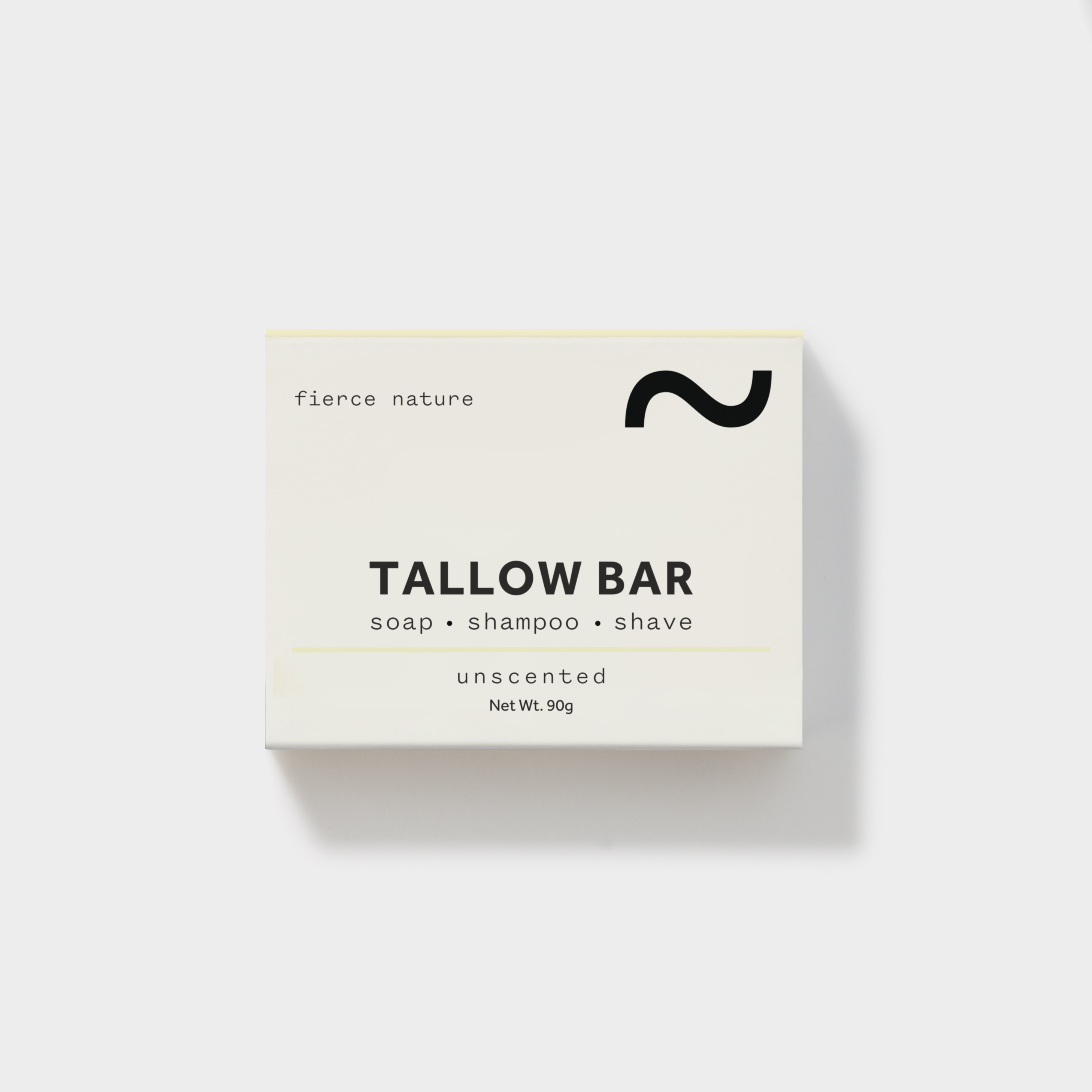
If you would like to try a tallow bar, we make ours by hand in the UK with pure organic tallow as the foundation. Our Multi-Use Tallow Bar (Unscented) is the simplest place to begin if your skin is easily unsettled, and the Multi-Use Tallow Bar (Scented) is there if you enjoy a fragrance. The Wonky Soap (Pack of 3) is a good way to try bars without committing to a full-size one. You can see the whole range in our tallow soaps collection, and pair a bar with a balm from the Nourish Balms Collection for the leave-on step.
Whatever you buy, from us or anyone else, patch test first and read the label.
FAQ
Is goat milk soap good for your skin?
It can feel creamy and pleasant, and many people like it. The evidence that it treats skin conditions is limited, though. A 2023 answer from the Asthma and Allergy Foundation of America noted that goat milk soap may moisturise but can contain irritants such as fragrance and lactic acid, and that more research was needed. If you have eczema, ask your GP or pharmacist before switching.
Is tallow soap better than goat milk soap?
Not better in every way, just different. Tallow gives a hard, long-lasting bar with a light, stable lather, while goat milk gives a creamier, more generous lather. Many bars use both. The better bar is the one with a short, unfragranced ingredient list that your skin tolerates.
What is the difference between tallow and lard in soap?
Tallow is rendered fat from cattle and other animals besides pigs, and lard is pig fat. Both make a hard bar. Tallow gives a stable but sparse lather, while lard tends to give a creamier, more emollient one.
Can I use tallow or goat milk soap if I have eczema?
Be cautious. NHS guidance for eczema-prone skin recommends avoiding ordinary soaps, especially fragranced, coloured or foaming ones, and using an emollient soap substitute instead, followed by an emollient after washing. Speak to your GP, pharmacist or dermatology nurse before trying any new bar, and stop if your skin reacts.
Do I need to patch test a handmade soap?
Yes, it is a sensible habit with any new product. Try it on a small area such as the inner forearm and watch for a day or two. A home test will not catch every reaction, so if you keep having flare-ups, ask your GP whether clinical patch testing could help.