Carrito
0
80% También añadido esto

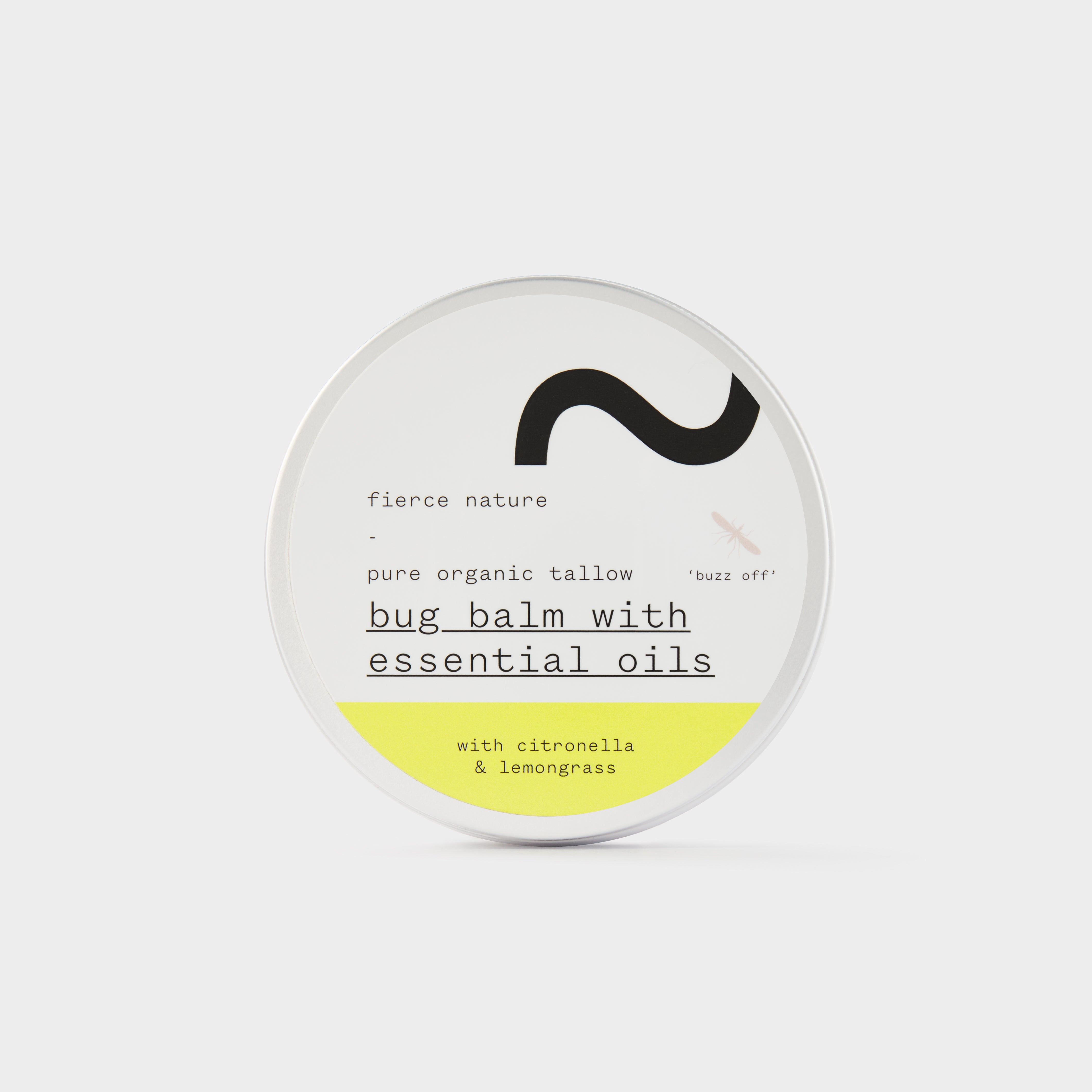
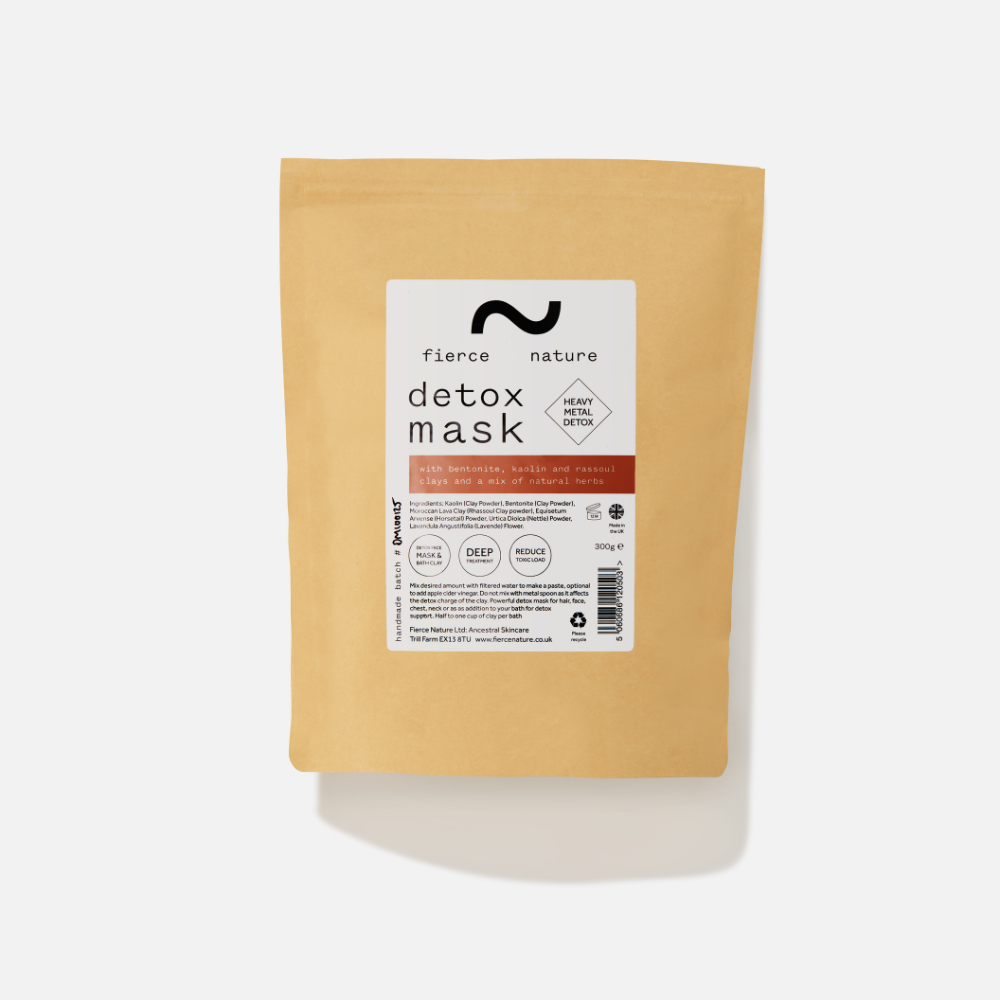

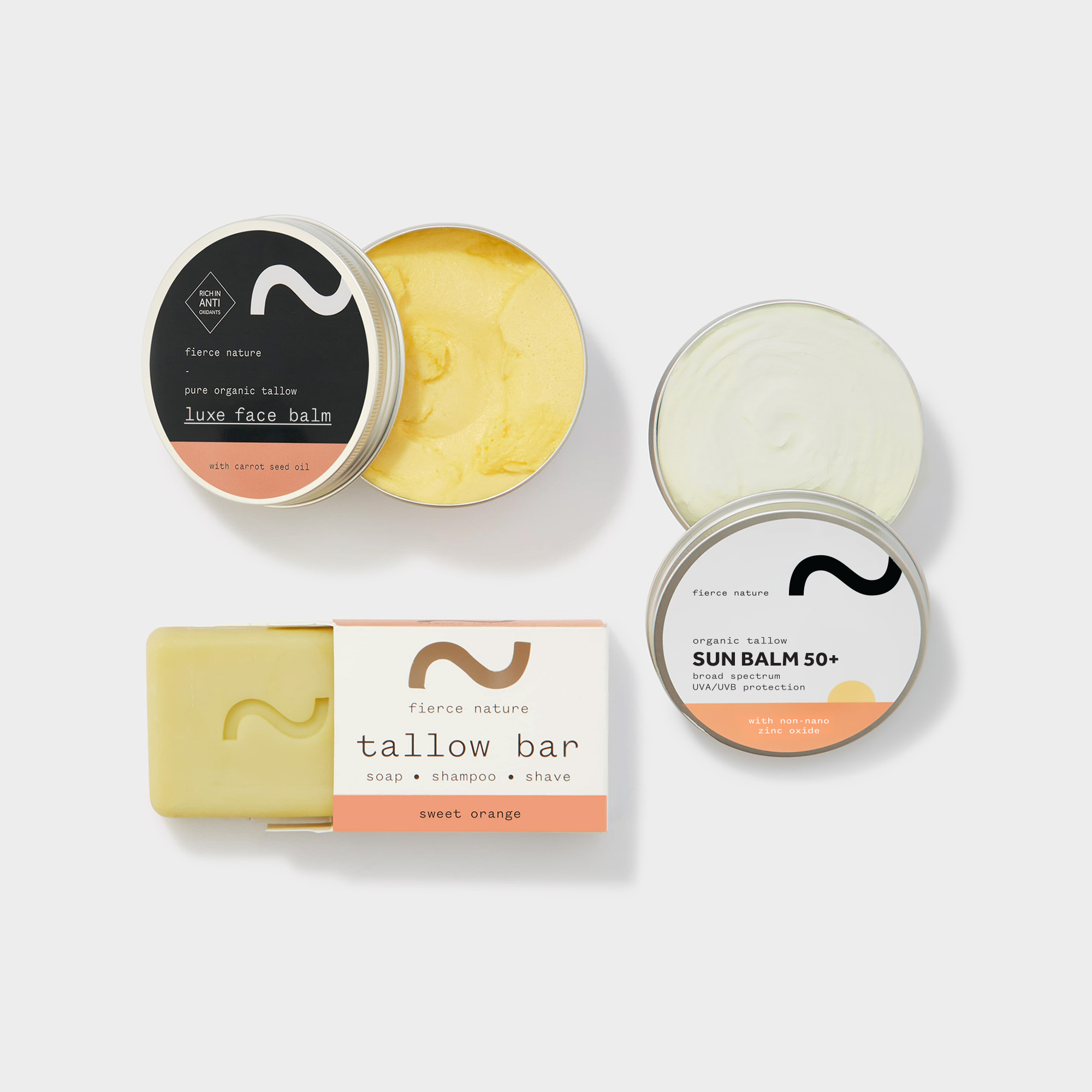
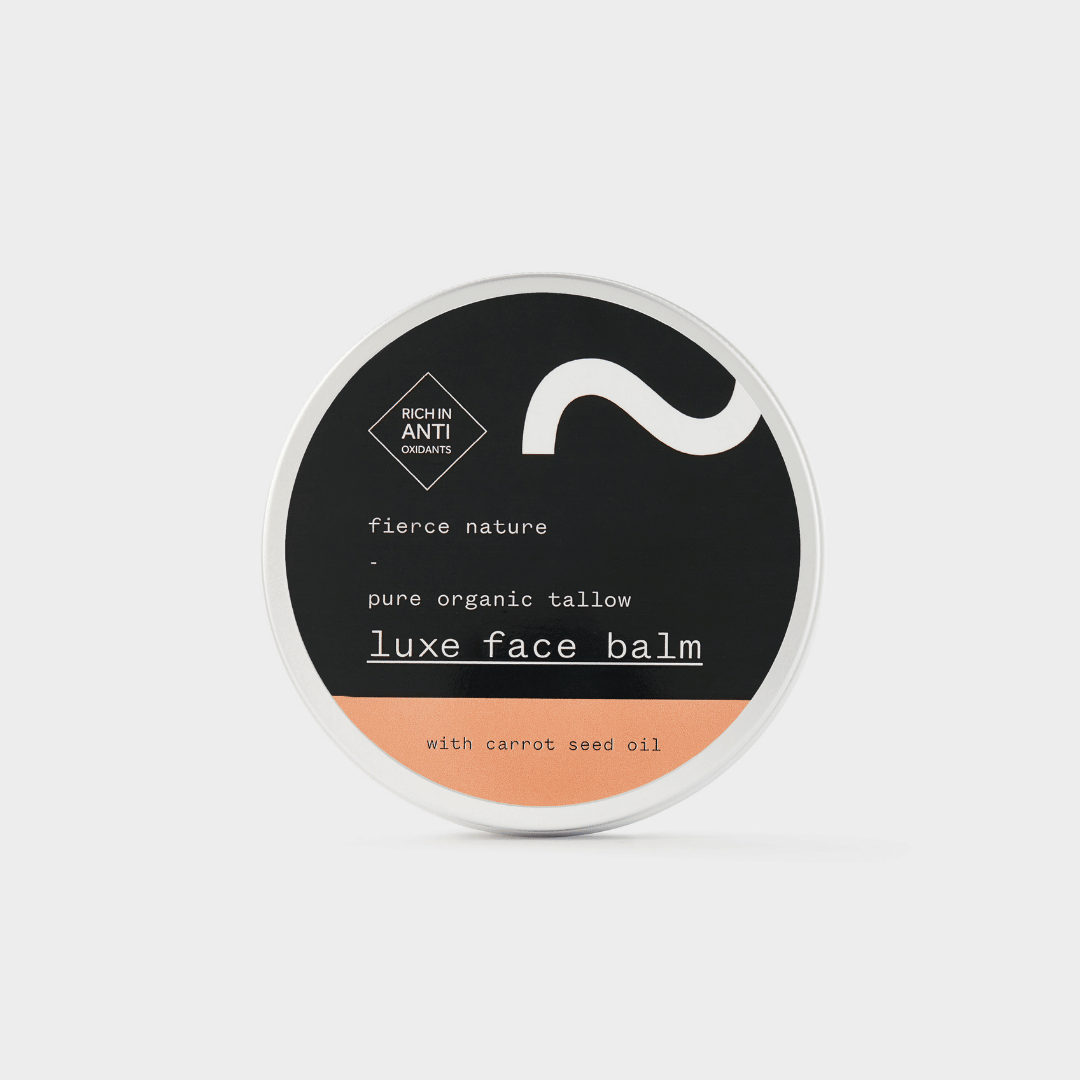
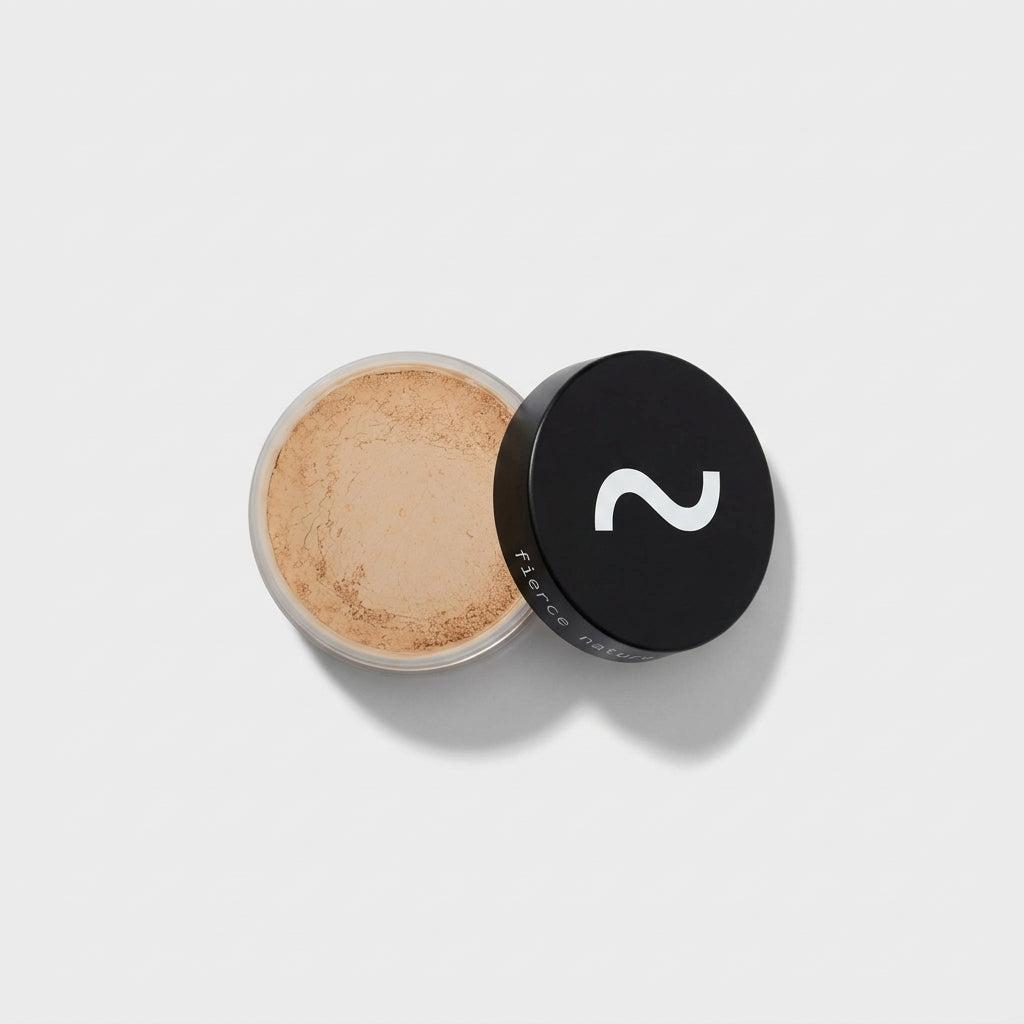
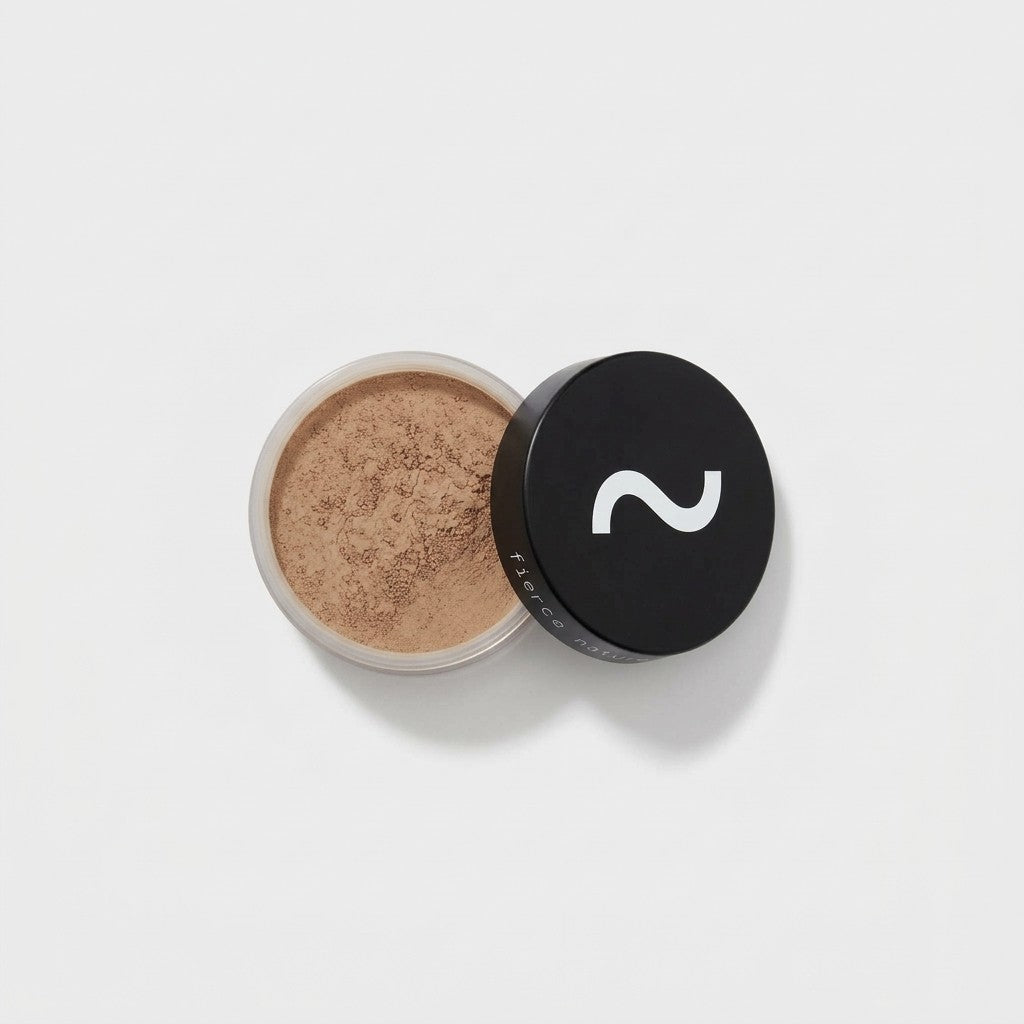
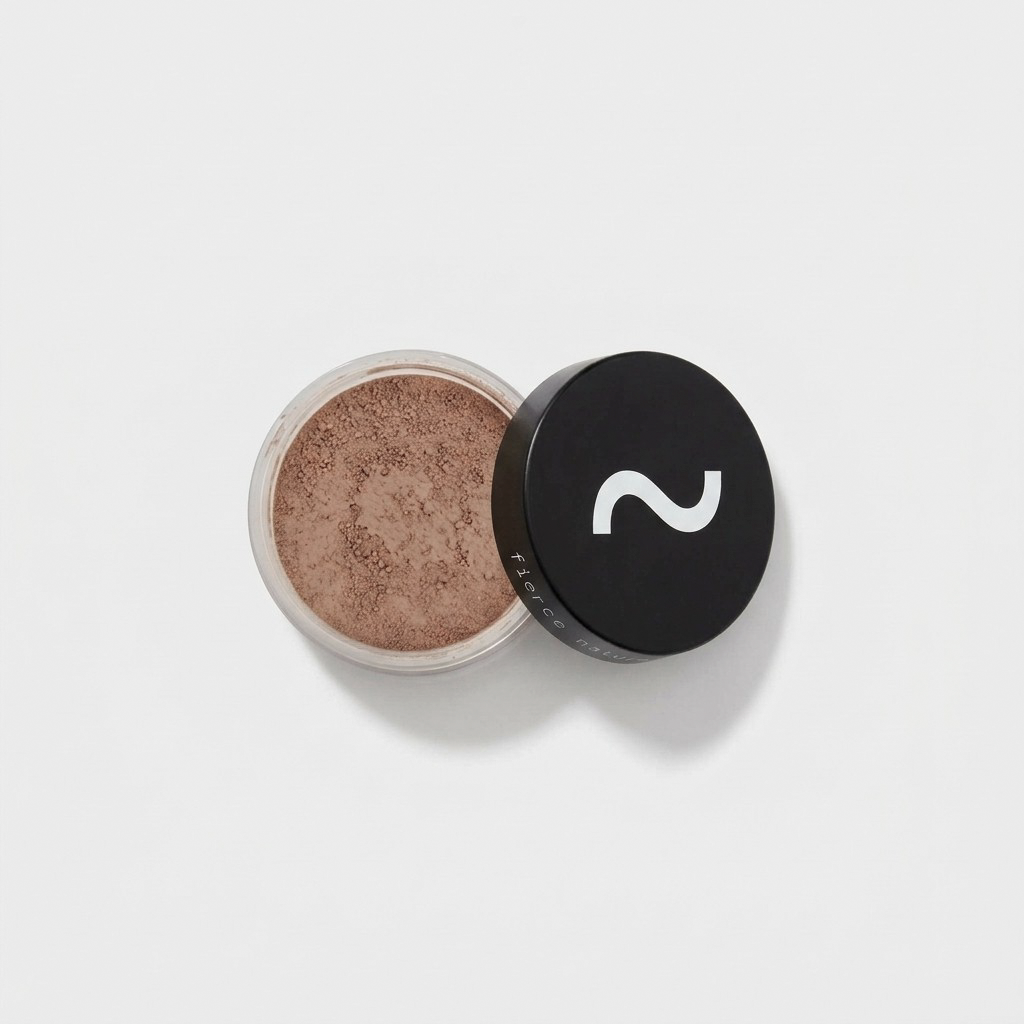
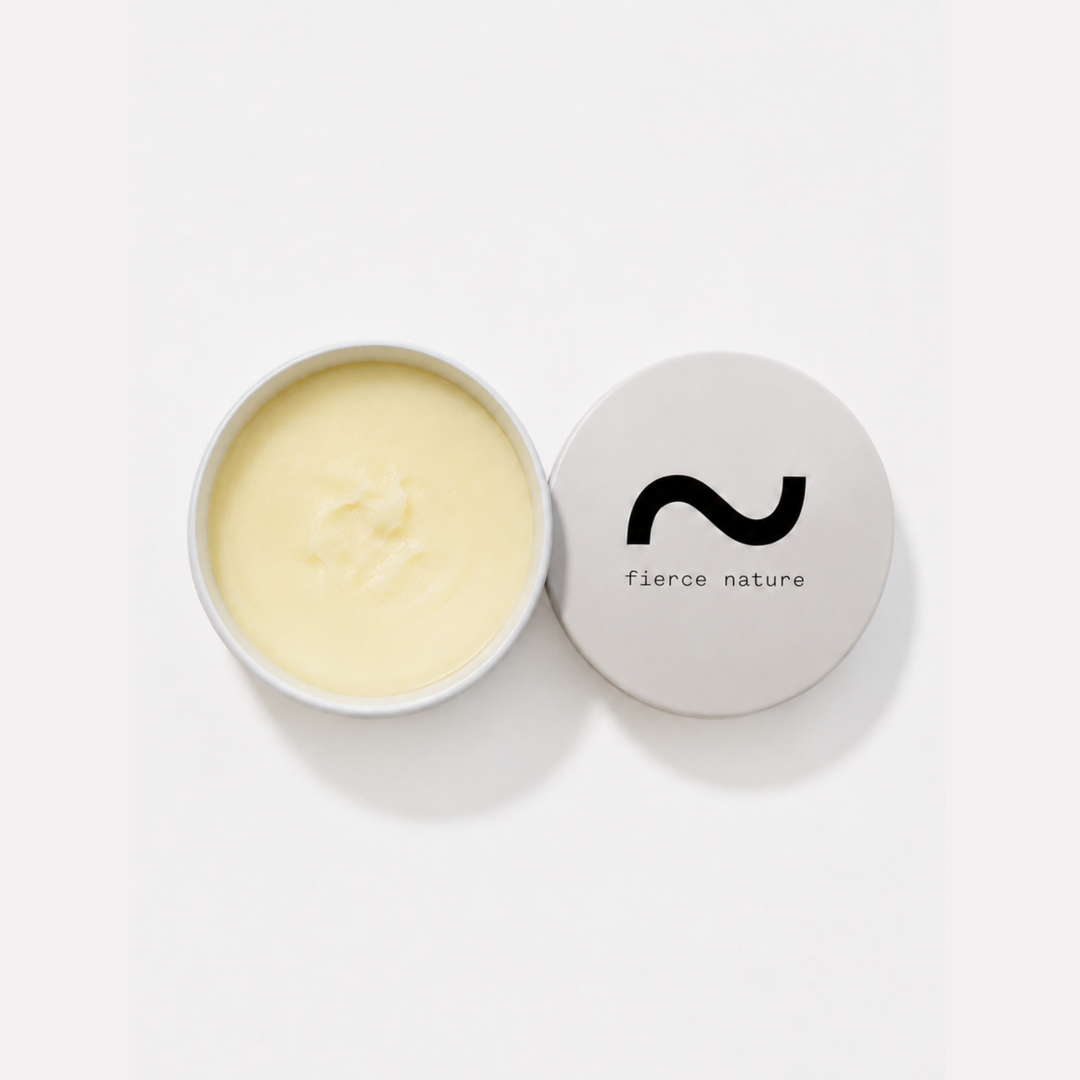
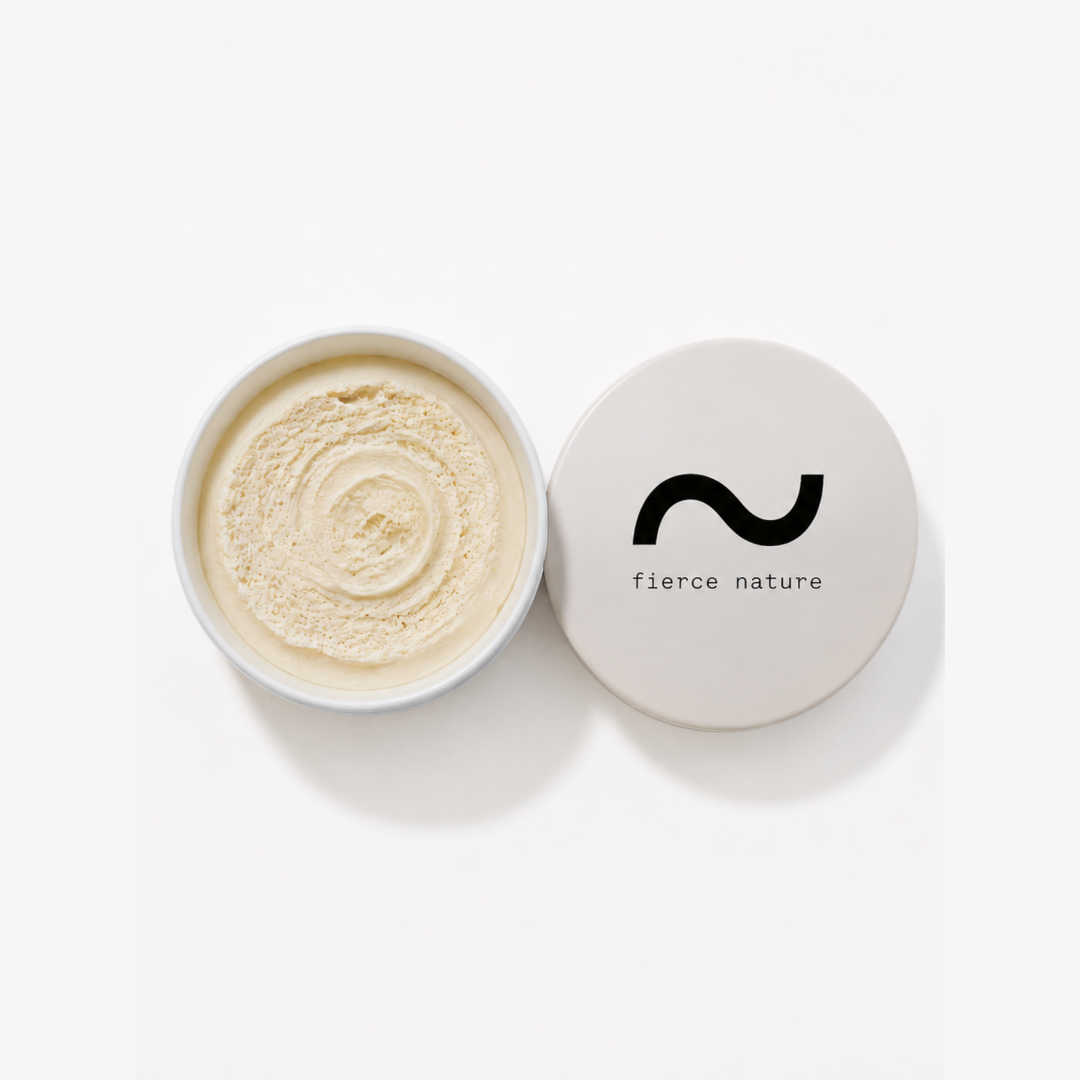
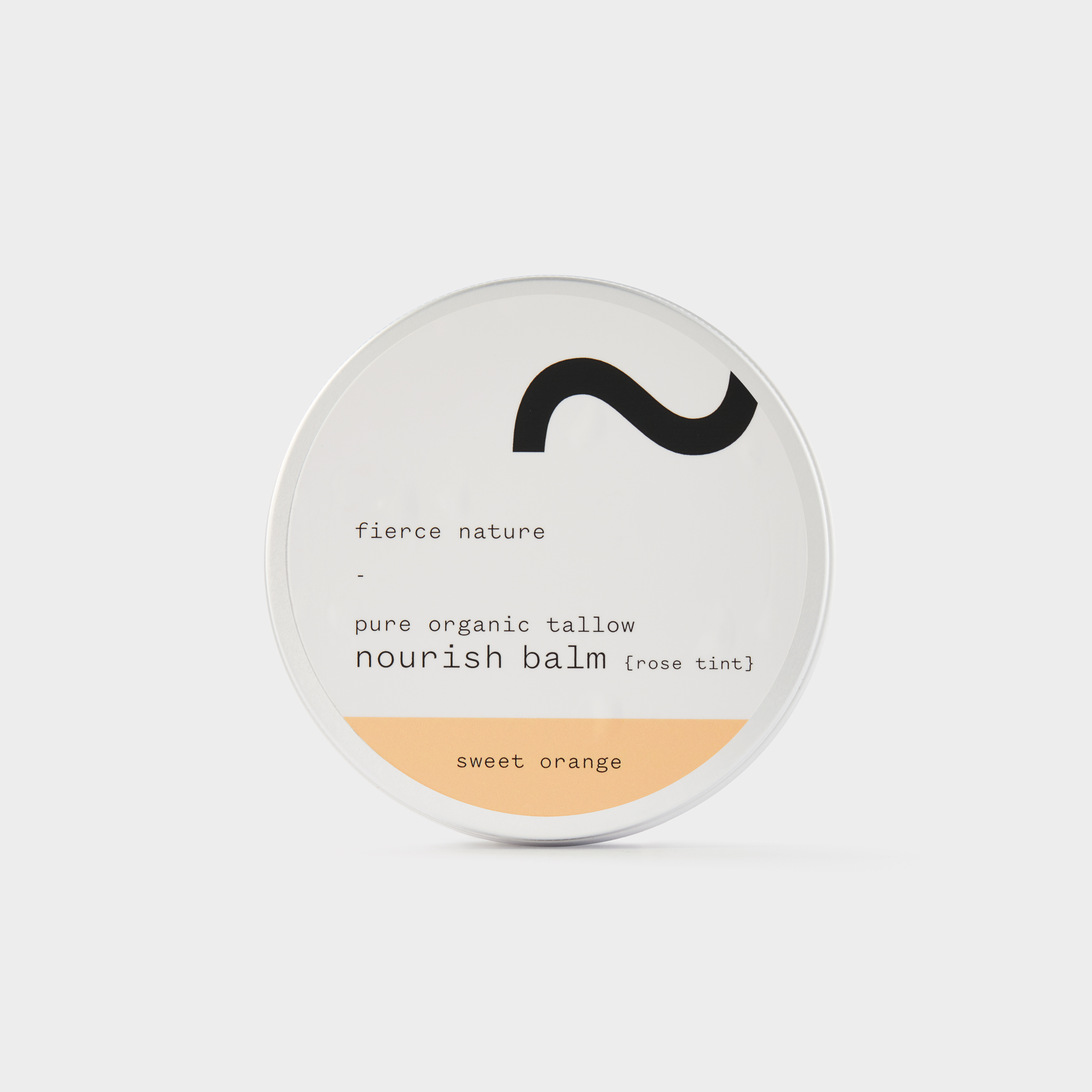

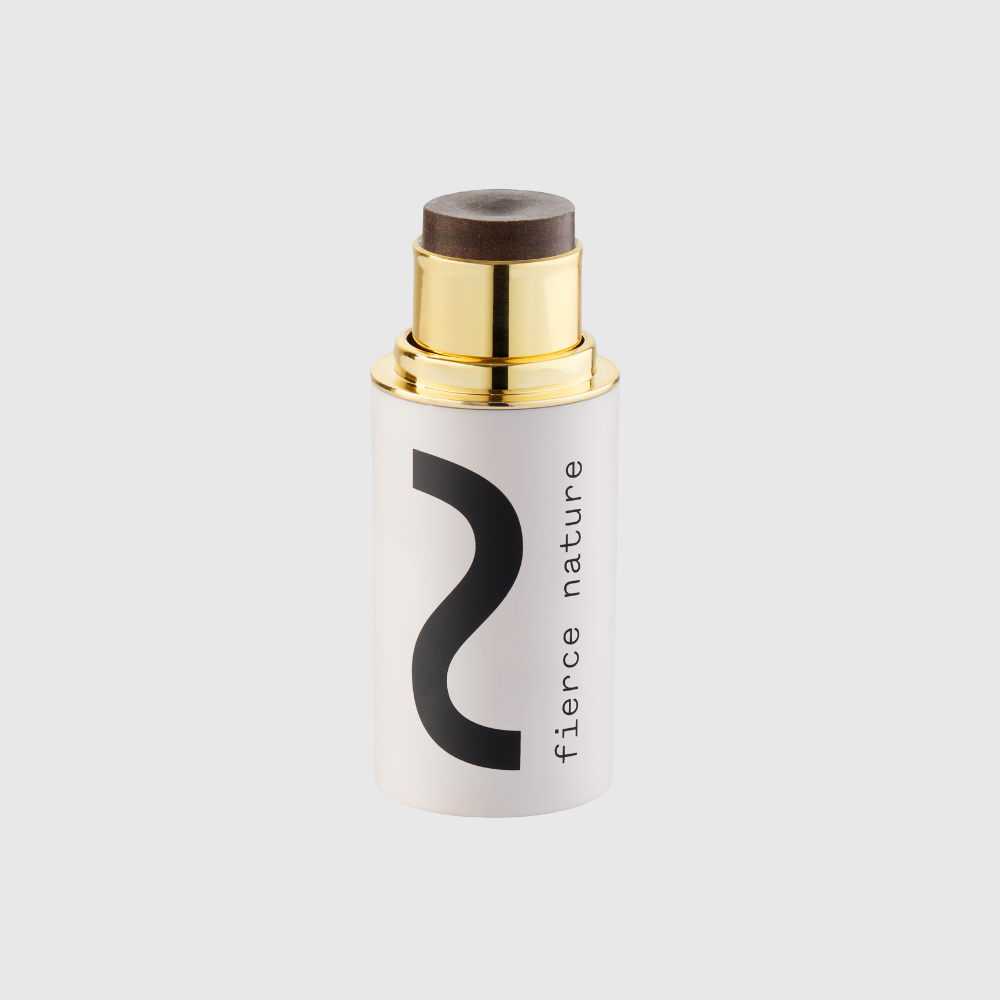
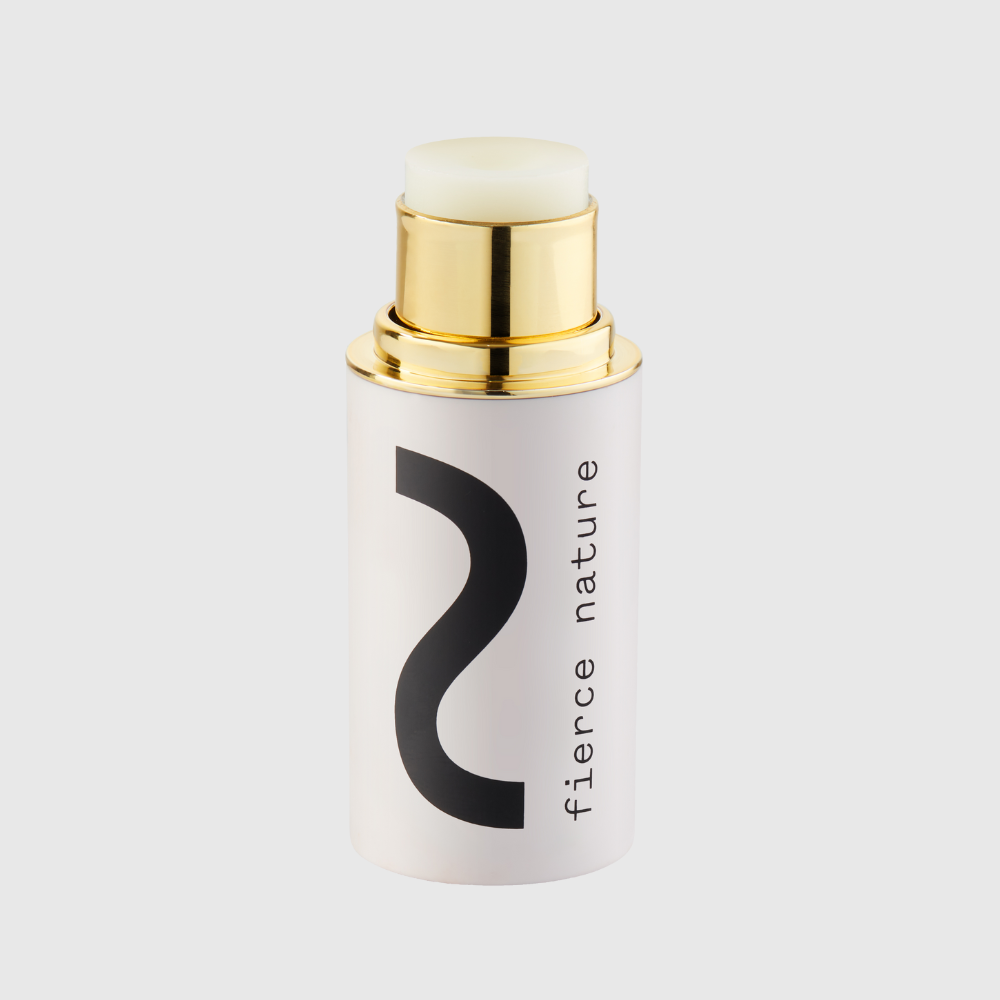
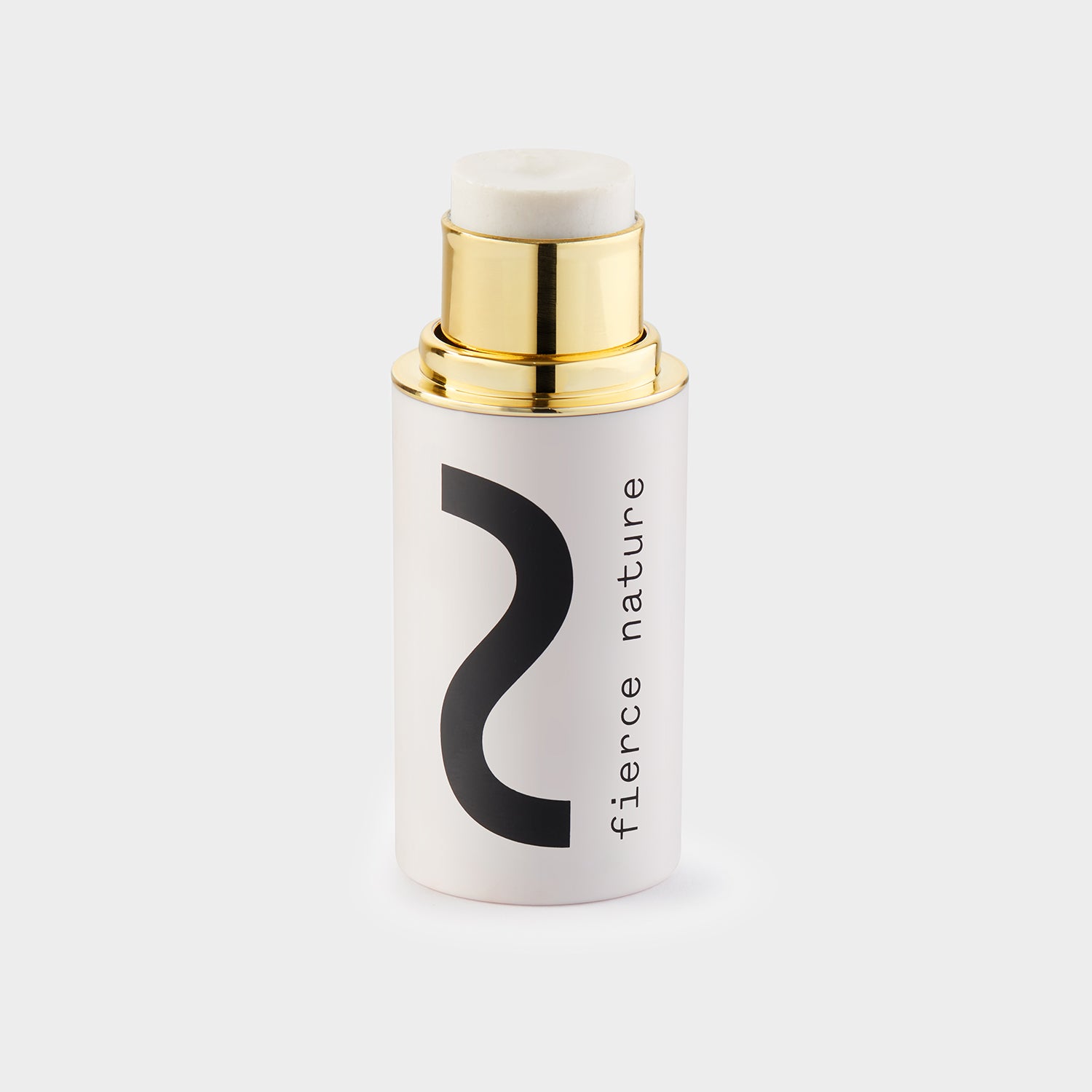
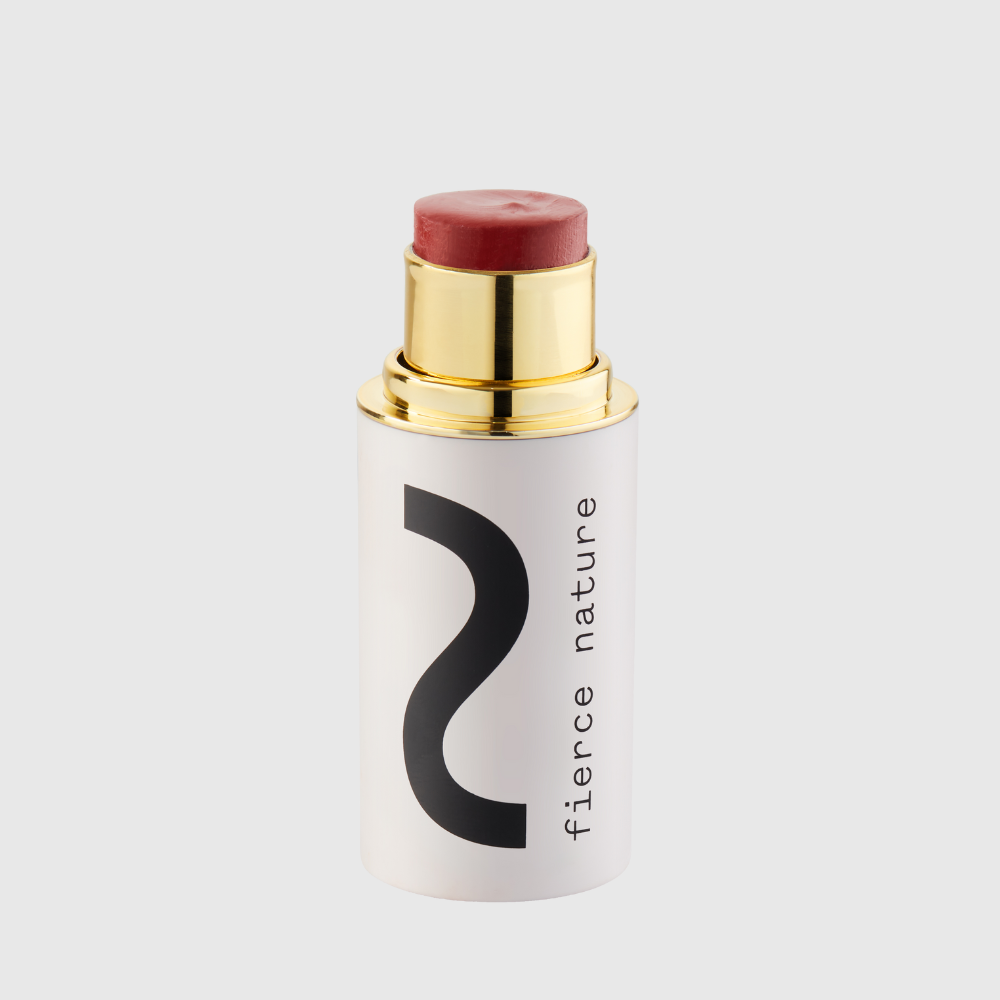
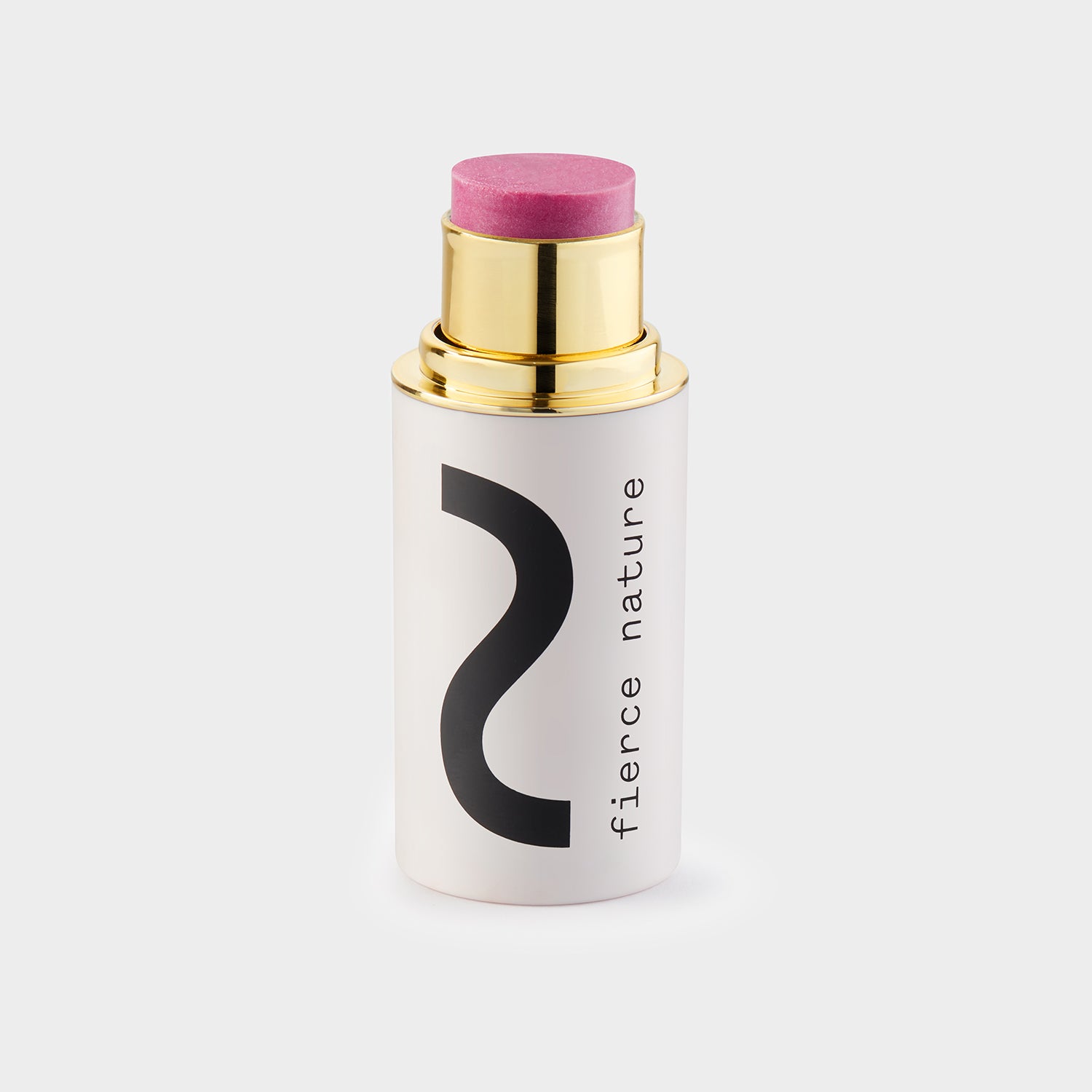
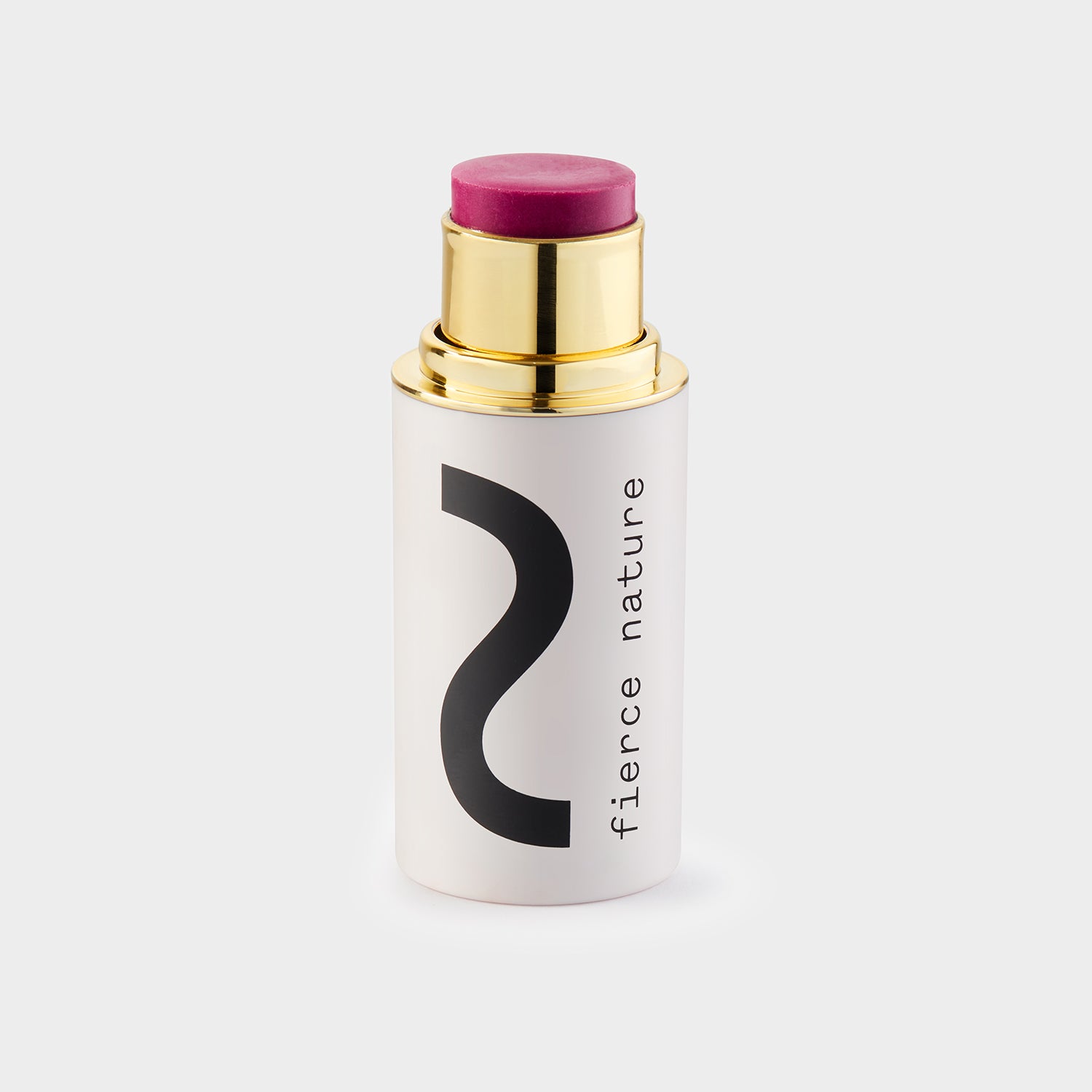
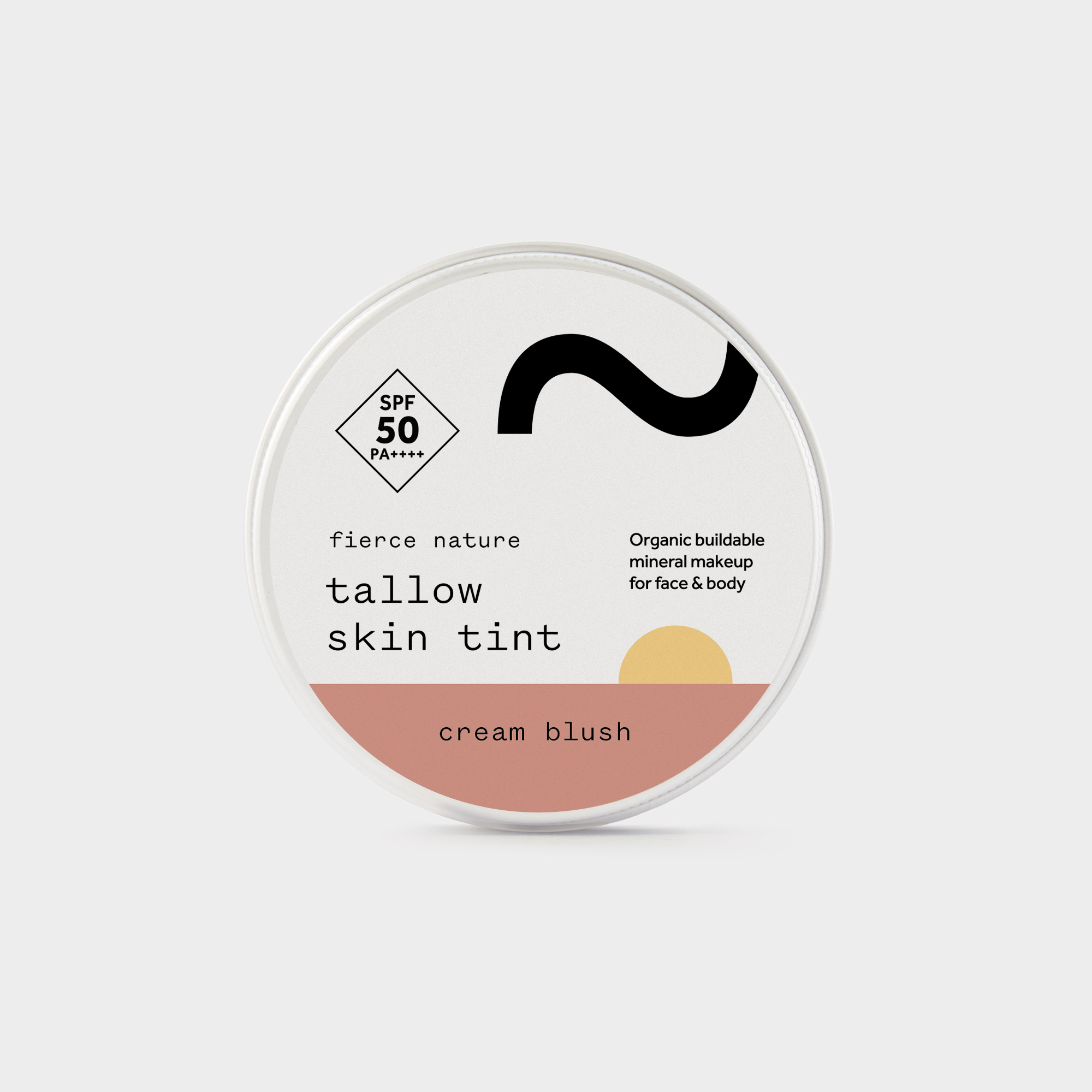
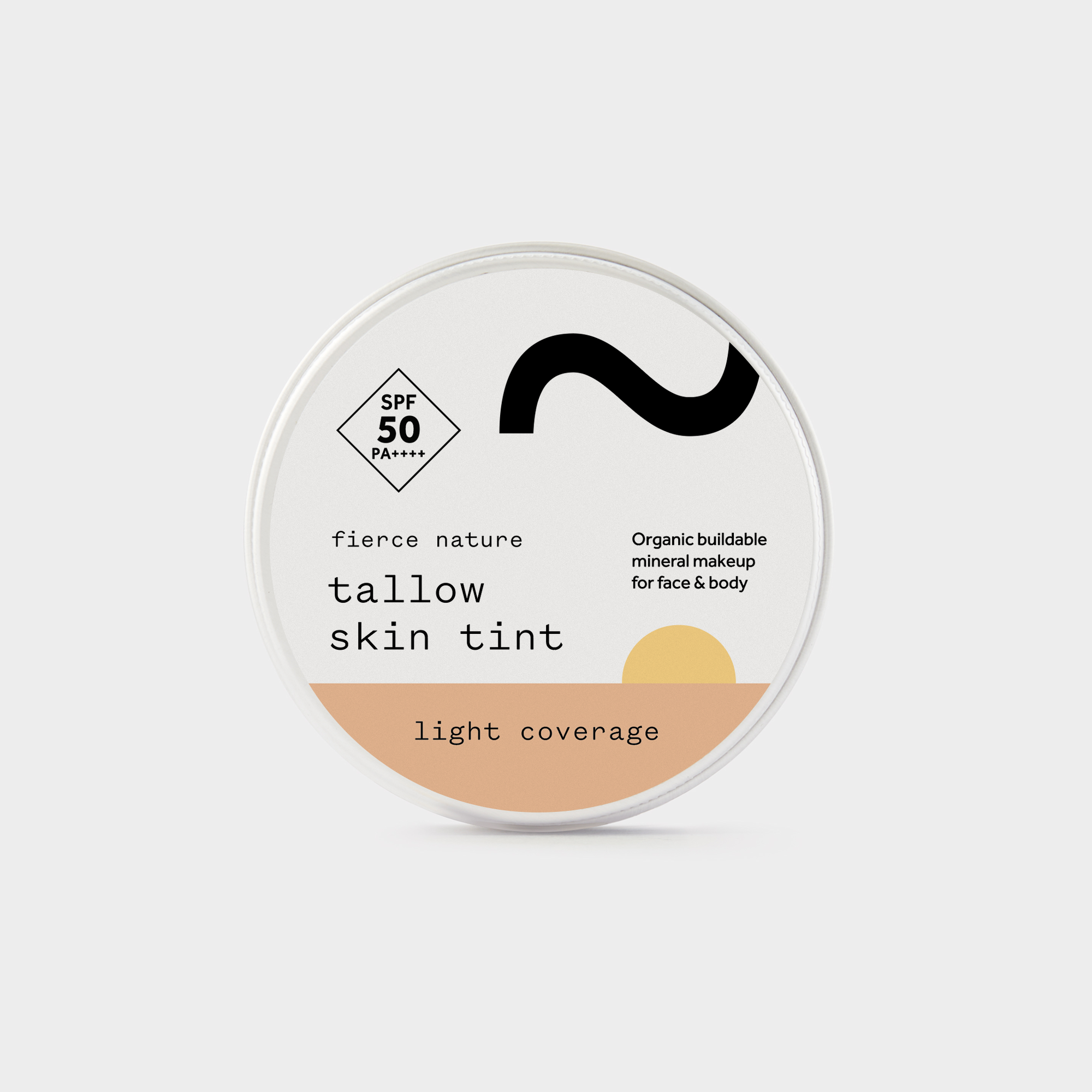




A hand sanitiser rash settles best when you do three things together: remove the irritant, replace lost moisture straight away, and protect the skin barrier until it recovers. Rinse the area with lukewarm water, pat dry, then apply a generous layer of a simple, fragrance-free balm. Repeat often through the day and thicker at night. A rich, tallow-based balm such as our face and body balms is made for exactly this kind of nourishing, leave-on care. If the rash is severe, weeping or not improving, speak to a pharmacist or your GP.
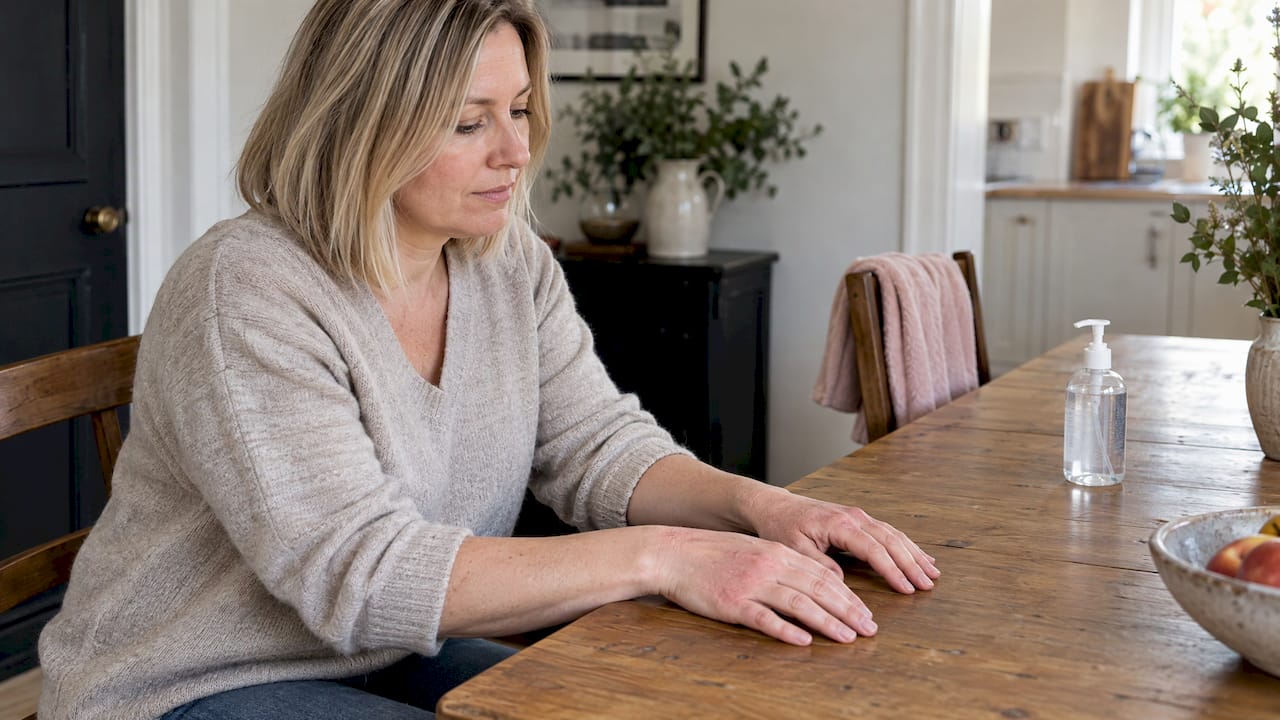
Most people notice it first as a sting. You squeeze out a little gel and the skin between your fingers or around your knuckles burns for a moment. Over days, the skin gets tighter, rougher and redder. Some people see flaking, tiny cracks or itchy patches. On darker skin the area may look darker, greyish or purplish rather than red, which is why feel matters as much as colour.
The NHS describes two main types of contact dermatitis, which is skin inflammation caused by something touching it:
The British Association of Dermatologists (BAD) adds that hand dermatitis can cause painful splitting and cracking, and that repeated exposure can leave skin thickened and leathery, with splits or tears that make everyday tasks hard. The National Eczema Society describes hand eczema as itchy, scaly, dry and red or darker than your usual skin tone, with possible blistering, soreness and cracks.
The point of knowing the type: the same first steps help both, but an itchy, blistering, spreading rash is worth showing to a pharmacist or GP sooner, because an allergy may need identifying.
Your skin has a thin outer barrier made of dead skin cells held together by natural oils. Think of it as a brick wall with mortar. That wall keeps water in and irritants out. Alcohol-based gels dissolve some of the mortar. So do hot water and detergent soaps. When the barrier is weakened, water escapes faster (dermatologists call this transepidermal water loss) and irritants get in more easily, so skin that was fine in the morning now stings by the afternoon.
Research backs this up. A 2021 study of hand hygiene and the skin barrier found increased water loss from the skin after sanitiser use in every group studied. People with atopic dermatitis (the most common form of eczema) showed a greater increase after washing with soap and water than people without it. A 2021 systematic review of propanol-based rubs concluded that the irritation risk looks lower than that of frequent detergent handwashing, but that repeated exposure can still damage the barrier, including in eczema-prone skin.
That last point is worth sitting with, because it changes how you tackle the problem. A 2022 review and meta-analysis of 45 studies found that washing hands 8 to 10 or more times a day was linked with a higher risk of hand eczema, and the risk rose again at 15 to 20 washes a day. Alcohol hand rub use was not significantly linked with eczema risk in that analysis. So the sanitiser is not always the only villain. The whole cycle of cleaning, drying and re-cleaning is what wears the skin down, and the answer is to restore moisture between each round.
The NHS advice for contact dermatitis is to avoid the irritant where you can, rinse the skin with warm water if exposed, and apply emollients frequently and in large amounts. Here is how that works in practice.

Switch off the obvious trigger. If one particular gel stings, put it away. If a scented product is in the mix, stop using it. This is not the same as giving up hygiene. It means choosing a gentler way of keeping your hands clean, which we cover below.
If you have just used a product that stung, rinse it off with lukewarm water, not hot. Hot water strips oils faster. Do not scrub.
Rub-drying with a rough towel is a hidden cause of irritation. Pat with a soft towel and take time over the spaces between your fingers, where moisture stays trapped and skin breaks down first. Hospital guidance for hand eczema specifically points out careful drying between the fingers.
This is the step that makes the biggest difference. Emollients are moisturisers rubbed into the skin to prevent dryness. Apply while the skin is still slightly warm and receptive, and be generous. A thin smear is not enough: the advice is to use them frequently and in large amounts.
BAD recommends gentle, non-perfumed moisturisers several times a day, with lighter preparations often more practical during the day and thicker, greasier ones in the evening. Oxford University Hospitals suggests a minimum of four applications a day and after every hand wash, and as often as you can manage beyond that.
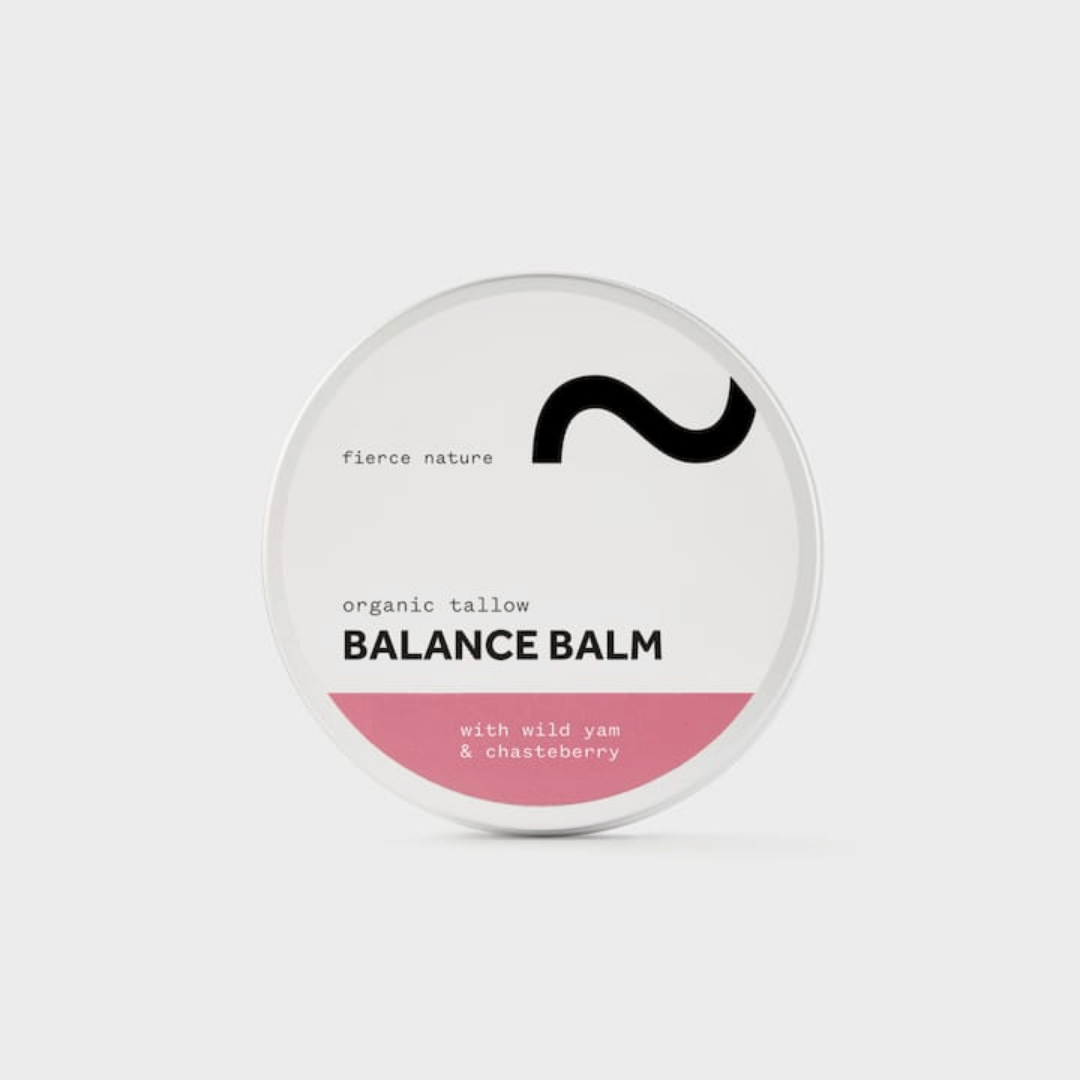
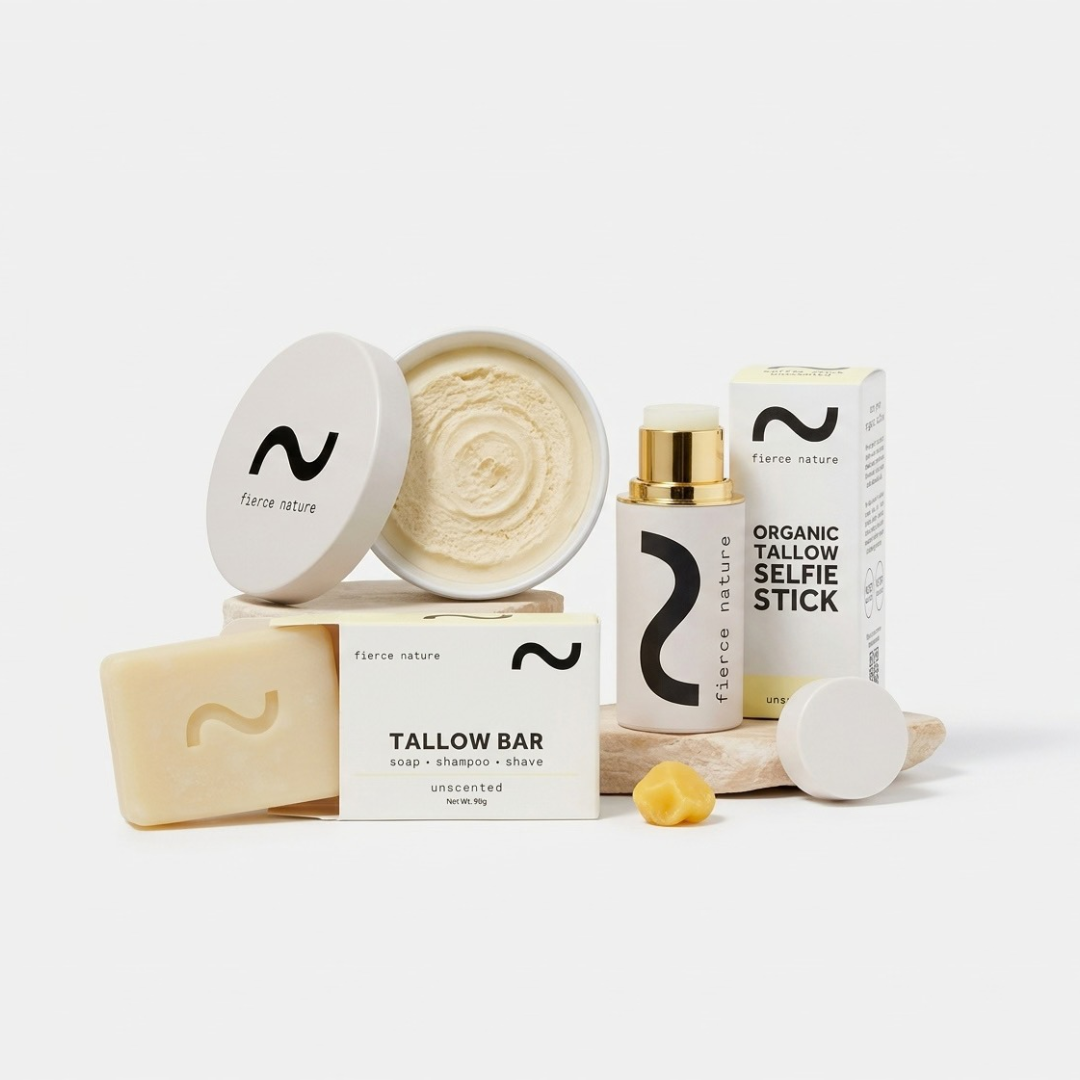
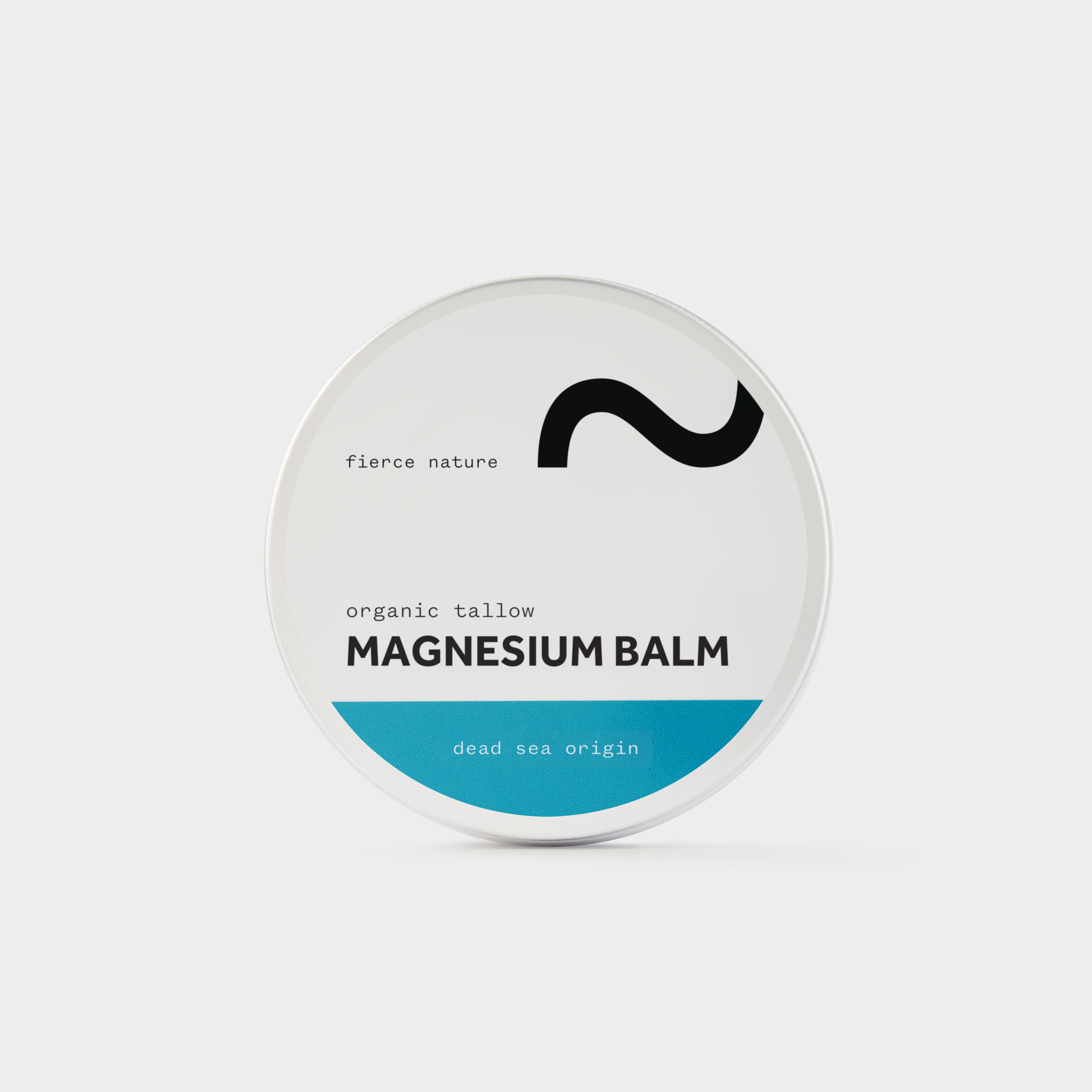
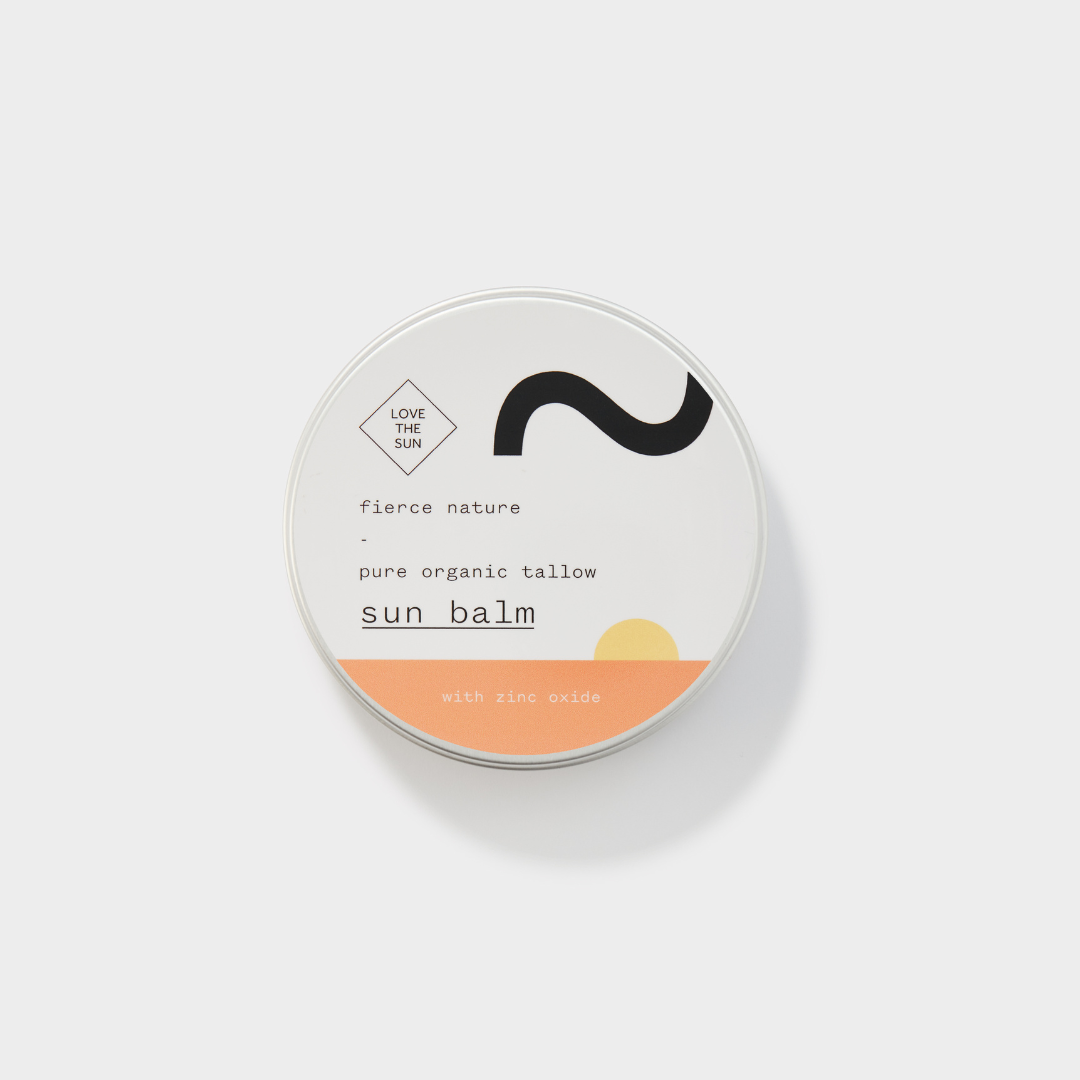
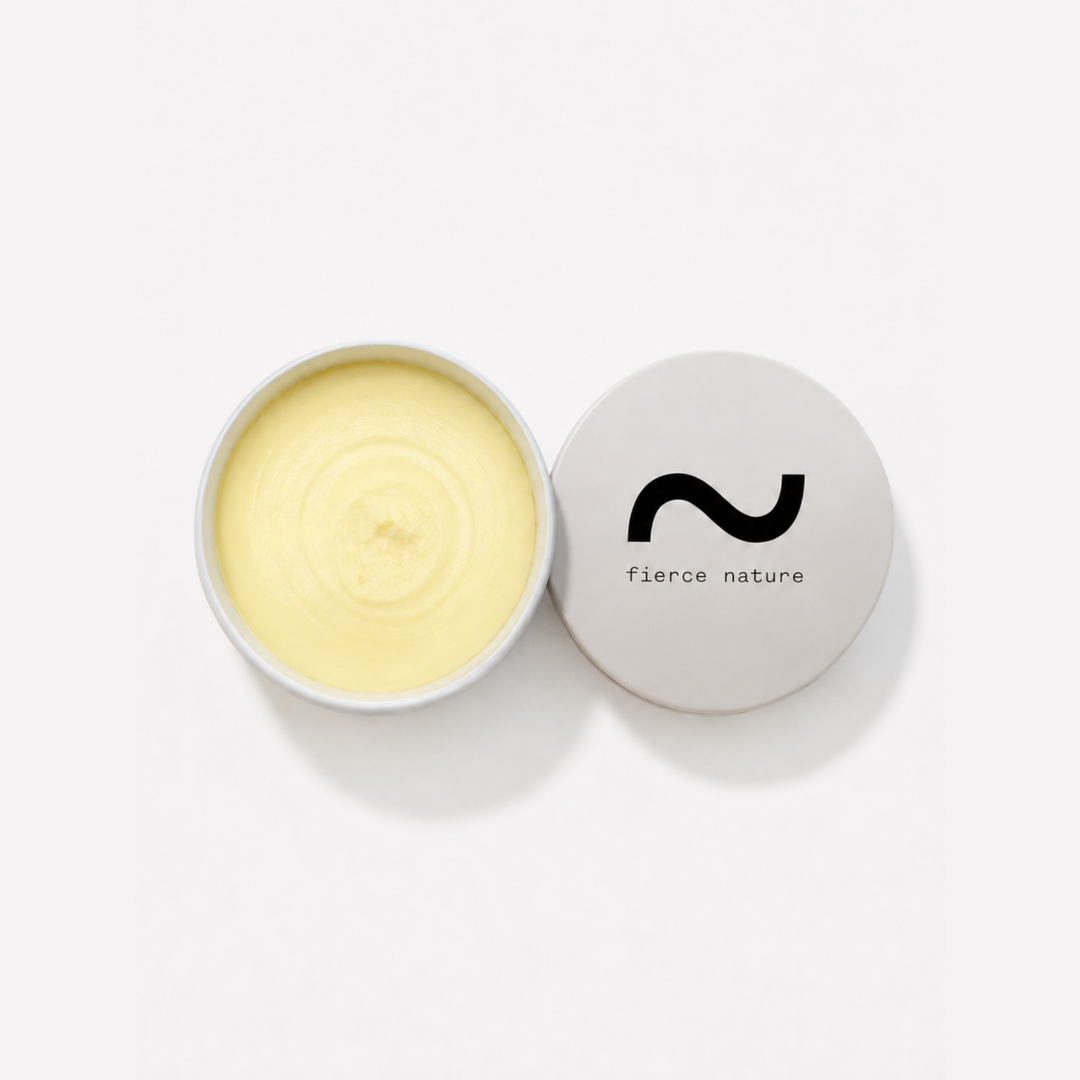
A rich balm suits this job well. Our balms are handmade in the UK with grass-fed, organic tallow as the foundation, and we designed them as deeply nourishing, leave-on skin food. For hands that are tight, rough and cracking, a balm is what you want in the evening and overnight. You can browse the Nourish Balms Collection and the Functional Balm Collection to find a texture and formula that suits you.
Before bed, wash your hands gently, pat dry, and apply a thick layer of balm to the backs of the hands, fingers and around the nails. Slip on thin cotton gloves if you like, so the balm stays on your skin and not on the pillow. Many people wake up with noticeably softer, calmer hands after a few nights. The National Eczema Society and BAD both point to greasier preparations at night as part of managing hand dermatitis.
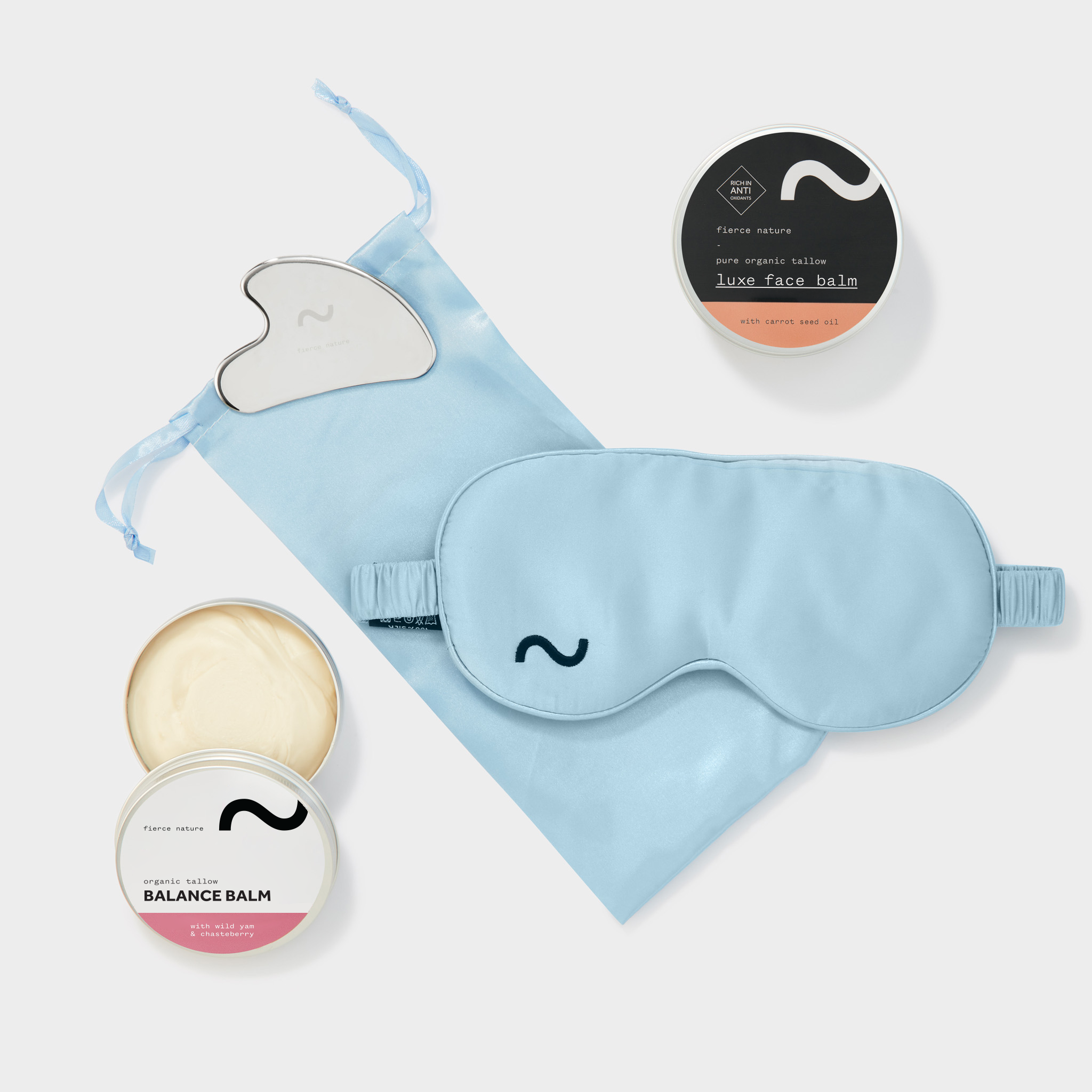
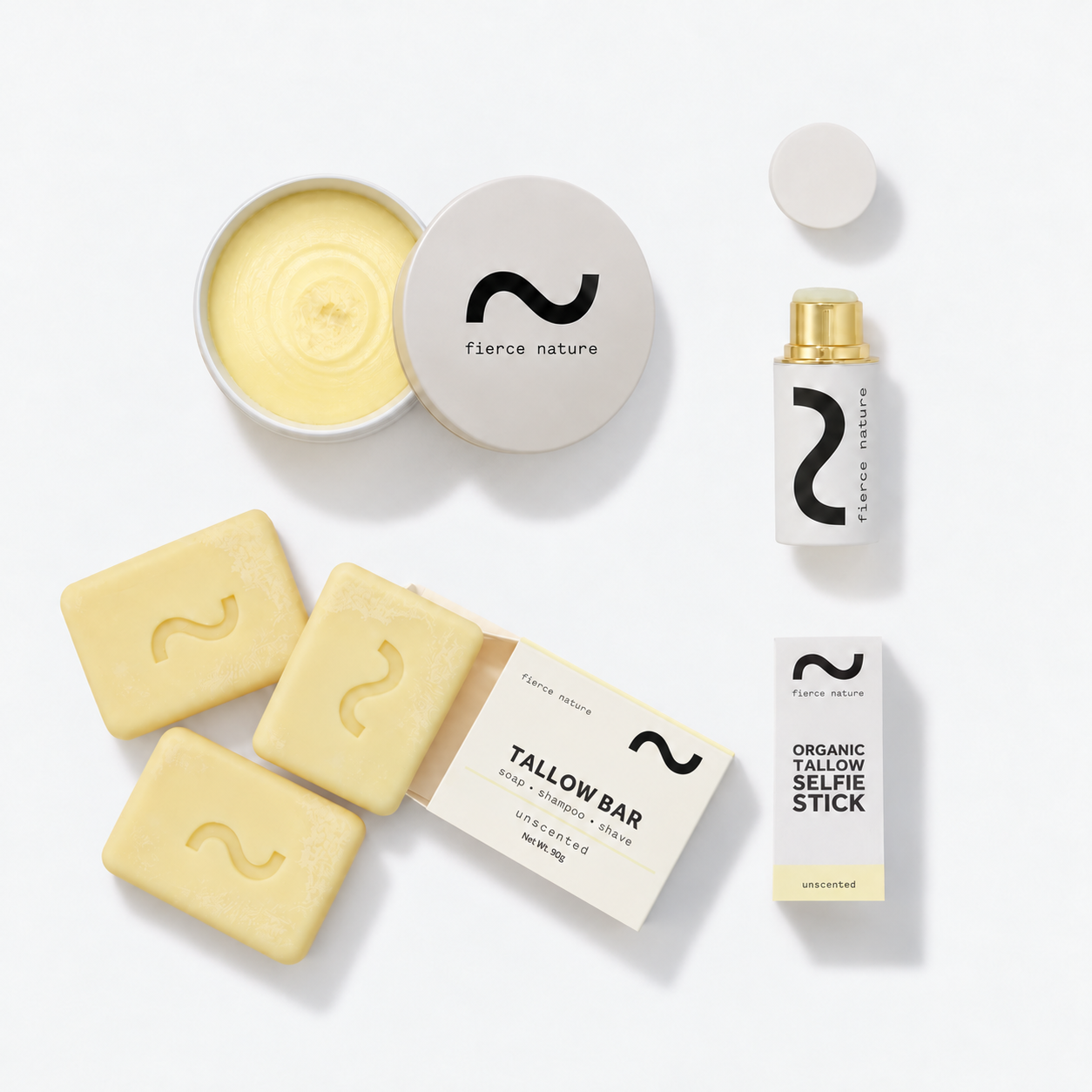
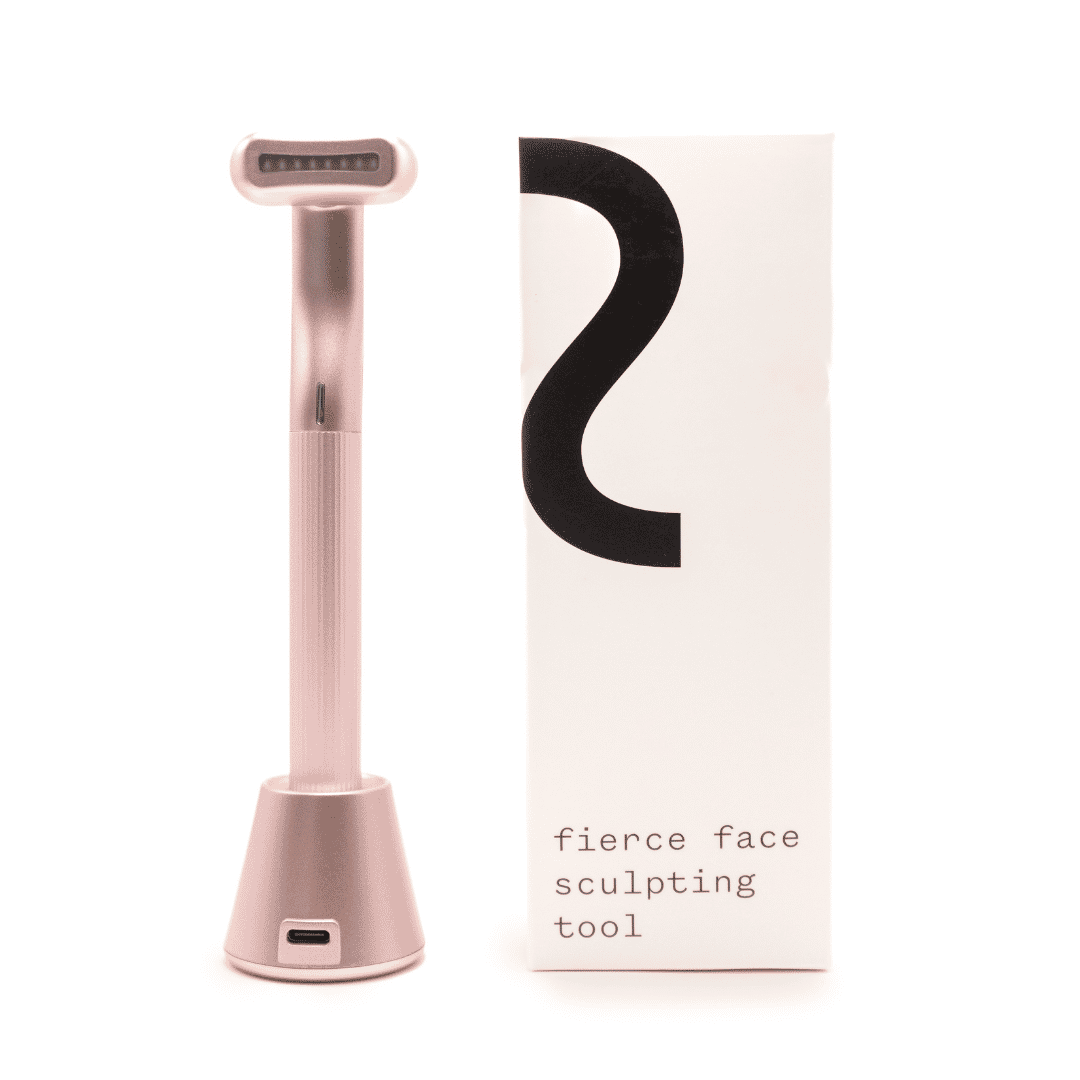
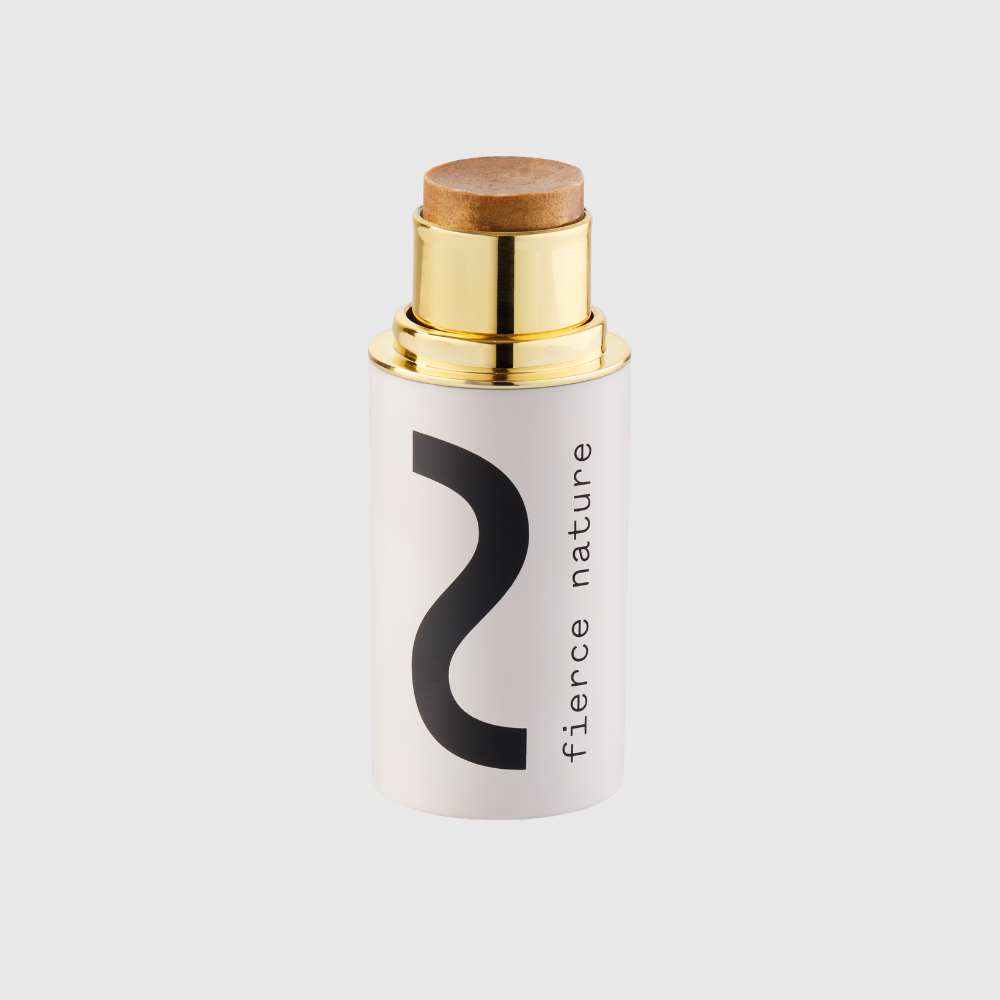
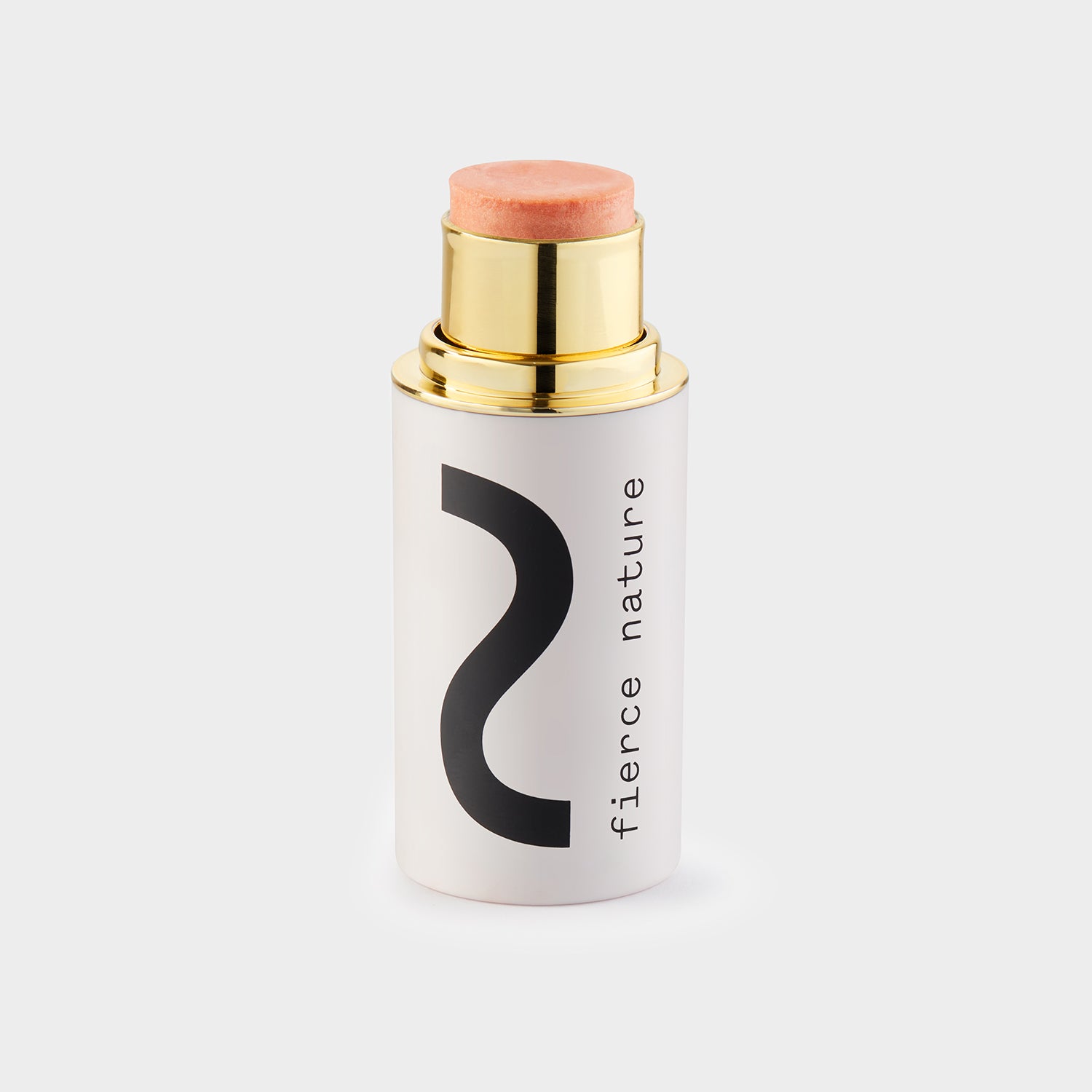
The habit that protects most is attaching moisturiser to every hand-cleaning moment. Wash or sanitise, wait for it to dry, then balm. Keep one on your desk, one in your bag and one by the sink. Our Beauty Sticks and skincare tools are one more way to keep care close at hand.
Oxford University Hospitals advises continuing protective measures for at least four months after hand eczema settles, because the skin stays sensitive for a long time even when it looks normal. Do not drop your routine the day the redness fades.
Hands that are sore are still hands that need to be clean. The question is how to do it gently.
BAD advises that alcohol rub can be used for decontamination when hands are not visibly dirty or soiled with blood or body fluids. It may sting on sore skin, but it is generally less irritating to skin than washing with soap and water. When your hands are dirty, wash with warm water and a soap substitute, or use a non-perfumed soap sparingly, rinse thoroughly, pat dry and apply emollient. If you work in a healthcare or similar setting, follow your workplace infection-control guidance.
That gives you a practical split:
| Situation | Gentler approach |
|---|---|
| Hands look clean, you are out and about | Use an alcohol rub if you need to, let it dry fully, then apply balm |
| Hands are visibly dirty or greasy | Wash with lukewarm water and a mild, unscented cleanser, rinse well, pat dry, then balm |
| Skin is cracked or stinging badly | Rinse with lukewarm water, pat dry and apply balm; avoid scented products entirely |
| Many cleans a day (work) | Balm after every one, thicker at night, gloves for wet tasks |
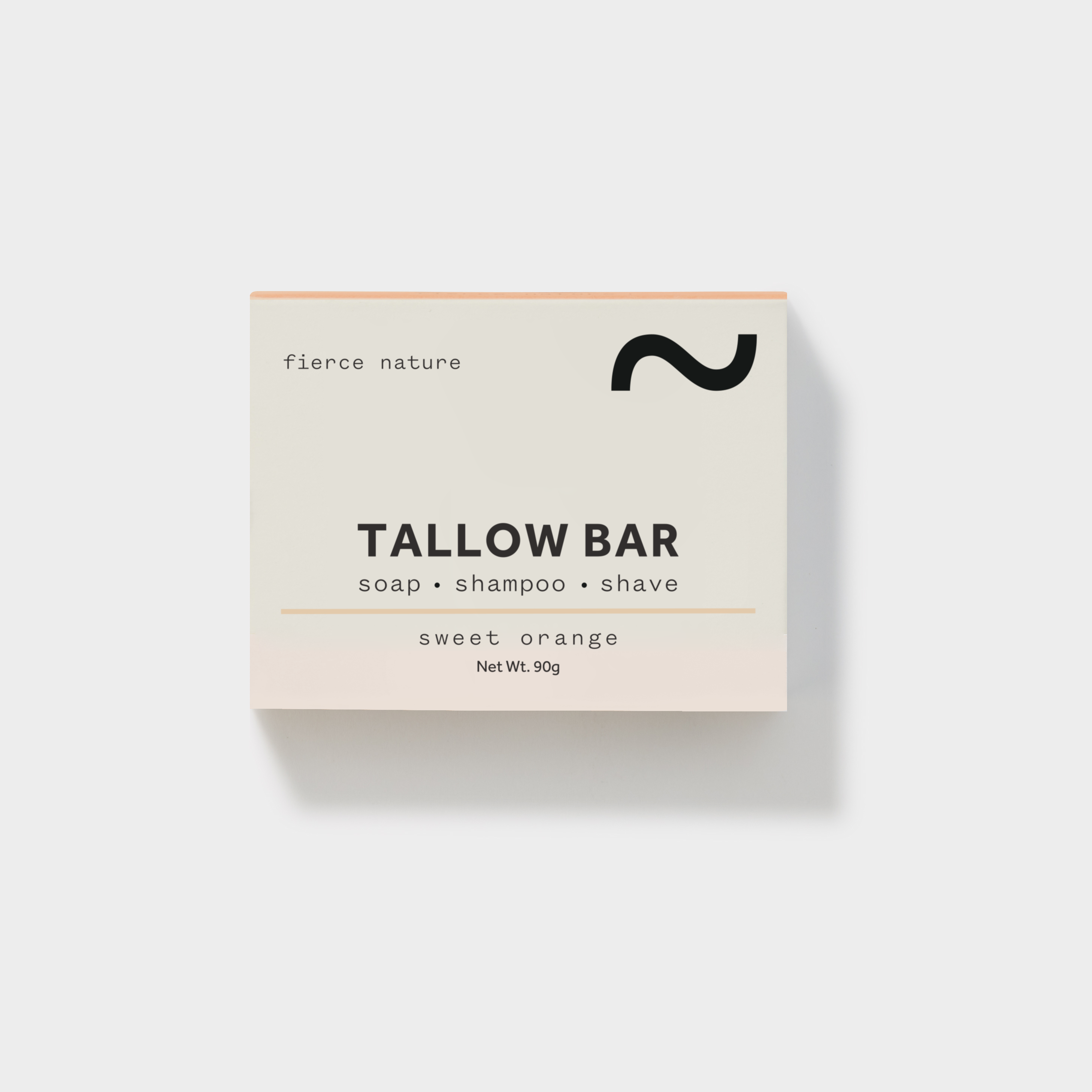
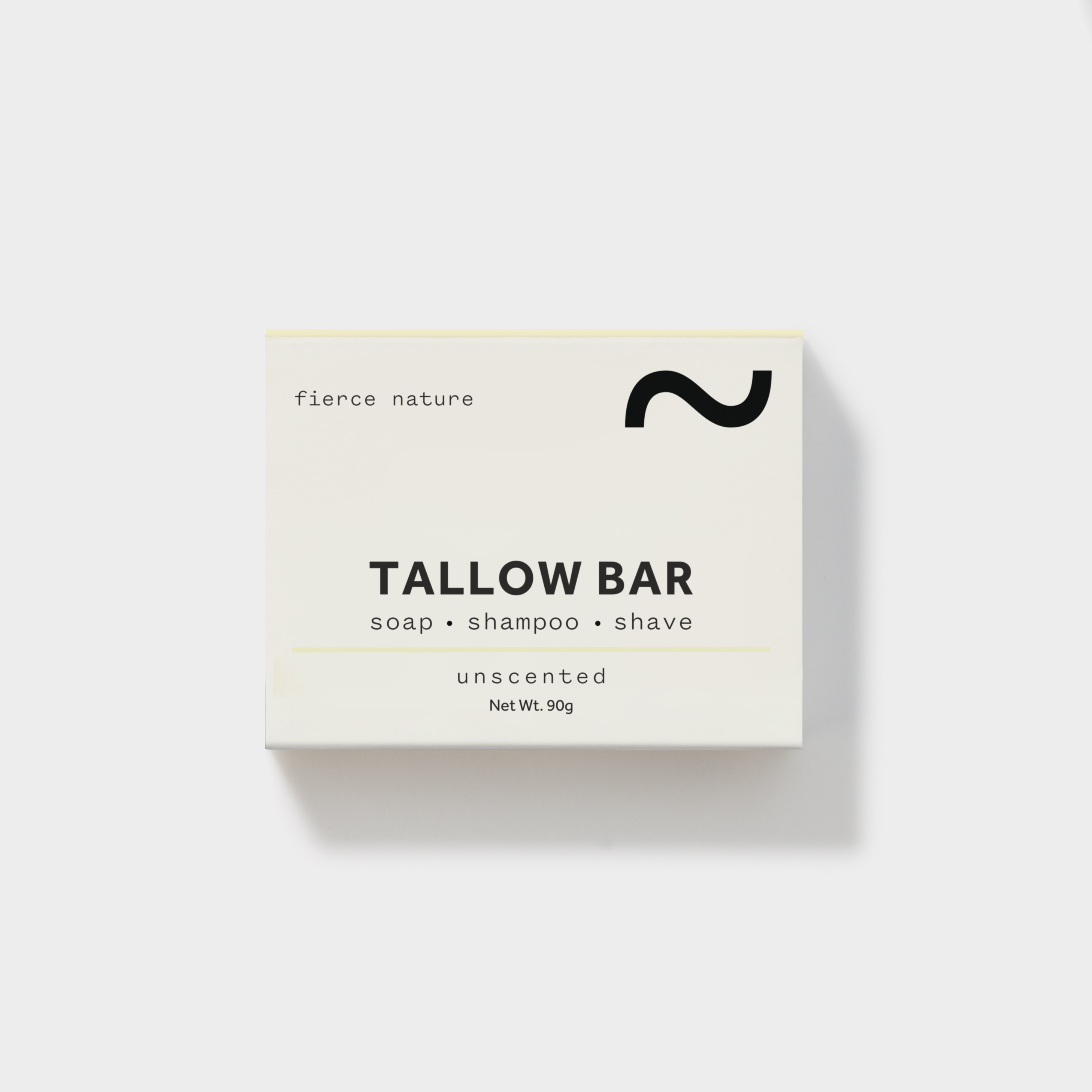
Harsh, highly foaming detergents and fragranced hand washes can make the cycle worse. NHS hospital guidance for hand eczema advises fragrance-free soap substitutes or mild, fragrance-free soap. Our tallow soaps are handmade in the UK, and we make unscented options for sensitive skin. Our article on unscented soap for eczema and psoriasis explains how to pick one, and our piece on whether your soap is making eczema worse goes into what to avoid.
If your job or home life means constant washing, you will not win with moisturiser alone. You also need a physical barrier.
The NHS suggests gloves to protect the hands, taken off periodically because sweating can make symptoms worse, with cotton gloves worn underneath. BAD recommends protective gloves for wet work and chemicals, worn for as short a time as possible, ideally no more than 20 minutes at once. PVC or disposable nitrile gloves are less likely than latex to cause an allergy, and cotton liners cut down on sweating. Leicester Hospitals gives similar advice: plastic or PVC gloves for washing dishes and clothes, remove them if water gets inside, and wear cotton gloves beneath to absorb sweat.
A simple routine:
Our article on hand washing rash remedy goes deeper into soothing hands that have been washed too often.
When skin is reacting, simpler is kinder. Here is what we look for, and what we have built our balms around.
As with any new product on reactive skin, start with a small amount on a small area and build up. Stop if your skin reacts, and speak to a pharmacist or your GP.
Morning
Through the day
Evening
Stick with it. The skin barrier takes time to rebuild, and it responds to consistency more than to any single heavy application.
We started Fierce Nature because we grew tired of beauty products that promise a lot and leave skin worse off. Many of us grew up with mainstream cosmetics, gels and creams that left our skin reactive, and we came to see how much the products we use every day can add to our body’s toxic load.
Sanitiser rash is a good example of that cycle. The hands are cleaned again and again, the natural oils go, and the skin is left asking for something to replace them. We believe the answer is to work with your skin, not against it.
That is why our balms start with pure organic tallow from grass-fed animals. Tallow has been used for centuries as a skin emollient, and we designed our formulas for deep nourishment with bioavailable vitamins, handmade in the UK with ingredients you can read and recognise. For hands that are cleaned many times a day, a rich, simple balm applied often is a ritual that restores softness and comfort.
Our approach is gentle and honest: keep the routine easy, keep the ingredients clear and give your skin the time it needs.
Fierce Nature
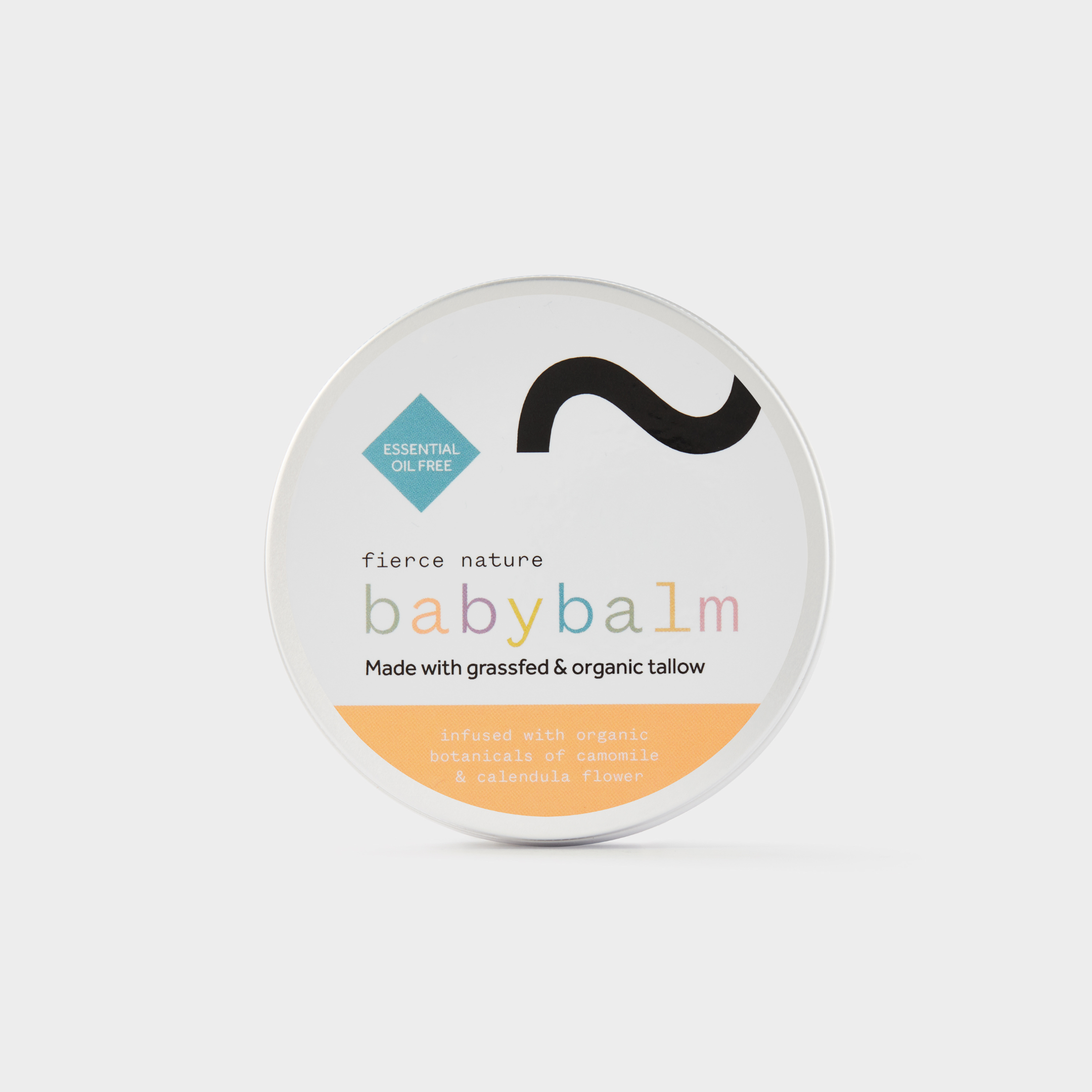
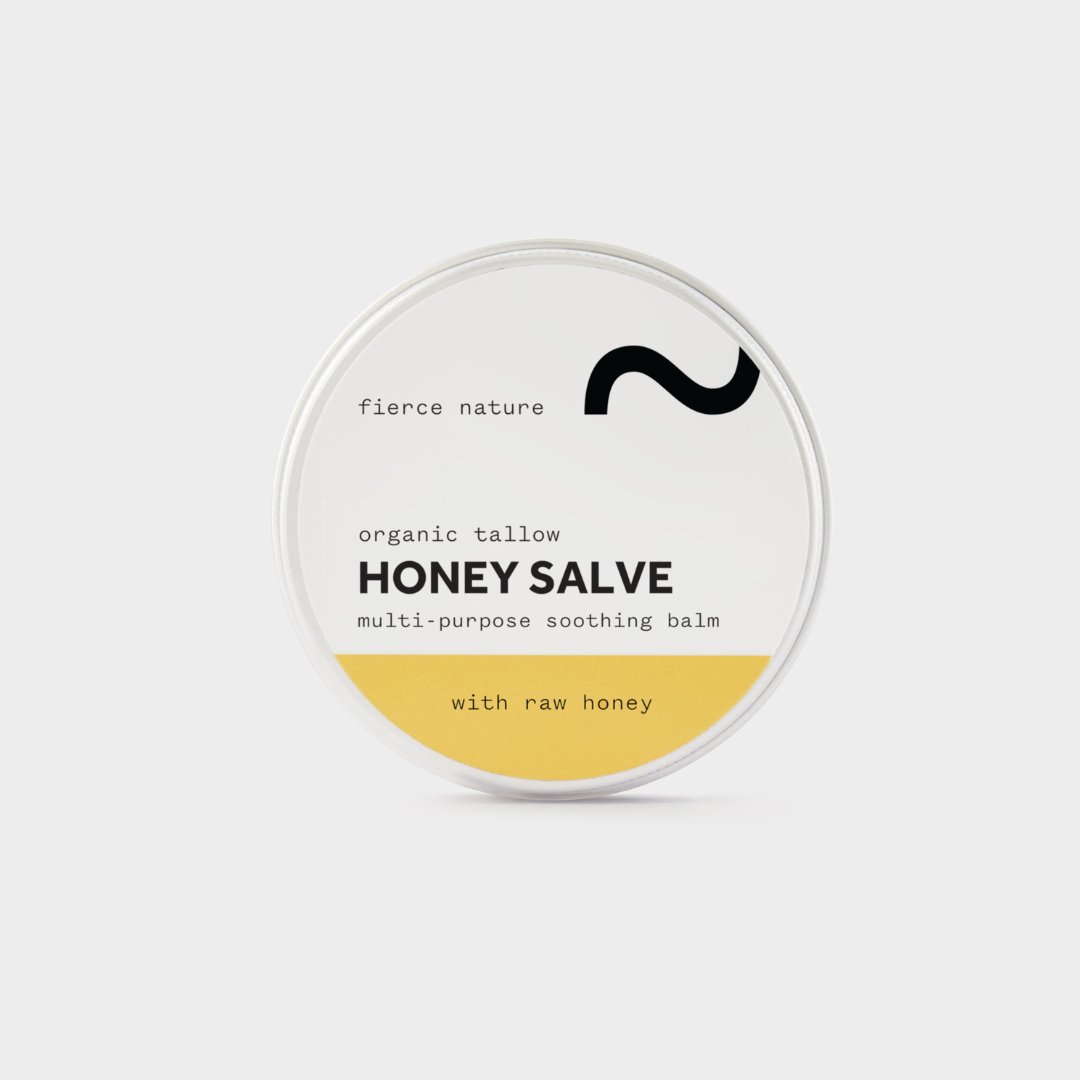
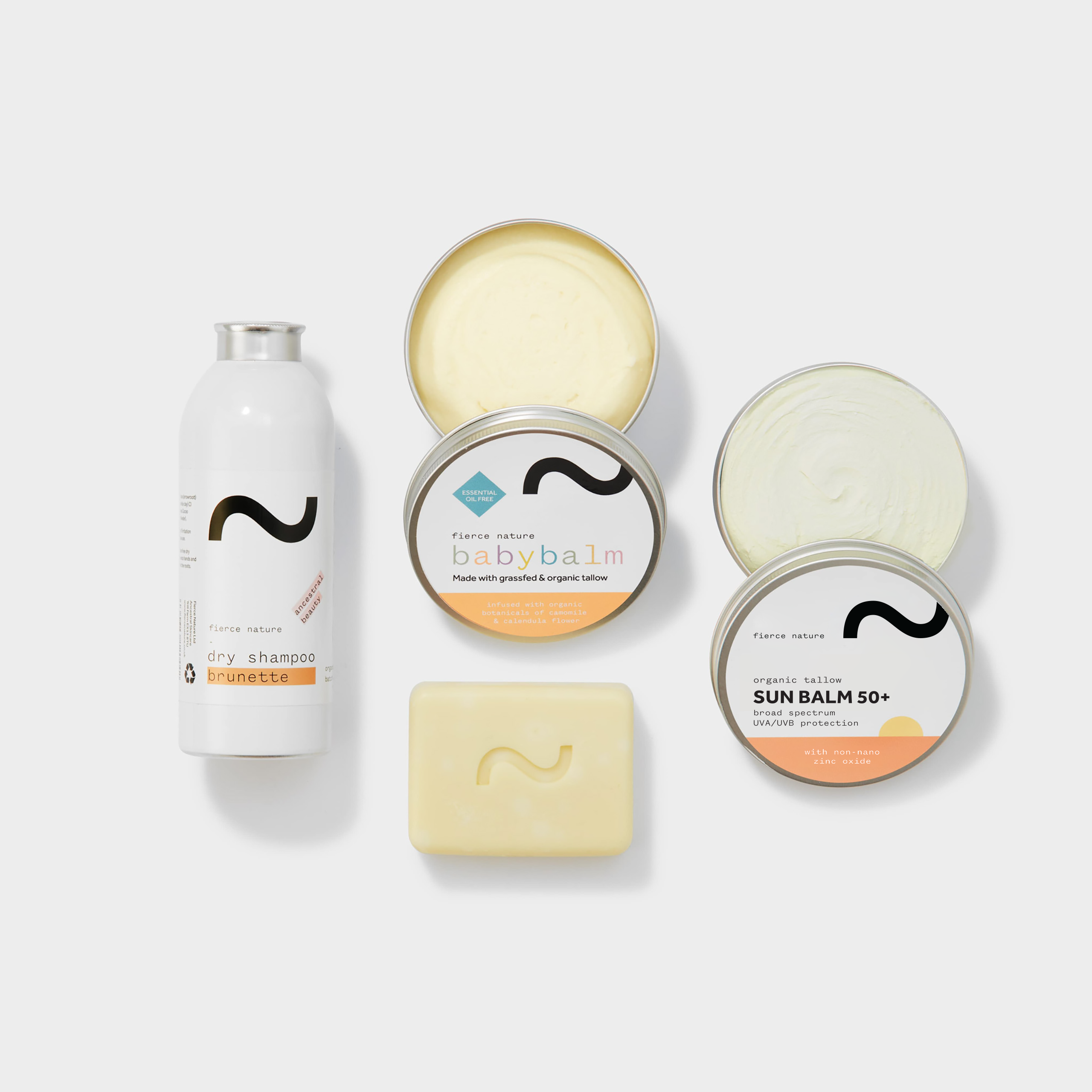
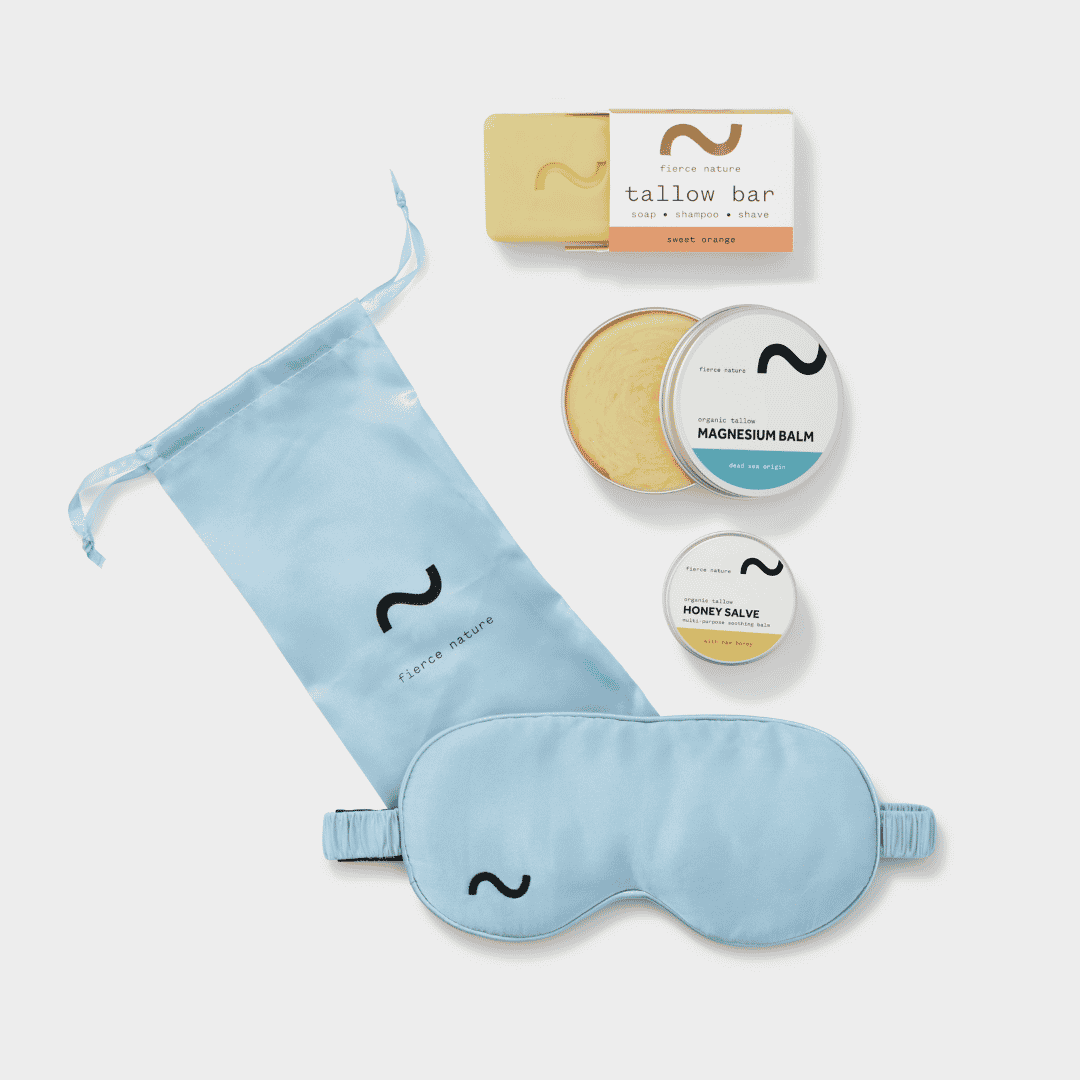
If your hands need nourishing care right now, start with our face and body balms. They are handmade in the UK with organic tallow as the base, and they are made to be used generously and often. The Hydration Rescue bundle brings together products for dry, thirsty skin, and our Honey Salve is a rich option to keep by the bed for overnight hand care. Looking for gentle care for the whole household? Our Baby Balm is made for little ones’ delicate skin.
For a broader routine, our skincare for eczema guide and two-step regimen with unscented soap and Nourish balm set out the full approach.
Home care works for many mild rashes, but some need professional help. The NHS advises asking a pharmacist if contact dermatitis is troubling you. It advises seeing a GP if symptoms are persistent, recurrent or severe. A GP may refer you to a dermatologist if the cause cannot be identified or if symptoms do not respond to treatment. Topical corticosteroids, which reduce inflammation, can be used when a pharmacist or doctor advises them.
See someone sooner if:
If you work in a role that involves frequent hand hygiene, tell your occupational health team or employer, because adjustments to products or tasks can help.
Yes. Sanitiser can cause irritant contact dermatitis, which brings stinging, dryness, redness, soreness and sometimes cracking. A smaller number of people develop allergic contact dermatitis, usually to a fragrance or preservative. Reactions are more likely if your skin is already sensitive or inflamed.
It can sting and dry out eczema-prone skin, and hand sanitiser may be uncomfortable on cracked areas. Frequent washing with soap and water is also a recognised cause of hand irritation. The best approach is to apply a rich, fragrance-free emollient after every hand clean and speak to your GP or pharmacist if you have a flare-up.
Wait until the sanitiser has dried, then apply a generous layer of simple, fragrance-free emollient. A rich balm is ideal for the evening and overnight, with a lighter layer during the day. Our face and body balms are made with organic tallow for exactly this kind of nourishing, leave-on care.
Mild irritation often settles within days to a couple of weeks once you remove the trigger and moisturise often. Skin stays sensitive for much longer, so hospital guidance suggests keeping up protective habits for at least four months after the rash settles. If it is not improving, or keeps coming back, see your GP.
Alcohol rub is generally less irritating than washing with soap and water, and it can be used on hands that are not visibly dirty, though it may sting on sore skin. Let it dry fully and follow with balm. Choose a fragrance-free product, and follow your workplace guidance if you work in healthcare.