In practice, you can expect a moderate to high zinc oxide percentage in sunscreens claiming SPF 30 to SPF 50 levels. UK and EU cosmetic regulation caps zinc oxide at 25% in any ready-to-use product. Percentage alone never tells the whole story, though: how the zinc oxide is dispersed through a formula shapes the protection you actually get on your skin.
TL;DR:
- Formulas with 15% to 20% zinc oxide commonly target SPF 30, while 20% to 25% is typical for SPF 50 and stronger UVA1 coverage.
- SPF measures UVB protection, so check for broad spectrum wording or a PA or PPD rating to assess UVA coverage, especially UVA1.
- Particle size and dispersion affect performance, so rely on human tested SPF claims rather than percentage calculators or in vitro estimates alone.
- UK and EU rules cap zinc oxide at 25% in leave on cosmetics; sprays and loose powders face added restrictions because of inhalation risk.
- Lower zinc oxide percentages may suit low exposure days, but apply generously and reapply about every two hours, or sooner after swimming or heavy sweating.
Fierce Nature
Explore Nature-Led Skincare
Discover handmade skincare crafted in the UK with naturally sourced ingredients and organic tallow as its foundation.
Table of Contents
Mapping zinc oxide percentages to typical SPF and UVA coverage
The relationship between zinc oxide and SPF is not a straight line you can read off a label with total confidence, but there are practical bands worth knowing. Formulators commonly work within these three ranges:
-
Lower zinc oxide percentages: often paired with boosters to reach a stated SPF, but broad UVA1 coverage tends to be thinner.
-
Moderate zinc oxide percentages: the sweet spot where reliable broad-spectrum SPF 30 formulas commonly sit.
-
Higher zinc oxide percentages near the regulatory limit: typically where you find SPF 50 and above.
Here is how those bands tend to translate into real-world expectations, drawing on formulation practice rather than any single fixed formula:
| Zinc oxide percentage |
Typical SPF range |
UVA coverage tendency |
| Under 15% |
Variable, often boosted |
Frequently limited, especially UVA1 |
| 15–20% |
SPF 30 region |
Generally solid broad-spectrum coverage |
| 20–25% |
SPF 50 and above |
Strongest UVA1 attenuation typical of ZnO formulas |
Two products can carry the same SPF 30 or SPF 50 claim on the front of the bottle while offering noticeably different UVA protection underneath it. SPF testing measures protection against UVB, the rays most responsible for sunburn, but it says comparatively little about UVA, the longer wavelength associated with premature ageing and pigmentation. A formula that relies more on boosters than zinc oxide itself to hit its SPF number can pass that test while leaving UVA1 coverage relatively weak. This is why the percentage of active mineral filter, not just the SPF number, matters when you are choosing a sunscreen for daily wear versus prolonged outdoor exposure. We touch on UVA labelling systems like PA and PPD further down, because they fill in the gap that SPF alone leaves open.
How zinc oxide protects across the UV spectrum and what SPF measures
Zinc oxide earns its reputation as a genuinely broad-spectrum filter because it scatters and absorbs light across UVB, UVA2 and UVA1, the full range relevant to sun damage; for a deeper primer on mineral-based protection, see the role of minerals in skin care. Most chemical filters are strong in one band and weaker in another, which is part of why formulators often blend several of them to cover the spectrum. Zinc oxide manages a good deal of that spread on its own, which is one reason we gravitate towards it as a mineral option.
SPF itself only measures protection against UVB-induced redness, known as erythema. It tells you nothing directly about UVA1, the band that penetrates deeper into skin and contributes to collagen breakdown and pigmentation changes over time. That is where PA ratings (common across Asia) and PPD values (used in parts of Europe) come in, since both attempt to quantify UVA protection separately from SPF.
A few points worth holding onto:
-
SPF measures UVB protection only, not the full UV spectrum your skin is exposed to outdoors.
-
PA and PPD ratings estimate UVA protection, and a high SPF number says nothing about either figure.
-
As zinc oxide concentration drops, spectral gaps tend to widen first in the UVA1 region, even if the UVB-driven SPF number still looks respectable.
Reading both numbers, not just SPF, gives you a far more honest picture of what a sunscreen is doing for your skin.
Formulation and testing: why percentage is not the whole story
Percentage tells you how much zinc oxide went into the pot. It does not tell you how effectively that zinc oxide ended up protecting your skin, and that gap comes down to formulation choices most shoppers never see.
Micronised zinc oxide, ground down to a much smaller particle size than bulk mineral powder, spreads more evenly and creates a thinner, more continuous barrier across the skin. A well-dispersed micronised formula can deliver more SPF per percentage point than a poorly dispersed one using the same raw amount of zinc oxide. This is part of why two products listing the same percentage can perform quite differently in practice, and why in-vivo testing under protocols such as ISO 24444 remains the standard for genuine label claims rather than in-vitro estimates or online percentage calculators, which are useful for formulators but not reliable substitutes for human testing.

SPF boosters, ingredients added specifically to inflate a formula’s measured SPF, are another variable worth watching. They can lift a low-zinc formula to a headline SPF 30 or 50 claim without meaningfully improving UVA1 coverage, which is exactly the scenario that leaves photoageing protection thinner than the SPF number suggests.
A few practical takeaways:
-
Micronised, well-dispersed zinc oxide increases SPF efficiency per percentage point, compared with coarser, poorly dispersed particles.
-
SPF boosters can raise the number on the label without improving UVA1 protection, so check for UVA or PA ratings alongside SPF.
-
Tinted mineral formulas and refractive dispersants are modern answers to the thick texture and white cast that higher zinc concentrations can otherwise bring.
High-percentage zinc oxide formulas used to mean a heavy, chalky finish, and some still do. Micronisation, tinting and better dispersants have narrowed that trade-off considerably, which is part of why mineral sunscreens have become genuinely wearable rather than a compromise you tolerate for the sake of safety.
Pro Tip: If a sunscreen lists a high SPF but does not disclose zinc oxide or titanium dioxide percentages, treat the UVA protection as unverified until further information is available.
Regulation and safety: the 25% maximum and nano and non-nano considerations
Zinc oxide, in both nano and non-nano form, is authorised as a UV filter under UK and EU cosmetic regulation at a maximum concentration of 25% by weight in any ready-to-use preparation. That ceiling exists because, above it, safety data supporting everyday use becomes thinner, not because higher percentages automatically mean better protection. A sunscreen claiming 40% zinc oxide for SPF purposes sits outside what UK and EU rules permit for a leave-on cosmetic, so that figure belongs to a different category of product, such as a barrier or nappy cream formulation rather than a facial SPF (our own guide to nappy cream concentrations explains where those higher percentages are actually used).
Nano and non-nano grades are treated differently under the rules in one specific respect: uses likely to cause inhalation, such as sprays and loose powders, are restricted regardless of particle size, because the inhalation risk is the concern rather than skin absorption. For balms, creams and sticks applied by hand, that restriction simply does not apply in the same way.
-
25% is the legal maximum for zinc oxide in a UK or EU leave-on cosmetic, nano or non-nano.
-
Spray and powder formats face extra restriction because of inhalation risk, not skin safety concerns.
-
A 40% zinc oxide product is not a permitted SPF-labelled sunscreen under UK or EU rules, whatever claims appear on packaging from other markets.
A short buyer’s checklist: how to read labels and choose a zinc oxide sunscreen
Choosing well comes down to a handful of checks you can run through in a few seconds, whether you are stood in a shop or scrolling an online listing.
-
Look for the zinc oxide percentage on the ingredients list, not just the SPF number on the front.
-
Check for broad-spectrum wording or a PA or PPD rating, since SPF alone says nothing about UVA protection.
-
Favour 15 to 20% zinc oxide for SPF 30 needs, and 20 to 25% if you want SPF 50 for long outdoor exposure.
-
Accept lower percentages for genuinely low-exposure daily wear, such as a short commute or mostly indoor days.
-
Apply generously and reapply roughly every two hours, or sooner after swimming or heavy sweating.
Our mineral versus chemical sunscreen guide goes further into reapplication timing and how mineral formulas behave differently from chemical ones through the day, and our guide to reading cosmetic labels walks through the rest of the ingredients list beyond the UV filter itself.
Why we put zinc oxide percentage front and centre
Skincare marketing has spent decades hiding behind vague promises and seductive packaging rather than straightforward numbers, and that habit does real damage when it comes to sun protection, because what you cannot see on a label you cannot judge properly. We believe a percentage you can check matters more than a claim you have to trust, which is why we treat ingredient transparency as a baseline rather than a selling point. Mineral protection, done honestly, respects your skin and your intelligence in equal measure.
— Fierce Nature
Where New Sun Balm SPF 50+ PA++++ fits this picture
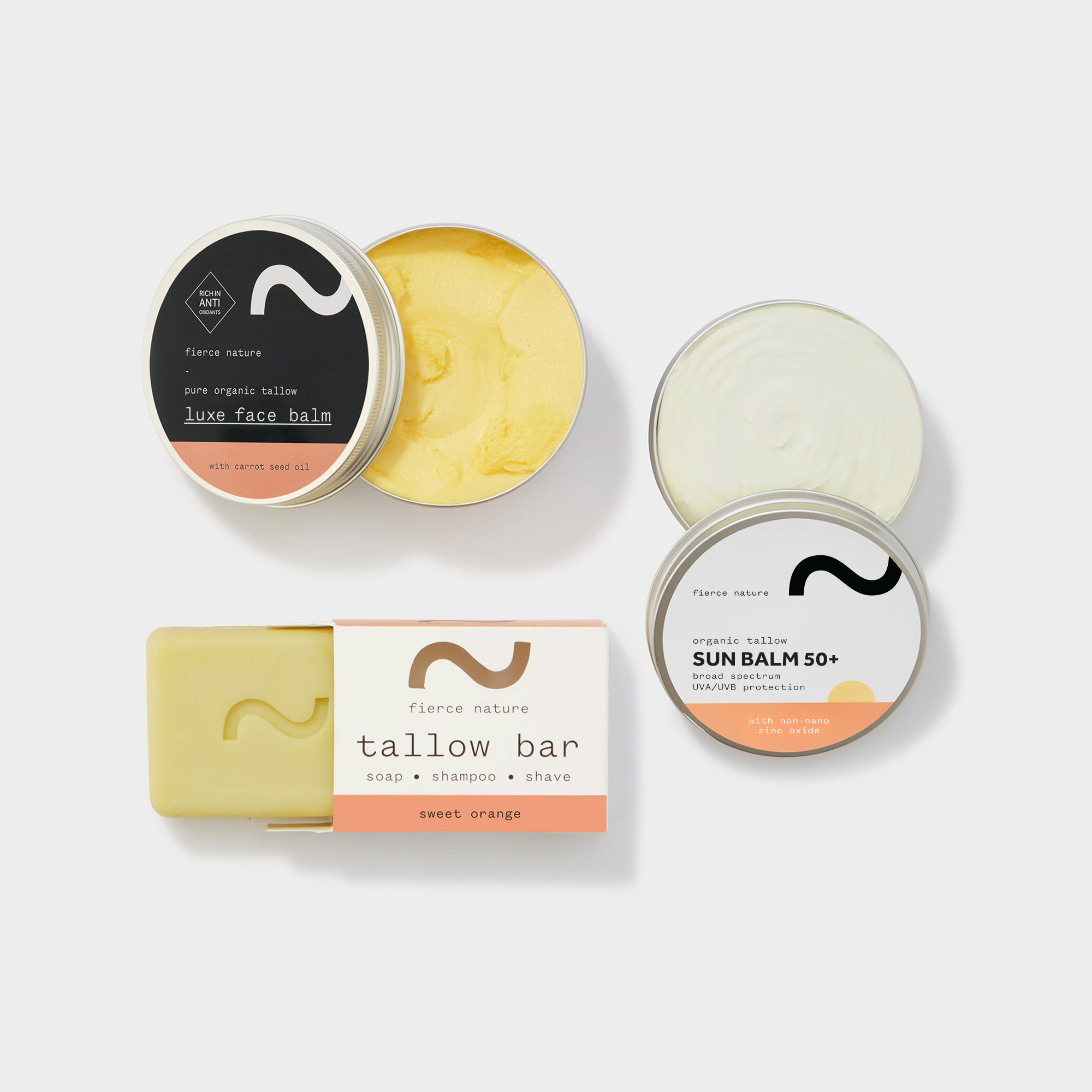
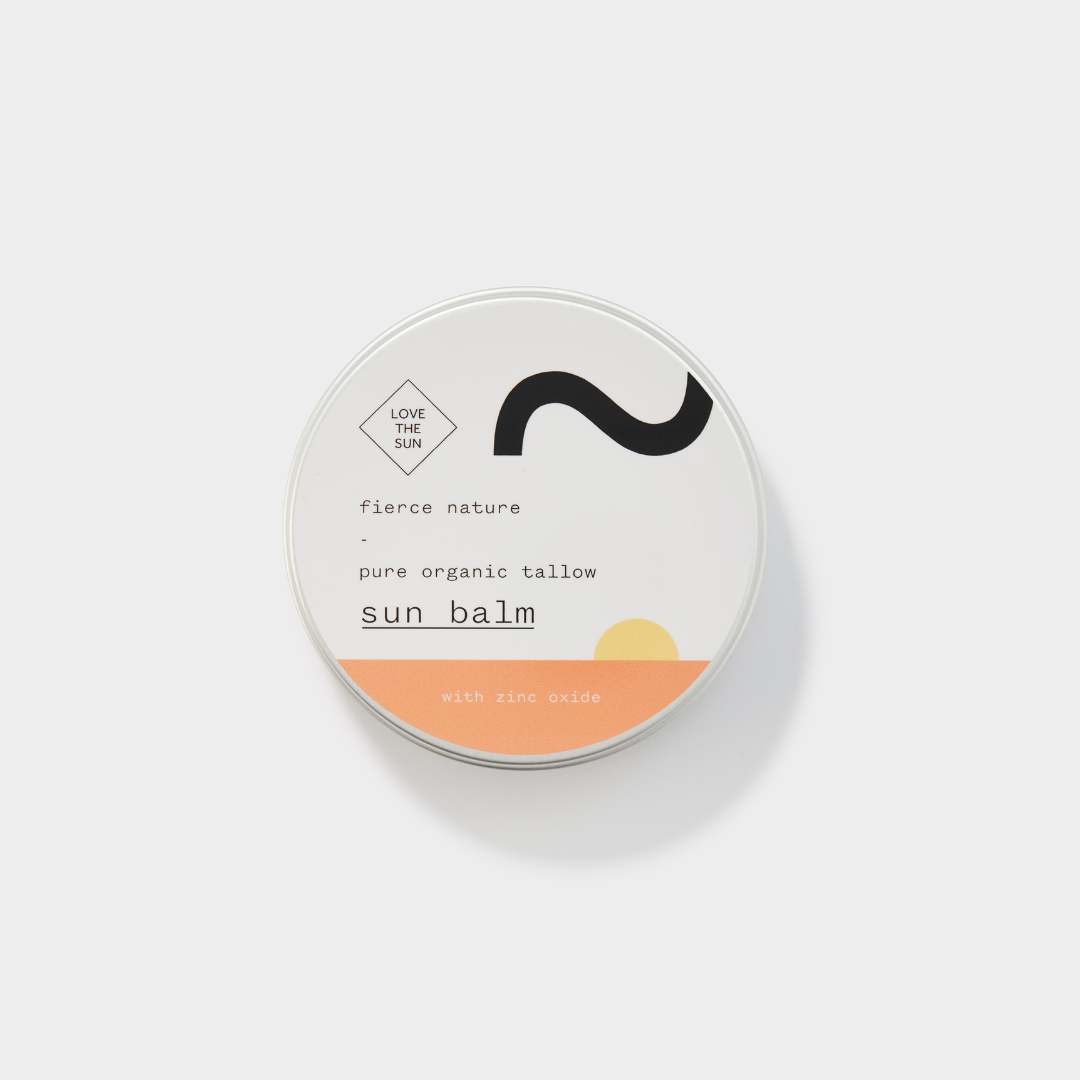
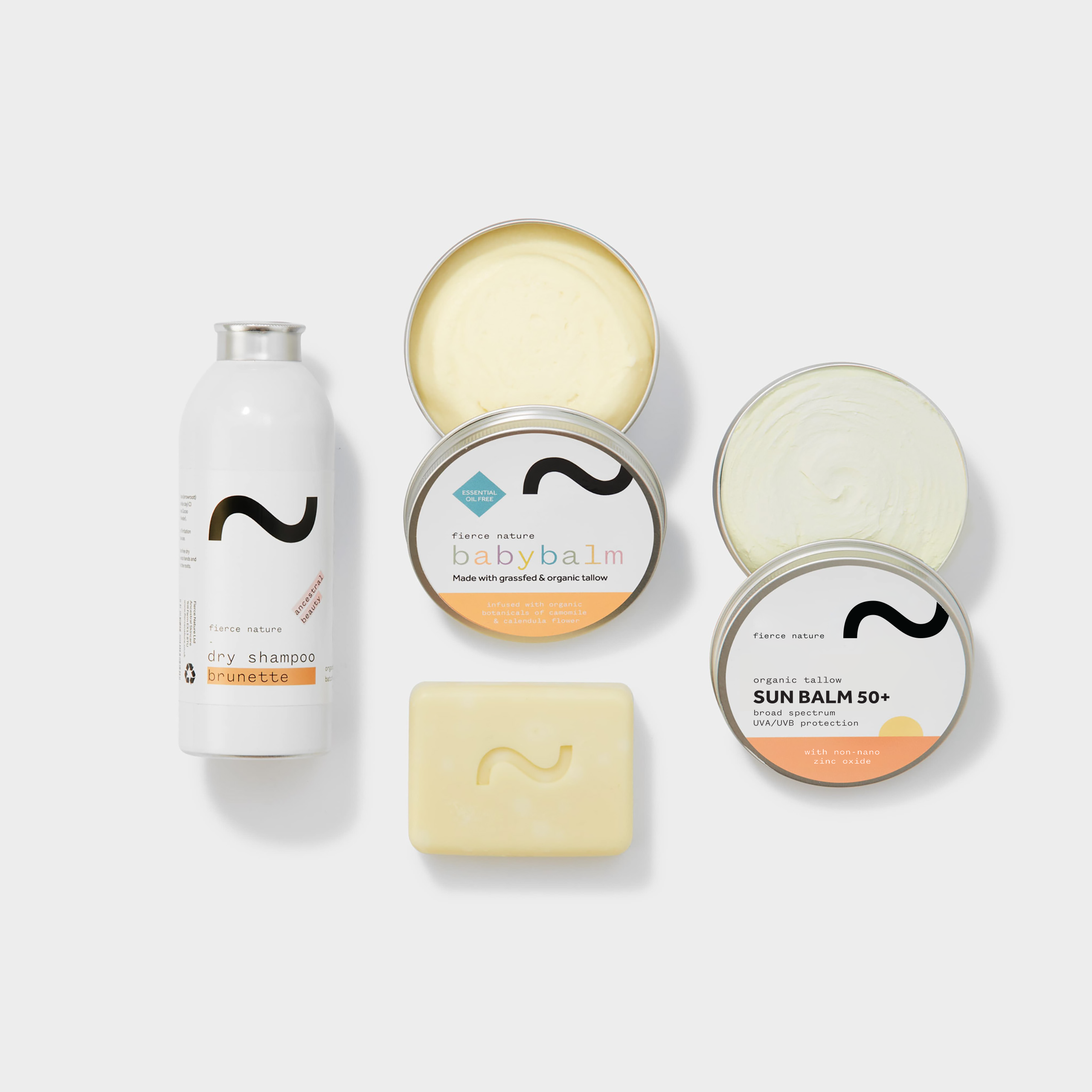
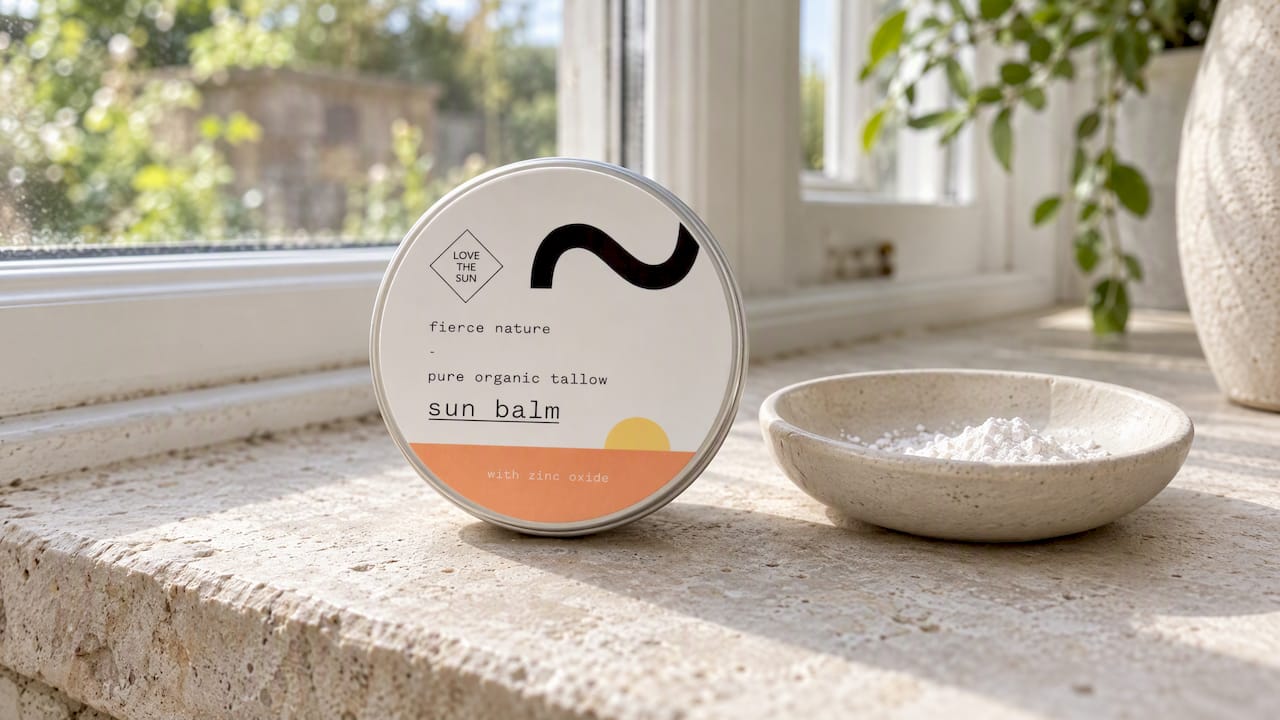
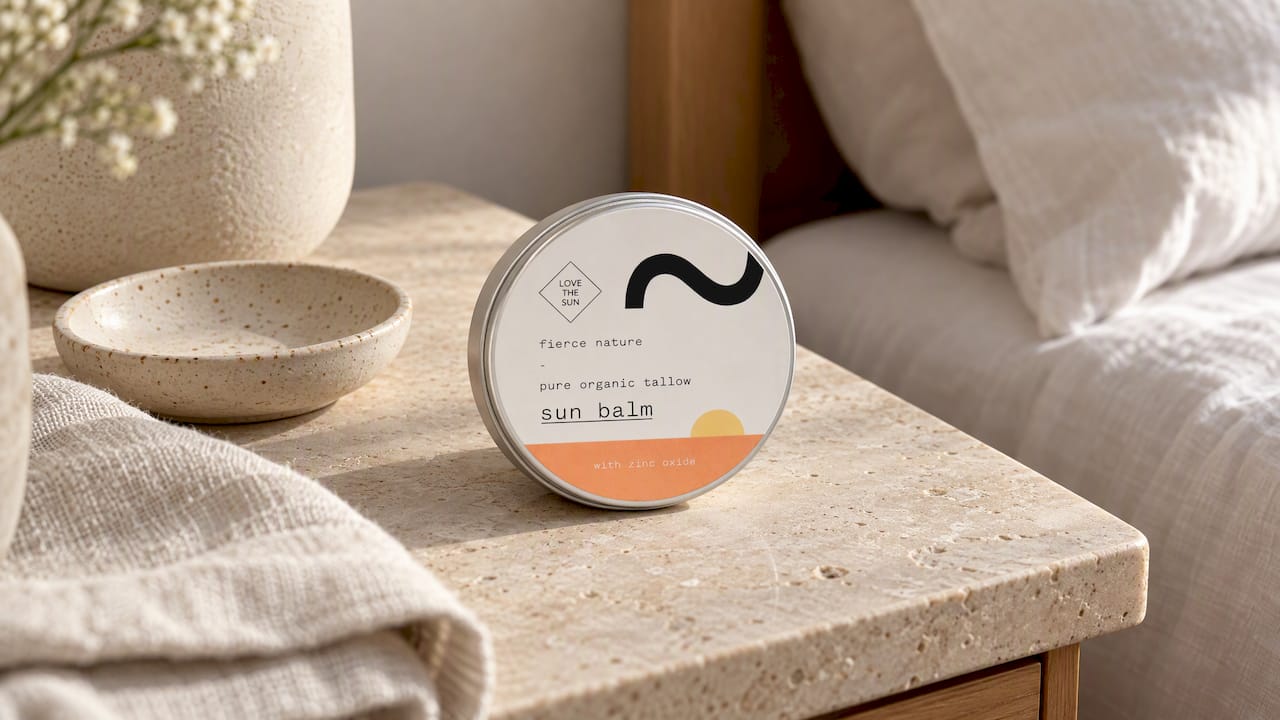
Everything above points towards a simple standard: a meaningful zinc oxide percentage, genuine broad-spectrum coverage, and an honest label you do not have to second-guess. Our New Sun Balm SPF 50+ PA++++ is formulated with that standard in mind, sitting within the zinc oxide range this guide associates with SPF 50 protection and a PA++++ rating for UVA coverage.
-
Formulated within the practical zinc oxide range associated with SPF 50 and strong UVA performance.
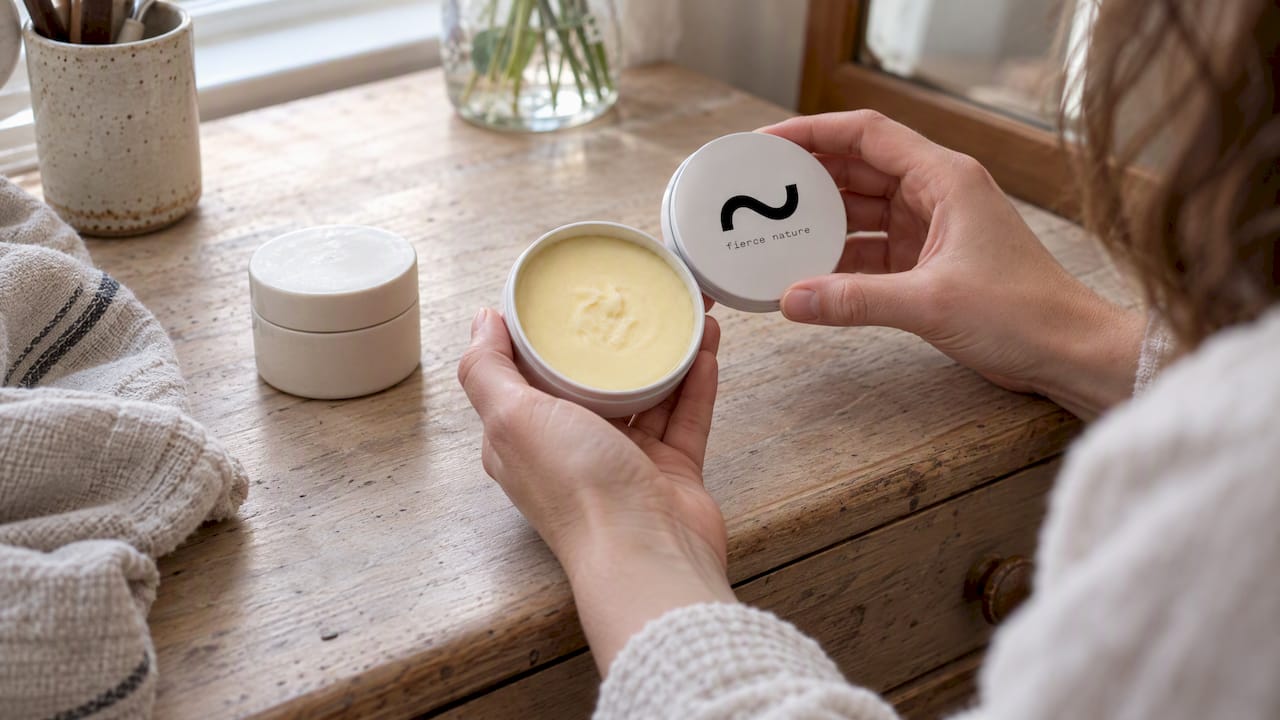
- Built on a tallow base, so you get mineral protection alongside skin nourishment.
- Full details, including the ingredients list, are available on the product page so you can check what you are putting on your skin before you buy.
If sun protection is the gap in your current routine, our New Sun Balm SPF 50+ PA++++ is ready to fill it.
FAQ
Can you use 40% zinc oxide as sunscreen?
No. UK and EU cosmetic regulation caps zinc oxide at 25% in any ready-to-use leave-on product, so a 40% concentration falls outside what is permitted for an SPF-labelled sunscreen. Products with higher percentages, such as some nappy or barrier creams, serve a different purpose and are not formulated or labelled as facial sun protection.
Is 10% zinc oxide enough for sunscreen?
Formulas at this level often rely on boosters to reach a stated SPF, which can leave UVA1 coverage weaker than the SPF number suggests.
How much percentage of zinc oxide should be in sunscreen?
For SPF 50 and higher protection, 20 to 25% is more common, right up to the 25% maximum allowed under UK and EU regulation.
Is zinc oxide good for SPF?
Yes. Zinc oxide is a genuinely broad-spectrum physical filter that covers UVB and both UVA bands, which is why it is often favoured for sensitive or reactive skin. It typically needs a higher concentration than many chemical filters to reach the same labelled SPF, which is reflected in the percentage ranges used across mineral formulas.
Recommended