Chariot
0
80 % également ajouté à ceci


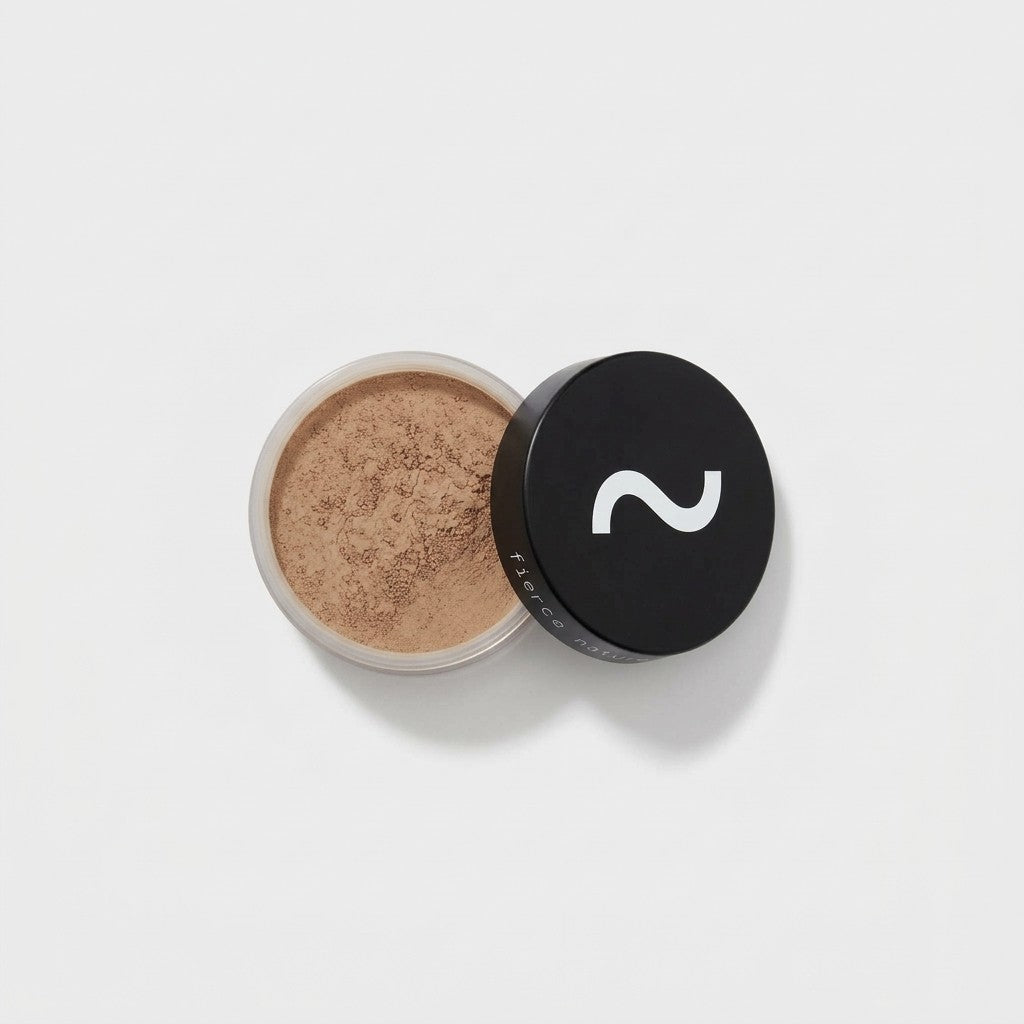
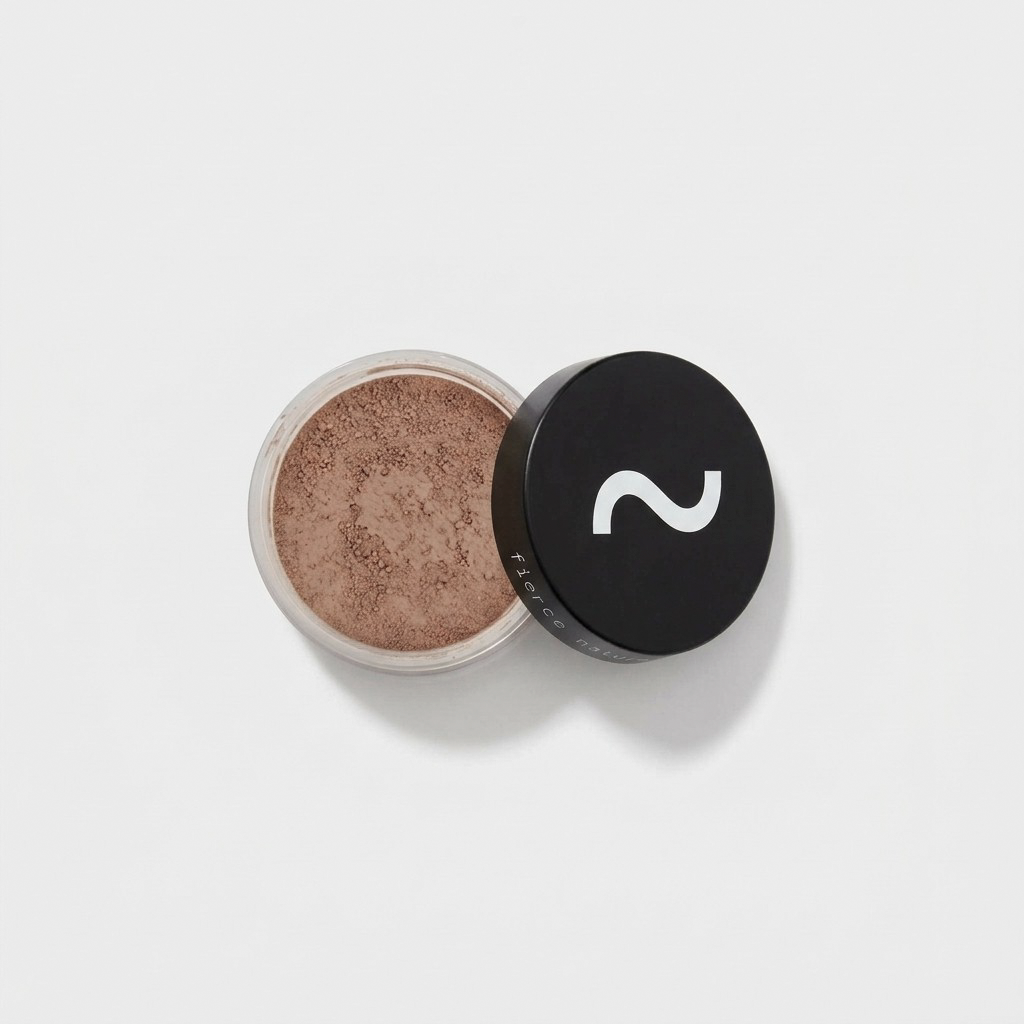
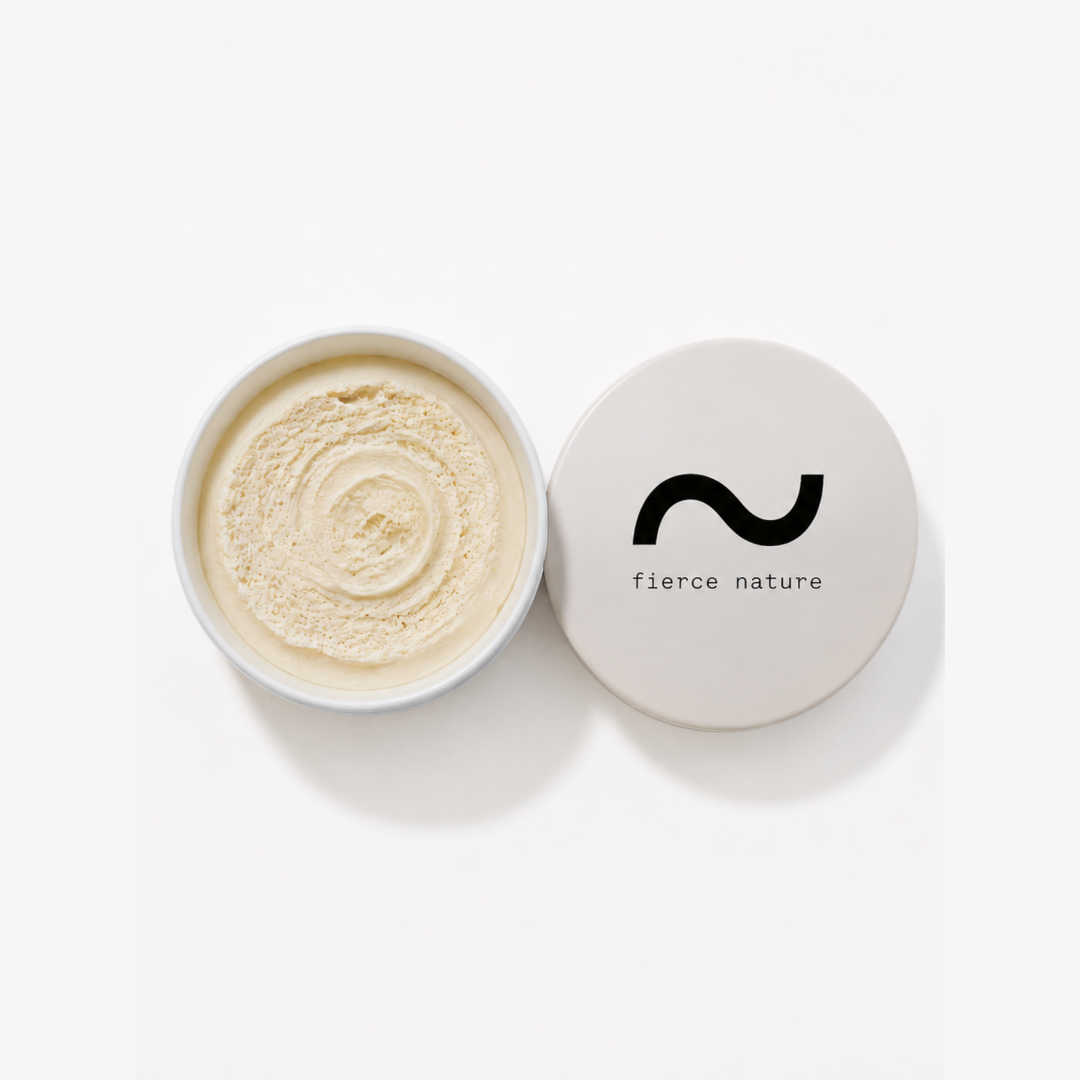
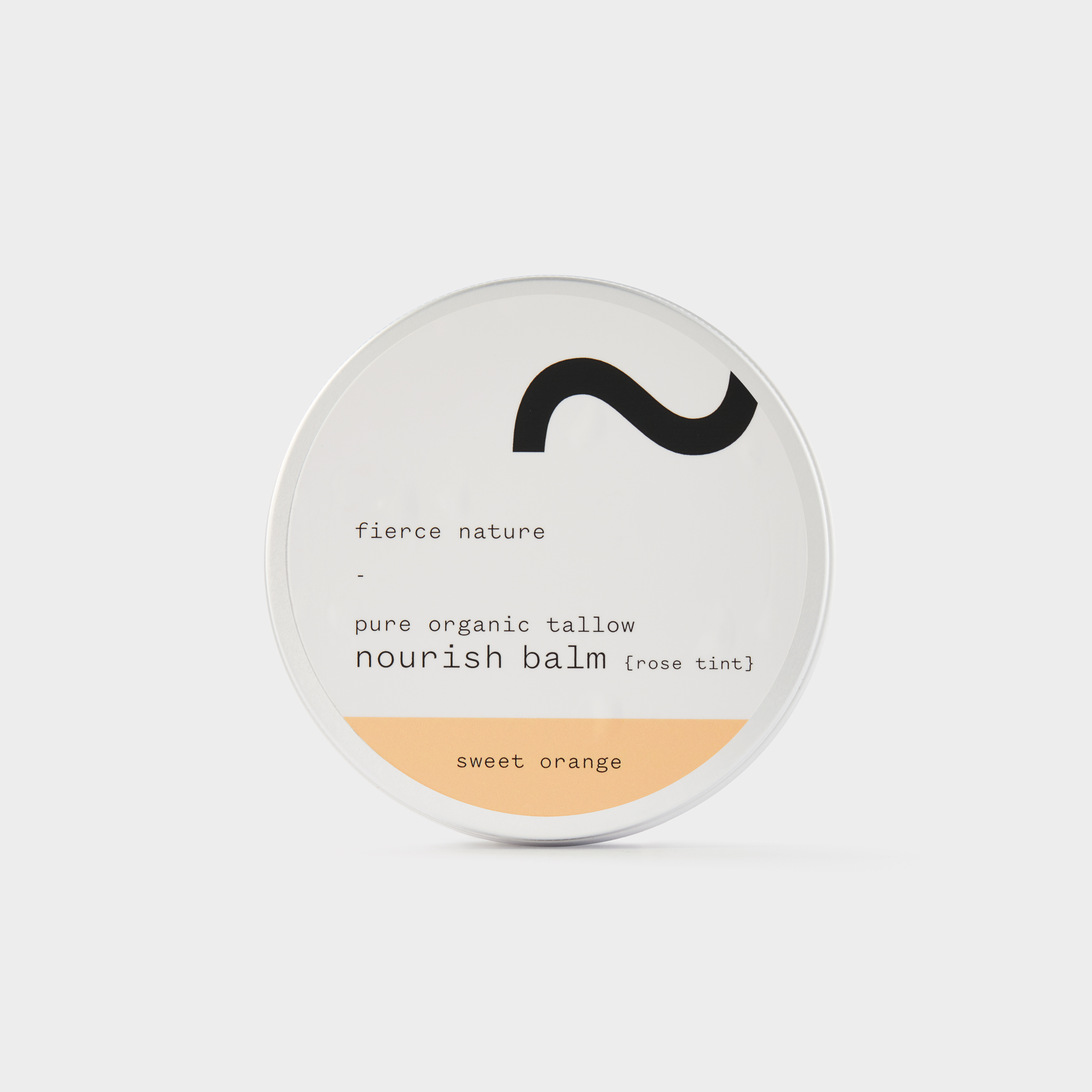
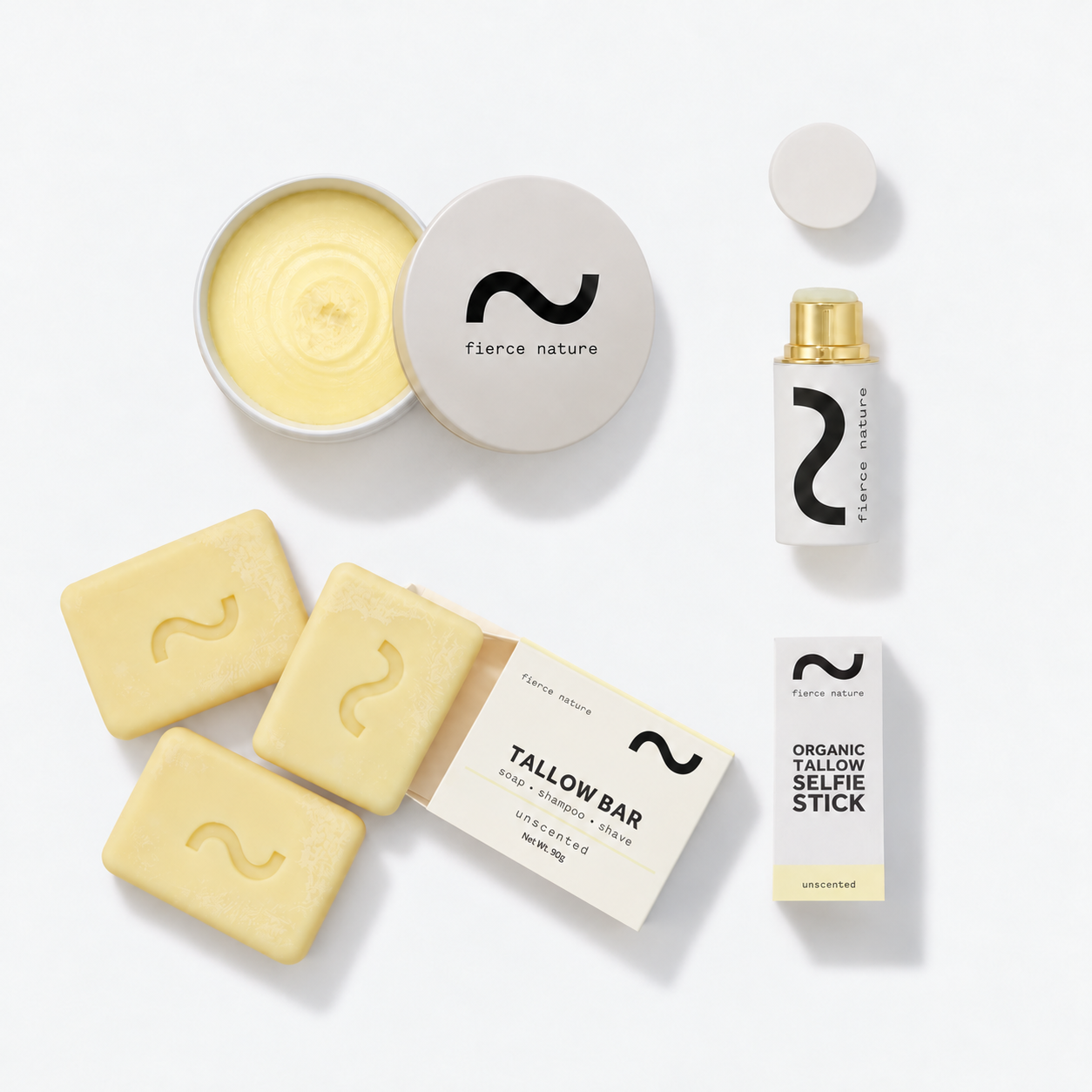

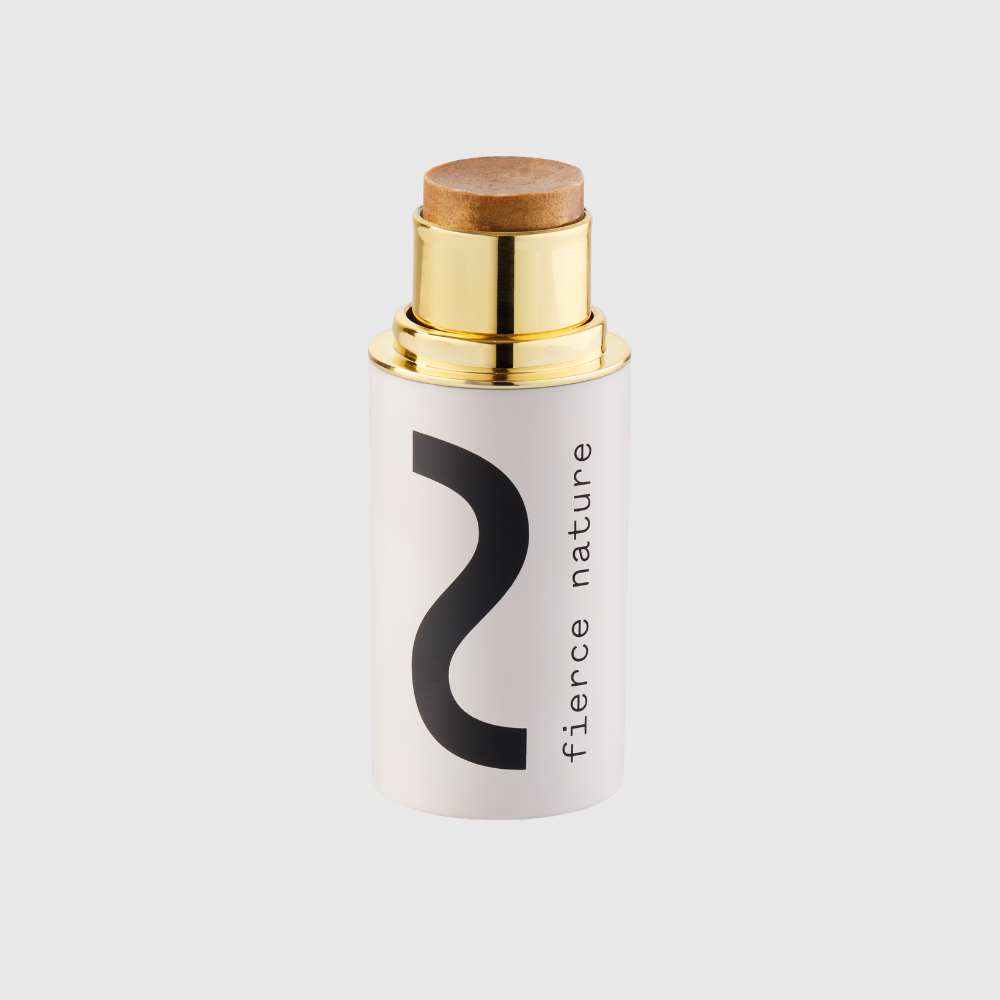
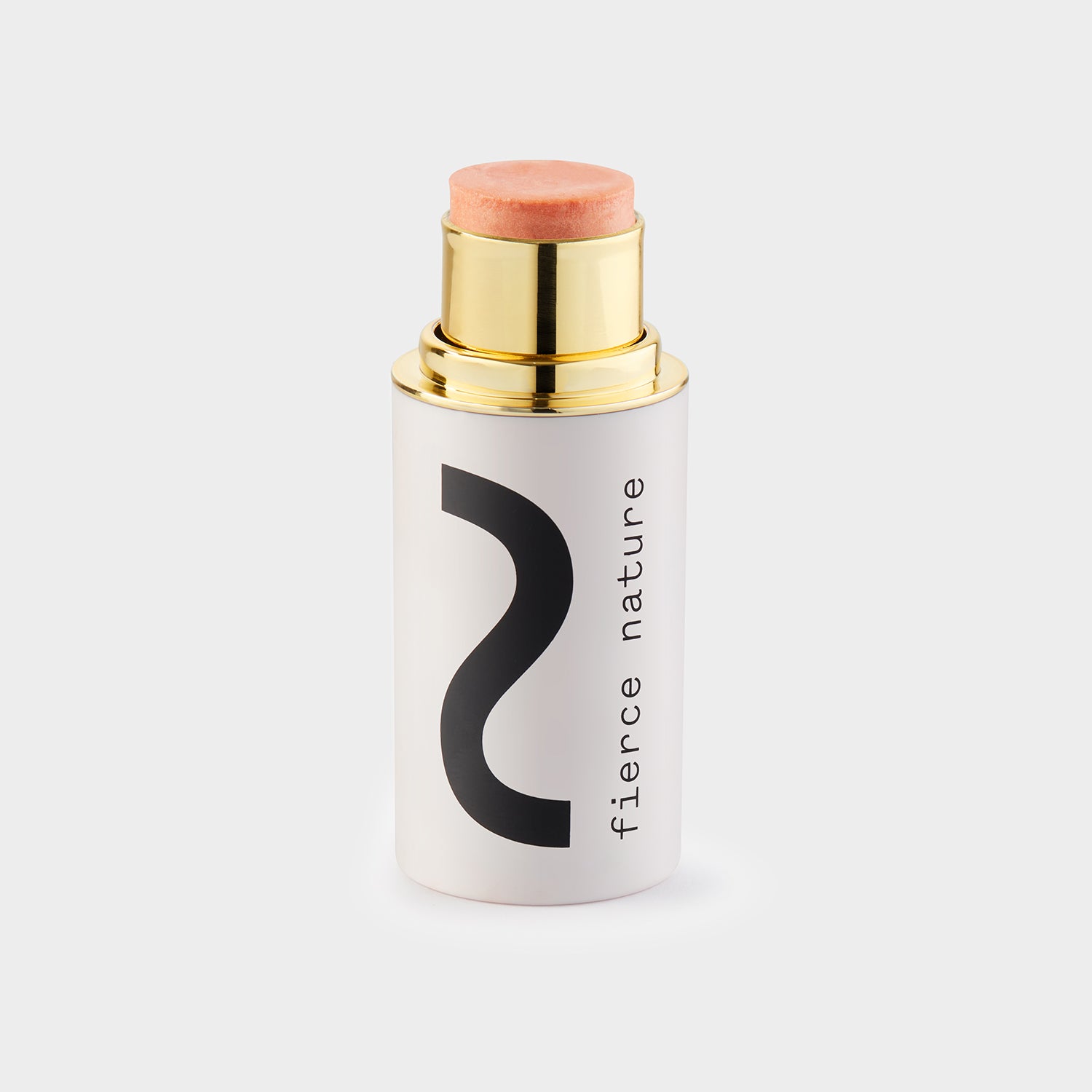
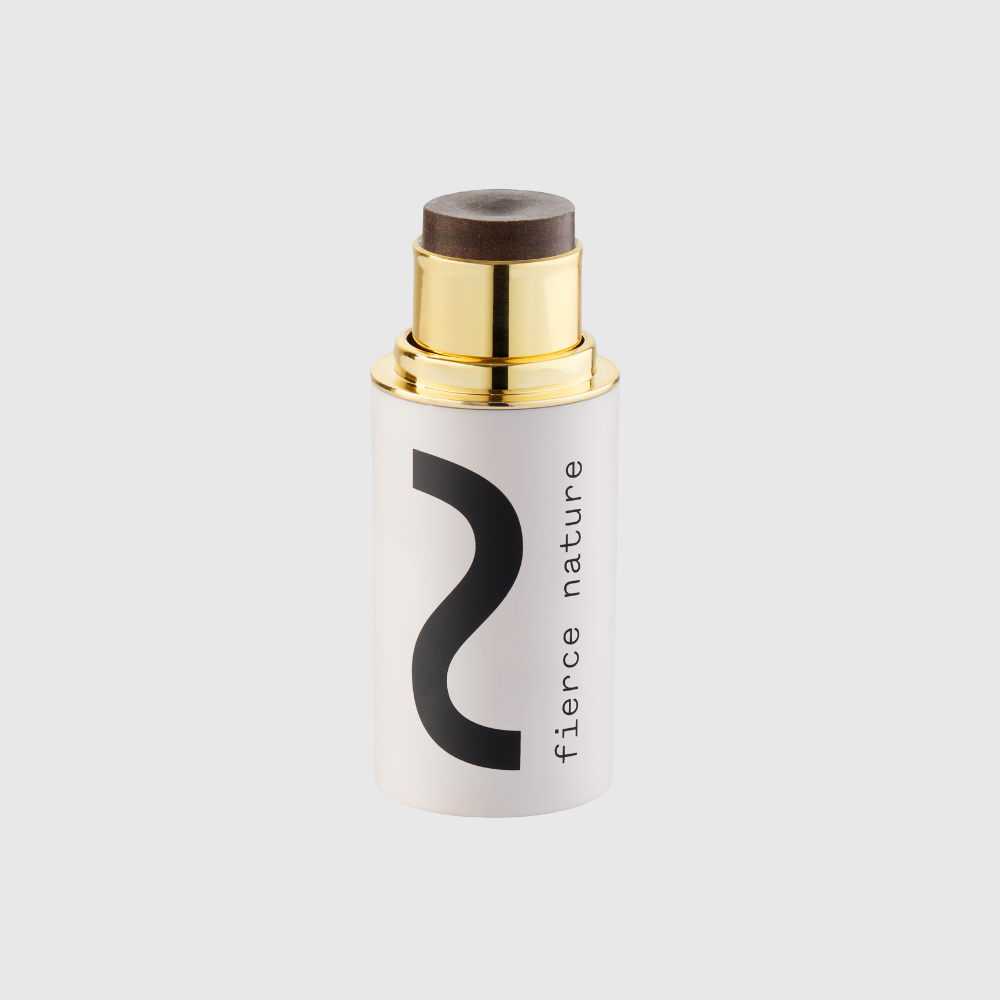
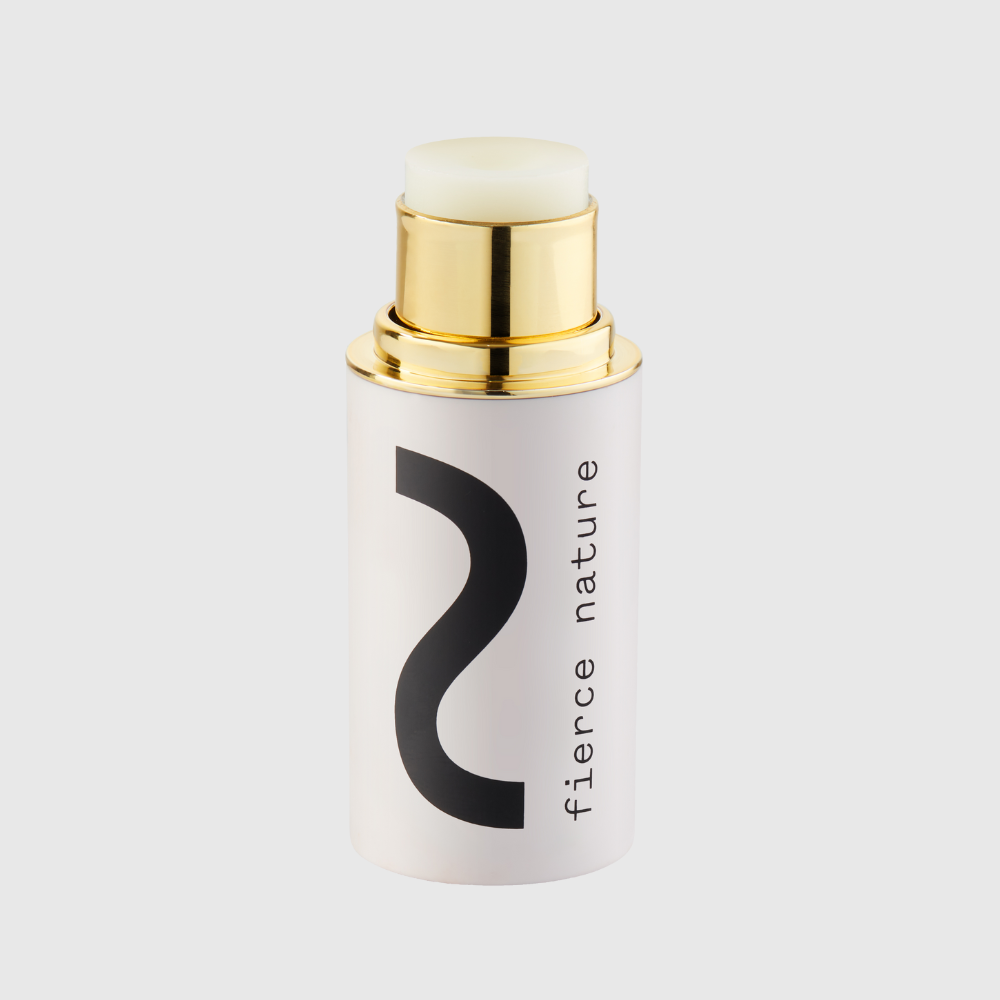
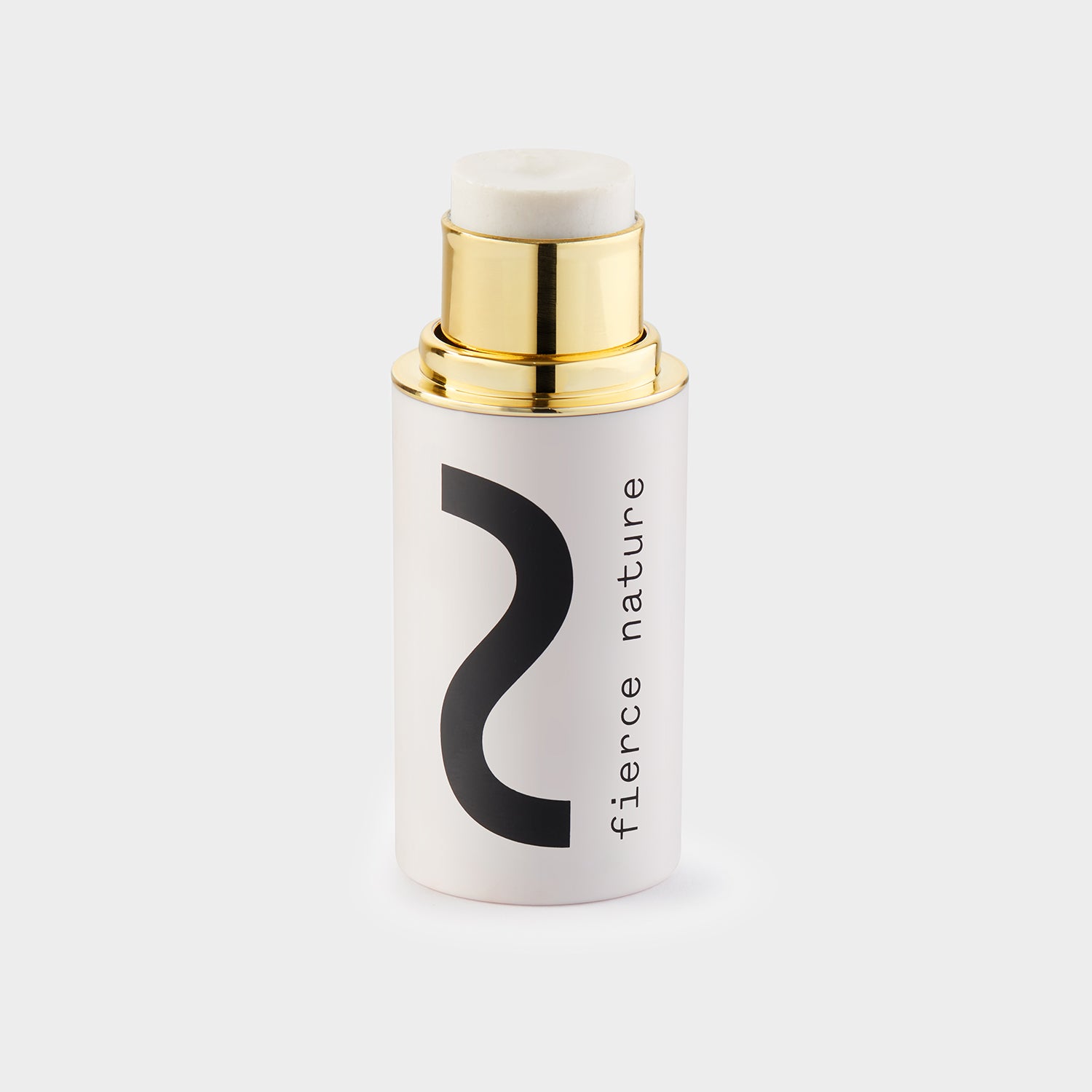
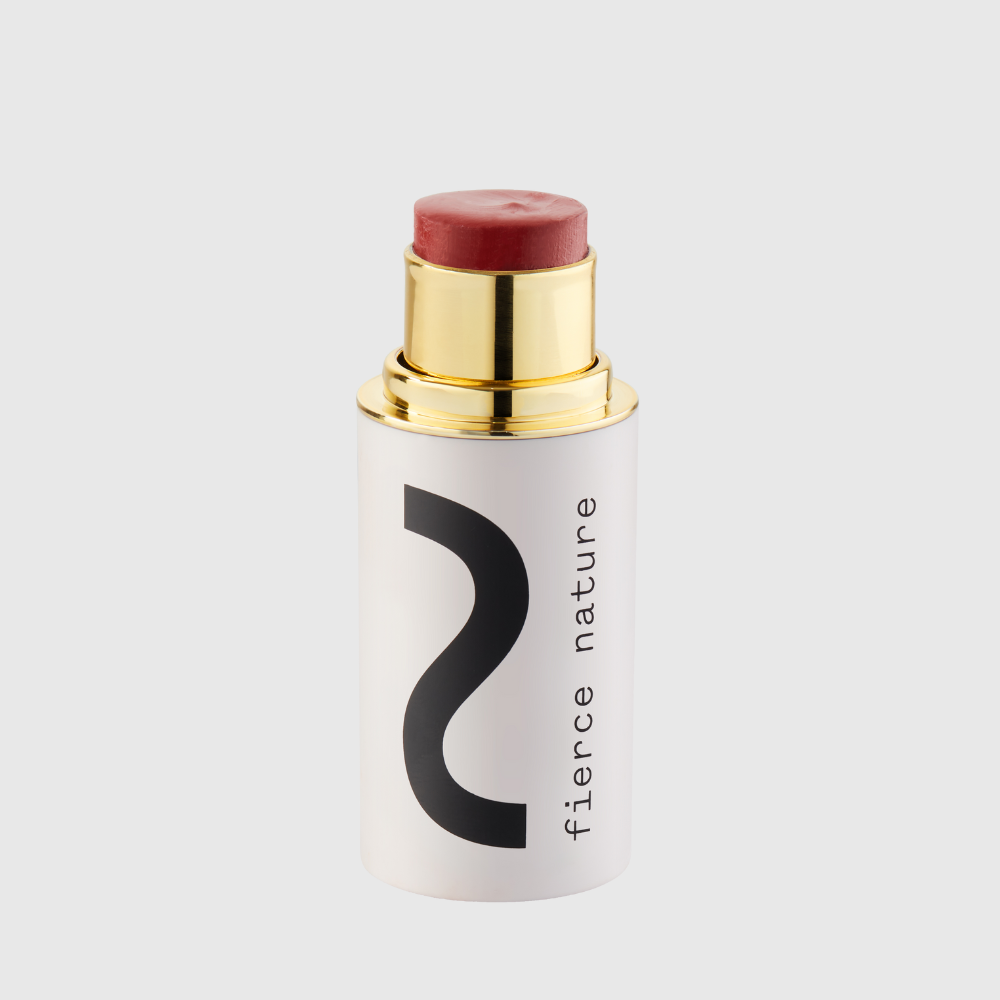
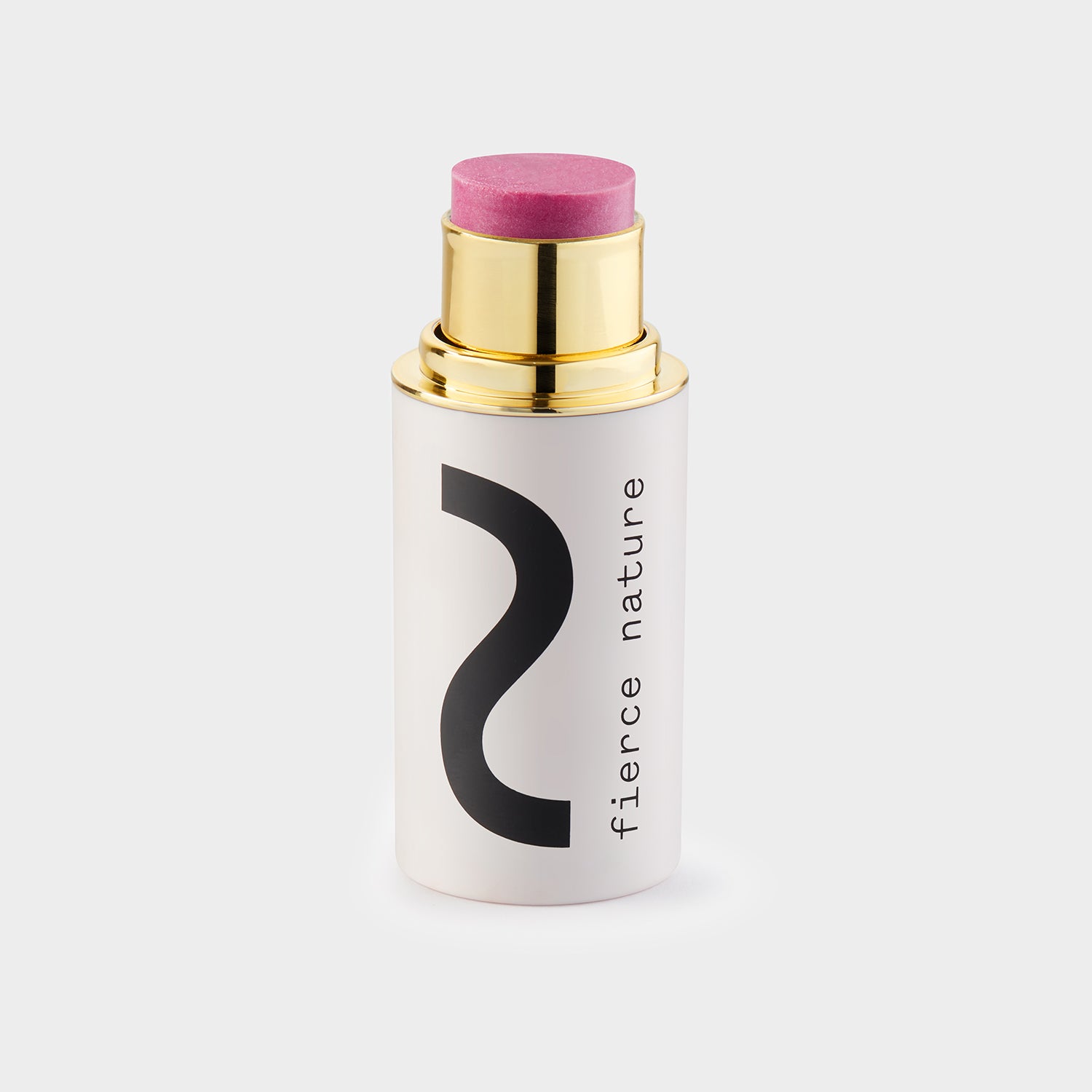
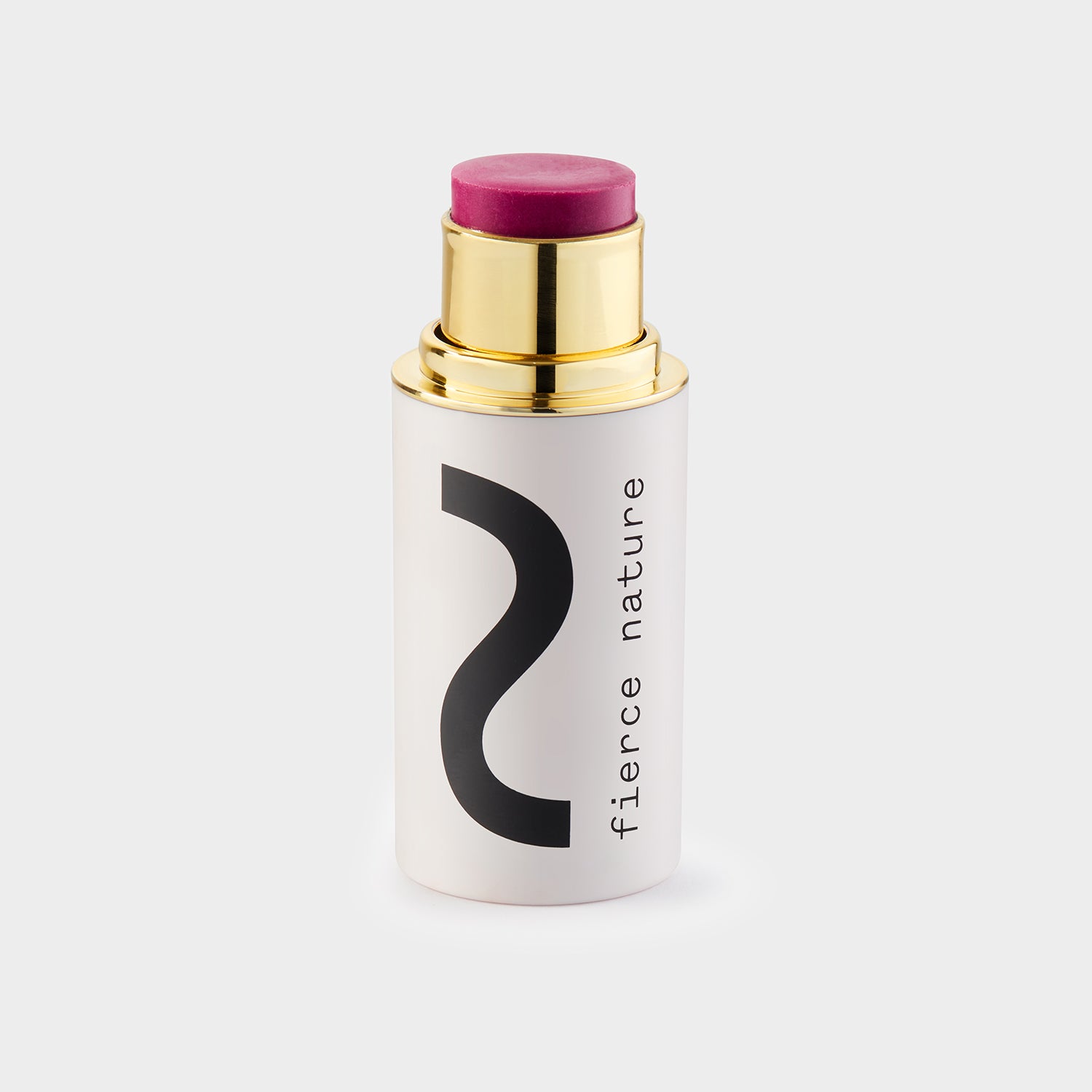
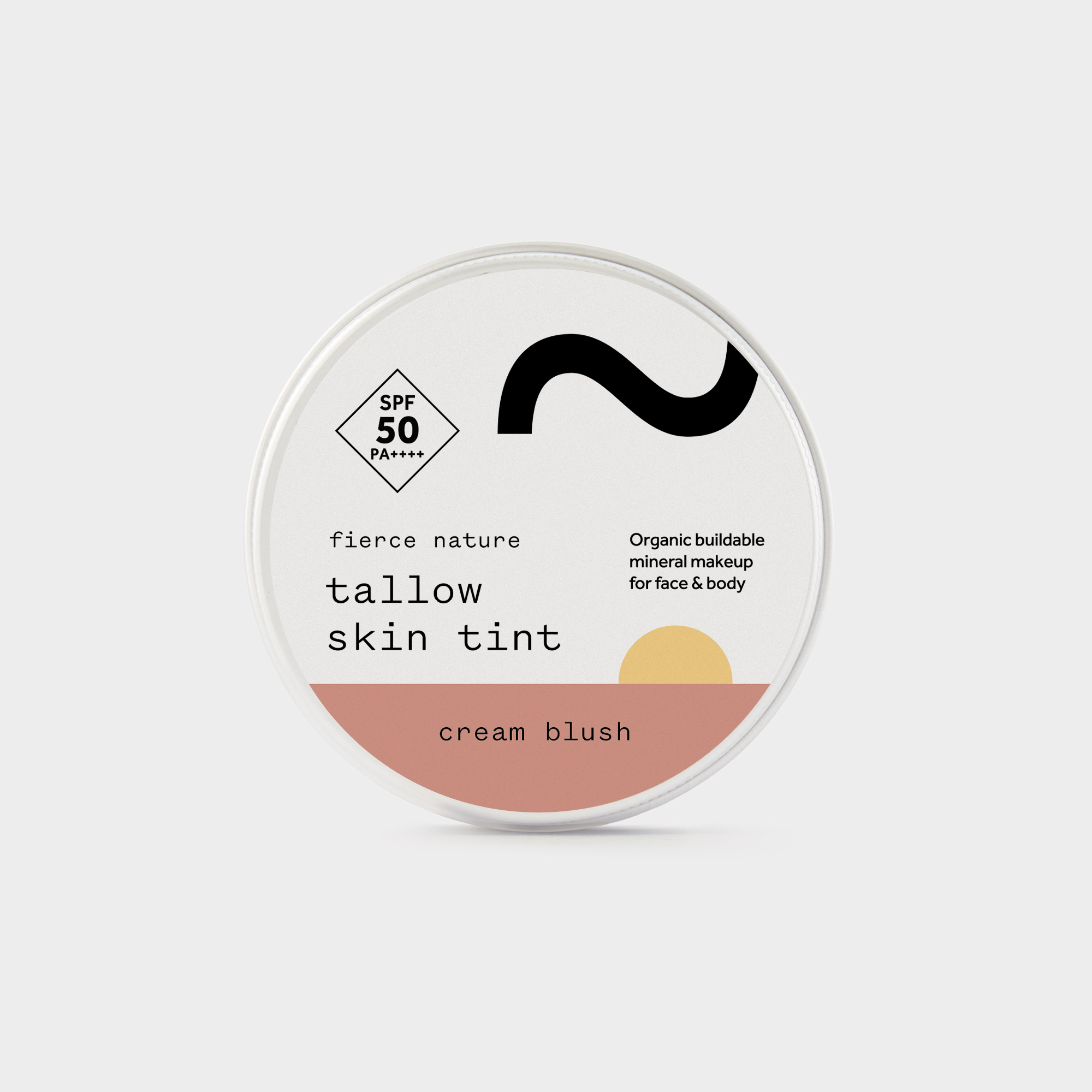
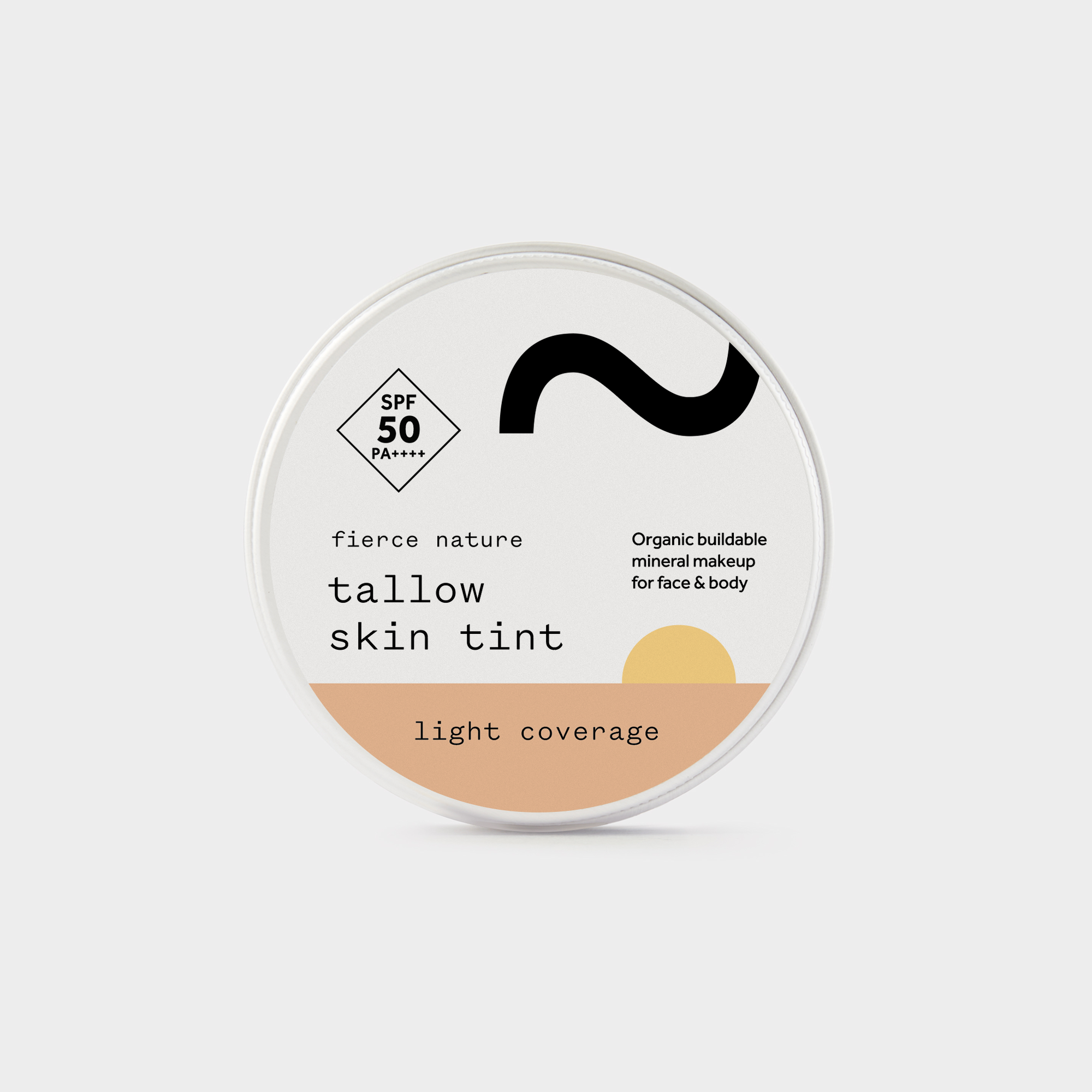
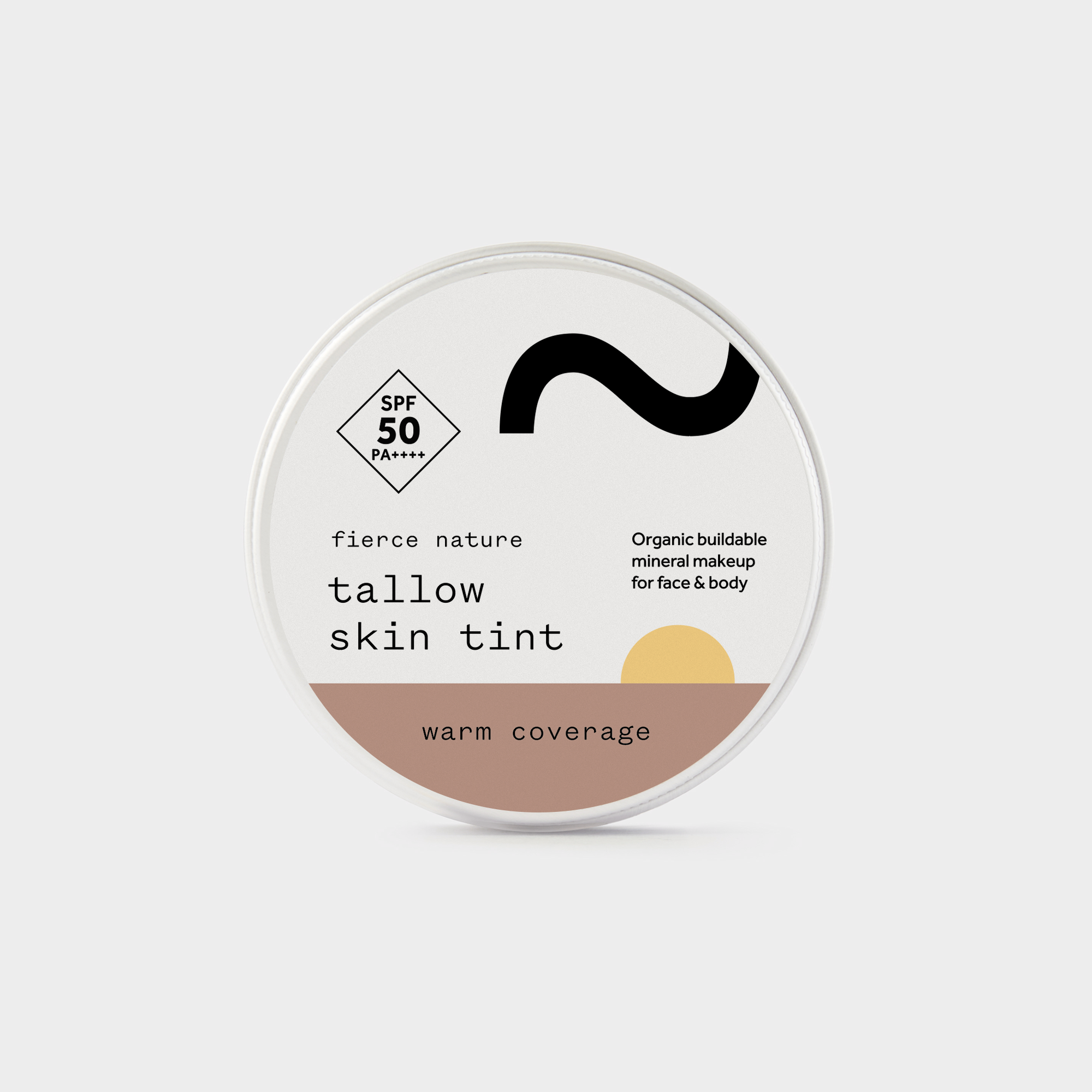



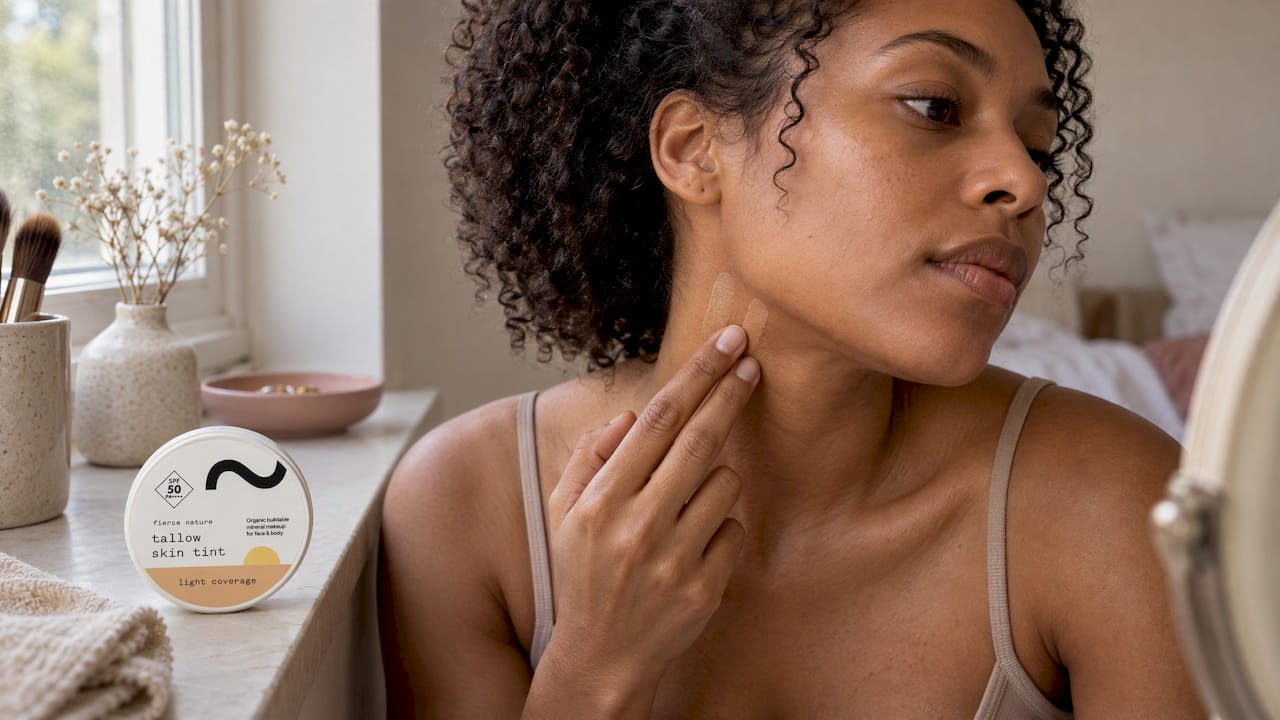
The best skin tint shade is the one that disappears into your skin and blends softly into your neck. Start by working out your undertone, swatch two or three close shades along your jawline, and check them in daylight before you decide. Because a skin tint is sheer, you have far more room for error than you would with a full-coverage foundation.
We make our skin tints by hand in the UK, with organic tallow as the base, so we spend a lot of time helping people choose. This guide walks you through the whole process, from understanding your skin to testing a shade at home and shopping online with confidence.
A foundation is designed to even out your complexion, so any mismatch shows as a line or a mask. A skin tint works differently. It lets your own skin show through, adding a light veil of colour, a soft glow and a more even look. That sheer finish is why shade matching feels less stressful.
There are three practical consequences:
That said, a good match still makes the difference between skin that looks naturally radiant and skin that looks “done”. The rest of this guide is about getting that right with minimal fuss.
Most shade-matching mistakes begin with mixing up these two terms.
Skin tone (sometimes called depth) is how light or deep your skin looks on the surface. Think fair, light, medium, tan, deep or rich. It is the part of your colouring you notice first, and it can change with the seasons, sun exposure and how you are feeling.
Undertone is the subtle colour beneath the surface. It tends to stay the same all year, even when your surface tone changes. It is usually described as:
The key point is that the two are independent. A fair complexion is not automatically cool, and a deep complexion is not automatically warm. Plenty of people with very deep skin have a cool undertone, and plenty of people with pale skin have a golden one. If you choose a shade by depth alone, you can end up with a tint that is the right brightness but the wrong colour, which tends to read as grey, orange or ashy.
When you are matching a skin tint, you are really looking for two things at once: the right depth and the right undertone. Depth gets you into the right neighbourhood. Undertone tells you which house.
No single test is perfect, so try two or three and look for the answer that comes up most often. Do them in daylight, near a window, with a bare face.
Hold a piece of silver jewellery against your skin, then a piece of gold. If silver looks more flattering and brightens your face, you are probably cool. If gold looks richer on you, you are probably warm. If both suit you equally, think neutral.
Look at the inside of your wrist in natural light. Veins that look blue or purple suggest a cool undertone. Veins that look greenish suggest a warm one. If you cannot decide, or see a mix, you may be neutral. This test can be tricky on deeper skin tones, so lean on the other tests as well.
Hold a sheet of plain white paper next to your bare face. Against the white, notice whether your skin looks pinker (cool), more yellow or golden (warm), or somewhere in between (neutral or olive).
This is a gentle clue rather than a rule. Skin that tends to go pink and burn before it tans often has a cooler undertone. Skin that tans easily to a golden shade often leans warm. Always protect your skin from the sun whatever your undertone.
Think about which clothing colours make you look well. Soft rose, plum and icy blue often flatter cooler undertones. Terracotta, olive and cream often flatter warmer ones. This is only a pointer, but it is a useful tie-breaker.
If your results are mixed, that is completely normal. Many people are neutral, and neutral undertones are usually the easiest to match, because they sit comfortably between cool and warm shades.

Once you know your depth and undertone, narrow your choice to two or three shades and test them properly.
You are not trying to match your face exactly. You are looking for the shade that melts away and blends seamlessly into your neck. If one stripe stands out as a visible line, it is too light, too deep or the wrong undertone. If you have to look closely to find where it starts, you have your shade.
A useful extra check is the chest. If you plan to wear your tint with open necklines, swatch a little there too. A good match looks natural across face, neck and décolletage.
It happens to nearly everyone. One shade looks slightly too pale, the next looks slightly too deep. With a sheer, light-coverage formula, you have good options.
Because the coverage is light, being one shade up or down is not a problem in the way it would be with a full-coverage base. Trust the jawline test, and go with the one that feels most natural when you step back.
Buying without a swatch in your hand feels daunting, but a little preparation makes it straightforward.
If you are unsure, a lighter, sheer option is usually the gentlest place to start. You can always layer a little more colour once you see how it sits on your skin.
Sometimes a tint looks right in the pot and a little different on your face. Here is how to read what you are seeing.
A gentle reminder: any mismatch with a sheer tint is small and fixable. Adjust the amount, add warmth or choose the neighbouring shade, rather than starting again.
Your surface skin tone shifts through the year. It is often lighter in winter and deeper after a summer outdoors, while your undertone stays steady. That is why a tint that was perfect in August can feel a little deep or dull by January.
We suggest you re-check your shade when the seasons change. Swatch your current tint on your jawline in daylight. If it has started to stand out, either use less of it, blend it with a lighter option, or move to a neighbouring shade. Many people happily keep one lighter and one warmer tint and alternate.

If you wear sun protection every day, as we would encourage, your colour tends to change more gradually, which can make a single shade last longer.
We started Fierce Nature because we believe what you put on your skin matters. Skin tints are a perfect example. A sheer tint is meant to enhance your own skin rather than cover it up, so the match is less about perfection and more about harmony.
That is why we build our tints on organic tallow. We chose it as the foundation because it has been used for centuries as a skin emollient, and we love its bioavailability, which makes it a deep-penetrating skin food. Our formulas are designed to nourish while they colour, so you get a natural, radiant look and skin that feels cared for.
When you match a shade, think of it as a partnership with your skin. Choose the shade that lets your own colouring show through, apply a little at a time and let it melt in. We make every product by hand in the UK with premium, naturally sourced ingredients, and we believe in full ingredient transparency so you know exactly what you are wearing.
Our advice is simple: start light, test in daylight and trust what you see on your jawline. A tint that feels as good as it looks is the one you will reach for every day.
Fierce Nature
Ready to try? Browse our full skin tint collection to see the shades and finishes available now, handmade in the UK with a tallow base. If you would like to read more about how tints fit into a gentler routine, our guide to choosing healthier skin tints is a good next step. To prepare your skin before you colour it, take a look at our face and body balms.
Start by finding your undertone (cool, warm or neutral) and your depth. Then swatch two or three close shades along your jawline in daylight and blend them out. The right shade is the one that seems to vanish into your skin and flows into your neck.
Test it on your jawline, or on your chest if you want to see how it looks across your neckline. The back of your hand is often a different colour from your face, so it can lead you to the wrong shade.
Because a skin tint is sheer, you can usually go one shade lighter or deeper. Many people choose the lighter shade and add warmth with a little bronzer or cream blush. Matching your undertone matters more than matching your depth exactly.
It can. Your surface tone often deepens in summer and lightens in winter, while your undertone stays the same. Re-check your shade on your jawline when the seasons change, and use a little less or a neighbouring shade if it starts to stand out.
Yes. Work out your undertone first, note the shade of any product that already suits you, and read the shade description on the product page. Test it in daylight as soon as it arrives, using a small amount, and build up the colour gradually.