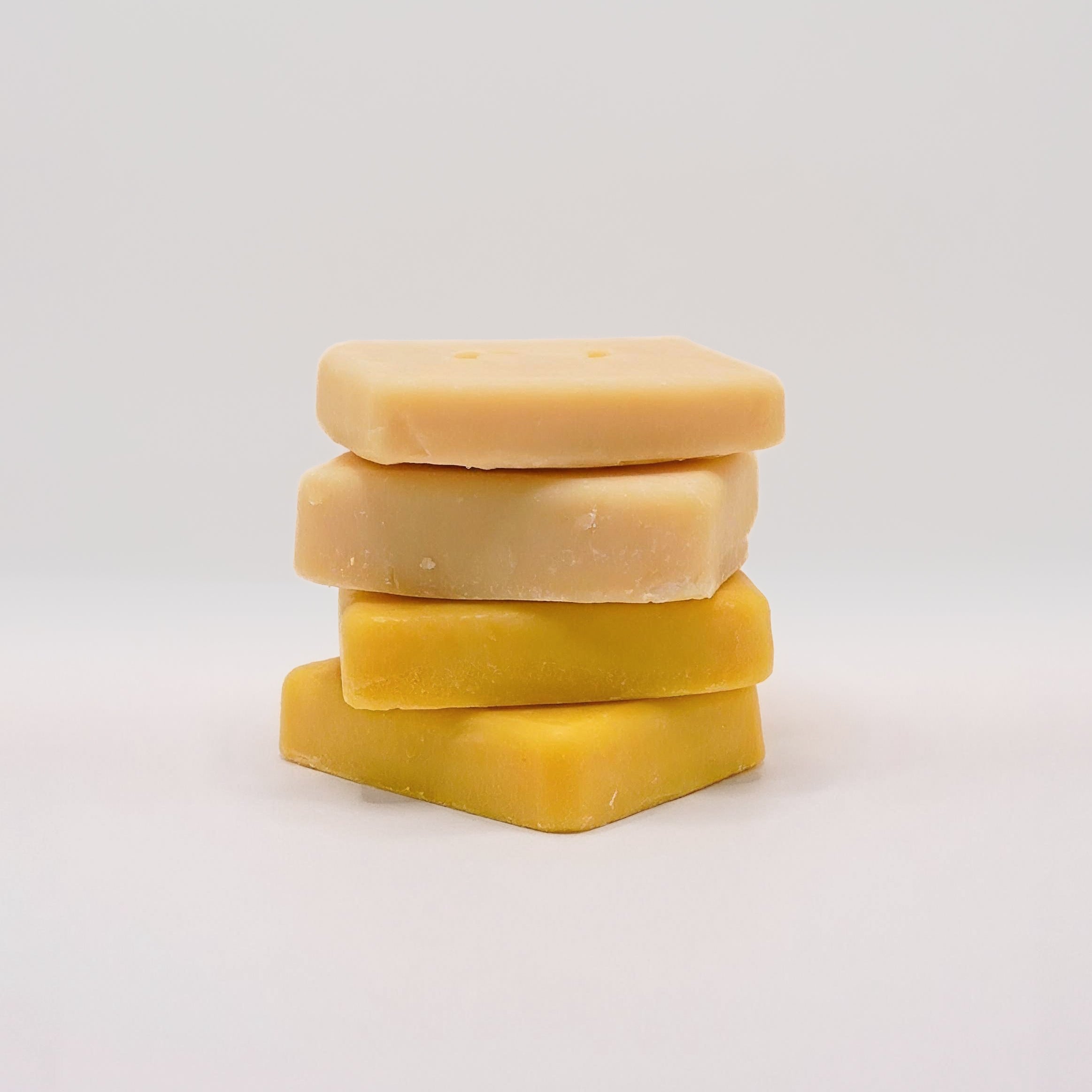
Natural ingredients
•
Kind to skin
•
A healthier planet
Ti abbiamo inviato un'email con un link per aggiornare la tua password.
reimposta la tua password
Ti invieremo un'e-mail per reimpostare la tua password.
UK Breastfeeding Skincare: 3 Simple Steps, Mineral Sunscreen, Tallow
Ralph Barrozo
0 Commenti
A safe breastfeeding skincare routine is simple: a gentle cleanser, a fragrance-free moisturiser and a mineral sunscreen cover most daily needs. The one rule that matters most is this: keep strong actives, especially retinoids and certain sunscreen filters, away from the nipple, areola and any skin that touches your baby’s mouth or skin. For prescription treatments or anything covering a large area, check with a GP, pharmacist or dermatologist first.
TL;DR:
Mineral sunscreens with zinc oxide or titanium dioxide are safer options, especially when applied away from the nipple, to minimize transfer risk during breastfeeding.
Topical retinoids like tretinoin should be kept off the nipple and areola, and prescription-strength versions call for a consultation with a healthcare provider before use.
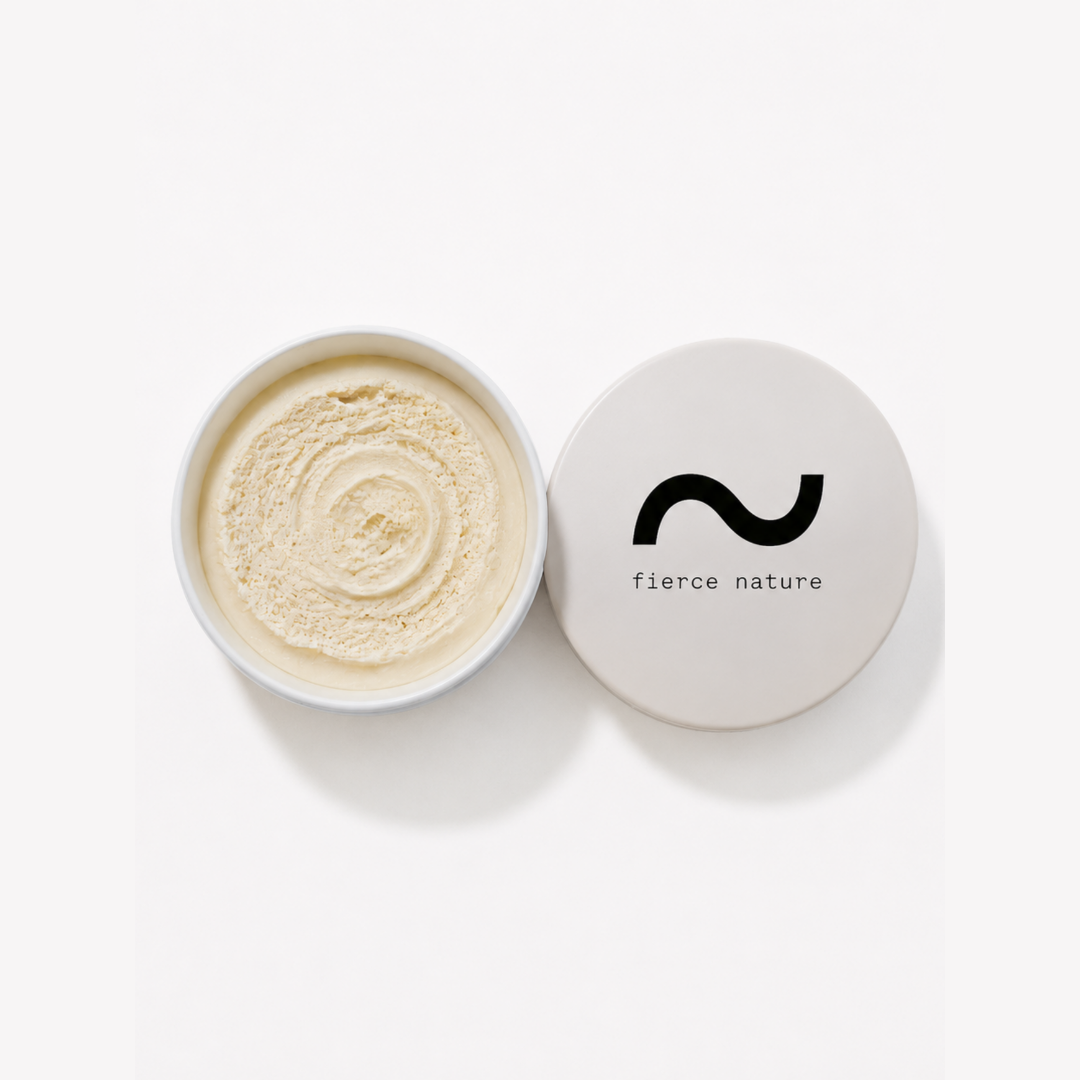
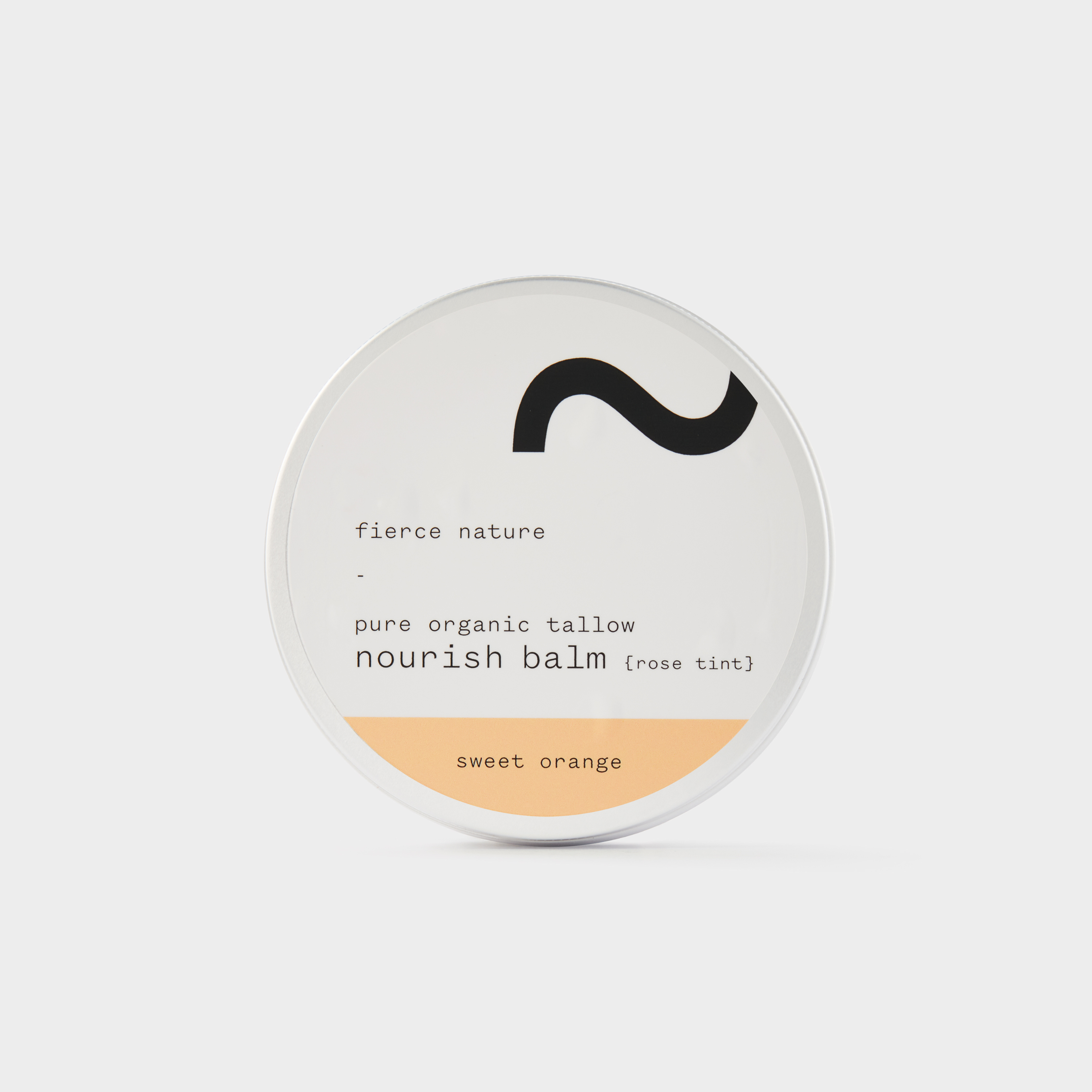
Gentle, fragrance-free cleansers and moisturizers, particularly tallow-based balms, support skin health without risking infant exposure, especially near feeding areas.
Avoid high-strength acids, unproven cosmeceuticals, and ingredients like hydroquinone and high-absorption retinoids that lack safety data for breastfeeding.
Best practices include patch testing new products, applying skincare after feeds, and keeping the nipple area free from products unless explicitly designed for use during lactation.
Fierce Nature
Explore Naturally Sourced Skin Food
Discover Fierce Nature’s handmade UK skincare, crafted with naturally sourced ingredients and pure organic tallow as its foundation.
How breastfeeding changes your skin and why a simple routine helps
Your skin after birth is not quite the same skin you had before. Hormone levels shift quickly once the placenta is delivered, and that drop affects oil production, hydration and pigmentation. Many of us notice drier patches, new sensitivity to products we used without issue for years, or melasma that lingers longer than expected. None of this is unusual, and it tends to settle, but it does mean your old routine might start causing reactions it never did before.
There is a second factor at play that has nothing to do with your hormones: your skin is now in regular, close contact with a baby. What you apply to your chest, hands and face can transfer to your baby’s skin or mouth during feeding and cuddling. Absorption into breast milk itself is one pathway worth understanding, but direct skin contact is often the more immediate route of exposure, particularly for anything applied near the breast.
Three things decide whether a product is a sensible choice right now:
Application site: anything near the nipple, areola or hands needs extra caution because of direct infant contact.
Concentration and potency: a low-strength cosmetic ingredient behaves very differently to a prescription-strength version of the same compound.
Formulation: creams are easier to wash off before feeding than thick ointments, which sit on the skin longer.
Given all this, the smartest move is to simplify rather than overhaul. Patch-test anything new on a small area of skin, such as your inner arm, and wait 24 to 48 hours before applying it more widely. Introduce one product at a time so that if redness or irritation appears, you know exactly what caused it. On the chest in particular, lighter creams tend to suit better than heavy balms or ointments, since they absorb faster and leave less residue before a feed.
Pro Tip:Keep a simple note on your phone of what you’ve introduced and when, so a sudden rash is easy to trace back to its cause.
Ingredients to avoid and safer alternatives for nursing mothers
Most of the skincare aisle remains fine to use while breastfeeding, but a handful of ingredients deserve a second look before they go anywhere near your skin.
Oral retinoids (isotretinoin, acitretin) are contraindicated during breastfeeding, full stop. Topical retinoids such as tretinoin behave differently: absorption through the skin is poor, so expected infant exposure is low, but they should still be kept off the nipple and areola, and anything prescription-strength warrants a chat with your prescriber first.
Sunscreen filters split into two camps. Oxybenzone, octinoxate and enzacamene are the chemical filters most often flagged for avoidance, while mineral filters, zinc oxide and titanium dioxide, are the preferred choice when a mineral formula is practical for your skin tone and routine. Tinted mineral sunscreens have become a popular workaround for the white cast that plain zinc oxide can leave behind, which makes daily use far more likely.
A few other ingredients worth flagging:
Hydroquinone: best avoided for pigmentation concerns while breastfeeding; ask about alternatives instead.
Eflornithine (used for facial hair reduction): use with caution and only under guidance.
High-strength acids and unproven cosmeceuticals: anything marketed as a strong peel or “intensive” treatment is worth skipping until you’ve weaned, simply because the evidence on lactation safety is thin.
Niacinamide, hyaluronic acid and azelaic acid: generally considered reasonable choices when a gentler active is advised, though always worth confirming with a pharmacist if you’re unsure.
A 2026 clinical review found that lactation counselling tends to be less restrictive than pregnancy advice, focusing instead on application site, systemic absorption and direct infant contact rather than ruling out whole categories of products outright. That distinction is worth holding onto: breastfeeding does not mean returning to a bare-bones routine, it means choosing formulations and placement with a bit more care.
If you want a deeper look at which sunscreen filters to check for on a label, our piece on sunscreen ingredients to avoid breaks down the UK-relevant options in more detail.
A simple, step-by-step breastfeeding-safe daily skincare routine
A routine does not need to be complicated to work well. Three steps, done consistently, will carry most nursing mothers through the early months without drama.
Cleanse gently. Choose a soap-free or amino-acid cleanser rather than anything foaming or heavily fragranced. Wash with lukewarm water, pat your skin dry rather than rubbing, and resist the urge to double-cleanse if your skin feels tight afterwards.
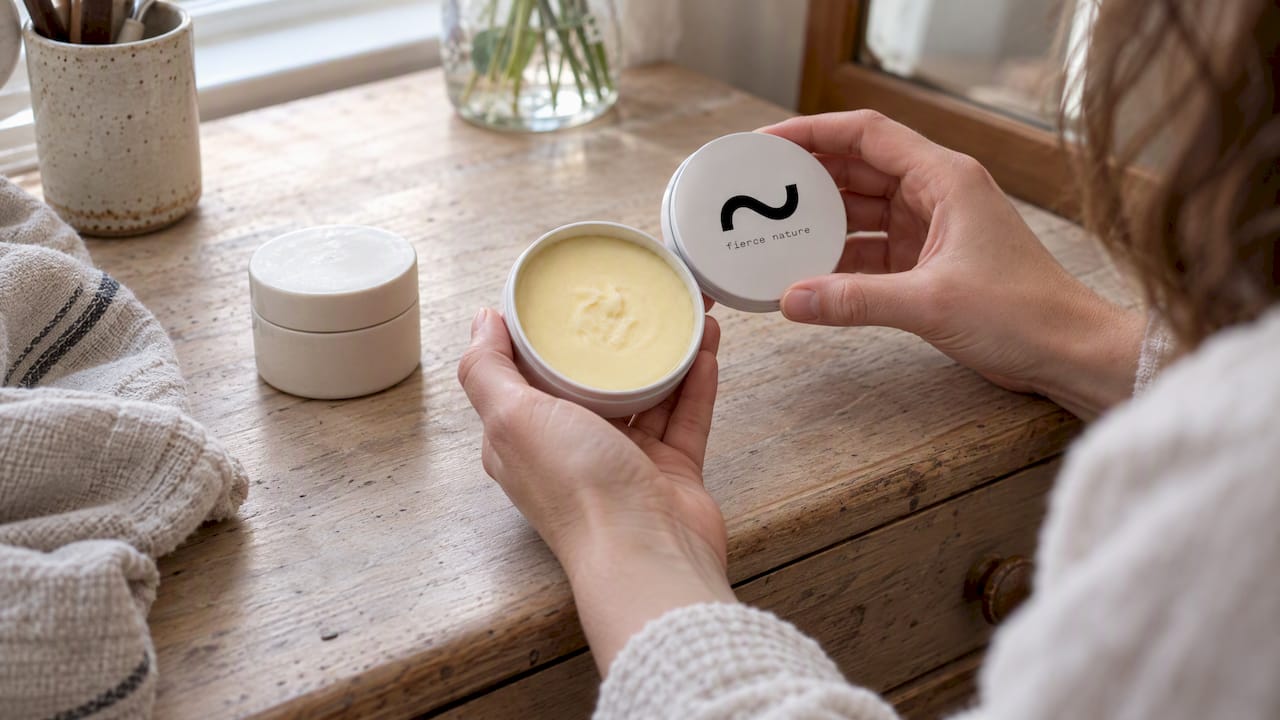
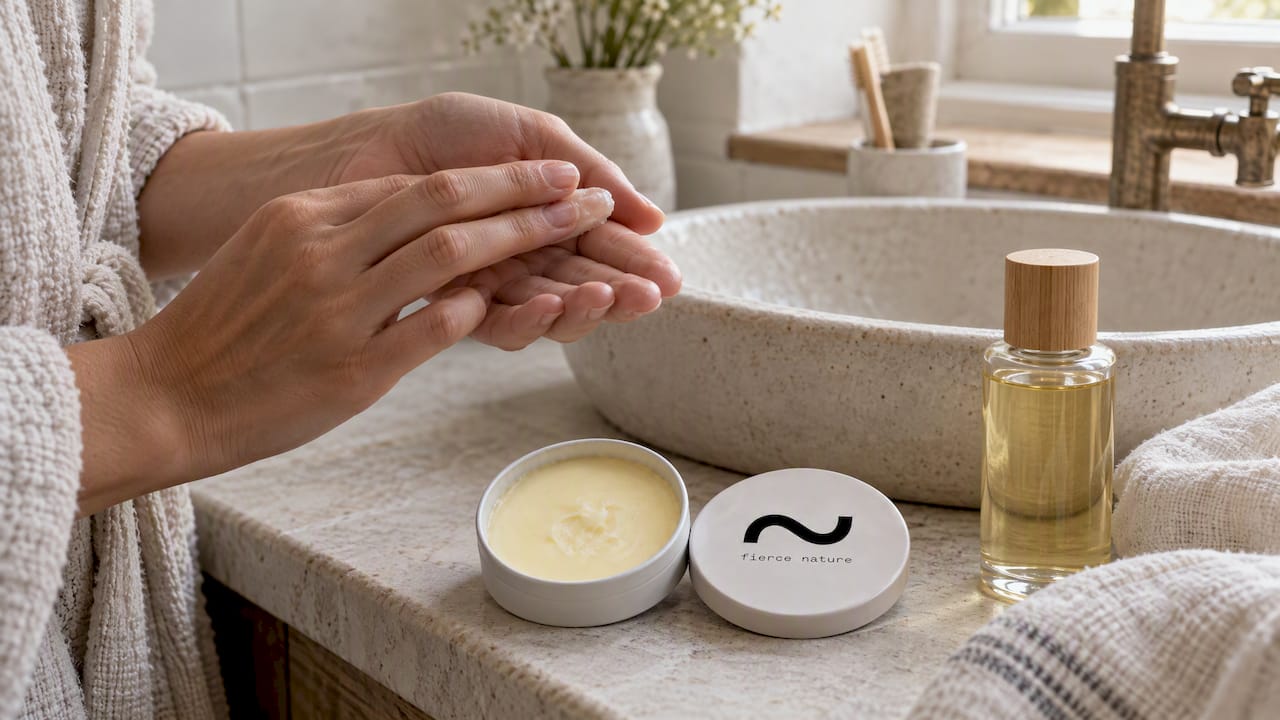
Moisturise to support your barrier. A fragrance-free moisturiser helps lock in hydration without introducing unnecessary irritants. Tallow-based balms are worth considering here: tallow’s fatty acid profile is close to that of human skin, which is part of why it has been used as an emollient for centuries, and a thin layer applied to dry patches can feel noticeably more nourishing than a watery lotion.
Protect with mineral sunscreen. Apply in the morning, avoid spraying it near your face or chest where it can drift, and keep it off the breast area entirely if you are applying it to your chest or décolletage. Wash your hands before picking up your baby for a feed, just as you would after applying any skincare product.
If you want to introduce an active ingredient, such as a vitamin C serum or a gentle retinol alternative, bring it in one at a time and watch for a few days before adding anything else. Daytime is generally the better slot for sunscreen and lighter products, while heavier balms or anything you’d rather not have on your hands overnight suit an evening routine better.
Pro Tip:Apply anything to your chest straight after a feed rather than right before, so there’s maximum time for it to absorb or be washed off before the next one.
For a fuller walk-through of a gentle postpartum routine, our guide on natural postpartum skincare covers the daily sequence in more depth.
Sunscreen for nursing mothers: evidence and practical choices
Sun protection is one area where nursing mothers often hesitate, worried that anything applied to the skin might pass into milk. The honest answer is nuanced: most chemical sunscreen filters are detectable in breast milk, but typically at levels below current limits of concern, with mineral filters like zinc oxide and titanium dioxide suggested as reasonable alternatives when a mineral formula works for your skin.
The practical guidance leans firmly towards non-nano zinc oxide when it is a feasible option for your skin tone and texture, though the same guidance is also clear that sunscreen should not be abandoned altogether. A chemical filter is still a far better choice than no sun protection at all if a mineral formula is not available or does not suit you.
A few habits make daily sun protection easier to stick to:
Favour mineral formulas where you can, and check the label for zinc oxide or titanium dioxide as the active ingredient.
Avoid sprays near your face and chest, since inhalation and uneven coverage are both concerns.
Keep sunscreen away from the breast if you are applying it to your décolletage, and wash your hands before a feed.
Combine sunscreen with shade and clothing on particularly bright days rather than relying on SPF alone.
Try a tinted mineral formula if the classic white cast has put you off using zinc oxide consistently.
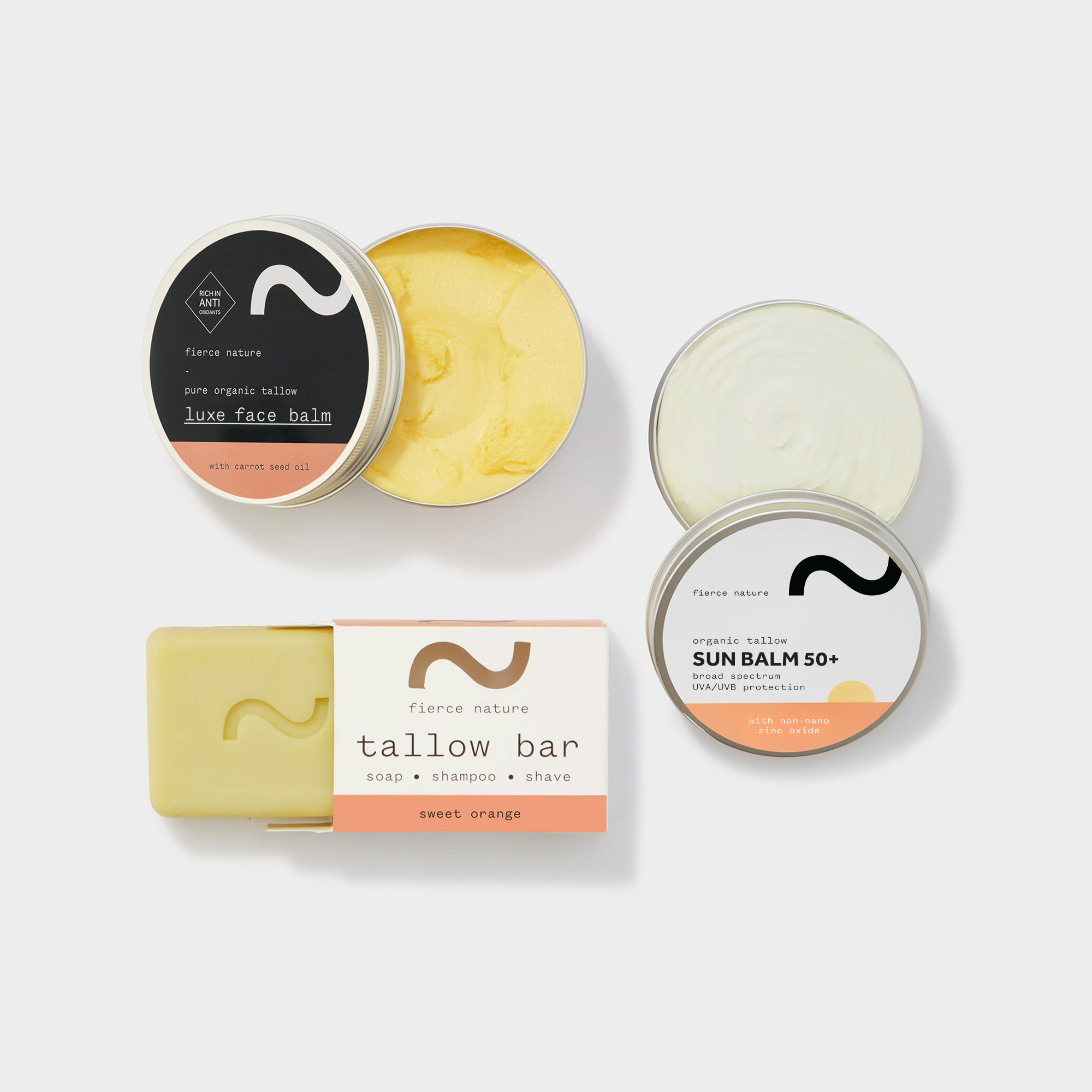
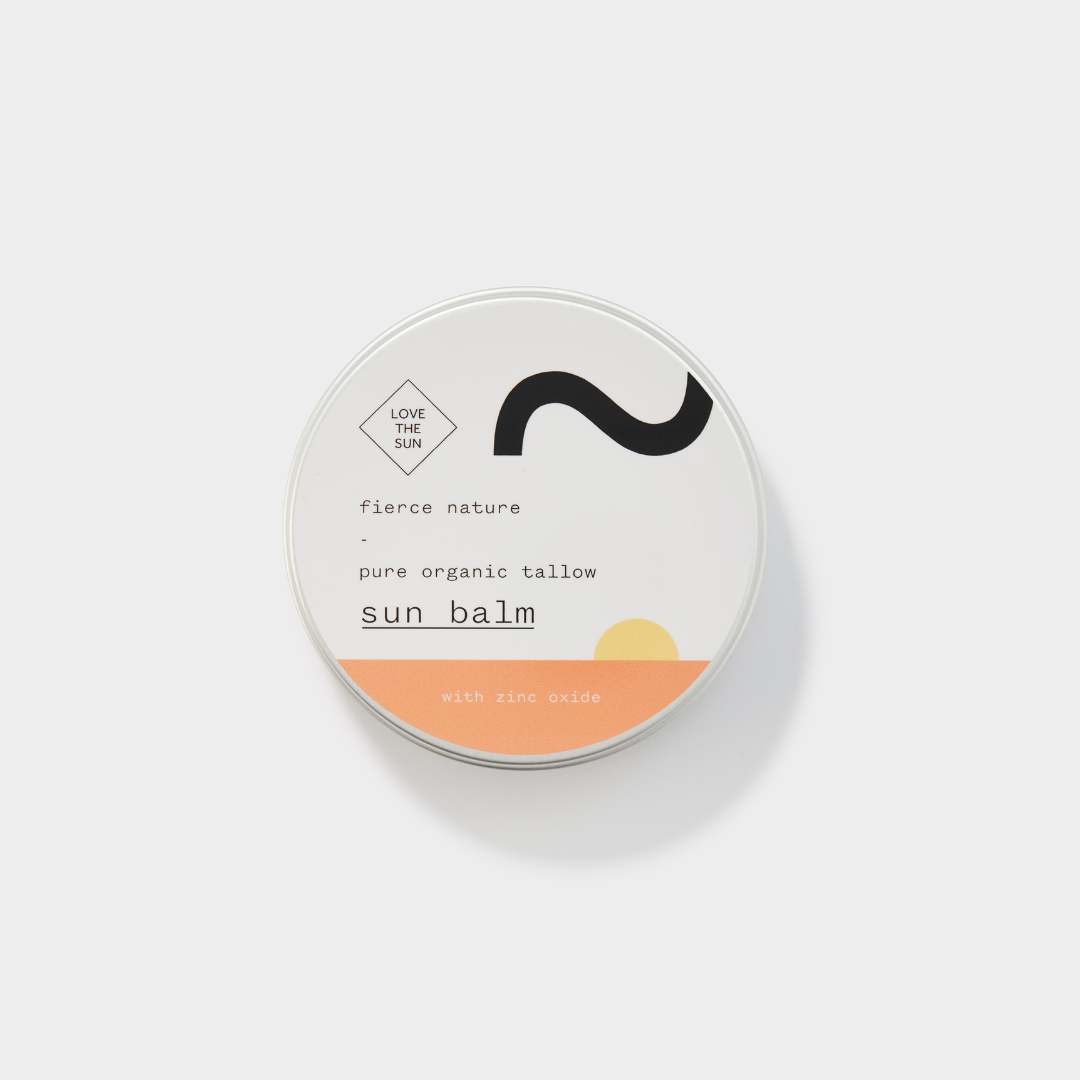
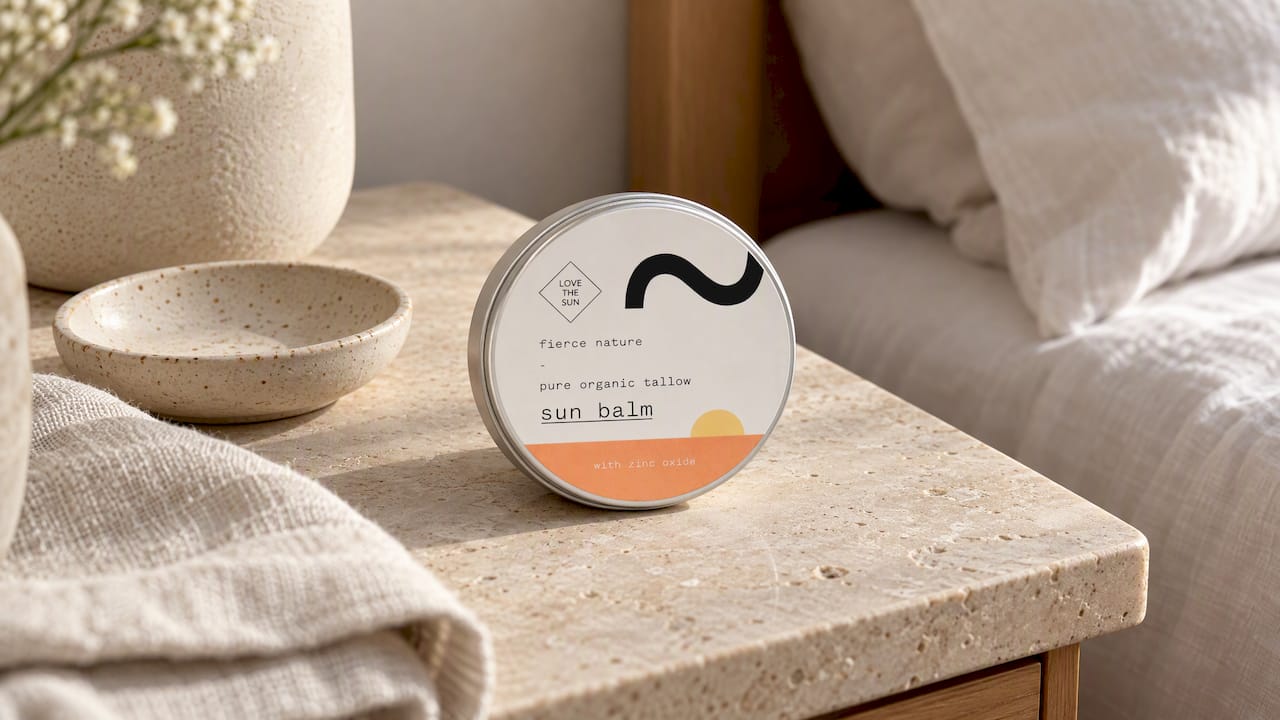
Cosmetic acceptability matters more than it sounds. A sunscreen you actually enjoy wearing every day protects you far better than a “perfect” one left in the cupboard because it leaves a chalky finish. Our New Sun Balm SPF 50+ PA++++ was built with that in mind, using a mineral-focused formula designed to sit comfortably under daily wear.
Prescription and medicated topicals: safe use while breastfeeding
Medicated skincare deserves a slightly different conversation, because dosage and formulation vary far more than with everyday cosmetics.
Topical corticosteroids are generally considered compatible with breastfeeding for full-term, healthy infants. If a steroid cream is being applied to the breast itself, UK Specialist Pharmacy Service guidance recommends using a mild or moderate strength preparation, choosing a cream over an ointment for easier removal, and wiping it off with warm water before a feed and reapplying afterwards.
Topical antibiotics for localised skin infections, such as mupirocin or fusidic acid for something like impetigo, have limited systemic absorption and are usually considered compatible with breastfeeding, though direct contact between the treated area and your baby’s skin should still be avoided.
Retinoids need the most care of this group:
Oral retinoids (isotretinoin, acitretin) are contraindicated during breastfeeding.
Topical tretinoin and adapalene generally carry low systemic absorption and are considered low risk, but should be kept off the nipple and areola.
Tazarotene has higher absorption than other topical retinoids, so it is worth using with more caution and discussing with your prescriber.
If a systemic medication is genuinely needed for a skin condition, that is the point to loop in your prescriber and, where helpful, a lactation consultant, to talk through timing, alternatives, or whether a short pause in direct breastfeeding makes sense for your situation. These decisions are rarely one-size-fits-all, and guidance commonly applies specifically to full-term, healthy infants, so anything outside that, a preterm baby or an unwell infant, needs its own conversation.
When to contact a clinician: a short decision checklist
Most skincare decisions during breastfeeding do not need a clinician’s input, but a few situations call for one before you go any further:
Your baby is preterm, unwell, or has any underlying health condition.
You need to treat a large area of skin rather than a small, localised patch.
A prescription or systemic medicine is being considered for a skin issue.
A rash, infection or reaction persists despite basic care.
When you do reach out, a GP, pharmacist or dermatologist can advise fastest if you bring the product’s full ingredients list, any prescription details, the application site you’re considering, and how often you’re currently feeding. If feeding support is the bigger concern alongside a skin issue, a prenatal lactation consultation can help you work through feeding-specific questions with a specialist.
Perspective on gentle tallow-based options and cautious baby routines
Our founder grew up battling unexplained skin reactions from mainstream cosmetics, which is part of what led to building a range around organic tallow instead of synthetic fillers. Tallow’s fatty acid profile closely resembles the skin’s own lipids, which is part of why it has supported barrier repair for centuries of traditional use. That same gentleness is why we lean on it for baby-focused products too. For readers who want a ready-made option that mirrors NHS-aligned caution, our 2-week cradle-cap routine and our wider tallow for babies guide walk through the reasoning in full.
Guidance on natural and homemade skincare remedies safe during breastfeeding
“Natural” is not automatically synonymous with “safe”, and that distinction matters more during breastfeeding than almost any other time. Essential oils, for instance, are natural but highly concentrated, and several are best avoided or used sparingly around a nursing infant because of their potency and the likelihood of skin contact. The same logic applies to homemade remedies built around citrus, which can increase photosensitivity, or undiluted vinegar-based toners, which can disrupt your skin’s natural pH.
That said, there is a reasonable middle ground. Simple, minimally processed ingredients such as plain oat baths for itchy skin, or a pure, unrefined oil used sparingly as an occlusive, tend to carry a low risk profile precisely because they are simple. The practical test is not whether something came from a plant versus a lab: it is the route, the concentration, the body site and whether your baby will have direct contact with it.
If you enjoy making your own balms or trying simple remedies, keep the ingredient list short, patch-test as you would with any shop-bought product, and treat “natural” as a starting point for research rather than a guarantee of safety. A short ingredients list you understand is usually a better guide than a label claim.
Impact of skincare on breast milk safety and absorption risks during skin-to-skin contact
Two separate pathways matter here, and it helps to keep them distinct. The first is systemic absorption: whatever reaches your bloodstream in meaningful amounts can, in principle, reach your milk. Most topical skincare, applied in normal cosmetic amounts, has poor skin penetration, which is why the vast majority of everyday products are considered low risk for this route.
The second pathway is more immediate: whatever is still sitting on your skin can transfer directly to your baby during skin-to-skin contact, whether that’s a cuddle, a feed, or your baby’s hand brushing your cheek. This route often matters more in practice than systemic absorption, particularly for anything applied to your chest, neck or hands.
The practical upshot is reassuring rather than alarming. Choosing lower-risk ingredients, applying thin layers rather than thick ones, and allowing products to absorb before close contact addresses both pathways at once. You don’t need to track blood levels of an ingredient to make a sound decision. Think about where you’re applying something, how much, and how soon your baby’s skin or mouth will be in contact with that area.
Advice on avoiding nipple contact with skincare products during feeding times
The nipple and areola deserve their own rule, separate from the rest of your skincare routine, because this is the one area with guaranteed direct contact with your baby’s mouth at every feed.
As a general habit, keep moisturisers, sunscreens and any active ingredients off this specific area unless a product is explicitly designed and recommended for nipple use, such as a pure lanolin or a balm intended for sore or cracked nipples during feeding. If you do need to apply a medicated cream to the breast itself, such as a prescribed topical corticosteroid, UK guidance suggests wiping it away with warm water before the next feed and reapplying once your baby has finished.
A simple sequencing habit helps: apply chest or body products straight after a feed rather than beforehand, which gives the longest possible window for absorption or for you to wash the area before your baby needs it again. If you’re ever unsure whether a product is intended for use that close to a feeding baby, treat the nipple and areola as a no-go zone and apply it elsewhere instead.
Role of diet and hydration in supporting healthy skin while breastfeeding
Skincare sits on top of a foundation that diet and hydration quietly support. Breastfeeding increases your fluid needs, and dehydration tends to show up on your skin first, as tightness, flaking or a duller complexion, before you notice thirst as a symptom.
A varied diet rich in healthy fats, protein and a good spread of fruit and vegetables supports the skin barrier from the inside, complementing whatever you’re applying topically. Omega-3 fatty acids, found in oily fish, walnuts and flaxseed, are often mentioned alongside skin barrier health, alongside adequate protein intake to support collagen repair during a time when your body is already working hard to recover.
None of this replaces a sensible topical routine, but it does explain why some nursing mothers notice their skin improving a few weeks into prioritising water intake and regular meals, quite apart from any product changes. Skincare and nutrition work on the same problem from different directions, and neither one fully substitutes for the other.
What this guide gets right that generic advice often misses
The biggest gap in most breastfeeding skincare advice is treating “natural” and “safe” as interchangeable, when the real question is always about route, concentration and contact with your baby. A chemical sunscreen used sensibly can be a better choice than no sun protection at all, and a “natural” essential oil blend can be riskier than a well-formulated cosmetic cream. We think the conventional wisdom overcorrects towards fear, pushing mothers to strip their routines down to almost nothing out of caution that the evidence doesn’t actually support.
What we’d prioritise first is simpler than most checklists suggest: get the nipple and areola rule right, choose mineral sunscreen where practical, and save the research time for anything prescription-strength or covering a large area. Everything else, a gentle cleanser, a fragrance-free moisturiser, a sensible diet, matters less than getting those few decisions right.
— Fierce Nature
Simple swaps worth making this week
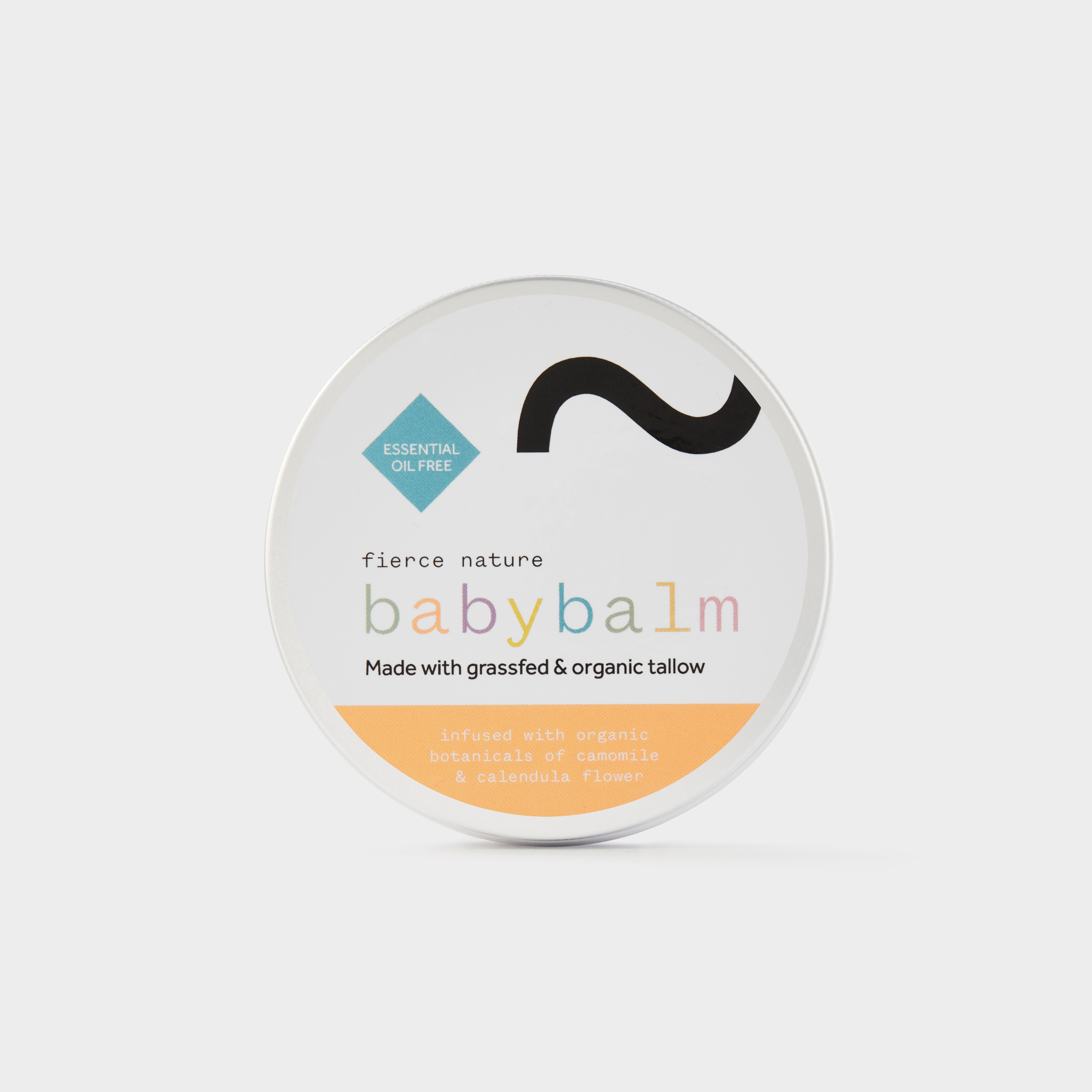
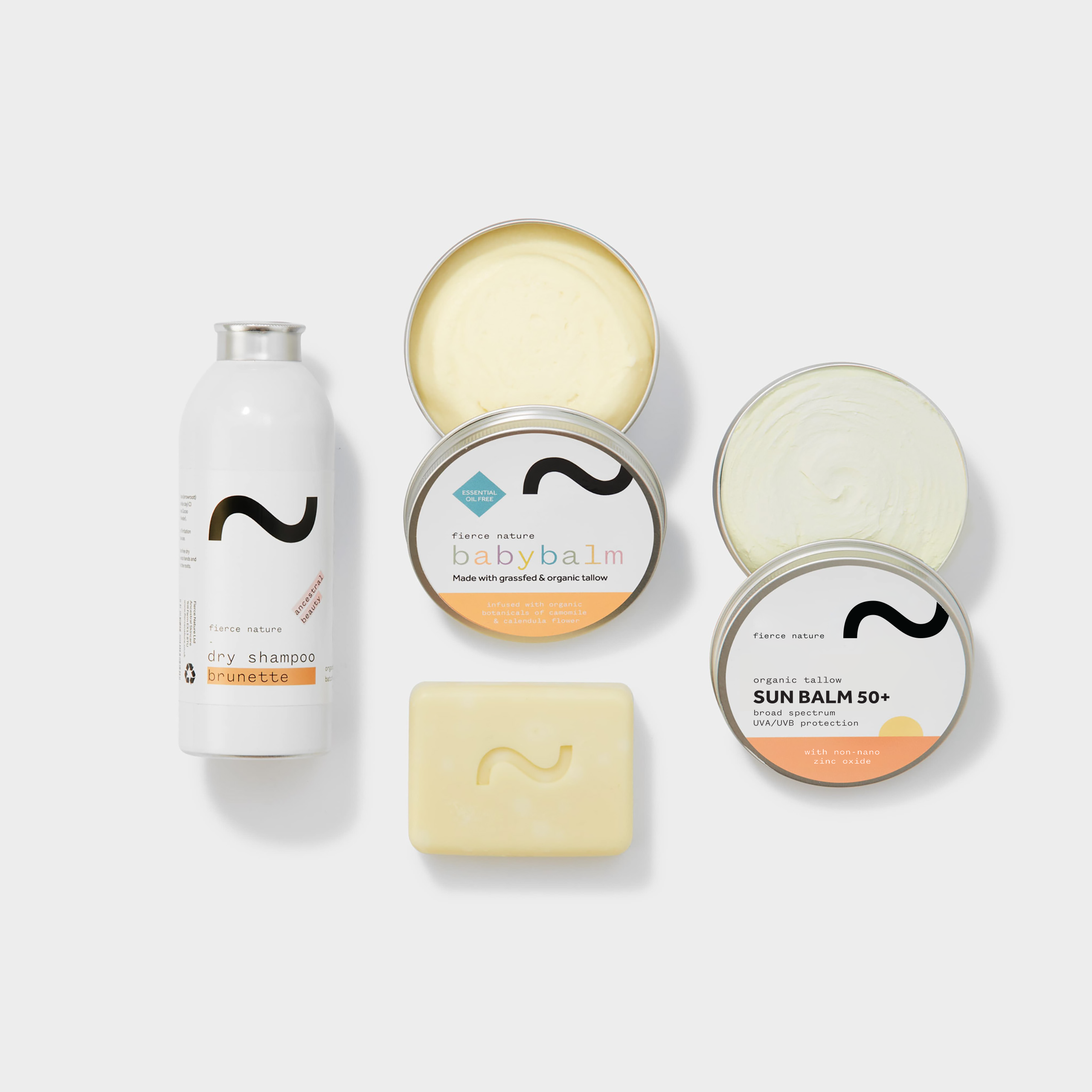
If you’re looking for a few concrete places to start, these three product lines were built with exactly this cautious, gentle approach in mind. Our New Sun Balm SPF 50+ PA++++ leans on mineral filters for daily sun protection without the chemical-filter debate. Our Baby Balm offers a gentle, fragrance-free moisturiser suited to sensitive newborn skin and equally comfortable on a nursing mother’s hands. For a simpler shopping decision, our Non-toxic Baby Skin Essentials set bundles the basics together. For anything medicated or prescription-strength, a GP or pharmacist remains the right first call.
This article is general information, not a substitute for advice from a qualified doctor. Consult a qualified healthcare professional about your own circumstances before acting on anything here.
FAQ
What skincare should I avoid if I was told to avoid certain products in pregnancy?
Most pregnancy-specific cautions, such as avoiding oral retinoids and high-strength retinoid creams, carry over into breastfeeding, though the reasoning shifts slightly from foetal exposure to infant contact and milk transfer. Ingredients like hydroquinone and certain chemical sunscreen filters are also worth continuing to limit. If you were given a specific list by a midwife or GP during pregnancy, it’s worth rechecking it against lactation-specific guidance rather than assuming identical rules apply.
Can I use a cosmetic brand’s sunscreen or moisturiser while breastfeeding?
Most mainstream cosmetic sunscreens and moisturisers are fine to continue using while breastfeeding, provided you check the active sunscreen filter and avoid applying it to the nipple and areola. Mineral filters like zinc oxide and titanium dioxide are generally the preferred choice. If a specific product contains a prescription-strength active ingredient, check with a pharmacist rather than assuming a cosmetic formula is automatically low risk.
What can I not use on my face while breastfeeding?
Oral retinoids are contraindicated outright, and prescription-strength topical retinoids or acids are worth discussing with a clinician before use on your face. Everyday cosmetic ingredients, including gentle cleansers, fragrance-free moisturisers and mineral sunscreen, remain appropriate for facial use since they pose minimal risk through either absorption or incidental contact.
What kind of skincare is best for a lactating mother?
A simple three-step routine tends to work best: a gentle, soap-free cleanser, a fragrance-free moisturiser that supports your skin barrier, and a mineral sunscreen for daytime protection. Tallow-based balms are worth considering for extra-dry patches, since their fatty acid profile is close to the skin’s own lipids. The main rule throughout is to keep anything beyond the basics away from the nipple and areola.
Is it safe to use retinol while breastfeeding?
Topical retinol and retinoids generally carry low systemic absorption, so cosmetic-strength products are usually considered low risk when kept off the nipple and areola. Oral retinoids, by contrast, are contraindicated during breastfeeding. If you’re using a prescription-strength retinoid such as tazarotene, which has higher absorption than other retinoids, it’s worth discussing with your prescriber first.