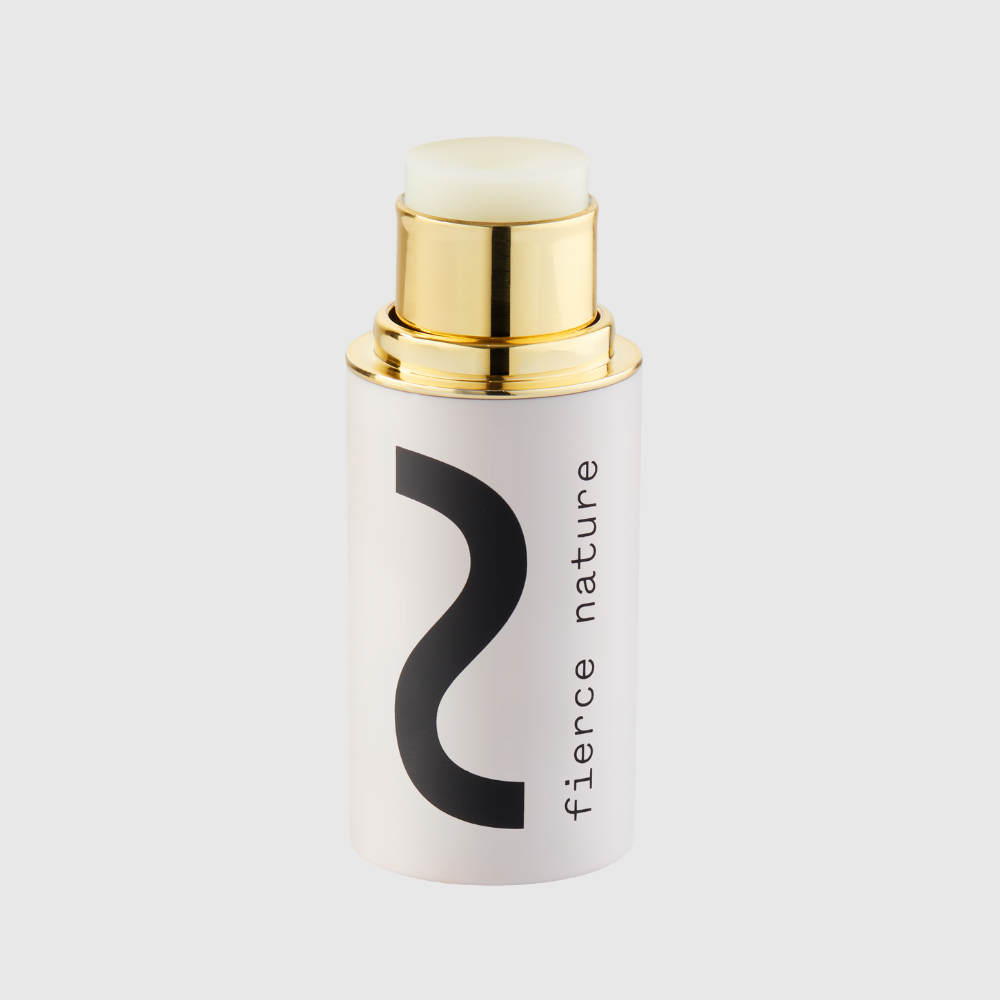
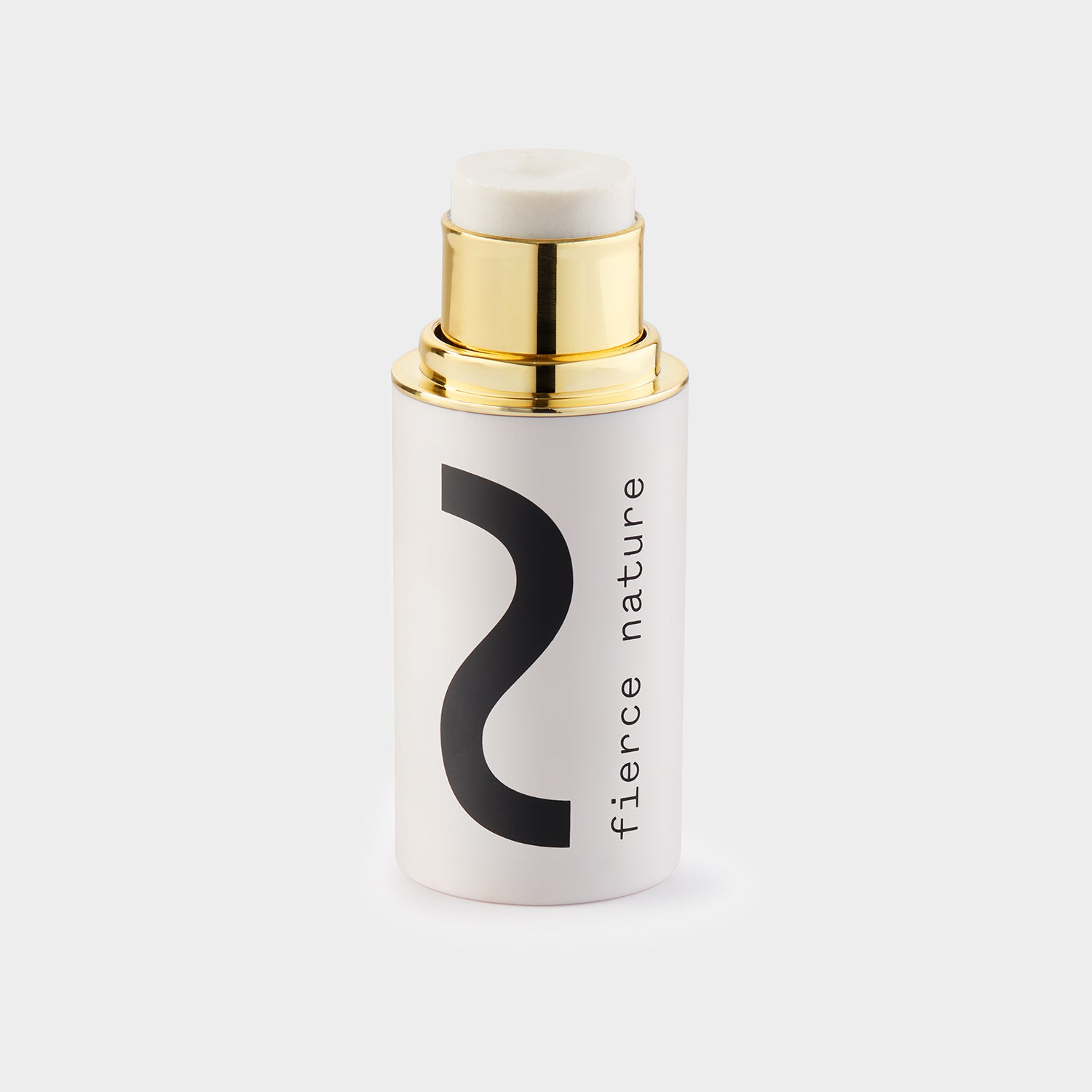
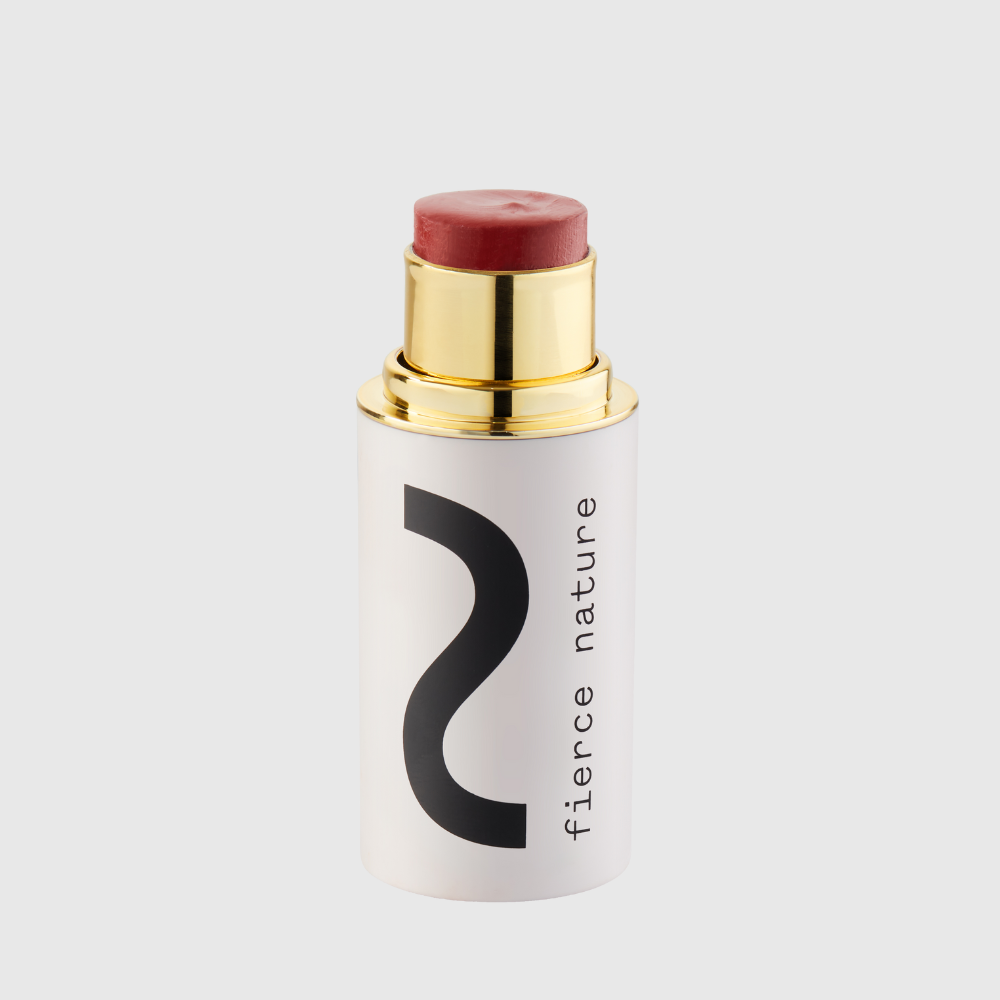
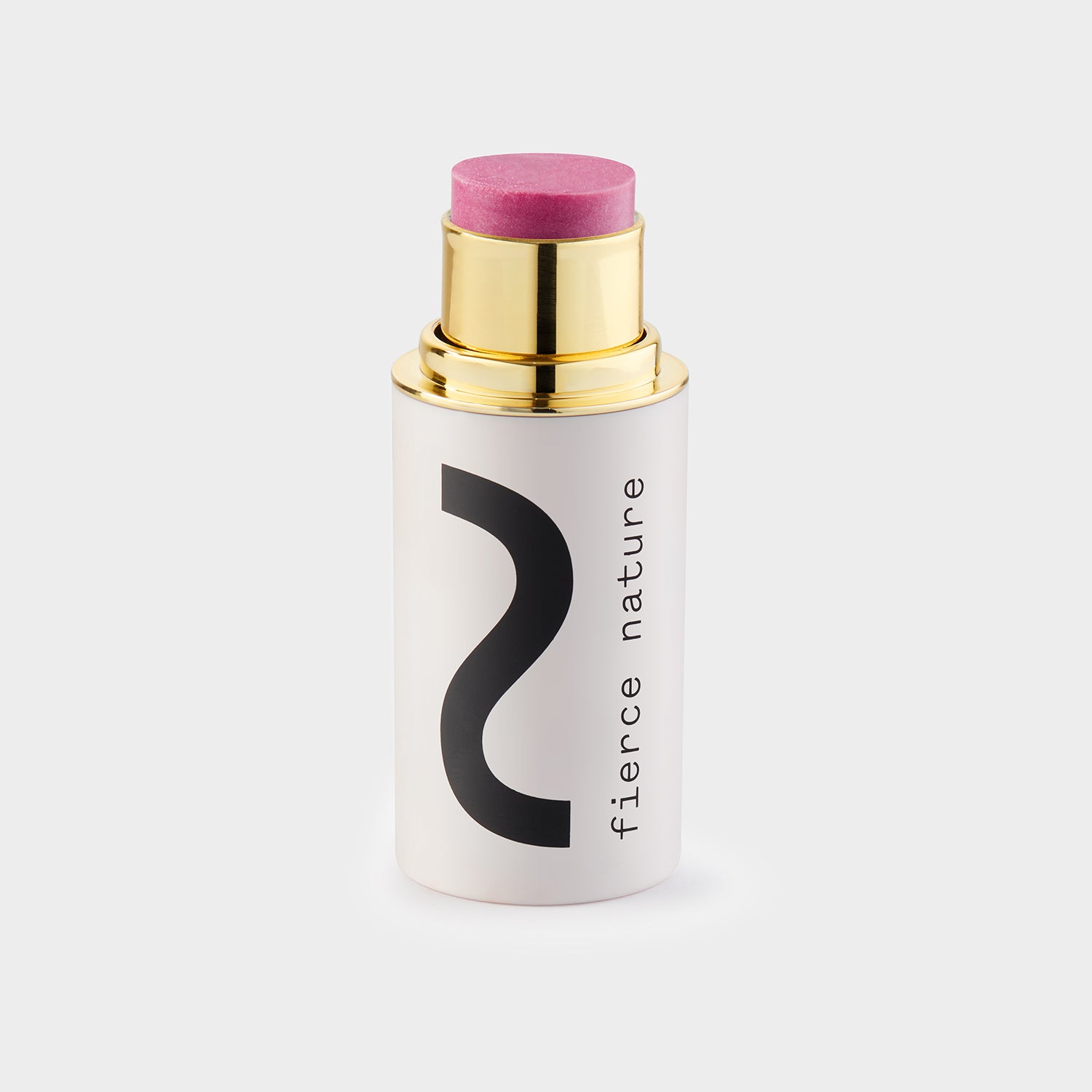
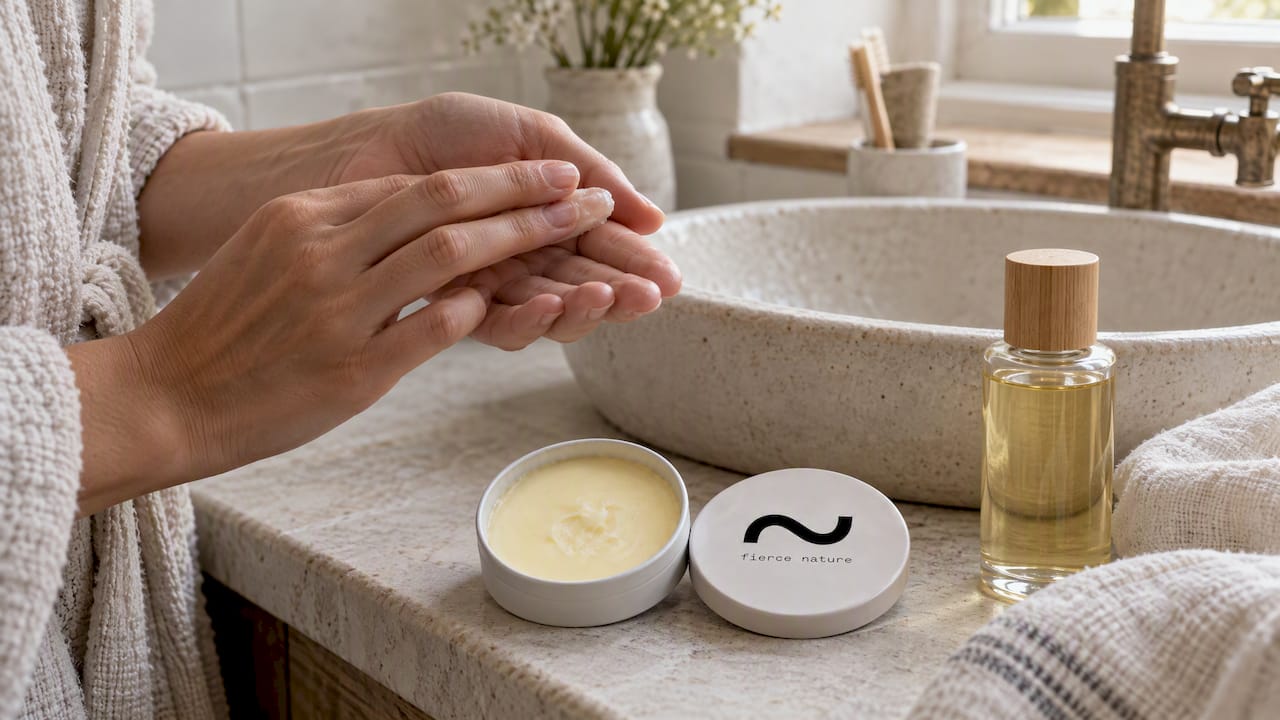
Natural ingredients
•
Kind to skin
•
A healthier planet
Ti abbiamo inviato un'email con un link per aggiornare la tua password.
reimposta la tua password
Ti invieremo un'e-mail per reimpostare la tua password.
Why 'Hypoallergenic' Skincare Isn’t Certified in the UK
Ralph Barrozo
0 Commenti
‘Hypoallergenic’ means a product has been formulated to reduce the chance of an allergic reaction, not to eliminate it. It is a manufacturer’s claim rather than a medical guarantee, and no regulator certifies it. If you have sensitive or allergy-prone skin, the label is a starting point: check the ingredient list, patch-test before full use, and speak to a clinician if reactions keep happening.
TL;DR:
Hypoallergenic products reduce the risk of allergic reactions but do not eliminate them, so individual sensitivities can still cause reactions.
UK regulations require ingredient lists to be clear and claims to be backed by evidence, but no official hypoallergenic certification exists.
Reading the full ingredient list, patch-testing, and avoiding fragrance-labeled ingredients are crucial steps to ensure skin safety.
Natural allergens like lanolin and preservatives such as MCI/MI are common triggers even in products labeled natural or hypoallergenic.
Using only one new product at a time and consulting a clinician if reactions persist improves chances of identifying individual sensitivities.
Fierce Nature
fiercenature.co.uk
Choose Skincare With Clear Ingredients
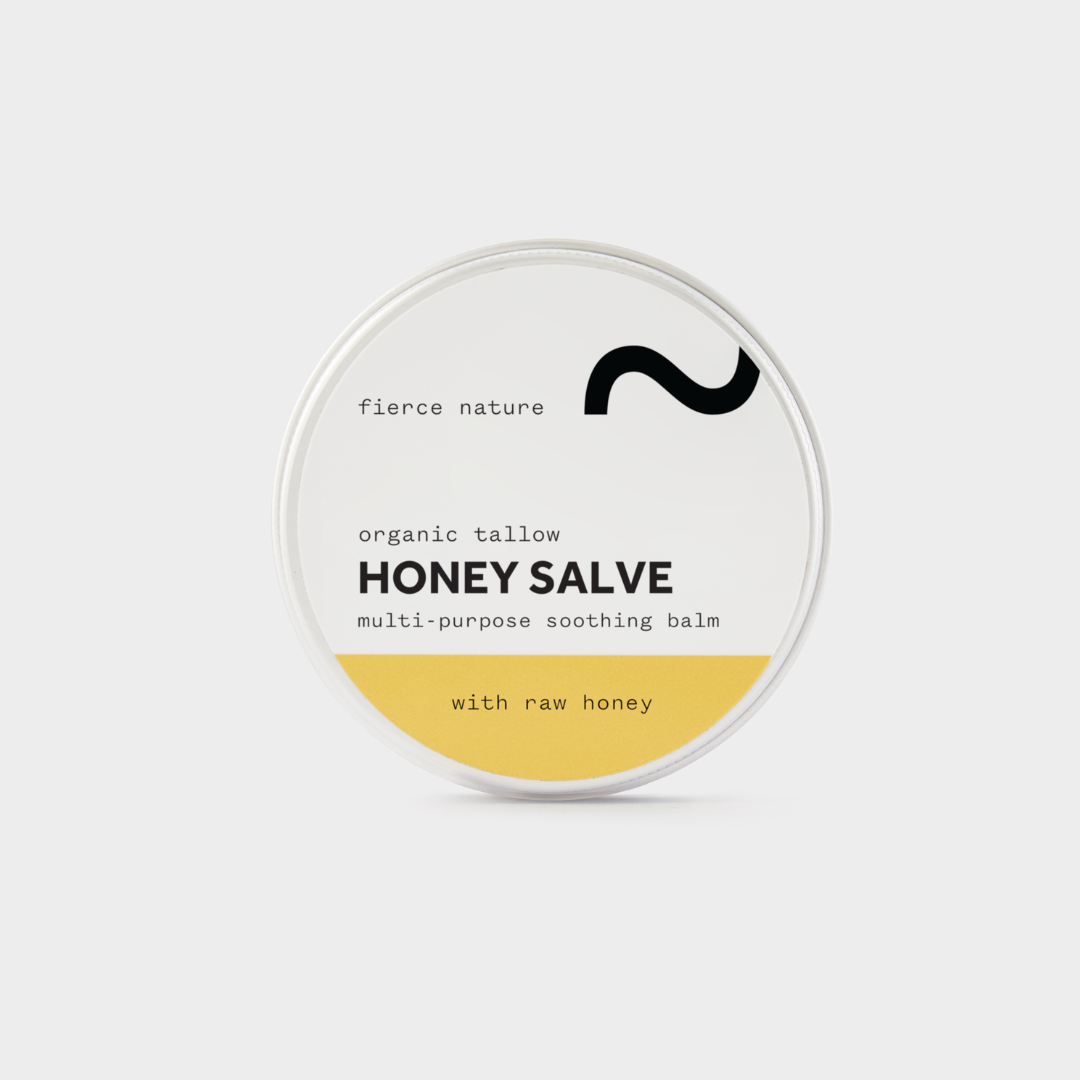
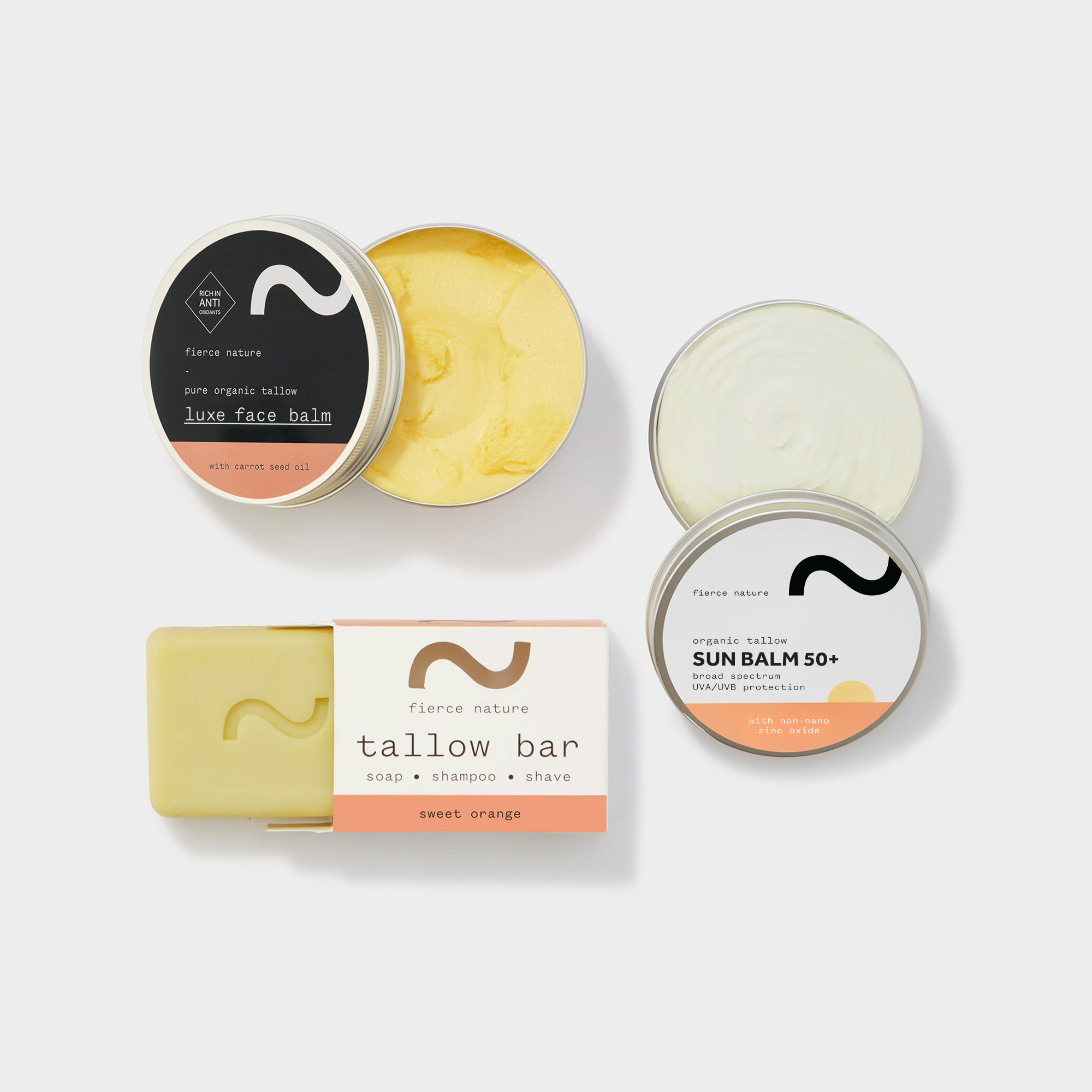
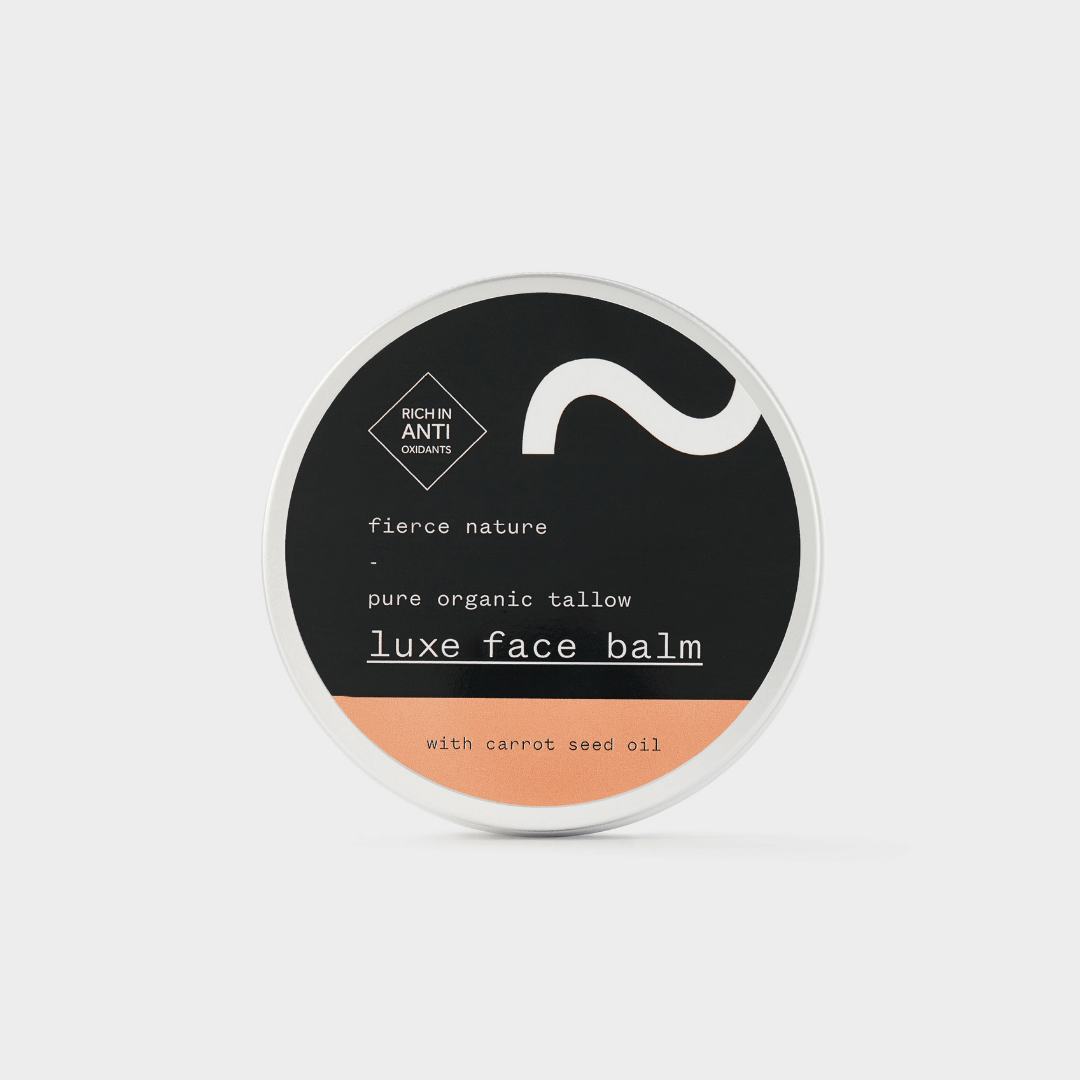
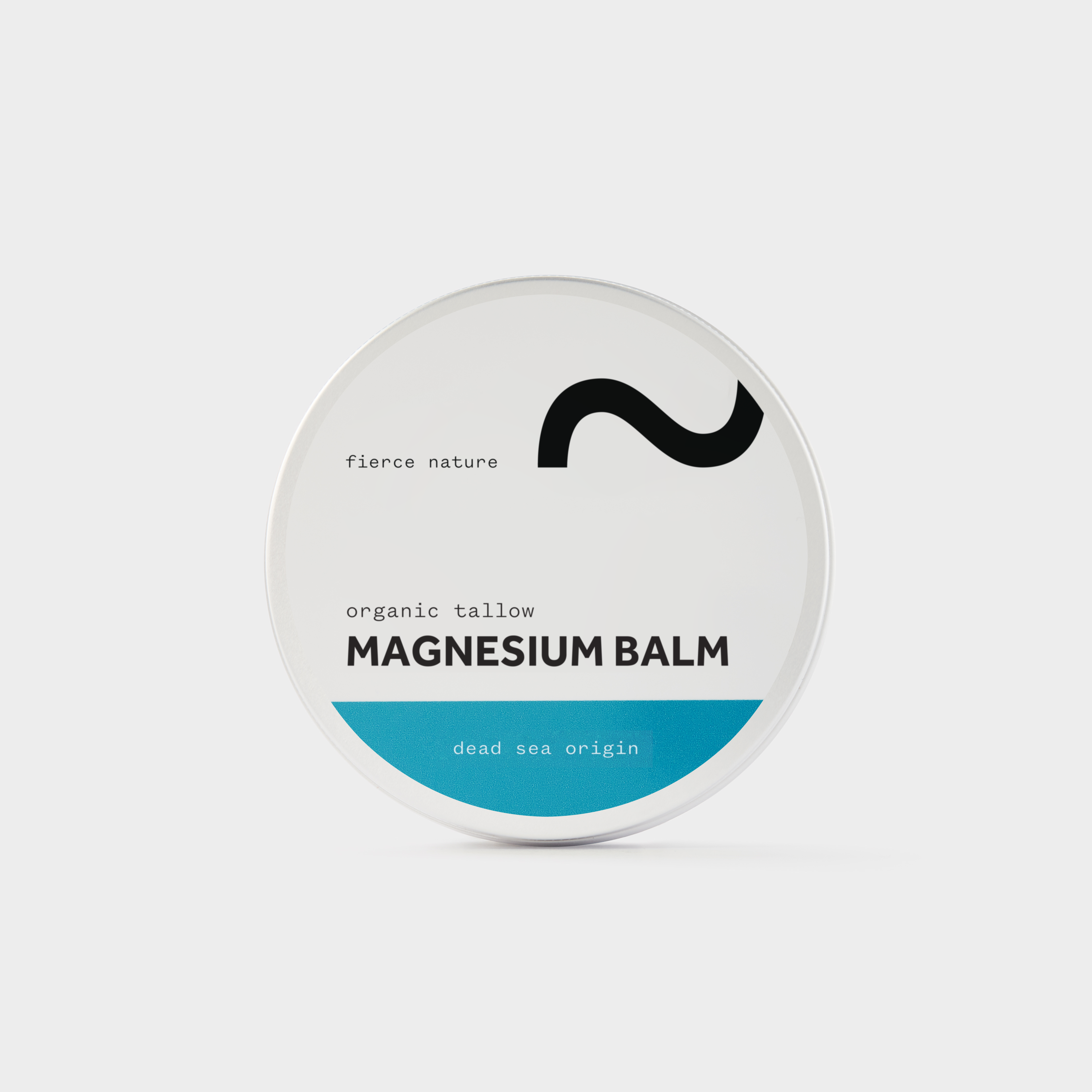
Explore Fierce Nature’s handmade UK balms, crafted with naturally sourced ingredients and pure organic tallow as their foundation.
What ‘hypoallergenic’ means and why it can be misleading
The word breaks down simply: ‘hypo’ means reduced, not absent, so hypoallergenic products are designed to be less likely to trigger an allergic reaction than a typical formula, according to the Cambridge Dictionary’s plain-language definition, which deliberately frames this as ‘less likely’ rather than ‘incapable of’. That distinction matters because every person’s immune system responds differently. An ingredient that sits quietly in most people’s skin can still provoke redness, itching or swelling in someone with a specific sensitivity, and a brand cannot test its formula against every possible immune response before it reaches a shelf.
This is why two people can use the same ‘hypoallergenic’ moisturiser with completely different results. A mild preservative, a trace botanical extract or even a stabiliser used in tiny amounts can be enough to set off a reaction in someone already sensitised to it.
A few things worth holding onto as you shop:
The prefix ‘hypo’ promises reduced risk, never zero risk.
Individual sensitivities vary enormously, so no formula suits everyone.
A product can be labelled hypoallergenic and still contain known contact allergens.
What UK rules say about cosmetic claims and ingredient labelling
Cosmetic claims sold in the UK must be backed by evidence that is objective and verifiable, and ingredient lists must appear in descending order of weight using standardised INCI names, under the Cosmetic Products Enforcement Regulations. These rules exist to stop brands making claims that mislead you into thinking a product has been approved or endorsed when it has not.
There is no official UK certification scheme for the word “hypoallergenic”, which means any brand can use it as long as it has some evidence to support the claim if challenged. That gap explains why you see such inconsistent use of the term across the market: one brand might test against a handful of known allergens, another might simply mean “we left out common fragrance compounds”.
Ingredient lists must use INCI names in descending order by weight.
Claims need evidence, but there is no national hypoallergenic standard to meet.
Misleading claims, including implying regulatory approval that does not exist, are not permitted.
How to check a product before you trust the label
Treat ‘hypoallergenic’ as an invitation to look closer, not a reason to stop looking. A short, repeatable process protects your skin far better than trusting packaging alone.
Read the full INCI list, not just the front-of-pack claim, and look for ingredients you have reacted to before.
Check for fragrance listed as “parfum” or “fragrance”, since this single entry can hide dozens of individual compounds.
Use an ingredient checker or database to flag known sensitisers you might not recognise by name.
Patch-test one new formula at a time on a small area of skin, such as the inner forearm, and wait 48 hours before judging it safe.
Keep a simple product diary noting what you tried, when, and any reaction, so patterns become obvious over time.
See a clinician if reactions repeat across different products, since this points towards a specific allergy worth identifying properly.
Pro Tip:Introduce only one new product at a time. If you layer several new formulas together and react, you will have no way of knowing which one caused it.
Common allergens hiding behind natural-sounding names
Some of the most frequent triggers in contact dermatitis sit quietly in ingredient lists under names that sound harmless. Fragrance mixes, formaldehyde-releasing preservatives, methylchloroisothiazolinone and methylisothiazolinone (often shortened to MCI/MI), lanolin, certain tocopherol variants and some alcohols all appear regularly in patch-testing panels used by dermatology clinics.
NHS hospital patch-testing leaflets typically screen for around 50 common contact allergens, including fragrances, preservatives and lanolin, which gives a sense of how many everyday ingredients can provoke a reaction in sensitised skin. “Natural” does not mean “non-allergenic” here either: lanolin, derived from sheep’s wool, is both natural and one of the more persistent allergens on that list.
Fragrance mixes and parfum blends are among the most common triggers.
Preservatives such as MCI/MI and formaldehyde releasers appear on standard allergen panels.
Lanolin and certain plant extracts are natural but still well-documented sensitisers.
Patch-testing at home and when to ask for clinical help
A home patch test is simple: apply a small amount of product behind the ear or on the inner forearm, leave it undisturbed for 48 hours, and stop immediately if you notice itching, burning, swelling or a rash. This single step catches many reactions before they reach your whole face.
When reactions persist despite careful testing, formal investigation is worth pursuing.
Book an appointment through your GP if home testing repeatedly points to a problem you cannot pin down.
Expect a multi-visit process: NHS patch testing applies a standard series of roughly 40 to 50 substances, left in place for about 48 hours, sometimes alongside your own products.
Bring the exact product and its packaging to the appointment, since clinics can include your own items in the test panel, which often turns up allergies you would not have predicted.
Myths that lead you to the wrong product
Hypoallergenic and non-comedogenic are not the same thing. A formula can avoid common allergens while still containing oils or waxes that clog pores, so check both claims separately if breakouts are your concern.
‘Unscented’ and ‘fragrance-free’ are also frequently confused. Unscented products may still contain masking fragrance to neutralise raw material smells, while fragrance-free means no fragrance ingredients were added at all.
Hypoallergenic does not guarantee a product is non-comedogenic.
‘Unscented’ can still mean a masking fragrance is present.
A “clinically tested” claim deserves a closer look at what was actually tested and on how many people.
How we approach hypoallergenic-friendly formulation
Fierce Nature grew out of years spent battling unexplained skin rashes and reactions, which is why ingredient transparency sits at the centre of everything we make. We publish full INCI lists, keep formulas short where we can, and offer unscented versions of key products specifically for skin that reacts to fragrance.
We list every ingredient in plain, checkable INCI form on each product page.
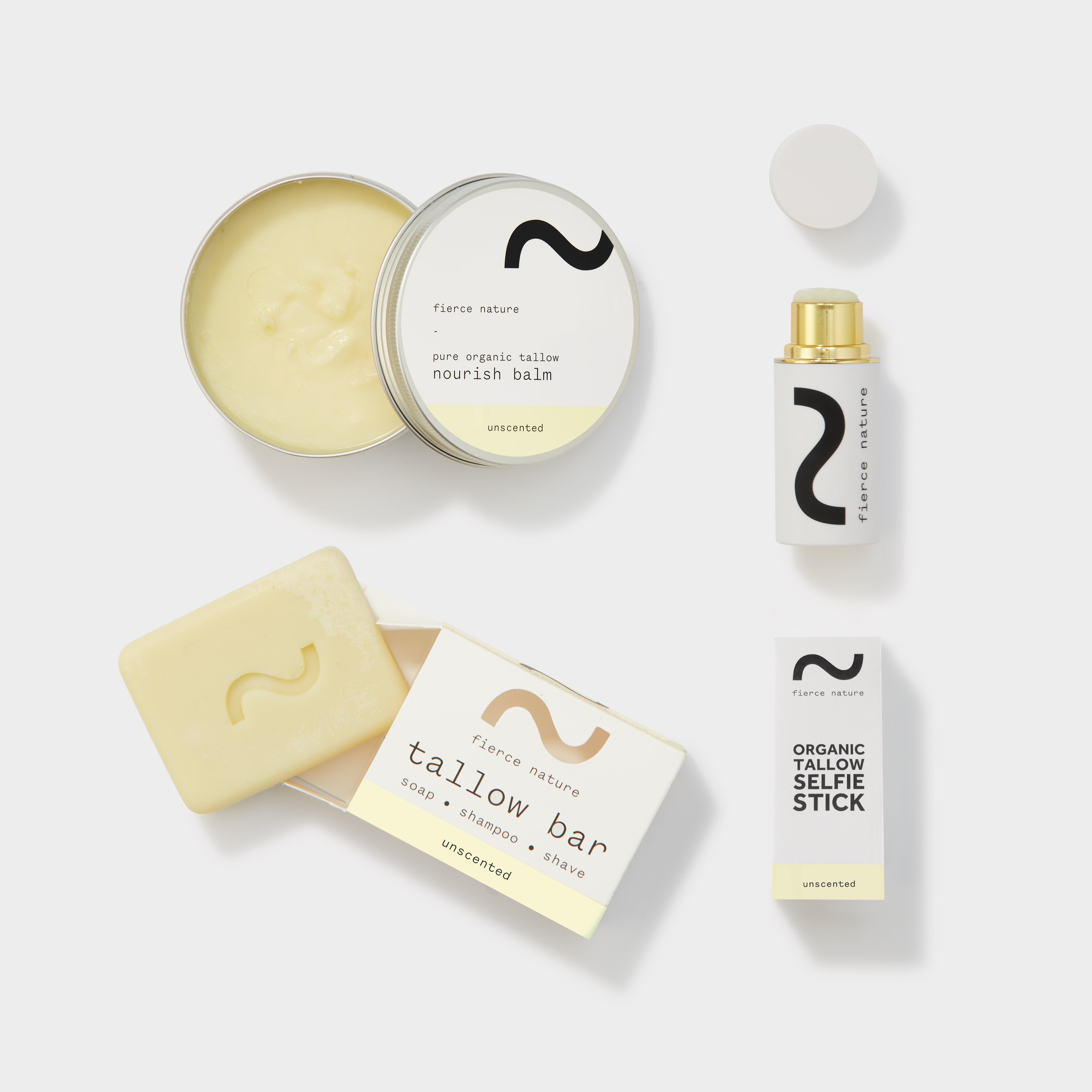
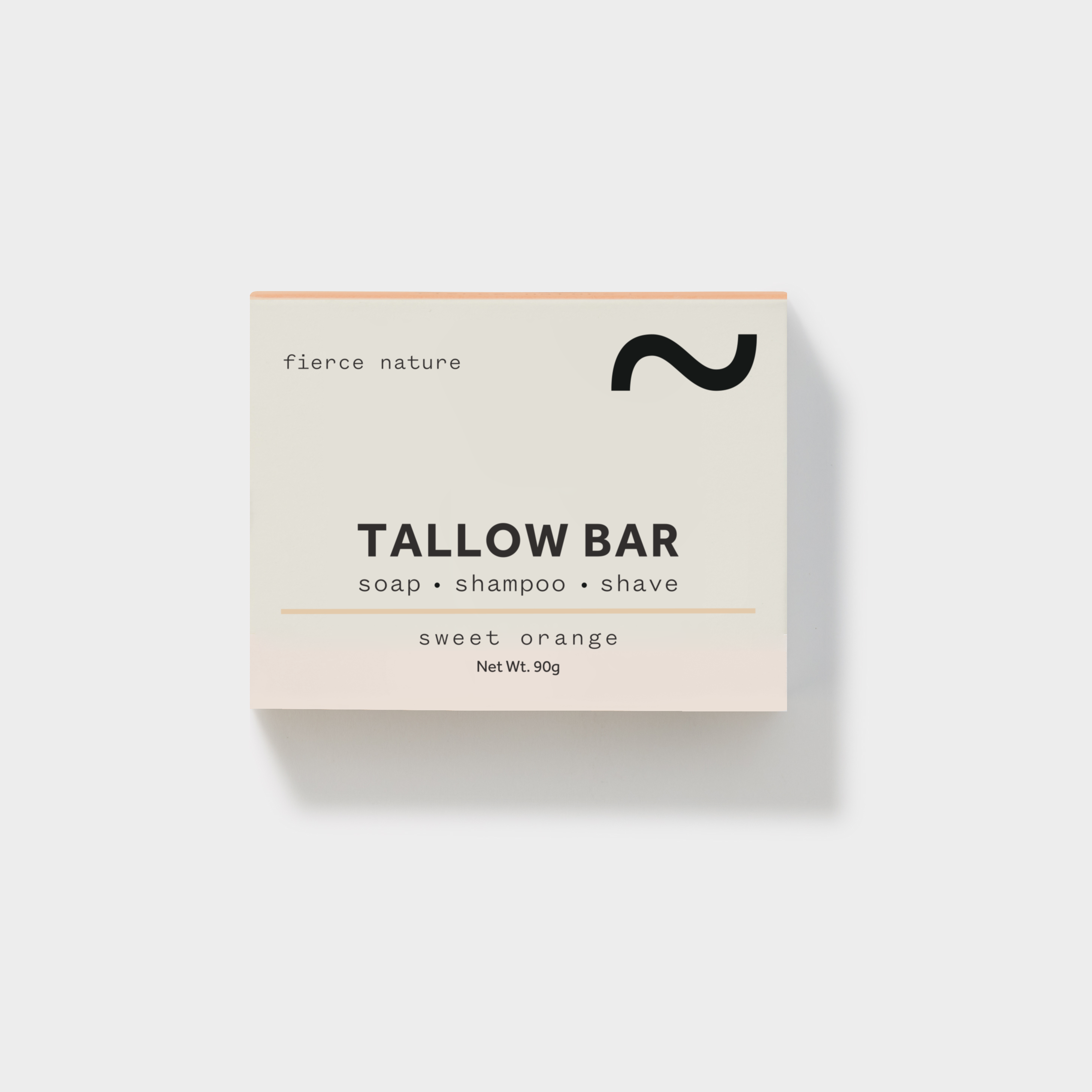
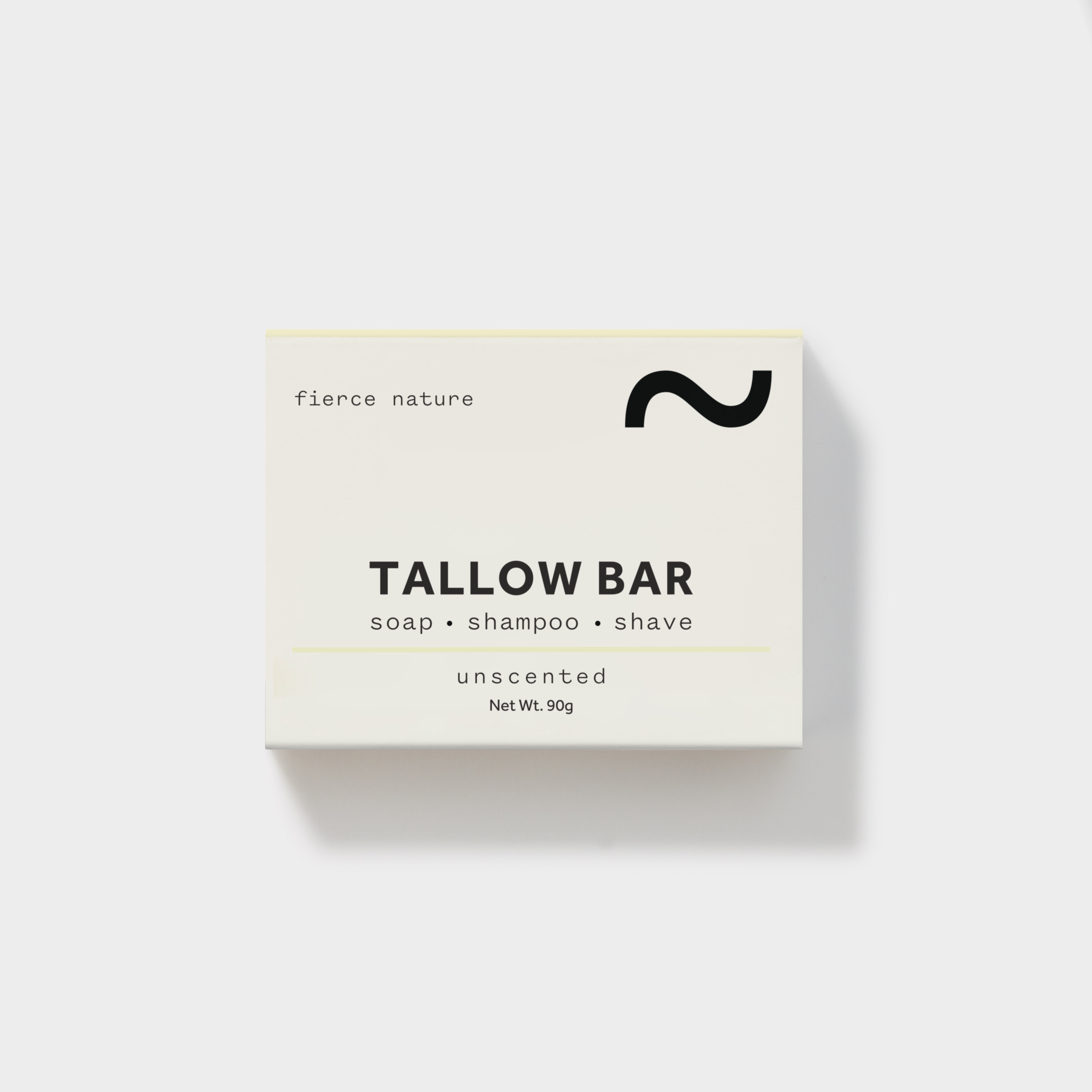
We offer unscented options, including our Multi-Use Tallow Bar (Unscented), alongside scented versions for those who tolerate fragrance well.
We recommend the same single-formula testing approach in our own testing guide that dermatology sources suggest.
A short word on labels and trust
Labels guide you, but they cannot replace attention to your own skin. The most useful habit you can build is simple: read the list, test before you commit, and ask for clinical help when patterns repeat.
— Fierce Nature
Where our balms fit if you’re shopping carefully
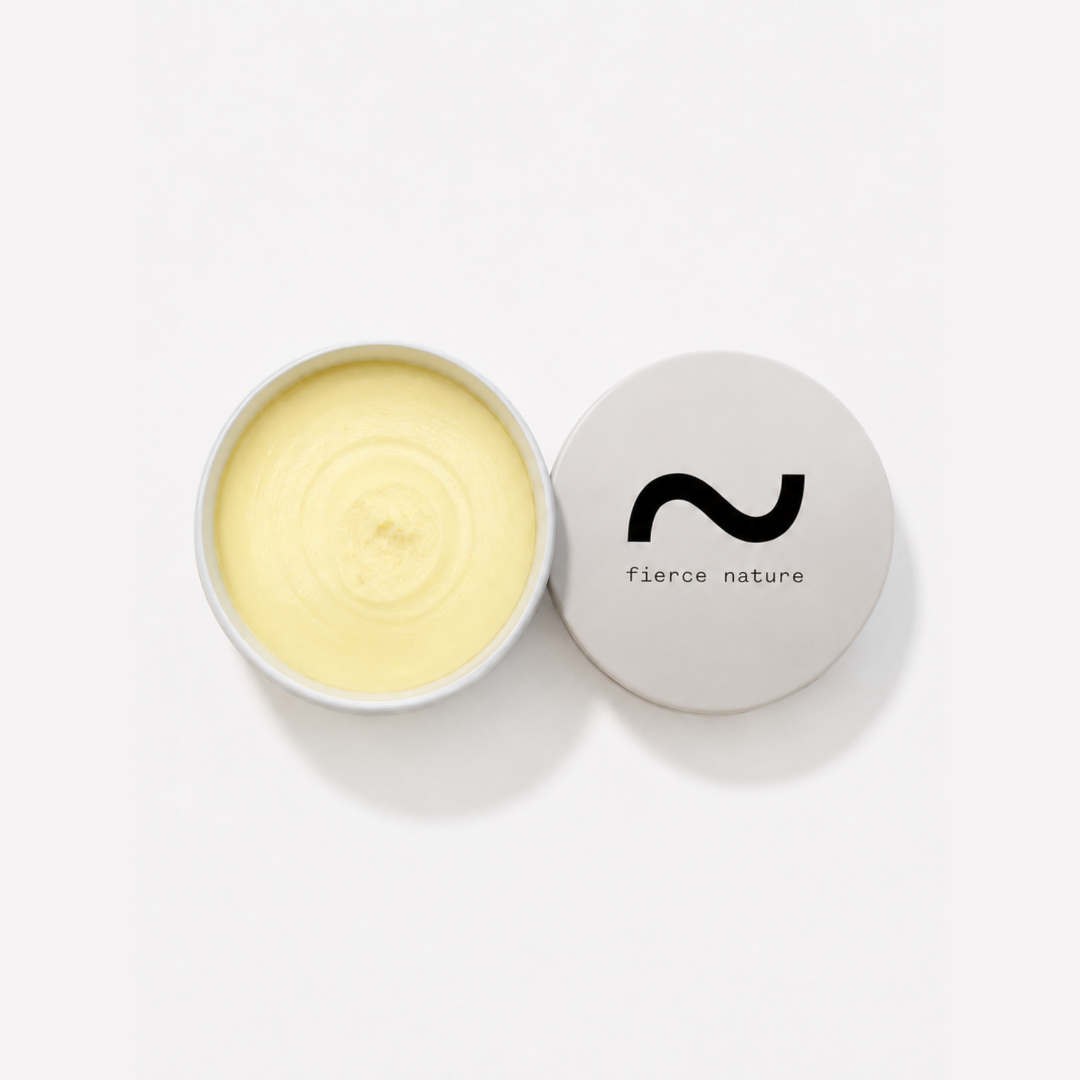
We cannot promise any product, ours included, will suit every allergy-prone reader, because no formula can. What we can offer is a shorter path to finding out: clear ingredient lists, unscented choices, and formulas built around pure organic tallow rather than long chemical chains.
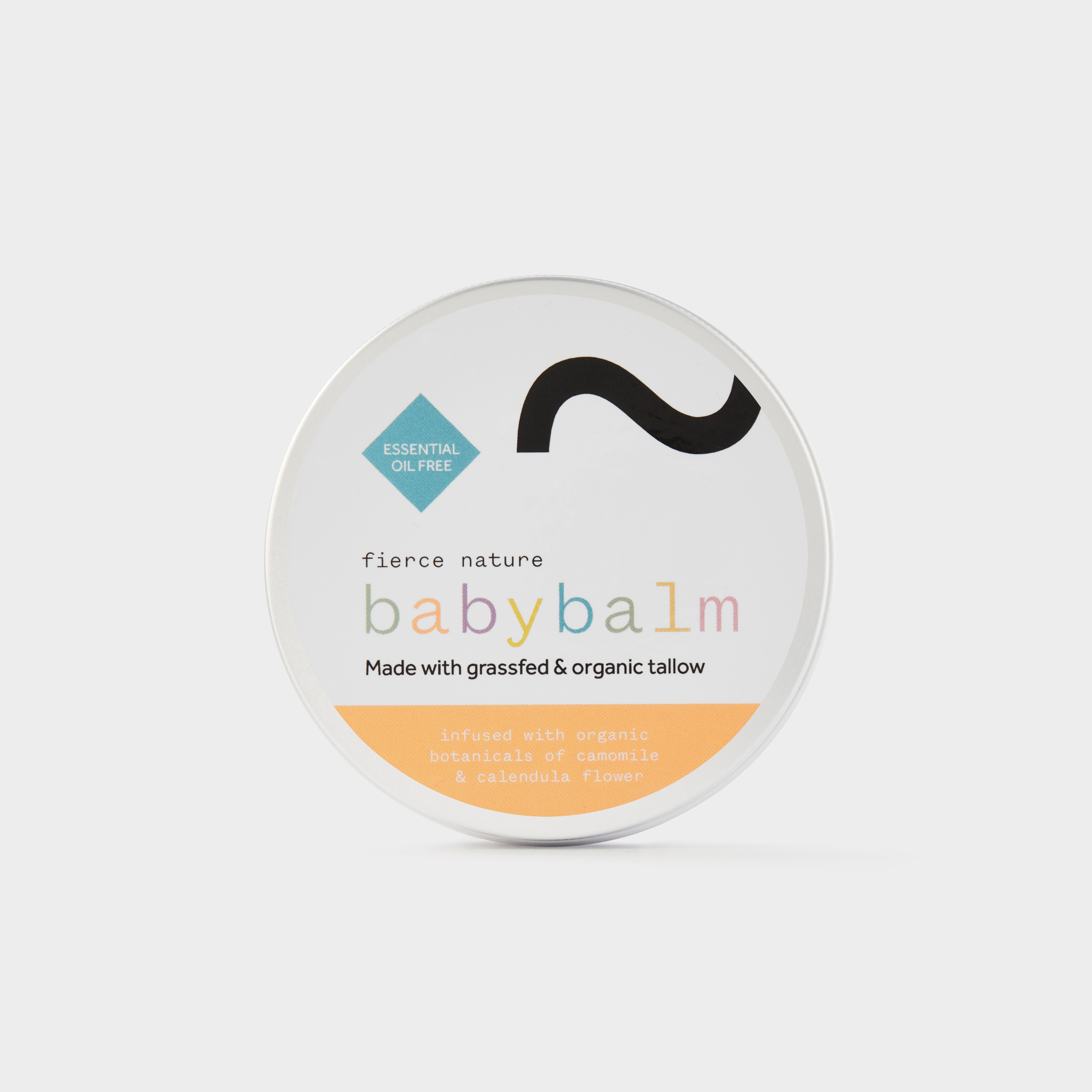
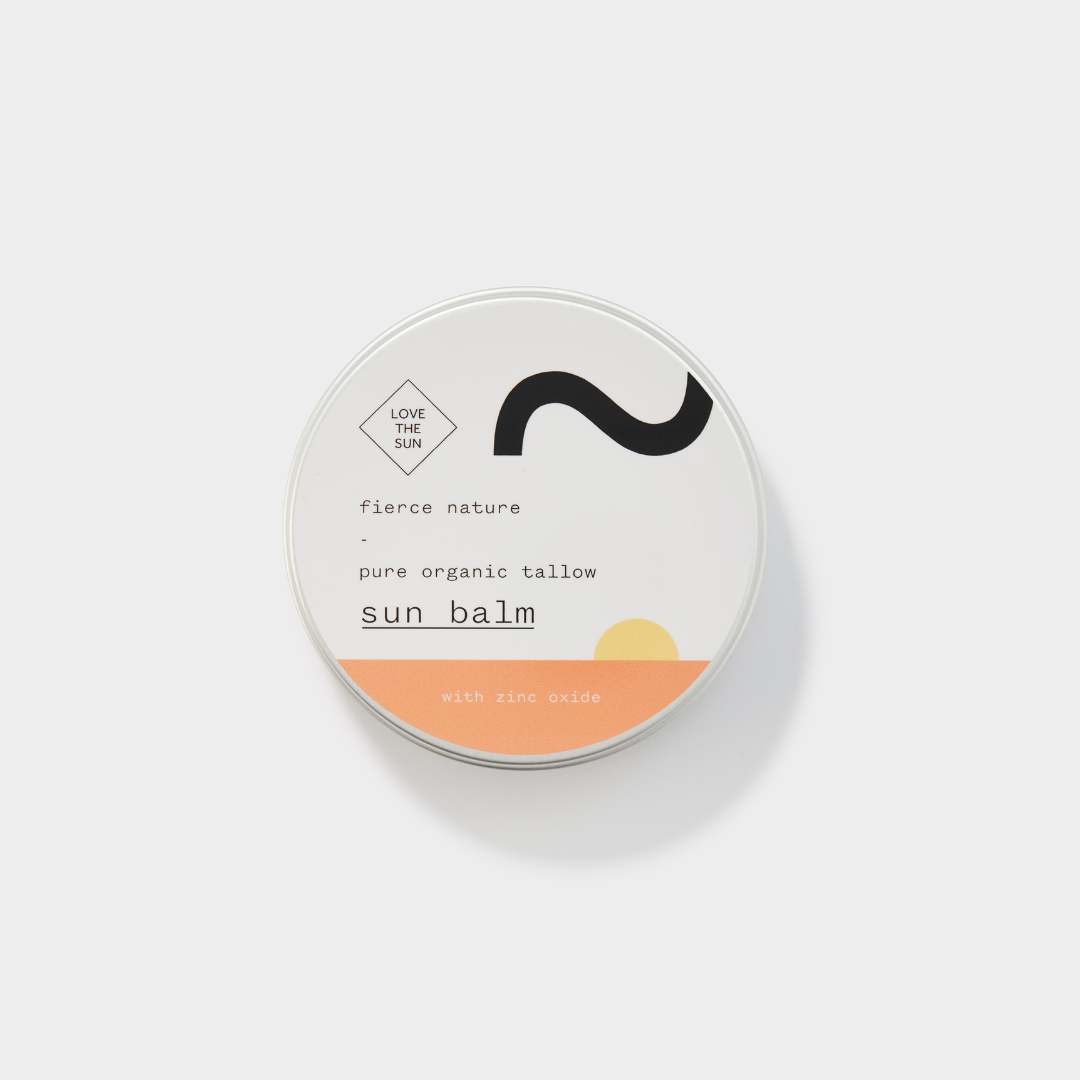
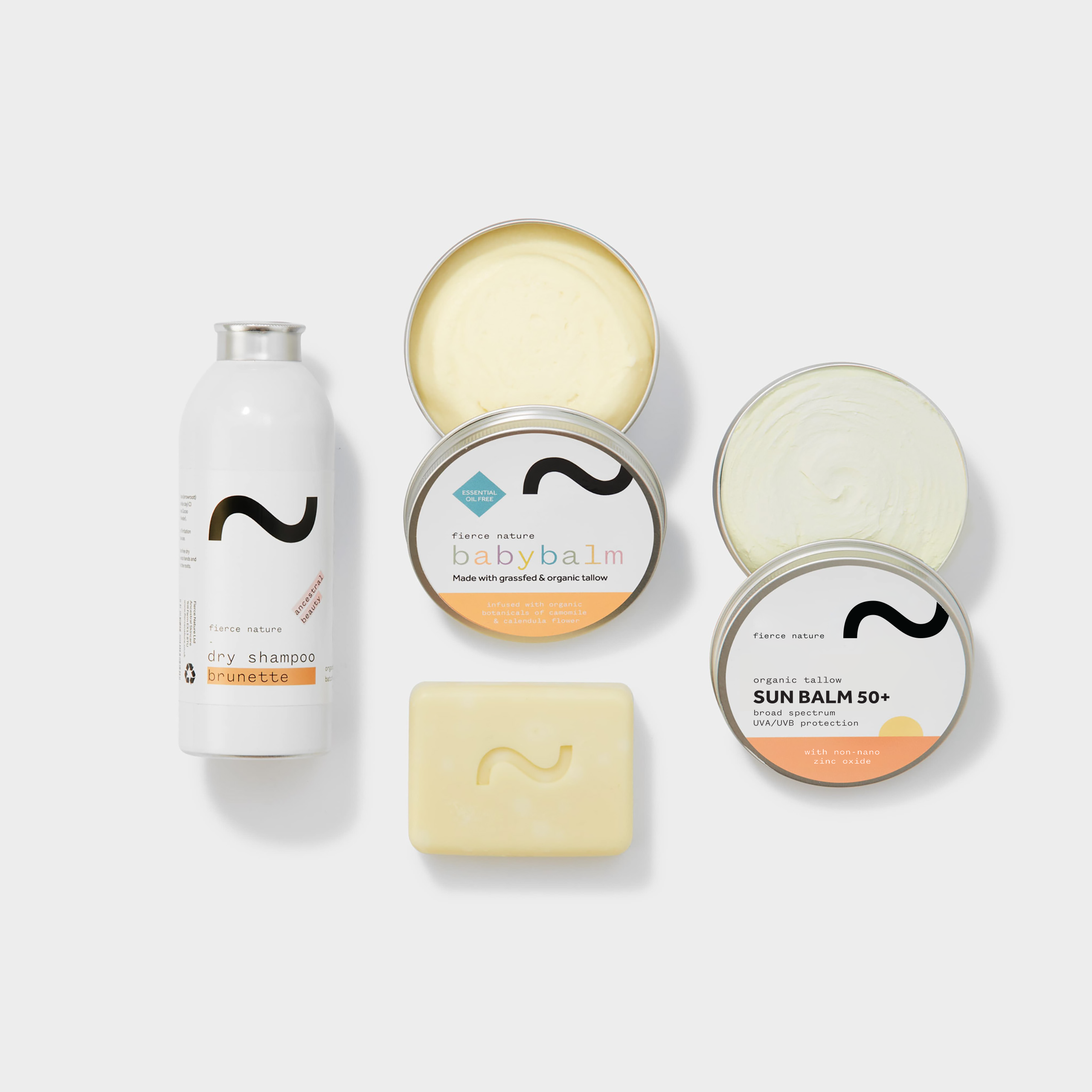
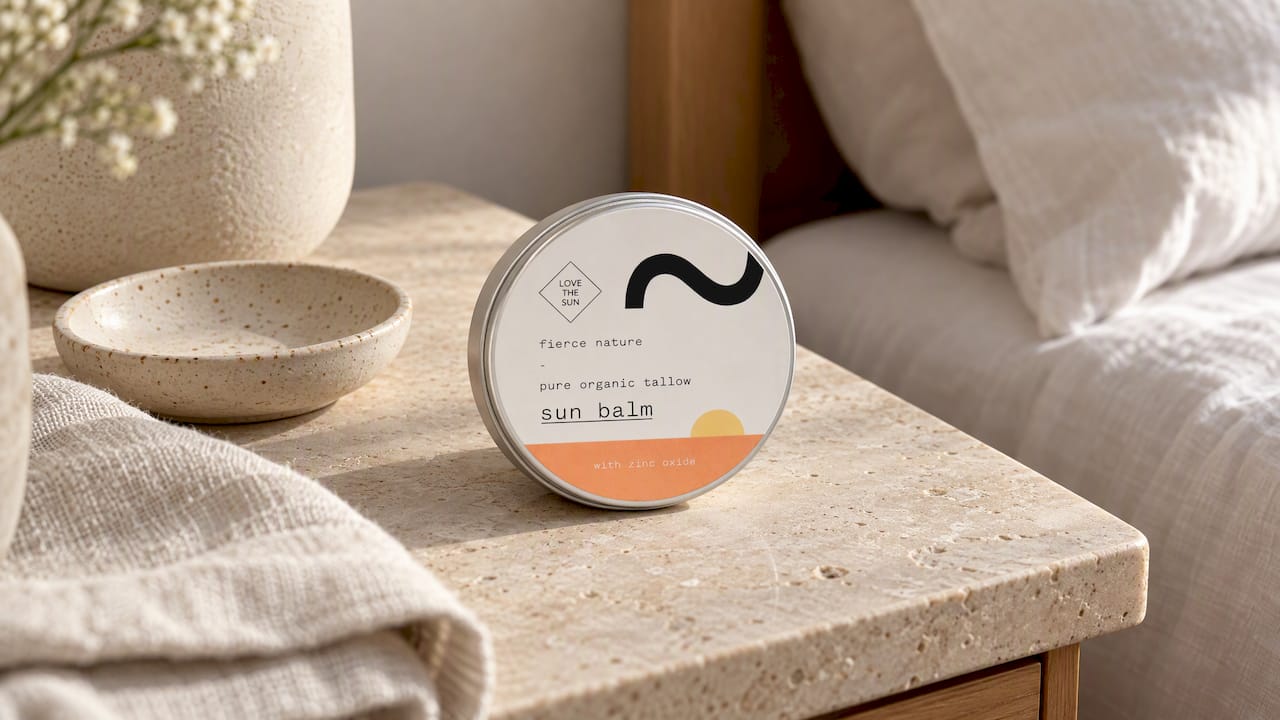
If fragrance is your main concern, our Multi-Use Tallow Bar (Unscented) and Face and Body Balms collection both offer fragrance-free options alongside their lightly scented counterparts. For very sensitive or young skin, our Baby Balm uses a deliberately limited ingredient list. If sun protection is what brought you here, our New Sun Balm SPF 50+ PA++++ is formulated with the same transparency approach.
Start with an unscented option if fragrance has caused problems before.
Patch-test any new balm or bar using the same 48-hour method described above.
Read the full ingredient list on each product page before buying, not just the headline claim.
Browse the full Face and Body Balms range to find a formula that matches your skin’s own history.
FAQ
What are hypoallergenic skin care products?
They are products formulated to reduce the likelihood of triggering an allergic reaction, typically by limiting common sensitisers such as fragrance or certain preservatives. The claim is not independently certified in the UK, so always check the full ingredient list rather than relying on the word alone.
Is hypoallergenic good for skin?
It can be a helpful starting point if you have sensitive or allergy-prone skin, since it signals a brand has tried to limit common irritants. It is not a guarantee of safety for your specific skin, so patch testing still matters.
Does hypoallergenic mean it won’t clog pores?
No, hypoallergenic and non-comedogenic are separate claims that address different concerns. A product can avoid common allergens while still containing pore-clogging oils or waxes, so check both labels if breakouts worry you.
What are the best hypoallergenic skin care products?
There is no single best option, since the right choice depends on your own triggers and skin history. Look for short ingredient lists, fragrance-free formulations where needed, and patch-test any new product before relying on it daily.