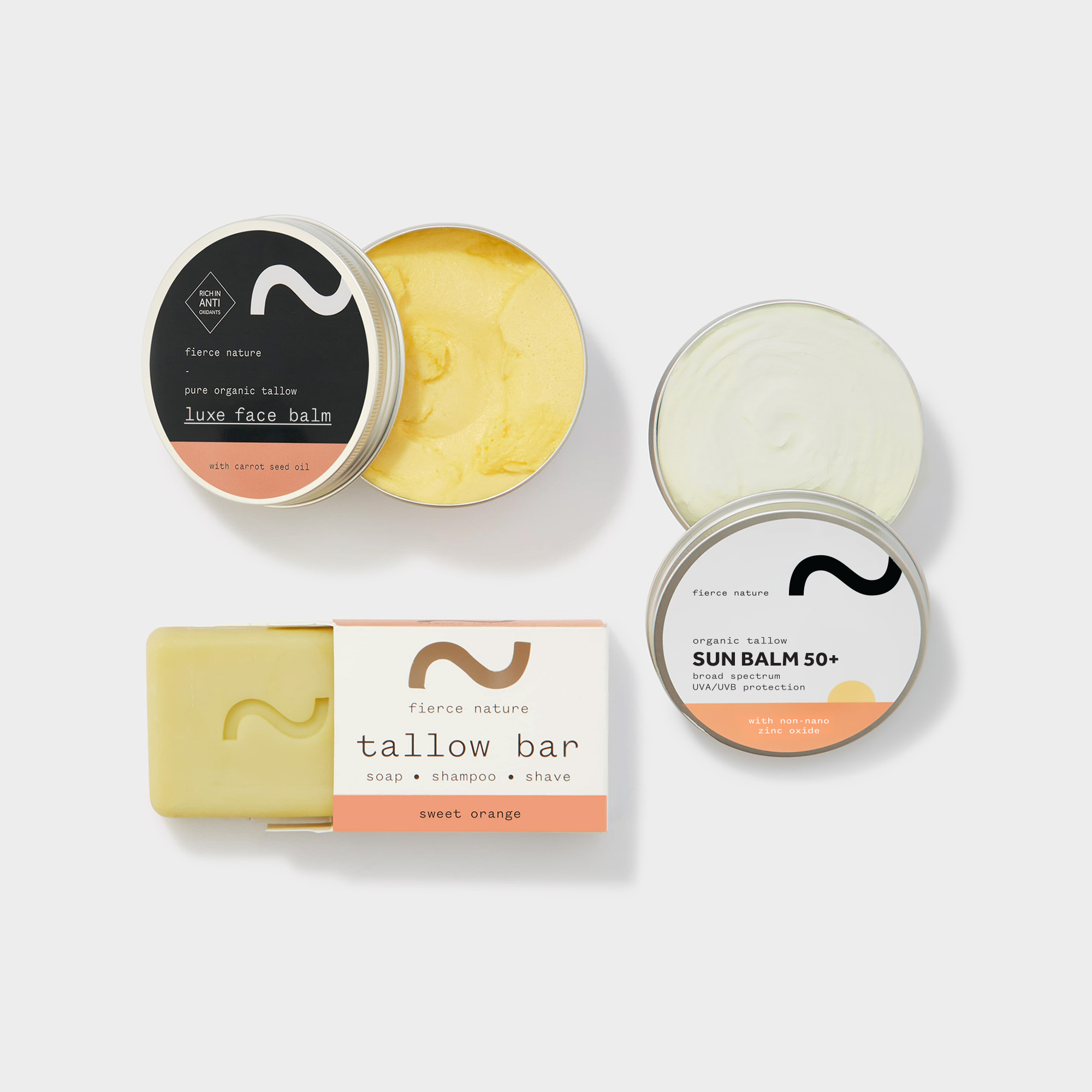
Natural ingredients
•
Kind to skin
•
A healthier planet
Ti abbiamo inviato un'email con un link per aggiornare la tua password.
reimposta la tua password
Ti invieremo un'e-mail per reimpostare la tua password.
Ceramides vs Tallow: Two Different Jobs for Your Skin Barrier
Ralph Barrozo
0 Commenti
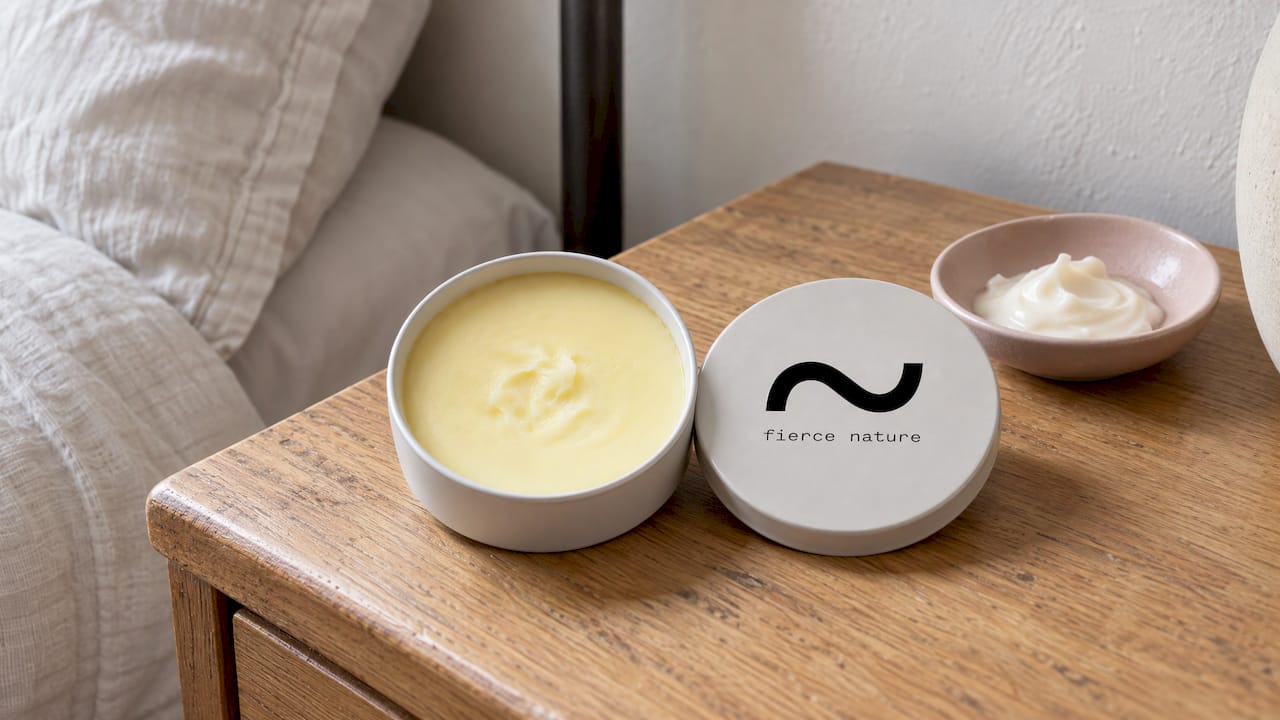
Ceramides and tallow are not rivals fighting for the same job. Ceramides are the fats your own skin uses to build its barrier. Tallow is a rich, skin-friendly fat that sits on the surface, softens and seals in moisture. Tallow does not contain ceramides, and it does not need to: it does a different, complementary job. If your skin is dry, tight or easily unsettled by long ingredient lists, a simple tallow balm gives it a nourishing, protective layer, and you can pair it with a ceramide product if you like.
Here is how the two work, what the research says, and how to choose and use a face or body balm well.
Fierce Nature
fiercenature.co.uk
Nourish Skin with Tallow Balm
Explore handmade UK skincare made with naturally sourced ingredients and pure organic tallow as its foundation.
Ceramides are lipids (fats) that your skin naturally makes and uses as the “mortar” between skin cells. Creams containing them aim to top up what the barrier is built from.
Tallow is rendered beef fat. It contains fatty acids such as stearic, oleic and palmitic acid, plus small amounts of fat-soluble vitamins. It works as an emollient and occlusive, softening skin and slowing moisture loss.
Tallow does not contain ceramides. The two do different jobs and sit comfortably side by side in a routine.
Choose by your skin: very dry skin and body skin often love a rich tallow balm, while a lighter ceramide cream can suit daytime wear. Always patch test first.
Quality matters with tallow: grass-fed sourcing, careful handling and a short, transparent ingredient list.
Your skin’s outermost layer, the stratum corneum, is often compared to a brick wall. The skin cells are the bricks. The mortar holding them together is a mix of three kinds of fat: ceramides, cholesterol and free fatty acids. Ceramides make up the largest share of that mix.
When the mortar is well supplied, the wall keeps water in and irritants out. When it is thin or disrupted, water escapes more easily through the skin. This is called transepidermal water loss, or TEWL for short. Skin then feels tight, rough and reactive. Cold weather, central heating, hot showers, harsh cleansers and dry skin conditions can all disturb the barrier.
Ceramide skincare is made to replace some of those building blocks. Most ceramide creams pair ceramides with cholesterol and fatty acids, because the three work as a team. A 2018 study in the journal Clinical, Cosmetic and Investigational Dermatology tested a cream with ceramides 1 and 3, cholesterol and linoleic acid. A single application raised skin hydration and cut water loss by roughly a quarter within two hours, and the effect held at 24 hours.
That is useful evidence for the ceramide approach, and it shows why people look to ceramides for barrier support. It does not make ceramides the only route to comfortable skin, as we will see below.
What tallow is and how it works
Tallow is rendered fat from cattle. It has been used for centuries in soap making and as a skin emollient, which is a product that softens and smooths the skin. Its main fatty acids are oleic, palmitic and stearic acid, with some linoleic acid, and it carries small amounts of the fat-soluble vitamins A, D, E and K.
When you apply tallow, it forms a protective lipid layer on the skin. That layer slows the evaporation of water, so skin feels softer and more comfortable, particularly where it is dry or the barrier is under strain. Because tallow is rich in the same families of fats that the skin itself contains and produces, many people find it feels familiar and nourishing rather than “coated”.
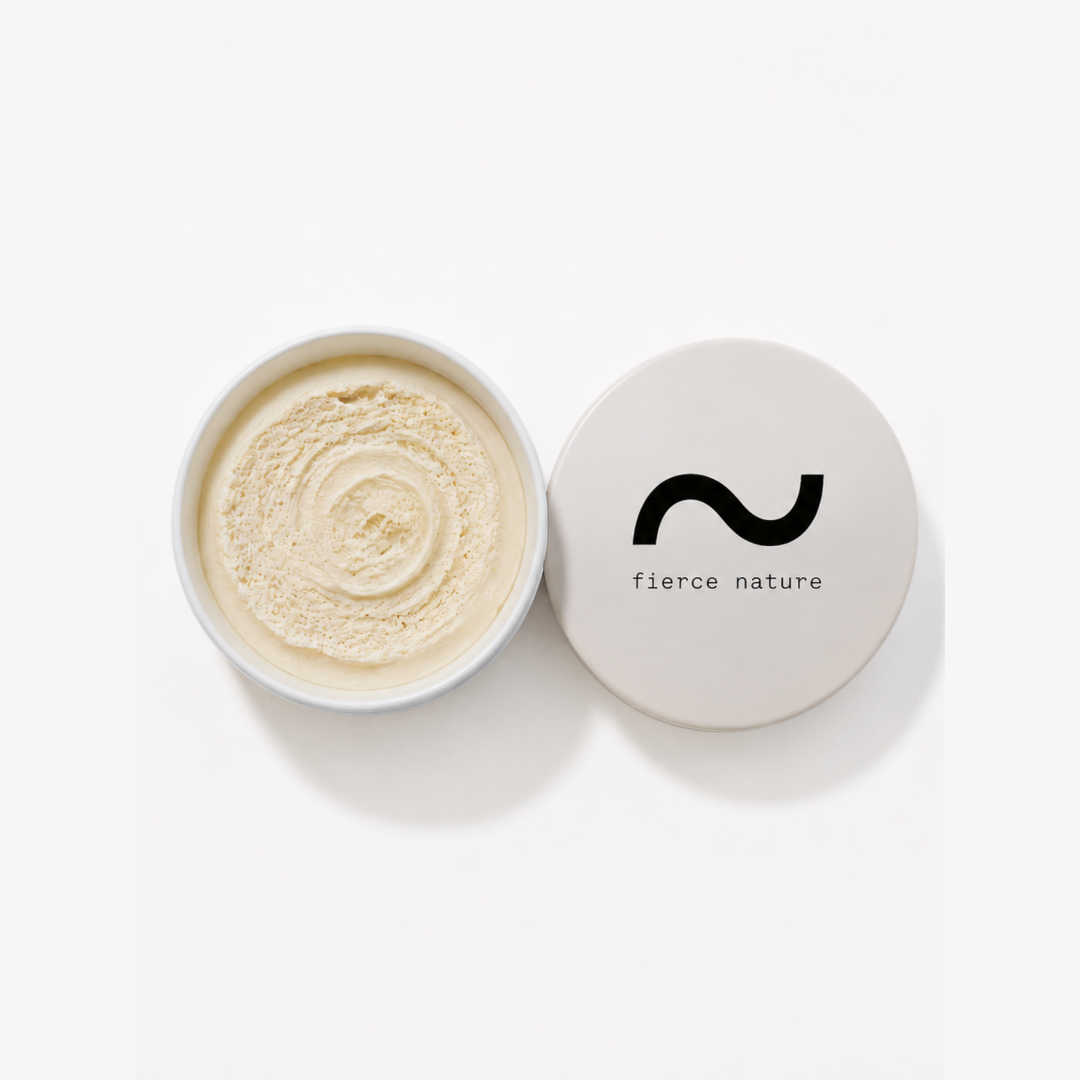
At Fierce Nature, our products are handmade in the UK with pure organic tallow as the foundation, and we use grass-fed tallow with naturally sourced ingredients. Our formulas are designed for deep nourishment with bioavailable vitamins, and we are open about what goes into every balm. If you want a closer look at the ingredient, our guide to tallow balm benefits, uses and safety for UK skin goes into more detail.
Does tallow contain ceramides?
No. This is the question people ask most, and the straight answer is that tallow is a fat made mostly of triglycerides, and ceramides are a different class of lipid. Tallow does not contain ceramides, and it does not contain a meaningful amount of the cholesterol or humectants (water-binding ingredients such as glycerine) that a purpose-built barrier cream might add.
That is not a flaw to fix, just a description of what each ingredient is. Think of it this way:
Ceramides are building blocks the skin uses to repair its own wall.
Tallow is a nourishing, sebum-like fat that cushions and protects the surface while the skin does its own work underneath.
Skin makes ceramides itself. What many dry or stressed skins need most is relief from water loss, a comfortable surface and a calm routine. A rich emollient provides exactly that. Equally, anyone who wants to add ceramides directly can do so with a ceramide product, because the two do not cancel each other out.
Ceramides and tallow side by side
Ceramide cream
Tallow balm
What it is
A formula built around skin-identical lipids, often with cholesterol and fatty acids
Rendered animal fat rich in fatty acids and fat-soluble vitamins
Main job
Supplies barrier building blocks
Softens and seals the surface, slowing water loss
Texture
Usually a lighter cream or lotion
Rich, dense and balm-like, melts on contact with skin
Contains ceramides
Yes
No
Typical ingredient list
Often long, with water, emulsifiers and preservatives
Can be very short
Best suited to
Daytime wear, layering under make-up
Very dry patches, body skin, overnight nourishment
A water-based cream needs preservatives because water invites microbes. A balm made from fat and butters contains no water, which is one reason tallow balms can have such brief ingredient lists.
What the evidence says about each
It helps to be honest about what has and has not been studied, so you can choose with confidence.
For ceramides, there are controlled studies. Besides the 2018 hydration study above, a 2025 double-blind study in 58 adults with a history of eczema tested an emulsion containing physiological lipids (the skin’s own types of fat) and glycerine. Over 28 days it lowered water loss and raised the skin’s ceramide levels, while a glycerine-only emulsion had no significant barrier effect. The lesson is that fats, not just water-binding ingredients, are what make a barrier product work.
For tallow, the research is newer and thinner. A 2024 scoping review of the literature concluded that tallow appears biocompatible with skin, given its fatty acid and vitamin content, and that more research is needed on specific outcomes. Clinicians describe its occlusive qualities as useful for severely dry or compromised skin. We would never claim tallow is a medical treatment, and we do not. What we can say is that its fat profile is the reason so many people with dry skin reach for it.
On choosing between them, UK NHS guidance on emollients is refreshingly practical. Local NHS emollient guidelines state that there is no controlled-trial evidence to support one emollient over another. They say the right choice depends on personal preference, where on the body it goes, how severe the dryness is and any sensitivities you already know about. They also note that greasier products trap more moisture, but that some people find them less pleasant to use. In other words, the best emollient is the one you like using, will apply generously and often, and that your skin tolerates.
That is a helpful way to think about the choice between ceramide cream and tallow balm too. You are not picking a winner. You are picking a texture and ingredient list that suits your skin and that you will actually reach for every day.
How to choose for your skin
Start with where the product is going and what your skin feels like.
Very dry or weather-worn skin
Hands, elbows, heels, shins and cheeks in winter tend to appreciate a dense, fatty balm. The richness of tallow gives a lasting cushion, and a thin layer goes a long way. This is where a body balm earns its place, especially applied to slightly damp skin after bathing.
Everyday face care
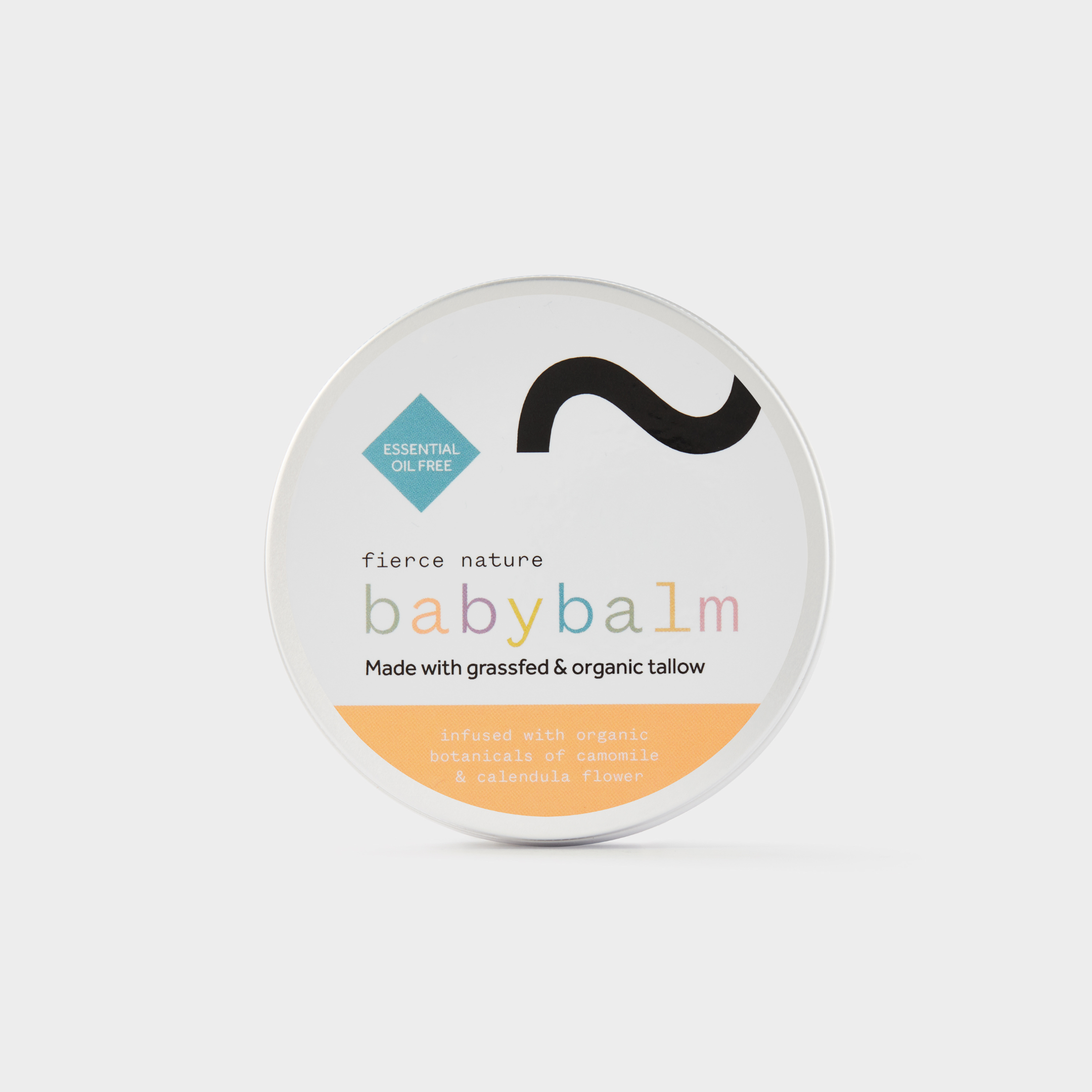
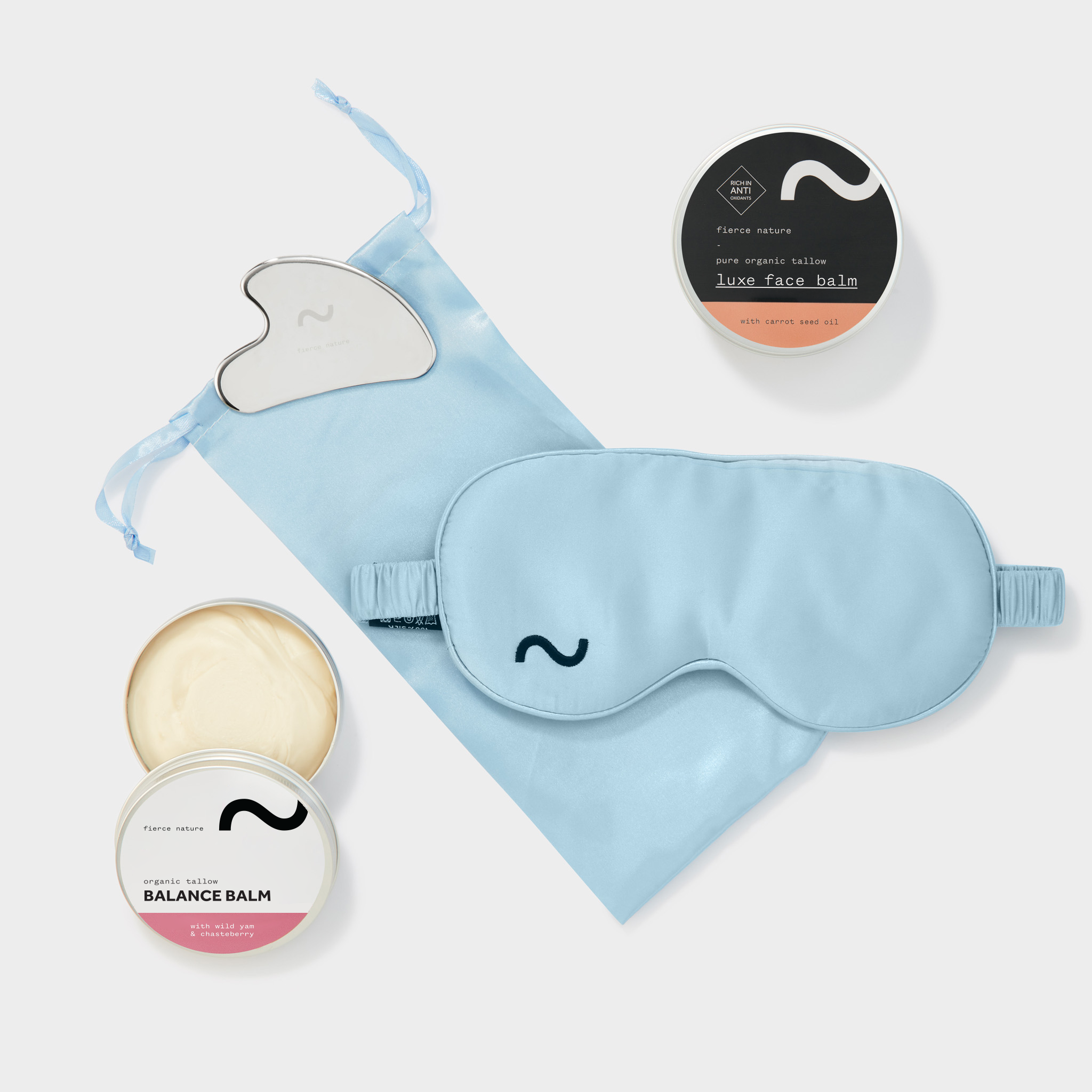
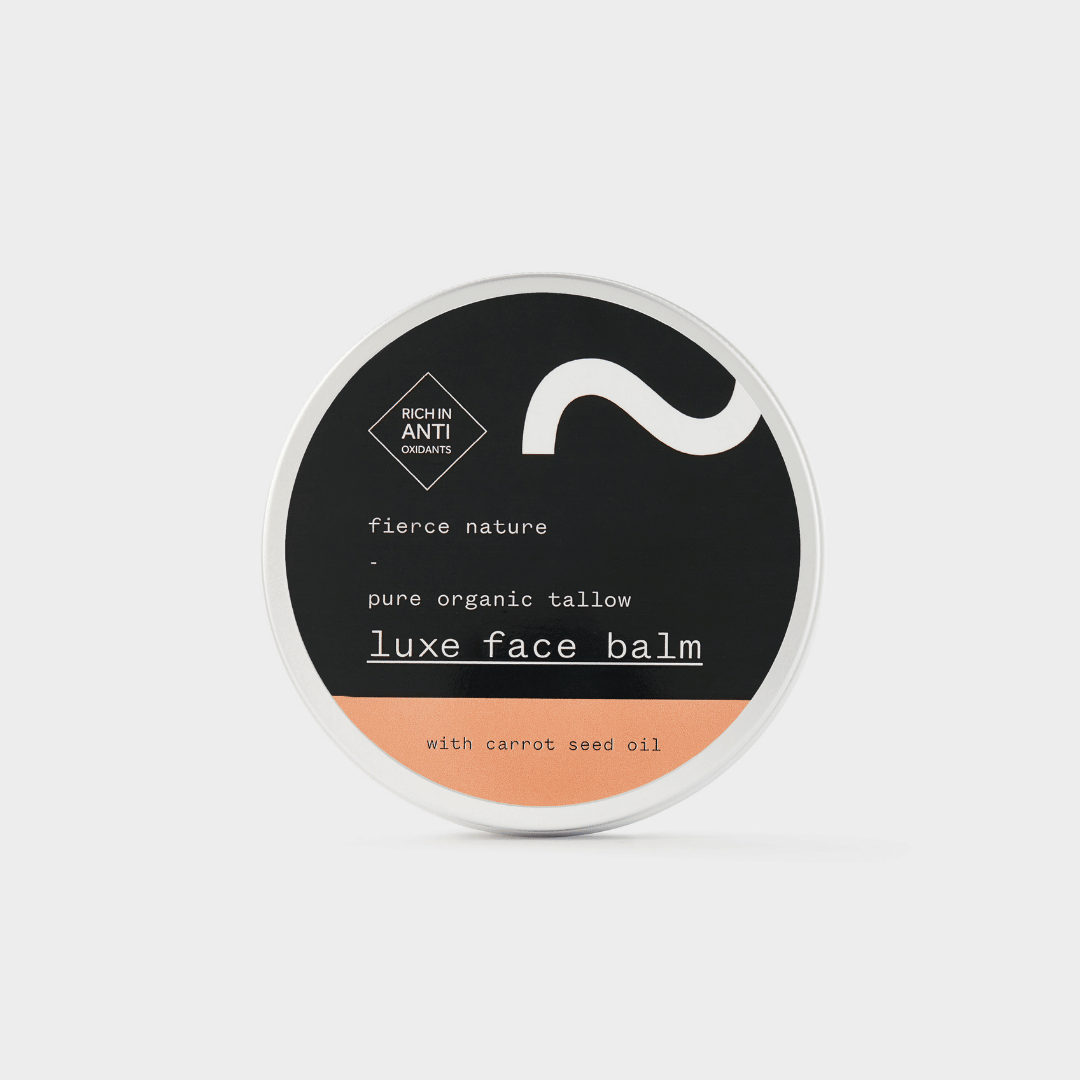
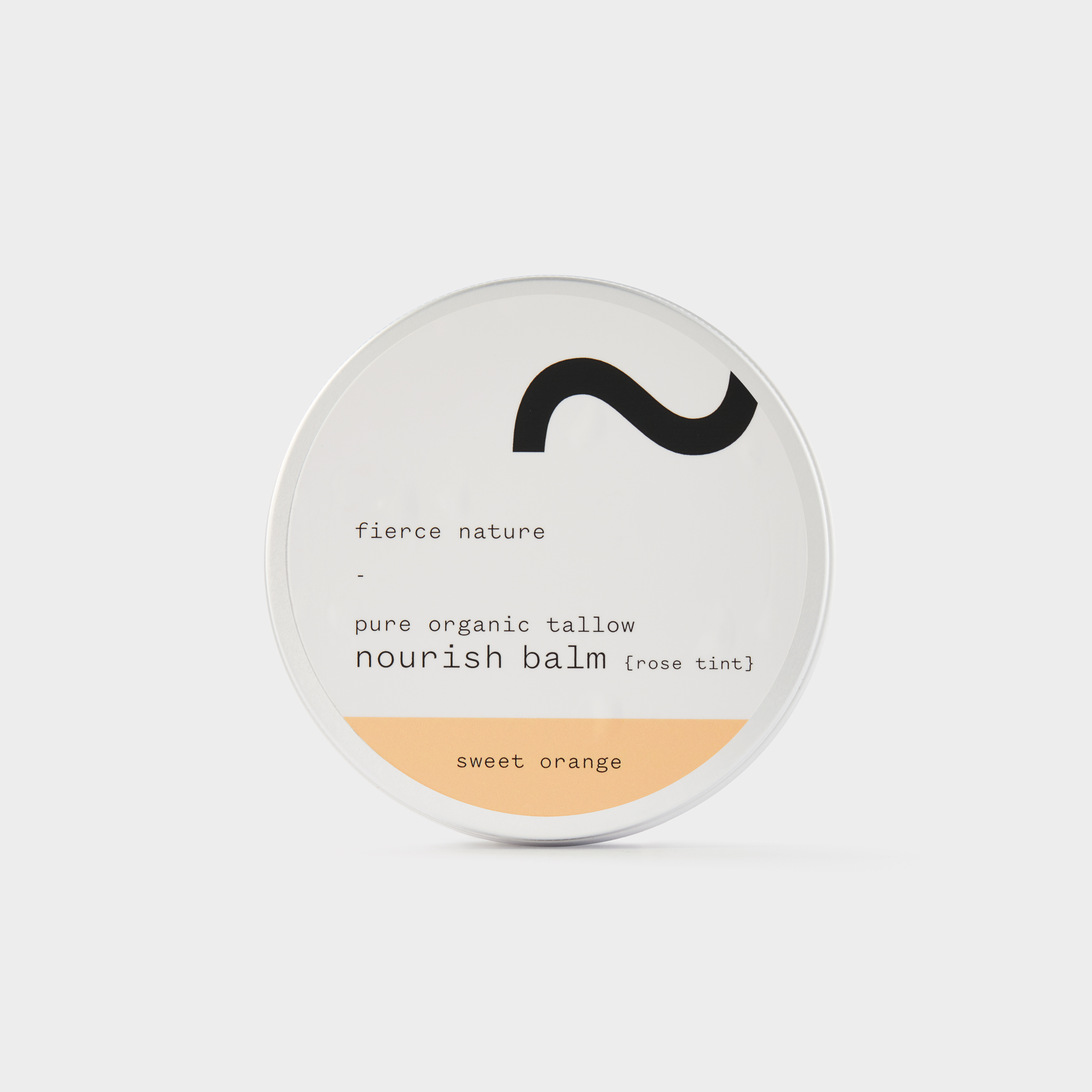
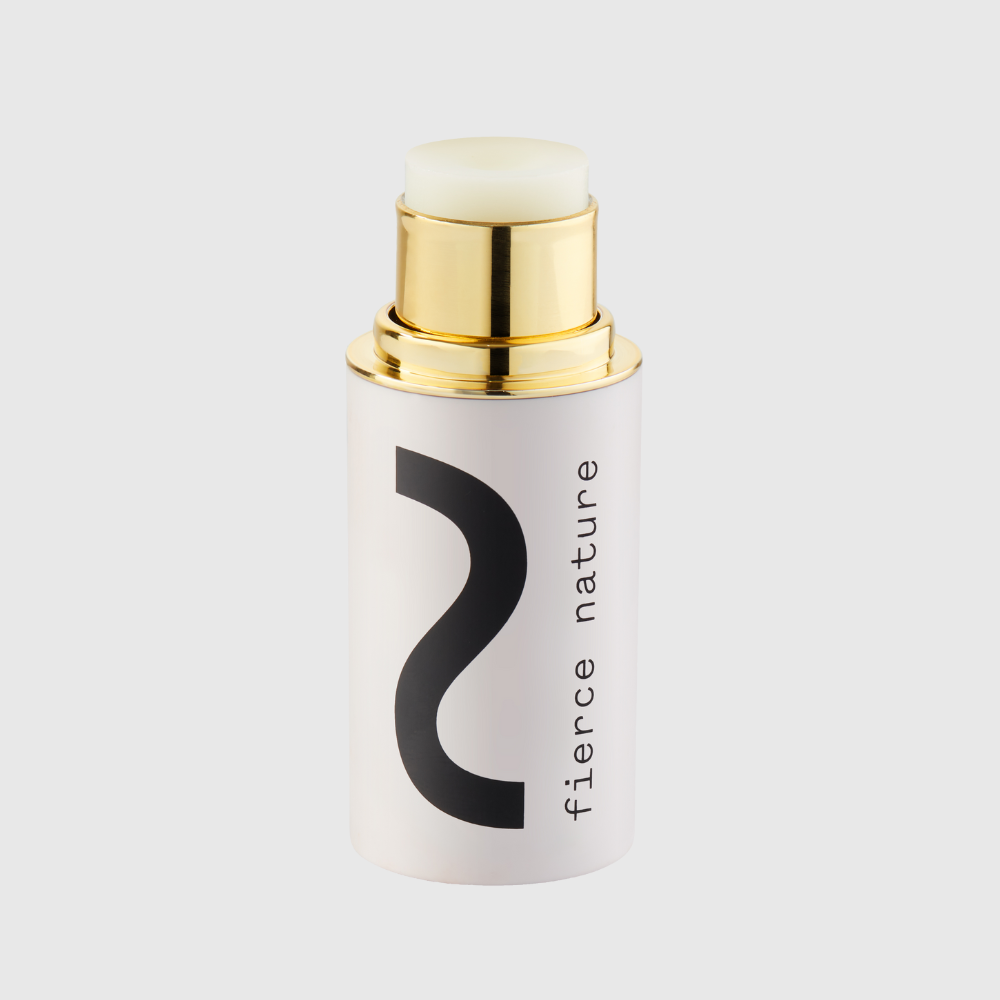
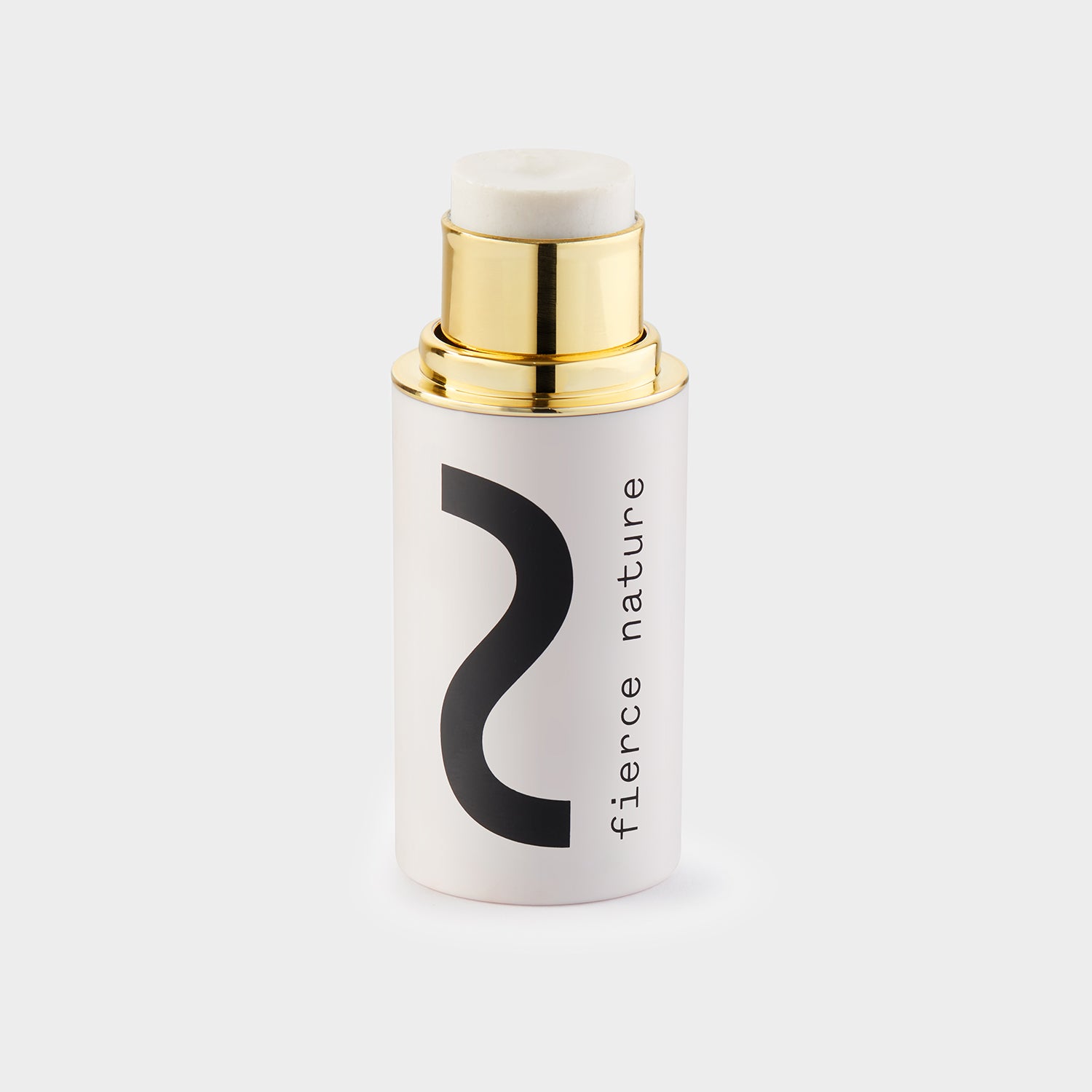
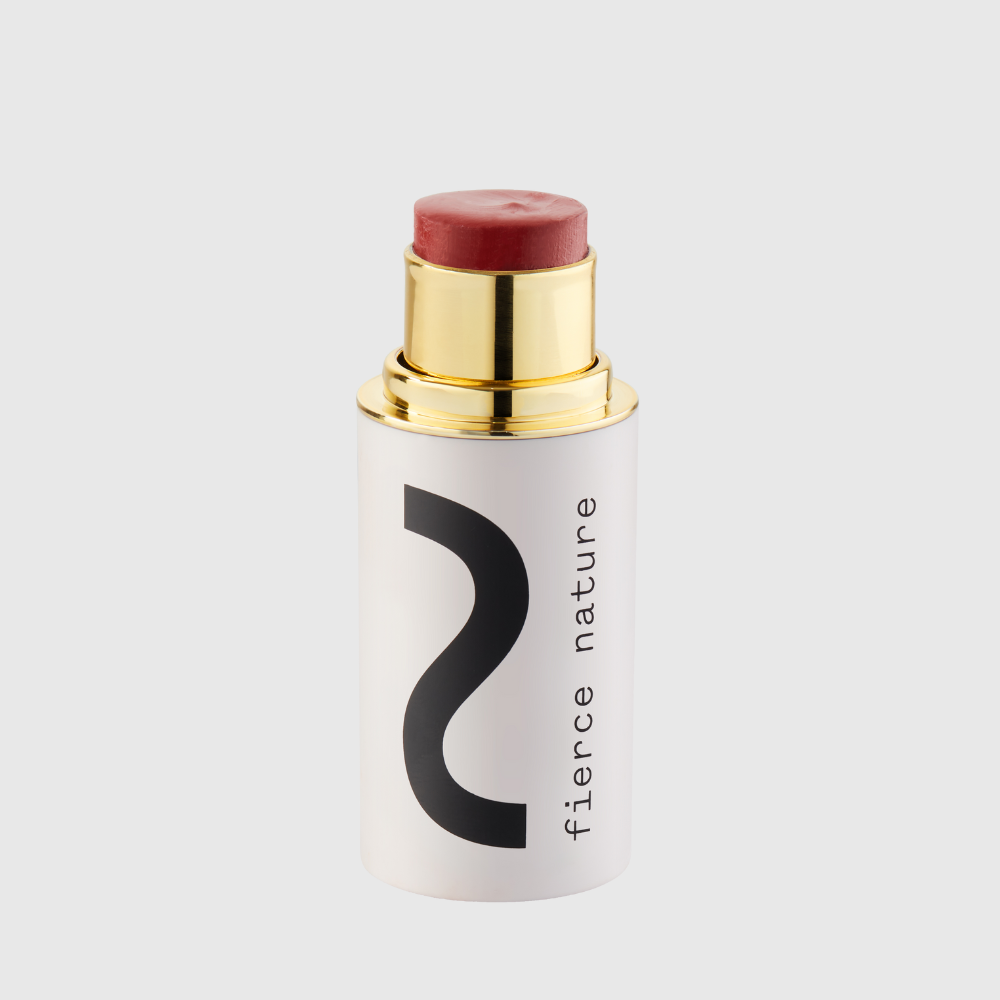
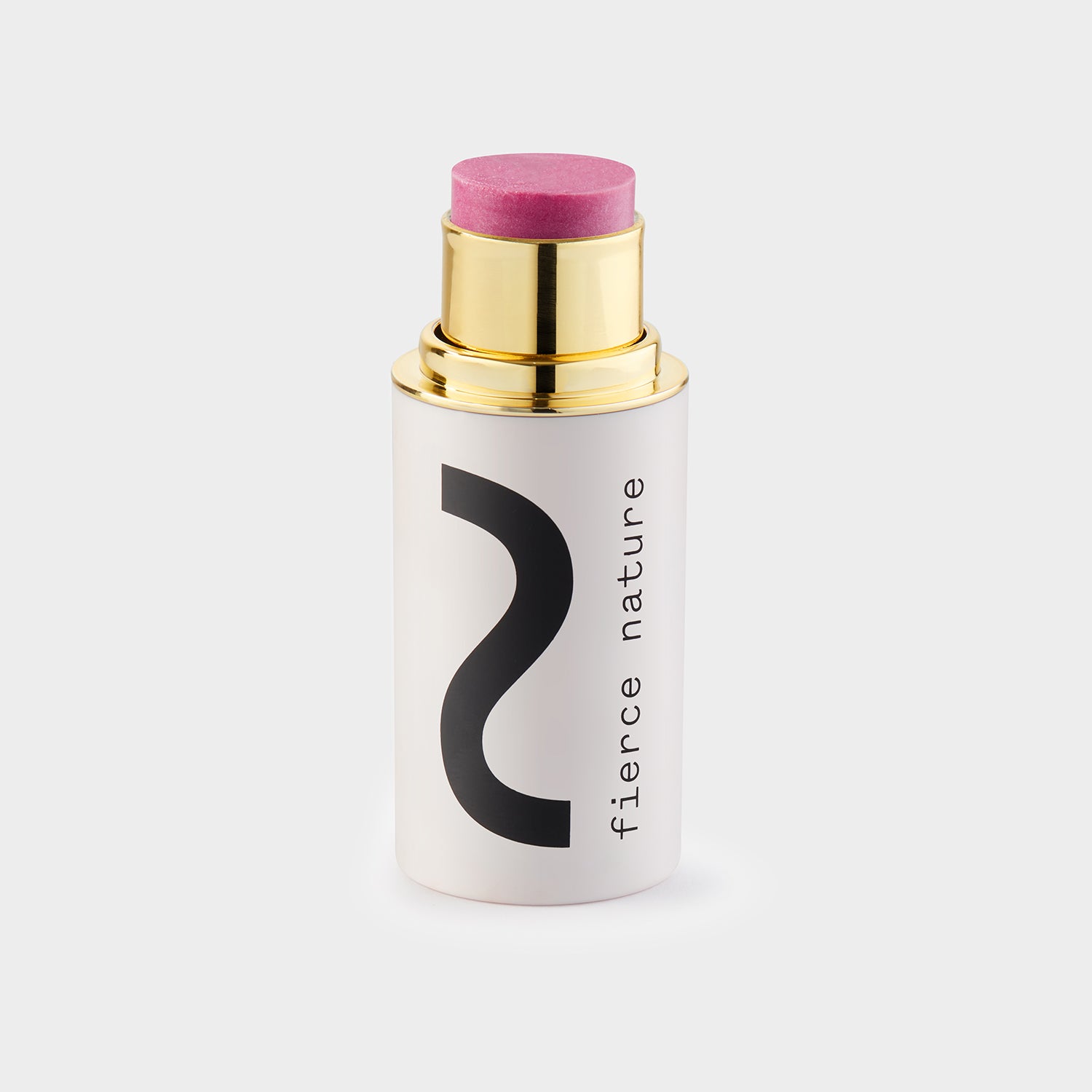
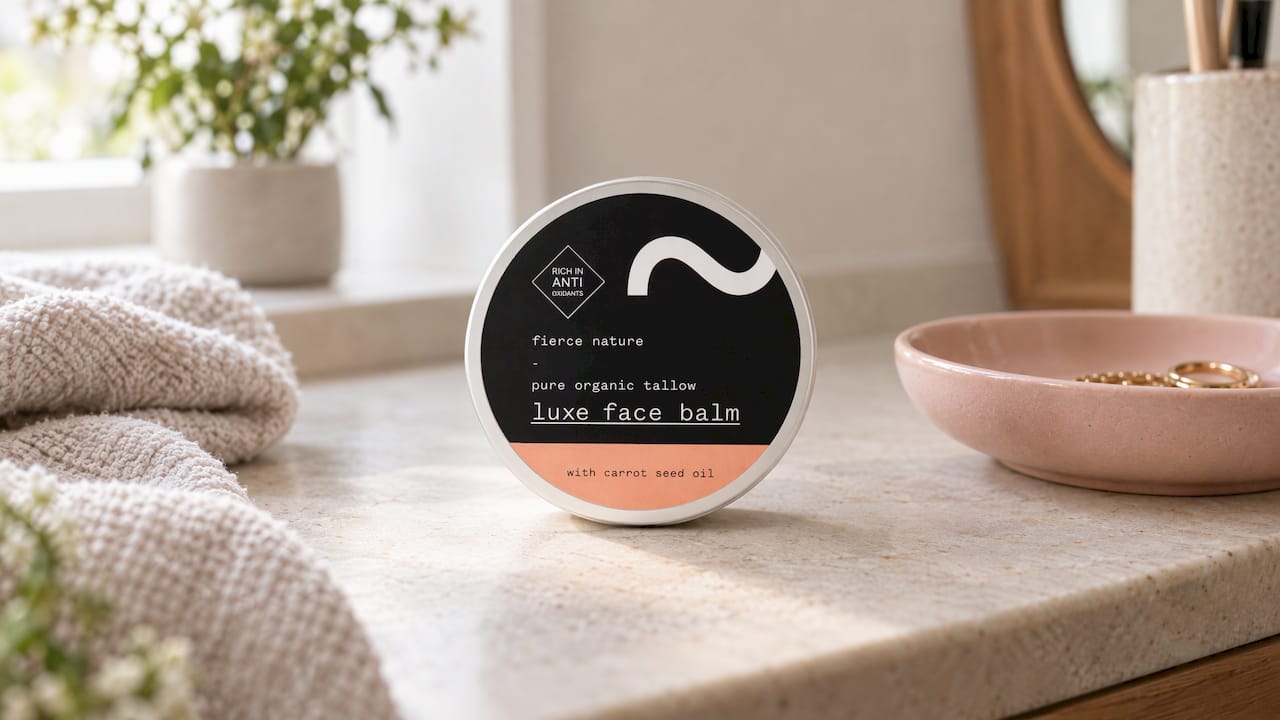
Many people like a lighter ceramide cream under make-up in the morning and a tallow balm in the evening. If you prefer one product, choose a face balm and use a small amount, warmed between the fingertips. Our Luxe Balm is made for the face, and our Nourish Balm (Unscented) is a simple option for the body.
Skin that reacts easily
If you know your skin flares up with fragranced products, choose unscented and keep the routine short. Skin reactions to emollients are most often caused by sensitivity to additives rather than the base fat, according to NICE’s prescribing information for eczema. That is a good argument for short ingredient lists with nothing you cannot name. Our guide to tallow allergy and reacting to tallow skincare explains what to watch for.
Acne-prone skin
Rich balms suit some oily or blemish-prone skins and not others. Fatty acids such as oleic acid are more common in tallow, and some people with congestion prefer to use a very thin layer, or to keep balm to the body and dry areas. NHS emollient guidance also notes that greasy products can aggravate acne if overused. Start with a small amount on one area. We cover the evidence in our piece on tallow for acne.
Eczema or a diagnosed skin condition
See your GP or pharmacist first. Eczema, perioral dermatitis and similar conditions can need prescribed treatment, and the right emollient is a decision best made with them. Do not apply any balm to broken, weeping or infected skin. Once your skin condition is under care, a nourishing balm can sit alongside it as part of your daily routine, if your clinician is happy with that.
Using a tallow balm well
A few simple habits make the difference between a balm that feels wonderful and one that feels heavy.
Patch test first. Dab a small amount on the inner forearm or behind the ear and wait 24 hours. Tallow is animal-derived, and as with any skincare ingredient, a few people can react. If you see redness, itching or swelling, stop using it.
Use less than you think. Take a pea-sized amount for the face and a small scoop for a limb. Warm it between your palms until it melts into an oil.
Apply to slightly damp skin. Right after washing, while skin is still a little damp, is when a balm seals in the most comfort.
Press, do not rub. Gentle pressing keeps the layer thin and even.
Repeat little and often. NHS emollient formularies advise applying emollients at least twice a day for dry skin, and avoiding long hot showers and ordinary soap on dry skin, which strip the barrier.
Store it well. Keep the tin somewhere cool, out of direct sun, with the lid on and clean fingers or a spatula. Natural fats keep best when protected from heat, light and moisture.
There is no rule that says you must choose. Because ceramides and tallow work in different ways, they layer well:
Morning: a light ceramide cream, then sun protection.
Evening: your cleanse, then a thin layer of tallow balm to seal in the day’s moisture.
Body: balm after bathing, with extra on elbows, knees and heels.
Put water-based products on first and the balm last. A fat-based balm sits on top and seals what is beneath it. If you are adding something new, introduce one product at a time for a week or two so you know what suits you.
Why ingredient transparency matters
With any balm, the ingredient list tells you most of what you need to know. A short list that names each ingredient plainly is easier to patch test and easier to match against any sensitivities you already know about. Quality also matters for tallow in particular, because it is a natural fat: how it is sourced, rendered and stored affects how it smells, feels and keeps.
This is why we put so much weight on being open about what is in our products. They are made by hand in the UK, with grass-fed tallow and naturally sourced ingredients, and with nothing we would not want on our own skin. You can read more about how tallow behaves as a moisturiser in our beef tallow moisturiser guide, or about how animal-fat emollients fare for dry skin in what the evidence shows for animal-fat emollients.
Our perspective
We started Fierce Nature because of our own skin. Growing up in South Africa, our founder battled rashes and reactions to mainstream cosmetics and could never understand why. Years of working with gut health and toxic load taught her how much our bodies take in from what we put on them, and that the big promises on beauty packaging rarely match what is inside.
So when people ask us about ceramides vs tallow, we do not see a contest. Ceramides are a clever piece of skin science, and your skin makes them itself. Tallow is a different gift: a nourishing fat that skin recognises, that has been used on skin for centuries, and that needs very little around it to do its job. Its fatty acids and vitamins are why we chose it as the foundation of everything we make.
We would rather give you a short, honest ingredient list than a long one full of promises. Our balms are handmade in the UK, made with pure organic tallow and naturally sourced ingredients, and designed to work with your skin, not against it. Use them on their own, or as the cosy final layer after your favourite lighter products. Either way, patch test, start small and listen to your skin.
Fierce Nature
Find your balm
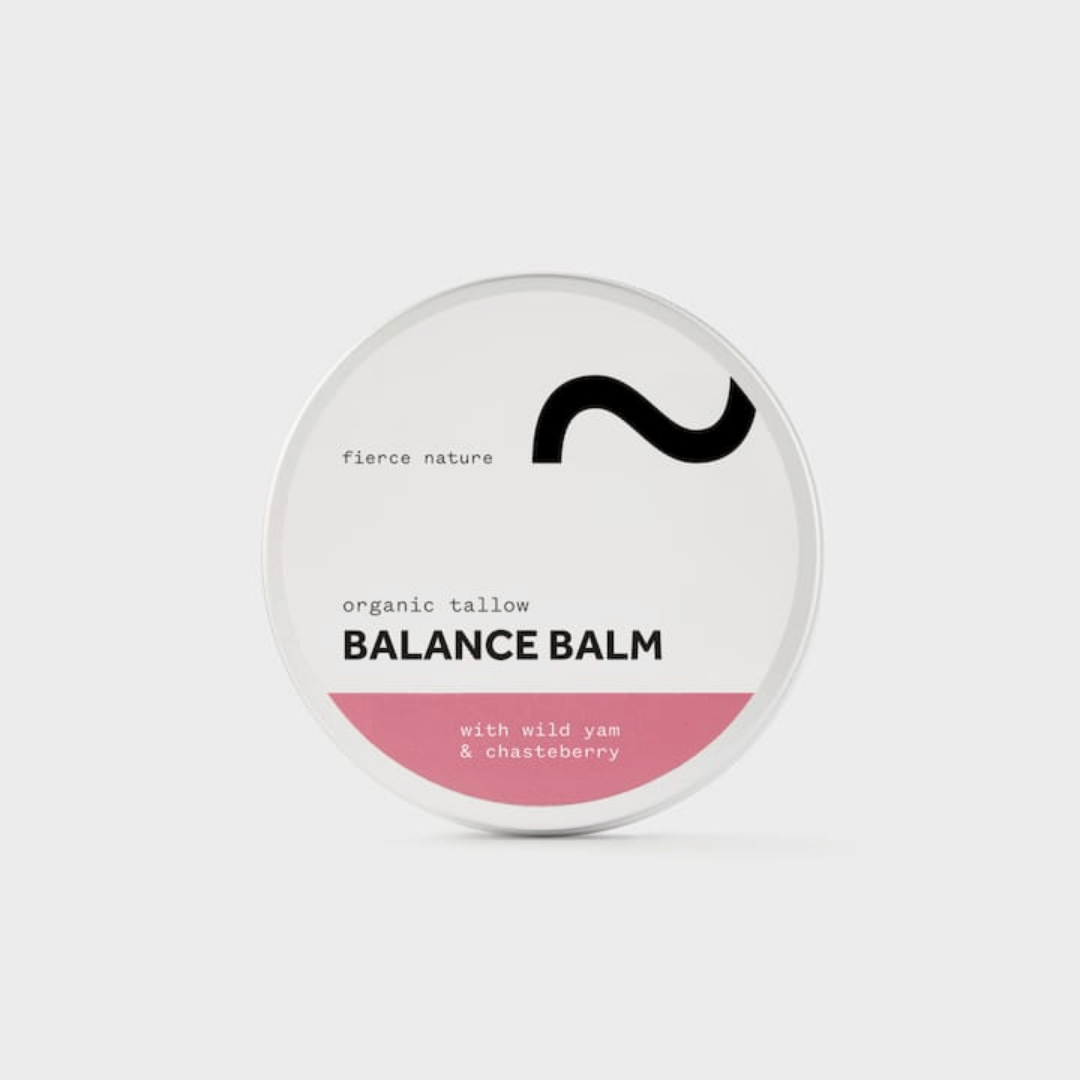
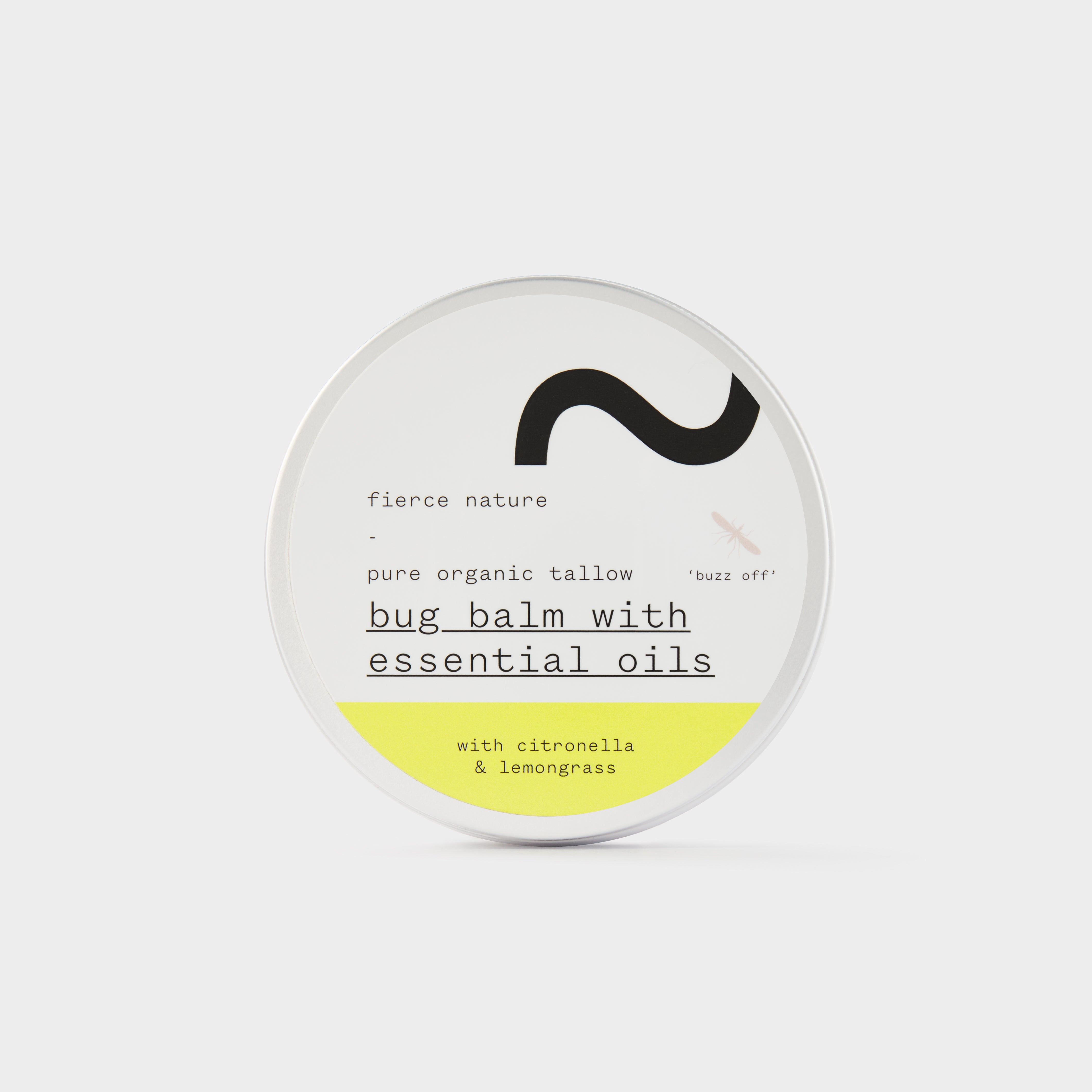
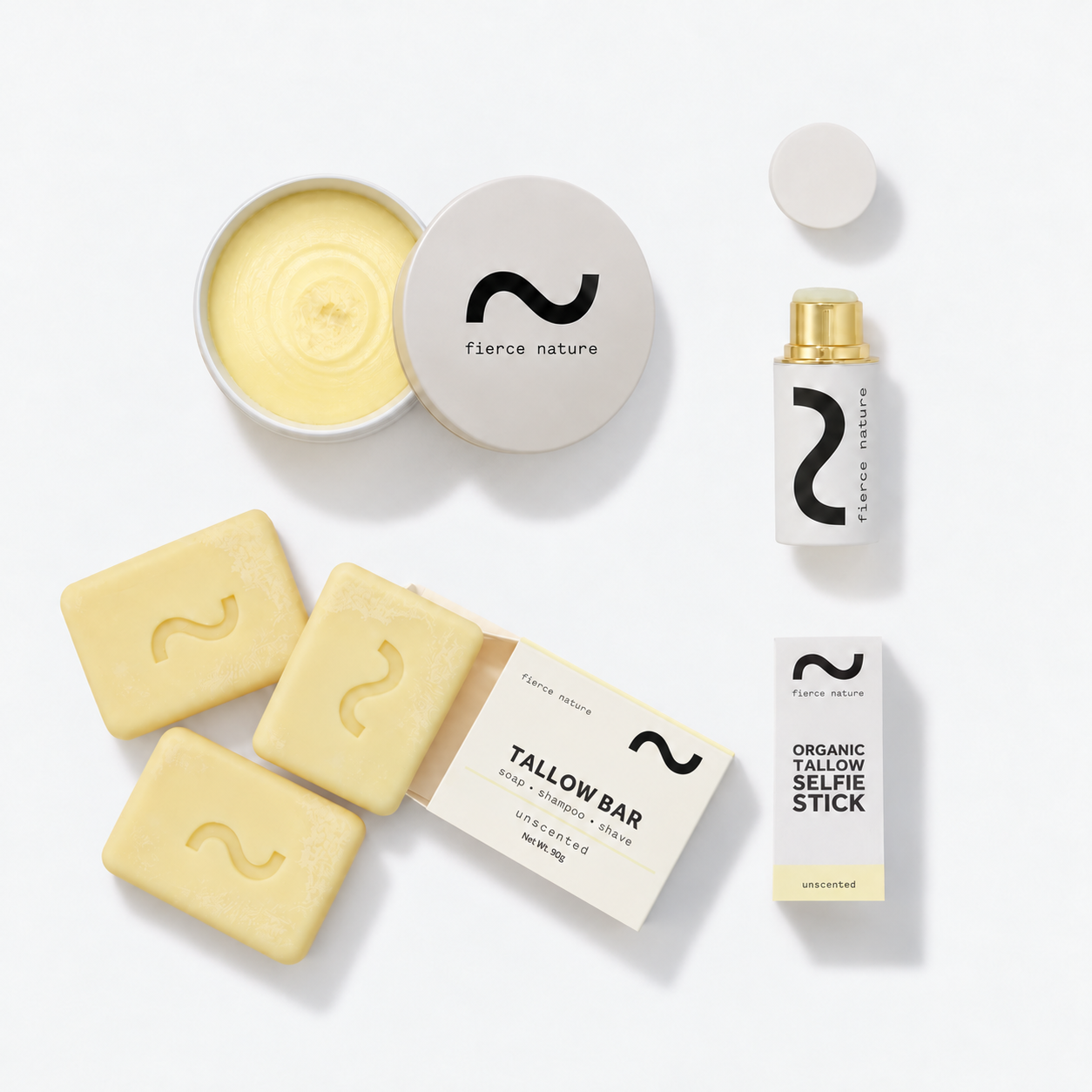
If you would like to try tallow for your face or body, start with our face and body balms. The Nourish Balms Collection is a good place for rich everyday care, and the Functional Balm Collection is there when you want something for a specific need. Every product is handmade in the UK with organic tallow as its base.
FAQ
Does tallow have ceramides in it?
No. Tallow is mostly triglycerides, made up of fatty acids such as stearic, oleic and palmitic acid, and it does not contain ceramides. Its job is to soften the skin and seal in moisture, while ceramides are the lipids your own skin makes to build its barrier. Many people use both for that reason.
Can I use ceramides and tallow together?
Yes. Apply any water-based ceramide cream or serum first, then finish with a thin layer of tallow balm to seal everything in. Introduce one new product at a time and patch test each, so you can tell what suits your skin.
Is tallow better than a ceramide cream for dry skin?
It depends on your skin and your preference. A rich tallow balm gives a lasting, protective layer that many people love on very dry areas, hands and body skin, while a lighter ceramide cream can feel better for daytime use. NHS guidance says the best emollient is the one you like and will use regularly, so choose the texture you will happily reach for.
Is tallow suitable for sensitive or acne-prone skin?
Many people with sensitive skin like how simple a short-ingredient tallow balm is, and choosing an unscented one avoids common triggers. If you are prone to breakouts, use a very thin layer and try it on one small area first. Patch test before every new product, and if you have eczema, perioral dermatitis or another diagnosed condition, check with your GP or pharmacist first.
How should I store a tallow balm?
Keep it somewhere cool and out of direct sunlight, with the lid closed after each use. Use clean, dry fingers or a small spatula so the balm stays fresh. Natural fats prefer protection from heat, light and water.