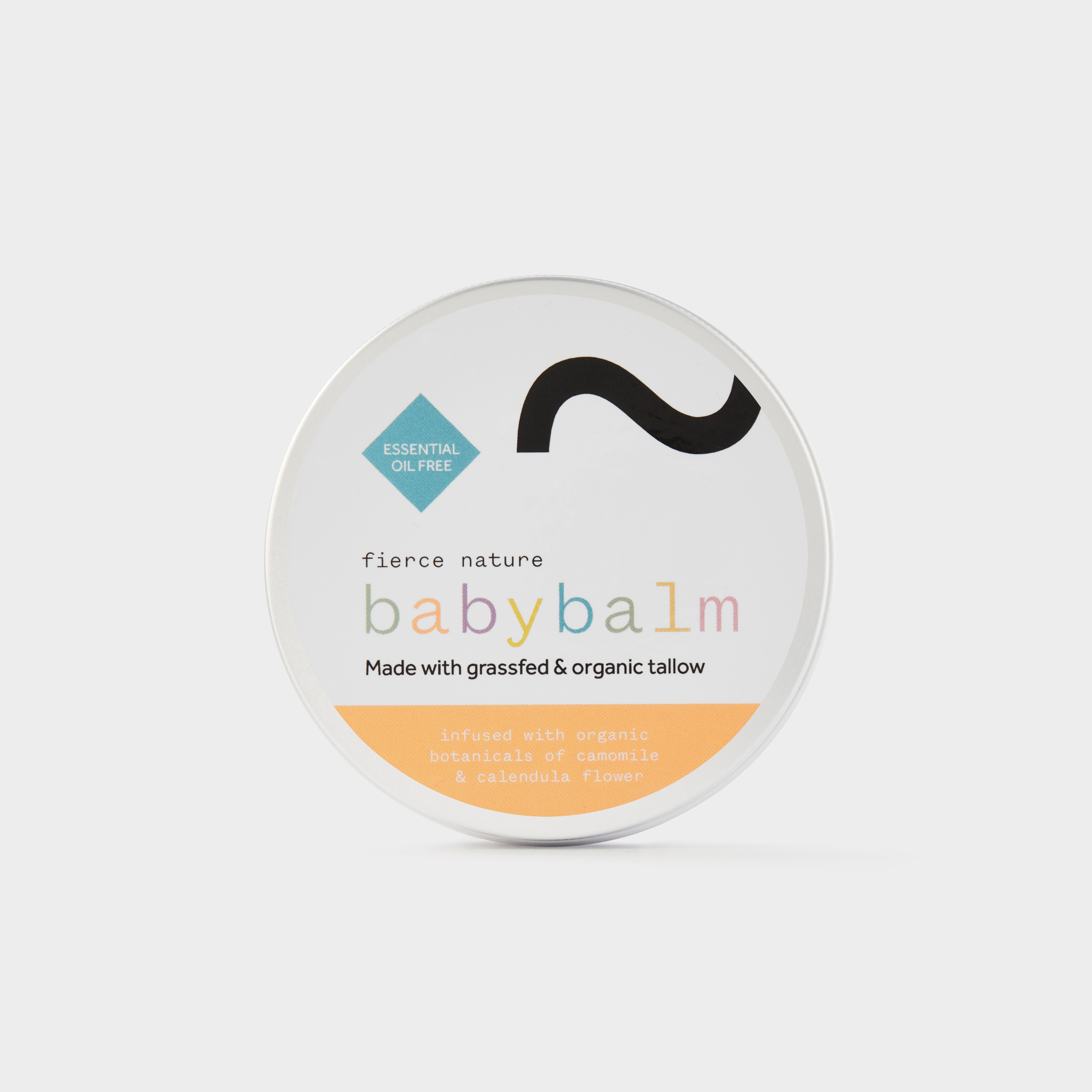
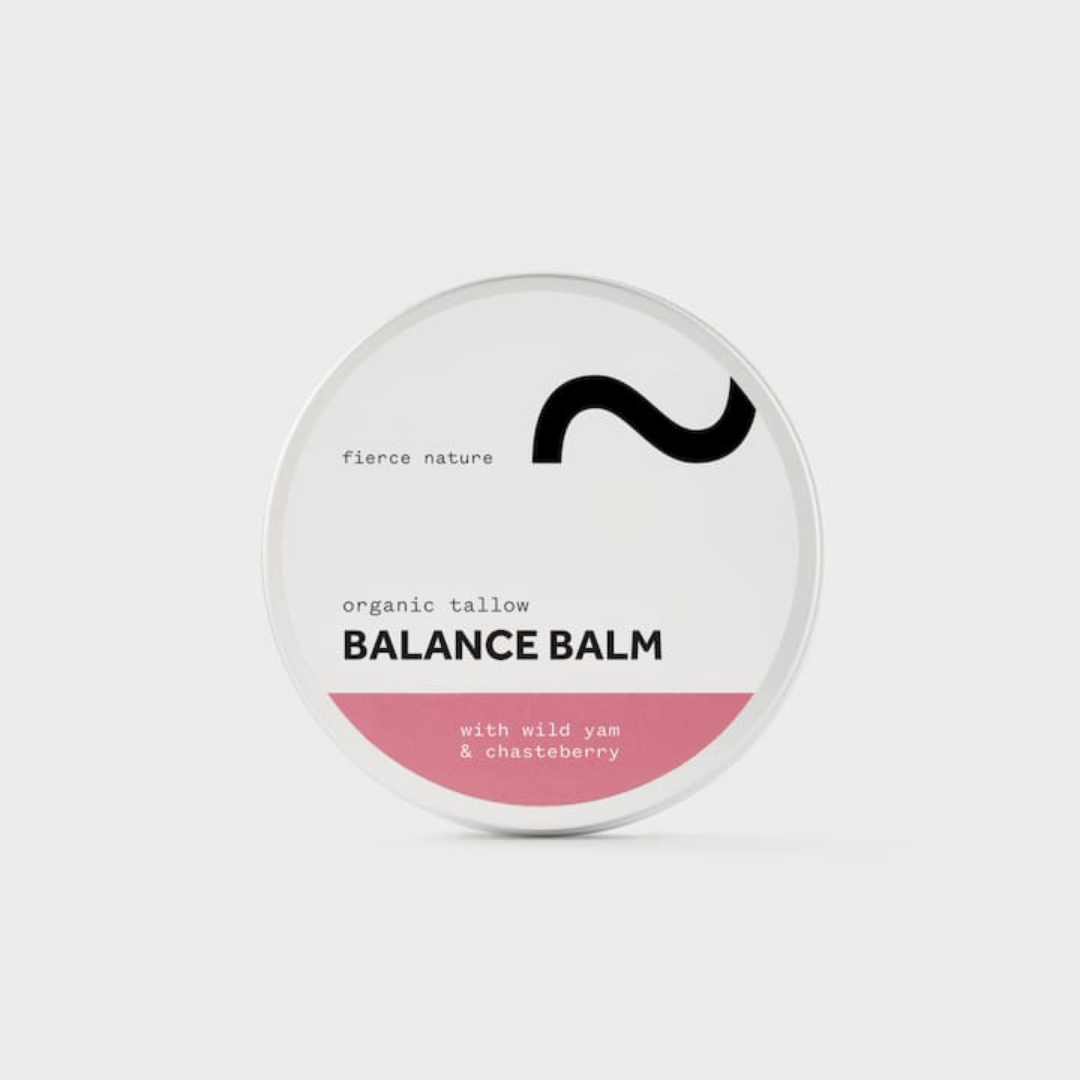
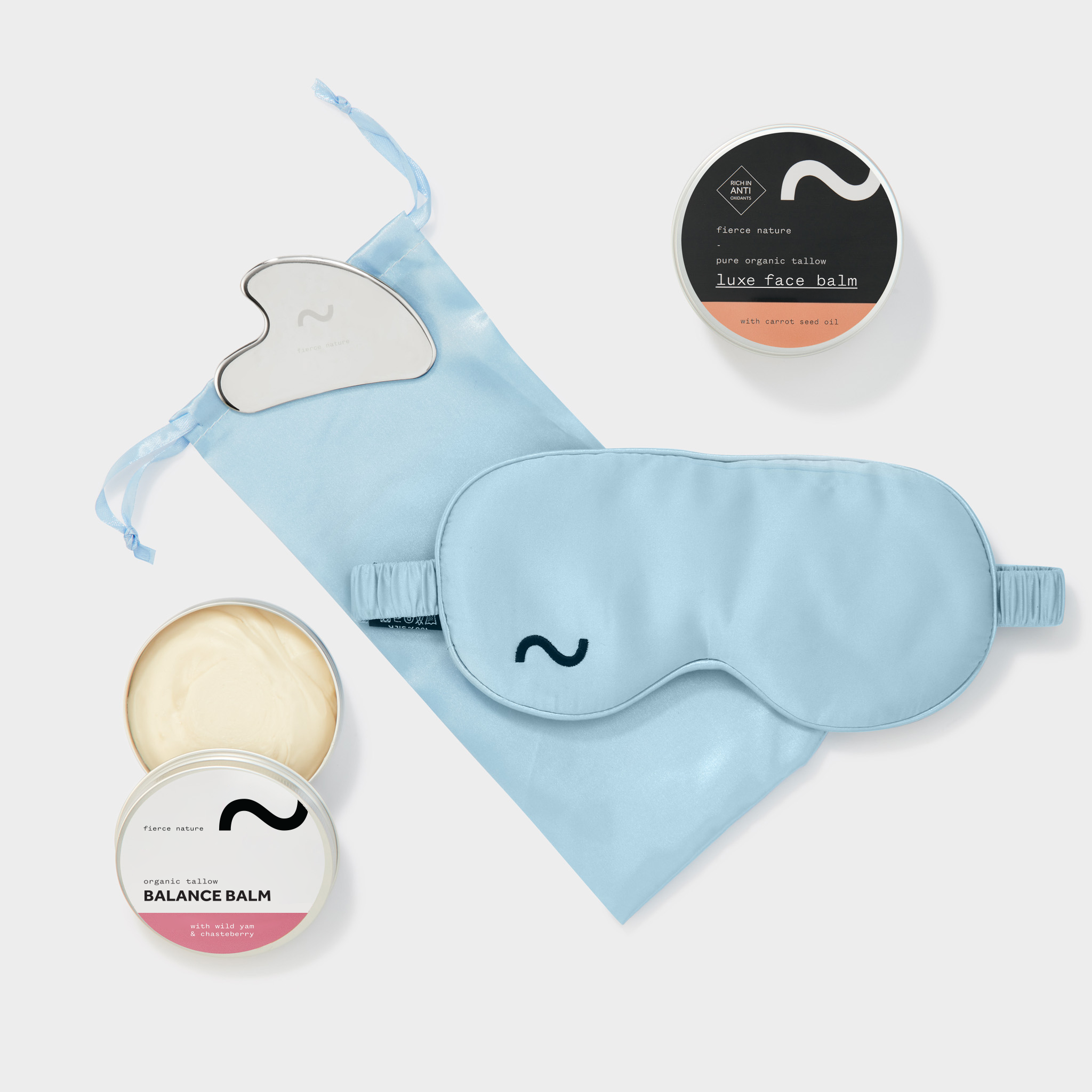
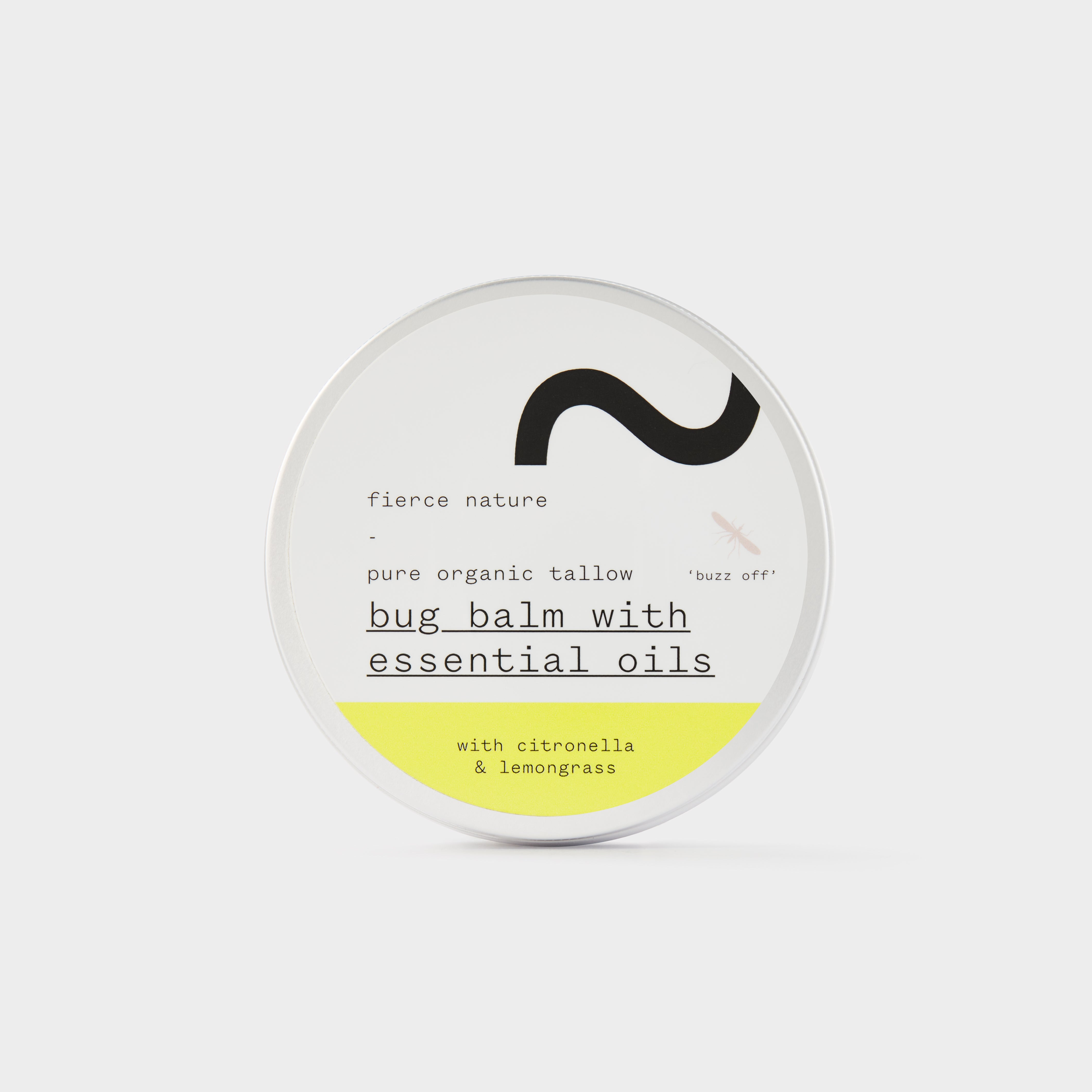
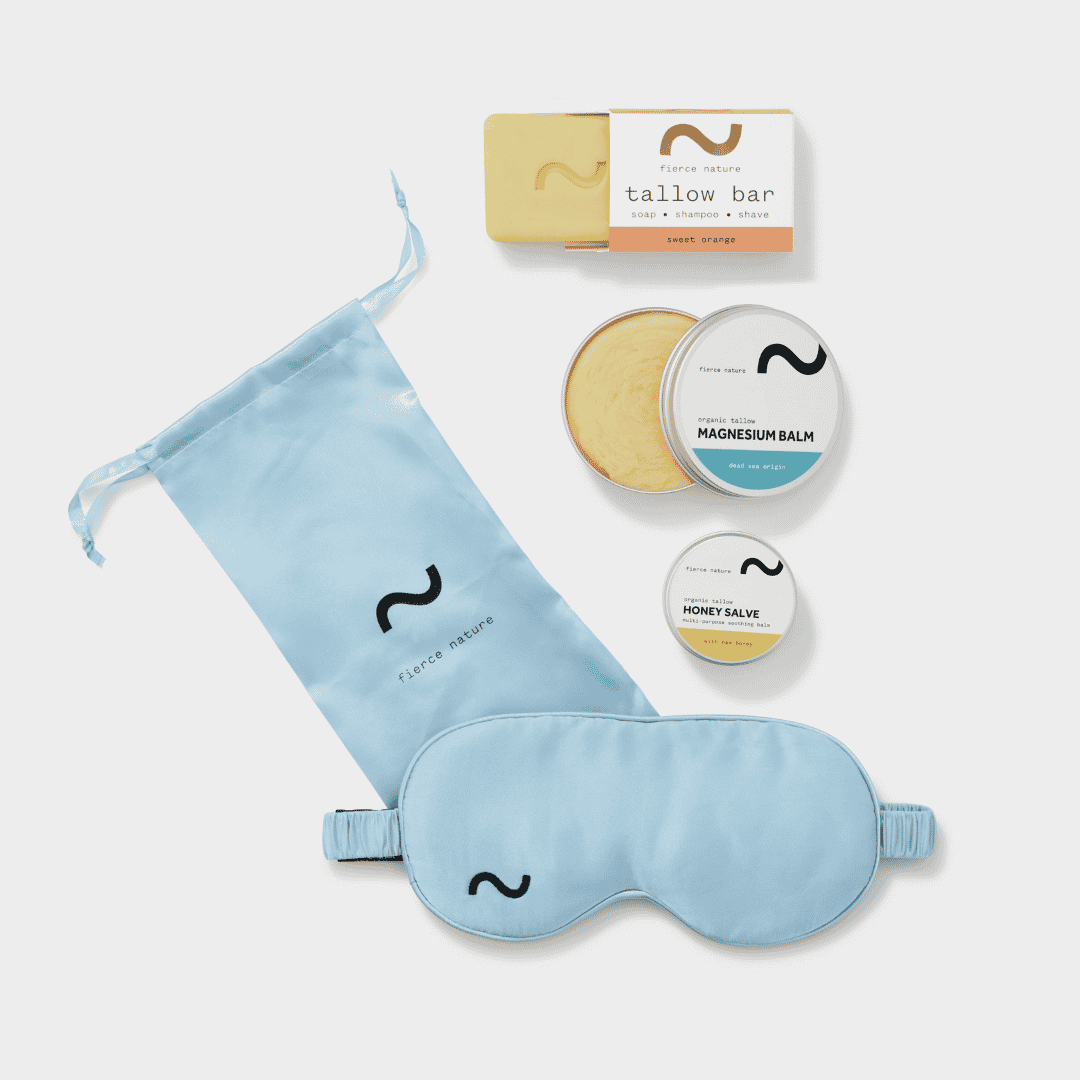
Natural ingredients
•
Kind to skin
•
A healthier planet
Ti abbiamo inviato un'email con un link per aggiornare la tua password.
reimposta la tua password
Ti invieremo un'e-mail per reimpostare la tua password.
Tallow Body Butter: What It Does and How to Choose One
Ralph Barrozo
0 Commenti
Tallow body butter is a rich, simple moisturiser made from rendered beef fat, often blended with a little plant oil or butter. It softens dry skin and helps slow water loss, and many people find it comforting on elbows, shins, hands and heels. It is not a medicine, a sunscreen or an anti-ageing treatment, and a good maker will say so plainly.
We make handmade tallow skincare in the UK, so we have a view on this, and we would rather you buy well than buy fast. This guide covers what tallow butter is, what the research does and does not show, who it suits, how to use it, and what to check on a label before you add anything to your basket.
Fierce Nature
Explore Handmade UK Tallow Skincare
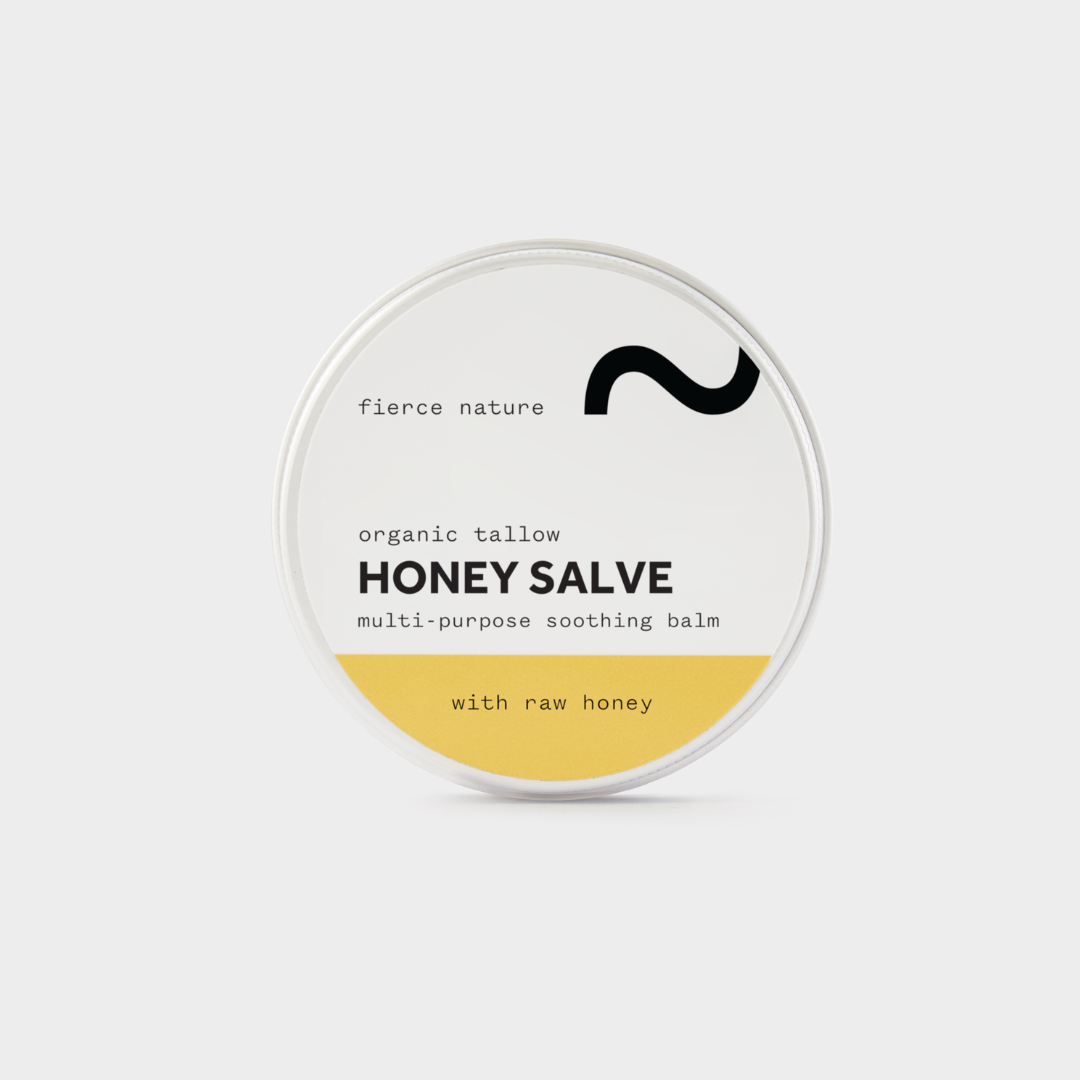
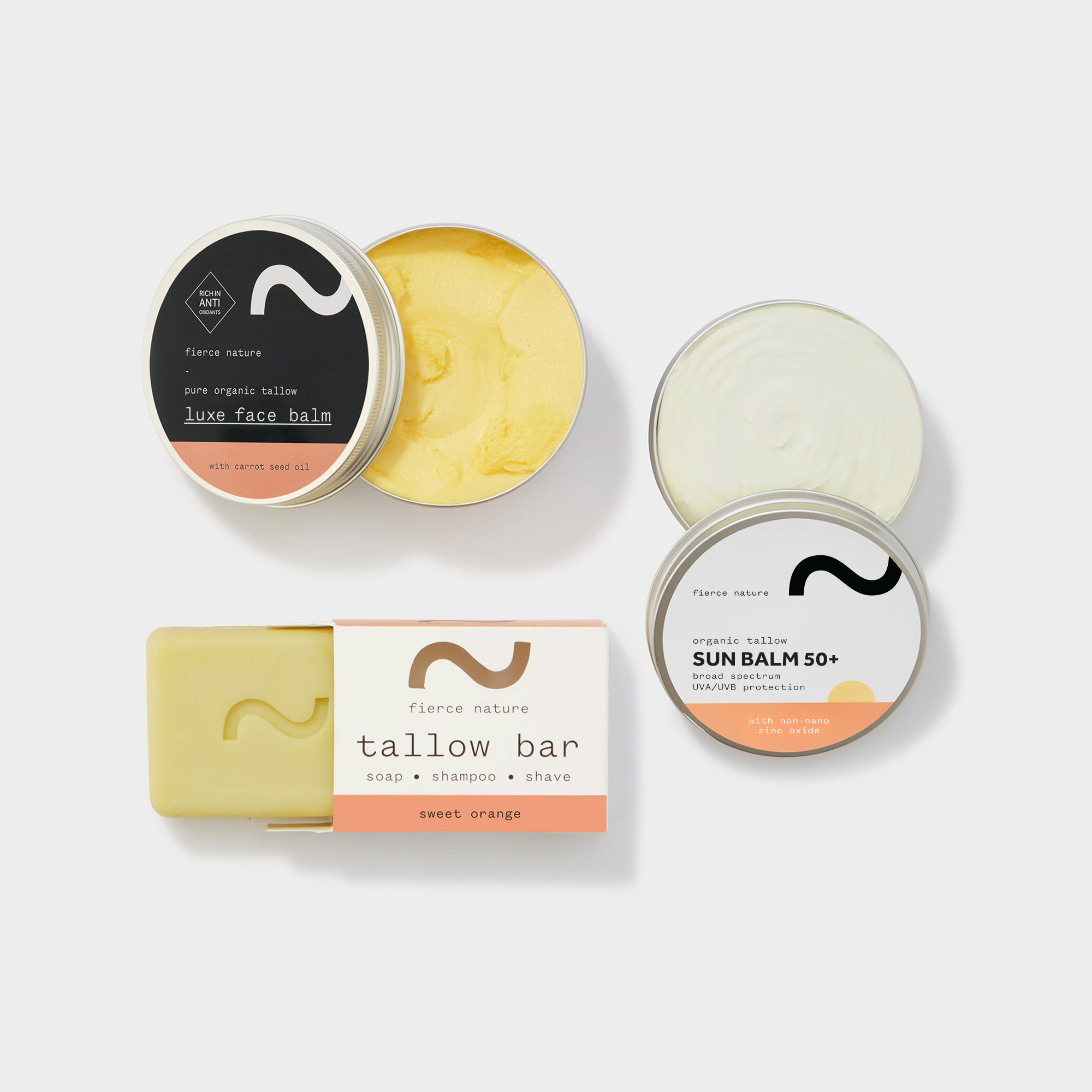
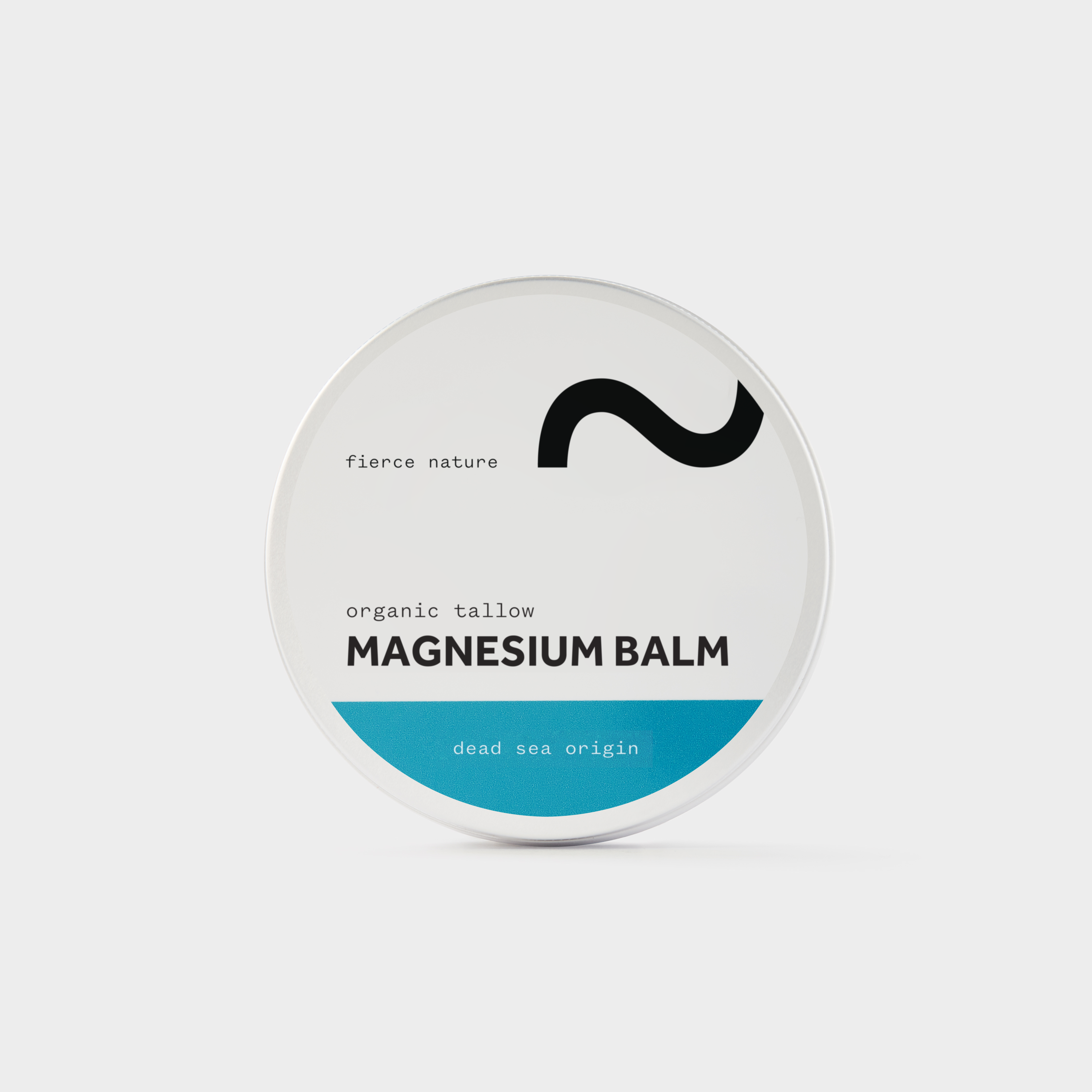
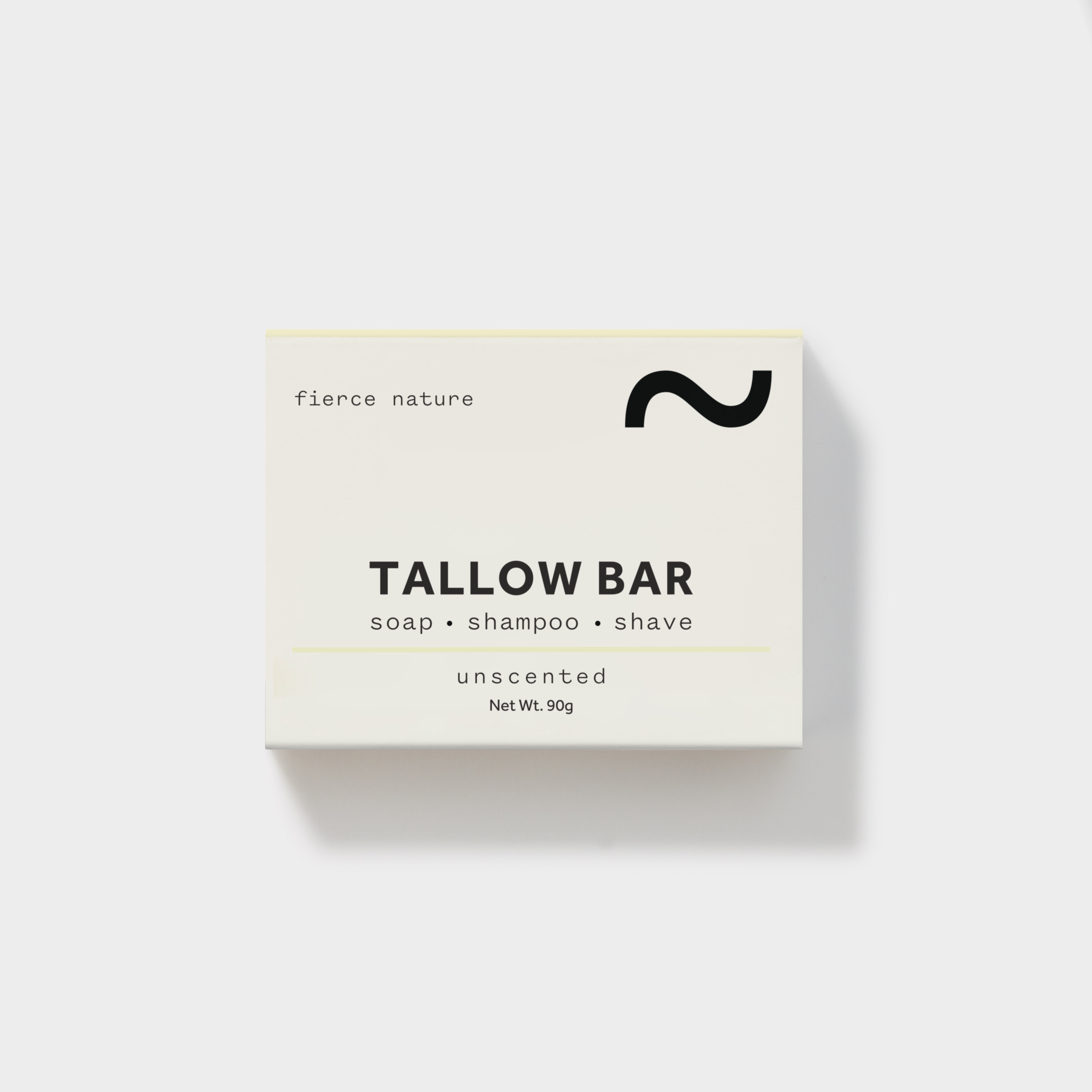
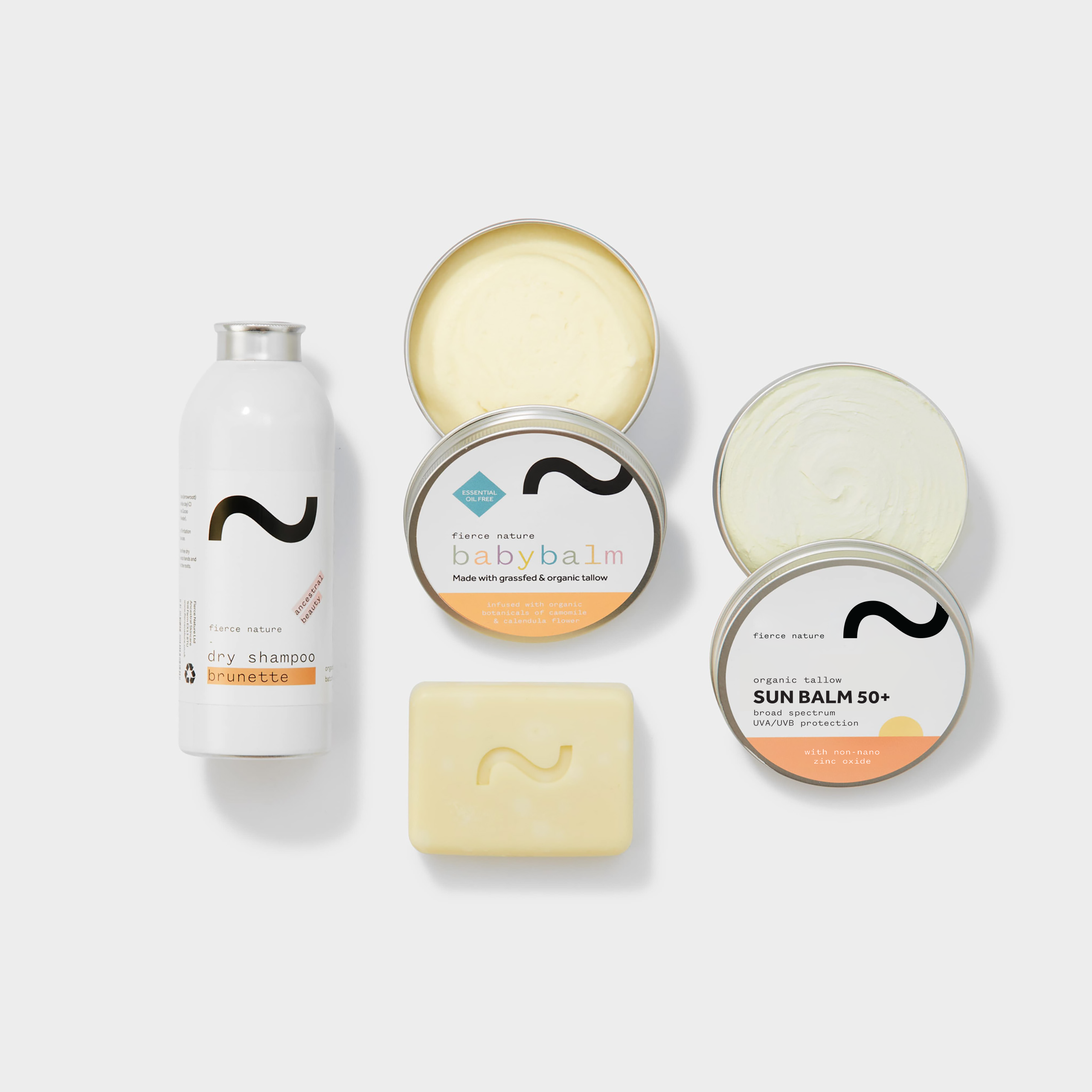
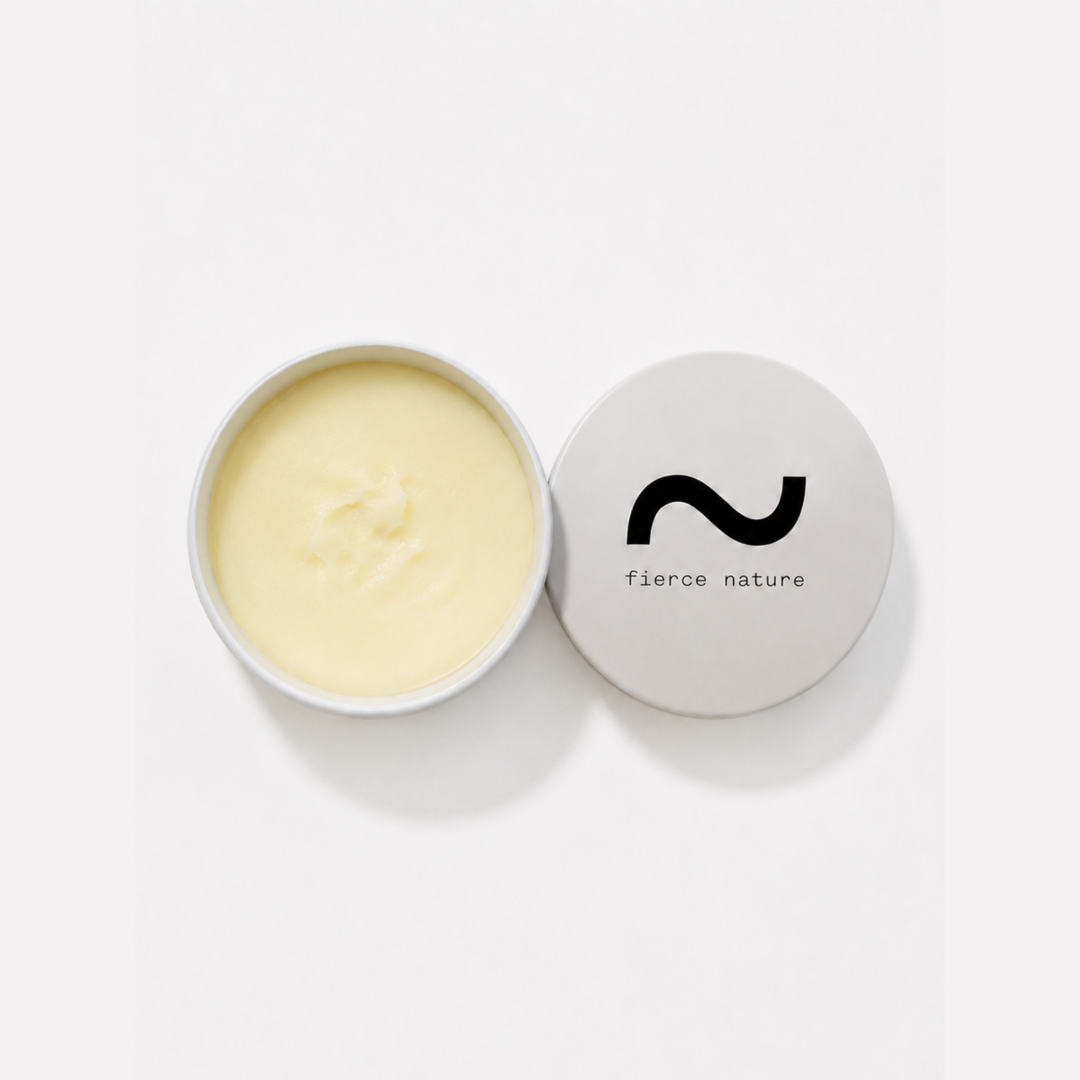
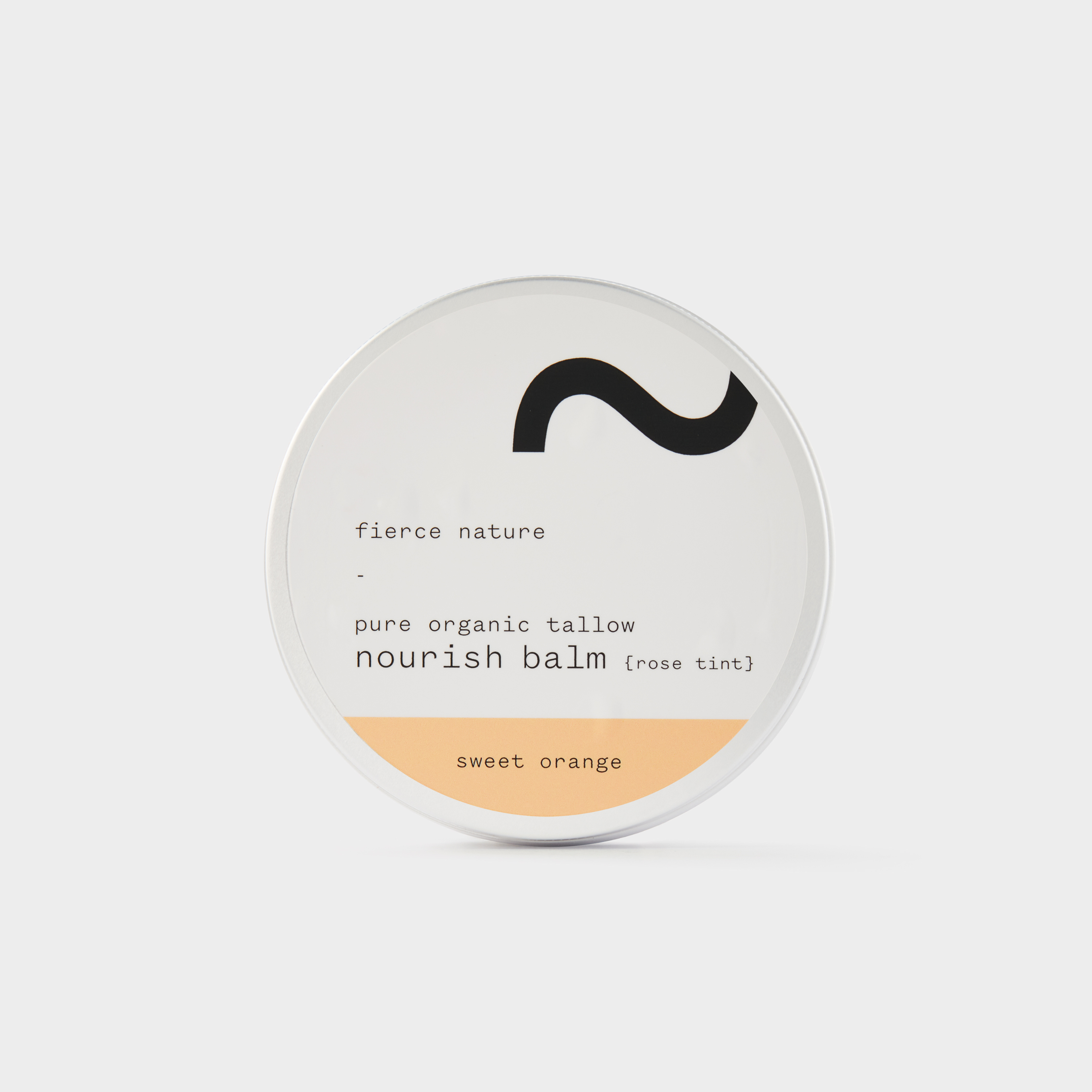
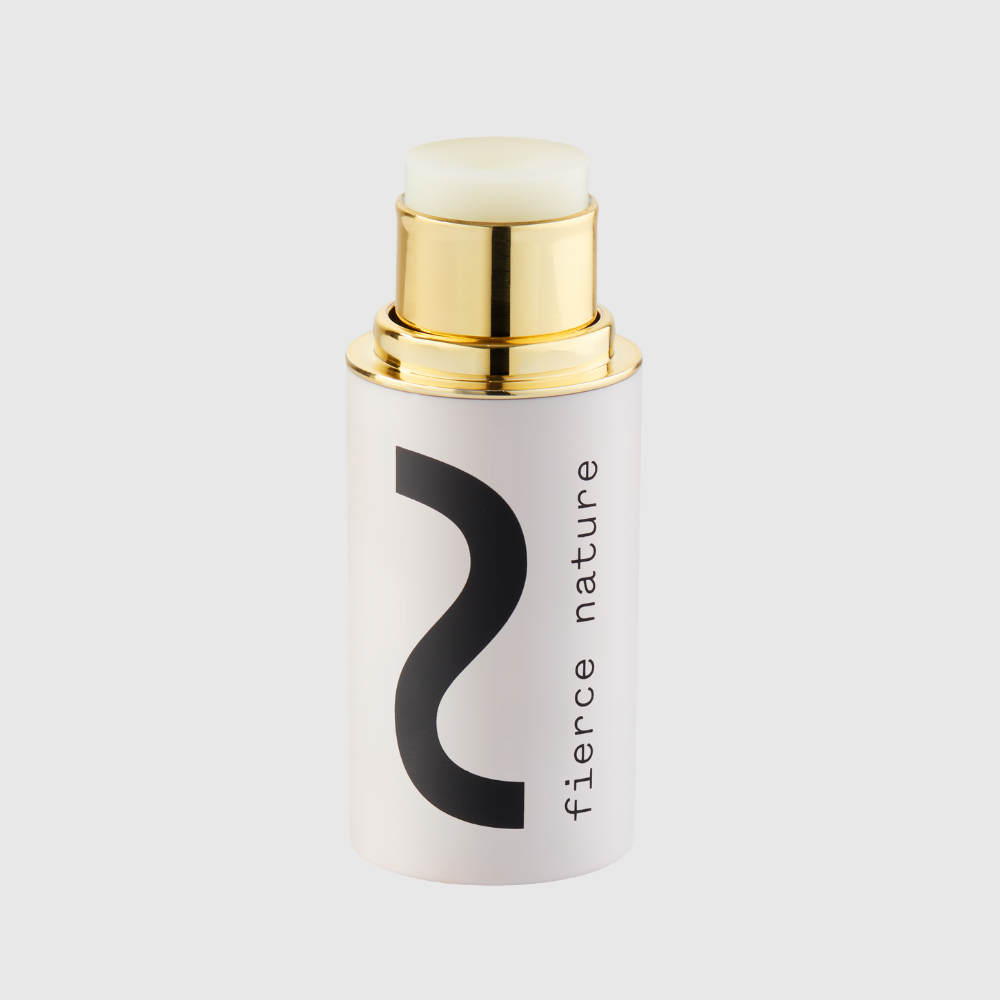
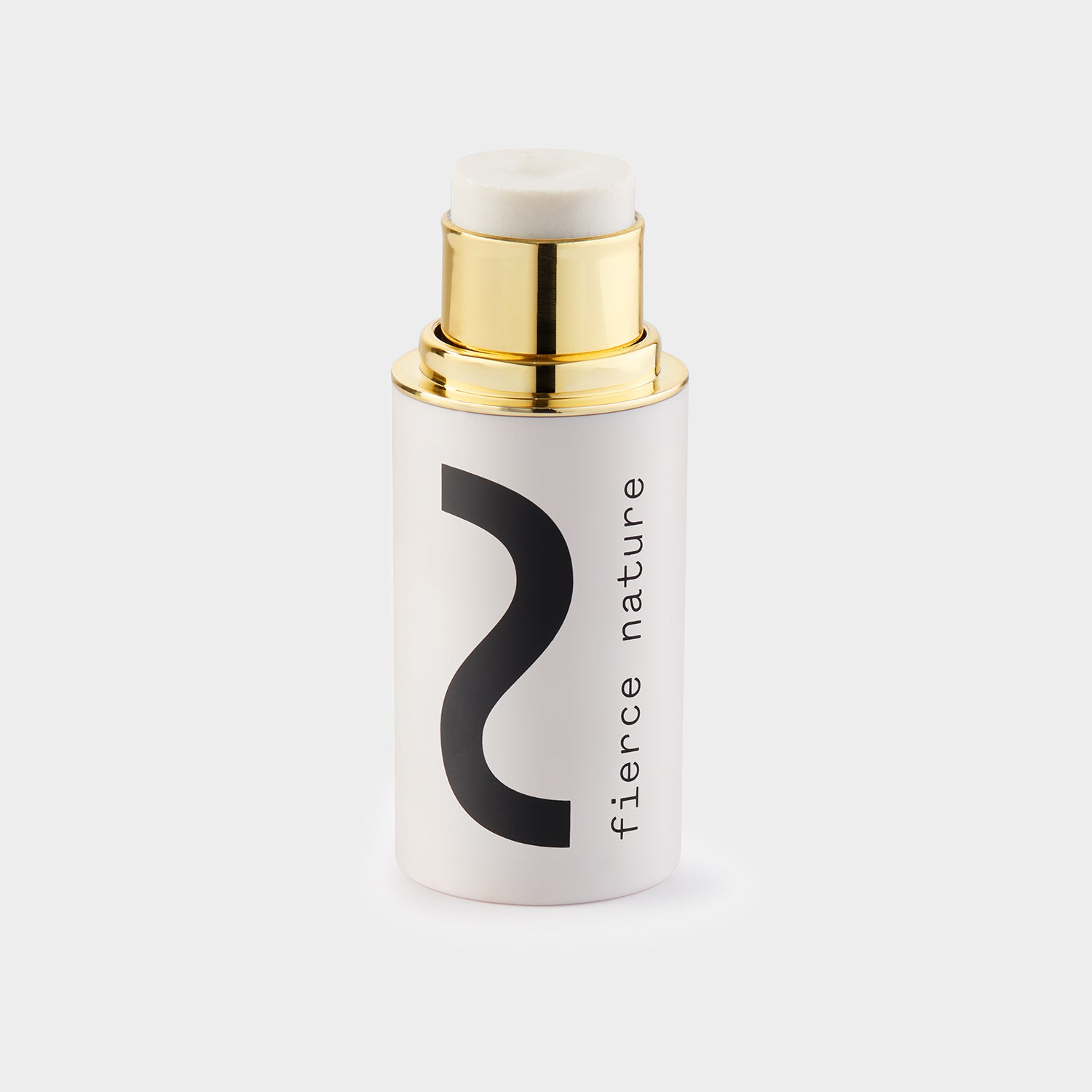
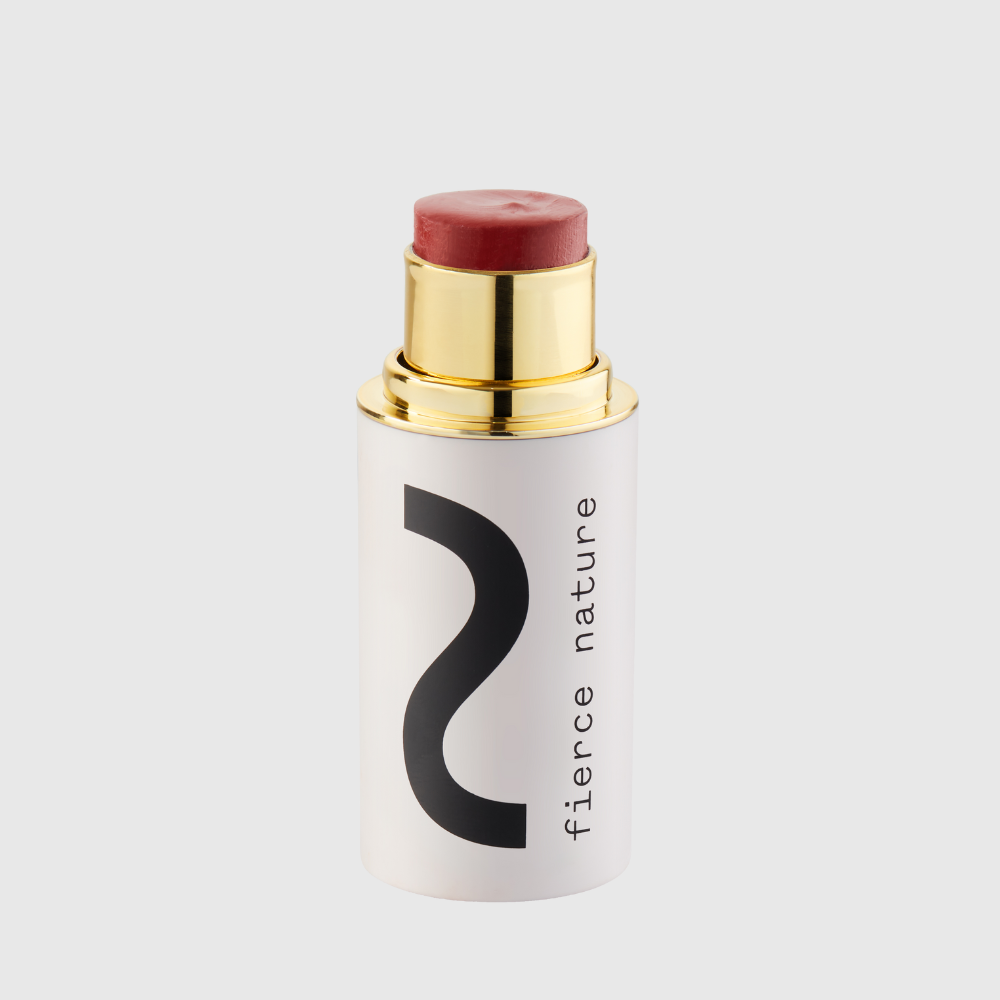
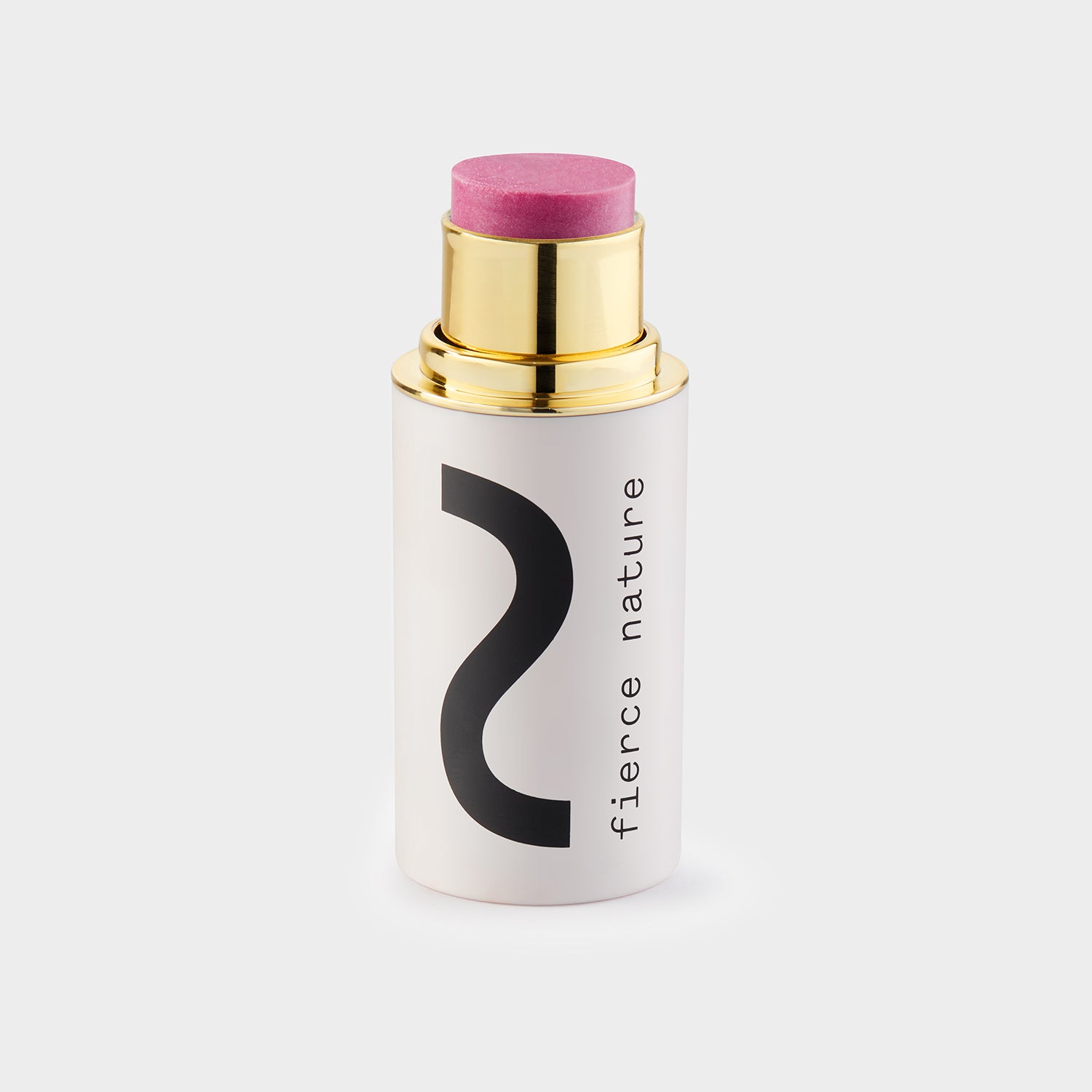
Fierce Nature makes handmade UK skincare with pure organic tallow as its foundation, using premium, naturally sourced ingredients.
Tallow body butter is an emollient and occlusive: it softens the skin’s surface and helps hold moisture in. Current research does not show that it treats eczema or acne, boosts collagen or replaces sunscreen.
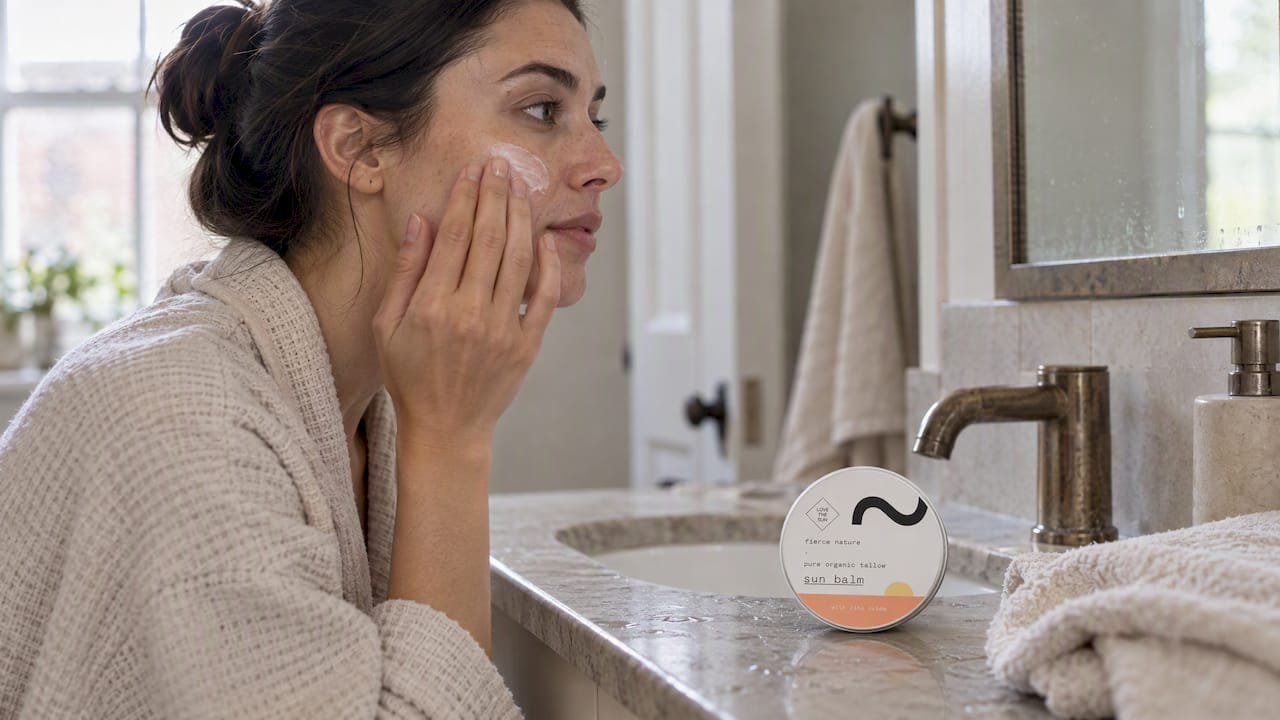
Apply a thin layer to clean, slightly damp skin after a shower or bath. Less is more, because tallow is rich.
A short, transparent ingredient list matters more than the word “natural”. Fragrance and essential oils are common triggers for reactive skin, so patch test first.
Tallow is greasy and can feel heavy on the face if you are prone to breakouts. Start with the body, and with small amounts.
Like all emollients, tallow products can catch fire on fabric near flames. Keep clear of naked flames and cigarettes.
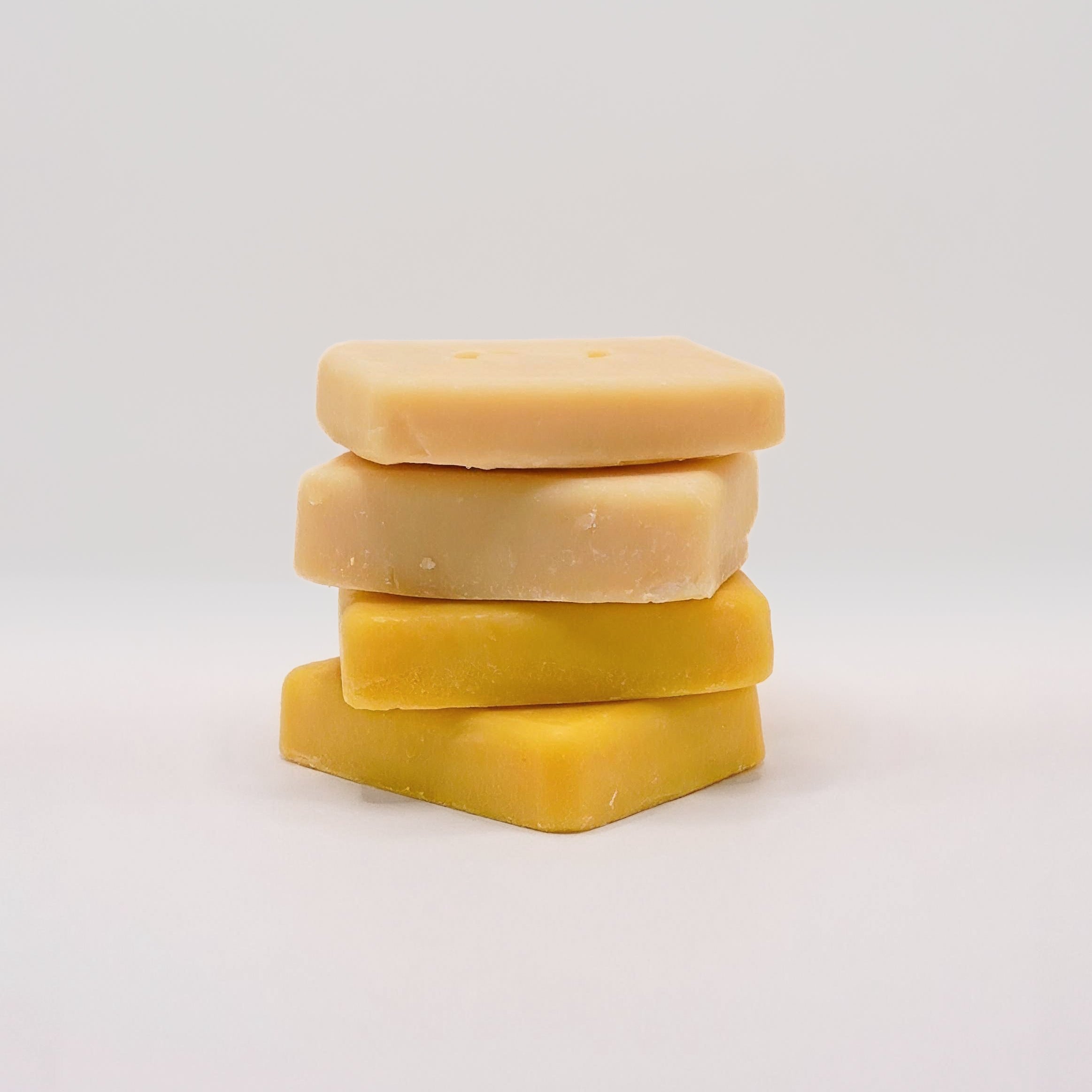
Tallow is fat rendered from beef, usually from the suet around the kidneys or from trimmings. Rendering means gently melting the fat and straining it until it is clean and shelf-stable. The result is a creamy, off-white fat that is solid at room temperature and melts on contact with warm skin.
A 2024 scoping review of the research on tallow and skin found that rendered tallow is made up mainly of oleic, palmitic and stearic acids. These are fatty acids that appear in many moisturisers, which is why tallow has reported hydrating and softening properties. The same review is honest about the gaps: it screened 147 studies, found only 19 relevant papers, and concluded that larger, better human research is needed.
That is the right frame for everything that follows. Tallow is an old, simple, well-understood type of ingredient with a long history as a skin emollient. It is not a miracle.
Butter, balm, cream: what is the difference?
The names are used loosely, and there is no legal definition that separates them. In practice:
Term
Usual texture
Typical use
Whipped body butter
Light, airy, scoopable
All-over use after bathing
Balm
Denser, melts on contact
Dry patches, hands, heels, night-time
Cream
Contains water, lighter, spreads easily
Daily use, daytime
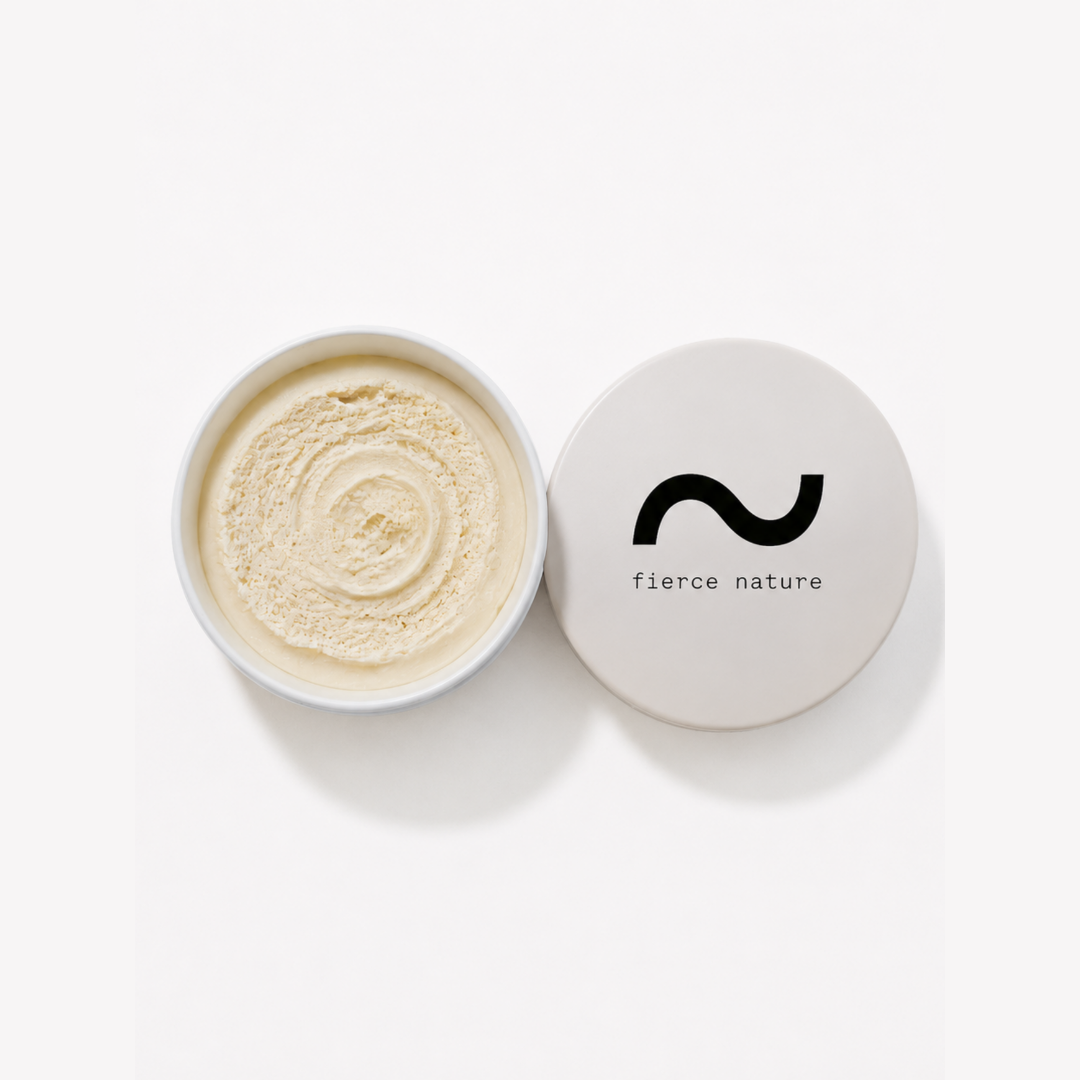
Whipped butters have air beaten in, so they feel lighter and spread further. Balms are denser and usually more concentrated. Creams contain water, which means they need a preservative system. A pure tallow-based product with no water typically does not need the same preservation, which is part of why short ingredient lists are possible.
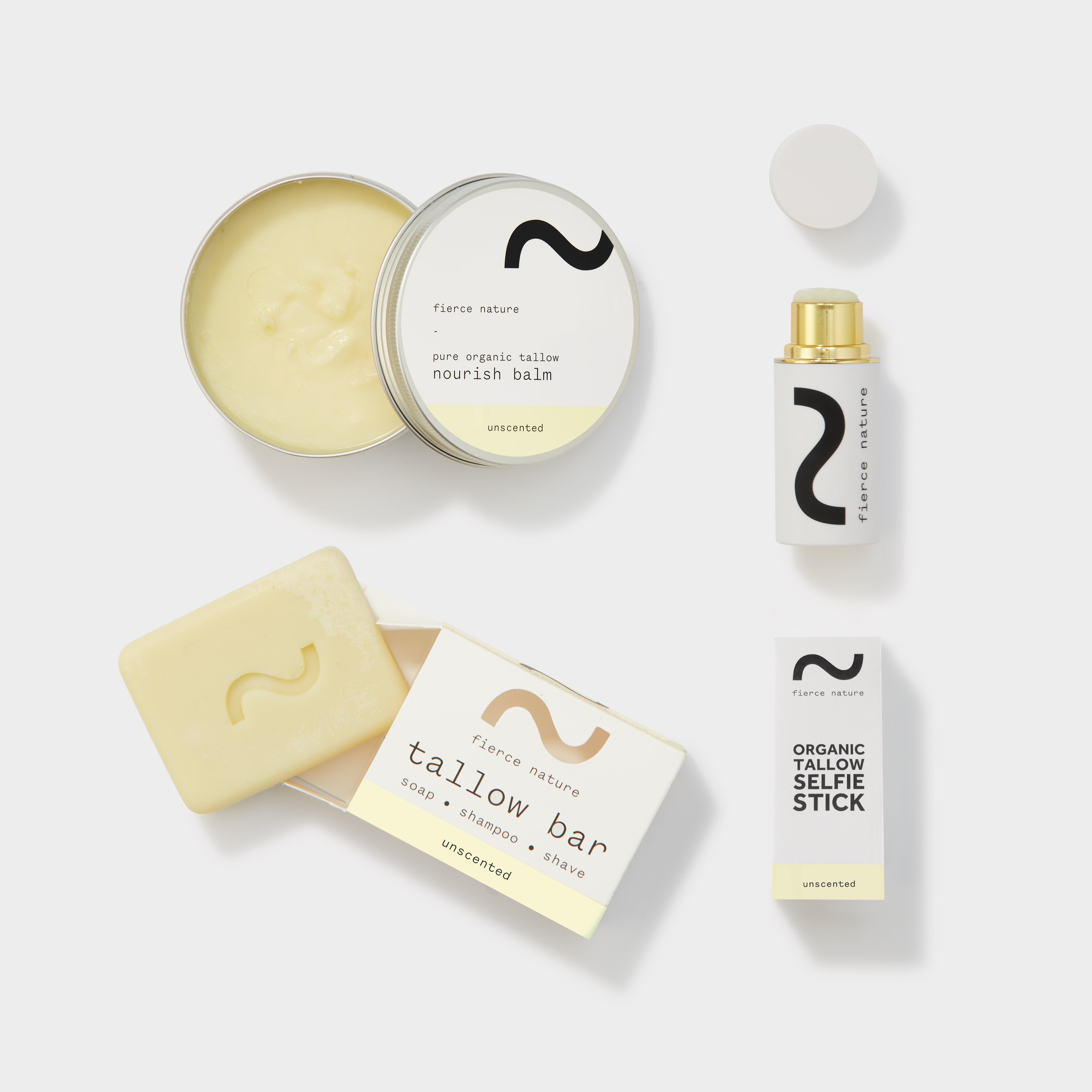
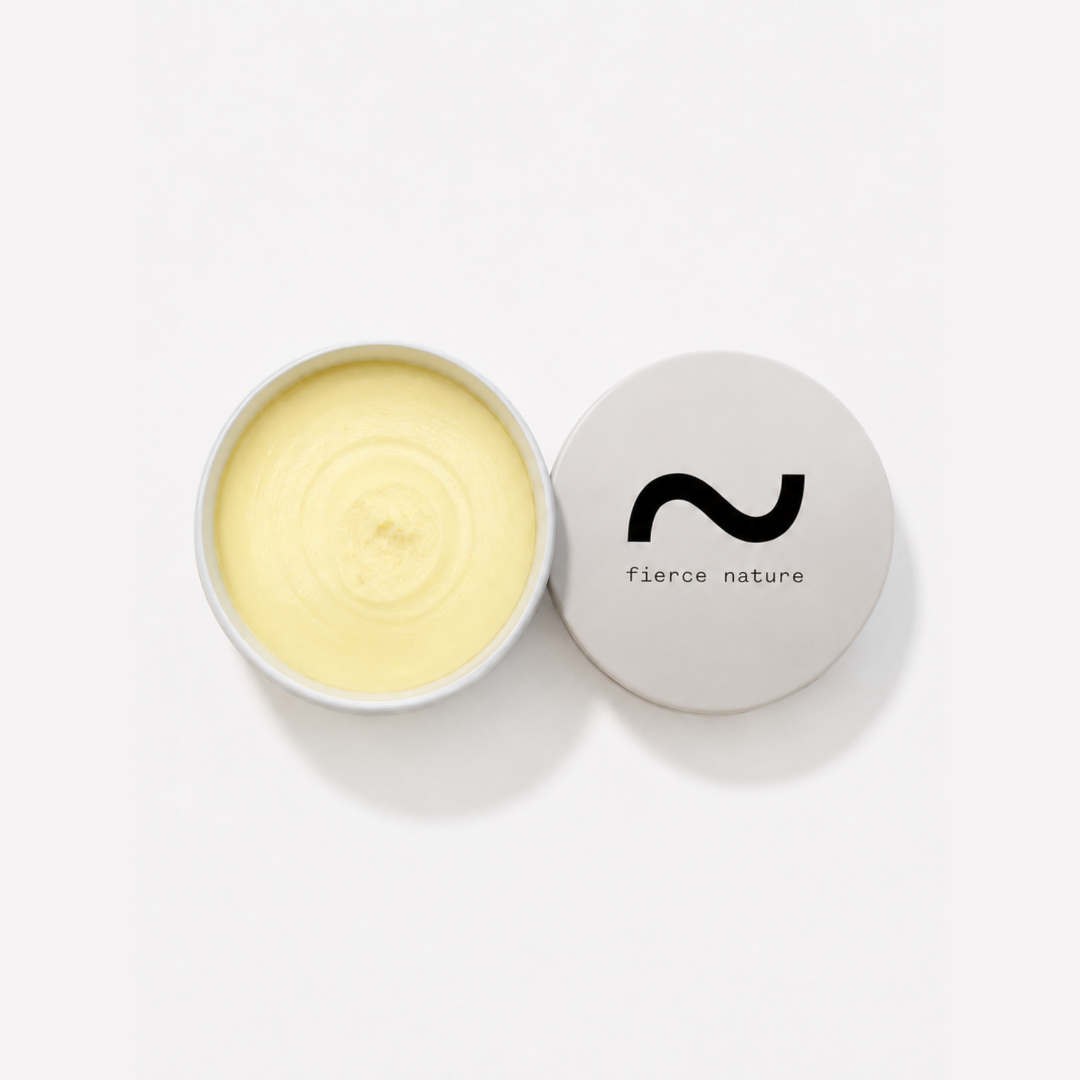
We make balms rather than whipped butters. If you search for a whipped texture, check the maker’s description: a whipped product is simply the same fat, aerated, and it will feel lighter in the tub but deliver similar moisturising benefits.
What the evidence says, and what it does not
Tallow has gone from kitchen staple to social media star very quickly, and the evidence has not kept pace. Here is a fair reading of where things stand.
What is reasonable to say
Tallow’s fatty acids can help soften the skin’s surface and trap moisture. Professor Adam Friedman, a dermatologist quoted by National Geographic, describes how palmitic, stearic and oleic acids could help reinforce the skin’s surface and soften it.
A well-made, plain product works as a rich moisturiser for dry skin. A 2026 dermatology review describes it in just those terms: it may soften dry skin and slow water loss.
Tallow contains naturally occurring vitamins such as A, D, E and K, particularly when the animals are grass-fed. We value this, and it is part of why we use grass-fed tallow.
What is not established
That tallow rebuilds the human skin barrier. It softens and seals the surface. That is useful, but it is not the same thing.
That it treats eczema, acne or any skin condition.
That it boosts collagen, or works as a sunscreen.
That it replaces a retinoid. Naturally occurring vitamin A in tallow is not standardised, and it is nothing like the tested, measured dose in a retinol or prescription retinoid. If you are asking whether beef tallow is better than retinol, the honest answer is no: they do different jobs. Use tallow to moisturise, and speak to a pharmacist or dermatologist if you want a retinoid for ageing or acne.
Dermatologists Rajani Katta and William Miller make the counterpoint clearly: popularity has moved faster than human evidence. We agree. That is why we describe our products as moisturising, softening and comforting, and nothing grander.
Why “natural” is not a safety guarantee
The 2024 review also notes that “natural” and “clean” are unregulated marketing terms. A product can be natural and still irritate you, and a synthetic product can be perfectly gentle. What helps is a short, transparent ingredient list, an honest account of what the product is for, and a patch test.
This matters particularly for reactive skin. UK dermatologists point out that eczema and contact dermatitis are not solved by choosing a “natural” label. Fragrance, essential oils and some preservatives are recognised contact-allergy triggers, so the risk often sits in the whole formula rather than in the tallow itself. For more on this, see our guide to tallow for sensitive skin.
Who tallow body butter tends to suit
Most people who reach for tallow have dry or very dry skin and want something simple. It tends to work well for:
Dry body skin, especially in winter when central heating and cold wind strip moisture.
Rough areas such as elbows, knees, heels and the backs of the hands.
People who want fewer ingredients and are tired of long lists they cannot pronounce.
Post-shower routines where you want something rich that stays put.
Night-time care, when a heavier, greasier texture is less of an inconvenience.
It is a less obvious choice if:
You are prone to breakouts on the face or chest. Tallow is heavy and occlusive. Cleveland Clinic and Tufts dermatology commentary both warn that it may clog pores or make breakouts worse for some people. Never assume that “natural” means non-comedogenic.
You dislike a rich, slightly greasy feel, particularly in warm weather or before getting dressed.
You have a known allergy to beef or a related ingredient. Read the whole ingredient list and talk to your GP or pharmacist if in doubt.
You follow a vegan lifestyle. Tallow is an animal product.
If you have diagnosed eczema, psoriasis, rosacea or any skin condition that a clinician manages, check with them before changing your emollient. Our piece on patch testing before tallow, with rosacea in mind walks through a careful approach.
How to choose a tallow body butter in the UK
With so many sellers online, from kitchen-table makers to larger brands, quality varies a lot. These are the questions we would ask before buying anything.
1. Is the ingredient list short and complete?
You should be able to read every ingredient and understand why it is there. A one- or two-ingredient product is easy to assess. If the list includes fragrance, essential oils or a long preservative system, ask yourself whether your skin needs them.
2. Is there a fragrance-free option?
Fragrance is one of the commonest causes of contact reactions. If your skin is reactive, begin with an unscented balm. You can always add scent later, and you will know whether tallow itself suits you.
3. Where does the tallow come from?
Grass-fed, ethically sourced tallow is not a regulated term, but a maker who can tell you where it comes from and how it was rendered is showing transparency. We explain what to look for in our guide to ethically sourced tallow and what it means for your skin.
4. Is the intended use stated?
A product made for the body is not automatically intended for the face, hands or lips. UK cosmetic rules treat face, hand and lip products differently from other skin products, including separate restrictions on some ingredients, so the label and intended use matter. If a product does not say it is suitable for the face or lips, treat it as a body product.
5. Are the claims sensible?
The Advertising Standards Authority expects efficacy claims for beauty products to be backed by appropriate evidence, and medicinal claims can bring a product under medicines regulation. So be wary of any seller who says their butter heals eczema, treats acne, repairs disease, or provides SPF. Reputable makers stick to moisturising, softening and comforting. Before-and-after photos that imply a guaranteed outcome are another red flag.
6. Is there batch and storage guidance?
Tallow is stable, but heat, sunlight and water can shorten the life of any balm. Look for a clear best-before or period-after-opening symbol, storage advice, and a UK contact address.
7. Is it made in the UK?
This is not a safety guarantee, but it does mean the product sits under UK cosmetic regulation and you can reach the maker easily if you have a question. Our balms are handmade in the UK.
How to use tallow body butter
Timing and quantity matter more than most people expect. Here is a simple routine.
Bathe or shower as usual, preferably with lukewarm rather than very hot water, which dries skin.
Pat dry gently, leaving the skin slightly damp. UK NHS emollient guidance supports regular emollient use on dry skin, and applying to slightly damp skin helps seal in moisture.
Take a small amount, about the size of a pea for an arm, and warm it between your fingertips until it melts.
Spread a thin layer in the direction of hair growth, using light, gentle strokes. Rubbing hard is not necessary.
Add a little more only where needed, such as elbows, knees, shins and heels.
Give it a few minutes to settle before dressing, particularly in a lightweight fabric.
Repeat as often as your skin asks. There is no evidence-based universal schedule, so let your skin guide you.
If greasiness bothers you during the day, use a lighter product then and keep your richer balm for dry patches and bedtime. UK emollient pathways note that ointments, which are greasier, are often preferred at night. Tallow butter sits comfortably in that evening slot.
A safety point on fire risk
UK emollient guidance carries a serious warning that applies to all emollients, including paraffin-free and oat-based products: they can create a fire risk. Residue builds up on clothing, bedding and dressings and can ignite quickly near naked flames, cigarettes and some heated appliances. Keep well away from flames after applying, wash clothes and bedding regularly, and if you or someone you care for uses emollients on large areas of skin, ask your pharmacist for the current MHRA advice.
Can you use tallow butter on your face?
Many people do, and some find it lovely on dry, non-congested skin. But a body butter and a face product are not necessarily the same thing, so start carefully.
Check the label. Use it on your face only if the maker says it is suitable.
Use sparingly. A very thin layer is plenty. Too much can feel heavy and sit on the surface.
Patch test first. Apply a small amount to a discreet area, such as the inner forearm or behind the ear, and wait 24 to 48 hours.
Watch for spots. If you notice new breakouts, redness or irritation, stop.
Do not rely on it for a skin concern. It is a moisturiser, not an acne or anti-ageing treatment.
There is no evidence-based rule on whether you can use tallow on your face every day. Some people use it nightly; others a few times a week. If your skin copes well with a small amount, you can build up. If you have acne-prone skin, speak to a pharmacist or dermatologist first.
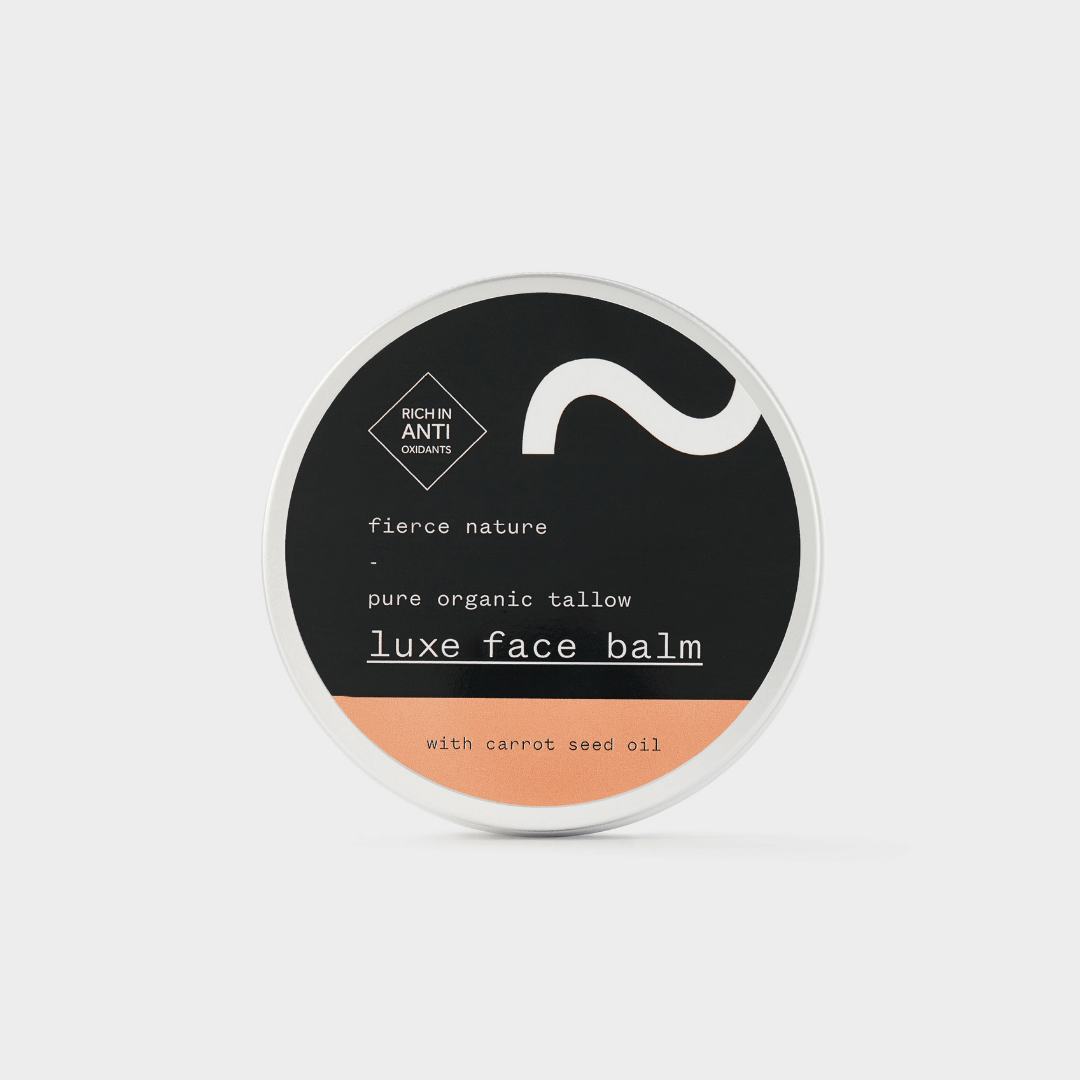
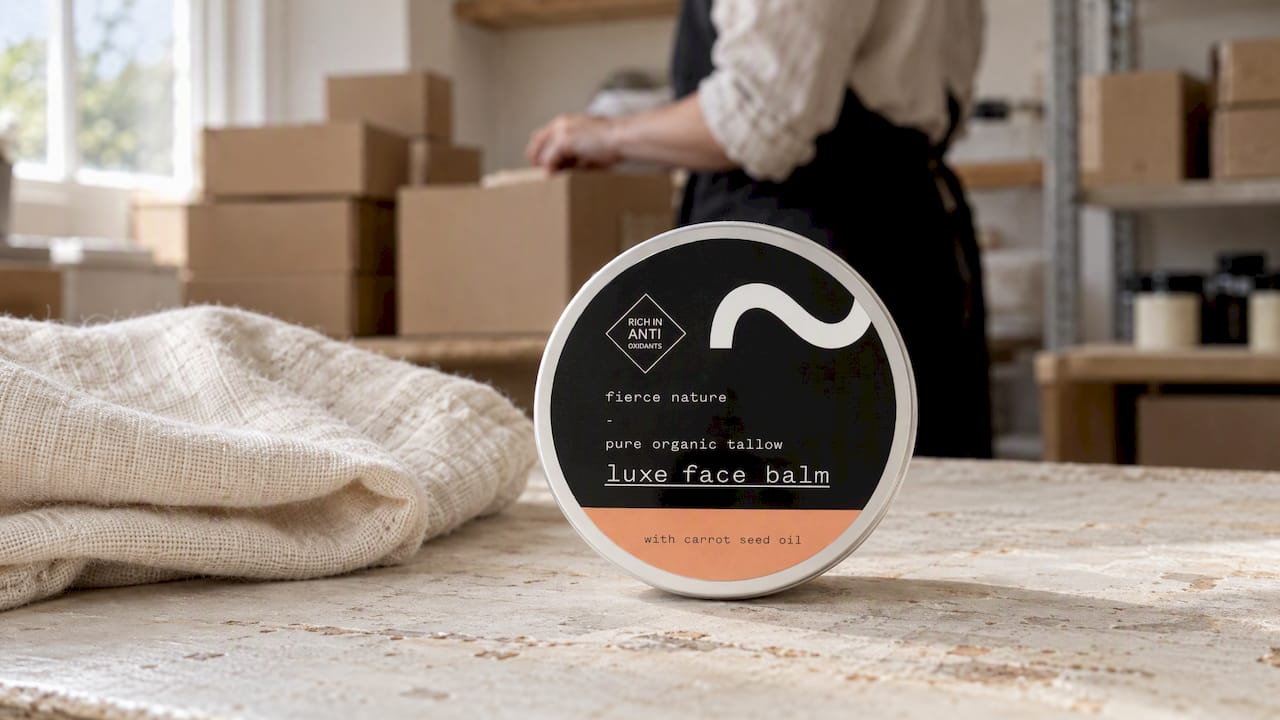
For face care, our Luxe Balm is designed with the face in mind.
What about lips?
A cosmetic lip balm can be used on intact lips when its label specifically includes lip use. Do not use an unlabelled body product on your lips or inside your mouth, and never on cracked, bleeding or infected skin. Choose fragrance-free where you can, and stop if you notice burning, swelling or a rash. We cover this in our guide to why a lip balm should be unscented and tallow-based, and our tallow lip balm guide covers how to buy well.
How to patch test, step by step
Patch testing is the single most useful habit for anyone with reactive skin, and it costs nothing.
Wash and dry a small area on your inner forearm.
Apply a pea-sized amount and leave it.
Do not wash the area for several hours unless it becomes uncomfortable.
Check after 24 hours and again at 48 hours.
If you see redness, itching, swelling, burning or small bumps, wash it off and do not use the product more widely.
If the area stays calm, try a small amount on a larger body area before using it everywhere.
A patch test reduces risk but cannot remove it completely. Reactions can sometimes appear after several uses. If you ever have swelling of the face or difficulty breathing, seek urgent medical help.
What a good routine looks like
Tallow body butter works best as one simple part of a routine, not the whole of it.
Cleanse gently. Harsh, foaming washes strip skin and leave it wanting more moisture. A mild, simple bar is a sensible choice.
Moisturise after bathing. This is where a butter or balm earns its place.
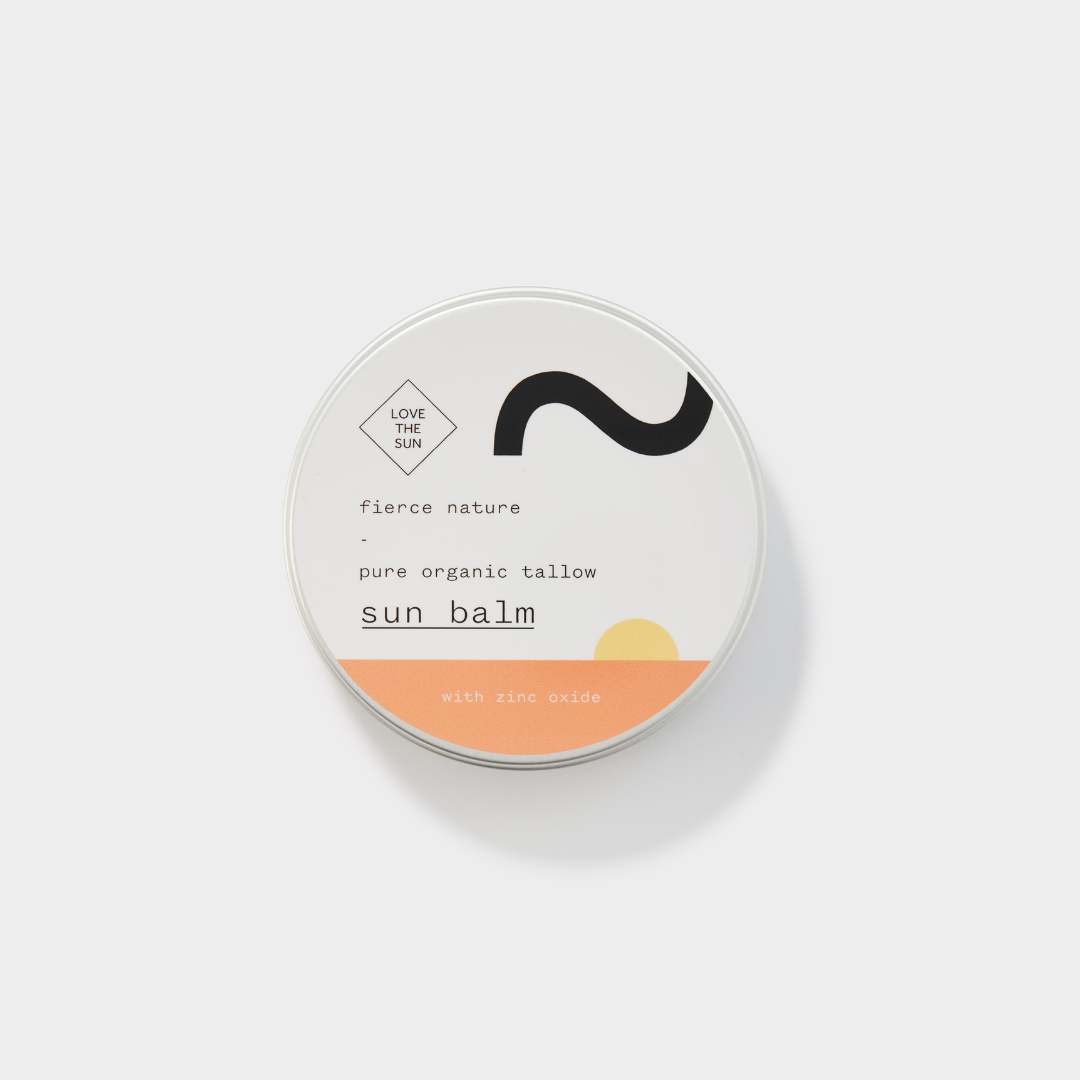
Protect from the sun. Tallow is not a sunscreen, and we do not claim it is. If you spend time outdoors, use a sunscreen that carries a labelled SPF.
Layer sensibly. One thin layer is better than a thick one. If skin still feels tight, add a little more in the dry spots only.
Look after the basics. Drink enough water, avoid very hot showers, and wear breathable fabrics.
Our perspective: simple, honest, rooted in nature
Fierce Nature began with a personal story. Growing up in South Africa, our founder battled skin rashes and reactions as a teenager and could never work out why. Years of work in gut health later taught her how much our bodies carry from the products we use every day, and that led her to make a different kind of skincare.
Here is what we believe about tallow body butter.
It should be simple. We use organic, grass-fed tallow as the foundation of our products, and we are open about what goes into each one. If you want to know why something is in a balm, you should be able to find out.
It should be honest. Tallow is a wonderful, nourishing emollient. It is not a cure. We would rather tell you what a balm will do, which is soften, nourish and comfort dry skin, than promise something the evidence does not support.
It should be made with care. Everything we sell is handmade in the UK, with naturally sourced ingredients. Tallow has been used for centuries as a skin emollient and in soap making, and we think that heritage deserves modern care and transparency. We also share the reasoning behind it, including why tallow is considered biocompatible with human skin cells, while being clear that more research is needed.
It should work with your skin, not against it. Start small, patch test, and pay attention. Your skin will tell you what it likes.
— Fierce Nature
Shop tallow balms from Fierce Nature
If you are ready to try tallow on your body, our Face and Body Balms collection is the place to start. Every balm is handmade in the UK with organic, grass-fed tallow as its base.
For many people with dry skin, yes: it is a rich moisturiser that softens the surface and helps slow water loss. It is not a proven treatment for eczema, acne or ageing, and the human research is still limited. Choose a short, transparent formula and patch test first.
Can I use tallow on my face every day?
There is no evidence-based daily schedule. It may suit dry, non-congested skin when used sparingly, but its heavy, occlusive texture can clog pores or worsen breakouts for some people. Patch test, use a very thin layer, and stop if you see spots, redness or irritation.
When should you use body butter?
The most practical time is straight after a shower or bath, while your skin is clean and slightly damp. Warm a small amount between your fingers and spread a thin layer. Use a lighter product in the daytime if greasiness is a nuisance, and keep a richer balm for dry patches and night-time.
Is beef tallow better than retinol?
No. Tallow is not a retinoid, and its natural vitamin A is not standardised to deliver the effects of retinol or prescription retinoids. Use tallow to moisturise. If you want help with ageing or acne, ask a pharmacist or dermatologist about proven options.
Can you put tallow butter on your lips?
Only if the product is labelled for lip use. Do not use an unlabelled body butter on your lips or inside your mouth, and avoid cracked, bleeding or infected skin. Choose fragrance-free, and stop if you notice burning, swelling or a rash.