Varukorg
0
80 % också tillagt detta



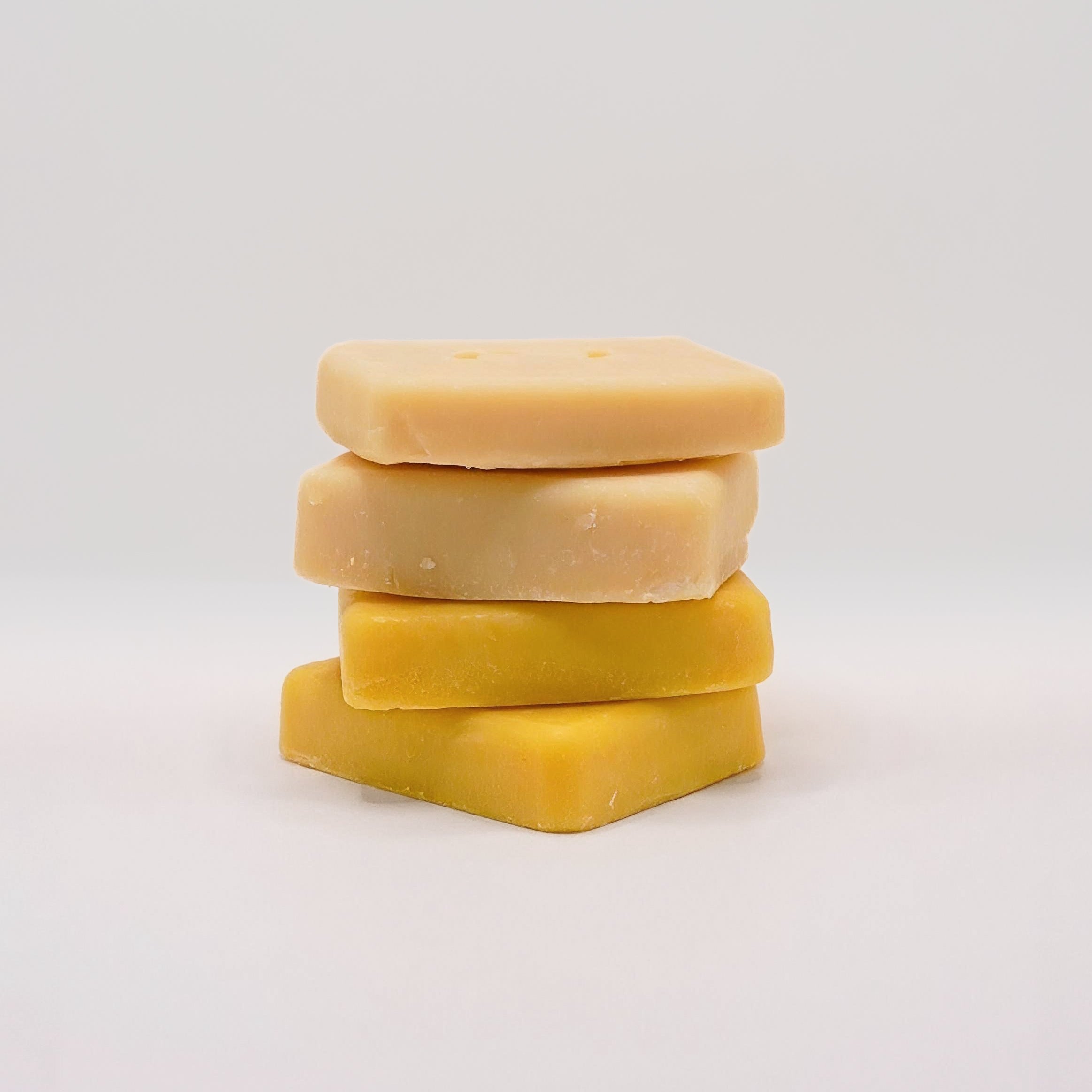




The best way to store a soap bar is to let it drain and dry between uses: sit it on a raised, slatted dish or hang it in a porous pouch, away from the direct spray of the shower. Keep unused bars somewhere cool, dry and airy, still in their wrapping if you like. A bar left sitting in a puddle turns to mush in days. The same bar given airflow on every side can last weeks longer.
We make handmade tallow soap here in the UK, so we see what good and bad storage does to a bar. Below you will find the habits that make the biggest difference, how to choose a dish, what to do with spare bars and how to use the final sliver.
Soap is made to dissolve in water. That is what lets it lift dirt and rinse away. The trouble starts when the bar keeps sitting in water long after you have finished washing. The surface in contact with the puddle keeps softening, turns slimy and slowly dissolves into the dish, and every time you pick it up you lose a little more.
Cleaning-industry guidance says the same thing in plain terms: a bar lasts longer when it can air out, and a closed container keeps it wet, which makes it mushy and makes it dissolve faster. The best daily set-up is a draining dish or rack in a ventilated spot, out of the direct flow of water.
So the goal is not simply “keep soap dry”. It is two things at once:
A flat dish can look tidy while the underside of the bar is still wet. If you lift your bar and find it stuck to the dish, or a film of water underneath, the storage is not doing its job.
The basin is the easiest place to get right. Put the dish beside the tap rather than directly under it, so drips and splashes miss the bar. Choose a spot where the dish can drain back into the basin or onto a surface that is easy to wipe, not onto a porous shelf that will stain or stay damp.
After washing your hands, give the bar a quick rinse if there is residue on the surface, shake off the water and set it back on the dish. Done each time, this takes about three seconds and noticeably slows wear.
The shower is the toughest environment for a bar, because it is wet, warm and often steamy. Three things help:
If your shower is tiny and everything gets soaked, consider keeping the bar outside the cubicle and bringing it in only when you wash. It is a small habit, but it can double the life of a bar in a damp bathroom.
Without an extractor fan or window, moisture lingers for hours. Open the door after bathing, run the fan if you have one, and give the dish a regular lift and wipe. A bar in a very humid room will stay damp longer, so a hanging pouch that lets air circulate often beats a dish in this situation.
The material matters far less than the design. Bamboo, ceramic, stainless steel, silicone and stone can all work, as long as the dish does what a dish is for: it lifts the bar off the surface, lets water escape and comes apart or wipes clean easily.
| Feature | Why it matters | What to look for |
|---|---|---|
| Raised surface | Keeps the base of the bar out of any pooled water | Slats, ridges, a wire rack or a perforated top |
| Drainage | Sends water away from the bar | A sloped base, a drip tray that empties easily or an open design |
| Easy cleaning | Soap residue builds up and holds moisture | Parts that separate, smooth surfaces, dishwasher-safe or simple to rinse |
| Right size | A bar that overhangs tips and gets wet | A dish slightly larger than your bar |
| Stable base | A dish that slides around invites drops and chips | Non-slip feet or a suction base |
The quickest test is simple. After a normal day of use, lift the bar. If it comes away dry or only slightly damp and the dish is clear of water, your set-up is working.
Not necessarily. A draining pouch on a hook, a natural sponge-style holder or even a clean, dry ledge with good airflow can do the job. What you should avoid is putting the bar straight on a flat, wet surface such as the edge of the bath or a tiled shelf that collects water.
Unused bars need very little: cool, dry, ventilated and out of direct sunlight. Here is how to do it well.
Handmade bars often feel firmer and drier after a few weeks in a cool, airy spot. That is normal for soap that has been allowed to settle, and many people find a well-kept bar lasts longer in use than one that has been kept somewhere warm and humid.
You do not need to. Soap is not perishable in the way food is, and cold, damp conditions bring condensation, which is what you are trying to avoid. A dry, ordinary room-temperature cupboard is all most bars need.
Good storage is a habit more than a purchase. This routine takes seconds and works for most households.
If you use the bar in the shower, the same logic applies. Hang it or park it somewhere with air around it, rather than leaving it on the floor of the tray or in a corner where water runs.
Yes, for most households. The real protection against germs is good hand-washing technique: lather properly, scrub all surfaces of your hands and rinse thoroughly. A bar of soap is not sterile, and it can carry some microbes on its surface, which is one reason hospitals tend to favour liquid soap for shared use in clinical settings. NHS hospital hand-hygiene guidance reflects that.
At home the sensible habits are straightforward:
None of this means a bar is something to fear. It means keeping it dry and clean-ish, the same as any item you handle often.
The final sliver is where much soap gets wasted. It becomes too small to hold, breaks in your hand and slips down the drain. A few simple fixes make sure you get every wash out of it.
When a bar is thin, wet the sliver and the face of a fresh bar and press them together firmly. Leave them to dry for a day or so and they will fuse. This works best when both bars are of the same kind, so keep your tallow remnants with tallow bars rather than mixing different soaps.

A porous pouch or mesh bag keeps small fragments together and creates a good lather when you rub it between your hands. It can hang to dry, which also solves the drainage problem at once. This is the cleanest way to use up the last pieces, and it is useful for the whole bar too.

If you buy a large bar, cut it in two with a knife before you start. Keep one half in a dry cupboard while you use the other. The cut surface hardens as it dries, and you have a ready replacement when the first half is finished.
If you have a spare dish, move the bar to a dry spot for a day when it feels soft. Dryness firms the surface so it wears more slowly. If you want more habits for reducing waste, our guide to making zero waste soap last in the UK goes further into the practical side.
| Mistake | What happens | Better habit |
|---|---|---|
| Leaving the bar in a puddle | Base turns slimy and dissolves | Use a raised, draining dish and tip out water |
| Keeping it in a closed tub in daily use | Stays wet, goes mushy | Choose an open or slatted dish for daily use |
| Placing it under the tap or shower head | Constant soaking wears the bar away | Move it a few centimetres out of the flow |
| Storing spares in a sealed box in a damp room | Bars stay soft and can sweat | Use a cool, dry cupboard with some airflow |
| Binning small slivers | Wasted soap and money | Press onto a new bar or use a mesh pouch |
| Never cleaning the dish | Residue builds up and traps moisture | Wipe every few days, rinse weekly |
We started Fierce Nature because we wanted skincare we could trust, made from ingredients we understand. Our soap bars are handmade in the UK with tallow as the foundation, and we think of a bar as something to look after rather than something to rush through.
What we have learned is that a good bar does not need fuss, just a little care. A simple draining dish, a spot out of the spray and a few days of rest between uses will keep your soap in good shape. We would rather you got weeks of nourishing washes from a bar than watched it dissolve in a puddle.
We also believe in using the whole bar. Press the last slivers onto the next one, let the bar dry between washes and keep spares somewhere cool and dry. It is the same attitude we bring to the rest of our skincare: work with your skin, not against it, and respect the ingredients. If you are choosing between a scented and an unscented bar, our guide to choosing the right tallow soap for your routine walks through what to consider, and if your skin is on the sensitive side, why tallow soap suits sensitive skin explains our thinking.
— Fierce Nature
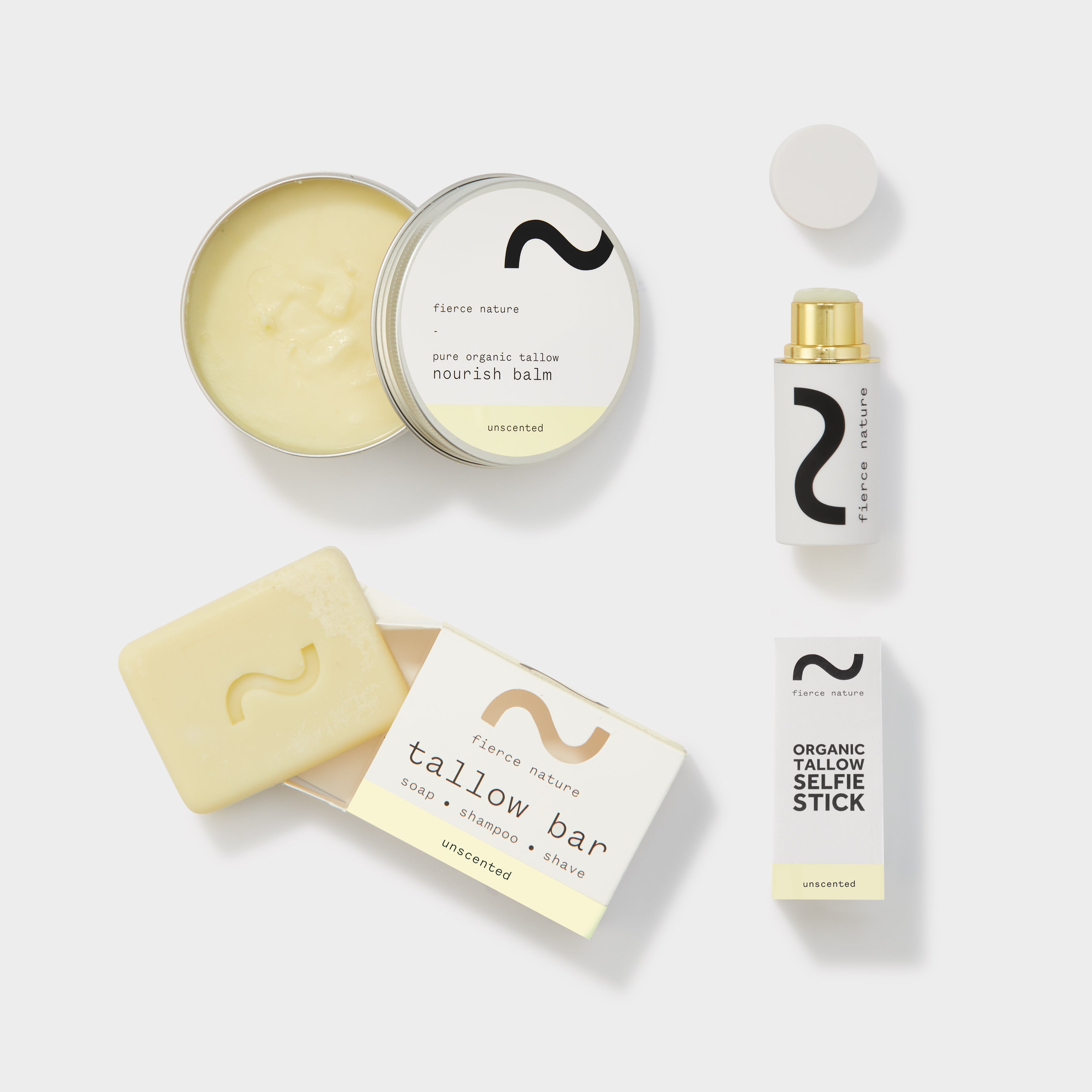
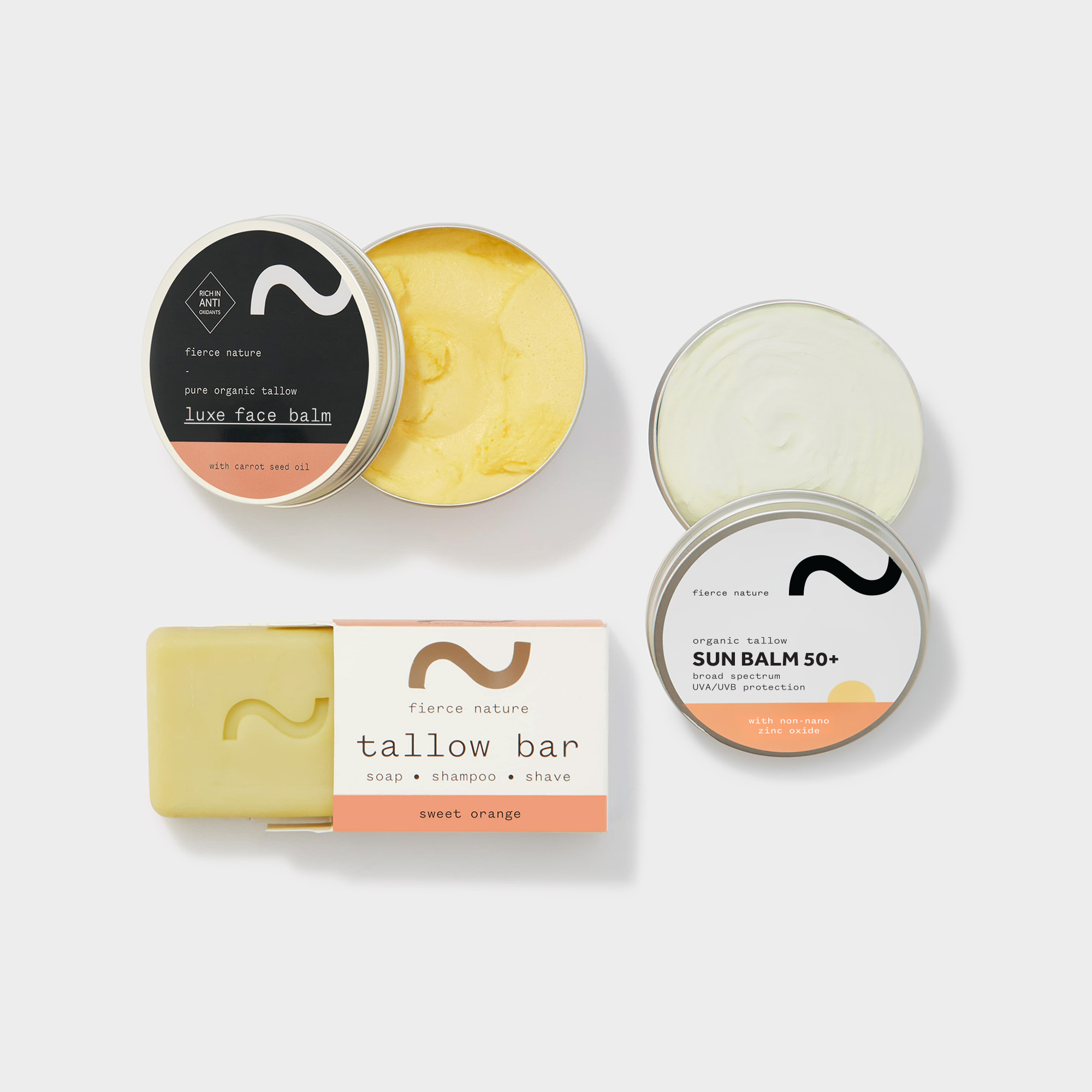
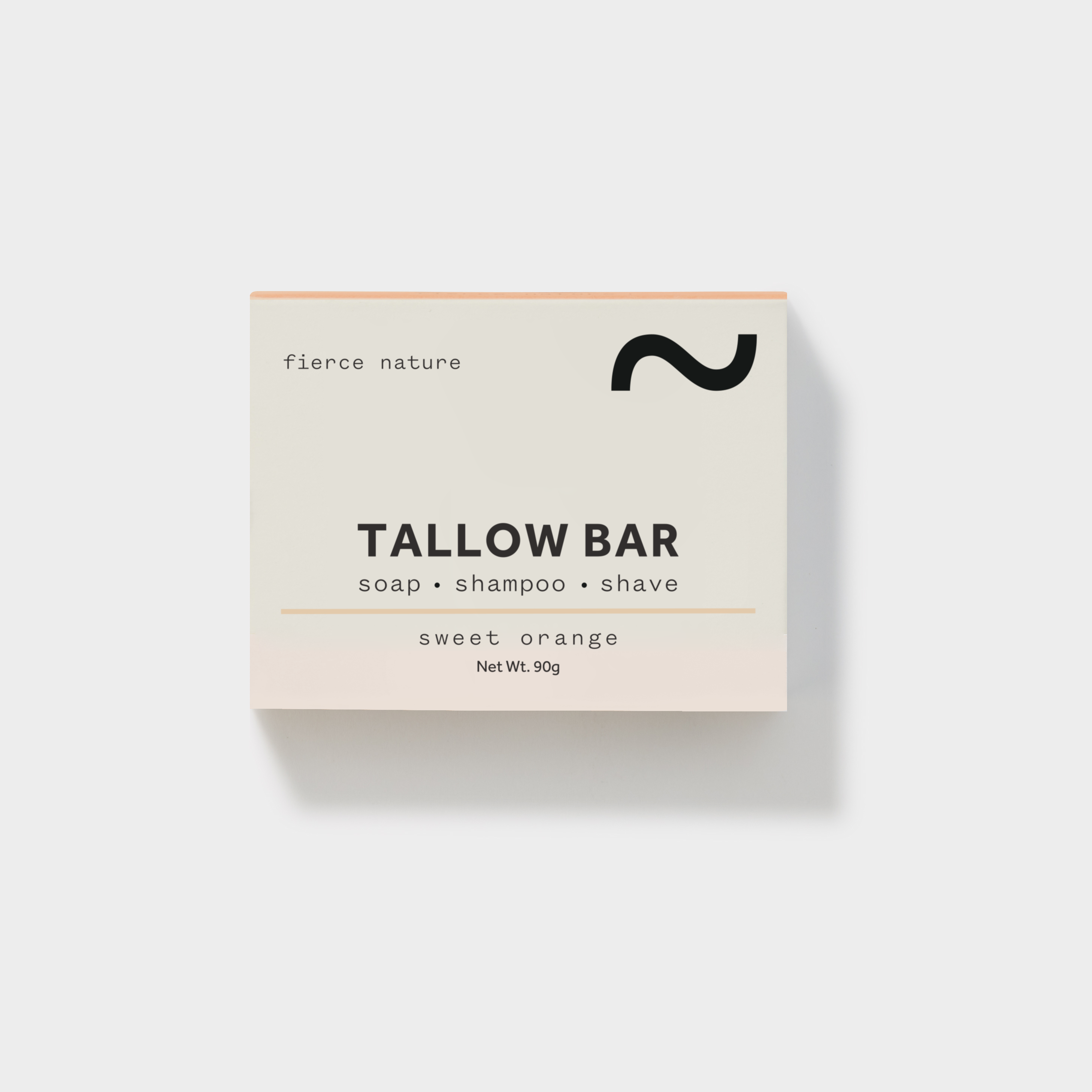
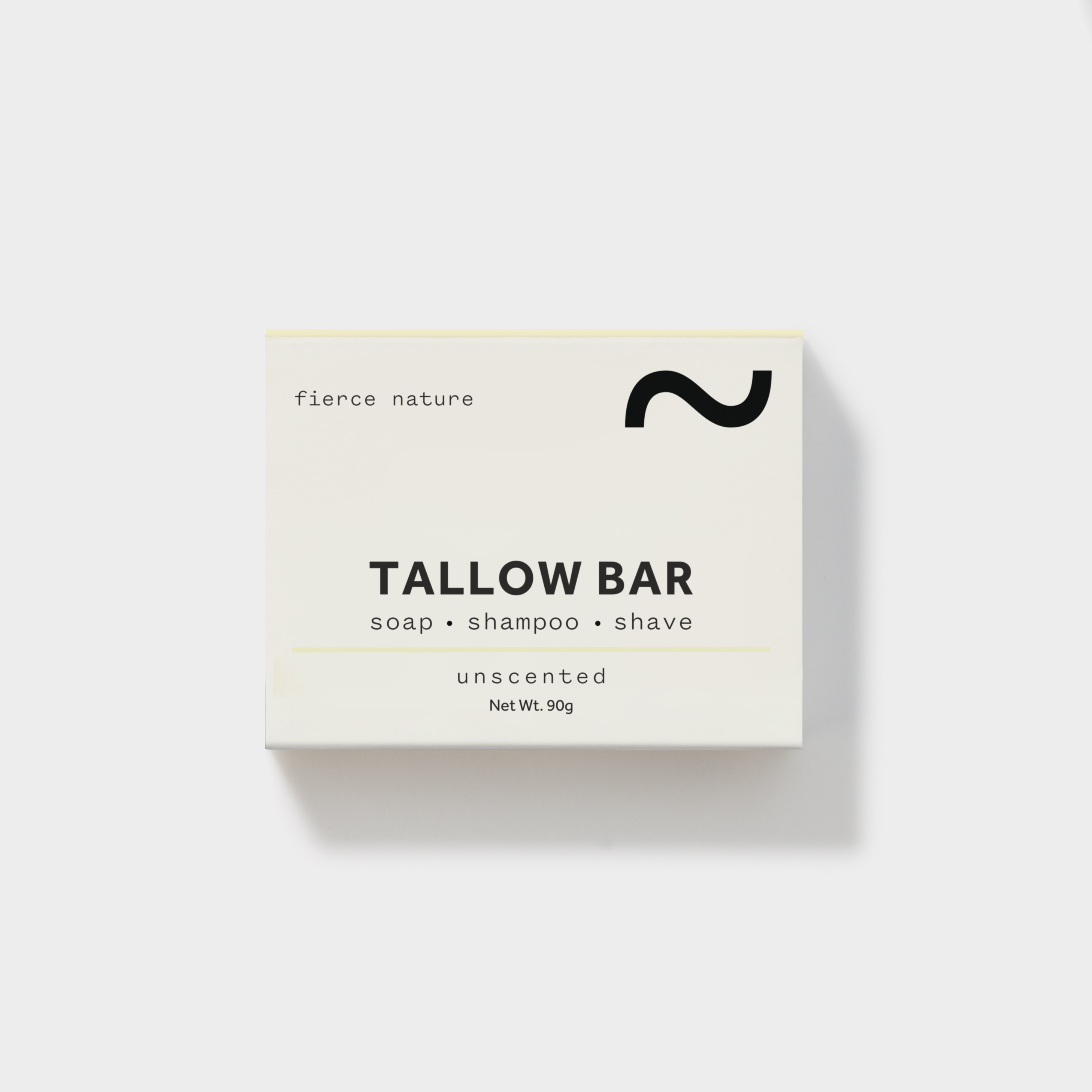
If you are ready to try a handmade bar, our tallow soap collection is the place to start. The Multi-Use Tallow Bar (Unscented) is a simple everyday choice, and the Multi-Use Tallow Bar (Scented) suits you if you like a little fragrance. If you like to try more than one, the Wonky Soap (Pack of 3) gives you several bars to rotate, which pairs well with the two-bar drying habit above.
Put it on a raised, draining dish or hang it in a breathable pouch, and keep it out of the direct spray of the tap or shower. Shake off the excess water after each use and tip out any water that has collected in the dish. If you have two bars, alternate them so each one gets a full day to dry.
Not for everyday use. A closed lid traps moisture, so the bar stays wet and breaks down faster. A lidded case is fine for travel, but only once the bar has dried, and you should take it out and let it air as soon as you arrive.
Keep them somewhere cool, dry and ventilated, such as a bathroom cabinet away from the shower, a drawer or a linen cupboard. Avoid radiators and direct sunlight. Leave them in their wrapping or a breathable box rather than a sealed plastic tub.
The biggest wins are a draining dish, a position out of the spray and letting the bar dry fully between uses. Rotating two bars, cutting a large bar in half and using a mesh pouch for the final pieces all stretch the life of a bar further. Building lather in your hands rather than rubbing the bar directly on skin also helps.
For most households, yes. Good hand-washing, a quick rinse and letting the bar dry are what count. Hospitals tend to prefer liquid soap for shared use in clinical settings, so if someone at home is unwell or has a weakened immune system, choose liquid soap or separate bars and ask your GP or pharmacist if you are unsure.