Cart
0
80% Also Added this

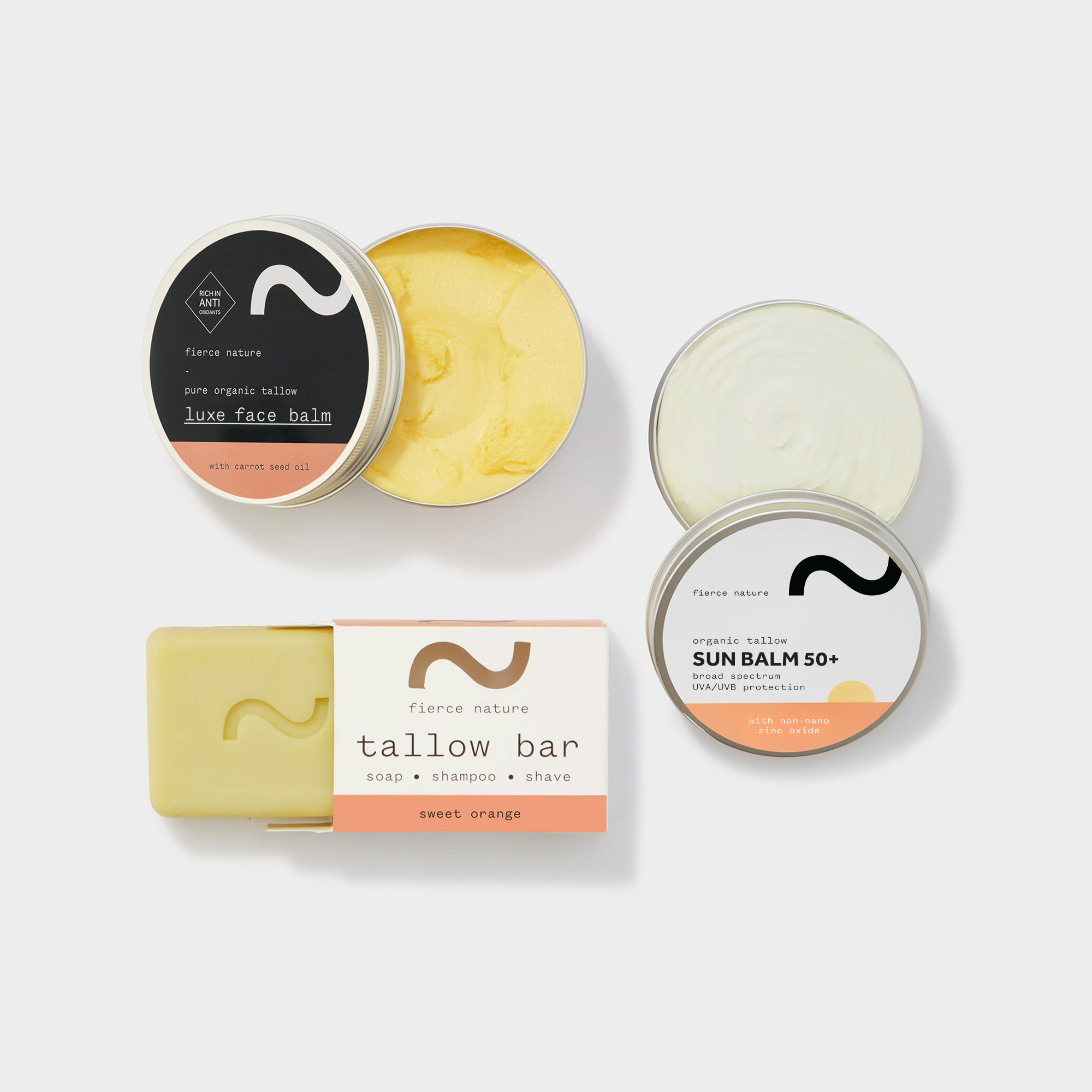
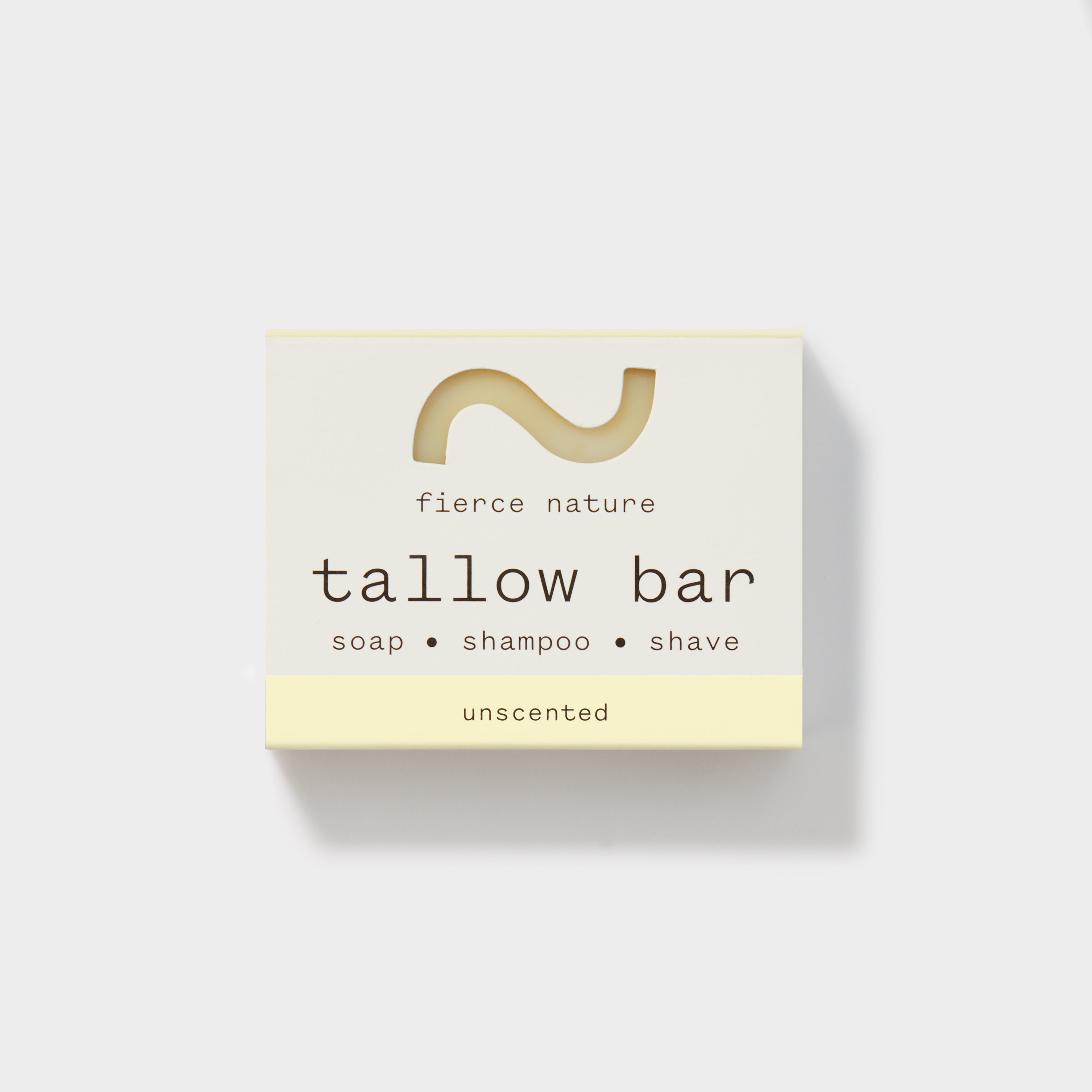

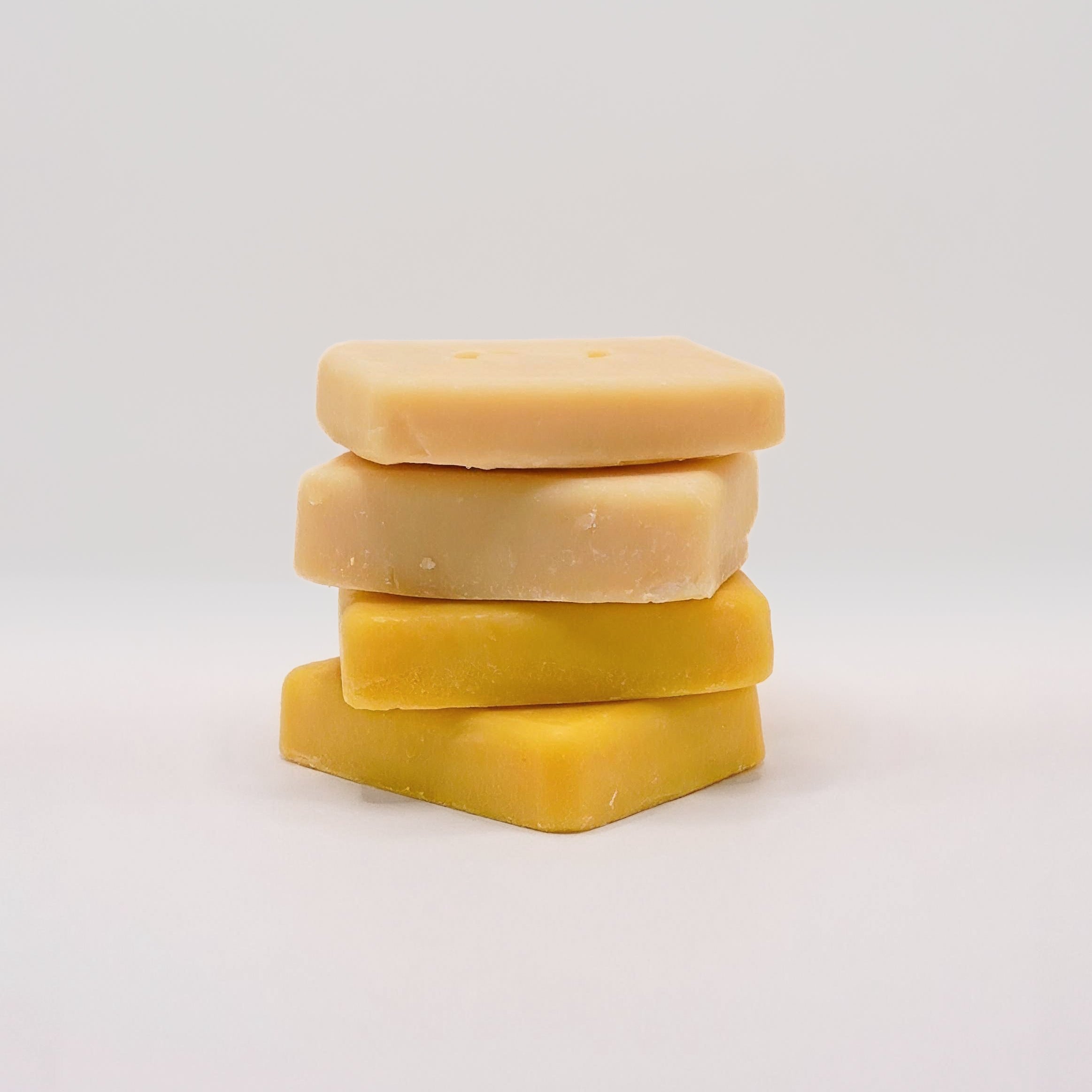




When it comes to protecting your skin—and your health—not all soaps are created equal. Antibacterial and unscented soap is a top choice for those with sensitive skin, allergies, or conditions like eczema or rosacea. Unlike heavily fragranced and chemical-laden options, these soaps clean effectively without irritating your skin.
In this guide, you’ll learn what makes antibacterial and unscented soap a smart addition to your daily hygiene routine, who it’s best suited for, and how to choose the right one.
This type of soap combines two essential qualities:
Antibacterial: Helps reduce or eliminate bacteria on the skin’s surface, supporting hygiene and preventing infections.
Unscented: Contains no added fragrance or masking agents, making it ideal for sensitive or allergy-prone skin.
These soaps are often dermatologist-recommended for people with reactive or compromised skin barriers.
Using a soap that is both antibacterial and unscented offers several key benefits:
Reduces the risk of skin irritation and allergic reactions
Prevents the spread of harmful bacteria and infections
Ideal for post-surgical or wound care hygiene
Safe for babies, children, and sensitive skin types
No artificial fragrances that can trigger dermatitis or eczema
Individuals with eczema, psoriasis, or rosacea
People recovering from skin procedures or surgery
Those with sensitive or allergy-prone skin
Parents looking for gentle soap for babies and toddlers
Anyone seeking minimalist, clean ingredient skincare
When choosing an effective antibacterial and unscented soap, check the label for these:
Benzalkonium chloride or triclosan (mild antibacterial agents)
Glycerine – moisturises and prevents dryness
Coconut oil or olive oil – provides natural cleansing power
Aloe vera – soothes irritated or inflamed skin
Shea butter – nourishes without clogging pores
Colloidal oatmeal – gentle and anti-inflammatory
To keep your skin safe, avoid soaps with:
Fragrance or perfume oils
Dyes and colourants
Harsh sulphates (like SLS or SLES)
Parabens and phthalates
Essential oils (can trigger sensitivities)
Wet your skin with lukewarm water
Lather the soap in your hands or on a washcloth
Gently cleanse targeted areas (avoid vigorous scrubbing)
Rinse thoroughly and pat skin dry with a clean towel
Follow with a moisturiser to lock in hydration
Use daily or as needed, especially after exposure to public places or allergens.
Bar soaps – often longer lasting and eco-friendly
Liquid soaps – convenient for handwashing and pumps
Foaming cleansers – light and quick to rinse off
Choose based on your routine and skin needs.
If you want clean, healthy skin without the risk of irritation, antibacterial and unscented soap is a smart solution. It combines the germ-fighting power of antibacterial agents with the simplicity and gentleness of fragrance-free formulas.
Perfect for daily use, this type of soap is a go-to for anyone with sensitive skin, medical skin needs, or a preference for clean, minimal skincare. Look for nourishing ingredients and always follow up with a soothing moisturiser to maintain a balanced skin barrier.
For more information about us feel free to visit -> Fierce Nature