Cart
0
You may also like
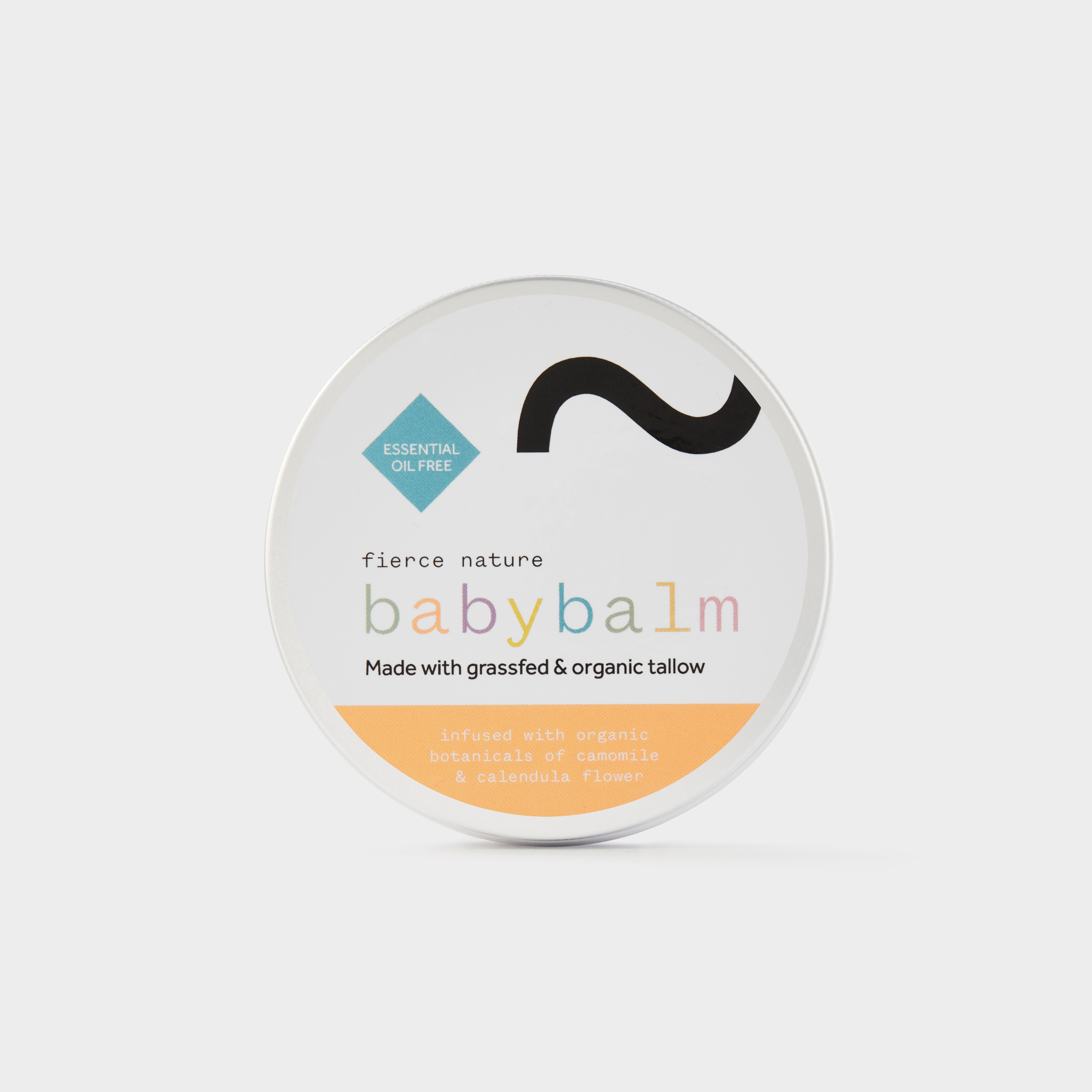
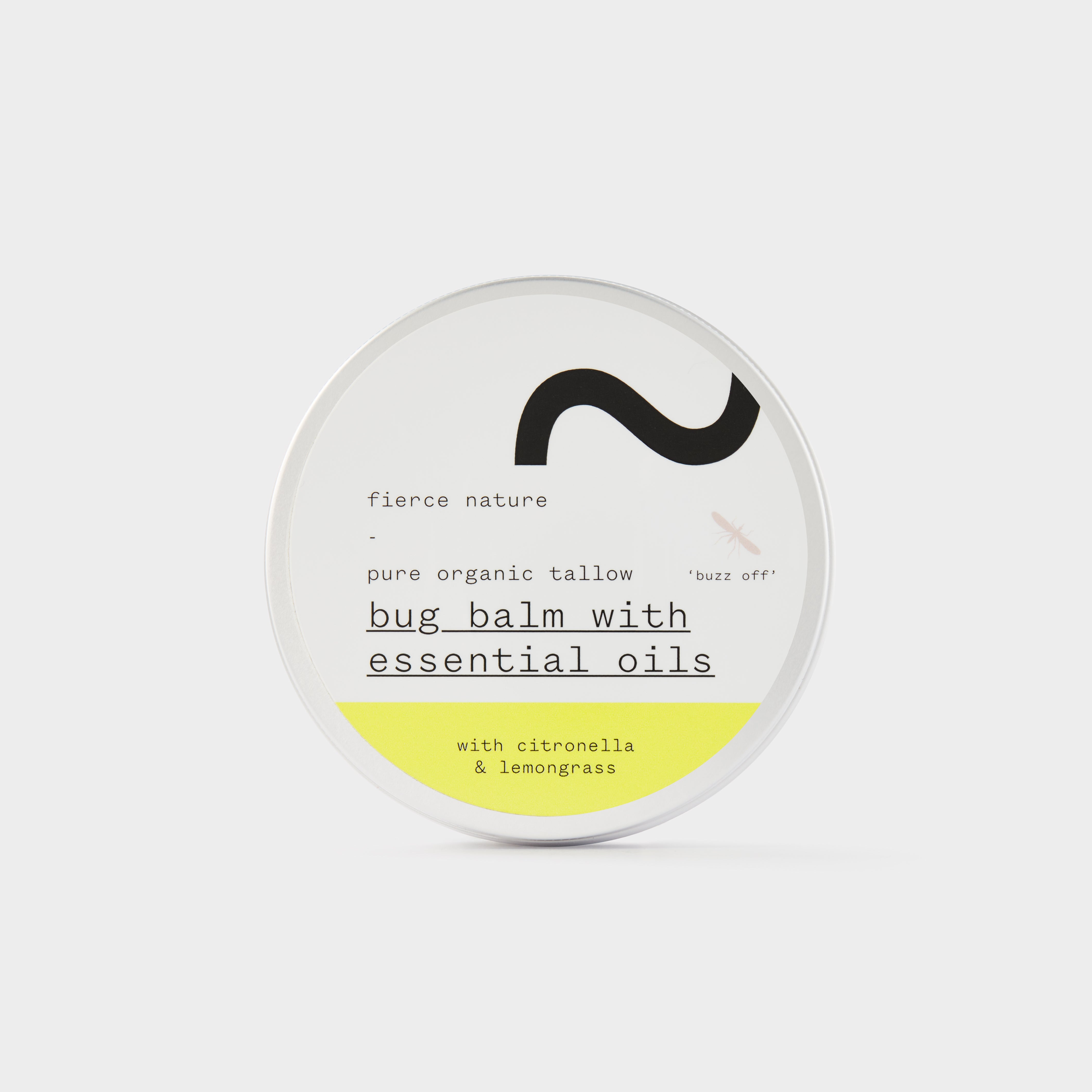



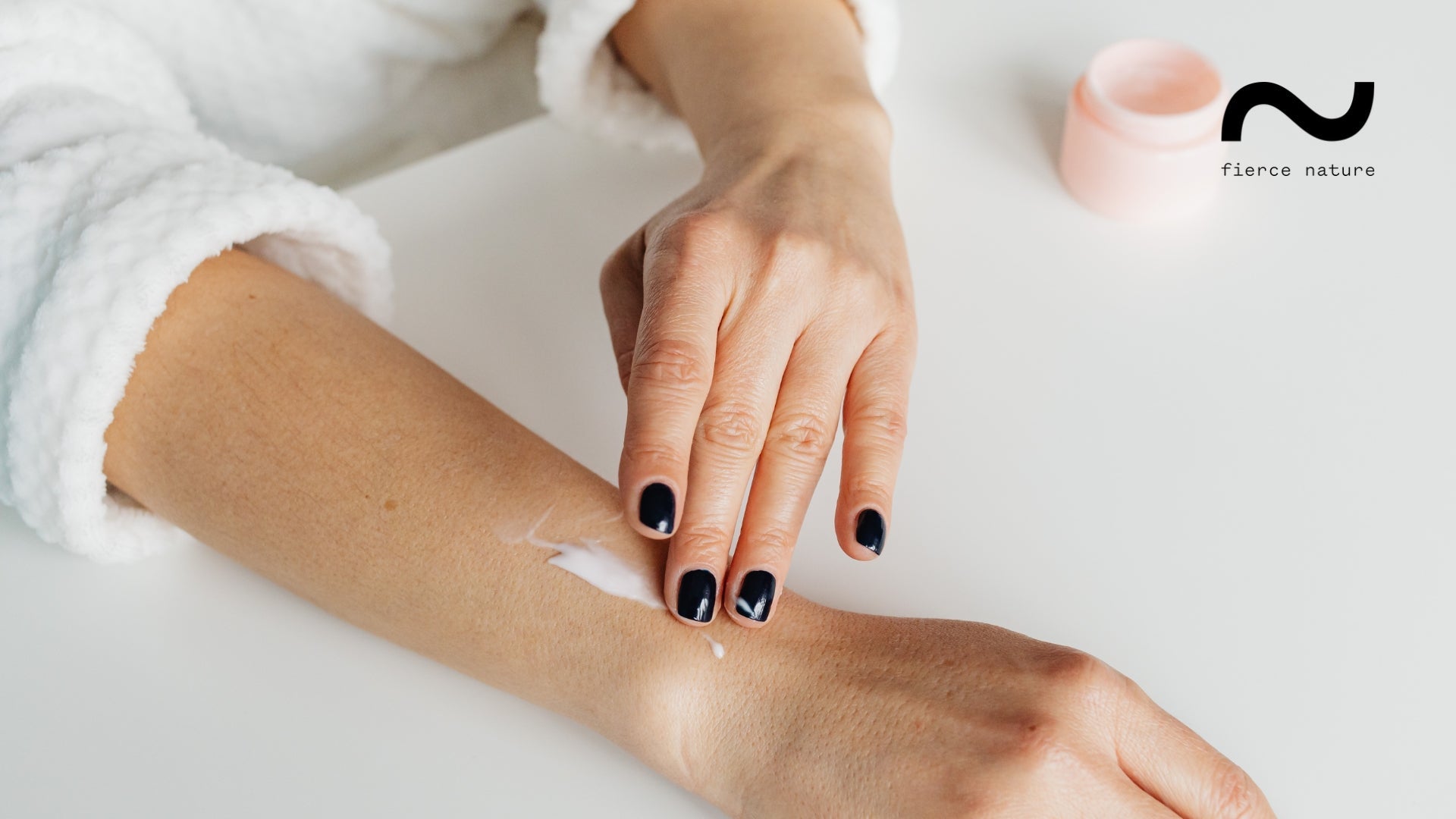
Dealing with eczema means managing dry, irritated, and often inflamed skin. But with the right skincare for eczema, you can reduce flare-ups, restore your skin barrier, and enjoy long-lasting comfort. Whether you have atopic dermatitis, contact dermatitis, or another form of eczema, choosing gentle, nourishing products is key to managing symptoms effectively.
This guide covers everything beginners need to know about eczema-safe skincare routines, from ingredients to avoid, to daily habits that protect and heal your skin.
Eczema, or atopic dermatitis, is a chronic skin condition characterised by dryness, itching, redness, and inflammation. It can be triggered by allergens, irritants, stress, weather changes, or even your diet.
Eczema weakens the skin barrier, making it more prone to moisture loss and infections. That’s why a targeted skincare routine is essential to soothe, hydrate, and protect sensitive skin.
A consistent skincare routine tailored for eczema-prone skin helps:
Replenish lost moisture
Repair the skin’s barrier
Soothe inflammation and itch
Prevent infection from scratching
Using the wrong products can worsen symptoms, so it’s important to understand what your skin really needs.
When building a skincare routine, look for these dermatologist-recommended ingredients:
1. Ceramides
These lipids help restore the skin barrier and retain moisture.
2. Colloidal Oatmeal
Anti-inflammatory and soothing, it reduces itching and irritation.
3. Shea Butter
A rich emollient that hydrates and softens dry, cracked skin.
4. Glycerine
A humectant that draws water into the skin for lasting hydration.
5. Hyaluronic Acid
Lightweight but powerful, it hydrates without clogging pores or irritating sensitive areas.
6. Niacinamide
This form of Vitamin B3 calms redness and strengthens the skin barrier.
Avoid harsh, irritating ingredients that can trigger flare-ups:
Fragrances (even natural ones)
Alcohols (like SD alcohol or ethanol)
Sulphates (common in foaming cleansers)
Parabens and synthetic preservatives
Essential oils (can be irritating on broken or sensitive skin)
Here’s a step-by-step skincare for eczema routine suitable for daily use:
Morning:
Gentle Cleanser: Use a non-foaming, fragrance-free formula.
Moisturiser: Apply a rich, eczema-safe moisturiser with ceramides.
Mineral Sunscreen: Choose one with zinc oxide or titanium dioxide.
Evening:
Cleanser: Use lukewarm water and the same gentle cleanser.
Moisturiser: Reapply a thicker balm or ointment before bed.
Targeted Treatment: Use prescription creams or anti-itch balms if needed.
Extra Tips:
Moisturise within 2 minutes of bathing
Pat skin dry—don’t rub
Use a humidifier in dry environments
Wash clothes with fragrance-free detergent
Prefer natural products? Look for formulations that include:
Aloe Vera: Cooling and calming
Calendula: Soothes inflammation
Chamomile: Reduces itch and redness
Coconut Oil: Moisturising and antibacterial
Remember: natural doesn’t always mean gentle, so always patch test.
Effective skincare for eczema starts with understanding your triggers and choosing gentle, hydrating, and barrier-supporting products. Avoid harsh ingredients, stick to a consistent routine, and always listen to your skin’s signals.
Managing eczema may take time and patience, but with the right skincare plan, you can significantly reduce discomfort and regain healthy, resilient skin.
For more information about us feel free to visit -> Fierce Nature