Cart
0
80% Also Added this

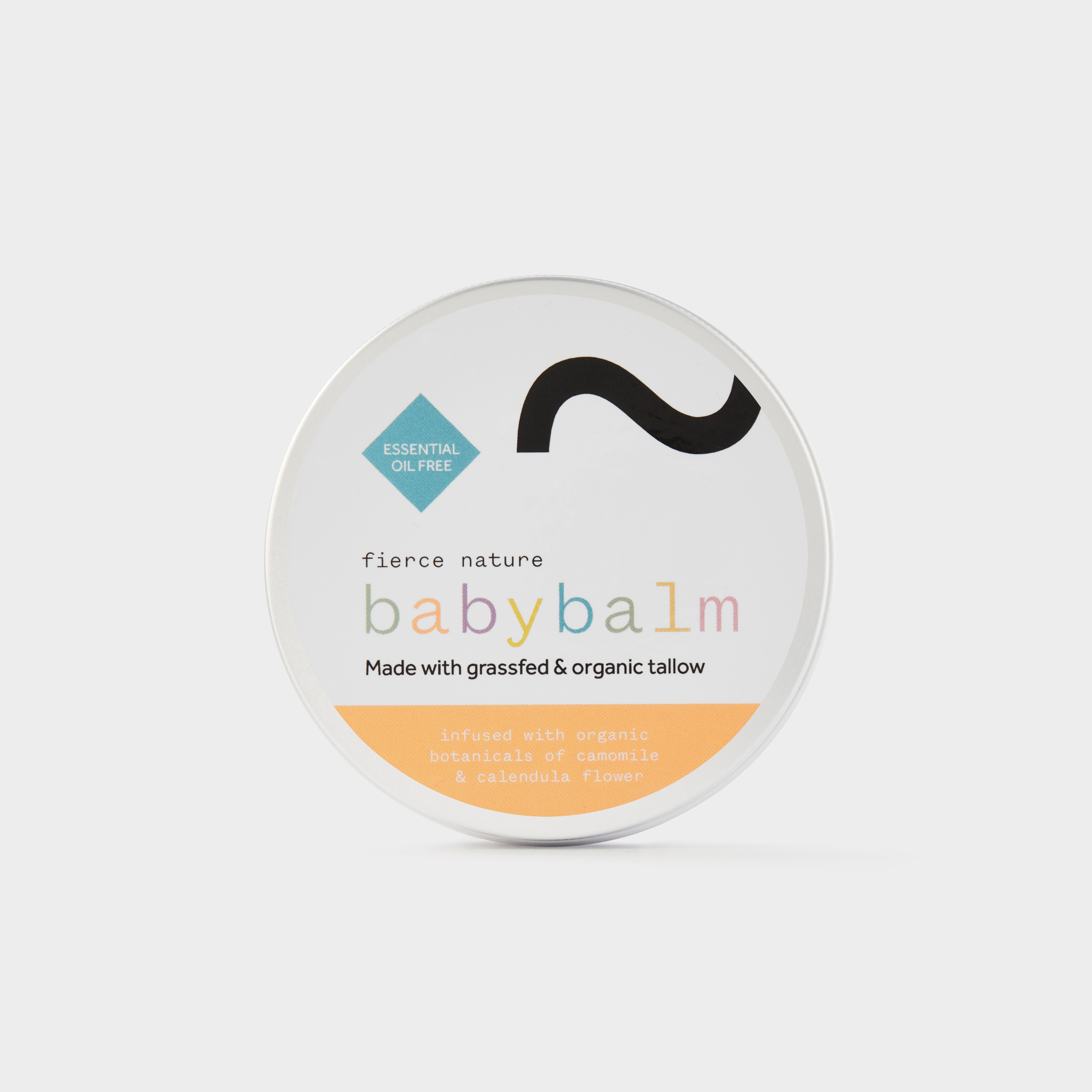
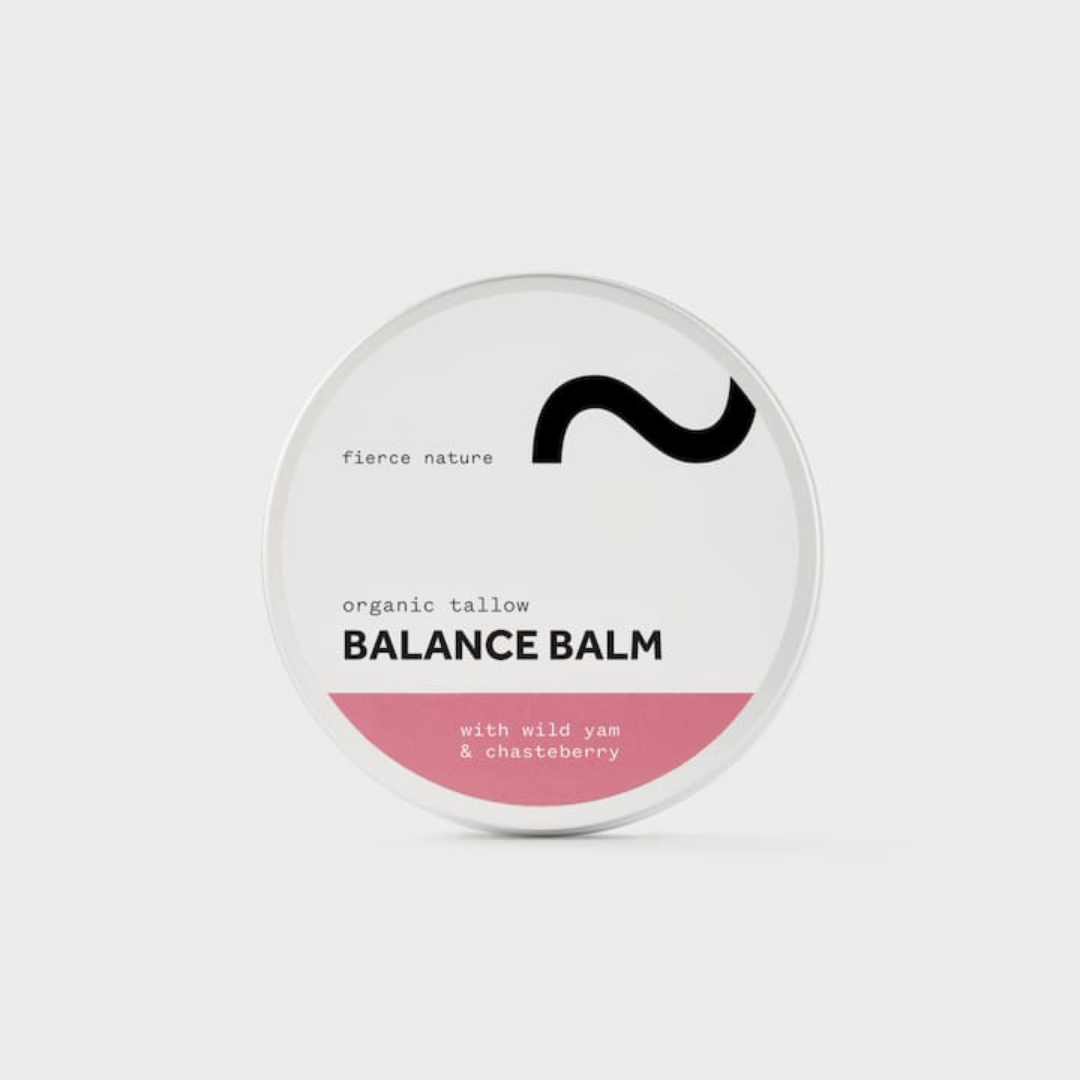
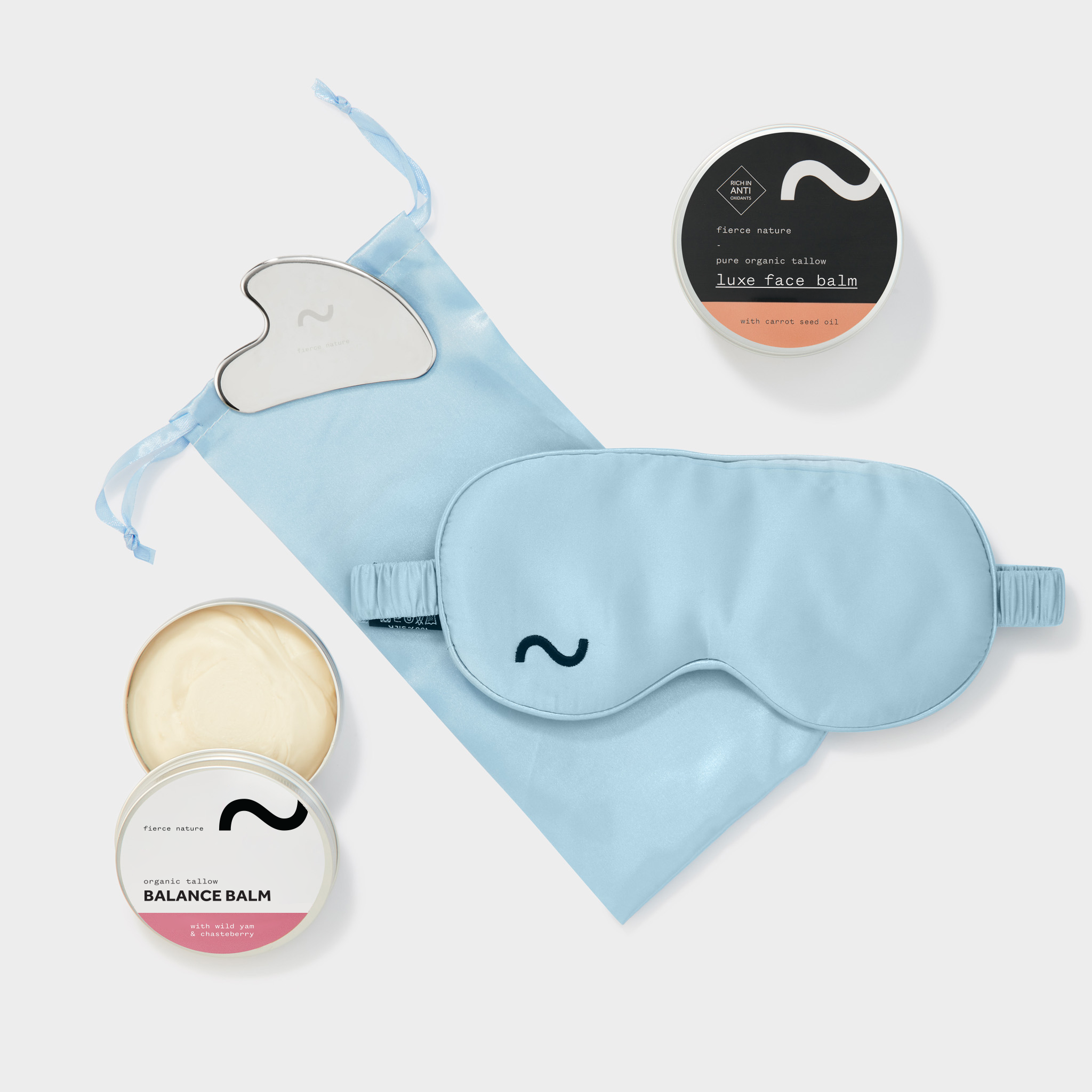
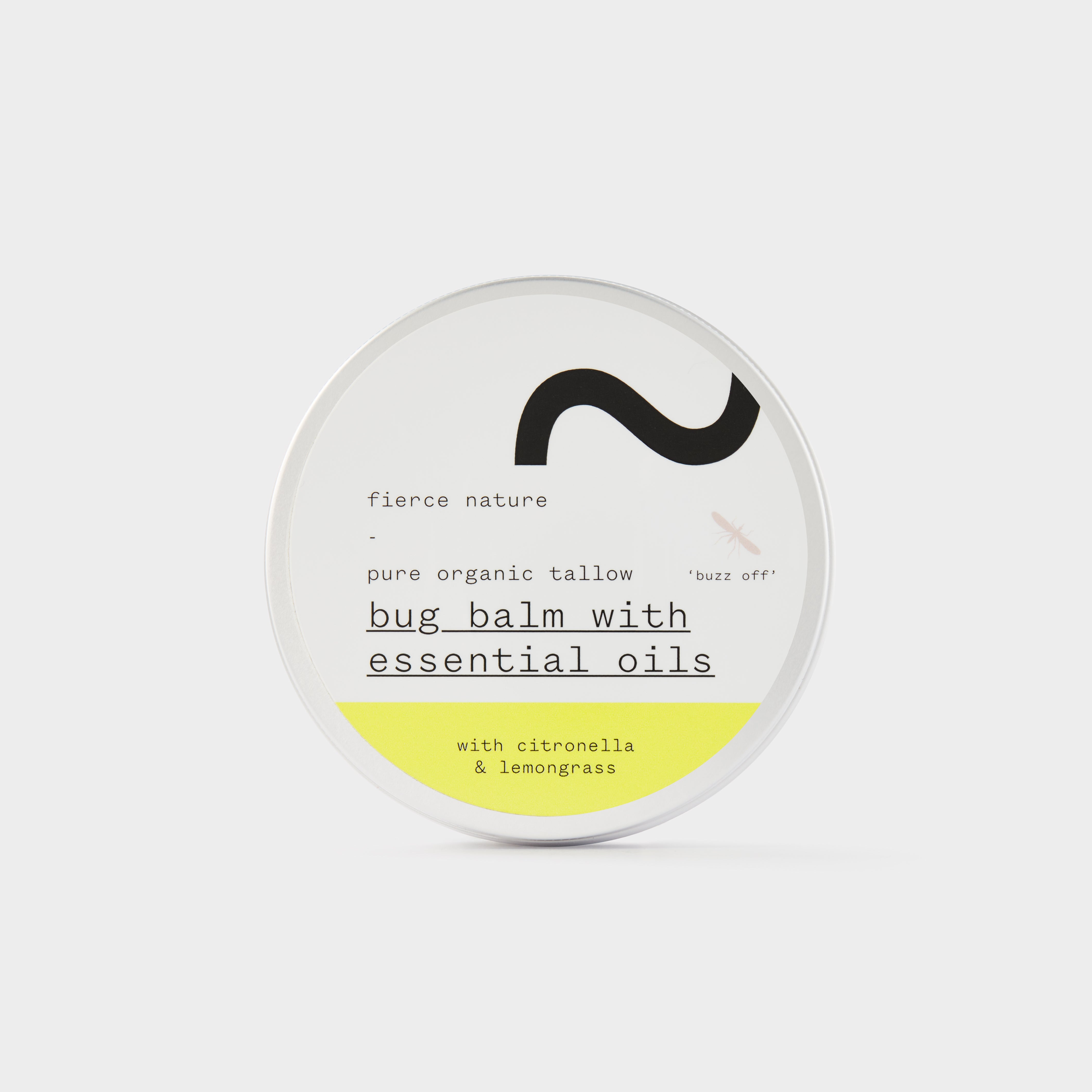

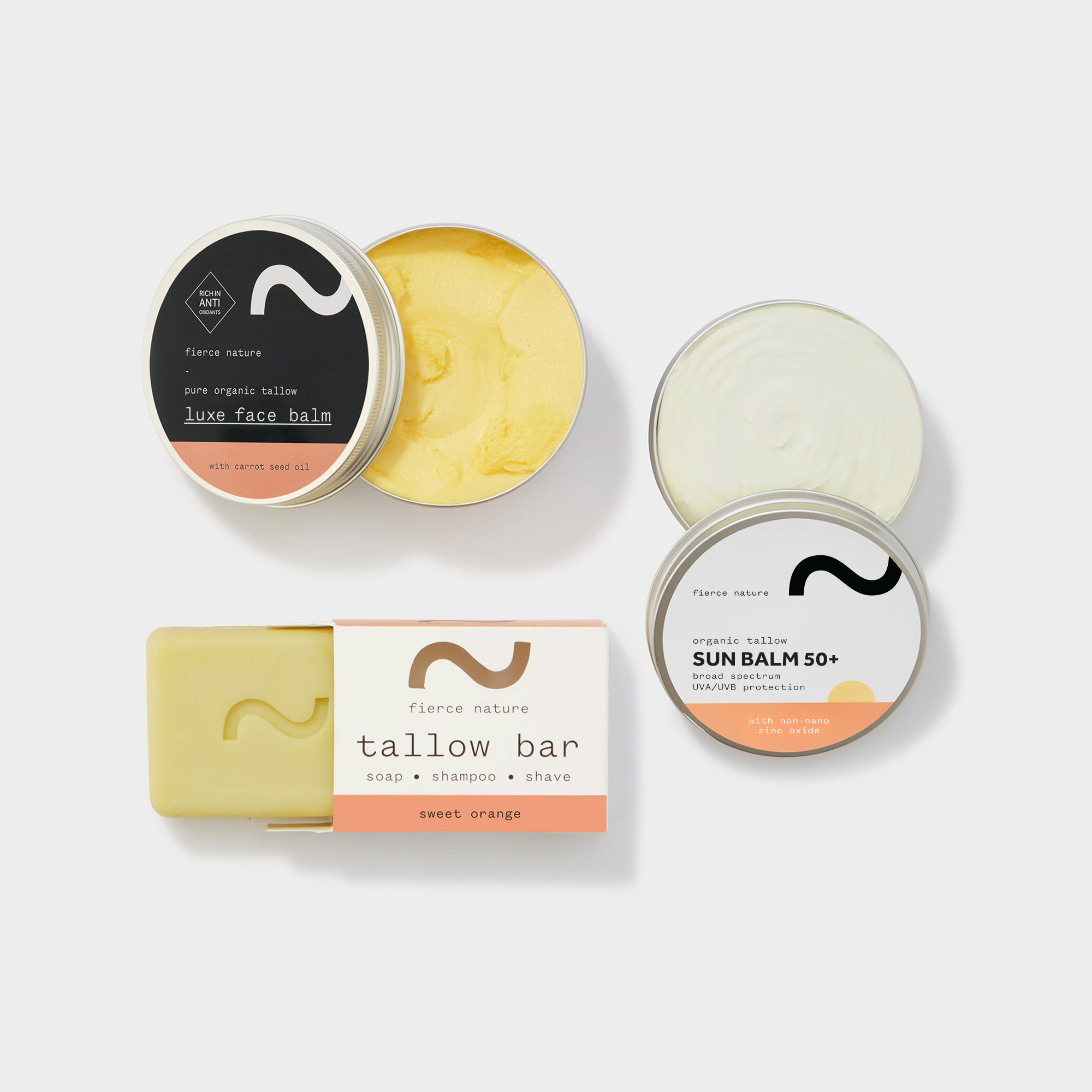
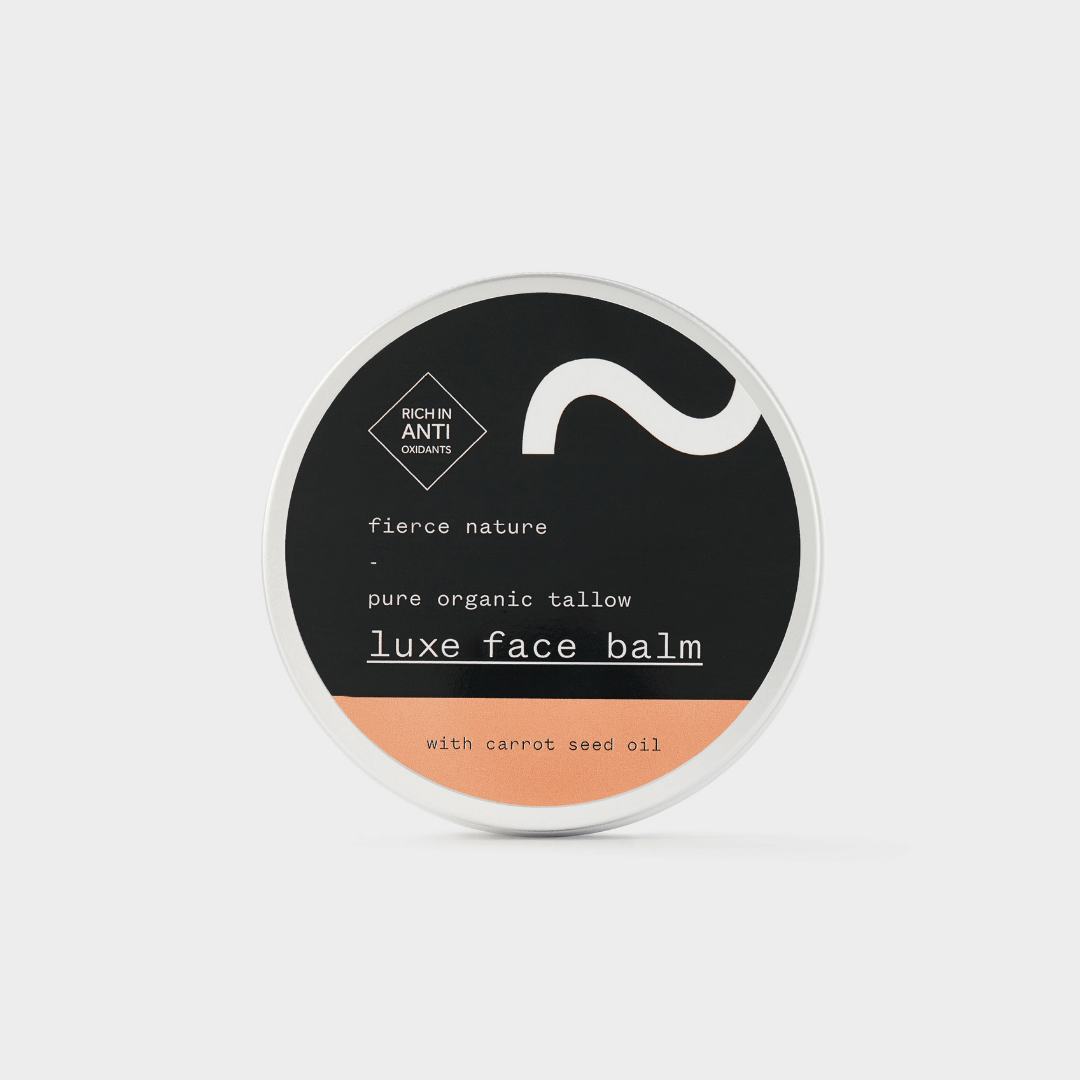
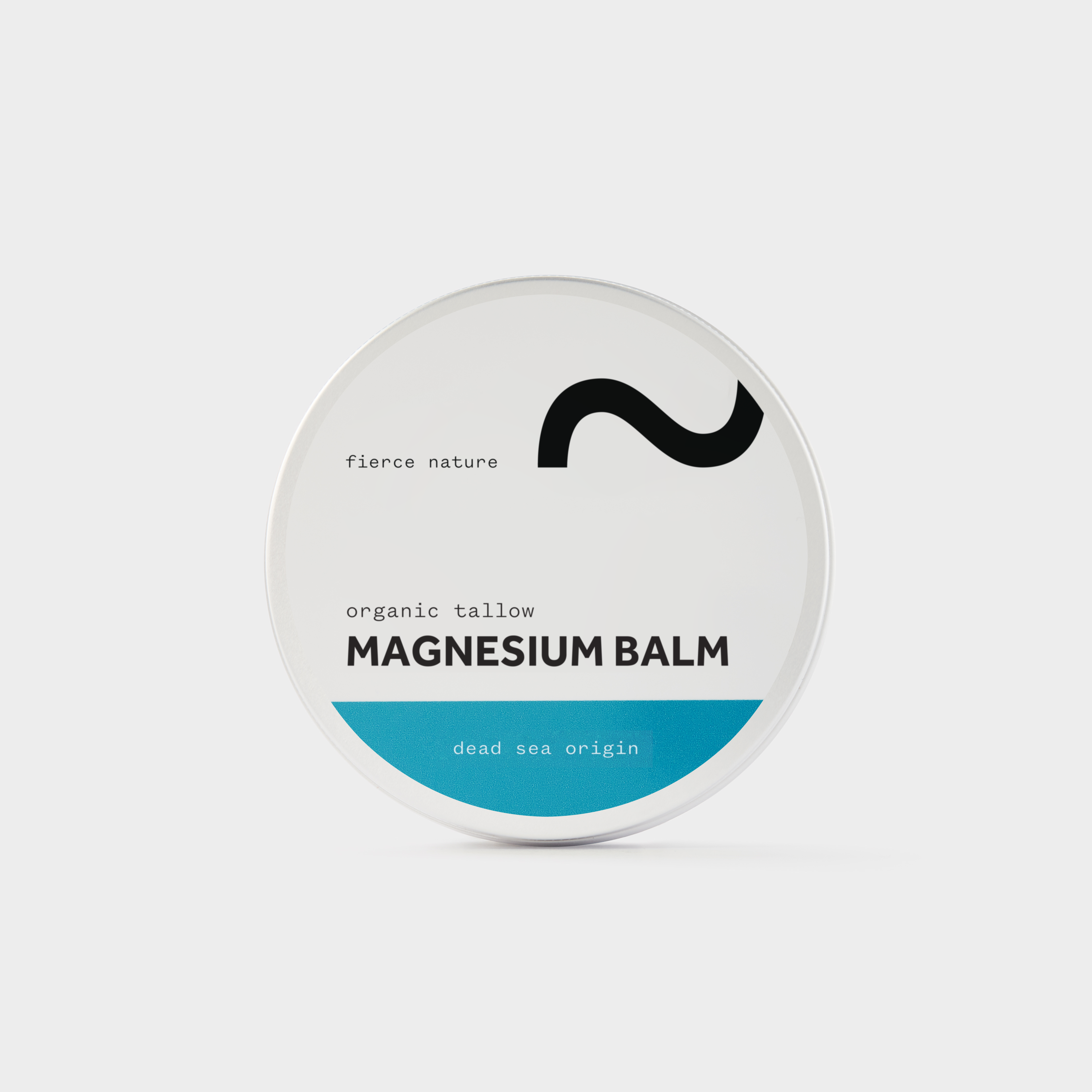
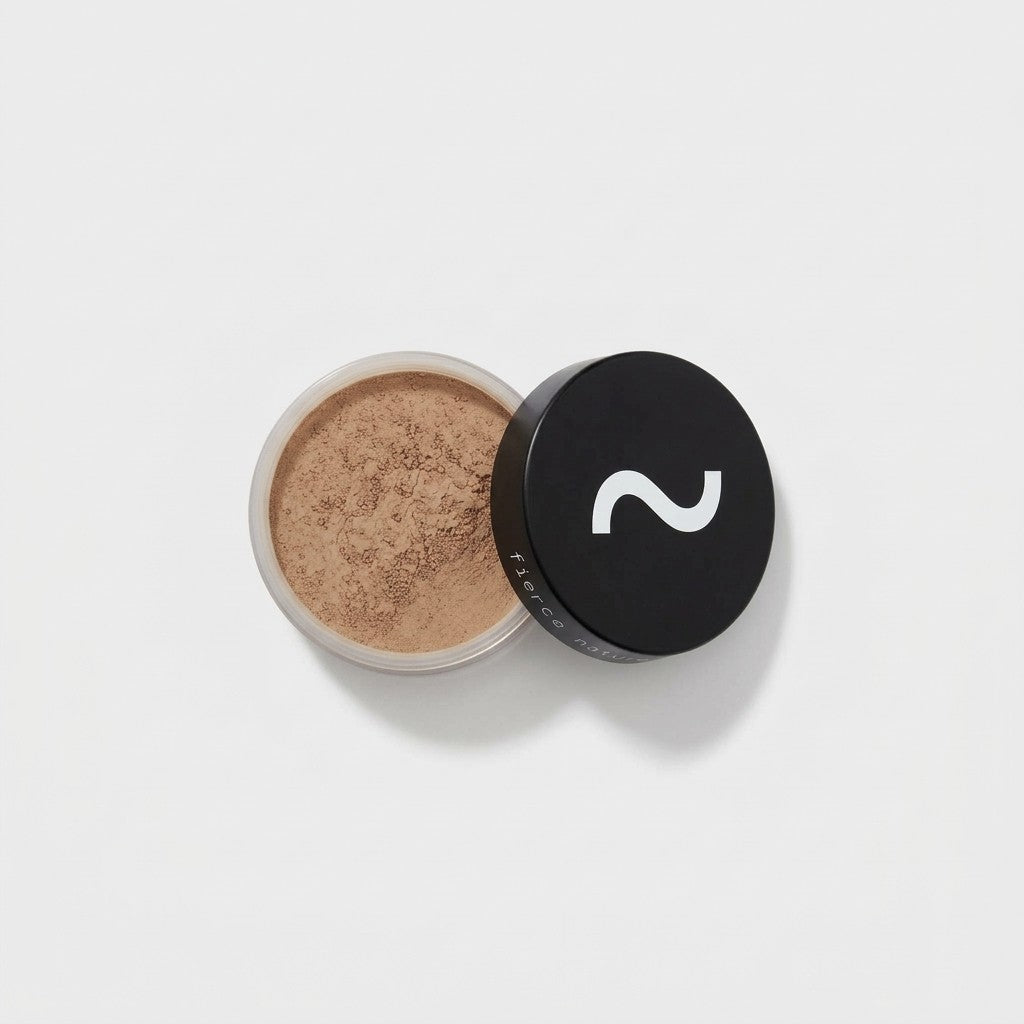
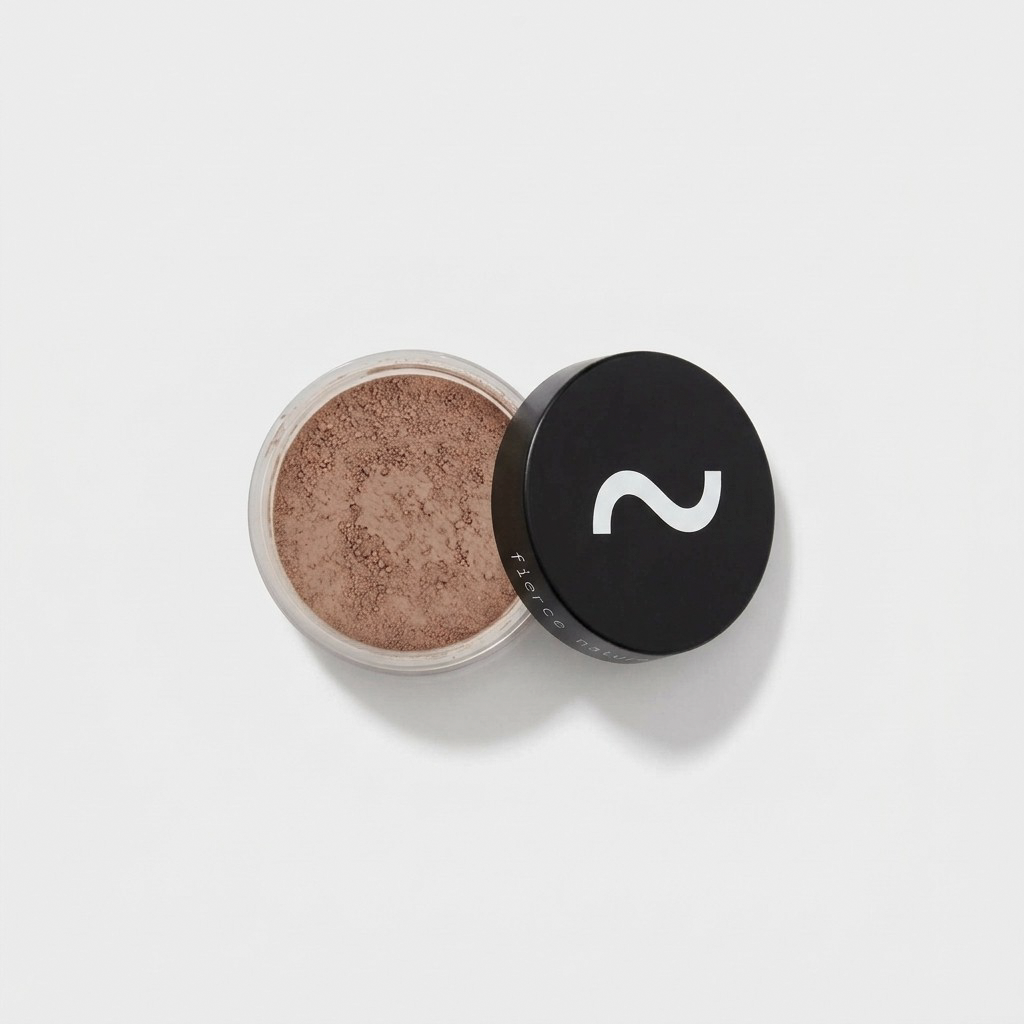
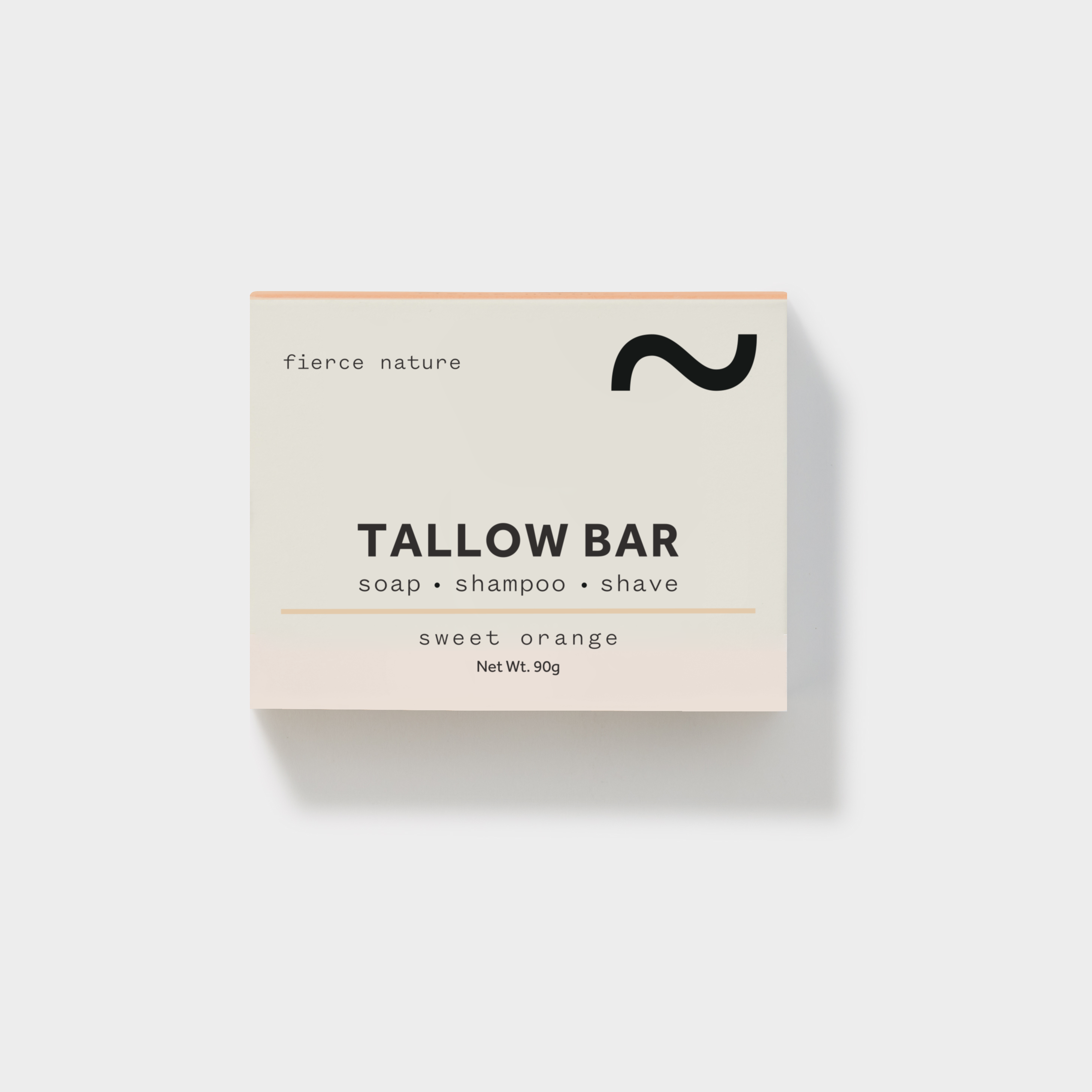
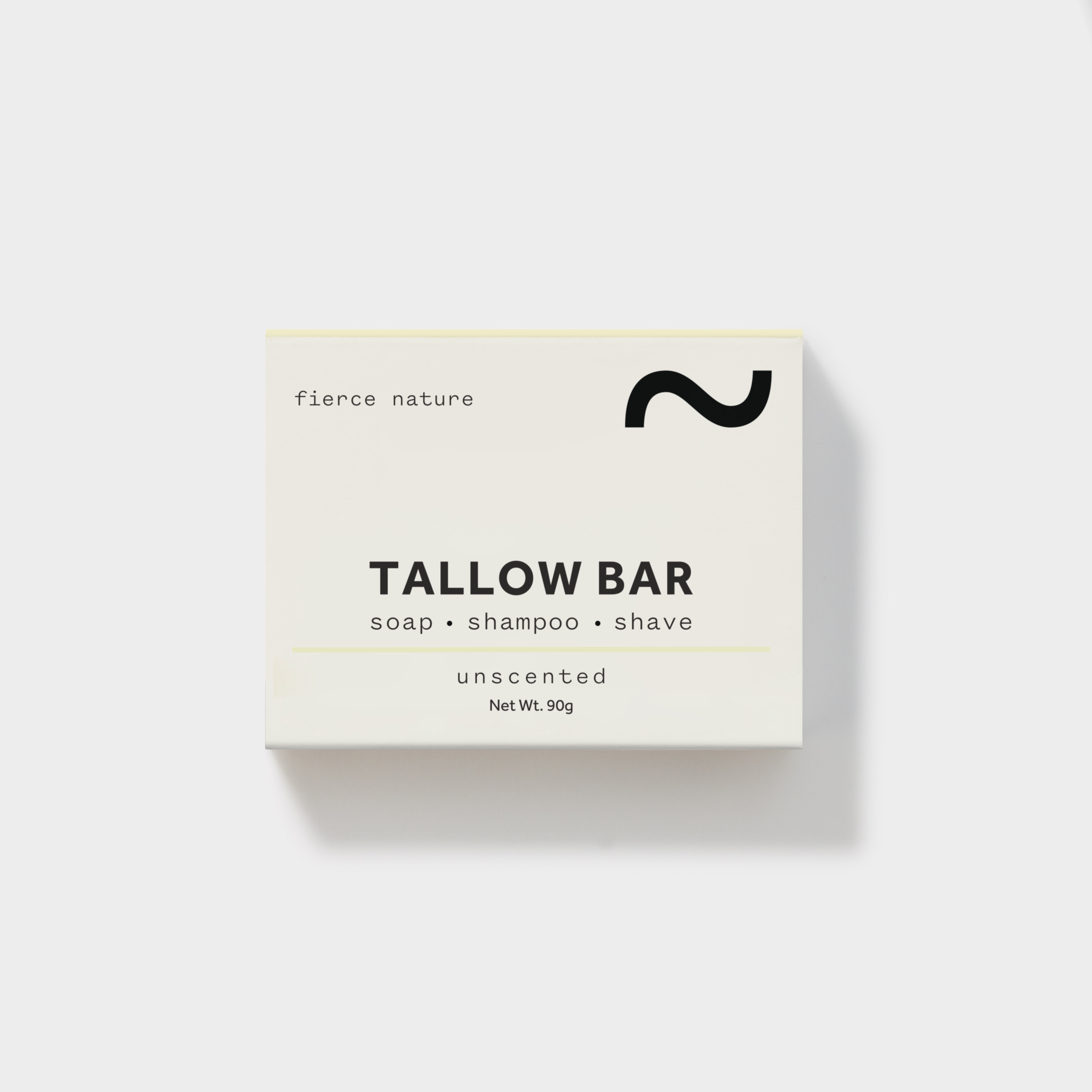

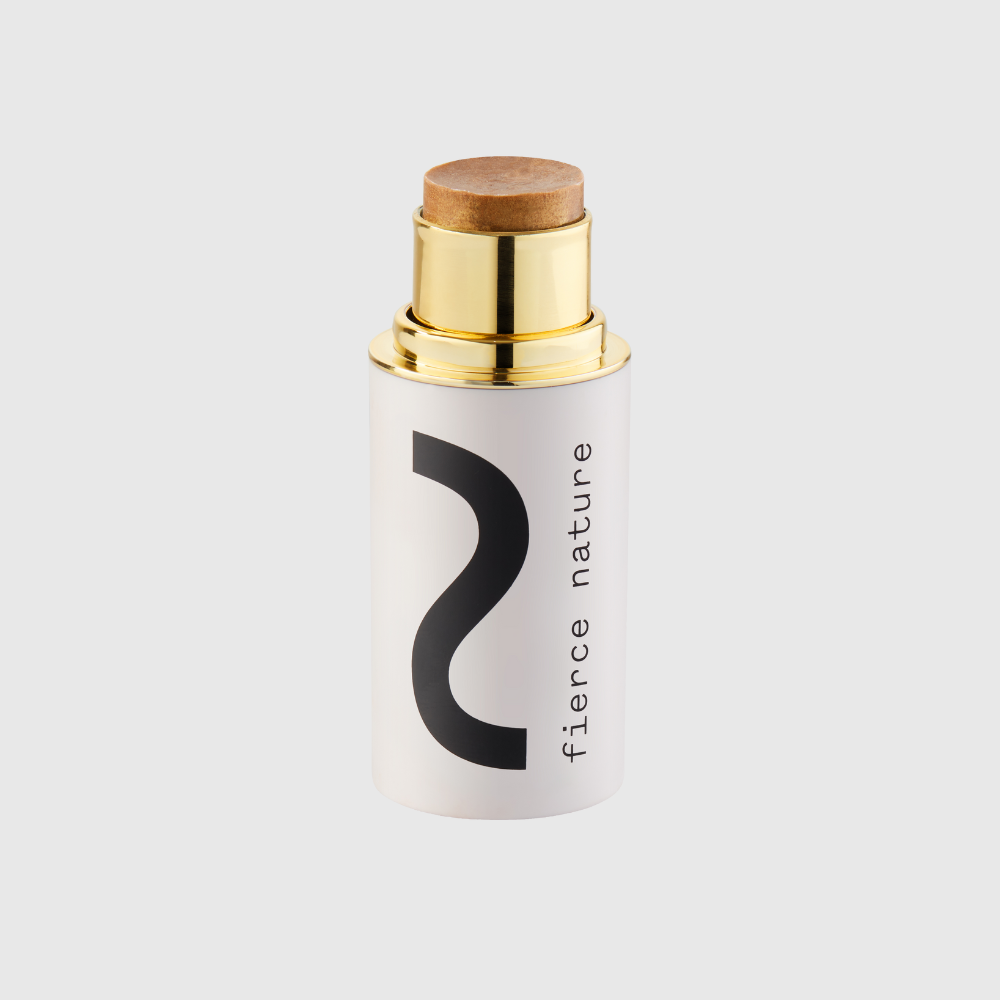
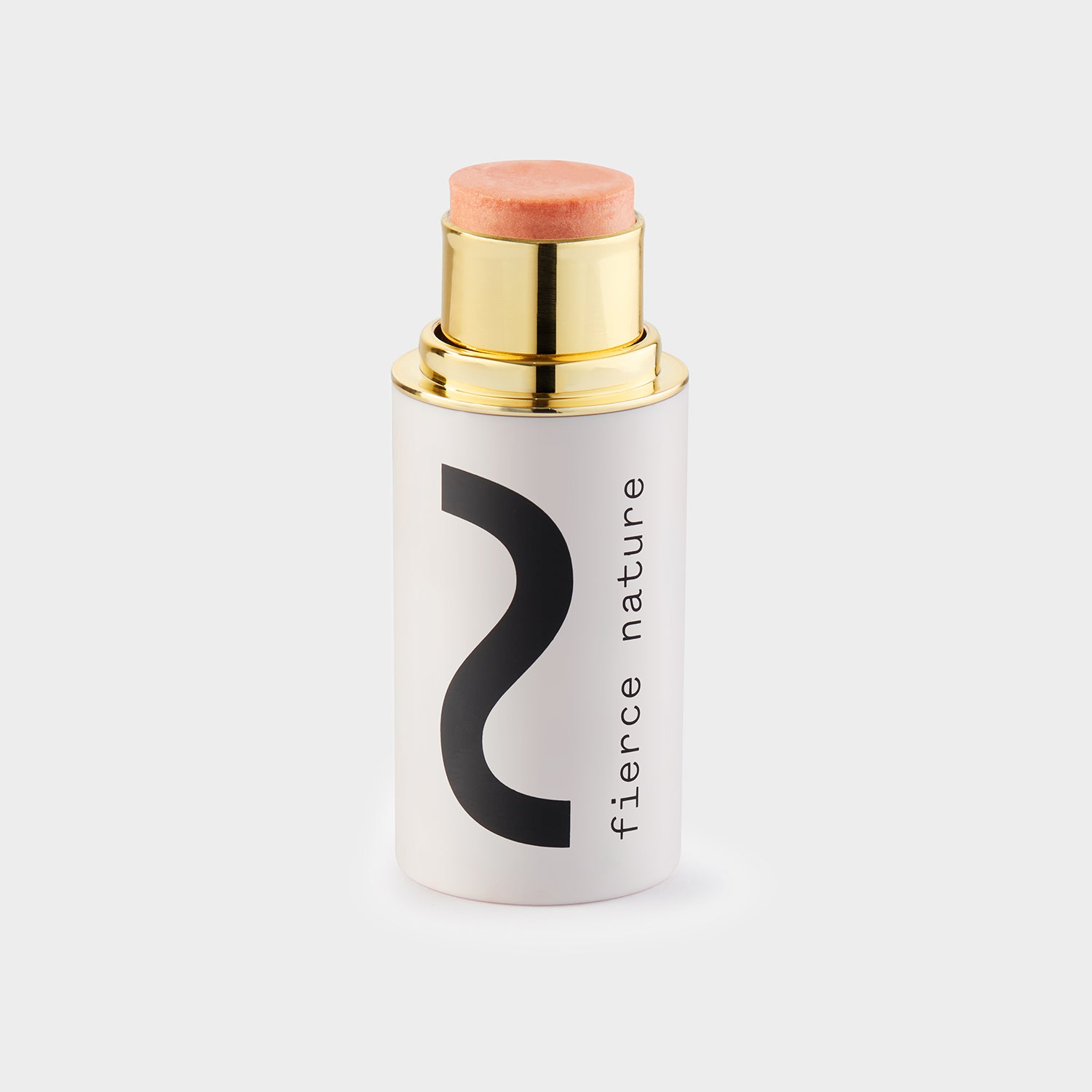
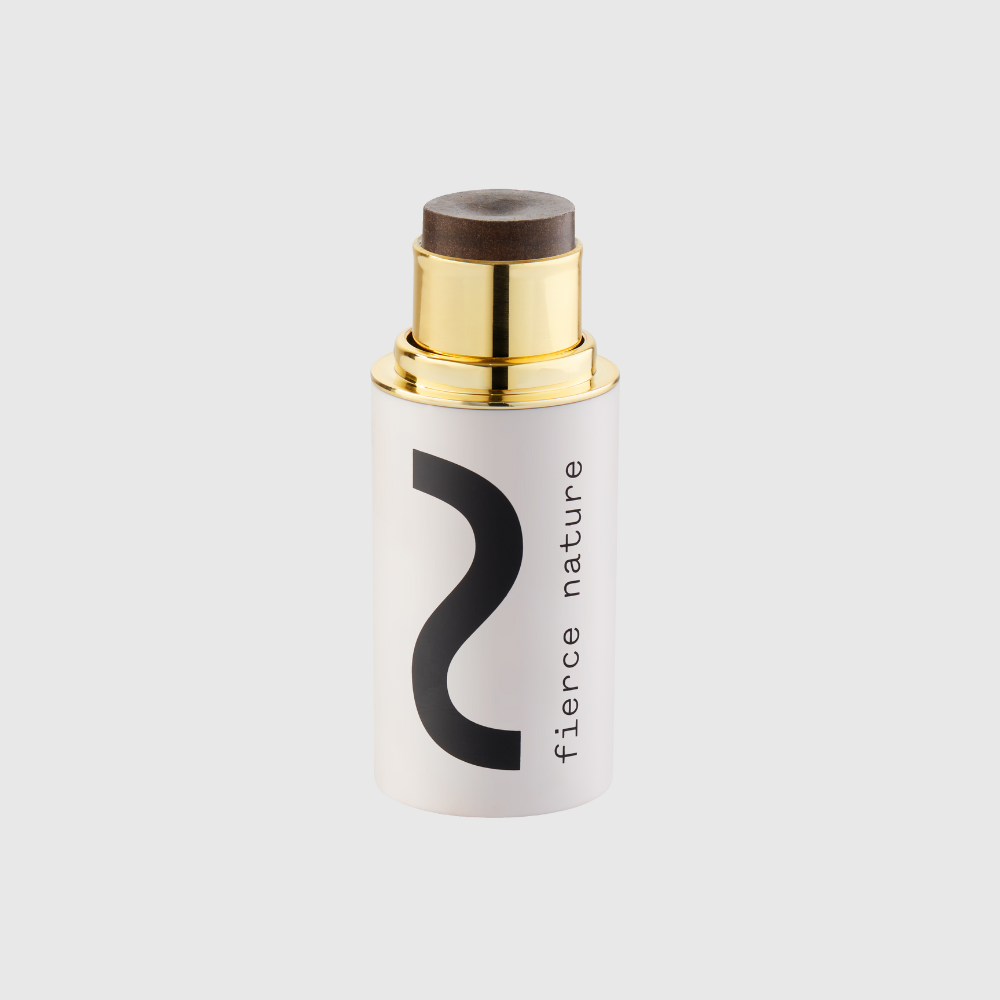
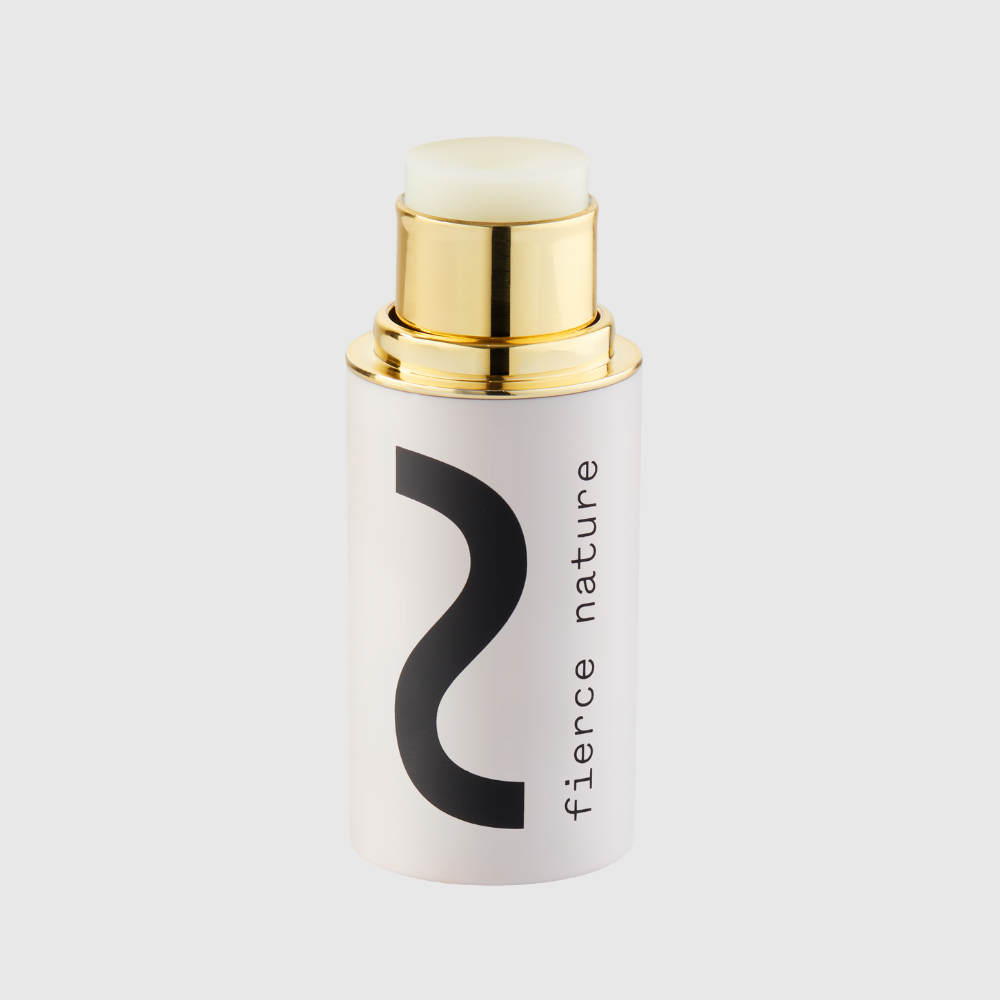
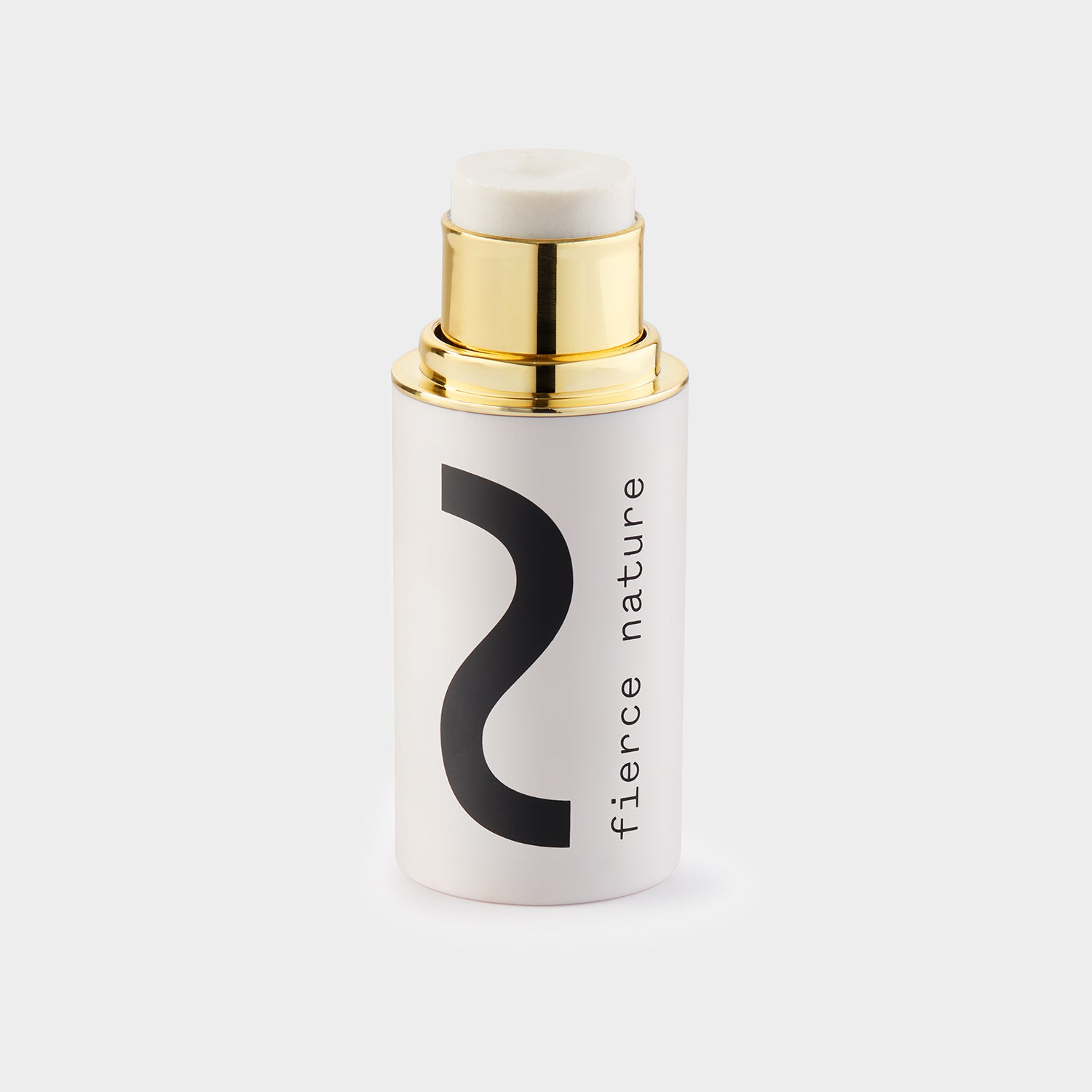
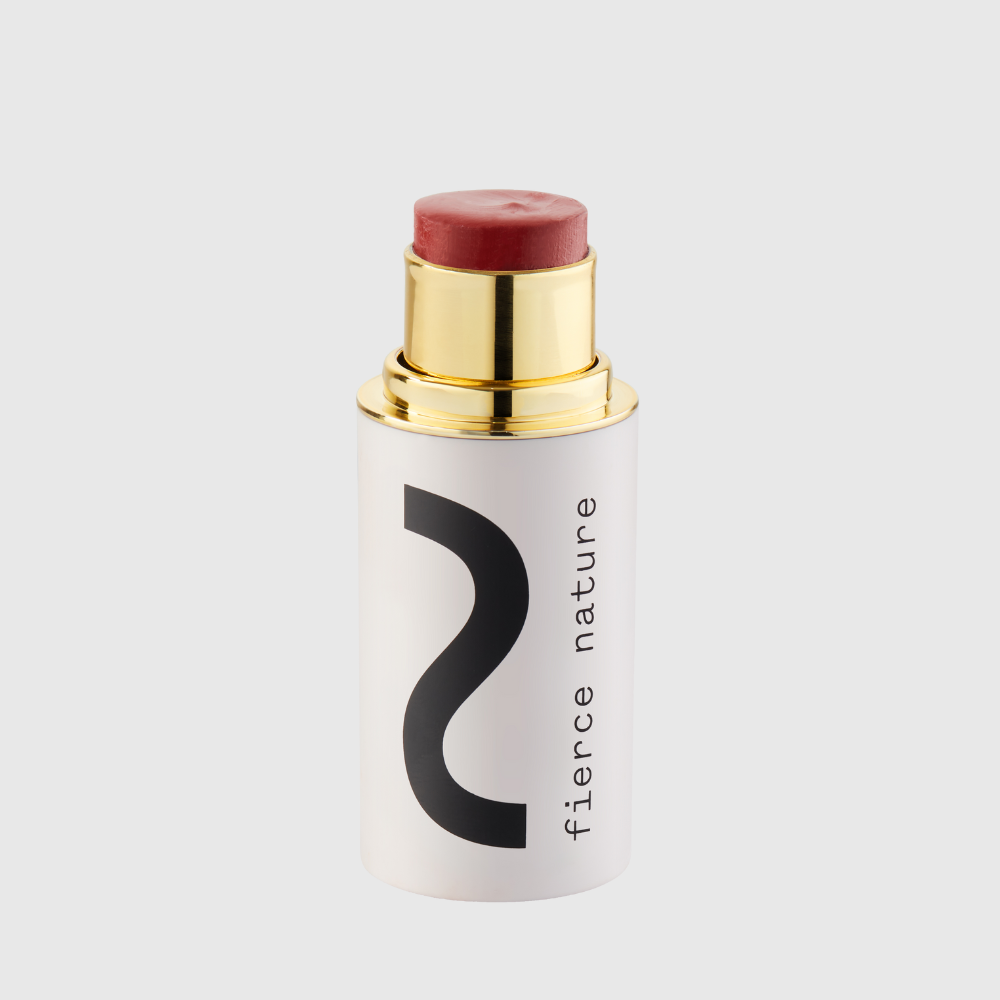
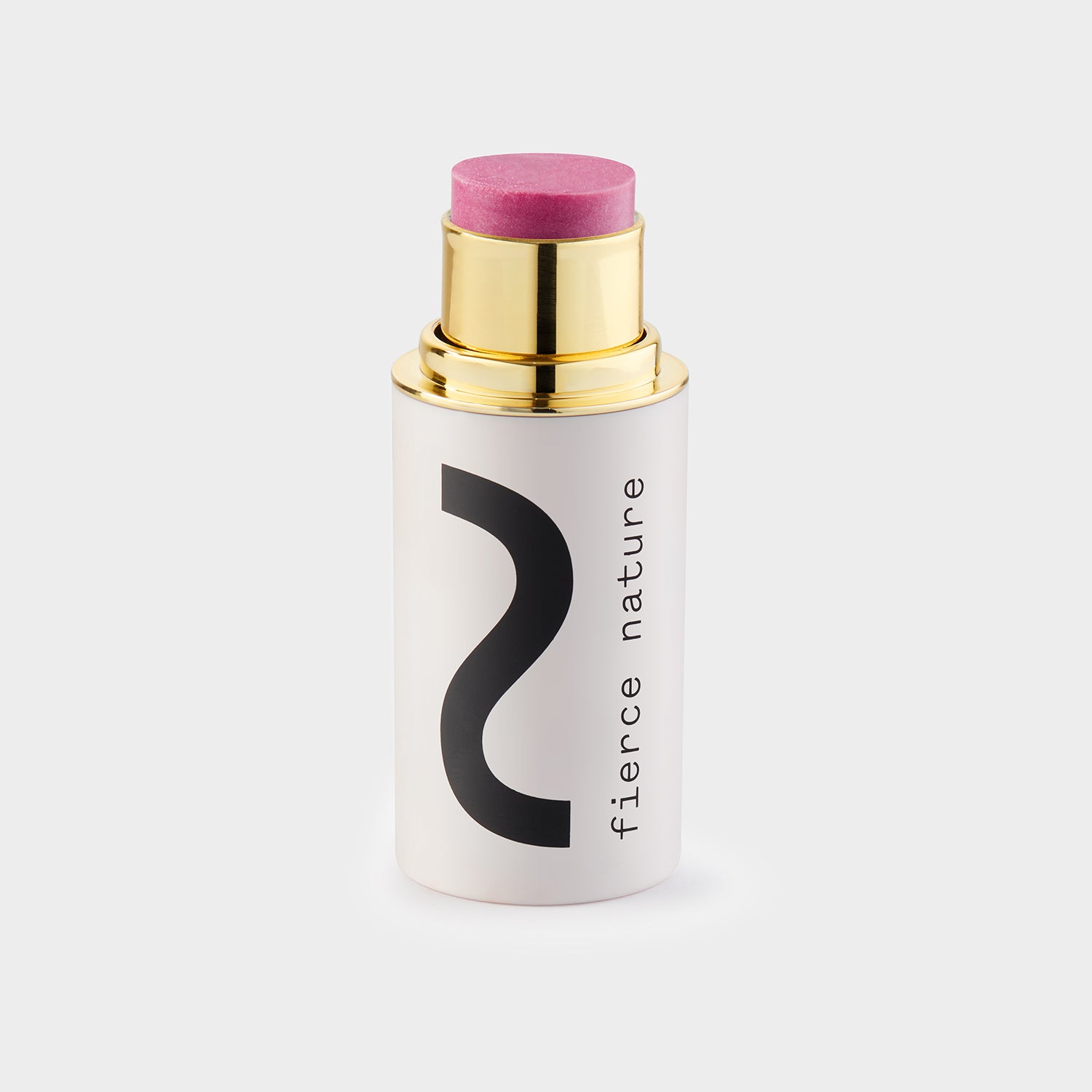
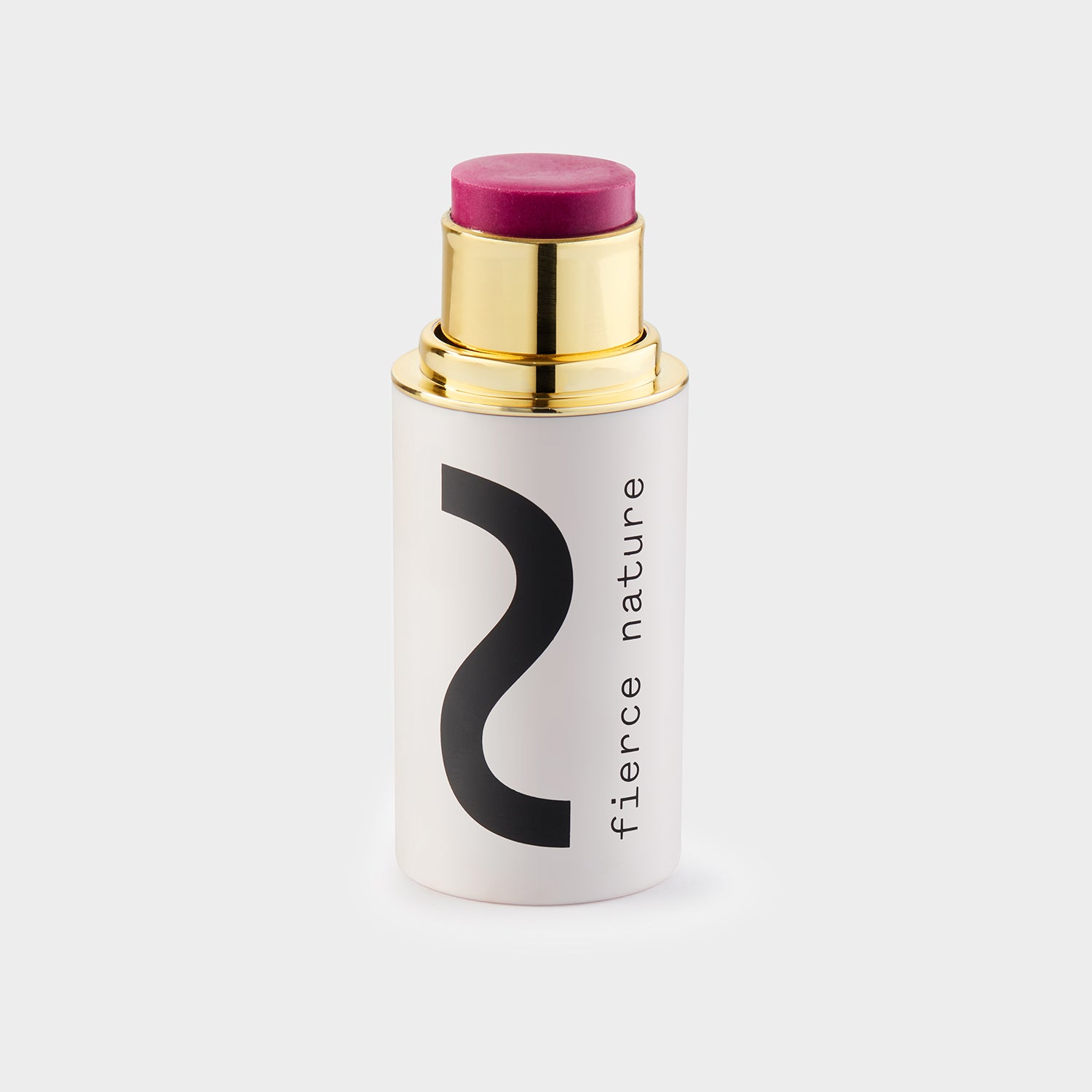
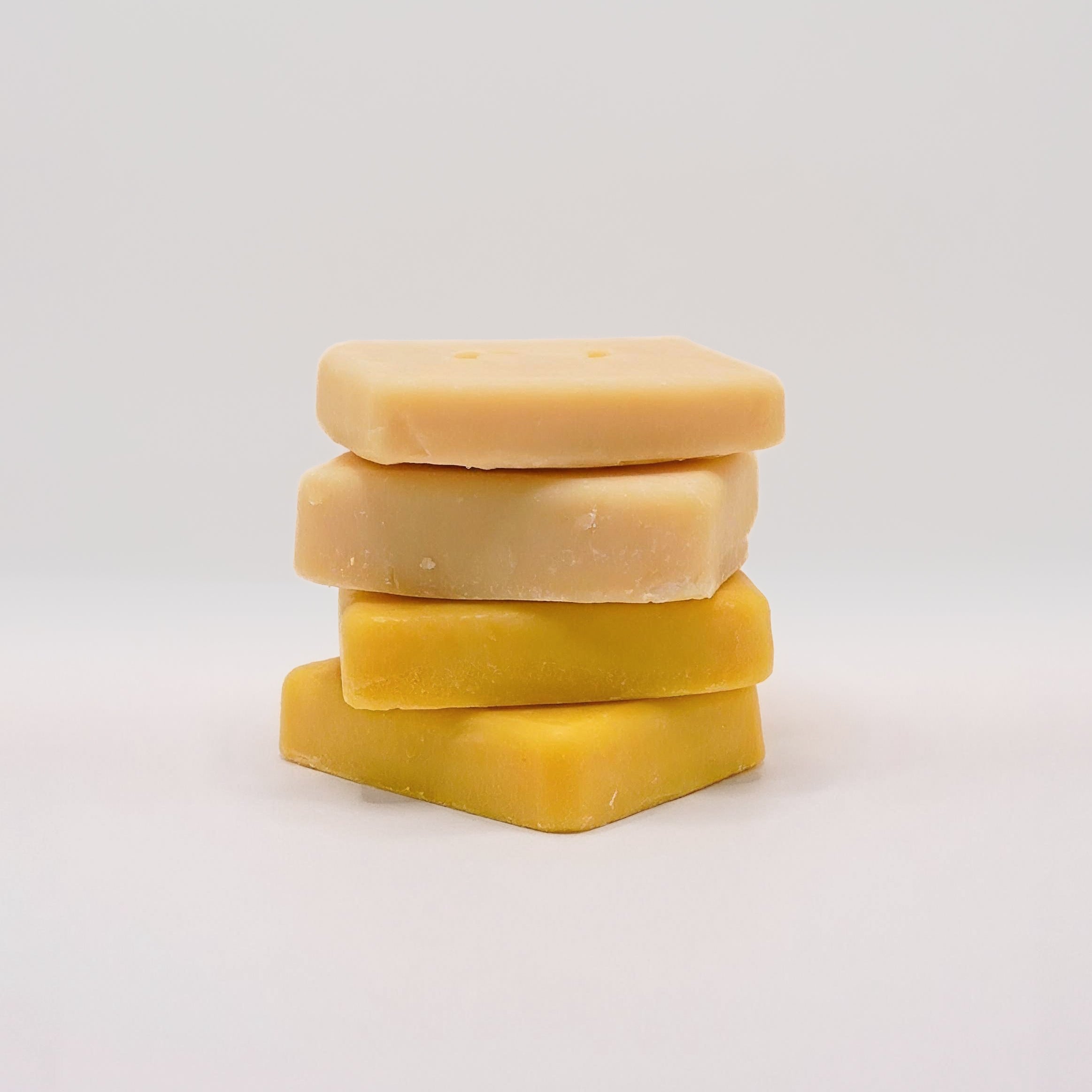



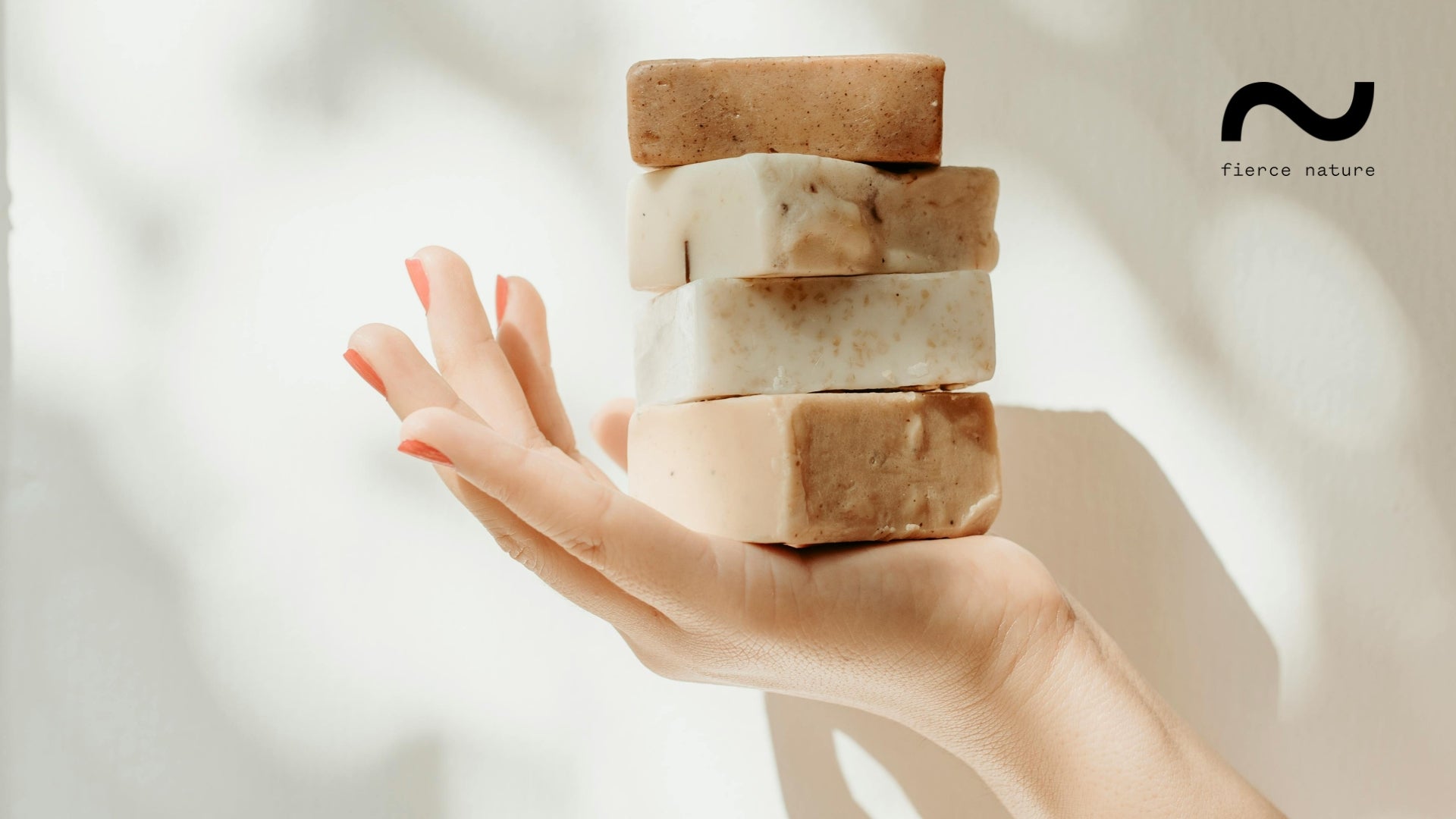
Finding the best soap for dry skin can make a real difference to how your skin feels after washing. If you've ever stepped out of the shower with tight, itchy or flaky skin, your cleansing routine could be contributing to the problem.
While cleansing is essential for removing dirt, sweat and everyday impurities, not every soap is equally suitable for dry or sensitive skin. Some traditional soaps and strongly formulated cleansers can remove too much of the skin's natural oils, leaving it feeling uncomfortable and vulnerable to further moisture loss.
The good news? Choosing a gentler cleanser, understanding which ingredients matter and following a simple moisturising routine can help support healthier-feeling skin.
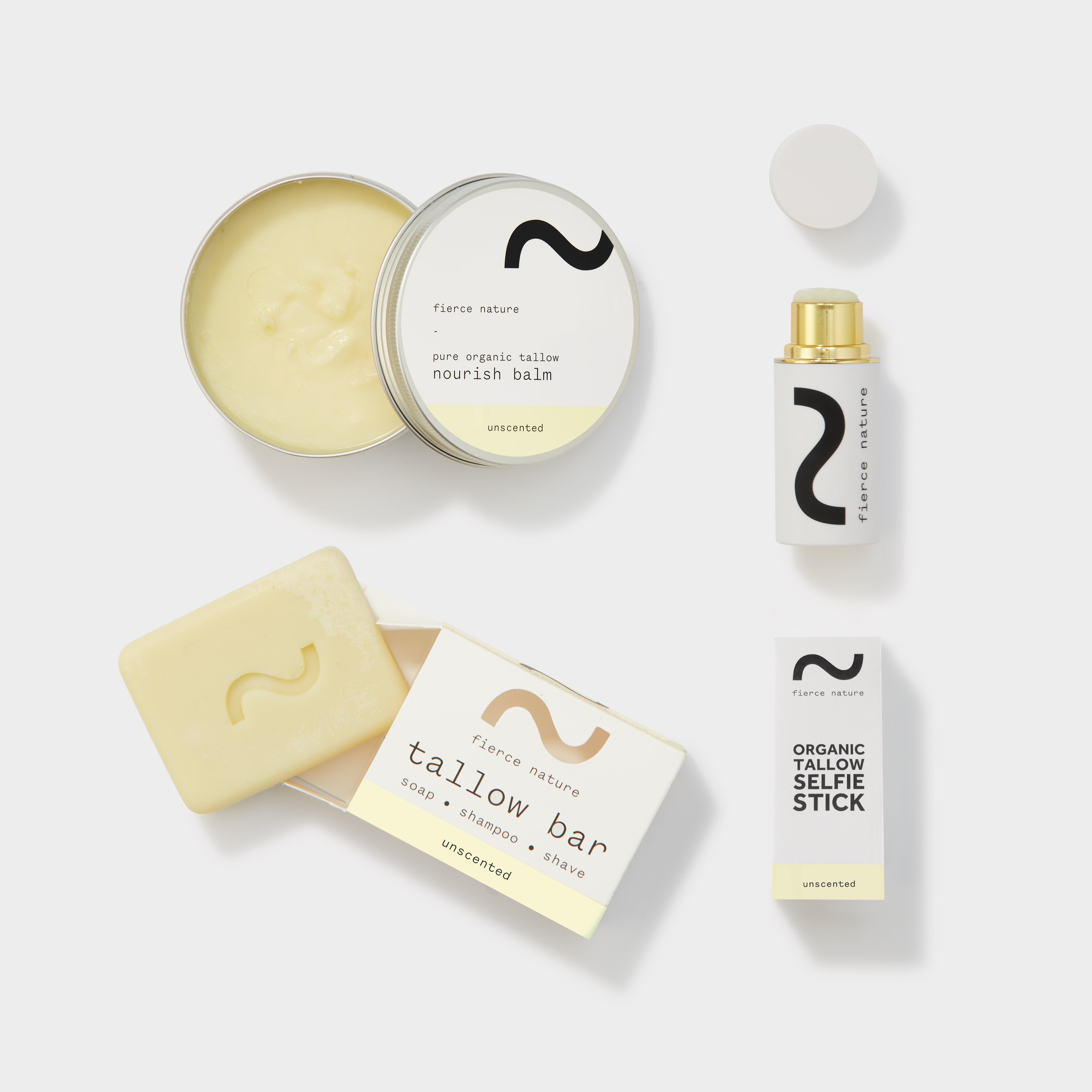
At Fierce Nature, we believe in uncomplicated skincare inspired by traditional ingredients and thoughtful formulations. From tallow-based soaps to nourishing balms, our approach focuses on making everyday skincare simple and considered.
But is natural soap always better for dry skin? Are tallow soaps more moisturising than conventional cleansers? And should you choose a soap bar or a soap-free cleansing bar?
In this guide, we'll explore what makes a cleanser suitable for dry skin, which ingredients to look for, what to avoid and how to choose a cleansing routine that leaves your skin feeling clean without unnecessary tightness.
What is the best soap for dry skin? A mild, preferably fragrance-free cleanser that removes impurities without leaving the skin feeling stripped. Soap-free, pH-balanced cleansing bars are often particularly suitable.
Which ingredients should you look for? Glycerin, shea butter, ceramides and suitable plant oils can contribute to a moisturising formulation, although the complete product formula matters more than any single ingredient.
Is natural soap good for dry skin? Some natural soaps contain nourishing oils and fats, but natural ingredients do not automatically make a cleanser gentle or suitable for sensitive skin.
Is tallow soap good for dry skin? Tallow-based soaps contain fatty-acid-derived cleansing ingredients and may feel conditioning, but their suitability depends on formulation, pH and individual skin tolerance.
Should dry skin avoid fragrance? Fragrance-free products are generally a sensible choice, particularly if your skin is sensitive, irritated or prone to eczema.
Are exfoliating soaps suitable? Gentle exfoliation may be tolerated by some people, but dry or compromised skin often benefits from avoiding abrasive particles and excessive exfoliation.
What should you avoid? Harsh cleansing routines, very hot water, strong fragrances and products that repeatedly leave your skin tight or uncomfortable.
How can you prevent dryness after washing? Use lukewarm water, cleanse gently and apply a suitable moisturiser immediately after patting the skin dry.
Why Choosing the Best Soap for Dry Skin Matters
What Causes Dry Skin?
What Makes a Soap Good for Dry Skin?
Best Soap Ingredients for Dry Skin
Tallow Soap for Dry Skin: What You Should Know
Natural Soap vs Commercial Soap
Soap Bars vs Soap-Free Cleansing Bars
Best Soap for Different Types of Dry Skin
Ingredients to Avoid in Soap for Dry Skin
How to Choose the Best Soap for Dry Skin
How to Wash Dry Skin Without Stripping Moisture
Common Mistakes That Make Dry Skin Worse
How to Build a Moisturising Skincare Routine
Frequently Asked Questions
Final Thoughts
Dry skin requires more than occasional moisturising. The way you cleanse your skin can influence how effectively it retains moisture throughout the day.
Your skin has a protective outer layer called the stratum corneum, which forms part of the skin barrier. This barrier helps reduce water loss and protects against environmental irritants.
When the skin barrier is functioning well, the skin generally feels comfortable, smooth and supple.
However, harsh cleansing, excessive washing and unsuitable skincare products can interfere with this protective function.
Cleansing products contain ingredients called surfactants, which help lift oils, dirt and other impurities from the skin so they can be rinsed away.
Although surfactants are necessary for effective cleansing, some can also remove natural skin lipids or cause irritation, depending on their type, concentration and the overall formulation.
Traditional alkaline soaps may be particularly uncomfortable for some people with very dry or sensitive skin.
This is why choosing the best soap for dry skin involves considering more than whether a product contains moisturising ingredients.
Its cleansing strength, pH, fragrance content and overall formulation also matter.
Your current cleanser may not suit your skin if you regularly experience:
Tightness immediately after washing
Increased flaking or rough patches
Itching after bathing
Persistent dryness despite moisturising
Stinging when applying skincare products
Redness or irritation following cleansing
These symptoms can have several causes, but if they consistently appear after using a particular soap, changing to a gentler cleanser may help.
Dry skin, also known as xerosis, develops when the outer layer of the skin lacks sufficient moisture.
Several factors can contribute to this condition.
The skin barrier contains a mixture of natural lipids, including ceramides, cholesterol and fatty acids.
These help maintain the structure of the outer skin layer and reduce excessive water loss.
When barrier function is disrupted, the skin may become dry, rough or sensitive.
Dry skin often becomes more noticeable during colder months.
Low humidity, cold outdoor air and indoor heating can increase moisture loss, leaving skin feeling uncomfortable.
Long, hot showers can aggravate dryness, particularly when combined with strong cleansers.
Frequent handwashing can also contribute to dry, cracked hands.
As skin ages, changes in oil production and barrier function can make dryness more common.
Mature skin may therefore benefit from gentle cleansing and consistent moisturising.
Conditions such as eczema, psoriasis and contact dermatitis can cause dryness, flaking and irritation.
If you have persistent, painful or inflamed skin, it is important to seek appropriate medical advice rather than relying on soap changes alone.
The best soap for dry skin should cleanse effectively while minimising unnecessary disruption to the skin barrier.
A suitable cleanser should remove everyday impurities without leaving the skin feeling excessively tight.
Mild surfactant systems are often preferable for people with dry or sensitive skin.
Ingredients such as glycerin and certain emollients can help support hydration or improve the feel of a cleansing formula.
However, because soap is rinsed away, a moisturiser applied afterwards is still important.
Healthy skin is naturally mildly acidic.
Many traditional soaps are alkaline, whereas some soap-free cleansing bars are formulated closer to the skin's natural pH.
For people with very dry or eczema-prone skin, a mild soap-free cleanser may be more comfortable than a traditional alkaline soap.
Fragrance-free formulas are often a sensible starting point for sensitive dry skin.
This includes being mindful of essential oils, which can also cause irritation or allergic reactions in some individuals.
Understanding skincare ingredients can help you make more informed choices.
The following ingredients are commonly associated with moisturising or conditioning skincare formulations.
Glycerin is a humectant, meaning it attracts and helps retain water.
It is widely used in skincare products because of its ability to support hydration.
In cleansing products, glycerin may help improve the overall feel of the formula.
Why it matters for dry skin:
Helps attract water
Supports hydration in suitable formulations
Is widely used in moisturising skincare
Shea butter is a plant-derived fat containing fatty acids and other naturally occurring compounds.
It is commonly included in moisturisers and cleansing bars for its emollient properties.
In a rinse-off soap, its effects depend on how the product is formulated.
Ceramides are naturally occurring lipids found in the skin barrier.
They play an important role in maintaining the organisation of the outer skin layer.
Ceramide-containing moisturisers can be particularly useful in dry-skin routines.
Although some cleansers contain ceramides, their benefits should be assessed within the complete formulation rather than assumed from the ingredient label alone.
Olive oil is frequently used in traditional soapmaking.
When converted into soap through saponification, its fatty acids contribute to the cleansing properties of the finished bar.
However, the presence of olive oil does not automatically mean the final soap will be moisturising or suitable for sensitive skin.
Coconut oil is another common ingredient in handmade and natural soaps.
It can contribute to lather and cleansing performance.
However, high proportions of coconut-oil-derived soap can produce a strong cleansing effect that some people with dry skin may find uncomfortable.
The balance of ingredients is therefore important.
Colloidal oatmeal is widely used in products intended for dry or sensitive skin.
It can help soothe and protect the skin in appropriate formulations.
However, coarse oat particles used as physical exfoliants are different from finely processed colloidal oatmeal and may not suit irritated skin.
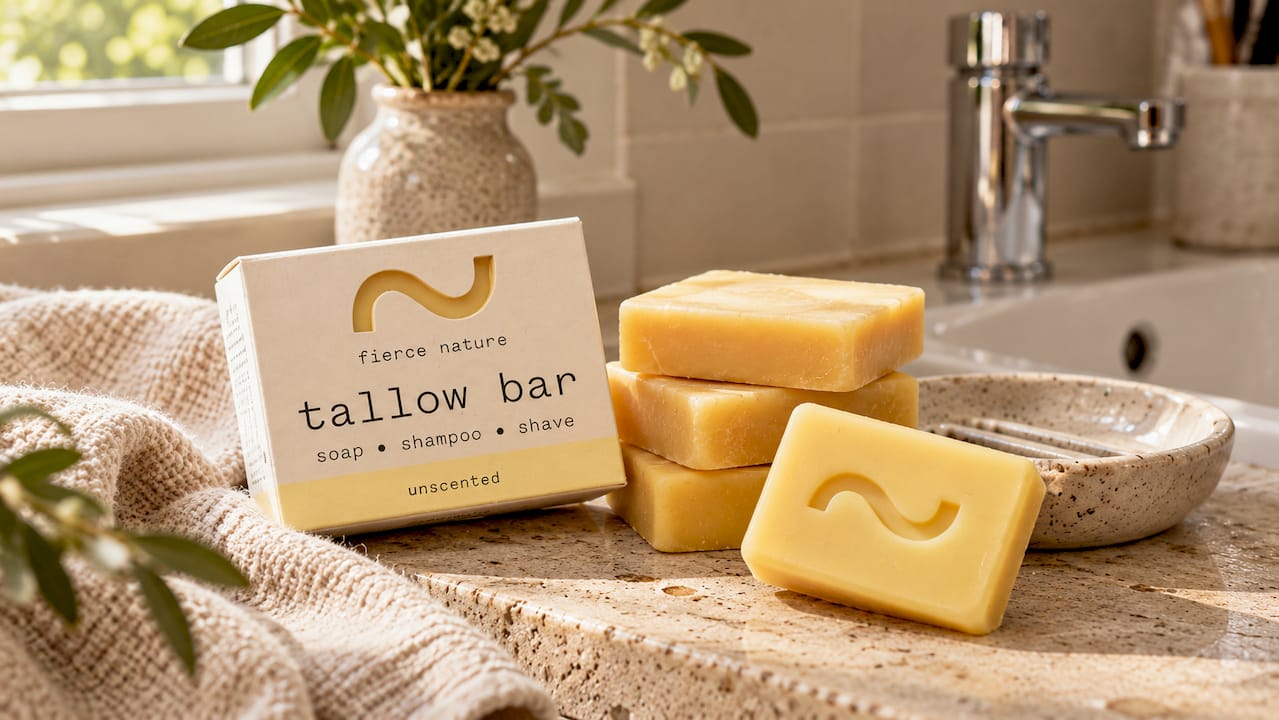
Tallow is a rendered animal fat traditionally used in soapmaking and skincare.
It contains fatty acids that can contribute to the structure, hardness and feel of a soap bar.
Tallow-based soaps may appeal to people who prefer traditional ingredients, although their suitability for dry skin depends on the finished formula.
Tallow soap has attracted renewed attention among people interested in traditional skincare and minimalist formulations.
But is tallow soap actually one of the best soaps for dry skin?
Tallow soap is produced using rendered animal fat, typically beef tallow, as one of the fats involved in the soapmaking process.
During saponification, fats react with an alkali to create soap.
The finished product contains cleansing compounds derived from the original fatty acids.
Tallow has historically been valued for its ability to create firm, long-lasting soap bars.
Its fatty-acid composition can contribute to a creamy lather and the overall structure of the bar.
For people who prefer traditionally made skincare products, tallow soap offers an alternative to formulas based entirely on plant-derived oils.
A well-formulated tallow soap may feel pleasant and conditioning during use.
However, it is important to understand that soap made from tallow is not the same as applying tallow balm directly to the skin.
Saponification changes the original fat into cleansing ingredients.
Traditional tallow soap can also be alkaline, meaning it may not be suitable for everyone with very dry, sensitive or eczema-prone skin.
Tallow soap may appeal to people who:
Prefer traditional soapmaking ingredients
Enjoy solid cleansing bars
Want a straightforward cleansing routine
Are interested in animal-fat-based skincare
Find a particular tallow soap formula comfortable to use
If you have highly reactive skin, a fragrance-free, soap-free cleanser may be a better first choice.
The words natural and commercial are often used to describe very different skincare products.
However, neither term tells you everything about how gentle a cleanser will be.
| Feature | Traditional Natural Soap | Mild Soap-Free Cleanser |
|---|---|---|
| Common ingredients | Saponified oils or fats | Synthetic or blended mild surfactants |
| Typical pH | Usually alkaline | Can be formulated closer to skin pH |
| Fragrance | May contain essential oils | Fragrance-free options available |
| Cleansing strength | Depends on formula | Depends on formula |
| Suitability for very dry skin | Varies considerably | Often a useful option |
| Skin-barrier considerations | Alkalinity may be an issue | Mild formulations may be better tolerated |
Not necessarily.
Natural ingredients can cause irritation or allergic reactions, just as synthetic ingredients can.
For example, certain essential oils and botanical extracts may irritate sensitive skin.
Likewise, some carefully formulated synthetic surfactants can be very mild.
The best soap for dry skin is the one that cleanses effectively without repeatedly irritating or drying your skin, regardless of whether its ingredients are described as natural or synthetic.
Not all cleansing bars are technically soaps.
Understanding the distinction can be especially useful for dry skin.
Traditional soap bars are made through saponification.
They are generally alkaline and can provide effective cleansing.
However, some people with dry or sensitive skin find them too stripping.
Soap-free cleansing bars, sometimes called syndet bars, use surfactants rather than relying on traditional soap chemistry.
These can be formulated to a milder pH and may be better tolerated by people with dry or eczema-prone skin.
If your skin is mildly dry and tolerates a particular traditional soap well, there may be no need to change it.
If your skin is very dry, reactive or prone to eczema, consider a mild, fragrance-free soap-free cleanser.
Not all dry skin behaves the same way.
Choosing a cleanser based on your skin's specific needs can help avoid unnecessary irritation.
For very dry skin, prioritise mild cleansing and fragrance-free formulations.
A soap-free cleansing bar or gentle cream cleanser may be more appropriate than a traditional alkaline soap.
Follow washing with a rich moisturiser.
Sensitive skin may react to fragrance, essential oils, certain preservatives or strong cleansing ingredients.
Choose a gentle, fragrance-free product with a straightforward formulation.
Patch-test new products if you are prone to reactions.
Dryness and itching often occur together.
A mild cleanser may help reduce additional irritation, but persistent itching can also indicate eczema, dermatitis or another condition.
Seek medical advice if itching is severe, recurrent or accompanied by inflamed skin.
Hands are frequently exposed to washing, cleaning products and environmental conditions.
Choose a mild hand cleanser and apply hand cream regularly, especially after washing.
A richer moisturiser can be useful before bedtime.
Mature skin may become more vulnerable to dryness.
A gentle cleanser paired with a moisturiser containing ingredients such as glycerin, ceramides or petrolatum can help support the skin barrier.
For dry body skin, choose a mild body cleanser and avoid excessive scrubbing.
You may not need to apply cleanser to every area of the body during every shower.
Focus on areas that require cleansing and moisturise after bathing.
No single ingredient is automatically unsuitable for everyone.
However, certain product characteristics may be more likely to cause problems for people with dry or sensitive skin.
Fragrance ingredients can cause irritation or allergic contact dermatitis in susceptible individuals.
Fragrance-free options are often preferable for sensitive skin.
Some products remove too much of the skin's natural oils.
If a cleanser consistently leaves your skin tight or uncomfortable, consider switching to a milder alternative.
Rough exfoliating ingredients may aggravate already dry or inflamed skin.
Avoid aggressive scrubbing, particularly if your skin barrier is compromised.
Essential oils are natural, but they are not automatically non-irritating.
Some can trigger sensitivity, especially when used in concentrated formulas.
If a cleanser causes persistent stinging, burning or irritation, discontinue use.
Seek professional advice if symptoms continue.
When comparing soaps, use the following checklist.
Determine whether the product is a traditional soap or a soap-free cleansing bar.
For very dry skin, a mild soap-free formula may be a sensible starting point.
Look for ingredients that suit your skin and avoid known triggers.
Do not assume that a product is moisturising simply because it contains an oil or butter.
Fragrance-free products are generally preferable for people with sensitive or eczema-prone skin.
A cleanser suitable for mildly dry skin may not be appropriate for severe dryness or an active eczema flare.
After cleansing, your skin should feel comfortable rather than excessively tight, itchy or irritated.
Even a gentle cleanser cannot replace the benefits of a suitable leave-on moisturiser.
Choosing the right cleanser is only part of the solution.
How you wash your skin also matters.
Very hot water can worsen dryness and discomfort.
Choose comfortably warm water instead.
You do not need large amounts of soap to clean the skin effectively.
Apply only what is needed.
Use your hands or a soft cloth without aggressive rubbing.
Avoid rough exfoliating gloves and brushes when your skin is dry or irritated.
Remove the cleanser without prolonged exposure to hot water.
Use a soft towel and gently pat rather than rub.
Apply a suitable moisturiser while the skin is still slightly damp.
This helps reduce moisture loss and supports skin comfort.
Even when using a good cleanser, certain habits can contribute to dryness.
Extended exposure to hot water can aggravate dry skin.
Better approach: Keep showers relatively short and use lukewarm water.
Repeated cleansing can contribute to dryness, particularly on the hands.
Better approach: Wash as needed for hygiene and use moisturiser afterwards.
Frequent physical or chemical exfoliation may worsen dryness and sensitivity.
Better approach: Reduce exfoliation when your skin feels irritated or compromised.
Some natural soaps contain fragrance ingredients or have an alkaline pH.
Better approach: Evaluate the complete formula and your skin's response.
Cleansing alone does not provide the same lasting barrier support as a suitable moisturiser.
Better approach: Apply moisturiser consistently, particularly after bathing.
A simple routine can often be more manageable than using numerous products.
1. Gentle cleansing
If needed, use a mild cleanser that does not leave your skin feeling stripped.
2. Moisturising
Apply a suitable moisturiser to support hydration.
3. Sun protection
Use broad-spectrum SPF 30 or higher on exposed skin.
1. Remove everyday impurities
Cleanse gently to remove sunscreen, makeup and dirt.
2. Apply moisturiser
Choose a product appropriate for your skin type.
3. Add richer moisture where needed
Very dry areas may benefit from a richer balm or ointment, provided the formula suits your skin.
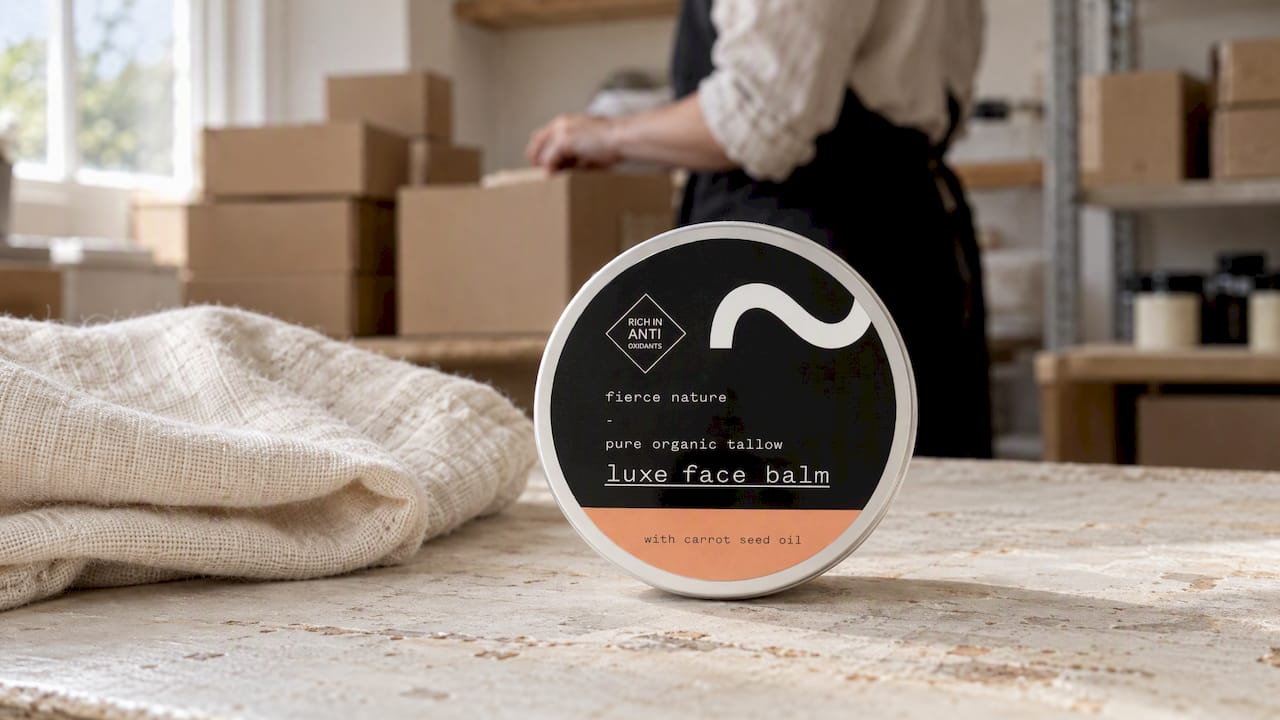
For people who enjoy traditional skincare ingredients, tallow-based products may be one option within a moisturising routine.
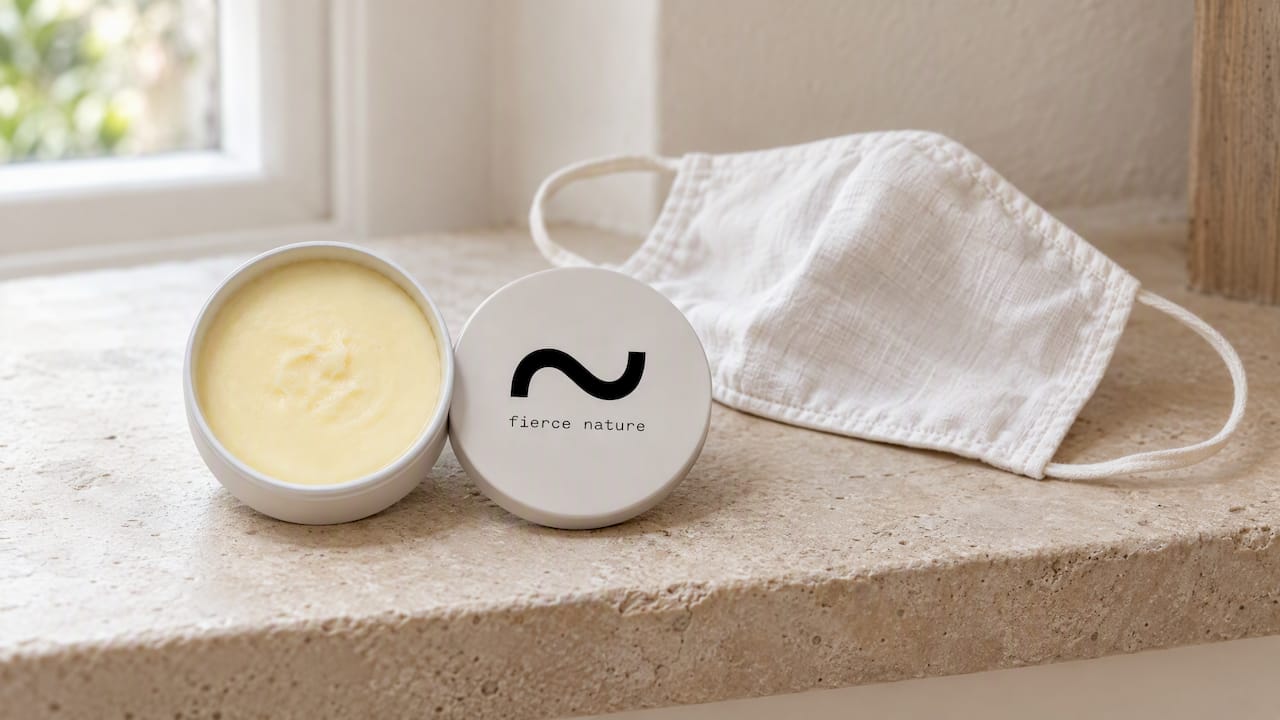
A tallow balm functions differently from tallow soap because it remains on the skin rather than being rinsed away.
However, individual tolerance varies, and people with highly sensitive or eczema-prone skin may benefit from dermatologist-recommended fragrance-free products.
At Fierce Nature, our approach to skincare centres on thoughtful ingredients and simple routines.
Explore our Fierce Nature skincare collection to discover products that may complement your everyday skincare preferences.
The best soap for dry skin is a mild cleanser that removes impurities without causing tightness or irritation. Fragrance-free, soap-free cleansing bars are often a good option, particularly for very dry or sensitive skin.
Tallow soap may be comfortable for some people, depending on its formulation. However, traditional tallow soap is generally alkaline and may not suit very dry or sensitive skin.
Glycerin can support hydration, but the overall cleansing formula determines how gentle the product is. A glycerin-containing soap is not automatically suitable for everyone with dry skin.
Not necessarily. Some people tolerate traditional soap well, while others benefit from switching to a mild soap-free cleanser.
A gentle, fragrance-free cleanser is often a sensible choice. If itching is persistent or severe, consult a healthcare professional to identify the underlying cause.
Natural soap is not automatically better. Ingredients, pH, fragrance content and overall formulation are more useful indicators of suitability.
Yes. Some soaps can remove natural oils and disrupt the skin barrier, contributing to dryness and discomfort.
Shea butter may contribute conditioning properties to a formula, but the finished cleanser's performance depends on all its ingredients.
During colder months, a mild, fragrance-free cleanser combined with consistent moisturising is generally a good approach.
Some mild cleansers are suitable for both, but facial skin may be more sensitive. Always follow the product's intended use and consider your individual skin needs.
Neither format is inherently better. Both bars and liquids can be formulated to be gentle or harsh. The ingredients and cleansing system matter more than the format.
Wash as needed for hygiene, but avoid unnecessary prolonged washing. For body cleansing, short showers and gentle products can help minimise dryness.
Coconut oil contributes fatty acids to soapmaking, but the finished soap may still be strongly cleansing. Its suitability depends on the complete formulation.
If your skin is irritated, flaky or sensitive, abrasive exfoliating soaps may make matters worse. Gentle cleansing and moisturising are usually more important.
Apply a suitable moisturiser promptly after washing. Products containing humectants, emollients and occlusive ingredients can help support hydration and reduce water loss.
Finding the best soap for dry skin isn't about choosing the most expensive product or the one with the longest ingredient list.
It's about understanding what your skin needs and selecting a cleanser that works with your skin barrier rather than leaving it feeling stripped.
Ingredients such as glycerin, shea butter, ceramides and traditional soapmaking fats can all have roles in skincare formulations. However, the gentleness of the finished product matters more than any individual ingredient.
For people with very dry or sensitive skin, a mild, fragrance-free, soap-free cleanser may be the most comfortable choice.
For those who enjoy traditionally made soap, carefully formulated tallow-based bars may also be worth considering if the skin tolerates them well.
Whichever cleanser you choose, remember that moisturising after washing is an essential part of caring for dry skin.
At Fierce Nature, we believe that skincare should be simple, considered and suited to your individual needs.
Explore the Fierce Nature Skincare Collection and discover traditional-inspired skincare products for your everyday routine.
Disclaimer: This article is intended for general skincare education and does not replace professional medical advice. Persistent dryness, cracking, bleeding, inflammation or severe itching may require assessment by a qualified healthcare professional.
For more information about us feel free to visit -> Fierce Nature
Recommended Links


test —
test’
test —
test
* —
test