Cart
0
80% Also Added this

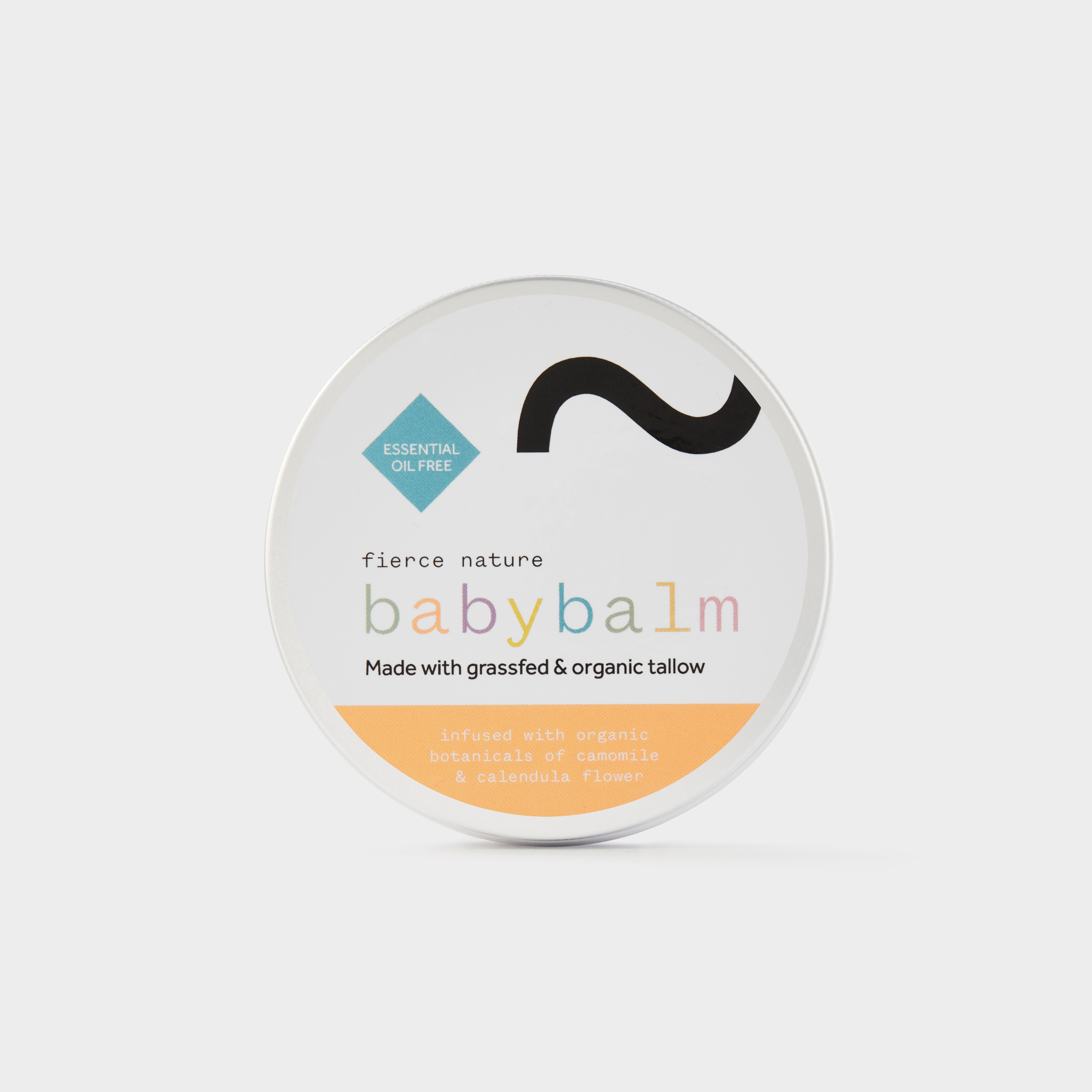
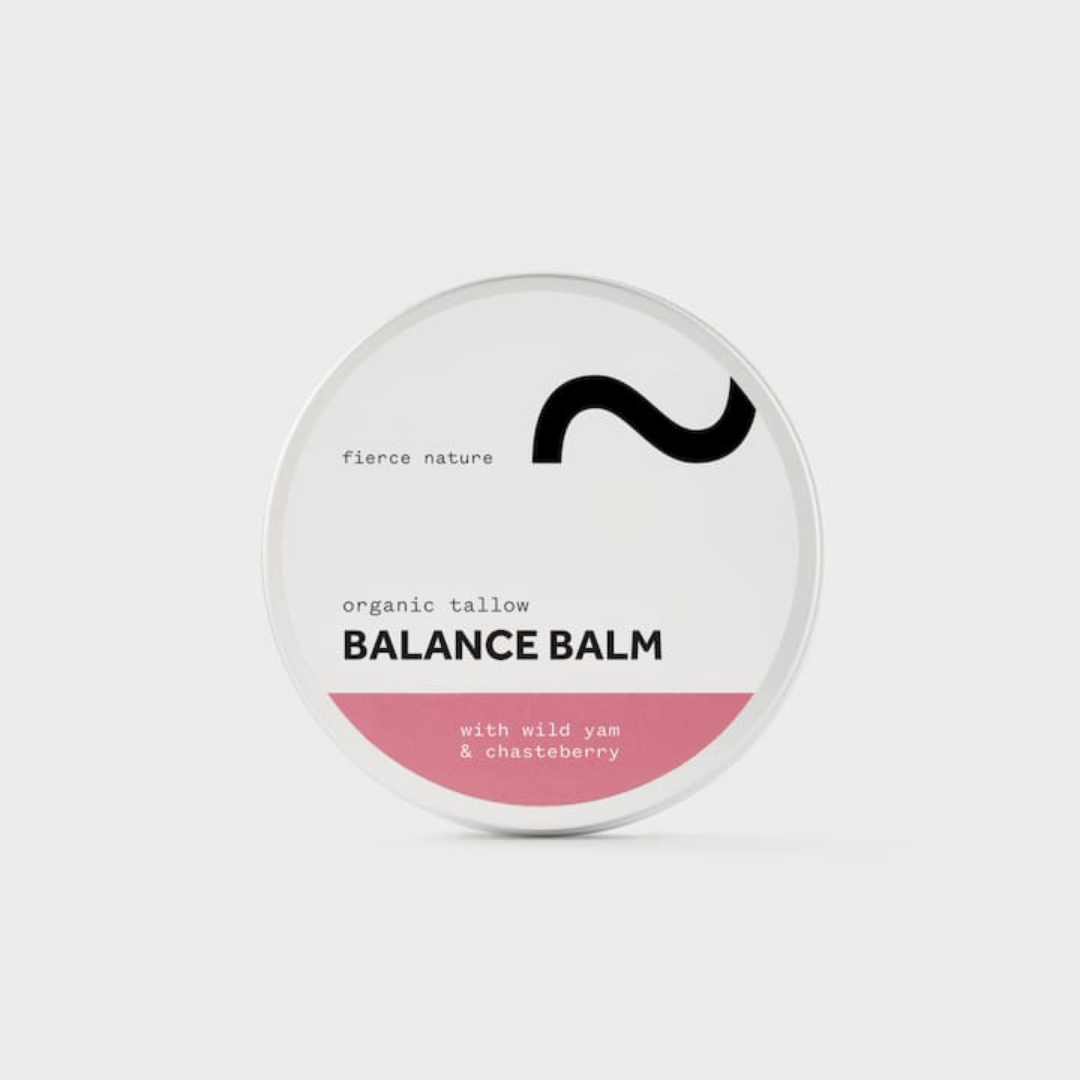
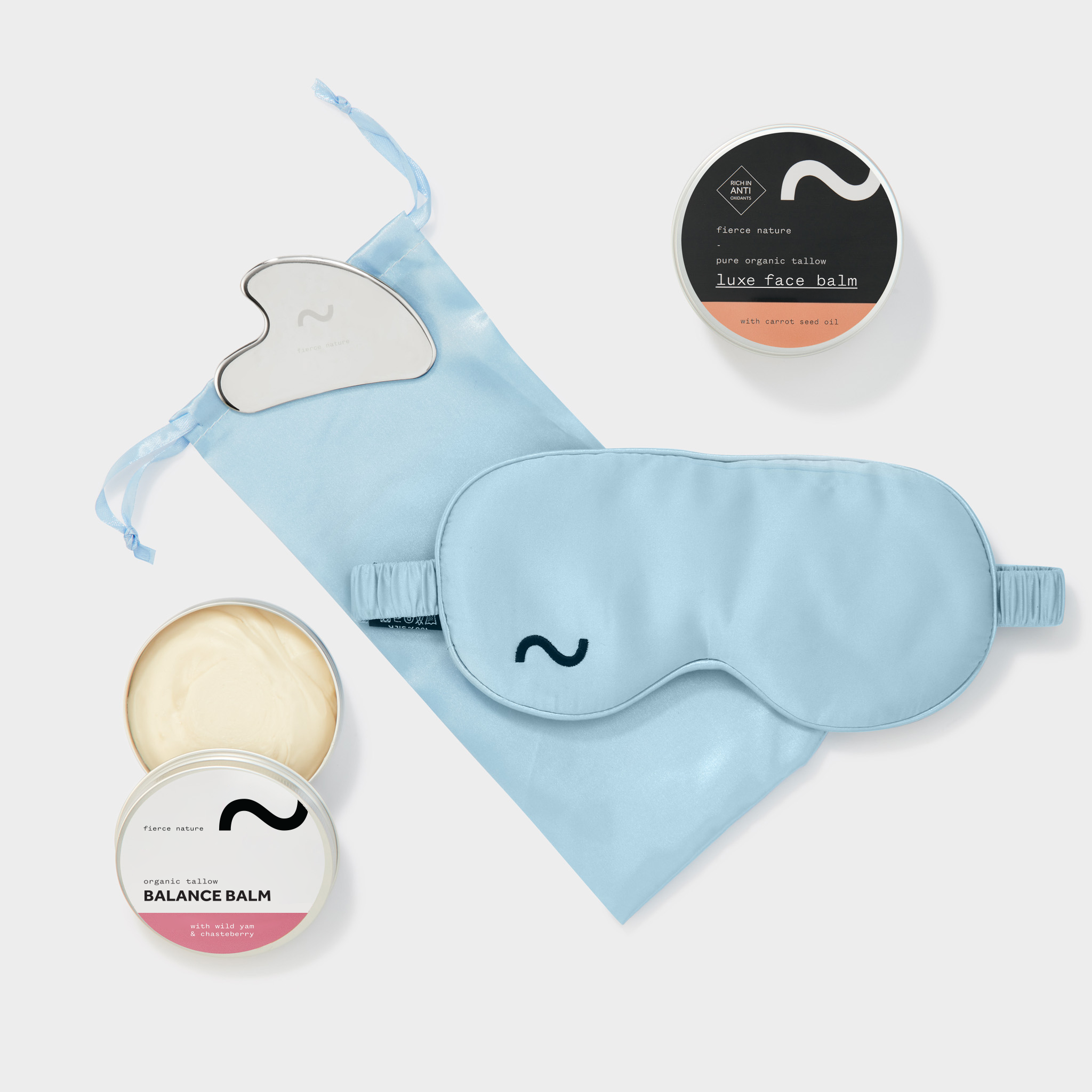
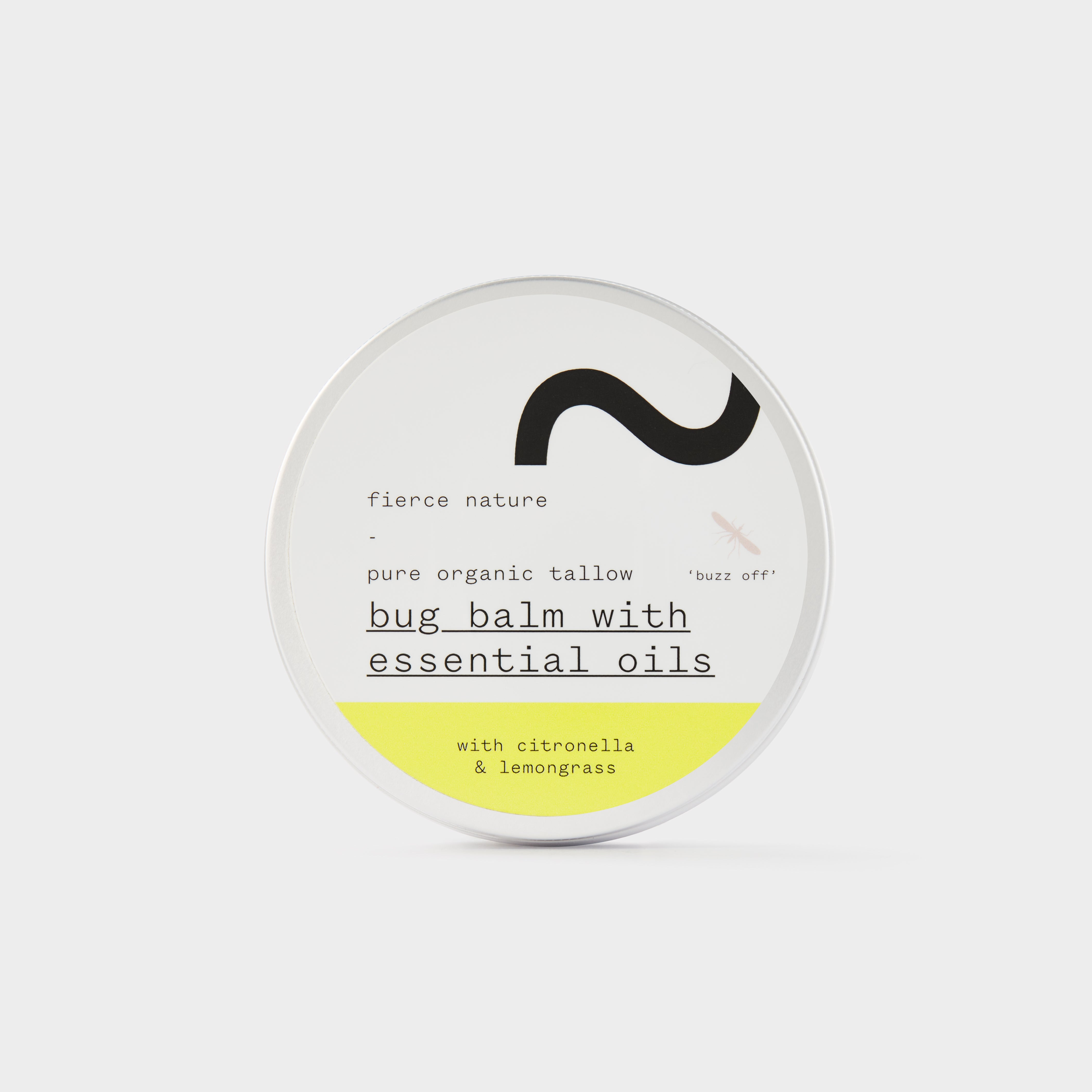

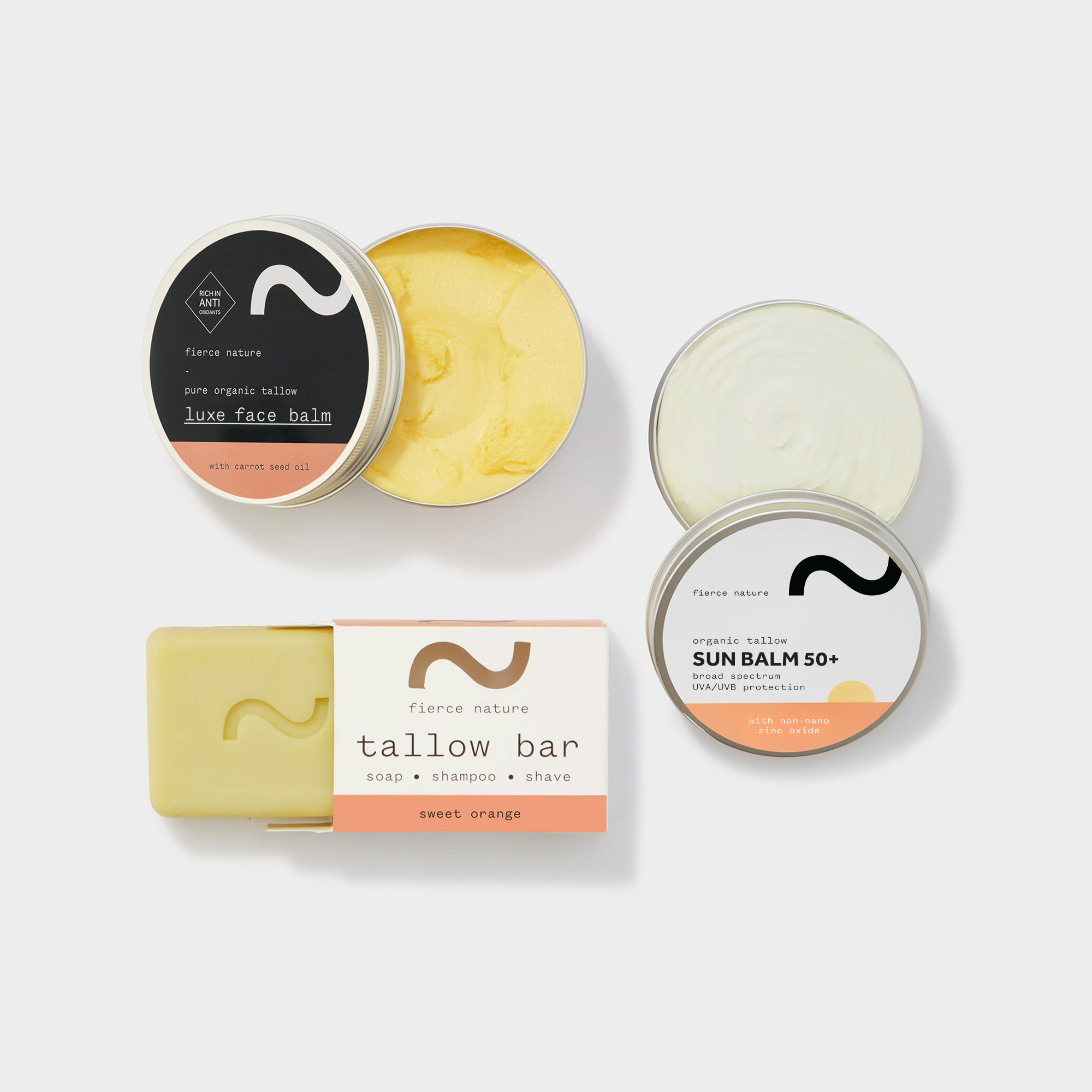
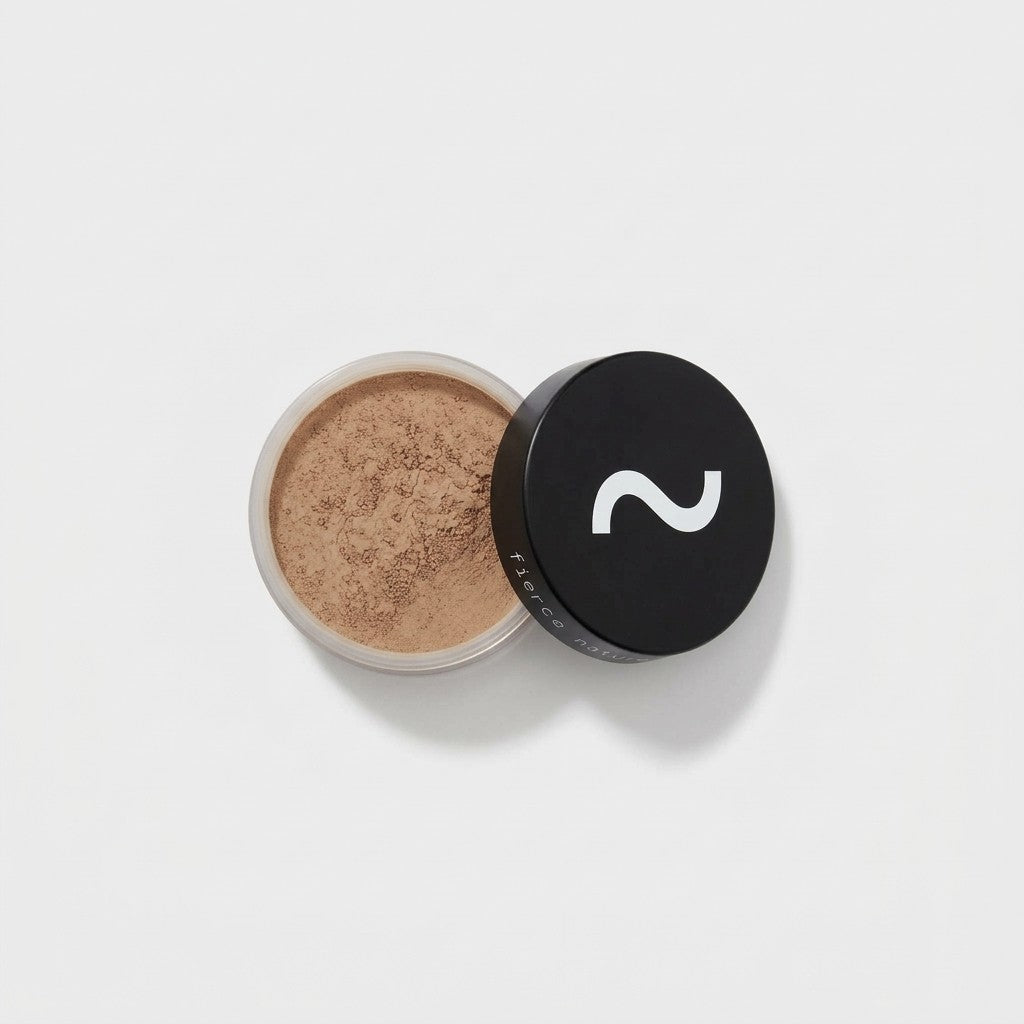
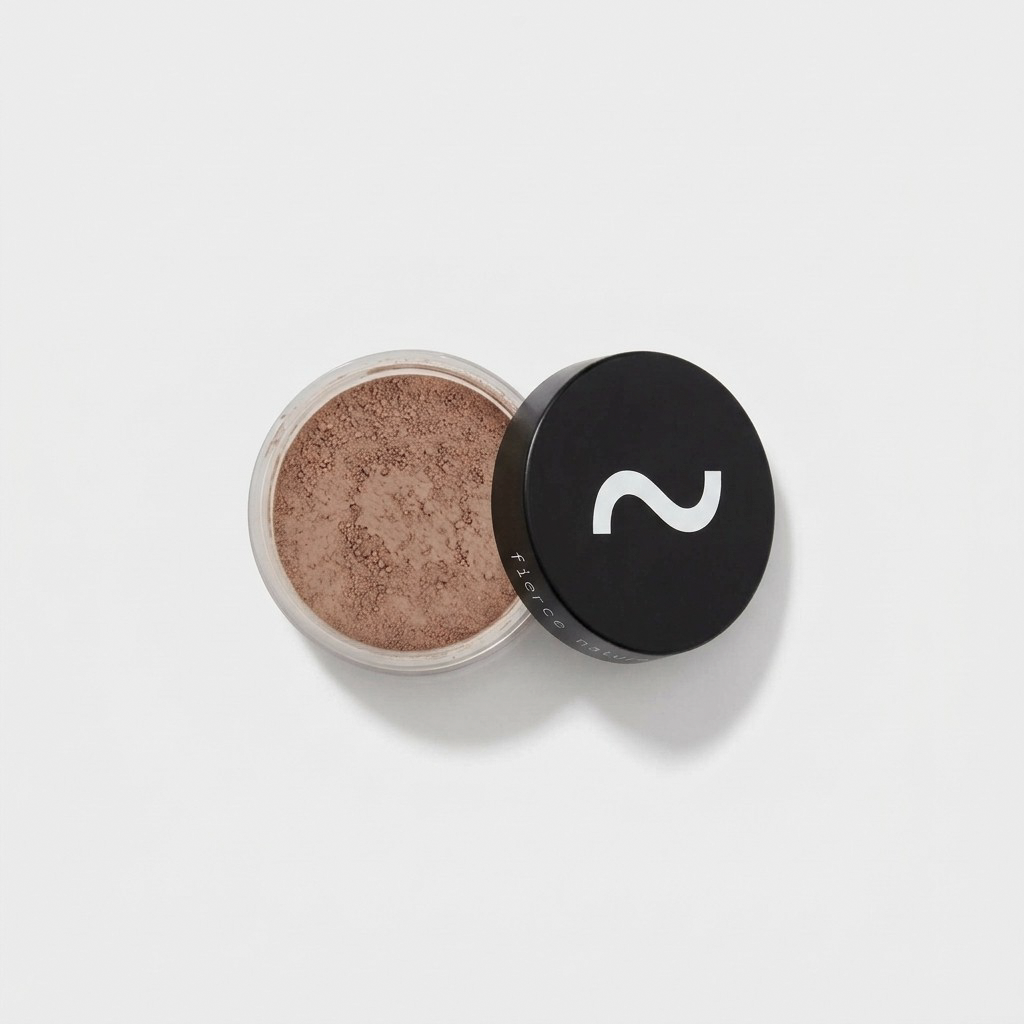
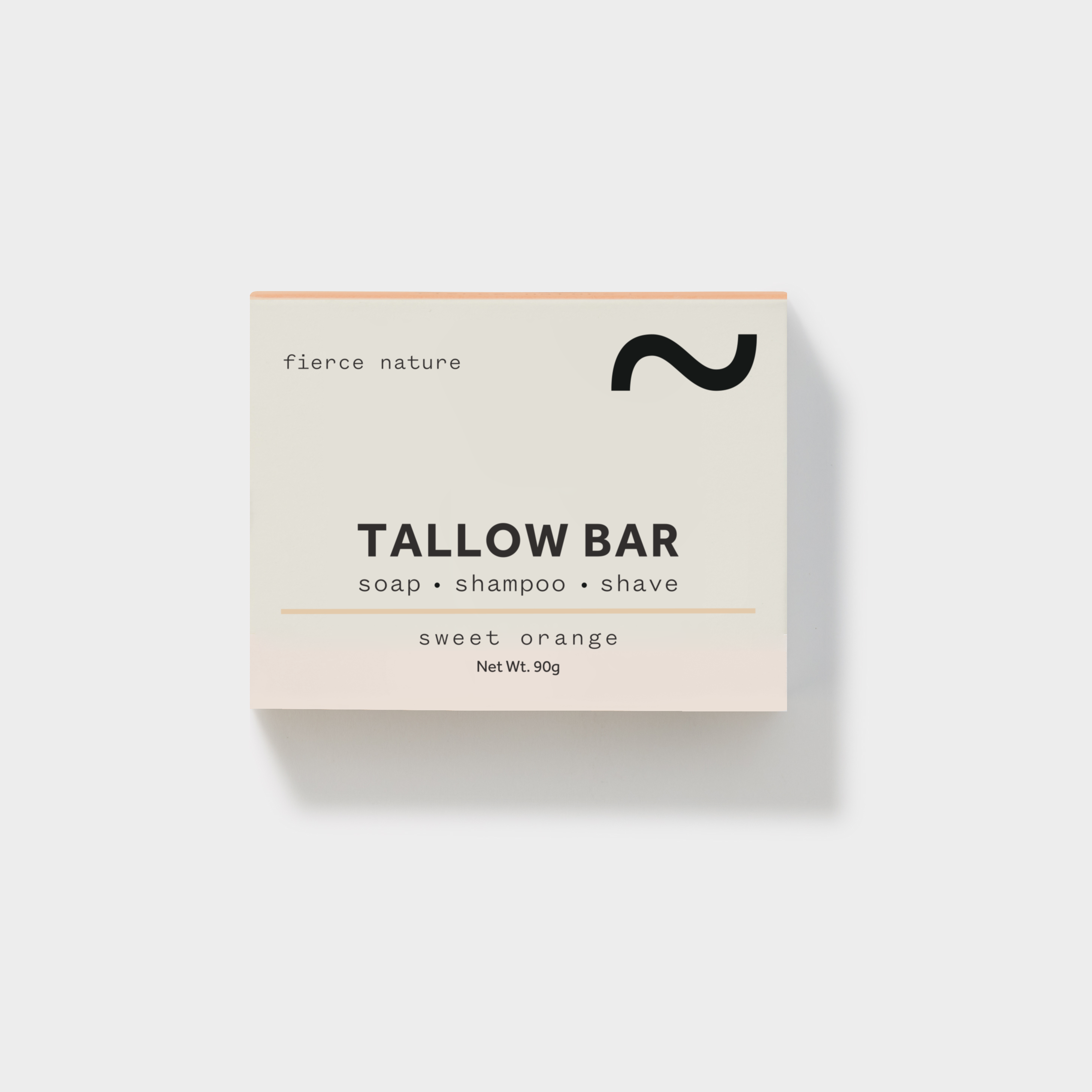
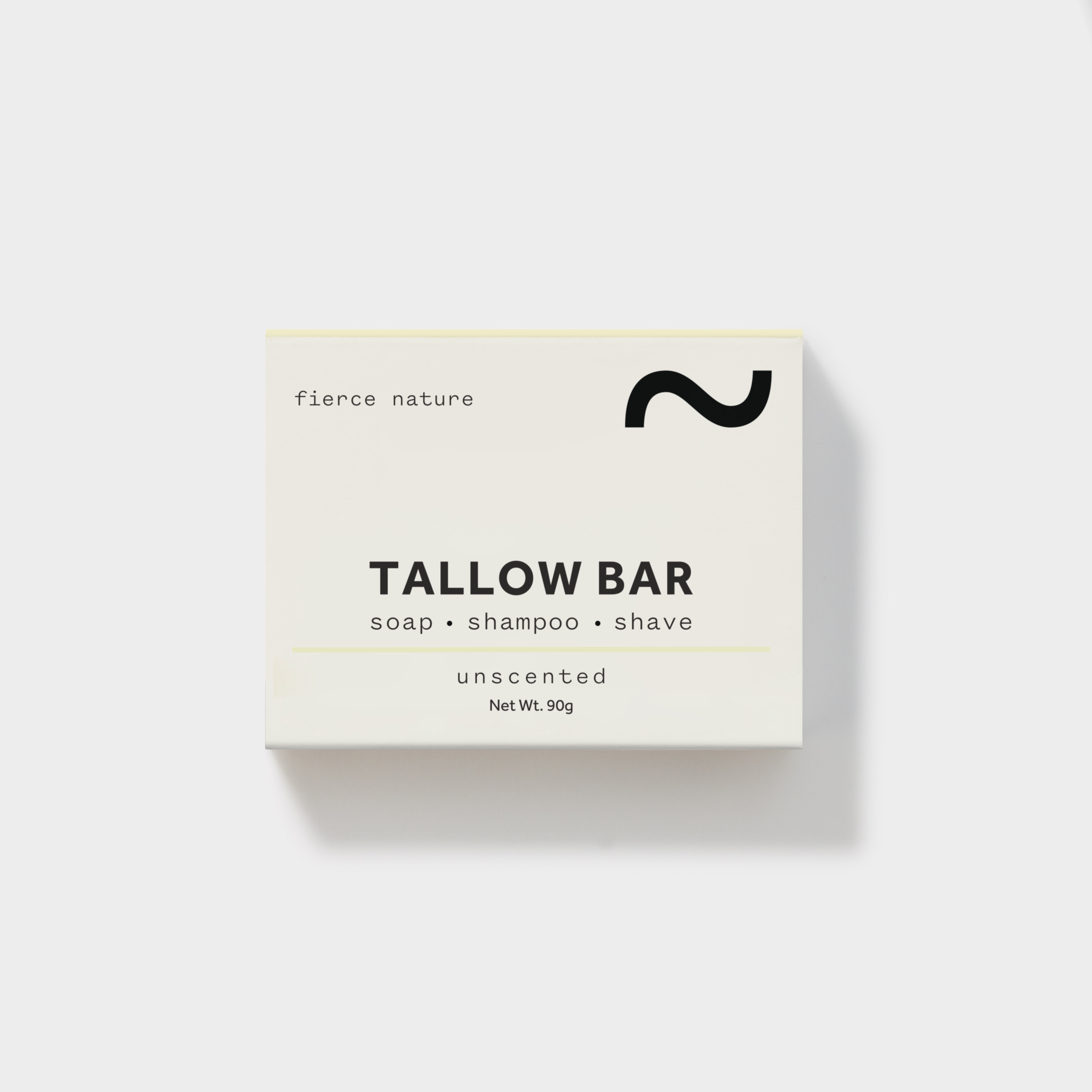


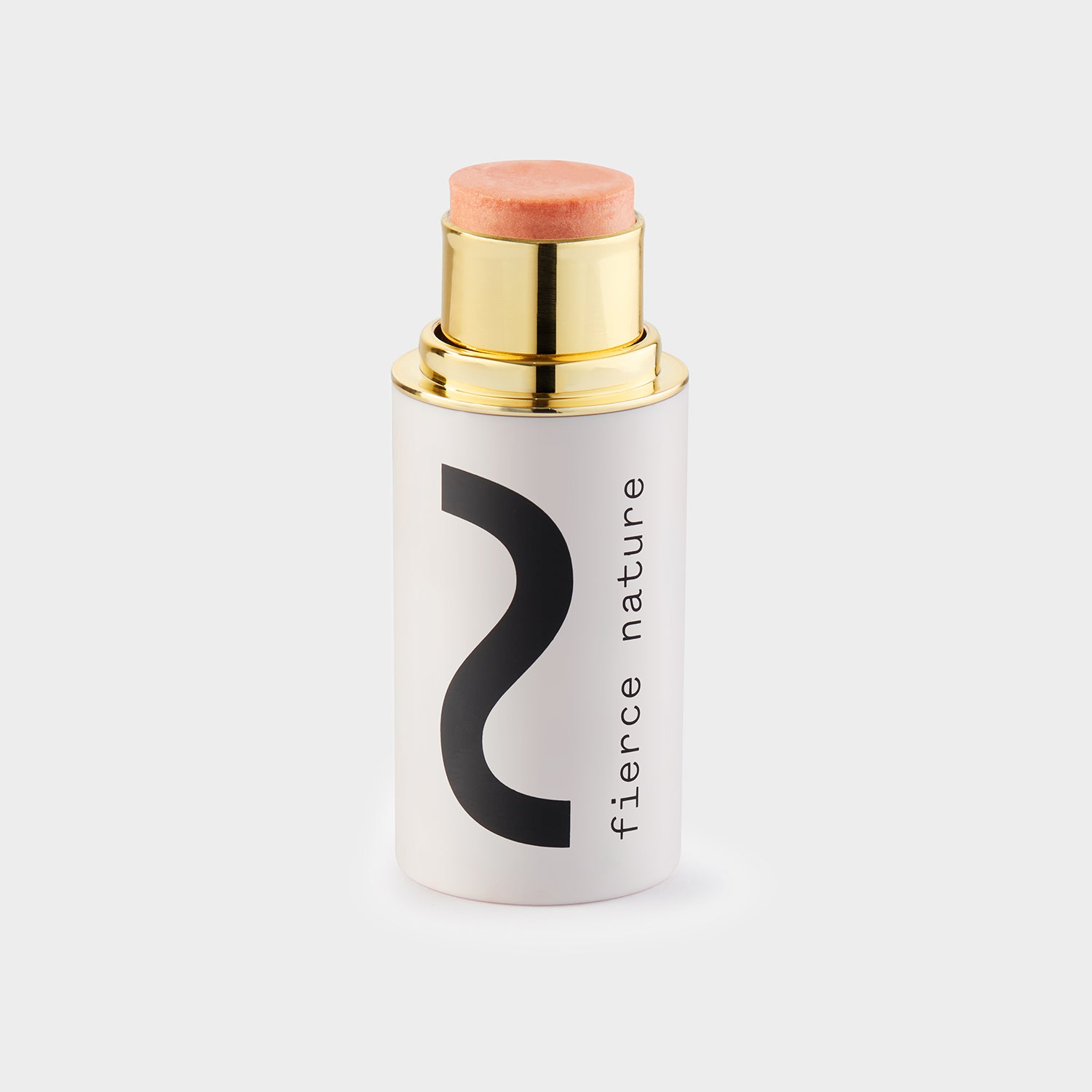
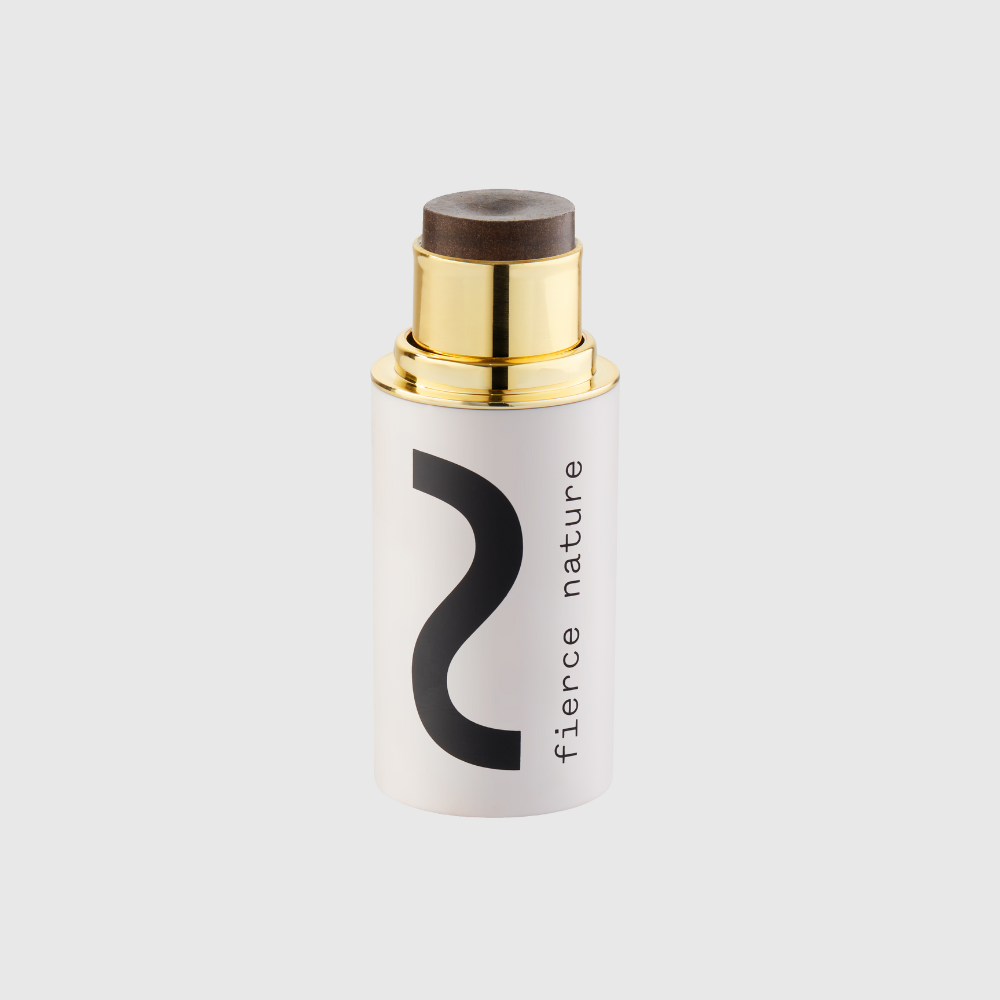
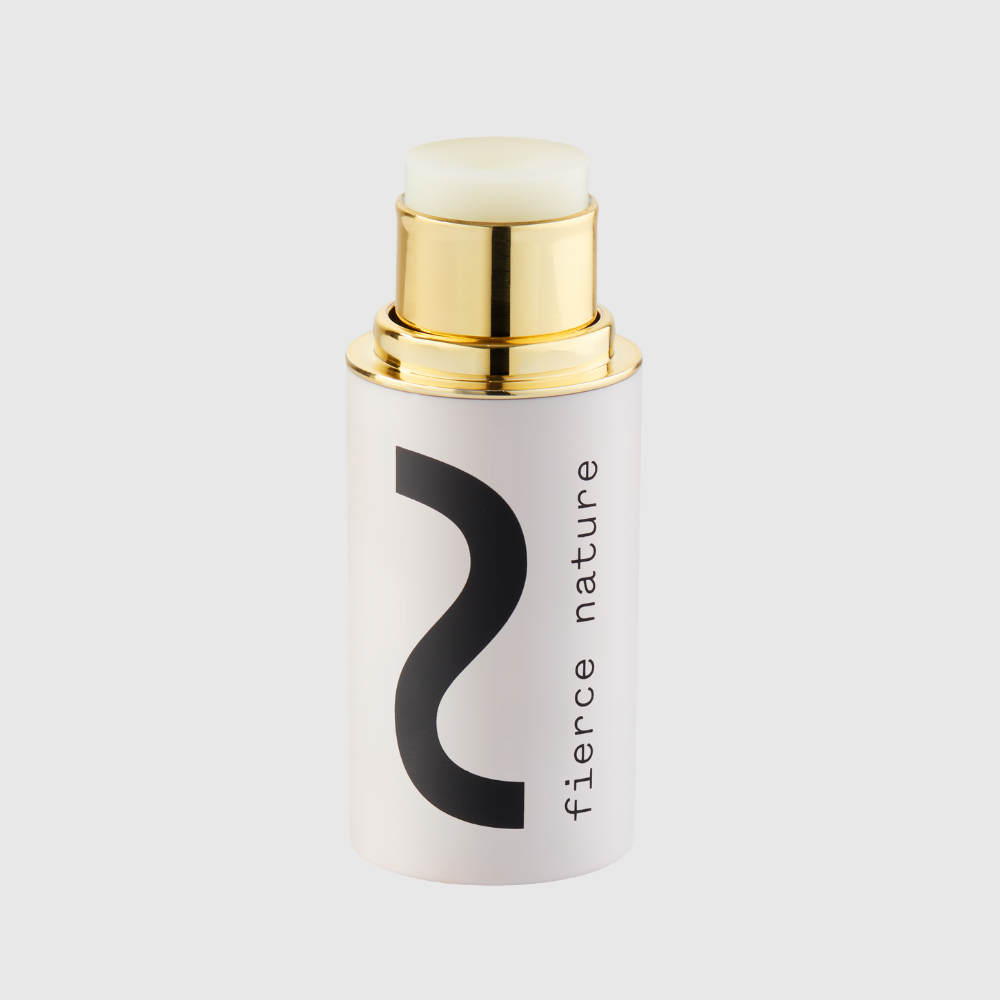
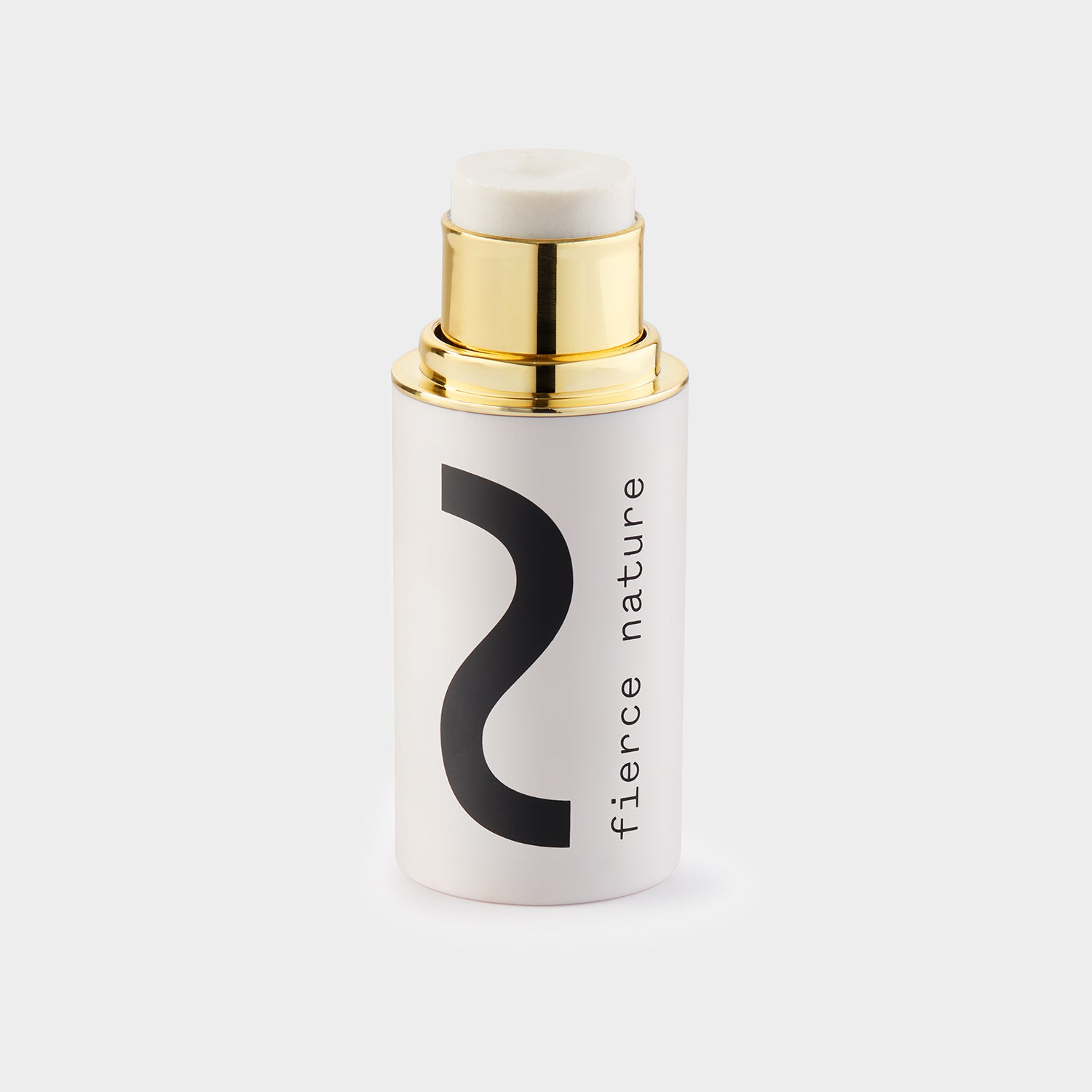
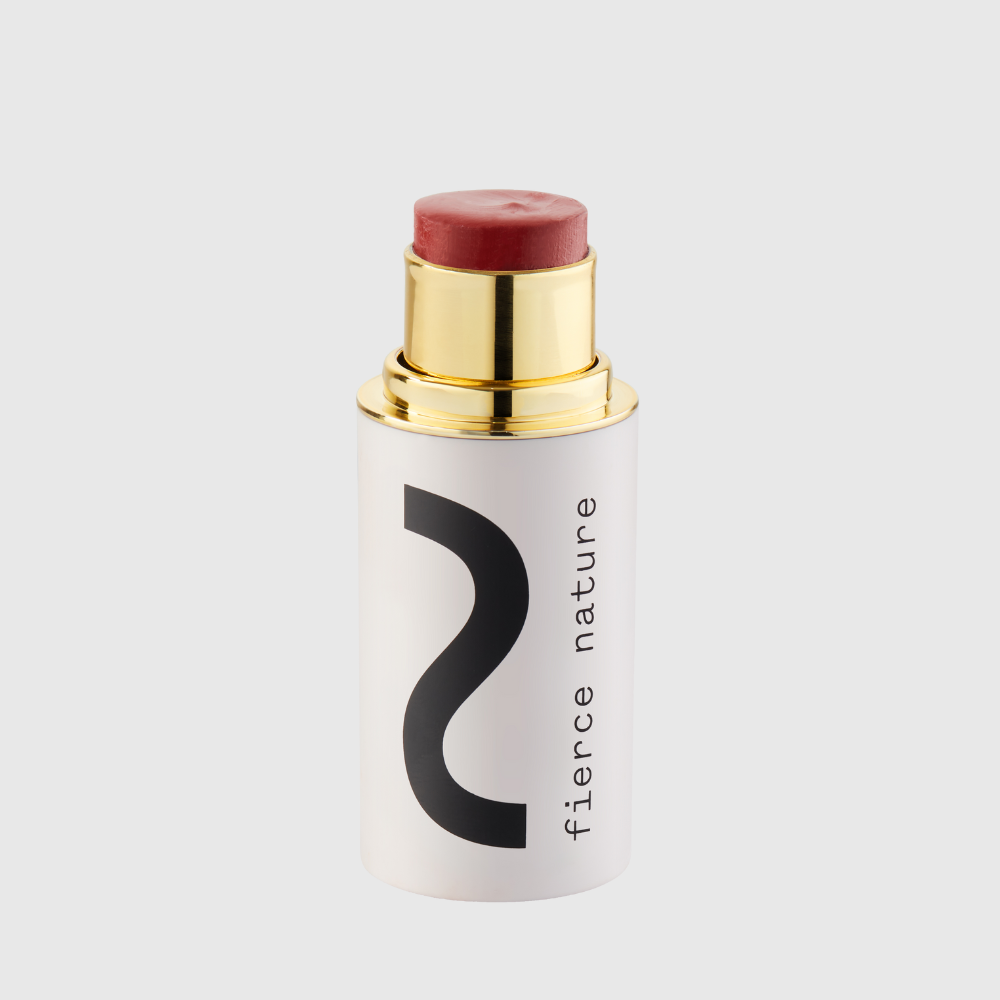
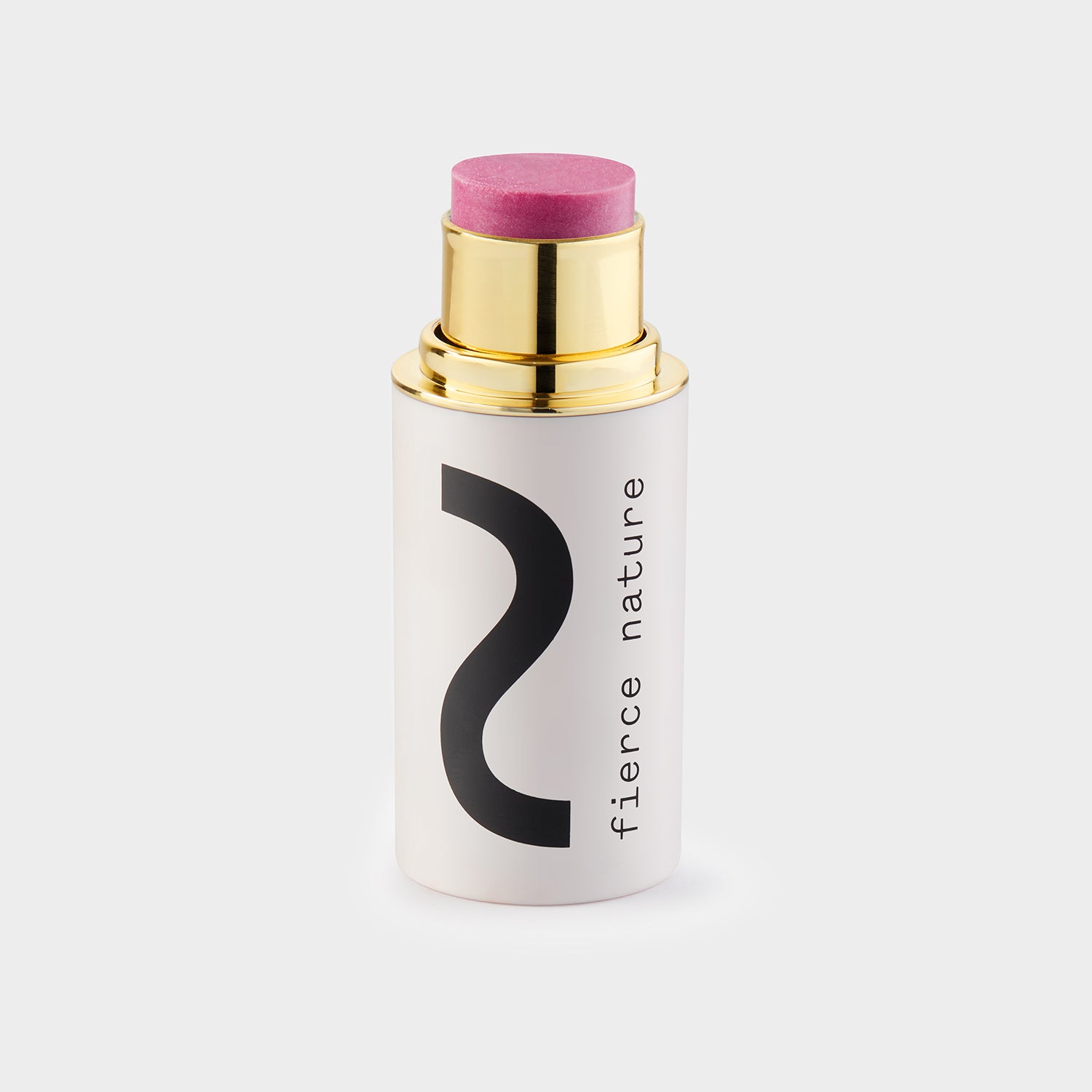
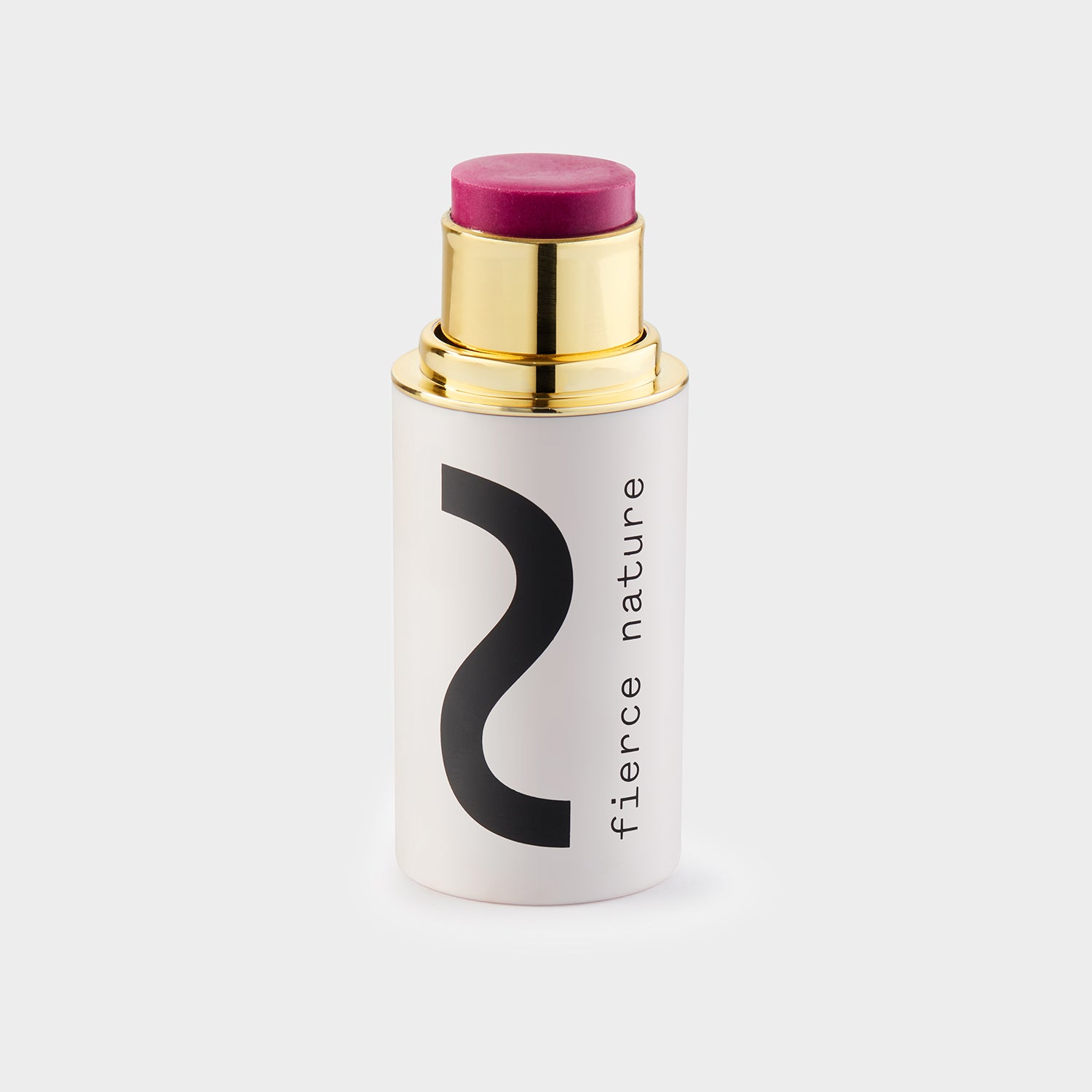
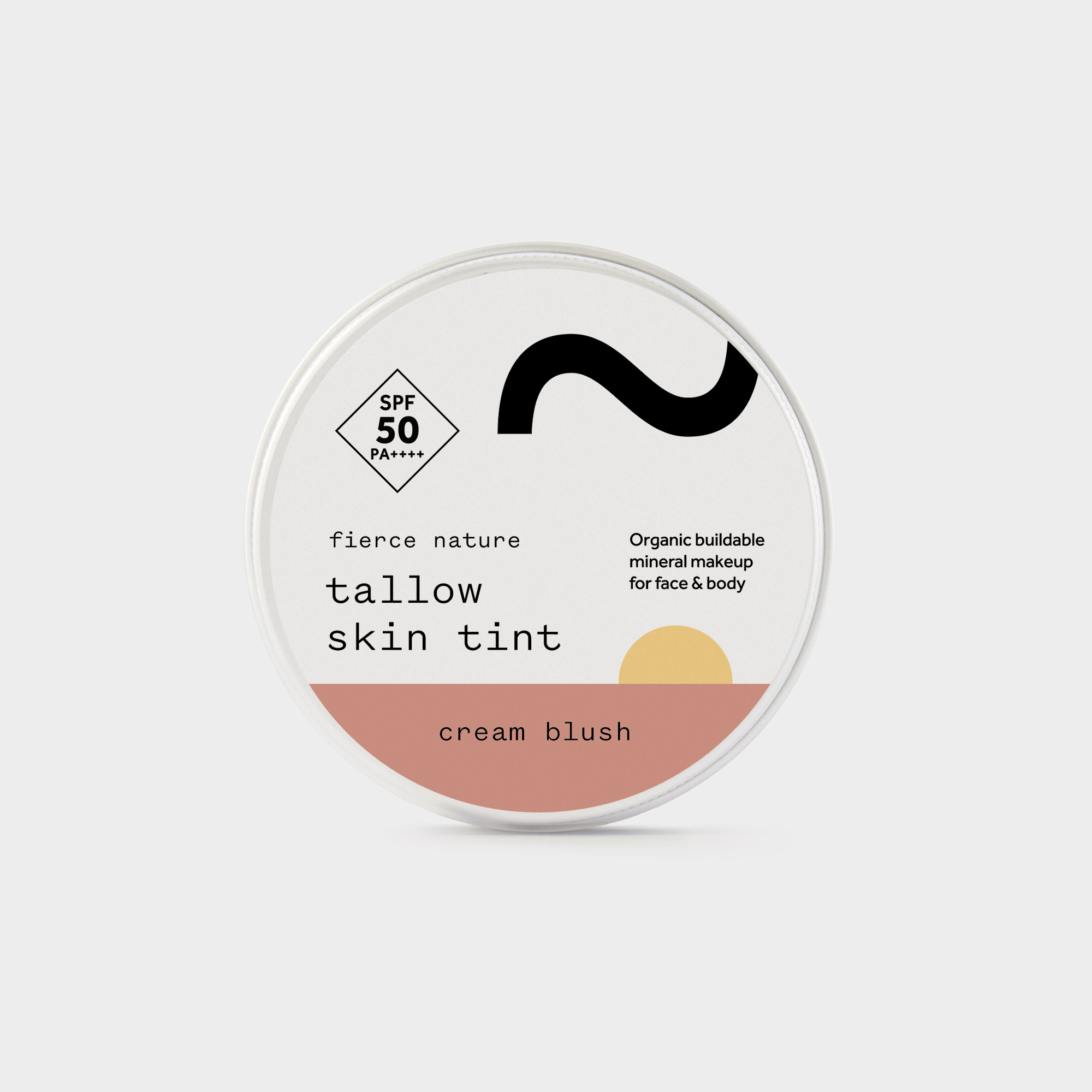



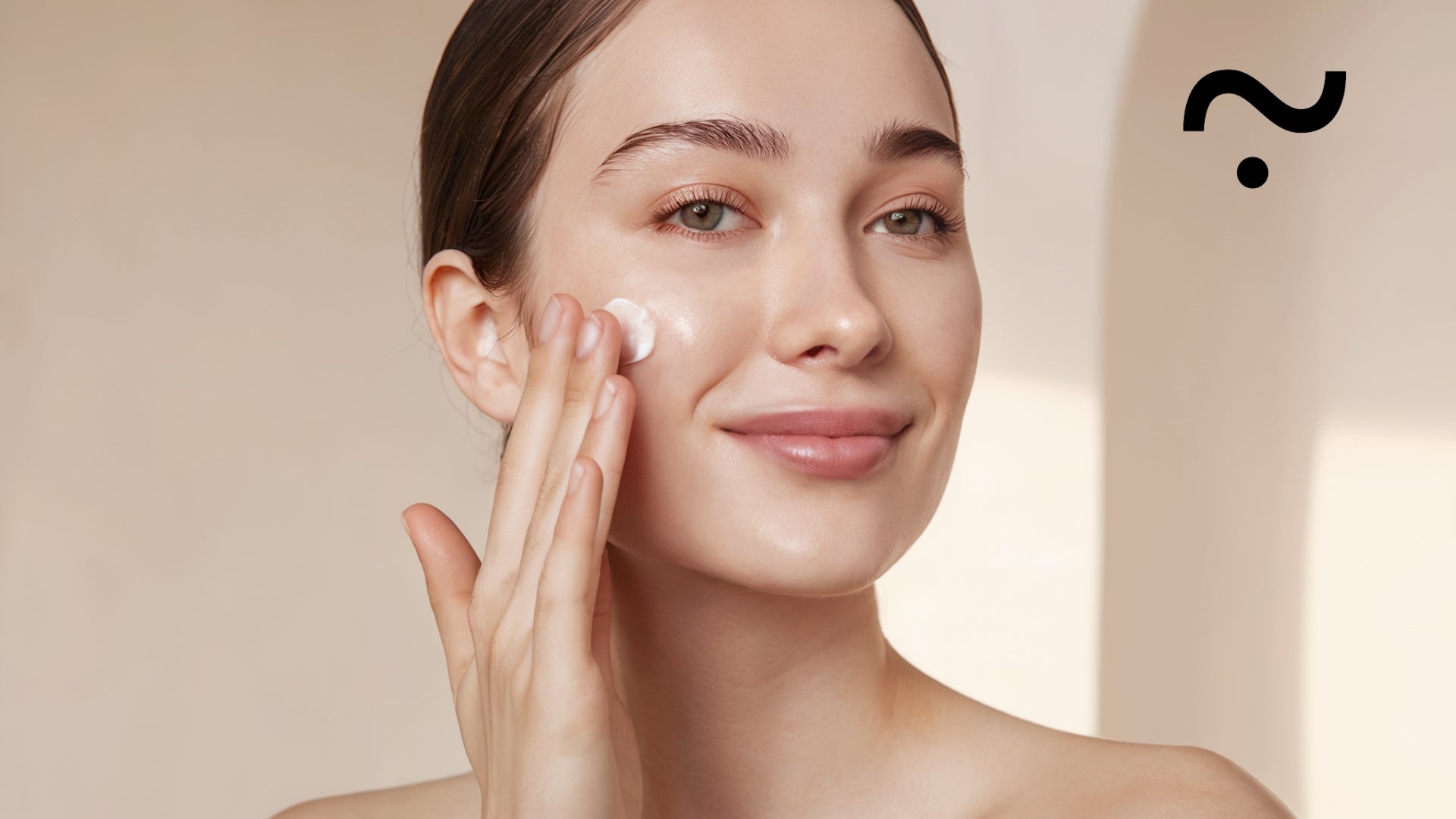
Eczema on the face can be especially frustrating. The skin is thinner, more exposed to environmental triggers, and often more sensitive than other areas of the body. From redness and dry patches to irritation around the eyes and mouth, facial eczema requires a more curated approach than treating Eczema on the body—one that’s soothing, barrier-strengthening, and free of common irritants.
That’s why choosing the right face care for eczema is critical for lasting relief and visible results.
Let’s break down what your facial skin really needs and how to create an effective natural routine that helps calm, heal, and protect.
Facial eczema is often caused by a damaged skin barrier, which allows moisture to escape and irritants to enter. Rebuilding that barrier is your first priority. Look for moisturisers that contain:
Ceramides for essential lipids (naturally derived or plant-based)
Colloidal oatmeal to soothe and lock in hydration
Shea butter or cocoa butter for long-lasting moisture
Beeswax or plant waxes for gentle protection
Avoid synthetic ingredients like petrolatum or dimethicone if you’re aiming for natural care—not only do they contain myriad toxins and set in place a cycle of dependence, they can also trap heat or clog pores in sensitive areas.
Facial eczema flares up when the skin’s pH is disturbed or natural oils are stripped away. Switch to ultra-gentle, non-foaming cleansers that clean without drying out your skin.
Top ingredients to look for in cleansers:
Raw honey for its antimicrobial and hydrating properties
Aloe vera gel to calm inflamed areas
Jojoba or calendula oil to dissolve makeup without irritation
Oat-based formulas to soothe and soften
Stick to lukewarm water—hot water can worsen eczema by depleting your skin’s moisture reserves.
While steroid creams may offer short-term relief, long-term use can thin the skin—especially on delicate facial areas. Natural alternatives that reduce inflammation without side effects include:
Liquorice root extract – may calm redness and pigmentation
Chamomile and calendula – may help reduce flare-ups and itching
Green tea extract – antioxidant-rich and soothing
Propolis or zinc – helps fight bacteria and strengthen skin
Always do patch testing, even with natural products, before complete application - and remember that you don't have to overdo or overuse anything. The key is routine, value, quality and consistency.
Natural facial oils can work wonders on eczema, as long as they’re non-comedogenic and carefully chosen. They provide essential fatty acids that feed the skin barrier and reduce dryness and inflammation.
A few options for eczema-prone faces:
Rosehip oil – rich in vitamins A and C, promotes healing
Tamanu oil – antibacterial, helps regenerate skin
Hemp seed oil – lightweight and calming
Borage or evening primrose oil – great for inflammation
Apply oils after moisturising to seal everything in, especially at night when skin does its repair work.
Facial eczema is highly reactive to synthetic fragrances, essential oil blends, and even “natural” scents like citrus or mint. When choosing face care for eczema, fragrance-free isn’t optional—it’s essential.
Even gentle-smelling ingredients like rose or lavender can cause irritation on compromised skin. Always check the ingredient list for:
“Fragrance” or “parfum”
Essential oil blends
Drying alcohols (like denatured alcohol or SD alcohol)
Choose products specifically labelled "fragrance-free" and patch test everything new.
Face masks can offer deep hydration and quick relief when flare-ups strike. Go for calming, moisture-rich masks that help restore balance and reduce itching.
DIY-friendly and effective mask options include:
Colloidal oatmeal + honey mask
Cucumber and aloe vera gel blend
Plain Greek yoghurt (for probiotics) with chamomile tea infusion
Use masks once or twice a week for a gentle skin reset—but avoid exfoliating masks or anything that causes tingling or heat. Always use fresh produce, and remember the golden rule: test patch!
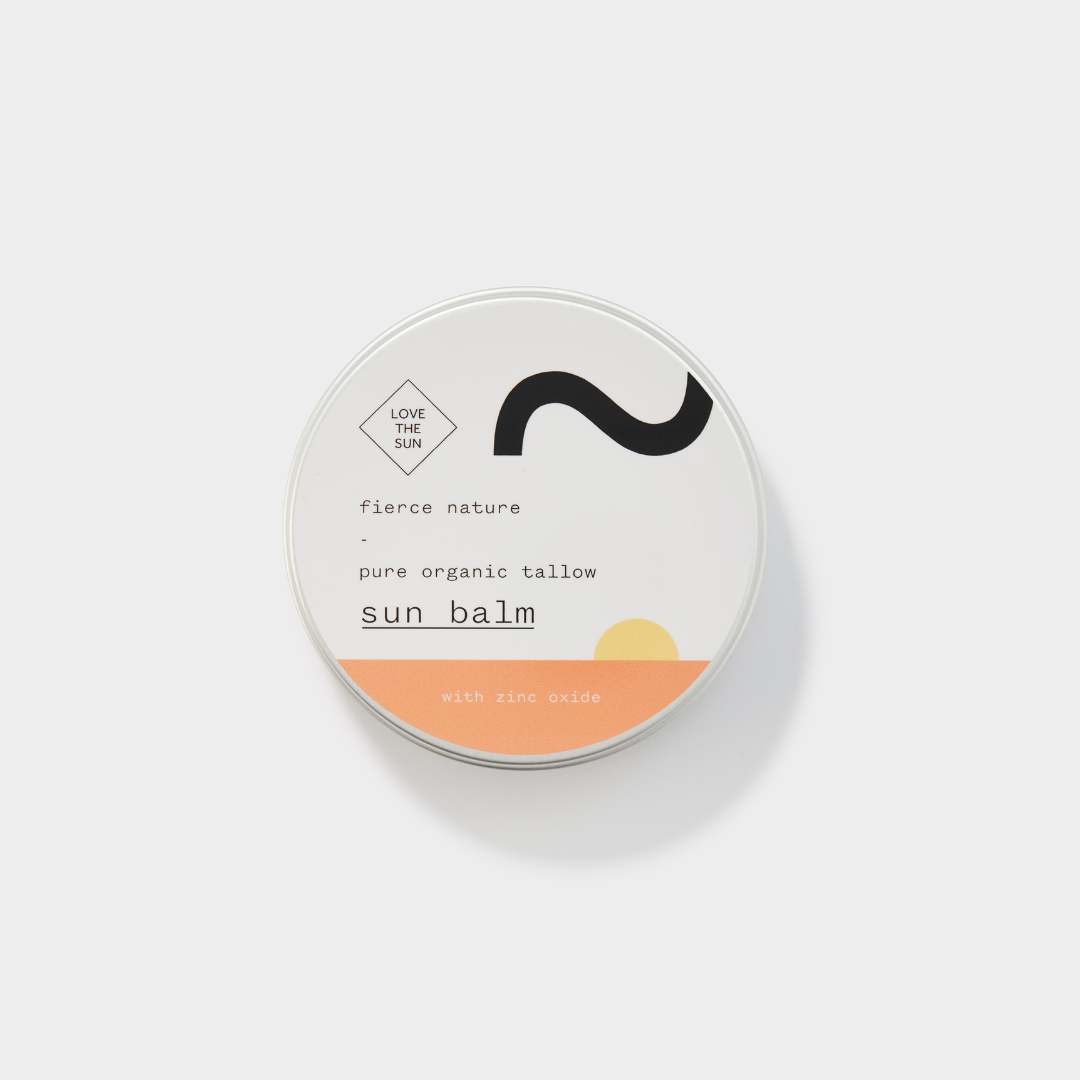
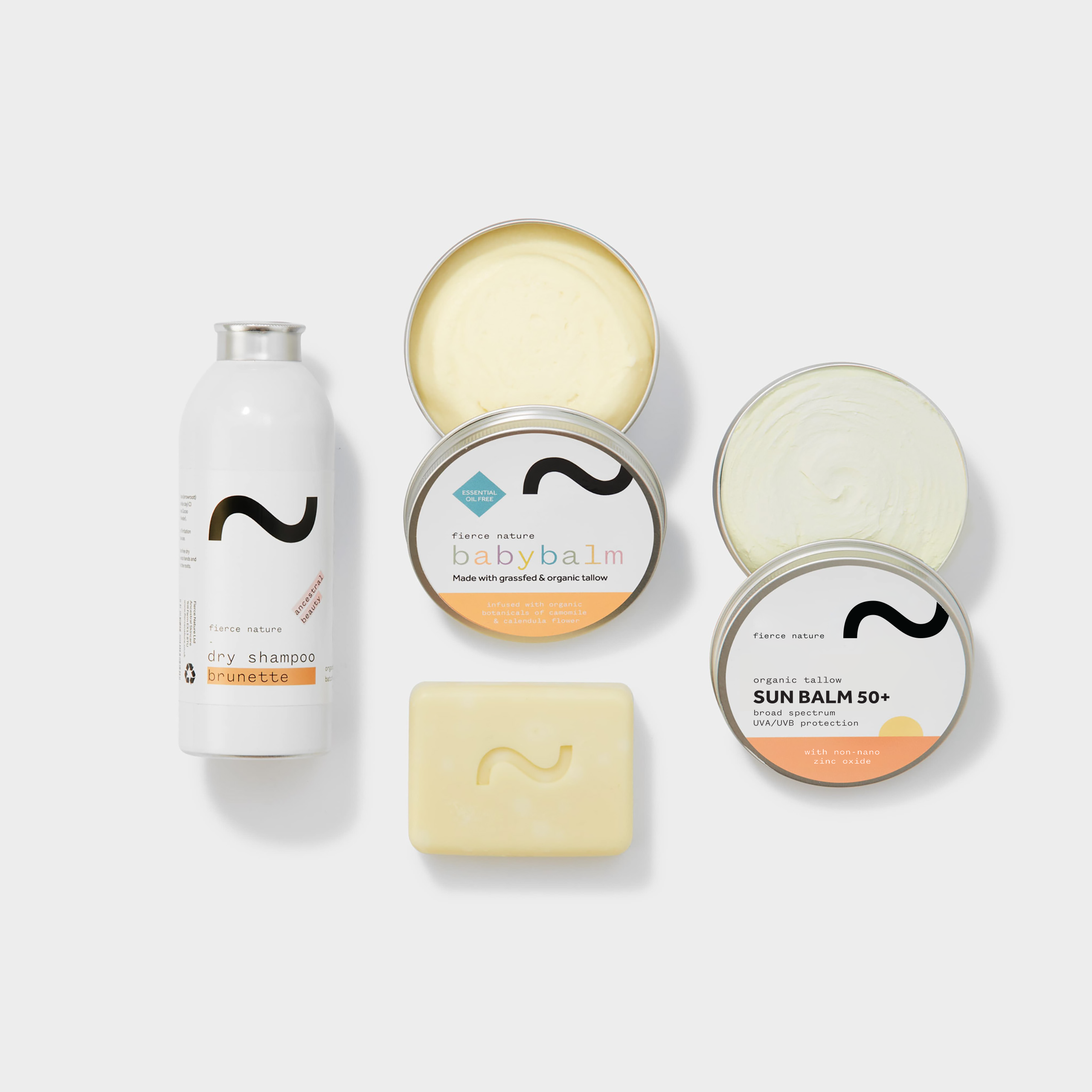
UV damage can trigger eczema flares, but many commercial sunscreens use chemical filters that irritate sensitive skin. Opt for mineral-based sunscreens with non-nano zinc oxide or titanium dioxide—these sit on top of the skin and physically block rays without sinking in.
Also, consider layering protective creams or balms over high-friction areas, such as the eyelids or around the nose, when exposed to wind, cold, or pollution.
Less is more when managing eczema on your face. Overloading your skin with too many products—even natural ones—can cause reactions. Instead, build a simple routine around:
A gentle, natural cleanser
A calming, unscented moisturiser
A targeted balm or oil for flare spots
Mineral SPF in the morning
An optional hydrating face mask weekly
Stick to it for at least 3–4 weeks before evaluating results or switching products.
When it comes to face care for eczema, your skin needs to be fed, not drowned in product. The most effective routine focuses on hydration, barrier support, and protection—using only what’s necessary and nothing more. Natural ingredients can make a huge difference when chosen wisely, used consistently, and paired with an eczema-friendly lifestyle.
Listen to your skin. Give it space to heal. And always remember that managing eczema is a journey, not a one-product fix.
for more information about us feel free to visit -> Fierce Nature



test —
test
test' —
test
test —
test