Cart
0
80% Also Added this
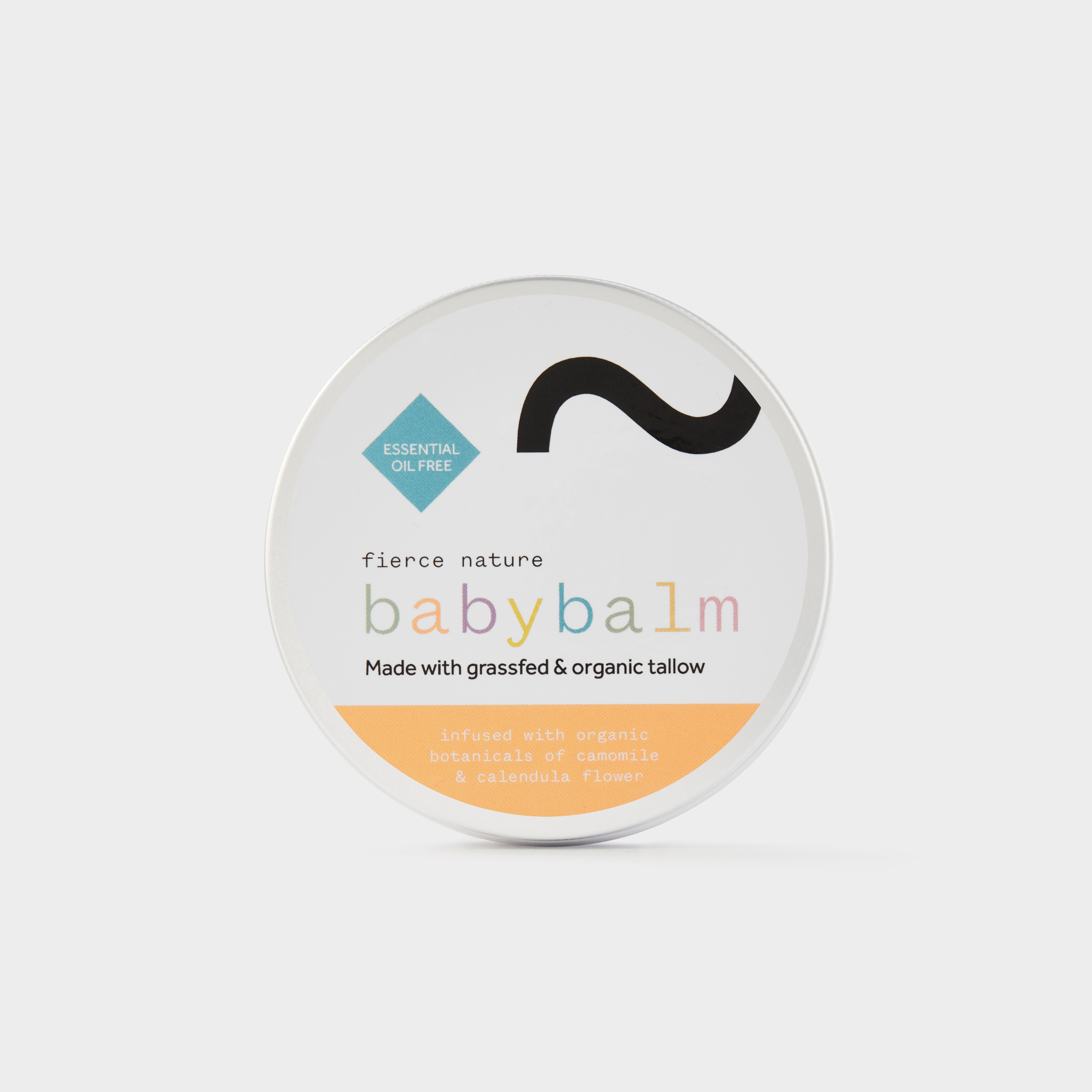
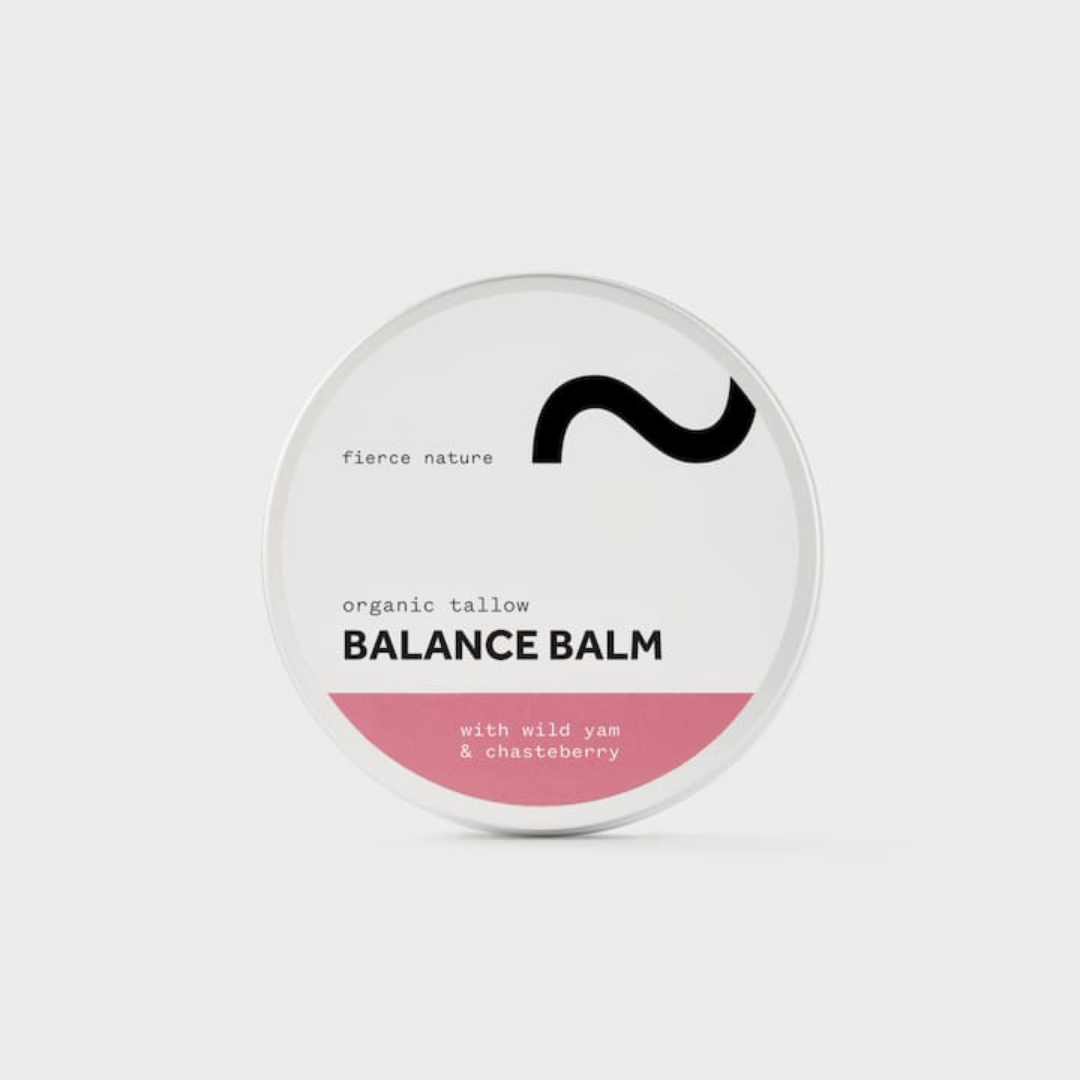
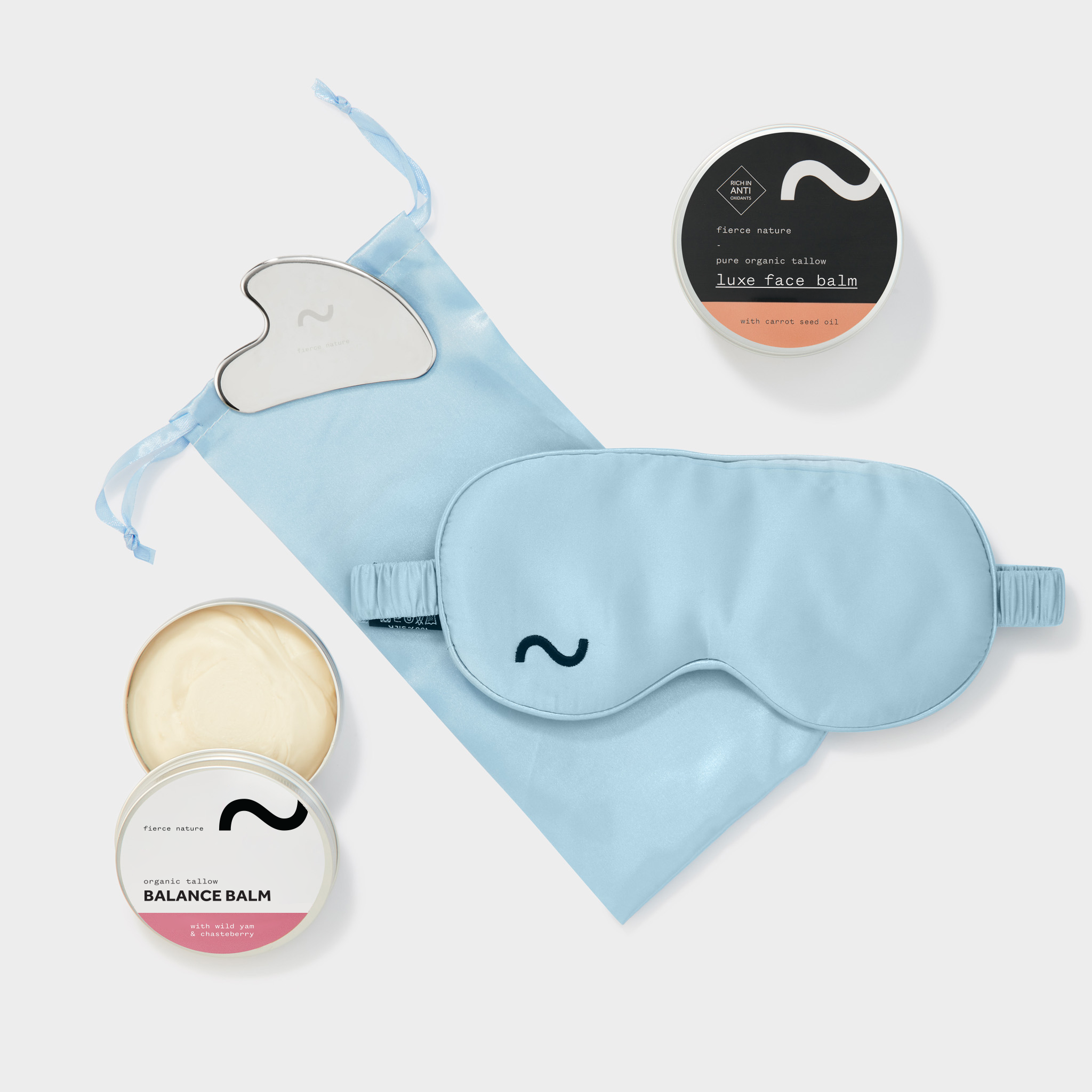
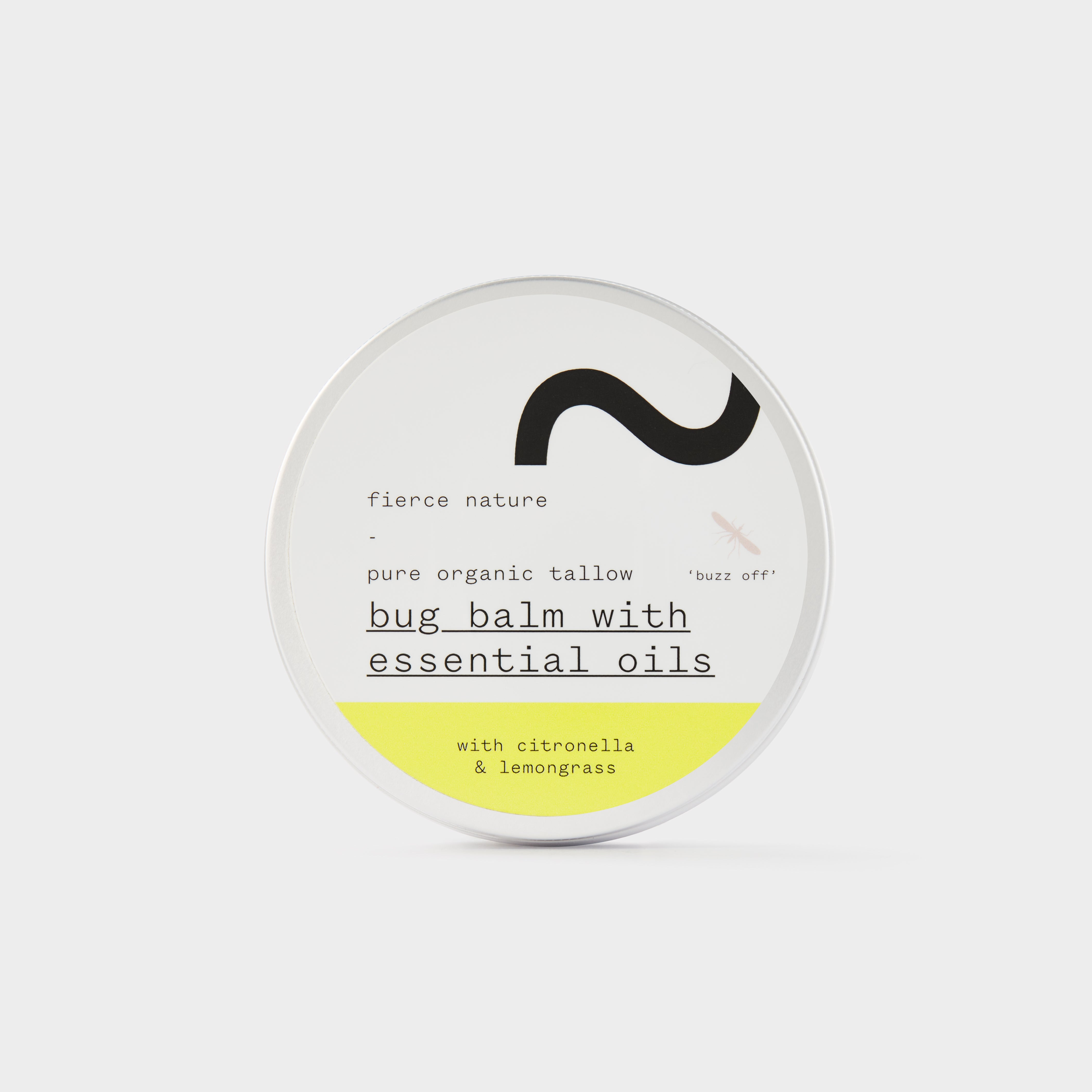
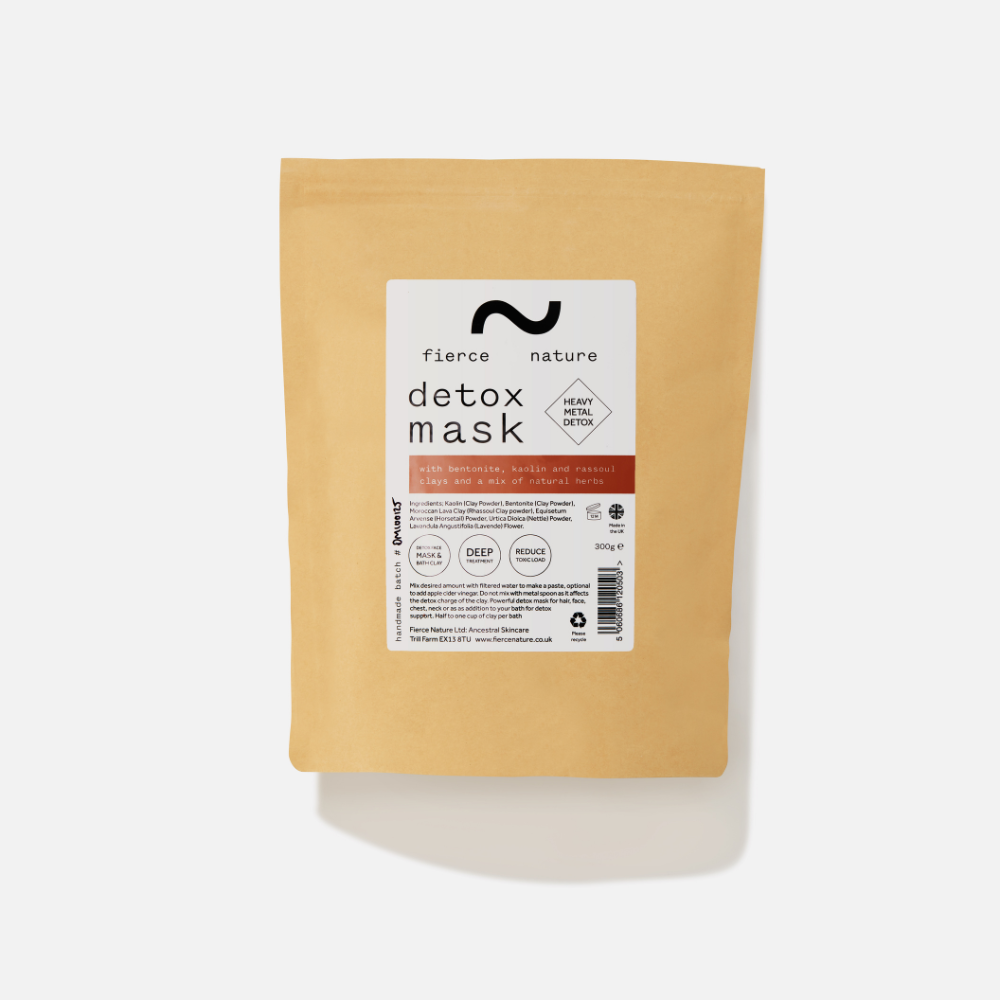

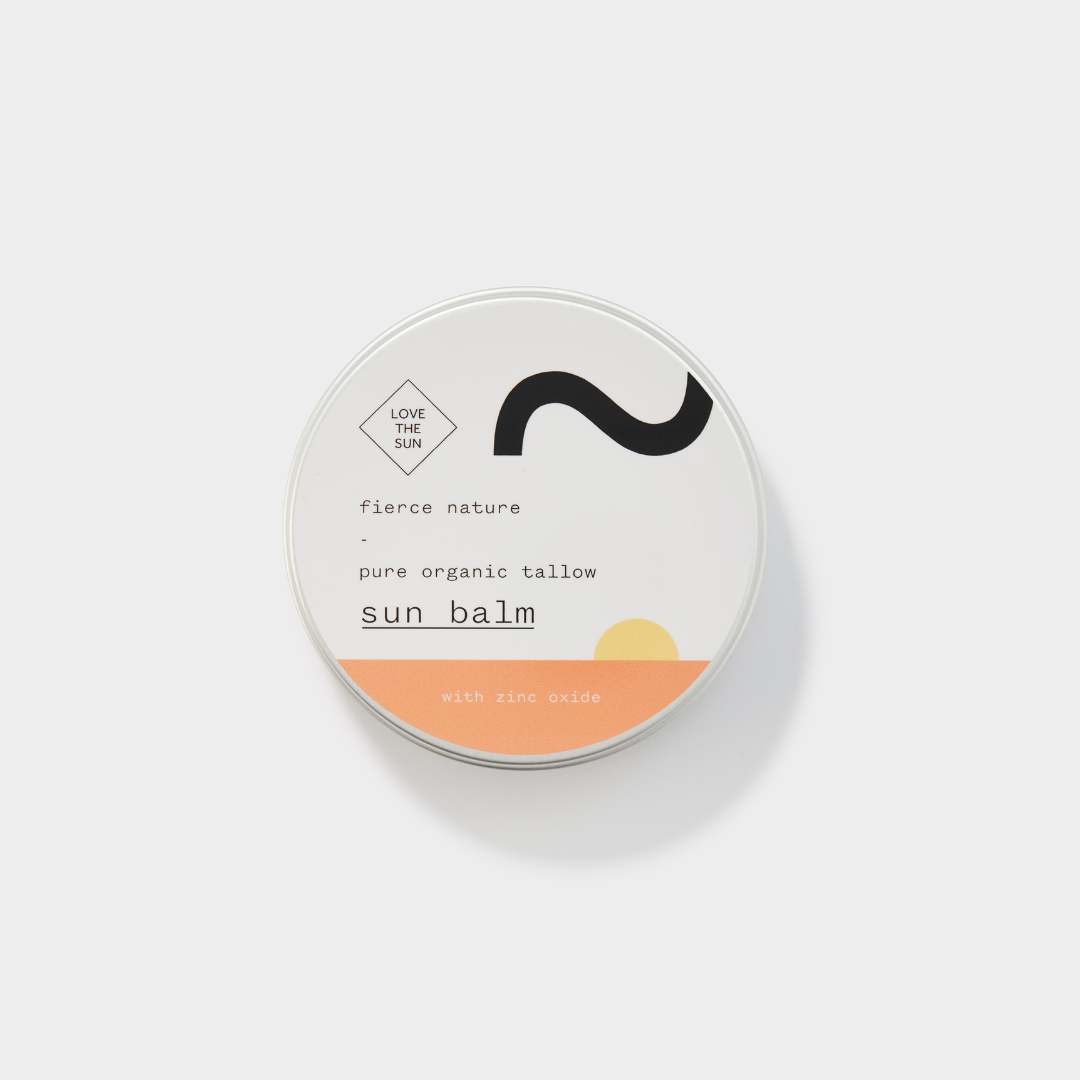
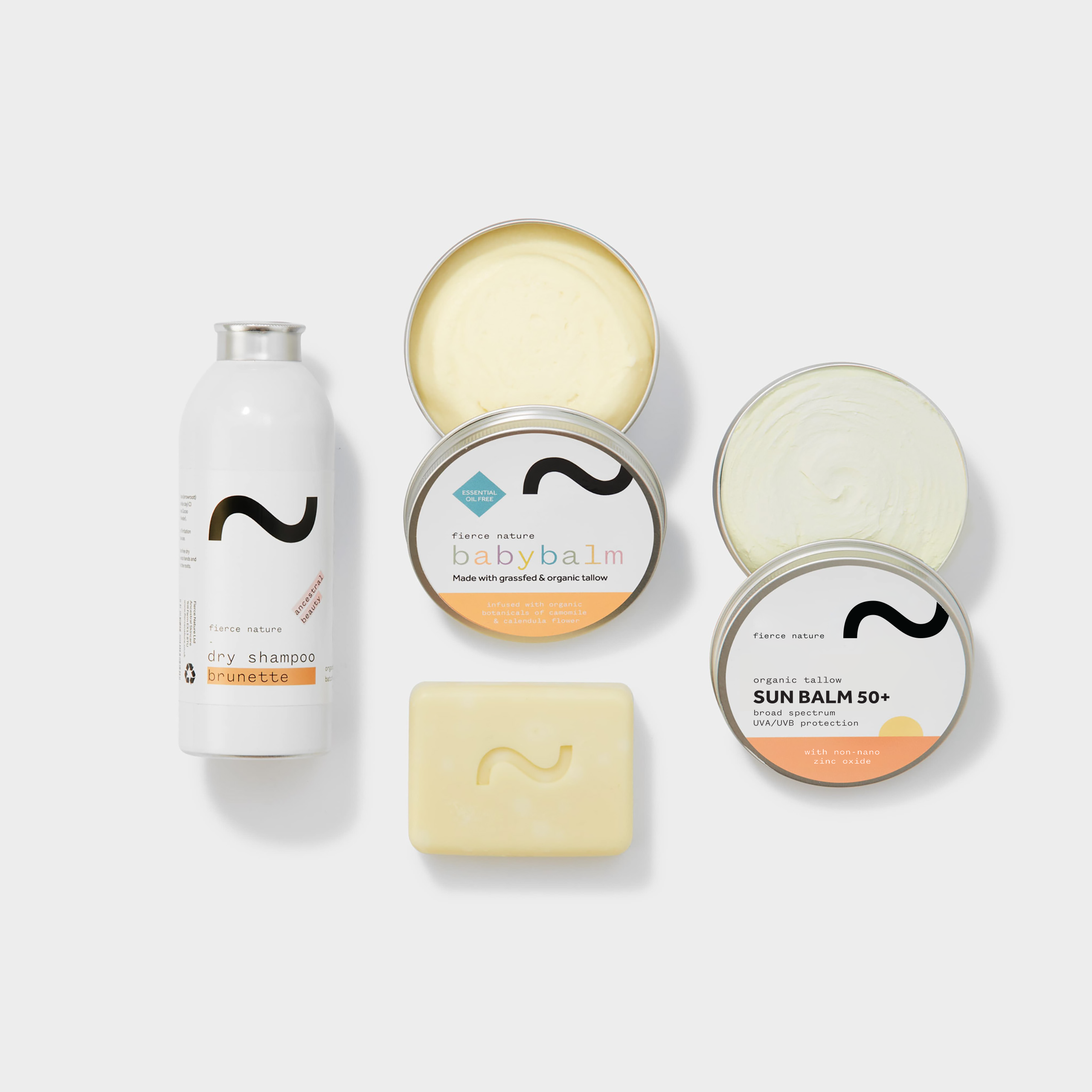
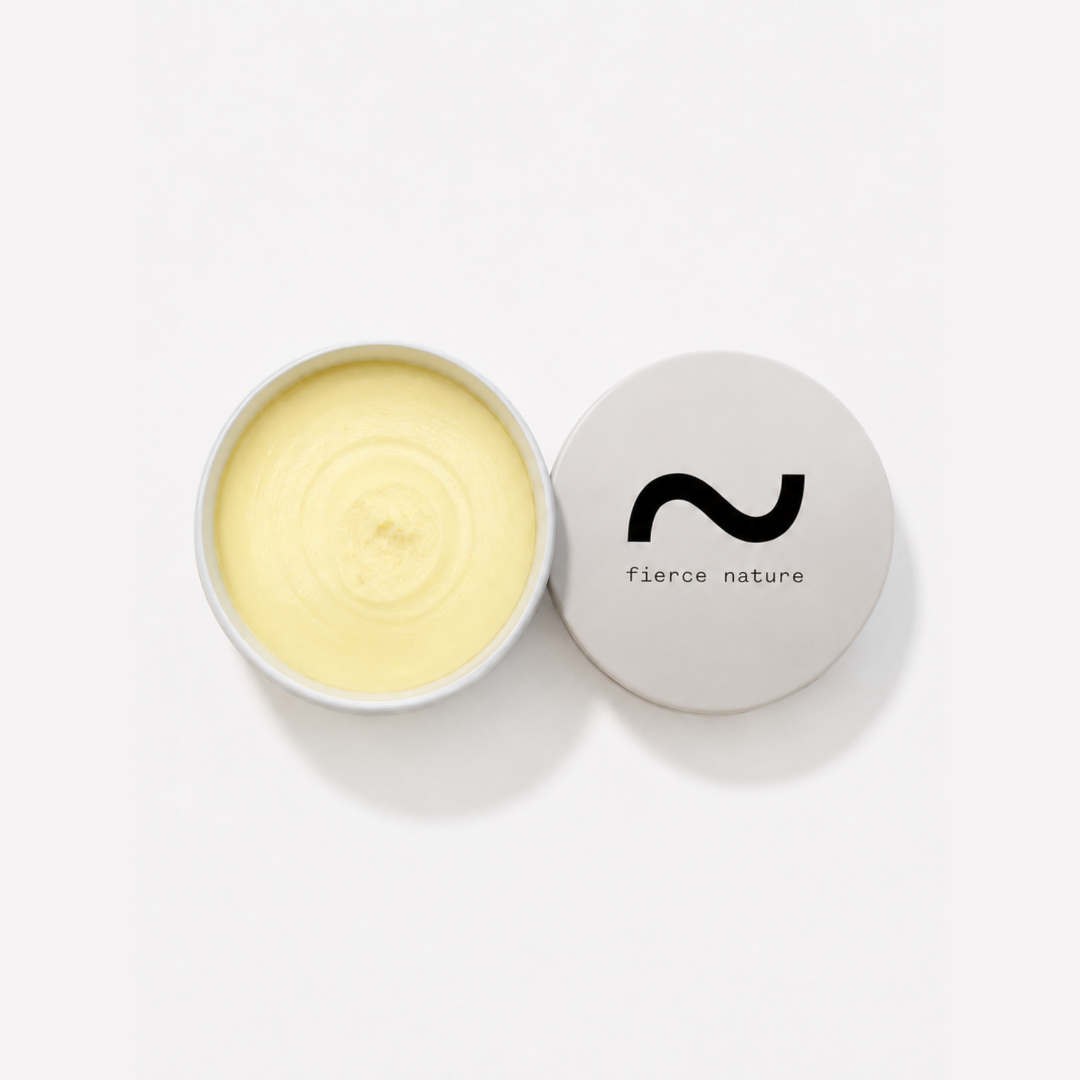
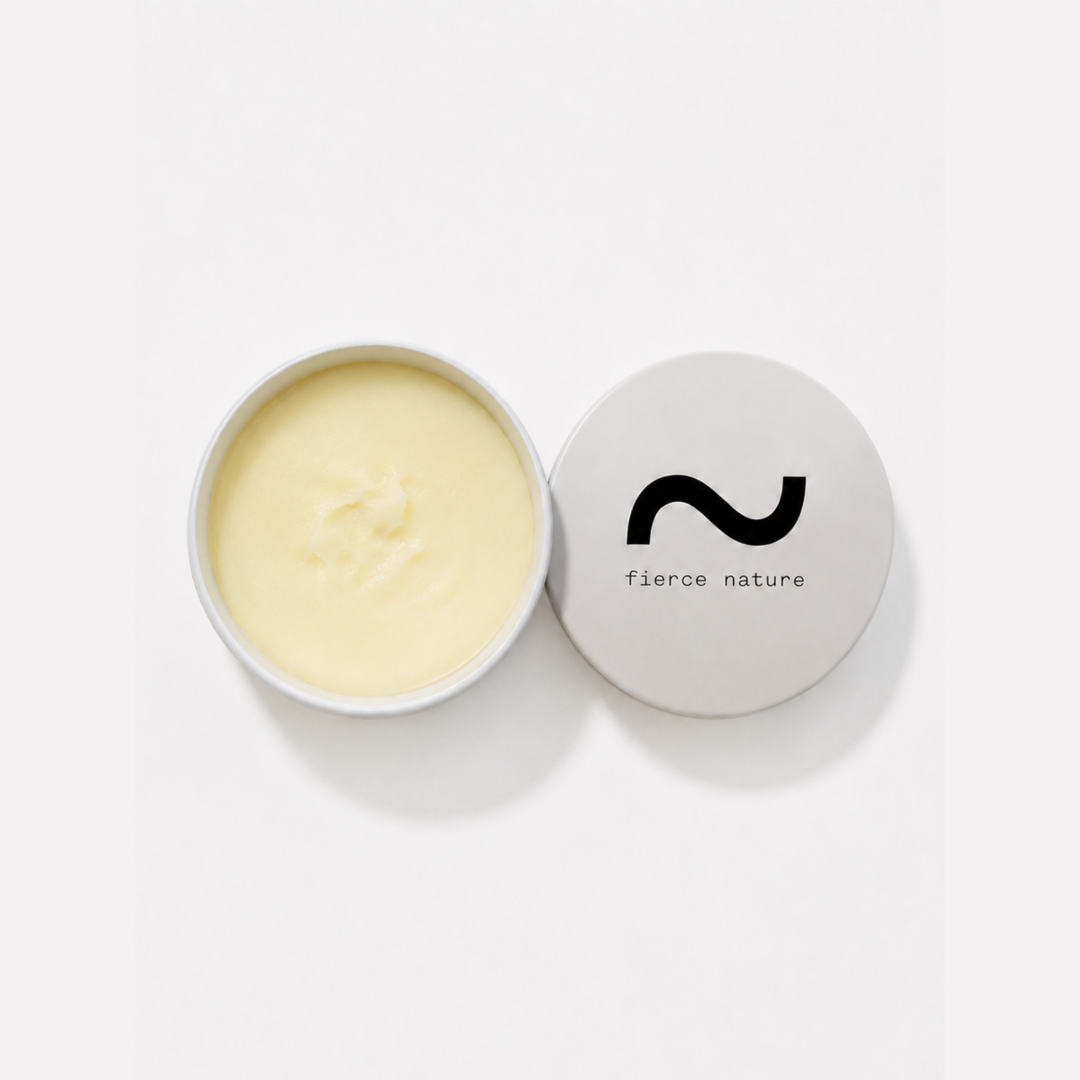
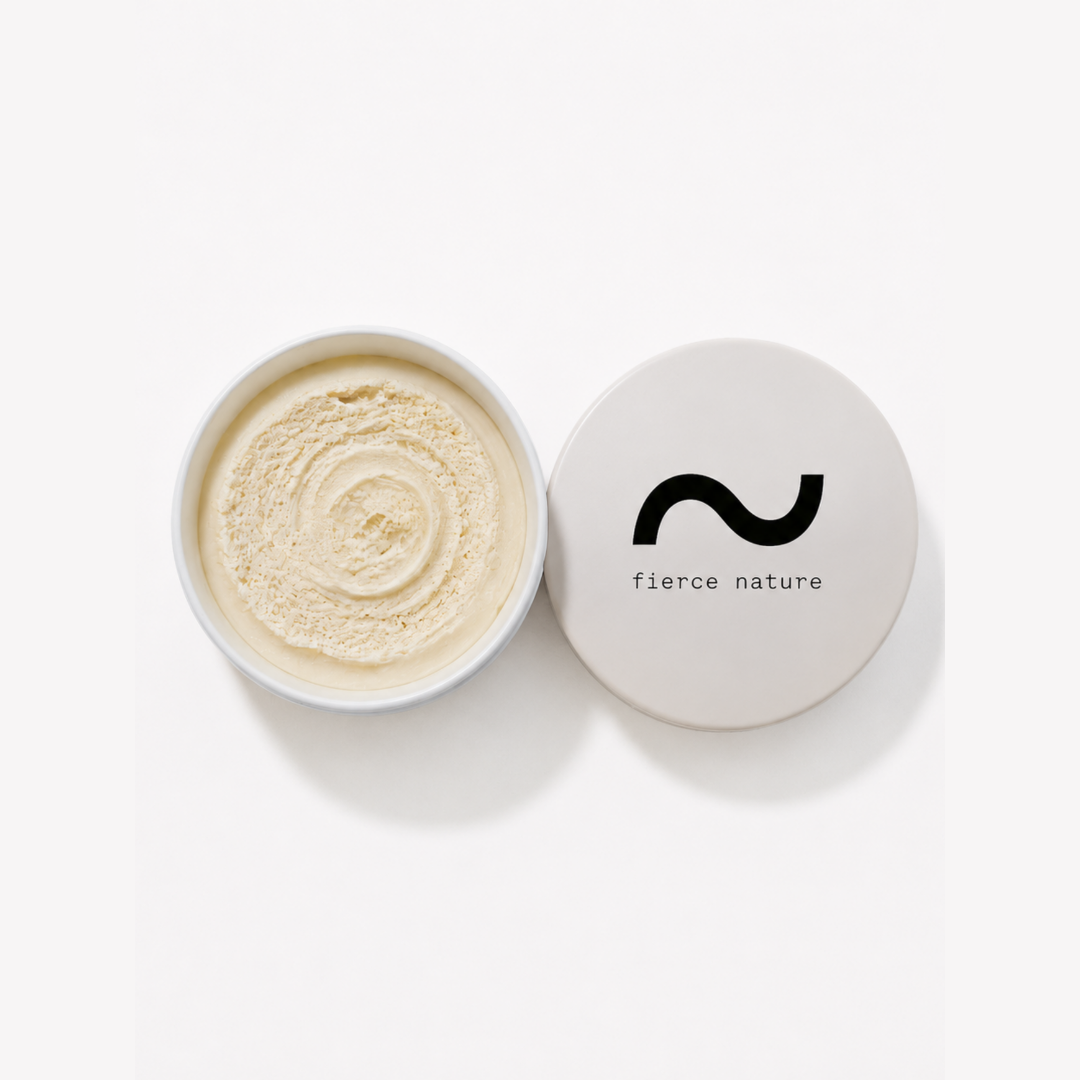
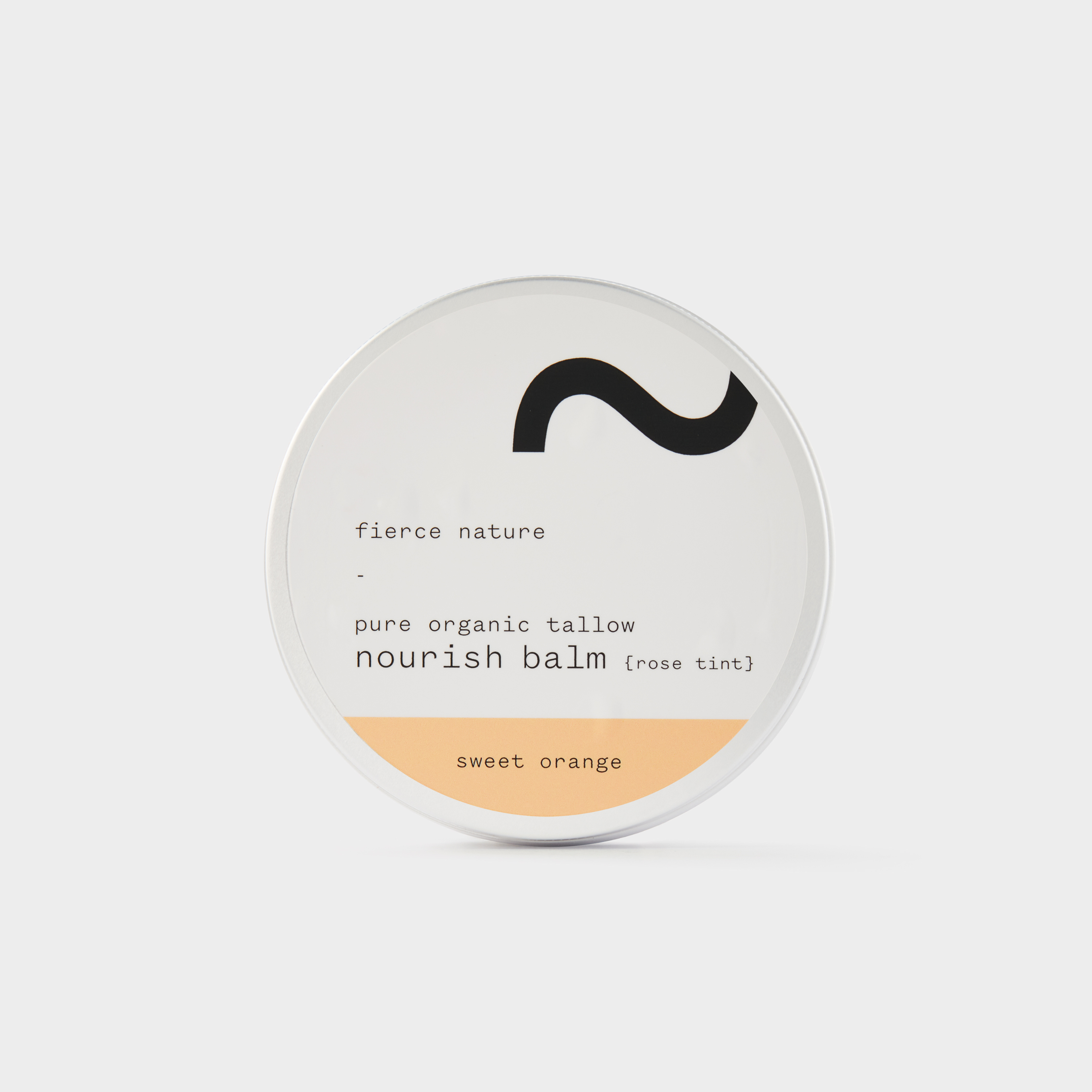




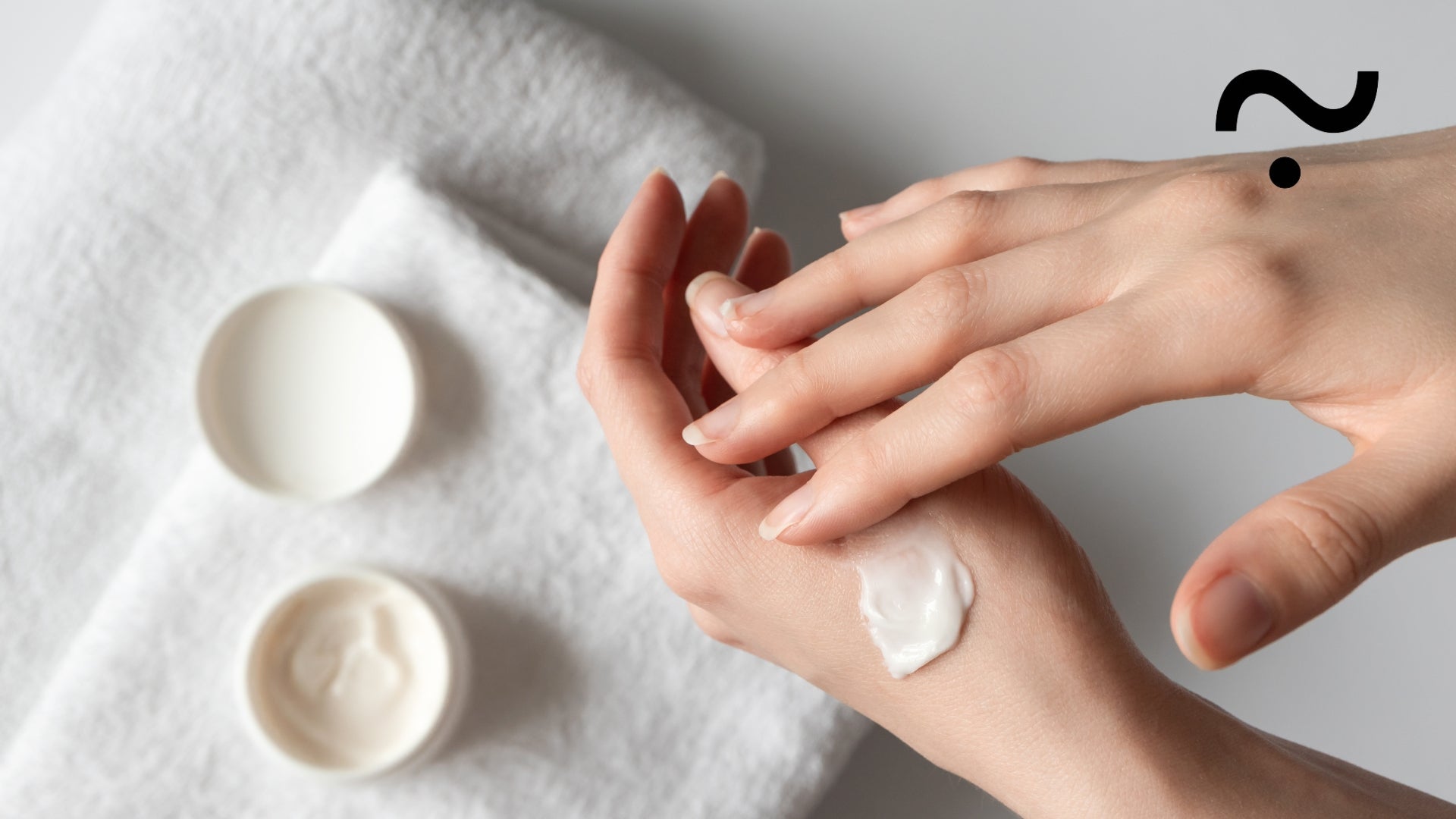
Eczema isn’t just dry skin—it’s a chronic condition that affects millions, often causing relentless itching, inflammation, redness, and discomfort. Conventional treatments like steroid creams can offer temporary relief but often come with side effects and long-term concerns. That’s why more people are turning to natural care for eczema—seeking safe, gentle alternatives that support healing without harsh chemicals or dependency.
The goal is to reduce flare-ups, calm irritation, and strengthen the skin barrier using nature-based ingredients that work with your body, not against it. Here’s how to choose the right natural products and routines that truly help.
Before diving into product choices, it’s important to understand that eczema is often a sign of an impaired skin barrier and an overreactive immune response. It can be triggered by:
Environmental allergens
Stress or hormone fluctuations
Harsh soaps and synthetic ingredients
Dietary sensitivities
Climate changes (heat, cold, dry air)
Effective natural care for eczema focuses on both soothing symptoms and rebuilding barrier function to reduce flare-ups over time.
One of the most important steps in eczema care is locking in moisture. Look for rich, occlusive ingredients that mimic the skin’s natural oils and create a protective layer. Ideal natural options include:
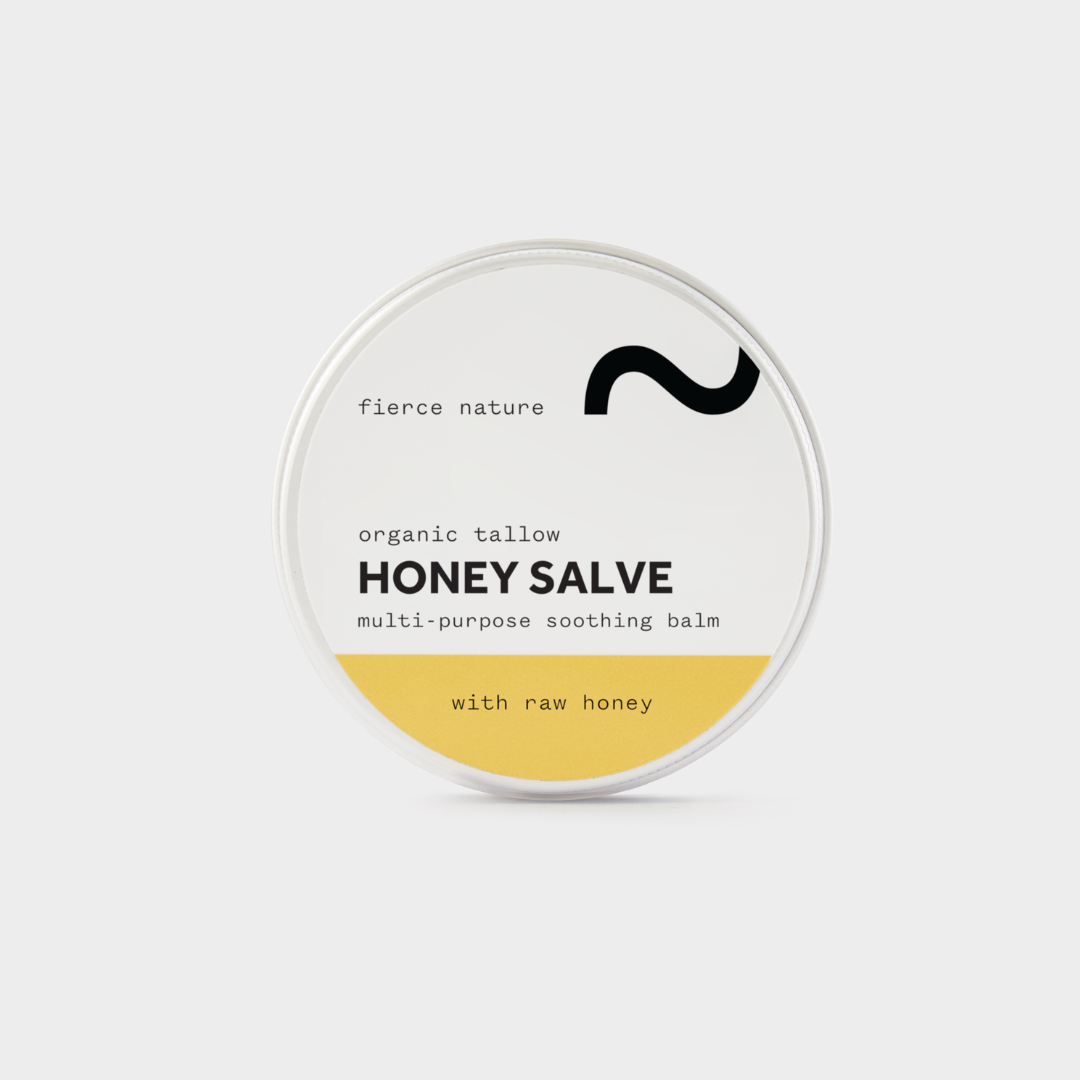
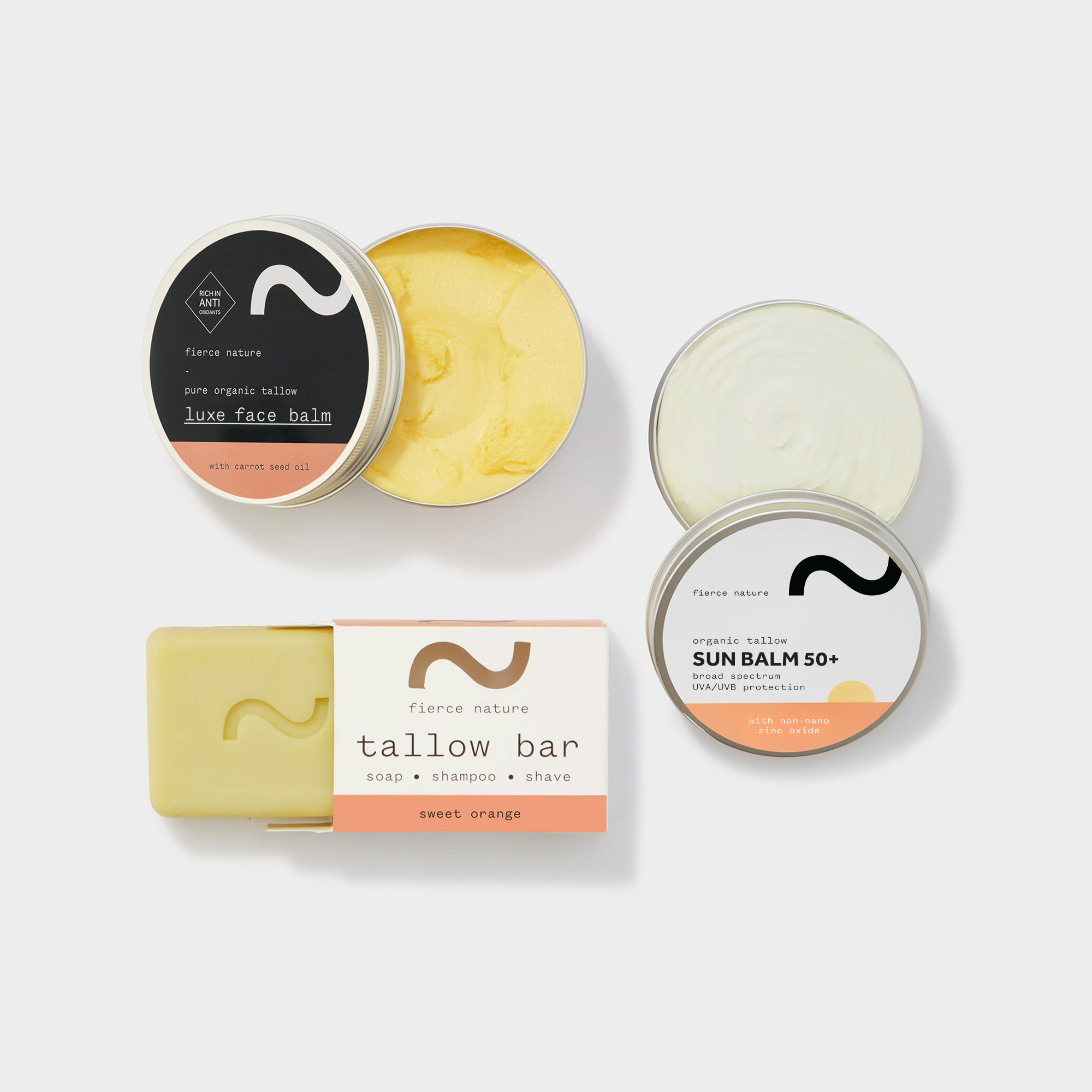
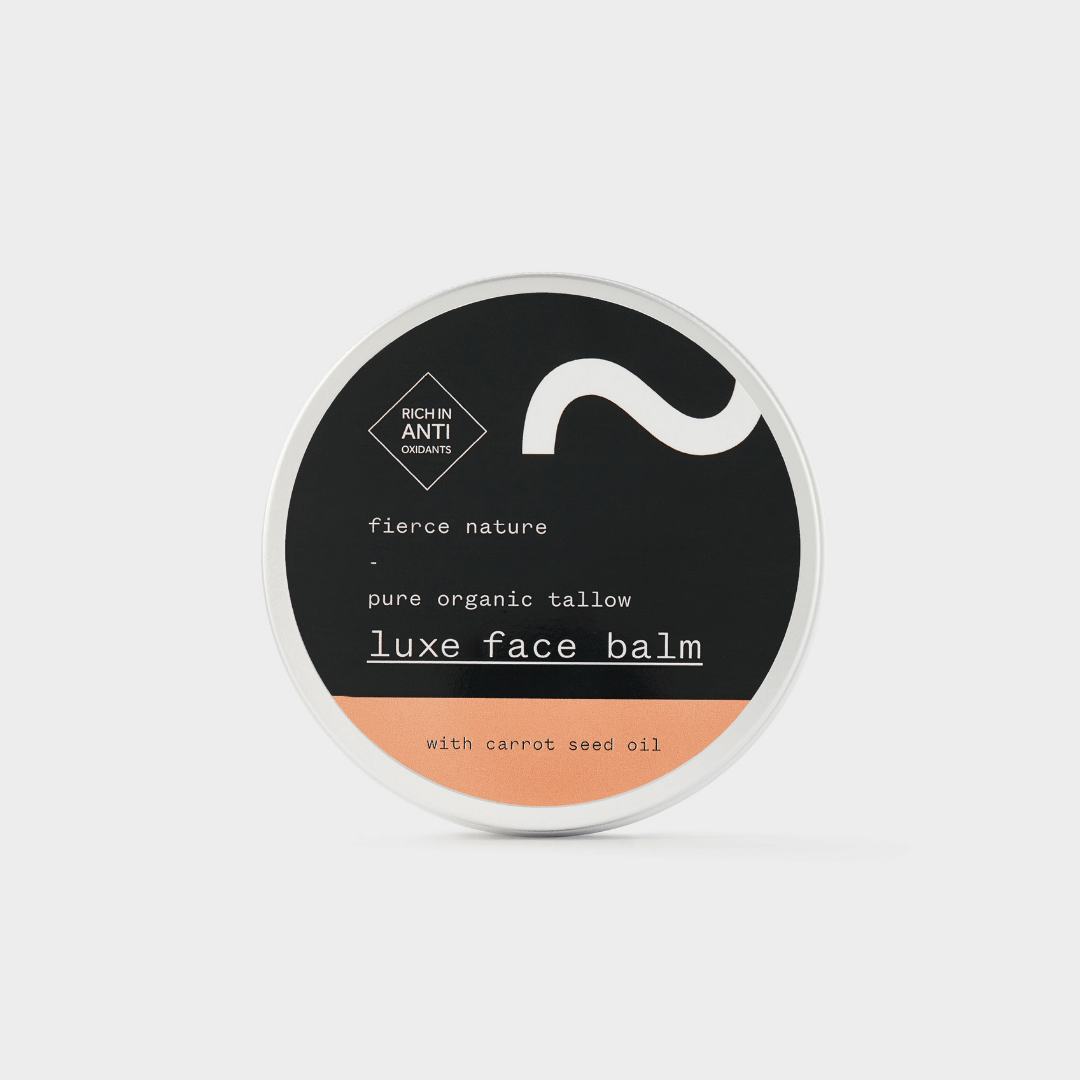
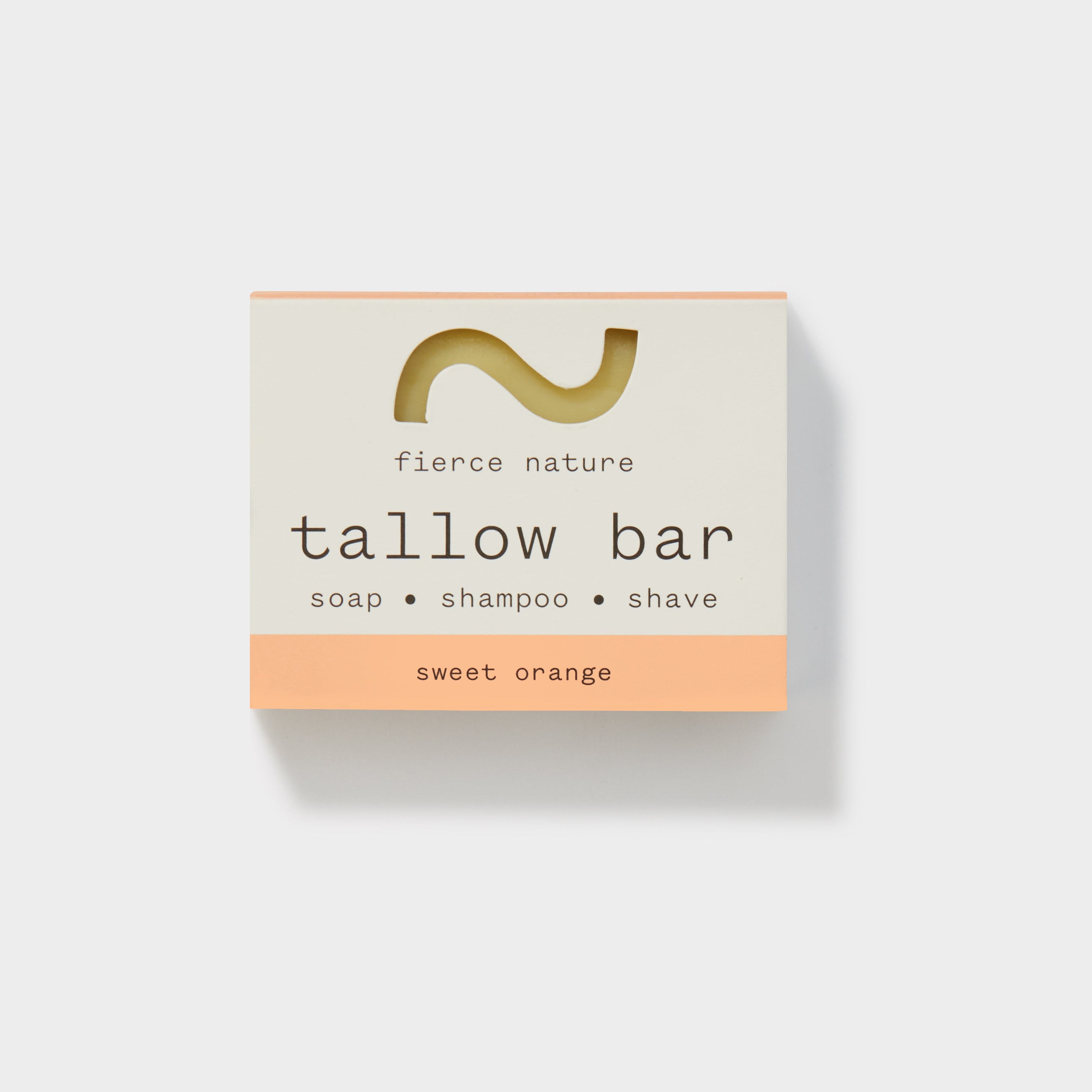
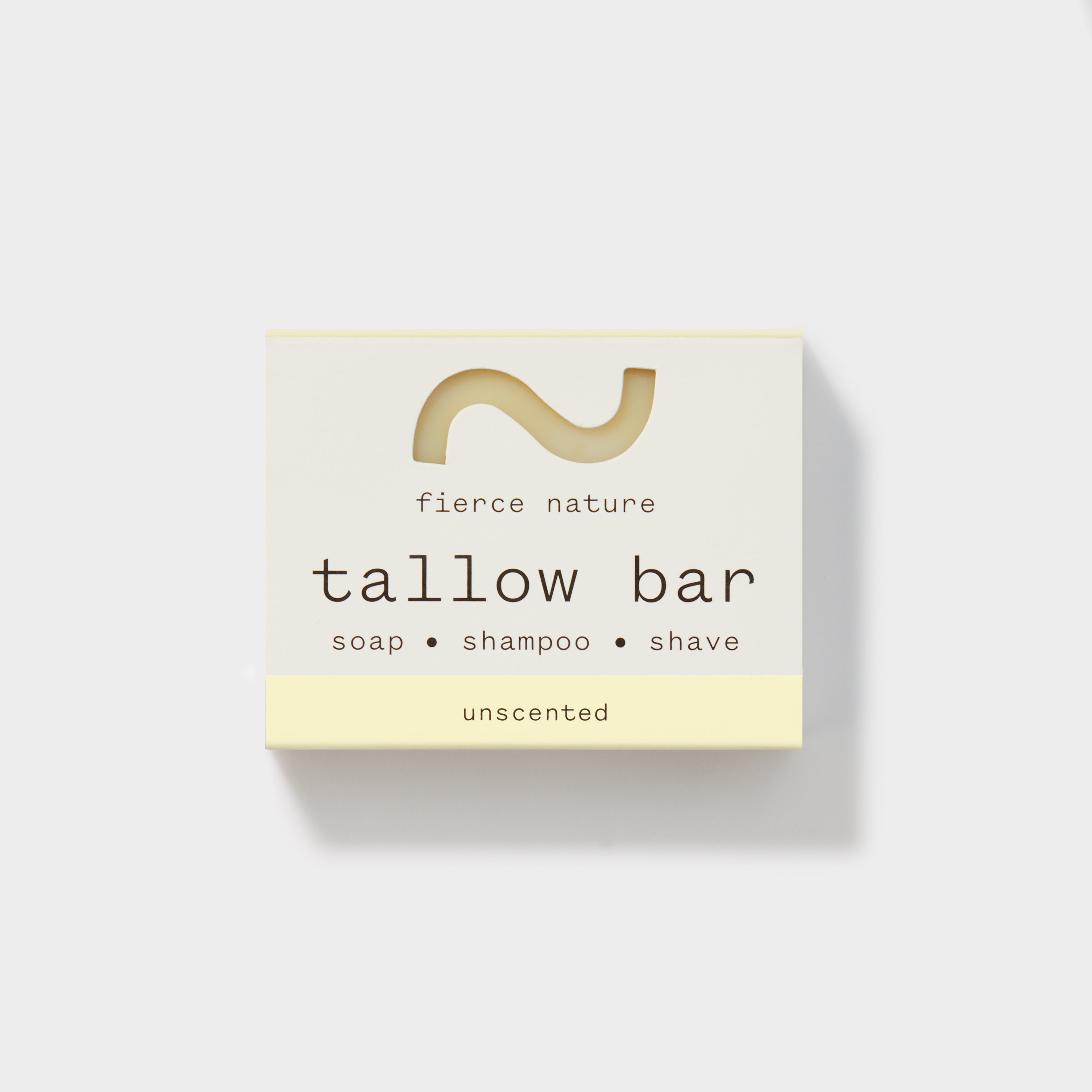
Tallow balm – mimics human sebum and is high in fat-soluble vitamins
Shea butter – packed with fatty acids and soothing properties
Coconut oil – antimicrobial and deeply hydrating (patch test first)
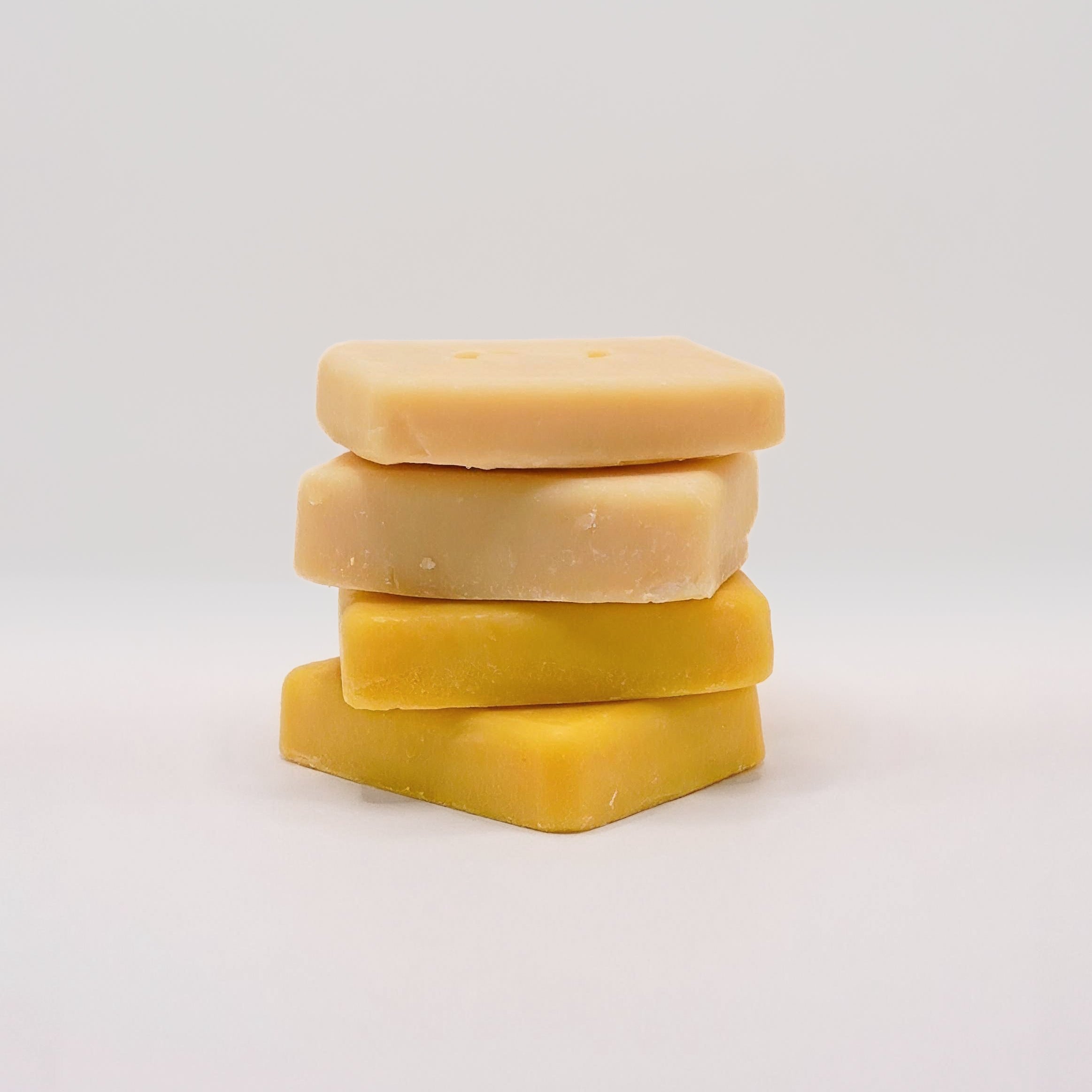
Beeswax – forms a breathable seal over dry or cracked areas
These types of moisturizers should be applied immediately after bathing to trap water in the skin.
Many so-called “gentle” products still contain ingredients that can aggravate eczema. When choosing natural care for eczema, always avoid:
Synthetic fragrances and dyes
Parabens, sulfates, and alcohols
Preservatives like phenoxyethanol
Harsh exfoliants or scrubs
Instead, opt for fragrance-free or naturally scented products using calming botanicals like chamomile, calendula, or oat extract.
Traditional foaming cleansers often strip the skin of its natural oils. Switch to gentle, non-foaming options that clean without disrupting the skin barrier. Good options include:
Raw honey – naturally antibacterial and hydrating
Oat-based cleansers – relieve itching and calm inflammation
Oil cleansers – use natural plant oils to dissolve dirt without drying
Less is more—choose products with short, readable ingredient lists.
Certain herbs and plant extracts offer anti-inflammatory and skin-repairing benefits ideal for eczema-prone skin. Look for these healing powerhouses:
Calendula – known for reducing redness and speeding up skin healing
Chamomile – calms irritation and itchiness
Licorice root – helps reduce inflammation and skin discoloration
Marshmallow root – coats and protects sensitive skin
These ingredients can be found in creams, balms, herbal teas, or as diluted essential oils (only with guidance and patch testing).
Colloidal oatmeal is a staple in natural care for eczema due to its soothing, anti-inflammatory properties. You can buy pre-made oatmeal bath powders or simply grind organic oats into a fine powder at home.
Add to lukewarm baths to relieve itching, calm flare-ups, and soften scaly patches—especially helpful during acute flare-ups or winter months.
Natural eczema care isn’t just about what you put on your skin—it also includes what you put in your body. Anti-inflammatory diets rich in omega-3s, probiotics, and antioxidants can help support skin health. Consider:
Flaxseed oil, chia seeds, and oily fish for essential fatty acids
Bone broth to support collagen and skin regeneration
Probiotic-rich foods to improve gut-skin axis health
Herbal teas like nettle or turmeric to reduce internal inflammation
Hydration and sleep are also crucial in keeping skin calm and resilient.
Natural care takes time. Unlike steroids or chemical-based treatments that offer fast results, natural products support the skin’s healing over the long term. Consistency is key. Stick to a simple, nourishing routine for several weeks to allow your skin to adjust and rebuild.
Use one new product at a time and give it time before introducing others—this makes it easier to spot what helps and what doesn’t.
Your skin doesn’t exist in isolation. Environmental factors play a major role in eczema management. Protect your skin by:
Using a humidifier during dry months
Avoiding synthetic fabrics that trap heat and irritate skin
Using natural laundry detergents without fragrance or dyes
Wearing breathable, loose clothing made from cotton or bamboo
By creating a skin-friendly environment, you make it easier for topical treatments to work effectively.
Finding the right natural care for eczema means looking for products and routines that focus on healing, not just symptom suppression. By choosing natural, whole-ingredient formulas that support the skin barrier, you can calm flare-ups, reduce irritation, and restore comfort without relying on harsh medications.
Take the time to understand your triggers, build a routine with proven natural remedies, and support your skin holistically from the inside out. With consistency and the right tools, eczema doesn’t have to control your life—natural care can empower you to manage it gently and effectively.
for more information about us feel free to visit -> Fierce Nature