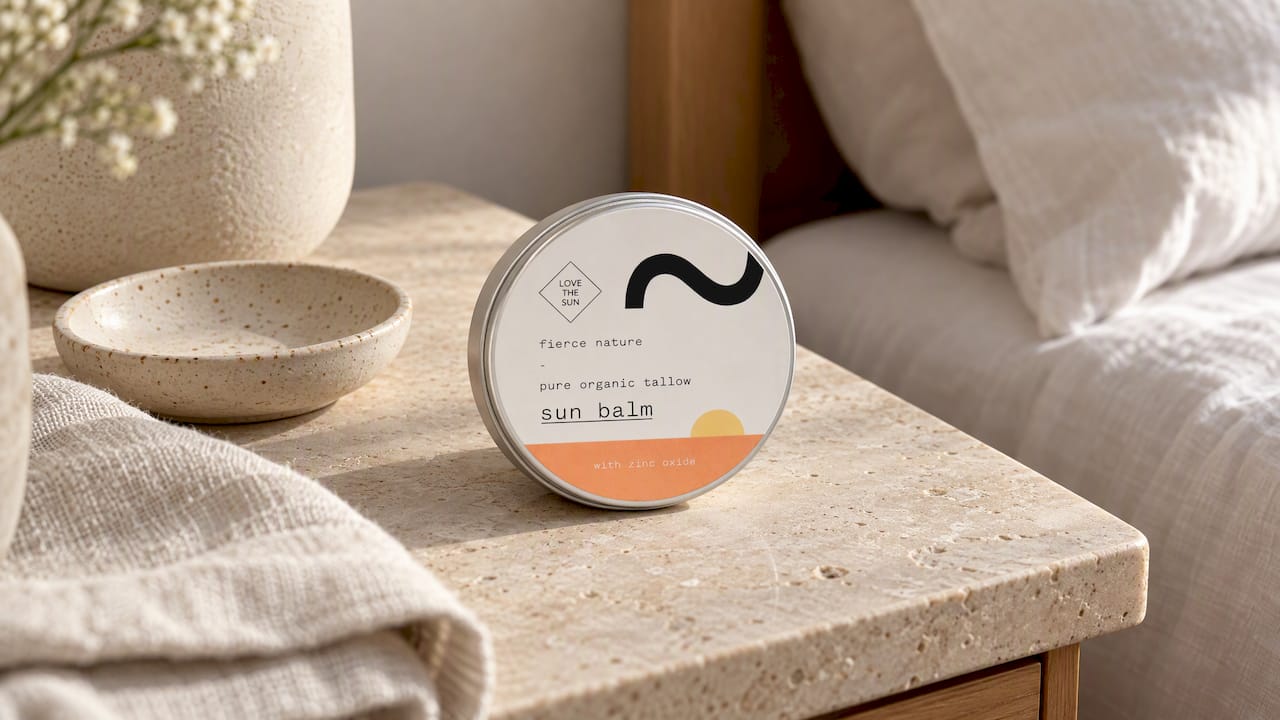
Natural ingredients
•
Kind to skin
•
A healthier planet
Ti abbiamo inviato un'email con un link per aggiornare la tua password.
reimposta la tua password
Ti invieremo un'e-mail per reimpostare la tua password.
Recyclable Skincare Packaging: Why Mixed Materials Fail UK Brands
Ralph Barrozo
0 Commenti
The simplest recyclable choices for skincare packaging are glass, aluminium and mono-material plastics such as rPET, HDPE or PP, because they slot cleanly into existing collection and reprocessing systems. Refill and reuse systems often do even more good over the long run. UK Extended Producer Responsibility rules are nudging brands further towards both, so we will walk through the design rules, the consumer steps and the sourcing questions that make this practical rather than theoretical.
TL;DR:
Choose single material containers with compatible closures; PVC, metalized films, carbon black pigments, and mixed material pumps or springs can prevent recycling.
Refill systems can offer better lifecycle results after three or four uses, so convenience, incentives, and clear return instructions encourage continued use.
UK kerbside rules vary by council, so check local guidance, empty and rinse containers, separate removable components, and use return points when needed.
Before ordering, verify recycled content, closure materials, formula compatibility, minimum order quantities, lead times, and traceability, then test a small batch against technical documents.
Fierce Nature
Explore Nature-Led Skincare
Fierce Nature makes handmade UK skincare with naturally sourced ingredients and pure organic tallow as its foundation.
Which materials are widely recyclable and how they perform
Glass is a workhorse for creams, jars and balms. It is fully kerbside recyclable in most areas when the lid or closure is removed or made from a compatible material, and it never loses quality through repeated recycling.
Aluminium behaves similarly: a mono-material tin or tube can be recycled almost indefinitely, which makes it a strong option for travel-sized balms or lip products. The catch is that any plastic liner or mixed-metal pump can push an otherwise good aluminium piece out of the recycling stream entirely.
Mono-material plastics, meaning a single polymer rather than a blend, perform best when optical sorting equipment can detect them cleanly. Unpigmented rPET and clear APET have the most stable end markets, while HDPE and PP are also reliably recycled, though added colour or contamination can reduce their value to reprocessors.
Certain choices reliably cause rejection at sorting and reprocessing stages, and WRAP and RECOUP guidance flags them consistently:
PVC, which contaminates PET recycling streams and is rarely accepted kerbside.
Metalised films and foil laminates, which cannot be separated from the base polymer.
Carbon-black pigments, which optical sorters often fail to detect.
Mixed-material pumps and springs, which can cause an entire container to be rejected.
Choosing the plainer, single-material option nearly always beats a cleverer-looking composite.
Refill and reuse systems: practical models for skincare brands
Refill is not one idea but several, and the right model depends on the product itself.
In-store refill stations, where customers bring a container back to a counter dispenser, suit liquid formulas like body wash or shampoo.
Return-and-refill schemes, where a brand collects used containers by post or drop-off and redistributes them after cleaning, work well for heavier balm pots.
Pouch refills, a lightweight sachet that tops up a more durable primary container, suit creams and balms that need protecting from air and light.
Subscription refills, where a new fill arrives on a set schedule, build the repeat habit that makes any refill system worthwhile.
Refill systems typically reach their carbon break-even point after multiple refill cycles, meaning the environmental benefit depends on people refilling containers repeatedly. That is why convenience, a clear incentive and unambiguous labelling on what goes back and how matter as much as the packaging design itself.
Pro Tip:Trial a refill offer with a small, loyal customer group first, since real behaviour tells you more than a survey ever will.
Design for recyclability: actionable rules for brands and designers
A handful of design choices decide whether packaging actually gets recycled once it leaves the shelf.
Build in single-polymer construction wherever the formula allows it, including closures that match the main body.
Keep label coverage modest and use adhesives that release cleanly in standard reprocessing, since a full-body sleeve can hide the polymer from sorting equipment entirely.
Avoid carbon-black pigment and choose colourants that sorting systems can detect, sticking to polymer families with known, stable end markets.
Design pumps and closures so small components are either removable by the user or made from a material compatible with the main body, since mixed metals and springs can get a whole item rejected.
Recyclability-by-design guidance from WRAP and RECOUP treats these as the technical baseline for cosmetics packaging, and it is a useful reference point when briefing a packaging supplier or converter.
How to recycle cosmetic packaging in the UK: a clear workflow
Getting a container into the right bin starts with checking what your local council actually accepts, since kerbside rules vary by area and not every authority takes small cosmetic containers.
Check your local authority’s guidance before assuming a container is kerbside recyclable.
Empty the container fully and rinse where the material allows, since leftover product residue is a common reason items get rejected at the sorting stage.
Separate card sleeves or outer boxes from the plastic or glass body, and remove pumps or sprayers if your council asks for it.
Flatten cartons and tubes where you can to save space and help sorting machinery.
If kerbside collection will not take an item, look for a brand take-back scheme or an in-store return point instead.
Resources like Recycle Now and your council’s own website carry the most current rules for your postcode, and checking them before you bin something saves a recyclable item from ending up in general waste by mistake.
Where brands and buyers can source recyclable or refill-capable packaging
Sourcing the right packaging means approaching specific supplier categories rather than a generic packaging catalogue. Glass converters, aluminium pack suppliers, mono-material plastic moulders, refill pouch manufacturers and refill-system integrators each specialise in a different part of this picture.
Whichever supplier you approach, the same questions sort the genuinely recyclable options from the ones that only sound it:
What percentage of recycled content is in the material, and can it be verified?
Is the container confirmed mono-material, including the closure?
Is the packaging compatible with your formula’s pH, oils and preservation needs?
What are the minimum order quantities and lead times for a small-batch brand?
Can the supplier provide traceability on where the raw material comes from?
Asking for a technical data sheet and a small pilot run before committing to a full order catches most compatibility problems early, well before they become an expensive reprint.
Fierce Nature perspective: applying recyclable design to handmade skincare
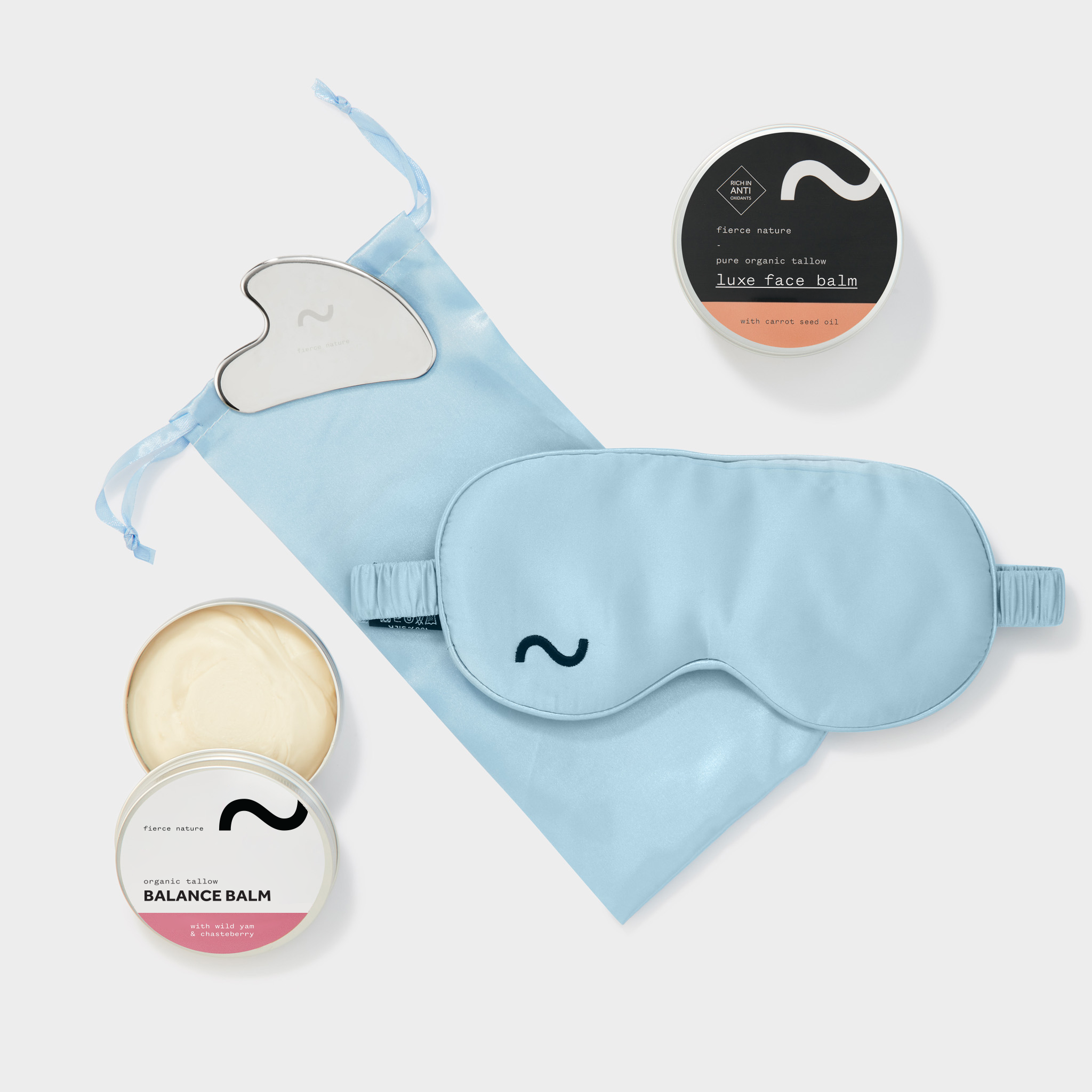
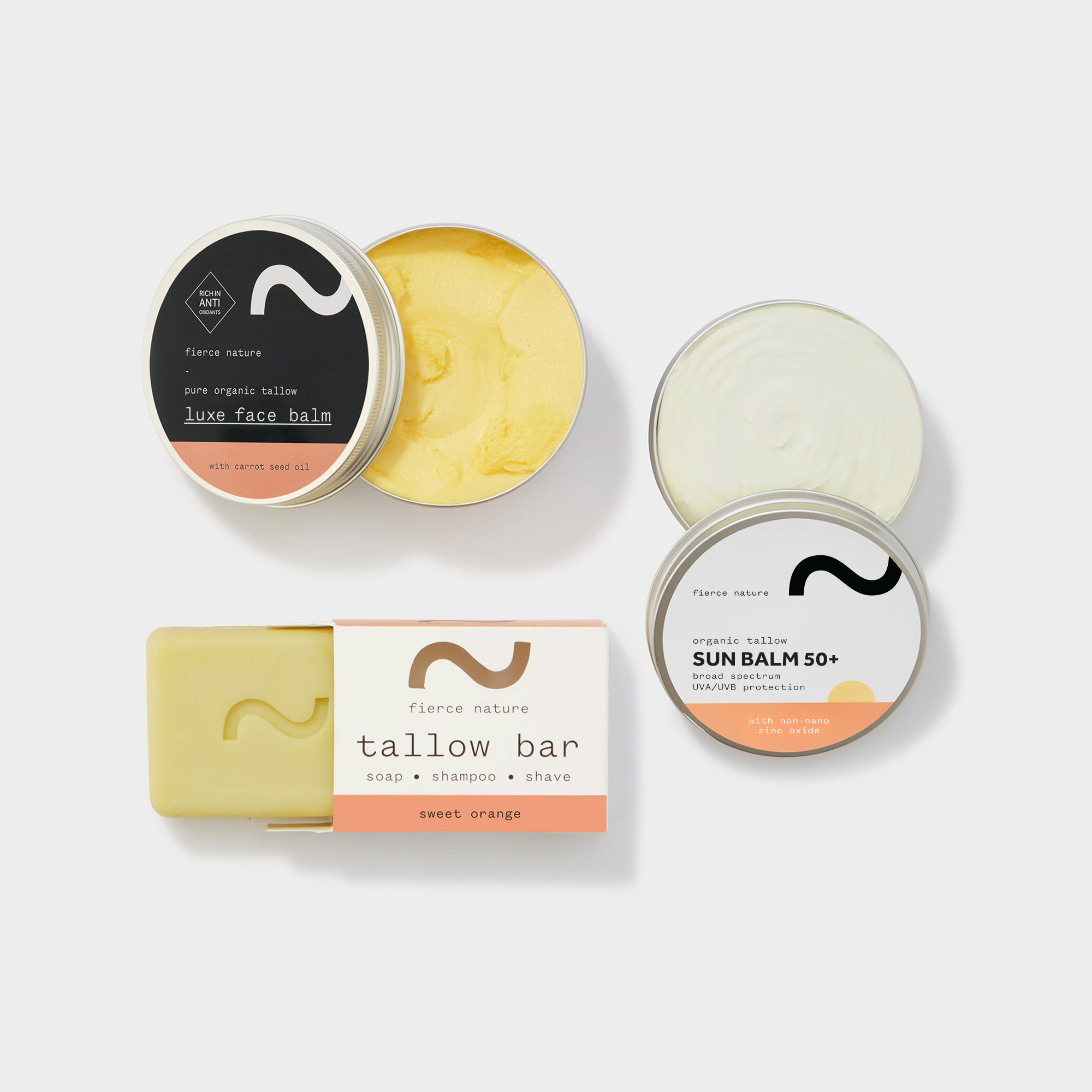
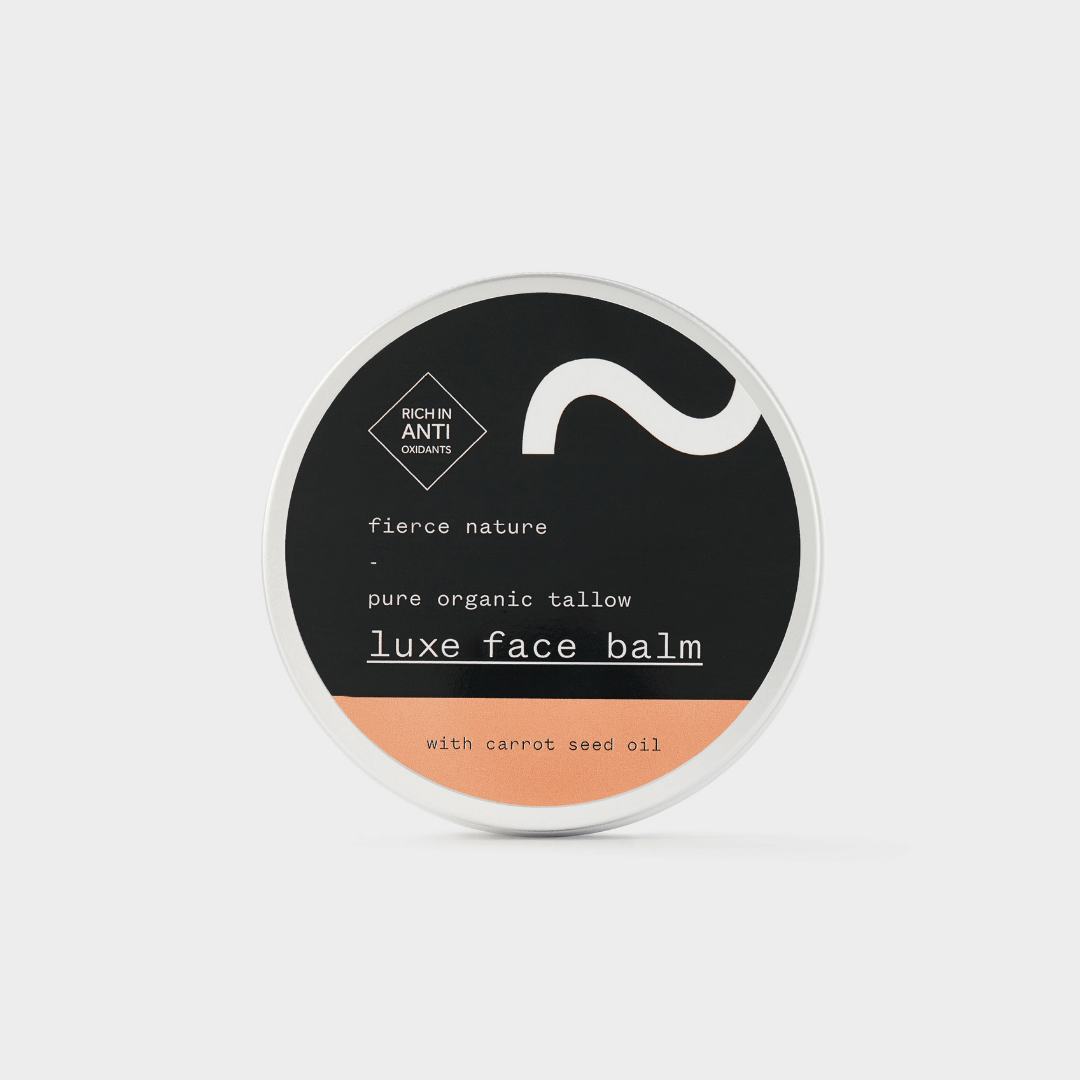
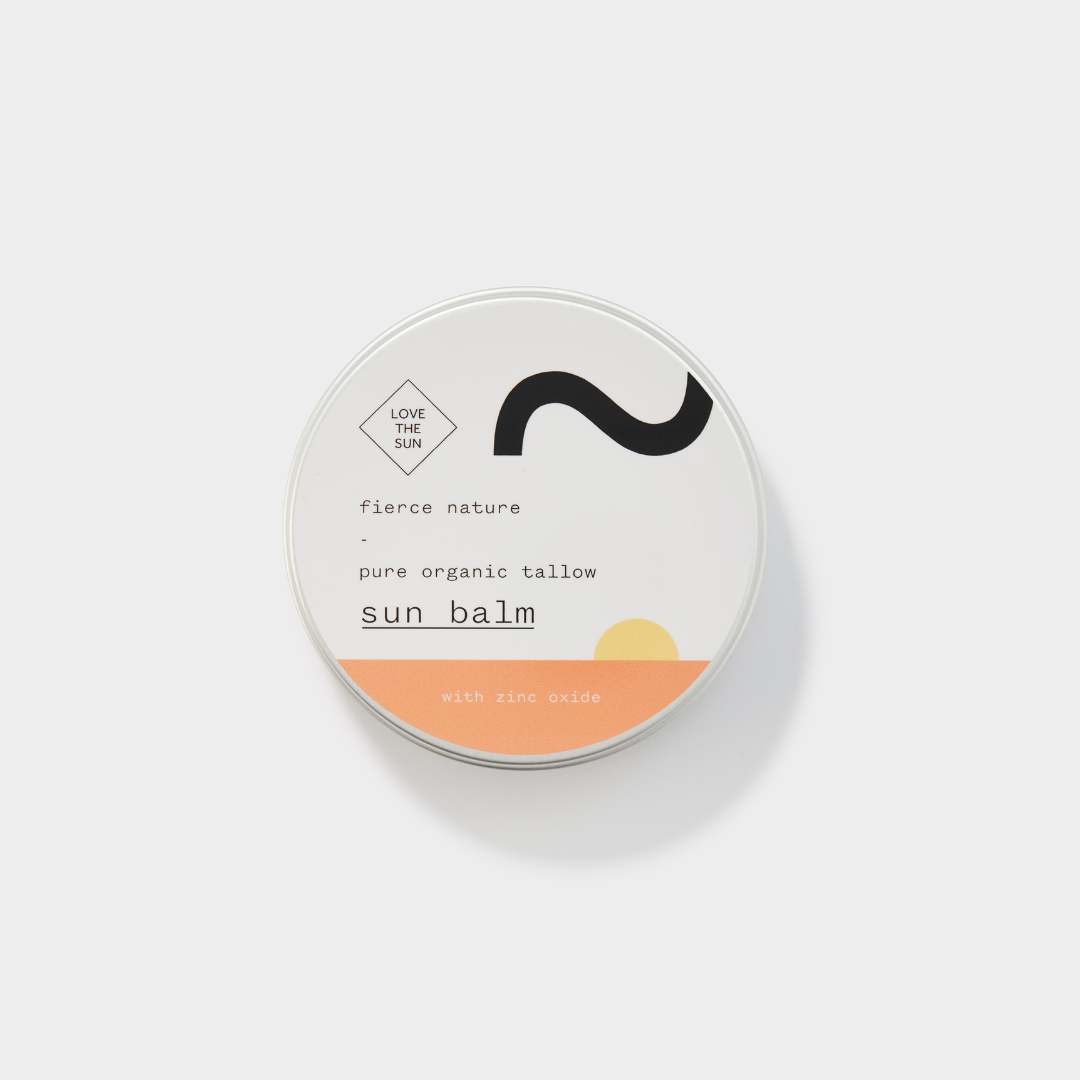
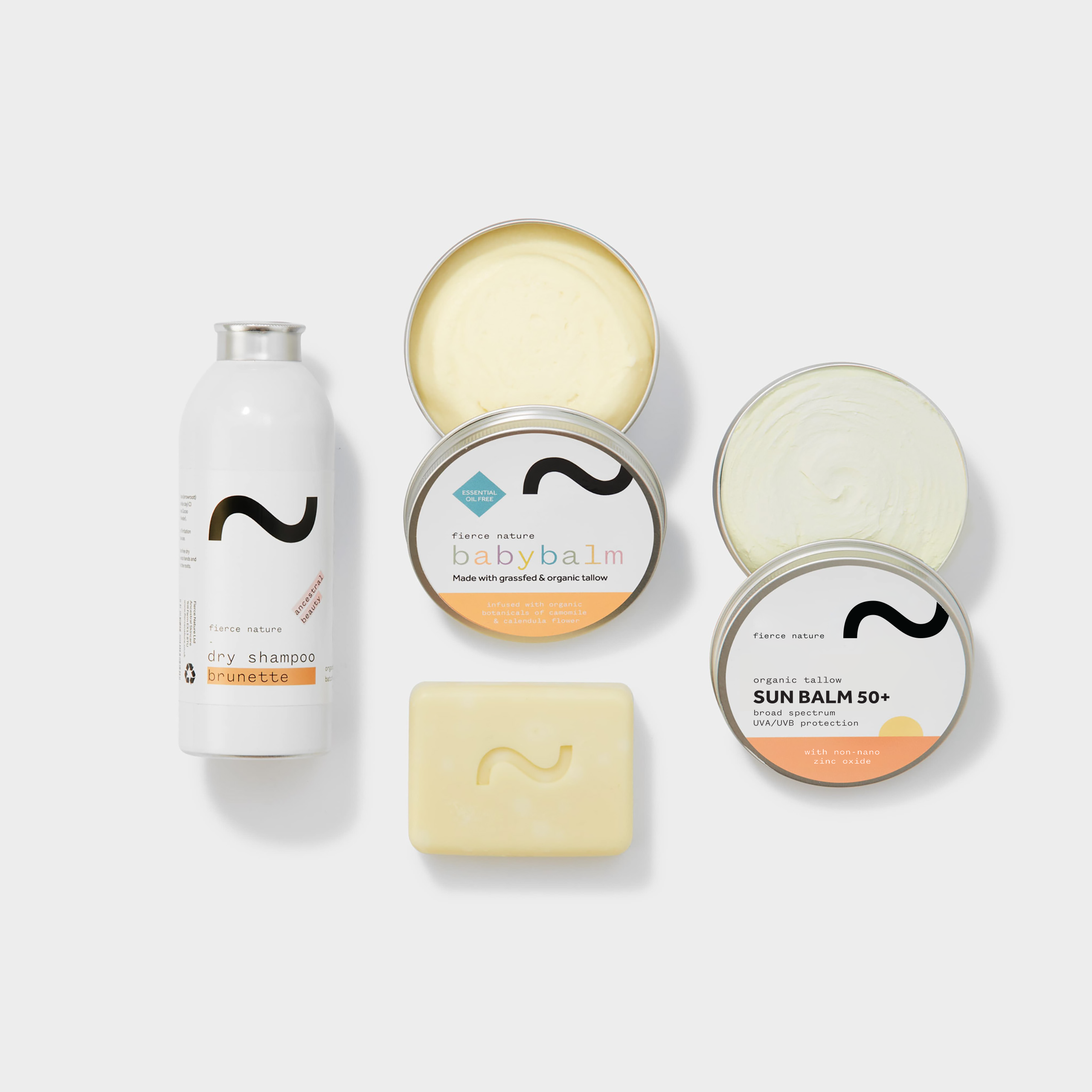
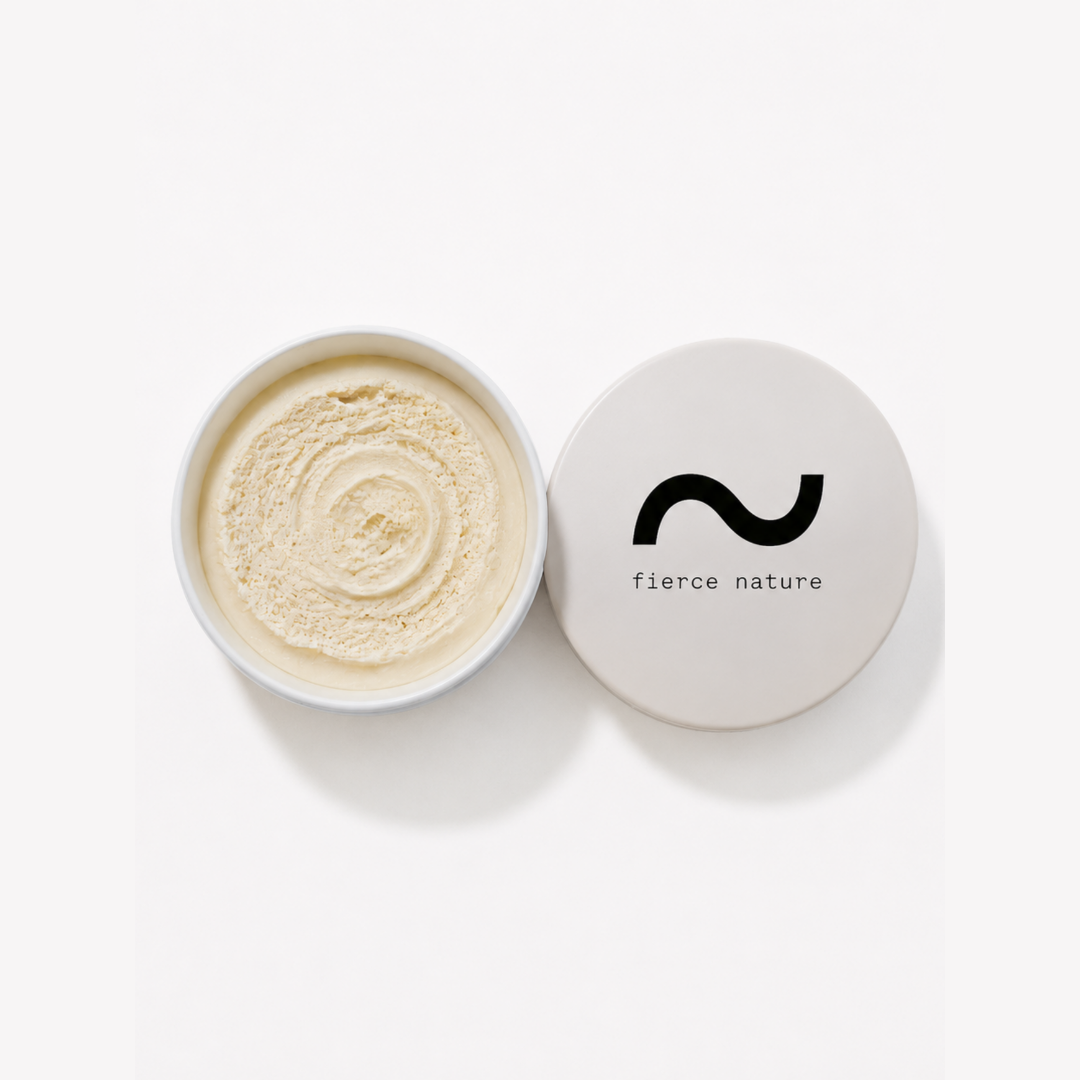
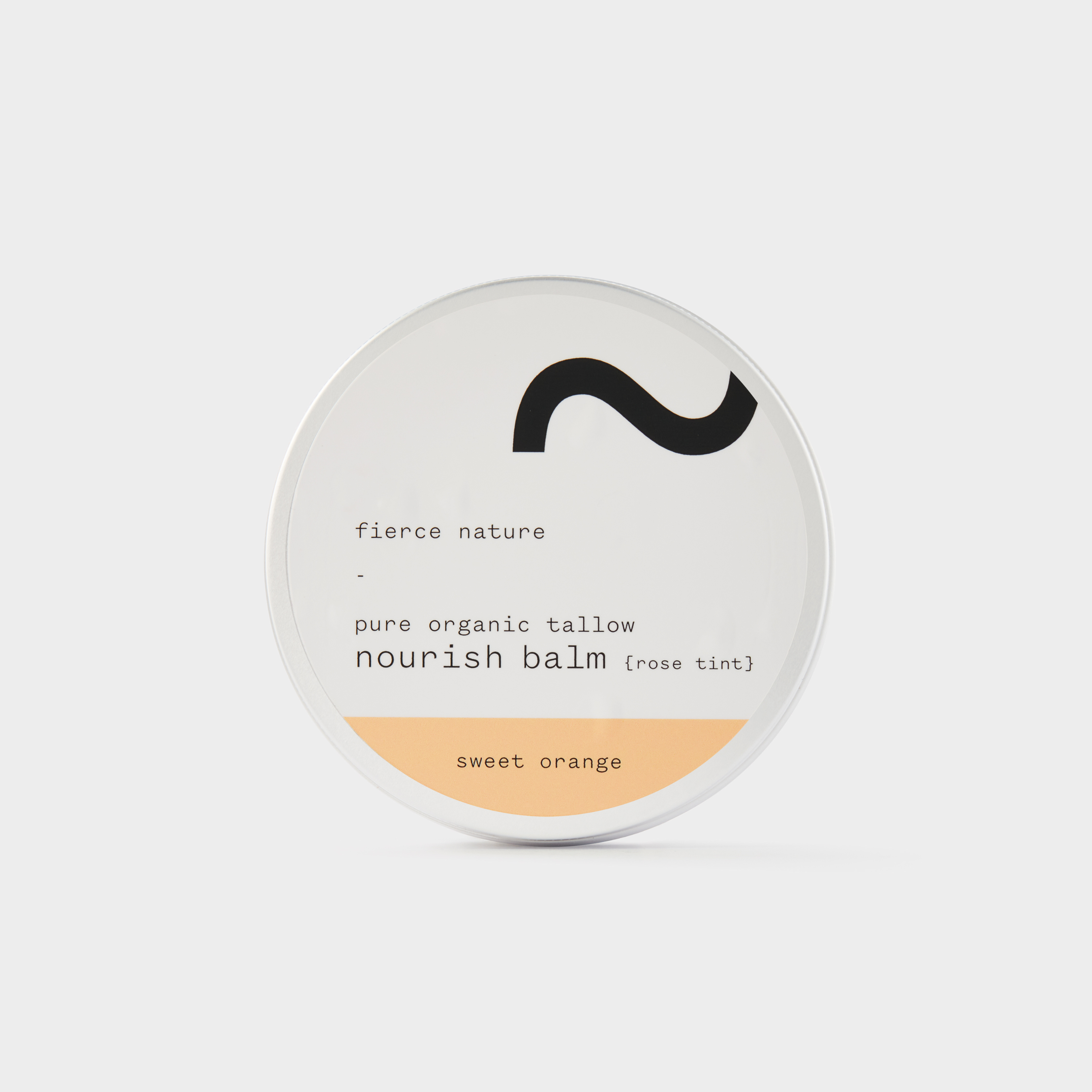
We lean on glass jars for richer formulas like our Luxe Balm, because glass protects tallow-based balms well and recycles cleanly without a liner to worry about. For travel formats, aluminium tins provide durability in a lighter container.
Small-batch testing has taught practical lessons: customers reported when a label felt hard to peel before recycling, so the label was simplified. We lean on our INCI checklist when choosing materials that will not react with grass-fed tallow, and our greenwashing guide explains how we think about sustainability claims we are willing to stand behind.
Packaging choices should protect the formula first and the planet close behind, never one at the expense of the other.
Why recyclable and reusable packaging is good product stewardship
Good packaging design is not a bolt-on to a good formula, it is part of it and highlights the importance of brand consistency for UK businesses to maintain trust and identity throughout eco-conscious changes like recyclable packaging (The importance of brand consistency for UK businesses). A balm that nourishes your skin but ships in packaging nobody can recycle has only done half its job. Treating the container with the same care as the contents, choosing materials that keep their value at end of life, is what separates a brand that talks about sustainability from one that builds it into the product itself.
Readers and brands alike benefit from asking the same question at every stage: does this packaging work with the planet, or against it?
— Fierce Nature
How we put these principles into practice
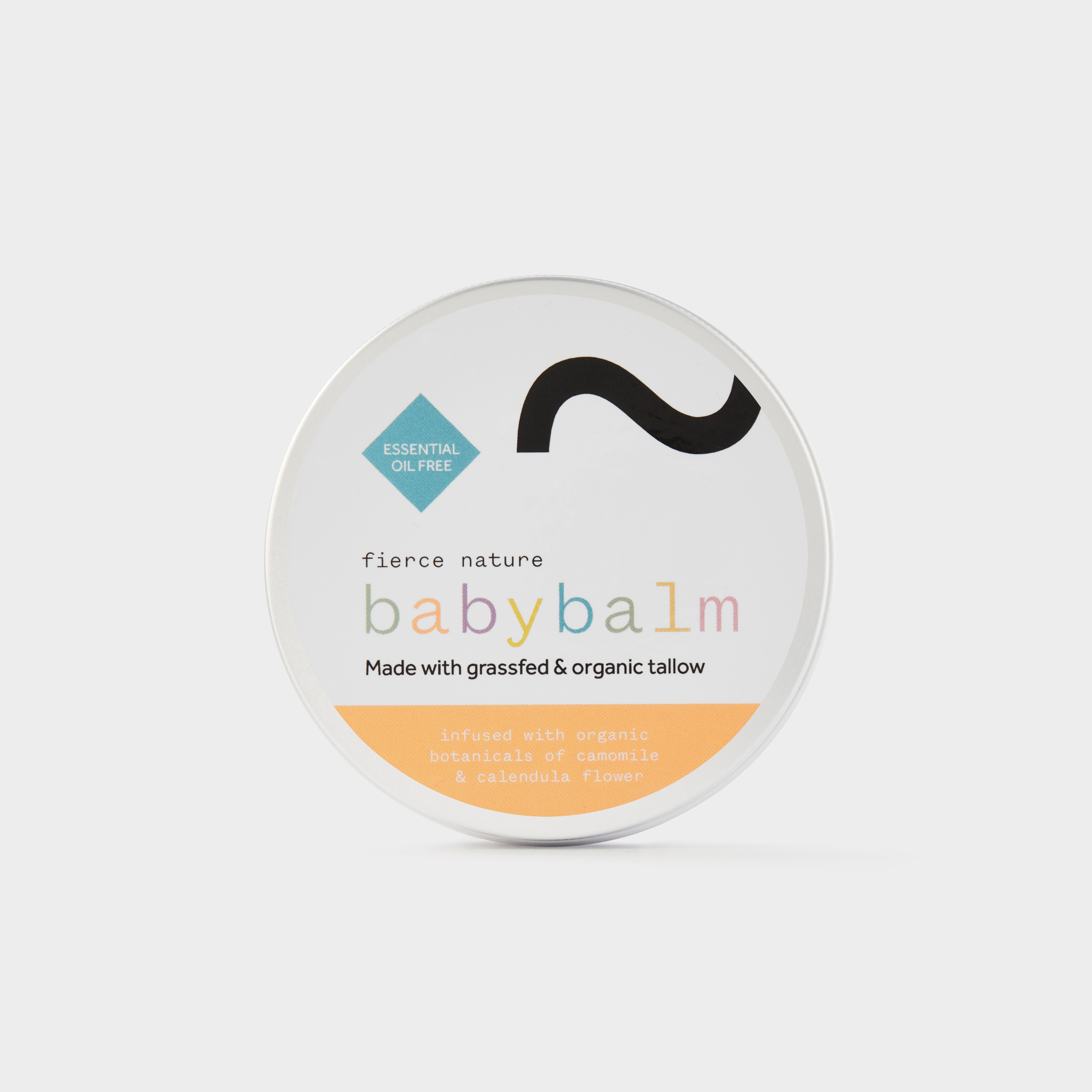
We apply this thinking across our own range, from the Biohacking bundle and our Luxe Balm to our Non-toxic Baby Skin Essentials, choosing glass and aluminium wherever the formula allows it. If you would like to see how a specific product is packaged or hear about refill updates, our full balm collection is a good place to start exploring.
FAQ
How can I recycle cosmetic packaging in the UK?
Check your local council’s guidance first, since kerbside rules differ between areas, and empty and rinse containers before putting them out. If your council does not accept an item, look for a brand take-back scheme or an in-store return point instead.
What is the most eco-friendly packaging for cosmetics?
Glass and aluminium are generally the easiest materials to recycle repeatedly without losing quality, and mono-material plastics like rPET or HDPE follow close behind. Refill systems can offer even better lifecycle results once a customer refills a container three or four times.
What are some eco-friendly packaging options for beauty products?
Options include glass jars, aluminium tins, mono-material plastic bottles, and refill formats such as pouches or return-and-refill schemes. The right choice depends on the formula, since not every packaging type suits every product.
Where can I get eco-friendly packaging?
Glass converters, aluminium pack suppliers, mono-material plastic moulders and refill pouch manufacturers all supply recyclable or reuse-friendly options. Asking for a technical data sheet and piloting a small run helps confirm compatibility before a full order.