Varukorg
0
80 % också tillagt detta

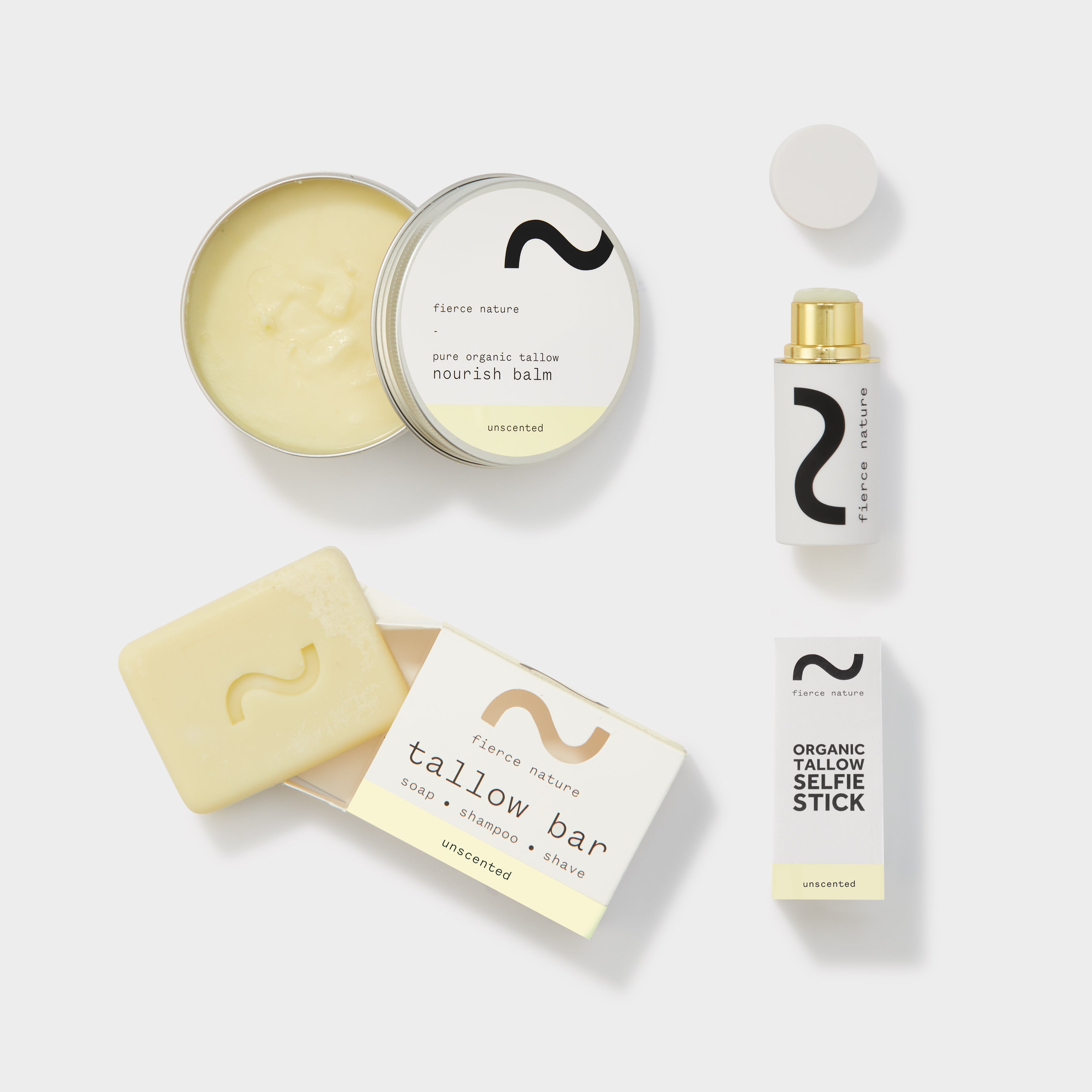
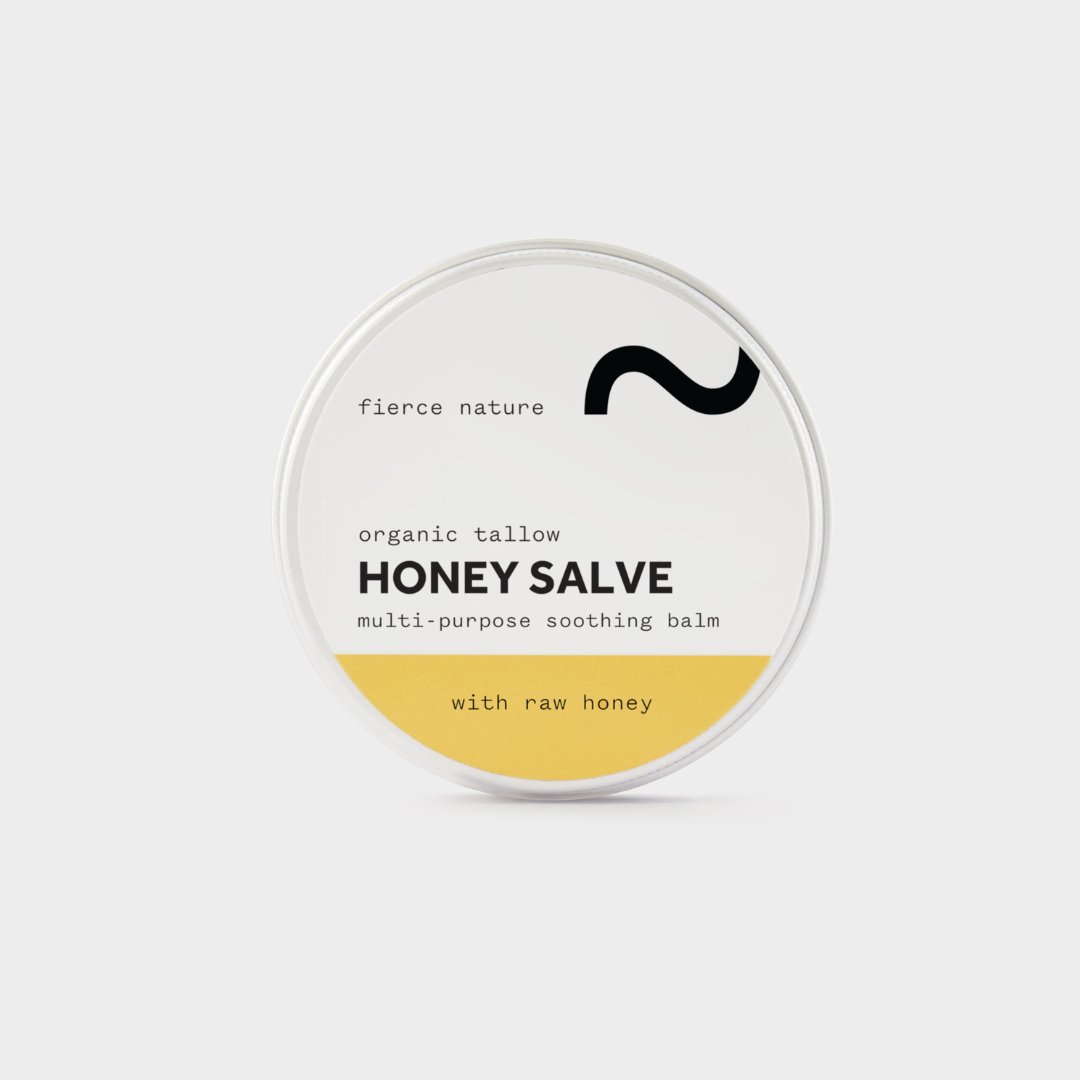
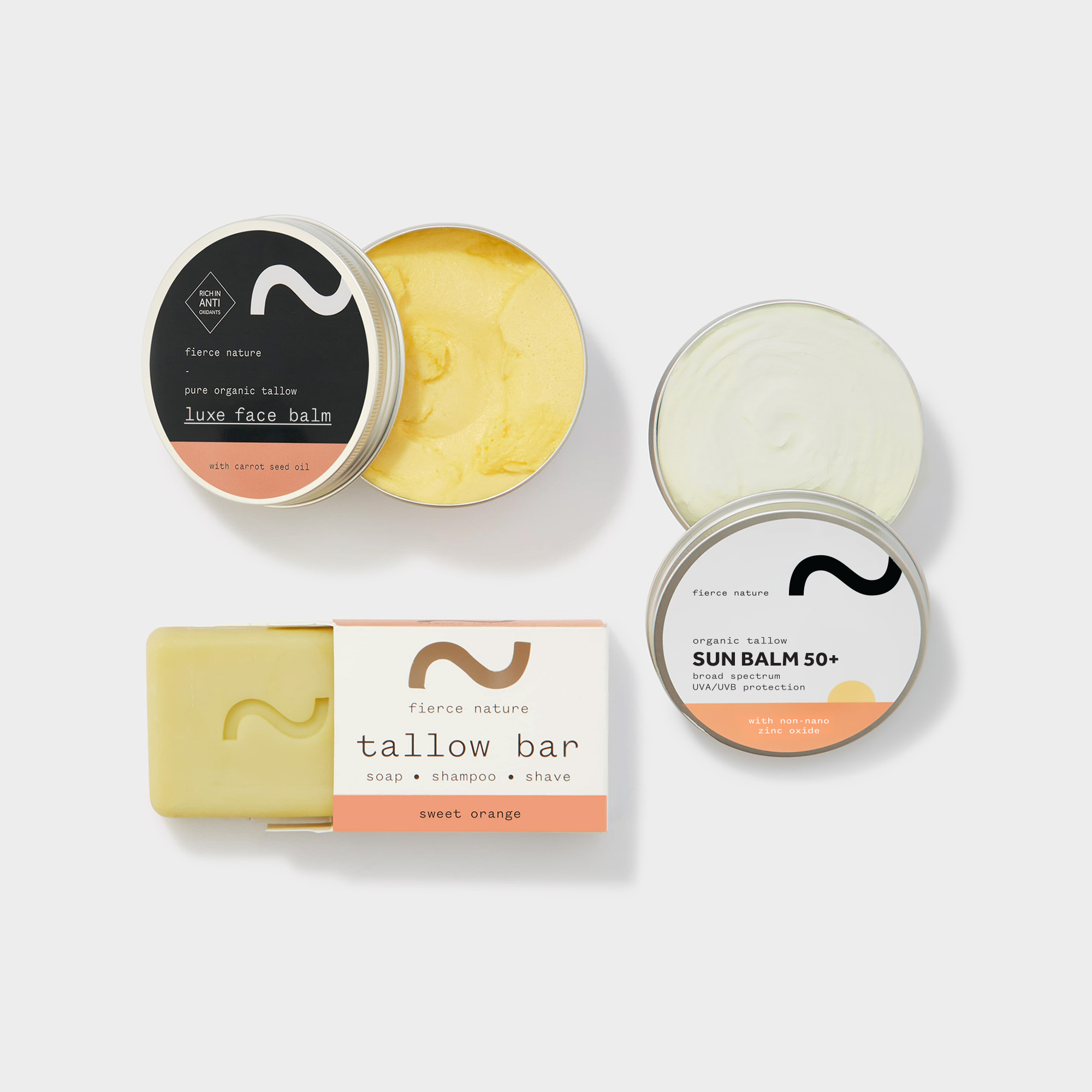
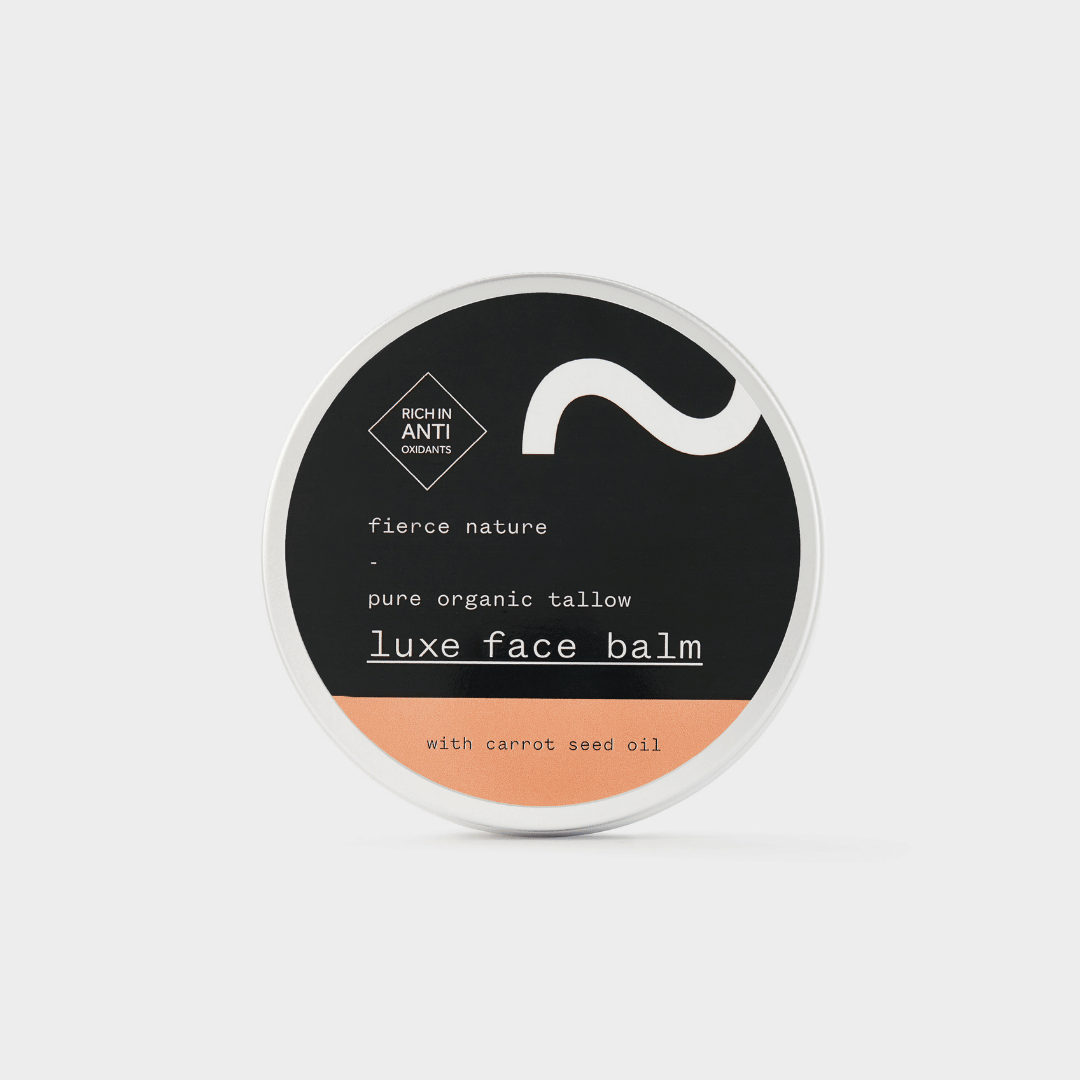




A drool rash, often called a dribble rash, is the red, chapped, sometimes bumpy patch that appears around your baby’s mouth, chin, cheeks and neck when saliva sits on delicate skin. The most effective remedy is a simple one: keep the skin clean and dry, then protect it with a thin layer of a gentle, unperfumed barrier balm. Below we walk you through exactly how to do that, which natural options are worth considering, what to avoid, and the signs that mean it is time to speak to a professional.
We make handmade, tallow based skincare in the UK, so we have a view on what goes on tiny faces. We will share it honestly, alongside the general guidance UK parents are given by the NHS and health visitors.
Babies produce more saliva from around three months, long before most teeth appear. They have not yet learned to swallow it efficiently, so it spills over the lips and runs down the chin and neck. Chewing fists, teething rings and dummies add to the problem by keeping wet surfaces pressed against the face.
Baby skin is thinner than adult skin and loses moisture more easily. When it is wet over and over again, then dries, then gets wet again, the surface becomes red, rough and sore. Saliva also contains enzymes, and food residue on the chin can make things worse once your baby starts solids. Rubbing at the area with a cloth adds friction, which is why the rash can seem to get stubborn despite your best efforts.

Drool rash is not a sign that you are doing anything wrong. It is one of the most common little irritations of the teething months, and for most babies it is more uncomfortable than serious.
Typically you will see:
It tends to flare and settle with your baby’s teething pattern and is usually limited to the places saliva touches.
Babies get plenty of rashes, and several of them look alike at first glance. A few pointers:
| Rash | Where it usually appears | What it tends to look like |
|---|---|---|
| Drool rash | Chin, mouth, cheeks, neck, upper chest | Red, chapped, sometimes bumpy, follows the line of the dribble |
| Baby eczema | Cheeks, scalp, creases of elbows and knees, can spread | Dry, scaly, itchy patches that come and go |
| Nappy rash | Nappy area | Red, sore skin where urine and stool sit against the skin |
| Cradle cap | Scalp, sometimes eyebrows | Yellowish, greasy flakes |
| Heat rash | Neck, chest, skin folds | Tiny red pinpricks after overheating |
Two things are worth knowing. First, babies with eczema-prone skin can find that extra drool aggravates their patches, so a rash that keeps coming back or spreads beyond the dribble zone deserves a closer look. Second, eczema is very common in the UK, affecting roughly one in five babies and children according to NHS leaflets. If you suspect it, your health visitor or GP can confirm what you are dealing with and suggest the right emollient.
If you are not sure what you are looking at, trust that feeling and ask. You never need to wait for it to get worse before getting advice.
The routine below works with your baby’s skin, not against it. It uses very little and costs very little, which is the point.
If your balm comes in a pot, avoid dipping your fingers in over and over. NHS emollient guidance suggests using a clean spatula or a pump dispenser so the product does not pick up germs. Wash your hands first, scoop out what you need, and close the lid.
If your newborn’s skin is dry, cracked or peeling, NHS trusts advise against using creams and lotions in the first weeks and recommend plain water for cleansing. Drool rash is less typical in the first couple of months, so if you see a rash on a very small baby, speak to your midwife, health visitor or GP rather than starting a routine yourself.
Many parents want to keep things as simple and natural as possible, and we understand that. Here is an honest look at the common options.
Protection is the aim. The usual advice is to put a layer between the skin and the saliva, whether that is an emollient, a petroleum jelly or a balm. Each has its own appeal. Petroleum jelly is widely used and works as a plain occlusive. A balm made from skin-compatible natural fats offers an alternative for parents who prefer ingredients from the land rather than the refinery. Whichever you pick, choose an unperfumed one with a short ingredient list.
One safety note: some emollients contain paraffin, and NHS guidance advises caution around naked flames and cigarettes because of fire risk with products that soak into clothing and bedding. It is a good reason to read the label.
Coconut oil is a popular choice and is considered suitable for most babies, according to NCT guidance on caring for baby skin. The same guidance suggests avoiding peanut oil because of allergy risk. If you do try coconut oil, use a small amount of a plain, unrefined type, and patch test first. It can feel greasy and may not stay put on a wriggling face, so it is better as a gentle moisturiser than a long-lasting barrier.
Not every oil in the kitchen cupboard belongs on a baby. Peanut oil is best avoided. Essential oils and fragranced products are best left out of the nursery routine altogether, because perfume is one of the commonest causes of skin irritation. Aqueous cream is another one to skip: NHS advice from Derbyshire family health services notes it can sting and irritate.
You will see breast milk, oat baths and honey recommended in parenting forums. They are not backed by solid guidance for drool rash, and honey should never be given to babies under 12 months. We would keep to plain water and a protective balm, and talk to your health visitor before trying anything more adventurous.
Whatever you choose, test it on a small area, such as the inner thigh or behind the ear, and wait 24 hours before using it on the face. If you see any redness, swelling or increased fussiness, stop and ask for advice.
We started Fierce Nature because our founder grew up battling skin rashes and reactions from mainstream cosmetics and could never understand why. Years later, working in gut health, she came to see how heavy the toxic load of everyday products can be, and she began making skincare that does the opposite: simple, honest and rooted in nature.

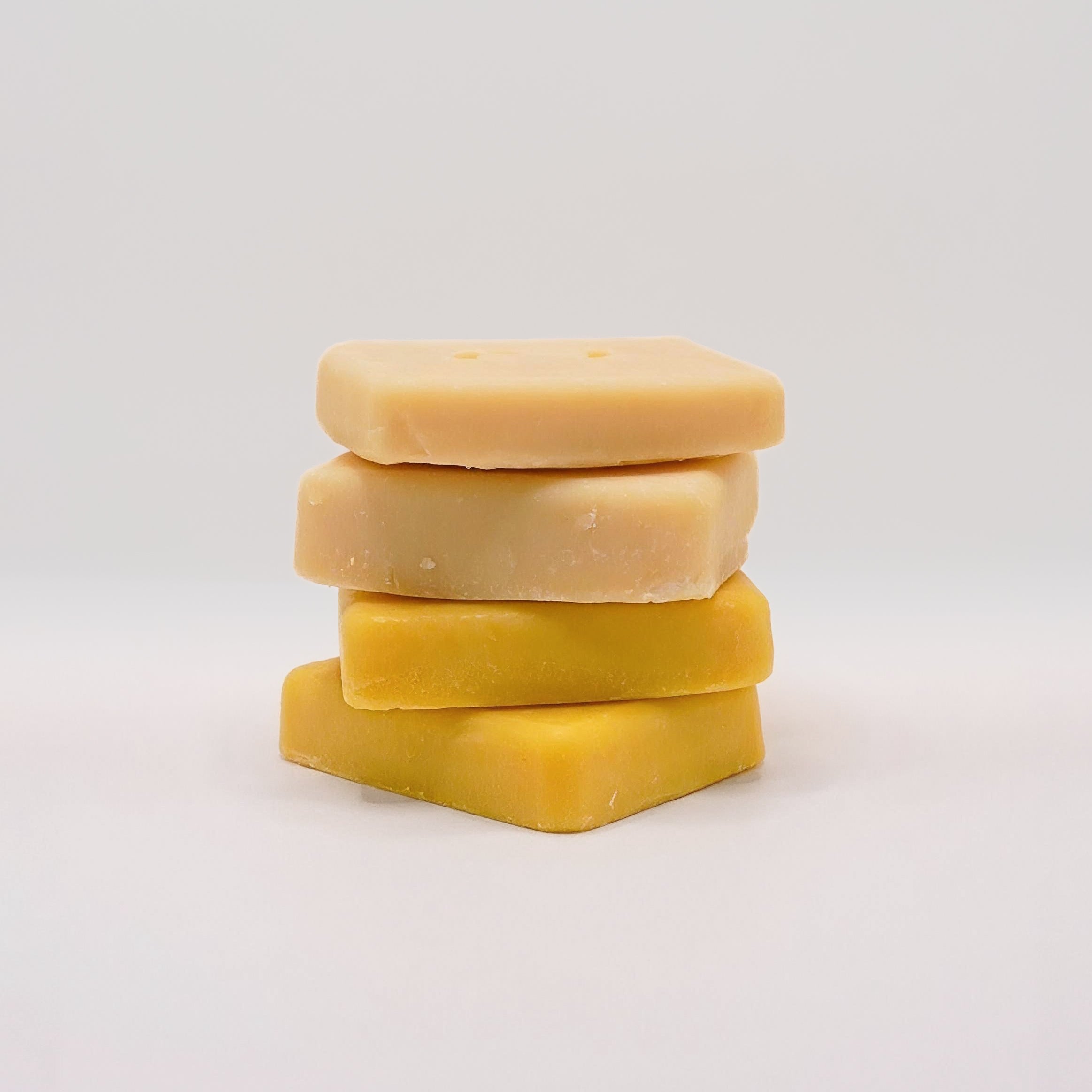
For delicate baby skin, that means pure organic tallow as the foundation. Tallow is rendered fat from grass-fed cattle. It has been used for centuries in soap making and as a skin emollient, and its fatty-acid profile is close to the natural oils in our own skin, which is why we find it so well suited as a nourishing, protective balm. We hand make our balms in the UK, and we keep the ingredients short and transparent so you can see exactly what goes on your baby’s skin.
We are not doctors, and a balm is not a treatment for a medical condition. What we can say is that a good barrier balm is exactly the kind of product a drool rash calls for: it protects the skin, keeps it supple, and lets the body do its own healing. If you want to read more about the topic, our guide to tallow skincare for babies explains how we think about safety, and our piece on avoiding vegetable oils for newborn dry skin covers why we prefer a simple fat base for the youngest babies.
— Fierce Nature
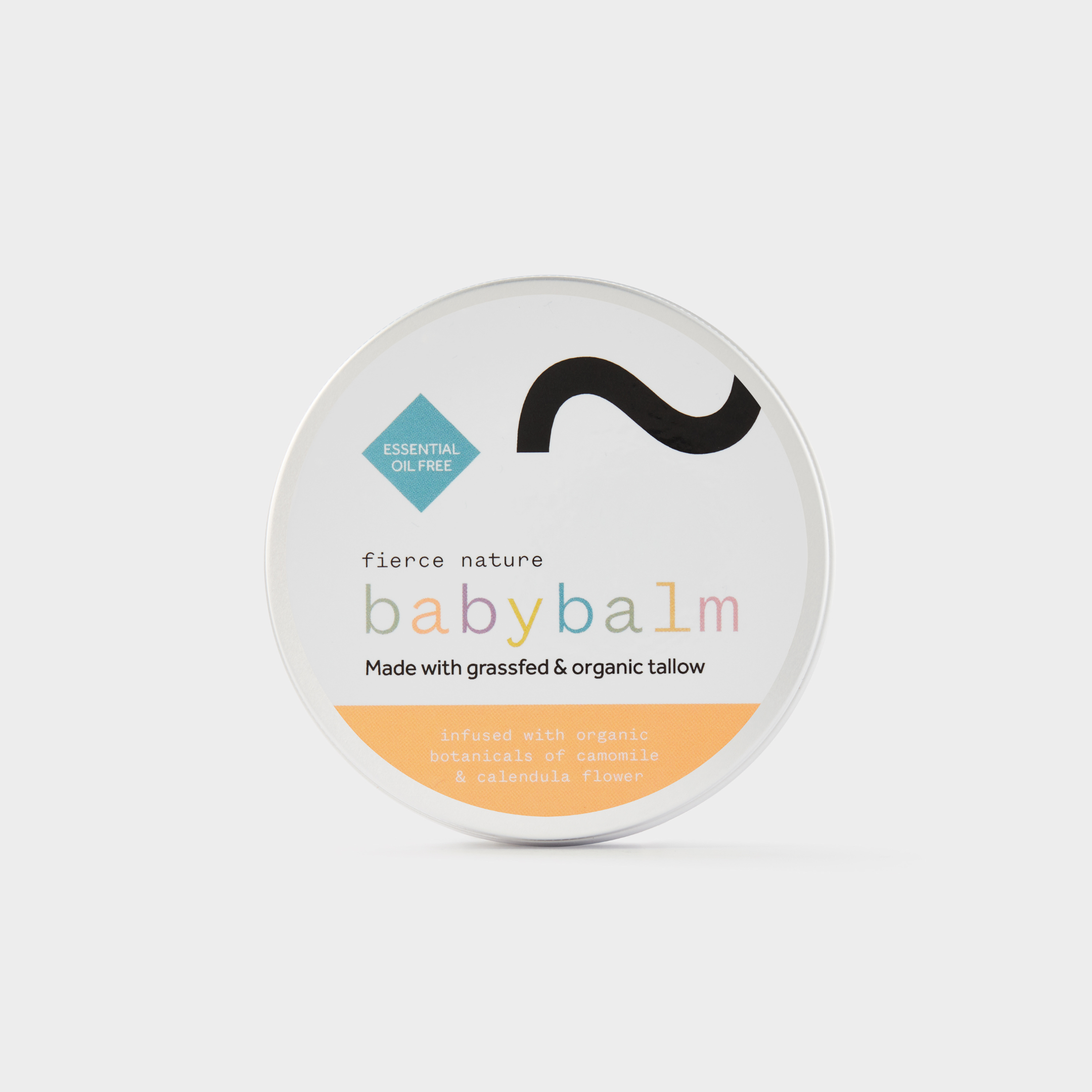
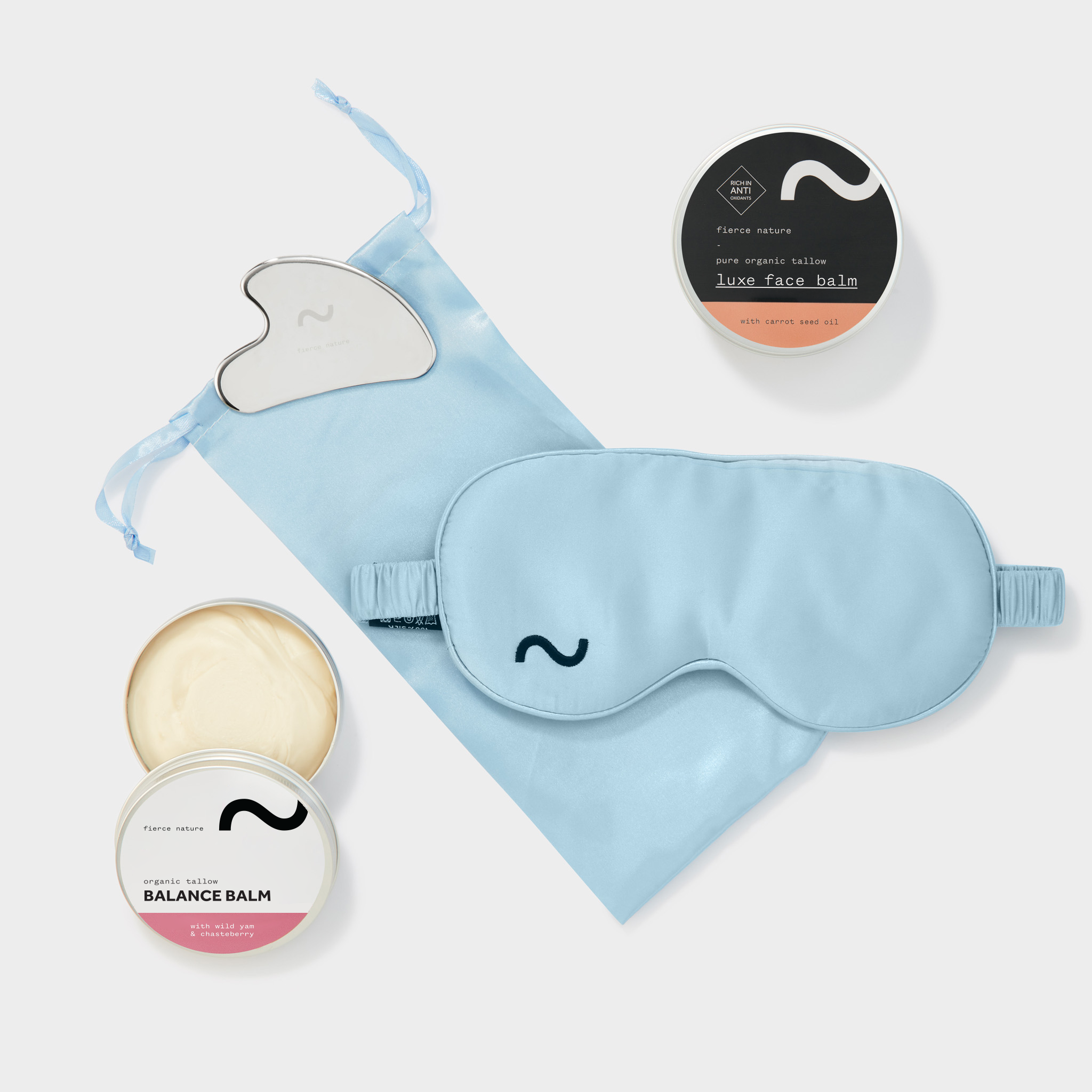
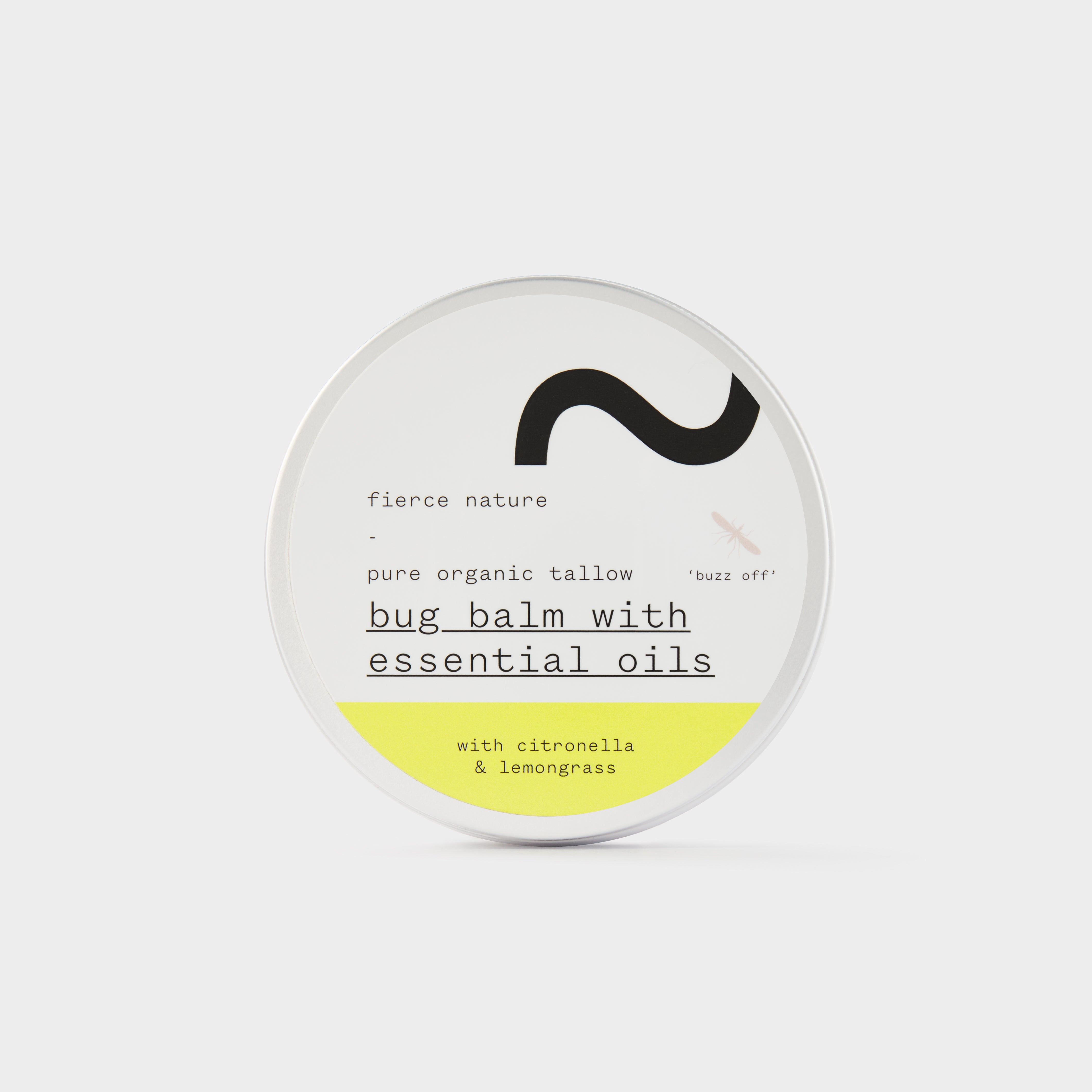
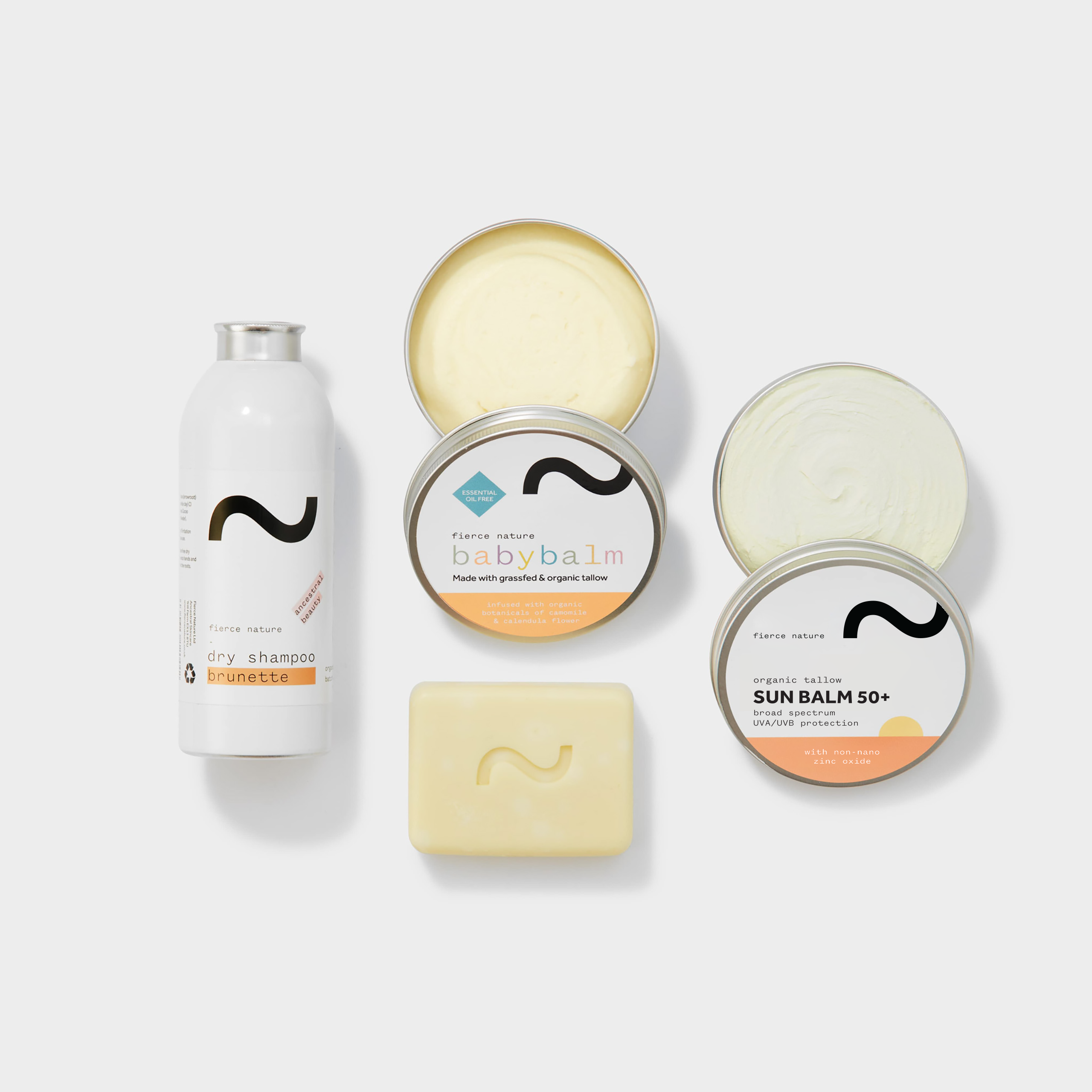
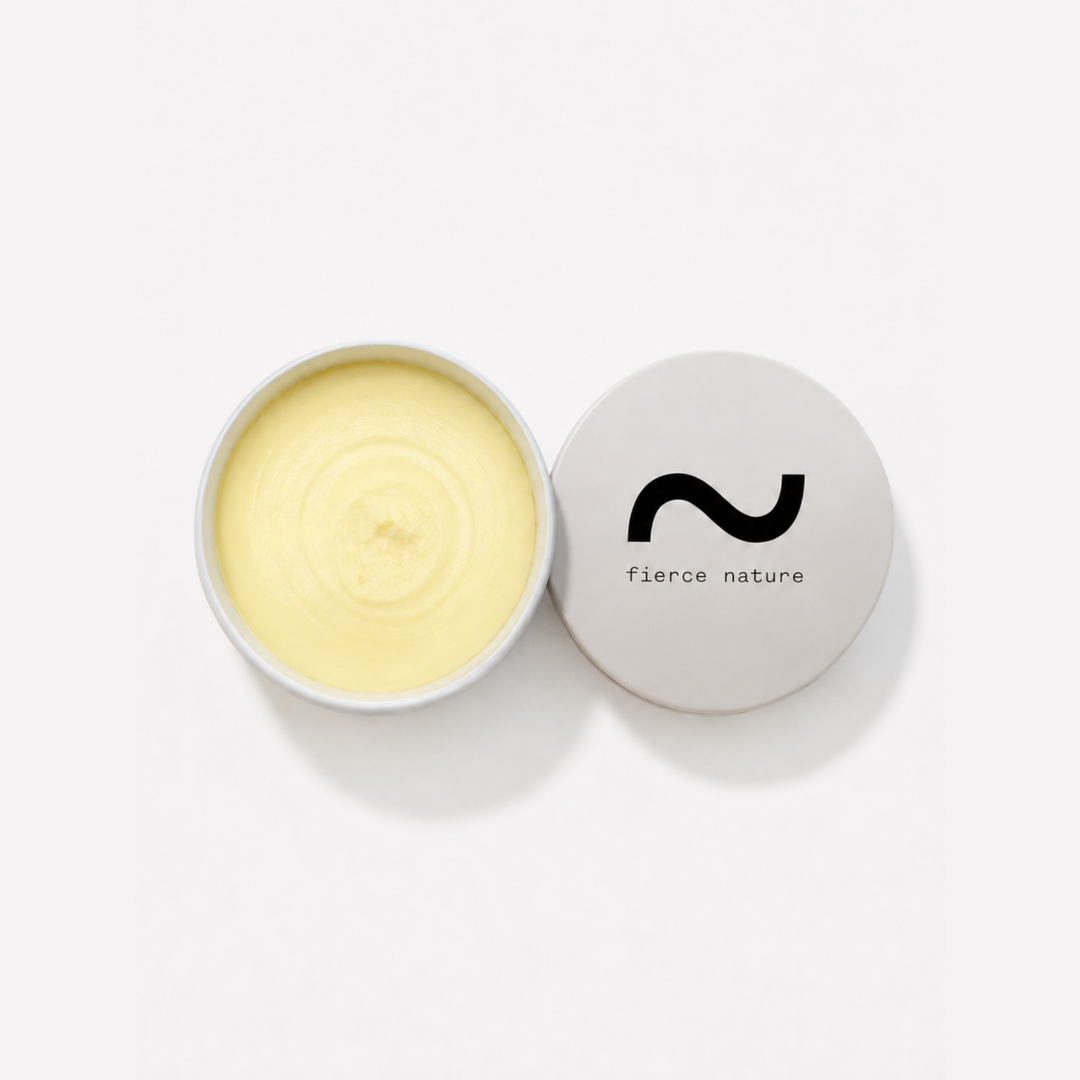
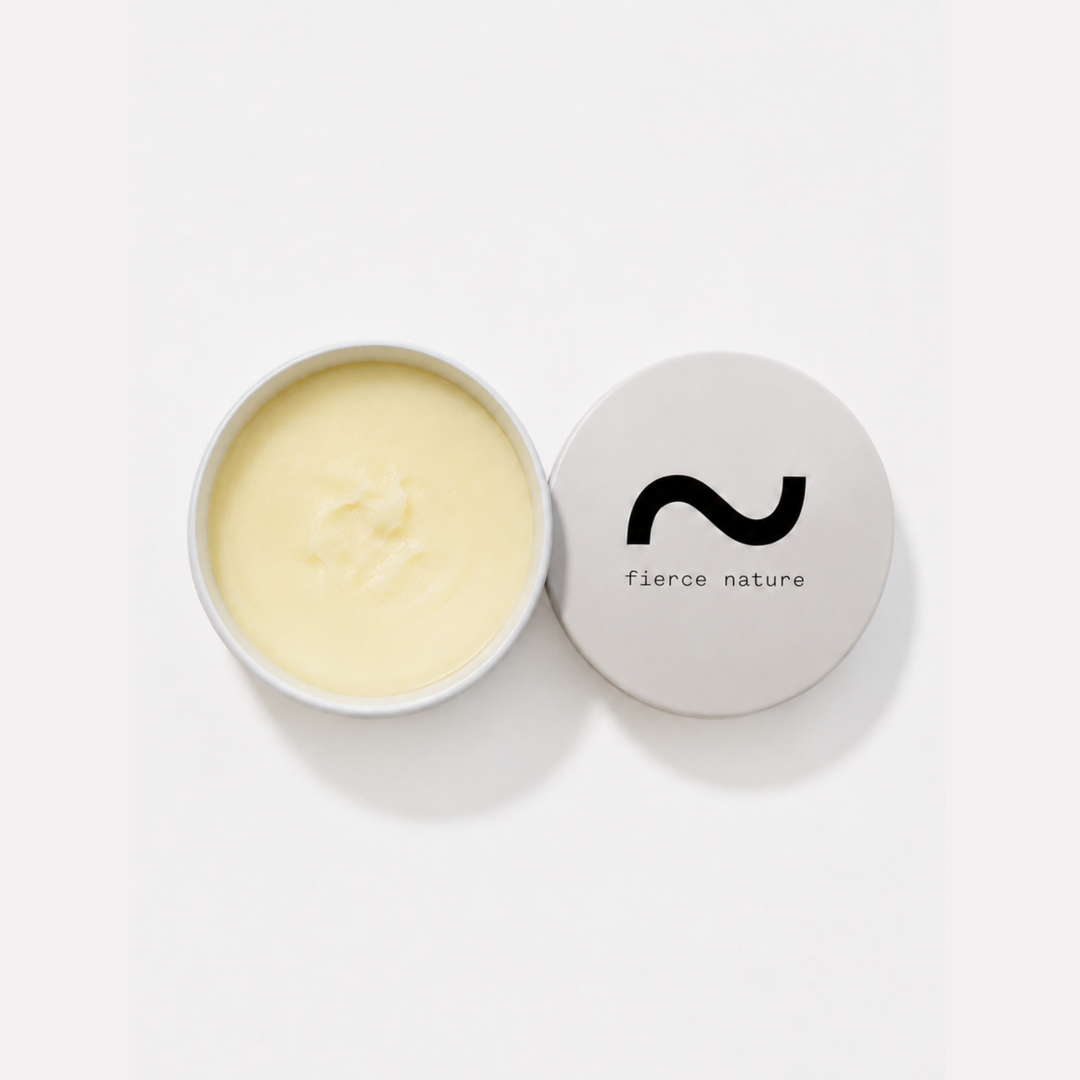
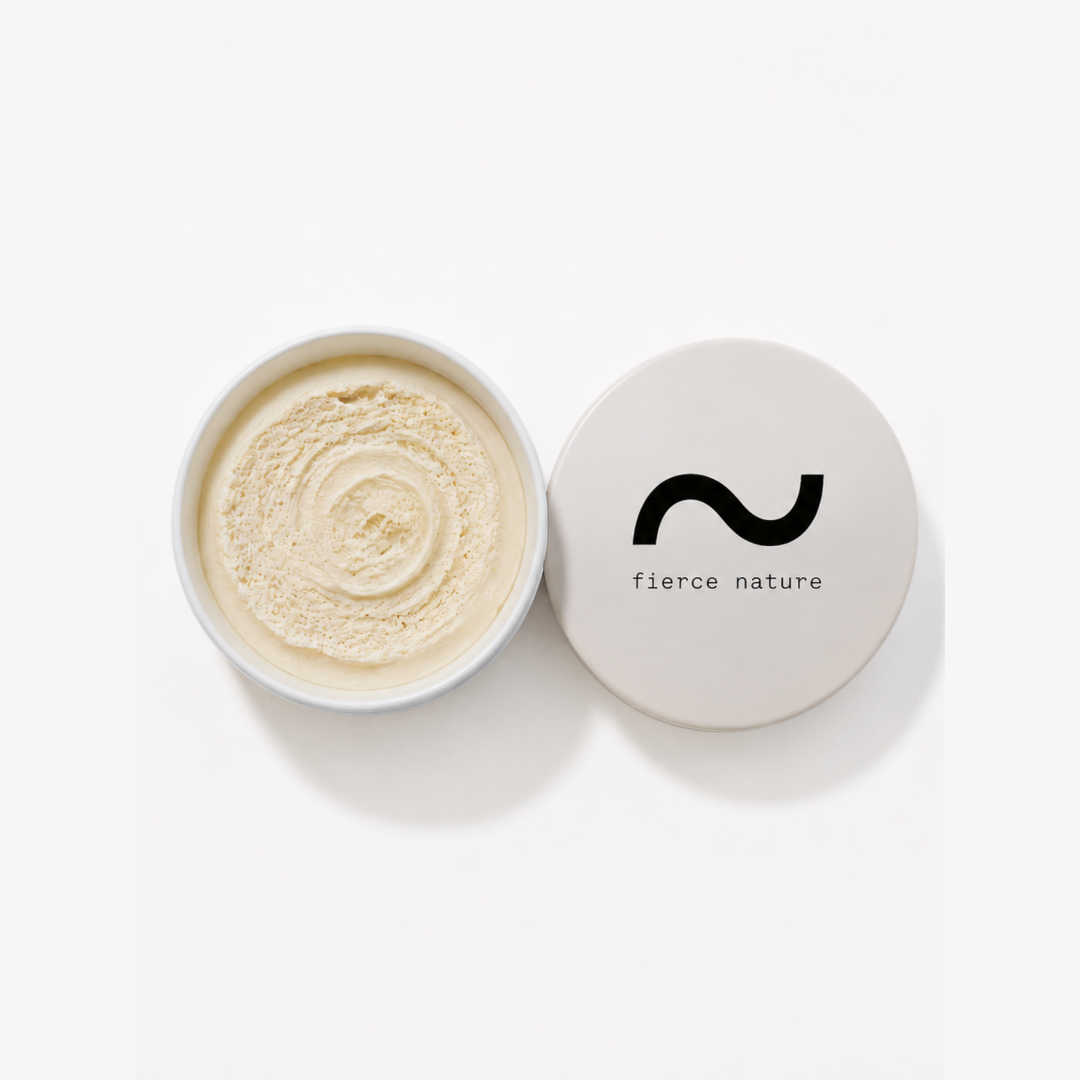
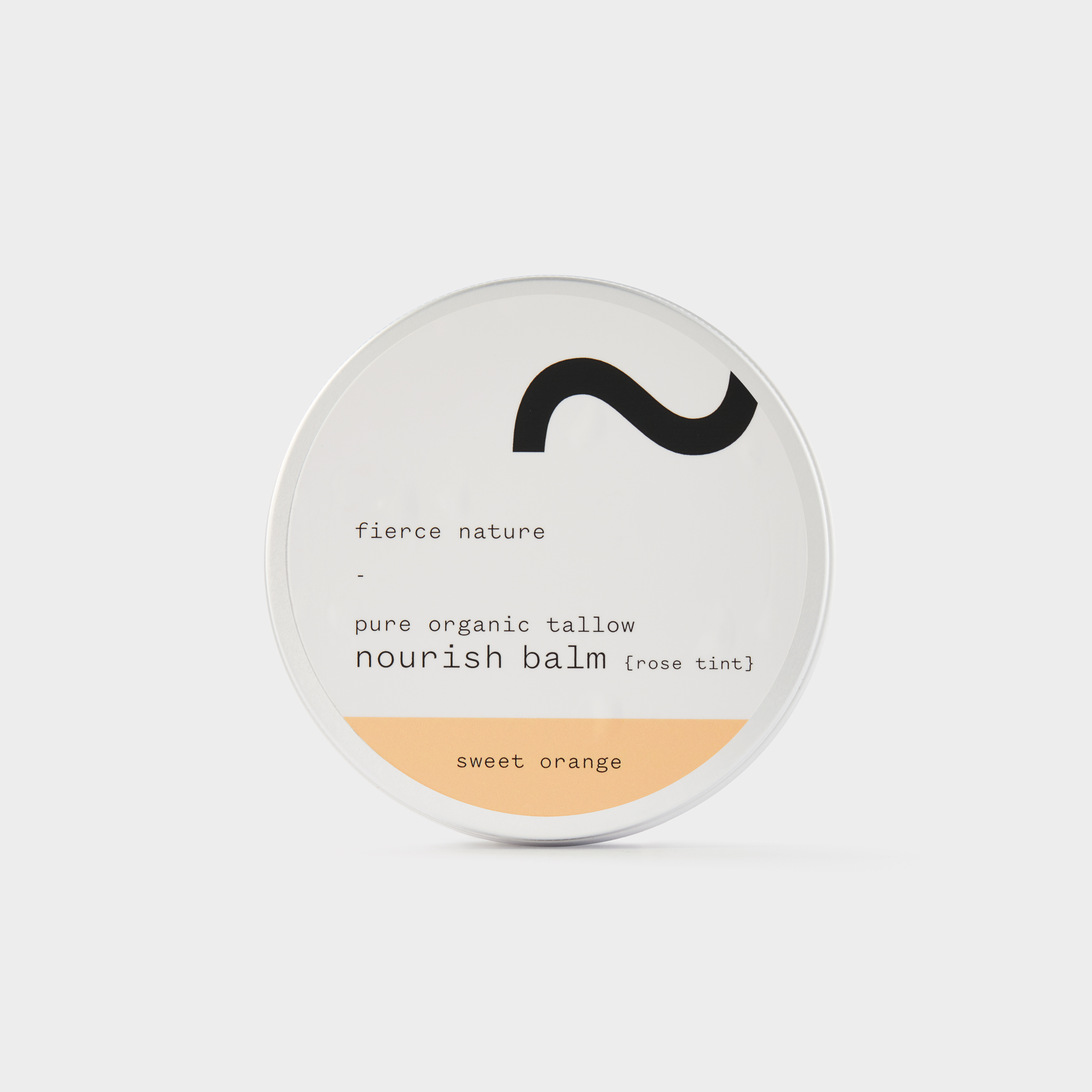
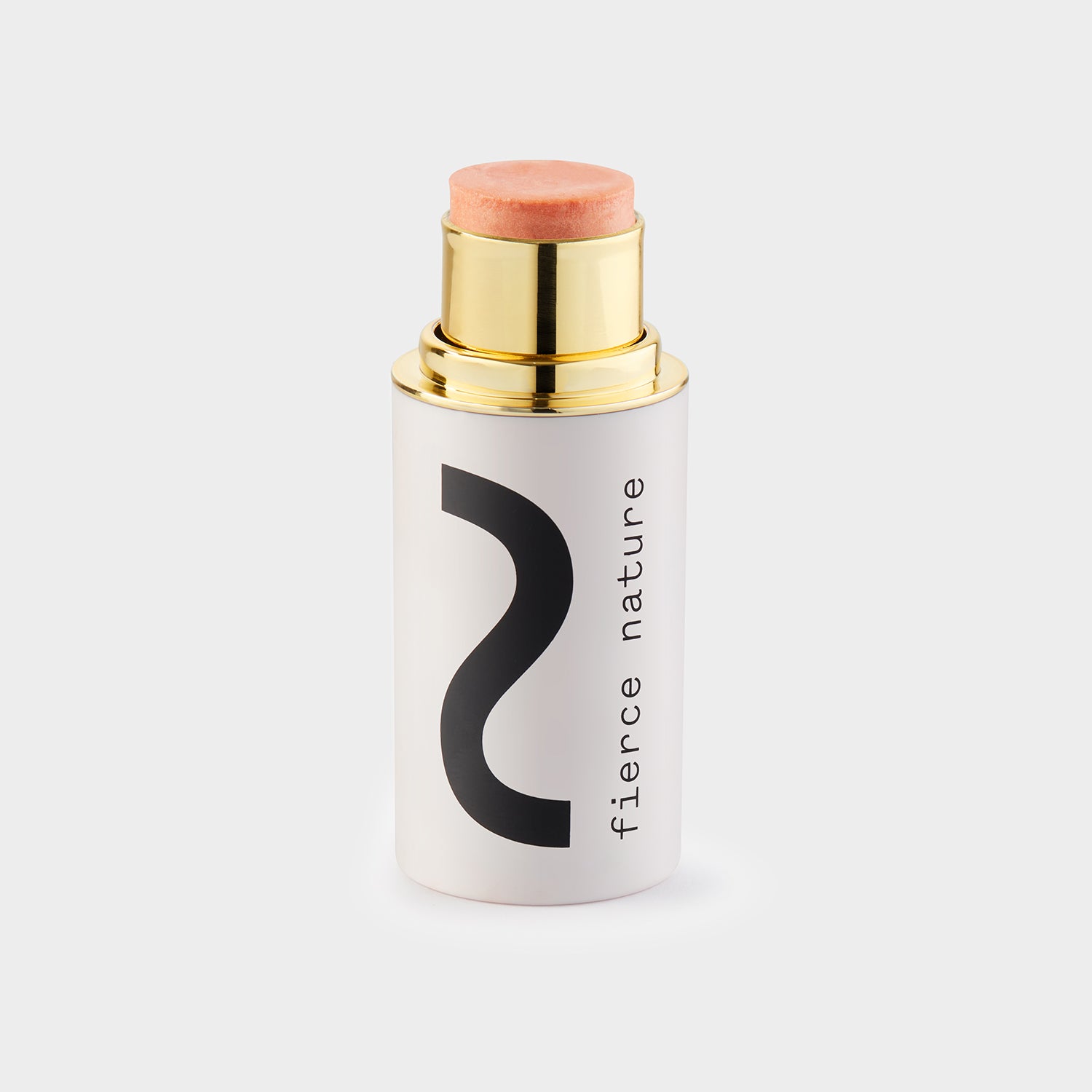
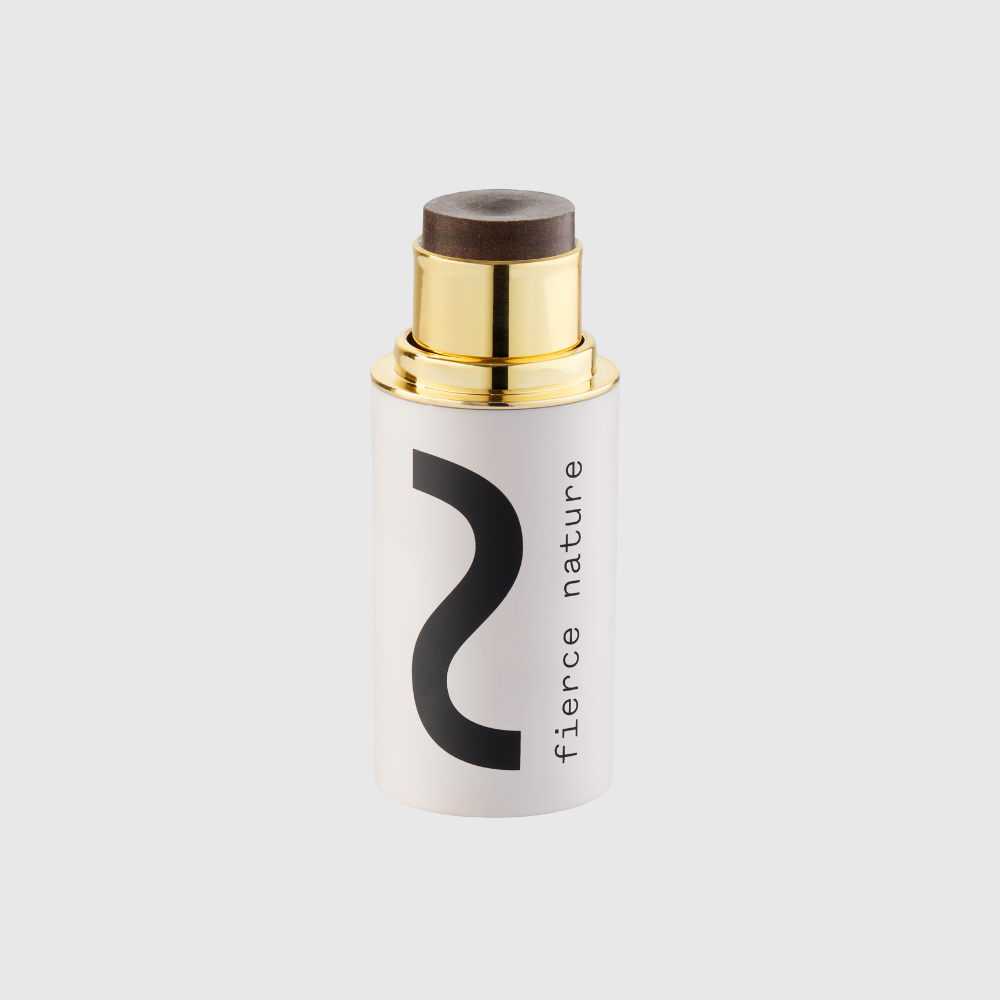
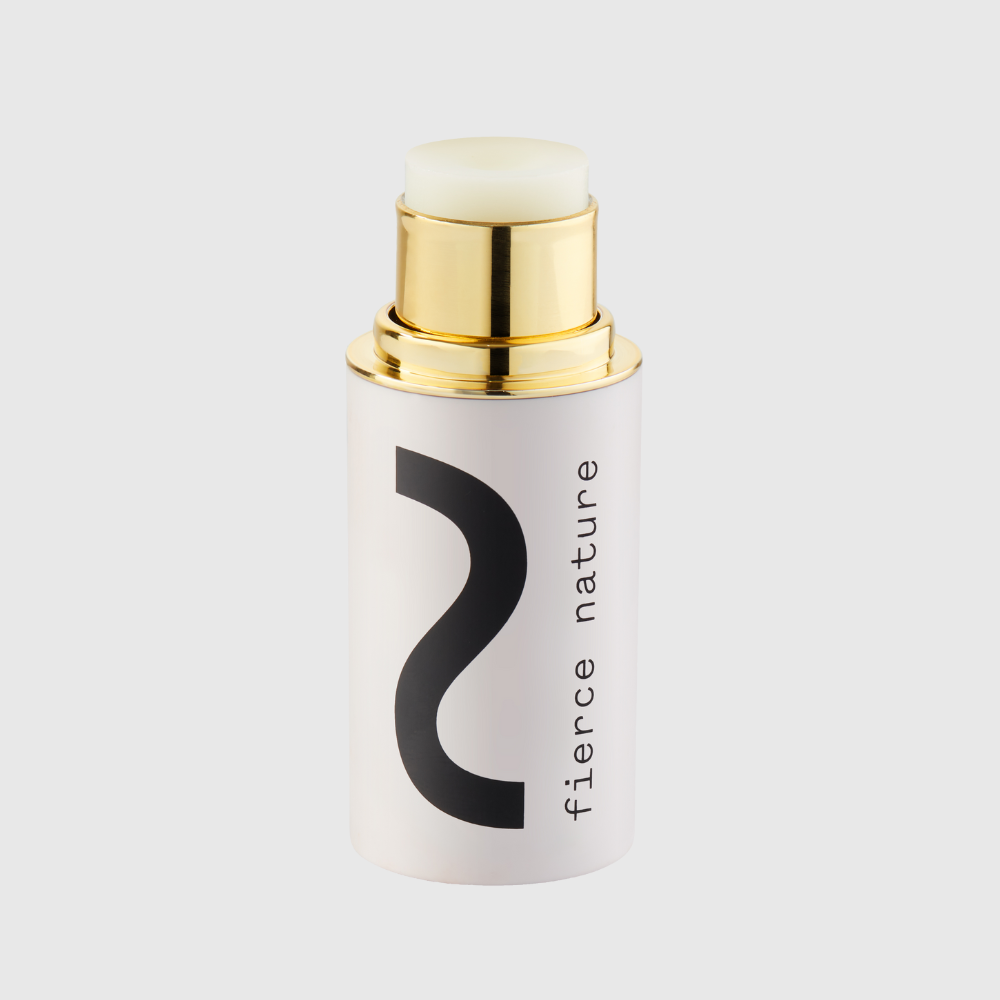
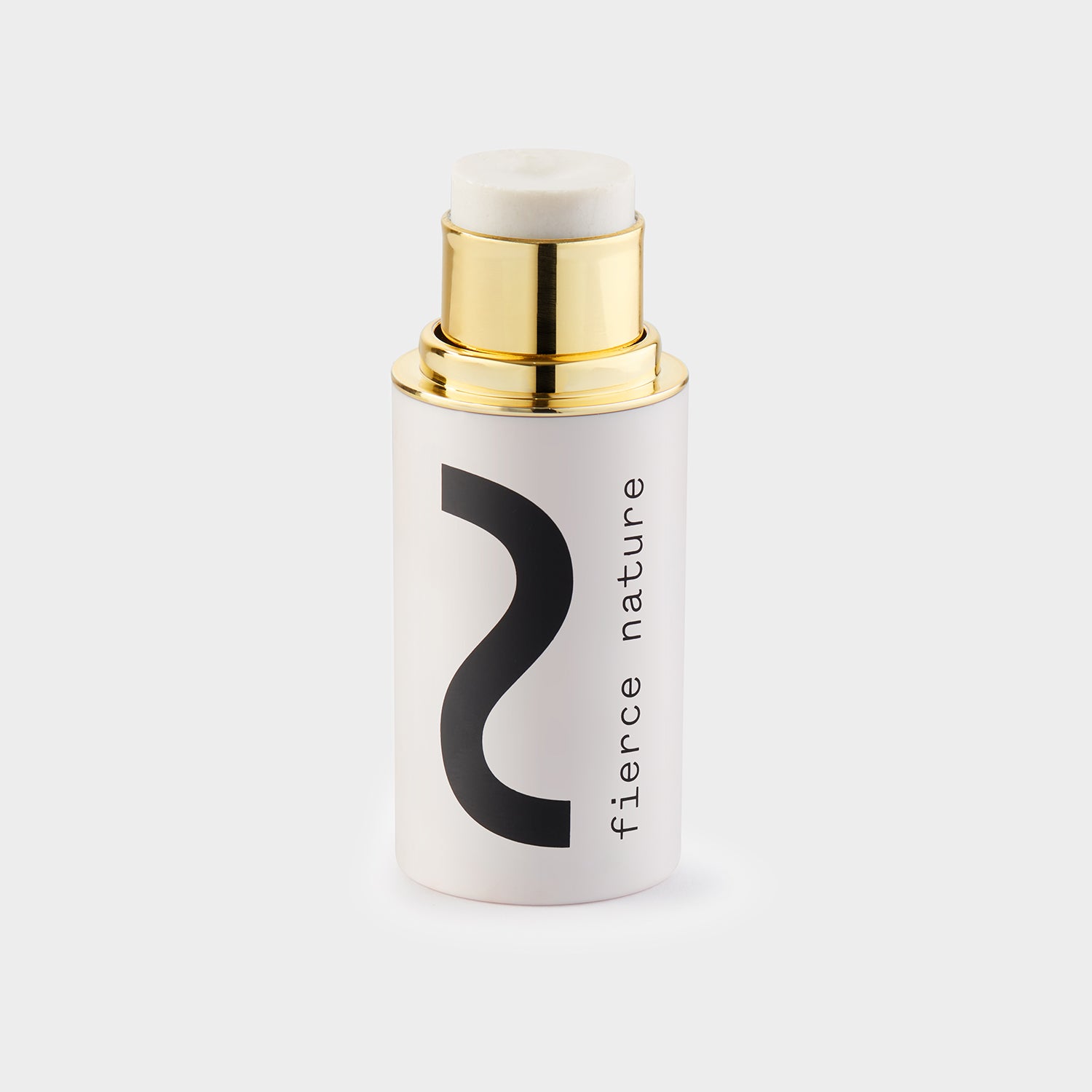
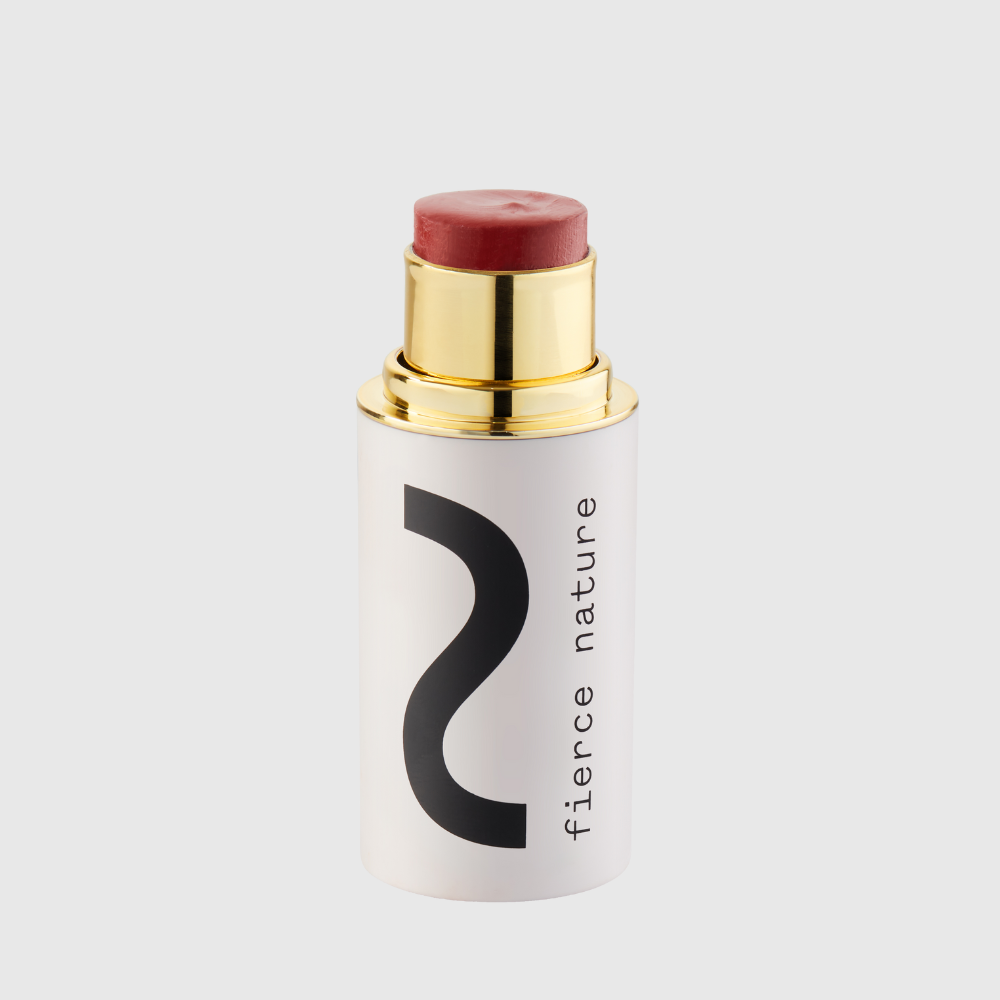
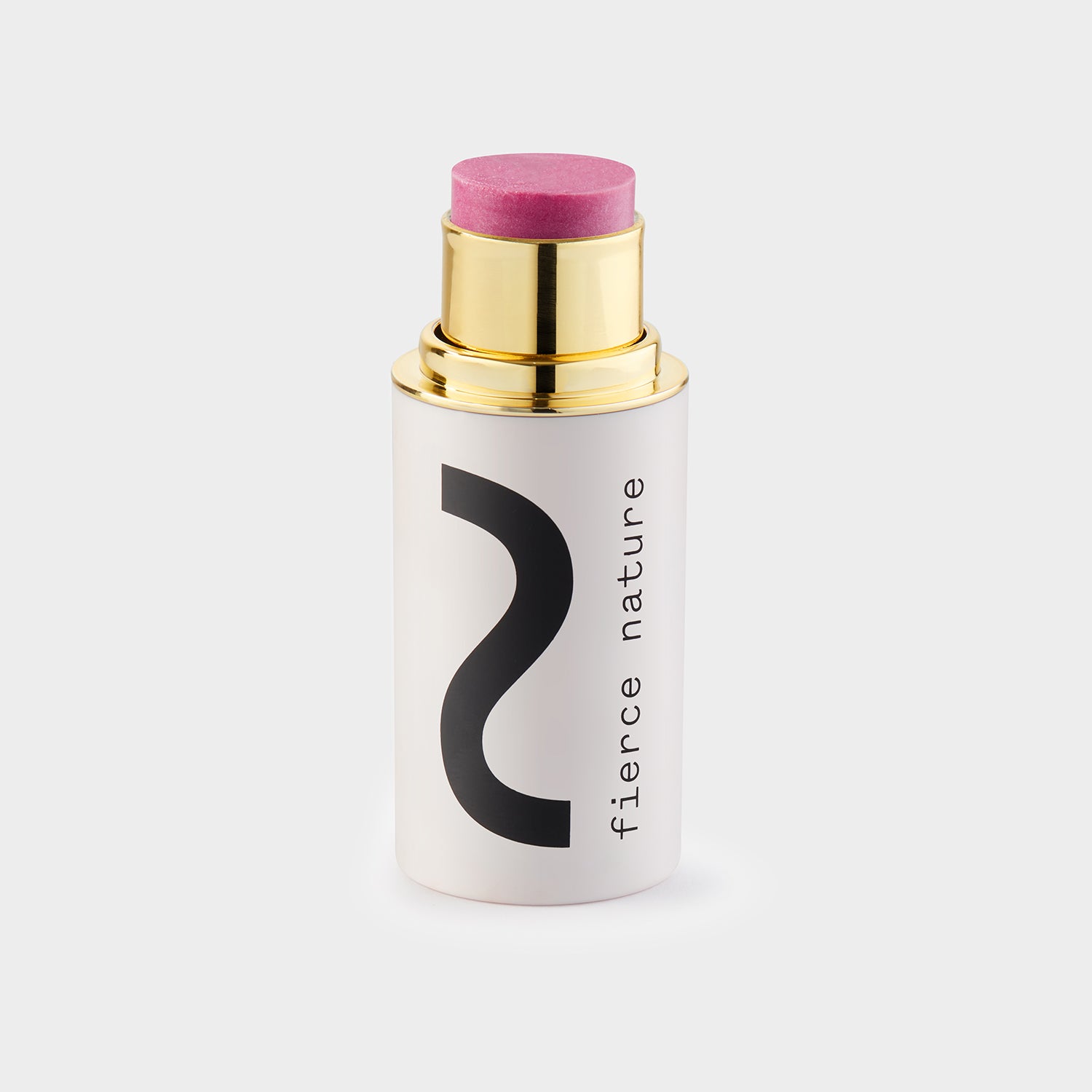
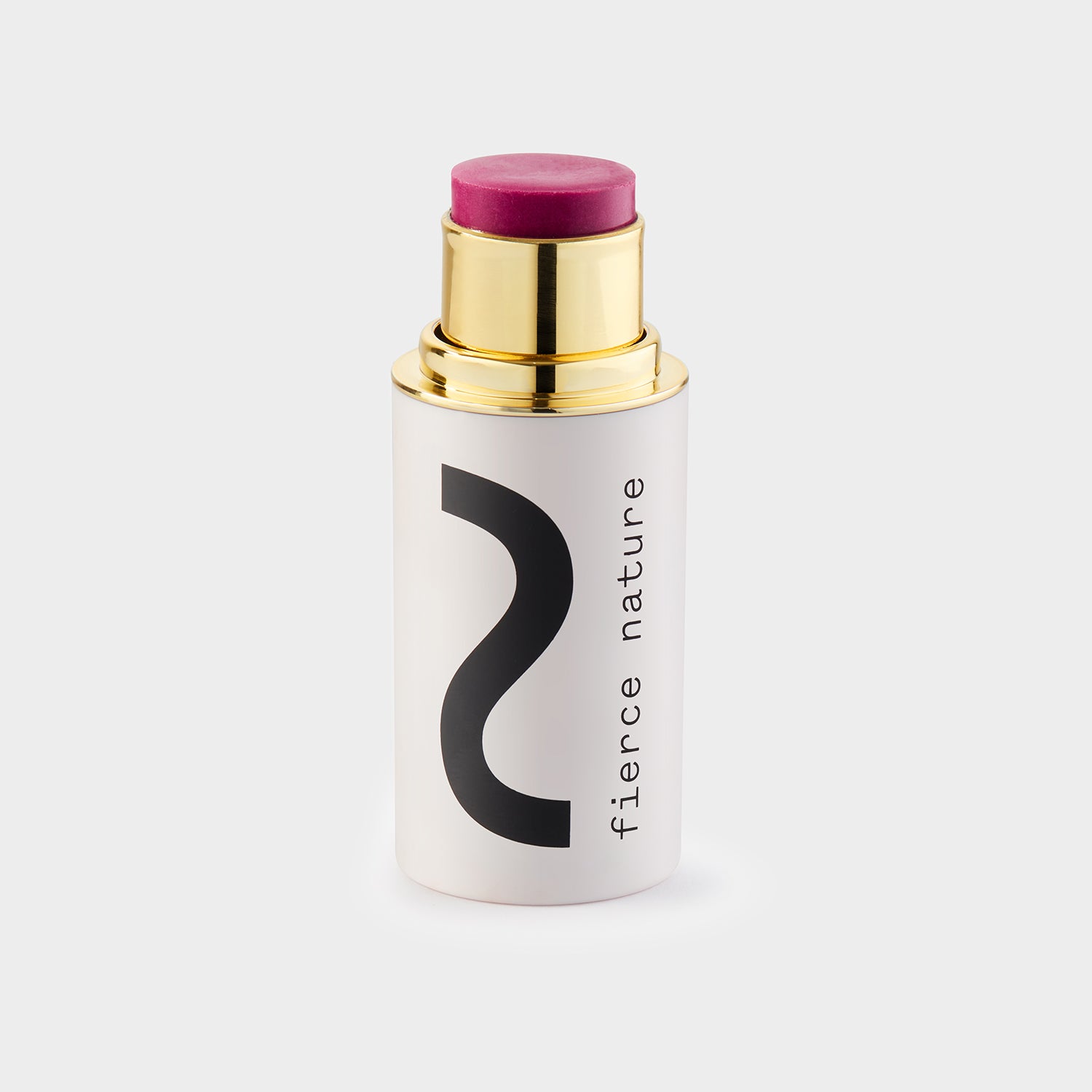
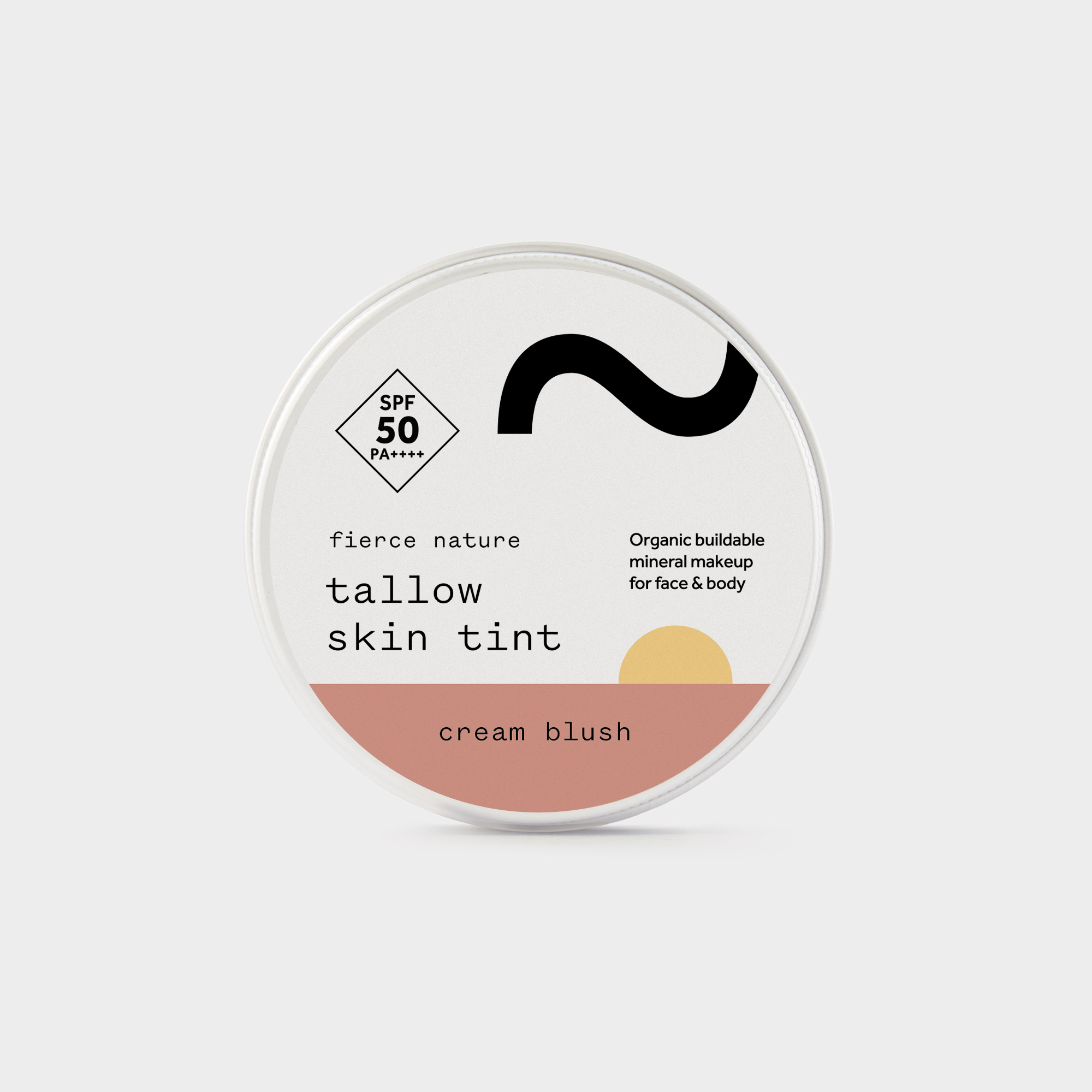
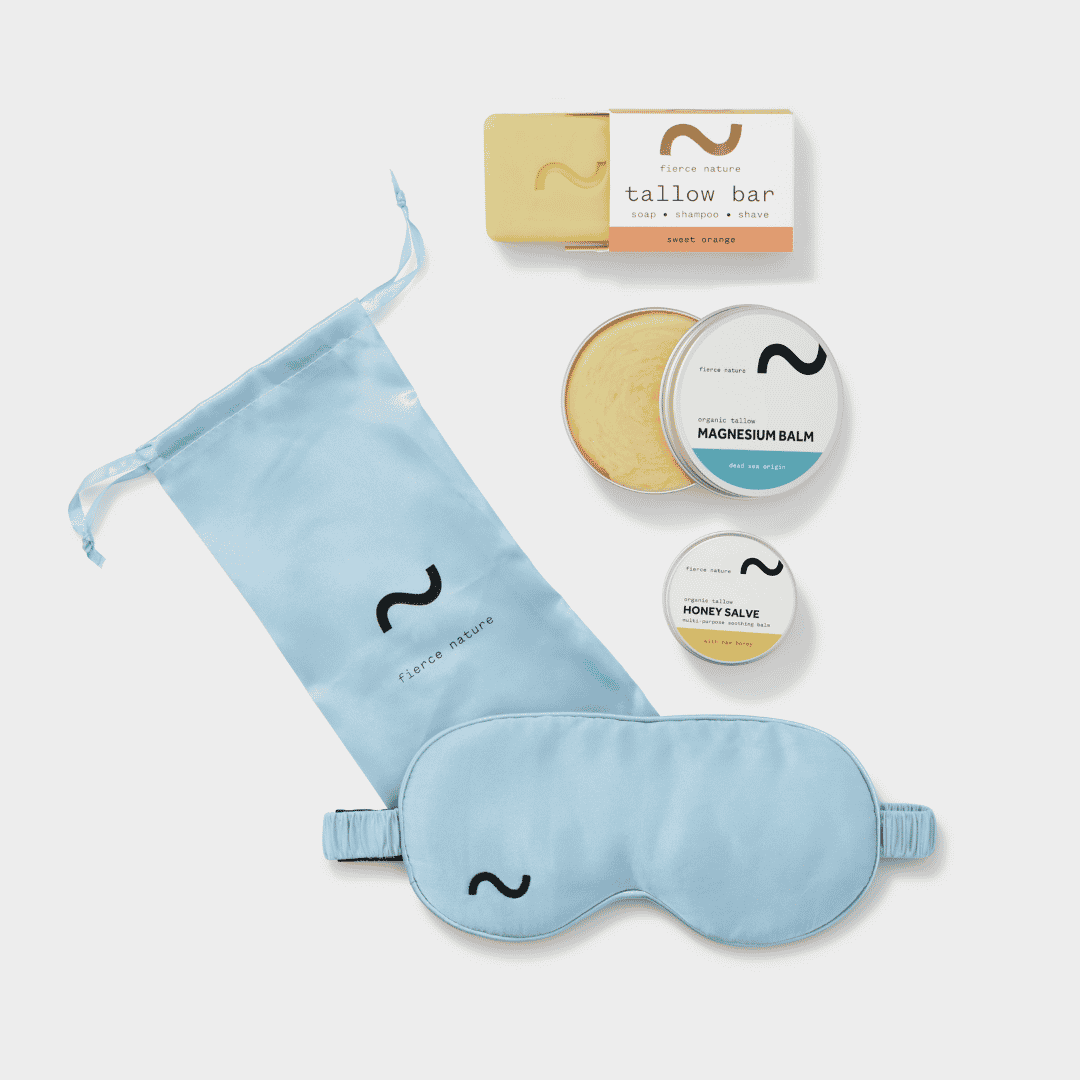
If you would like a ready-made, non-toxic option, our Baby Balm is made for exactly this kind of everyday protection. It is handmade in the UK with organic tallow as the base, and it is designed for delicate skin around the mouth, cheeks and neck. Use a small amount after cleaning and drying the area, and reapply after feeds and before sleep.
For families who want a wider set of basics, our Non-toxic Baby Skin Essentials bundle brings together the gentle products we like for the early months. You can also read our guide to a baby balm for every stage, from newborn through to toddler.
As with any new product, patch test first, and speak to your health visitor or GP if your baby has eczema, a known allergy, or skin that is broken or weeping.
You cannot stop a baby drooling, and you would not want to, because saliva is part of how they learn to eat and talk. You can, however, lower the odds of it irritating the skin.
Parents often ask whether teething makes eczema worse. The honest answer is that it can, indirectly: extra drool on skin that is already dry and reactive gives it one more thing to cope with. Eczema care focuses on keeping skin well moisturised and avoiding triggers, and that includes saliva. If your baby has eczema, a protective emollient around the mouth and chin is a sensible part of the routine. Our guides to eczema-prone skin and a simple two-step routine and baby eczema care with tallow balm go into more detail.
Most drool rashes are mild, but some rashes are a sign of something more serious. Please follow NHS guidance on when to seek help.
Call 999 or go to A&E if:
Ask for an urgent GP appointment or call NHS 111 if:
Book a routine GP or health visitor appointment if:
A health professional can also confirm whether it is drool rash, eczema or something else, and can prescribe a treatment if needed. You do not have to work it out alone.
With gentle care, most mild drool rashes improve within a few days to a week. They may come back during phases of heavier drooling, such as when new teeth are coming through. If it has not improved after about a week, or looks cracked or infected, ask your health visitor or GP.
Coconut oil is considered suitable for most babies, and many parents like it as a gentle moisturiser. Patch test first and use only a little. It tends to be less protective than a thicker balm, so it works best as a light moisturiser rather than a barrier against constant drool. Avoid peanut oil because of allergy risk.
Yes, many parents do, provided the product is unperfumed, has a short ingredient list and passes a patch test. Apply a thin layer to clean, dry skin and avoid the eyes. If your baby has eczema, a known allergy or broken skin, check with your GP or health visitor before choosing a product.
Seek emergency help if the rash does not fade under a pressed glass, or if your baby has a stiff neck, confusion, breathing difficulty or sudden swelling of the lips, mouth or tongue. Contact your GP or NHS 111 if you are worried, or if your baby has a high temperature. When in doubt, ask.
They are usually the same thing. The rash is caused by saliva on the skin, which tends to increase during teething, so the two names are used interchangeably. Teething itself does not cause the rash directly, but the extra drool that comes with it does.