Varukorg
0
80 % också tillagt detta






Essential oils irritate skin because they are highly concentrated plant chemicals, and “natural” does not mean gentle. Some people get a quick sting or redness from an oil that is too strong. Others become allergic after repeated use and react days later. This guide helps you tell the two apart, calm a flare-up, and avoid a repeat.
We make tallow-based skincare for sensitive skin, so we hear about this a lot. Many of our customers arrive after a reaction to a “natural” product that was heavily scented. Here is what we have learned, and what skin specialists say.
An essential oil is the concentrated aromatic part of a plant, often many kilos of plant material distilled down to a small bottle. That concentration is the point of them, and also the problem. A single drop contains far more of the plant’s active compounds than you would ever meet by touching the plant itself.
Several things raise the odds of a reaction:
The belief that plant-derived means safe is the most common trap. Poison ivy is natural too. What matters is dose, chemistry and your own skin.
The NHS describes two types of contact dermatitis, and both can be triggered by essential oils. Telling them apart tells you what to do next.
| Irritant reaction | Allergic reaction | |
|---|---|---|
| What happens | The oil directly damages the skin barrier | Your immune system learns to react to an ingredient |
| Timing | Often within minutes to hours | Usually 24 to 72 hours after contact |
| Who it affects | Anyone, if the dose is high enough | Only people who have become sensitised |
| Looks and feels like | Stinging, burning, redness, dryness | Itchy, red rash, sometimes blisters or swelling |
| Once the oil is removed | Usually settles fairly quickly | Can last days or weeks |
| Next step | Lower the concentration or choose a gentler product | Avoid that oil completely, and ideally get tested |
The delay is what catches people out. If you used a massage oil on Saturday and woke up with an itchy rash on Tuesday, you may not think of the oil. Keep a note of everything that touched the area in the three days before.
It is also worth knowing that many “allergies” people report at home turn out to be irritation. That is good news: you may be able to keep using a gentler, more diluted version. But if you have had a delayed, itchy rash, treat it as a possible allergy and be strict.
Symptoms vary with skin tone and the type of reaction, but common signs include:
The rash usually sits where the product touched, which is a useful clue. On the face, though, it can be confusing: fragranced products transfer from hands to eyelids and neck, so a rash can appear somewhere you did not apply anything directly.
On redness: on brown and Black skin, inflammation can look purple, grey or darker brown rather than red. Pay attention to heat, itching and texture as well as colour.
Any essential oil can cause a reaction in someone, but some turn up more often in dermatology clinics. A large German study of dermatitis patients (the IVDK network, covering 2010 to 2019 and published in Contact Dermatitis) found that 8.3% of the 10,930 patients tested reacted to at least one essential oil on patch testing. Bear in mind these were people already referred with skin problems, so the figure does not describe the general population.
The oils that most often caused positive reactions were:
Dermatology resources also regularly name tea tree oil, cinnamon bark and peppermint among oils to be careful with. Oils from the citrus family can add a further problem for skin that goes out into the sun, as some are photosensitising, meaning they can make skin react to sunlight. If you are using citrus oils, check the specific oil’s guidance before going outside.
Tea tree oil deserves a special mention because it is so widely used on spots and in “natural” products as an antibacterial. It is a very common cause of allergy in people who use it often, and it does not suit broken or already inflamed skin.
Aromatherapy safety specialists, including the Tisserand Institute, point out that most adverse reactions are avoidable, and that applying oils undiluted is a main cause. Typical advice for adult skin is dilution to somewhere around 1% to 5% in a carrier, with the lower end for the face, for sensitive skin, and for anything used often. Some oils need to be kept even lower.
As a rough guide, 1% is about six drops of essential oil in 30 ml of carrier. That is much weaker than most people expect, which is exactly why home blending so often goes wrong. If you are not trained in aromatherapy, it is safer not to blend high-strength mixtures at home.

Children, babies, pregnant people and anyone with a skin condition should take expert advice before using essential oils on the skin at all.
This is the part almost nobody mentions. Some compounds in essential oils, notably limonene and linalool, are not strongly allergenic when fresh. Once exposed to air and light, they form oxidation products (hydroperoxides) that are much more likely to sensitise skin. Dermatology case reports have even described massage therapists developing allergy to oxidised terpenes from their working oils.
Practical steps:
The same applies to skincare that contains oils. Fresh, well-sealed products with sensible shelf lives are kinder to your skin.
For a mild reaction on the body or face, this is a calm, sensible order of action.
A pharmacist can help with mild reactions and may suggest a suitable product. Do not put another essential oil on the area, including so-called soothing ones such as lavender or chamomile. Adding a new oil to irritated skin is how a small problem becomes a big one.
Medical professionals also warn against the internet idea that essential oils cure acne or eczema. Some have anti-inflammatory potential in the lab, but putting them on broken, inflamed skin risks making things worse and can delay proper treatment.
Get help promptly in these situations:
If you keep getting rashes and cannot find the cause, ask your GP about referral to dermatology for patch testing. Patch testing is how doctors identify contact allergies, and it can be genuinely life-changing for people who have been guessing for years.
The British Association of Dermatologists explains that patch testing involves at least three appointments over about a week. Small patches with test substances are taped to your back and left in place. A few things matter for accurate results:
The result is a list of exactly what to avoid, which is far more useful than a general “sensitive skin” label.
A quick home test will not diagnose allergy, but it can catch a strong reaction before it covers your face. If you want a fuller walk-through, we have written a guide on how to test skincare products for sensitive skin. For a broader look at why skin overreacts in the first place, understanding sensitive skin reactions is a good companion read.
The basic method:
Test one new product at a time. If you try three at once and react, you will not know which to blame.
Essential oils rarely hide under their own name. On UK and EU-style cosmetic labels, they appear in the ingredients list by Latin (INCI) name, such as Lavandula angustifolia oil for lavender or Melaleuca alternifolia leaf oil for tea tree. You may also see “Parfum” or “Fragrance”, which can include essential oils, synthetic fragrance chemicals, or both.
UK rules require certain fragrance allergens to be named on the label when they are present above set levels (0.001% in leave-on products, 0.01% in rinse-off products). Names like limonene, linalool, citral, geraniol and eugenol are often there because the product contains essential oils or fragrance. Seeing them does not mean a product is dangerous for everyone, but it is a flag if you know you react.
Two points surprise people:
If you want to get better at this generally, our guide to reading cosmetic ingredient labels in the UK walks through it step by step.
Fierce Nature began with a very personal problem. Growing up in South Africa, our founder battled skin rashes and reactions as a teenager and could never work out why. Years later, her work on gut health and the toxic load our bodies carry made it clear that the promises of mainstream beauty are often hollow, and that heavily perfumed products are a big part of the picture.
So here is what we believe about essential oils and sensitive skin.
Work with your skin, not against it. Skin that is already reactive does not need an extra layer of scent. Fragrance, natural or synthetic, is one of the most common reasons people become sensitised, and it adds nothing to nourishment.
Fewer ingredients mean fewer unknowns. Our products are handmade in the UK, with organic tallow as the foundation. Tallow is rich in the kind of fats your skin recognises, and we think it makes a lovely emollient base for people who want a short, understandable ingredient list. We want you to be able to read exactly what is in your balm.
Nothing is safe for everyone. We will never claim that any ingredient, including tallow, is guaranteed to suit every skin. That is why we encourage patch testing every new product, ours included, and why we say plainly that anyone with a diagnosed skin condition should speak to their GP or dermatologist.

Transparency is part of care. If you react to something, you deserve to know what was in it. That is why we favour full ingredient transparency and encourage you to compare labels carefully.
If you want to dig further, our article on why tallow-based skincare is great for sensitive skin sets out our thinking in more detail.
— Fierce Nature
Once a flare-up has settled, rebuilding is about doing less, not more. A short routine with a mild cleanser and a nourishing balm gives your skin barrier the chance to recover.
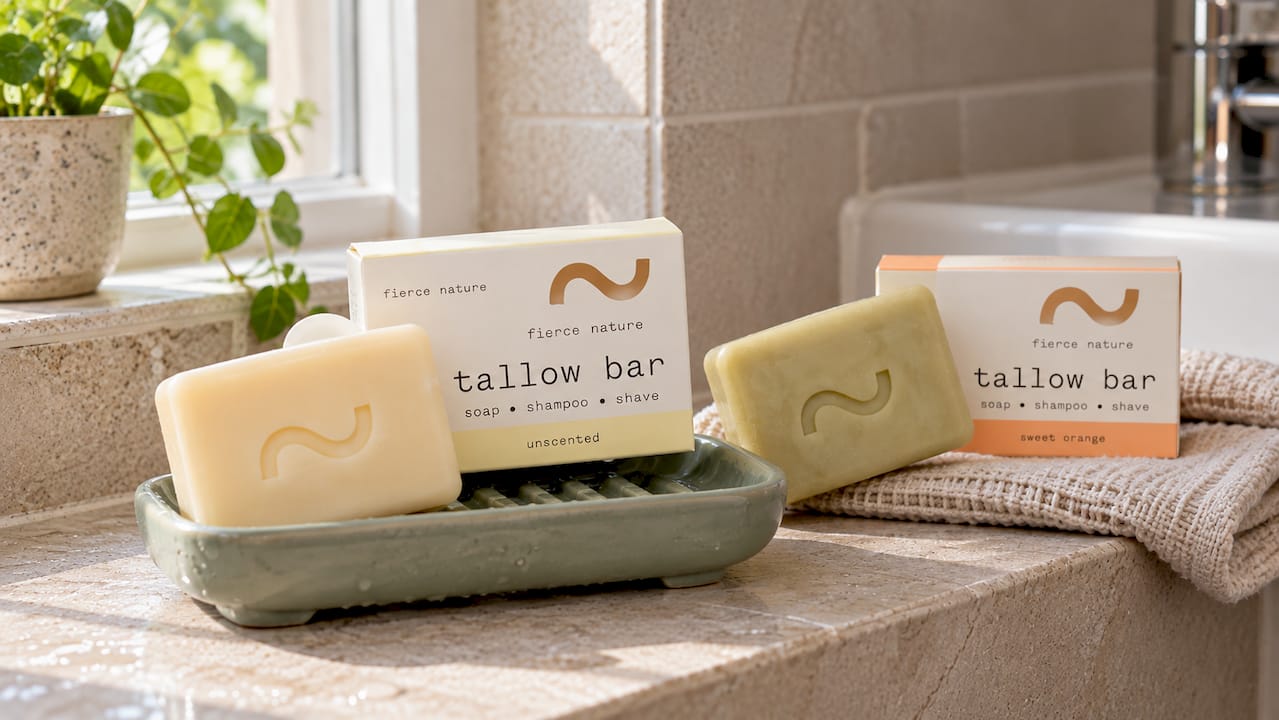
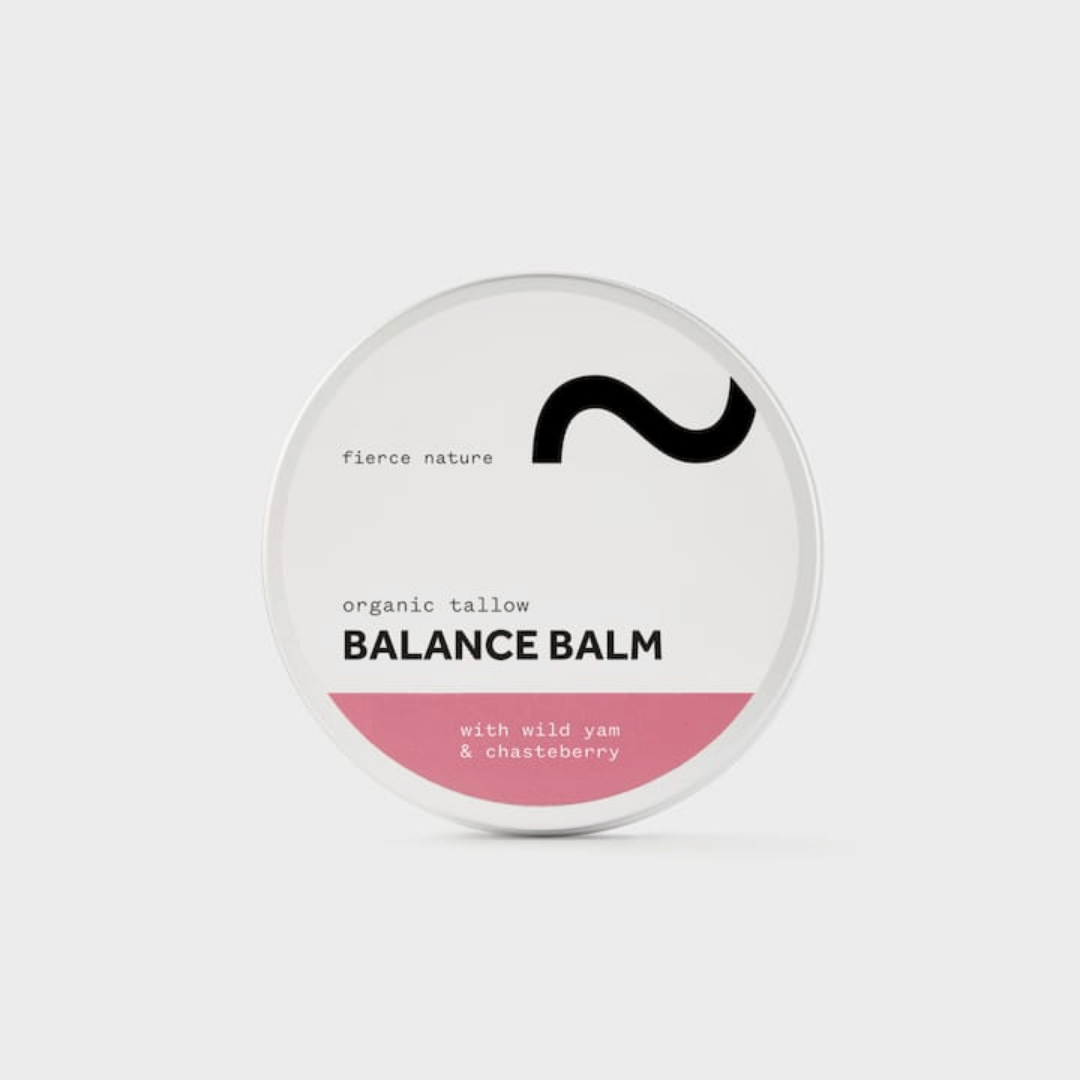
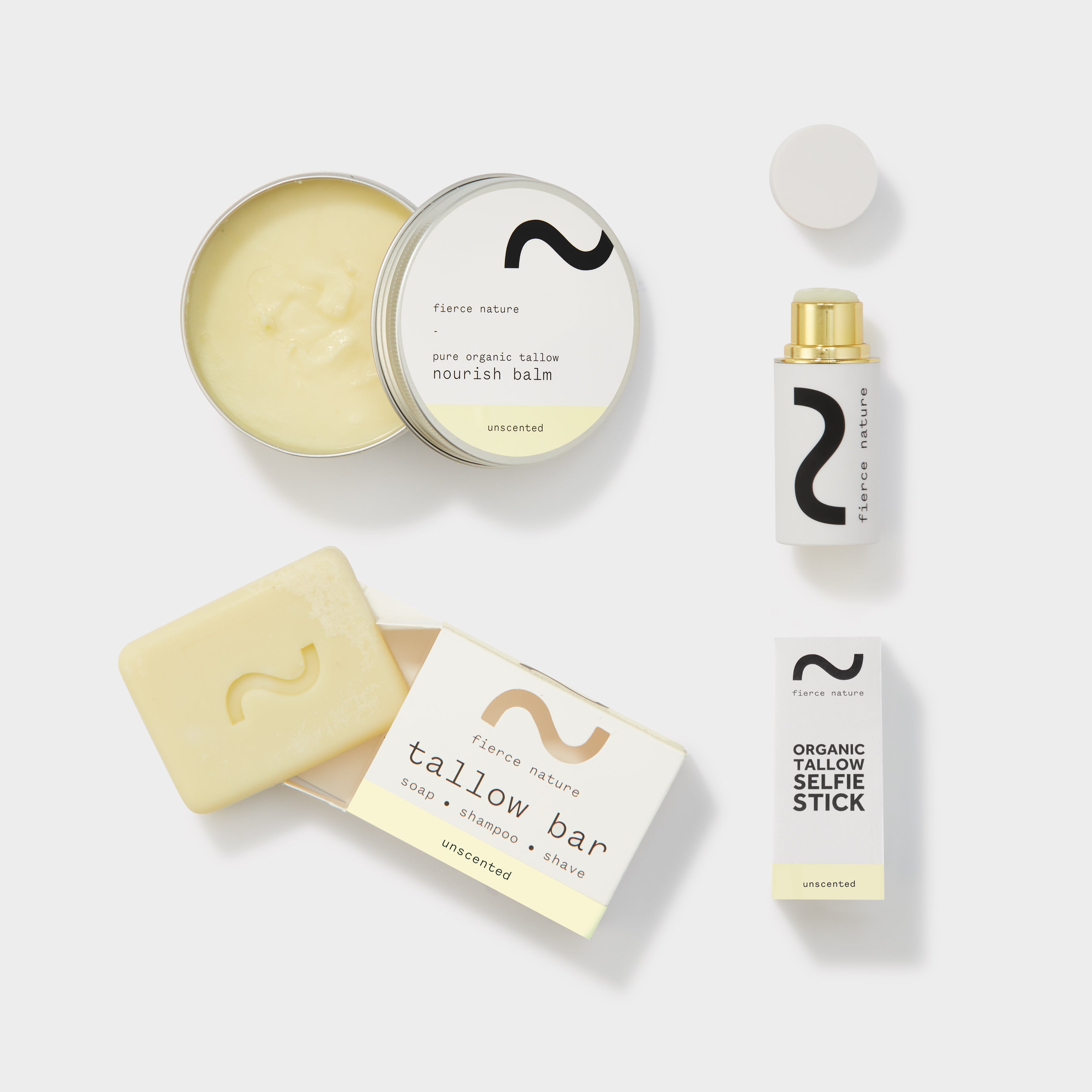
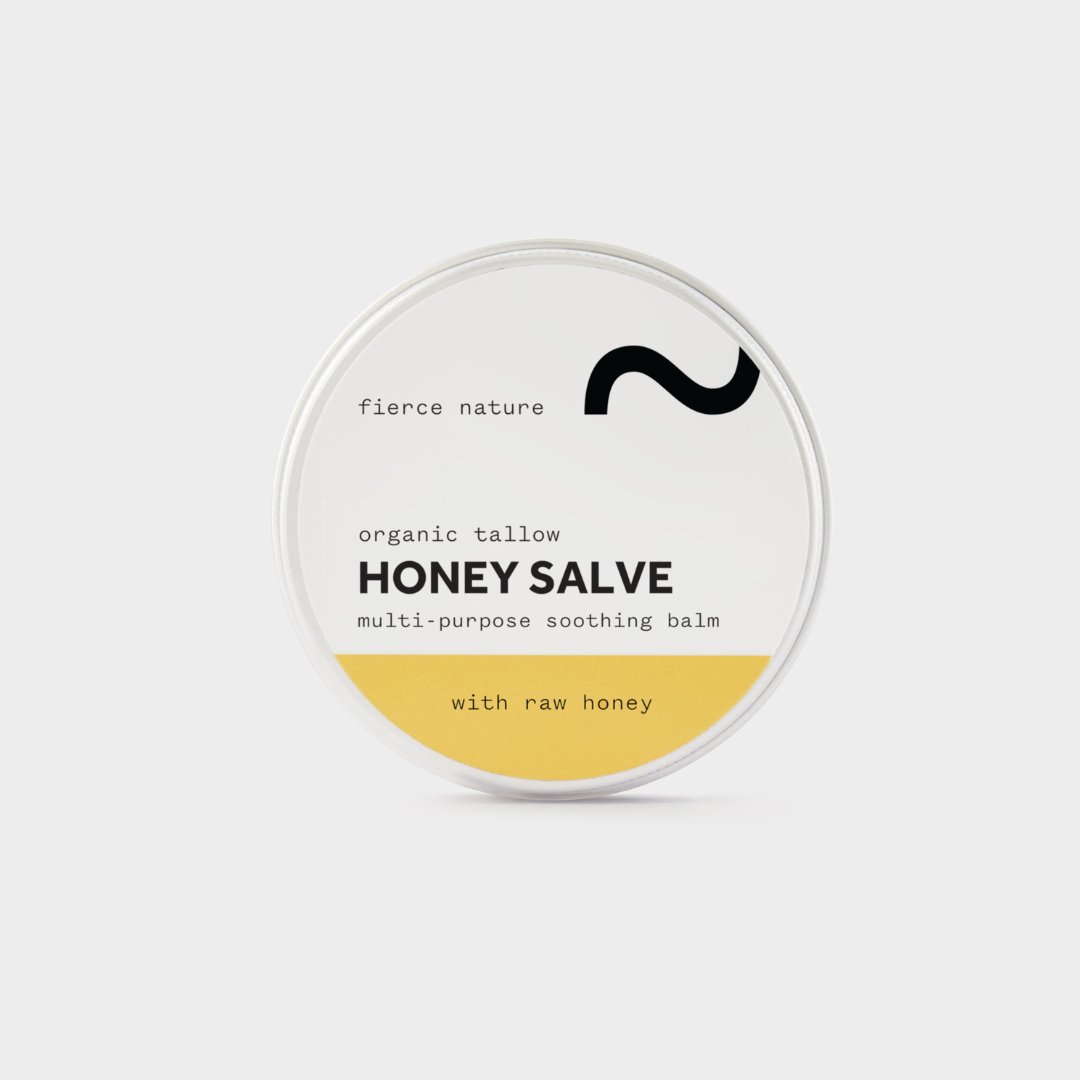
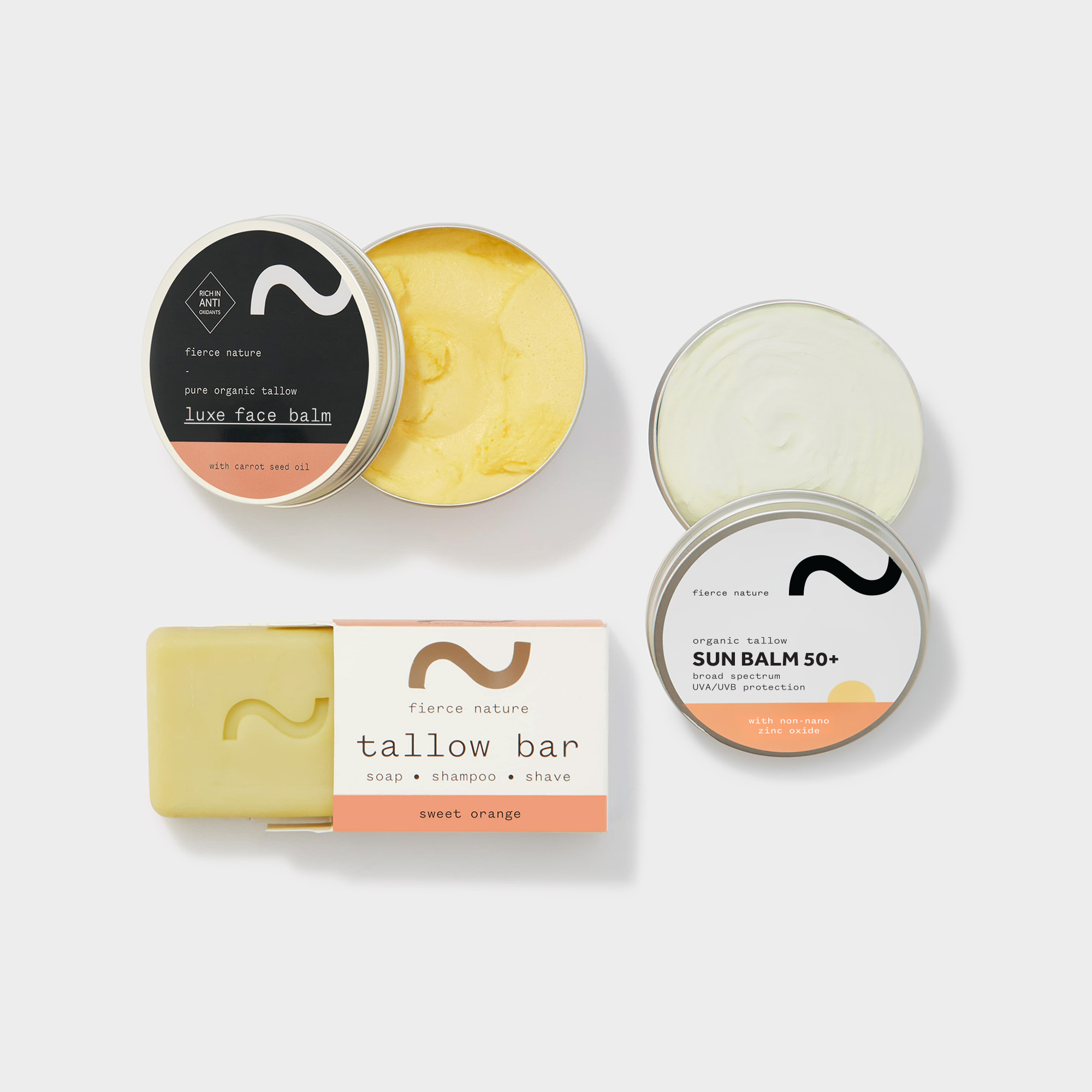
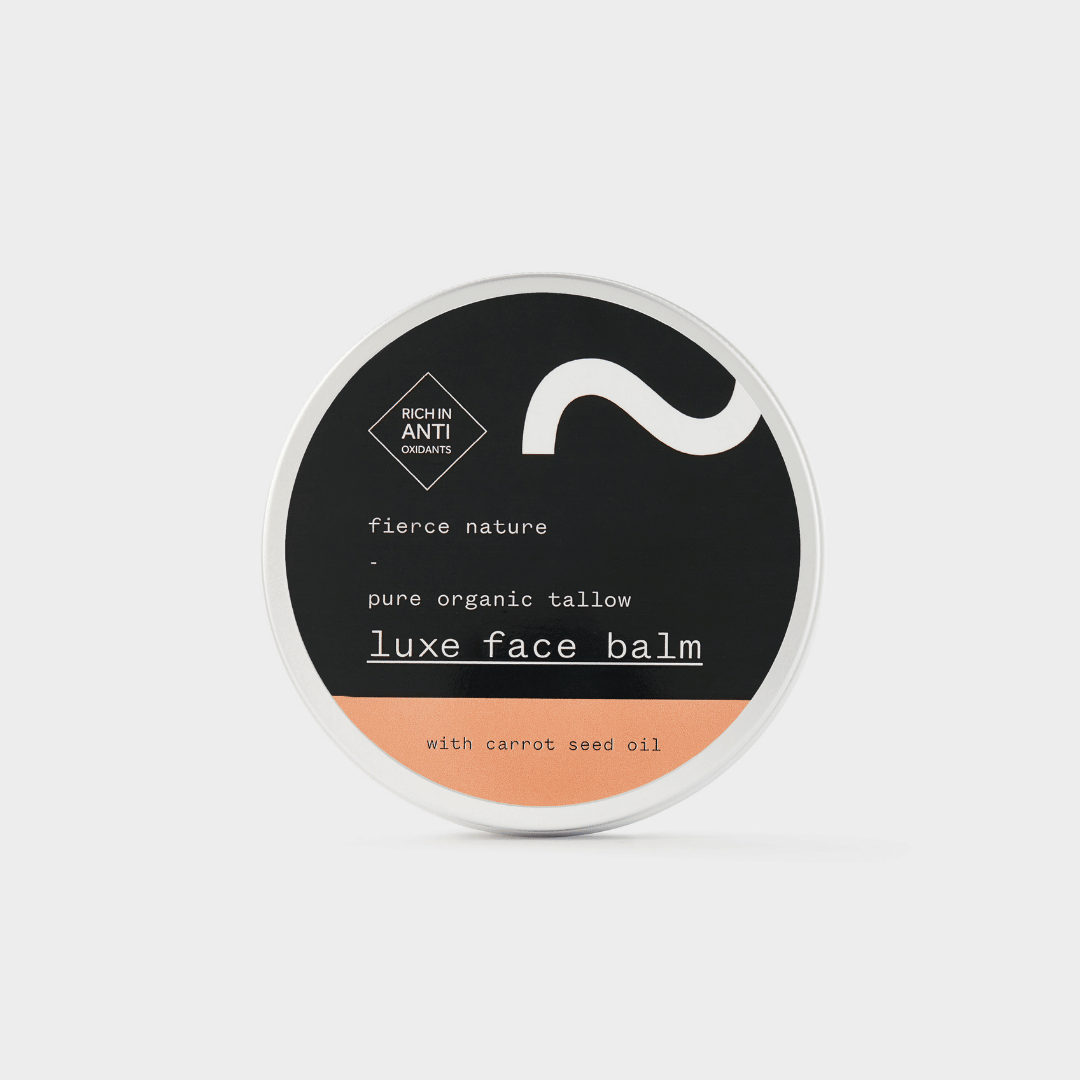
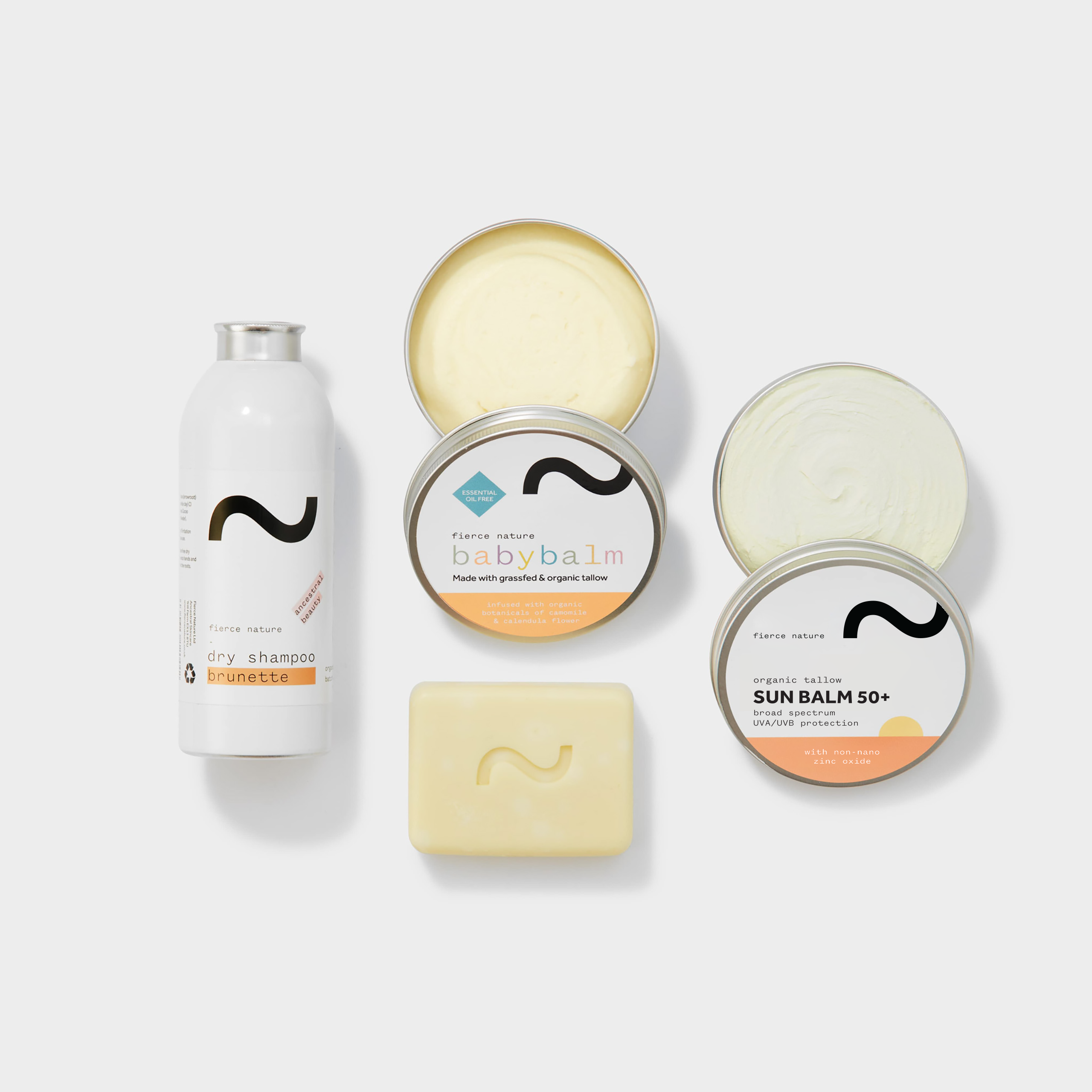
If you are looking for something to use after an essential oil reaction has calmed, our Face and Body Balms are handmade in the UK with organic, grass-fed tallow as the base. Check the ingredients list on each product page and patch test first, just as you would with anything new. For washing, our Tallow Soaps offer a simple alternative to heavily perfumed shower products. If you prefer to avoid scent altogether, our guides to fragrance-free soap and an eczema-prone skin routine explain what to look for.
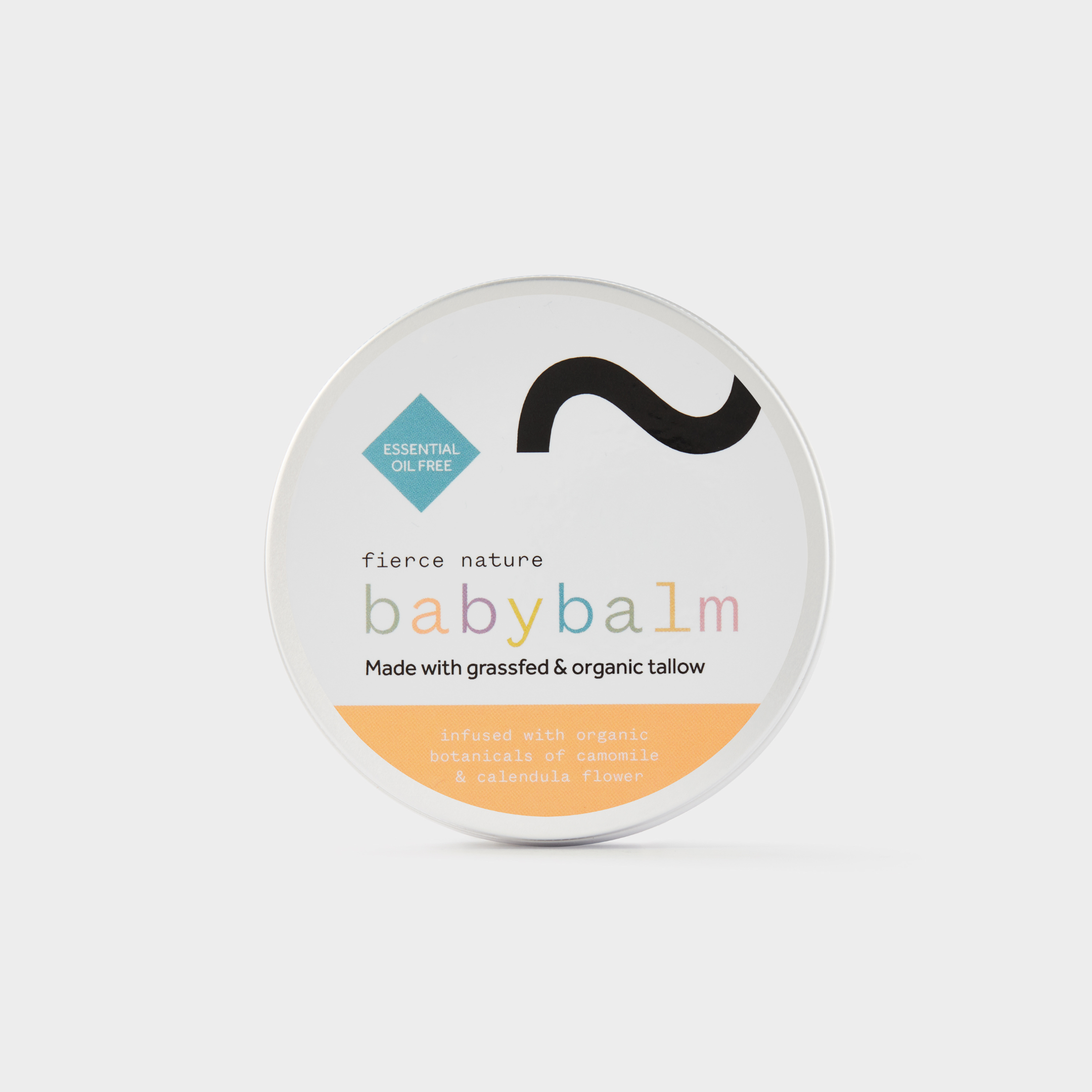
For babies, our Baby Balm and non-toxic baby skin essentials are made with the same short-list philosophy. If your baby has a rash, though, speak to a health visitor, pharmacist or GP first.
Before you reach for the next bottle, run through this list:
If you want a more complete checklist of what to question on a label, our UK toxic cosmetics awareness checklist and skincare label reading guide are good places to start.
Wash the area with lukewarm water and a mild, fragrance-free cleanser, then stop using the oil and any recently added products. Apply a plain emollient and avoid scratching or adding new products. If swelling, blistering, eye involvement or no improvement after about a week, speak to a pharmacist or GP.
It depends on the type. An irritant reaction usually settles within hours to a few days once the oil is removed. An allergic reaction is slower to appear, typically 24 to 72 hours after contact, and can last for days or even weeks, so see your GP if it drags on.
Most often it is an itchy, red or darker patch where the product touched, sometimes dry and flaky, with small bumps or blisters in stronger cases. On brown and Black skin the colour may look purple, grey or darker brown. Heat, itch and texture changes are better guides than redness alone.
Some can be, particularly when applied undiluted, used on damaged skin, or when oxidised. Others show anti-inflammatory activity in laboratory work, but that does not make them safe or helpful on inflamed skin at home. If you have eczema, rosacea or another inflammatory condition, ask your GP or dermatologist before using them.
Yes. Allergy develops through repeated exposure, so a product that never bothered you can start to cause a rash. If a long-used oil suddenly causes itching or a delayed rash, stop using it and ask your GP about patch testing.