Cart
0
80% Also Added this

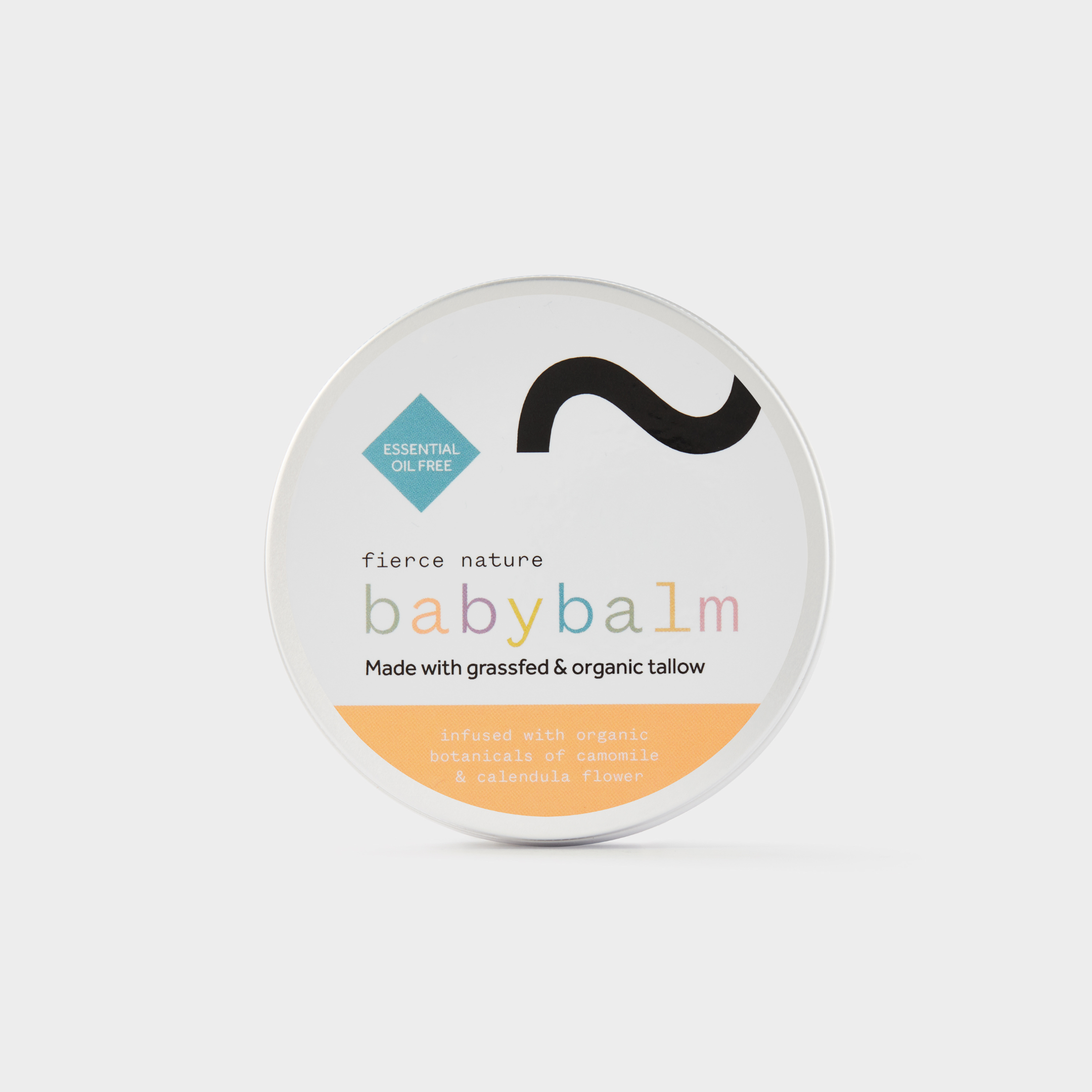
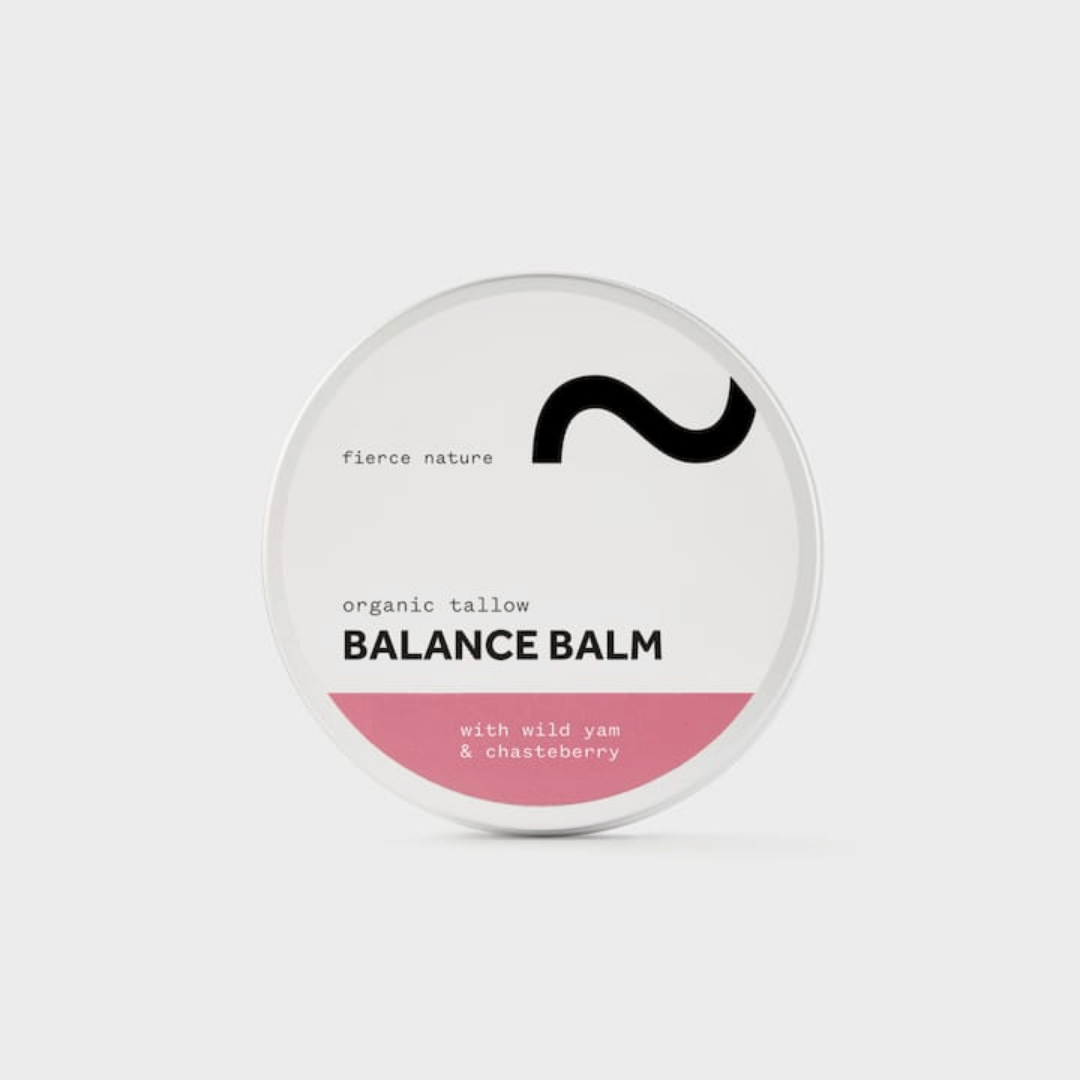
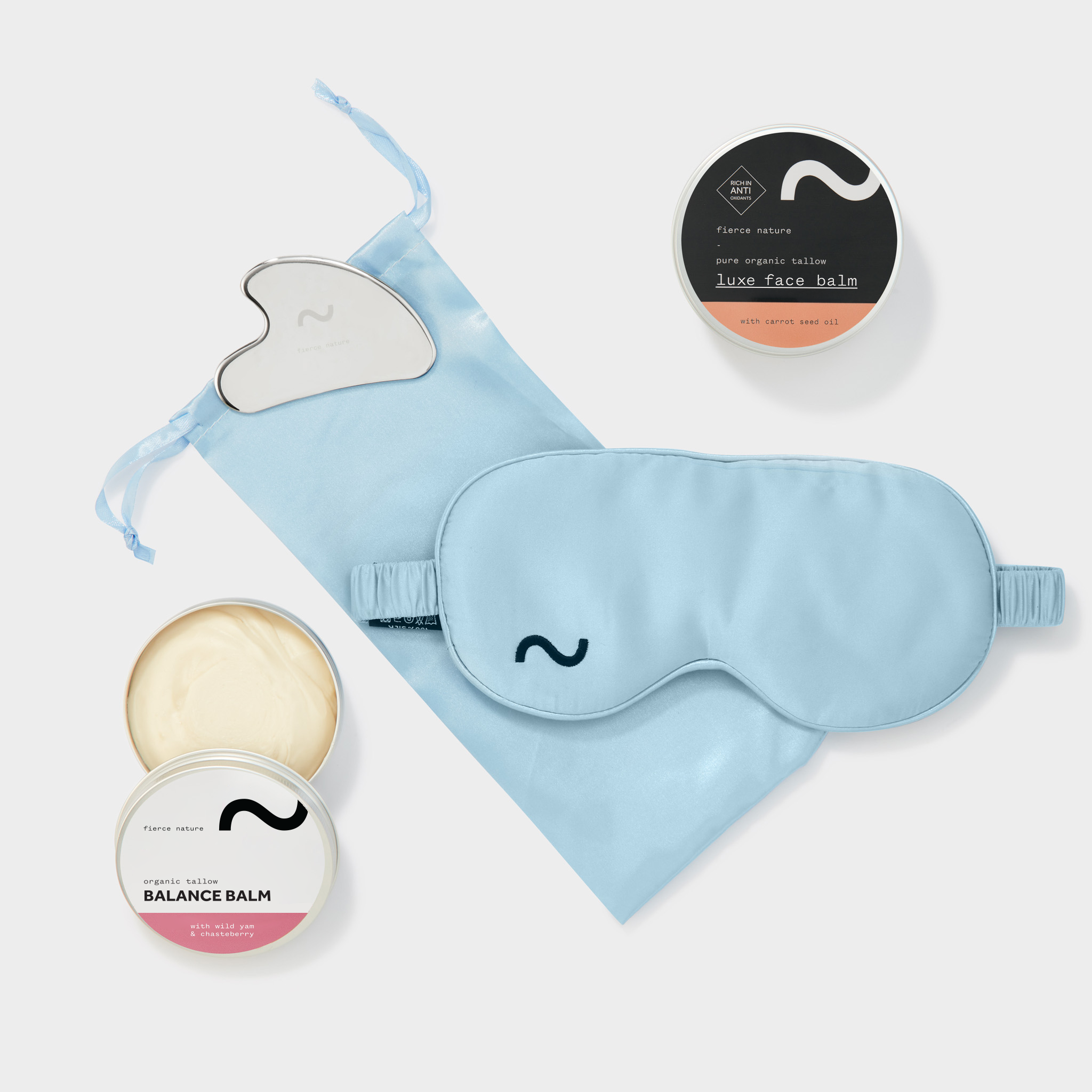
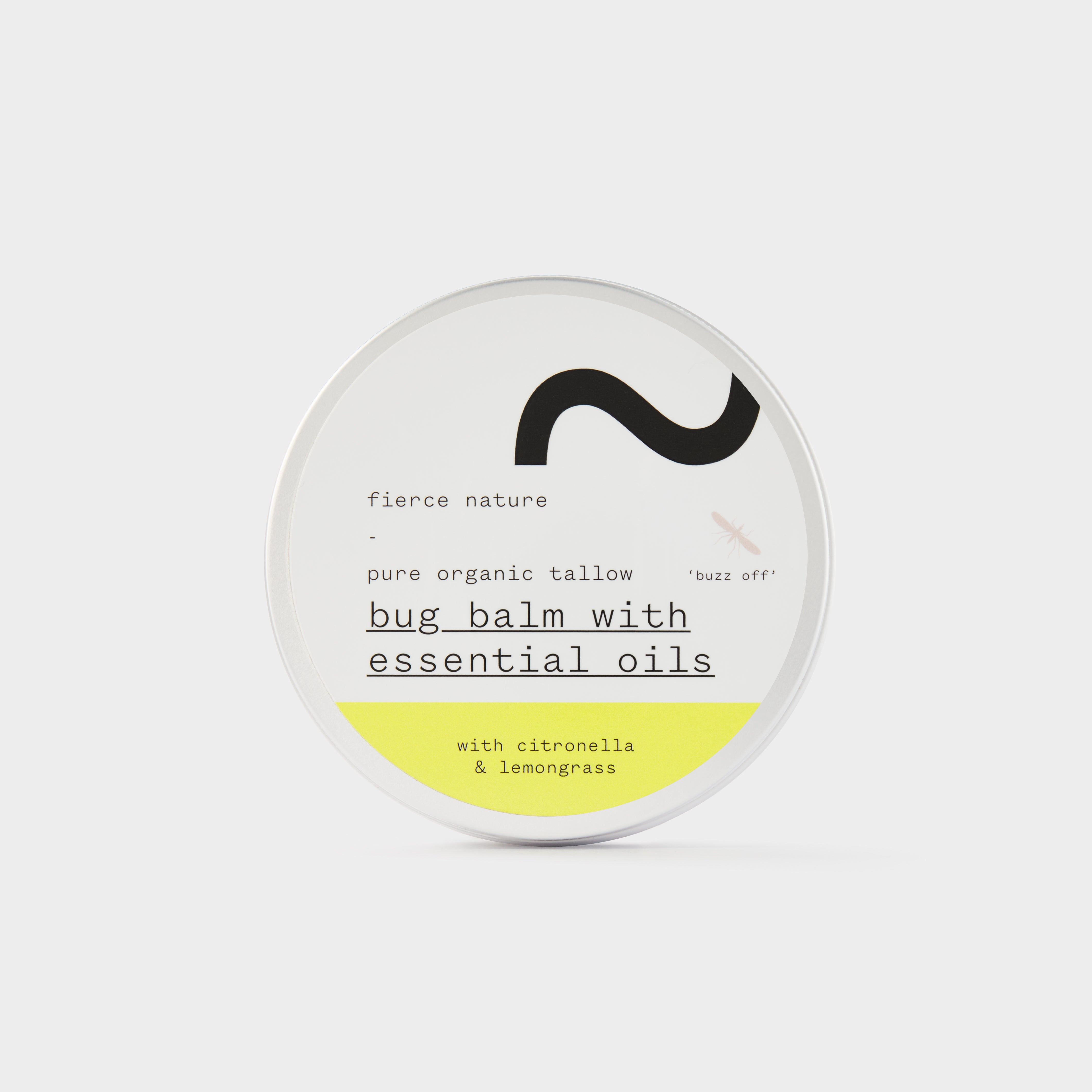
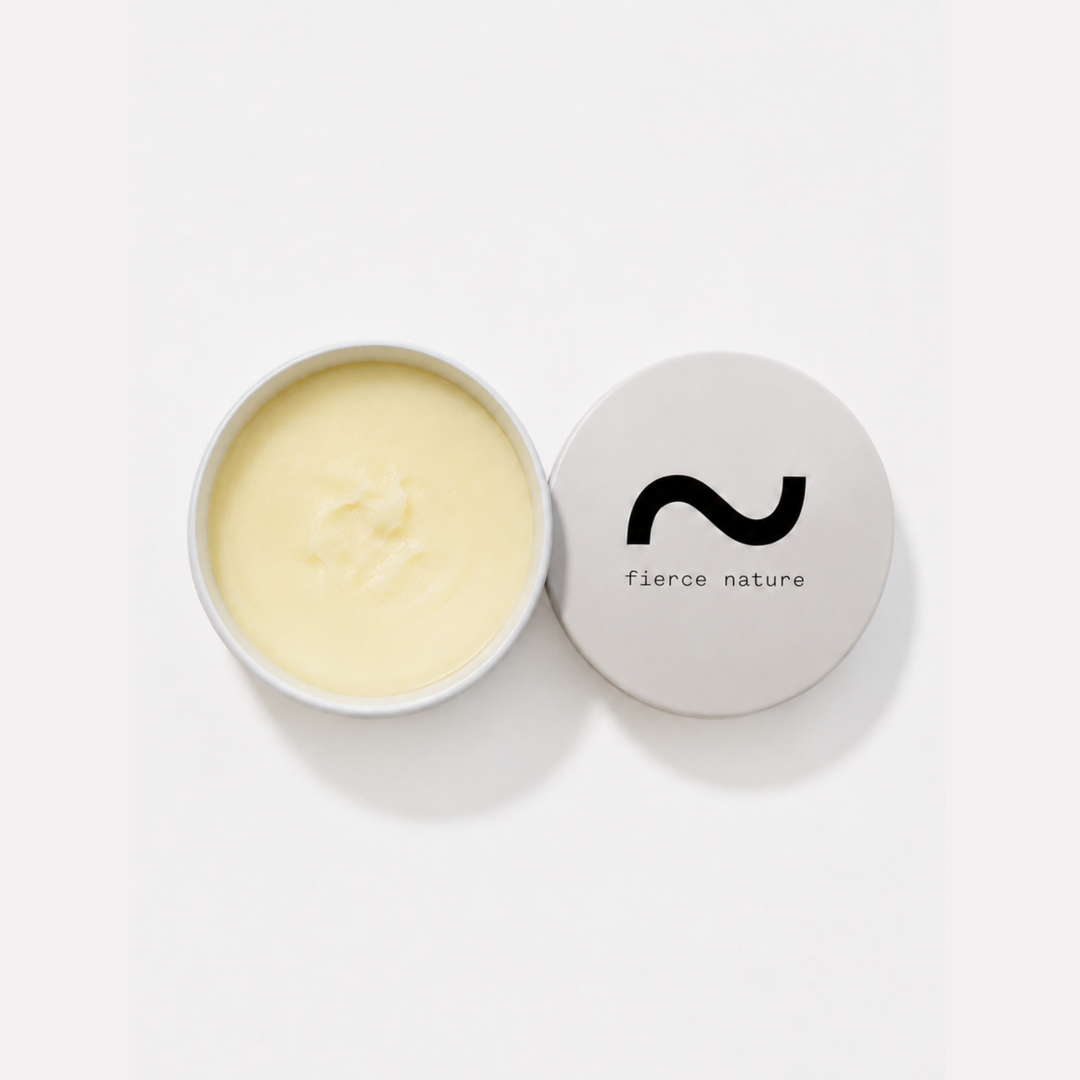
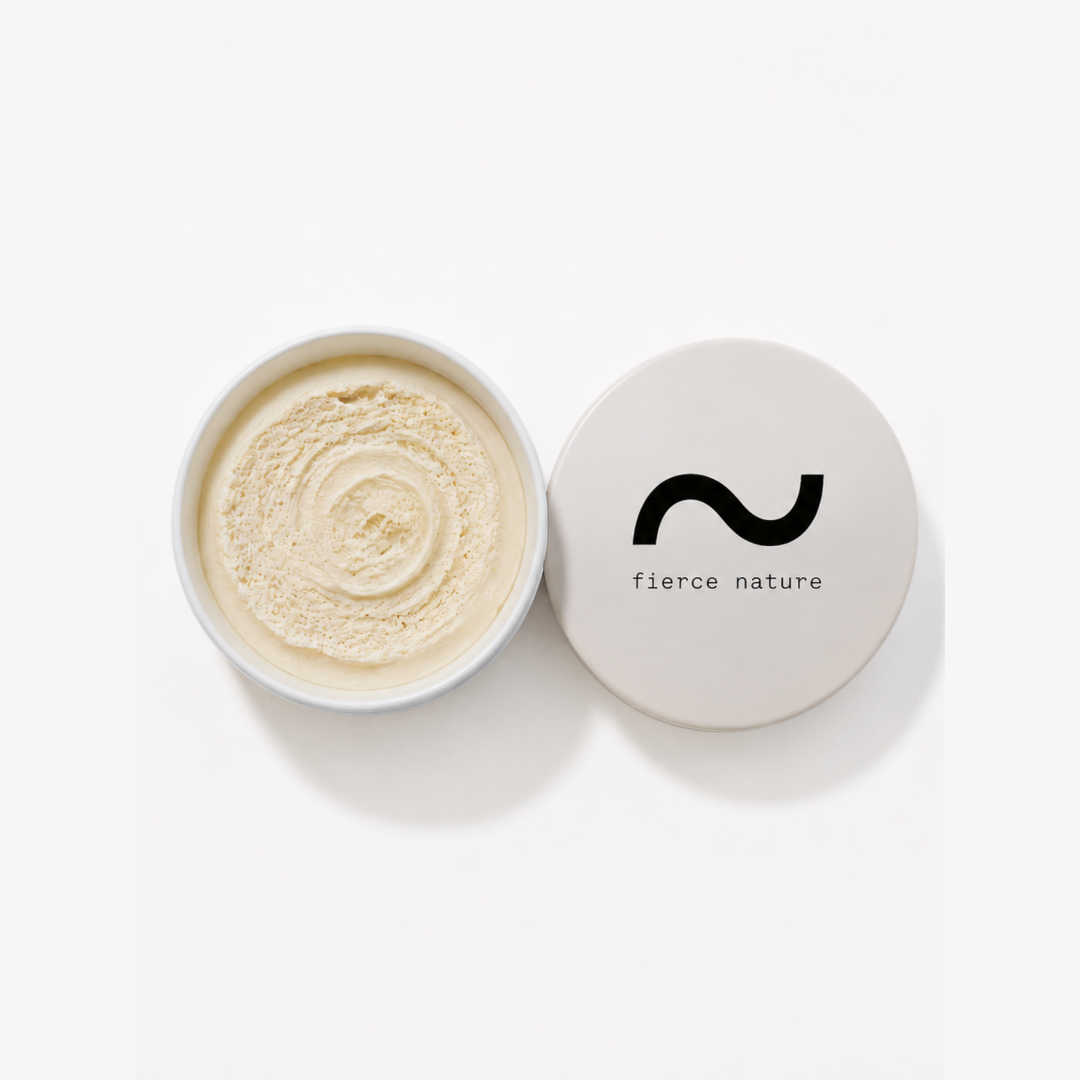
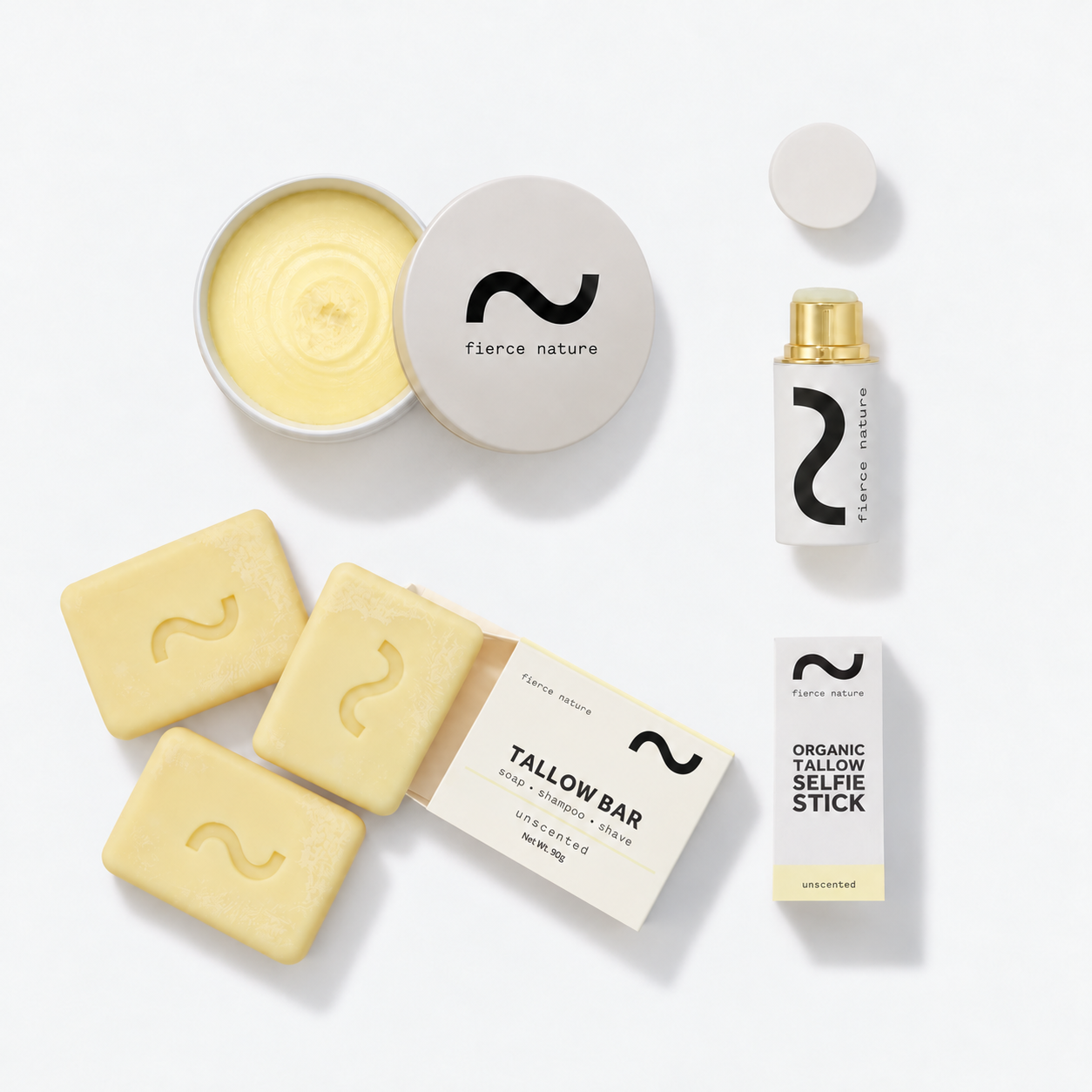

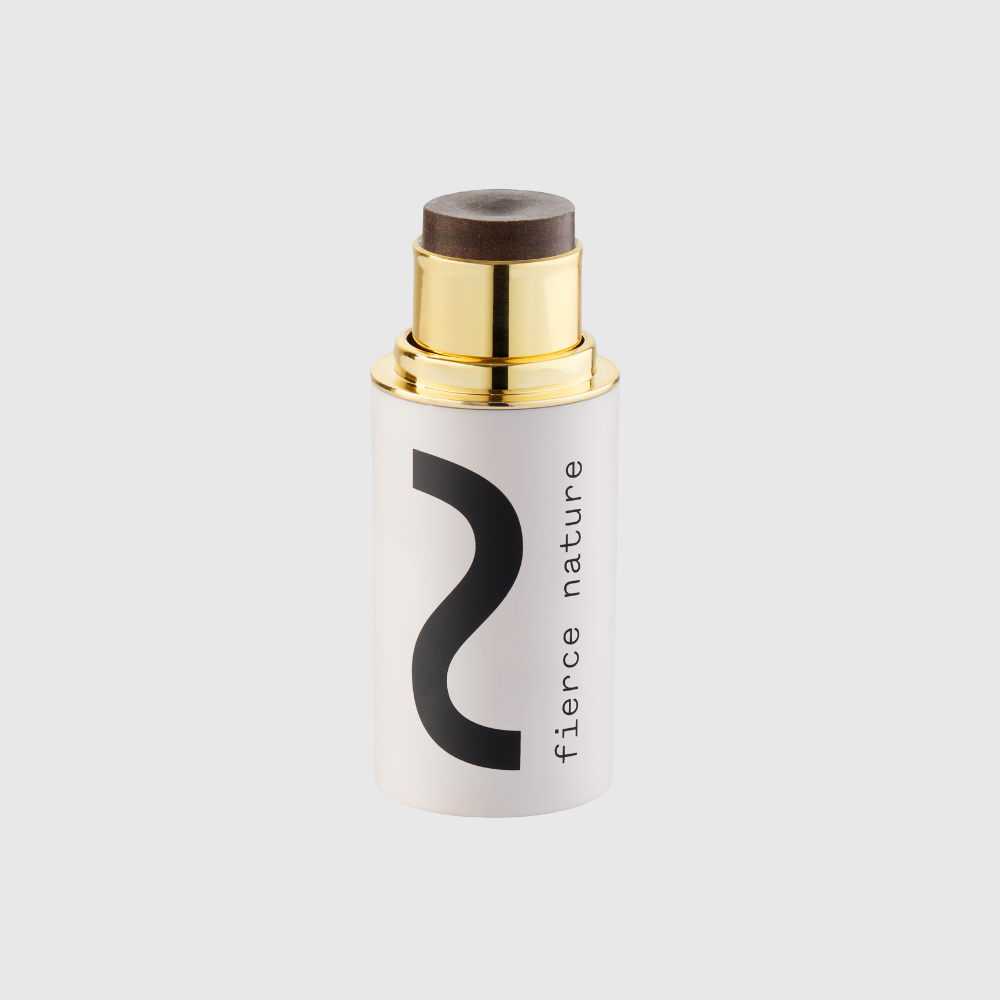
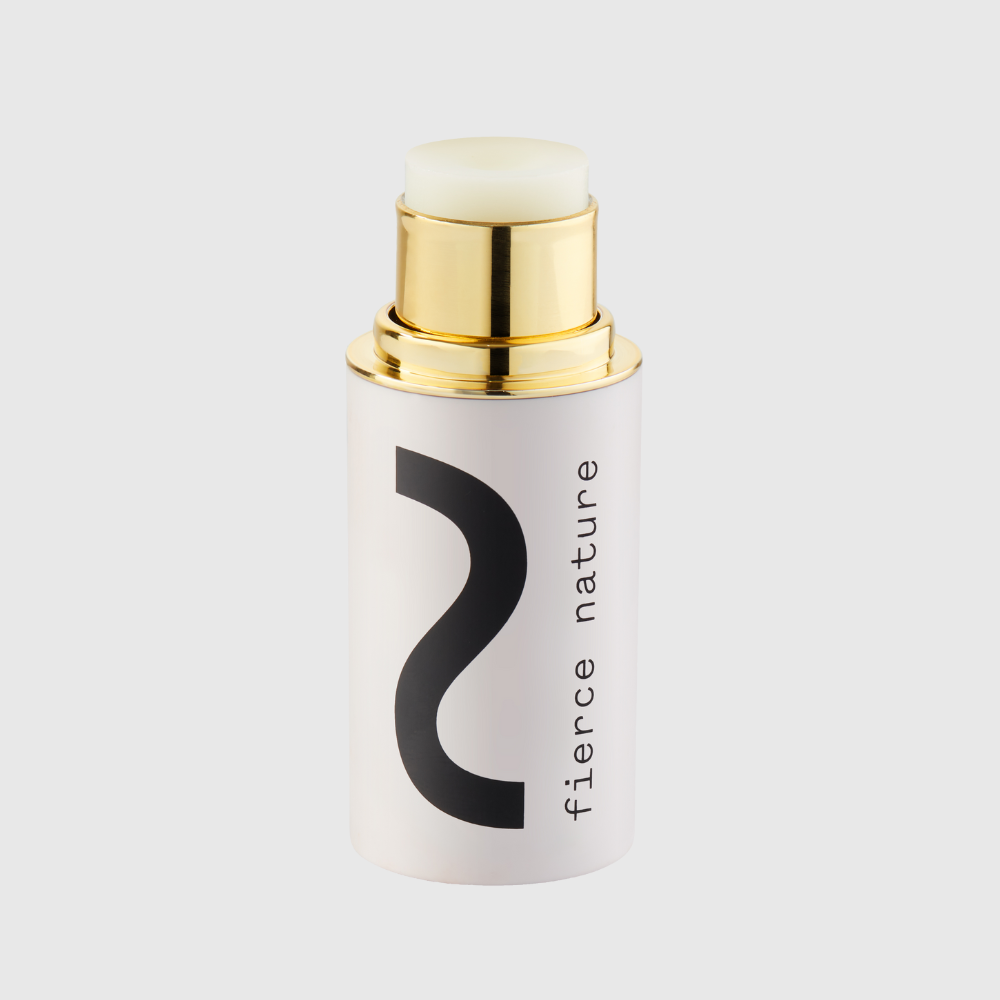
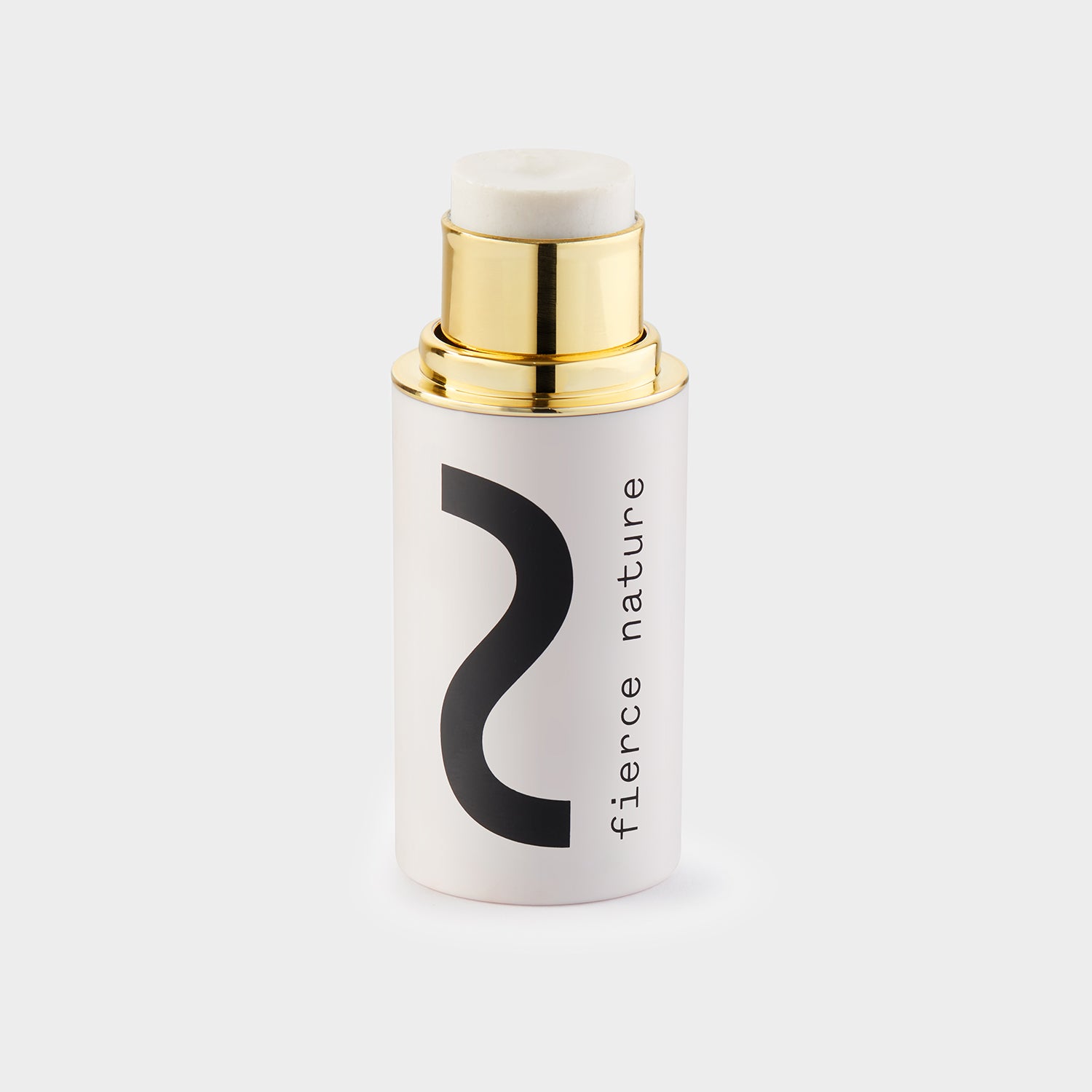
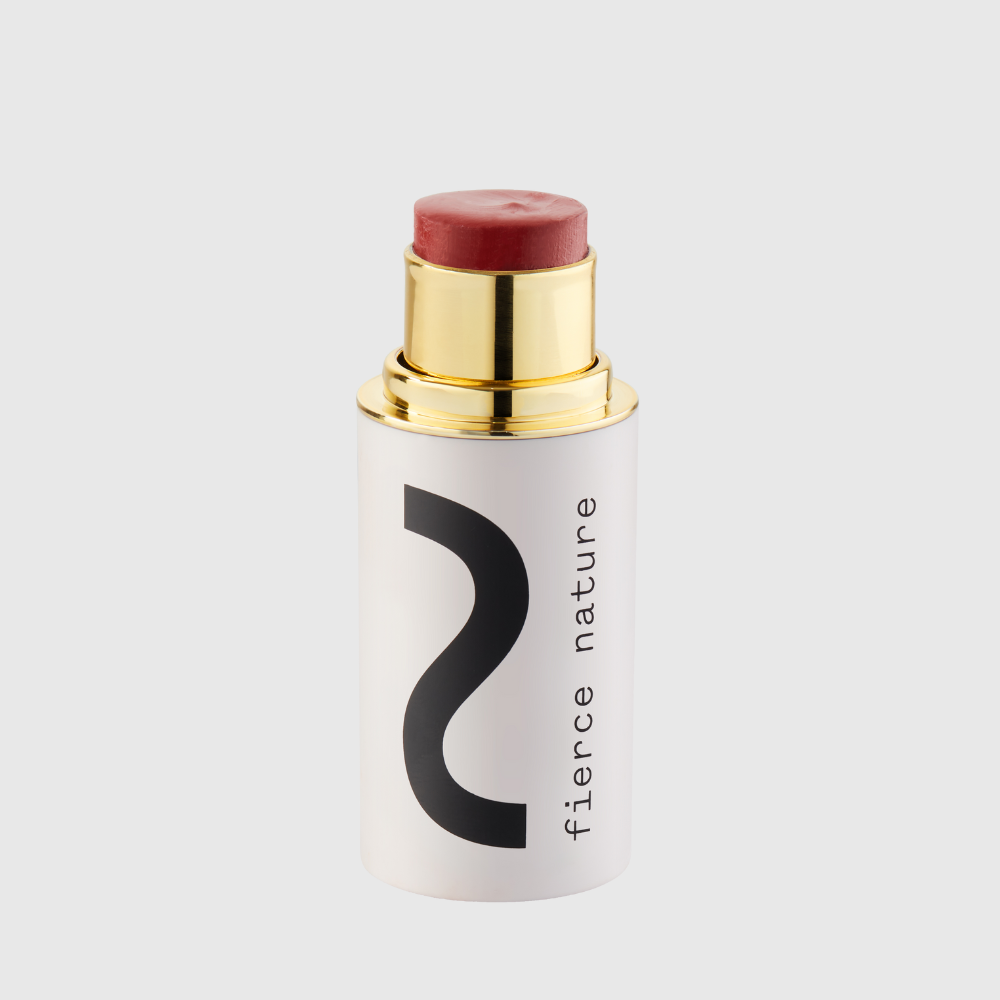



Beeswax and tallow do different jobs. Beeswax is a wax: it gives a balm firmness, hold and a protective finish. Tallow is a rendered animal fat: it is the nourishing, skin-softening base that a balm is built on. They are not true rivals, which is why you will often see them in the same pot. If you are choosing a face or body balm, the better question is which one should lead, and what you want your skin to feel afterwards.
We make tallow-based skincare by hand in the UK, so we come at this from the tallow side. We will still give you a fair picture of what beeswax does well, so you can read any balm label with confidence.
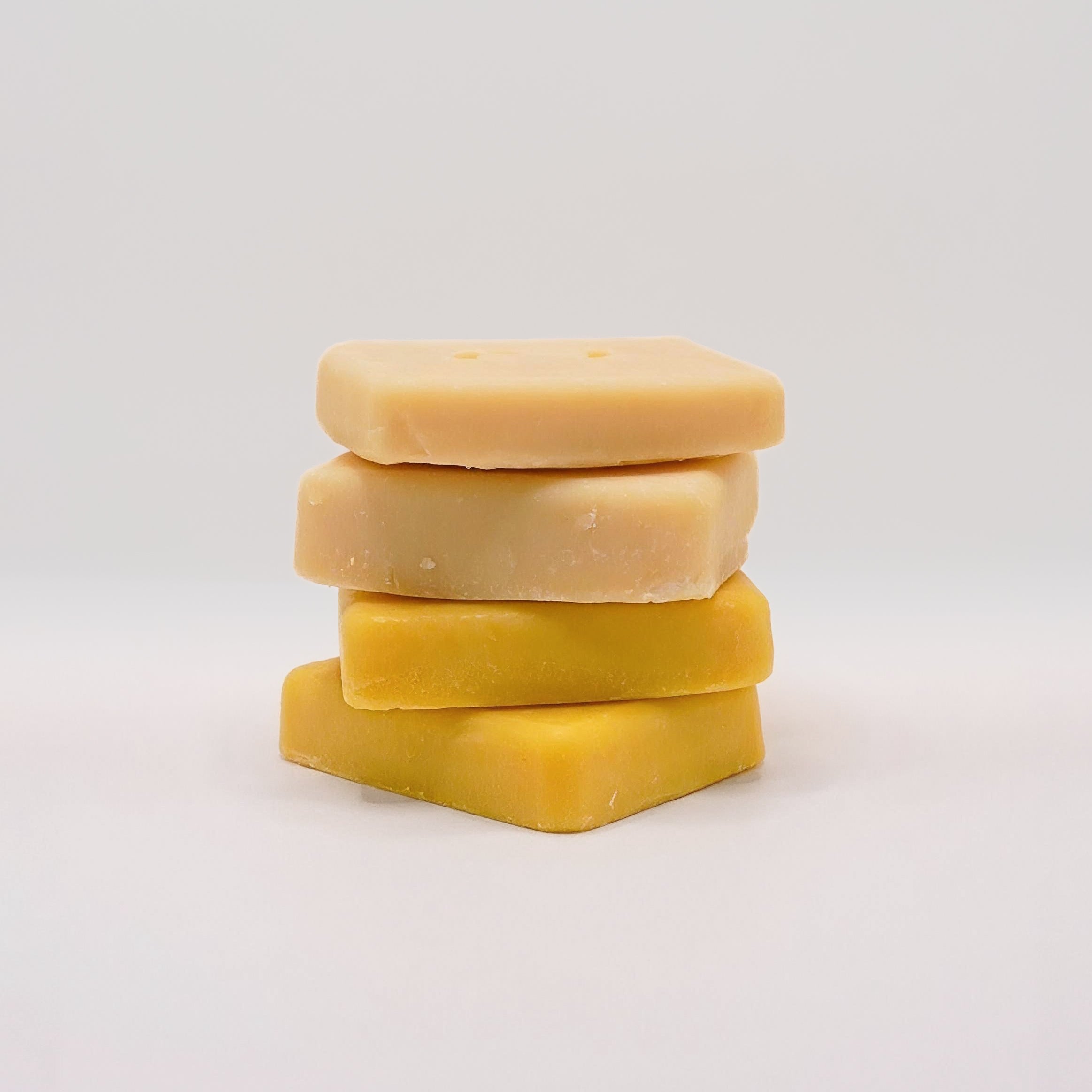
Beeswax is secreted by honeybees to build their honeycomb. For cosmetics it is harvested, filtered and sold either as yellow beeswax, which keeps its natural colour and honey-like scent, or as white beeswax, which has been lightened. It is a wax, meaning it is solid at room temperature and melts at a relatively high temperature compared with most fats.
Tallow is rendered animal fat, traditionally from beef. A 2024 scoping review of tallow in skincare describes it as made up principally of oleic, palmitic and stearic acids, and notes its use as a moisturising and emollient ingredient. Tallow has been used for centuries in soap making and as a skin emollient, which is the tradition we draw on. The quality of the finished product depends a great deal on the animal’s diet and how carefully the fat is rendered, which is why we use premium, grass-fed tallow as the foundation of our balms.

So one is a wax and the other is a fat. That single difference explains almost everything else in this article.
| Tallow | Beeswax | |
|---|---|---|
| What it is | Rendered animal fat | Wax made by honeybees |
| Main role in a balm | Nourishing, emollient base | Structure, firmness and a protective film |
| Feel on skin | Soft, melts on contact, absorbs into skin | Firmer, more waxy, sits on the surface |
| Texture it creates | Creamy, spreadable balm | Harder balms, sticks, thicker salves |
| Used alone | Yes, as a whipped or set balm | Rarely, it is too hard and waxy on its own |
| Typical share of a recipe | Often the largest part | A smaller part, adjusted to the format |
| Source | Animal by-product of the meat industry | Bee product |
| Allergy picture | Mixed research, individual reactions possible | Uncommon, sometimes linked to propolis traces |
Use the table as a guide rather than a rule. How a balm feels depends on the whole formula, not on one ingredient.
Tallow is solid in the pot but soft. Scoop a little onto a fingertip and body warmth turns it to a silky oil within seconds. That is why a tallow balm glides across dry skin rather than dragging. Its fatty acid make-up is one reason it is valued as a nourishing, restorative skin food. We also describe tallow as bioavailable, meaning its vitamins and fatty acids are in a form the skin can use, and that is part of why we choose it as the foundation.
In use, a tallow balm tends to feel rich but not slick. A little goes a long way, and it settles into the skin over a few minutes instead of sitting on top.
Beeswax behaves differently. It forms a thin, breathable-feeling film and gives a balm what formulators call hold. On lips and on very exposed skin, such as hands in winter or cheeks in a cold wind, that film can feel reassuring. On its own, though, a high proportion of beeswax can feel waxy, tacky or slow to rub in, which is why it is normally used in modest amounts.
If you have ever applied a very hard lip balm that you had to warm and press to get going, you were probably feeling a high wax content.
A balm is an anhydrous product, meaning it contains no water. In a formula like that, the wax and oil or fat interact to decide the final texture. Cosmetics & Toiletries explains that waxes in these systems help create textures from creams to sticks to balms, and affect firmness, gloss, rub-out and after-feel. Formula Botanica describes beeswax as contributing to texture, viscosity, shine, hardness, stability and melting point.
Put simply:
The formulator’s job is to balance them. Too little structure and a balm is soft and messy in a warm room. Too much and it feels stiff and sits on the skin. Because tallow is already solid at room temperature, a tallow balm can hold its shape without much help, which is one reason simple tallow balms can have very short ingredient lists.
Yes, and it is common. A little beeswax gives a tallow balm more body, makes it less likely to soften in a warm bag or a hot bathroom, and is the usual way to turn a soft balm into a pocket-friendly stick.
Formulation guidance from Formula Botanica gives general starting ranges of around 5 to 20% beeswax for a jar balm and 10 to 30% for a stick, and stresses that the right amount depends on the format. The logic is straightforward: a stick must keep its shape as you swipe it, so it needs more structure than a balm you scoop with a finger. Treat those numbers as a starting point for a formulator, not a precise recipe for every blend.
What changes when you add it:
A tallow balm with no added wax is simply softer and more fluid on the skin. Neither choice is wrong; it depends on how and where you use the balm.
It helps to be clear about what is known. The 2024 tallow review found evidence for moisturising and hydrating effects, and pointed to possible benefits in dry skin, dermatitis, psoriasis and wounds, while concluding that larger, better-controlled human studies are still needed. In plain words: tallow has a long history of traditional use and promising early findings, and research is still catching up.
Beeswax is widely used across cosmetics for its texture and protective qualities, as the formulation sources above describe. Neither ingredient is a medicine, and we would never ask you to treat a balm as one. If you have a diagnosed skin condition, your GP or dermatologist should guide your treatment, and a gentle balm can sit alongside that advice.
For more on how a fat-based balm works on the skin, see our guide on why oil-based balms deeply moisturise.

Any new skincare product can irritate someone. Here is what is known for these two ingredients.
A 2026 review in Contact Dermatitis, drawing on a UK multicentre patch-test study of 2,828 patients, reported that 13 people (0.46%) reacted to beeswax overall: 10 to yellow beeswax (0.35%) and 3 to white beeswax (0.11%). The review concludes that contact allergy to white beeswax is infrequent to very rare. The British Society of Cutaneous Allergy explains that reactions to beeswax may come from propolis contamination, and advises people with a propolis allergy to check ingredient labels and avoid propolis.
If you know you are allergic to propolis or bee products, read labels carefully and talk to your GP or an allergy specialist before using a beeswax balm.
The 2024 tallow review reports that research on topical tallow side effects is inconsistent. Some studies found no irritation, while others reported irritation or sensitisation, with large differences in materials and methods. It also notes that results for tallow-derived or concentrated materials cannot simply be applied to a finished cosmetic balm. So the honest position is that individual skin varies, and a well-made product from a transparent maker matters.
We have written more on this in our guide to tallow allergy and in tallow for sensitive skin.
Whatever you choose, test before you commit:
If you have eczema, a known allergy, or a reaction that persists, speak to your GP or pharmacist before using a new balm. For babies, our article on tallow skincare for babies covers what to consider, and a patch test is just as important.
Here is how we would think about it, by use.
A soft, nourishing tallow balm is a natural fit. It melts into the skin and leaves it cushioned instead of coated. Apply a small amount to slightly damp skin, ideally in the evening.
These areas are thicker and drier, so a rich tallow balm works well. Warm a pea-sized amount between your palms and press it in after a shower. A touch of added wax is not needed for most body use.
Lips have no oil glands of their own and are constantly exposed, so some structure helps a lip product stay put. Our guide to making a tallow lip balm walks through the idea, and we explain why we favour an unscented lip balm made from tallow.
A firmer format holds up better to warmth. Sticks need more structure than jars, which is exactly why wax content rises in that format.
Keep it simple. Fewer ingredients mean fewer possible triggers and an easier time working out what suits you. Our piece on why tallow-based skincare suits sensitive skin explains our thinking.
Whether a balm uses tallow, beeswax or both, the label tells you most of what you need.
Whichever you pick, technique makes a difference.
We started Fierce Nature because we believe skincare should work with your skin, not against it. Having grown up battling rashes and reactions to mainstream cosmetics, we know how unsettling it is when a product that promises so much leaves your skin worse off.
That is why tallow sits at the heart of what we make. It is a fat that skin recognises, a rich and restorative base that has been used for centuries as an emollient. When people ask us about beeswax vs tallow, our answer is that the nourishment comes from the fat. A wax can shape a balm, but the fat is what feeds the skin, and that is the part we put first.
We keep our approach simple: premium, grass-fed tallow, naturally sourced ingredients, handmade in the UK, and a commitment to ingredient transparency. We want you to know exactly what is going on your skin, and we want you to feel glowing, comfortable and confident in it.
Whatever balm you choose, patch test it, read the label and listen to your skin. It will tell you what it likes.
Fierce Nature
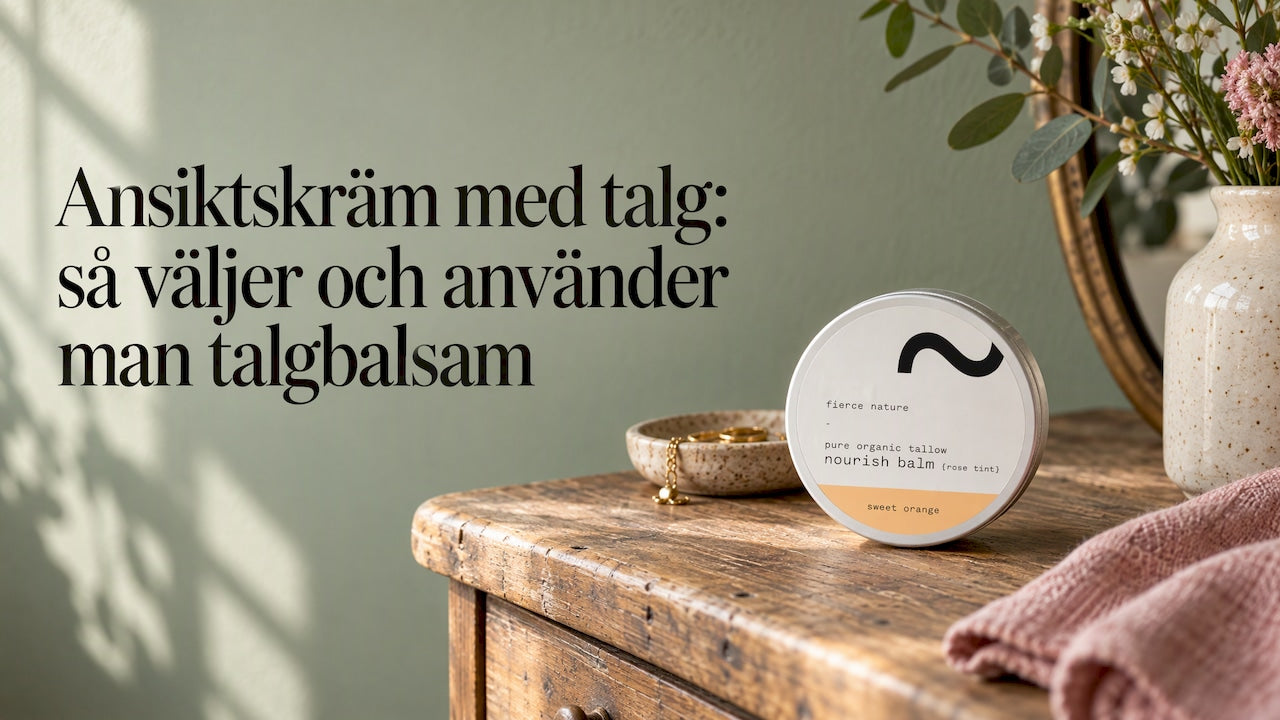
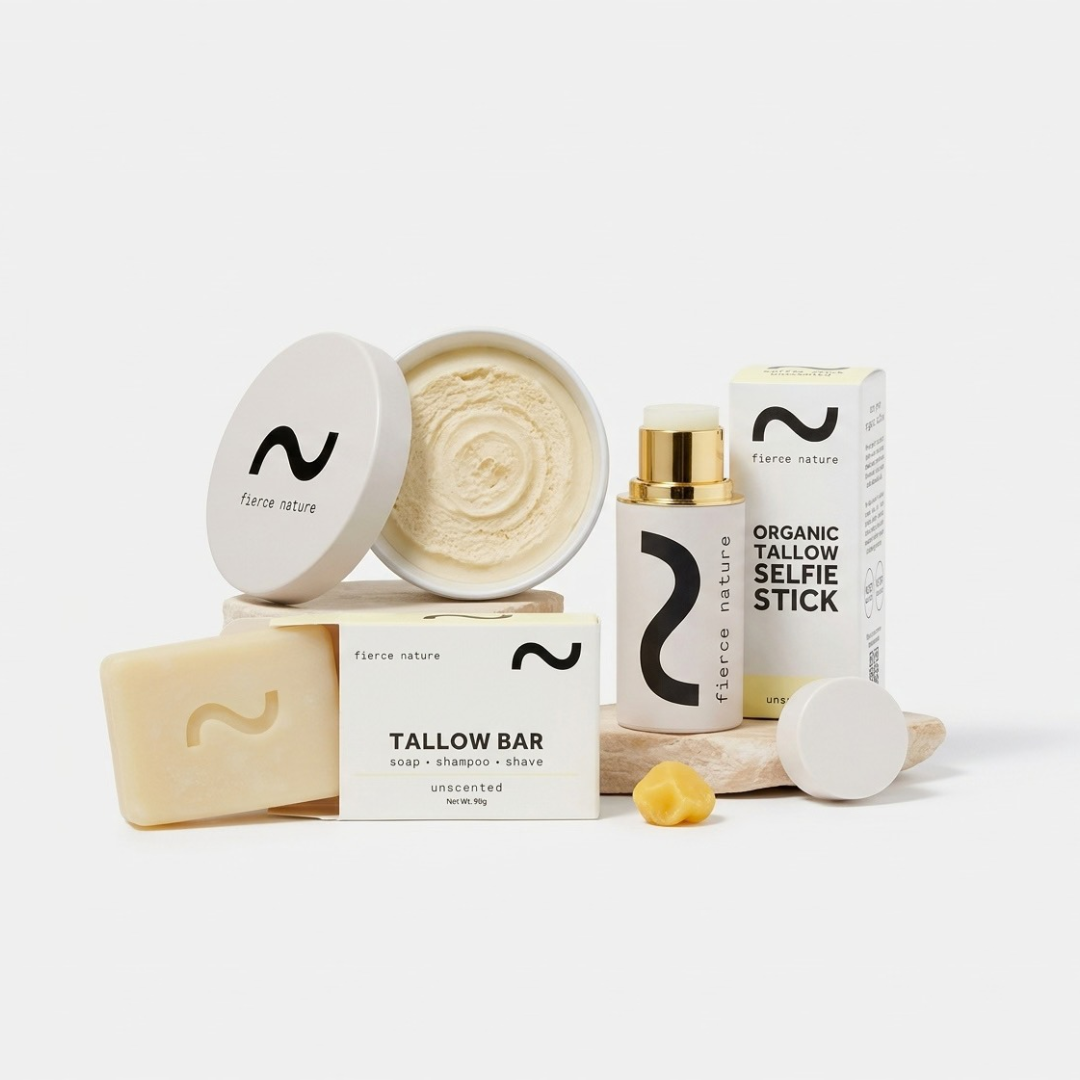
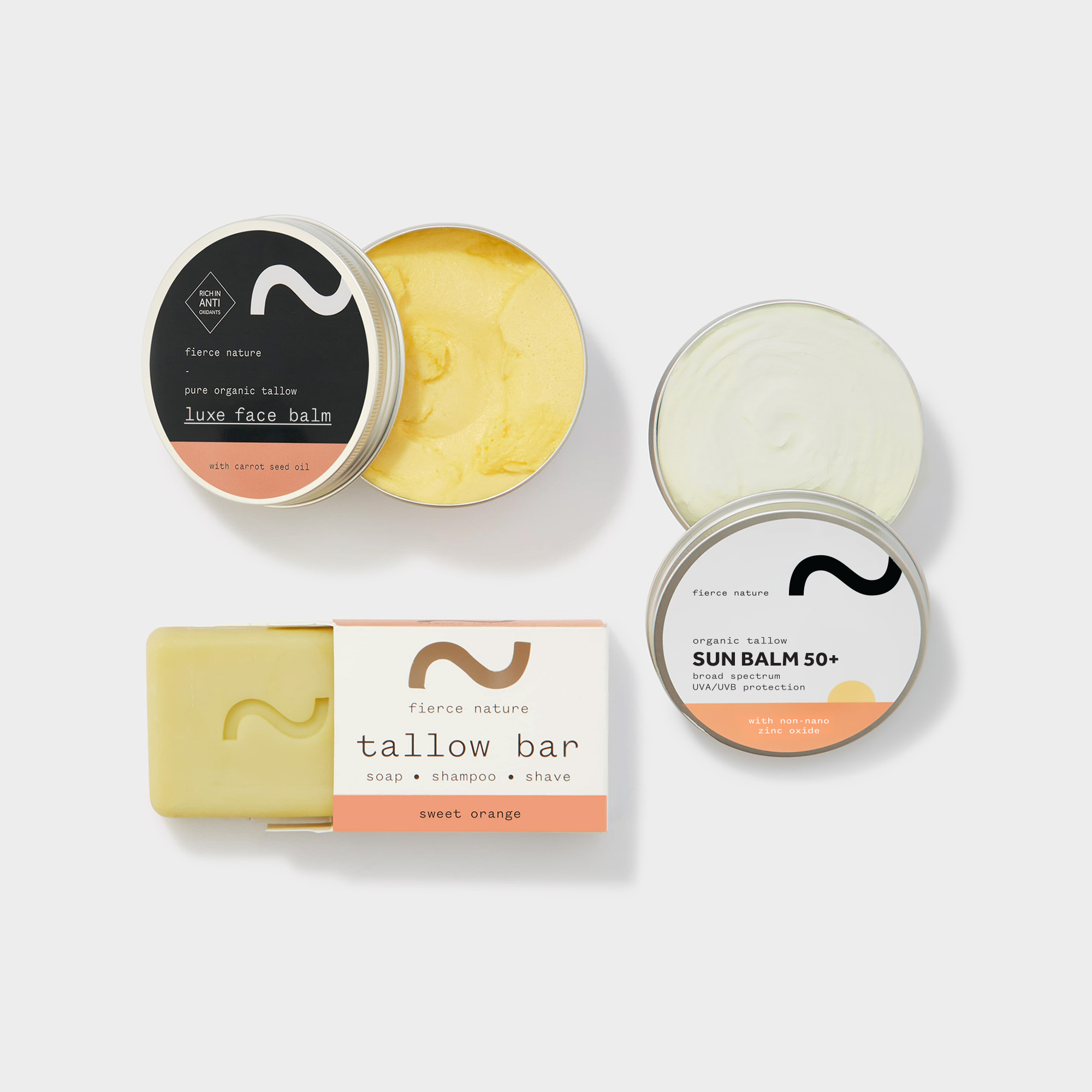
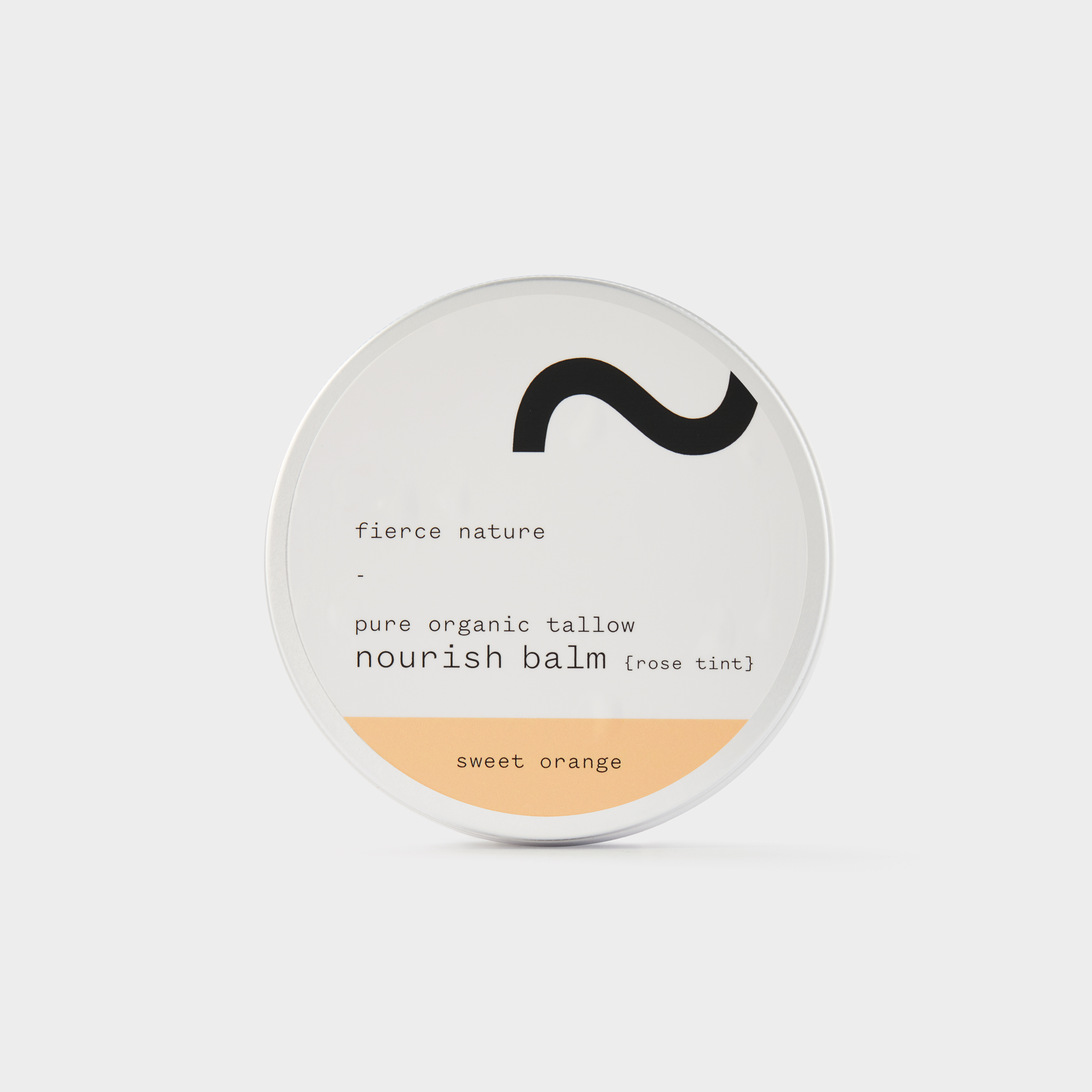
If you would like a tallow balm that is made with care, start with our face and body balms. The Nourish Balms collection is a good place to begin for everyday dryness, with the unscented Nourish Balm for reactive skin and the Sweet Orange version if you like a gentle scent. For your face, there is the Luxe Balm. Every one is handmade in the UK with organic tallow as the foundation.
They do different jobs, so it is not a straight contest. Tallow is a nourishing fat that melts into the skin, which is why we build our balms on it. Beeswax is a wax that firms a balm and adds a protective film, so it plays a supporting role.
Yes. A small amount adds firmness and helps a balm hold its shape, especially in stick form. General formulation guidance suggests roughly 5 to 20% for a jar balm and 10 to 30% for a stick, and the right amount depends on the format you want.
Reactions are possible with any skincare ingredient. A UK patch-test study found beeswax reactions in 0.46% of 2,828 patients, and tallow research is mixed. Patch test on your inner forearm first, and speak to your GP if you have known allergies or a reaction that does not settle.
Beef fat is the raw fat from the animal. Tallow is that fat after it has been rendered, meaning gently heated and strained to produce a stable, purified fat. The quality of the finished tallow depends on the animal’s diet and the care taken in rendering.
Lips benefit from some structure so a product stays in place, and from a nourishing base so they feel soft. Many lip balms combine a fat with a little wax. If you prefer a simple formula, choose an unscented balm with a short ingredient list.