Cart
0
80% Also Added this

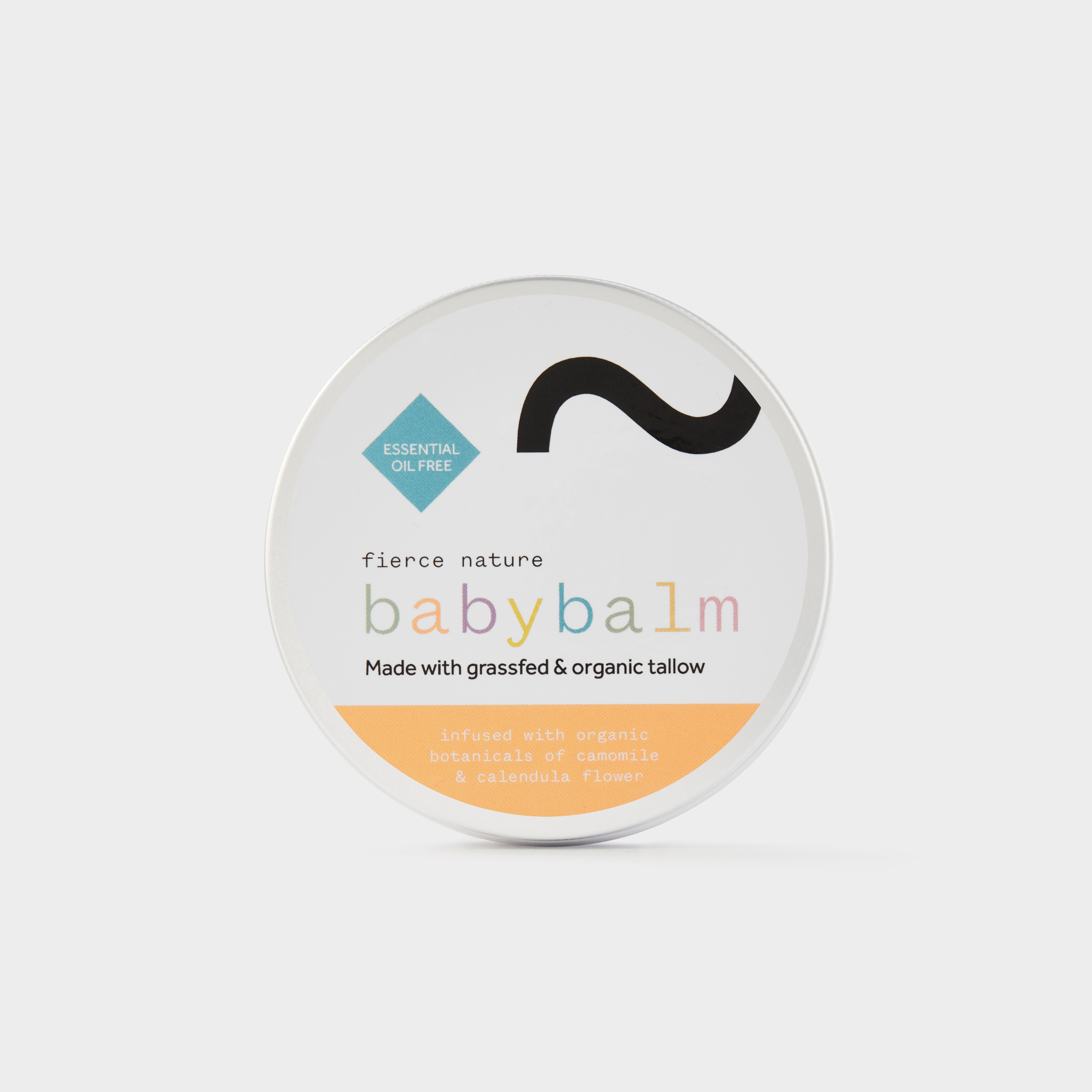
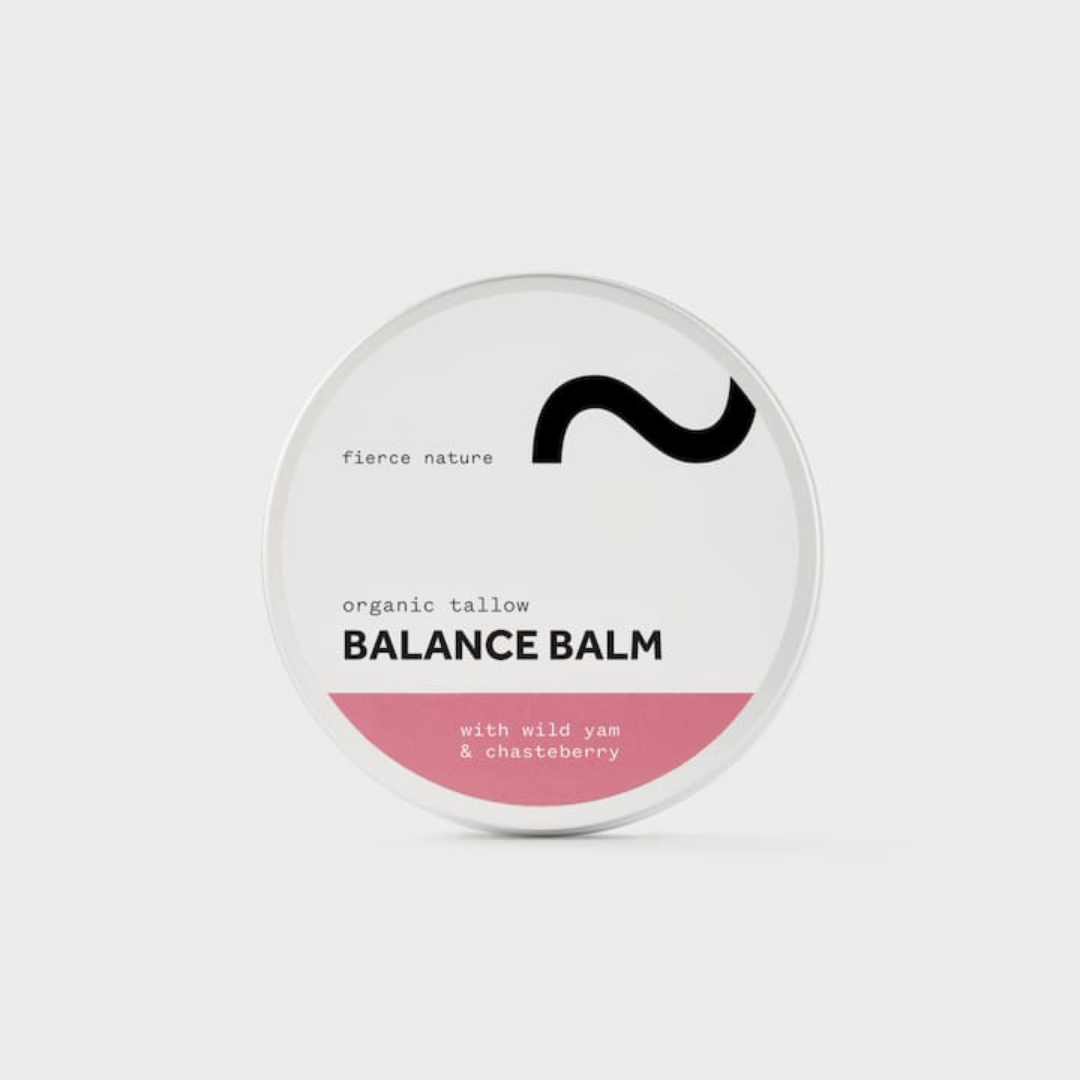
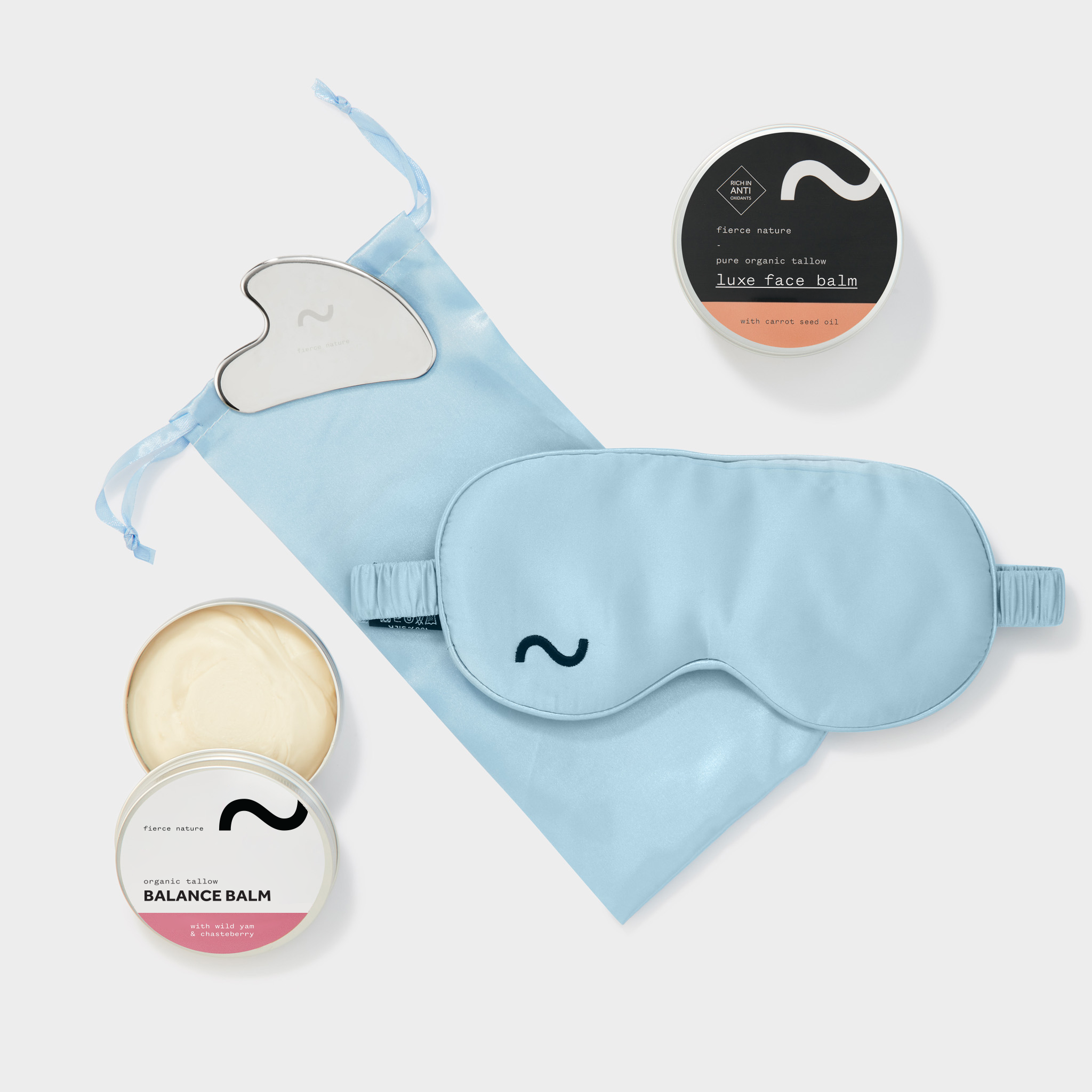
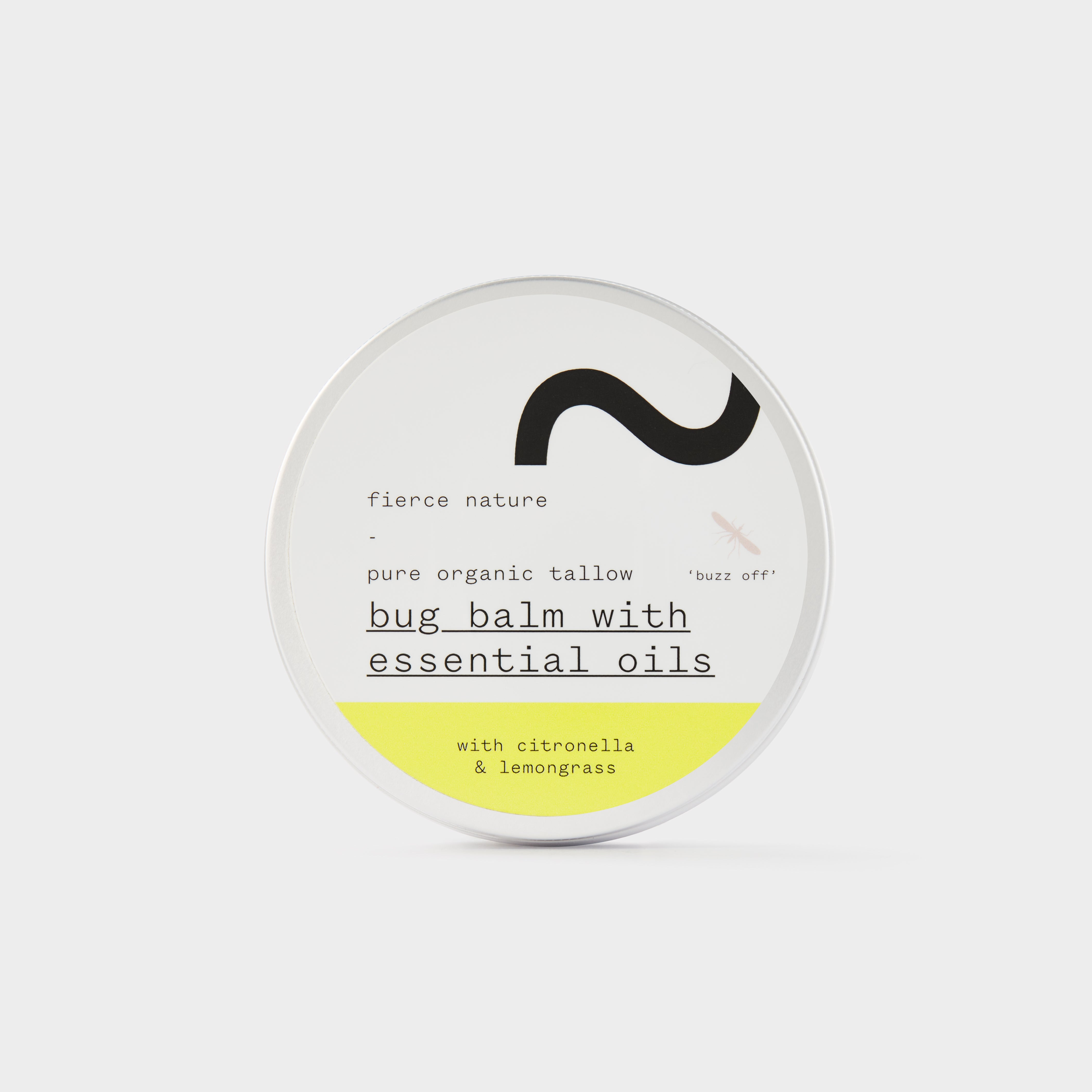
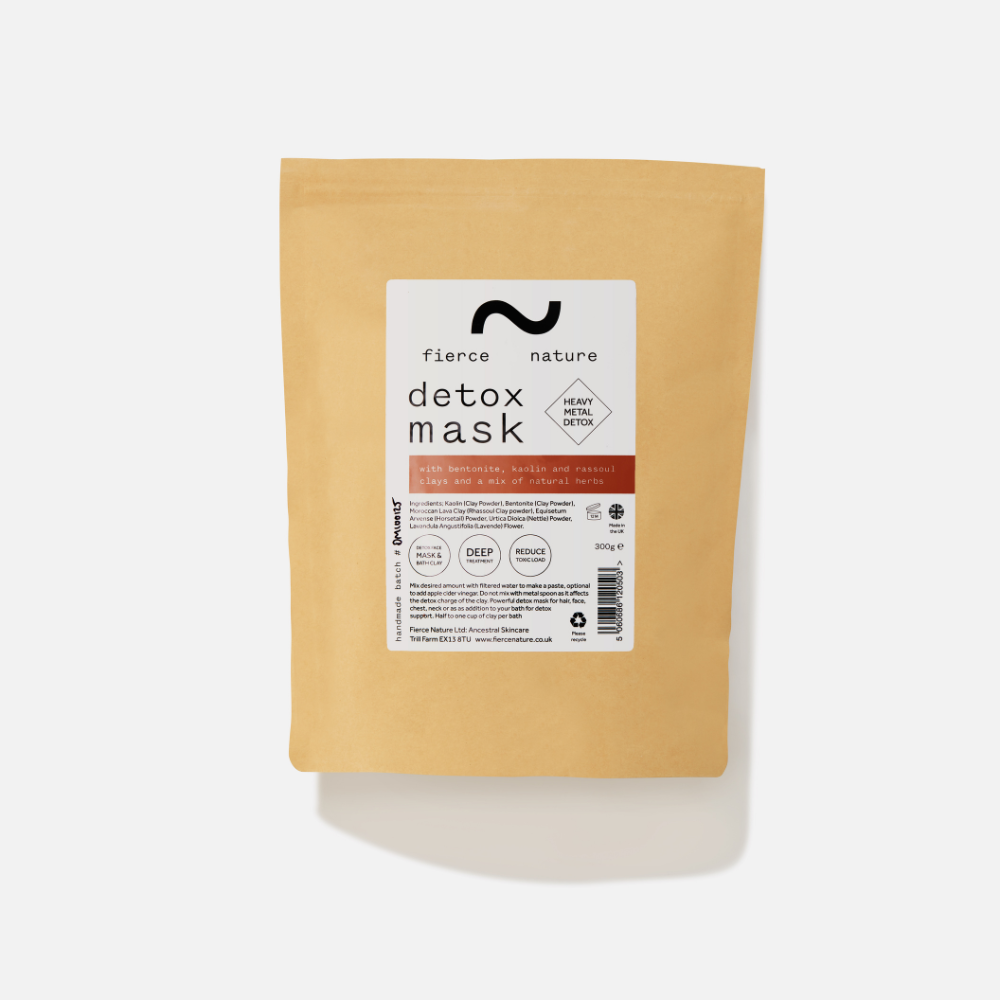

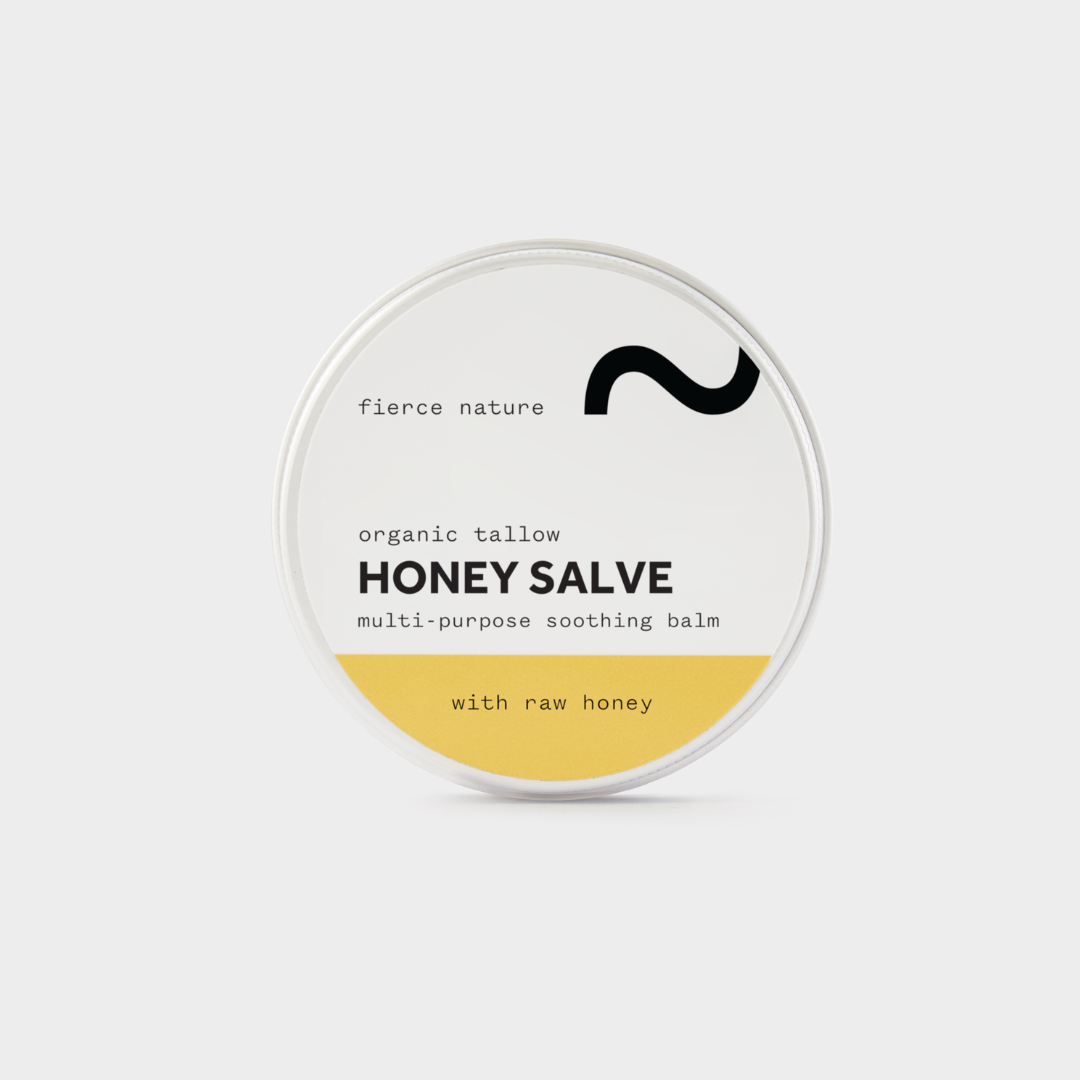
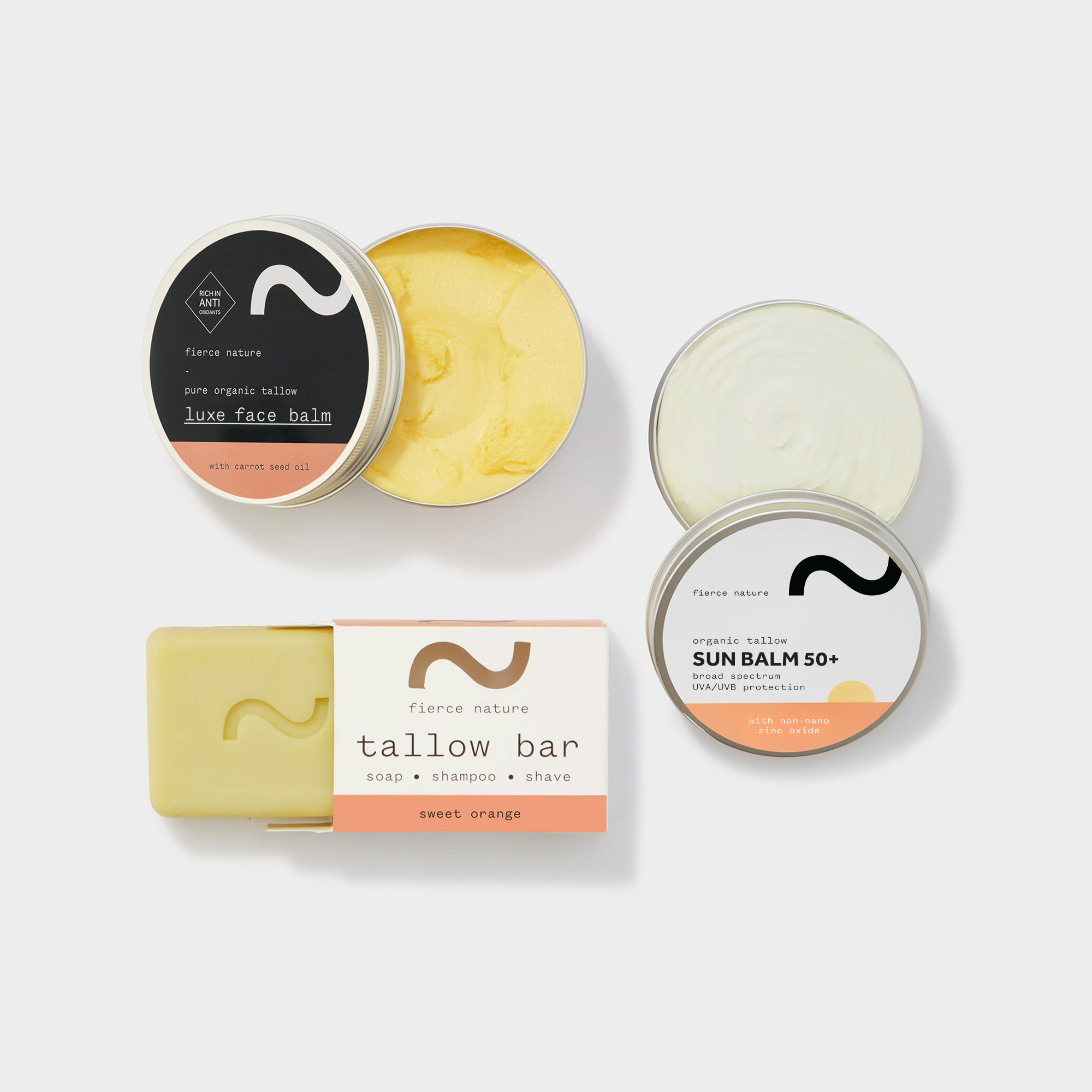
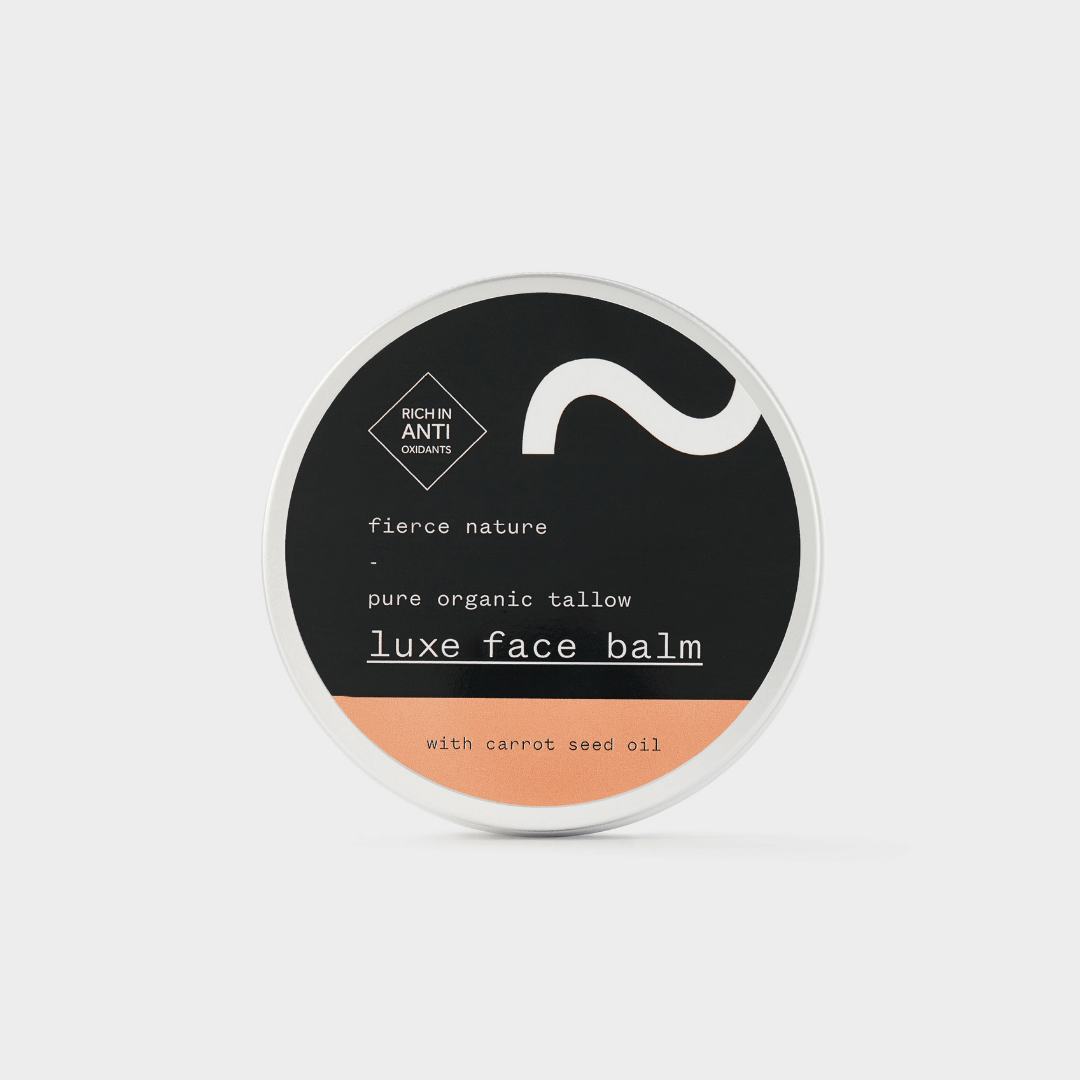
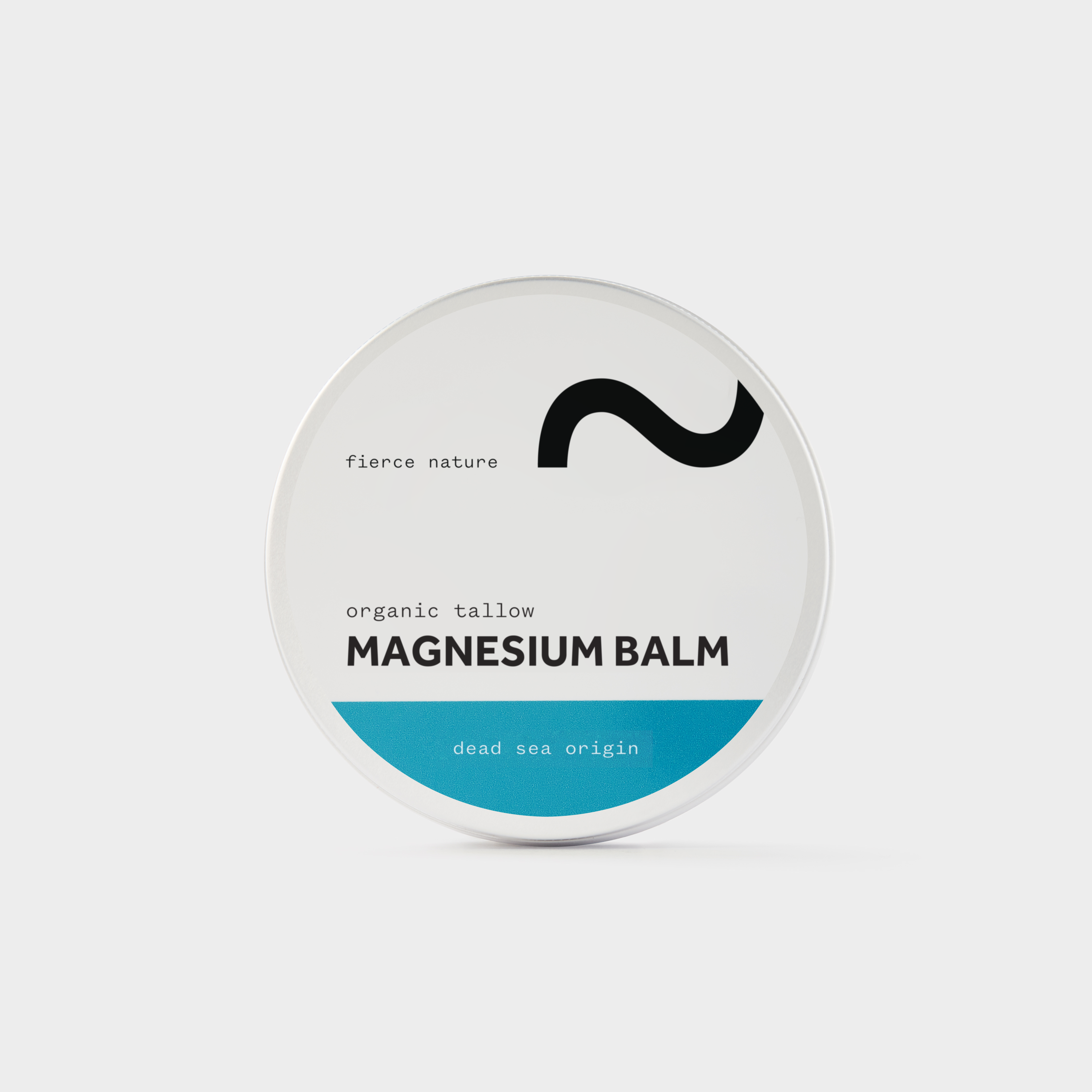
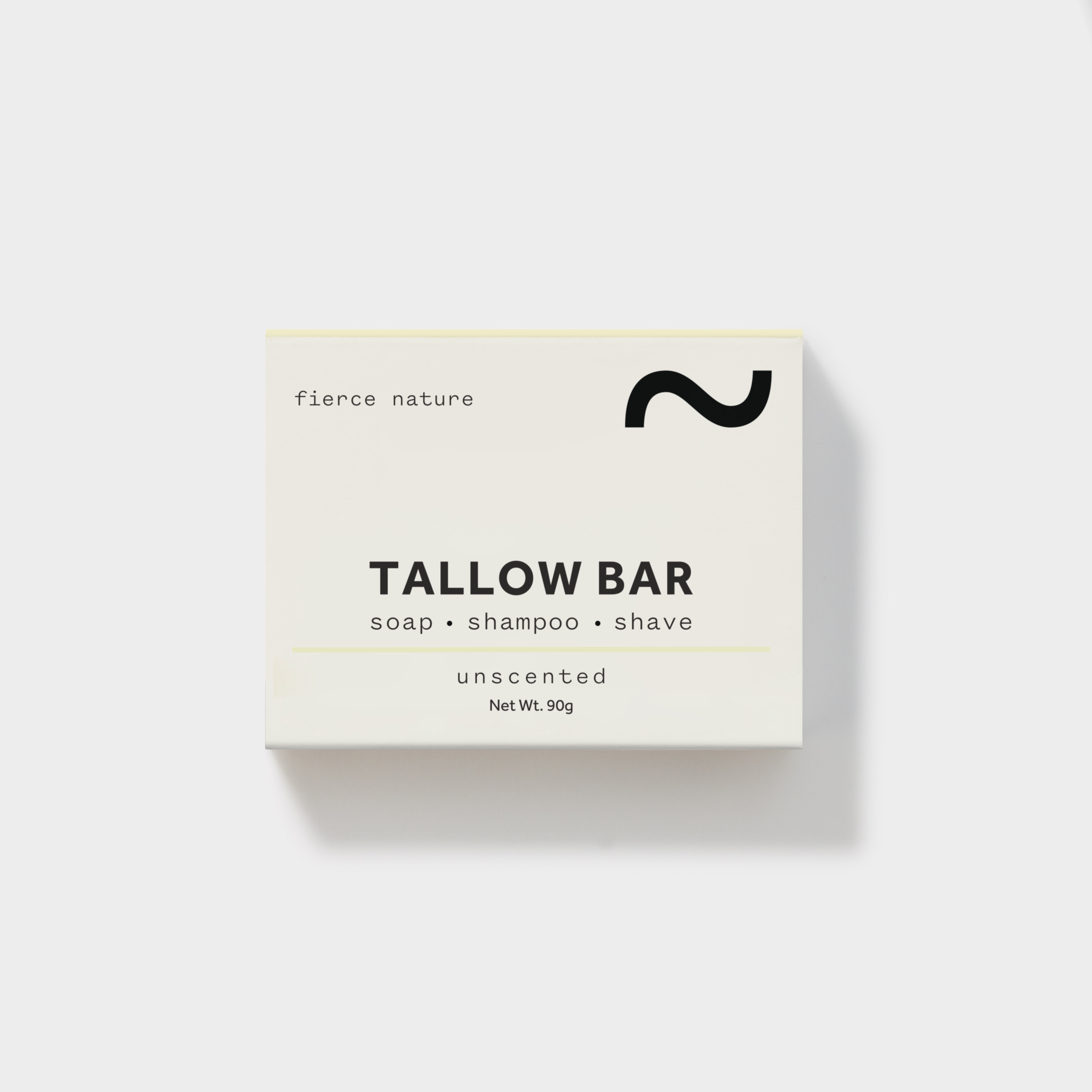
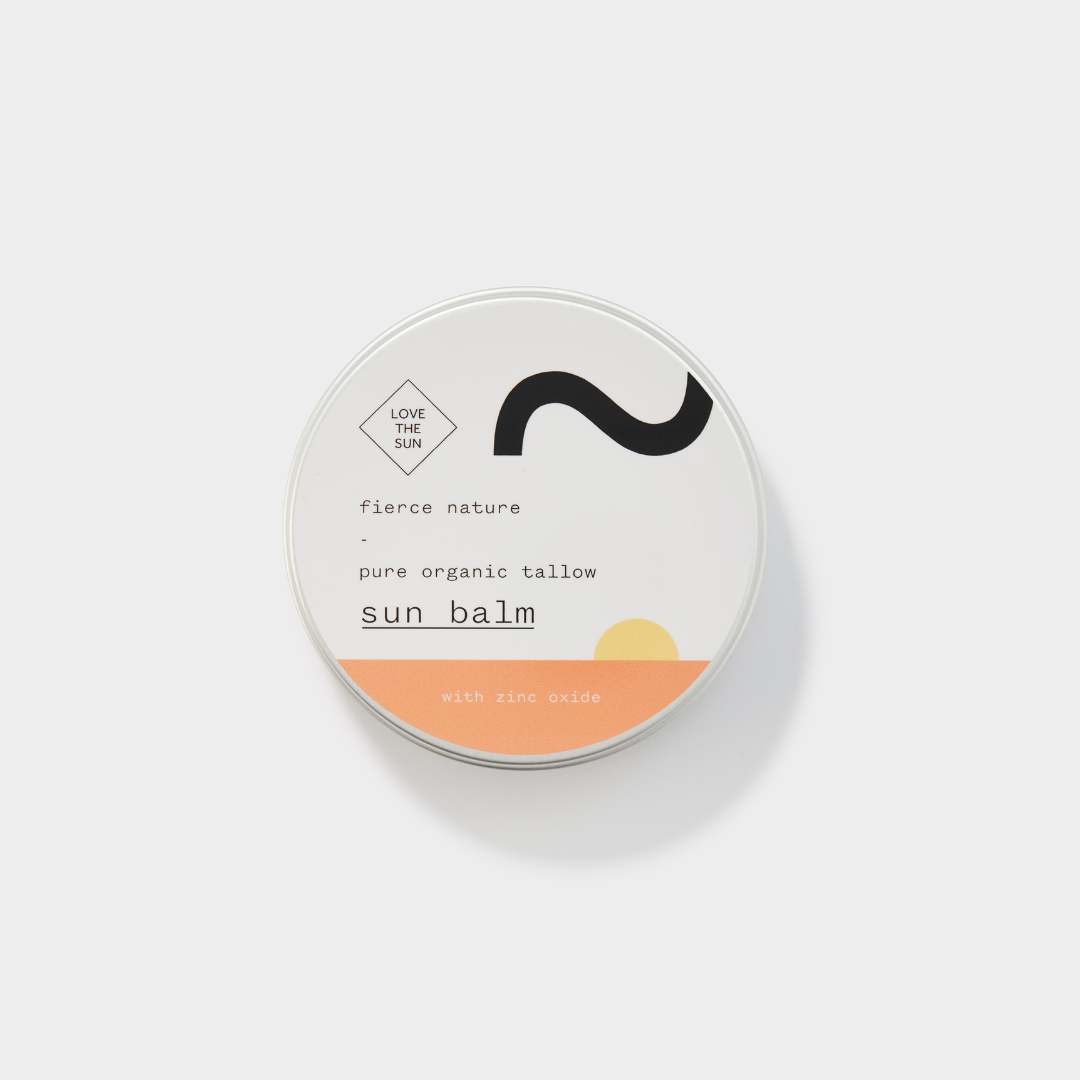
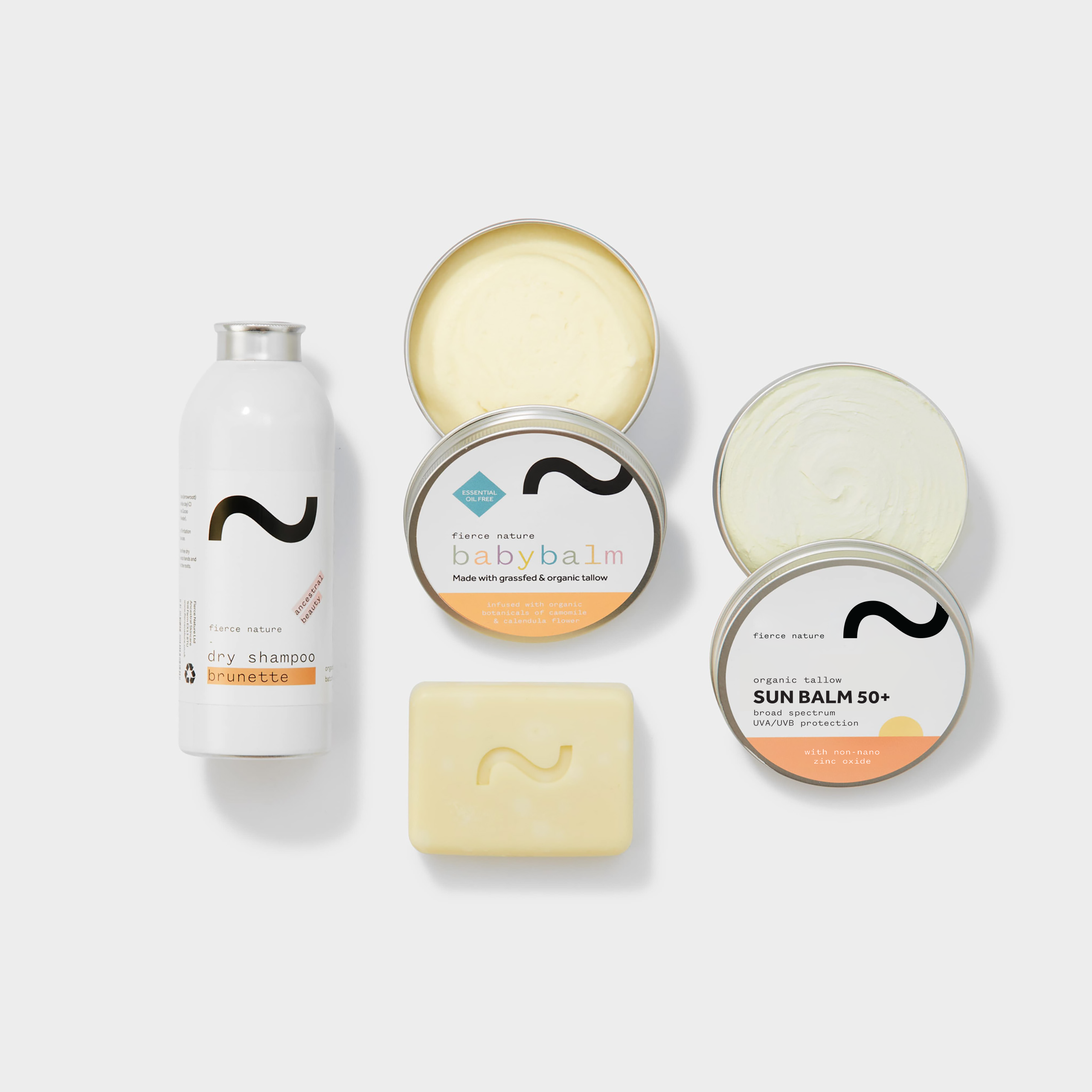
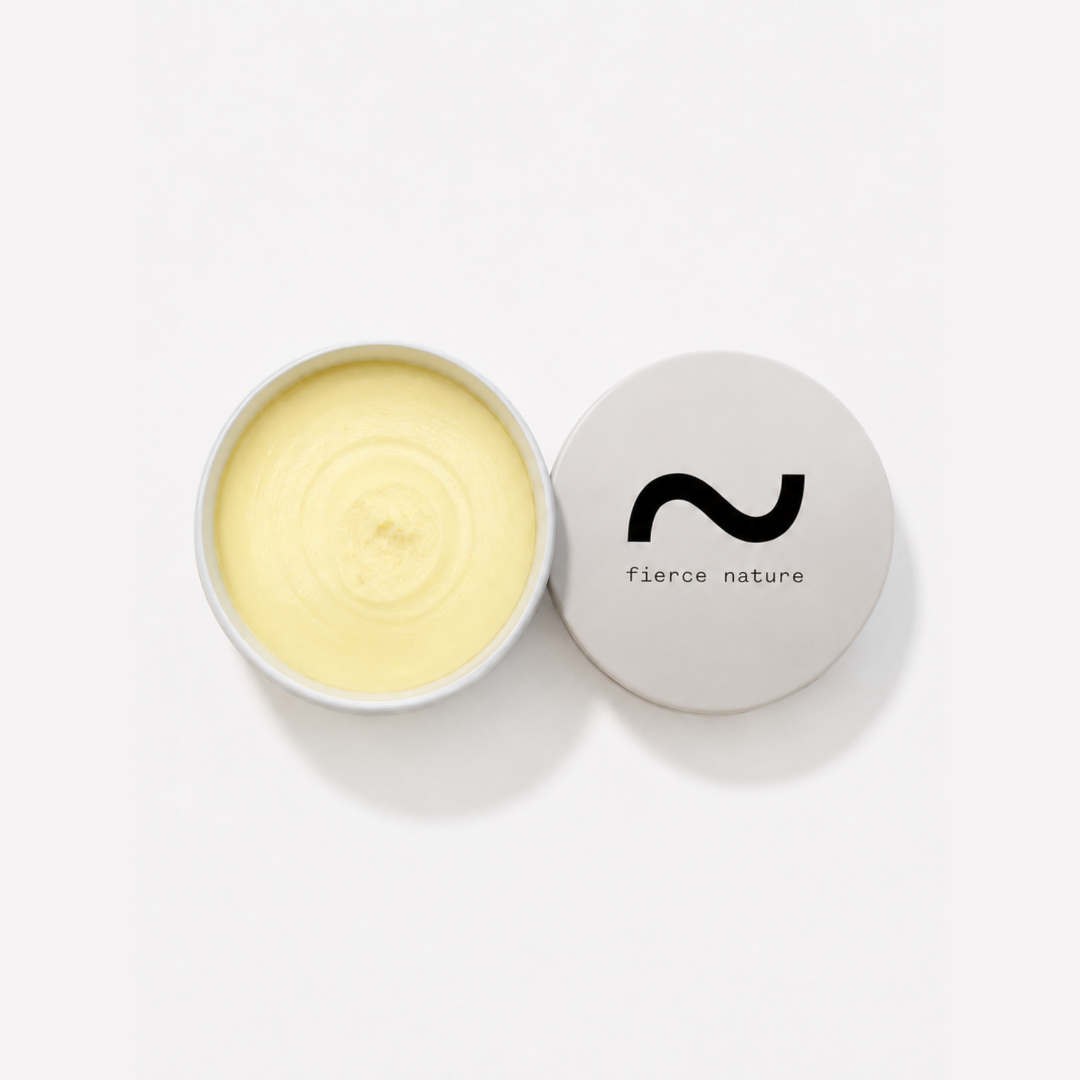
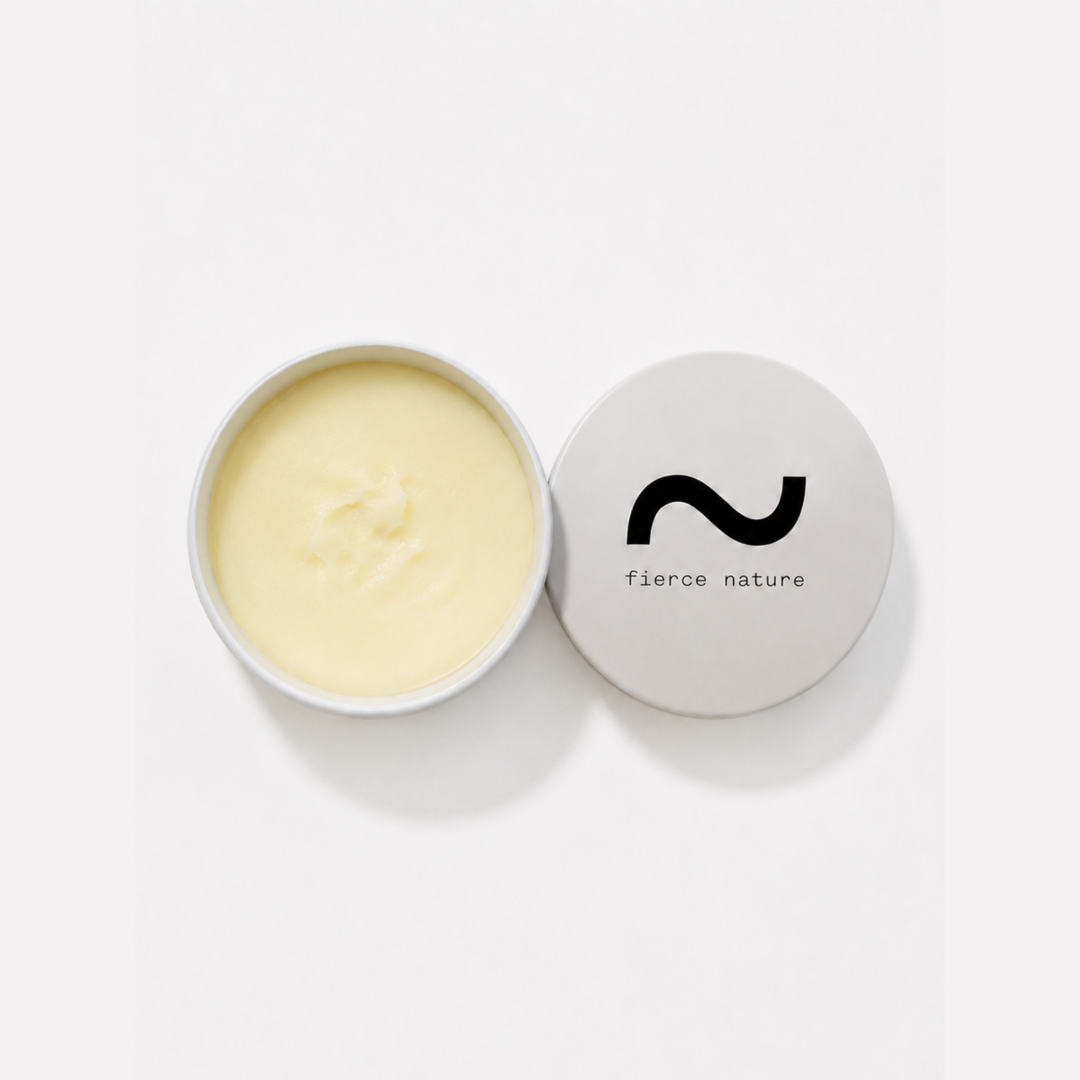
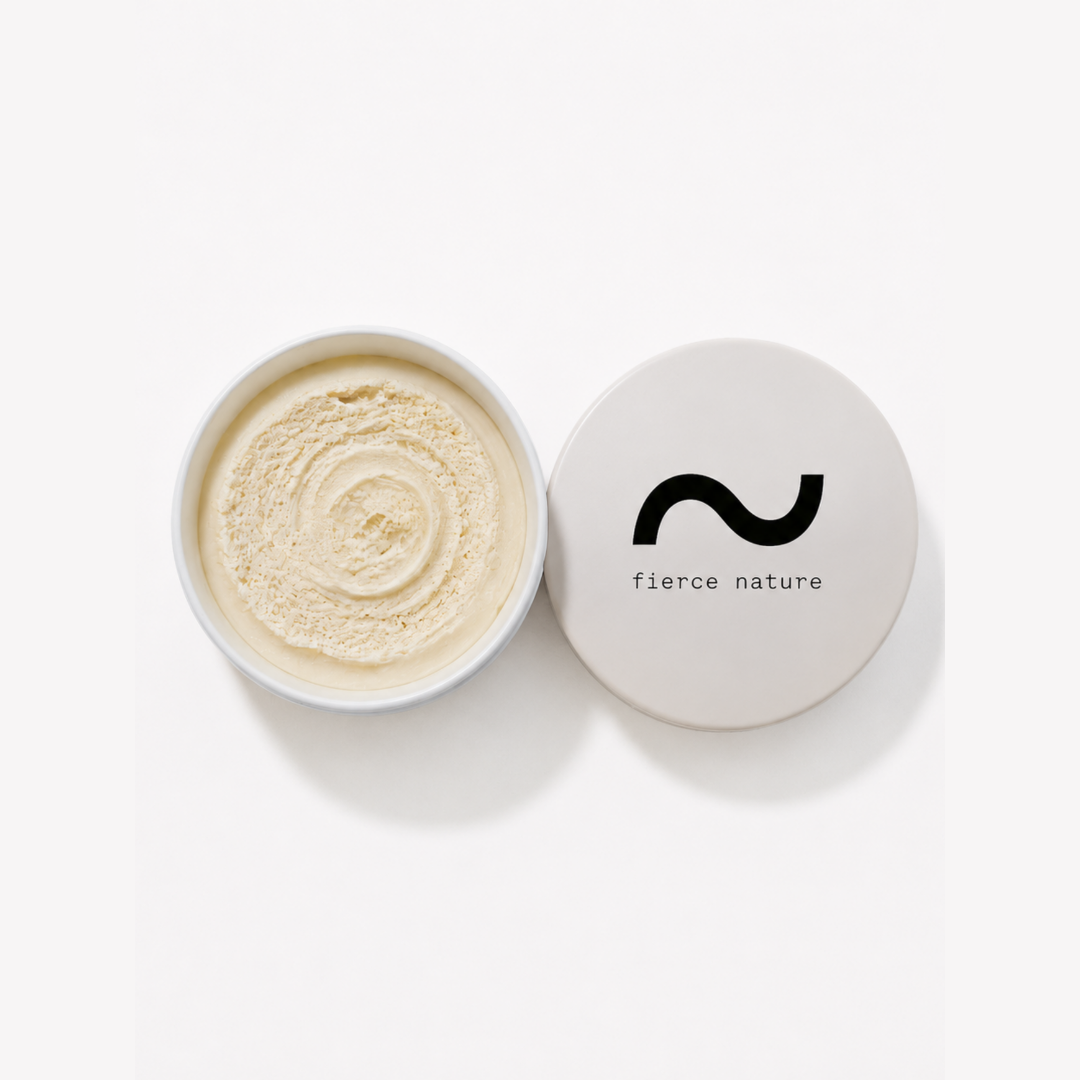
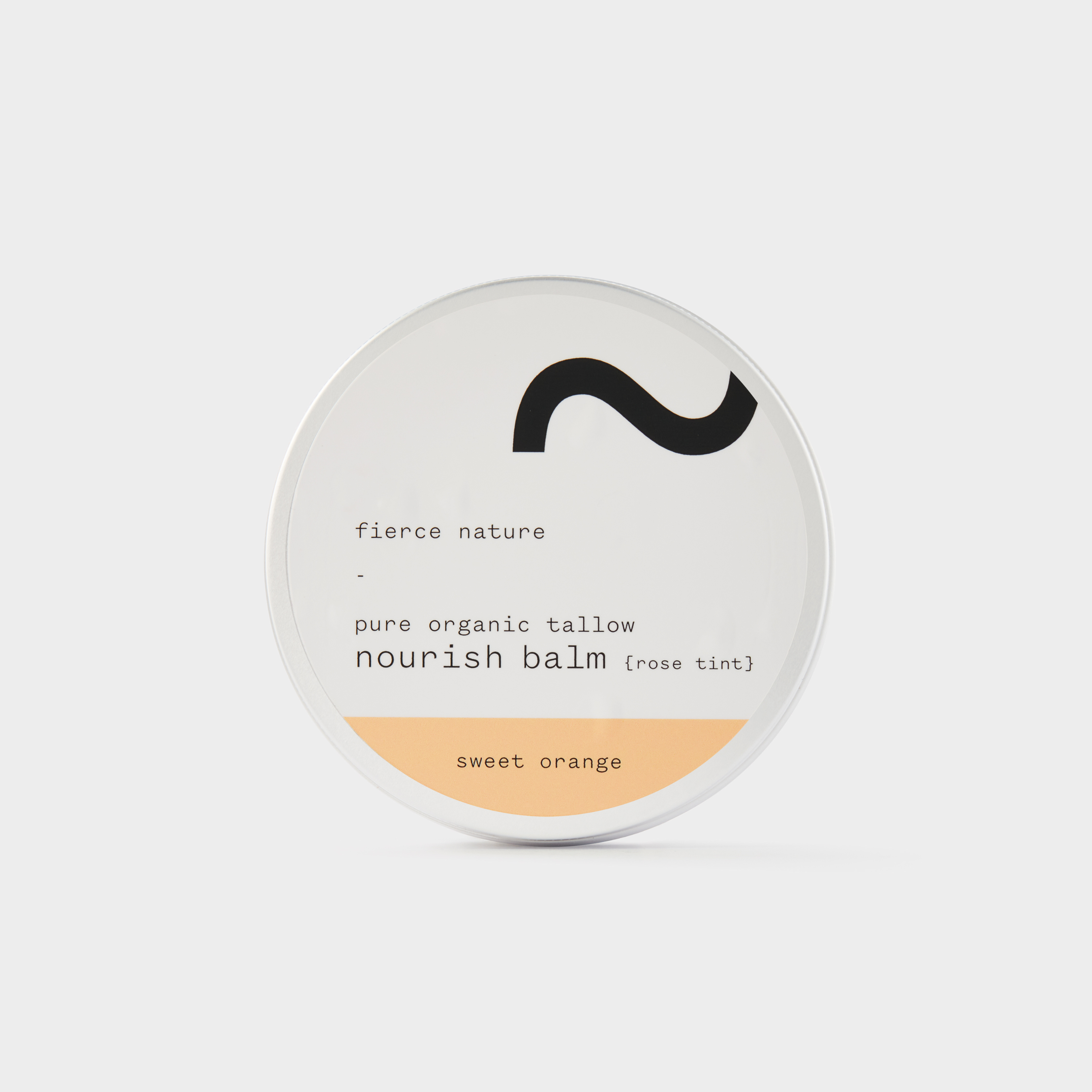

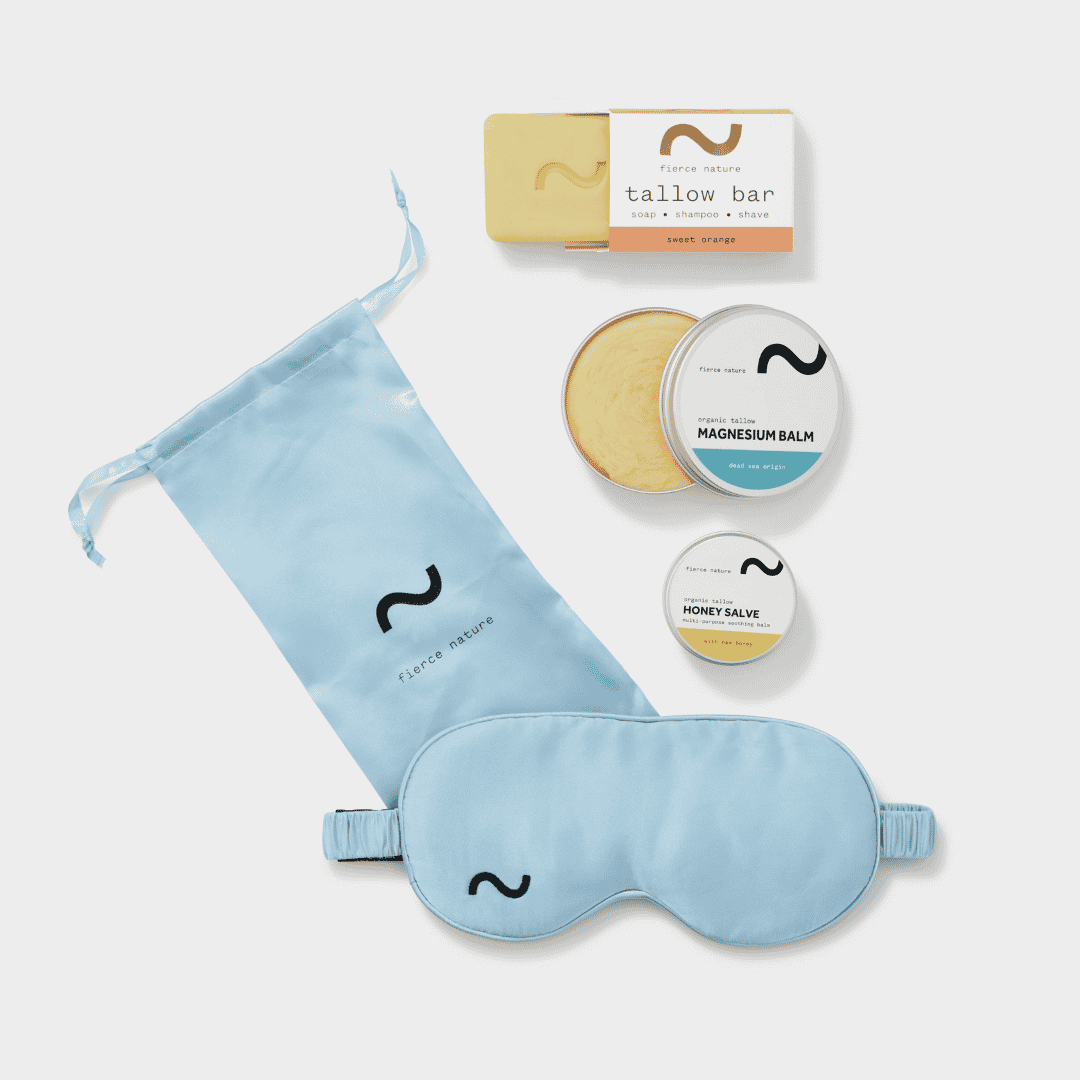




Eczema is more than dry skin—it’s a complex inflammatory condition that causes itching, irritation, and recurring flare-ups. Managing it requires more than just a good moisturiser; it demands a well-rounded approach built around skin-barrier support, gentle ingredients, and long-term prevention. With the right eczema skin care strategy, you can drastically reduce discomfort, avoid triggers, and achieve calm, smooth skin naturally.
Whether you’re dealing with atopic dermatitis, contact eczema, or another form of eczema, these tips and product types will help guide your routine toward relief and recovery.
The cornerstone of effective eczema skin care is rebuilding and maintaining the skin barrier. When compromised, this barrier loses moisture easily and lets irritants in—leading to inflammation. Choose products that deeply hydrate and create a protective yet breathable seal.
Key barrier-building ingredients include:
Colloidal oatmeal – soothes itching and inflammation
Ceramides – restore lipid balance
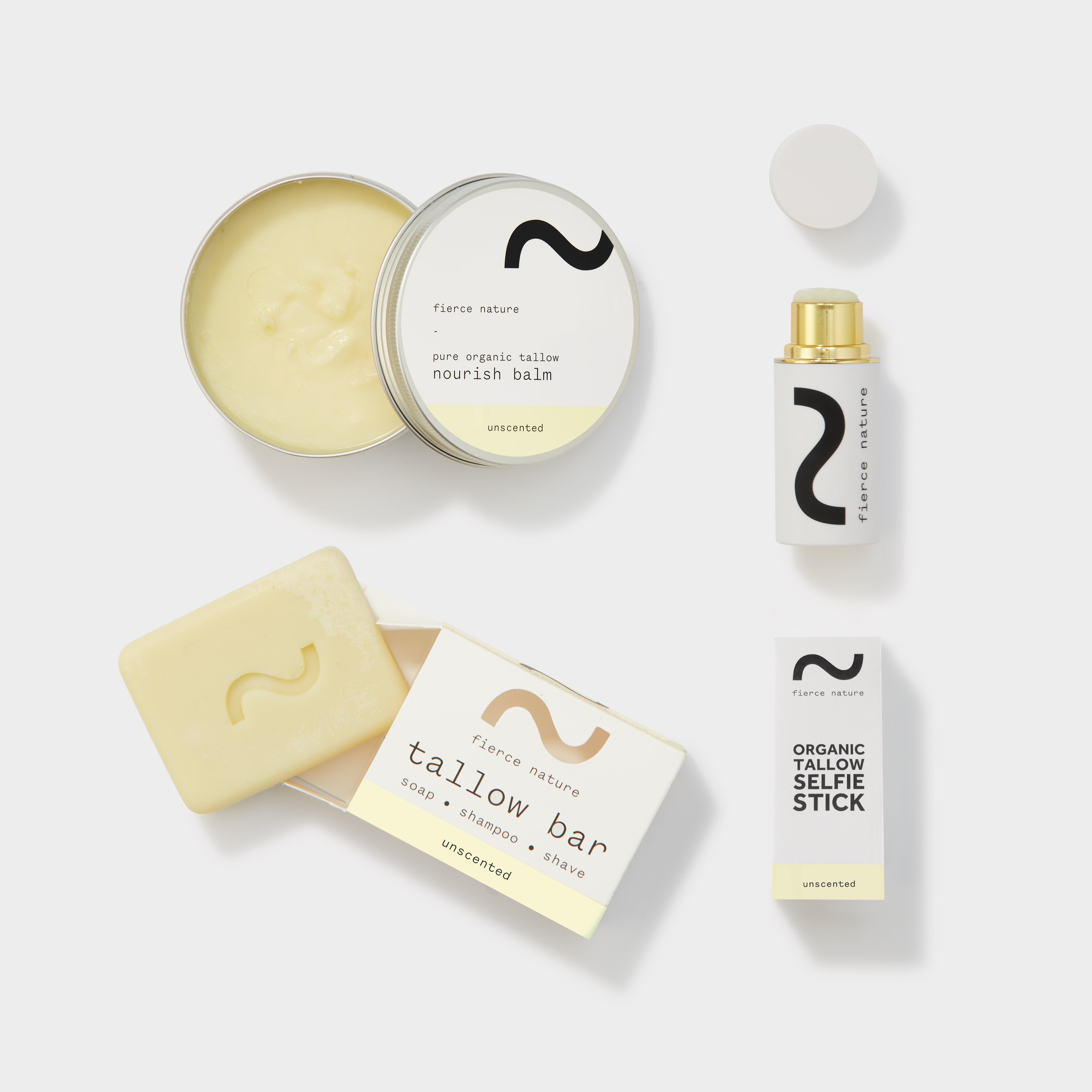
Shea butter and tallow – mimic natural sebum and lock in moisture
Beeswax or plant-based waxes – provide breathable protection
Apply moisturisers immediately after bathing when skin is still damp to maximise absorption.
Traditional soaps and foaming cleansers are harsh on eczema-prone skin. They strip away natural oils, disrupt pH balance, and worsen sensitivity. Switch to a mild, non-foaming cleanser that cleanses without compromise.
Look for:
Oil-based or balm cleansers using jojoba, sunflower, or avocado
Oatmilk or aloe gel cleansers for a soothing wash
pH-balanced, fragrance-free options with minimal ingredients
Avoid sulfates (like SLS), alcohols, and synthetic fragrances at all costs.
Eczema-prone skin doesn’t hold onto moisture well. A once-a-day moisturiser isn't enough. Reapply rich emollients throughout the day, especially after washing hands, showering, or any exposure to drying environments.
Use thick, balm-like moisturisers in the evening and lighter, breathable creams during the day if layering under clothing. Pay special attention to problem areas such as the elbows, knees, neck, and hands.
Many commercial skincare products—even those labelled “sensitive” or “for eczema”—still contain known irritants. Watch out for:
Fragrance (even “natural” or “essential oil blends”)
Preservatives like phenoxyethanol and methylisothiazolinone
Alcohols that dry out skin (denatured or SD alcohol)
Acids (like glycolic or salicylic), which may be too harsh
Choose fragrance-free, hypoallergenic formulations with short, readable ingredient lists explicitly designed for eczema-prone skin.
Many natural botanicals are rich in anti-inflammatory compounds that relieve itching and redness without the side effects of steroids. These ingredients are commonly found in natural eczema care products and treatments.
Soothing agents to look for include:
Calendula extract – calms red, inflamed patches
Chamomile or marshmallow root – softens and soothes irritated skin
Liquorice root – reduces inflammation and discolouration
Tamanu oil and rosehip oil – help repair damaged skin without clogging
Apply these as spot treatments or as part of a daily routine to manage flare-ups naturally.
Colloidal oatmeal is one of the most dermatologist-recommended ingredients for eczema—and for good reason. It calms itchy skin fast, reduces redness, and helps protect the skin barrier. Add finely ground oatmeal to lukewarm baths, soak for 10–15 minutes, and moisturise immediately afterwards.
This is especially helpful during seasonal flare-ups or after exposure to heat, allergens, or sweat.
What touches your skin all day can either help or hurt your eczema management. Stick to soft, breathable fabrics like organic cotton or bamboo. Avoid wool, synthetic blends, and tight clothing that can trap heat or cause friction.
Use a fragrance-free, dye-free laundry detergent and skip fabric softeners, which often contain irritating chemicals. Rinse your clothes twice if needed to remove detergent residue.
Even with a perfect routine, flare-ups can still happen. When they do:
Use a thick balm or ointment to lock in moisture overnight
Avoid scratching—cover itchy spots with a cloth or bandages if needed
Use cool compresses to calm hot, inflamed areas
Reduce exposure to known triggers like pollen, pet dander, or stress
If a flare-up is severe, consult a dermatologist, but maintain your natural eczema skin care routine in parallel to support long-term healing.
A strong skin barrier also depends on internal support. Eczema is often linked to gut health, inflammation, and nutrient deficiencies. Support your skin with:
Omega-3 fatty acids (from flaxseed, fish oil, or chia seeds)
Zinc and vitamin D for barrier function and repair
Probiotics and fermented foods to strengthen the gut-skin connection
Hydration—drink plenty of water throughout the day
A balanced anti-inflammatory diet can significantly reduce flare frequency and severity.
Effective eczema skin care isn’t about reacting to symptoms—it’s about daily prevention, nourishment, and gentle protection. Build your routine around simplicity, consistency, and whole-ingredient products that focus on healing.
Start with this core foundation:
A fragrance-free, non-foaming cleanser
A barrier-repairing moisturiser used at least twice a day
Targeted natural treatments for inflammation and itching
Lifestyle habits that support healthy skin from the inside out
Give your skin time, stay committed, and trust the process. Natural, smooth, calm skin is possible with the right approach.
for more information about us feel free to visit -> Fierce Nature