Cart
0
80% Also Added this







TL;DR:
- Chemical free skincare avoids synthetic and harsh ingredients, using naturally sourced products that support the skin’s health. Certified organic products ensure genuine purity, reducing exposure to potentially harmful additives. A simple routine of three to five well-chosen, high-quality products provides effective nourishment and better results over time.
Chemical free skincare is defined as the practice of choosing products that avoid synthetic, harsh, or unnecessary ingredients, focusing instead on naturally sourced, skin-supportive formulations that work with your skin’s own biology. The industry term for this approach is “clean beauty,” though “non-toxic beauty” is increasingly used by UK regulators and certification bodies. Your skin absorbs what you put on it, and the cumulative effect of synthetic additives, preservatives, and artificial fragrances adds to what researchers call your body’s toxic load. Fierce Nature was built on this exact understanding: that the promises made by conventional beauty products are largely misleading, and that genuinely nourishing skin means returning to ingredients the body already recognises. A simplified, well-chosen natural skincare routine is not a compromise. It is an upgrade.
Chemical free skincare, in its truest sense, means avoiding synthetic additives that disrupt the skin’s natural functions rather than supporting them. Every substance on earth is technically a chemical, including water and vitamin C, so the phrase is a consumer shorthand. What it really signals is the absence of parabens, synthetic fragrances, petroleum derivatives, and harsh preservatives that serve the product’s shelf life rather than your skin’s health.
The skin is not a passive barrier. It is a living organ that breathes, regulates temperature, and absorbs compounds directly into the bloodstream. When you layer synthetic ingredients onto it daily, you are not just coating the surface. You are feeding your body a cocktail of substances it was never designed to process. Choosing ingredients that support the skin’s natural functions, rather than overwhelming it with synthetic additives, is the foundation of effective non-toxic beauty.
Organic certification matters here because it provides independent verification. In the UK, certifications from bodies such as the Soil Association and COSMOS Organic confirm that ingredients meet strict standards for purity, sourcing, and processing. A product labelled “natural” without certification can still contain synthetic preservatives. Certification is the difference between a genuine commitment and a marketing claim. Understanding what organic certified means in skincare gives you the tools to read labels with confidence.
Effective natural routines require only 3–5 well-chosen certified formulations rather than complex multi-step processes. This is genuinely good news. Fewer products mean fewer opportunities for irritation, lower cost, and a clearer understanding of what is actually working for your skin.
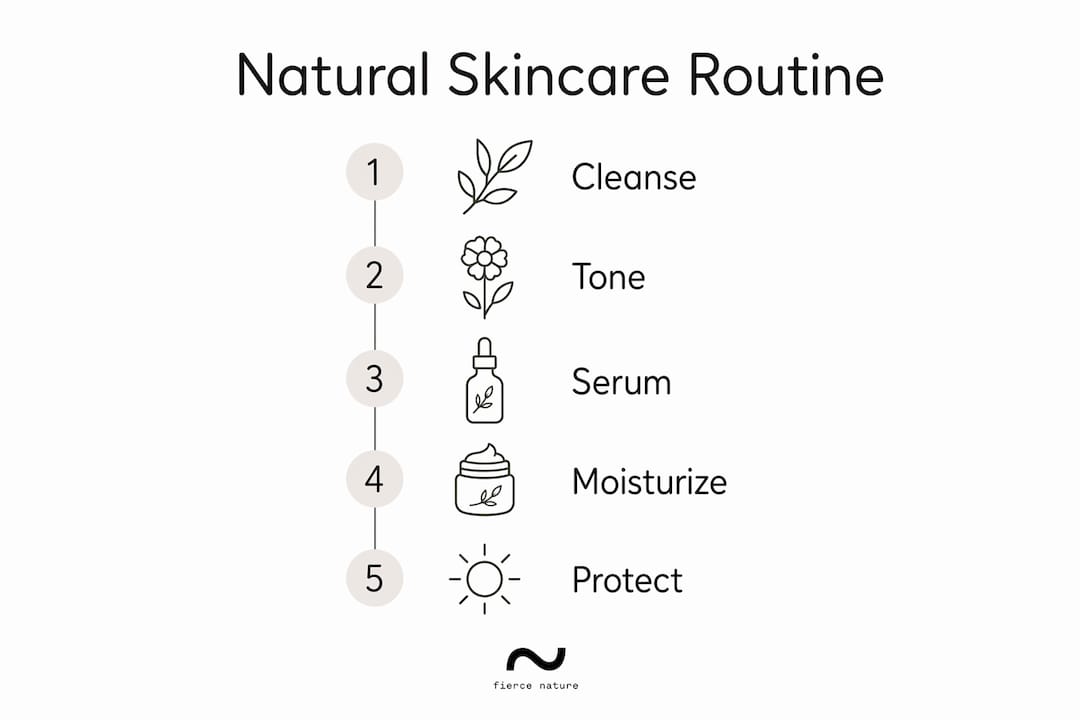
The core products for a clean, organic skincare routine are:
Cleanser: A gentle, oil-based or cream cleanser removes impurities without stripping the skin’s natural oils. Avoid foaming cleansers with sodium lauryl sulphate, which disrupts the skin barrier.
Toner: An optional but useful step. A simple rosewater or witch hazel toner balances skin pH after cleansing. Choose alcohol-free formulations.
Serum or treatment oil: This is where potent, single-ingredient options shine. Certified organic rosehip oil contains a minimum of 80% combined Omega 3, 6, and 9 essential fatty acids. That density of essential fatty acids makes it one of the most nourishing single-ingredient treatments available.
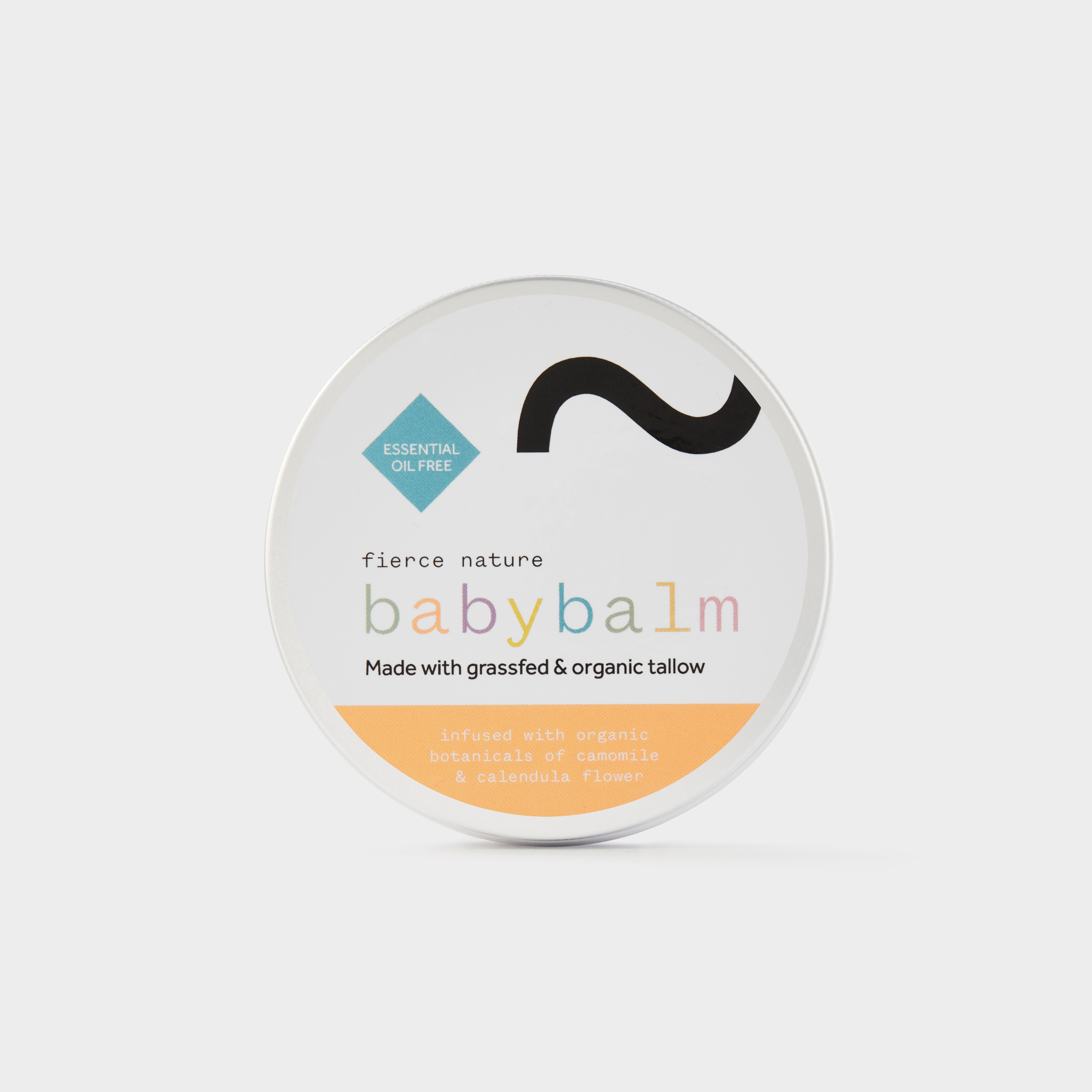
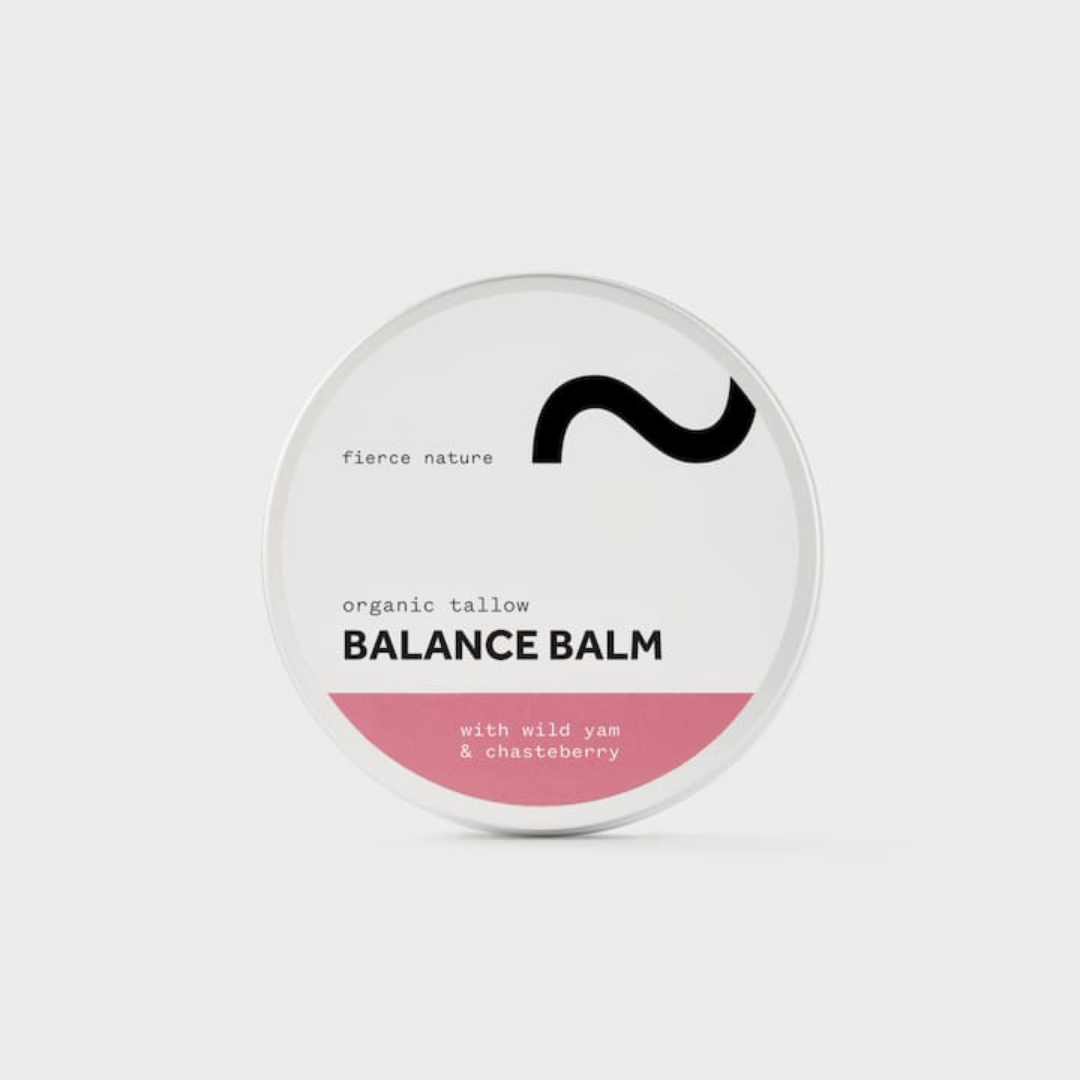
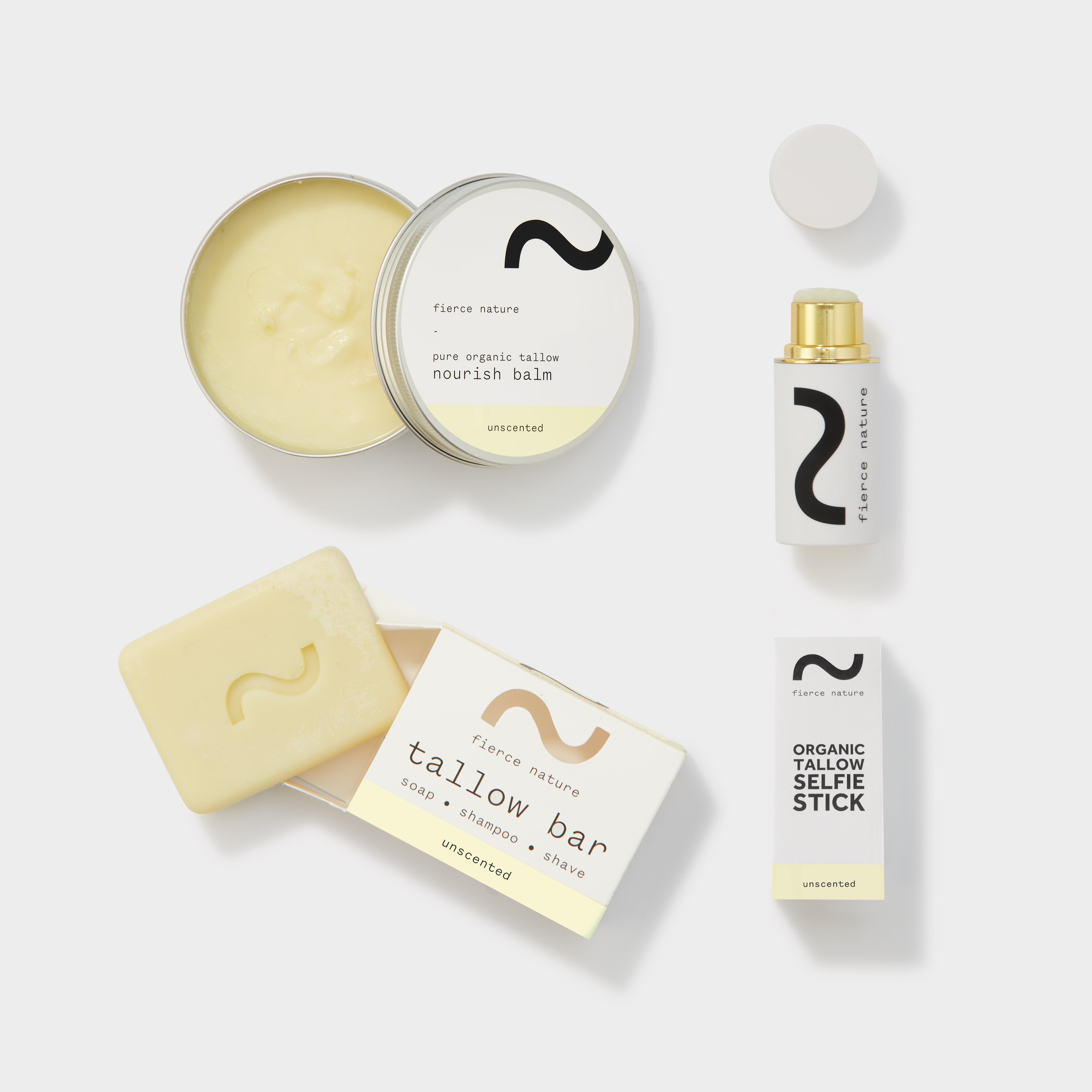
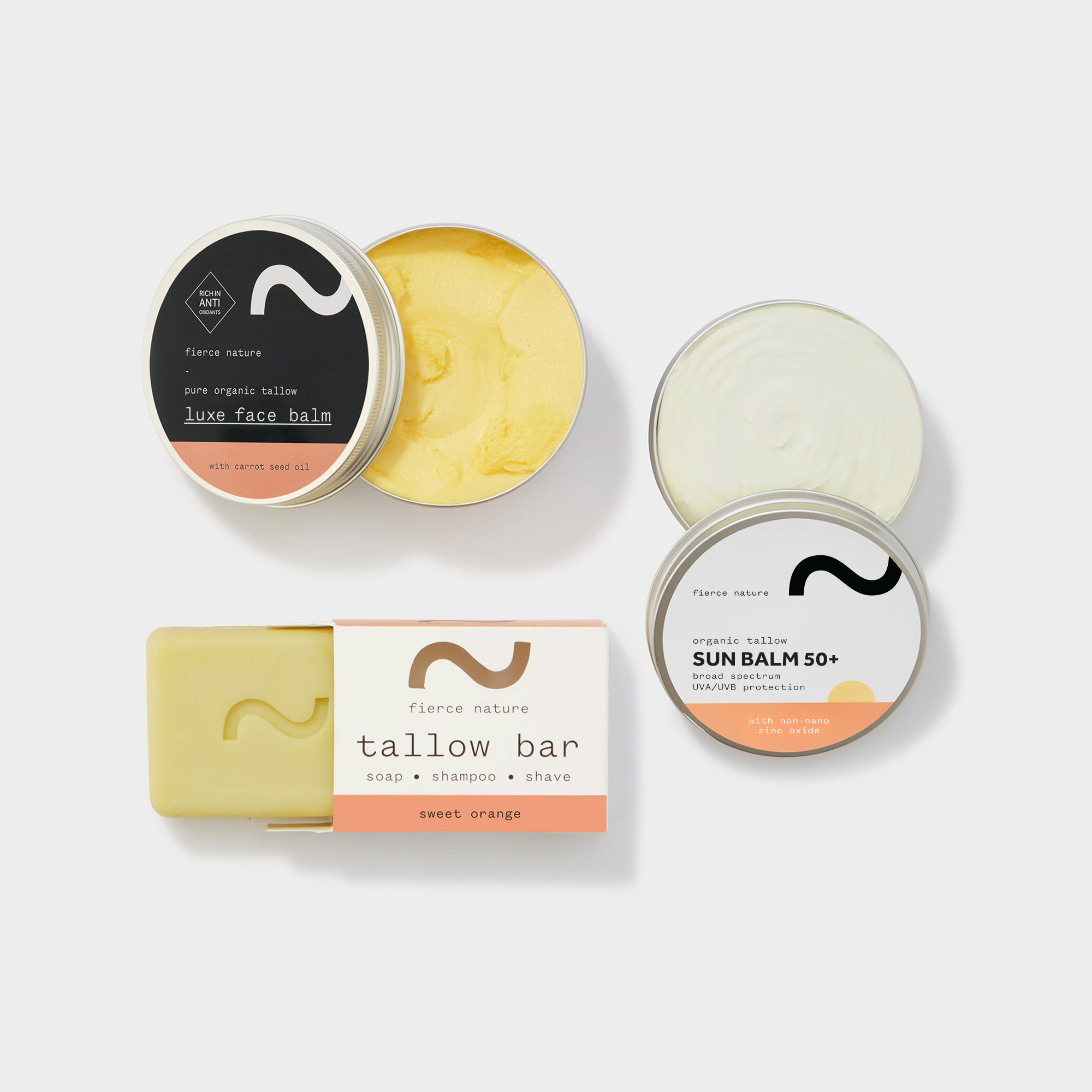
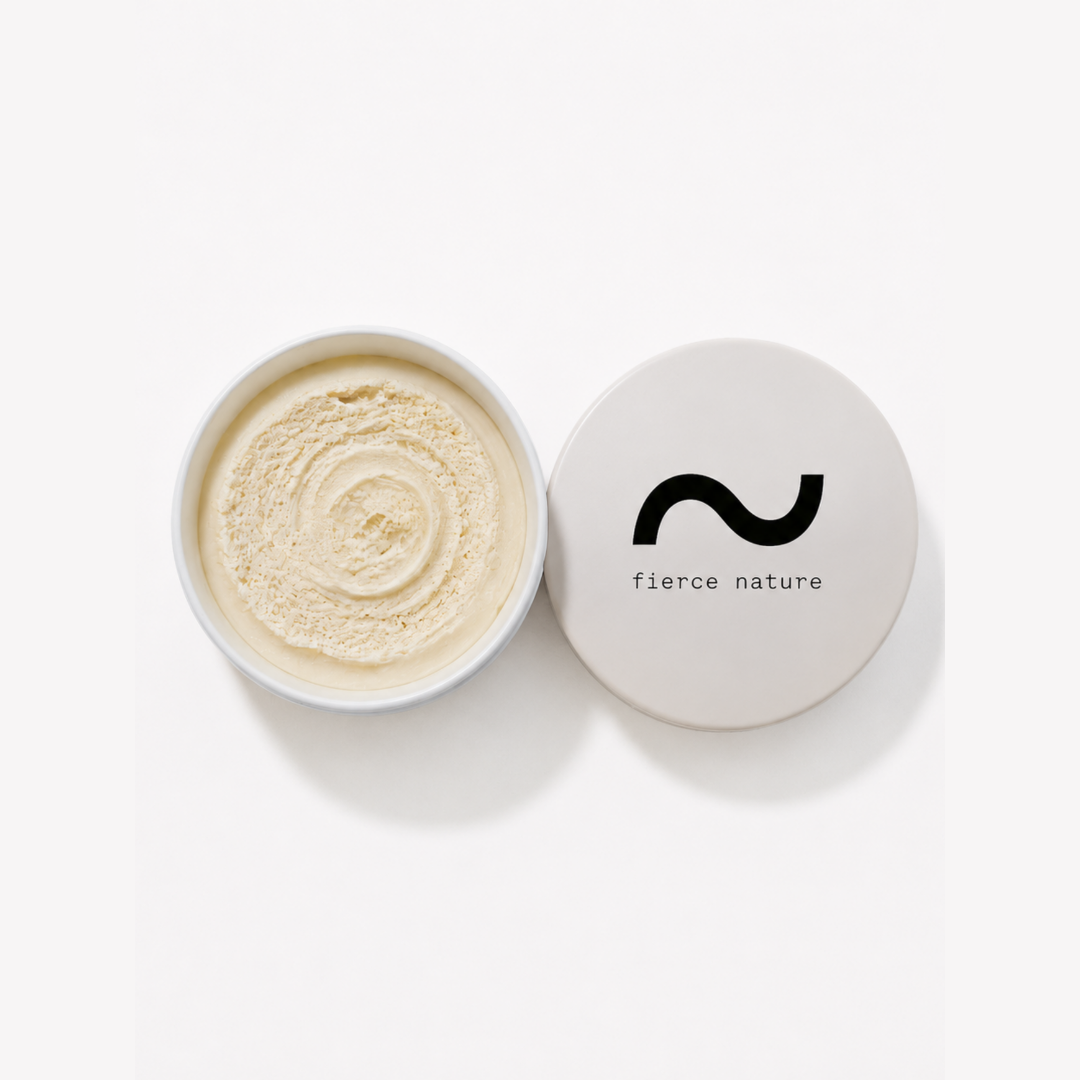
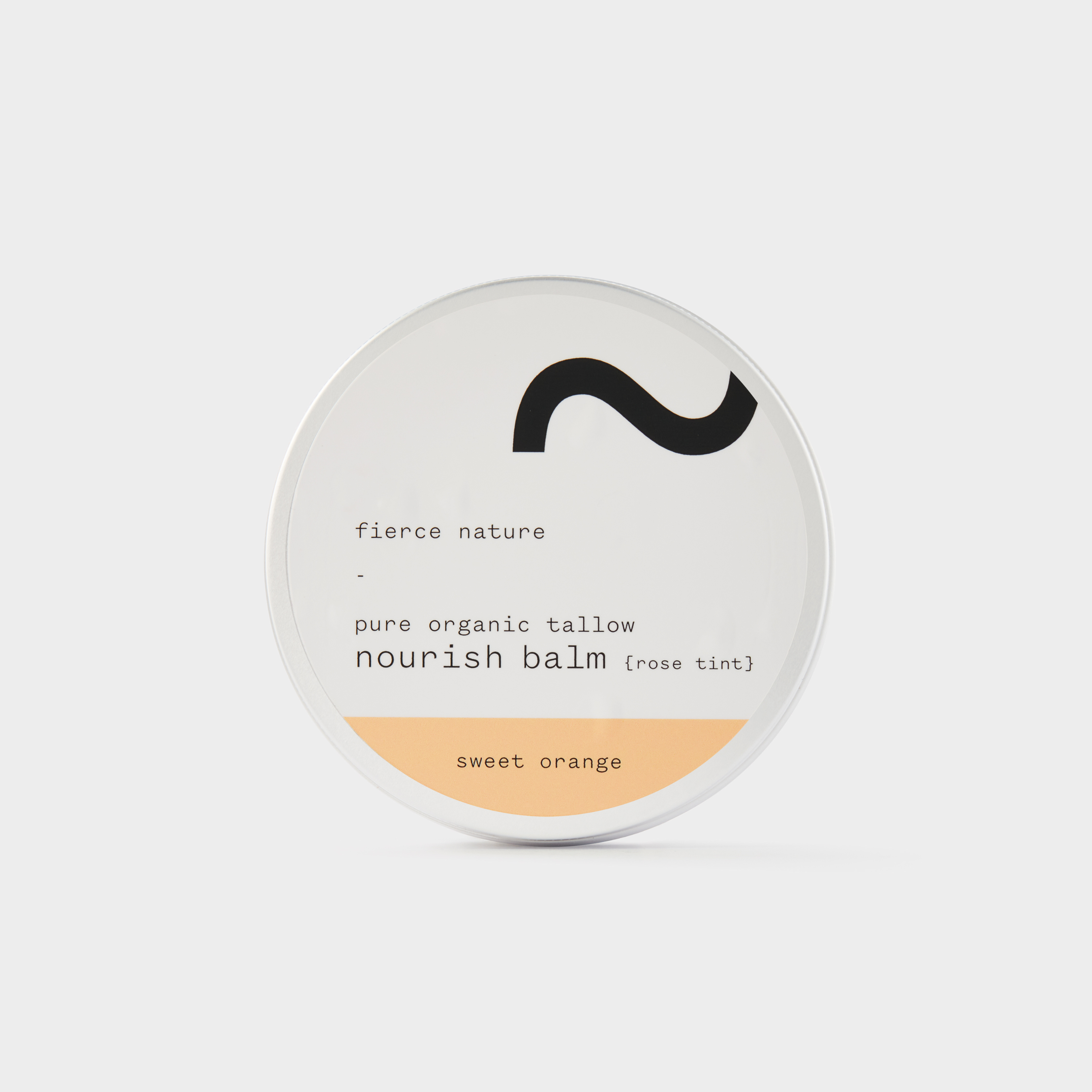
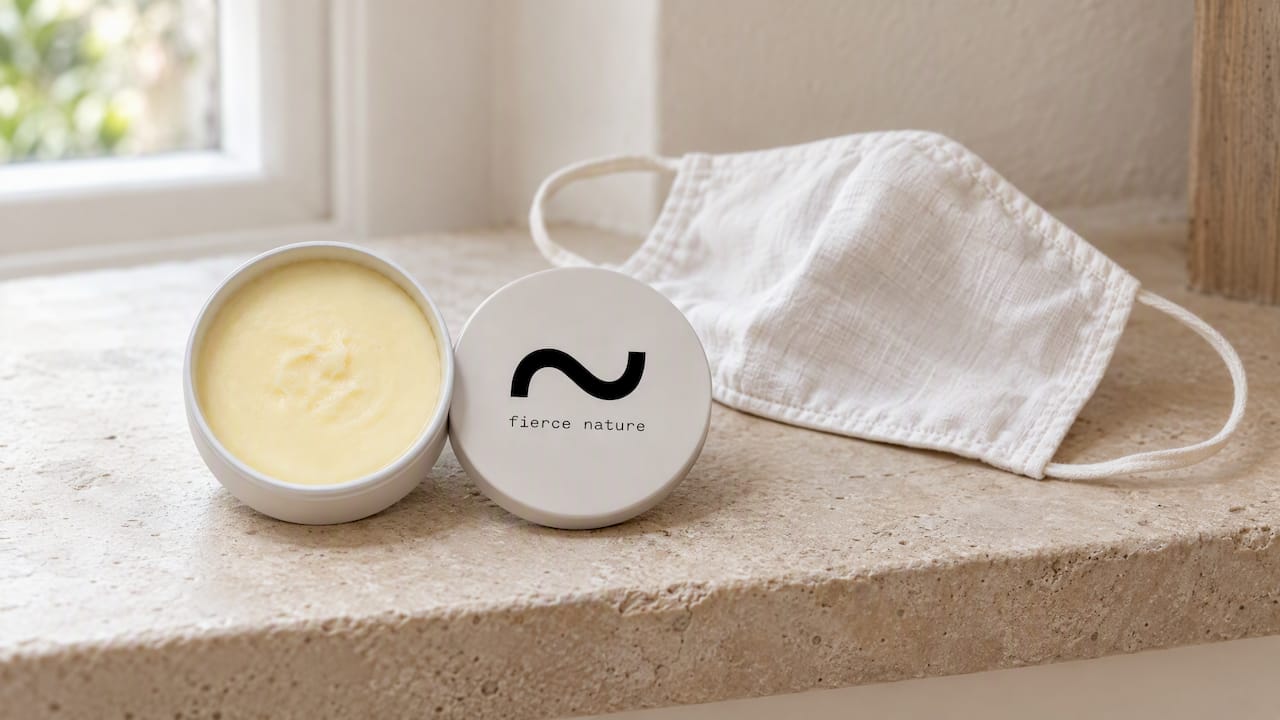
Moisturiser or balm: A rich, whole-food moisturiser seals in hydration and supports the skin barrier. Tallow-based balms, like those made by Fierce Nature, are particularly effective because tallow’s fatty acid profile closely mirrors the skin’s own sebum.
Morning routines focus on protection, using lighter textures that sit comfortably under clothing or light coverage. Evening routines focus on cleansing and recovery, where richer formulations can work overnight without interference. This distinction is not arbitrary. Skin cell renewal peaks at night, so applying your most nourishing products before bed gives them the best possible conditions to work.
Pro Tip: Apply your serum or facial oil to slightly damp skin immediately after cleansing. This simple step significantly improves absorption and means you need less product overall.
Whole-plant ingredients retain complex nutrient profiles that isolated or processed botanical compounds cannot replicate. When you choose a product made with whole rosehip fruit oil rather than a synthetic rosehip fragrance, you are getting the full spectrum of vitamins, antioxidants, and fatty acids the plant contains. That complexity is what makes natural skincare products genuinely restorative.
Natural or organic does not guarantee gentleness for every skin type. Potency varies significantly between botanical ingredients, and compatibility depends on your individual skin chemistry. This is one of the most important things to understand before switching to a clean beauty routine.
Different skin types need different approaches:
Oily or combination skin: Lightweight oils such as jojoba or squalane absorb quickly and do not clog pores. Avoid heavy balms on the T-zone. A simple cleanser, a light serum, and a gel-based moisturiser work well.
Dry or mature skin: Richer formulations with tallow, shea butter, or rosehip oil provide the deep nourishment dry skin needs. Fierce Nature’s tallow-based balms are particularly suited here because tallow penetrates deeply rather than sitting on the surface.
Sensitive skin: Fragrance, even natural fragrance from essential oils, is the most common trigger for reactions. Start with unscented formulations and introduce one product at a time. A guide to natural skincare for sensitive skin can help you navigate this carefully.
Introducing new products gradually over 2–4 weeks helps you identify any reactions caused by botanical ingredients. This is not overcaution. It is the only reliable way to know which product is responsible if something does not agree with your skin. Patch testing on the inner arm for 48 hours before full application is the standard method.
Some botanicals are genuinely potent. Undiluted essential oils, high-concentration vitamin C serums, and certain plant acids can cause reactions in sensitive individuals. Natural does not mean mild. It means the source is plant or animal-derived. Always test new skincare products before committing to full use.
Pro Tip: Keep a simple skincare diary for the first month of any new routine. Note what you applied, when, and how your skin responded. Patterns become obvious quickly, and you will never need to guess what caused a reaction.
The biggest misconception about chemical free skincare is that it is literally free of chemicals. All matter is chemical by nature. The phrase signals the avoidance of synthetic, harsh, or unnecessary substances rather than the literal absence of chemistry. Understanding this distinction shifts your focus from fear to informed choice, which is far more useful.
Here are the most common challenges people face when switching to a non-toxic beauty routine, and how to address each one:
The transition period. Transitioning to chemical-free skincare often includes a period where skin may react before it balances. Conventional products, particularly those with silicones and synthetic emollients, create a surface layer the skin becomes dependent on. When you remove them, the skin needs time to recalibrate its own oil production. This can last two to four weeks and may involve temporary breakouts or dryness. It is not a sign that natural products are not working.
Greenwashing. The term “natural” carries no legal definition in UK cosmetics regulation. A product can be labelled natural while containing synthetic preservatives, artificial colours, and petroleum-derived ingredients. Learning to read an INCI (International Nomenclature of Cosmetic Ingredients) list is the most reliable defence. Ingredients are listed in descending order of concentration, so the first five tell you most of what you need to know. Understanding greenwashed beauty products protects you from paying a premium for products that do not deliver.
Over-complexity. Many people switch to natural skincare and immediately build a ten-step routine, replacing each synthetic product with a natural equivalent. Simplified routines avoid excessive steps and support sensitive skin by reducing the risk of irritation and ingredient conflict. More products do not mean better results. They mean more variables and more opportunities for your skin to react.
Expecting instant results. Conventional products often contain ingredients that create an immediate visual effect, such as silicones that smooth the skin’s surface on contact. Natural formulations work differently. They nourish and repair over time rather than masking. Give any new routine at least six weeks before evaluating results.
Ignoring ingredient quality. Not all natural ingredients are equal. Cold-pressed, unrefined oils retain far more nutrients than refined versions. Small-batch, freshly made products are less likely to contain high levels of preservatives. The sourcing and processing of an ingredient matters as much as the ingredient itself.
Consistency is the single most important factor in any skincare routine. A simple routine you follow every day outperforms a complex one you abandon after a week. The goal is to make your routine easy enough that it requires no decision-making.
Here is how to build and maintain a routine that lasts:
Start with the minimum. A cleanser, a treatment oil, and a moisturiser cover the three core functions: cleanse, treat, and protect. Add products only when you have a specific, identified need.
Apply products in the right order. Thinnest to thickest. Cleanse first, then apply any serum or oil, then seal with a balm or moisturiser. This order maximises absorption and prevents heavier products from blocking lighter ones.
Use damp skin to your advantage. Applying serums and oils on damp skin significantly improves their absorption. Pat your face dry but leave it slightly moist before applying your treatment oil.
Choose small-batch products. Freshly made, small-batch formulations contain fewer preservatives and retain higher ingredient integrity. Fierce Nature makes all products by hand in the UK for exactly this reason.
Protect in the morning, repair at night. Use your lightest products in the morning to create a clean base. Reserve your richest, most nourishing balms for the evening when your skin is in active repair mode.
Pro Tip: If your skin feels tight or uncomfortable after cleansing, your cleanser is too harsh. A good natural cleanser should leave your skin feeling clean but comfortable, never stripped.
The benefits of organic skincare ingredients become most apparent when you give them time and consistency. Skin renewal takes approximately 28 days, so any honest evaluation of a new routine needs at least that long. Patience is not passive. It is part of the practice.
Effective chemical free skincare is built on simplicity, ingredient quality, and consistency rather than complexity or the number of products used.
| Point | Details |
|---|---|
| Define the term correctly | “Chemical free” means avoiding synthetic, harsh, or unnecessary ingredients, not the literal absence of chemistry. |
| Keep routines minimal | A 3–5 product routine outperforms a ten-step one by reducing irritation and making consistency easier. |
| Match products to your skin type | Natural does not mean universally gentle; always patch test and introduce products gradually over 2–4 weeks. |
| Time your routine deliberately | Use lighter products in the morning for protection and richer formulations at night for repair and nourishment. |
| Prioritise ingredient quality | Cold-pressed, unrefined, and small-batch formulations retain more nutrients and require fewer preservatives. |
The most common mistake people make when switching to natural skincare is trying to replicate their old routine product for product. They swap a synthetic serum for a natural serum, a synthetic moisturiser for a natural moisturiser, and end up with just as many products and just as much confusion. The real shift is not in the products. It is in the philosophy.
We started Fierce Nature because we lived the consequences of conventional beauty. Skin rashes, unexplained reactions, and the slow realisation that the products promising to fix our skin were contributing to the problem. What we found when we stripped everything back was that the skin, given the right support, is remarkably capable of looking after itself.
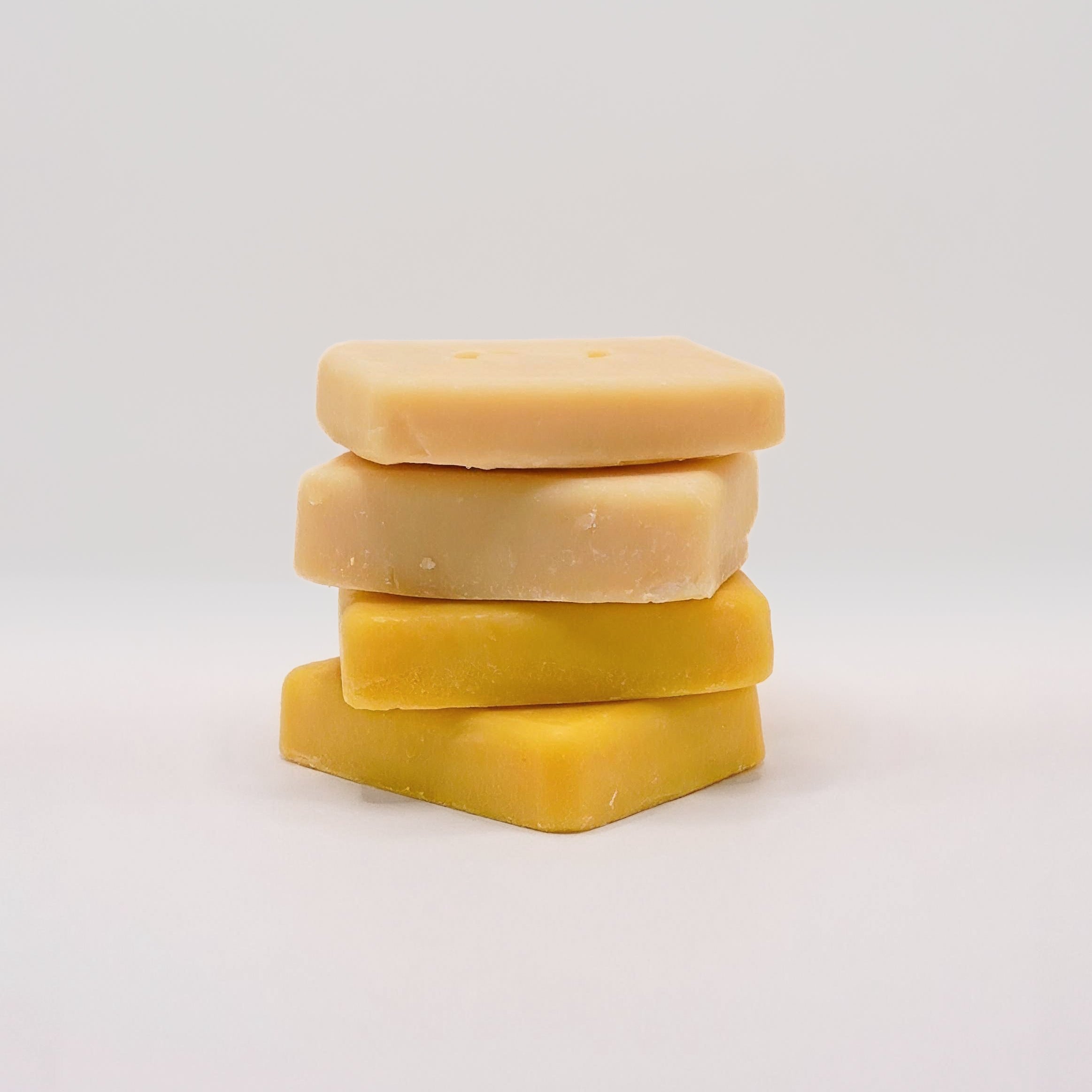
The ingredients that work best are the ones the body already recognises. Tallow, for example, has been used for centuries as a skin emollient because its fatty acid profile is almost identical to human sebum. It does not sit on the surface. It feeds the skin at a cellular level. That bioavailability is something no synthetic ingredient can replicate.
We have also learned that the transition period is real and worth pushing through. The first two to four weeks of switching can feel discouraging. Your skin is recalibrating. It is learning to function without the synthetic scaffolding it has relied on. Stay consistent, keep your routine simple, and trust the process. The skin that emerges on the other side is genuinely different: calmer, more balanced, and more resilient.
Mindfulness about ingredient choices also extends to sustainability. Small-batch, handmade products generate less waste, use fewer synthetic preservatives, and support more transparent supply chains. Choosing natural skincare is not just a decision for your skin. It is a decision for the wider world your skin lives in.
— Fierce Nature
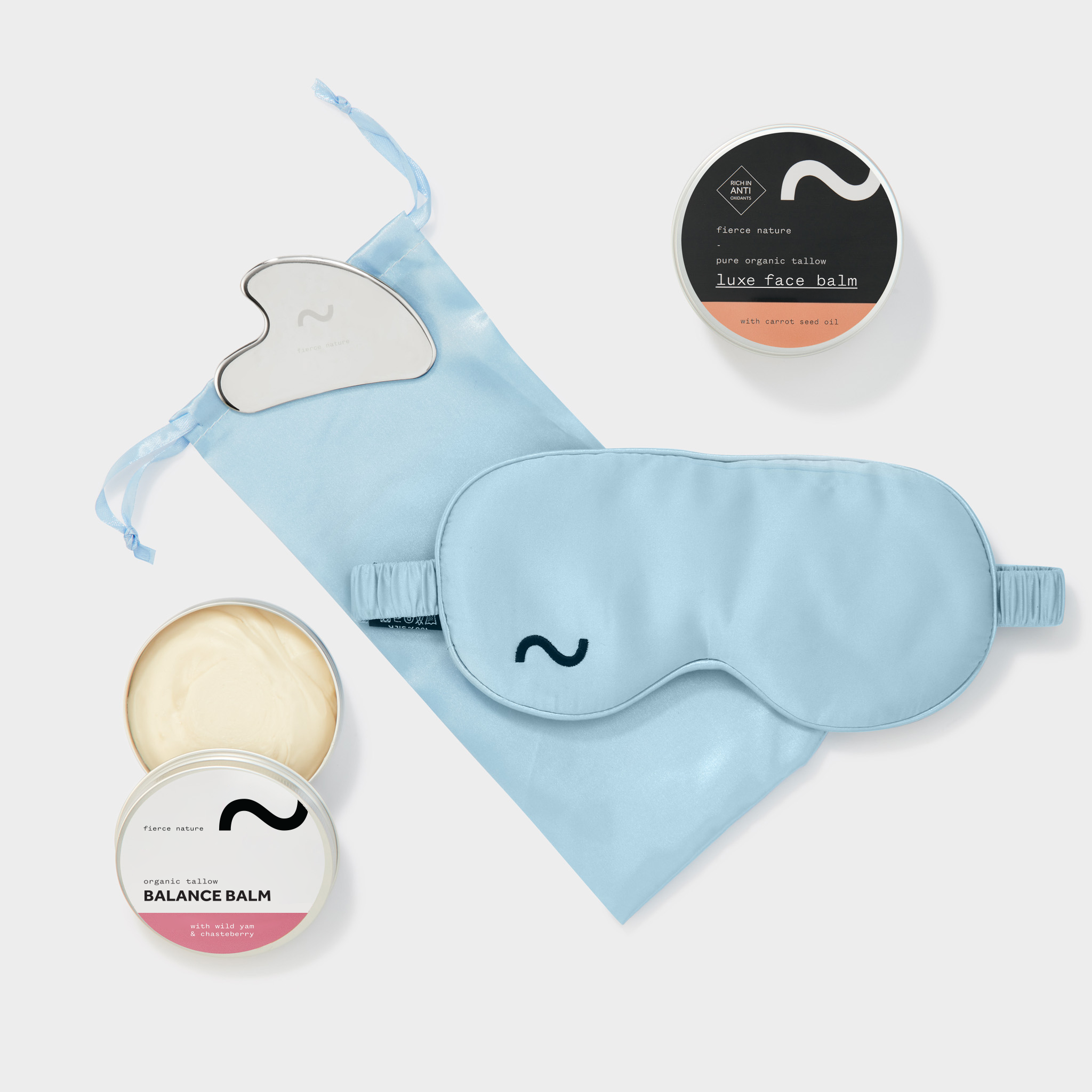
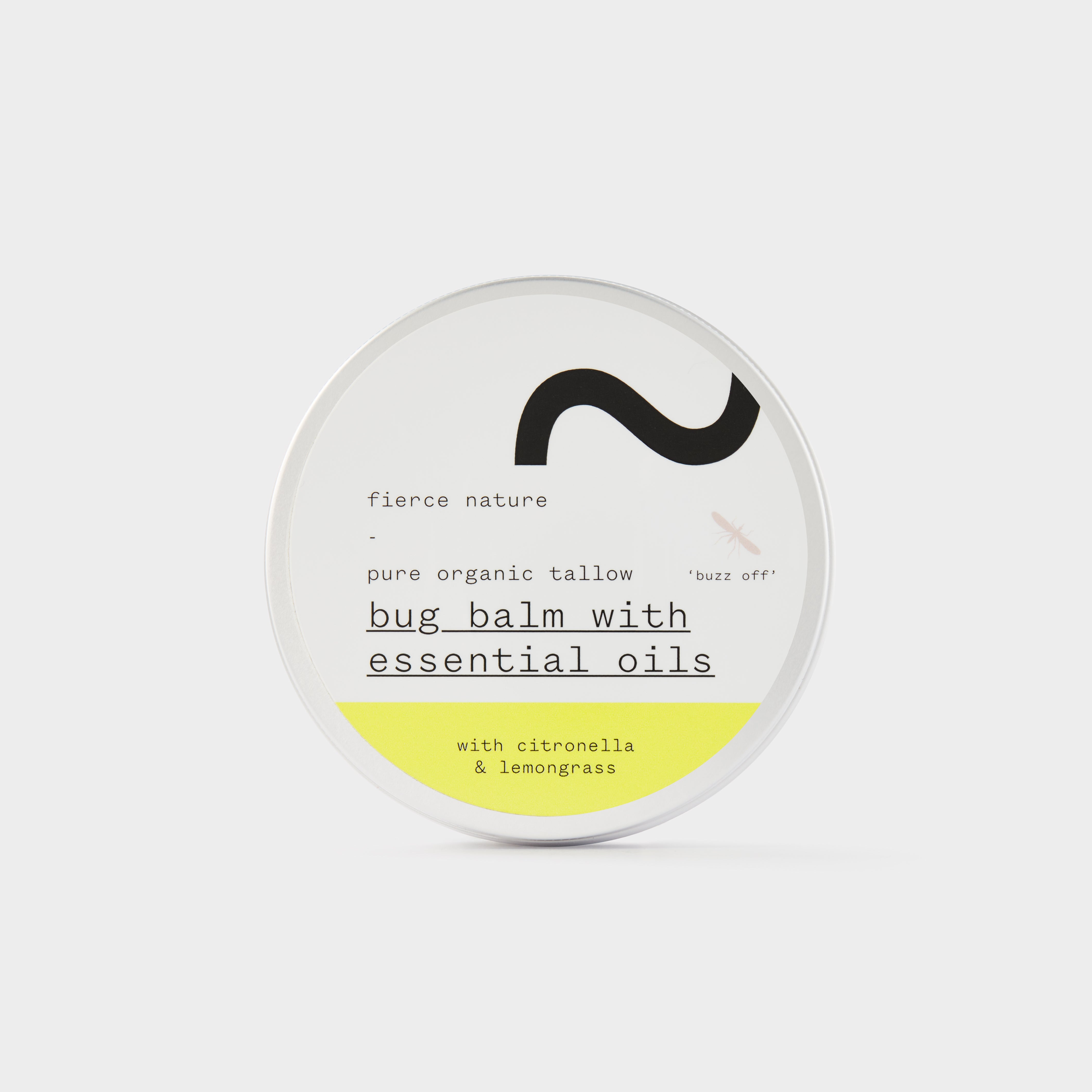
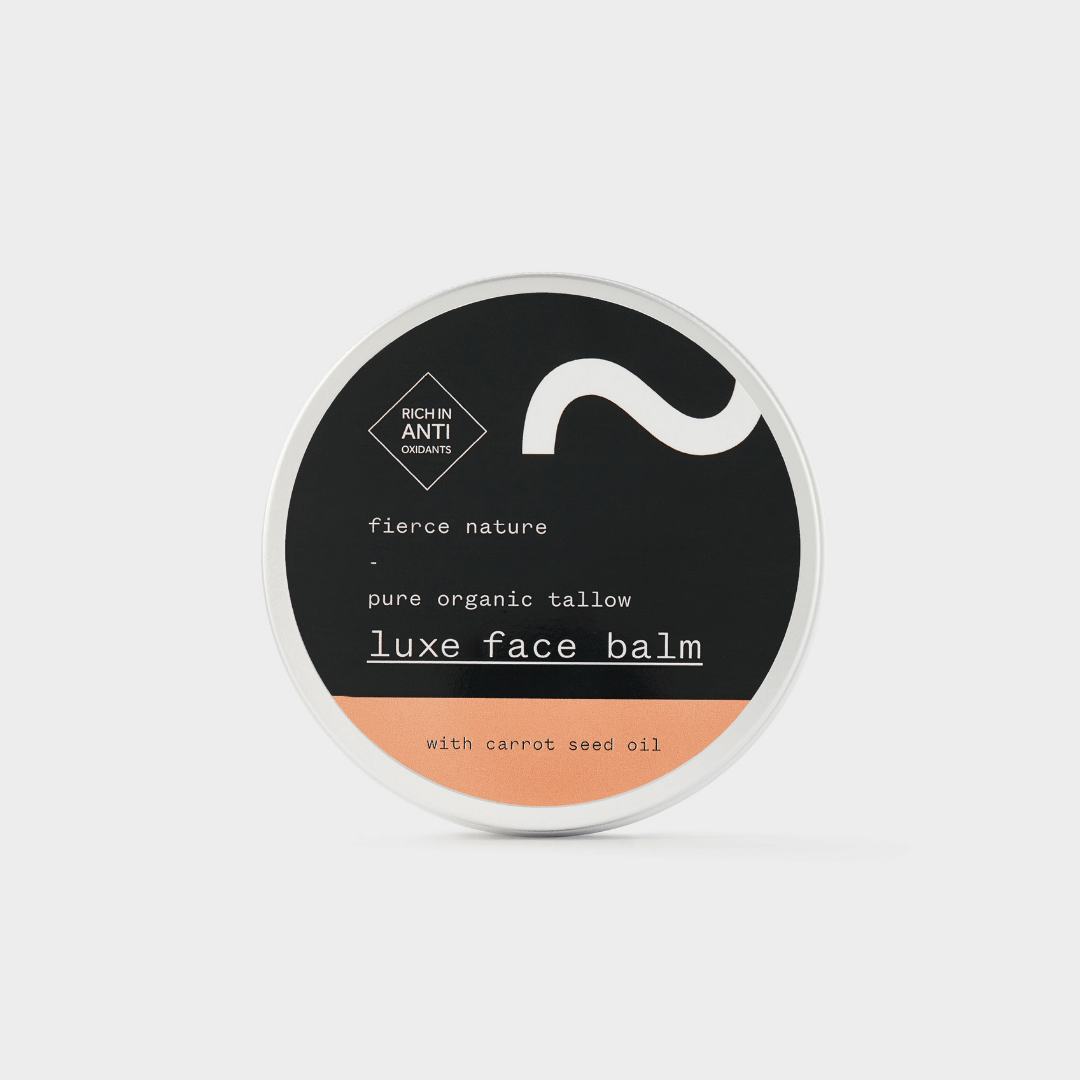
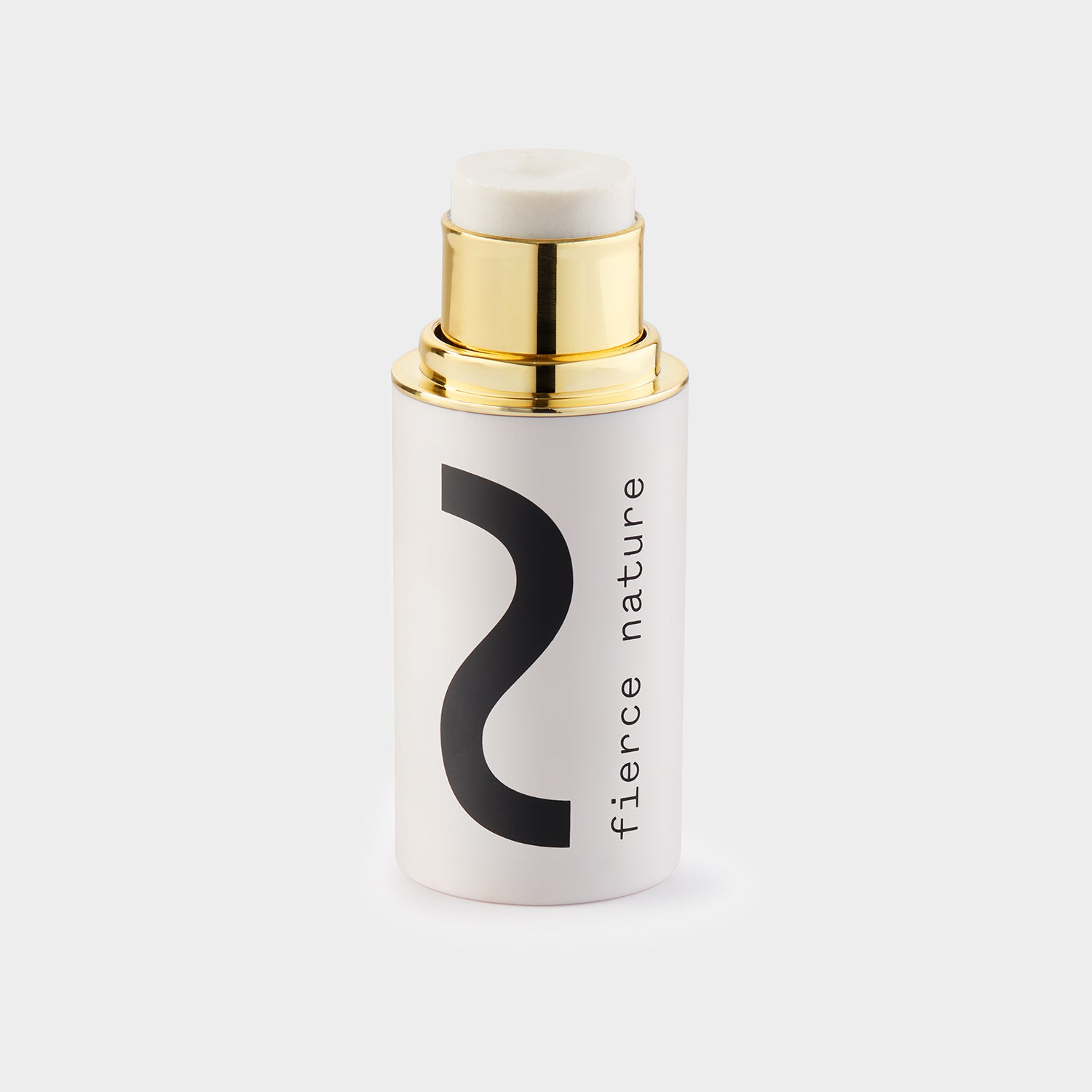
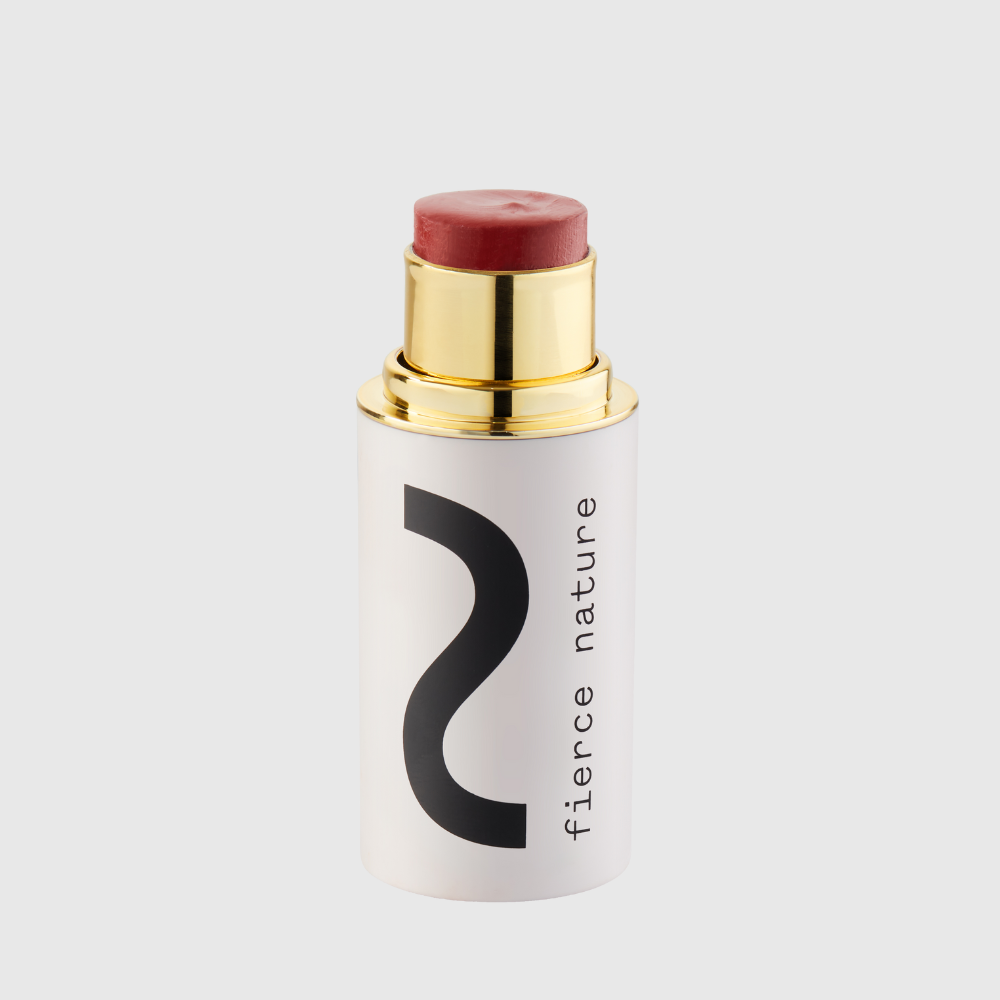
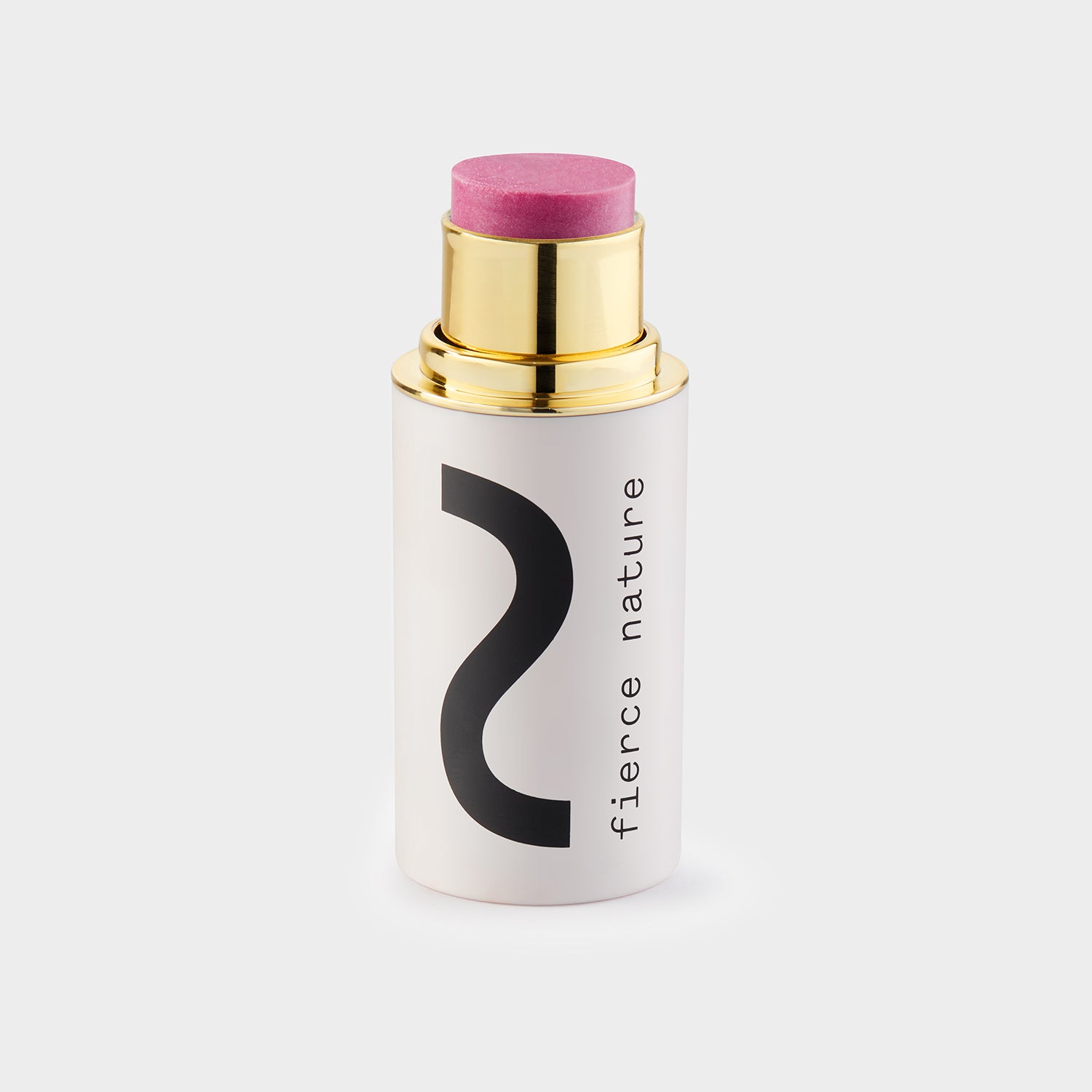
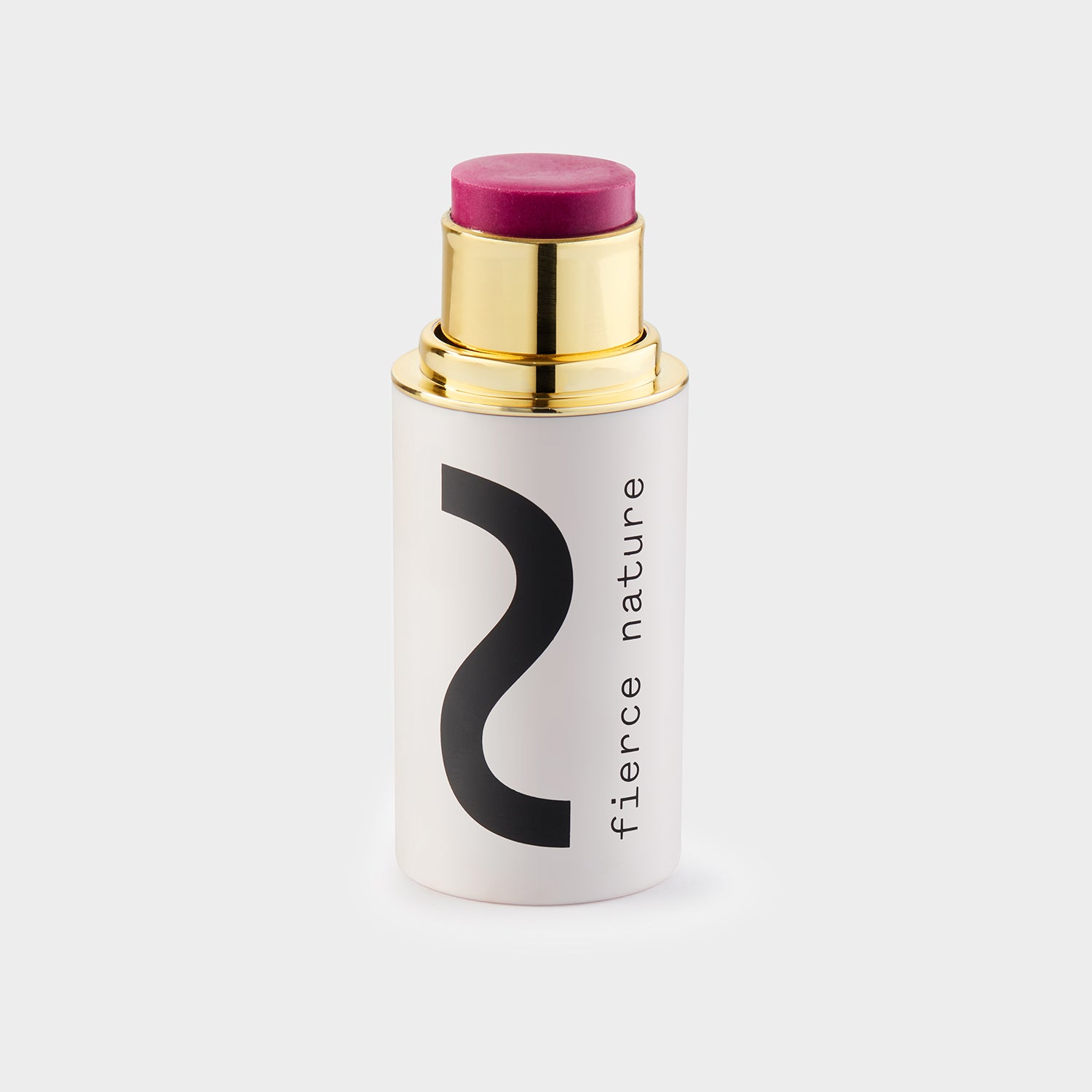
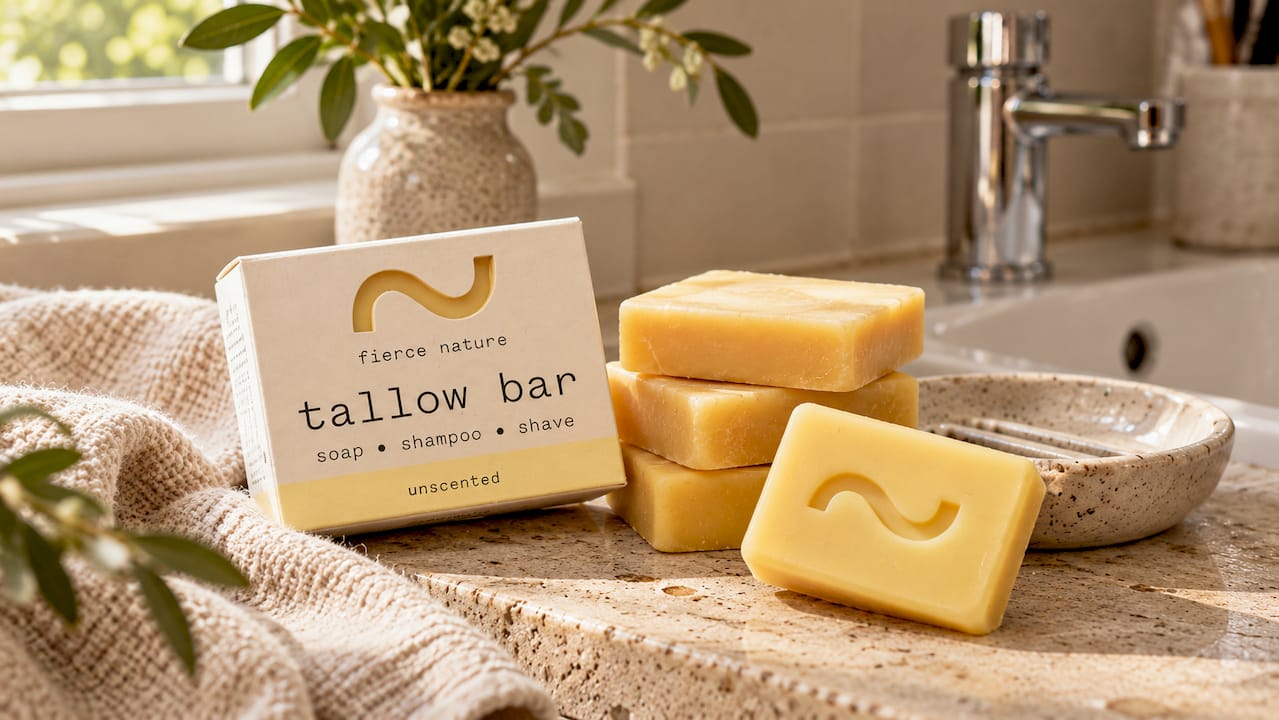
Fierce Nature handcrafts every product in the UK using premium, naturally sourced ingredients with pure organic tallow as the foundation. The Luxe Face Balm is a bestseller for good reason: it delivers deep nourishment without synthetic additives, making it ideal for dry, sensitive, or mature skin. For a versatile everyday option, the Unscented Tallow Bar works on both face and body, fragrance-free and suitable for the most reactive skin types. Every formulation is transparent about its ingredients, made in small batches for freshness, and built on the principle that your skin deserves food, not chemistry. Browse the full organic face and body balms collection to find the right fit for your routine.
“Chemical free skincare” is a consumer term for products that avoid synthetic, harsh, or unnecessary ingredients. All matter is technically chemical, so the phrase signals clean formulation rather than the literal absence of chemistry.
Skin renewal takes approximately 28 days, so allow at least six weeks before evaluating any new routine. The first two to four weeks may include a transition period as your skin adjusts from synthetic product dependence.
Natural does not automatically mean gentle. Some botanical ingredients are highly potent and can cause reactions. Patch testing each new product over 48 hours and introducing one product at a time is the safest approach for sensitive skin.
An effective organic skincare routine requires only 3–5 well-chosen products. A cleanser, a treatment oil, and a moisturiser or balm cover the core functions without overloading the skin.
“Natural” has no legal definition in UK cosmetics regulation and can appear on products containing synthetic ingredients. Certified organic, verified by bodies such as the Soil Association or COSMOS Organic, confirms that ingredients meet independently audited standards for purity and sourcing.


Lucia —
Really liked the point about keeping things simple. It’s easy to get caught up in adding more and more steps when a few well-chosen products can be enough. I’ve been looking at Beauty Heroes for the same reason it’s nice having a place focused on more thoughtful beauty options without making skincare feel overwhelming. Great guide!