Cart
0
80% Also Added this






TL;DR:
- Sheep tallow is a nutrient-rich, bio-compatible fat that mirrors human sebum and absorbs quickly into skin. It provides vitamins A, D, E, K, and conjugated linoleic acid to support skin repair and reduce inflammation. Proper rendering and sourcing from grass-fed sheep ensure its effectiveness as a natural skincare ingredient.
Sheep tallow is the rendered fat of Ovis aries, purified from raw suet into a stable, nutrient-dense ingredient used in skincare for centuries. What makes it genuinely remarkable is how closely its fatty acid profile mirrors human sebum, the natural oil your skin already produces. This bio-compatibility means it absorbs quickly, feeds the skin barrier, and delivers vitamins A, D, E, and K directly where they are needed. At Fierce Nature, we have built our entire skincare range on this foundation, because no synthetic emollient comes close to what nature already perfected.
Sheep tallow is one of the most nutrient-dense fats available for topical use. Its composition reads like a skin-repair toolkit: fat-soluble vitamins A, D, E, and K alongside a meaningful concentration of conjugated linoleic acid (CLA). Each of these plays a distinct role in how your skin looks and feels.
Vitamin A supports cell turnover and collagen production, which is why retinol derivatives dominate anti-ageing products. Tallow delivers vitamin A in its natural, unprocessed form.
Vitamin D regulates skin cell growth and supports the immune response in the skin barrier. Most people are deficient in it, and topical delivery offers a direct route.
Vitamin E is a well-documented antioxidant that protects cell membranes from oxidative damage. It also supports wound healing and reduces the appearance of scarring.
Vitamin K aids in reducing dark circles and bruising by supporting healthy blood vessel function beneath the skin.
CLA (conjugated linoleic acid) carries anti-inflammatory properties that calm reactive and irritated skin without pharmaceutical intervention.
The bio-compatibility point deserves special attention. Sheep tallow absorbs rapidly without leaving the heavy, greasy residue associated with many synthetic emollients. That is because its fatty acid ratios are structurally similar to what your skin already secretes. Your skin recognises it and draws it in, rather than sitting on the surface and blocking pores.
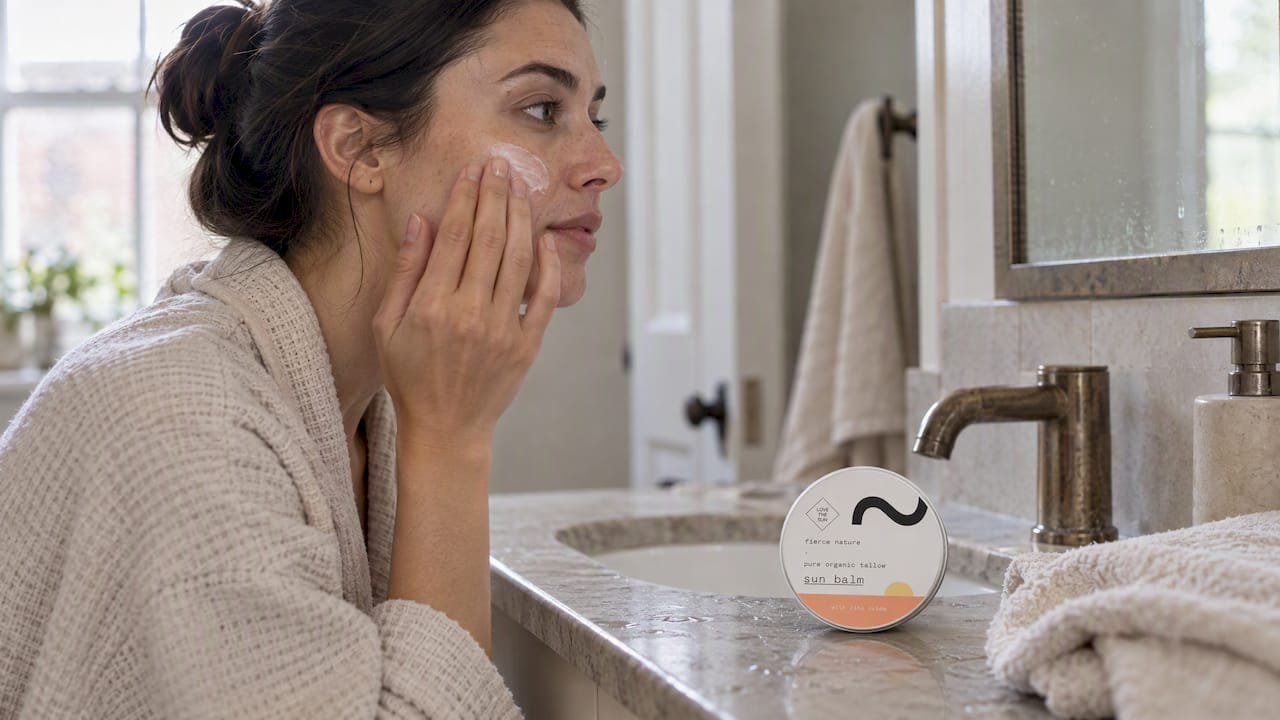
Pro Tip: Apply a small amount of tallow balm to damp skin immediately after cleansing. The water on your skin helps the fat emulsify and absorb more evenly, leaving a nourished rather than oily finish.
Researchers are also reconsidering the blanket dismissal of animal fats in health contexts. A 2026 study published on PubMed Central found that tallow supplementation reduced cholesterol, oxidative stress, and inflammatory markers while improving antioxidant levels. The study focused on dietary intake, but the anti-inflammatory mechanisms of CLA are relevant to topical use as well. The science supports what traditional practitioners have known for generations.
Not all rendered animal fats behave the same way on skin or in the kitchen. Sheep tallow has a distinct profile that sets it apart from beef tallow and lard, and understanding those differences helps you choose the right ingredient for your needs.
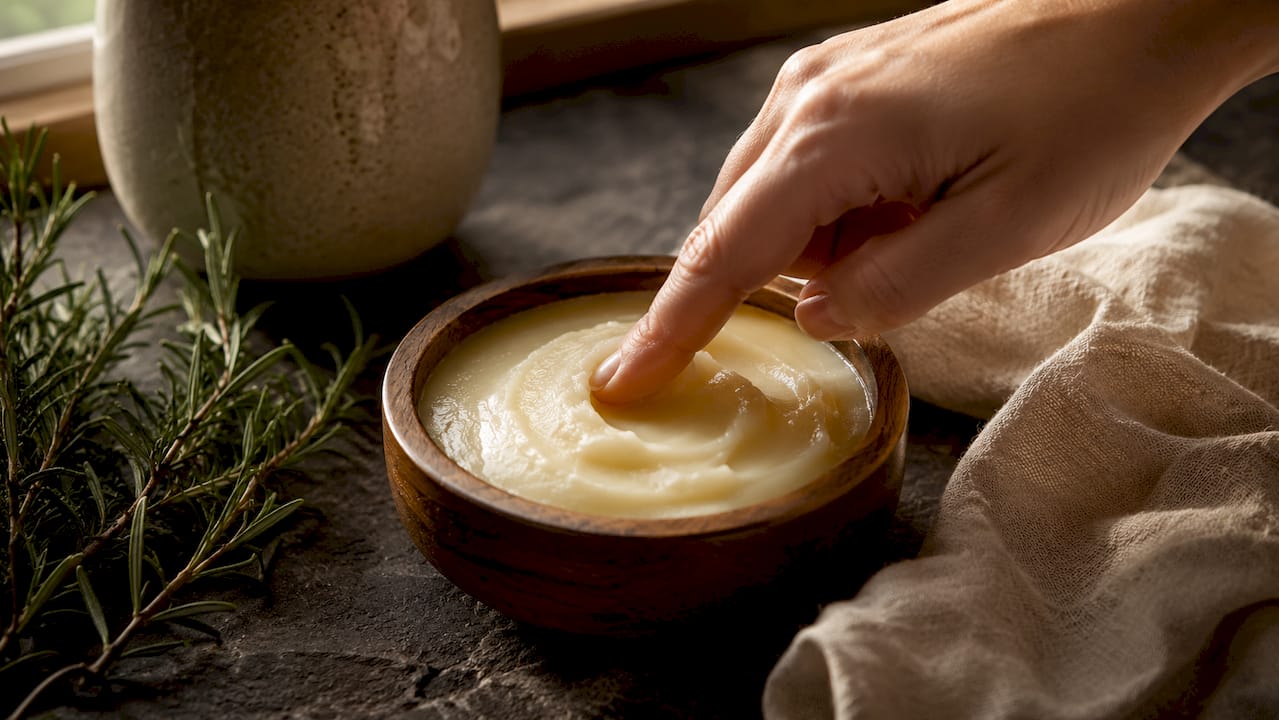
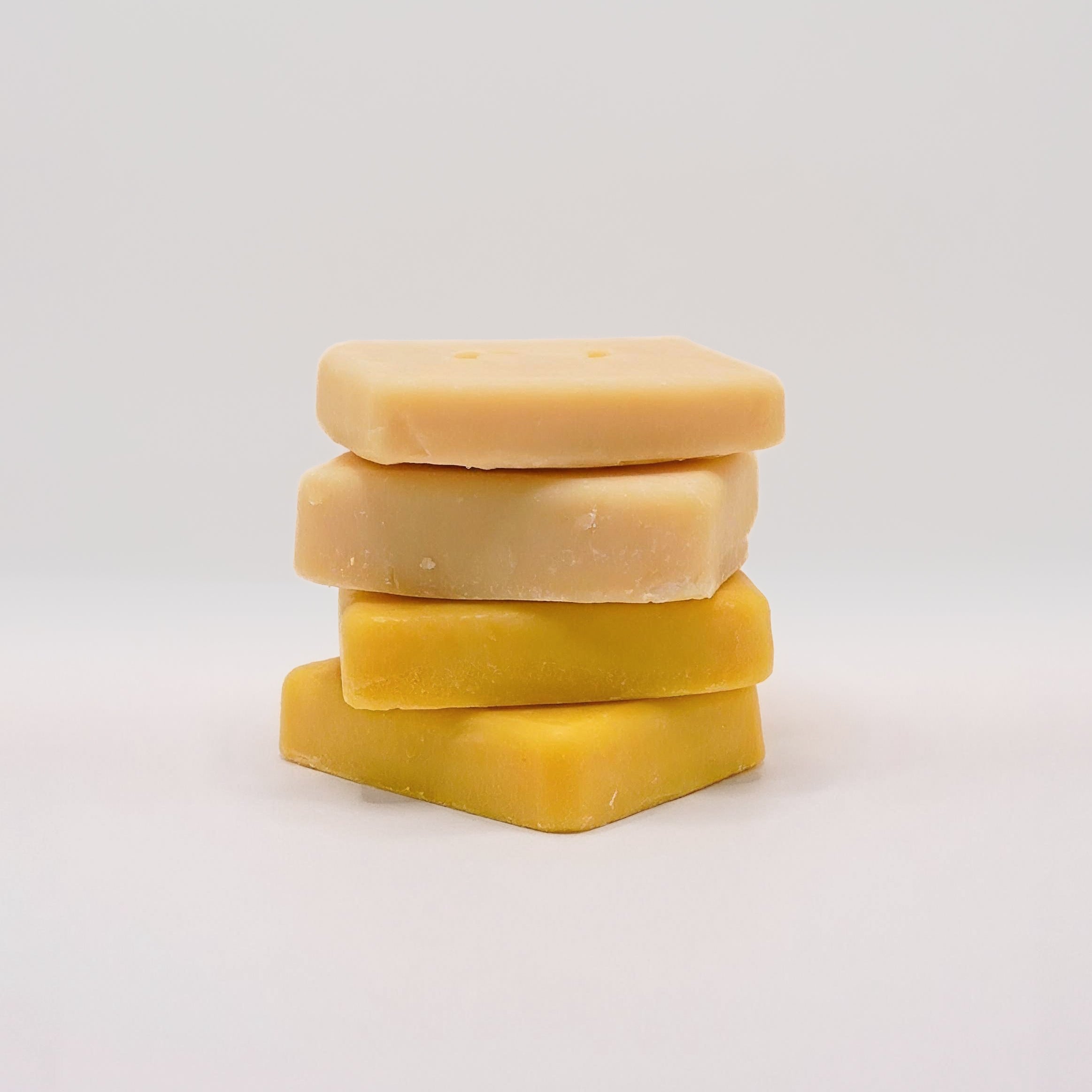
Sheep tallow is softer in consistency than beef tallow at room temperature. It has a smoke point of around 188°C (370°F), which is lower than beef tallow’s typical range. That softer texture translates directly into skincare: sheep tallow blends more easily into balms and creams without requiring additional softening agents.
The flavour profile also differs noticeably, which matters for culinary uses of sheep fat. Sheep tallow carries a more pronounced, gamey character than beef tallow, which is why it is less common in cooking but has historically been prized in traditional medicine and skincare preparations where flavour is irrelevant.
| Feature | Sheep tallow | Beef tallow |
|---|---|---|
| Consistency at room temperature | Softer, more pliable | Firmer, waxy |
| Smoke point | Approx. 188°C (370°F) | Approx. 200–215°C |
| Scent when poorly rendered | Pronounced, gamey | Milder, beefy |
| Vitamin K content | Present | Lower concentration |
| Skin texture after application | Light, absorbs quickly | Slightly heavier feel |
| Culinary preference | Less common | Widely used |
The scent issue is worth addressing directly. Many people who have tried tallow skincare products and found them unpleasant were using poorly rendered fat. Rushing the rendering process causes off-aromas that have nothing to do with the fat’s inherent quality. Slow, temperature-controlled rendering of suet from the kidney region produces a product that is nearly odourless and far purer in nutrient content.
Sourcing matters as much as processing. Grass-fed animals produce fat with a richer nutrient profile than grain-fed alternatives. The difference in CLA content alone makes grass-fed sourcing worth seeking out, particularly for skincare applications where nutrient density is the whole point.
Tallow has been a skincare staple across cultures for thousands of years. Roman soldiers rubbed animal fat into their skin to protect against cold and wind. Egyptian cosmetic preparations included rendered fats as a base for pigments and healing salves. These were not primitive workarounds. They were effective solutions that persisted because they worked.
Modern natural skincare has rediscovered these uses, and the applications have expanded considerably.
The historical use of tallow in wound healing reflects an intuitive understanding of bio-compatibility long before biochemistry existed as a discipline. Tallow kept wounds moist, protected against infection, and supported tissue regeneration. Midwives used it on newborn skin. Farmers used it on cracked hands after long days outdoors. The continuity of that use across centuries and cultures is its own form of evidence.
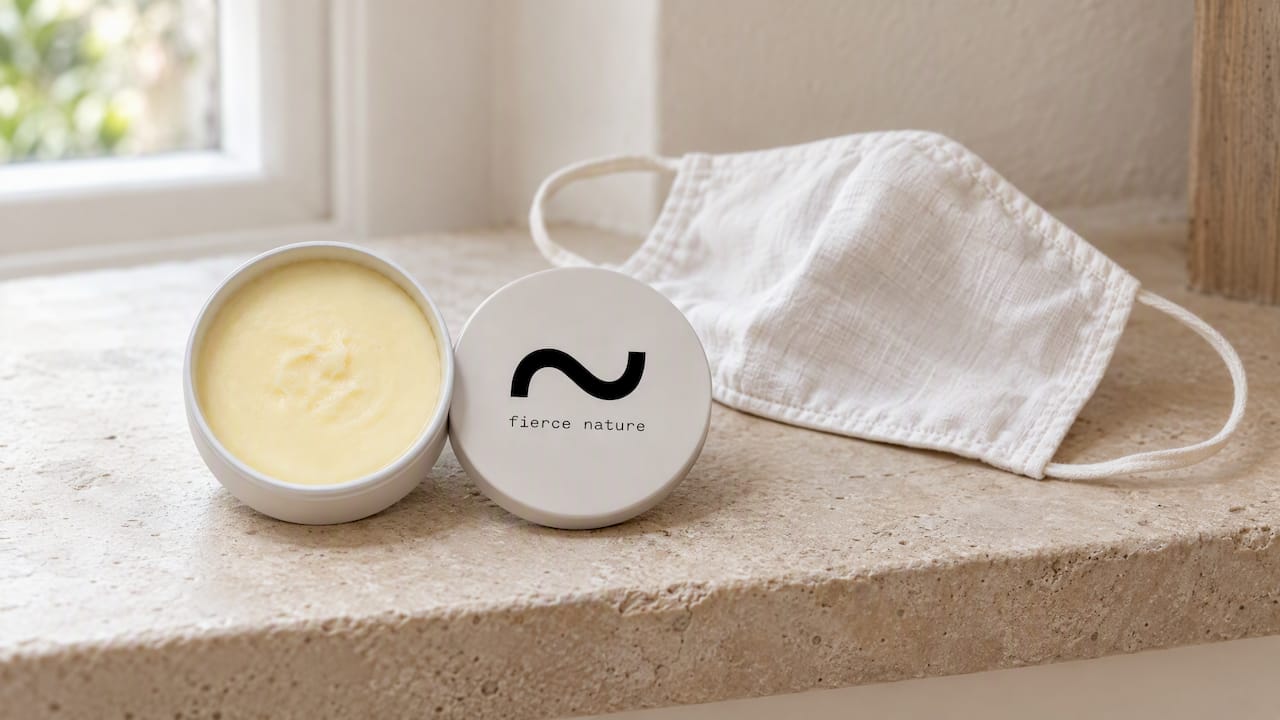
Today, sheep fat appears in balms, facial creams, body butters, soaps, and lip treatments. The most effective formulations blend tallow with plant oils such as rosehip, jojoba, or sea buckthorn to enhance spreadability and add complementary nutrients. Whipping tallow with plant oils improves its texture significantly, making it lighter and easier to apply without sacrificing the depth of nourishment.
Sheep tallow is particularly well suited to:
Dry and very dry skin: The fat-soluble vitamins and fatty acids replenish a depleted skin barrier quickly. Grass-fed tallow balm has been reported to heal cracked cuticles and extreme dryness within days of consistent use.
Sensitive and reactive skin: The absence of synthetic preservatives, fragrances, and emulsifiers removes the most common irritants. Tallow works with your skin, not against it.
Eczema and psoriasis: The anti-inflammatory action of CLA, combined with vitamins A and D, addresses both the inflammatory response and the barrier dysfunction that characterise these conditions.
Ageing skin: Vitamins A and E support collagen production and protect against free radical damage, two of the primary mechanisms behind visible ageing.
Post-tattoo skin recovery: Tallow balms are used in tattoo aftercare to support skin regeneration and reduce inflammation during the healing process.
Pro Tip: For a simple DIY tallow balm, melt 80% grass-fed sheep tallow with 20% rosehip oil over a very low heat, pour into a small tin, and allow to set at room temperature. Apply to clean skin morning and evening. The rosehip adds vitamin C and brightening properties that complement the tallow’s restorative action.
For soap making, tallow produces a hard bar with a stable, creamy lather. A basic sheep tallow soap recipe combines rendered tallow with sodium hydroxide (lye) and water, with optional additions of lavender essential oil or oat flour for added skin benefits. The saponification process converts the fat into soap while retaining glycerine, which keeps the bar moisturising rather than stripping.
Sheep tallow is generally hypoallergenic due to its structural similarity to human sebum. That bio-compatibility means most skin types tolerate it well, including sensitive and reactive skin that struggles with synthetic alternatives. However, a few specific situations call for more careful use.
Skin types that should approach tallow with caution:
Oily or acne-prone skin: Tallow is an occlusive ingredient. Applied too heavily to already oily skin, it can contribute to pore congestion. If your skin produces excess sebum, use tallow sparingly and only on areas that feel genuinely dry or tight.
Fungal acne (Malassezia folliculitis): Fatty acids can feed the yeast responsible for this condition. If you suspect fungal acne, consult a dermatologist before introducing any oil-based product.
Lanolin sensitivity: Sheep-derived products occasionally cross-react with lanolin sensitivity, though this is uncommon. If you have a known lanolin allergy, patch test carefully before full application.
Sourcing and quality considerations:
The nutrient quality of sheep tallow depends directly on the animal’s diet and the rendering process. Suet from the kidney region is the gold standard for skincare use. It is purer, less prone to off-aromas, and higher in fat-soluble vitamins than fat taken from other parts of the carcass. Grass-fed sourcing increases CLA content and the overall nutrient density of the finished product.
Pro Tip: Always patch test a new tallow product on the inside of your wrist for 24 hours before applying it to your face. Even naturally derived ingredients can cause reactions in individual cases, and a small test area tells you everything you need to know before committing to full use.
The biocompatibility of tallow with human skin cells is well documented, and for the majority of people, it represents a far gentler option than the synthetic emollients and preservatives found in conventional skincare. The key is quality sourcing, proper rendering, and thoughtful application.
Sheep tallow is the most bio-compatible animal fat for topical skincare use, delivering vitamins A, D, E, and K alongside CLA directly into the skin barrier without synthetic additives.
| Point | Details |
|---|---|
| Bio-compatibility | Tallow’s fatty acid profile mirrors human sebum, allowing rapid absorption without greasiness. |
| Nutrient density | Vitamins A, D, E, K, and CLA support skin repair, anti-ageing, and inflammation reduction. |
| Rendering quality | Slow, temperature-controlled rendering of kidney suet produces a neutral-scent, high-purity product. |
| Skin type caution | Oily and acne-prone skin should apply tallow sparingly to avoid pore congestion. |
| Sourcing standard | Grass-fed sheep produce tallow with higher CLA content and superior nutrient density for skincare. |
When I started Fierce Nature, I had to explain tallow to almost everyone I spoke to. The reaction was usually scepticism, sometimes mild disgust. Animal fat in skincare felt like a step backwards to people who had grown up with beautifully packaged synthetic creams. I understood that reaction completely. I had grown up with those same products, and I had the skin rashes to prove it.
What changed my thinking was not a trend. It was the realisation that my skin had been reacting to ingredients that had no business being on it. When I switched to tallow-based formulations, the chronic irritation I had carried since my teenage years in South Africa simply stopped. That was not a placebo. That was my skin finally receiving something it recognised.
The thing most people do not realise is that the greasy, unpleasant experience some associate with tallow is almost always a rendering problem, not an ingredient problem. Properly rendered suet fat, sourced from grass-fed animals and processed slowly at controlled temperatures, produces something that feels genuinely luxurious on skin. It absorbs cleanly, leaves no residue, and the results build over days and weeks in a way that synthetic moisturisers never quite manage.
What I find most compelling is the nutrient density. You are not applying an inert carrier with a few added actives. You are applying a fat that is inherently rich in vitamins A, D, E, and K, plus CLA, in a form your skin can actually use. The tallow balm benefits go far beyond basic moisturisation. This is skin food in the most literal sense.
My honest observation after years of working with this ingredient is that the people who dismiss it have usually never tried a well-made product. Quality matters enormously here. The difference between a rushed, poorly sourced tallow and a properly rendered, grass-fed product is the difference between something you tolerate and something you reach for every single day.
— Fierce Nature
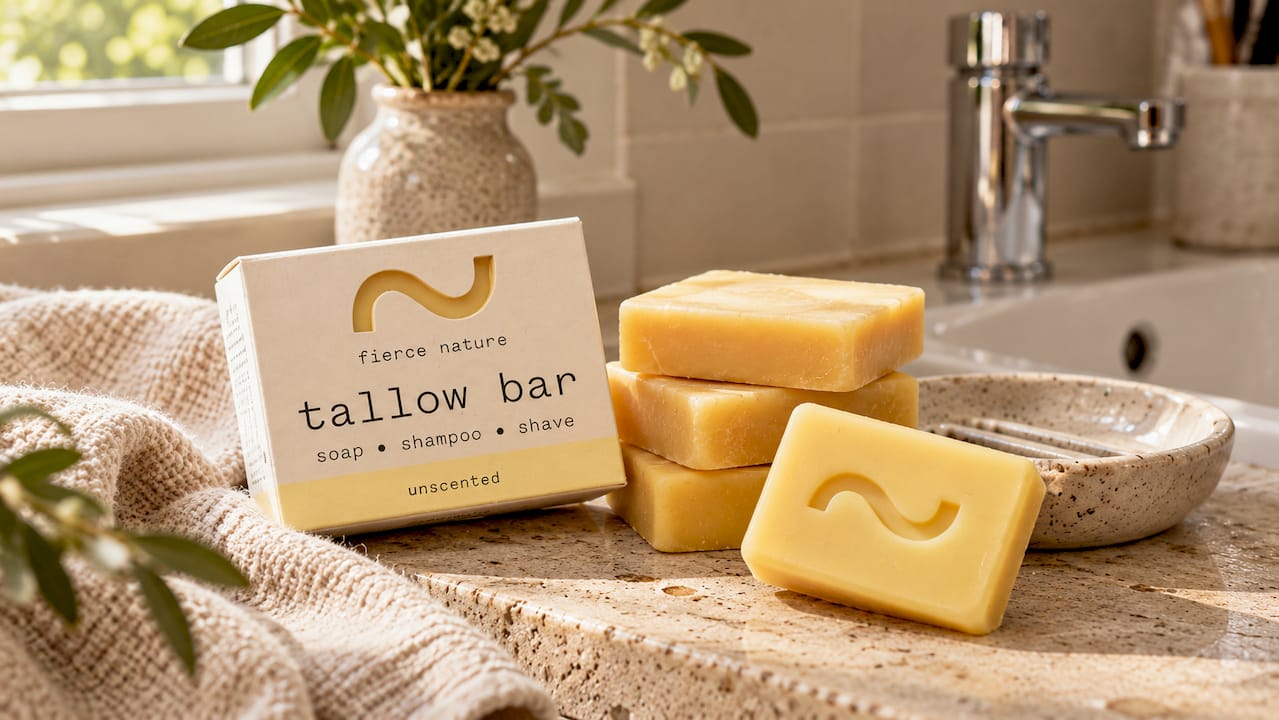
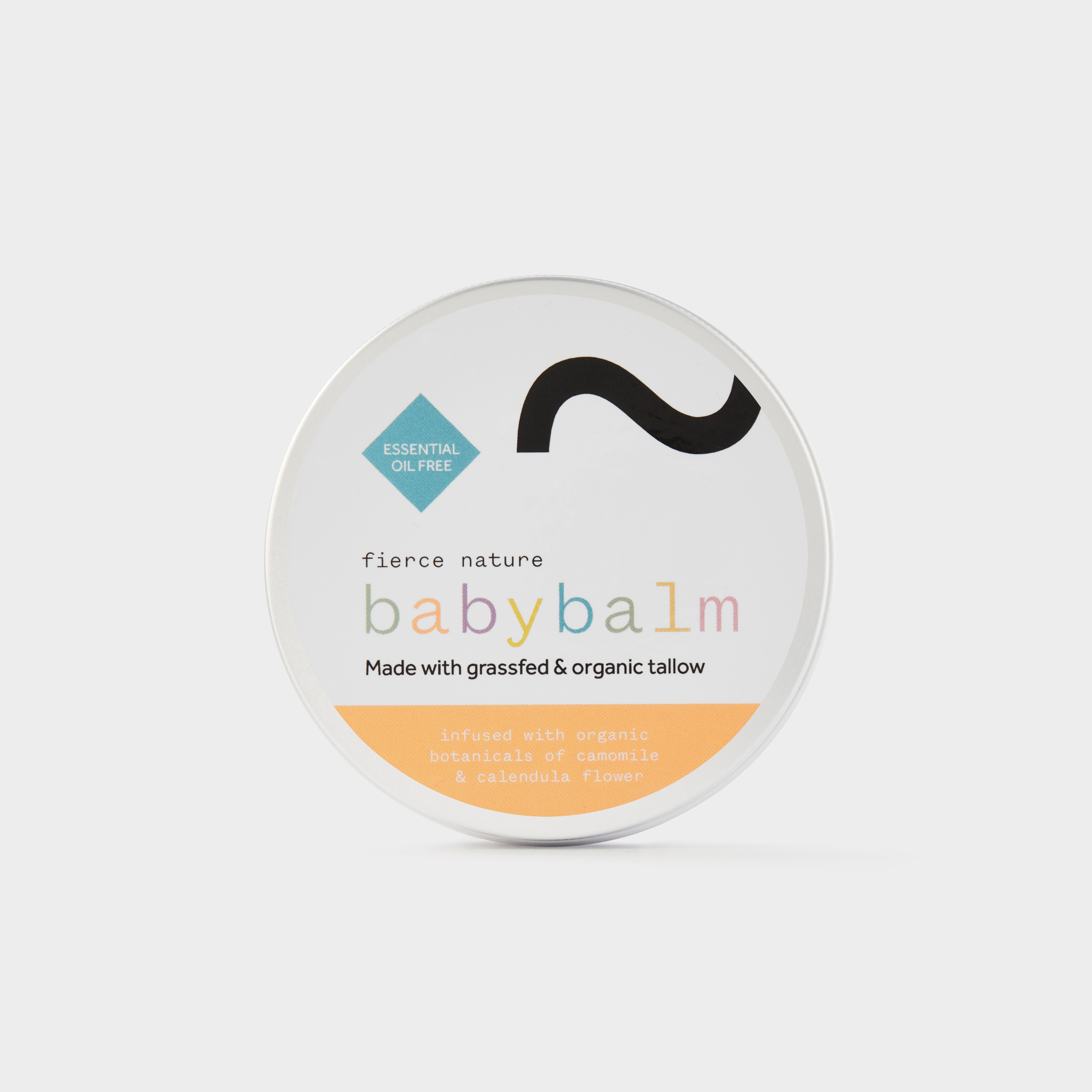
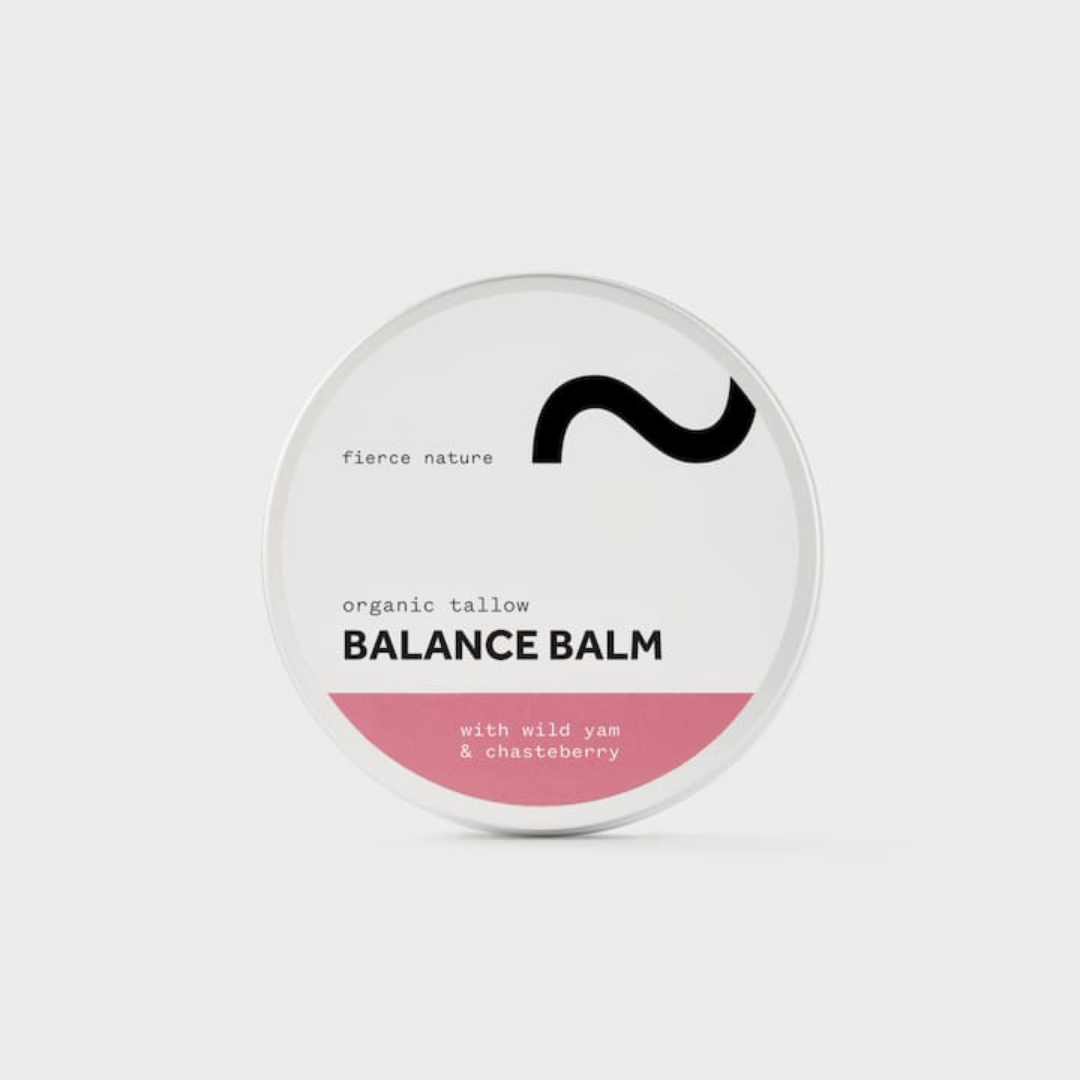
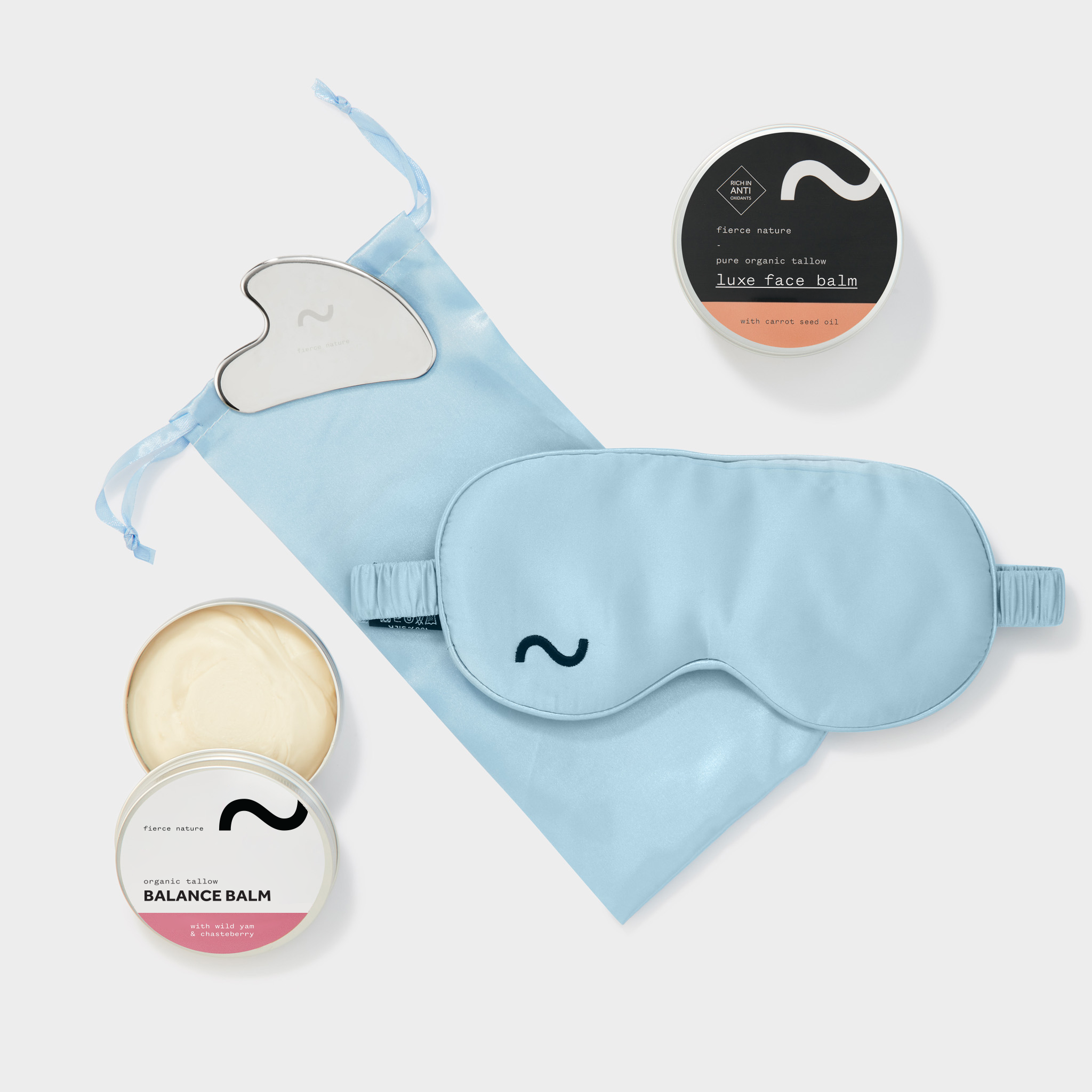
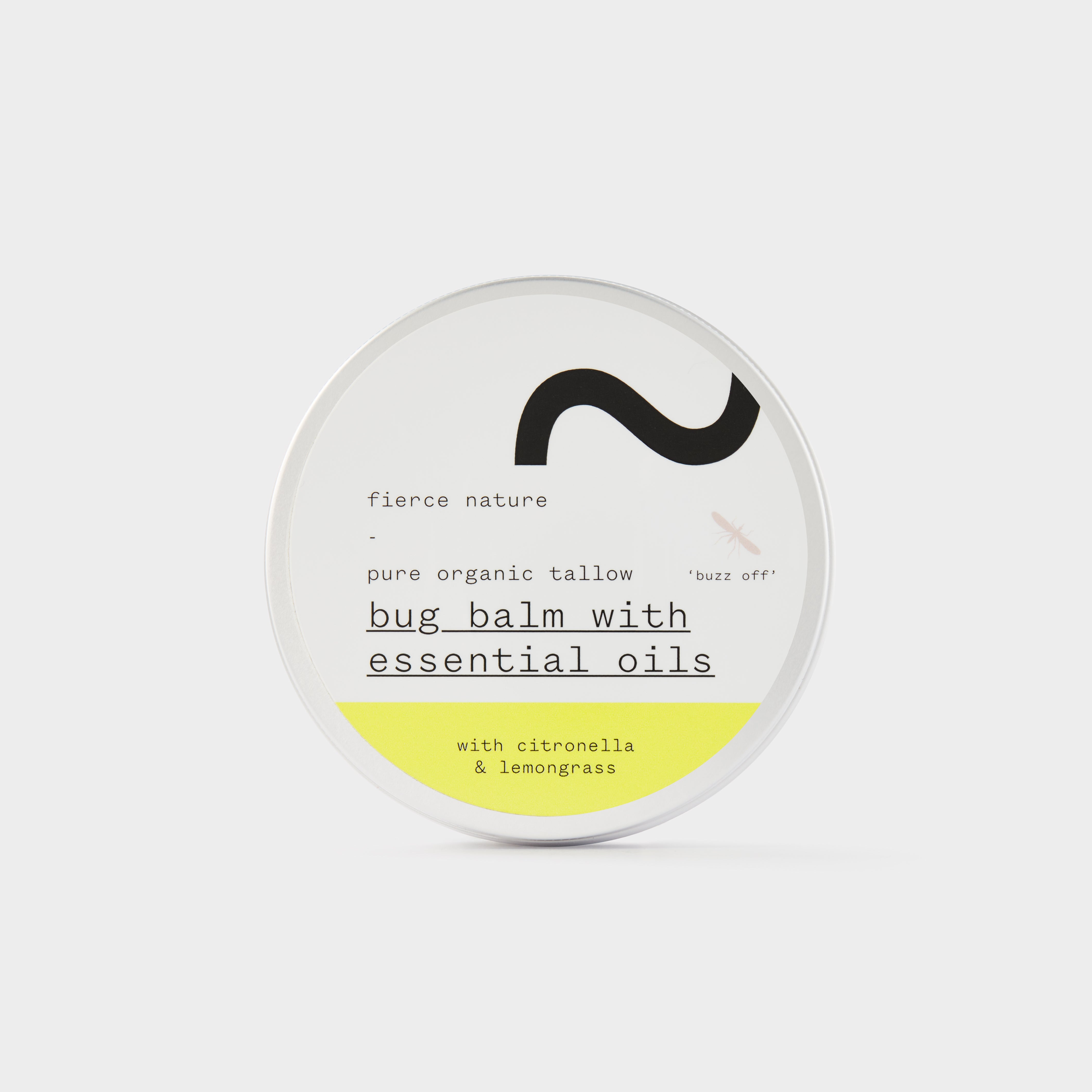
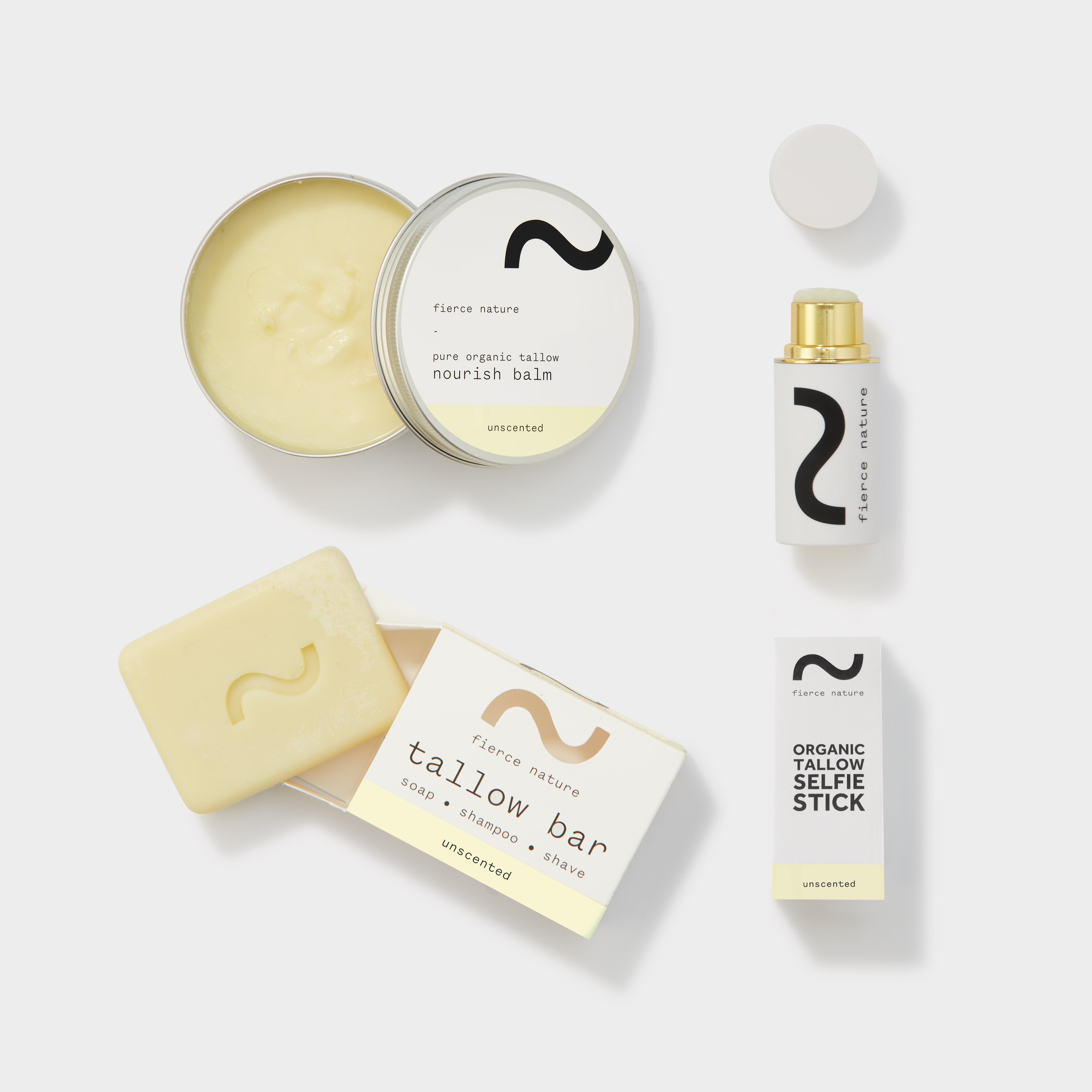
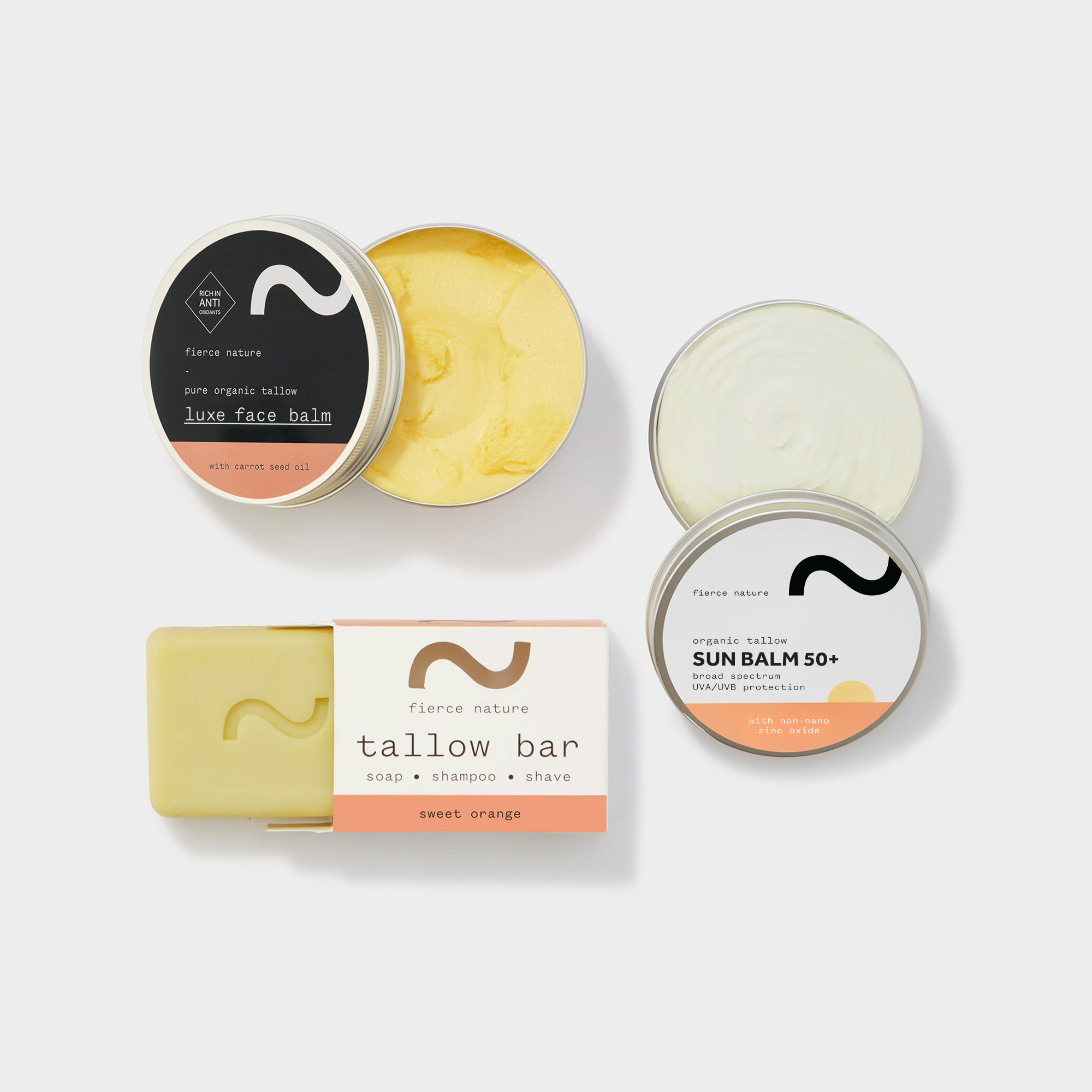
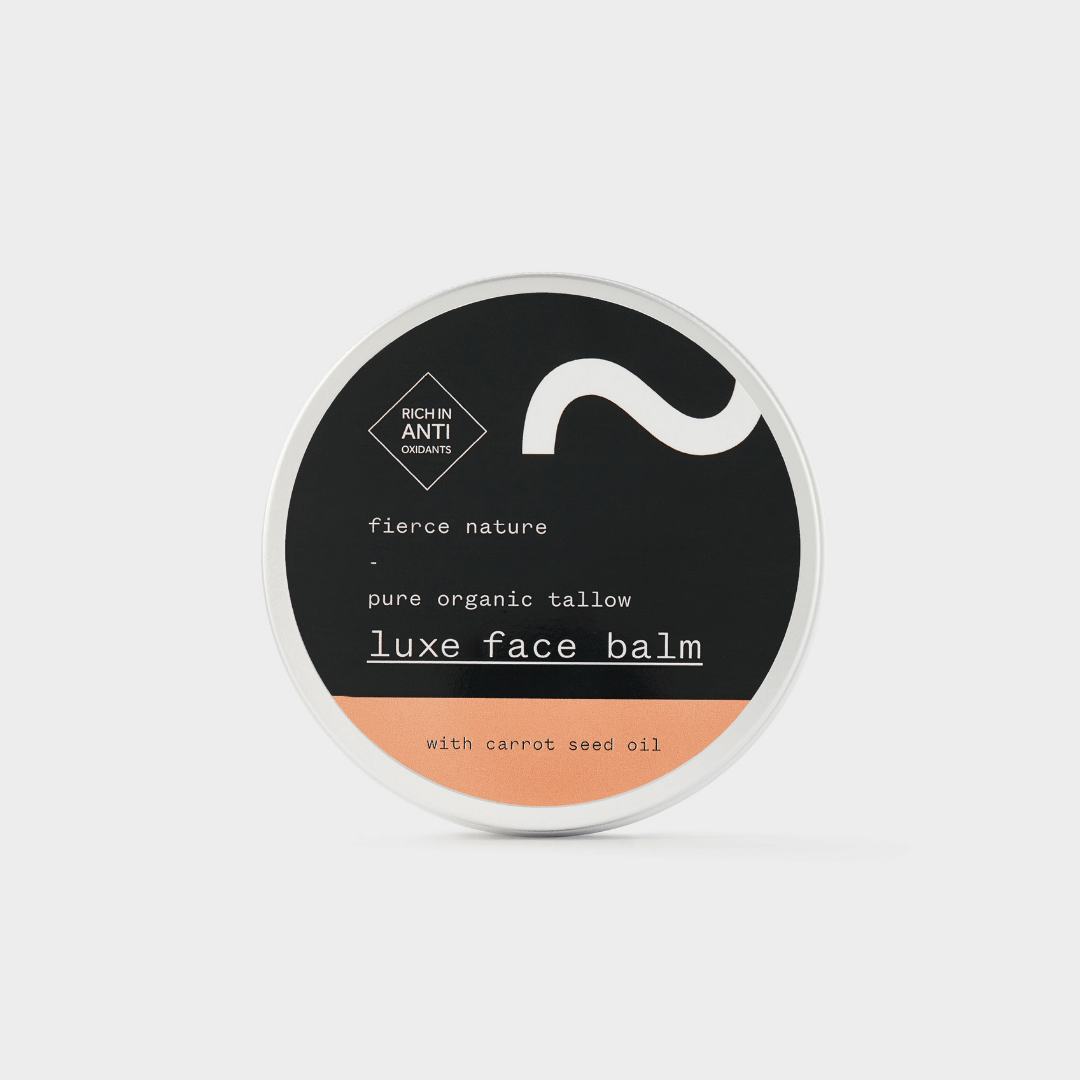
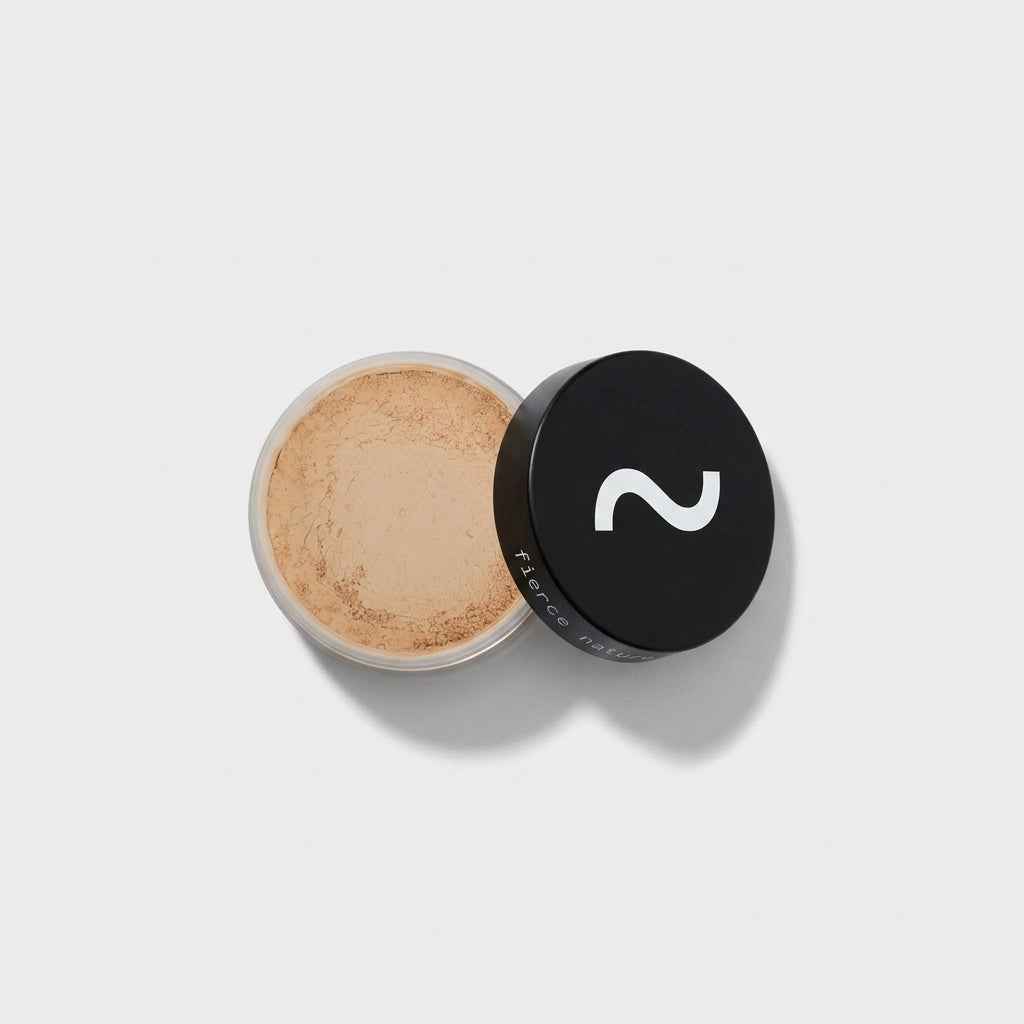
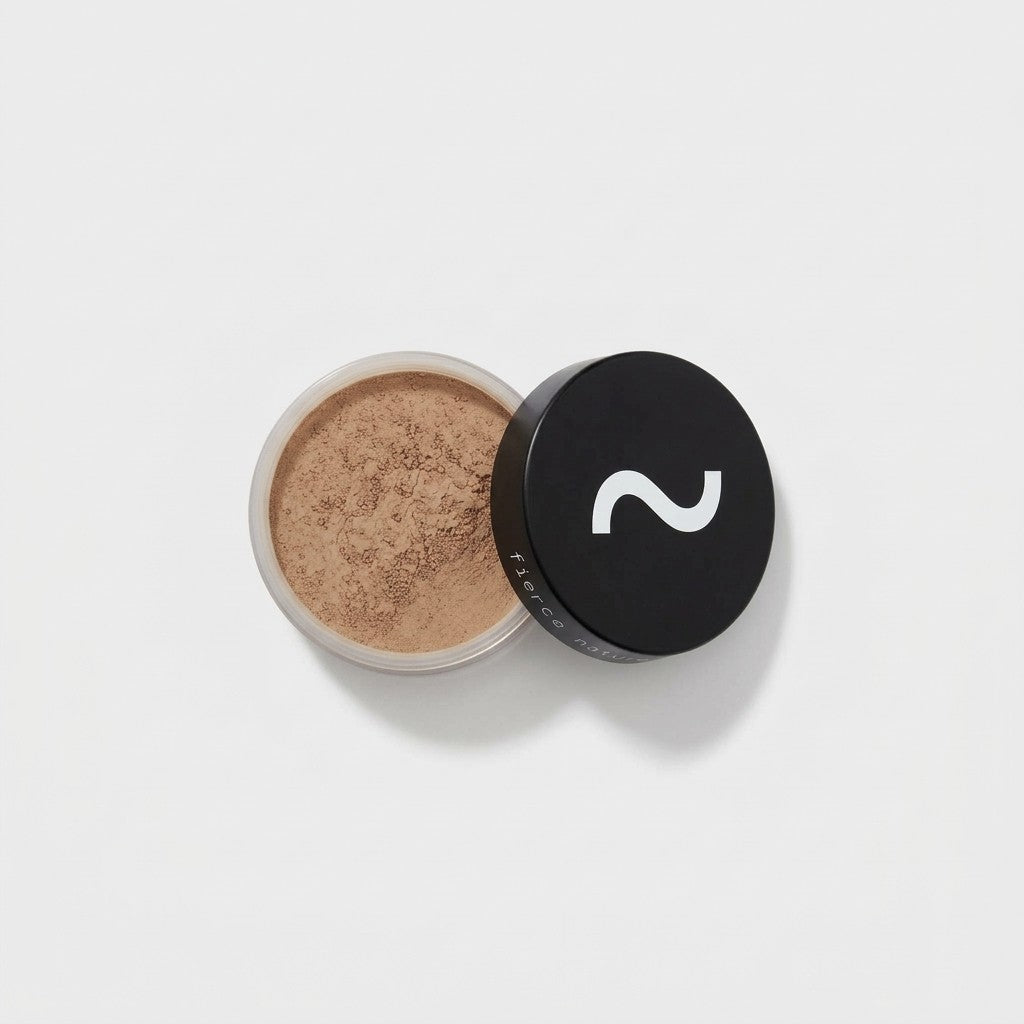
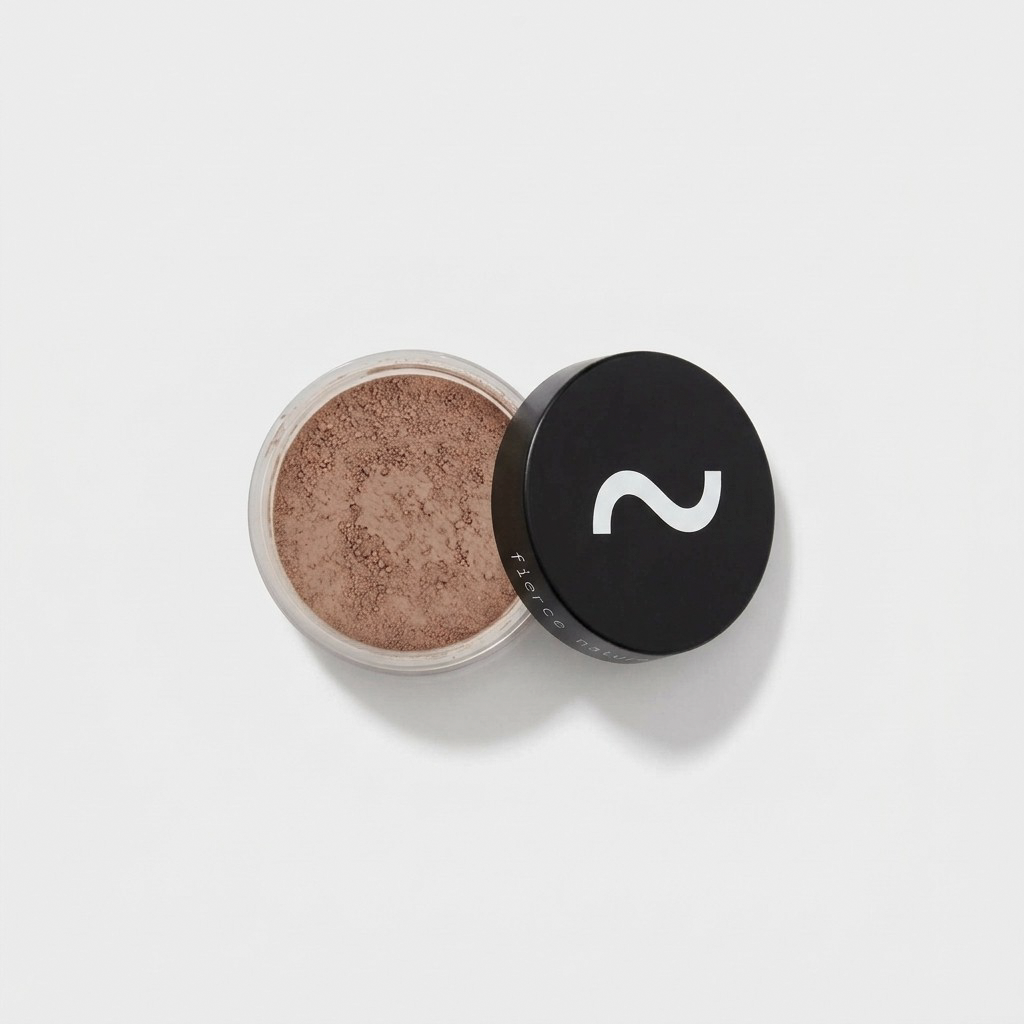
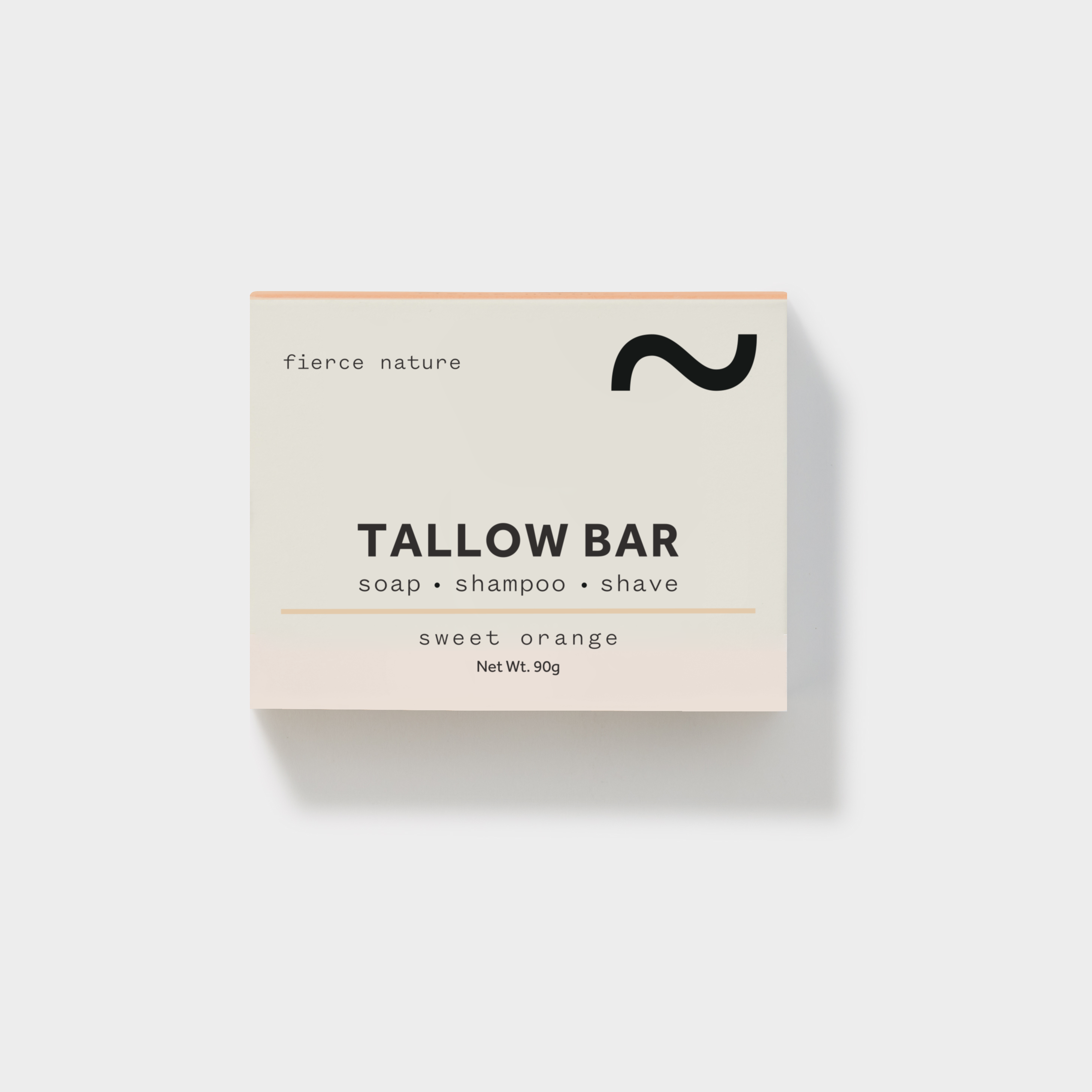
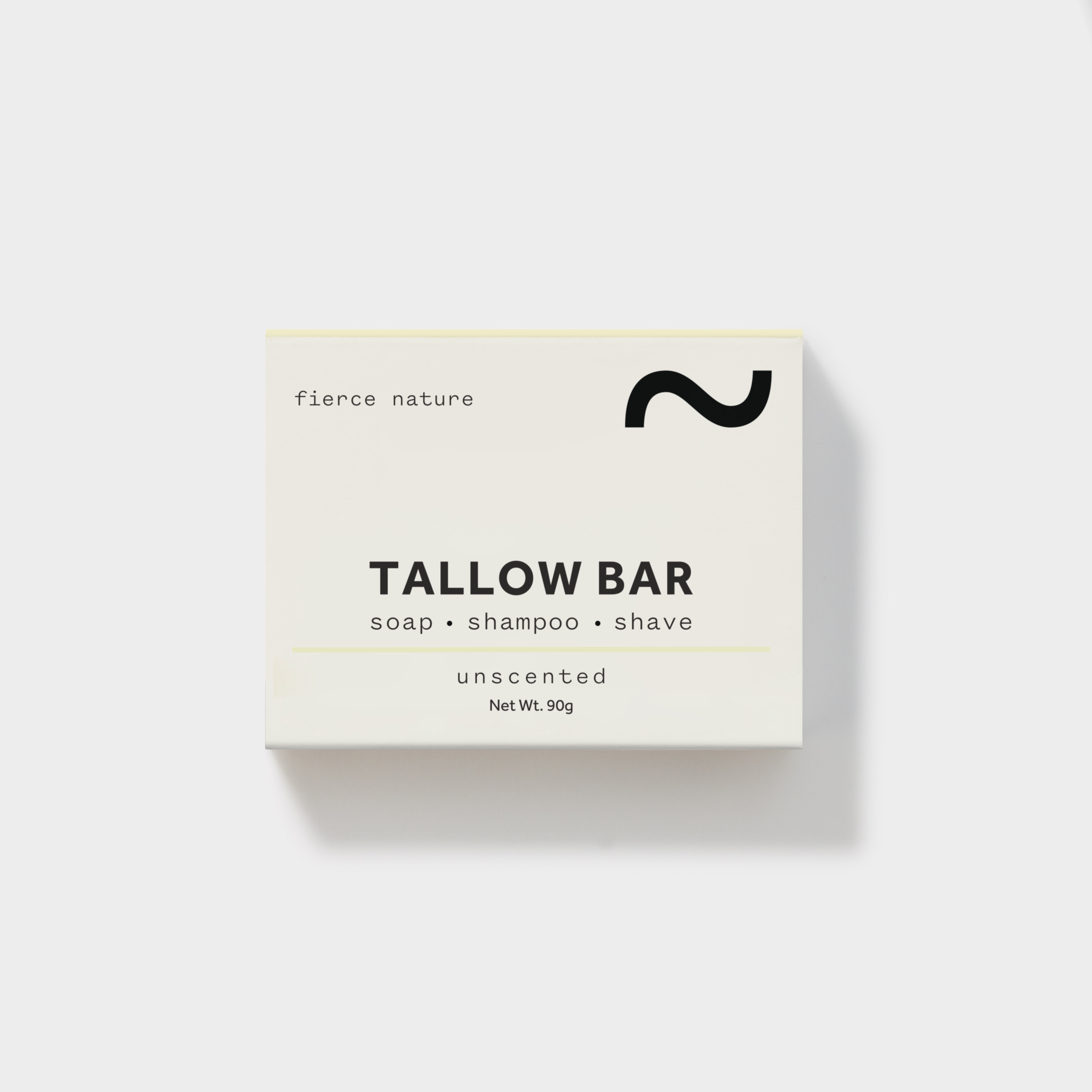
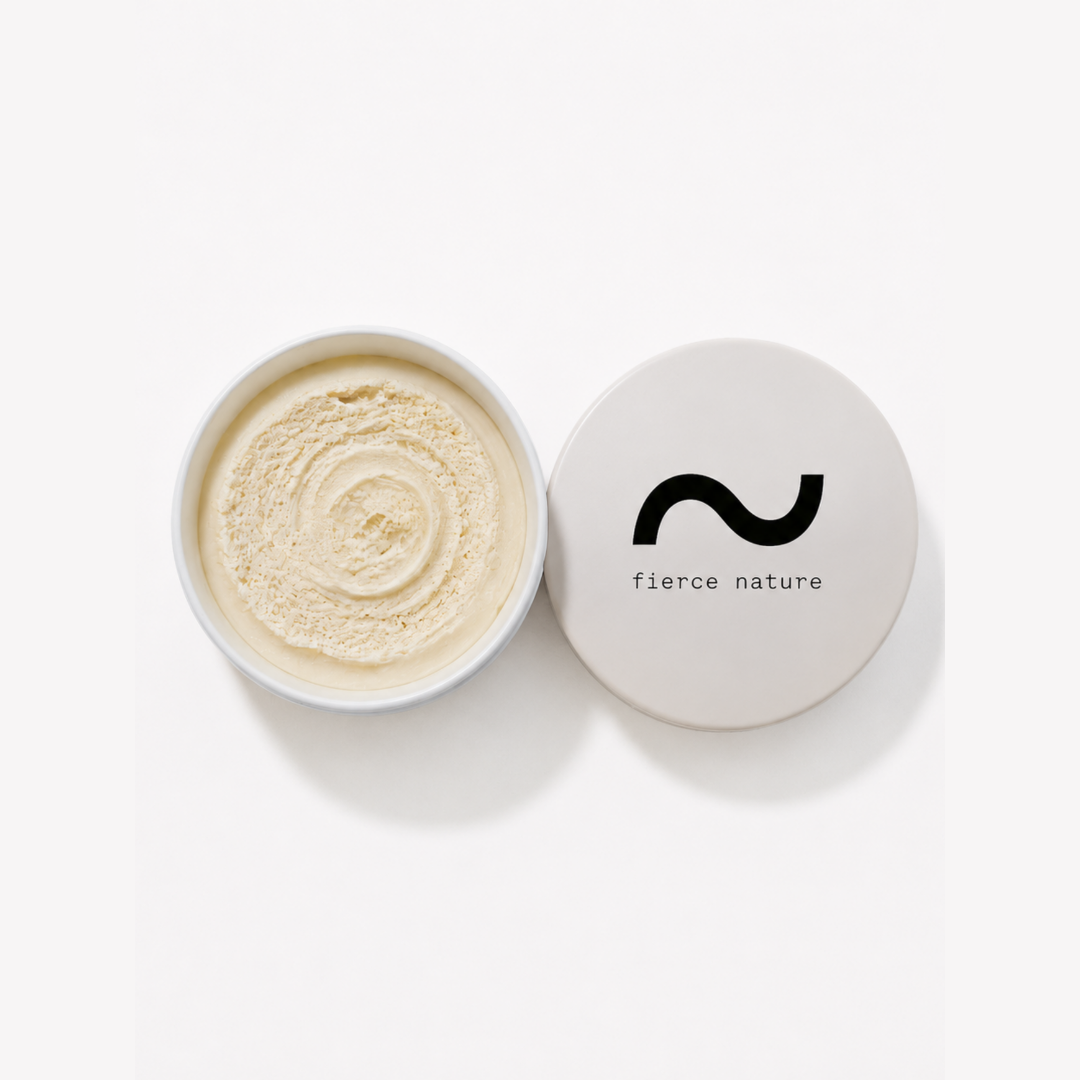
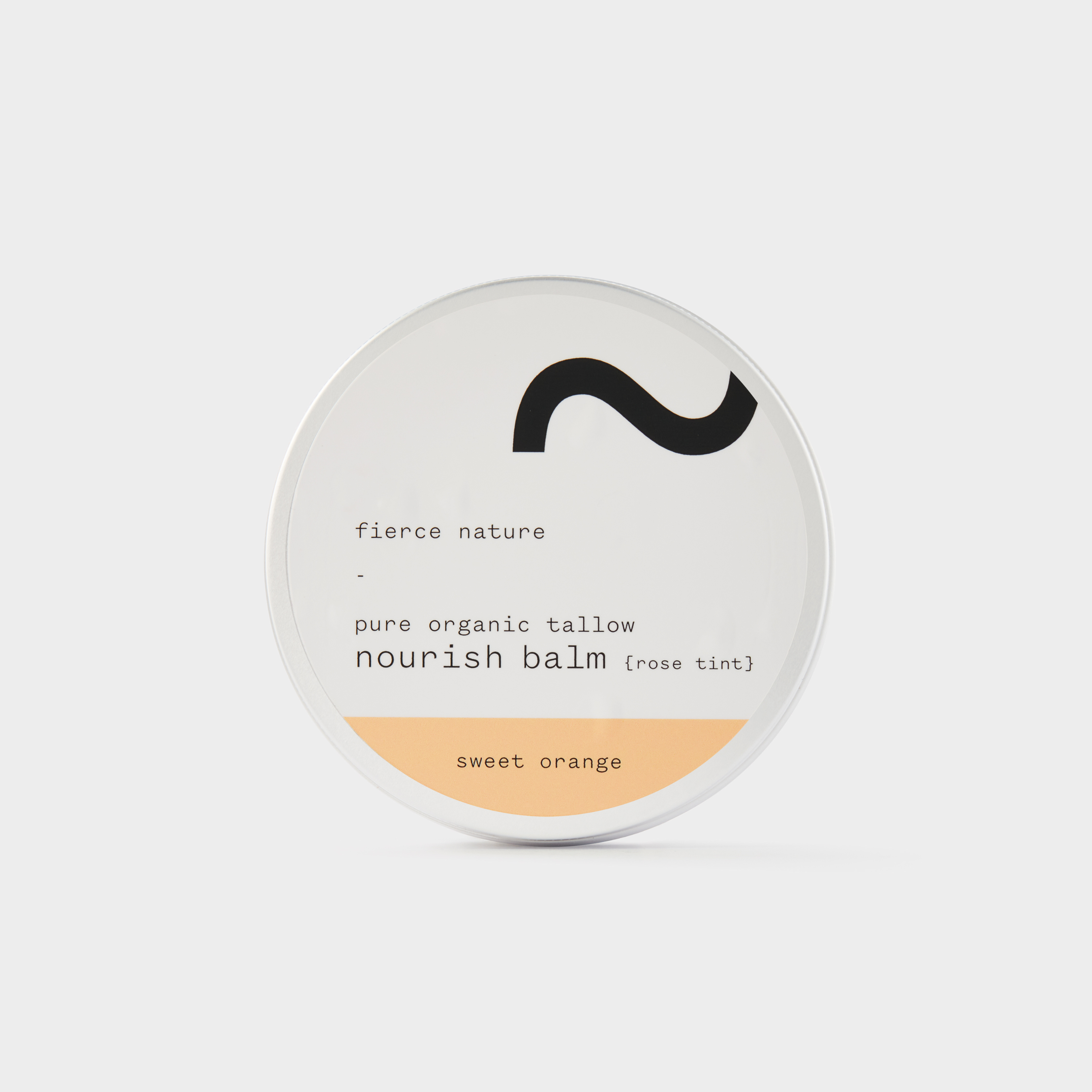
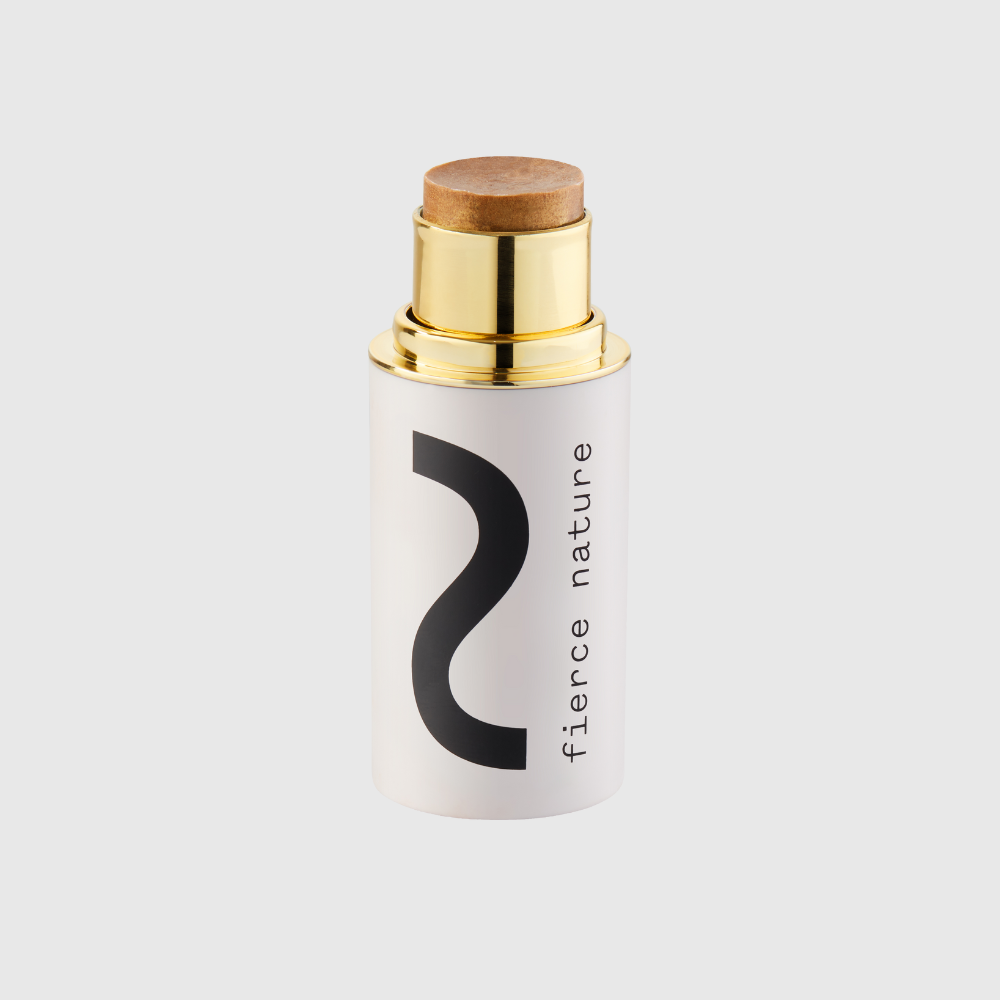
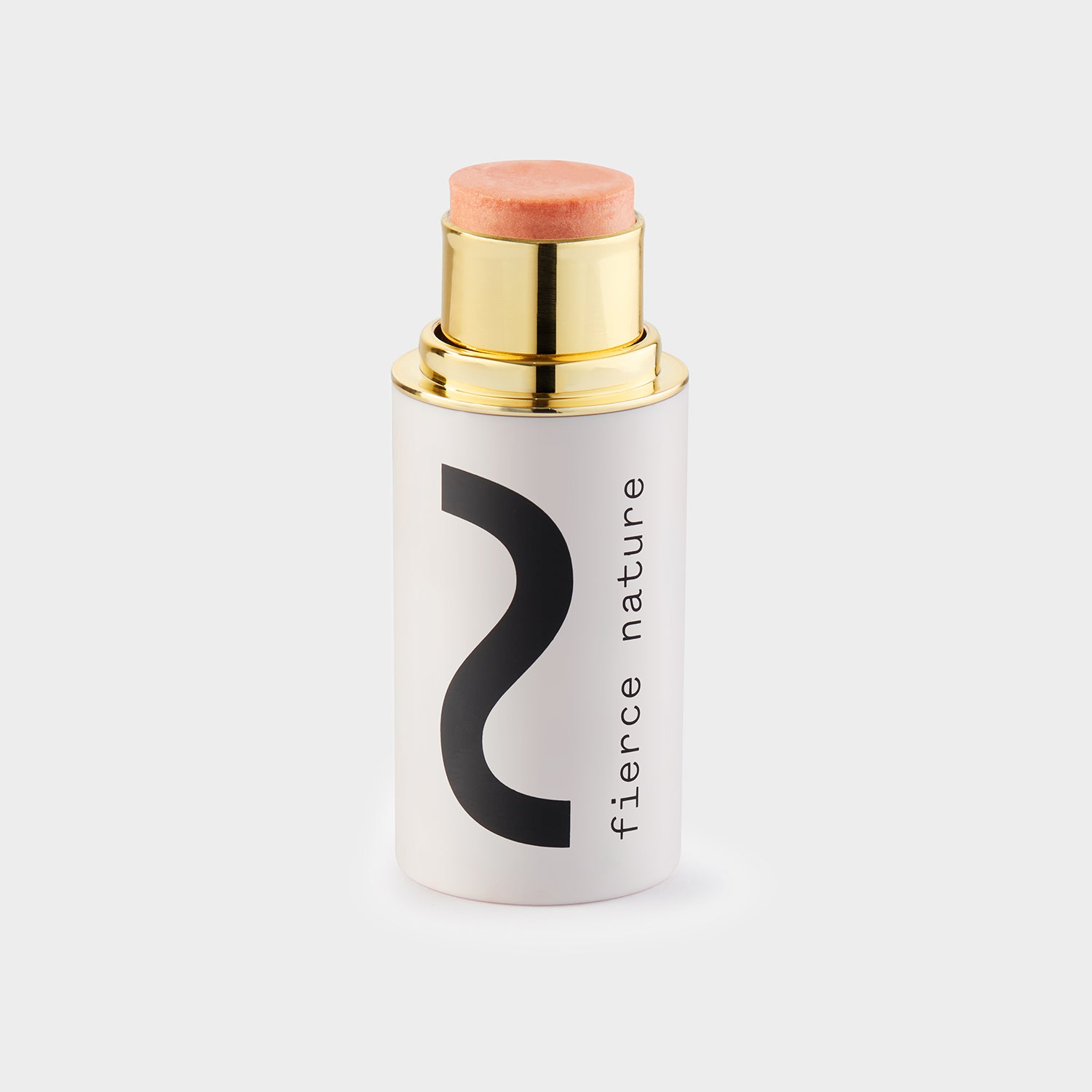
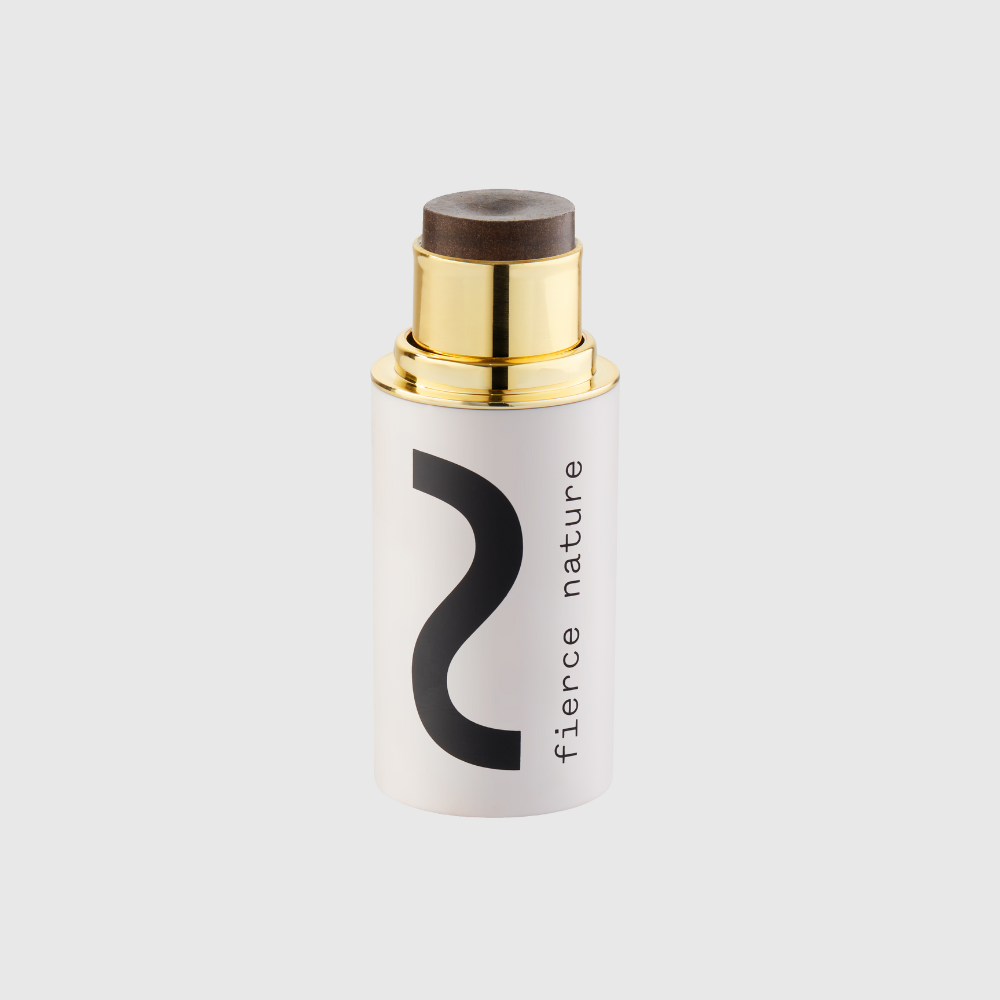
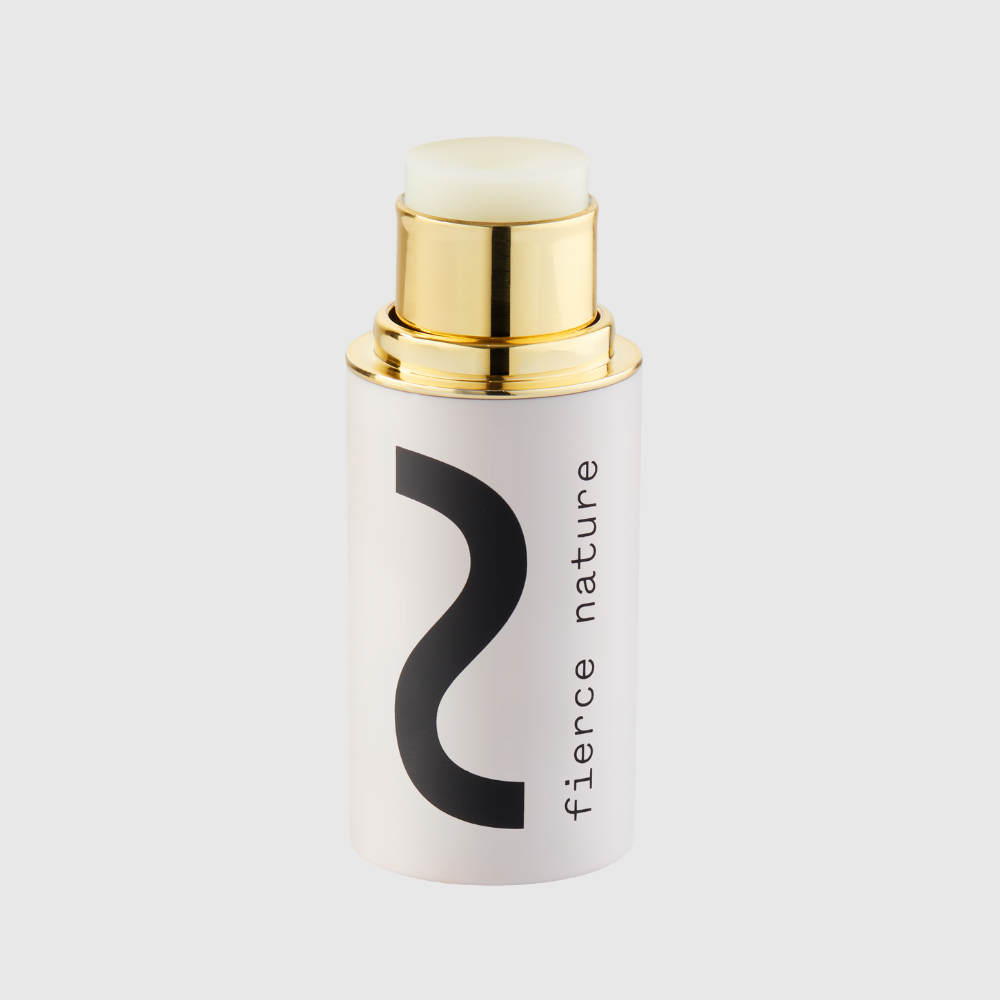
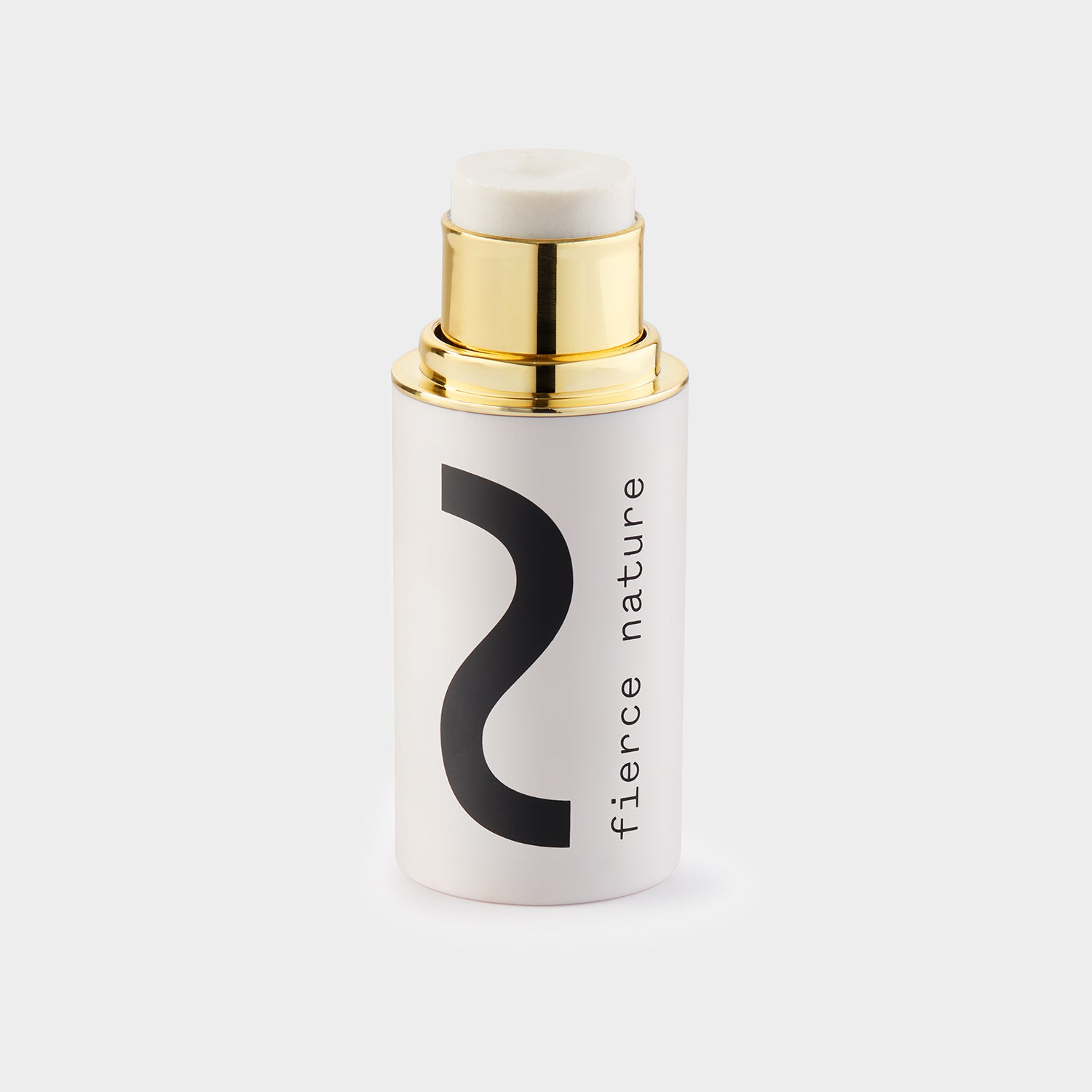
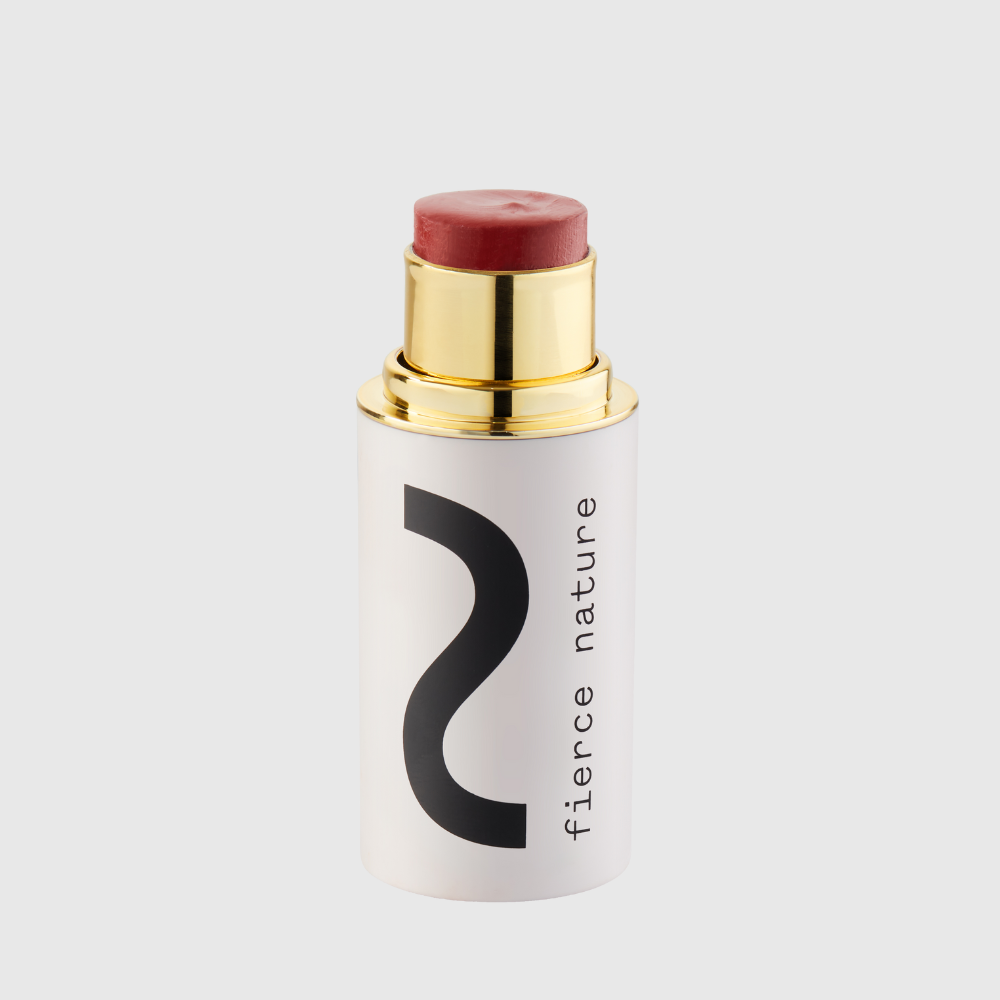
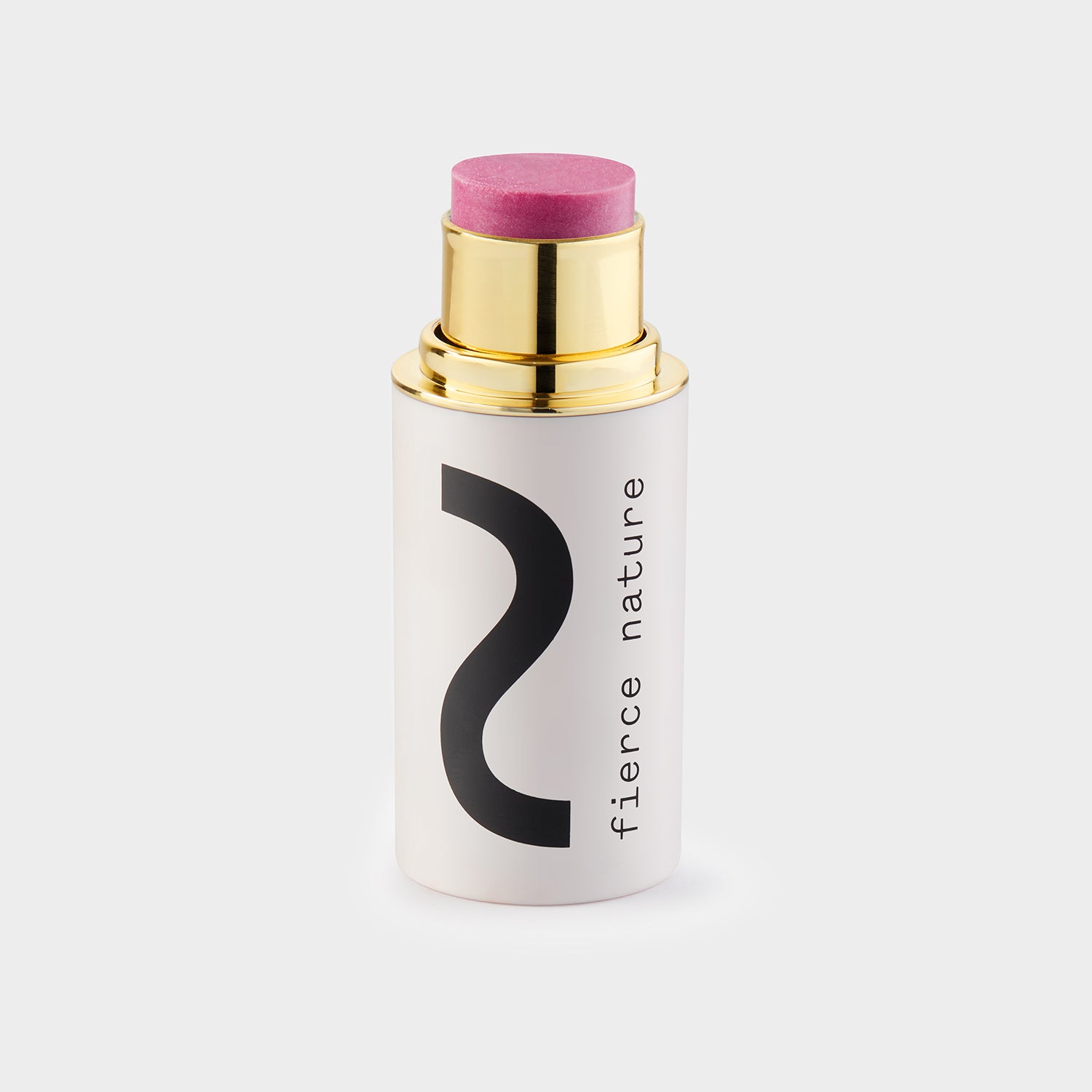
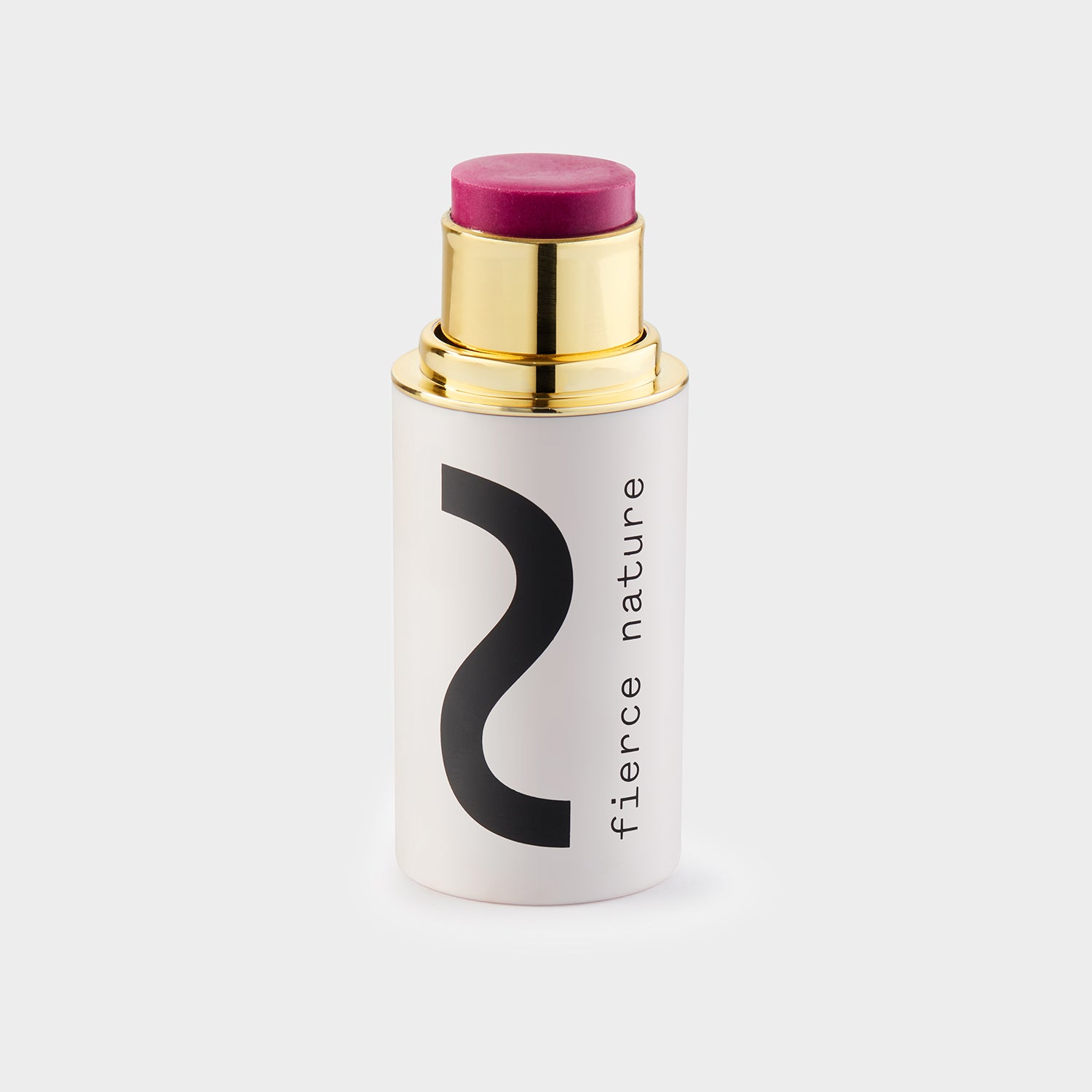
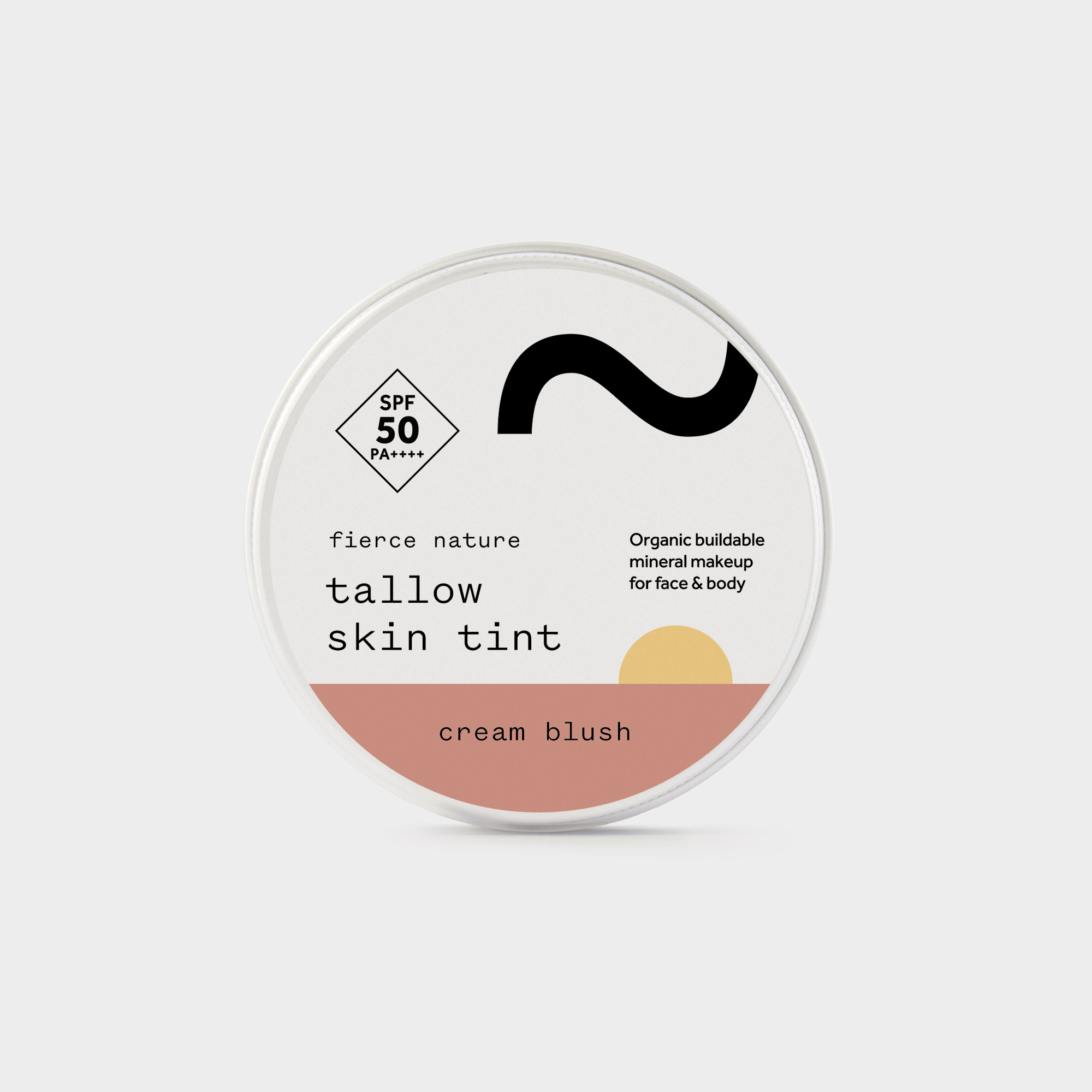
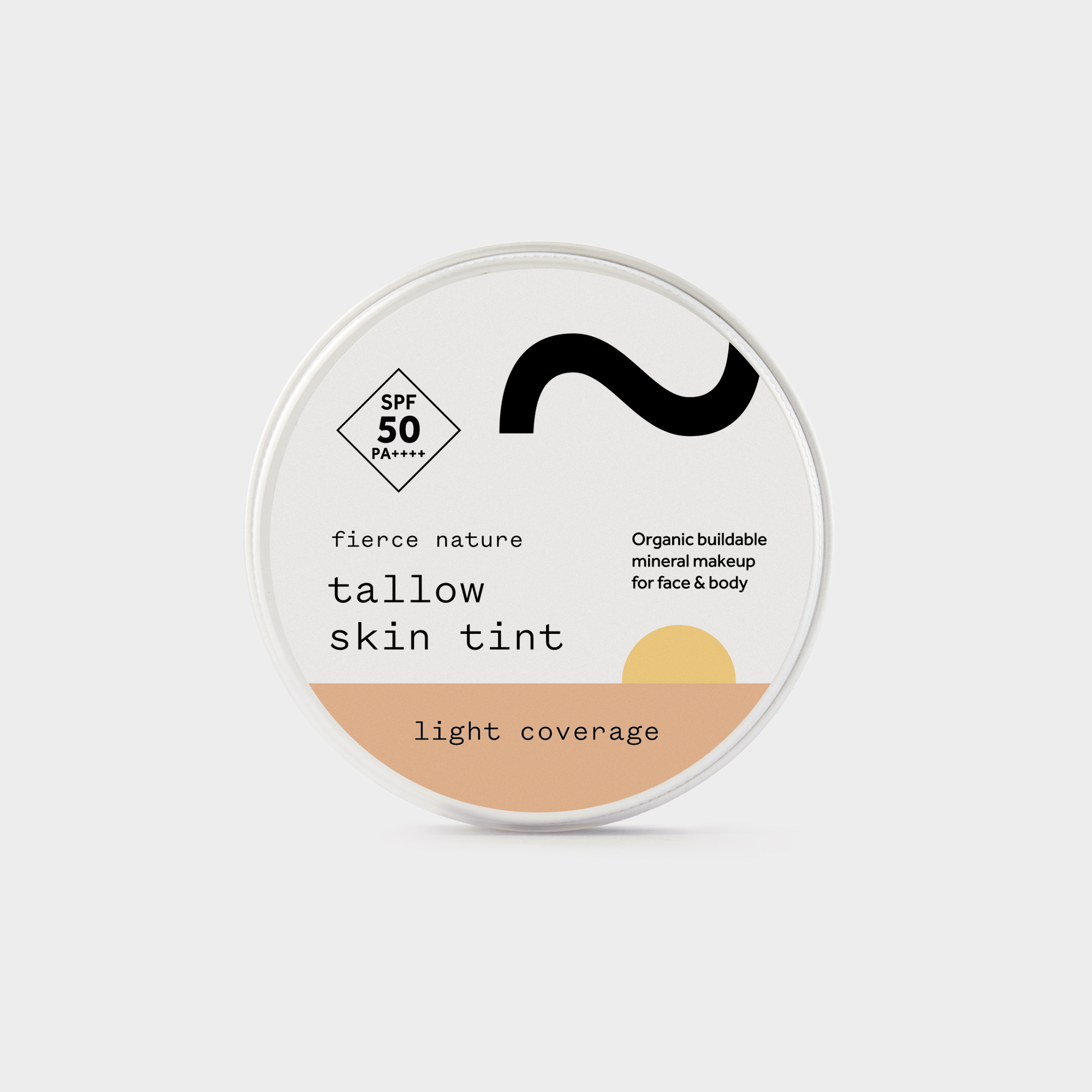
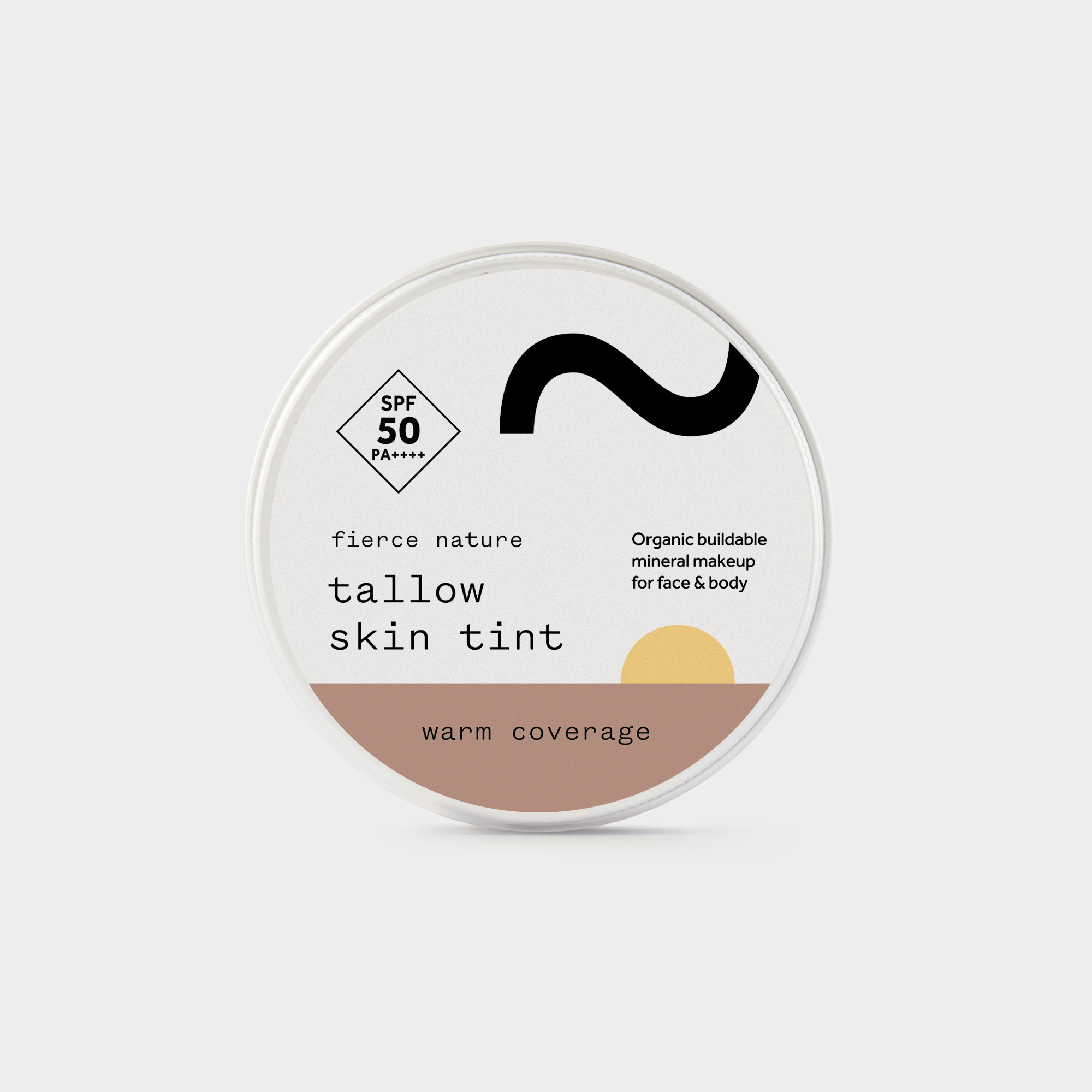
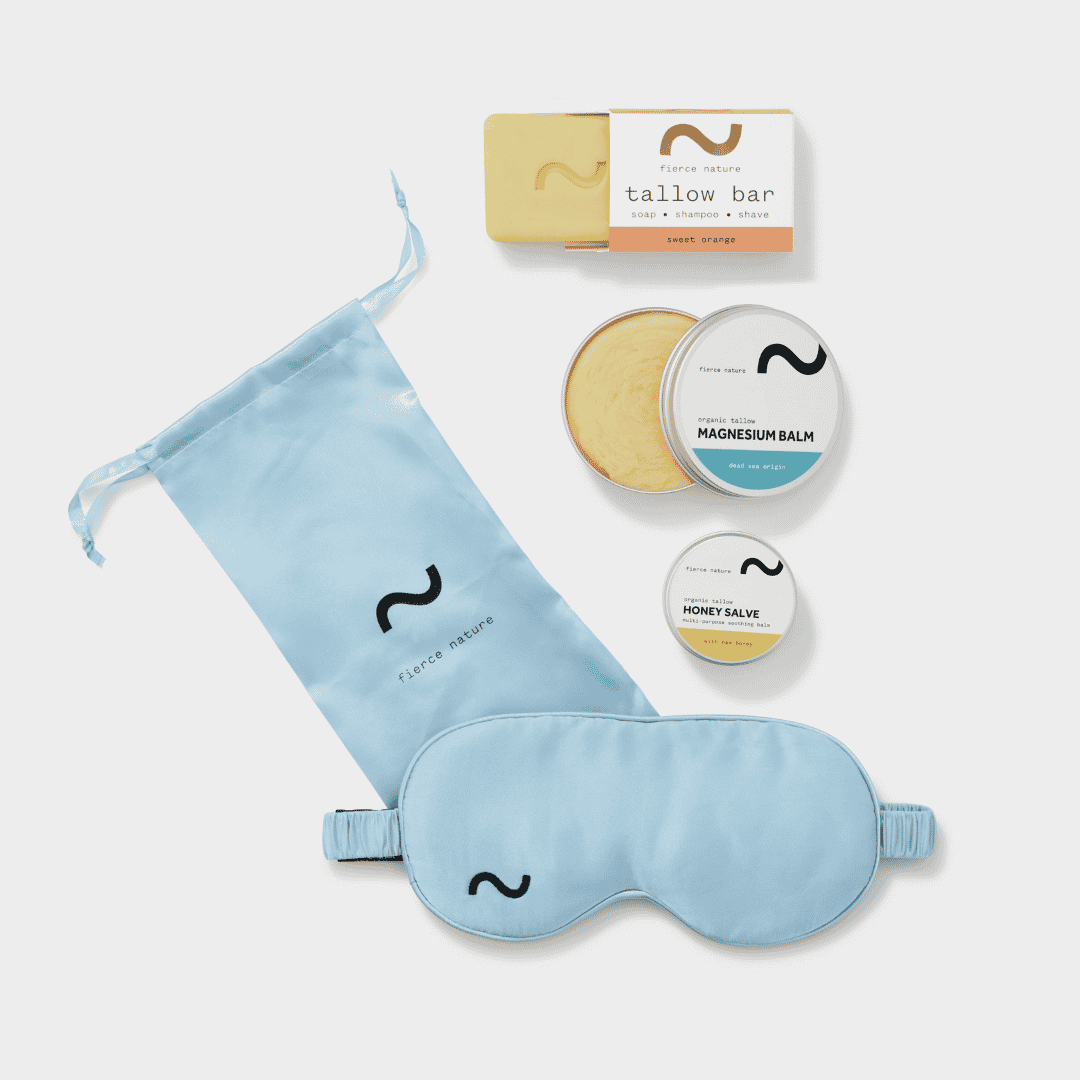
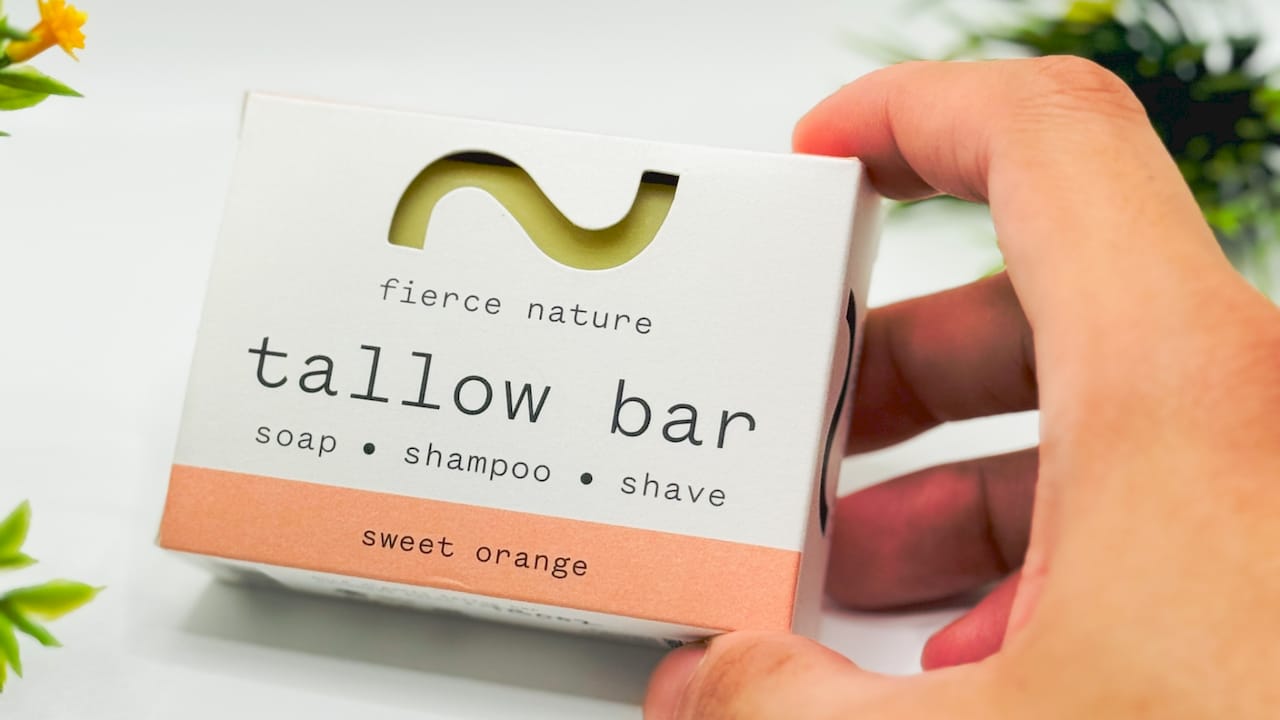
At Fierce Nature, every product starts with pure, organic tallow as its foundation. Our unscented tallow bar is one of the most versatile pieces in our range. It works as a facial moisturiser, a body balm, a lip treatment, and a hand salve. For those who want a richer facial experience, our Luxe Face Balm combines tallow with complementary plant oils for deep hydration and visible repair. If you want colour alongside nourishment, our natural skin tint delivers a radiant, healthy-looking finish without synthetic pigments or fillers. All of our products are handmade in the UK using grass-fed tallow and naturally sourced ingredients. No harsh chemicals. No empty promises.
Sheep tallow is used as a moisturiser, skin barrier repair ingredient, and base for balms, creams, and soaps. Its bio-compatibility with human sebum makes it effective for dry, sensitive, and inflamed skin conditions including eczema and psoriasis.
Yes. Mutton tallow and sheep tallow refer to the same rendered fat from sheep (Ovis aries). The term “mutton” typically refers to fat from older animals, which may have a slightly stronger scent if not rendered carefully.
Source suet from the kidney region of a grass-fed sheep, cut it into small pieces, and melt it slowly over very low heat for several hours. Strain through a fine cloth, allow to cool, and repeat the process for maximum purity. Rushing this process causes the gamey scent associated with poor-quality tallow.
Sheep tallow is generally non-comedogenic for most skin types due to its sebum-like fatty acid profile. However, oily and acne-prone skin types should apply it sparingly, as its occlusive nature can contribute to pore congestion when used in excess.
Yes, when properly rendered. The fatty acid composition of sheep tallow closely mirrors human sebum, which is why it absorbs quickly without leaving a heavy residue. A greasy finish is almost always a sign of poor rendering rather than an inherent quality of the fat.